Source: Earth’s Future
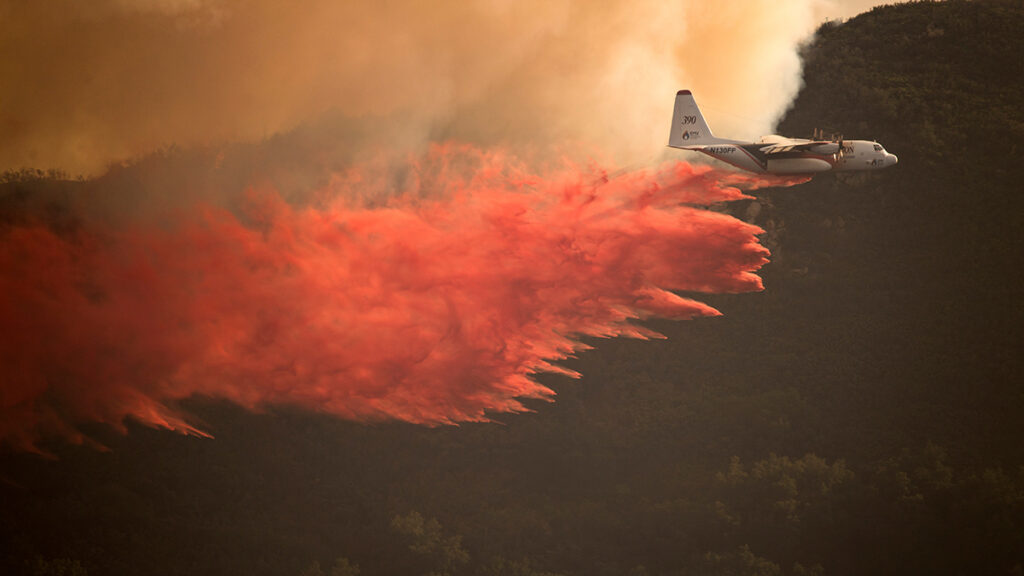
Hotter, drier conditions in the western United States have led to a rise in wildfire activity that has damaged or destroyed infrastructure, natural ecosystems, and entire towns across the region. As fires grow larger and more destructive, the cost of managing them rises as well.
Fire management agencies in the United States have been feeling the pressure. Between 2014 and 2023, fire management agencies across all levels of government experienced a 131% increase in t
Hotter, drier conditions in the western United States have led to a rise in wildfire activity that has damaged or destroyed infrastructure, natural ecosystems, and entire towns across the region. As fires grow larger and more destructive, the cost of managing them rises as well.
Fire management agencies in the United States have been feeling the pressure. Between 2014 and 2023, fire management agencies across all levels of government experienced a 131% increase in total area burned and a 268% increase in total fire spending adjusted for inflation compared to the period between 1985 and 1994.
Today, federal agencies like the Department of the Interior (DOI) and the U.S. Department of Agriculture Forest Service (USFS) continue to invest in aiding states and managing hazardous fuel growth on public land, as well as suppressing active fires. Policymakers and federal agencies alike must decide how to manage limited budgets while protecting people, property, and natural resources.
Prestemon et al. built statistical models based on historical data to examine the potential increase in spending by the DOI and the USFS between now and 2100. Their models link wildfire activity to climate variables such as temperature and water vapor deficit and then connect fire activity to suppression costs. To capture a range of possible future conditions on federal lands, the study predicts 10 fire and suppression spending scenarios by applying five different climate models to two different warming pathways (the moderate Representative Concentration Pathways (RCP) 4.5 scenario and the high-emissions RCP 8.5 scenario).
The results varied by region and scenario, but each of the 10 scenarios suggested a rise in area burned as well as inflation-adjusted fire suppression spending, with higher fire activity translating to higher costs. Projected changes in DOI and USFS land burned increased 80% by mid-century and 208% by late century.
By the middle of the century, both agencies are projected to see spending increases: about 0.65% per year for DOI spending and about 0.87% per year for USFS spending from 2020 to 2100. Although uncertainty increased with time and outcomes varied across climate models and warming pathways, the largest increases in both cost and wildfire activity were consistently projected for the northwestern United States. (Earth’s Future, https://doi.org/10.1029/2025EF007985, 2026).
Citation: Owen, R. (2026), As wildfires increase in the West, so does suppression spending, Eos, 107, https://doi.org/10.1029/2026EO260187. Published on 10 June 2026.
Research & Developments is a blog for brief updates that provide context for the flurry of news regarding law and policy changes that impact science and scientists today.
Today, NASA announced an agencywide realignment that includes combining related mission directorates to sharpen the agency’s focus on human spaceflight.
“This initiative reflects NASA’s extreme focus on executing the mission in direct support of the National Space Policy,” NASA Administrator Jared Isaacman said i
Research & Developments is a blog for brief updates that provide context for the flurry of news regarding law and policy changes that impact science and scientists today.
Today, NASA announced an agencywide realignment that includes combining related mission directorates to sharpen the agency’s focus on human spaceflight.
“This initiative reflects NASA’s extreme focus on executing the mission in direct support of the National Space Policy,” NASA Administrator Jared Isaacman said in a press release about the realignment.
The National Space Policy refers to Executive Order 14369: Ensuring American Space Superiority, which was released by the Trump administration in December 2025. The order sets national priorities of returning Americans to the Moon, establishing a lunar base, developing a nuclear reactor in space, developing the commercial space economy, and enhancing the United States’ national security space architecture.
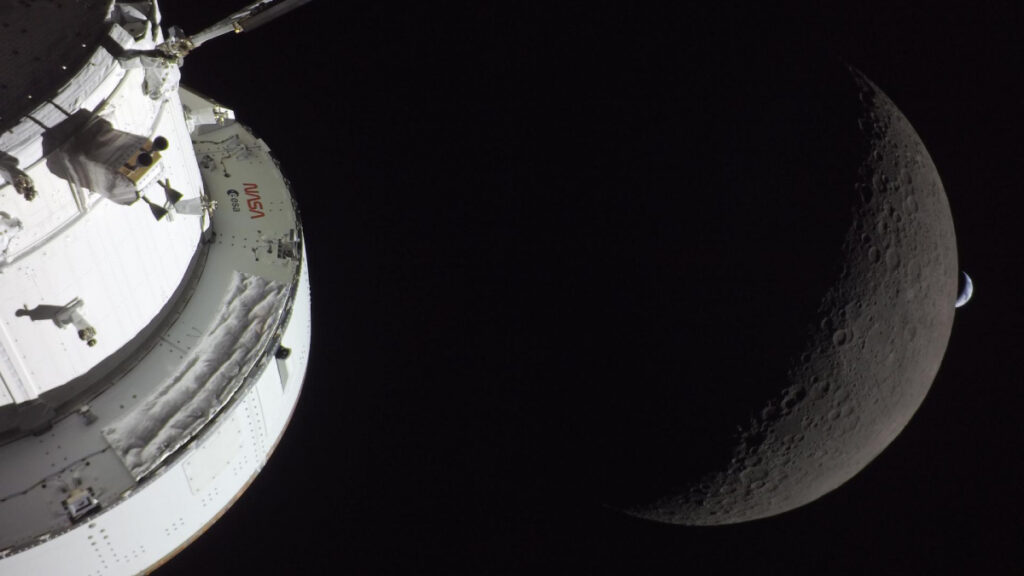
NASA’s Artemis II crew captured this image of the Moon eclipsing the Sun during their flyby of the Moon on 6 April 2026. Credit: NASA
NASA’s six existing mission directorates will be slimmed down to four. Exploration Systems Development and Space Operations will be combined into a new Human Spaceflight Mission Directorate and will facilitate human spaceflight in low-Earth and lunar space environments. Aeronautics Research and Space Technology will be folded into a new Research and Technology Mission Directorate, tasked with researching and developing nuclear power and propulsion. The structure of the Science Mission Directorate (SMD) and Mission Support Directorate remain unchanged at the time of publication. All directorate leaders will now report directly to the NASA Administrator (Isaacman) to ensure that each remains focused on their directorate’s new mission.
“There will be no reduction in force, no program cancellations, no closures, but we will achieve cost savings through more efficient execution and taking an active role in delivering the outcomes the world has been waiting for from NASA,” Isaacman said.
More Efficient?
At first glance, it is hard to see how combining four mission directorates into two, refocusing the missions of each, and pushing for increased efficiency and cost reduction will not result in some loss of talent either through positions being eliminated or individuals finding themselves in jobs they do not want to hold.
In a letter to NASA employees, Isaacman went into more detail about the specifics of this realignment and described how it will shift the agency’s internal bureaucratic authority away from directorates and toward NASA’s field centers. Prior to this, centers like Goddard Space Flight Center in Greenbelt, Md., and Johnson Space Center in Houston would need to compete for funding that had been appropriated to directorates based on the programs or missions they were tasked with.
A NASA source based in Houston told Ars Technica that the competition for funding “has been an absolute disaster.”
This new realignment “will adjust the funding distribution, so Centers have the financial support needed to sustain the baseline critical capabilities independent of near-term mission assignment,” Isaacman stated. “This shift will allow Center Directors to focus on maintaining the infrastructure, workforce, and capabilities required for current and future missions.”
Isaacman was unclear about when these changes will take effect, and policy analysts are unsure whether the realignment will be recognized by Congress through its appropriations process. The most recent Fiscal Year 2027 appropriations bill for NASA, which advanced out of the House Committee on Commerce, Justice, and Science on 13 May, allocates funding for six mission directorates, not four. The Senate appropriations committee is expected to release its proposed budget for NASA in the coming weeks, and the two bills must still undergo a lengthy reconciliation process.
In fiscal year 2026, Congress broke with the president’s budgetary priorities for NASA and passed a budget that ignored several of the administration’s proposed financial and mission cuts. Whether Congress will do the same this year and maintain the prior breakdown of directorates will become clear in the coming months.
These updates are made possible through information from the scientific community. Do you have a story about how changes in law or policy are affecting scientists or research? Send us a tip at eos@agu.org.
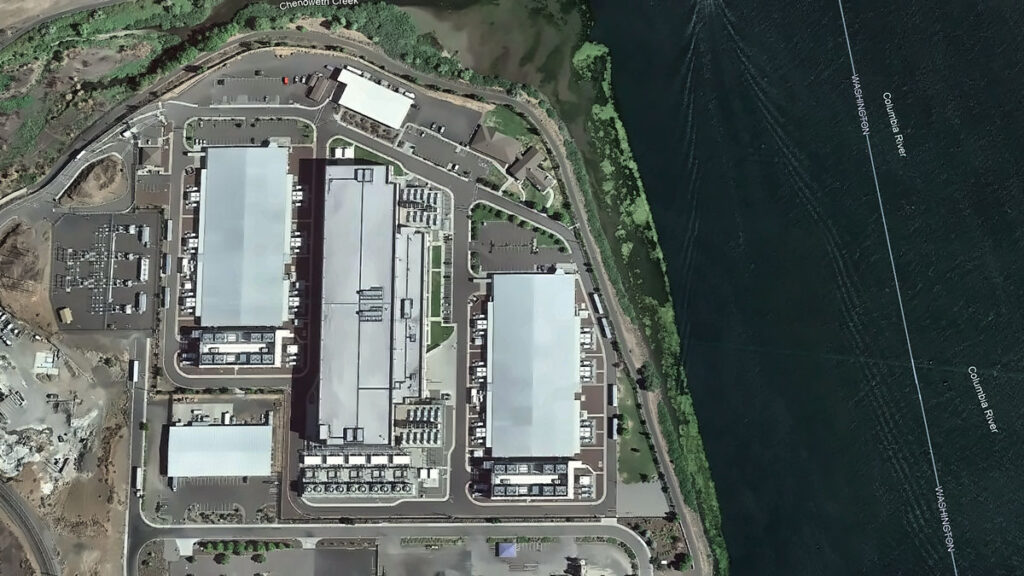
Every chip fabricated in a semiconductor plant needs ultrapure water. Most nuclear reactors need water as a coolant and neutron moderator. Every artificial intelligence (AI) data center drinks between 1 million and 5 million gallons of water a day, with thirst often peaking during drought.
Water runs through every technology priority the United States has named, yet the word does not appear once in “Launching the Genesis Mission,” an executive order (EO) released in November 2025. As describ
Every chip fabricated in a semiconductor plant needs ultrapure water. Most nuclear reactors need water as a coolant and neutron moderator. Every artificial intelligence (AI) data center drinks between 1 million and 5 million gallons of water a day, with thirst often peaking during drought.
Water runs through every technology priority the United States has named, yet the word does not appear once in “Launching the Genesis Mission,” an executive order (EO) released in November 2025. As described in the EO, the Genesis Mission is a “dedicated, coordinated national effort to unleash a new age of AI-accelerated innovation and discovery that can solve the most challenging problems of this century.”
Led by the Department of Energy (DOE), the initiative aims to build an integrated AI framework that would harness federal scientific datasets to accelerate breakthroughs in advanced manufacturing, biotechnology, critical materials, nuclear fission and fusion energy, quantum information science, and semiconductor development. The scope of the mission is comparable to that of the Manhattan Project.
Since the announcement, the DOE has listed “Predicting U.S. Water for Energy” among its 26 Genesis Mission Science and Technology Challenges. The project is also soliciting proposals in three water-related focus areas.
This framework provides a foothold for hydrology in the Genesis Mission, but it is scoped narrowly around water as a supply variable for energy production.
In reality, water is a crosscutting constraint that will help determine whether the mission’s priorities translate into deployable outcomes. The hydrology community now has a seat at the table, and if it moves first and positions water security as one of the “most challenging problems of this century,” the Genesis Mission can become the sandbox in which AI reshapes how the country measures, models, and manages water.
Making this happen will require that the DOE and the Office of Science and Technology Policy charter a hydrology workstream inside the Genesis Mission, with interagency delivery involving the U.S. Geological Survey (USGS), NOAA, the Bureau of Reclamation, the EPA, and partners at state, regional, and community levels. Here is what we think that workstream should look like:
A water-centric Genesis Mission architecture supports seven hydrological components that both feed into and receive decisions from the Genesis AI platform. Each component maps to a section of this article. Credit: Amobichukwu C. Amanambu. Click image for larger version.
While the existing challenges reflect some of these components, others will require coordinated effort from the hydrology community to bring into the Genesis Mission’s scope.
Build the Water Corpus Genesis Will Need
The Genesis Mission EO instructs the DOE to create an American Science and Security Platform to provide the public, scientists, agencies, and policymakers access to crucial scientific datasets.
The good news is that accessible water data systems already exist across several federal agencies and academic research centers. The USGS National Water Information System tracks real-time and historical water quality and use across the country. NASA’s Earth Science Data Systems Program provides open access to Earth science observations. NOAA’s National Water Center, the first federal facility dedicated to national water resource forecasting, operates the National Water Model, which continuously forecasts flows on 2.7 million stream reaches across the continental United States. The Catchment Attributes and Meteorology for Large-Sample Studies (CAMELS) dataset, currently hosted by the National Center for Atmospheric Research, provides data tailored for hydrological research on hundreds of river basins, and the Caravan framework pulls together multiple large-sample meteorological and hydrological datasets at a global scale.
What is missing is a unified, AI-ready repository that brings federal, state, and community data together.
What is missing is a unified, AI-ready repository that brings federal, state, and community data together. Building one is hard. Water data are fragmented, inconsistent, and often entirely absent. Consistent, reliable data for groundwater, withdrawals, reservoir operations, and water quality are especially difficult to obtain.
Local resistance to sharing data is real. In Texas, for example, landowners hold private property rights over groundwater and have opposed metering and reporting requirements imposed by groundwater conservation districts. In California, agricultural well owners fought metering mandates for years before the Sustainable Groundwater Management Act compelled local agencies to begin tracking withdrawals. Tribal nations face a different concern: Water data collected on Indigenous lands has been misrepresented in federal datasets that were modeled without accounting for Indian country, leading many nations to restrict access to their data as an exercise of sovereignty.
Practical steps toward building a unified AI-ready repository include tiered access and licensing for different stakeholders, clear provenance tracking for all data reported, financial and educational incentives for stakeholders for reporting, and targeted gap filling. Where measurements are missing, AI can fuse remote sensing with gauged records and operational logs—but only if the results carry honest uncertainty estimates tied to real decisions.
Get the corpus right, and it will outlive any single program name. It becomes infrastructure the country can lean on.
Develop Shared Hydrologic Foundation Models
The Genesis Mission EO directs the DOE to provide “domain-specific foundation models across the range of scientific domains covered.”
Hydrology has a head start. Long short-term memory (LSTM) networks are a key type of neural network designed to last thousands of time steps. Hydrology LSTMs trained on CAMELS data have already matched traditional conceptual models for daily streamflow discharge prediction. Open-source Neural Hydrology tools serve as baselines for regional runoff prediction. These predictions may serve as precursors to the foundation models the Genesis Mission envisions and building blocks from which they could be developed.
The process of scaling up these tools is not straightforward, however. A hydrologic investigation of snowmelt-driven streams in Colorado will not require the same spatiotemporal data as tile-drained fields in Iowa, for example. A hydrology-specific foundation model must take nuanced requirements into consideration and provide a clear path for managing and exploiting a variety of datasets.
Google’s Flood Hub shows what is possible: Its AI-enabled flood forecasts now cover more than 80 countries. However, Flood Hub’s core model code and trained weights remain proprietary, meaning researchers can use the forecasts but cannot rebuild or adapt the underlying models. Genesis, if well positioned, can fill that accessibility gap by producing foundation models for water that are reusable, reliable, and openly governed.
Build a National Water Digital Twin
The EO prescribes an integrated AI platform combining foundation models with simulation tools to stimulate AI-enabled innovations.
That architecture is exactly what a digital twin requires. Europe’s Destination Earth initiative is already building digital twins for weather extremes and nonstationary conditions on the Large Unified Modern Infrastructure (LUMI) supercomputer. The United Nations–led AI for Good initiative has prioritized water applications, warning that fragmented national efforts risk duplicating work.
If the United States aims for global strategic leadership in AI-accelerated science, water infrastructure cannot be an afterthought.
A water digital twin earns its keep when it makes the consequences of choices visible, in terms of flows, levels, temperatures, and risks to people and ecosystems.
Rather than starting from scratch, a water-centric Genesis Mission would unite existing federal models—the National Water Model, reservoir simulators, and groundwater codes—in a single digital twin. AI can become the thread that stitches them together, correcting biases and providing numerical solvers to enforce mass and energy balance.
What should this twin actually do? Help a dam operator decide whether to release water ahead of a storm. Tell planners where a new data center can draw cooling water without drying up a stream. Flag which coastal defenses will fail first under rising seas.
A water digital twin earns its keep when it makes the consequences of choices visible, in terms of flows, levels, temperatures, and risks to people and ecosystems.
Turn Basins into AI Test Beds
The Genesis Mission promotes AI-directed experimentation and directs the DOE to keep a record of robotic laboratories and production facilities in which such experimentation could be conducted. Hydrological field sites belong in that inventory. The National Ecological Observatory Network already operates 81 sites with standardized measurements of meteorology, surface water, groundwater, and biodiversity. The Critical Zone Collaborative Network instruments catchments to track water-soil-vegetation interactions over decades.
Formalizing these networks as AI test beds would link field observations back into the water digital twin so that experiments and models continually sharpen each other. Imagine mobile sensors steered by AI agents during a storm or aquifer recharge experiments designed by algorithms and verified in real time. That feedback loop is what separates a useful model from a decorative one.
Expand Water Challenges on the Genesis Mission List
The Exchange and What’s at Stake
Allowing water security to flow through the diverse components of the Genesis Mission would benefit both the policies championed by the mission itself and the hydrology community.
The Genesis Mission gets real-world, noisy test beds where AI proves value beyond benchmarks, a domain to stress test climate and infrastructure investments, and scientists trained in both AI and the stubborn realities of rivers, aquifers, and pipes.
Hydrology gets resources for shared data infrastructure, foundation models and instrumented basins no single lab can support, a seat when rules for AI and national scientific infrastructure are negotiated, and a chance to reset practices around openness, collaboration, and equity.
Earlier this year, the DOE released 26 Genesis Mission Science and Technology Challenges, and “Predicting U.S. Water for Energy” was among them. The accompanying funding call (DE-FOA-0003612) solicits proposals on cloud microphysics, coupled surface water–groundwater modeling, and seasonal to multiyear prediction, all framed around energy needs and flood resilience.
These inclusions are a significant win for a hydrology component to Genesis, but several urgent challenges sit outside their scope. Can AI close the gap between a flood forecast issued 12 hours out and the 48 hours emergency managers actually need? Can it map compound extremes, in which drought, heat, and infrastructure failure collide in the same week? Can it redesign monitoring networks so that coverage follows risk rather than where gauges happened to be installed a century ago? Integrating energy and water systems is equally urgent: Floods have caused 80% of major U.S. grid outages since 2000, while drought-driven water stress curtails cooling at thermoelectric plants and reduces hydropower output, exposing how deeply energy infrastructure depends on hydrologic extremes.
The water footprint of new AI infrastructure deserves a place on that list. A separate executive order (14318, “Accelerating Federal Permitting of Data Center Infrastructure”) is already fast-tracking expansion of data center construction, and a single hyperscale facility can consume 1 million to 5 million gallons of water daily. Emerging research shows how withdrawals at that scale can push streams below ecological thresholds during low flows.
Make Hydrology the Conscience of AI Governance
The EO directs the DOE to set data access rules and clarify policies for ownership, licensing, trade secret protections, and commercialization of products and tools associated with it.
Three principles should anchor such policies for AI use in water security.
First, Indigenous and community data rights must be embedded in every major AI water security effort, in line with the collective benefit, authority to control, responsibility, and ethics (CARE) principles for Indigenous data governance.
Second, AI’s own water footprint, through electricity generation and cooling, must be treated as a design constraint. Transparent reporting, stress-based siting, and efficiency targets will prevent hydrology in Genesis from being self-defeating.
Third, the DOE should define what failure looks like. Missing a flood crest portends loss of lives and livelihoods and breaches of treaties. Accountability standards must be measurable, and they must ask not just how accurate the forecast was on average, but who bore the cost when it was wrong.
A single executive order will not solve the country’s water security problems, and a single challenge topic will not either.
But the Genesis Mission has provided a seat at a table that did not exist 6 months ago. Whether the hydrology community treats it as a ceiling or a foundation depends on what happens next. Europe’s Destination Earth and the United Nations’ AI for Good water initiatives are already moving.
American hydrology now has a seat at the table. We should take it.
Kratzert, F., et al. (2019), Toward improved predictions in ungauged basins: Exploiting the power of machine learning, Water Resour. Res., 55, 11,344–11,354, https://doi.org/10.1029/2019WR026065.
Xiao, T., et al. (2025), Environmental impact and net-zero pathways for sustainable artificial intelligence servers in the USA, Nat. Sustainability, 8, 1,541–1,553, https://doi.org/10.1038/s41893-025-01681-y.
Zhang, L., et al. (2025), Foundation models as assistive tools in hydrometeorology: Opportunities, challenges, and perspectives, Water Resour. Res., 61, e2024WR039553, https://doi.org/10.1029/2024WR039553.
Author Information
Amobichukwu C. Amanambu (acamanambu@ua.edu), Department of Geography and the Environment, The University of Alabama, Tuscaloosa; and Jonathan Frame (jmframe@ua.edu), Department of Geological Sciences, The University of Alabama, Tuscaloosa
Citation: Amanambu, A. C., and J. Frame (2026), The Genesis Mission needs hydrology: Here’s how to incorporate it, Eos, 107, https://doi.org/10.1029/2026EO260131. Published on 28 April 2026.
This article does not represent the opinion of AGU, Eos, or any of its affiliates. It is solely the opinion of the author(s).
Seeking Solutions to PFAS Pollution
Chemical Companies Are Churning Out New PFAS. Where in the World Are They Ending Up?
The Persistence of PFAS
A Peculiar Polymer Paired with Sunlight Could Remove PFAS
Tracing the Path of PFAS Across Antarctica
Pollution Is Rampant. We Might As Well Make Use of It.
On a rocky archipelago in the North Atlantic Ocean, staff at the Faroese Environment Agency and the Faroe Marine Research Institute regularly sample tissues from the North At
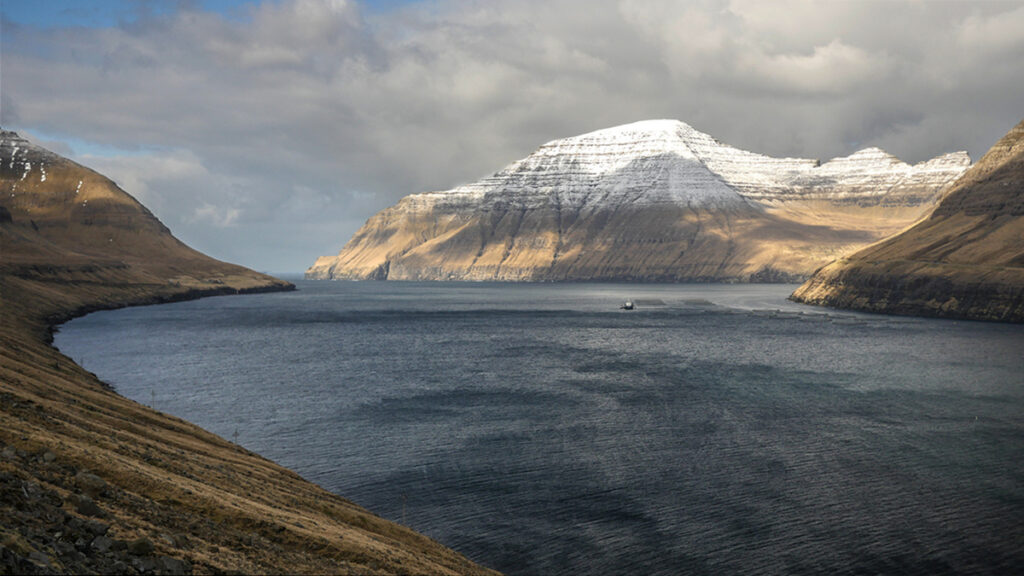
On a rocky archipelago in the North Atlantic Ocean, staff at the Faroese Environment Agency and the Faroe Marine Research Institute regularly sample tissues from the North Atlantic long-finned pilot whales that roam the waters around the islands. The archive of these samples stretches back to the 1980s and has helped researchers determine the reach of human-made contaminants in the remote marine environment.
Jennifer Sun is one of those researchers. Sun studies PFAS—per- and polyfluoroalkyl substances, commonly known as “forever chemicals”—at Harvard University and is the lead author of a recently published study that analyzed how these toxic chemicals have accumulated in pilot whale tissue over the past 2 decades.
Using samples of whale tissue collected between 2001 and 2023, Sun and her colleagues measured a parameter called bulk extractable organofluorine, which shows the overall amount of organofluorine-containing chemicals (including PFAS) in the tissue. They then used a more targeted analysis able to confirm the identity of 28 specific chemicals out of thousands of possible PFAS formulations.
The pilot whale tissue showed an expected decrease in the concentrations of older PFAS but an unexpected scarcity of newer PFAS chemicals. Credit: Jennifer Sun
The study’s results showed an expected decrease in the concentrations of older PFAS but an unexpected absence of newer PFAS chemicals. This anomaly could be indicative of an emerging question in PFAS research: Where are the newest PFAS going?
Prolific PFAS
There are two general categories of PFAS. The first includes legacy PFAS such as perfluorooctanoic acid (PFOA) and perfluorooctane sulfonic acid (PFOS). Chemical manufacturers produced these compounds in the 1970s, 1980s, and 1990s for products including nonstick cookware and food packaging and in industries such as fabric waterproofing, industrial manufacturing, and firefighting.
Legacy PFAS were phased out in the early 2000s, and novel PFAS were made to replace them. The term “novel” is independent of chemical properties and instead refers to when the chemicals’ production began, though novel PFAS typically have formulations meant to reduce their persistence in the environment. For example, many novel PFAS molecules have shorter chains of fluorinated carbons than their legacy counterparts.
Novel PFAS include possibly millions of different chemical structures, and their production and use are increasing globally.
A generic PFAS molecule includes a compound head connected to a tail of fluorinated carbons. Older PFAS generally have longer tails (seven or eight carbons) than newer ones. Credit: Mary Heinrichs/AGU, after https://bit.ly/pennstate-ext-pfas
In the United States and elsewhere, regulatory structures that limit PFAS production target specific chemicals, such that every new formulation by a company must be tested individually before restrictions are put in place. With companies continually conjuring new PFAS formulations—which environmental advocates often call “regrettable substitutions” for their sometimes harmful effects—understanding the fate and transport of novel PFAS is difficult and time-consuming. Research on the behavior of specific PFAS may be a drop in the bucket when millions of potential PFAS, with millions of potential behaviors, pose current and future risks to people and the environment.
Scientists like Sun are determined to untangle how the fate of these new chemicals differs from their predecessors. As Sun expected, the phaseout of legacy PFAS was reflected in the pilot whale tissue she tested. These results are good news; they clearly show that the bans on legacy PFAS are working.
“We’re still finding [older] compounds, but clearly, they are no longer as abundant in the environment as they used to be, which is a positive,” said Bridger Ruyle, an environmental engineer at New York University who studies PFAS and assisted Sun and her coauthors in deciding which methods to use for the new study.
But Sun and her colleagues also expected an overall increase in concentrations of novel PFAS—after all, production of these chemicals is higher than ever, and researchers finally had the analytical tools to catch them.
“The inference is, if it’s not in the whales, and it’s not in the ocean…where is it?”
That wasn’t what they found. Instead, all but two of the emerging PFAS they tested for were virtually nowhere to be seen in the whale tissue, leaving the scientists leading the study to wonder where novel PFAS were accumulating or if instrumentation was limiting their detection.
“We do know that the novel PFAS are being produced, which means they’re going somewhere. Where they are, and how exposed people and other wildlife are, is not as clear,” Sun said.
“The inference is, if it’s not in the whales, and it’s not in the ocean…where is it?” asked Elsie Sunderland, an environmental scientist at Harvard University and coauthor of the new study.
Sun and Sunderland’s question—asking where novel PFAS are going—is one scientists are probing from multiple angles. Those who study particle transport are asking how novel PFAS might travel through Earth’s water and air. Those on the chemistry side of the investigation are deducing how novel PFAS might break down. And those who monitor environments are looking for traces of novel PFAS in various corners of Earth.
The answers to their questions have direct, practical implications for human and environmental health and could indicate whether a growing proportion of harmful PFAS may be ending up in close proximity to humans—where we work and eat and breathe.
A Toxic Legacy
The chemical properties of PFAS have made the chemicals useful since the 1940s. These same properties also make them highly persistent—the most durable types may not break down in the environment for several thousand years.
PFAS are linked to certain cancers and other human health harms. Much of the available data linking PFAS to poor health come from analyses of legacy PFOA and PFOS. They show an association between increased exposure to these chemicals and altered immune and thyroid function, liver and kidney disease, reproductive system disruptions, and more.
Chemical manufacturers phased out production of legacy PFAS after scientific evidence emerged associating PFAS and human health harms, businesses began to lose money in massive lawsuits, and regulations tightened. Novel PFAS were intended to show properties similar to legacy PFAS but were meant to break down more easily in the environment (lower persistence) and accumulate less easily in living tissue (lower bioaccumulative ability), though studies have shown mixed results about whether novel PFAS are actually safer for humans or break down more easily.
Because PFAS production data are often proprietary, scientists who study PFAS, like Sun, must rely on partial inventories of PFAS production or reverse-engineer those numbers from observations in the environment.
“We call it chemical Whac-A-Mole.”
Without a clear list of the chemical structures of novel PFAS, scientists don’t always have the analytical standards necessary for routine detection. And once scientists do understand the behavior of a PFAS chemical, it may be quickly replaced by another, unknown alternative. “We call it chemical Whac-A-Mole,” Sunderland said.
Legacy PFAS tend to have a high affinity for water and typically end up in the ocean, the place scientists refer to as the chemicals’ “terminal sink.” Many legacy PFAS also entered the ocean through atmospheric transport such as rain or snow. But because of the sheer number of chemical formulas and the chemical differences between legacy and novel PFAS, the pathways that novel PFAS take through the environment are less clear.
Tracking the movement and accumulation of novel PFAS in the environment is crucial for understanding how these chemicals may affect ecological and human health.
Still, the science is inconclusive about whether novel PFAS are moving or accumulating differently than their legacy counterparts, whether they have a different terminal sink, and where that terminal sink may be.
Close to Home
One possible answer to the question of the missing novel PFAS may have to do with geography. The chemicals may not have reached pilot whales in the Faroes because something about the new chemistry has led them elsewhere in the environment. To Sun, evidence suggests “that a lot of these novel PFAS, which we know are being produced, may not be transporting out into this more remote environment either at all or as quickly.”
Novel PFAS might be accumulating closer to their sources—and closer to us. “It may simply be that some of the replacement PFAS don’t make it all the way out into the open ocean. But if they are still in the terrestrial environment and the near-coastal environment, then wildlife and people who live close to the sources can be exposed, said Frank Wania, an environmental chemist at the University of Toronto Scarborough.
For example, one study monitored PFAS in coastal beluga whales in Canada’s St. Lawrence Estuary, relatively close to human communities and PFAS manufacturing sources. The study showed increasing concentrations of unregulated novel PFAS in whale tissue from 2000 to 2017, while concentrations of legacy PFAS declined.
The suggestion that novel PFAS are accumulating close to human communities is supported by measurements of PFAS in human tissue, too. Studies show that a high proportion of detectable organofluorine chemicals in human tissue are increasingly unidentifiable, suggesting that some of the novel PFAS production “is in us,” Sunderland said.
Far and Away
Though there are some indications that novel PFAS may be retained closer to human communities, there are also reasons to think some novel PFAS chemistries have resulted in substances that can actually travel farther and more easily than their legacy counterparts.
Anna Kärrman, an environmental chemist at Örebro University in Sweden, said that some novel PFAS may be more easily transported in the environment: “The more novel chemistries are increasing the properties of being very mobile in water, very mobile in the atmosphere, and not necessarily very bioaccumulative.”
The mobility of novel PFAS was on full display in a 2020 study that Sunderland coauthored, in which researchers reported detecting hexafluoropropylene oxide-dimer acid, a novel PFAS chemical more commonly known as GenX, in the Arctic for the first time. GenX, produced by chemical manufacturer Chemours, was meant to replace the legacy compound PFOA. The 2020 study suggested GenX “has already moved quite a bit,” said Rainer Lohmann, a marine geochemist who leads the STEEP (Sources, Transport, Exposure and Effects of PFAS) Center at the University of Rhode Island.
A pulley system mounted on a red beam pulls a small envelope filled with water along a string. Credit: Thomas Soltwedel
The 2020 study also found higher concentrations of PFAS in the Arctic Ocean’s surface water, suggesting that the atmosphere was a particularly important transport pathway for chemical transport. This idea is supported by studies of High Arctic ice caps, which experience contamination only from atmospheric sources, and polar bear tissue. Atmospheric transport of novel PFAS is a subject “at the edge” of PFAS research, Sunderland said.
Wherever researchers look, they’re finding that atmospheric transport is an important pathway by which some PFAS, especially PFAS precursors—chemicals that break down in the environment and become PFAS (either novel or legacy)—move. One idea called the PAART (precursor atmospheric and reaction transport) theory was developed by Scott Mabury, an environmental chemist at the University of Toronto, and others. The PAART theory proposes that many of the harmful PFAS that end up in the most remote parts of Earth are the result of the breakdown of volatile precursor PFAS that have traveled in the atmosphere.
According to Lohmann, atmospheric transport means the ocean remains a terminal sink because many novel PFAS transported in rain or snow will ultimately be deposited in the ocean.
In this scenario, the question of why novel PFAS are not bioaccumulating in Faroese pilot whales remains a mystery. While Lohmann suggests the novel compounds simply don’t accumulate in living tissue, Sunderland isn’t sure that’s the whole story: “As apex predators, the whales are sentinels for what is available and being taken up from the ocean,” she wrote in an email. “Since we don’t see [novel PFAS], it seems unlikely there are large quantities of these chemicals present.”
Profuse PFAS
Another possible explanation for the surprising results of Sun’s whale study could be that there’s just a lag; that is, novel PFAS will end up in Faroe Island pilot whales someday but haven’t yet. Chemicals that could eventually end up in the ocean may be temporarily trapped in soils or recycled back into terrestrial ecosystems via sea spray aerosols, for example.
“The delay we are seeing in the ocean response may in fact be [PFAS] precursors being retained in source zones,” Sunderland wrote in an email. These chemicals may be “taking a really long time to be transformed into more mobile compounds.”
In their pilot whale study, Sun and her colleagues modeled the transport of PFAS to the subarctic and found a 10- to 20-year lag existed between the production of a legacy PFAS compound and its detection in whale tissue. We’re still within that range for many novel PFAS. Sun said she would have expected them to show up in pilot whale tissue by now if they behaved like their legacy counterparts, though it’s possible that it has taken time for the volume of novel PFAS production to ramp up, increasing the time it would take for the substances to be detected in tissues.
The anomaly documented in the pilot whale study has led researchers to call for more investigation (and perhaps greater regulation) of novel PFAS. Credit: Bjarni Mikkelson
Still, the number of possible novel PFAS chemistries—again, there could be several million different compounds—makes it difficult to generalize how these new substances are, as a group, moving through the environment. “Because the exact structures of all [novel] PFAS remain unknown, some compounds may simply not be captured by the methods used,” Heidi Pickard, an environmental engineer at the consulting firm Ramboll and coauthor on the new whale study, wrote in an email.
Another reason novel PFAS are harder to study is that companies release lower concentrations of more kinds of the chemicals, rather than the “monstrously high” emissions of some legacy PFAS in the 1970s–1990s, noted Mabury, who was not involved in the new pilot whale study.
A New Regulatory Approach
According to Sun and Sunderland, cataloging differences between novel and legacy PFAS misses the broader point: We simply need to produce less PFAS. We’ve known for decades that PFAS harm human health, and some scientists have even argued that humans’ continual production and release of novel chemical compounds could drive Earth beyond a “safe operating space.”
“Researchers are critical for exposing the problem. But that, to me, is not the central issue here. The central issue here is a societal issue.”
Where scientists probe next may be less urgent than how policymakers decide to tackle the PFAS problem, Sunderland said: “Researchers are critical for exposing the problem. But that, to me, is not the central issue here. The central issue here is a societal issue.”
Chemical manufacturers are actively creating novel PFAS all the time. Kärrman, for example, has noticed patent applications for PFAS compounds with chemistries that “are nothing like we have seen before” that may start entering our environment in 5 or 10 years.
To Kärrman, that’s a reason for governments to push for chemical regulation based on properties such as persistence and bioaccumulation, rather than the chemical-by-chemical formula used in most countries, including the United States.
Such an approach has gotten traction in Europe via a proposal by the European Chemicals Agency to restrict the entire class of PFAS chemicals. The proposal is still under evaluation, and a final decision is expected by the end of the year.
In the United States, PFAS regulation and remediation are a key aspect of the Trump administration’s Make America Healthy Again movement, according to the EPA, and the federal government and some states already limit the concentrations of individual PFAS in drinking water. However, the EPA also said it planned to weaken some of those limits last year.
“We’re in a cycle of picking these regrettable alternatives [to legacy PFAS] and then figuring out that it was regrettable decades later,” Sunderland said. “We’re never going to catch up using this chemical-by-chemical approach.”
Citation: van Deelen, G. (2026), Chemical companies are churning out new PFAS. Where in the world are they ending up?, Eos, 107, https://doi.org/10.1029/2026EO260136. Published on 30 April 2026.
Since the beginning of the 20th century, global sea level has risen by about 20 centimeters (roughly 8 inches) [Fox-Kemper et al., 2021]. As a result, coastal and island communities around the world are experiencing more frequent high-tide flooding, worsening storm surges, and increasing damage to homes and infrastructure. In the United States, for example, human-caused sea level rise alone increased damages from 2012’s Hurricane Sandy by about $8 billion [Strauss et al., 2021].
The United S
Since the beginning of the 20th century, global sea level has risen by about 20 centimeters (roughly 8 inches) [Fox-Kemper et al., 2021]. As a result, coastal and island communities around the world are experiencing more frequent high-tide flooding, worsening storm surges, and increasing damage to homes and infrastructure. In the United States, for example, human-caused sea level rise alone increased damages from 2012’s Hurricane Sandy by about $8 billion [Strauss et al., 2021].
The United States has long been a key member of the global climate research community. However, that role is now threatened.
Scientific understanding of the magnitudes and rates of sea level rise, of how they vary around the planet, and of why the ocean is rising is based on a body of rigorous research that, for decades, has tracked past and present sea levels and projected future rise.
The United States has long been a key member of the global climate research community, including in producing the wealth of sea level research that has informed countries, states, and communities of what lies ahead for their shorelines. However, that role is now threatened by the Trump administration’s attacks on the country’s scientific research enterprise broadly and on climate research especially.
Analysis of the evolution of sea level rise projection science [Garner et al., 2018] underscores both the country’s prominent past role in the field and how the ongoing attacks may undermine progress in our understanding of sea level change. It also points to the urgency of acting across multiple fronts to preserve scientific knowledge and prevent further harm to the capacity to measure and project how much and how fast rising seas will affect global coastlines.
Four Decades of Advancing Sea Level Science
By the late 1970s, scientists around the world had begun to recognize the growing threat that climate change posed to the Greenland and Antarctic ice sheets and the danger their melting presented to coastal regions [Mercer, 1978]. The first global mean sea level (GMSL) projections were published in 1982 [Gornitz et al., 1982], and the first planning-oriented sea level scenarios were published just a few years later [e.g., National Research Council, 1987].
Since 1982, 103 studies have produced GMSL projections [Garner et al., 2018]. About one third of the studies (33 in total), including the first five, were published by teams led by scientists at U.S. institutions (Figure 1). Thirty-three studies (some, but not all, of which were also led by U.S.-based scientists) have also benefited from U.S. federal funding, sometimes from multiple agencies (Figure 2), including the National Science Foundation (NSF; 16 studies), NASA (10 studies), NOAA (8 studies), the U.S. Department of Energy (DOE; 6 studies), the U.S. Department of Defense (3 studies), the U.S. Geological Survey (2 studies), and the EPA (2 studies).
Fig. 1. This time series shows the total number of sea level rise projection studies published each year from 1982 to 2025 (gray bars) and the number of studies each year that were led by scientists based at U.S. institutions (purple bars). The text at top left tabulates the total number of studies led by authors in each country or region listed.Fig. 2. The total number of sea level rise projection studies published each year from 1982 to 2025 is shown again here (gray bars), this time beside the number of studies each year that were supported by funding from various U.S. federal science agencies (stacked colored bars). Note that some studies were supported by more than one U.S. federal agency.
U.S. scientists have further played critical roles in developing GMSL projections for Intergovernmental Panel on Climate Change (IPCC) assessments. For example, chapters producing sea level projections for the IPCC Fifth Assessment Report [Church et al., 2013], the IPCC Special Report on the Ocean and Cryosphere in a Changing Climate [Oppenheimer et al., 2019], and the IPCC Sixth Assessment Report (AR6) [Fox-Kemper et al., 2021] were all coled by U.S.-based scientists.
Meanwhile, U.S. funding has been essential to the IPCC, constituting more than 25% of the nearly $207 million invested globally in the organization from 1989 to 2024 [IPCC, 2025]. NASA also played a key role in making IPCC AR6 sea level projections more accessible and usable through the NASA/IPCC Sea Level Projection Tool [Kopp et al., 2023; Fox-Kemper et al., 2021; Garner et al., 2021], which supports local assessments of sea level change around the world and has about 400,000 users annually.
U.S. institutions have been vital in developing, hosting, and maintaining critical sea level datasets.
Beyond direct contributions of U.S. scientists and federal funding to the global scientific community’s sea level projection research, U.S. institutions have been vital in developing, hosting, and maintaining critical sea level datasets. For example, the University of Hawai‘i Sea Level Center is a crucial part of the Global Sea Level Observing System, operating a network of more than 90 tide gauge stations and supporting global real-time oceanographic operations and long-term climate studies. NASA satellite missions, including TOPEX/Poseidon and the Gravity Recovery and Climate Experiment (GRACE and GRACE-FO), have been instrumental in helping to measure changes in GMSL and ice sheets, providing new ways to assess the accuracy of global sea level projections [Törnqvist et al., 2025]. And the Sea Level Research Group at the University of Colorado has consistently processed such datasets, providing critical data access for the broader research community.
Efforts to apply climate science in U.S. policy have been hindered not only by political polarization and proposed funding cuts but also by deliberate suppression of data and research.
Efforts to apply climate science in U.S. policy have been hindered not only by political polarization and proposed funding cuts but also by deliberate suppression of data and research. Broadly, the current U.S. administration has removed more than 2,000 datasets from federal platforms, and more specifically, it has systematically scrubbed climate-related content from agency websites. Such erasures disrupt public access to critical information and undermine scientific transparency.
Furthermore, the DOE published a report that without conducting any statistical analysis, denied the scientific evidence for sea level acceleration. It similarly claimed, without any analysis of the numerous sea level projection studies documented here, that sea level is “rising at a lower rate than predicted.” The EPA went further, falsely claiming that “aggregate sea level rise has been minimal.” In fact, the most recent IPCC sea level projections are in good agreement with observations [Törnqvist et al., 2025; Dessler and Kopp, 2025].
The U.S. scientific community now stands at a precipice. Efforts to dismantle federal scientific agencies and diminish research are eroding the United States’ foundational contributions to our knowledge of global change and sea level rise.
The Path to Preserving Critical Science
As we plummet toward a loss of data, expertise, and innovation, we face a future that would not only further damage the United States’ reputation for scientific excellence and transparency but also cripple the global sea level research community at a time when the risks from sea level rise are rapidly increasing [Fox-Kemper et al., 2021].
While some U.S.-based sea level scientists could move to countries more committed to climate science, there are not enough positions in the world nor enough mobility for the vast majority to relocate. Grassroots archiving efforts have helped preserve some critical datasets, but this is a temporary and often insufficient stopgap. An urgent need remains for resilient and transparent scientific infrastructure, so that U.S. taxpayer–funded research findings and datasets are, and remain, publicly accessible.
Historically, federally funded scientific initiatives have enjoyed strong support across the political spectrum in the United States.
Historically, federally funded scientific initiatives have enjoyed strong support across the political spectrum in the United States. However, the unprecedented hostility facing science in the country today has revealed that new institutional safeguards and legal protections to prevent political interference are critically needed.
Expanding collaborations between U.S. universities and private foundations and donors provides one potential route to providing some protection and improving long-term stability for sea level science data and initiatives. Climate Central’s Surging Seas project offers one model to emulate. However, philanthropic efforts are far from sufficient to preserve the U.S. scientific enterprise.
Another avenue to protect federally funded science from political pressure is through bipartisan legislation. Bills such as the Scientific Integrity Act (which aims to ensure that scientific findings are not influenced or altered by political pressure) and the Protect America’s Workforce Act (which aims to restore collective bargaining rights for unionized federal employees) represent such opportunities.
Yet the effectiveness of such legislative efforts hinges on the critical caveat that the people holding authority in government recognize and abide by enacted legislation. Under an executive who does not abide by the rule of law, such legislative efforts, even if they are passed successfully, will offer little actual protection. The path to preserving U.S. climate and sea level science, therefore, cannot be separated from the path to restoring the rule of law within the U.S. government.
Progressing on this front requires the scientific community to advocate for its priorities more vocally and to build coalitions that include both academics and the stakeholders who benefit from scientific climate projections. It also requires making use of tools and levers that many scientists are unaccustomed to, such as the court system. AGU and other institutions have modeled this approach over the past year, joining legal efforts to protect federal workers, for example, and speaking up against the dismantling of valued science agencies.
Restoring the rule of law also requires electoral organizing to reestablish Congress as an independent and coequal branch of government that wields, rather than abdicates, lawful oversight of administration officials and federal agencies.
Scientific understanding of sea level processes and projections of future changes inform local, national, and international decisionmaking and provide a pathway to resilience against the risks of rising coastal waters. Safeguarding the long-standing leadership, integrity, and continuity of U.S. climate and sea level science is both a national and global imperative—one that many scientists are already stepping up to support. Now we need the rest of the scientific community—and its allies in academia, philanthropy, industry, and the public—to join in.
Acknowledgments
The authors thank Amy Appollina and Jessica Slotter for their assistance in curating a database of global sea level rise projections.
References
Church, J. A., et al. (2013), Sea level change, in Climate Change 2013: The Physical Science Basis. Contribution of Working Group I to the Fifth Assessment Report of the Intergovernmental Panel on Climate Change, edited by T. F. Stocker et al., pp. 1,137–1,216, Cambridge Univ. Press, Cambridge, U.K., https://doi.org/10.1017/CBO9781107415324.026.
Fox-Kemper, B., et al. (2021), Ocean, cryosphere and sea level change, in Climate Change 2021: The Physical Science Basis. Contribution of Working Group I to the Sixth Assessment Report of the Intergovernmental Panel on Climate Change, edited by V. Masson-Delmotte et al., pp. 1,211–1,362, Cambridge Univ. Press, Cambridge, U.K., https://doi.org/10.1017/9781009157896.011.
Garner, A. J., et al. (2018), Evolution of 21st century sea level rise projections, Earth’s Future, 6, 1,603–1,615, https://doi.org/10.1029/2018EF000991.
Garner, G. G., et al. (2021), IPCC AR6 Sea Level Projection Tool, NASA Sea Level Change Portal, sealevel.nasa.gov/data_tools/17.
Kopp, R. E., et al. (2023), The Framework for Assessing Changes To Sea-level (FACTS) v1.0: A platform for characterizing parametric and structural uncertainty in future global, relative, and extreme sea-level change, Geosci. Model Dev., 16, 7,461–7,489, https://doi.org/10.5194/gmd-16-7461-2023.
Mercer, J. (1978), West Antarctic ice sheet and CO2 greenhouse effect: A threat of disaster, Nature, 271, 321–325, https://doi.org/10.1038/271321a0.
National Research Council (1987), Responding to Changes in Sea Level: Engineering Implications, Natl. Acad. Press, Washington, D.C.
Oppenheimer, M., et al. (2019), Sea level rise and implications for low-lying islands, coasts and communities, in IPCC Special Report on the Ocean and Cryosphere in a Changing Climate, edited by H.-O. Pörtner et al., pp. 321–445, Cambridge Univ. Press, Cambridge, U.K., https://doi.org/10.1017/9781009157964.006.
Strauss, B. H., et al. (2021), Economic damages from Hurricane Sandy attributable to sea level rise caused by anthropogenic climate change, Nat. Commun., 12, 2720, https://doi.org/10.1038/s41467-021-22838-1.
Törnqvist, T. E., et al. (2025), Evaluating IPCC projections of global sea-level change from the pre-satellite era, Earth’s Future, 13, e2025EF006533, https://doi.org/10.1029/2025EF006533.
Author Information
Andra J. Garner (garnera@rowan.edu), Department of Environmental Science, Rowan University, Glassboro, N.J.; Robert E. Kopp, Department of Earth and Planetary Sciences and Rutgers Climate and Energy Institute, Rutgers University, New Brunswick, N.J.; Gregory G. Garner, Glassboro, N.J.; Aimée B. A. Slangen, Department of Estuarine and Delta Systems, Royal Netherlands Institute for Sea Research, Yerseke; and Benjamin P. Horton, School of Energy and Environment, City University of Hong Kong
Citation: Garner, A. J., R. E. Kopp, G. G. Garner, A. B. A. Slangen, and B. P. Horton (2026), The global impact of losing U.S. sea level science, Eos, 107, https://doi.org/10.1029/2026EO260156. Published on 15 May 2026.
This article does not represent the opinion of AGU, Eos, or any of its affiliates. It is solely the opinion of the author(s).
For many years a source of irritation, a fossil of the Brazilian spinosaurid Irritator challengeri is now bringing some joy to paleontologists in its homeland.
Following a successful public campaign for restitution, the piece is returning to Brazil from the collection of Germany’s State Museum of Natural History Stuttgart (SMNS), where it has been kept for the past 30 years—a situation that Brazilian paleontologists and lawmakers deemed illegal.
Representatives of both countries made the
For many years a source of irritation, a fossil of the Brazilian spinosaurid Irritatorchallengeri is now bringing some joy to paleontologists in its homeland.
Following a successful public campaign for restitution, the piece is returning to Brazil from the collection of Germany’s State Museum of Natural History Stuttgart (SMNS), where it has been kept for the past 30 years—a situation that Brazilian paleontologists and lawmakers deemed illegal.
Representatives of both countries made the announcement last month during Brazilian President Luiz Inácio Lula da Silva’s visit to Germany. In a joint statement, they announced the German museum’s “willingness” to “hand over” the fossil to Brazil and start a new, more transparent era of international collaboration.
“It is a very expected and cherished move because it represents a huge scientific and social victory for the Global South and for Brazil.”
“Finally, the Irritator will be back to its original place,” said paleontologist Allysson Pontes Pinheiro, director of the Plácido Cidade Nuvens Paleontology Museum.
The museum, located in northeastern Brazil where the fossil was discovered in the 1990s, will host the Irritator when it returns to Brazil. “It is a very expected and cherished move because it represents a huge scientific and social victory for the Global South and for Brazil,” Pinheiro said, highlighting that the return will allow local scientists and the population to have access to a heritage that would be difficult and expensive to access abroad.
Martill and Frey named the newly discovered species in reference to their irritation upon learning that the skull had been manipulated by fossil dealers to get a better price. Little did the researchers know that the fossil would irritate many other scientists, especially those from the animal’s homeland.
“This campaign showed us that it is worth continuing to fight for our fossils.”
The restitution request is based on Brazilian legislation passed in 1942 that determined that fossils found in the country are the state’s property and cannot be traded or exported without explicit authorization. In addition, a more recent Brazilian ordinance (dating to 1990) mandates that any holotype (a fossil used to describe a new species, such as the contested Irritator specimen) must remain in the country. Regardless, SMNS maintained the fossil had been legally purchased from a private dealer in Germany in 1991.
“We are very happy the Brazilian law is now being respected,” said Aline Ghilardi, a paleontologist at the Federal University of Rio Grande do Norte who was at the forefront of the repatriation campaign. “This campaign showed us that it is worth continuing to fight for our fossils.”
At the time of publication, SMNS had not responded to requests for comment.
A Long Process of Decolonization
But Ghilardi is not entirely satisfied. She didn’t like the wording of the announcement, which used the expression “hand over” rather than return, repatriate, or restitute.
“The statement was a missed opportunity to demonstrate the German government’s willingness to decide in favor of a restitution process,” she explained. “It seems there is resistance to making these restitutions as actual restitutions. It appears as if it is theirs by right and that they will hand over the fossil to Brazil as part of scientific cooperation.”
Ghilardi expressed that she will believe the repatriation will actually happen only when a specific return date is announced. (As of publication, it has not.) She also hopes that the Irritator case is not an isolated incident, but part of an ongoing trend of restitutions intended to break the pattern of neocolonialism in science.
A 2025 study published by Ghilardi and colleagues in the journal Palaeontologia Electronica showed that of nearly 500 invertebrate species described from fossils found in the Araripe Basin—one of Brazil’s richest and most threatened regions of geodiversity—about half have holotypes stored in institutions across Europe, Asia, and North America, violating Brazilian law.
Most of these smuggled fossils are hosted in Germany. “Some foreign colleagues complained about our campaign, saying that it looked like we were persecuting Germany,” Ghilardi said. “But that is not the case. It is just the numbers.”
It is possible, she noted, that other countries hold even more specimens that were not described in the scientific literature and therefore could not be counted.
The same study also found that more than 200 species were described in publications that did not include any Brazilian scientists as coauthors, despite Brazilian legislation requiring foreign research on Brazilian fossil material to be conducted in partnership with local institutions.
Wave of Repatriation
Paleontologist Serjoscha Evers at the Universität Freiburg, who authored the 2023 study on the Irritator fossil, wrote in an email to Eos that he welcomed the news of the dinosaur’s return.
However, he also wondered whether the decision is just “a diplomatic favor that resulted from the public pressure, or foreshadowing a broader wave of repatriations based on a legal conclusion that the fossils are unlawfully in German custody.”
Paleontologists involved in the Irritator restitution efforts said that since the campaign began, they have been receiving emails from museums and institutions worldwide seeking information on the procedures for returning fossils to Brazil.
Germany recently said it would “hand over” the Irritator challengeri fossil to Brazil. This illustration suggests what the dinosaur would have looked like before it was a fossil, about 110 million years ago. Credit: PaleoGeekSquared/Wikimedia Commons, CC BY-SA 4.0
The Plácido Cidade Nuvens Paleontology Museum, the final destination of the Irritator, has received several restitutions itself, including 45 fossils originally collected from the Araripe Basin and previously held by the University of Zurich in Switzerland, the fossil of a crustacean that was in the possession of the Universidad Nacional del Nordeste in Argentina, and a fish fossil seized in Italy.
According to Pinheiro, the museum’s director, paleontologists and the Brazilian government have listed at least 90 Brazilian holotypes still held in Germany. And the Brazilian Ministry of Foreign Affairs confirmed to Eos that it is currently negotiating the return of nine fossils held in undisclosed countries.
“We have been talking with colleagues from the museums where these materials are hosted, and they seem very favorable to returning them,” Pinheiro observed. “It is a huge advancement and a great change of behavior from important museums that have been holding heritage from the Global South.”
Citation: Moutinho, S. (2026), Germany to return contested dinosaur fossil to Brazil, Eos, 107, https://doi.org/10.1029/2026EO260167. Published on 22 May 2026.
Research & Developments is a blog for brief updates that provide context for the flurry of news regarding law and policy changes that impact science and scientists today.
The Trump Administration has terminated the positions of every member of an independent board meant to govern the National Science Foundation (NSF).
The National Science Board directs and approves large funding decisions for NSF’s approximately $9 billion basic science research budget. It is meant to function ind
Research & Developments is a blog for brief updates that provide context for the flurry of news regarding law and policy changes that impact science and scientists today.
The Trump Administration has terminated the positions of every member of an independent board meant to govern the National Science Foundation (NSF).
The National Science Board directs and approves large funding decisions for NSF’s approximately $9 billion basic science research budget. It is meant to function independently from the federal administration to keep science funding insulated from political pressure and budget cycles.
“I have watched the systematic dismantling of the scientific advisory infrastructure of this government with growing alarm, and the National Science Board is simply the latest casualty.”
In a 24 April notice from the Presidential Personnel Office, all the scientists serving on the board were informed their positions had been eliminated. The emails dismissing board members provided no reason for the termination.
“I am deeply disappointed, though I cannot say I am entirely surprised,” Willie E. May, one of the terminated board members and vice president of research and economic development at Morgan State University in Maryland, told The New York Times.
“I have watched the systematic dismantling of the scientific advisory infrastructure of this government with growing alarm, and the National Science Board is simply the latest casualty,” he said.
Ranking member of the House Committee on Science, Space, and Technology Zoe Lofgren (D-CA) called the terminations “the latest stupid move made by a president who continues to harm science and American innovation.”
“Without a functional National Science Board in the near term, the agency is left without the guidance and oversight of independent experts, and the public is left without information on how NSF is carrying out its mission,” Gretchen Goldman, president and CEO of the Union of Concerned Scientists, wrote in a blog post about the terminations.
These updates are made possible through information from the scientific community. Do you have a story about how changes in law or policy are affecting scientists or research? Send us a tip at eos@agu.org.
Want to see more reporting from Eos in your Google search results? Click the button below to make Eos a preferred source.
Go to Google
The coal industry can damage human health in myriad ways via dangerous working conditions and harmful pollution. But the income opportunities offered by the industry can also provide much-needed stability for certain communities, such as those in Appalachia’s coal country.
“Being employed is good for your health, but environm
The coal industry can damage human health in myriad ways via dangerous working conditions and harmful pollution. But the income opportunities offered by the industry can also provide much-needed stability for certain communities, such as those in Appalachia’s coal country.
“Being employed is good for your health, but environmental pollution is bad for your health, and these two things are operating at the same time in some communities,” said Mary Willis, an epidemiologist at Boston University.
The industry, though, is changing. Total coal production in the United States peaked in 2008, and the number of miners has steadily dropped since then.
Total coal production peaked in the United States in 2008, after which the number of coal miners declined, too. Credit: Thombs et al.,2026, https://doi.org/10.1111/ruso.70034, CC BY 4.0
A new study coauthored by Willis and published in Rural Sociology delves into the effects of this decline on life expectancies across the United States and in Appalachia in particular. The results show that a disappearing coal mining industry has mixed effects on health, highlighting the importance of a “just transition”—a shift away from coal mining and toward clean energy that also prioritizes decent work opportunities for those left without a job.
“How do we balance these two conflicting priorities?” Willis said.
Delving into the Decline
Coal production and consumption are linked to many human health harms, including heart disease, asthma, lung cancer, mental illness, and more. But how those health impacts intersect with the broader economic effects of mining has not been well studied.
In the new study, the research team analyzed the effects of the declining industry through the lens of the social determinants of health, or how social structures influence health outcomes.
Researchers analyzed how coal mining impacts life expectancies via three pathways: production, mining labor time, and employment. Credit: Thombs et al., 2026, https://doi.org/10.1111/ruso.70034, CC BY 4.0
To study these effects, the team compared coal mining data from the U.S. Energy Information Administration to life expectancy data from the Institute for Health Metrics and Evaluation at the University of Washington from 2012 to 2019. Life expectancy is a metric that can be responsive to subtle changes in the environment, Willis explained. For example, the decommissioning of a coal-fired power plant a few miles away from a community may not affect residents’ day-to-day life but probably affects the scale of life expectancy across the population.
In coal-producing counties across the United States, the average life expectancy was 1.6 years lower than that in non-coal-producing counties. But the declining coal industry had more nuanced impacts on health in Appalachian communities, the researchers found. As coal production fell and miner labor hours decreased, life expectancy increased. But as the number of jobs available decreased, life expectancy decreased, too.
The findings suggest that the employment and associated economic impacts of a waning coal industry harm health. Previous studies documented similar increases in mortality in other regions where the fossil fuel industry has declined. Such research has indicated that these increased mortality rates may be partially driven by “deaths of despair” from drug and alcohol use and suicide related to economic distress. The association of these factors with mortality rates in coal country, the authors suggest, may be an area for future study.
Understanding that coal mining is associated with some positive economic and health effects is “an important perspective for understanding the sector as a whole,” said Lucas Henneman, an environmental engineer at George Mason University who was not involved in the new study. “It’s a really interesting piece of work.”
“This is just a really complex story that hasn’t been told yet—putting health into the context of these just energy transitions,” Willis said.
The complex reality of the coal industry extends beyond Appalachia. Most of the pollution related to the coal industry consists of toxins released when coal is burned, meaning those who bear the brunt of coal’s health impacts may not be located where coal is mined, Henneman said.
In fact, a 2023 study by Henneman and others found that before 2009, a quarter of all air pollution–related deaths of people on Medicare were attributable to coal burning. From 2013 to 2020, that number dropped to 7%, alongside a drop in coal consumption. A complete picture of how the coal industry affects health should also consider how pollution travels beyond coal country—where it’s burned, how it’s transported in the air, and who ultimately breathes it in, he said.
A Just Transition
“The question is how to provide [jobs] in a way that provides the same level of stability, same kind of income benefits, and isn’t too much of a shock to [communities’] way of life or sense of identity.”
The economic activity of a mine, through direct employment as well as businesses reliant on the mine and miners, “chases away other opportunities,” making the mine the economic backbone of the area, said Jonathan Buonocore, an environmental health scientist at Boston University and a coauthor of the new study. The concept of a just transition aims to ensure that employment opportunities in the wake of the coal industry’s decline reach these communities.
“The question is how to provide [jobs] in a way that provides the same level of stability, same kind of income benefits, and isn’t too much of a shock to [communities’] way of life or sense of identity,” Buonocore said.
Citation: van Deelen, G. (2026), As the coal industry fades, life expectancies in coal country shift, Eos, 107, https://doi.org/10.1029/2026EO260134. Published on 30 April 2026.
Emissions from urban areas account for about a tenth of the global methane budget, according to a new analysis of satellite data published in the Proceedings of the National Academy of Sciences of the United States of America. And those emissions grew by about 10% from 2020 to 2023, despite cities’ pledges to slash them.
Methane is a potent greenhouse gas, and it’s shorter lived in the atmosphere than carbon dioxide. That means cutting methane emissions would have great benefits for the clim
Emissions from urban areas account for about a tenth of the global methane budget, according to a new analysis of satellite data published in the Proceedings of the National Academy of Sciences of the United States of America. And those emissions grew by about 10% from 2020 to 2023, despite cities’ pledges to slash them.
Methane is a potent greenhouse gas, and it’s shorter lived in the atmosphere than carbon dioxide. That means cutting methane emissions would have great benefits for the climate over the short term. Oil and gas operations and agriculture are major sources of methane, but so are cities and their infrastructure.
“Cities have started attempting to reduce their methane emissions, and we hope to be able to monitor this,” said Erica Whiting, a graduate student in climate and space science at the University of Michigan. Most efforts to account for urban methane emissions—from wastewater treatment plants, landfills, leaky natural gas infrastructure, and other sources—have relied on ground-based measurements and on inventories that estimate emissions on the basis of activities, said Whiting. Most of these studies have looked at a handful of cities, typically in North America and Europe.
In contrast, Whiting said her team’s study is one of the first to use satellite data to monitor urban methane emissions over time. Satellite monitoring offers long-term, often global, measurements and can provide a clearer picture of how mitigation efforts are developing.
Falling Short
A growing number of cities are aiming to reduce carbon emissions, and the new data show many of them are not on track.
A growing number of cities are aiming to reduce carbon emissions, and the new data show many of them are not on track. Whiting’s study included 92 cities around the world, including 51 members of a coalition called C40, which was founded in 2005. This 96-country coalition is working toward the goal of cutting greenhouse gas emissions by half by 2030, including a 34% decrease in methane emissions. These numbers are aligned with the goal of limiting global warming to 1.5°C over preindustrial levels.
Whiting’s team analyzed methane data from the satellite-based TROPOMI (Tropospheric Monitoring Instrument) from 2019 to 2023. TROPOMI launched in 2017, making it possible to continuously monitor methane and other gas concentrations around the world. TROPOMI data showed that from 2019 to 2020, urban methane levels fell. But from 2020 to 2023, emissions grew 10% in C40 cities and 12% in non-C40 cities. The study focuses not just on urban centers but also on their outlying areas, where known methane sources such as landfills and wastewater treatment plants are often located.
The Tropospheric Monitoring Instrument (TROPOMI) aboard the Sentinel-5P satellite measures the potent greenhouse gas methane. In snapshots over urban areas, higher methane concentrations are depicted in warmer colors. Credit: Erica Whiting
The current study can’t point to what accounts for these trends, said Whiting. However, she said, urban populations grew during the study period, which could be a contributor to the cities’ growing emissions.
“In most regions of the world, there is no evidence that methane emissions from cities are decreasing at all.”
Rob Jackson, an Earth system scientist at Stanford University and chair of the Global Carbon Project, noted that it’s hard to know how to interpret the increase in emissions because the study period includes the era of the COVID-19 pandemic lockdowns, which caused major changes in people’s behavior and associated drops in anthropogenic emissions in 2020. (However, counterintuitively, the early 2020s actually saw a spike in overall methane emissions, which some scientists attribute to wetlands and changes in atmospheric chemistry.) Nevertheless, he said the data show that the world is not on track to decrease urban methane emissions. “In most regions of the world, there is no evidence that methane emissions from cities are decreasing at all,” he said.
“This work clearly shows that major cities worldwide are not reducing methane emissions at a rate consistent with the Global Methane Pledge,” Jackson said. This international agreement, made in 2021, has reduction goals that align with those of the C40 coalition: decrease global methane emissions by at least 30% relative to 2020 levels by 2030. The European Commission and 159 countries are participating in the pledge.
Whiting hopes better data will help. City and regional governments can use data from satellites to support and monitor ongoing efforts to lower methane emissions. “We’re excited to have this approach to monitor changes, and it should be useful for urban planning,” she said.
Zachary Tofias, director of food and waste at C40 Cities, noted via email that the organization was not involved with the design of the study. He pointed to several recent large-scale composting and other waste management facilities recently commissioned by member cities that should help bring down methane emissions going forward. The increasing availability of satellite and aerial monitoring data, he said, “provides an amazing additional tool for cities and facility managers to understand and address methane leaks from waste-disposal sites.”
Citation: Bourzac, K. (2026), Urban methane emissions are rising, despite cities’ pledges, Eos, 107, https://doi.org/10.1029/2026EO260143. Published on 8 May 2026.
Research & Developments is a blog for brief updates that provide context for the flurry of news regarding law and policy changes that impact science and scientists today.
A Colorado judge has granted a preliminary injunction to the University Corporation for Atmospheric Research (UCAR). The move temporarily blocks the federal government from moving forward with one part of its effort to dismantle UCAR’s National Center for Atmospheric Research (NCAR) by transferring stewardship of a
Research & Developments is a blog for brief updates that provide context for the flurry of news regarding law and policy changes that impact science and scientists today.
A Colorado judge has granted a preliminary injunction to the University Corporation for Atmospheric Research (UCAR). The move temporarily blocks the federal government from moving forward with one part of its effort to dismantle UCAR’s National Center for Atmospheric Research (NCAR) by transferring stewardship of a state-of-the-art supercomputing facility.
Together, UCAR—a nonprofit consortium of universities and colleges—and the National Science Foundation (NSF) operate and maintain the NCAR-Wyoming Supercomputing Center (NWSC) in Cheyenne, Wyo. The facility provides scientists with enormous computational power necessary to run sophisticated analyses of weather, climate, and other Earth systems.
In February, as another step in a chain of actions taken to dismantle NCAR, the NSF informed UCAR and NCAR that it would transfer management and operations of NWSC to a third-party operator.
In turn, UCAR filed a lawsuitalleging that the action violated federal law under the Administrative Procedure Act (APA). To halt NSF’s action under the act, the agency’s attempt to remove UCAR’s stewardship of the facility must be shown to be “arbitrary, capricious, an abuse of discretion, or otherwise not in accordance with law.”
Judge Richard Brooke Jackson of the U.S. District Court for the District of Colorado wrote in a 1 June court order that the action was both arbitrary and capricious “for at least two reasons.” First, NSF didn’t offer an explanation for its decision, and second, it didn’t follow an outlined process to consider public feedback.
The decision means that UCAR will temporarily retain its stewardship of NWSC.
“NSF’s failure to provide any explanation for its decision—let alone a reasonable one—thwarts meaningful judicial review and renders the challenged action arbitrary and capricious,” Jackson wrote.
He went on to note that efforts to transfer stewardship of UCAR assets, including the supercomputing center, to other institutions, pose the risk of “irreparable harm” to UCAR. One of the chief harms would be brain drain, the judge noted multiple times, writing that “UCAR cannot easily replace employees with the level of education, specialized training, and institutional knowledge necessary to operate and maintain the NWSC’s ‘highly integrated, high-performance supercomputing system.'”
In addition to brain drain, Jackson cited financial injuries to UCAR that would be “difficult, if not impossible” to quantify, as well as an overall threat to the consortium’s mission.
“Any degradation in forecasting, modeling, or related scientific capabilities carries real-world consequences, including potential harm to property and human life. Given those stakes, the public interest strongly favors maintaining the status quo unless and until NSF demonstrates that its transfer decision complies with the APA,” he concluded.
In a statement posted to the UCAR website, the consortium’s interim president, Eric Barron, said UCAR was pleased that Judge Jackson recognized how harmful the proposed transfer would be for the the nation’s scientific enterprise.
“UCAR’s top priority is to advance Earth system science in service to society,” he wrote. “Today’s decision ensures that the NWSC will be able to continue its vital work on behalf of the United States and its stakeholders without interruption.”
These updates are made possible through information from the scientific community. Do you have a story about how changes in law or policy are affecting scientists or research? Send us a tip at eos@agu.org.
“I’ve just always felt like art and science are flip sides of the same coin.”
Scientists use tools ranging from models to microscopes to make sense of the world around them. Some might say artists do the same thing using tools such as paintbrushes and musical instruments.
“I’ve just always felt like art and science are flip sides of the same coin, with maybe different outcomes or different processes, but they’re both just getting at the truth of the world,” said Sara Bouchard, a sound art
“I’ve just always felt like art and science are flip sides of the same coin.”
Scientists use tools ranging from models to microscopes to make sense of the world around them. Some might say artists do the same thing using tools such as paintbrushes and musical instruments.
“I’ve just always felt like art and science are flip sides of the same coin, with maybe different outcomes or different processes, but they’re both just getting at the truth of the world,” said Sara Bouchard, a sound artist and composer and adjunct faculty member in the Department of Kinetic Imaging at Virginia Commonwealth University’s (VCU) School of Art.
A recent National Science Foundation–funded collaboration between scientists and artists brought this principle to life.
In fluxART, artists partnered with scientists from FLUXNET, an international network of researchers using eddy covariance techniques to measure how gases move between ecosystems and the atmosphere.
Researchers and artists collaborated on art projects based on data collected at FLUXNET towers. A view from the top of one such tower near Sisters, Ore., is seen here. Credit: Alexander Irving
The scientist-artist pairs worked together in yearlong residencies and produced art pieces—ranging from music compositions and video installations to ceramic works and paintings—that they presented at the Patricia Valian Reser Center for the Creative Arts in Corvalis, Ore., in early 2026.
“Part of the framing of the residency was around flux as this metaphor for connection and belonging and relationships.”
“The metaphor that people use to describe what this science network measures, or does, is that it’s monitoring the breath of the biosphere,” said Maoya Bassiouni, an environmental scientist at the University of California, Berkeley, who directed and developed the residency. “Those fluxes are sort of this giving and receiving between the land and the atmosphere, and it’s exactly what the scientists are doing in the community. So, part of the framing of the residency was around flux as this metaphor for connection and belonging and relationships.”
Bassiouni, who also created artworks in the residency, presented a lecture about the series alongside two other fluxART artists in late May at the National Center for Atmospheric Research’s (NCAR) Mesa Lab in Boulder, Colo.
An installation at NCAR’s Mesa Lab Library featuring all four fluxART projects also opened on 27 May and will be on display through the end of 2026.
En Masse
Bouchard, the sound artist, was paired with Chris Gough, a biogeochemist who serves as the executive director of the Rice Rivers Center at VCU.
Gough studies how factors such as climate and disturbances affect ecosystems, particularly forests and wetlands. Bouchard learned more about Gough’s work by spending a year in his lab.
Virginia Commonwealth University’s Rice Rivers Center Marsh, an AmeriFlux site whose data were used in this project, is located along the James River, seen here. Credit: Megan May Photography
The result was a composition for choir and percussion called En Masse, which explores the connections between communities and ecosystems in a time of climate crisis. The piece’s five movements represent the movement of carbon through the environment: “Air,” “Wood,” “Soil,” “Fire,” and “Breath.”
In addition to vocals and instruments, the composition features birdsong, recordings from a compost pile, sonified data from Gough’s lab, and spoken words gathered from real people sharing their climate anxieties. An excerpt from the “Fire” movement reads,
Future! / Heavy weight on my ribcage / dusty, fragmented Fire! / Clenched jaw, copper taste in my mouth / stark, shifted Fire! / I worry about my kids / desperate, unbreathable Fire! / and their future / squeezed, extreme Future! Fire! Fire! Fire!
Both Bouchard and Gough said they were moved by the piece as it was performed in Corvalis and by seeing the mix of artists and scientists who attended, many traveling from other states.
“I was struck by how engaged both the scientific and artistic communities were,” Gough said. “We walked out, and it was a full room of people. It was energizing, and I think it felt meaningful in a way that stepping up on a conference stage to deliver the traditional convention talk [isn’t].”
September: Orange
In another pairing, video artist Julia Oldham partnered with Christopher Still, a plant ecophysiologist at Oregon State University.
The partnership started with Oldham visiting a 175-foot-tall (53-meter-tall) FLUXNET tower near Sisters, Ore., that Still and his team monitor.
Video artist Julia Oldham visited a FLUXNET tower near Sisters, Ore., with scientist Christopher Still in preparation for creating an art piece based on data gathered at the tower. Credit: Alex Irving
At the top of the tower, a PhenoCam takes photos of the surrounding Deschutes National Forest every half hour. Still uses data from these images to examine how the greenness of the canopy changes over time because such changes can provide information about fluxes in carbon, water, and energy.
“I learned more about what Chris uses the PhenoCam for and got superexcited about the fact that Chris is using color data to understand forests,” Oldham said. “I thought that that was a really beautiful point of overlap for us as a scientist and an artist, to think about color and forests and what we can learn from color as a scientific tool.”
The pair created two pieces. 18//Flux shows how the colors and light from one PhenoCam site changed from 4 a.m. to 9 p.m. throughout the year for 13 years. Each frame is divided into 13 strips, with each strip representing 1 hour of the monitoring period.
The two had conversations throughout the duration of the project about the growing role of wildfires in the area. In fact, one of the FLUXNET towers they were using in the project burned down.
Their conversations led to September: Orange, a three-channel video showing footage from 24 different PhenoCams in the northwestern United States and Canada. When all of the landscapes are the same shade, the video briefly pauses. In September, when wildfires sweep through Cascadia, orange becomes the dominant color. The piece is accompanied by field recordings from Oregon forests and sonified canopy greenness data.
“I think the installation was a wild success, and I had a lot of people tell me how much they enjoyed it and appreciated it,” Still said. “Most people don’t respond to a 2D graph of data…whereas I think almost everyone responds to images, and photographs are really meaningful to people. So I think that is a really brilliant way to draw people into the science.”
Citation: Gardner, E. (2026), Artists and scientists partner to bring atmospheric data to life, Eos, 107, https://doi.org/10.1029/2026EO260178. Published on 3 June 2026.
Research & Developments is a blog for brief updates that provide context for the flurry of news regarding law and policy changes that impact science and scientists today.
More U.S. scientists are running for state and federal office in the U.S. midterm elections than ever before, Nature reports. Scientist-candidates represent an array of parties, although most profiled in Nature identify as Democrats.
314 Action, an organization focused on getting Democrats with scientific backgro
Research & Developments is a blog for brief updates that provide context for the flurry of news regarding law and policy changes that impact science and scientists today.
More U.S. scientists are running for state and federal office in the U.S. midterm elections than ever before, Nature reports. Scientist-candidates represent an array of parties, although most profiled in Nature identify as Democrats.
314 Action, an organization focused on getting Democrats with scientific backgrounds elected to public office, offers financial support and training to candidates who apply for it. This year, the organization told Nature, they’ve received nearly three times as many applications as usual.
Sam Wang, a neuroscientist at Princeton and director of the Princeton Gerrymandering Project, is running to represent New Jersey’s 12th Congressional District.
“Usually, scientists stick with a specialized field,” Wang, a Democrat, wrote in an opinion for The Daily Princetonian. “However, I am deeply unhappy with how unequally power is divided in our society. So I have used my statistical abilities to level one part of democracy’s playing field: by repairing unfair elections.”
Why Now?
This year, Democratic candidates appear to be motivated by cuts to federal science programs, grants, and agencies, Nature reports, while Republican candidates like Jeff Wilson, who is running to represent the 13th district of Illinois, cite the pursuit of energy independence. Third-party scientist-candidates have also run, and scientists are entering local and municipal arenas, too.
Specifically, with the recent repeal of the Endangerment Finding, loosened restrictions on pollution, and plans to break up the National Center for Atmospheric Research, some candidates and their supporters think science needs a more prominent position in public policy.
The rise in scientist candidates may also be part of an ongoing trend. More than 200 STEM professionals ran for office in the 2024 election, as Eos reported in October 2024.
“There are a lot of people who believe that science can help us live better lives and that science really does need to be front and center when we’re making public policy,” Jess Phoenix, a volcanologist, science advocate, and former Democratic candidate for the U.S. House of Representatives told Eos at the time.
In March, thousands of people attended Stand Up for Science rallies across the country to protest the misuse of science in federal policy and extensive staffing and funding cuts to scientific agencies. Since President Trump took office in 2025, more than 10,000 PhD-level scientists have left the federal workforce, Science reported in January.
Pew research data shows that public trust in scientists has declined since the COVID-19 pandemic, but it has seen modest improvements since 2023. The latest poll, released in January, found that 77% of adults in the United States have a great deal or a fair amount of confidence in scientists to act in the public’s best interest, compared to 73% in 2023. The percentage is consistently higher among Democrats than Republicans: 90% versus 65%, in 2026. In contrast, only 27% of respondents reported at least a fair amount of confidence in elected officials.
“The last thing I want [is] to become a politician,” wrote one Redditor in response to the Nature story. “But at this rate I may not have a choice if current politicians keep screwing it up.”
These updates are made possible through information from the scientific community. Do you have a story about how changes in law or policy are affecting scientists or research? Send us a tip at eos@agu.org.

 Login
Login