Normal view

  • ✇SoraNews24 Japan
  • Japanese convenience store shows us how to dress for the rainy season Oona McGee
    If you get caught in the rain, Convenience Wear is your hidden saviour.  Have you ever glanced at the T-shirts and sweatpants hanging in the corner of a Japanese convenience store and wondered, “Who actually buys these?” Well, there are plenty of reasons why someone might need a quick change of outfits, as our reporter Mr Sato can attest to after he got soaked in the rain when Typhoon Jangmi swept through Tokyo on 3 June. Though he’d expected to get a little wet on the way to work as the rain
     

Japanese convenience store shows us how to dress for the rainy season

3 June 2026 at 17:30

If you get caught in the rain, Convenience Wear is your hidden saviour. 

Have you ever glanced at the T-shirts and sweatpants hanging in the corner of a Japanese convenience store and wondered, “Who actually buys these?” Well, there are plenty of reasons why someone might need a quick change of outfits, as our reporter Mr Sato can attest to after he got soaked in the rain when Typhoon Jangmi swept through Tokyo on 3 June.

Though he’d expected to get a little wet on the way to work as the rain was absolutely pouring down, he totally underestimated just how bad the conditions would be. What he didn’t underestimate, though, was the power of Family Mart, the Japanese convenience store that stocks a range of clothes dubbed “Convenience Wear“, so he sought one out and purchased five items from the range to solve his rainy day problem.

The products all come in compressed packaging, so it was hard for Mr Sato to get a sense of the overall size before returning to the office to try them. Hoping he’d chosen well, Mr Sato opened up the Soft Towel (1,089 yen [US$6.82]), and was happy to find its generous 34 x 80 centimetre (13.4 x 31.5 inch) proportions were perfect for patting down his wet body.

With even his underwear completely soaked, Mr Sato was grateful to purchase a new set of boxer shorts for 880 yen. As a lover of flamboyant clothing, this brightly striped pair was perfect for his wardrobe.

▼ Not only do these have a great design, they also have antibacterial and deodorising properties.

Next up was a pair of socks (429 yen), which he’d initially thought were ankle-length but they turned out to be knee-high. That was an oversight on his part, but he’ll be able to make good use of them with his chunky London boots.

Recently, there’s been some negative talk online about middle-aged men wearing shorts, but as he was in a bind, Mr Sato had no other choice but to slide into this forest green pair. At 1,998 yen, this was the most expensive article of clothing in his haul, but the shorts were a good-value nylon-and-cotton blend, making them lightweight and quick-dry.

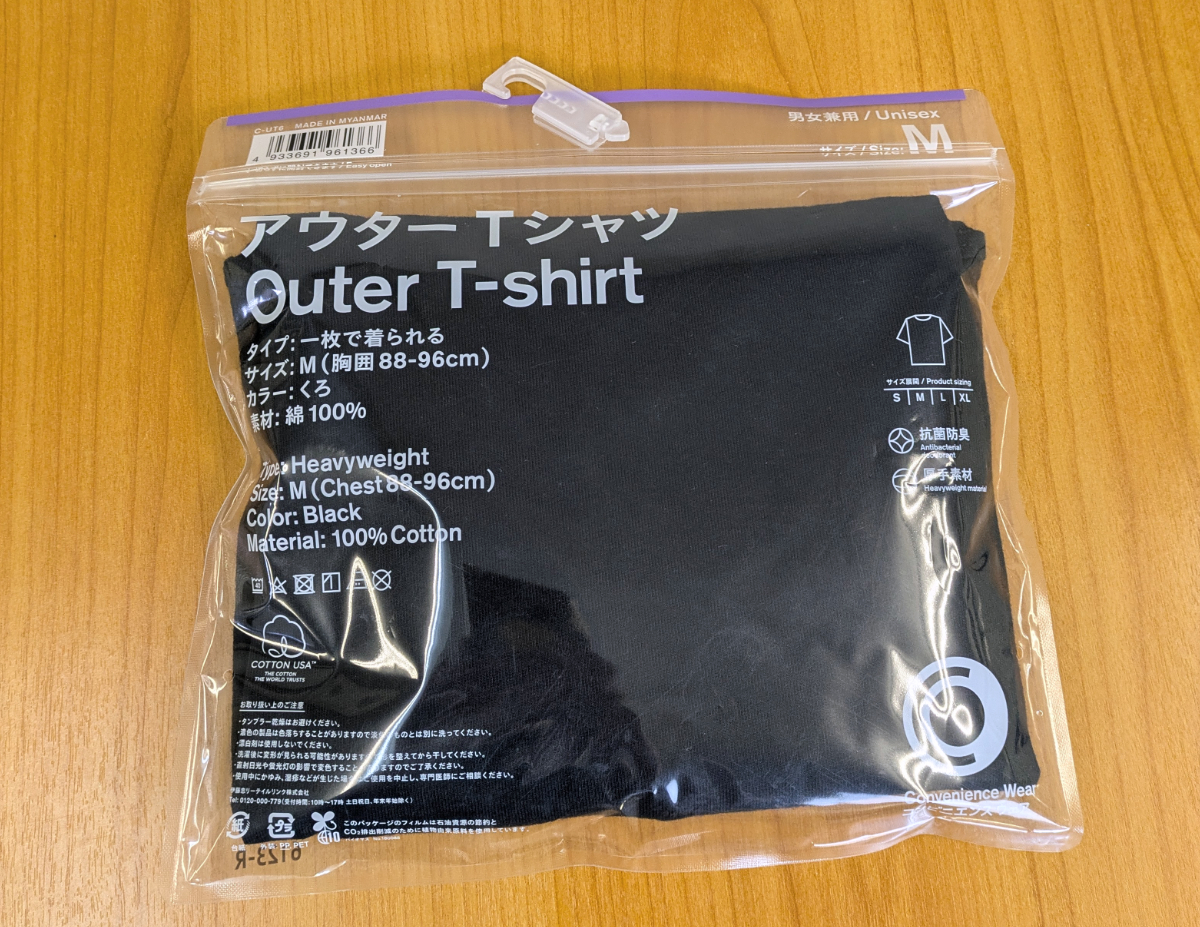
Finally, we have the “Outer T-shirt” for 1,493 yen. Made of 100-percent cotton, it felt nice against the skin and the simple black colourway will go with just about anything.

Trying it all on, Mr Sato instantly felt like a new man. Everything was surprisingly comfortable – the T-shirt was nice and thick, the shorts light and easy to move in, and best of all, the feel and fit of the boxer briefs was outstanding.

Before today, Mr Sato never thought he’d ever have a reason to buy clothes from a convenience store, so this was a total revelation. Not only did he feel good, but he looked good too.

So if you ever find yourself totally soaked during Japan’s rainy season, Family Mart has you covered, quite literally. Plus, thanks to the quality of the material and the lightweight design, you’ll be able to pack an outfit like this into your bag for future outing changes, making them ideal for travellers.

Whether it’s teaming up with Pokémon, covering tiny ice cream bottles, or saving a drenched middle-aged man, Convenience Wear really is convenient.

Photos ©SoraNews24 
● Want to hear about SoraNews24’s latest articles as soon as they’re published? Follow us on Facebook and Twitter!

  • ✇Deadline
  • CBC Renews ‘Saint-Pierre’ For Season 3 Jesse Whittock
    EXCLUSIVE: CBC is returning to Saint-Pierre for a third time. The Canadian broadcaster has greenlit a third run of the cop drama, which stars Allan Hawco (Republic of Doyle) and Jósephine Jobert (Death in Paradise). The twelve-part run will begin filming in Newfoundland and Saint-Pierre-et-Miquelon in July. Hawco Productions is back to produce for CBC […]
     

CBC Renews ‘Saint-Pierre’ For Season 3

26 May 2026 at 11:00
EXCLUSIVE: CBC is returning to Saint-Pierre for a third time. The Canadian broadcaster has greenlit a third run of the cop drama, which stars Allan Hawco (Republic of Doyle) and Jósephine Jobert (Death in Paradise). The twelve-part run will begin filming in Newfoundland and Saint-Pierre-et-Miquelon in July. Hawco Productions is back to produce for CBC […]

The Moment Of Truth For 555 Programs As Emmy Nomination Voting Hits Fever Pitch This Weekend – Notes On The Season

13 June 2026 at 01:17
A column chronicling conversations and events on the awards circuit. It is finally time to stop watching and start voting, people. Emmy ballots are in hand (or laptop), and if you think this has been a long season, it has actually been longer than that. I cannot remember a year in the four decades or […]

  • ✇The Independent SG
  • NEA reports increase in dengue cases, with eight active clusters across Singapore Aiah Bathan
    SINGAPORE: Dengue cases continued to rise last week, with 80 infections reported in the week ending June 6, according to the National Environment Agency (NEA). The figure marks an increase of 13 cases from the previous week. As of June 8, there were eight active dengue clusters across Singapore. Four were classified as red alert clusters, indicating 10 or more reported cases. The largest cluster, with 16 cases, was located around Jalan Bangau and Jalan Jarak. Other red alert clusters included a
     

NEA reports increase in dengue cases, with eight active clusters across Singapore

10 June 2026 at 12:08

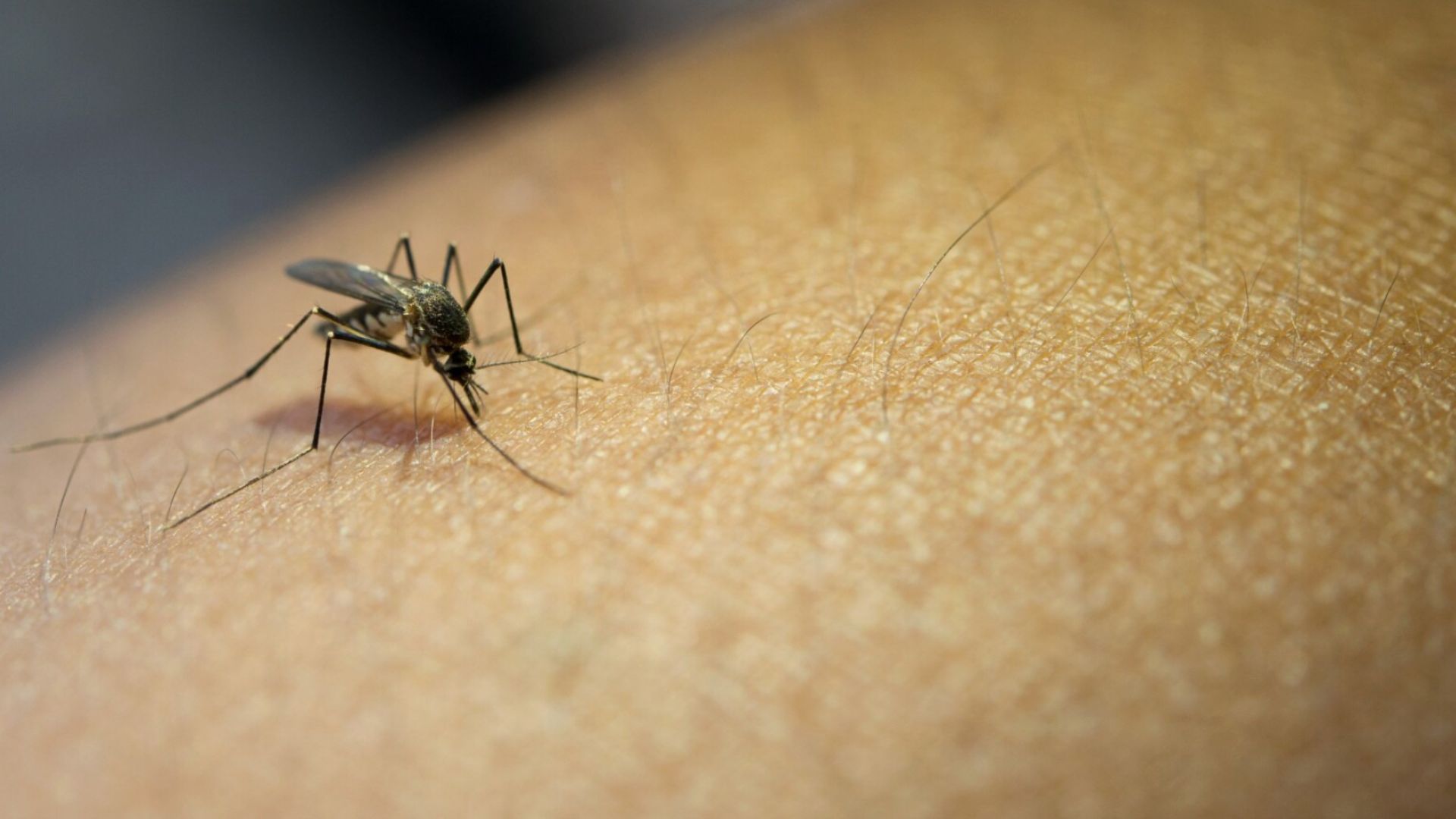
SINGAPORE: Dengue cases continued to rise last week, with 80 infections reported in the week ending June 6, according to the National Environment Agency (NEA). The figure marks an increase of 13 cases from the previous week.

As of June 8, there were eight active dengue clusters across Singapore. Four were classified as red alert clusters, indicating 10 or more reported cases.

The largest cluster, with 16 cases, was located around Jalan Bangau and Jalan Jarak. Other red alert clusters included a 15-case cluster at Neram Road and Nim Crescent, an 11-case cluster at Lilac Drive and Mimosa Road, and a 10-case cluster at Countryside Road and Lentor Avenue.

Peak dengue season 

With Singapore now in its peak dengue season, authorities are reminding residents to check their homes regularly for potential mosquito breeding spots.

With this, the NEA urges the members of the public to practice the Mozzie Wipeout B-L-O-C-K steps:

Break up hardened soil to prevent water from collecting
Lift and empty flowerpot plates
Overturn pails and wipe their rims dry
Change water in vases regularly
Keep roof gutters clear and place BTI insecticide where necessary

Moreover, residents must also allow NEA officers to do an inspection in their premises, and conduct spraying of insecticides for immediate removal of adult mosquitoes to stop dengue from spreading.

Residents living in dengue cluster areas are encouraged to take the actions

Spray insecticide in dark corners around the house
Apply insect repellent regularly, and
Wear long-sleeve tops and long pants to prevent mosquito bites

Zika and Chikungunya are two other mosquito-borne diseases. Thankfully, there are no Zika clusters or areas with likely Zika transmission, and there are currently no chikungunya clusters. The majority of chikungunya infections occurred in individuals with recent travel to Chikungunya-affected areas. 

Read more about NEA’s statement here

Indeed, the presence of Aedes mosquitoes in Singapore poses an ongoing risk of mosquito-borne diseases. It is important for everyone to stay alert and act now for everyone’s safety. Check your home and common areas often, follow the guidelines of the authorities, and see a doctor if you have a fever or other dengue symptoms.

This article (NEA reports increase in dengue cases, with eight active clusters across Singapore) first appeared on The Independent Singapore News.

  • ✇Malay Mail - All
  • ‘Chewed ice to stay alive’: Everest survivor Dawa Sherpa recalls six‑day ordeal
    KATHMANDU, June 6 — A Nepali mountaineer who survived nearly a week on Mount Everest said he “chewed ice” to stay alive, as he recovered in a hospital after a miraculous rescue that stunned the climbing community.Dawa Sherpa, 57, disappeared in brutal conditions on the upper slopes of the world’s tallest mountain on May 30 during one of the final climbs of the spring season.With few climbers still on the peak and his oxygen exhausted, relatives had given up hope
     

‘Chewed ice to stay alive’: Everest survivor Dawa Sherpa recalls six‑day ordeal

6 June 2026 at 11:18

Malay Mail

KATHMANDU, June 6 — A Nepali mountaineer who survived nearly a week on Mount Everest said he “chewed ice” to stay alive, as he recovered in a hospital after a miraculous rescue that stunned the climbing community.

Dawa Sherpa, 57, disappeared in brutal conditions on the upper slopes of the world’s tallest mountain on May 30 during one of the final climbs of the spring season.

With few climbers still on the peak and his oxygen exhausted, relatives had given up hope and begun ritual mourning prayers, believing he had died on the mountain.

“I didn’t think I would be alive,” he told BBC Nepali on Friday from his hospital bed.

“I thought I would perish this way. I didn’t get lost. As the oxygen ran out, I fell behind. After the oxygen finished, I couldn’t walk.”

Left stranded in freezing temperatures near Everest’s “death zone”, where oxygen levels are critically low, Dawa Sherpa said he survived for days with almost no food or water.

“I didn’t eat anything for the first two days. Then I began chewing ice. It hurt my teeth. I chewed the ice hard,” he said.

He survived on a few chocolates and snacks he found in his pockets.

“I soaked them in water and had them,” he said.

Dawa Sherpa, also known as “Hillary” after legendary climber Edmund Hillary, had told others after his rescue that at one point he fell into a crevasse before managing to climb out.

Jubilation and anger

“Stepping on the snow, I stood up and looked above... It felt I could get out from there,” he said.

“I then looked for ropes and found one. Then I held on to it and walked... eventually I came down.”

He said he walked day and night towards base camp until finally encountering people almost a week later.

He was found crawling towards the base camp on the morning of June 4 by the Sagarmatha Pollution Control Committee (SPCC), a Nepali team that helps set routes on Everest and clean up waste left behind.

“Boys from SPCC were going up to collect the waste. I met them. They carried me down.”

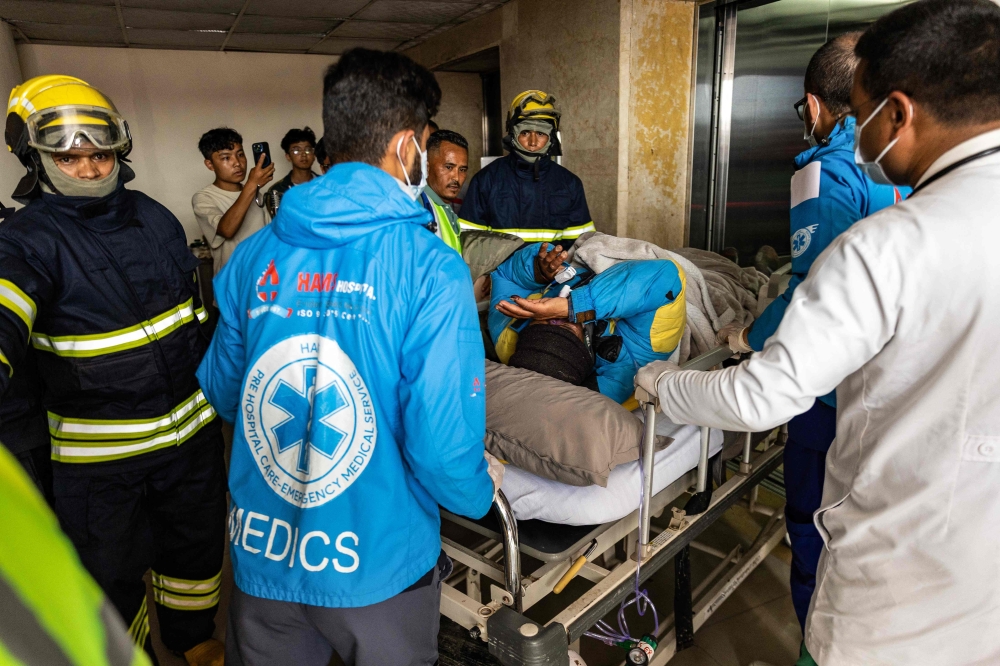
He was flown to Kathmandu for treatment for frostbite, severe dehydration and a fractured thigh bone, doctors said.

“He is doing well. We had a chat,” his daughter Mendo Lhamu Sherpa told AFP.

His survival has sparked celebration among fellow climbers, but also anger from family members who accused rescue teams of failing to locate him sooner.

Nepal Mountaineering Association president Fur Gelje Sherpa called the survival extraordinary but said the incident highlighted serious concerns over climber safety.

“It is irresponsible and inhumane to leave a person behind,” he said. “I believe that an investigation committee must be formed to hold the responsible people accountable for this.”

Everest guide Rinji Sherpa, who comes from the same village as Dawa Sherpa, said the climber was highly experienced and familiar with the dangers of high-altitude mountaineering.

“He is very lucky, he has had several close calls before but he has survived,” he said.

At least five climbers — two Indians and three Nepalis — died during this year’s Everest season.

More than 1,000 climbers reached Everest’s summit this season, according to preliminary Nepali government figures, making it the busiest season on record. — AFP

  • ✇SoraNews24 Japan
  • Even at twice regular Daiso price, this handy item is still great for summer travel in Japan Casey Baseel
    With the rainy season here, this umbrella companion is a Daiso-premium bargain. Having flipped the calendar to June, we’re clearly not in spring anymore, but many Japanese people would argue that we haven’t really made it to summer just yet. That’s because we’re at the start of tsuyu, or “the rainy season,” a roughly month-long stretch of wet weather that precedes the idyllic fun-in-the-sun section of summer. As a matter of fact, Tokyo is getting drenched with heavy rains at the time of this w
     

Even at twice regular Daiso price, this handy item is still great for summer travel in Japan

4 June 2026 at 05:00

With the rainy season here, this umbrella companion is a Daiso-premium bargain.

Having flipped the calendar to June, we’re clearly not in spring anymore, but many Japanese people would argue that we haven’t really made it to summer just yet. That’s because we’re at the start of tsuyu, or “the rainy season,” a roughly month-long stretch of wet weather that precedes the idyllic fun-in-the-sun section of summer.

As a matter of fact, Tokyo is getting drenched with heavy rains at the time of this writing, which is why we’re happy that we recently hit up Daiso and picked up an extremely handy item that we’re going to be putting to good use in the weeks to come.

This is actually one of Daiso’s premium-priced products, costing double what the chain usually charges for its items. Of course, with Daiso being Japan’s most famous 100 yen shop, that means that the Telescopic Umbrella Cover is still only 200 yen (US$1.30), and for how useful it is, that price feels like a bargain.

Even with Japan’s excellent train/subway network, life here tends to involve a lot of walking, since you’re at least going to need to get to/from the station. But while an umbrella will keep the rain off you while you’re outside, once you head inside or onto a train, you’ve now got a sopping shaft of damp fabric that’s going to wet your clothes, or the clothes of anyone standing close to you on one of Japan’s famously crowded trains.

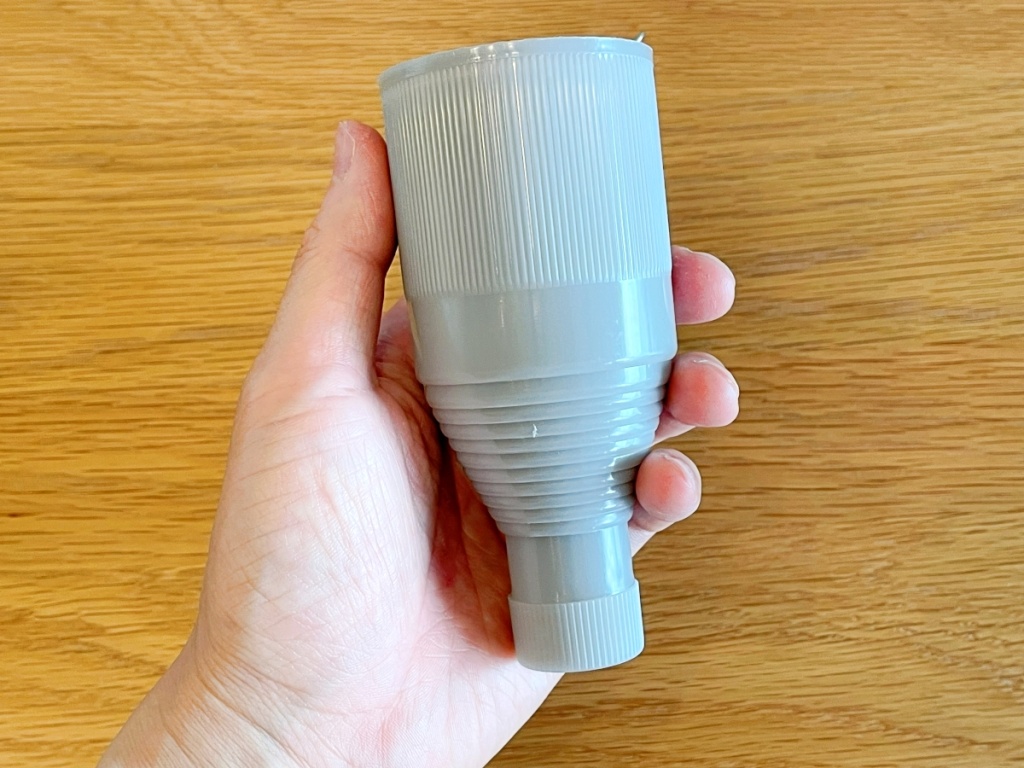
Daiso’s Telescopic Umbrella Cover is here to solve that problem. Essentially a plastic cup with an accordion-like construction, it’s conveniently compact when scrunched down to its smallest size, but expands to accommodate umbrellas.

Simply insert your umbrella into the cover and push until it reaches your desired length.

Daiso’s case has a number of advantages compared to the disposable thin plastic bag-style slip-on covers provided at some shopping centers and stores in Japan. For one, there’s no trash generated with Daiso’s reusable cover, and unlike the disposable versions, the Daiso cover works not only with long umbrellas with pointy tips, but shorter folding umbrellas, the kind most popular with travelers, too.

Also, when you take your umbrella back out from a plastic-bag cover, you’re left with a bag of water from all the drops that dripped off the fabric. Daiso’s cover instead has a removable cap at the tip so that you can pour out the water in an appropriate place.

And while some umbrellas come with cloth covers to be slipped over them when wet but not in use, you then end up with a soggy fabric cover that’ll need to be washed once you get home, and repeated washings can damage its moisture absorbency. On the other hand, since Daiso’s case is made of plastic, you can simply wipe off the interior surfaces and it’ll be ready to go again.

Really, the only drawback we could see is that the case didn’t completely cover an extra-large 70-centimeter (27.6-inch) long umbrella that we included in our testing, but even then, it provided a long area length of protection.

Daiso’s Telescopic Umbrella Cover even has a chain so that you can clip it to your bag for easier carrying, and with sudden showers being something that can happen even after the “rainy season” is done, we might have one of these with us all summer long.

Photos ©SoraNews24
● Want to hear about SoraNews24’s latest articles as soon as they’re published? Follow us on Facebook and Twitter!

❌
Subscriptions