Normal view

  • ✇Camille Styles
  • The Beauty Treatments I Regret—and the Ones I’d Pay For Again Tomorrow Camille Styles
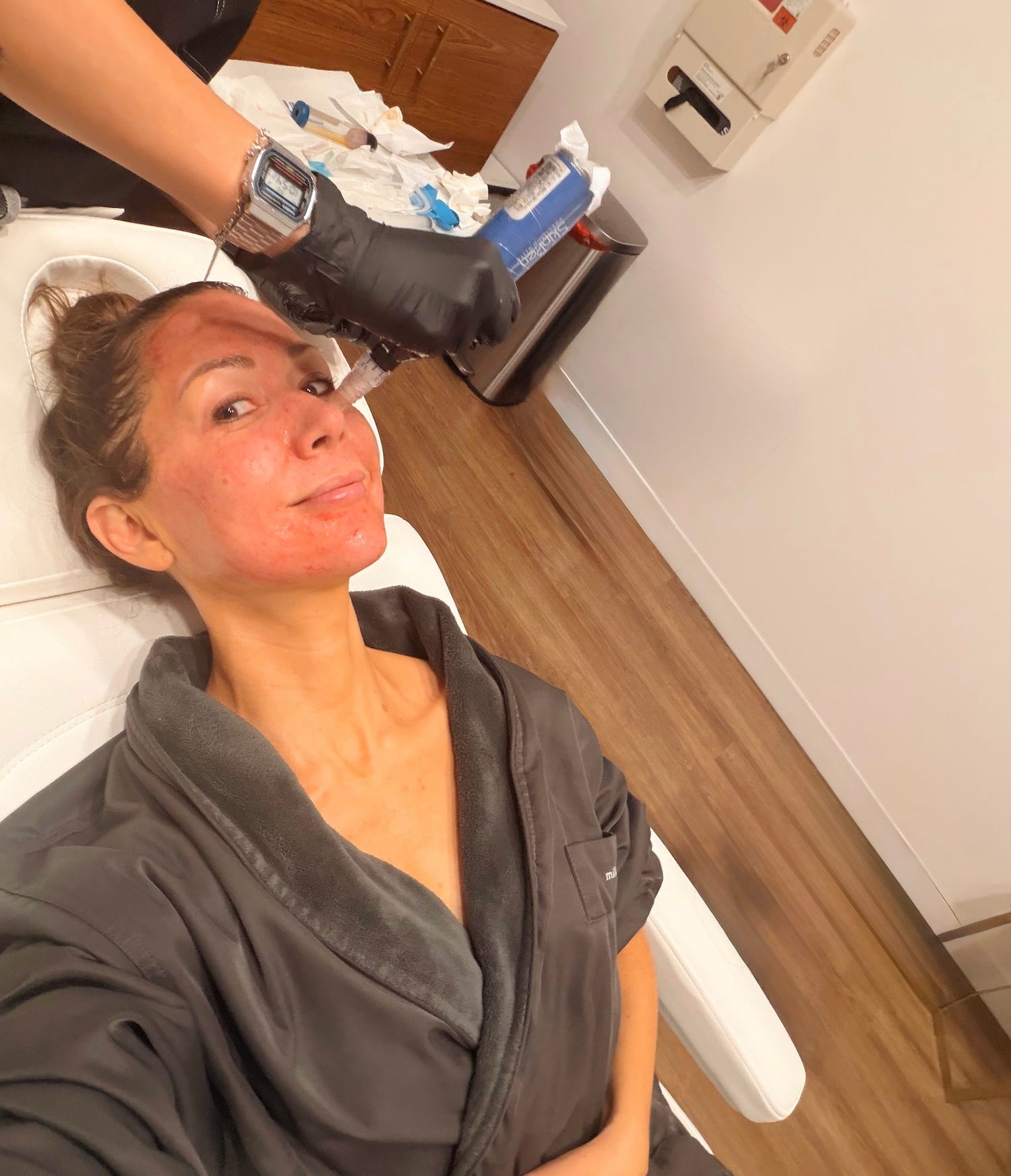
    If you haven’t yet subscribed to my Substack, it’s where I get a little more personal—writing from the heart about self-care, motherhood, wellness, and all things in between. My community loved this post there, so I wanted to share an excerpt with you here. I recently read a study with findings I honestly wasn’t ready for. Turns out, aging isn’t a slow, steady slide—it happens in waves. There’s a big burst during puberty (makes sense), and then again in our early 40s, when everything seems t
     

The Beauty Treatments I Regret—and the Ones I’d Pay For Again Tomorrow

25 March 2026 at 10:00

If you haven’t yet subscribed to my Substack, it’s where I get a little more personal—writing from the heart about self-care, motherhood, wellness, and all things in between. My community loved this post there, so I wanted to share an excerpt with you here.

I recently read a study with findings I honestly wasn’t ready for. Turns out, aging isn’t a slow, steady slide—it happens in waves. There’s a big burst during puberty (makes sense), and then again in our early 40s, when everything seems to accelerate at once (collagen, hormones, skin texture, the works). SO, if you’ve looked in the mirror recently and noticed a new line that definitely wasn’t there a few weeks ago, you’re not crazy.

I’ve had more than a few moments like that lately. A photo from a trip where I was like, Wait, when did that happen? A droopier eyelid after sleeping face down (why do I still do this). And one particularly unflattering gym mirror situation involving my neck that I’m choosing not to revisit. I’m not losing sleep over any of it—but I am motivated.

I love that my close friends lean natural and low-maintenance. That energy is contagious, and I think it’s shaped my own aesthetic more than I realize. But our group chat is also discussing Sculptra, has opinions on microneedling downtime, and whether lymphatic massage is worth the splurge.

Pin it

So I figured I’d bring that same group-chat energy here. Even though I love a natural approach, I also really love nerding out on the latest treatments to help us feel our best and most confident. 

My goal with all of this isn’t to “fix” my face or stop the clock. It’s to maintain healthy tone, texture, and collagen levels so my skin can do its thing. Because honestly? No amount of Botox or filler is going to repair skin that’s lost its elasticity—and I think a lot of people find that out the hard way.

I’ve tried a lot over the years, and I have thoughts. Here’s everything—what’s worth it, what I’d skip, what surprised me, and a few things I’m thinking about for 2026.

Unlock the full post here to read about the anti-aging beauty treatments I actually think are worth it. These are the rituals and treatments that help me feel more refreshed, confident, and like I’m supporting my skin in a way that feels intentional.

The post The Beauty Treatments I Regret—and the Ones I’d Pay For Again Tomorrow appeared first on Camille Styles.
  • ✇Popular Science
  • Mars shines in ethereal photo from Psyche space probe Andrew Paul
    NASA’s Psyche spacecraft is currently en route to a small, metal-rich asteroid near Jupiter. However, the barely 3,600-pound probe recently required a little help from Mars to complete its lengthy 2.2-billion-mile mission. Despite its complex gravity assist earlier this month, the groundbreaking spacecraft still found time to snap some travel photos showcasing its Red Planet flyby. NASA released the latest image from Psyche’s trip on May 20, which offers a gorgeous view of Mars just hours before
     

Mars shines in ethereal photo from Psyche space probe

20 May 2026 at 15:20

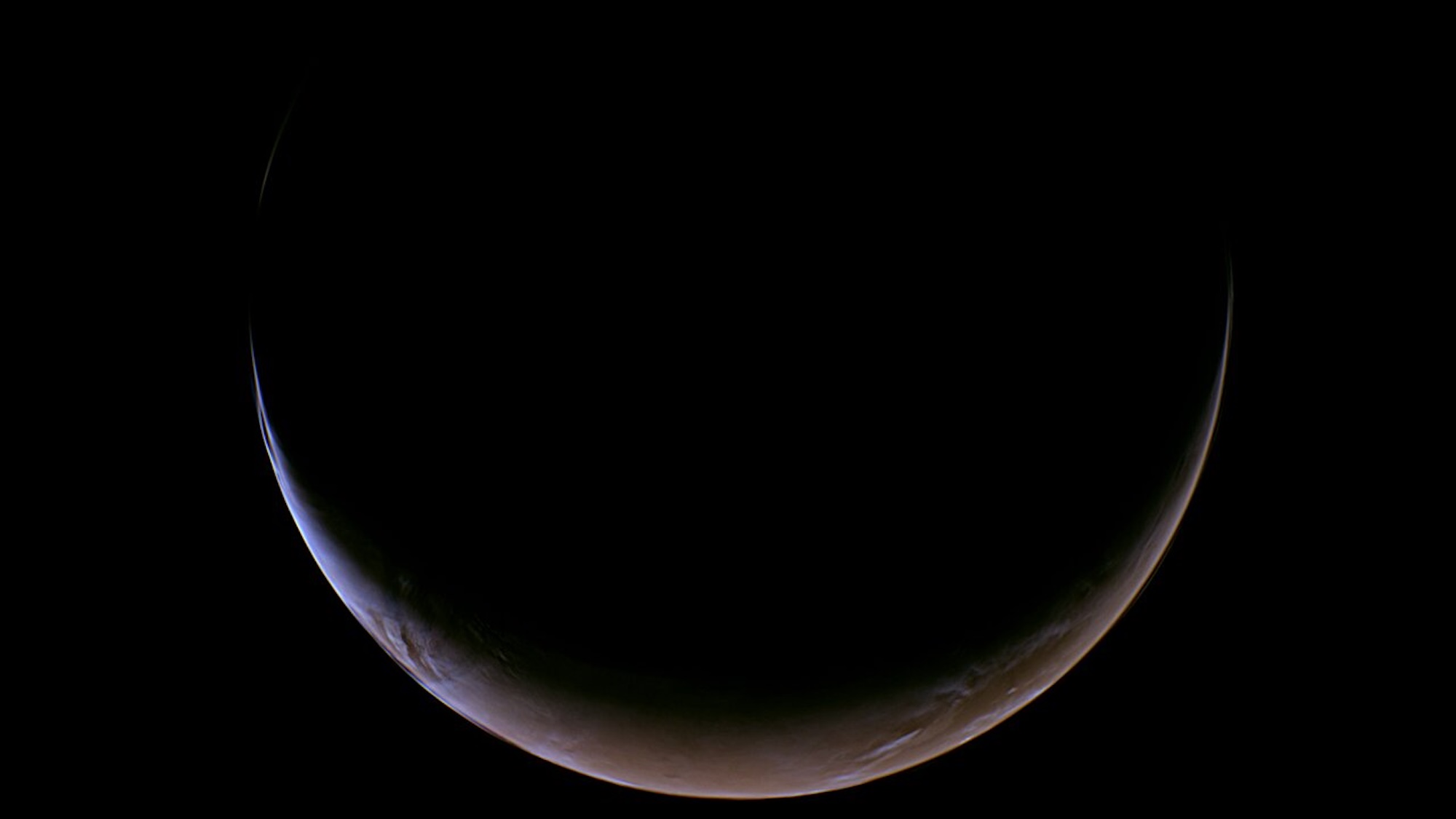
NASA’s Psyche spacecraft is currently en route to a small, metal-rich asteroid near Jupiter. However, the barely 3,600-pound probe recently required a little help from Mars to complete its lengthy 2.2-billion-mile mission. Despite its complex gravity assist earlier this month, the groundbreaking spacecraft still found time to snap some travel photos showcasing its Red Planet flyby. NASA released the latest image from Psyche’s trip on May 20, which offers a gorgeous view of Mars just hours before Earth’s neighbor temporarily eclipsed the cosmic traveller.

According to NASA, the image was taken on May 15 at about 8:03 a.m. EDT by the spacecraft’s multispectral imager instrument. The thin crescent view of Mars is due to the spacecraft’s approach at what’s known as a high phase angle. The fingernail slice of Red Planet actually looks brighter and wider than mission specialists anticipated, thanks to a large level of sunlight scattering through the dusty Martian atmosphere. Interestingly, the instrument’s original unfiltered image wouldn’t look very discernible to the human eye. Instead, scientists processed the photo into a natural-color palette using the probe’s red, blue, and green imager filter data.

Launched in October 2023, Psyche is destined for 16 Psyche, a 140-mile-wide rock that astronomers theorize may be the remnant of an ancient planetary core. Once there, the spacecraft will study its iron magnetic properties, as well as use its imagers and spectrometers to analyze the asteroid’s chemical and elemental compositions. 

Thanks to the Martian gravity assist, Psyche is scheduled to reach its destination in 2029. At its closest pass, Psyche swung around the Red Planet barely 2,800 miles above the surface at a speed of around 12,333 miles per hour.

The post Mars shines in ethereal photo from Psyche space probe appeared first on Popular Science.

  • ✇Camille Styles
  • The 5-Minute Makeup Routine I Swear By Camille Styles
    If you haven’t yet subscribed to my Substack, it’s where I get a little more personal—writing from the heart about self-care, motherhood, wellness, and all things in between. My community loved this post there, so I wanted to share an excerpt with you here. Something most people don’t know about me is how much I LOVE makeup. Yes, I keep it simple and really natural, but that doesn’t mean I haven’t fully embraced the magic of a skin-perfecting cc cream, plumping lip color, or mascara that mak
     

The 5-Minute Makeup Routine I Swear By

23 April 2026 at 10:00

If you haven’t yet subscribed to my Substack, it’s where I get a little more personal—writing from the heart about self-care, motherhood, wellness, and all things in between. My community loved this post there, so I wanted to share an excerpt with you here.

Something most people don’t know about me is how much I LOVE makeup. Yes, I keep it simple and really natural, but that doesn’t mean I haven’t fully embraced the magic of a skin-perfecting cc cream, plumping lip color, or mascara that makes my lashes look a mile long. 

I worked my way through college at the Clinique counter, and it was there that I saw the transformative power of beauty in action. A woman who’d shyly wandered up would let me show her the blush placement that lifted her cheekbones, or the lipstick that truly suited her skin tone—and she’d walk away feeling like the most beautiful version of herself. That experience permanently shaped how I think about makeup: it should be simple, and it should make you feel like you.

Pin it

Thanks to the weird world of influencer marketing, I get sent tons of new products to try. When it comes to makeup, I end up keeping maybe 5% of what I receive. I’m highly discerning when it comes to products that really work, and I’d rather have a makeup drawer full of simple, easy products I use daily than one bursting with things I rarely use.

Here’s what I’ve noticed, though: most people’s makeup drawers tell a different story. Too many products, too many steps, and somehow it still takes forever—or gets skipped entirely on the busy days when you actually want to look good.

So today I’m sharing the routine I’ve spent years refining down to its most essential form. Five minutes, start to finish—whether it’s a day full of Zooms or I’m going out at night. I’m also sharing the natural nail rehab routine that has finally gotten my post-gel nails actually growing again.

I’ve never actually written this out step-by-step before, so consider this the closest thing to watching me get ready in my bathroom. Below is the exact routine and the products that make it work.

My Daily Makeup Routine

After doing my skincare (all details here), I prep with this mattifying primer. I should mention that my t-zone gets really shiny throughout the day, which doesn’t do any favors for the appearance of my pores. So I aim to create a more matte look throughout the center of my face, and let the shine and highlights happen on my cheekbones, brow bones—wherever the light naturally hits.

Then I use my fingers to dot this foundation onto my nose, forehead, undereyes, eyelids, and chin, press it into my skin, and then blend out. I always go back to this one thanks to its good amount of coverage and natural finish, plus it looks like your real skin. And it really lasts through the day.

Unlock the full post here for my exact 5-minute makeup routine—the one I’ve refined over the years to feel polished, natural, and actually doable on busy days. I’m sharing every step, the products that make it work, and the nail rehab routine that finally got my post-gel nails growing again.

The post The 5-Minute Makeup Routine I Swear By appeared first on Camille Styles.
  • ✇Popular Science
  • Almost half of everything orbiting Earth is space junk Andrew Paul
    Nearly half of all known objects currently orbiting Earth technically classify as space junk, but the true amount may be even higher. Not only that, the debris continues amassing faster than it’s being removed. The latest red alert report comes from the engineering components company, Accu, and is based on information compiled from the U.S. Space Surveillance Network and its Space-Track database. According to their assessment, there are at least 12,550 tracked orbital debris fragments circlin
     

Almost half of everything orbiting Earth is space junk

12 May 2026 at 19:06

Nearly half of all known objects currently orbiting Earth technically classify as space junk, but the true amount may be even higher. Not only that, the debris continues amassing faster than it’s being removed.

The latest red alert report comes from the engineering components company, Accu, and is based on information compiled from the U.S. Space Surveillance Network and its Space-Track database. According to their assessment, there are at least 12,550 tracked orbital debris fragments circling the planet “with no control or purpose.” That’s around 47 percent of the 33,269 known objects, which includes almost 17,690 satellites. But with many of those satellites now inactive along with nearly 2,400 jettisoned rocket bodies, the total space junk is likely worse than the current numbers suggest.

Countries are racing to establish a long-term human presence in space and on the moon, but there are a lot of little problems to consider. More specifically, these issues range from the size of screws and paint chips to dead satellites. All that space junk orbits the planet at roughly 17,400 miles per hour, meaning even a tiny collision could derail an entire mission. In 2016, for example, debris no bigger than a few thousandths of a millimeter smacked into one of the International Space Station’s quadruple-glazed Cupola windows and left behind a quarter-inch-wide crater.

Crunching the numbers further, Accu calculated that there are seven debris objects for every 10 satellites orbiting Earth. The responsibility almost entirely falls on three contributors—China has generated 34 percent of the junk, while the United States and the Russian-aligned Commonwealth of Independent States (CIS) have both provided about 31 percent of the debris.

Most abandoned objects revolving around Earth follow a decaying orbit due to the planet’s gravity and will burn up during atmospheric re-entry. But that often takes years to occur, and as Accu points out, it doesn’t always erase the issue. Material like aluminum, copper, and lithium may vaporize before they hit the ground, but their particulates remain in the upper atmosphere. More research is needed to understand the full impact, but evidence already suggests harmful effects on the ozone.

So what’s being done to address the issue? Not much, unfortunately. Accu notes there are no major projects in development to remove space junk, although there is growing investments in at least maintaining or reducing the overall problem. The European Space Agency (ESA) is leading the charge with programs like ClearSpace-1, the first active debris collection mission. Meanwhile, a number of private companies are also beginning to implement their own endeavors. Technology like robotic arms, drag sails, and even harpoons are all being researched as potential ways to help address the problem.

The bottom line is that the roughly 15,550 tons of space junk currently above everyone’s heads is literally not going anywhere anytime soon. That’s about the same weight as 40 jumbo jets, and it’s only increasing. Accu’s report isn’t meant to offer concrete solutions, so much as highlight that this is a very real problem that requires international coordination and efforts to control. Without that, humanity is going to have a much more difficult time exploring the cosmos.

The post Almost half of everything orbiting Earth is space junk appeared first on Popular Science.

Gaze Into a Cosmic Crystal Ball Unlike Anything Else In the Universe

9 June 2026 at 20:15

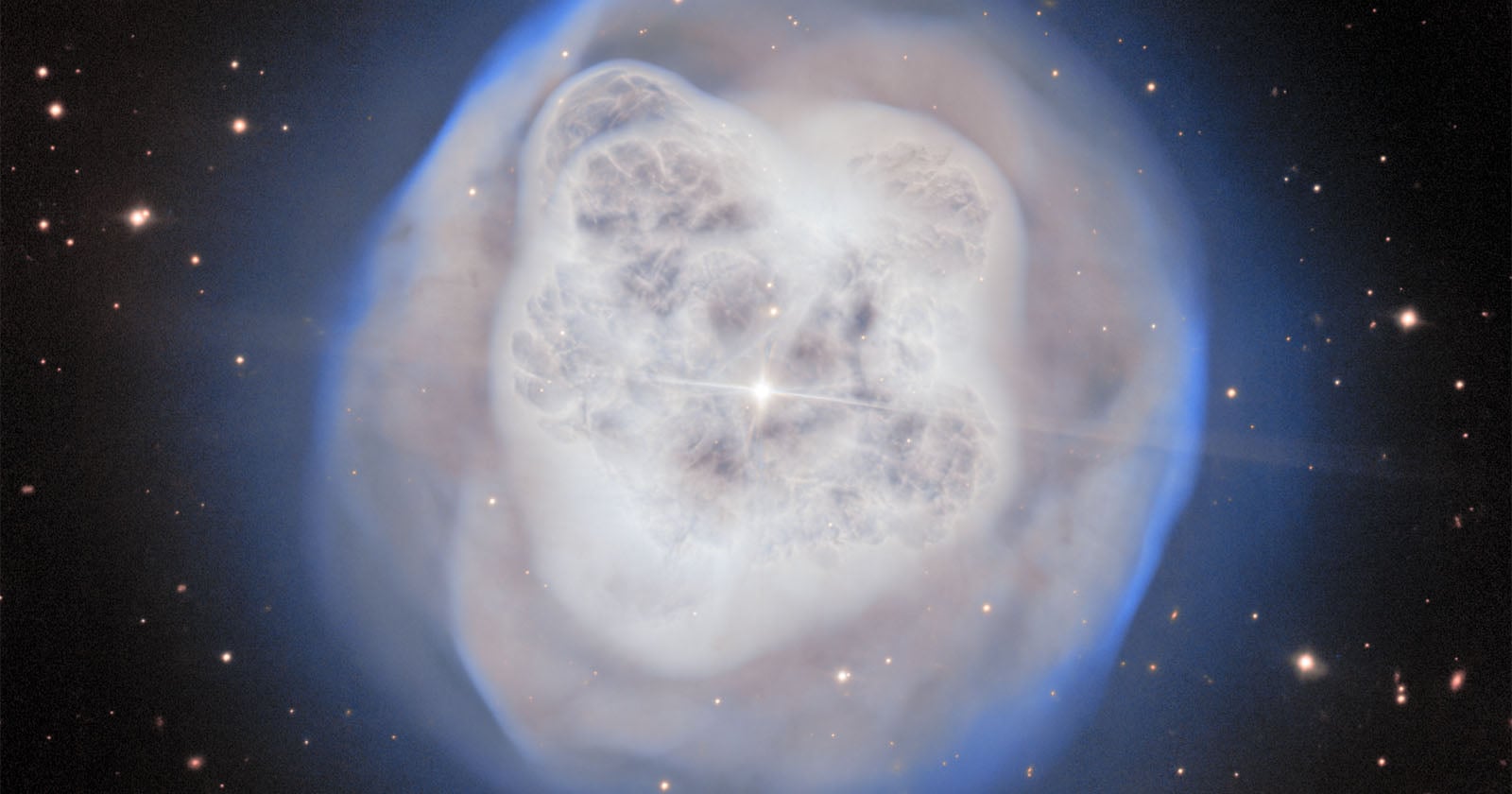
A glowing, cloud-like planetary nebula with a bright center surrounded by soft blue and white halos, set against a star-filled black background.

NOIRLab and the National Science Foundation's Gemini North telescope, located on Maunakea in Hawai'i, captured a mesmerizing photo of NGC 1514, nicknamed the Crystal Ball Nebula. It looks a lot different than the photo the James Webb Space Telescope captured last year, and frankly, unlike nearly any other space photo.

[Read More]

  • ✇Popular Science
  • Fire dozers outfitted with NASA-made sensors help battle blazes Mack DeGeurin
    Dangerous, frontline firefighting jobs may get a bit safer thanks to new heat-sensing sensors designed by NASA. The sensors are made from commonly available household materials, and attach to the bulldozers firefighters use to clear vegetation and brush in a fire’s immediate path, triggering an alarm when temperatures reach extremely dangerous levels. Knowing when a fire is hot might sound obvious, but many new so-called fire dozers are being outfitted with enclosures to protect their operato
     

Fire dozers outfitted with NASA-made sensors help battle blazes

1 June 2026 at 14:13

Dangerous, frontline firefighting jobs may get a bit safer thanks to new heat-sensing sensors designed by NASA. The sensors are made from commonly available household materials, and attach to the bulldozers firefighters use to clear vegetation and brush in a fire’s immediate path, triggering an alarm when temperatures reach extremely dangerous levels.

Knowing when a fire is hot might sound obvious, but many new so-called fire dozers are being outfitted with enclosures to protect their operators from the flames. That’s a welcome change, but it also reduces the operator’s ability to gauge the surrounding heat. These new sensors help solve that problem, protecting the driver and helping prevent the dozers from sustaining too much damage.

The sensor setup is simple by design. It consists of a standard thermocouple similar to those found in a home oven, which is then wired to an LED light in the dozer’s cabin. If the light starts blinking, it’s time to get out of Dodge. 

The entire system is powered by something that’s probably laying around your house: AA batteries. Using a simple power source like this is part of an attempt to make every aspect of the design affordable and accessible. University of Alabama, Huntsville research scientist Ryan Wade emphasized that point in a NASA blog post. He explained that during a recent trial installing the sensor in a fire dozer, his team realized that they were missing a part. Rather than waiting to hear back from NASA and having a custom piece shipped to them, they simply walked down the street to a hardware store and solved the problem.

a sensor with a red light being placed on a bullzoser
NASA Wildland Fires Program science integration manager Jennifer Fowler holds an LED light on the dashboard of a fire dozer belonging to the Alabama Forestry Commission (AFC). The LED light is connected to a thermal sensor mounted in the window of the dozer, which turns the light on when the radiant heat from a nearby fire reaches a dangerous threshold. FireSense scientists have been working with the AFC to develop and install these thermal sensors onto these dozers, which they showcased during a stakeholder event on April 23-24, 2026 at the Solon Dixon Forestry Education Center in Andalusia, Alabama. Image: NASA/Milan Loiacono.

“NASA’s expertise in this case comes not in the novelty of the instrument itself, but in figuring out how to solve the problem quickly and integrate that technology into their existing system,” Wade said.

That flexibility is what makes the approach so valuable for firefighters. Alabama Forestry Commission fire analyst Ethan Barrett says the devices so far work “exactly as intended.” In Alabama, at least, officials are planning to outfit their entire dozer fleet with the sensors. The sensor system was developed by NASA’s FireSense project, whose interest in it was twofold. The sensors will more immediately help firefighters on the ground as fire season approaches, but the data they collect will also prove invaluable for future research. By placing sensors in the dozers, NASA will gather reams of data about fire strength and intensity straight from the front lines.

The post Fire dozers outfitted with NASA-made sensors help battle blazes appeared first on Popular Science.

  • ✇Popular Science
  • It’s National Paper Airplane Day: How to make a NASA-approved plane Laura Baisas
    While a holiday weekend has come and gone, May 26 is not without a cause for celebration. It’s National Paper Airplane Day!  The annual day commemorates the homemade aeronautical toy that has fascinated (and frustrated the less crafty) children and adults for generations. According to National Day, the practice of constructing paper planes is sometimes called aerogami, after origami, the Japanese art of folding paper. Building paper planes that can soar through the air like a bird is believed
     

It’s National Paper Airplane Day: How to make a NASA-approved plane

26 May 2026 at 16:27

While a holiday weekend has come and gone, May 26 is not without a cause for celebration. It’s National Paper Airplane Day! 

The annual day commemorates the homemade aeronautical toy that has fascinated (and frustrated the less crafty) children and adults for generations. According to National Day, the practice of constructing paper planes is sometimes called aerogami, after origami, the Japanese art of folding paper. Building paper planes that can soar through the air like a bird is believed to have originated in ancient China, where paper was invented around 105 CE. However, the art of folding it into an airplane may have been perfected in Japan, as it is similar to origami.

Here in the United States, instructions for folding the Basic Dart were included in a children’s book published in 1859, so it is safe to say kids and adults alike have been making them for over 167 years. The term paper airplane was then coined in 1907 and replaced paper dart as the dominant term by the 1950s. In 2022, Kim Kyu Tae nabbed the Guinness World Record for the Longest Paper Airplane Throw Ever with a flight of 252.6 feet. According to Guiness World Records, the longest time flying a paper aircraft is 31.2 seconds and was achieved by Rao Chongyi and a team in China in February.  

If you’re inspired to create the world’s best paper airplane, we have you covered. You can also look to the great minds at NASA for inspiration. After all, the first letter “A” in NASA stands for aeronautics. Their step-by-step NASA Space Crafts tutorial will not only help you make a colorful paper airplane, but also NASA’s X-57 Maxwell and the X-59 Quiet SuperSonic Technology.

May your National Paper Airplane Day be free of paper cuts.

The post It’s National Paper Airplane Day: How to make a NASA-approved plane appeared first on Popular Science.

Sihoo Doro C300 Pro V2 Ergonomic Chair with Full-Body Adaptive Support Keeps You Comfortable and Creative

By: Sihoo
29 May 2026 at 16:19

A woman sits at a wooden desk, writing on paper, in a modern white office chair. Behind her are a green dresser, a sofa, books, and decorative items. An orange lamp and computer are on the desk.

Lengthy photo and video editing sessions can take a toll on your body. Sitting for long periods in an uncomfortable, non-ergonomic chair is painful, bad for your long-term health, and it saps artists of their creative energy and flow. The Sihoo Doro C300 Pro V2, the first full-body, adaptive ergonomic chair, promises to keep you comfortable whether you're doing a light editing session or working in crunch time.

[Read More]

💾

💾

💾

💾

  • ✇Popular Science
  • Look up for a blue moon on May 31 Laura Baisas
    This weekend, Earth will be treated to a nice blue moon. Our planet’s only natural satellite won’t put on a pleasant azure hue (indeed, blue moons have nothing to do with color). Instead, it will be the second full moon for the month of May, following the full Flower Moon on May 1. The blue moon will reach peak illumination at 4:46 a.m. EDT on Sunday May 31.  Seasonal vs. calendrical According to the Farmer’s Almanac, there are two definitions of a blue moon—a seasonal blue moon and a cale
     

Look up for a blue moon on May 31

29 May 2026 at 14:00

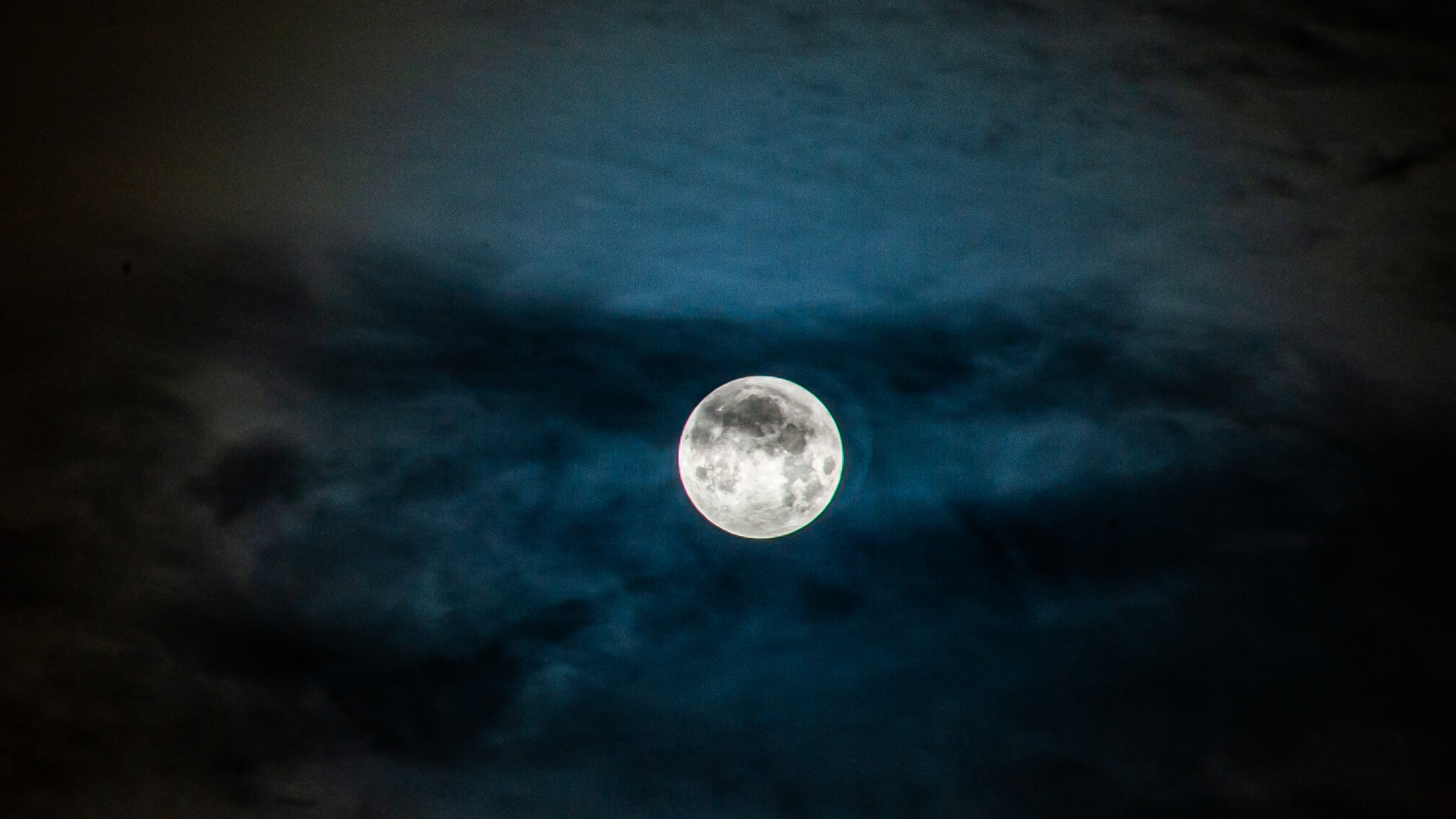
This weekend, Earth will be treated to a nice blue moon. Our planet’s only natural satellite won’t put on a pleasant azure hue (indeed, blue moons have nothing to do with color). Instead, it will be the second full moon for the month of May, following the full Flower Moon on May 1. The blue moon will reach peak illumination at 4:46 a.m. EDT on Sunday May 31. 

Seasonal vs. calendrical

According to the Farmer’s Almanac, there are two definitions of a blue moon—a seasonal blue moon and a calendrical blue moon.

A seasonal blue moon is one extra full moon within an astronomical season, or the dates between solstices and equinoxes. A typical astronomical season has three full moons within it. If it has four full moons instead, then the third may be called a blue moon. 

A calendrical (or monthly) blue moon is the one most of us are familiar with. It is the second full moon to fall in one calendar month—like in May 2026. It takes the moon roughly 29.5 days to complete one cycle of phases (new moon to new moon). So if a full moon falls on the first of the month on the calendar, there will be a second full moon at the end of the month. The only month in which a calendrical blue moon cannot fall is February. 

How rare are blue moons?

Blue moons are not quite as rare as the phrase “once in a blue moon” makes it sound. Calendrical blue moons happen every 2.5 years (or 30 months) on average, and seasonal blue moons fall about once every two to three years. 

The last calendrical blue moon was on August 31, 2023 and the next calendrical blue moon will rise just in time to ring in the new year on December 31, 2028. 

Two blue moons can also occur in one year. In 2018, January and March both had two full moons, with no full moon in February. The next time two blue moons will fall in one calendar year won’t be until 2037.

Why is it a micromoon?

May’s blue moon will also be a micromoon and the smallest micromoon of the year. Micromoons have nothing to do with size and everything to do with distance. Typically, the moon is about 238,855 miles away from Earth. Micromoons are further away, and this month’s micromoon will be 252,360 miles away. With the further distance, a micromoon may appear a bit smaller and dimmer than usual. 

On the opposite end of the spectrum are supermoons, which are closer to Earth at only 225,130 miles away.

How to watch and photograph a blue moon

If you want to see the blue moon rise over a historic city, the Virtual Telescope Project will broadcast the event live from Italy

NASA has also put together a handy lunar photography guide if you want to snap that perfect moon pic. If using a smartphone, NASA recommends stabilizing the device, turning off the flash, and tapping the moon on screen to focus the camera directly on it instead of the sky. Your brightness also needs to come down and taking pictures at twilight or as the moon clears the horizon will give the sensor less contrast. 

The post Look up for a blue moon on May 31 appeared first on Popular Science.

❌
Subscriptions