Normal view

  • ✇SoraNews24 Japan
  • East Japan Railway announces plans to abolish magnetic-strip tickets Casey Baseel
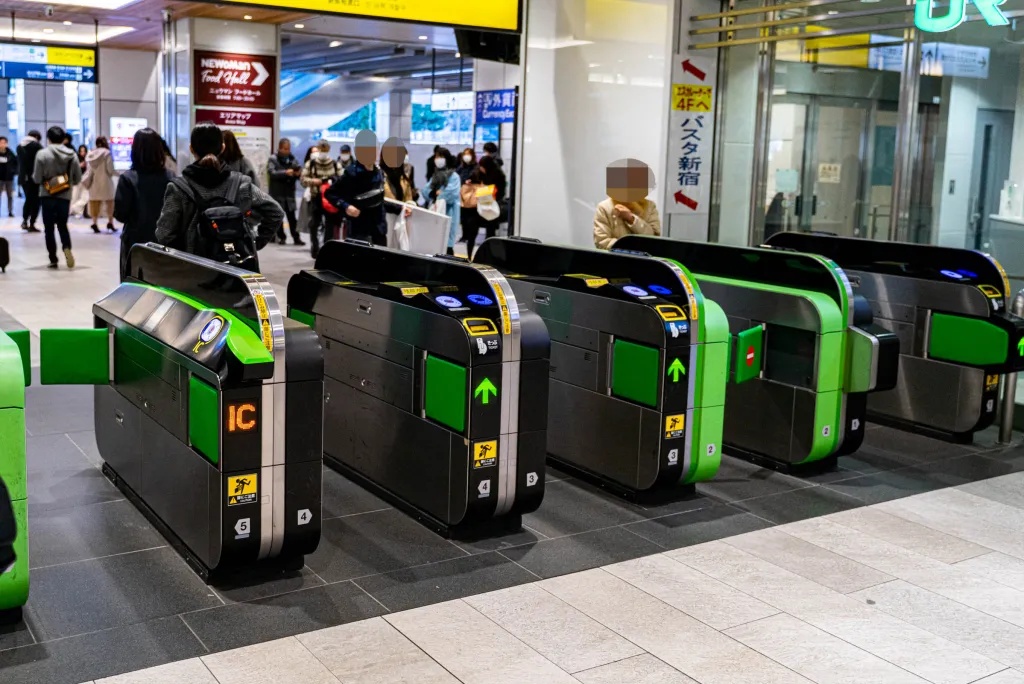
    End of an era is coming for ecological and economic reasons. Train travel in Japan is going to be looking a little different, as East Japan Railway Company, a.k.a. JR East, has announced that it’ll be making a major change to its ticket design. Right now, JR East tickets have your starting station and fare printed on the front, and a magnetic strip on the back. At the gate, you slide your ticket into the slot, the gate opens up, and your ticket pops back up from another slot on the other side
     

East Japan Railway announces plans to abolish magnetic-strip tickets

11 June 2026 at 13:00

End of an era is coming for ecological and economic reasons.

Train travel in Japan is going to be looking a little different, as East Japan Railway Company, a.k.a. JR East, has announced that it’ll be making a major change to its ticket design. Right now, JR East tickets have your starting station and fare printed on the front, and a magnetic strip on the back. At the gate, you slide your ticket into the slot, the gate opens up, and your ticket pops back up from another slot on the other side of the machine for you to grab as you continue on your way, then put into the other ticket gate at the exit from your destination station.

▼ A traveler inserting tickets into a gate at Nikko Station

However, JR East has announced it will be phasing out magnetic-strip tickets beginning next spring, with the eventual goal being to do away with them entirely for short-distance rides. In their place JR East will be introducing new non-magnetic tickets with a QR code that you scan at the gate instead.

▼ A video showing the front of the current magnetic-strip tickets on the left, and the upcoming QR-code tickets on the right.

The mockups in the above video are obviously jumbo-sized to make them easier to see, but the new tickets really will be larger than the current ones. JR East’s Magnetic-strip tickets measure 3 by 5.75 centimeters (1.2 by 2.3 inches), but the QR ones will be 5.75 by 8.5 inches, to make them easier to scan.

JR says there are two reasons it’s making the switch, one of which is an effort to be more environmentally friendly. JR East’s produces about 160 metric tons of ticket trash every year, and the magnetic backing has to be chemically treated before they can be disposed of. Because the QR-code tickets rely on optic scanning, though, they can be made of just regular old paper, eliminating both the potential ecological harm caused by disposed of magnetic strips and the cost to JR East to treat them.

A switch to QR codes will also reduce ticket gate machinery complexity, as they’ll require fewer moving parts than the currently complex array of gears and motors needed to propel a magnetic-strip ticket through the gate, and making QR code scanning the standard should also help promote smartphone digital ticketing services.

While the changeover will mark the end of a major chapter in Japanese train travel, many passengers stopped using magnetic-strip tickets quite some time ago. JR East’s Suica prepaid IC card became an instant hit following its launch in 2001, and it’s only grown in popularity in the years since thanks to its tap-payment simplicity and cross-functional capabilities as a way to pay for shopping, restaurant, and vending machine purchases too. JR East says that magnetic-strip tickets now account for only 2.5 percent of the rides taken on its trains, and for those who have already transitioned to Suica or other such IC cards, they’ll still be paying fares and passing through the gates as usual.

However, for some rail fans the tactile aspects of sliding the ticket into the gate, hearing the internal machinery whir and click, and grabbing the ticket as it comes out without breaking stride is a familiar and satisfying part of taking a train in Japan, so there will no doubt be people said to see it go. If this bittersweet news has them looking for comradery, they can find it among those who still remember the days before magnetic-strip tickets became the standard, when Japanese train stations were staffed with human ticket inspectors and the rhythmical ringing of their ticket punching tools during rush hour, as seen in the point queued in the video below.

JR East says it will be gradually discontinuing the magnetic-strip tickets come spring, so they won’t all be disappearing at once. In addition, magnetic-strip tickets will continue to be issued for Shinkansen and long-distance special express trains. This is likely because, depending on the passenger’s destination, these trains sometimes end up at stations in parts of Japan managed by one of the other divisions of the Japan Railways Group, which have not yet announced plans to get rid of magnetic-strip tickets. If you’re a rail fan, though, the next time you’re at a JR East station you might want to consider buying a lowest-fair magnetic-strip ticket, though, as something to remember the era by.

Source: Nitele News via Livedoor News, TBS News Dig
Top image ©SoraNews24
● Want to hear about SoraNews24’s latest articles as soon as they’re published? Follow us on Facebook and Twitter!

  • ✇SoraNews24 Japan
  • New Japanese overnight train coming to connect Tokyo with Tohoku in sleep-travel style Casey Baseel
    Luna Azul can take you from Tokyo to Akita or Aomori while you snooze. The Shinkansen is usually the fastest way to get from Point A to Point B when traveling within Japan. Since the stations tend to be centrally located and there aren’t any time-consuming security checks to go through, the Shinkansen can get you to many destinations even more quickly than flying. That doesn’t mean, though, that the Shinkansen is always the most time-efficient way to get around Japan, since as fast as the bull
     

New Japanese overnight train coming to connect Tokyo with Tohoku in sleep-travel style

12 June 2026 at 17:30

Luna Azul can take you from Tokyo to Akita or Aomori while you snooze.

The Shinkansen is usually the fastest way to get from Point A to Point B when traveling within Japan. Since the stations tend to be centrally located and there aren’t any time-consuming security checks to go through, the Shinkansen can get you to many destinations even more quickly than flying.

That doesn’t mean, though, that the Shinkansen is always the most time-efficient way to get around Japan, since as fast as the bullet train may be, the ride is still going to take up part of your day. On the other hand, a new train from JR East/East Japan Railway Company will take you between Tokyo and Japan’s northeastern Tohoku region while using up hardly any of your day, because you’ll be making most of the trip while you sleep.

JR East’s newly announced Luna Azul overnight sleeper train will connect Tokyo’s Shinagawa Station with Aomori Station in Aomori Prefecture, all the way at the northern end of Japan’s main island of Hokkaido. The 10-car train will pull out of Shinagawa at 9 p.m. and have you in Aomori at 9 a.m., with brief stops at Tokyo, Ueno, Omiya, and Takasaki Stations along the way at night and then at Akita, Hirosaki, and Shin Aomori Stations in the morning. The trip in the opposite direction will leave Aomori at 4 in the afternoon and get to Shinagawa at 7 a.m. the following day.

The train looks to strike a balance between comfort and utility, with differently designed private compartments to suit the needs of solo travelers, pairs, and families. The preview image below shows, clockwise from the top left, the Luna Comfort Grande, Luna Premium Wide, Luna Comfort Wide, and Luna Comfort configurations.

Guestrooms are found in nine of the cars, and the tenth is a lounge with wide windows and, presumably, drinks and snacks available for purchase.

The Luna Azul will make two round trips a week between Shinagawa and Aomori, traveling along the Joetsu and Uetsu Main Lines. Because Tohoku is especially cold and snowy in winter, though, travel demand for the region dips significantly during that part of the year, Shinagawa-Aomori will be the Luna Azul’s route between spring and autumn. In winter, it’ll instead switch to a seven-car express train that still goes out of Shinagawa in Tokyo, but runs to Naganoharakusatsuguchi Station in Gunma Prefecture, a non-overnight journey. Gunma isn’t exactly balmy in the winter either, but Naganoharakusatsuguchi Station works as an entry point to Gunma’s Kusatsu Onsen hot spring resort area, a popular place for travelers in the mood for a cozy warming soak.

▼ The Luna Azul’s spring-to-autumn route (red line) and winter route (pink line). The winter route also includes a stop in Shibukawa, another popular hot spring area that also boasts skiing options.

The Luna Azul is scheduled to go into service in the spring of 2027.

Source: JR East, PR Times
Images: PR Times
● Want to hear about SoraNews24’s latest articles as soon as they’re published? Follow us on Facebook and Twitter!
  • ✇SoraNews24 Japan
  • Two of Kyoto’s famous temples tackle streetside trash with solar-powered trash cans Elliot Hale
    Bringing futuristic solutions to historic streets. Upon coming to Japan and exploring the cities, I soon came to one of many realizations: the country has a near-complete lack of public trash cans. While it’s technically possible to call into one of the many convenience stores to unload your pockets of snack wrappers into the store’s waste receptacles, there are almost always signs asking you to refrain from doing so, and you could potentially face criminal charges for dumping garbage from pro
     

Two of Kyoto’s famous temples tackle streetside trash with solar-powered trash cans

13 June 2026 at 01:00

Bringing futuristic solutions to historic streets.

Upon coming to Japan and exploring the cities, I soon came to one of many realizations: the country has a near-complete lack of public trash cans. While it’s technically possible to call into one of the many convenience stores to unload your pockets of snack wrappers into the store’s waste receptacles, there are almost always signs asking you to refrain from doing so, and you could potentially face criminal charges for dumping garbage from products not purchased in-store.

Instead, it is socially expected for any and all trash generated from snacking to be carried and disposed of at your house or hotel, so much so that it’s quite normal for people to carry around small plastic bags in your handbag or backpack to hold onto accumulated wrappers and napkins until the end of the day. As such, for those who are accustomed to having public trash cans being easily accessible, they can often end up with pockets filled with sticky waste and crumb-filled backpacks when they go sightseeing.

This cultural difference has been exacerbated considerably due to the post-pandemic boom in tourism, with millions of enthusiastic travelers flocking to sightseeing hotspots, like Kyoto, seeking to delve into the region’s charming history and food, which naturally increases the volume of sidewalk snacking. When you’re wandering through the picturesque streets of Kyoto’s Higashiyama ward, miles away from your hotel, the last thing you really want to be doing is holding the wrapper from your mid-morning Family Mart fried chicken snack for the rest of the day. So, the few trash cans available tend to fill up quickly and potentially overflow.

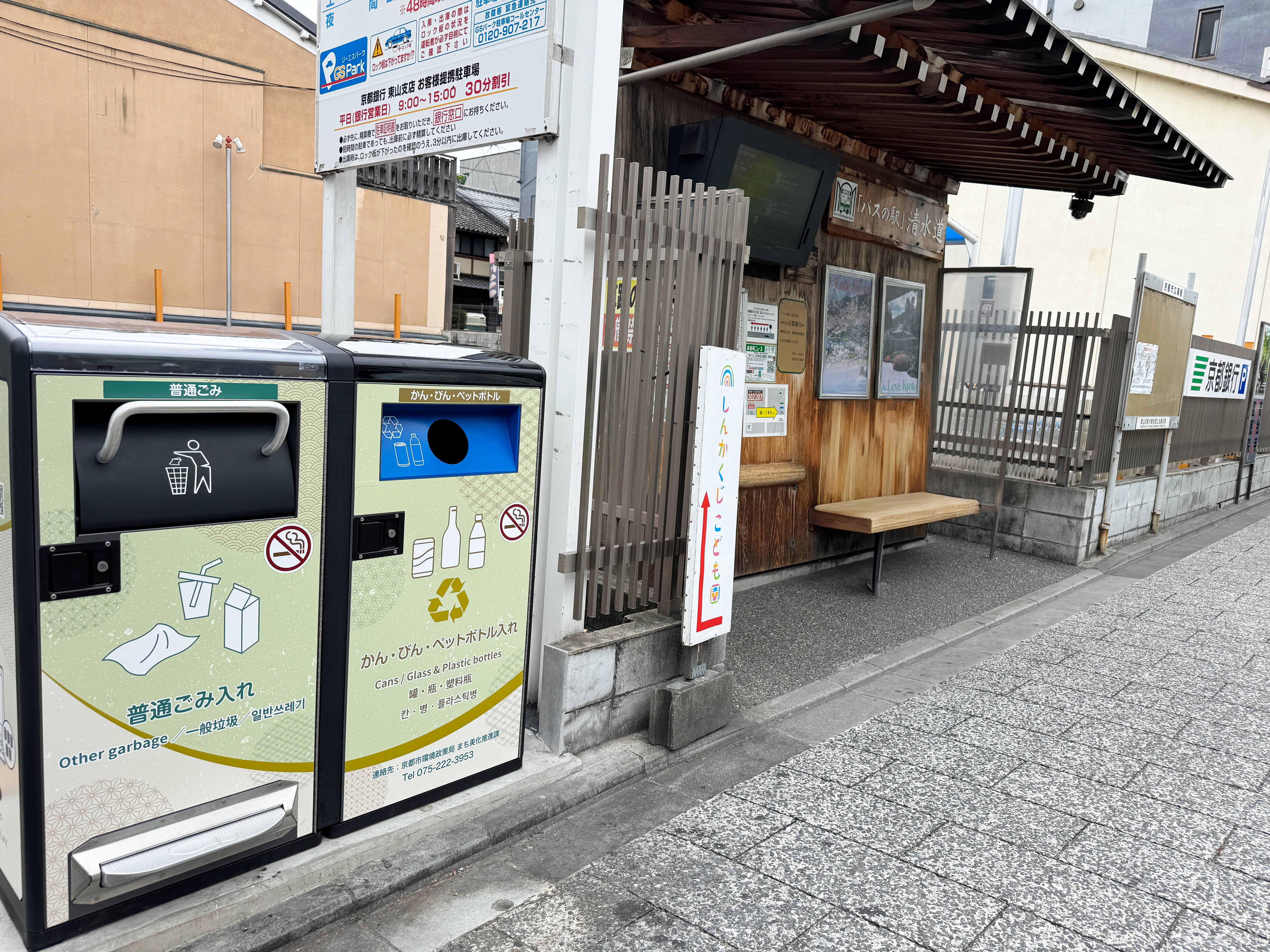
Fortunately, Kyoto has started tackling this problem with some high-tech efficiency. On May 27, two futuristic, eco-friendly smart trash cans called SmaGO, made by Forcetec, were introduced near the busy southbound Kiyomizu-michi bus stop, a highly traversed area for anyone looking to explore the area’s streets and temples.

The SmaGO units run entirely on solar power and feature an automatic trash-crushing mechanism that compacts waste down to just one-fifth of its original volume. They also connect to the internet to report exactly how full they are in real-time, allowing collection crews to swoop in before the trash starts to overflow and propagate to the nearby vicinity.

While these are the latest two units of a total of 34 throughout Kyoto, these eco-bins were actually donated to the city by the famous Kiyomizu temple and the nearby Rokuharamitsuji temple, with the Bank of Kyoto stepping in to provide the installation location, in the hopes of creating a more comfortable and beautiful city for both citizens and tourists.

So, the next time you venture into the historic former capital of Japan, you can rest assured that waste management will be one less thing to factor into your travel itinerary.

Source and images: PR Times
● Want to hear about SoraNews24’s latest articles as soon as they’re published? Follow us on Facebook and Twitter!
  • ✇SoraNews24 Japan
  • Japan’s real-world Pokémon hot spring’s first photos are here![Photos] Casey Baseel
    Pikachu and Gyarados invite you to come by for a relaxing soak as Noto town recovers from disaster. A lot of storylines in the Pokémon anime and video games follow the journeys of Pokémon Trainers as they roam far and wide in search of rare Pocket Monsters as part of their training to become Pokémon Masters. No matter how strong your resolve is to be the very best, though, eventually you’re going to need to take some time to stop and rest along the way. Likewise, if your real-life travels take
     

Japan’s real-world Pokémon hot spring’s first photos are here![Photos]

26 May 2026 at 02:00

Pikachu and Gyarados invite you to come by for a relaxing soak as Noto town recovers from disaster.

A lot of storylines in the Pokémon anime and video games follow the journeys of Pokémon Trainers as they roam far and wide in search of rare Pocket Monsters as part of their training to become Pokémon Masters. No matter how strong your resolve is to be the very best, though, eventually you’re going to need to take some time to stop and rest along the way. Likewise, if your real-life travels take you to Japan’s Ishikawa Prefecture, there’s now a Pokémon-themed hot spring where you can rejuvenate yourself.

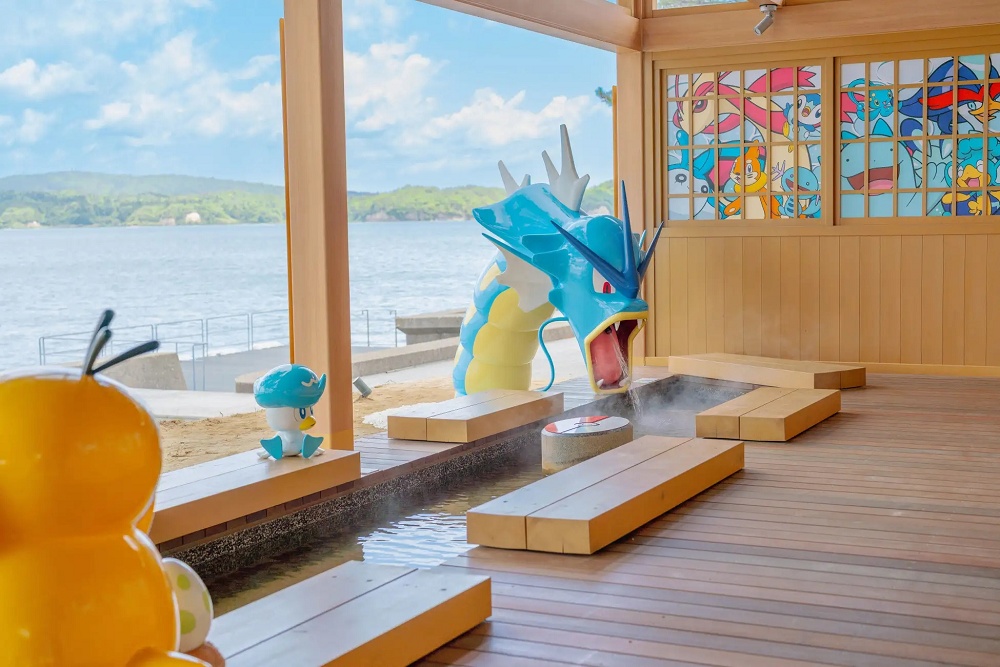
You’ll find this place in the town of Nanao, on the Noto Peninsula. This part of the prefecture is part of the collection of communities called Wakura Onsen, which has a number of onsen (hot spring) inns. Many of these facilities were damaged during a powerful earthquake that struck the peninsula in 2024, but the latest sign of the region’s recovery comes with the completion of renovations to the ashiyu foot bath in Yuttari Park. Earlier this month, the foot bath reopened following renovations, and visitors can now enjoy a soak in the company of several different Pokémon, including Pikachu, Gyarados, Vaporeon, and Psyduck!

The photos of the now-open facility show that the designers have done a fantastic job delivering on the promises of the concept renders. The footbath uses legitimate hot spring water, but unlike with a full-fledged onsen, visitors don’t have to be nude to make use of it. Just slip off your shoes and socks, the slide your feet in. Since you’re not completely submerged, you won’t need anything more than a hand towel or handkerchief to dry yourself off afterwards either, making this equally appealing to those looking for a long soak or sightseers who just want a quick Poké-relaxation session before moving on to the rest of their itinerary (such as tracking down the area’s Pokémon manhole covers). Aside from the obvious appeal of the Pokémon statues and murals, the foot bath also faces out onto the waters of the bay adjacent to the park, so you get some beautiful natural scenery to admire as well.

And as cool as the place is, it won’t cost you a single yen to use. Wakura Pokémon Footbath is completely free, and is open daily from 7 a.m. to 7 p.m.

Location information
Wakura Pokémon Footbath / わくらポケモン足湯
Address: Ishikawa-ken, Nanao-shi, Wakuramachi Hibari 1-1
石川県七尾市和倉町ひばり1丁目1番地
Open 7 a.m.-7 p.m.

Source, images: PR Times
● Want to hear about SoraNews24’s latest articles as soon as they’re published? Follow us on Facebook and Twitter!
  • ✇SoraNews24 Japan
  • Tokyo’s life-size Gundam anime mecha statue will be removed this summer Casey Baseel
    Goodbye (again), Gundam. Seeing Tokyo’s life-size Gundam statue is an amazing experience, but also surreal one. Sure, Japan is the land of anime and all, but even then, a 19.7-meter (64.6-foot) tall mecha feels like something too awesome to be standing outside of the Diver City entertainment complex in the Odaiba district. And sadly, it’s not going to be standing there much longer. Both the official Gundam franchise website and the site for Tokyo’s life-size Unicorn Gundam statue have posted
     

Tokyo’s life-size Gundam anime mecha statue will be removed this summer

15 May 2026 at 14:00

Goodbye (again), Gundam.

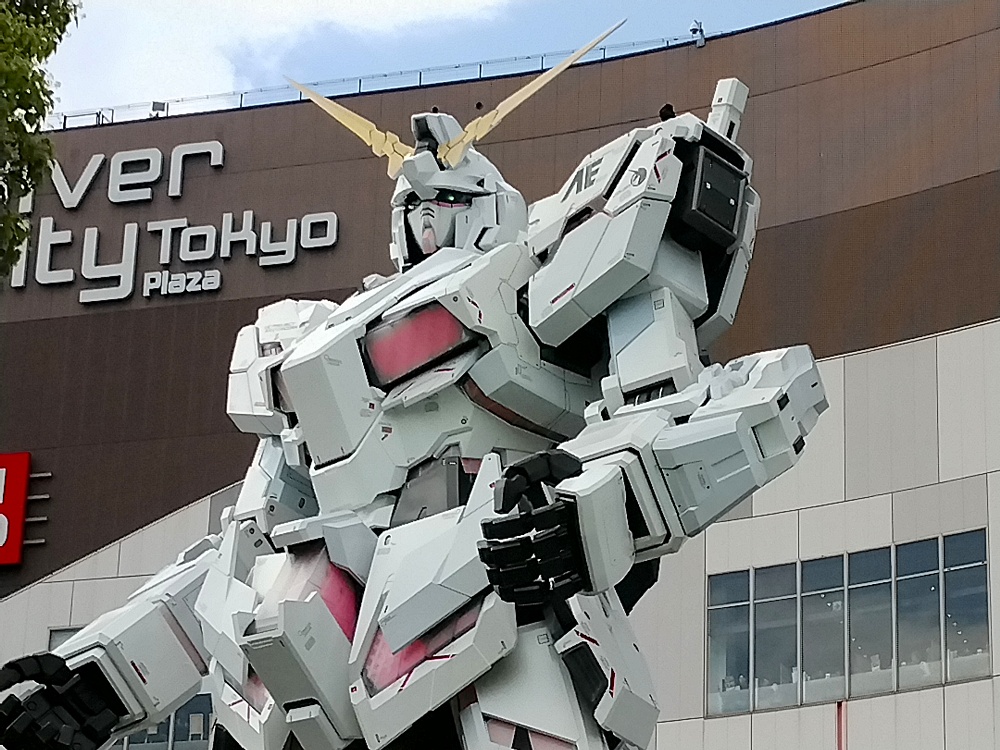
Seeing Tokyo’s life-size Gundam statue is an amazing experience, but also surreal one. Sure, Japan is the land of anime and all, but even then, a 19.7-meter (64.6-foot) tall mecha feels like something too awesome to be standing outside of the Diver City entertainment complex in the Odaiba district.

And sadly, it’s not going to be standing there much longer.

Both the official Gundam franchise website and the site for Tokyo’s life-size Unicorn Gundam statue have posted notices that the 1:1-scale recreation of the RX-0 Unicorn Gundam will be removed. They’re not giving fans much advance notice to make one last visit either (or one first visit, if you haven’t been able to fit Tokyo into your travel plans yet), as the Unicorn Gundam will be gone at “the end of August.” 

It’s a sad turn of events for what has become both a symbol of the neighborhood and a mecha mecca for anime fans from around the globe. The Unicorn Gundam was completed in September of 2017, meaning that it won’t quite make it to a full 9 years. I went to go see the big guy as soon as I could, and on my most recent visit just this month, the Unicorn was still looking great, as you can see in the photos in this article.

Gundam rights-holder Bandai hasn’t said why the Unicorn Gundam is being removed, and with it still drawing huge crowds, to the statue itself and to the two Gundam specialty stores inside Diver City, the decision comes as a shock to many fans.

The blow of the Unicorn Gundam’s departure is softened by Bandai’s promise that it will be starting a project it calls the “Gundam Landmark Concept,” creating a new Gundam facility/attraction that “fans from all over the world will want to come visit.” No further details have been released yet, but with Yokohama’s moving life-size Gundam having been sent off in the spring of 2024 to Osaka for the Expo 2025 world’s fair, the removal of the Unicorn Gundam will leave the Tokyo area with no life-size Gundams at all.

That seems like a vacuum Bandai would want to fill as quickly as it can, and this actually isn’t the first time for Odaiba to lose a life-size Gundam, either. Prior to the Unicorn Gundam’s installation, a life-size version of the original RX-78-2 Gundam stood in the same spot for several years, until it was removed in March of 2017, followed by a Gundam-less period of roughly six months before the Unicorn Gundam, was completed.

So hopefully this doesn’t mean Tokyo will be saying goodbye for good to Gundam so much as goodbye to this particular Gundam, and then hello to a new one. Still, there’s been no official word that a replacement mecha is one the way, and while Bandai says it will have special events to send the Unicorn Gundam off in style, there’s very little time to waste if you want to see it.

Related: Unicorn Gundam statue official website
Source: Gundam official website, Unicorn Gundam statue official website via Oricon News

Photos ©SoraNews24
● Want to hear about SoraNews24’s latest articles as soon as they’re published? Follow us on Facebook and Twitter!
  • ✇SoraNews24 Japan
  • Tokyo’s Pokémon Cafe reopens this month with brand-new sweets and Pikachu show Casey Baseel
    Renovations wrapping up in Tokyo, new menu items on their way to Osaka too. If you’re a Pokémon fan, heading to Japan’s Pokémon Cafe as soon as possible probably seems like a no-brainer. However, if you can hold out for a few more weeks, you’ll be rewarded for your patience, as there’s a slew of brand-new, incredibly adorable new items being added to the menu. The arrival of the new entree, dessert, and drink options coincides with this month’s grand reopening of the Pokémon Cafe Tokyo. At th
     

Tokyo’s Pokémon Cafe reopens this month with brand-new sweets and Pikachu show

4 June 2026 at 01:00

Renovations wrapping up in Tokyo, new menu items on their way to Osaka too.

If you’re a Pokémon fan, heading to Japan’s Pokémon Cafe as soon as possible probably seems like a no-brainer. However, if you can hold out for a few more weeks, you’ll be rewarded for your patience, as there’s a slew of brand-new, incredibly adorable new items being added to the menu.

The arrival of the new entree, dessert, and drink options coincides with this month’s grand reopening of the Pokémon Cafe Tokyo. At the time of its opening in 2018, Japan’s first permanent Pokémon restaurant was already an awesome place to visit, and the newly redone interior will feature even more species of Pokémon in its art and decorations.

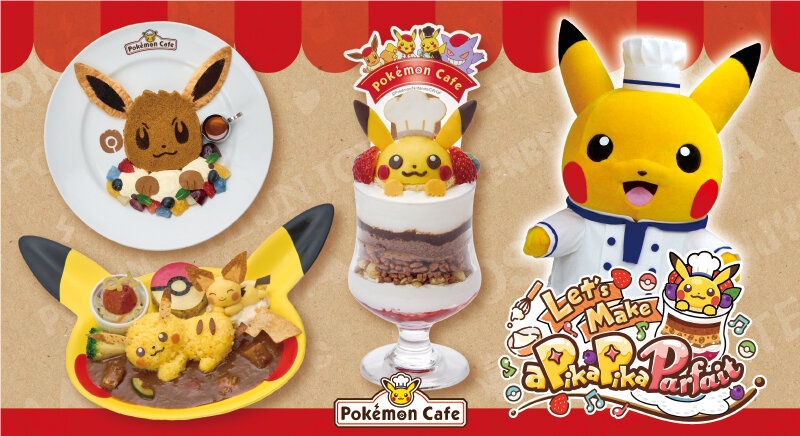
Among the menu items making their debut is the Chocolate and Berry Pikachu Parfait, a mixture of sweet, fruity, and creamy flavors topped with strawberries and a Pikachu made of mousse with chocolate facial features.

Continuing with the sweet treats, there’s also the Eevee Colorful Fruit Pancake, which gives a nod to Eeevee’s many possible evolutions with a rainbow of dried fruit pieces and recreates the Pokémon’s tuft of fluffy fur with Mascarpone cream.

We’d be the last ones to criticize fans for ordering double dessert, (our independent research has found that it’s the most important meal of the day), but we’d highly recommend saving room for some savory stuff too, like the Pikachu and Pichu Friends Curry Plate, with a Pikachu-shaped serving of saffron rice and a Poké Ball-style hamburger steak.

The sleepiest Pokémon couldn’t be bothered to wake up for the Napping Snorlax Teriyaki Burger, but he does at least let you use his tummy for the top bun of this teriyaki chicken and scrambled egg sandwich, and he contributes some carrot Zs to the accompanying veggie mix.

Rounding out the new entree choices is the Mimikyu Disguise Omelet, recreating the mysterious Ghost/Fairy-type’s covering in egg form, with a salad and cup of corn chowder, with Pokémon-shaped pasta, on the side.

And last, to wash everything down there’s the new Go! Greninja! White Peach Smokescreen Drink. Floating in the glass is a gelatin Water Shuriken, and the Pokémon Cafe promises that the drink also shows off Greninja’s Smokescreen ability, which could mean that it has some sort of foamy or cotton candy-cloud creating effect.

The visual appeal of dining at the Pokémon Cafe isn’t limited to the food on your plate or the art of the walls, either. Seatings are done in set time blocks, and each of them includes a visit by some species of Pokémon. To celebrate the debut of the new Pikachu parfait, there’s also a new show, Let’s Make a Pika Pika Parfait, a 10-minute performance featuring a trio of culinary Pikachus.

▼ From left to right these are Waitress Pikachu, Chef Pikachu, and Patissier Pikachu, but they also look like they could be the panel of a Pokémon-themed Iron Chef reboot (which someone should make immediately).

▼ The same three also appear on special Pokémon 30th anniversary stickers given out randomly with drink orders.

Prices for the above items range from 1,375 yen (US$9) for the Greninja drink to 2,090 yen for the desserts and 2,530 yen for everything else. The new menu items will be available at both the Tokyo and Osaka Pokémon Cafes starting June 17, which is also the grand reopening date for the renovated Tokyo branch, which has been closed since late March.

Related: Pokémon Cafe
Source: Pokémon Cafe (1, 2, 3)
Top image: Pokémon Cafe
Insert images: Pokémon Cafe (1, 2)
● Want to hear about SoraNews24’s latest articles as soon as they’re published? Follow us on Facebook and Twitter!
  • ✇SoraNews24 Japan
  • Japan Railways partners with Overwatch, heroes hit the Shinkansen for bullet train collaboration Casey Baseel
    And yes, there is a reason Mercy is dressed that way. With Japan being home to many of the world’s most passionate gamers, Japan Railways Group periodically partners with popular video game franchises to add a little extra fun to fans’ train travel in Japan, like we’ve seen in previous tie-ups with the Final Fantasy and Pokémon series. For its next video game collaboration, though, JR Central (a.k.a. JR Tokai) is teaming up with a series that hails from the U.S. This summer, characters from th
     

Japan Railways partners with Overwatch, heroes hit the Shinkansen for bullet train collaboration

7 June 2026 at 01:00

And yes, there is a reason Mercy is dressed that way.

With Japan being home to many of the world’s most passionate gamers, Japan Railways Group periodically partners with popular video game franchises to add a little extra fun to fans’ train travel in Japan, like we’ve seen in previous tie-ups with the Final Fantasy and Pokémon series. For its next video game collaboration, though, JR Central (a.k.a. JR Tokai) is teaming up with a series that hails from the U.S.

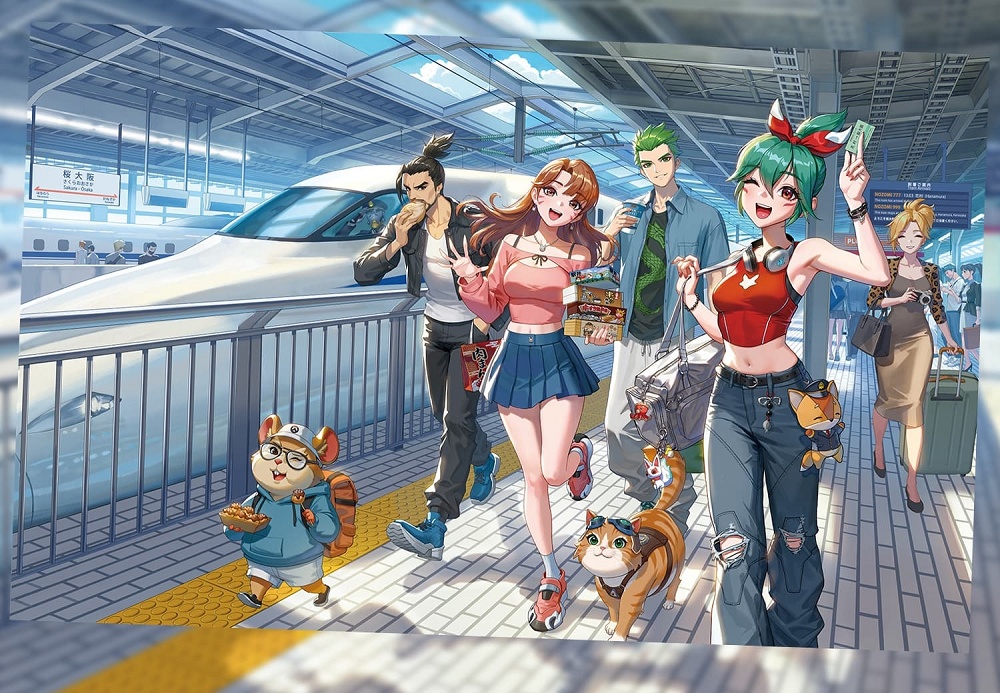
This summer, characters from the cast of Blizzard’s Overwatch will be taking a ride on the Shinkansen as part of the Payload to Osaka campaign (a reference to the game’s “payload escort” missions). The promotion’s key art shows Hanzo, D.Va, Genji, Kiriko, Mercy, Hammond, and Jetpack Cat getting off the bullet train at Shin Osaka Station, the closest stop on Japan’s high-speed rail network to downtown Osaka. The artwork contains a few tips of the hat to Osaka’s famous food culture, with Hammond snacking on takoyaki octopus balls and Hanzo scarfing on a steamed pork bun (and you’ll note that Hanzo is eating it after getting off the train).

From July 17 to September 23, passengers onboard JR Central Shinkansen trains can take an Overwatch-themed quiz via their smartphones, and correctly answering the questions gets you one of seven phone wallpapers. While the wallpaper you win is randomized, you can take the quiz as many times as you want during your ride (10 questions are randomly pulled from a pool each time), and JR Central guarantees you won’t get any duplicate wallpapers until you’ve completed a full set of all seven.

Even if you’re not up to taking the quiz, you can still receive a PC wallpaper image of the illustration just by answering an online questionnaire, which, like the quiz, can be accessed through the promotion’s official website, while onboard the bullet train. This also serves as a record of your Shinkansen ride, which you can then show at the Osaka Nipponbashi branch of anime merchandise store chain Animate to receive an Overwatch cleaning cloth with the same illustration.

Animate Osaka Nipponbashi will also be hosting an Overwatch Payload to Osaka popup store with character pins and acrylic mini standees from July 17 to 26.

While Overwatch does have fans in Japan, the series’ most passionate supporters tend to hail from other countries. With international tourists accounting for so much travel in Japan these days, though, especially on the JR Tokai section of the Shinkansen network that connects Osaka with Kyoto and Tokyo, JR Central most likely expects to get a lot of interest from non-Japanese fans, enough so that the company felt the need to follow up on its official Twitter announcement for the collaboration with a statement that “These items are available in Japan only.”

Speaking of the Twitter announcement, at least one non-Japanese fan was furious about the clothing that Mercy is wearing in the artwork.

What is this kind of OUTFIT? ugly as hell pic.twitter.com/4wkggD4fpR

— 𓆩♡𓆪 🦇✦ÆØNLIZ ✦🦇𓆩♡𓆪 (She/Her) (@AEONFLUX_85) June 4, 2026

From the choice of words and capitalization, that was probably meant as a rhetorical question, but hey, there’s actually a reason for this outfit (sorry, OUTFIT). Aside from having a vibrant food culture, Osaka is also known for its flashy fashion sense, in particular its ladies’ fondness for animal prints. Granted, it’s usually associated with women of a more mature age than Mercy, but a little touch of Osaka style isn’t completely out of place here.

Related: JR x Overwatch Payload to Osaka official website, Animate Osaka Nipponbashi
Source: JR Central via Hachima Kiko
Images: JR Central
● Want to hear about SoraNews24’s latest articles as soon as they’re published? Follow us on Facebook and Twitter!
  • ✇SoraNews24 Japan
  • Even at twice regular Daiso price, this handy item is still great for summer travel in Japan Casey Baseel
    With the rainy season here, this umbrella companion is a Daiso-premium bargain. Having flipped the calendar to June, we’re clearly not in spring anymore, but many Japanese people would argue that we haven’t really made it to summer just yet. That’s because we’re at the start of tsuyu, or “the rainy season,” a roughly month-long stretch of wet weather that precedes the idyllic fun-in-the-sun section of summer. As a matter of fact, Tokyo is getting drenched with heavy rains at the time of this w
     

Even at twice regular Daiso price, this handy item is still great for summer travel in Japan

4 June 2026 at 05:00

With the rainy season here, this umbrella companion is a Daiso-premium bargain.

Having flipped the calendar to June, we’re clearly not in spring anymore, but many Japanese people would argue that we haven’t really made it to summer just yet. That’s because we’re at the start of tsuyu, or “the rainy season,” a roughly month-long stretch of wet weather that precedes the idyllic fun-in-the-sun section of summer.

As a matter of fact, Tokyo is getting drenched with heavy rains at the time of this writing, which is why we’re happy that we recently hit up Daiso and picked up an extremely handy item that we’re going to be putting to good use in the weeks to come.

This is actually one of Daiso’s premium-priced products, costing double what the chain usually charges for its items. Of course, with Daiso being Japan’s most famous 100 yen shop, that means that the Telescopic Umbrella Cover is still only 200 yen (US$1.30), and for how useful it is, that price feels like a bargain.

Even with Japan’s excellent train/subway network, life here tends to involve a lot of walking, since you’re at least going to need to get to/from the station. But while an umbrella will keep the rain off you while you’re outside, once you head inside or onto a train, you’ve now got a sopping shaft of damp fabric that’s going to wet your clothes, or the clothes of anyone standing close to you on one of Japan’s famously crowded trains.

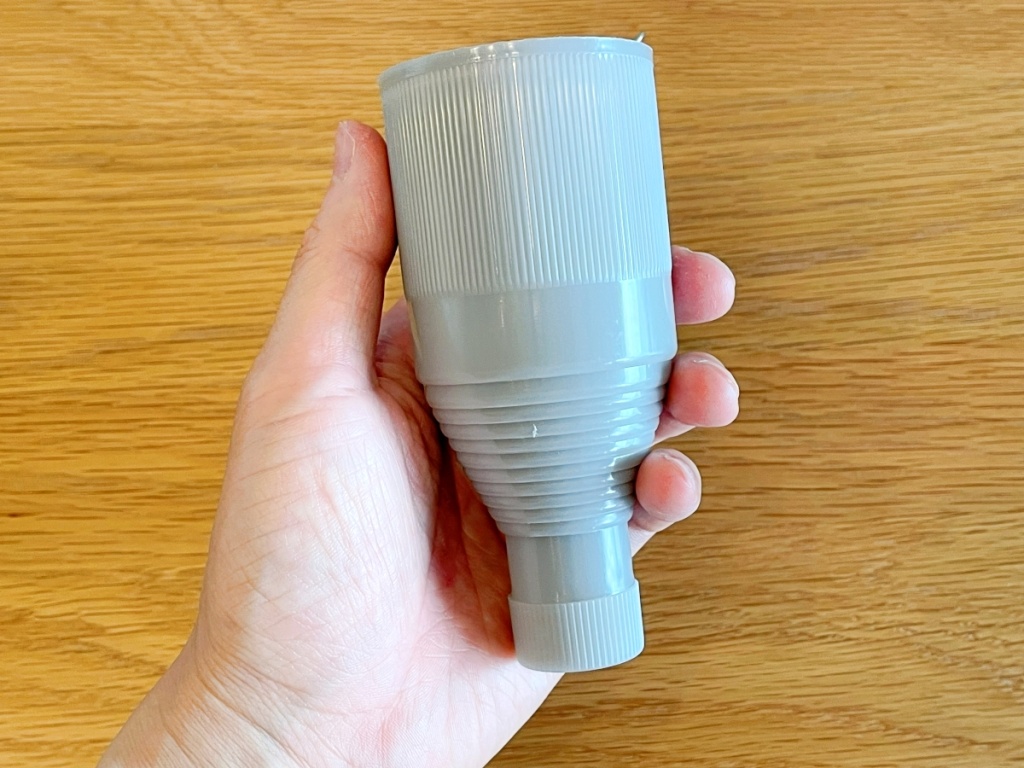
Daiso’s Telescopic Umbrella Cover is here to solve that problem. Essentially a plastic cup with an accordion-like construction, it’s conveniently compact when scrunched down to its smallest size, but expands to accommodate umbrellas.

Simply insert your umbrella into the cover and push until it reaches your desired length.

Daiso’s case has a number of advantages compared to the disposable thin plastic bag-style slip-on covers provided at some shopping centers and stores in Japan. For one, there’s no trash generated with Daiso’s reusable cover, and unlike the disposable versions, the Daiso cover works not only with long umbrellas with pointy tips, but shorter folding umbrellas, the kind most popular with travelers, too.

Also, when you take your umbrella back out from a plastic-bag cover, you’re left with a bag of water from all the drops that dripped off the fabric. Daiso’s cover instead has a removable cap at the tip so that you can pour out the water in an appropriate place.

And while some umbrellas come with cloth covers to be slipped over them when wet but not in use, you then end up with a soggy fabric cover that’ll need to be washed once you get home, and repeated washings can damage its moisture absorbency. On the other hand, since Daiso’s case is made of plastic, you can simply wipe off the interior surfaces and it’ll be ready to go again.

Really, the only drawback we could see is that the case didn’t completely cover an extra-large 70-centimeter (27.6-inch) long umbrella that we included in our testing, but even then, it provided a long area length of protection.

Daiso’s Telescopic Umbrella Cover even has a chain so that you can clip it to your bag for easier carrying, and with sudden showers being something that can happen even after the “rainy season” is done, we might have one of these with us all summer long.

Photos ©SoraNews24
● Want to hear about SoraNews24’s latest articles as soon as they’re published? Follow us on Facebook and Twitter!
  • ✇SoraNews24 Japan
  • Another side of Kyoto – The prefecture’s top 10 “road stations” for traveling foodies SoraNews24
    We’re headed to Kyoto today, but not to see the temples or shrines. Temples and shrines are the first things that come to mind when travelers think of Kyoto, but the prefecture is also a treasure trove of outstanding michi no eki, or “road stations.” These combination roadside shops/rest areas offer a variety of unique local products, from foods and drinks to handicrafts, and with Kyoto Prefecture’s rich culinary legacies, its road stations include ones in famous green tea-growing regions and
     

Another side of Kyoto – The prefecture’s top 10 “road stations” for traveling foodies

28 May 2026 at 14:00

We’re headed to Kyoto today, but not to see the temples or shrines.

Temples and shrines are the first things that come to mind when travelers think of Kyoto, but the prefecture is also a treasure trove of outstanding michi no eki, or “road stations.” These combination roadside shops/rest areas offer a variety of unique local products, from foods and drinks to handicrafts, and with Kyoto Prefecture’s rich culinary legacies, its road stations include ones in famous green tea-growing regions and fishing ports on the coast of the Sea of Japan.

Today we’re asking our Japanese-language correspondent Susan, a native of Chiba Prefecture who’s travelled to 850 michi no eki, including all of the ones in Kyoto, for his list of 10 best Kyoto road stations, presented in no particular order.

1. Ocha no Kyoto Minami Yamashiro-mura (Minami Yamashiro Village)
Website

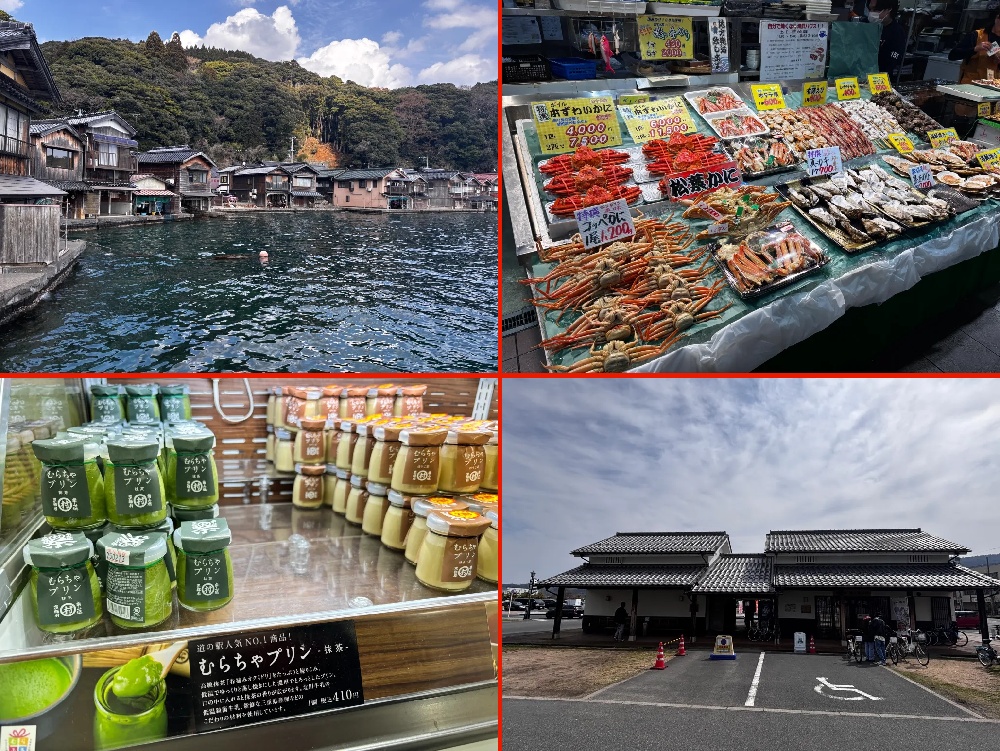
Minami Yamashiro is the only town in Kyoto Prefecture that’s legally classified as a “village” (mura in Japanese), and that alone brings a lot of travelers to this road station. Locally grown tea is the star attraction here, and in the attached restaurant you can dine on soba noodles with green tea mixed into their buckwheat flour. Looking for something sweeter? The Muracha (“Village Tea”) Pudding is not to be missed, with a deep, direct delivery of green tea flavor in every bite.

2. Michi no Eki Miyama Fureai Hiroba (Nantan City)
Website

You’ll find this road station on the way to Kayabuki no Sato, a beautifully preserved historic neighborhood with traditional thatched roof Japanese farmhouse architecture. The thing you’ve got to try if you come here is the Miyama Milk from the local dairy, or at least the ice cream, frozen yogurt, or cheese made with it.

The gelato is Susan’s personal favorite, rich but with a clean finish, and the lines get long for it on the weekends, but it’s worth the wait.

3. Michi no Eki Funaya no Sato Ine (Yosa)
Website

On its north side, Kyoto Prefecture stretches all the way to the coast of the Sea of Japan, and that’s where you’ll find the town of Yosa and Ine, a neighborhood of traditional fishermen boathouse homes built out over the water.

The refreshments on offer here include locally made soba and small-batch sake, but Susan also gives a special mention the hisuku, skewers of dried fish that you can buy from the outdoor Umyado stand to snack on while you admire the scenery.

4. Michi no Eki Nagomi (Funai)
Website

Heading back into the more mountainous inland, we come to this michi no eki in the town of Funai, situated next to the Yuragawa River. This is a tranquil spot befitting its Nagomi name (which means “harmony”), and your heart will feel even more at ease if you’re indulging in a cup of Mont Blanc pudding at the attached Nagomi Cafe.

Seasonal highlights include spring strawberries, autumn chestnuts, winter mochi, and in summer, a special “ayu garden” where you can experience catching ayu (a kind of river fish) by hand, then having it grilled up by the staff for you to enjoy at its freshest flavor.

5. Michi no Eki Mizuho no Sato Sarabiki (Funai)
Website

We’re still in Funai for this easy-to-access road station off the the Kyoto Expressway, near where travelers enter the lush countryside of the Tamba Highlands. The Mizuho district is famous for its buckwheat farms, and also for the soba noodles made from the grain, so naturally you can enjoy a bowl of them here, and the hiratake mushrooms, gathered in the local mountains, are delicious too.

This road station’s most unique feature, though, is its mini field hockey court. The Mizuho district hosted national field hockey championships during a sports event back in 1988, and the game has remained popular in the area ever since.

6. Michi no Eki Umi no Kyoto Miyazu (Miyazu City)
Website

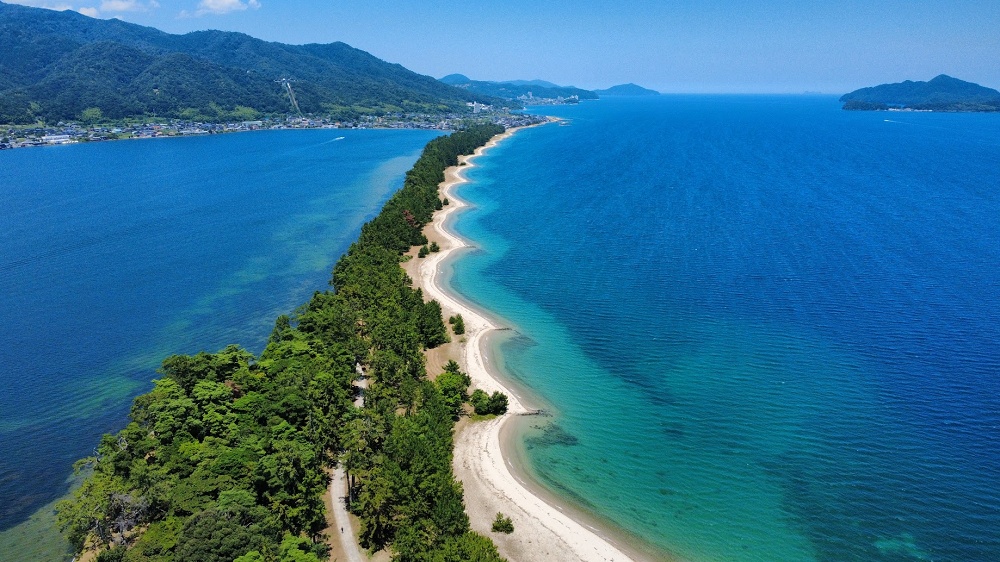
Yes, the building itself looks cool, but this one is primarily on the list because it offers a great vantage point for seeing Amanohashidate. Considered one of the three most beautiful views in Japan, Amanohashidate is pine tree-covered sandbar that stretches across Miyazu Bay and is supposed to look like a bridge climbing into the heavens, especially so if you bend over and view it through your legs so that it’s upside down.

▼ Susan and a friend in front of Amanohashidate

The road station here has an attached shop with local sake and other souvenirs, but the main appeal really is the view, so make this one a daytime visit.

7. Michi no Eki Tango Okoku Shoku no Miyako (Kyotango City)
Website

Shoku no Miyako translates to “Capital of Food,” and the scale of this road station certainly warrants that distinction, as its approximately eight times the size of Japan’s famed Koshien baseball stadium. Whether you’re in the mood for Kyoto Tanba Kurowagyu steak or wood-fired pizza, there are restaurants here that are happy to oblige, and big eaters will enjoy the noodle shop with all-you-can-eat udon.

With so much to eat, you might want to have two meals here, and there are go-karts, a petting zoo, and even a hotel if you need something to do or somewhere to relax between chow-down sessions.

8. Michi no Eki Springs Hiyoshi (Nantan City)
Website

Aside from being valuable parts of public infrastructure, many dams in Japan have become tourist attractions in and of themselves. This road station is situated next to the Hiyoshi Dam, and fatures facilities such as an onsen hot spring bath, heated swimming pool, sauna, and outdoor BBQ spaces.

If you need provisions, the souvenir shop sells locally sourced mushrooms and eggs, and there’s even a campground with cottages for overnight guests.

9. Michi no Eki Kyoto Shinkoestumura (Nantan City)
Website

This road station is right off the Kyoto Jukan Expressway’s Sonobe Interchange, making it super-easy to access while driving across or around Kyoto Prefecture. Locally grown Onshin rice is the pride of the place, and aside from sacks of the rice itself you can taste it in the mochi rice cakes and senbei rice crackers sold in the souvenir shop.

This michi no eki also has a good selection of nama yatsuhashi, Kyoto’s representative sweet treat of a folded triangle of soft mochi with sweet red bean paste inside. Granted, you can find nama yatsuhashi at plenty of other places in Kyoto, but this road station’s easy expressway access makes it a very convenient place to pick up an extra box or two on your way home.

10. Michi no Eki Maizuruko Toretore Center (Maizuru City)
Website

And last, we’re back on the north coast of Kyoto Prefecture to stop at Maizuru Port, one of the largest seafood markets along the Sea of Japan. As soon as you step inside, you’ll be surrounded by the bustling energy of merchants hawking fresh catches of fish, crab, and oysters, among other saltwater delicacies.

This is basically the Tsukiji of road stations, with delicious snow crab in winter, iwagaki oysters in summer, and buri (yellowtail) in autumn, no matter when you visit, you’ll find something great to eat.

Photos ©SoraNews24
● Want to hear about SoraNews24’s latest articles as soon as they’re published? Follow us on Facebook and Twitter!
  • ✇SoraNews24 Japan
  • Bears appear at one of Kyoto Prefecture’s most popular tourist spots[Video] Casey Baseel
    People have been traveling to Amanohashidate for centuries, and this week apparently bears are too. Amanohashidate, located on the northern coast of Kyoto Prefecture, is considered one of the three most beautiful places in Japan (the other being Miyajima and Matsushima). Amanohashidate translates to “bridge to the heavens,” and it got that name because the strip of land that stretches across the bay here is said to look like a pathway rising into the sky. Celebrated in poems and painting for c
     

Bears appear at one of Kyoto Prefecture’s most popular tourist spots[Video]

12 June 2026 at 05:00

People have been traveling to Amanohashidate for centuries, and this week apparently bears are too.

Amanohashidate, located on the northern coast of Kyoto Prefecture, is considered one of the three most beautiful places in Japan (the other being Miyajima and Matsushima). Amanohashidate translates to “bridge to the heavens,” and it got that name because the strip of land that stretches across the bay here is said to look like a pathway rising into the sky.

Celebrated in poems and painting for centuries, Amanohashidate’s beauty continues to draw travelers today, with people coming from across Japan and around the world to take in the view. This week’s visitors, however, have included two bears.

In another instance in the growing trend of bears showing up in unexpected places in Japan, shortly after 4:30 in the afternoon on June 10 a call was placed to the 110 emergency services phone number reporting a bear that was spotted at the north end of Amanohashidate. The strip of land was evacuated and sealed off, and police and animal control personnel were dispatched to the scene. Firecrackers were used to scare the bear off of the bridge, after which it fled into the ocean and swam back towards the bay’s northern shore to the west of Amanohashidate. After coming back onto dry land, the bear climbed a tree and was then shot with a tranquilizer dart, falling asleep around 10:40 p.m. No injuries to humans were reported.

▼ And yes, some of the response team was equipped with handheld shields, like they were knights heading out to face off with a dragon or ogre.

Now, a visit to one of Japan’s top sightseeing spots, a quick swim, and getting to bed at a relatively early hour would be a pretty good day for most people, but the city of Miyazu, where Amanohashidate is located, doesn’t ordinarily get bears in this district, and so its appearance is cause for concern…and that concern has grown deeper with the spotting of a second bear, which was seen at Amanohashidate on the morning of June 12 at roughly 7:30. This bear was spotted by a foreign tourist, and after the report came in Amanohashidate was once again evacuated and closed off. As of this writing, the bear remains at large.

Source: TBS News Dig (1, 2), Nitele News
Top image: Wikipedia/Sylvestre
● Want to hear about SoraNews24’s latest articles as soon as they’re published? Follow us on Facebook and Twitter!
  • ✇SoraNews24 Japan
  • Pikachu cakes and other adorable Pokémon 30th anniversary food coming to Tokyo luxury hotel Casey Baseel
    Special sweets designed to satisfy your sweet tooth and cool you off in the summer heat. This year is Pokémon’s 30th anniversary, and the franchise is celebrating in style at the Grand Hyatt Tokyo, with the hotel offering amazing Pokémon-themed rooms including one with 30 Pikachu plushies to keep guests company during their stay. But what if you’ve already got a place to sleep in Tokyo? Does that mean you have to miss out on the collaboration’s fun? Not at all, because the Grand Hyatt Tokyo’s
     

Pikachu cakes and other adorable Pokémon 30th anniversary food coming to Tokyo luxury hotel

29 May 2026 at 04:00

Special sweets designed to satisfy your sweet tooth and cool you off in the summer heat.

This year is Pokémon’s 30th anniversary, and the franchise is celebrating in style at the Grand Hyatt Tokyo, with the hotel offering amazing Pokémon-themed rooms including one with 30 Pikachu plushies to keep guests company during their stay. But what if you’ve already got a place to sleep in Tokyo? Does that mean you have to miss out on the collaboration’s fun?

Not at all, because the Grand Hyatt Tokyo’s restaurants are also part of the party, and they’re offering both sweet and savory Pokémon-themed eats all summer long!

Starting things off is the Sora Tobu Pikachu (“Pikachu in the Sky”) Gourmet Burger Set, with a Pikachu-yellow bun, the Hyatt’s original barbecue sauce, and jalapeno pickles. It’s accompanied by curry powder French fries and chilled corn soup, and to drink you get a “Pikachu soda,” which looks to be an ice cream float with boba-style tapioca balls too.

The Pikachu burger is available in the hotel’s Oak Door steakhouse restaurant, but just like wild Pokémon appear in different parts of their regions, there are other Pikachus at the Hyatt’s Fiorentina cafe, which is adding a Sora Tobu Pikachu Summer Parfait to its menu.

Since this is a parfait to be enjoyed during one of Japan’s notoriously hot and humid summers, this dessert bypasses heavy chocolate or caramel sauces. Instead, the key ingredients are mascarpone mousse, peach gelatin infused with butterfly pea, and coconut gelatin, for visuals evocative of a bright blue sky and puffy clouds. The “balloons” that are carrying Pikachu on this flight are actually orbs of frozen mousse in mango, orange, pistachio, blueberry, and raspberry flavors.

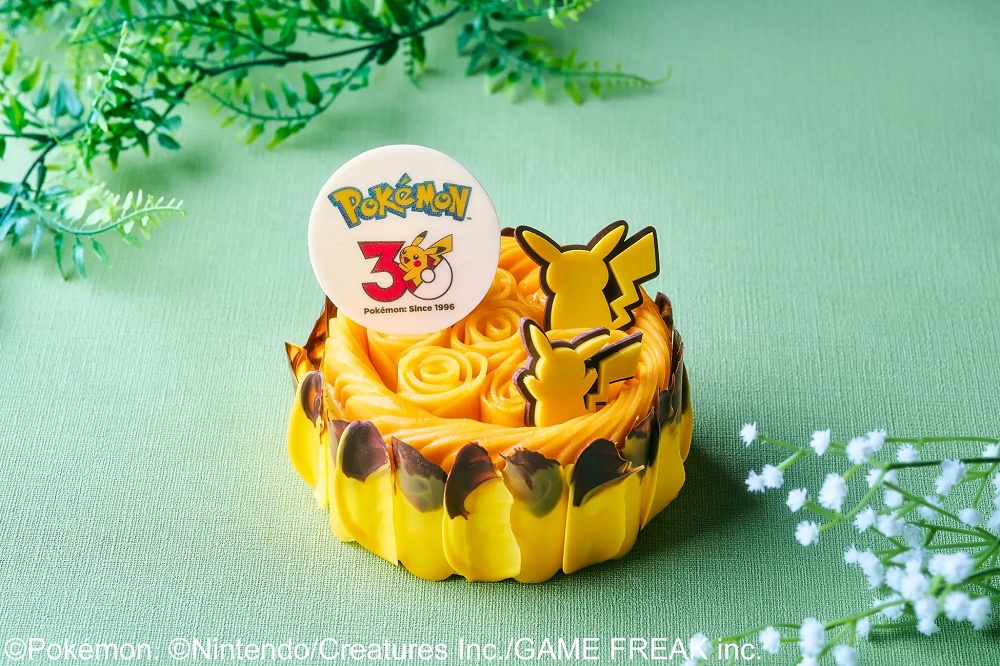
And there’s still one more place to score some Pokémon treats. Head to the Hyatt’s Fiorentina Pastry Boutique and you can pick up a Pokémon 30th Anniversary Mango Cake.

This fancy cake has layers of mango and coconut jelly inside almond sponge cake, topped with mango mouse and a bouquet’s worth of mango slices arranged in the shape of roses. But even with all those floral flourishes, fans’ eyes will be drawn to the pair of Pikachu chocolates.

For those looking for permanent reminders of their Pokémon sweets sessions, Fiorentina can also supply Grand Adventure Sweets Trunk Cases, with Pikachu mango cookies, Eevee coffee chocolate cookies, and Gen-1 starter trio chocolates in a bundle with a special tote bag and lunchbox-style case.

…or Grand Adventure Baton Chocolate sets, with an assortment of gourmet chocolates and the tote.

▼ The cookies and starter trio chocolates can also be purchased by themselves, if you’ve already got your carrying equipment needs sorted.

As for pricing, the intricate decadence of the Pokémon 30th Anniversary Mango Cake puts it at 12,600 yen (US$81). The Pikachu burger set, meanwhile, is 6,600 yen, and the parfait 3,520. The Sweets Trunk Case and Baton Chocolate sets are 7,500 and 6,800 yen, respectively. The by-themselves chocolates are 2,200 yen, and Pikachu and Eevee cookie boxes are 1,200 each.

The Pokémon/Grand Hyatt Tokyo collaboration runs from June 20 to August 31, but reservations can already be made for the burger, parfait, and cake through the hotel’s website. Reservations are highly recommended for the burger and parfait, as they’re limited to quantities of 20 each daily, and reservations of at least three days in advance are required to purchase the Pikachu cake.

And if Tokyo doesn’t figure into your Japan travel plans this summer, or if you’ve already got all your meals in the capital planned out, there’s some cool new Pokémon stuff happening in another part of the country too.

Related: Grand Hyatt Tokyo website
Source, images: PR Times

● Want to hear about SoraNews24’s latest articles as soon as they’re published? Follow us on Facebook and Twitter!

  • ✇SoraNews24 Japan
  • American college student missing in Kyoto, last seen by family one week ago Casey Baseel
    20-year-old outdoors enthusiast last seen approaching hiking trail east of downtown after sunset. The Japanese police and volunteers are searching for an American college student who went missing in Kyoto and hasn’t been seen in a week. 20-year-old James “Weston” Higginbotham and his family arrived in Japan from the U.S. on May 25, spending time in Tokyo and elsewhere before reaching Kyoto. Having argued with his mother during their trip, Weston declined to go with his parents and 18-year-old
     

American college student missing in Kyoto, last seen by family one week ago

5 June 2026 at 05:00

20-year-old outdoors enthusiast last seen approaching hiking trail east of downtown after sunset.

The Japanese police and volunteers are searching for an American college student who went missing in Kyoto and hasn’t been seen in a week.

20-year-old James “Weston” Higginbotham and his family arrived in Japan from the U.S. on May 25, spending time in Tokyo and elsewhere before reaching Kyoto. Having argued with his mother during their trip, Weston declined to go with his parents and 18-year-old younger brother while they visited a temple on May 29, instead opting to sightsee on his own, while sharing his location through the Life360 phone app.

▼ James “Weston” Higginbotham, missing since the night of May 29 in Kyoto

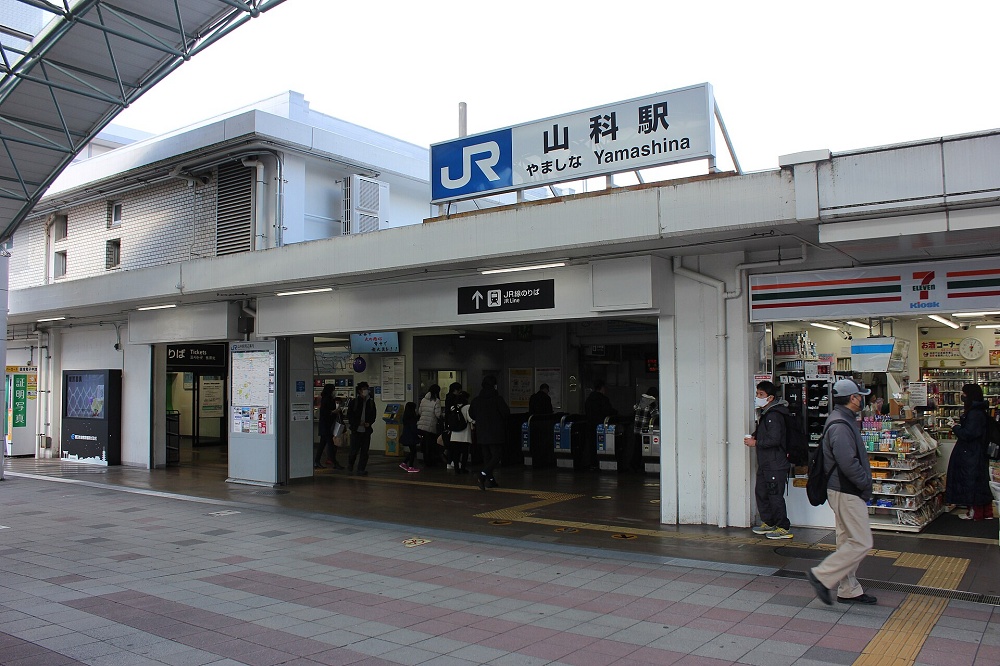
Based on his location data, Weston left the family’s hotel by himself at around 6 p.m. and later boarded a train at Kyoto Station, a five-minute ride away. He can be seen on multiple security cameras leaving Yamashina Station and walking in the neighborhood around 8 p.m., wearing a gray T-shirt with “Save the bees” written across it and brown pants, and carrying a shoulder bag. His last known location was on a path that leads to a hiking trail that goes into the mountainous forest region to the east of Kyoto City.

At 8:29, Weston turned off location-sharing on his phone, something his mother said he has never done before in such situations. Examination of his location data prior to disconnecting also shows that Weston visited a home supplies store at some point after leaving the hotel. By 2 a.m., Weston had not returned to the hotel or contacted his family, so they reported him as missing to the police.

According to his family, Weston is an experienced outdoorsman and international traveler, having solo hiked in Europe, and the family often hikes, mountain bikes, and river rafts together. “It’s not unusual for Weston to blow off steam going to the woods and just exploring,” his mother, Nancy, said. “That’s his happy place.” As such, she remains optimistic that her son has simply gotten lost and can be safely rescued, but a powerful storm that passed through the area earlier this week means conditions were likely more dangerous than usual.

Japanese online reactions to the family’s plight have included:

“I hope they find him soon.”
“Please let him have been taken in by some kind countryside family that’s been feeding him good food all this time.”
“I work as a delivery driver, so I’ll be sure to keep an eye out for him.”
“Hoping he makes it back with a simply ‘Sorry! Got lost.’”
“Please, please be safe.”

At the time that he went missing, Weston is believed to have had around 10,000 yen (US$63) in cash on him, and none of his credit cards have been used since he was last seen. With no signs of foul play, the police are treating the situation as a missing person case, and have deployed helicopters and police dogs in the search, and Japanese volunteer groups have been pitching in as well, but so far, no sign of him has been seen.

Source: Teleasa News, CNN, CBS, YouTube/ANNnewsCH
Top image: Wikipedia/SONIC BLOOMING
● Want to hear about SoraNews24’s latest articles as soon as they’re published? Follow us on Facebook and Twitter!

❌
Subscriptions