Normal view

  • ✇SoraNews24 Japan
  • 133-year-old Japanese company’s cookies go beyond matcha with dashi and shichimi flavors Casey Baseel
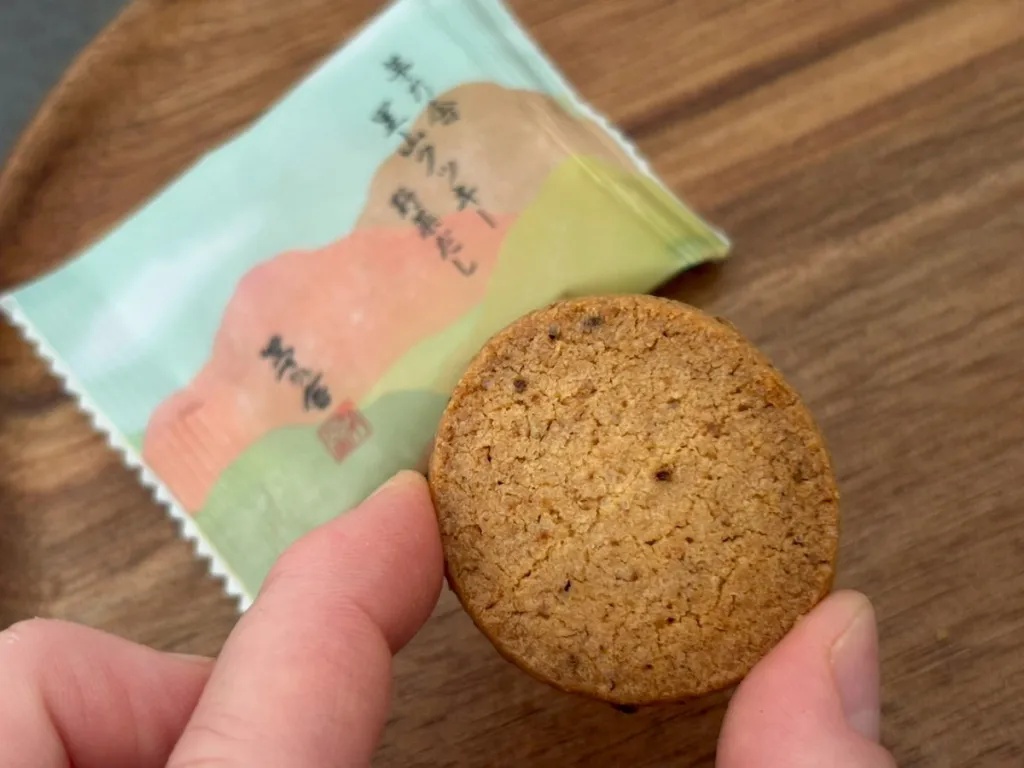
    Kayanoya’s Satoyama Cookies give you four flavors for a snack session unlike any other. The other day, we found ourselves thinking “We want to eat some cookies.” In and of itself, that’s not at all an unusual condition for us to be in, but on this day we wanted specifically to eat some Kayanoya cookies. Kayanoya is a company that was founded all the way back in 1893, and as you might expect from that, they make use of some characteristically Japanese ingredients in their cookies, such as match
     

133-year-old Japanese company’s cookies go beyond matcha with dashi and shichimi flavors

28 May 2026 at 02:00

Kayanoya’s Satoyama Cookies give you four flavors for a snack session unlike any other.

The other day, we found ourselves thinking “We want to eat some cookies.” In and of itself, that’s not at all an unusual condition for us to be in, but on this day we wanted specifically to eat some Kayanoya cookies.

Kayanoya is a company that was founded all the way back in 1893, and as you might expect from that, they make use of some characteristically Japanese ingredients in their cookies, such as matcha green tea and black sesame. Kayanoya isn’t a dedicated confectioner, though. They’re primarily a producer of dashi, Japanese soup stock, and yes, they have dashi cookies too!

▼ Some Kayanoya shops even have a counter where you can get cups of piping hot dashi soup (だしスープ).

The dashi cookies are part of the four-flavor Satoyama Cookie set. Satoyama is a Japanese word referring to farmlands adjacent to foothills and forests, and that retro rural community aesthetic is present on the box lid.

The 16 cookies inside are arranged neatly in their own little compartments, and we started our tasting with the matcha and black sesame cookies.

Fancy Japanese cookies tend to be crisp and a little crumbly in their texture, and that’s true of Kayanoya’s. Thankfully, they go easy on the sugar in the recipe, leaving the matcha and black sesame plenty of room to be the stars in their cookies’ flavor profiles, and they’re both delicious, in a sophisticated way.

Now, though, it was time for things to start getting unusual, and even before we got to the dashi cookie, we had a shichimi one to try.

Shichimi is a piquant allspice whose name translates literally to “seven flavors.” The exact mix of ingredients varies from maker to maker, but red chili powder is always present, and sesame and sansho, an aromatic type of Japanese pepper with bitter notes, are also regularly members of the shichimi team.

▼ Somewhat confusingly, Kayanoya’s shichimi cookies have black sesame sprinkled on top of them, while the black sesame cookies do not.

Since this is still a cookie, we wondered if Kayanoya would perhaps use just a touch of shichimi for a little spicy accent to an otherwise sweet flavor. But nope, just like with their matcha and black sesame cookies, the taste is crafted so that you really do taste shichimi more than anything else, and this is an honestly spicy cookie that little kids probably won’t enjoy, but adults with adventurous palates will.

And finally, we come to the dashi cookie.

Dashi is a bit of a catchall culinary term, and most commonly indicates a type of fish broth that makes heavy use of bonito stock. However, while Kayanoya does make fish-based dashi, for their dashi cookies they instead use their vegetable dashi, which is fish-free and instead made with onion, carrot, cabbage, celery, and garlic.

▼ This was reassuring, since we’ve had some bad experiences with fish-based desserts.

By this point, we knew that the primary flavor of the vegetable dashi cookie was going to be dashi, but which of those five veggies would come to the forefront? We got our answer immediately, as we took a bite and immediately had the sensation of onion firing up our taste receptors.

Now, “onion cookie” might sounds like a cruel prank you’d play on an unsuspecting person who’s craving something sweet, but since we knew ahead of time that it was going to taste like vegetable dashi, the flavor wasn’t bad at all. It actually reminded us of the consommé flavor that’s the standard for Japanese potato chips, except here the supporting flavor underneath it is the buttery baked cookie dough, not an oily fried chip.

With their combination of unique flavors and high quality, the Satoyama Cookie set (which is priced at 2,268 yen [US$15]) is proving to be a hit. It was actually all sold out when we first swung by a Kayanoya store to pick some up, but that was right before Mother’s Day so it was a prime gift-buying weekend, so they should be easier to find now.

Related: Kadonaya location list
Photos ©SoraNews24
● Want to hear about SoraNews24’s latest articles as soon as they’re published? Follow us on Facebook and Twitter!

  • ✇SoraNews24 Japan
  • Another side of Kyoto – The prefecture’s top 10 “road stations” for traveling foodies SoraNews24
    We’re headed to Kyoto today, but not to see the temples or shrines. Temples and shrines are the first things that come to mind when travelers think of Kyoto, but the prefecture is also a treasure trove of outstanding michi no eki, or “road stations.” These combination roadside shops/rest areas offer a variety of unique local products, from foods and drinks to handicrafts, and with Kyoto Prefecture’s rich culinary legacies, its road stations include ones in famous green tea-growing regions and
     

Another side of Kyoto – The prefecture’s top 10 “road stations” for traveling foodies

28 May 2026 at 14:00

We’re headed to Kyoto today, but not to see the temples or shrines.

Temples and shrines are the first things that come to mind when travelers think of Kyoto, but the prefecture is also a treasure trove of outstanding michi no eki, or “road stations.” These combination roadside shops/rest areas offer a variety of unique local products, from foods and drinks to handicrafts, and with Kyoto Prefecture’s rich culinary legacies, its road stations include ones in famous green tea-growing regions and fishing ports on the coast of the Sea of Japan.

Today we’re asking our Japanese-language correspondent Susan, a native of Chiba Prefecture who’s travelled to 850 michi no eki, including all of the ones in Kyoto, for his list of 10 best Kyoto road stations, presented in no particular order.

1. Ocha no Kyoto Minami Yamashiro-mura (Minami Yamashiro Village)
Website

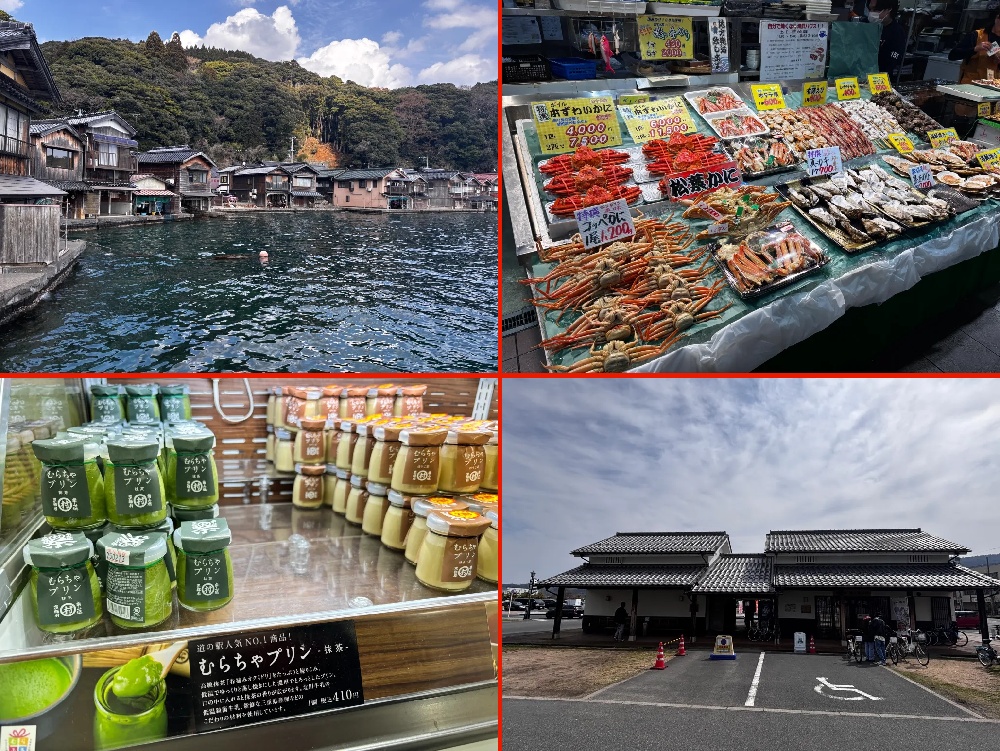
Minami Yamashiro is the only town in Kyoto Prefecture that’s legally classified as a “village” (mura in Japanese), and that alone brings a lot of travelers to this road station. Locally grown tea is the star attraction here, and in the attached restaurant you can dine on soba noodles with green tea mixed into their buckwheat flour. Looking for something sweeter? The Muracha (“Village Tea”) Pudding is not to be missed, with a deep, direct delivery of green tea flavor in every bite.

2. Michi no Eki Miyama Fureai Hiroba (Nantan City)
Website

You’ll find this road station on the way to Kayabuki no Sato, a beautifully preserved historic neighborhood with traditional thatched roof Japanese farmhouse architecture. The thing you’ve got to try if you come here is the Miyama Milk from the local dairy, or at least the ice cream, frozen yogurt, or cheese made with it.

The gelato is Susan’s personal favorite, rich but with a clean finish, and the lines get long for it on the weekends, but it’s worth the wait.

3. Michi no Eki Funaya no Sato Ine (Yosa)
Website

On its north side, Kyoto Prefecture stretches all the way to the coast of the Sea of Japan, and that’s where you’ll find the town of Yosa and Ine, a neighborhood of traditional fishermen boathouse homes built out over the water.

The refreshments on offer here include locally made soba and small-batch sake, but Susan also gives a special mention the hisuku, skewers of dried fish that you can buy from the outdoor Umyado stand to snack on while you admire the scenery.

4. Michi no Eki Nagomi (Funai)
Website

Heading back into the more mountainous inland, we come to this michi no eki in the town of Funai, situated next to the Yuragawa River. This is a tranquil spot befitting its Nagomi name (which means “harmony”), and your heart will feel even more at ease if you’re indulging in a cup of Mont Blanc pudding at the attached Nagomi Cafe.

Seasonal highlights include spring strawberries, autumn chestnuts, winter mochi, and in summer, a special “ayu garden” where you can experience catching ayu (a kind of river fish) by hand, then having it grilled up by the staff for you to enjoy at its freshest flavor.

5. Michi no Eki Mizuho no Sato Sarabiki (Funai)
Website

We’re still in Funai for this easy-to-access road station off the the Kyoto Expressway, near where travelers enter the lush countryside of the Tamba Highlands. The Mizuho district is famous for its buckwheat farms, and also for the soba noodles made from the grain, so naturally you can enjoy a bowl of them here, and the hiratake mushrooms, gathered in the local mountains, are delicious too.

This road station’s most unique feature, though, is its mini field hockey court. The Mizuho district hosted national field hockey championships during a sports event back in 1988, and the game has remained popular in the area ever since.

6. Michi no Eki Umi no Kyoto Miyazu (Miyazu City)
Website

Yes, the building itself looks cool, but this one is primarily on the list because it offers a great vantage point for seeing Amanohashidate. Considered one of the three most beautiful views in Japan, Amanohashidate is pine tree-covered sandbar that stretches across Miyazu Bay and is supposed to look like a bridge climbing into the heavens, especially so if you bend over and view it through your legs so that it’s upside down.

▼ Susan and a friend in front of Amanohashidate

The road station here has an attached shop with local sake and other souvenirs, but the main appeal really is the view, so make this one a daytime visit.

7. Michi no Eki Tango Okoku Shoku no Miyako (Kyotango City)
Website

Shoku no Miyako translates to “Capital of Food,” and the scale of this road station certainly warrants that distinction, as its approximately eight times the size of Japan’s famed Koshien baseball stadium. Whether you’re in the mood for Kyoto Tanba Kurowagyu steak or wood-fired pizza, there are restaurants here that are happy to oblige, and big eaters will enjoy the noodle shop with all-you-can-eat udon.

With so much to eat, you might want to have two meals here, and there are go-karts, a petting zoo, and even a hotel if you need something to do or somewhere to relax between chow-down sessions.

8. Michi no Eki Springs Hiyoshi (Nantan City)
Website

Aside from being valuable parts of public infrastructure, many dams in Japan have become tourist attractions in and of themselves. This road station is situated next to the Hiyoshi Dam, and fatures facilities such as an onsen hot spring bath, heated swimming pool, sauna, and outdoor BBQ spaces.

If you need provisions, the souvenir shop sells locally sourced mushrooms and eggs, and there’s even a campground with cottages for overnight guests.

9. Michi no Eki Kyoto Shinkoestumura (Nantan City)
Website

This road station is right off the Kyoto Jukan Expressway’s Sonobe Interchange, making it super-easy to access while driving across or around Kyoto Prefecture. Locally grown Onshin rice is the pride of the place, and aside from sacks of the rice itself you can taste it in the mochi rice cakes and senbei rice crackers sold in the souvenir shop.

This michi no eki also has a good selection of nama yatsuhashi, Kyoto’s representative sweet treat of a folded triangle of soft mochi with sweet red bean paste inside. Granted, you can find nama yatsuhashi at plenty of other places in Kyoto, but this road station’s easy expressway access makes it a very convenient place to pick up an extra box or two on your way home.

10. Michi no Eki Maizuruko Toretore Center (Maizuru City)
Website

And last, we’re back on the north coast of Kyoto Prefecture to stop at Maizuru Port, one of the largest seafood markets along the Sea of Japan. As soon as you step inside, you’ll be surrounded by the bustling energy of merchants hawking fresh catches of fish, crab, and oysters, among other saltwater delicacies.

This is basically the Tsukiji of road stations, with delicious snow crab in winter, iwagaki oysters in summer, and buri (yellowtail) in autumn, no matter when you visit, you’ll find something great to eat.

Photos ©SoraNews24
● Want to hear about SoraNews24’s latest articles as soon as they’re published? Follow us on Facebook and Twitter!

  • ✇SoraNews24 Japan
  • Shakey’s Japan creates matcha mochi, Kyoto fish, and Kansai Chili Con Carne pizzas Casey Baseel
    Japan’s Kansai region inspires some very bold baking in Shakey’s Japan’s ovens. A while back, Shakey’s celebrated its 50th anniversary of arriving in Japan with a special selection of pizzas that it called the “American Pizza Tour.” But having passed the half-century mark in Japan now, the chain has seen some very tasty stuff in this country too, and brings us to Shakey’s newest creations, pizzas inspired by the culinary traditions of central Japan’s Kansai region. We start with the Kansai Ch
     

Shakey’s Japan creates matcha mochi, Kyoto fish, and Kansai Chili Con Carne pizzas

11 June 2026 at 01:00

Japan’s Kansai region inspires some very bold baking in Shakey’s Japan’s ovens.

A while back, Shakey’s celebrated its 50th anniversary of arriving in Japan with a special selection of pizzas that it called the “American Pizza Tour.” But having passed the half-century mark in Japan now, the chain has seen some very tasty stuff in this country too, and brings us to Shakey’s newest creations, pizzas inspired by the culinary traditions of central Japan’s Kansai region.

We start with the Kansai Chili Con Carne Style Pizza. The topping for this complex concept is sujikon, a dish popular in Kansai made by simmering gyusuji (beef tendon) and konnyaku (konjac gelatin) simmered in a soy sauce-based stock. The sauce here has a Kansai twist too, as it’s a mixture of tomato sauce and Doro Sauce, a thick savory Worcestershire-like sauce made in Kobe with a little spicy kick to it.

Next we have the Saikyo Grilled Spanish Mackerel Alfredo Style Pizza. Kyoto is also part of the Kansai region, and while history buffs love the city for its temples and shrines, foodies are especially fond of saikyoyaki, a Kyoto specialty of white miso-marintaed grilled fish. Sawara (Spanish mackerel) is the most commonly used type of fish for saikyoyaki, and so that’s what comes with this pizza, with its elegantly sweet notes accompanied by a buttery Alfredo sauce and crisp mizuna (Japanese mustard greens).

Dessert also comes courtesy of inspiration from Kyoto cuisine. Though not mentioned in the name of the Matcha and Strawberry Dessert Pizza, here Shakey’s is drawing from nama yatsuhashi, Kyoto’s representative confectionary of folded mochi with anko (sweet red beans) inside and often a dusting of cinnamon. This dessert pizza has a butter anko sauce and is topped with little balls of gyuhi (extra soft mochi) and strawberry pieces, with matcha powder and cinnamon which should deliver an intriguing mix of sweet, bitter, and tart sensations.

And finally, Shakey’s will be serving up Doro Sauce BBQ Spaghetti too, which should let you get an even more pronounced taste of the condiment than with the Kansai Chili Con Carne Style Pizza.

There’s no denying that the new pizzas are all very bold, pioneering innovations…but it’s also hard to deny that they’re pretty weird. Since Shakey’s Japan operates on a flat-fee, all-you-can-eat system, though, there’s no need to commit to ordering a whole pie, so you can try a single slice first, then go back for more if/when they win you over.

Shakey’s Japan Tour 2026 Kansai, as the new items’ stint is called, runs from now until August 31.

Source: PR Times
Top image ©SoraNews24
Insert images: PR Times
● Want to hear about SoraNews24’s latest articles as soon as they’re published? Follow us on Facebook and Twitter!

❌
Subscriptions