
❌

Normal view

NEA: Singapore to enforce stricter refrigerant standards for vehicles and supermarkets to reduce greenhouse gas emissions

31 May 2026 at 00:00

SINGAPORE: Singapore will introduce stricter refrigerant standards for supermarkets, refrigerated transport and vehicle air-conditioning from 2027 as part of its push to cut greenhouse gas emissions and move towards net-zero emissions by 2050.

The initiative, announced by the National Environment Agency (NEA) on May 28, 2026, targets refrigeration and air-conditioning systems that rely on hydrofluorocarbon (HFC) gases. These gases can trap heat far more effectively than carbon dioxide, making them a significant contributor to climate change.

The new rules will primarily affect newly installed systems, allowing businesses and vehicle owners to continue using existing equipment until it reaches the end of its lifespan.

Supermarkets first, vehicles next

Under the new framework, refrigeration systems used in supermarkets must use refrigerants with a Global Warming Potential (GWP) of 150 or below from July 1, 2027.

A year later, from July 1, 2028, air-conditioning systems in new passenger cars and light goods vehicles will need to meet the same standard.

According to NEA, the later timeline for vehicles gives suppliers more time to prepare, as lower-GWP refrigerants aren’t yet available across all vehicle models. The standards are aligned with those already adopted in markets such as the European Union and Japan.

Many businesses have already started using lower-GWP refrigerants

NEA noted that several major supermarket operators in Singapore have already adopted refrigeration systems that use lower-GWP refrigerants.

Suppliers and manufacturers are also offering equipment designed to meet the newer environmental standards while maintaining energy efficiency.

Rather than forcing an immediate replacement of existing systems, authorities are focusing on new installations, reducing disruption and allowing businesses to transition gradually.

For consumers, the changes will largely happen behind the scenes. Shoppers are unlikely to notice a difference when buying groceries, while future vehicle buyers may eventually find lower-emission air-conditioning systems becoming the norm.

New disposal requirements for refrigerants

Beyond what is installed, the measure also covers what happens when equipment reaches the end of its useful life. From July 2027, companies that dismantle commercial refrigeration systems, industrial cold-room systems, vehicle air-conditioning units and refrigerated trucks must register with NEA and follow approved procedures when handling used refrigerants.

From July 2027, companies that dismantle commercial refrigeration systems, industrial cold-room systems, vehicle air-conditioning units and refrigerated trucks must register with NEA and follow approved procedures when handling used refrigerants.

The agency said many companies are already following similar practices, and specialist service providers are available to properly recover and manage spent refrigerants. The goal is to prevent harmful gases from being released into the atmosphere during disposal, an often overlooked part of the refrigeration lifecycle.

Replacing high-emission refrigerants with cleaner alternatives can help reduce Singapore’s carbon footprint

Air-conditioning and refrigeration are essential in a tropical country like Singapore. They keep homes cool, preserve food and support logistics networks that move temperature-sensitive goods every day. This convenience, however, comes with an environmental cost.

By aiming for high-warming-impact refrigerants, Singapore is tackling a source of emissions that receives far less public attention than vehicles, power stations, or industrial facilities. The latest measures also build on NEA’s earlier restrictions, introduced in 2022, on household air conditioners, refrigerators, and large building cooling systems.

Replacing high-emission refrigerants with cleaner alternatives is a practical step that can help reduce Singapore’s carbon footprint without changing how people live or work.

As Singapore moves towards its climate initiatives, the challenge will be balancing environmental goals with business readiness. In this case, NEA appears to be taking a gradual approach that gives industries time to adapt while still moving the country toward lower emissions.

This article (NEA: Singapore to enforce stricter refrigerant standards for vehicles and supermarkets to reduce greenhouse gas emissions) first appeared on The Independent Singapore News.

  • βœ‡The Independent SG
  • NEA reports increase in dengue cases, with eight active clusters across Singapore Aiah Bathan
    SINGAPORE: Dengue cases continued to rise last week, with 80 infections reported in the week ending June 6, according to the National Environment Agency (NEA). The figure marks an increase of 13 cases from the previous week. As of June 8, there were eight active dengue clusters across Singapore. Four were classified as red alert clusters, indicating 10 or more reported cases. The largest cluster, with 16 cases, was located around Jalan Bangau and Jalan Jarak. Other red alert clusters included a
     

NEA reports increase in dengue cases, with eight active clusters across Singapore

10 June 2026 at 12:08

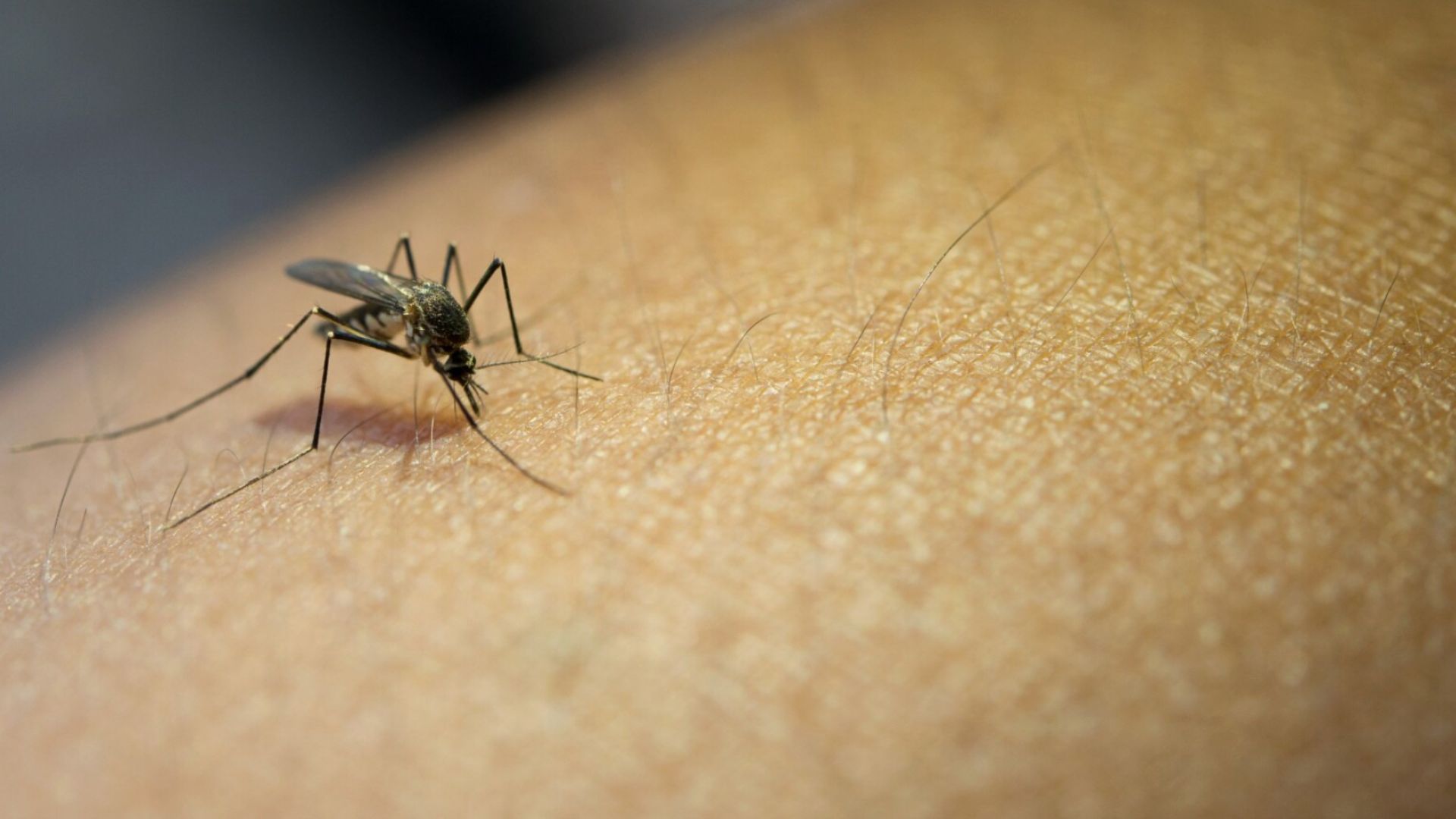
SINGAPORE: Dengue cases continued to rise last week, with 80 infections reported in the week ending June 6, according to the National Environment Agency (NEA). The figure marks an increase of 13 cases from the previous week.

As of June 8, there were eight active dengue clusters across Singapore. Four were classified as red alert clusters, indicating 10 or more reported cases.

The largest cluster, with 16 cases, was located around Jalan Bangau and Jalan Jarak. Other red alert clusters included a 15-case cluster at Neram Road and Nim Crescent, an 11-case cluster at Lilac Drive and Mimosa Road, and a 10-case cluster at Countryside Road and Lentor Avenue.

Peak dengue seasonΒ 

With Singapore now in its peak dengue season, authorities are reminding residents to check their homes regularly for potential mosquito breeding spots.

With this, the NEA urges the members of the public to practice the Mozzie Wipeout B-L-O-C-K steps:

Break up hardened soil to prevent water from collecting
Lift and empty flowerpot plates
Overturn pails and wipe their rims dry
Change water in vases regularly
Keep roof gutters clear and place BTI insecticide where necessary

Moreover, residents must also allow NEA officers to do an inspection in their premises, and conduct spraying of insecticides for immediate removal of adult mosquitoes to stop dengue from spreading.

Residents living in dengue cluster areas are encouraged to take the actions

Spray insecticide in dark corners around the house
Apply insect repellent regularly, and
Wear long-sleeve tops and long pants to prevent mosquito bites

Zika and Chikungunya are two other mosquito-borne diseases. Thankfully, there are no Zika clusters or areas with likely Zika transmission, and there are currently no chikungunya clusters. The majority of chikungunya infections occurred in individuals with recent travel to Chikungunya-affected areas.Β 

Read more about NEA’s statement here.Β 

Indeed, the presence of Aedes mosquitoes in Singapore poses an ongoing risk of mosquito-borne diseases. It is important for everyone to stay alert and act now for everyone’s safety. Check your home and common areas often, follow the guidelines of the authorities, and see a doctor if you have a fever or other dengue symptoms.

This article (NEA reports increase in dengue cases, with eight active clusters across Singapore) first appeared on The Independent Singapore News.

  • βœ‡Malay Mail - All
  • Singapore partners UK nuclear regulator to bolster expertise as it explores nuclear power option
    Β SINGAPORE, June 2 β€”Β Singapore and the United Kingdom (UK) inked a memorandum of understanding (MoU) to cooperate in nuclear safety regulation, including the exchange of information and expertise, and the training of scientific and technical personnel.Β Singapore National Environment Agency (NEA) said the agreement was signed with the UK’s Office for Nuclear Regulation (ONR) to support an overarching effort to build capabilities in nuclear safety and to study the
     

Singapore partners UK nuclear regulator to bolster expertise as it explores nuclear power option

2 June 2026 at 07:13

Malay Mail

Β 

SINGAPORE, June 2 β€”Β Singapore and the United Kingdom (UK) inked a memorandum of understanding (MoU) to cooperate in nuclear safety regulation, including the exchange of information and expertise, and the training of scientific and technical personnel.Β 

Singapore National Environment Agency (NEA) said the agreement was signed with the UK’s Office for Nuclear Regulation (ONR) to support an overarching effort to build capabilities in nuclear safety and to study the feasibility of the safe deployment of nuclear energy in Singapore.Β 

NEA deputy chief executive officer Koh Li-Na said the collaboration will strengthen Singapore’s capabilities in radiation protection, nuclear safety, and assessment.Β 

β€œThrough partnerships with well-established regulators like ONR, NEA will deepen its technical expertise to understand new reactor technologies and build the institutional capabilities needed to rigorously assess nuclear safety,” she said in a statement on Tuesday.Β 

According to NEA, this collaboration will also enhance its regulatory knowledge as Singapore continues to study the potential role of nuclear energy in its energy future.Β 

NEA has also been developing Singapore’s nuclear safety and regulatory capabilities through close partnerships with established regulators in Finland, France, and the United States, as well as AseanΒ partners. β€” Bernama

Β 

❌
Subscriptions