Normal view

  • ✇Eos
  • Why the IPCC Seems Poised to Eliminate Its Most Extreme Emissions Scenario Grace van Deelen
    Research & Developments is a blog for brief updates that provide context for the flurry of news that impacts science and scientists today. The Intergovernmental Panel on Climate Change (IPCC), the United Nations body whose mission is to “provide governments at all levels with scientific information that they can use to develop climate policies” will likely update the emissions and land use scenarios used in the models it considers in its bellwether assessment reports. The IPCC has
     

Why the IPCC Seems Poised to Eliminate Its Most Extreme Emissions Scenario

19 May 2026 at 19:58
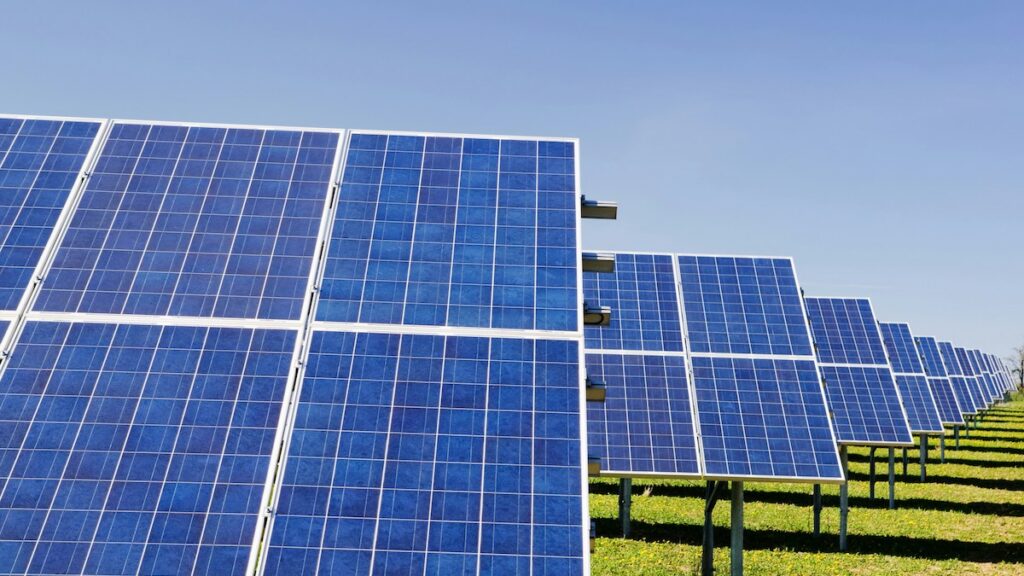
An array of solar panels on a field under a blue sky.

Research & Developments is a blog for brief updates that provide context for the flurry of news that impacts science and scientists today.

The Intergovernmental Panel on Climate Change (IPCC), the United Nations body whose mission is to “provide governments at all levels with scientific information that they can use to develop climate policies” will likely update the emissions and land use scenarios used in the models it considers in its bellwether assessment reports.

The IPCC has used these scenarios, known as Shared Socioeconomic Pathways (SSPs) or Representative Concentration Pathways (RCPs), in its two most recent assessment reports (AR), AR5 released in 2014 and AR6 released in 2023. The upcoming AR7 will be informed by a new set of scenarios, as described in a paper published last month in Geoscientific Model Development.

The paper is drawing widespread attention—both within the scientific community and in wider discourse—for its statement regarding one current scenario that has become familiar to anyone following climate science and policy. The scientists said the emissions levels associated with the most extreme, worst-case scenario, SSP5-8.5 (and its predecessor, RCP8.5), “have become implausible.”

Even President Donald Trump weighed in with a post on Truth Social on 17 May, where he wrote “GOOD RIDDANCE,” and “the United Nations TOP Climate Committee just admitted that its own projections (RCP8.5) were WRONG! WRONG! WRONG!”

But as scientists have pointed out for years, RCP8.5 was never meant to represent a likely emissions scenario or a forecast of humanity’s future. Some scientists questioned whether it’s even possible for RCP8.5 to play out in real life. 

RCP8.5 is one of four hypothetical emissions scenarios developed in 2011 for climate modeling experiments. When RCP8.5 was created, it was meant to represent a “very high baseline emission scenario” that would warm the world nearly 5°C (9°F) compared with preindustrial temperatures by 2100. Parallel scenarios (SSPs) were presented in 2017. SSP5-8.5 is the worst-case scenario in that framework, representing a world in which fossil fuels are widely exploited and more of the world adopts energy-intensive lifestyles alongside the warming projected by RCP8.5. 

“The scenarios we create today are different than the scenarios we created 15 years ago, because the world is different today than 15 years ago.”

The authors of the new paper wrote that “trends in the costs of renewables, the emergence of climate policy and recent emissions trends” justify the implausibility of the highest-emissions scenarios such as RCP8.5 and SSP5-8.5. 

For scientists, the idea of dropping these scenarios is neither new nor controversial. As three climate scientists (Zeke Hausfather of Berkeley Earth, Glen Peters of the CICERO Center for International Climate Research, and Piers Forster at the University of Leeds) wrote in a blog post: “[RCP8.5] was never a likely outcome even in a world that did not address climate change; rather it was always intended to represent a worst case scenario that pushed fossil fuel expansion to the max.”

The new scenarios presented in Geoscientific Model Development include a high-emissions scenario in which clean energy policy is rolled back, and the world warms about 3.5°C (6.3°F) by 2100—still a level at which humanity can expect very severe impacts, from worsening weather extremes to rapidly rising sea levels.

The IPCC’s likely elimination of RCP8.5, even if it was never a plausible scenario, is a small sign of improvement in global climate change mitigation efforts, Hausfather, Peters, and Forster wrote: “Rapid declines in clean energy costs have bent the curve of future emissions downward, with new scenarios designed to reflect current policies notably lower than most baseline scenarios in the literature.”

“Of course, we still have a long way to go to get emissions down to (net) zero and stabilize global temperatures,” they noted.

The new paper captures the difficult road ahead for climate action: The new scenarios are based on a reduced projection for the increase in emissions, not for the overall amount of emissions—those are still increasing. Unlike before, none of the new emissions scenarios keep the world below 1.5°C (2.7°F) of warming, the limit originally set by the Paris Agreement in 2016. That’s no surprise to scientists, who suggest Earth is already in the 20-year period in which warming will formally surpass this benchmark. 

“The scenarios we create today are different than the scenarios we created 15 years ago, because the world is different today than 15 years ago,” Hausfather told the Washington Post.

—Grace van Deelen (@gvd.bsky.social), Staff Writer

These updates are made possible through information from the scientific community. Do you have a story about science or scientists? Send us a tip at eos@agu.org.

A photo of a hand holding a copy of an issue of Eos appears in a circle over a field of blue along with the Eos logo and the following text: Support Eos’s mission to broadly share science news and research. Below the text is a darker blue button that reads “donate today.”
Text © 2026. AGU. CC BY-NC-ND 3.0
Except where otherwise noted, images are subject to copyright. Any reuse without express permission from the copyright owner is prohibited.

Art Meets Science at Lamont-Doherty Earth Observatory

Lamont’s 2025 Research as Art exhibit provides a platform for scientists to share their research in a creative way.

  • ✇rabble.ca
  • Don’t throw that home away! David Suzuki
    Ours is a throw-away culture. That even applies to houses. When homes or buildings are demolished to make way for a road, condo development or another house or building, the materials and contents are usually sent to the landfill. As with other characteristics of our consumer-driven societies, it’s wrong. Many components — wood, concrete, bricks, metal, plastic, vinyl — can be reused, repurposed or recycled. It’s not a new idea, but it hasn’t taken off the way it should. In many jurisdiction
     

Don’t throw that home away!

20 May 2026 at 21:01
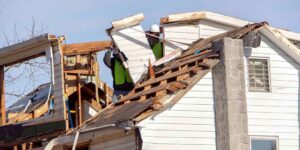
A home being demolished.

Ours is a throw-away culture. That even applies to houses. When homes or buildings are demolished to make way for a road, condo development or another house or building, the materials and contents are usually sent to the landfill. As with other characteristics of our consumer-driven societies, it’s wrong.

Many components — wood, concrete, bricks, metal, plastic, vinyl — can be reused, repurposed or recycled. It’s not a new idea, but it hasn’t taken off the way it should. In many jurisdictions, people have been able to apply for salvage rights, allowing them to take useful items from a home or structure slated for demolition. And “deconstruction” companies have been around for a while, but they’re the exception rather than the rule.

In some cases, entire houses are moved to another location and fixed up rather than being demolished. Vancouver circular construction think tank Light House estimates about 20 per cent of demolished homes here could have been moved and another 60 per cent could have been deconstructed, with materials reused or recycled.

Some municipalities are finally seeing the value in keeping materials out of landfills, implementing bylaw and regulation changes to encourage salvaging and recycling. It’s about time!

Vancouver has some rules around recycling materials from house demolitions, depending on the age and character of the home, and offers a “Construction and Demolition Waste Toolkit.”

As a Tyee article reports, population growth in Vancouver meant tearing down 7,100 single-family homes from 2012 to 2023 and about 2,700 every year in the larger Metro Vancouver region to make way for multiplex housing such as highrise towers. About one-third of Metro Vancouver’s landfill is from construction and demolition.

The problem isn’t just the waste of good materials. A 2025 Australian study notes that disposing of construction and demolition waste in landfills “has been widely recognized as a source of leachate, containing toxic contaminants, which pose significant environmental risks.”

And the building and construction sector accounts for about 37 per cent of global greenhouse gas emissions, with close to one-third of that from the energy used to produce materials for a building.

According to the CBC, “Replacing one building with another generates an entire building’s worth of emissions, which means that, from a climate perspective, it’s better to extend the lifetime of those materials and reuse them than discard them.”

The Tyee article highlights a Vancouver company, Vema Deconstruction, that claims to have saved from 135,000 to 225,000 kilograms of construction materials since its founding in 2022. It’s not just buildings that can be recycled. The Patullo Bridge that connected New Westminster and Surrey across the Fraser River was recently replaced, and steel, asphalt and concrete from the old bridge will be recycled.

Diverting construction materials has many benefits. As the City of Vancouver notes, “Recycling and reusing building materials has cost-saving incentives, saves trees, conserves landfill space, reduces greenhouse gas emissions, and supports affordable housing.”

Reclaiming wood is especially beneficial. It means no trees have to be cut down, leaving them to sequester climate-altering carbon dioxide, and for the numerous other benefits trees, especially old-growth, provide. The retained or reused wood continues to store carbon dioxide and other greenhouse gases — when wood decomposes, it emits methane, a potent greenhouse gas. And it can cost less than cutting, transporting and processing timber.

Of course, deconstructing a home takes longer and usually costs more than demolishing and carting it to the landfill. That’s why government incentives and regulations are often necessary, as well as more avenues to sell reclaimed materials.

As with just about everything in our consumer-based societies, though, the economic system itself creates the problem. The bottom line rarely underlines the most environmentally sustainable path. Using more products, doing things quickly and discarding and replacing products and materials all generate more profit than conserving, reducing, reusing and recycling.

We need to aim for a circular rather than a linear economy. This means considering the entire life cycle of the goods we produce — designing products to create zero or minimal waste and pollution, keeping products in use through better design, repair, reuse and recycling and safely returning materials to the natural environment while using renewable energy.

Homes and buildings are a good place to start. Deconstruction should be mandatory.

David Suzuki is a scientist, broadcaster, author and co-founder of the David Suzuki Foundation. Written with David Suzuki Foundation Senior Writer and Editor Ian Hanington.

The post Don’t throw that home away! appeared first on rabble.ca.

  • ✇Malay Mail - All
  • A strong El Nino may be imminent — and climate change will make its effects worse
    BRUSSELS, June 3 — The El Nino weather pattern is forming, and is expected to cause extreme weather around the world this year, the WMO said yesterday. Scientists say climate change will make its impact especially severe.The World Meteorological Organization said there is an 80 per cent chance that an El Nino event develops between June and August, and a 90 per cent chance it will last until at least November. The statement is the clearest signal yet of the likel
     

A strong El Nino may be imminent — and climate change will make its effects worse

3 June 2026 at 13:00

Malay Mail

BRUSSELS, June 3 — The El Nino weather pattern is forming, and is expected to cause extreme weather around the world this year, the WMO said yesterday. Scientists say climate change will make its impact especially severe.

The World Meteorological Organization said there is an 80 per cent chance that an El Nino event develops between June and August, and a 90 per cent chance it will last until at least November. The statement is the clearest signal yet of the likelihood.

The El Nino phenomenon naturally occurs every two to seven years, when weakening trade winds result in warmer waters in the eastern Pacific. The result tends to be higher global temperatures, and disrupted rainfall — meaning drought in some regions, heavy rains in others. It also affects hurricane formation.

Two things make this year’s forecast particularly worrying.

The first is the chance that this year’s El Nino — and its impact — will be stronger than typical. The WMO said there was still uncertainty, and some models predict a “strong” El Nino while others do not. WMO forecasts suggest a strong El Nino is possible, defined by sea surface temperatures in the eastern Pacific of at least 1.5 degrees Celsius (2.7 degrees Fahrenheit) above average.

The second cause for concern is climate change.

Greenhouse gas emissions have increased the planet’s average temperature by around 1.3C since pre-industrial times. That higher baseline supercharges the effects of El Nino — enabling higher temperature spikes, more intense droughts, heatwaves, rains, and the resulting disasters, including bushfires, floods and crop failures.

“When we get an El Nino, because of the underlying climate change ... these things become more intensified and they’re more impactful,” said Piers Forster, Professor of Physical Climate Change at the University of Leeds. The combination of climate change and El Nino has led the WMO to warn that 2027 could be the hottest year since records began. The last El Nino year, 2024, holds the record. That El Nino was regarded by the WMO as strong.

‘The risks are enormous’

Each El Nino is different, and its effects vary around the world — making it hard to predict how this one will behave.

Typically, regions including southern South America and parts of Central Asia get more rain in an El Nino, while Central America and Australia dry out. The phenomenon also intensifies heatwaves, including in regions far from the Pacific, such as Europe.

These effects can have disastrous consequences for food production, industries and human life.

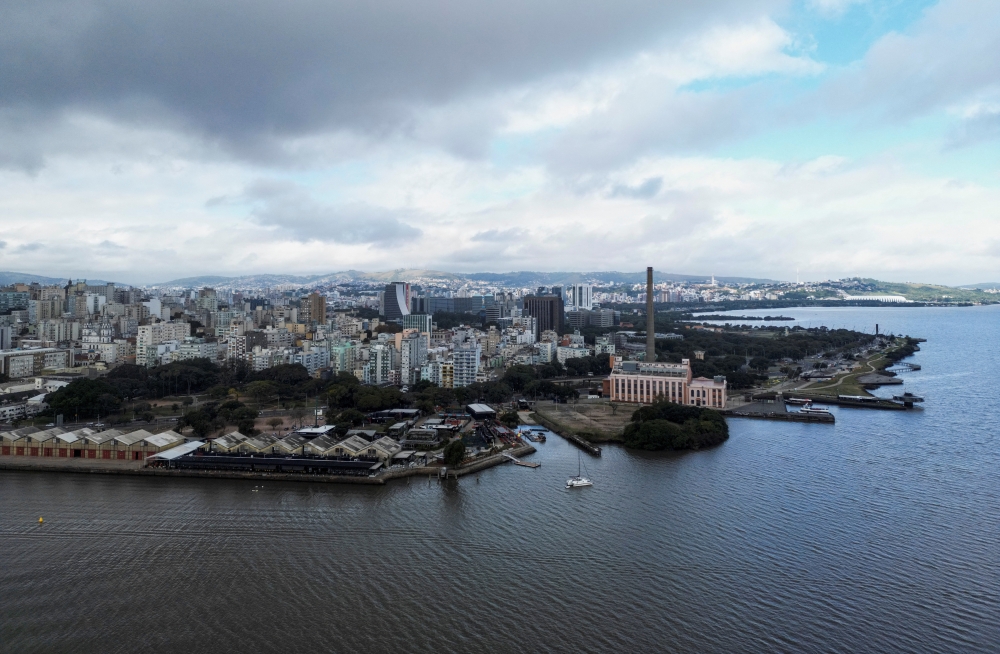
In April to May 2024, floods in Rio Grande do Sul in Brazil killed more than 180 people and displaced 600,000. Scientists said both climate change and El Nino strengthened the rains that triggered the disaster.

Francisco Aquino, head of the University of Rio Grande do Sul’s climate centre, said a strong El Nino this year risked causing a similar disaster.

“When you have an El Nino over what climate change already brought, the risks are enormous,” Aquino told Reuters. “A strong El Nino can lead to the exact same scenario we saw then, because the world keeps getting warmer, and the temperature in the ocean keeps rising.”

Climate change is also compounding the impact of El Ninos in southern Africa. There, the weather pattern reduces rainfall during the rainy season, limiting hydropower generation and cutting crop yields.

“Climate change will make that below-normal rainfall more intense, so it will last longer or have less rainfall... and that, of course, will affect agriculture, especially the rain-fed farmers in the region,” said Izidine Pinto, a Senior Climate Researcher at the Netherlands Meteorological Institute.

Antonio Navarra, head of Italy’s Euro-Mediterranean Center on Climate Change, said stronger Pacific cyclones were another impact governments should prepare for.

“Because the water in the Pacific will be much warmer, there will be a much more favourable environment for the formation of tropical cyclones.... El Nino will input an enormous amount of energy into the system, so everything will be more intense,” he said.

Some scientists said the destruction likely from this year’s El Nino could provide a foretaste of extremes that will become the norm in around five years’ time even without an El Nino.

“It does give a window into the future,” said Forster.

Theodore Keeping, Research Associate at Imperial College London, said El Nino’s impact on atmospheric circulation means it affects weather patterns in a way that a warmer climate alone would not — but broadly speaking, it can offer a flavour of future climate change.

“You’re able to kind of sample weather conditions that you would otherwise in a neutral El Nino only expect to see in a warmer climate,” he said. — Reuters

  • ✇rabble.ca
  • National security means halting and reversing nature loss David Suzuki
    Prime Minister Mark Carney recently released “A Force of Nature: Canada’s Strategy to Protect Nature.” It describes a vision “that protects, restores, and values nature as a foundation of our economy, sovereignty, and well-being, leading at home and globally, to ensure healthy ecosystems, resilient communities, and prosperity for present and future generations.” What’s the link between the federal government’s commitment to protect and restore nature and its much-discussed commitment to stre
     

National security means halting and reversing nature loss

27 May 2026 at 20:00
A forest in Robson Valley, BC.

Prime Minister Mark Carney recently released “A Force of Nature: Canada’s Strategy to Protect Nature.” It describes a vision “that protects, restores, and values nature as a foundation of our economy, sovereignty, and well-being, leading at home and globally, to ensure healthy ecosystems, resilient communities, and prosperity for present and future generations.”

What’s the link between the federal government’s commitment to protect and restore nature and its much-discussed commitment to strengthen national security? It’s a good question.

“A Force of Nature” acknowledges that nature “provides essential defences. Wetlands absorb carbon and excess rainfall, forests prevent erosion, and healthy ecosystems reduce the impacts of severe weather. Protecting nature supports jobs, food security and Canada’s long-term competitiveness on the world stage.”

Yet when it comes to federal conversations about Canada’s security, talk centres on the armed forces — on building Canada’s military prowess — not natural forces. Reflecting this focus, the Canadian army has had its highest enrolment in three decades.

The 2024 federal report “Our North, Strong and Free: A Renewed Vision for Canada’s Defence” opens with a message from the defence minister: “One of the most important roles of any government is to protect its country and its people. In a rapidly changing world, we are committed to fulfilling this essential responsibility.”

Among other challenges, that report acknowledges security threats posed by climate change, stating, “Our Arctic is warming at four times the global average, opening the region to the world, which was previously protected by the Polar Ice Cap year-round. By 2050, the Arctic Ocean could become the most efficient shipping route between Europe and East Asia. We are seeing greater Russian activity in our air approaches, and a growing number of Chinese vessels and surveillance platforms are mapping and collecting data about the region.” Prime Minister Carney also released a plan to defend the North.

But what about Canada’s obligation to protect its citizens from climate change and biodiversity loss impacts that threaten drinking water (pollution, plastics), the air we breathe (forest degradation), homes (floods and fire events) and food systems (droughts, pollinator declines)?

The federal government seems oblivious to the connection between security and halting and reversing nature loss; there is a misaligned sense of passivity when climate change is identified as a threat. Yes, climate change is already here. But that doesn’t mean the government, which has the power to make laws and regulations, shouldn’t do everything it can to limit ongoing and future climate pollution that will exacerbate current threats, rather than building pipelines and approving new liquefied natural gas projects.

It’s possible to recognize that climate change and nature degradation are significant to national security, as evidenced by the United Kingdom’s 2026 national security assessment, “Global Biodiversity Loss, Ecosystem Collapse and National Security.” Its premise is that, “Nature is a foundation of national security. Biodiversity loss is putting at risk the ecosystem services on which human societies depend, including water, food, clean air and critical resources. The impacts will range from crop failures, intensified natural disasters and infectious disease outbreaks to conflict within and between states, political instability, and erosion of global economic prosperity.”

Canada gets a (dis)honourable mention in the U.K.’s assessment. It notes, “Ecosystem degradation is occurring across all regions. Every critical ecosystem is on a pathway to collapse (irreversible loss of function beyond repair)” and points to the “realistic possibility” of the ecological collapse of Canada’s boreal forest, starting in 2030.

The boreal forest is often referred to as “the lungs of the planet,” as it purifies air and provides oxygen. It also sequesters and stores carbon — in trees, mosses, lichens and soil. It’s being degraded by climate change impacts, industrial logging, mining and oil and gas extraction.

The U.K. doesn’t stand alone. The World Economic Forum’s “Global Risks 2026” report ranked threats by severity, identifying the top three long-term risks as extreme weather events, biodiversity loss and ecosystem collapse, and critical change to Earth systems.
Clearly security isn’t merely a matter of protecting against invading armies. Canada’s approach must be integrated. Happily, the federal government can feed two birds with one seed: protecting and restoring natural ecosystems can support national security and deliver on Canada’s commitments outlined in the new nature strategy.

David Suzuki is a scientist, broadcaster, author and co-founder of the David Suzuki Foundation. Written with David Suzuki Foundation Boreal Project Manager Rachel Plotkin.

The post National security means halting and reversing nature loss appeared first on rabble.ca.

  • ✇Eos
  • As Wildfires Increase in the West, So Does Suppression Spending Rebecca Owen
    Source: Earth’s Future Hotter, drier conditions in the western United States have led to a rise in wildfire activity that has damaged or destroyed infrastructure, natural ecosystems, and entire towns across the region. As fires grow larger and more destructive, the cost of managing them rises as well. Fire management agencies in the United States have been feeling the pressure. Between 2014 and 2023, fire management agencies across all levels of government experienced a 131% increase in t
     

As Wildfires Increase in the West, So Does Suppression Spending

10 June 2026 at 13:18
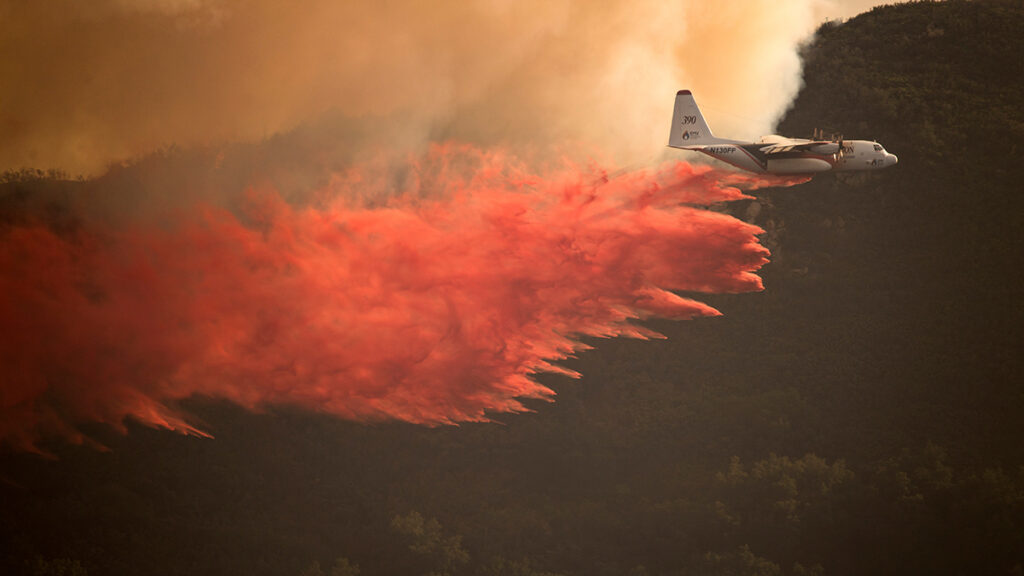
A plane flying over a cloud of smoke releases a load of red firefighting chemicals.
Source: Earth’s Future

Hotter, drier conditions in the western United States have led to a rise in wildfire activity that has damaged or destroyed infrastructure, natural ecosystems, and entire towns across the region. As fires grow larger and more destructive, the cost of managing them rises as well.

Fire management agencies in the United States have been feeling the pressure. Between 2014 and 2023, fire management agencies across all levels of government experienced a 131% increase in total area burned and a 268% increase in total fire spending adjusted for inflation compared to the period between 1985 and 1994.

Today, federal agencies like the Department of the Interior (DOI) and the U.S. Department of Agriculture Forest Service (USFS) continue to invest in aiding states and managing hazardous fuel growth on public land, as well as suppressing active fires. Policymakers and federal agencies alike must decide how to manage limited budgets while protecting people, property, and natural resources.

Prestemon et al. built statistical models based on historical data to examine the potential increase in spending by the DOI and the USFS between now and 2100. Their models link wildfire activity to climate variables such as temperature and water vapor deficit and then connect fire activity to suppression costs. To capture a range of possible future conditions on federal lands, the study predicts 10 fire and suppression spending scenarios by applying five different climate models to two different warming pathways (the moderate Representative Concentration Pathways (RCP) 4.5 scenario and the high-emissions RCP 8.5 scenario).

The results varied by region and scenario, but each of the 10 scenarios suggested a rise in area burned as well as inflation-adjusted fire suppression spending, with higher fire activity translating to higher costs. Projected changes in DOI and USFS land burned increased 80% by mid-century and 208% by late century.

By the middle of the century, both agencies are projected to see spending increases: about 0.65% per year for DOI spending and about 0.87% per year for USFS spending from 2020 to 2100. Although uncertainty increased with time and outcomes varied across climate models and warming pathways, the largest increases in both cost and wildfire activity were consistently projected for the northwestern United States. (Earth’s Future, https://doi.org/10.1029/2025EF007985, 2026).

—Rebecca Owen (@beccapox.bsky.social), Science Writer

A photo of a telescope array appears in a circle over a field of blue along with the Eos logo and the following text: Support Eos’s mission to broadly share science news and research. Below the text is a darker blue button that reads “donate today.”
Citation: Owen, R. (2026), As wildfires increase in the West, so does suppression spending, Eos, 107, https://doi.org/10.1029/2026EO260187. Published on 10 June 2026.
Text © 2026. AGU. CC BY-NC-ND 3.0
Except where otherwise noted, images are subject to copyright. Any reuse without express permission from the copyright owner is prohibited.
  • ✇The Independent SG
  • Think long-term: Netizen is considering moving overseas if Singapore continues to get warmer Aiah Bathan
    SINGAPORE: Singapore’s hot and humid weather has been growing on a lot of locals, and people are now thinking of possibilities to get away with this type of climate—moving into a new country. On Reddit, a netizen shared that his/her concern is not only due to the current El Niño season but also due to the unbearable Singapore heat all year round. With this, he/she admitted to having friends who migrated to Singapore because they could not stand the weather, and those who want to experience the f
     

Think long-term: Netizen is considering moving overseas if Singapore continues to get warmer

10 June 2026 at 22:30

SINGAPORE: Singapore’s hot and humid weather has been growing on a lot of locals, and people are now thinking of possibilities to get away with this type of climate—moving into a new country.

On Reddit, a netizen shared that his/her concern is not only due to the current El Niño season but also due to the unbearable Singapore heat all year round. With this, he/she admitted to having friends who migrated to Singapore because they could not stand the weather, and those who want to experience the full four seasons in a country. 

“Personally, my kids and I are OK with the SG weather for now, but the unbearable heat recently made me think long term,” the netizen claimed. 

Many netizens shared their thoughts and opinions on this subject matter. Some people declared that people only have one life, and everyone should be doing what makes their hearts happy.

“Don’t take advice from people who have different preferences (like heat lol) and priorities in life as you,” one comment said. 

“I even moved to a country warmer than Singapore. Do whatever you want, as long as your jobs, visas, and lifestyles match the country you move to,” another netizen stated. 

One comment shared as well the consequences of living in a country with four seasons, especially during the winter season. The netizen said: “It’s a chore living during winter because of the blizzards and when you want to go to work or even to buy groceries, you gotta shovel the ice off your vehicle first and also heating costs. That’s the extreme that you’ll encounter when you stay somewhere that has a winter season.” The netizen added that sometimes, this season can be depressing and people should really have to invest a lot to beat the cold. 

Others consider the weather to be the least factor that they consider when moving to another country. “If I ever move overseas, it probably won’t be because of the heat ngl… But having seasons really does make the years more interesting and enjoyable,” a comment concluded. 

In the end, staying or leaving Singapore depends on what makes each person happy. There is no right answer for everyone, as long as they find a place that fits their life.

This article (Think long-term: Netizen is considering moving overseas if Singapore continues to get warmer) first appeared on The Independent Singapore News.

  • ✇Eos
  • Tree Lines Are Migrating. Some Up, Some Down. Emily Gardner
    As the climate warms, tree lines are generally understood to move up, because regions that were previously too cold for trees to survive now have higher, more tree friendly temperatures. A tree line is clearly visible in the Swiss National Park, in Graubünden, Switzerland. Credit: Sabine Rumpf, University of Basel This migration can be seen in these images of Canada’s Waterton Lakes National Park… Rising tree lines are visible in Canada’s Waterton Lakes National Park,
     

Tree Lines Are Migrating. Some Up, Some Down.

12 May 2026 at 13:08
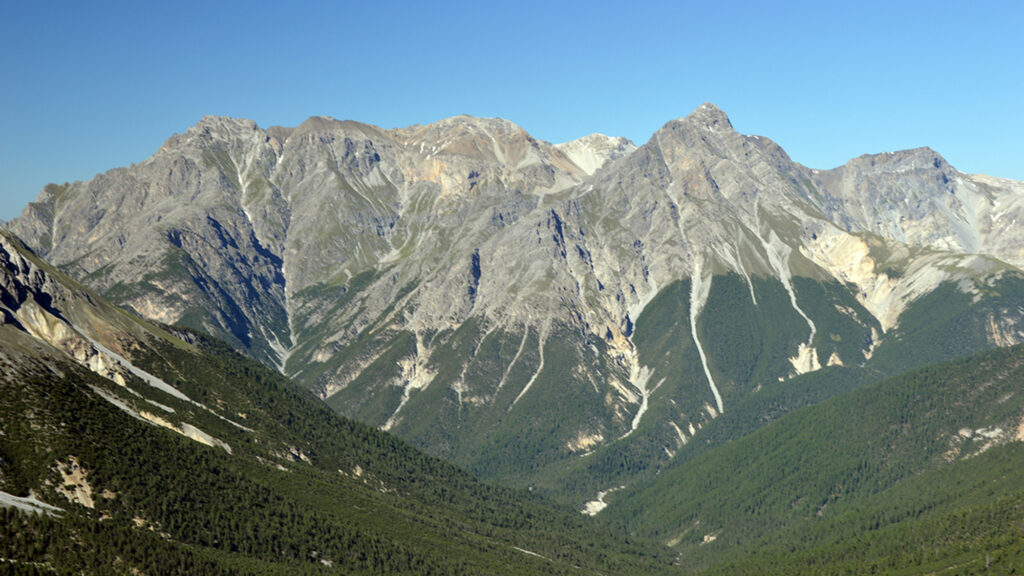
A clear tree line is visible on a mountain range.

As the climate warms, tree lines are generally understood to move up, because regions that were previously too cold for trees to survive now have higher, more tree friendly temperatures.

A tree line is clearly visible in the Swiss National Park, in Graubünden, Switzerland. Credit: Sabine Rumpf, University of Basel

This migration can be seen in these images of Canada’s Waterton Lakes National Park…

Rising tree lines are visible in Canada’s Waterton Lakes National Park, seen here in 1913 (left) and 2007 (right). Credit: Mountain Legacy Project

…and of Jackson Glacier in Montana’s Glacier National Park, for example.

A black-and-white image shows a glacier in a mountain pass.
Jackson Glacier, in Montana’s Glacier National Park, is seen here in 1912 and 2009. As the climate has warmed, the glacier has receded significantly, and tree lines have risen. Credit: MJ Elrod, U of M Library–9/3/2009, L McKeon, USGS

But new research, published in the International Journal of Applied Earth Observation and Geoinformation, paints a more complicated picture: Between 2000 and 2020, 42% of tree lines shifted up, true. But 25% of them actually moved downhill.

Sabine Rumpf, an ecologist at the University of Basel in Switzerland, said many studies of tree line shifts tend to be concentrated in limited geographic areas. A preponderance are based primarily on data from North America, Europe, and the Himalayas, where researchers are more likely to have funding to head to the field to take measurements themselves.

“But that also means that a large proportion of the surface of our planet is so understudied,” Rumpf said. “And [to remedy] that, remote sensing data [are] really amazing because you can get a truly global picture, even though there’s nobody, or too few people, observing things in the field.”

Tree Lines Aren’t Living up to Their Potential

So the team set out to take a more global look. They used a world mountain map, developed in 2018, with a 250-meter resolution. They did exclude some regions from their analysis: cells with less than 10% high-mountain coverage (which have so few trees that they don’t have much of a tree line) and cells more than 95% covered with trees (which have so many trees that they don’t have much of a tree line). For their purposes, the team defined the “observed tree line” as the upper limit of trees that stand 3 meters or taller.

Then, said Rumpf, they used a model to calculate the potential tree lines for each area, because, thanks to human effects on the environment, “where these trees could be surviving is almost always higher than where the trees are currently.” The model looked at the growing season length and mean growing season temperature for each cell in the map’s grid. The researchers determined that if a cell had a growing season length of 94 days or longer, and an average growing season temperature of 6.4°C or higher, it could potentially host trees. Cells that didn’t meet both criteria were considered unable to be covered in forest, and thus above the potential tree line.

With this model, “you can calculate based on climatic data where trees could potentially occur or not occur, even though they might not be there in the field,” Rumpf said. “It’s actually super simple. And that’s the beauty of it.”

Credit: Sabine Rumpf, University of Basel

Jordon Tourville, a terrestrial ecologist with the Appalachian Mountain Club, said the overall findings are not surprising, because other studies have shown seemingly “paradoxical downslope shifts in some cases.” But he noted that whereas this study estimated potential tree lines based on temperature constraints, some scientists have suggested that factors such as nutrient availability and wind exposure are also important in determining tree line position.

Unsurprising, on Second Thought

In areas with more human disturbance, the upward spread of trees is suppressed, or even reversed.

Armed with this information about observed versus potential tree lines, the researchers hypothesized that areas with the smallest deviation between the two were mostly responding to climatic factors. In contrast, they speculated, areas with a greater difference between observed and potential tree lines were likely experiencing more anthropogenic disturbance, such as logging, agriculture, and infrastructure development.

Their hypothesis held up. In areas with less human disturbance, tree lines were moving upward more quickly (the researchers noted, though, that the upward migration of tree lines lagged behind the rate of climate change). In areas with more human disturbance, the upward spread of trees is suppressed, or even reversed.

Fire played a big role in tree line shifts as well: The researchers found that 38% of the downslope shifts were linked to fire events. Wildfires played a particularly big role in western North America and Alaska.

Wildfires played a particularly large role in the downward shift of tree lines in western North America. Here, a tree line is visible in California’s Little Lakes Valley. Credit: mlhradio/Flickr, CC BY-NC 2.0
Blue circle with white text reading "Visit Teach the Earth for classroom activities to pair with this ENGAGE article." "Teach the Earth" is a logo with lines and triangles depicting mountains above the words and a shape denoting waves below them.

Rumpf and several of her colleagues are located in the Alps, where glaciers are retreating, tree lines are climbing, and towns are generally more threatened by mudslides than by wildfires.

Some of the study’s findings, like a quarter of tree lines shifting down, or such a clear signal from wildfires in some areas, were at first unexpected. But after some reflection, Rumpf realized the diversity of data was a perfect example of why global-scale research is important.

“A lot of scientific funding is based in North America and Europe,” Rumpf said, which means many studies return similar results. “Then we do something global and we are surprised that things are different somewhere else on the globe?… I mean, well, duh.”

—Emily Gardner (@emfurd.bsky.social), Associate Editor

This news article is included in our ENGAGE resource for educators seeking science news for their classroom lessons. Browse all ENGAGE articles, and share with your fellow educators how you integrated the article into an activity in the comments section below.

Citation: Gardner, E. (2026), Tree lines are migrating. Some up, some down., Eos, 107, https://doi.org/10.1029/2026EO260146. Published on 12 May 2026.
Text © 2026. The authors. CC BY-NC-ND 3.0
Except where otherwise noted, images are subject to copyright. Any reuse without express permission from the copyright owner is prohibited.
  • ✇Ontario Nature Blog
  • Why Ontario’s 2026 Budget Fails Nature and What It Means for Us Jenna Kip
    Ontario’s 2026 Budget, A Plan to Protect Ontario, arrives with familiar promises of economic resilience and infrastructure growth. But beneath the surface, a persistent gap remains: meaningful investments in nature. Similar to last year’s budget, the province continues to ignore the importance of biodiversity and nature to economic resilience, community well-being and Ontario’s long-term prosperity. Recommendations Still Being Ignored In 2025, Ontario Nature raised concerns that the provincia
     

Why Ontario’s 2026 Budget Fails Nature and What It Means for Us

9 April 2026 at 15:46

Ontario’s 2026 Budget, A Plan to Protect Ontario, arrives with familiar promises of economic resilience and infrastructure growth. But beneath the surface, a persistent gap remains: meaningful investments in nature. Similar to last year’s budget, the province continues to ignore the importance of biodiversity and nature to economic resilience, community well-being and Ontario’s long-term prosperity.

Recommendations Still Being Ignored

In 2025, Ontario Nature raised concerns that the provincial budget put nature at risk by prioritizing development while weakening environmental protections. These concerns were echoed and expanded in January 2026, when Ontario Nature and 64 partner organizations called on the province to increase investments in conservation.

The unified message was clear: protecting and restoring nature is not a barrier to economic growth but is a foundation for it. Yet the 2026 budget does not meaningfully respond to these recommendations. Our recommendations presented a clear path forward – strategic investments in nature can strengthen our economy, protect communities and reduce long-term costs.

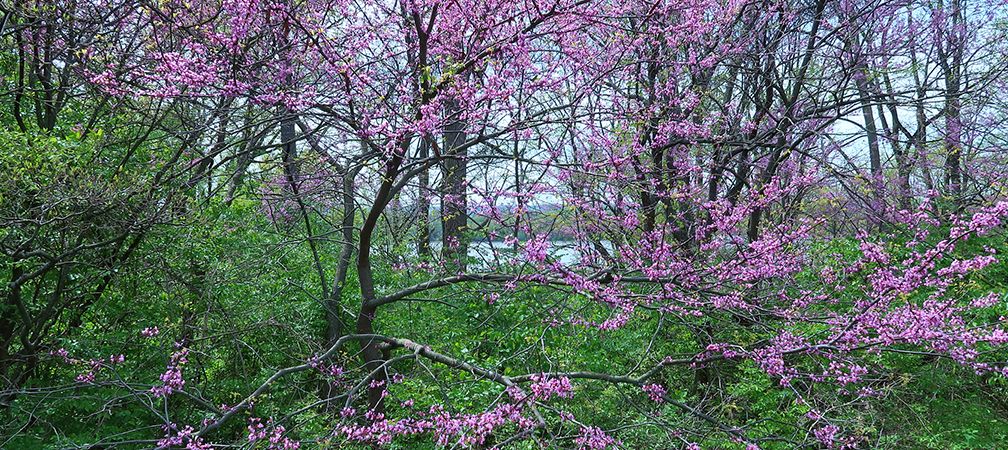
Redbud trees and Cootes Paradise, Royal Botanical Gardens, Burlington, Hamilton, Lake Ontario, Hamilton Harbour, forest, shoreline, wetlands, biodiversity, connection to nature, nature trails
Redbud trees and Cootes Paradise, Royal Botanical Gardens © Cactus Forest CC 0.0

Investing in Protected Areas Creates Jobs and Boosts the Economy

Ontario remains well behind the pace required to meet the national goal of protecting 30 percent of lands and water by 2030. With just over 11 percent currently protected, the province risks falling further behind without a significant redirection in its course. A clear solution remains unprioritized: investing in protected areas is not only an environmental imperative, but an economic strategy. A coordinated annual investment of $60 million to expand Ontario’s protected areas network, particularly on Crown land, would help close this gap and support regional land use planning to protect high biodiversity and cultural value areas from industrial development.

Expanding protected area networks invests in nature-based recreation job opportunities, boosting our economy alongside protecting valuable areas. Across Canada, nature-based recreation creates over one million jobs and generates $101.6 billion in economic activity annually, not including the many additional ecosystem services that nature provides such as absorbing carbon, offsetting flood risks and improving air quality.

Wetlands: Ontario’s Built in Flood Protection

Conserving and restoring wetlands is a direct investment in public safety and affordability. Natural wetlands reduce flood damage, lower infrastructure costs and reduce costs to taxpayers. A University of Waterloo study found that maintaining wetlands can reduce flood damages by 38 percent, while other research shows that benefits of wetland protection can far exceed costs, with benefit-cost ratios reaching as high as 35:1.

Despite these benefits, the 2026 budget does not significantly expand investments in wetland conservation, leaving communities exposed to rising costs.

Long Point Provincial Park, Big Creek National Wildlife Area and Port Rowan, Lake Erie, Big Creek watershed, biodiversity, healthy ecosystems, species at risk, rare species, ecotourism, rural, health, agriculture, helpful, sustainable ecological features
Long Point Provincial Park, Big Creek National Wildlife Area and Port Rowan © Ken Lund CC BY-SA 2.0

Nature Pays Us Back

Public support is not the barrier either. Ontarians overwhelmingly back increased conservation efforts and recognize their benefits for climate resilience, health and the economy.

Ontario’s 2026 budget speaks the language of resilience and protecting Ontario, but it fails to invest in the natural systems that make resilience possible. It seems that most Ontarians are not convinced the government is “protecting Ontario” based on recent polling. Until this changes, the province will continue to take on higher costs, greater risks and missed opportunities.

Malcolm Bluff Shores Nature Reserve, guided hike, donor event, Saugeen - Bruce Peninsula, natural corridor, Niagara Escarpment, Georgian Bay, Bruce Trail, nature trail, connect to nature, ecosystem, Lake Huron, fresh air, biodiversity, environmental appreciation
Malcolm Bluff Shores Nature Reserve, guided hike © Melissa Thomas

Take Action

While provinces across Canada begin implementing meaningful conservation plans, Ontario is falling behind. Rather than weakening environmental protections and shifting the costs of conservation onto communities, the provincial government must commit to sustained, long-term investments in nature.

Protecting nature protects all of us. Stay informed, contact your MPP, and demand better protections for Ontario’s lands and waters. You can also take action today by signing one of Ontario Nature’s Action Alerts.

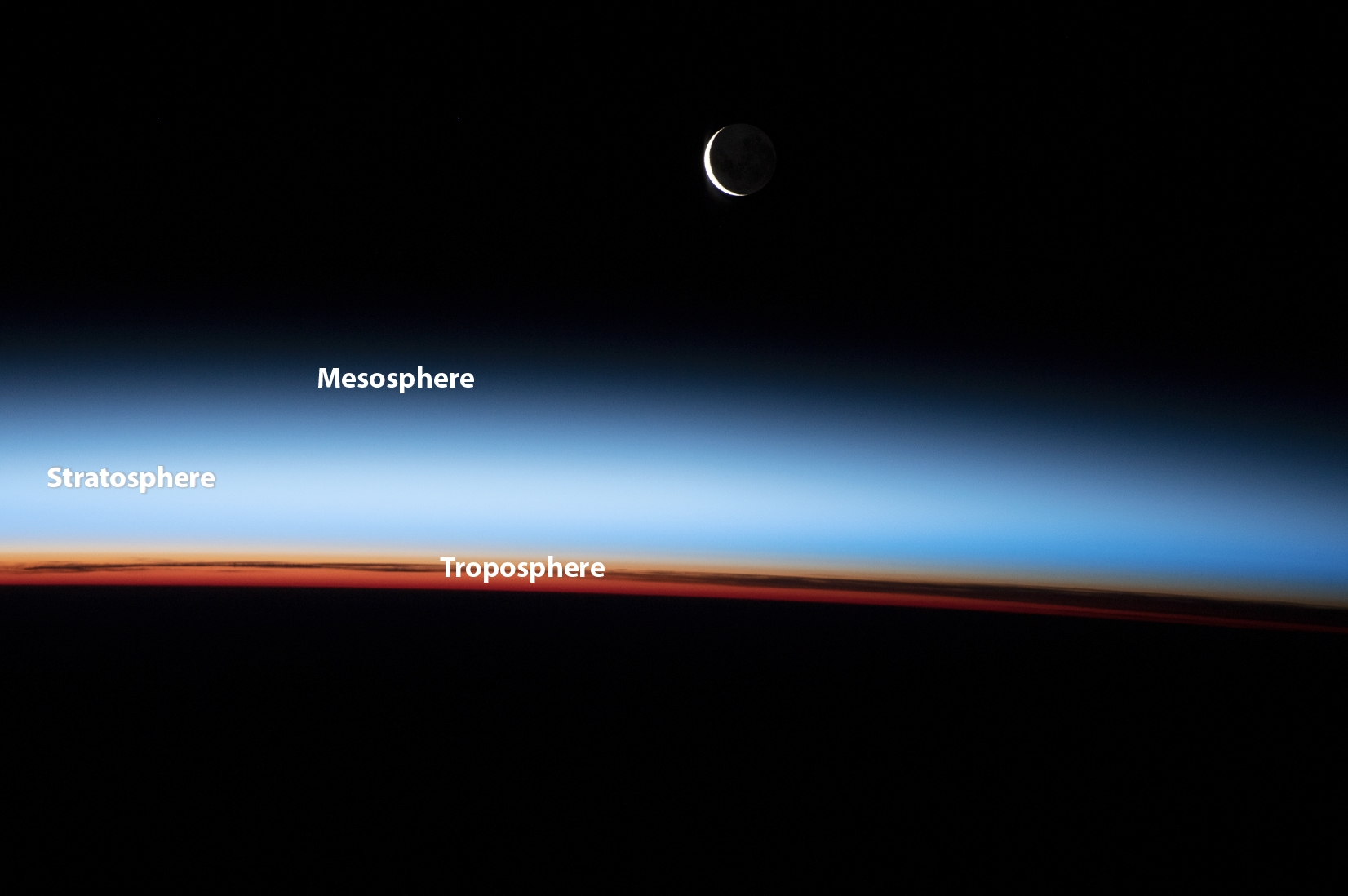
A New Study Explains How Carbon Dioxide Cools the Upper Atmosphere—and Warms Earth Below

Researchers have solved a long-standing atmospheric puzzle: how rising carbon dioxide cools the stratosphere even as it warms Earth’s surface and lower atmosphere.

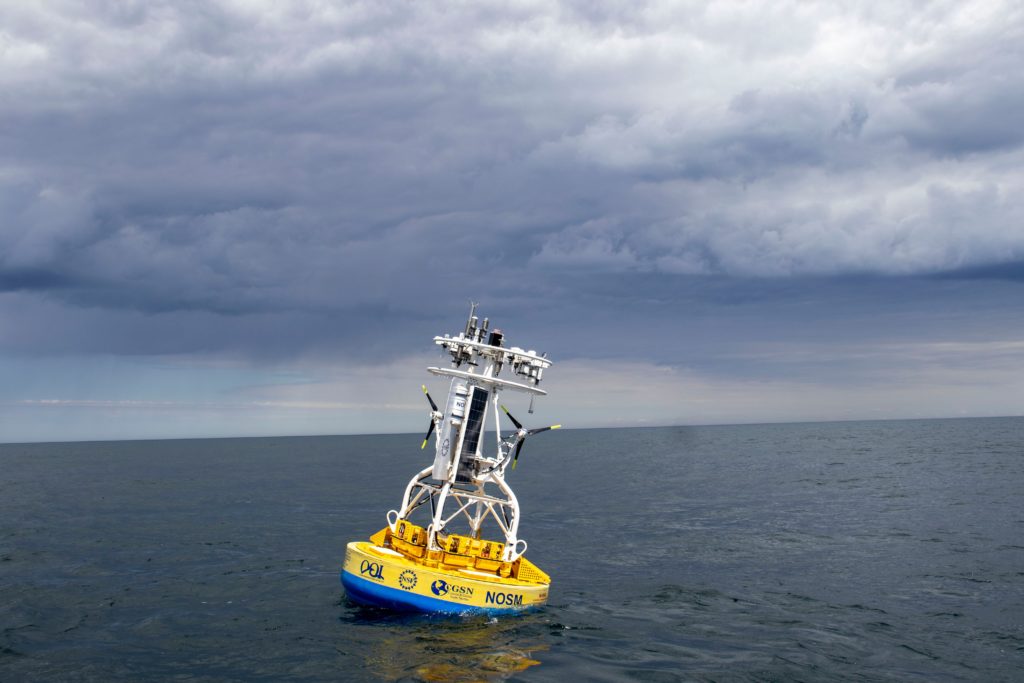
Trump administration dismantles ambitious ocean monitoring program

3 June 2026 at 22:30
Scientists across the country are expressing alarm as the Trump administration dismantles another tool for understanding how the planet is changing. More than 900 deep-sea ocean sensors will be pulled out of the Pacific and Atlantic oceans near Washington, Oregon, Alaska, North Carolina and Greenland. Researchers say these are critical ocean observation tools. William Brangham explains.

❌
Subscriptions