Bringing futuristic solutions to historic streets.
Upon coming to Japan and exploring the cities, I soon came to one of many realizations: the country has a near-complete lack of public trash cans. While it’s technically possible to call into one of the many convenience stores to unload your pockets of snack wrappers into the store’s waste receptacles, there are almost always signs asking you to refrain from doing so, and you could potentially face criminal charges for dumping garbage from products not purchased in-store.
Instead, it is socially expected for any and all trash generated from snacking to be carried and disposed of at your house or hotel, so much so that it’s quite normal for people to carry around small plastic bags in your handbag or backpack to hold onto accumulated wrappers and napkins until the end of the day. As such, for those who are accustomed to having public trash cans being easily accessible, they can often end up with pockets filled with sticky waste and crumb-filled backpacks when they go sightseeing.
This cultural difference has been exacerbated considerably due to the post-pandemic boom in tourism, with millions of enthusiastic travelers flocking to sightseeing hotspots, like Kyoto, seeking to delve into the region’s charming history and food, which naturally increases the volume of sidewalk snacking. When you’re wandering through the picturesque streets of Kyoto’s Higashiyama ward, miles away from your hotel, the last thing you really want to be doing is holding the wrapper from your mid-morning Family Mart fried chicken snack for the rest of the day. So, the few trash cans available tend to fill up quickly and potentially overflow.
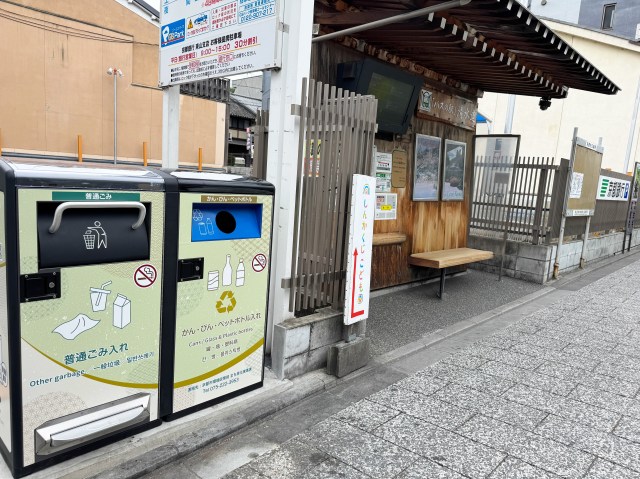
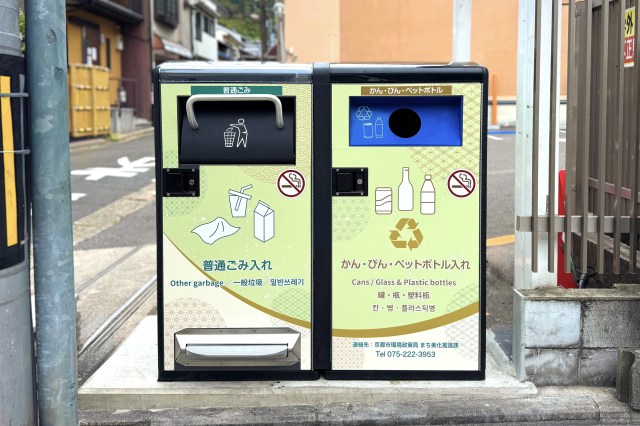
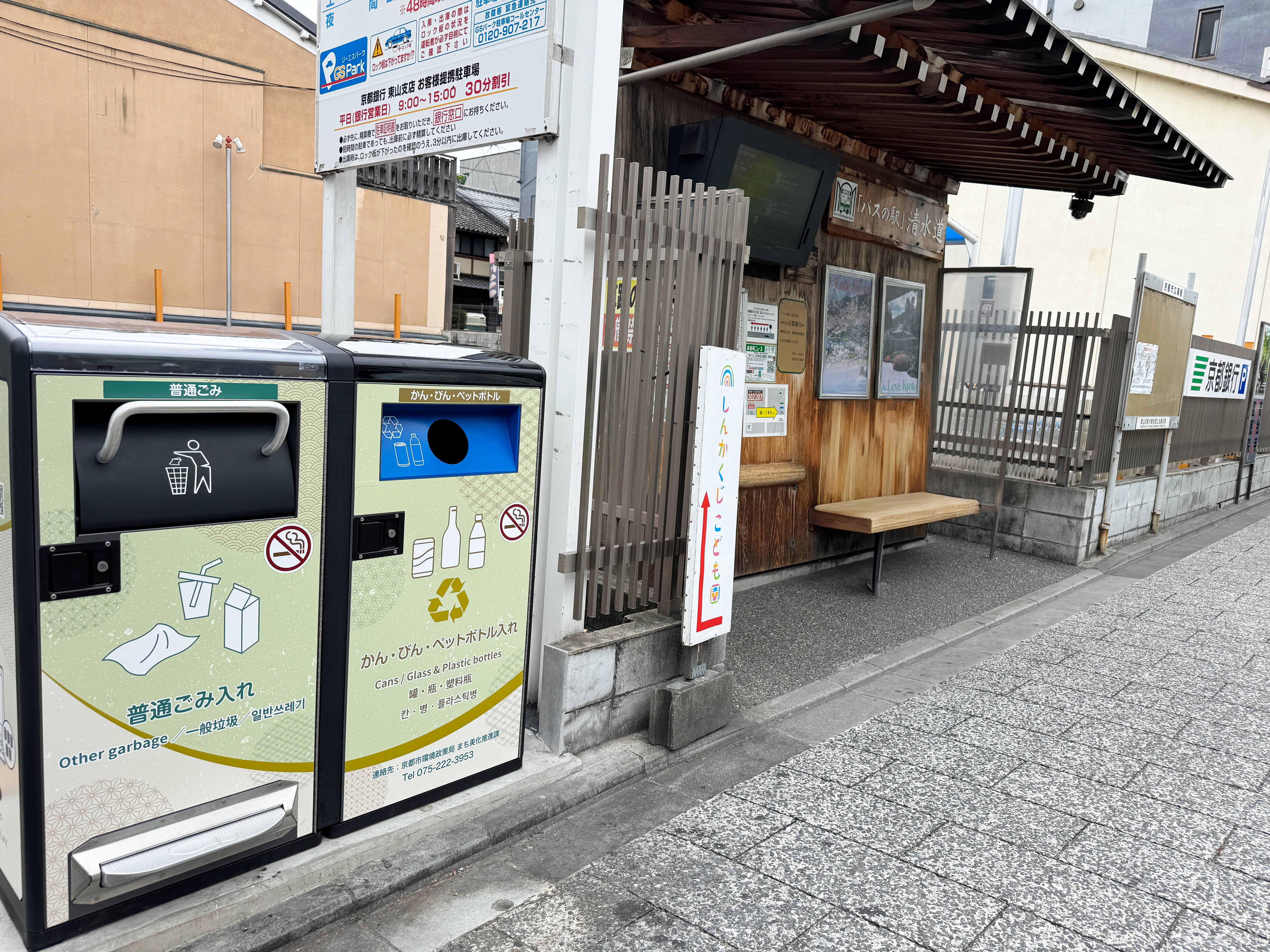
Fortunately, Kyoto has started tackling this problem with some high-tech efficiency. On May 27, two futuristic, eco-friendly smart trash cans called SmaGO, made by Forcetec, were introduced near the busy southbound Kiyomizu-michi bus stop, a highly traversed area for anyone looking to explore the area’s streets and temples.
The SmaGO units run entirely on solar power and feature an automatic trash-crushing mechanism that compacts waste down to just one-fifth of its original volume. They also connect to the internet to report exactly how full they are in real-time, allowing collection crews to swoop in before the trash starts to overflow and propagate to the nearby vicinity.
While these are the latest two units of a total of 34 throughout Kyoto, these eco-bins were actually donated to the city by the famous Kiyomizu temple and the nearby Rokuharamitsuji temple, with the Bank of Kyoto stepping in to provide the installation location, in the hopes of creating a more comfortable and beautiful city for both citizens and tourists.
So, the next time you venture into the historic former capital of Japan, you can rest assured that waste management will be one less thing to factor into your travel itinerary.
Mocchurin are back, and they brought a new friend with them.
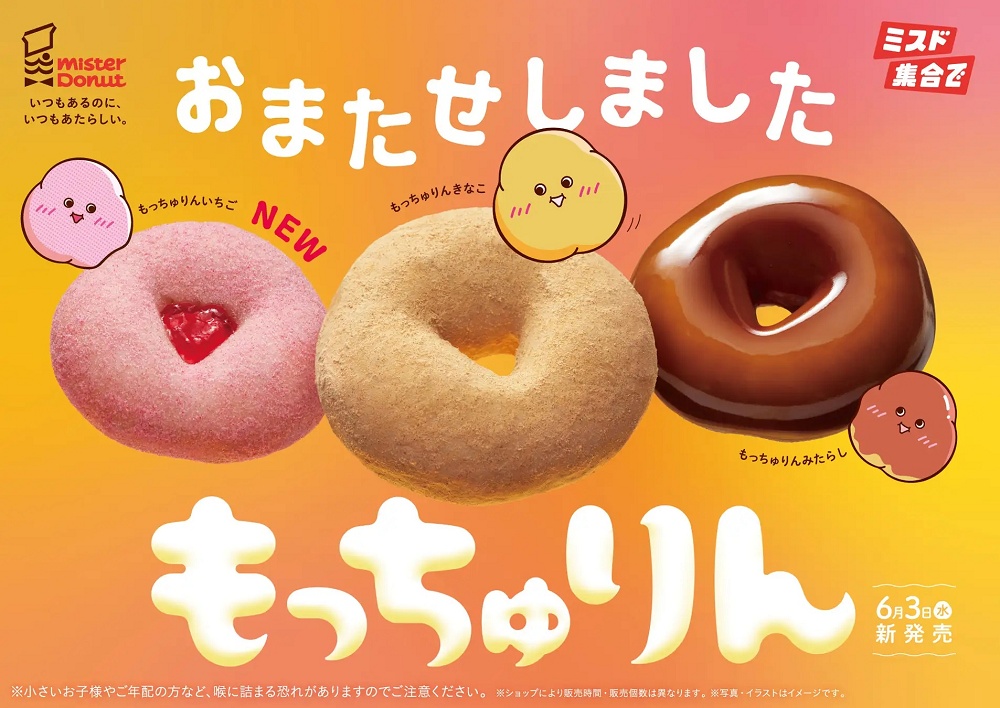
As Japan’s leading donut chain, Mister Donut is always cooking up new treats, but last year they invented some new words too: mocchuri and Mocchurin. “Mocchuri” was the descriptor they came up with for something that’s extra mochi mochi, which is itself a Japanese word for something with a soft, chewy texture, like you’d find in a mochi rice cake. Mocchurin, meanwhile is the name Mister Donut gave to a new line of mocchuri donuts that were on sale for a limited time last summer, and were so soft that it almost felt like we could drink them.
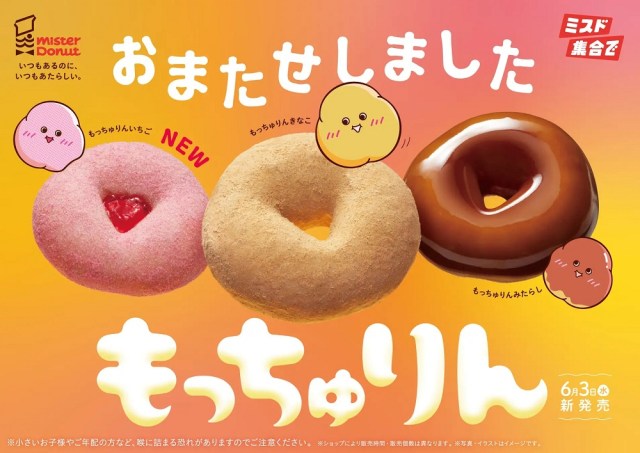
Now Mister Donut is welcoming Mocchurin back to its menus, and with a brand-new member of the family. Last year’s four Mocchurin all took their cues from traditional Japanese sweets, and two of those will be returning. First we have the Mocchurin Kinako, coated with roasted soybean powder.
▼ If you’ve never had kinako/roasted soybean powder, it’s a little like a sweet cinnamon in terms of flavor and texture.
Also making an encore appearance is the Mocchurin Mitarashi, basted with the sweet soy glaze that’s spread on mochi dumplings.
Finally, the Mocchurin series will step out of the traditional Japanese sweets flavors with the Mocchurin Ichigo, or Mocchurin Strawberry, with a strawberry filling and powdered with strawberry sugar.
With the expansion of the flavor lineup, the Mocchurin mascot ensemble grows larger too, with the introduction of a strawberry character.
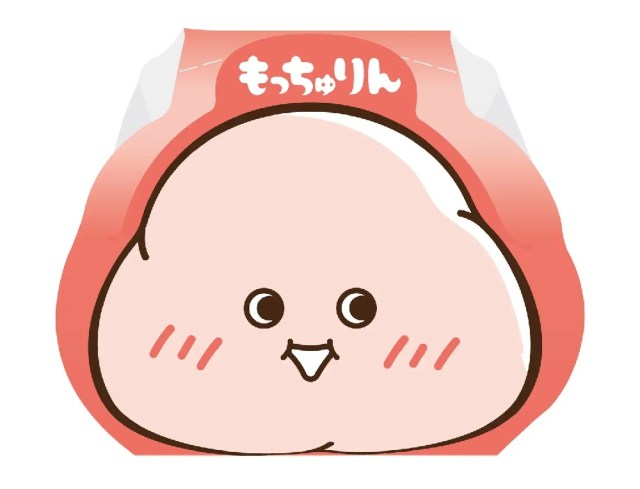
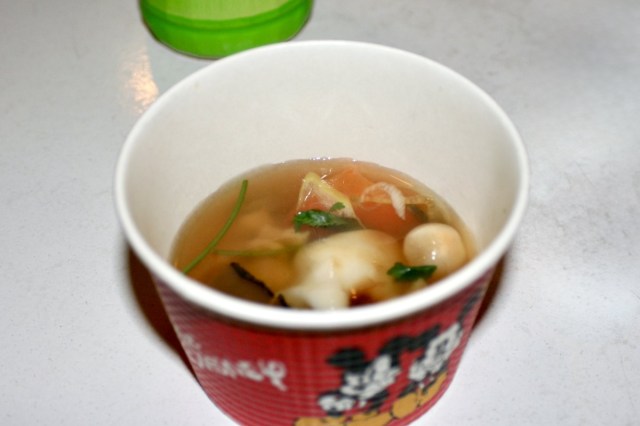
And because of how pillowy soft the Mocchurin are, they come on their own individually sized paper trays, which are adorable too.
The kinako Mocchurin is priced at 216 yen (US$1.40), the mitarashi at 226 yen, and the strawberry 237 yen. They’ve all gone on sale as of May 14 though Mister Donut’s online/mobile order system, and will be available for regular at-the-register purchase starting June 3. The kinako and mitarashi donuts are scheduled to be available until mid-August, but you’ll have to move more quickly to grab the strawberry, as it’s only projected to be around until late June, though Mister Donut promises that this is only round one of the Mocchurin release, with other, as yet-unrevealed flavors in the works as well.
Last month, the cast of the Chiikawa anime/manga showed up at McDonald’s Japan, but now it’s time for a new group to take their place. With Chiikawa being one of Japan’s most popular franchises these days the next batch of Happy Meal toys has some very big shoes to fill, but next up are some of Japan’s very brightest pop culture stars, Super Mario and friends (and some enemies too).
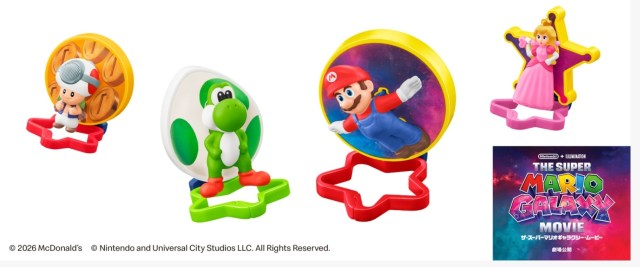
Specifically, McDonald’s Japan’s new Happy Meal toys feature Nintendo’s characters in their The Super Mario Galaxy Movie forms.
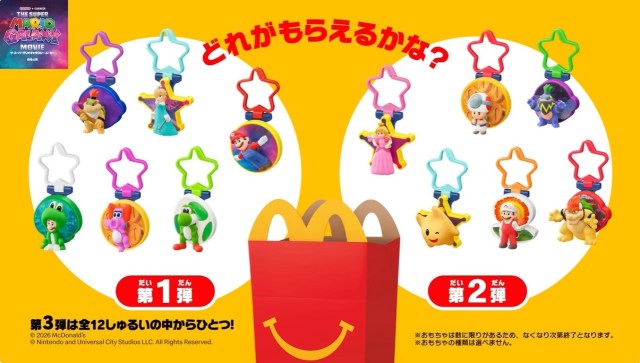
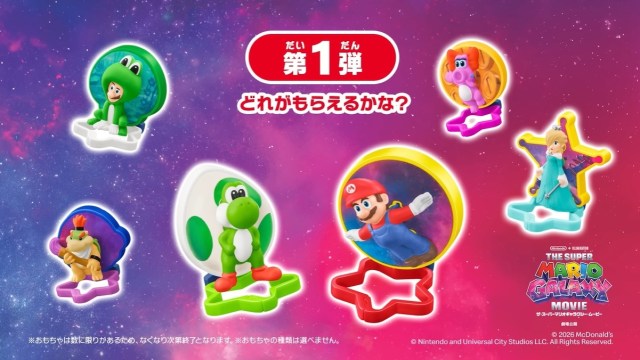
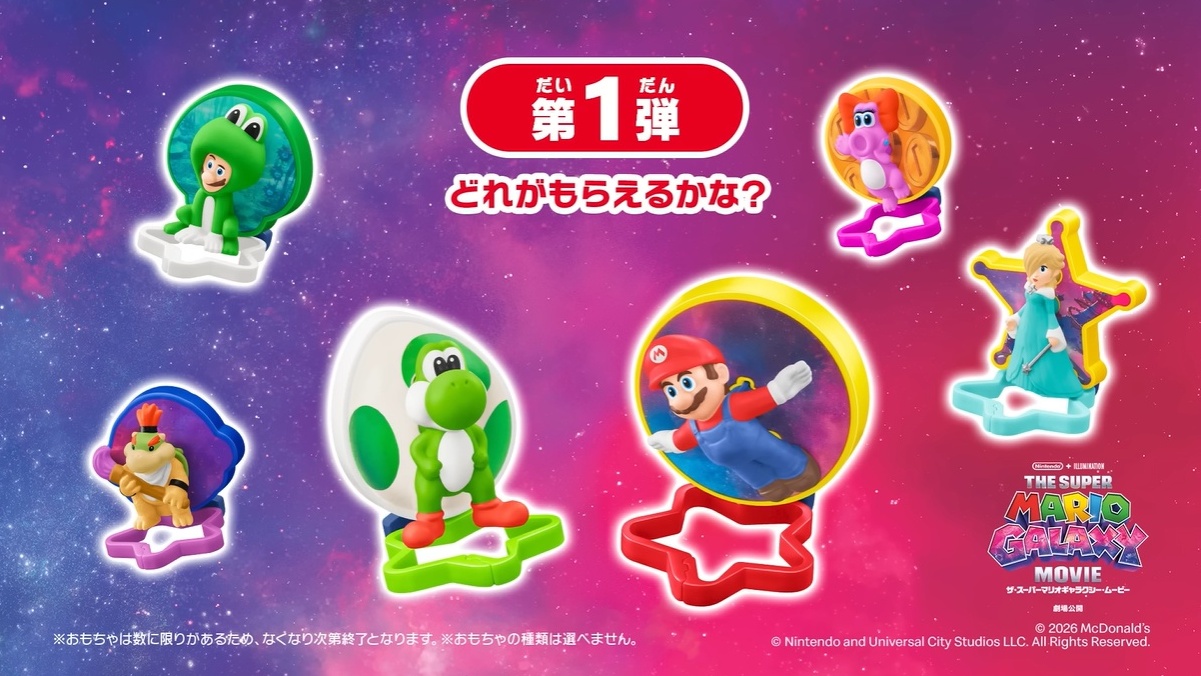
Starting June 12, Happy Meals come with one of 12 Super Mario Galaxy figures. As has become the standard policy for high-profile Japanese Happy Meal toys, the lineup is being released in stages. Round one runs from June 12 to 18, during which Mario, Frog Luigi, Yoshi, Rosalina, Birdo, and Bowser Jr. figures will be available.
▼ Rosaline, Birdo, and Bowser Jr. are named Rosetta, Catharine, and Koopa Jr. in Japan, by the way.
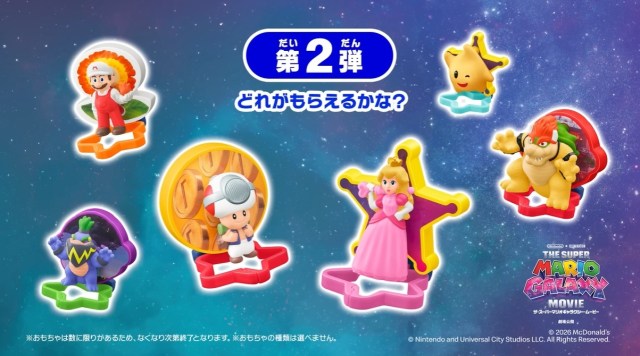
Round two kicks off the day after round one ends, and from June 19 to 25 your Happy Meal will contain either a Fire Mario, Princess Peach, Toad, Bowser, Luma, or Wonder Bowser Jr. figure.
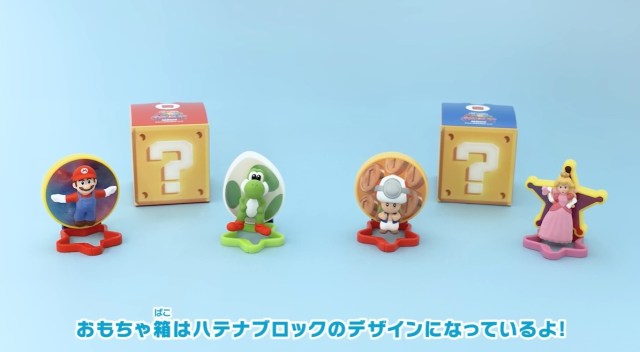
An extra-cool touch is that the figures come in boxes that look like Mario question mark blocks…
…and the star-shaped bases of each figure also let you use them as key chains or bag strap clips too, as shown in the video here.
Finally, from June 26 all 12 toys will be a possibility when purchasing a Happy Meal, ostensibly drawing from any leftover stock from the first two rounds. In total, McDonald’s Japan expects the Super Mario Galaxy Happy Meal toys to be available four about four weeks, though with demand likely to be astronomical, it’s probably a good idea to try to get one as soon as possible. Meanwhile, if you’re a hungry gamer who’s more of a Final Fantasy or Dragon Quest fan, there’re options to satisfy your appetite too.
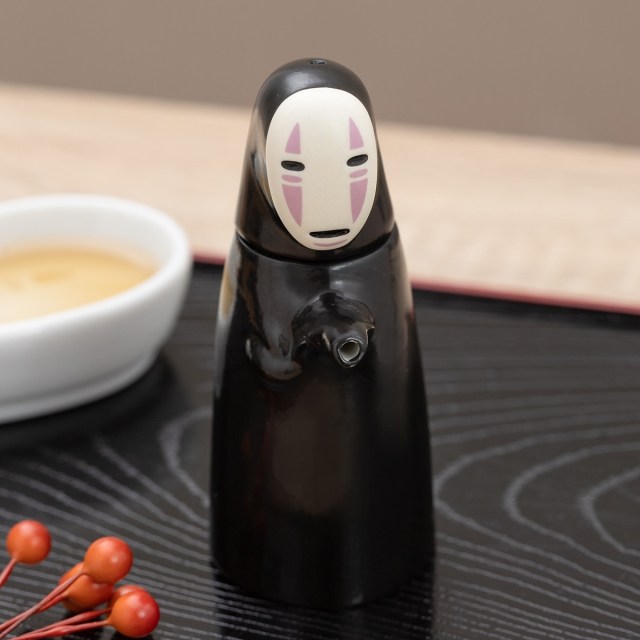
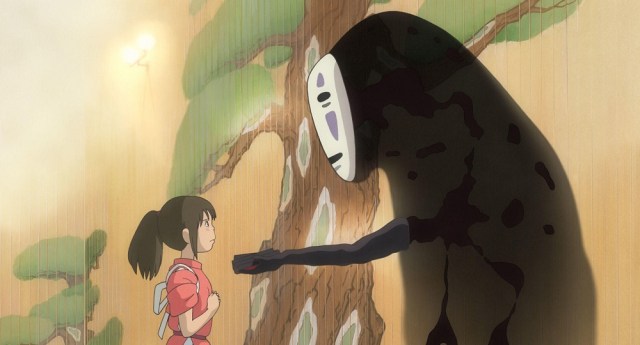
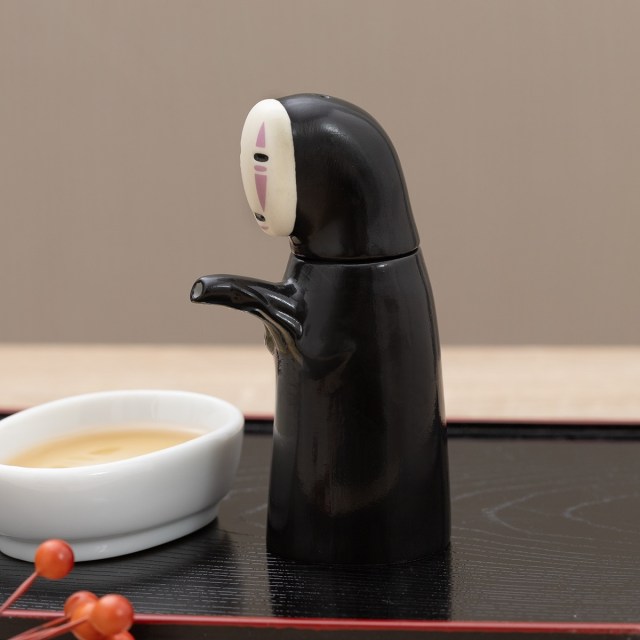
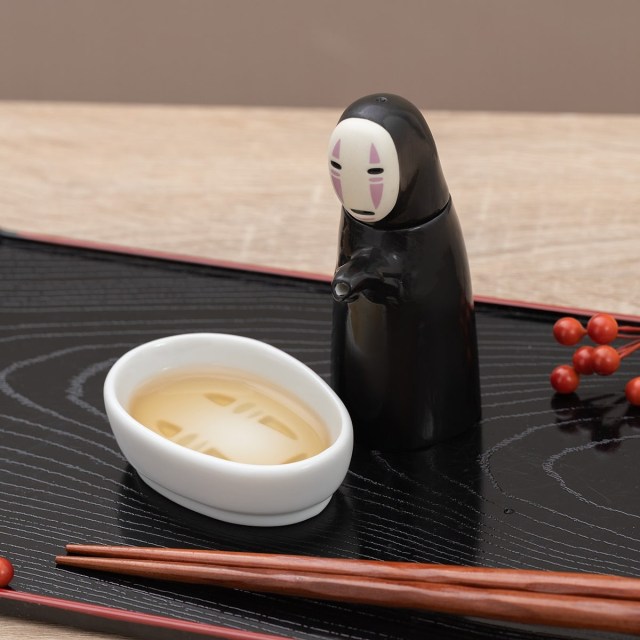
Explicit exposition has never really been Studio Ghibli’s thing, but even by their standards, No Face’s character arc is an impressive case. Without saying a single word of dialogue, we watch the Spirited Away scene-stealer go from covetous to considerate over the course of the film, learning that there’s more to life than a cycle of gorging and coercing people with regurgitated pricy baubles.
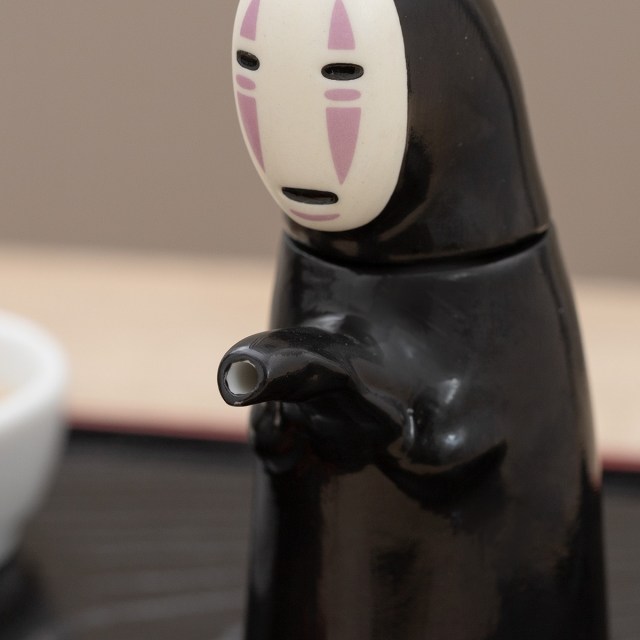
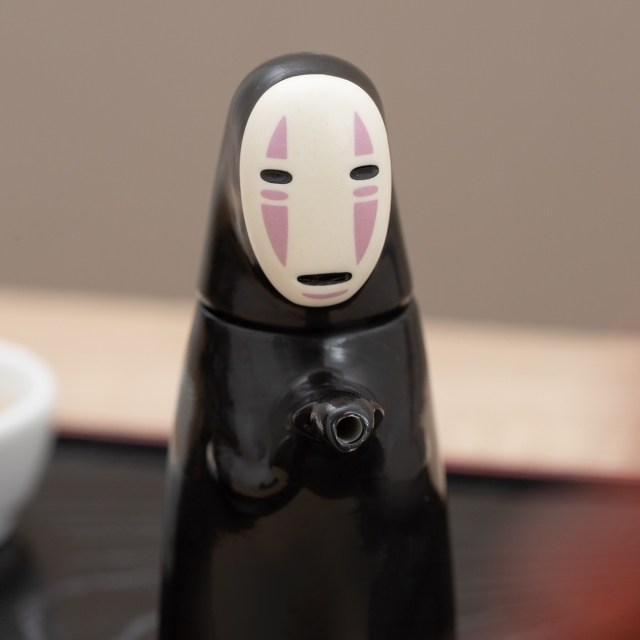
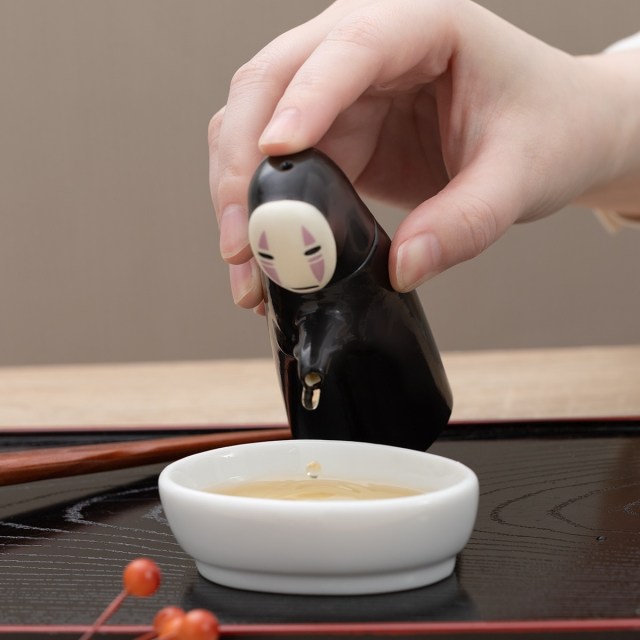
By the time the movie ends, No Face has become a sympathetic, even heartwarming character, and his new life as a generous, helpful sort can continue in your kitchen in the form of a cute and classy No Face soy sauce dispenser.
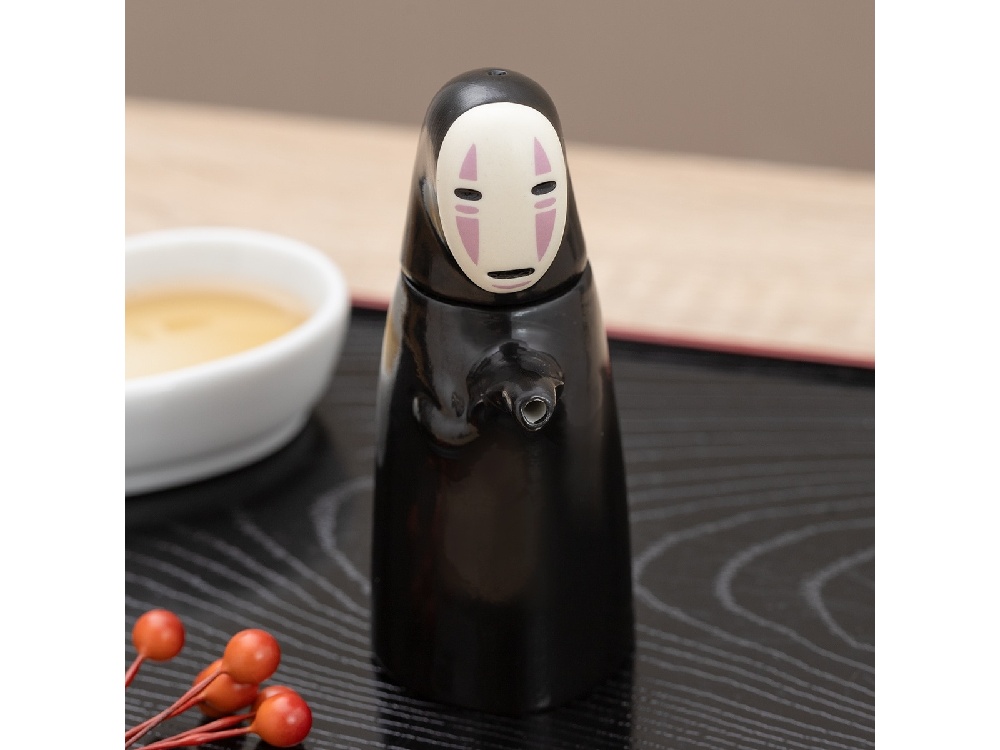
The porcelain bottle stands 10.8 centimeters (4.3 inches) tall, with its glaze catching the light in a hazy way evocative of the indistinct nature of No Face’s physical form within the anime.
Instead of pouring from the very top of the bottle, the soy sauce comes out of No Face’s extended arm, which is crafted to bring to mind his on-screen posing.
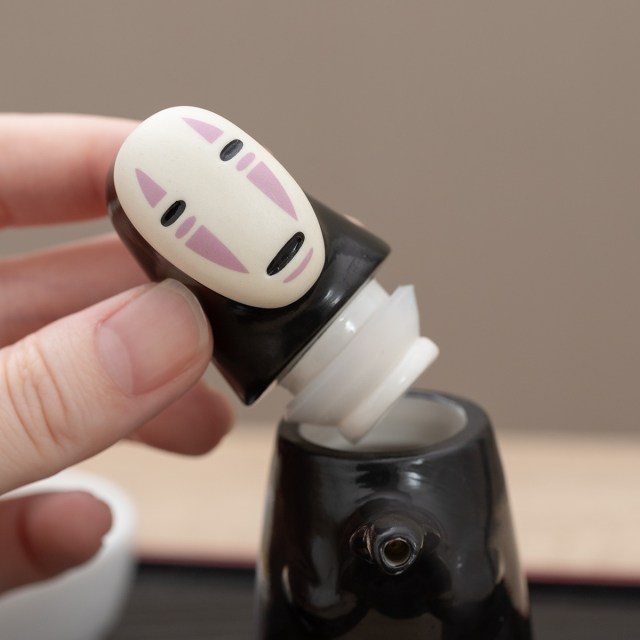
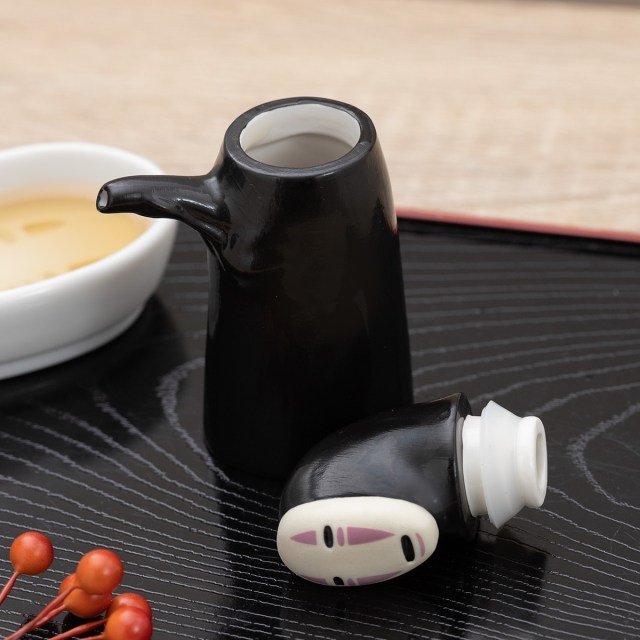
A silicone seal helps keep the connection between the two parts of the bottle snug and secure, and separating them also makes for easy cleaning of the inside.
While this is technically classified as a soy sauce dispenser by Ghibli specialty shop Donguri Kyowakoku, you could use it to hold whatever liquid you want (although the modest diameter of the opening means that thick condiments or lotions probably won’t flow too easily through it). And if your diet isn’t all that saucy, there’s always the option of using the bottle for decorative purposes like a very unique anime figure.
While the No Face soy sauce dish shown in the above photo is sold out, the soy sauce dispenser is back at Donguri Kyowakoku following a recent restock, and can be ordered through the chain’s online store here, priced at 2,640 yen (US$17). Just be careful not to spill any sauce on your new Totoro necktie.
Theme park prohibition strangely opens the door to a new kind of creative freedom.
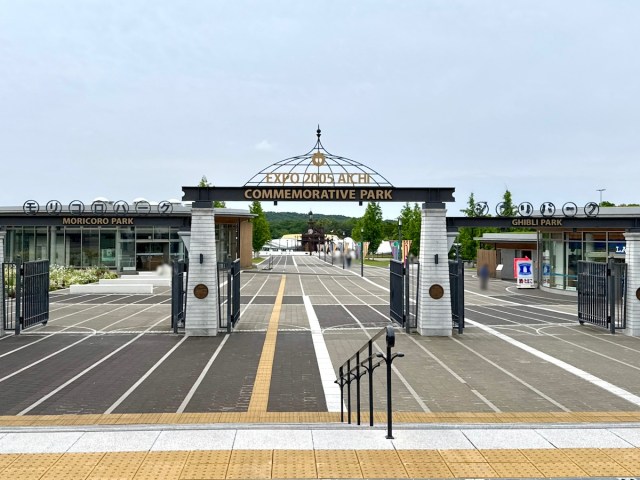
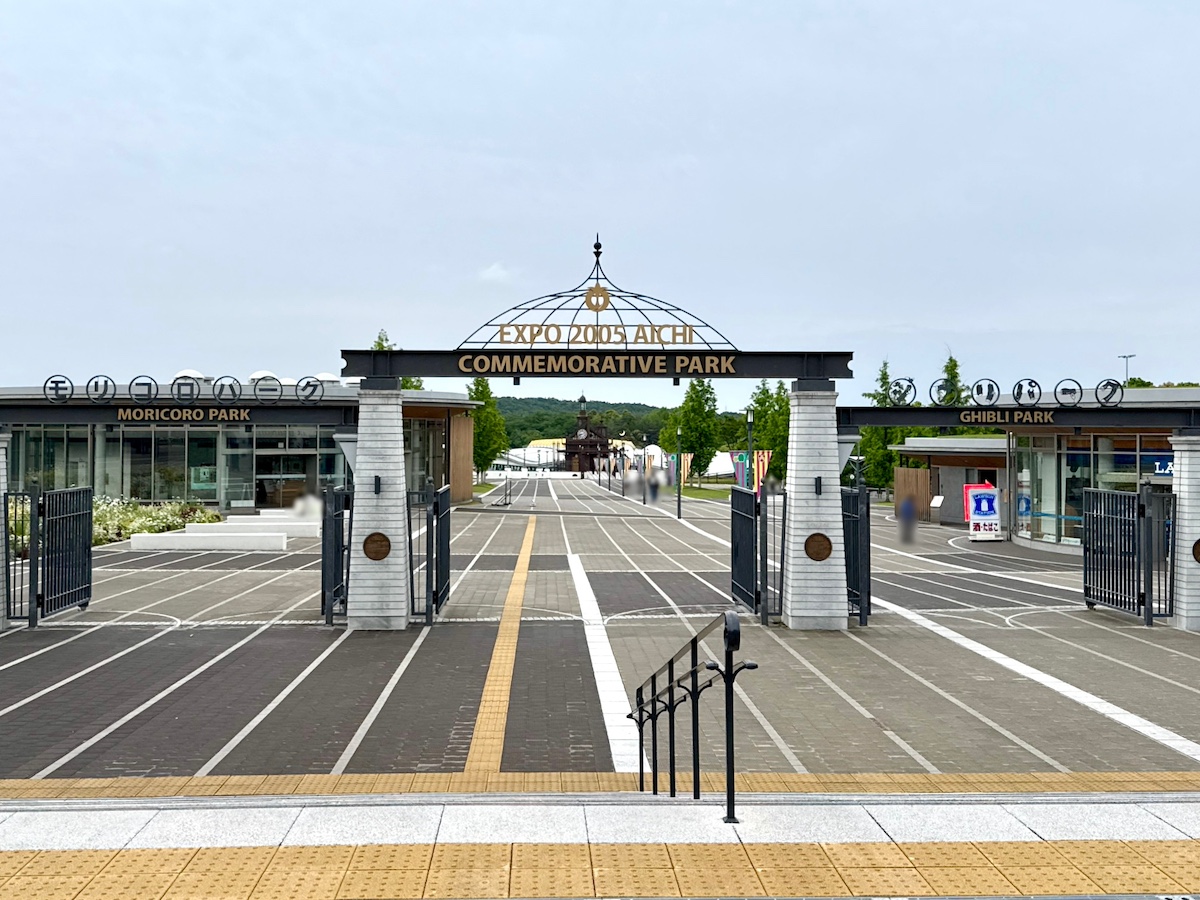
When you visit Ghibli Park in Nagakute City, Aichi Prefecture, you’ll find a vast array of attractions, including life-sized buildings that look like they’ve jumped straight out of a Studio Ghibli film. However, if you research the park beforehand to see what the rooms inside these buildings look like, you’ll notice something else: there isn’t a wide variety of interior photos on social media.
That might sound odd, given Ghibli’s worldwide fame and loyal fanbase, but the lack of photos doesn’t mean there’s no desire to share them online. Rather, it’s because photography is strictly prohibited inside most of the buildings. Instead, the park limits interior photos to the Becoming Characters in Memorable Ghibli Scenes exhibit inside Ghibli’s Grand Warehouse, where visitors can step into life-sized dioramas depicting 14 famous film scenes.
All of this came as a surprise to our Japanese-language reporter Saya Togashi when she visited the park for the first time recently. Unaware of the photography ban in the large majority of the buildings, her initial disappointment turned into an eye-opening experience both literally and figuratively, so she decided to share some thoughts on the ban and the surprising effect it had on her visit.
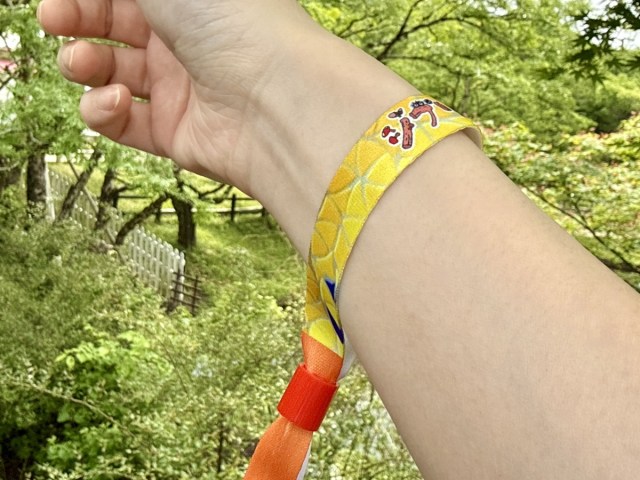
▼ Saya with her Ghibli Park entry band.
1. People don’t linger to take photos
The most obvious benefit to come from the ban is the fact that it prevents people from lingering too long in an area while trying to capture the perfect shot. Every exhibit presents a perfect photo opportunity, as each display creates an ideal backdrop that makes visitors look as though they’ve stepped into an anime world, and the attention to detail in the objects inside the buildings is so impressive that you could take hundreds of photos and it still wouldn’t be enough, which is why the ban feels necessary.
With so many small rooms inside, there isn’t much space to move around – even if one person stopped to take a picture it would cause a huge holdup for visitors. The photography ban ensures the crowds move smoothly through the exhibits, creating a more pleasant environment for everyone to enjoy what they’re seeing.
Another advantage is the absence of live video streamers. Even when they aren’t being intentionally disruptive, live streaming can cause anxiety for people nearby, as not everyone wants their face broadcast around the world without consent. In a country like Japan, where publishing identifiable photos of people without permission may violate privacy or image rights, the absence of cameras creates a sense of ease and safety that allows everyone to relax.
2. Visitors can concentrate on what’s in front of them
When you can’t take pictures, or when you don’t have your smartphone in your hand, something beautiful happens: you naturally start to focus on what’s in front of you. Though photography may be prohibited, visitors are allowed to touch many of the exhibits, engaging the sense of touch and creating a multi-sensory experience that benefits from full attention. This gesture of goodwill by the park, which prioritises the visitor experience over concerns about theft or damage, helps nurture an environment of care and respect that you might not find in other amusement parks.
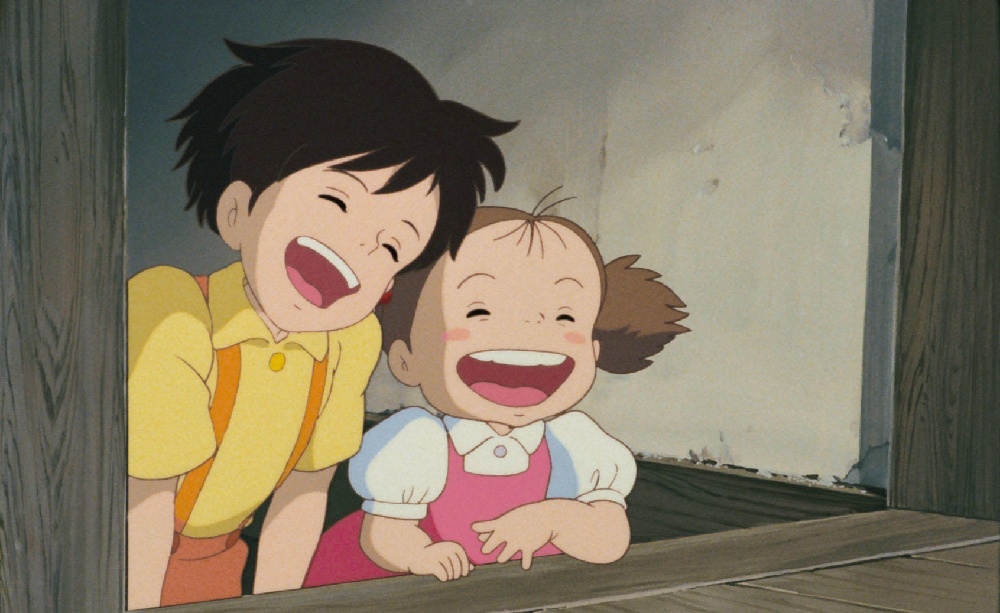
In Mei and Satsuki’s House, for instance, opening a closet door reveals bedding and pyjamas belonging to the Kusakabe family, who star in the film My Neighbour Totoro. The dresser contains the father’s clothes, which carry a faint smell of mothballs. You can search for the stairs leading to the second floor, just like in the movie, and even find Mei’s hat. It’s a continuous stream of discoveries that gives you a great sense of satisfaction in finding things for yourself.
Without the scrutiny of a smartphone screen, our senses become sharper. The small size of Mei’s clothes and the way they feel in your hand, the creaking of the closet, the sense of everyday life emanating from the old dishes in the kitchen – these are now vividly etched into Saya’s memory as real lived experiences.
In the documentary Until Ghibli Park is Finished, director Goro Miyazaki told his staff, “It’s good to touch the house as much as possible, like refolding clothes as if you were actually living there.” That sense of bringing the house to life is clearly evident, and it allows visitors to appreciate just how impressive it is that Satsuki and Mei’s House is built to be fully functional, with features such as a wood-fired stove for boiling water and a hearth for cooking rice. If God is in the details, so is Studio Ghibli.
3. There are no spoilers
In this era where everyone is a photographer, any place and any event can be easily experienced virtually through the Internet. Although we might know there are things that can only be understood by being there and experiencing them firsthand, videos and images can have a huge impact on our perception.
At Ghibli Park, however, very little prior information is available beyond officially released details about the different rooms and exhibits. Since photography is prohibited indoors in many areas of the park, visitors experience the spaces with almost no spoilers beforehand.
Because you encounter the actual settings and objects without prior exposure, everything feels fresh and surprising. Saya felt this especially strongly in Howl’s Moving Castle, where she had goosebumps after stepping into the dimly lit castle from the bright outdoors. Once your eyes adjust, you’re overwhelmed by the sheer volume of cluttered everyday objects and magical items laid out in front of you, appearing just as it was in the movie.
Although it’s an area visitors can’t touch, Howl’s bedroom, meticulously recreated with small objects, sounds, lights, and movements, is a must-see. It’s truly moving to witness something you’ve only ever seen in the 2-D anime world come to life before your eyes, complete with weight, scent, and texture.
Sure, Ghibli Park might not have big rides with elaborate special effects or dazzling shows, but that’s actually its charm. The dedication to creating special spaces and the sheer scale of its construction surpasses those of many world-class theme parks, and it’s something you can sense in every area.
After visiting the park, Saya came to realise the merits and demerits of modern theme parks that rely on social media sharing. Keen to update their operational policies to keep pace with the times, theme parks are shifting from being places where visitors immerse themselves in carefully crafted worlds and becoming platforms for sharing experiences, primarily through social media.
Saya has felt the tide turn firsthand at Disney Resorts, where she used to attend the New Year’s Eve countdown event every year. Although getting tickets was always a bit of a struggle, once you were inside the park, you could easily enjoy all the events, like watching shows, enjoying limited-edition food and drinks, and buying New Year’s items, without the need for any special strategy or plan. Of course, there were lines, but as long as visitors waited patiently, they could achieve their theme park goals, especially as visitors wandered the grounds discovering things along the way.
However, one year things changed. Even immediately after opening, the shelves for New Year’s items were empty, special menu items were all sold out, and the atmosphere at events became tense, with staff shouting to control crowds as people scrambled to secure prime viewing spots. This was around the time when the social media culture of sharing one’s own experiences and the business of profiting from reselling began. It created a world of competition and anxiety, where people have to work harder to buy the things they want and experience the things they want to experience — things that once felt much simpler before the age of social media.
This isn’t necessarily a bad thing for the theme parks themselves; the spread of information on social media and the increased rarity of merchandise are simply the result of fans’ enthusiasm. However, it does have an impact on the visitor experience, and after visiting Ghibli Park, Saya walked away with her eyes opened to what can be possible when visitors are prioritised over financial profit. By creating sensory worlds that can’t be fully captured in photographs, Ghibli Park encourages visitors to engage with the world around them, fostering face-to-face communication and a sense of adventure that lies at the heart of every Ghibli film.
Luna Azul can take you from Tokyo to Akita or Aomori while you snooze.
The Shinkansen is usually the fastest way to get from Point A to Point B when traveling within Japan. Since the stations tend to be centrally located and there aren’t any time-consuming security checks to go through, the Shinkansen can get you to many destinations even more quickly than flying.
That doesn’t mean, though, that the Shinkansen is always the most time-efficient way to get around Japan, since as fast as the bullet train may be, the ride is still going to take up part of your day. On the other hand, a new train from JR East/East Japan Railway Company will take you between Tokyo and Japan’s northeastern Tohoku region while using up hardly any of your day, because you’ll be making most of the trip while you sleep.
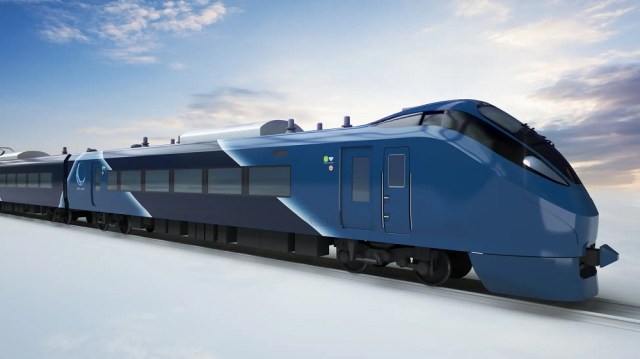
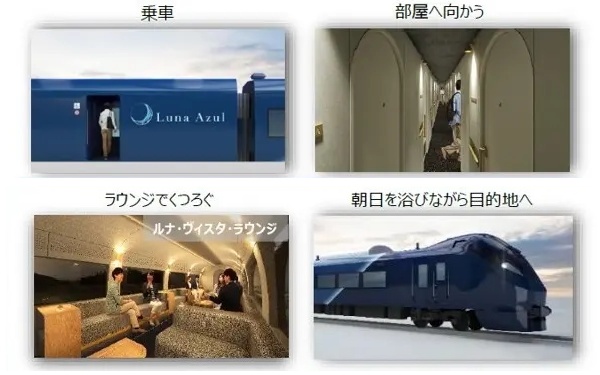
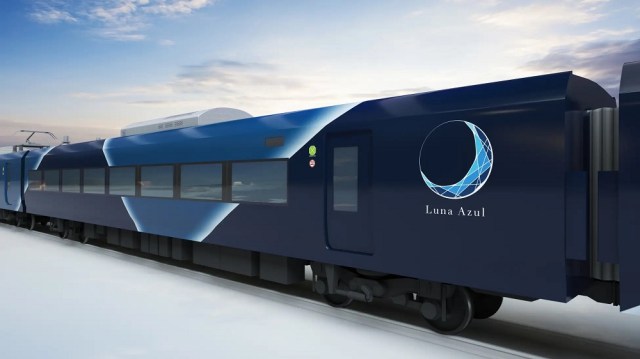
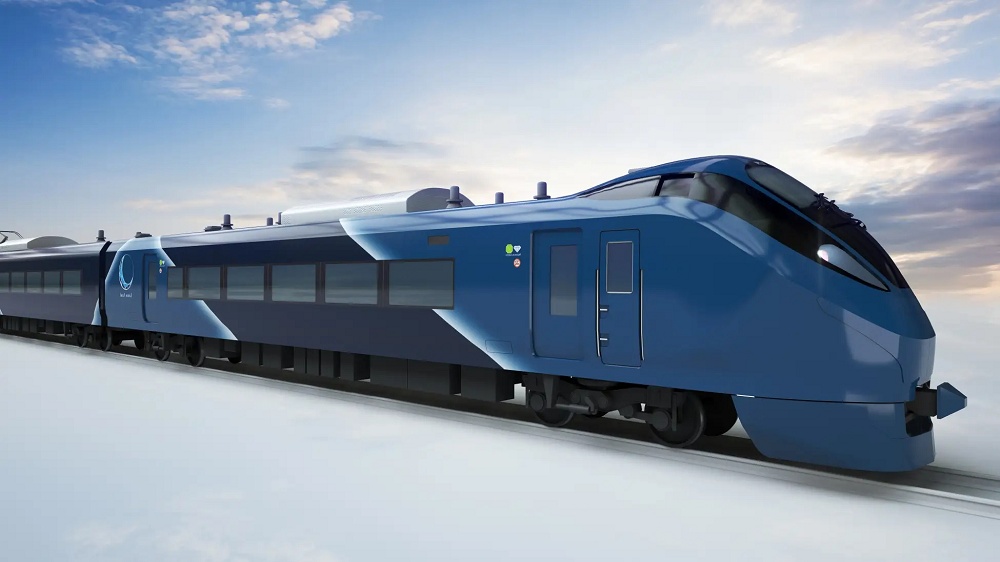
JR East’s newly announced Luna Azul overnight sleeper train will connect Tokyo’s Shinagawa Station with Aomori Station in Aomori Prefecture, all the way at the northern end of Japan’s main island of Hokkaido. The 10-car train will pull out of Shinagawa at 9 p.m. and have you in Aomori at 9 a.m., with brief stops at Tokyo, Ueno, Omiya, and Takasaki Stations along the way at night and then at Akita, Hirosaki, and Shin Aomori Stations in the morning. The trip in the opposite direction will leave Aomori at 4 in the afternoon and get to Shinagawa at 7 a.m. the following day.
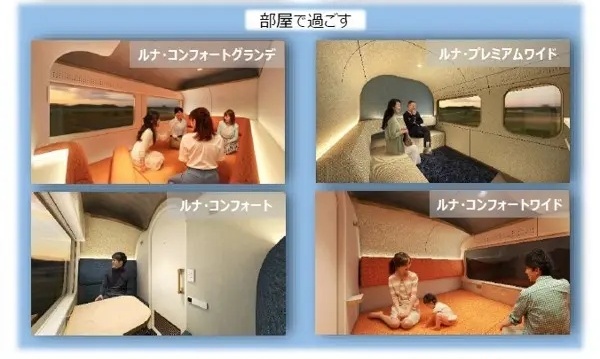
The train looks to strike a balance between comfort and utility, with differently designed private compartments to suit the needs of solo travelers, pairs, and families. The preview image below shows, clockwise from the top left, the Luna Comfort Grande, Luna Premium Wide, Luna Comfort Wide, and Luna Comfort configurations.
Guestrooms are found in nine of the cars, and the tenth is a lounge with wide windows and, presumably, drinks and snacks available for purchase.
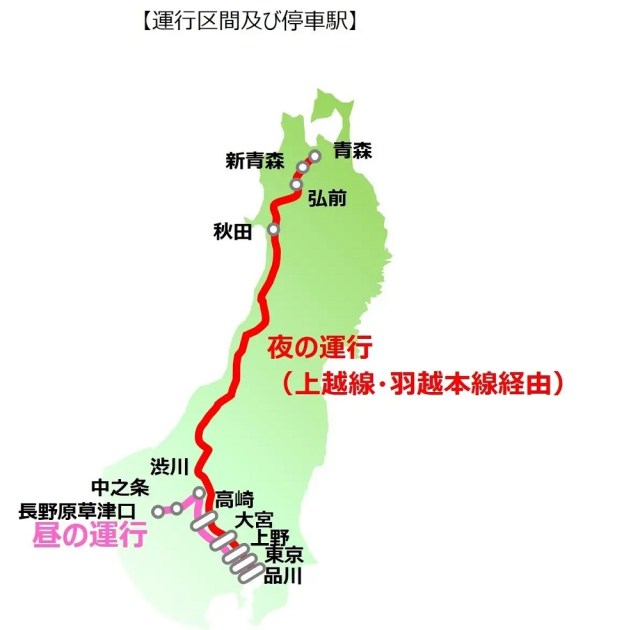
The Luna Azul will make two round trips a week between Shinagawa and Aomori, traveling along the Joetsu and Uetsu Main Lines. Because Tohoku is especially cold and snowy in winter, though, travel demand for the region dips significantly during that part of the year, Shinagawa-Aomori will be the Luna Azul’s route between spring and autumn. In winter, it’ll instead switch to a seven-car express train that still goes out of Shinagawa in Tokyo, but runs to Naganoharakusatsuguchi Station in Gunma Prefecture, a non-overnight journey. Gunma isn’t exactly balmy in the winter either, but Naganoharakusatsuguchi Station works as an entry point to Gunma’s Kusatsu Onsen hot spring resort area, a popular place for travelers in the mood for a cozy warming soak.
▼ The Luna Azul’s spring-to-autumn route (red line) and winter route (pink line). The winter route also includes a stop in Shibukawa, another popular hot spring area that also boasts skiing options.
The Luna Azul is scheduled to go into service in the spring of 2027.
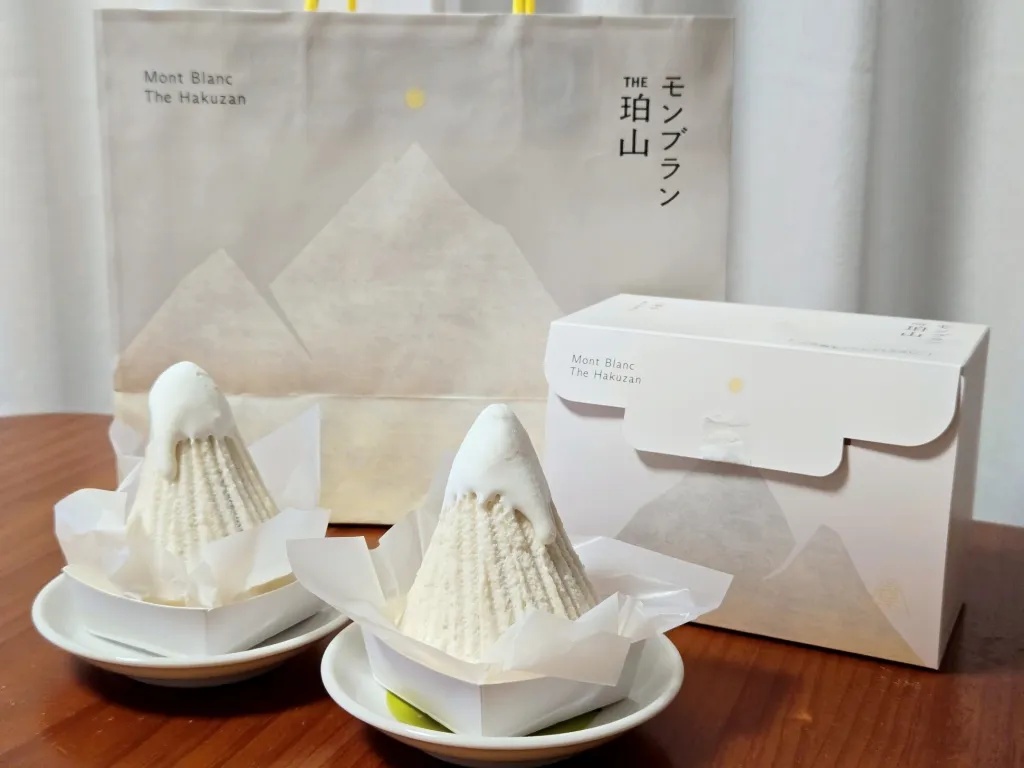
Mont Blanc The Hakuzan is a sweets shop so nice it’s named twice.
Tokyo Station isn’t just one of the most important places in the city for travelers and commuters, but for sweets fans too. Both within the station itself and inside the attached Daimaru department store are an array of dessert specialty stores, and we’ve been wanting to try one of them for months now.
Make no mistake, the reason we haven’t yet tried the desserts from Mont Blanc The Hakuzan, which opened in October, has nothing to do with willpower to resist the temptations of desserts, as such psychological fortitude is in very limited supply at SoraNews24. No, the reason it took us half a year to do this taste test is because of how incredibly popular the place is, and thus how hard it is to actually buy their desserts.
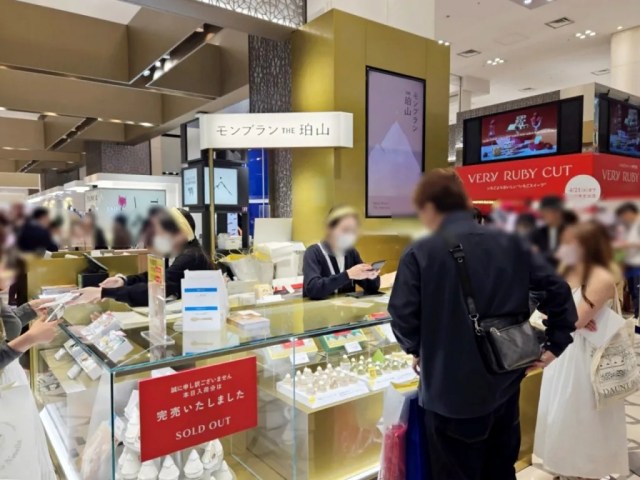
See that “sold out” sign in above photo? Notice how nicely made it is, as opposed to being a handwritten notice that the staff needed to suddenly make? That’s because they know that their entire batch of Mont Blanc, the candied chestnut dessert that’s the store’s specialty, is going to sell out on a daily basis.
We’ve walked by The Hakuzan (as we’ll call the store for short, seeing as how both “Hakuzan” and “Mont Blanc” mean “white mountain”) plenty of times since it opened, but never at a time when we could get our hands on one of the coveted desserts. When we rolled up on a recent Sunday afternoon, just as we’d expected, all of the Mont Blanc that had been stocked that morning at 10 a.m. were gone. But that was OK, because we’d gotten to the shop at around 4:30, and there’s a second batch that comes out at 5 p.m.
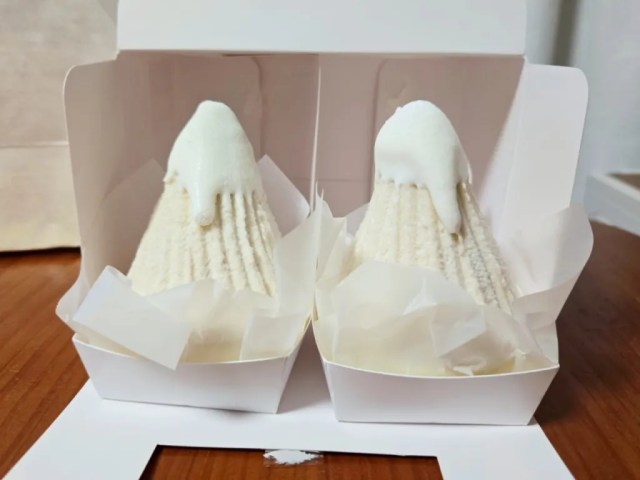
This was what we were aiming for, but even then, it turned out we’d cut things very close. The Hakuzan sells its Mont Blancs in boxes that contain two servings for 1,980 yen (US$13), and they limit each customer to a maximum of two boxes. However, they only make 30 boxes per batch, so it’s possible that as few as only 15 customers will be able to buy any, and there were already about 20 people waiting ahead of us in line.
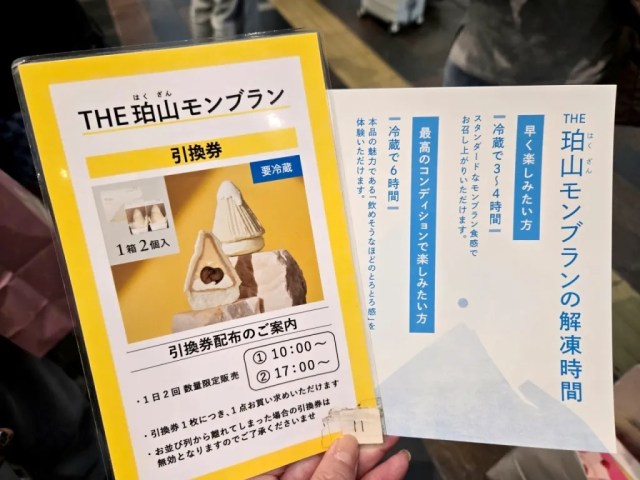
Thankfully, to help with crowd control at around 4:50, the staff asks how many boxes each person in line plans to buy, so they could guarantee us the single box we wanted, and gave us a purchase placard, shown in the photo above (note, though, that you still have to wait in line – leave the line, and your voucher will be voided).
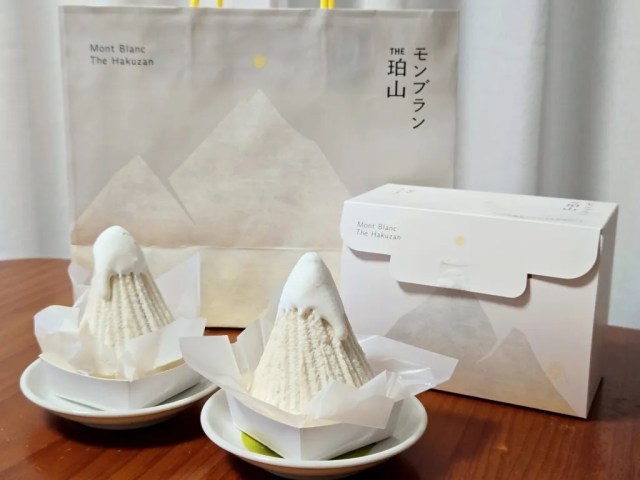
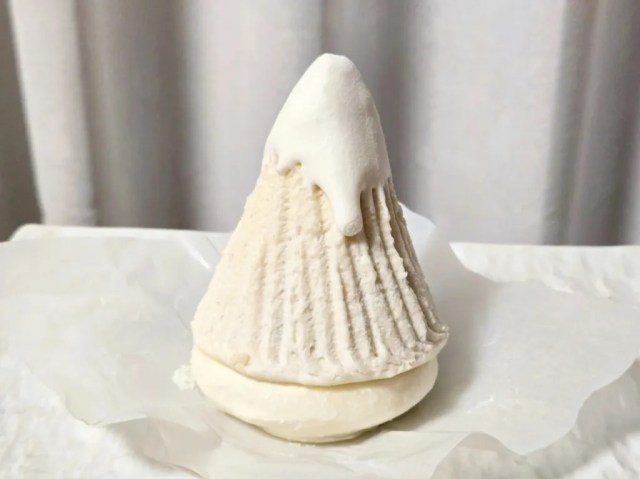
Mont Blanc gets its name because it’s supposed to look like a mountain covered in snow, but a lot of stores and cafes shape theirs like a mound, closer to a hill. The Hakuzan’s version, though, really does look a steep-sided mountain, and we couldn’t wait to dig in…except actually, we had to wait. The Hakuzan’s Mont Blanc comes frozen, and they recommend a total thawing time of six hours (combined getting it home and then putting it in your refrigerator) for the optimal texture.
That’s a longer deferment of gratification than we usually like, but after waiting a little more than six months to try this, another six hours wasn’t going to kill us. And when the Mont Blanc finally was ready to eat, our patience was handsomely, and deliciously, rewarded.
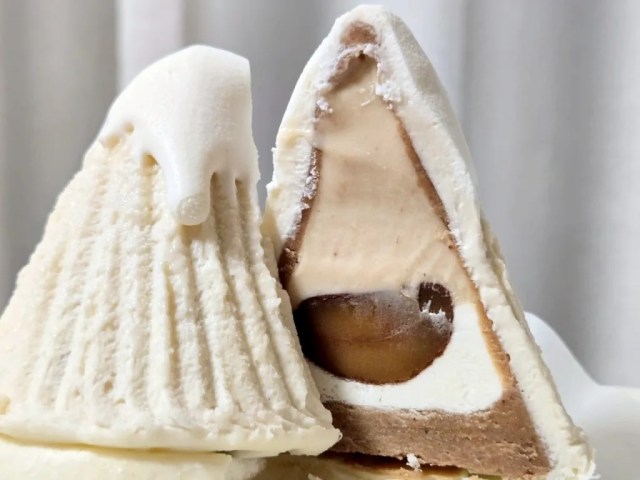
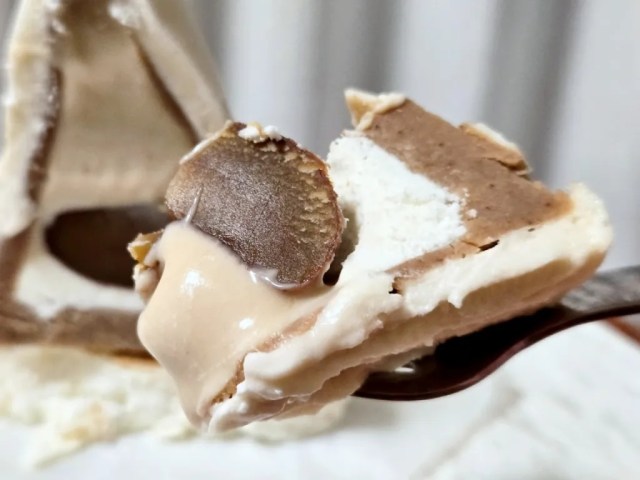
Starting at the top, our fork passed through creamy candied chestnut paste, whipped cream, and a base of crunchy merengue, and there’s a nicely sized chestnut in the middle too. This is, without question, a sweet dessert, but not in an overly sugary or oily way, and the touch of rum The Hakuzan uses gives its Mont Blanc a mature, elegantly quality as well.
So yes, we’re happy to report that the 30 minutes we spent standing in line for The Hakuzan’s Mont Blanc was well worth it. At the same time, we realize that not everyone has space for that in their schedule, and we ourselves might have lucked out by happening to visit on a less-crowded-than-usual Sunday, and on busier days getting there even 30 minutes before the batch comes out might not be early enough. Currently The Hakuzan only has this single shop inside the Tokyo Station Daimaru, so it’s not like you can cut down the waiting time by going to a more remote branch, either.
If you want to get a taste of this dessert without lining up, though, there is a way to do it, as on the 20th of every month, online Mont Blanc pre-orders start for the following month. Granted, that means you’ll actually be waiting weeks, not minutes or hours, for your Mont Blanc, but as least you won’t have to be standing in line the whole time.
Shop information
Mont Blanc The Hazizan / 店名 モンブランTHE珀山
Located inside Daimaru Tokyo / 大丸東京
Address: Tokyo-to, Chiyoda-ku, Marunouchi 1-8-9
東京都千代田区丸の内1丁目8-9
Open 10 a.m.-8 p.m. Website
Who doesn’t want to be taken out to the ball game, and be bought so many peanuts and Cracker Jacks they may never want to go back? Not only is it a great way to get some fresh air, buy a 20-dollar hotdog, and learn some creative obscenities, but a recent study also suggests that watching sports either live or on TV can significantly reduce your risk of depression in your later years.
Researchers at the University of Tsukuba found a roughly 30-percent lower risk of depression among seniors who watch sports regularly, compared to those who do not. The key factor of being into sports is the tendency to gather with other like-minded people, be it in a stadium or a nursing home, and interact with others through shared emotions and excitement.
They analyzed data from over 21,000 elderly people and measured their depressive symptoms. They found that those who attended live sporting events a few times a year were 30 percent less likely to develop symptoms of depression, and those who went out to games a few times a month fared even better, with a risk of depression lower by 34 percent compared to those who never watch sports. Even watching on TV or the Internet had positive results, but required more frequent viewing with weekly games or more resulting in a 29 percent lower risk of developing symptoms of depression.
A major catalyst for mental decline among the elderly is said to be social isolation, and watching sports is an excellent remedy for this in three ways. Sports are a great way to break down barriers between people, cheering along with or high-fiving strangers wearing the same team colors. It’s also a great way for seniors to stay active by getting dressed and going to the stadium. And finally, it can be an outstandingly cathartic way to release your emotions as you shout, “I got cataracts, and even I can see that was offside!” at the referees.
Ibaraki Prefecture has decided to put this research into practice and started partnering with professional soccer and basketball teams in an effort to promote well-being among seniors. One way this is being done is at a nursing home in the city of Namaegata, where every week, residents and staff gather in front of the television and watch J1 League soccer matches.
One 71-year-old fan there said soccer was her favorite, and watching any sport makes her happy. Another 93-year-old resident says watching matches with everyone is something she looks forward to every week. Staff members also reported that some residents have been sleeping better and that it’s great seeing them having something to look forward to.
So if you or anyone you know is getting up there in years and feels increasingly withdrawn from society, this might be the perfect time to get a ticket to the next baseball, rugby, or bread-in-mouth footrace match and see where it leads from there.
There aren’t enough breath mints in the world to save us, but we’re going in anyway.
Japanese folk wisdom holds that garlic is a food that boosts physical stamina, and it’s supposed to be helpful in dealing with the adverse effects of hot weather too. The actual science behind those claims gets a little indistinct, but for garlic lovers, we’re getting into a time of year that provides ample excuses to load up on the seasoning. Today that leads us to Yoshioka, a ramen restaurant in downtown Tokyo’sMejiro neighborhood.
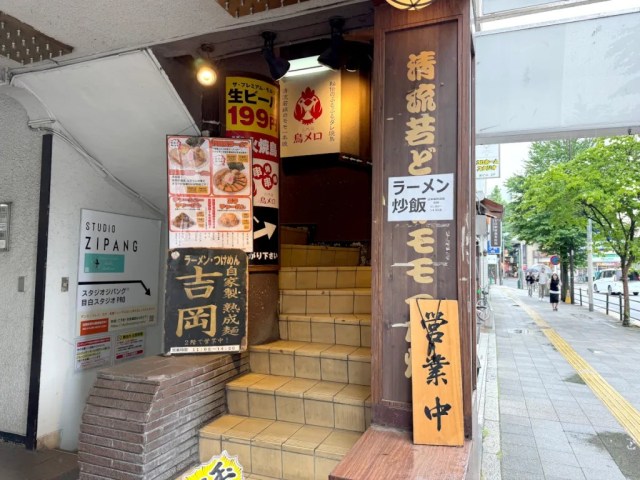
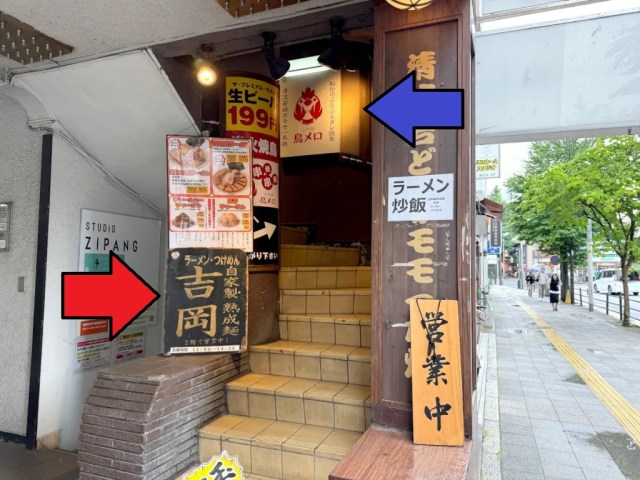
You might have a little trouble spotting Yoshioka, because it actually shares space with a branch of the izakaya (Japanese pub) chain Torimero, with Yoshioka operating in the hours when Torimero isn’t and vice-versa.
▼ The Yoshioka (吉岡) and Torimero (鳥メロ) signs, and the stairway that leads up into the hybrid eatery.
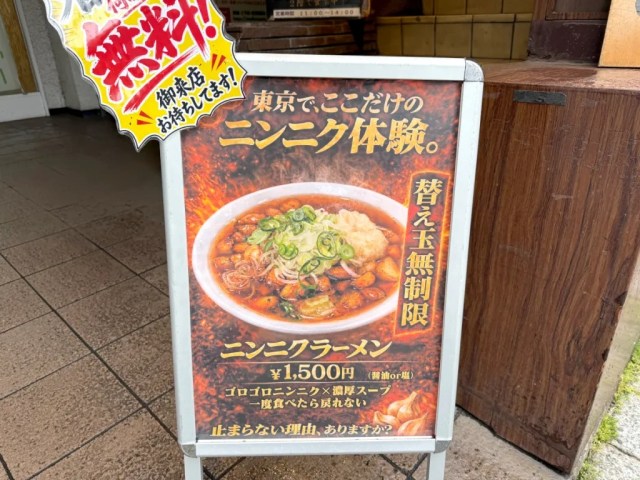
Making the place a little easier to find for us on this day, though, was the sign that was placed at the bottom of the stairs advertising Yoshioka’s Garlic Ramen (“Ninniku Ramen” in Japanese), which included the bold statement:
“Try it once, and you’ll never be able to go back.”
We weren’t sure if this open-ended prophecy was meant to imply that we would never be able to go back to less garlicky versions of ramen, or whether we’d have such strong garlic fumes coming out of ourselves that we’d never be allowed back into regular society. That second possibility might sound a little overly dramatic, but consider this: Yoshioka boasts that it uses 200 grams (7.05 ounces) of garlic in every bowl of its Garlic Ramen. To put that in perspective, an average-sized clove of garlic weighs about 5 grams, meaning that eating a bowl of the Garlic Ramen should be the equivalent of eating roughly 20 cloves of garlic.
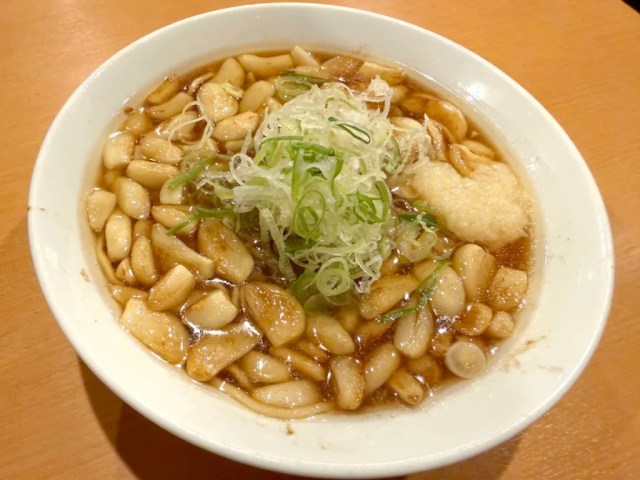
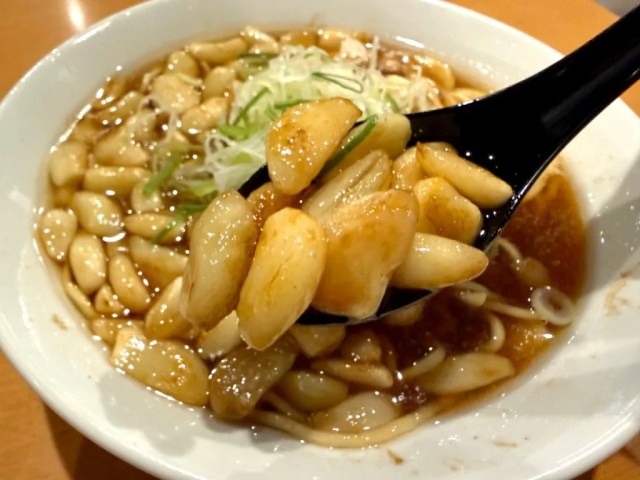
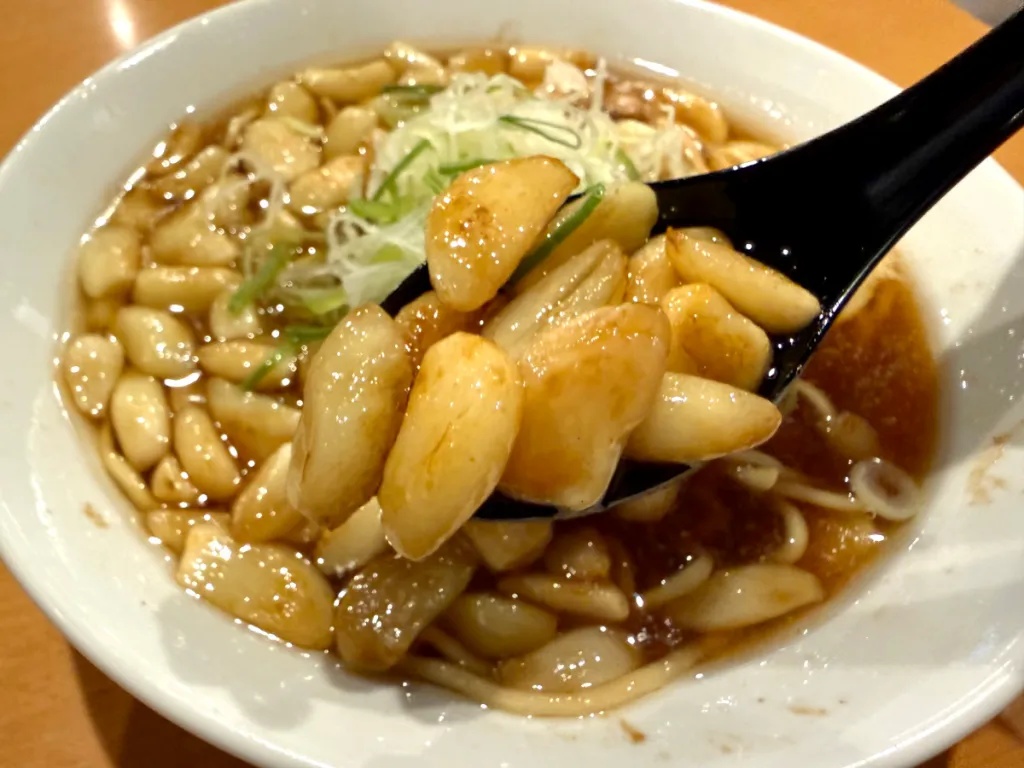
And yet, when the restaurant staff set our bowl down in front of us, it had what looked like even more garlic than that.
This is an insane amount of garlic. Like, there’re enough cloves that you could eat them by the spoonful, like the world’s most powerfully pungent cereal.
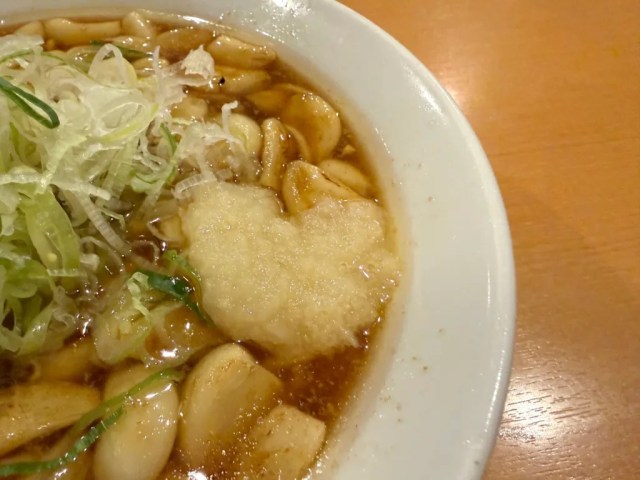
Oh, and in addition to the dozens of cloves of garlic, you get a sizeable squirt of garlic paste waiting to be mixed it into the salty soy sauce-based broth too.
And the taste? Pretty much the fiercest punch of garlic we could imagine. This is an edible declaration of the idea that one can never have too much garlic, and if that’s a conviction you share, you’ll fall in love with this instantly.
The seasoning is so powerful that by the second bite of noodles it was no longer shocking, either because of the bliss we were wrapped up in or because we’d already consumed so much garlic that we were transitioning into a clove of garlic ourselves, and so the flavor now felt natural.
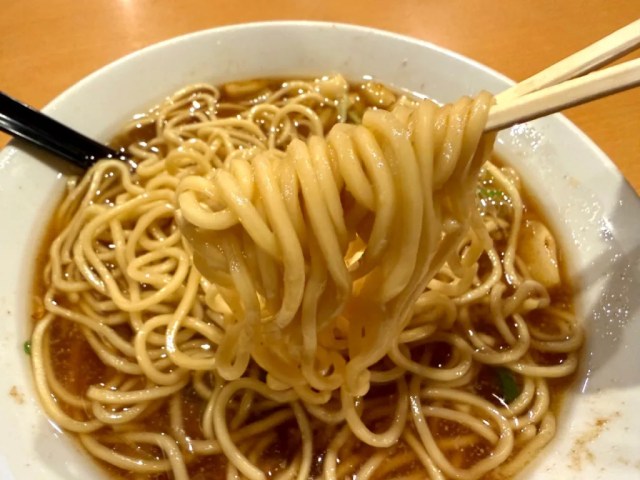
Speaking of the noodles, they’re of excellent quality, with a smooth and slippery surface and firm consistency. Actually, even the broth has a noteworthy texture, as there’s so much garlic in it that the liquid takes on some fluffy, sticky characteristics.
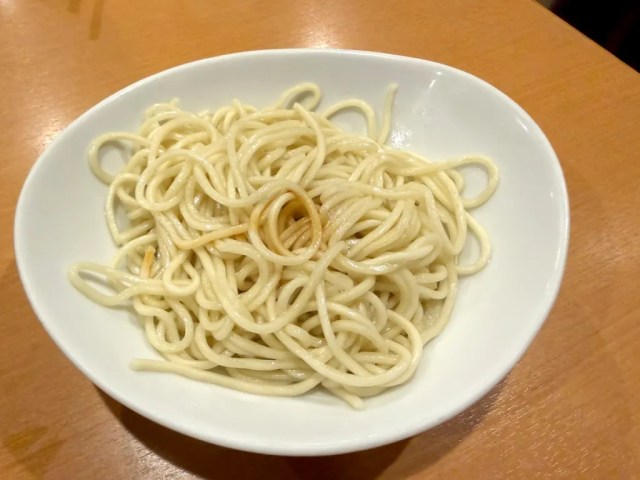
At 1,500 yen (US$9.70), Yoshioka’s Garlic Ramen is on the pricier side, but with how much garlic you get, it doesn’t feel like a bad deal at all, especially when you take into account that you’re allowed one refill of noodles for no additional charge.
All in all, the Garlic Ramen is an unforgettable food experience, but there is one potentially negative aspect to it. Remember how we said Yoshioka shares its space with another restaurant? Because of that, Yoshioka is only open for lunch, meaning you’re going to have to eat this garlicky-loaded bowl of noodles in the early afternoon, or maybe even the late morning, and there is no imaginable way that you won’t smell have the smell of garlic emanating from you wherever you go for the rest of the day. Still, if you’re a garlic lover, it’s worth it, and if you’d rather have some super-salty ramen, we can show you where to find that too.
Restaurant information
Yoshioka (Mejiro main branch) / 吉岡(目白総本店)
Address: Tokyo-to, Toshima-ku, Mejiro 35-13, Fujiya Building 2nd floor
東京都豊島区目白3-5-13 フジヤビルM2F
Open 11 a.m.-2 p.m.
This chilled sando is a convenience store must-try.
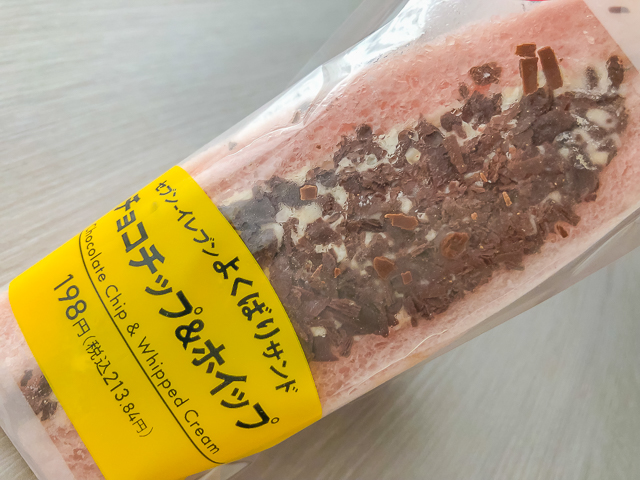
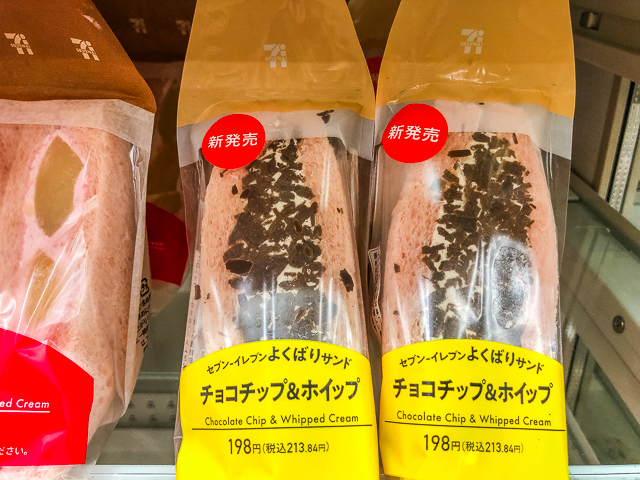
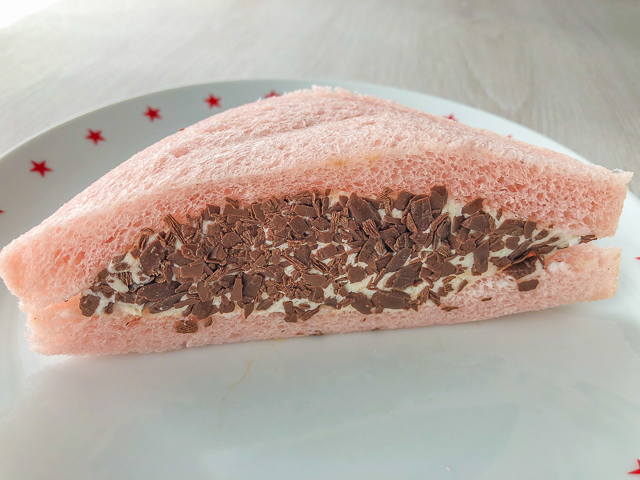
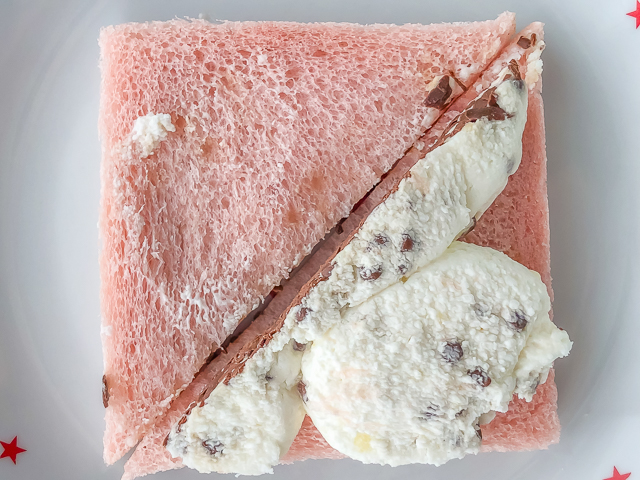
When you’re travelling around Japan and learning the language, you’ll find yourself picking up new words in odd places, and right now the word at 7-Eleven is “yokubari“. Literally translating as “greedy” or “indulgent“, the chain is using the word to describe a range of single-serve “one-piece” sandwiches that are so loaded with decadent fillings they’re bulging at the seams, and now there’s a new variety on the shelves.
▼ Chocolate Chip & Whipped Cream
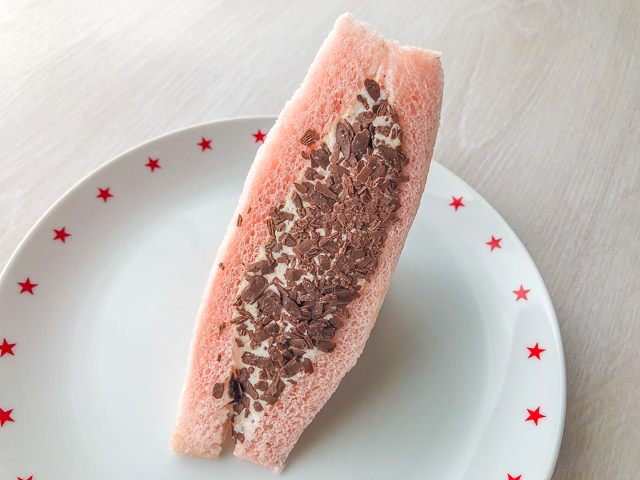
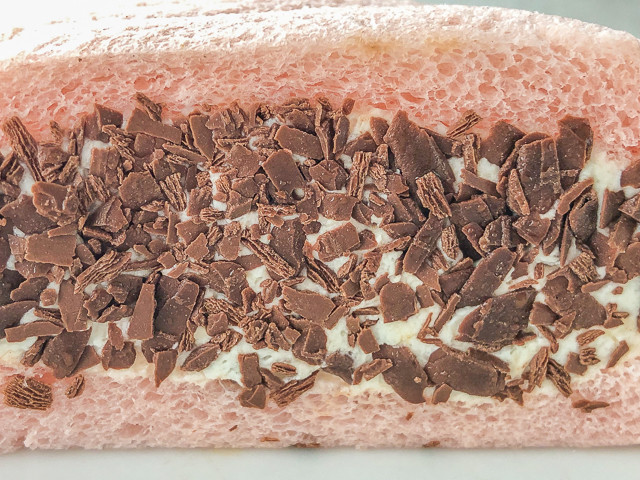
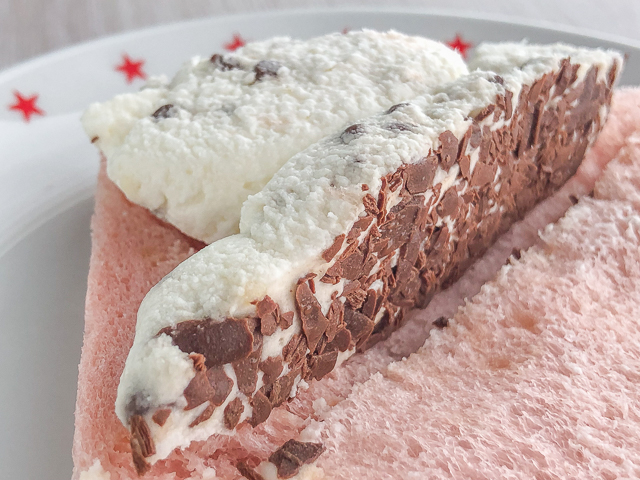
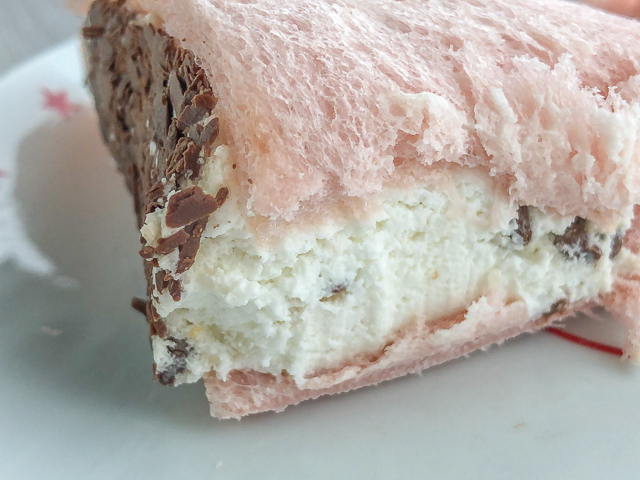
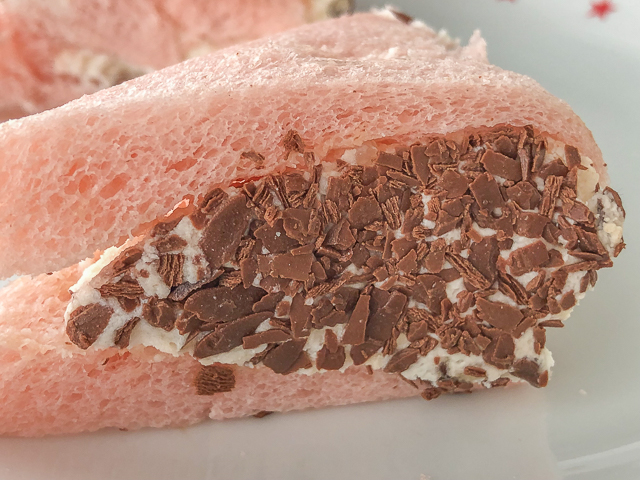
At first glance, you might wonder where the chocolate chips are, as the cross-section shows what appears to be flakes rather than chips.
The chocolate chunks are there but they’re hiding inside the sandwich, scattered within the cream filling.
We only found out about the chunks after picking up one of the “yokubari sando” at our nearest 7-Eleven. It took us a while to get to the inside of the sando, though, as we were mesmerised by just how beautiful it looked.
▼ The combination of white, brown and pink created a wonderfully harmonious colour palette.
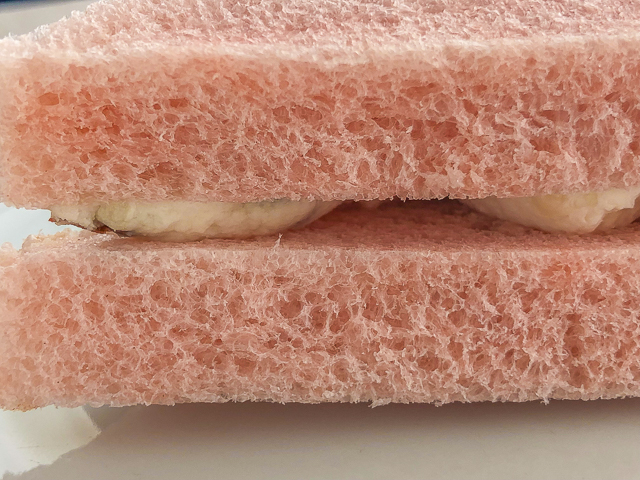
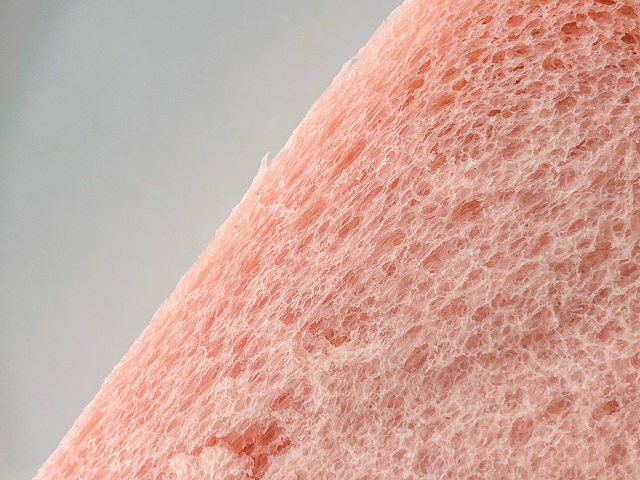
The pink slices are called “sakura bread”, and are said to add more than just visual appeal as they’re slightly salty, with a flavour that’s reminiscent of pickled cherry blossoms.
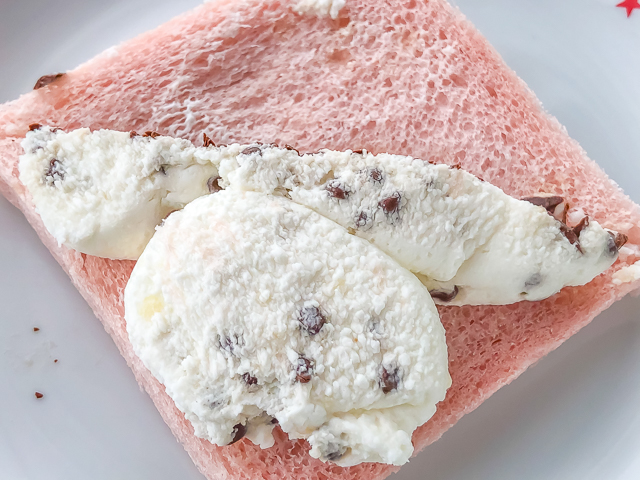
Opening the sandwich for a closer look, we were pleased to see that the filling hadn’t just been pushed to the cross section – it covered the entire surface area of the bread, proving the chain wasn’t skimping on the chocolate chip cream.
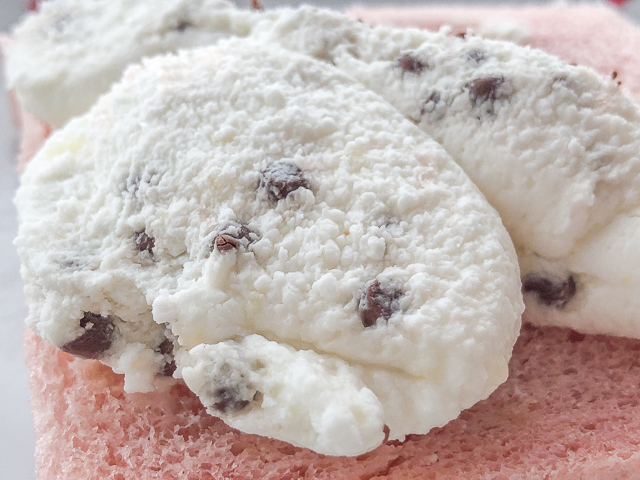
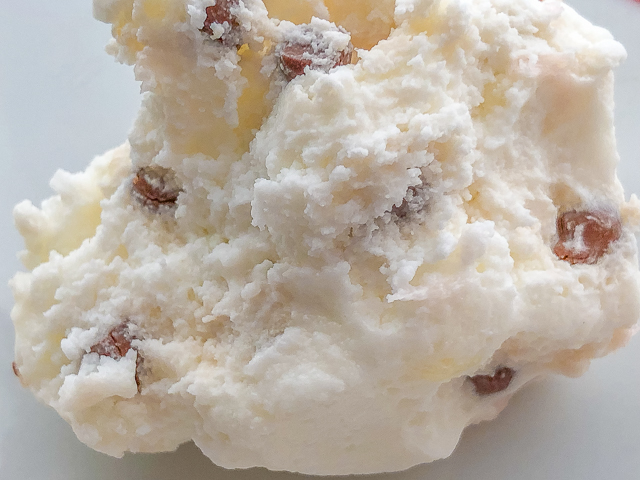
This is when we discovered that the cream was actually filled with chunks of chocolate, making it look like chocolate chip ice cream.
▼ Flakes up front, chips out back.
Putting the sandwich back together for a taste, we took a big bite and lost ourselves to the super soft texture.
The bread was plump and chewy, the cream was fluffy and exquisite, and the mixture of chocolate flakes and chips made it taste chunky and melty at the same time.
This meltiness actually had another surprising effect, as it made the whole thing taste likean ice cream sandwich. The chocolate itself tasted like the hardened sort you get on chocolate-covered ice creams, so every bite fooled the taste buds into thinking this was an ice cream.
It was such an unusual sensation that we hardly noticed any saltiness from the sakura bread – if it was there it only added to the ice cream effect – and we were glad we had it chilled as this made it taste even more like chocolate chip ice cream.
We didn’t think the chain could outdo itself after wowing us with its previous Yokubari Sando, filled with colourful chocolate sprinkles, but we’re happy to say they’ve blown us out of the water with this new variety. Sweet, delicious, and very indulgent, the Chocolate Chip and Whipped Cream Yokubari is a convenience store must-try, and it’s perfectly timed for summer, when its ice cream-esque character will keep you cool and refreshed during Japan’s scorchingly hot days.
Famed anime house isn’t worried about losing relevancy by limiting access to its films.
Studio Ghibli has a reputation for preferring to do things the old-fashioned way, and so fans weren’t really shocked when the famed anime production house was initially reluctant to licensing its works for online streaming. The studio eventually softened its stance, striking deals with HBO Max in 2019 and Netflix the following year, and while the Netflix agreement has since expired, HBO Max still offers the Ghibli catalog for streaming…but not if you’re in Japan.
On-demand online streaming may not dominate the video entertainment landscape in Japan to quite the same extent as it does in many other countries, but things are moving in that direction, especially with Japan’s physical media rental stores fading away at an accelerating pace. It’s getting to the point where one could question whether Ghibli’s attitude about making its anime available for streaming in Japan has gone from being quaintly old-fashioned to detrimentally outdated. That was the sentiment one attendee alluded to at a regular press conference held by Hiroyuki Fukuda, president of Japanese television broadcaster Nippon TV, which acquired Studio Ghibli as a subsidiary in 2023. At the press conference, held on May 25, the attendee asked Fukuda:
“Ghibli’s works remain unavailable for streaming within Japan, which limits their audiences…Concerns have been raised that without opportunities to view these titles, some of them may become forgotten [by the public], so is there any chance of Ghibli’s anime becoming available for streaming on your company’s Hulu service?”
As alluded to in the question, Hulu Japan is a subsidiary of Nippon TV, which would make it the natural, and theoretically easiest to negotiate with, online host of the Ghibli catalog. Users shouldn’t go typing “Ghibli” into the Hulu Japan search box just yet, though, nor that of any other streaming service in Japan, as Fukuda answered that there are no plans to put Ghibli’s films online, because Nippon TV and Studio Ghibli want to preserve the relevance of the TV broadcasts of Ghibli anime.
“Presently, Studio Ghibli and Nippon TV are of the shared belief that we want to preserve the specialness of Ghibli’s films appearing on broadcast TV through our Friday Roadshow program. We are of course aware of the various requests for and different opinions regarding streaming, and this is a matter we intend to continue discussing moving forward.”
Friday Roadshow, or Kinyo Roadshow in Japanese, is Nippon TV’s Friday night movie block, in which it shows a different classic, popular, or family-oriented film each week. Ghibli anime are featured several times per year, with mega-hits like Totoro often saved for dates during summer or other vacation seasons, becoming appointment television for fans.
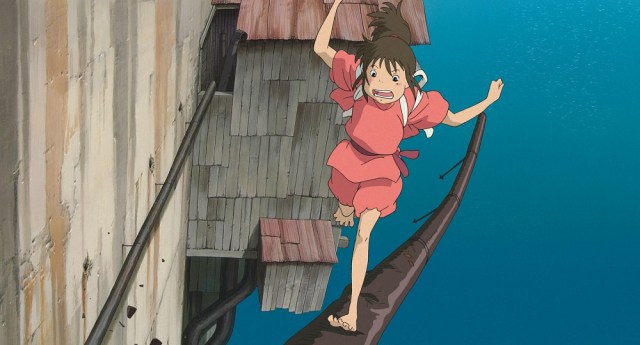
▼ Hurry home, Chihiro! Friday Roadshow is about to start!
Still, not every Ghibli anime airs every year, and even those that do usually do so only once annually. Nippon TV and Ghibli aren’t currently worried about that lessening the relevance of the studio’s films, though. In his press conference response, Fukuda went on to say that permanent facilities like the Ghibli Museum in Tokyo and the Ghibli Park theme park near Nagoya help build interest and excitement for Ghibli’s anime, as do celebratory events like Ghibli’s art exhibitions that travel around the country. Though Fukuda didn’t mention them, Ghibli’s kabuki stage play adaptations, like the one for Nausicaa of the Valley of the Wind and the upcoming one for Princess Mononoke, also help to spark interest in their source material, and even if there’s no Friday Roadshow broadcast of them in the near future, Ghibli’s anime are always readily available for purchase on physical media in Japan.
Occasional overseas events and London’s My Neighbor Totoro stage play notwithstanding, the average overseas Ghibli fan has far less access to these kinds of Ghibli touchpoints than fans in Japan do, which in turn makes easier access to the anime movies themselves, though online distribution, a greater necessity outside Japan, which would explain why Ghibli has come around to the idea of streaming its works in foreign countries. And the day may come when Ghibli shrugs its shoulders and says “OK” for streaming inside Japan too. Nippon TV and the studio aren’t at that point just yet, though, and Fukuda’s treatment of Ghibli as a partner, as opposed to just a subsidiary, in the matter is probably a wise call, considering how committed Ghibli is to presenting its creations in the way it feels best conveys their vision.
Newest Japanese Frappuccino aims to wake you up and reduce food waste.
Japan loves seasonal sweets flavors, but we’re in a bit of a lull right now. Cherry blossom/sakura sweets season is over, and we’re not quite into the midsummer heat when demand for juicy tropical fruit flavors spike.
So since there aren’t necessarily any “Right now!” flavors at the moment, Starbucks Japan is instead turning to a fruit that’s popular all year long with the release of a new banana Frappuccino.
Making its debut later this month is the Banana Affogato Frappuccino, which combines the rich sweetness of banana with aspects of the classy dessert of coffee poured over ice cream. Sitting at the bottom of the glass is a foundation of banana pieces, and above it a thick stratum of milky cream mixed with banana powder. For the finishing touch, espresso sauce, a combination of an espresso shot and Starbucks Classic Syrup, is poured over the top. The result, Starbucks Japan says, is an initial wave of fruity sweetness followed by the lingering aftertaste of coffee and a caramel-like aroma.
Mid/late spring is known as the “shin seikatsu”/”new lifestyle” season in Japan, when people start new jobs or schools, and often also move to new homes to accommodate their new commutes. It can be a hectic, stressful time, and Starbucks Japan says it hopes that the Banana Affogato Frappuccino will serve as a way to “escape from reality for a while” as you indulge. That’s a pretty lofty goal for a dessert drink, but the Banana Affogato Frappuccino actually is trying to do something more than just give people a sweet treat. It’s also trying to be an eco-friendly drink through its use of “mottainai bananas,” a Japanese food/beverage industry term for bananas that, due to insufficient size, irregular shape, or cosmetic damage to their peels, won’t be purchased by supermarkets for sale to shoppers. None of those perceived flaws affect the taste or quality of the fruit itself, though, and by using mottainai bananas, Starbucks is helping to reduce food waste.
The Banana Affogato Frappuccino is priced at 700 yen (US$4.50) for a tall size and goes on sale May 27.

 Login
Login