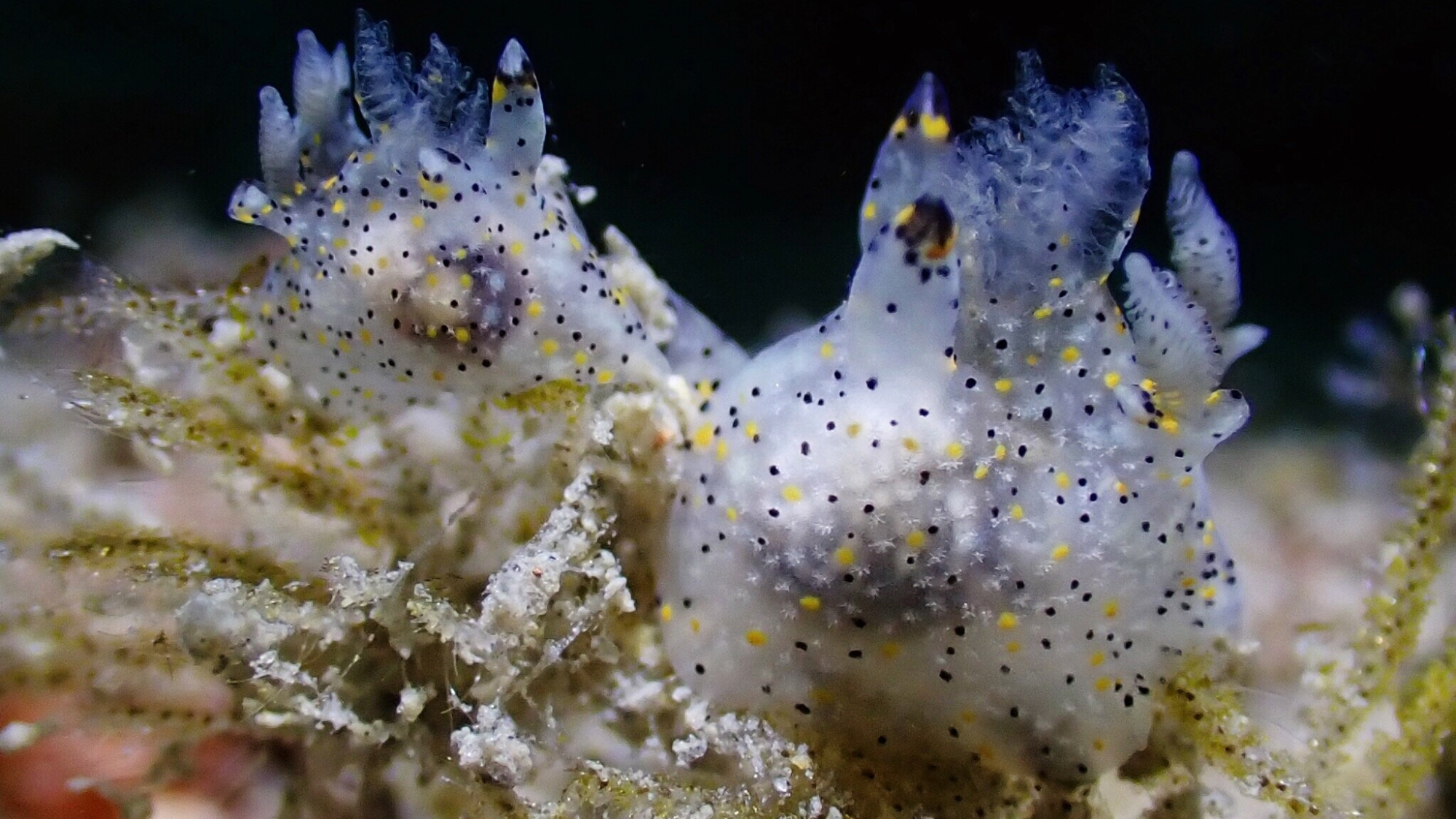
Small as a grain of rice, polka-dotted, and everything nice. These are some of the ingredients that come together to make Thecacera sesama, a newly identified species of sea slug, or nudibranch, found swimming in Taiwan.
“Taiwanese divers call it ‘sesame’ in Chinese and it is also small like a sesame seed, hence the name,” researchers explain in a statement. Indeed, T. sesama is less than 0.12 inches long. The tiny bugger is also translucent and speckled black and yellow, and Ho-Yeung Chan “a
Small as a grain of rice, polka-dotted, and everything nice. These are some of the ingredients that come together to make Thecacera sesama, a newly identified species of sea slug, or nudibranch, found swimming in Taiwan.
“Taiwanese divers call it ‘sesame’ in Chinese and it is also small like a sesame seed, hence the name,” researchers explain in a statement. Indeed, T. sesama is less than 0.12 inches long. The tiny bugger is also translucent and speckled black and yellow, and Ho-Yeung Chan “accidentally discovered” it while diving in 2019.
A sketch of Thecacera sesama showing its appearance and morphological features. Image: Chen-Lu Lee.
Chan is a researcher at the National Taiwan Ocean University’s Institute of Marine Biology and Center of Excellence for the Oceans, but was an undergraduate student when he made the discovery. Chan didn’t realize he’d found a previously unknown species until after he’d spoken with sea slug identification expert Hsini Lin via Facebook. Chan is now lead author of a recently published ZooKeys study officially introducing T. sesama to the world.
The new sea slug seems to enjoy a simple life. It displays just four main actions: feeding, searching, mating, and laying eggs on bryozoans. Also known as moss animals, bryozoans are a group of small aquatic invertebrates. The bryozoan that hosts T. sesama might also be a previously unknown species.
Living specimens of Thecacera sesama. Image: Ho-Yeung Chan et al., 2026
While you might assume that the most difficult aspect of researching T. sesama is its miniscule size, the hardest part of the study for the team was the explosive weather of Taiwan’s Keelung coast. The island as a whole often has summer typhoons and large waves in the winter monsoon season, during which the sea is frequently colder than 60.8 degrees Fahrenheit.
With these challenging conditions, researchers can only dive to investigate sea slugs for around a third of the year. The narrow window means that spotting the sesame-sized slugs is completely a toss-up.
“Nudibranchs are one of the key players in the marine food web,” the team explained. “They are extremely colourful and can be spotted on coral reef ecosystems. However, many nudibranchs are very small in size and are extremely difficult to spot underwater with the naked eye.”
Chan and colleagues believe that Taiwan’s marine environment is probably home to many other unknown tiny species. It remains to be seen what new strange creature will emerge from the island’s turbulent waters.
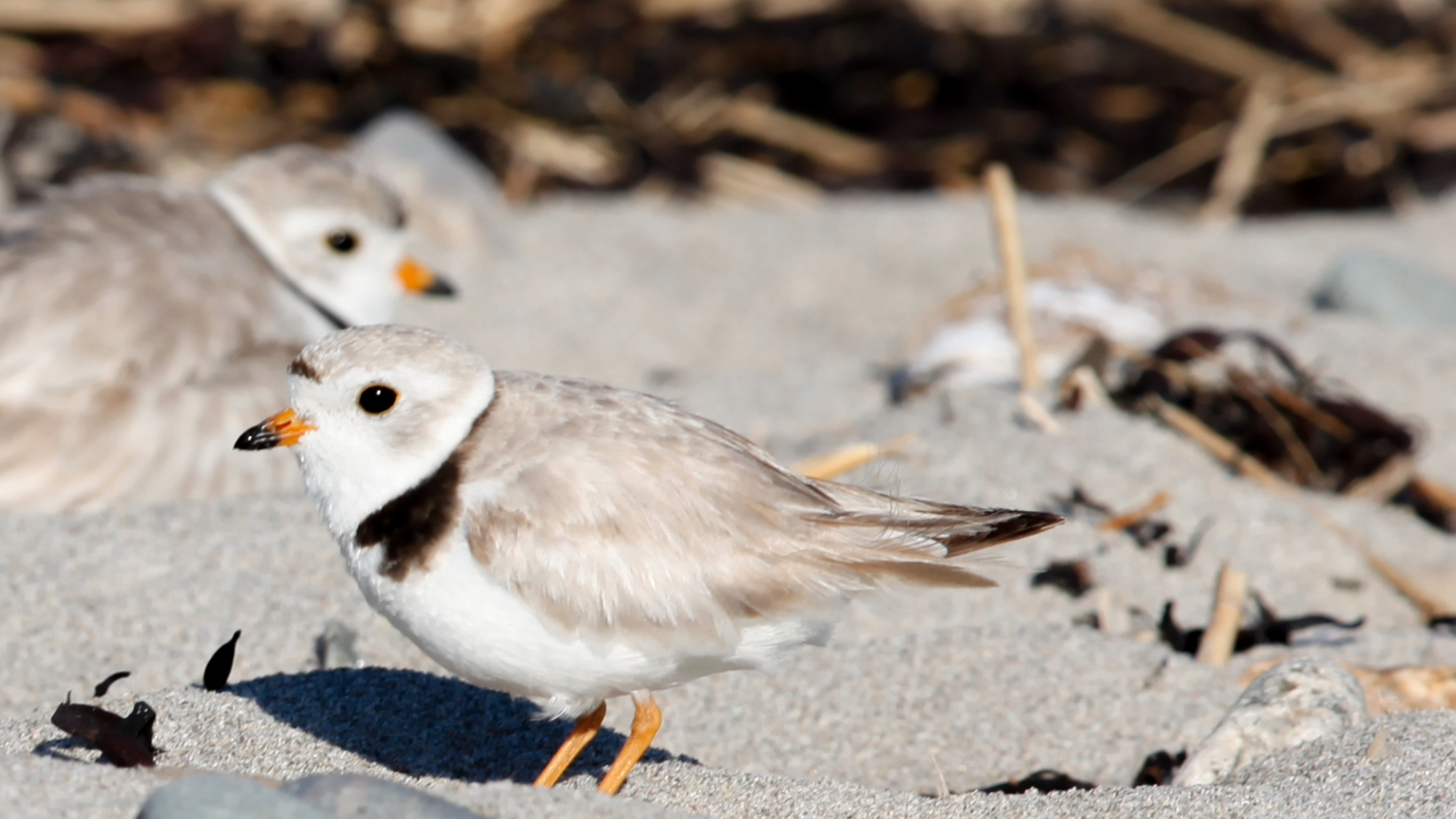
Following a record-breaking nesting season in 2025, the Great Lakes’ first piping plovers (Charadrius melodus) of the season have hatched. The nonprofit Great Lakes Piping Plover Recovery Effort reported that 12 chicks hatched in Wisconsin and Michigan in late May, with more expected to hatch.
Piping plovers are small migratory shorebirds. The United States is home to three piping plover populations. One lives along the rivers and lakes of the northern Great Plains, another along the East Coa
Following a record-breaking nesting season in 2025, the Great Lakes’ first piping plovers (Charadrius melodus) of the season have hatched. The nonprofit Great Lakes Piping Plover Recovery Effort reported that 12 chicks hatched in Wisconsin and Michigan in late May, with more expected to hatch.
Piping plovers are small migratory shorebirds. The United States is home to three piping plover populations. One lives along the rivers and lakes of the northern Great Plains, another along the East Coast, and one in the Great Lakes. They weigh about 1.5 to 2.25 ounces and are only 5.5- to 7-inches long, and can be nearly invisible until they sprint short distance, stop, and then tilt forward to pull an insect or worm up from the sand.
The chicks are also considered precocial birds like turkeys. Within hours of hatching, piping plowers chicks can run around and forage for themselves.
Despite this independence at a young age, the species has struggled. The International Union for the Conservation of Nature (IUCN) lists them as Near Threatened, and the Great Lakes population is listed as endangered under the Endangered Species Act. Nearly 800 nesting pairs once lived along the shores of the Great Lakes, but that number plummeted to 13 in 1990. According to the Great Lakes Piping Plover Recovery Effort, the population decline is partially due to nest disturbance and predation as well as habitat deterioration.
The population has grown to over 80 nesting pairs thanks to their federal protection and conservation efforts. Last year was the fourth consecutive year of growth, with 88 unique nesting pairs recorded in the Great Lakes.
“It is a joy to observe them racing around in all directions, foraging as soon as they are hatched,” Mary Lundeberg, a photographer, volunteer and co-author of Raised to Be Wild: The Tale of a Great Lakes Piping Plover, told MLive. “Being in the wild with these tiny creatures ignites a piece of the wild in me and brings a smile to my face.”
When observing piping plovers, it’s important to stay a safe distance away for the sake of the birds. Michigan’s Friends of Sleeping Bear Dunes recommends using the Rule of Thumb—if you can’t cover-up a bird with your thumb when held at arm’s length, you are too close.
The Great Lakes Piping Plover Recovery Effort also likes to remind birdwatchers to watch their step. Chicks don’t observe closed areas, so they could be anywhere on the beach.
Since the mere presence of a dog can cause them to abandon their nests, keeping dogs on a leash and out of nesting sights is important for the bird’s wellbeing. The plovers often perceive pets as predators, so that heightened danger awareness can make the adults abandon eggs and chicks.
Many Great Lakes beaches will have areas marked off with orange rope or fencing to protect plover nests, with eggs hidden in rocks and sand. Visitors can still walk the shoreline, but are advised to steer clear of the roped off areas.
We tend to think of wild animals as being spared from the messy business of personality: the family dramas, the psychological wounds, the baffling quirks that keep resurfacing like whack-a-moles.
Turns out, nobody gets out of that. Animals have personalities, too, and many of the same complex forces that shape our personalities shape theirs.
“They’re not spared,” says Dr. Alison M. Bell, a behavioral ecologist at the University of Illinois Urbana, tells Popular Science. “Life is hard for t
We tend to think of wild animals as being spared from the messy business of personality: the family dramas, the psychological wounds, the baffling quirks that keep resurfacing like whack-a-moles.
Turns out, nobody gets out of that. Animals have personalities, too, and many of the same complex forces that shape our personalities shape theirs.
“They’re not spared,” says Dr. Alison M. Bell, a behavioral ecologist at the University of Illinois Urbana, tells Popular Science. “Life is hard for them, too.”
But life is also “rich,” says Bell, full of ups and downs, wounds and triumphs, just like human lives.
It’s one of those truths that is both surprising and incredibly obvious, especially for those of us with pets. And yet the study of animals’ personalities has faced resistance—in part because accepting it means accepting that animals are far more like us than some are willing to admit.
Personality and social psychologist Dr. Sam Gosling noticed a telling pattern among his colleagues in animal research: On coffee breaks, they’d talk freely and enthusiastically about the personalities of the animals they studied, even their pets at home. Then the break would end.
“They’d finish their tea breaks, put on their scientist white coats, and stop any kind of talk about that,” he says.
But reluctance to engage with the topic scientifically doesn’t mean the evidence isn’t there. Decades of research across species has made one thing abundantly clear: Animals do have personalities. Here’s what the science has to say about what makes your pet special, whether they’re super smart, a risk taker, or a homebody.
1. Animals are shaped by their early environment
For animals, as for humans, the earliest experiences often form the deepest scars or the greatest strengths.
Animals are influenced by “the early life environment,” Bell says. “They’re influenced by their early interactions with parents and siblings.”
This principle is perhaps most evident in our pets. Bell cites an example familiar to many of us: the traumatized shelter dog with a troubled past.
“Pets who are coming from an animal shelter, or have maybe experienced abuse, they don’t forget that,” says Bell. “That leaves a lasting effect.”
Yet many of us don’t extend this understanding to, say, childhood trauma in a squirrel. But according to Bell, the same concepts apply to any animal, wild or domestic. A squirrel neglected by its mother carries that experience forward, just as we do.
“This principle definitely applies to other organisms,” says Bell.
2. Genetics are important, but not the main factor
As with humans, genetics are also an influential force in animal personality. Perhaps you might expect animals to be more genetically hardwired than us, driven by pure instinct and with few individual variations. But according to Bell, genetics accounts for only about 35 percent of animal personality—the same as in humans.
Teasing apart personality traits that come from genetics versus the environment is easier in animals than in humans, according to Gosling. For example, researchers can swap bird eggs between nests to determine whether chicks end up more like their genetic parents or the birds that raised them.
“Because of the experimental control that animal studies afford, our estimates of these effects can be much more precise than they can [be] in humans,” Gosling says. “In humans, we have to deal with them in the messy world.”
As for which matters more, genetics or environment, the answer is complicated.
“These studies have shown that there are genetic factors, environmental factors, biological non-genetic factors, and all kinds of other things that influence animal personality,” he says.
3. Personality varies by species
Beyond factors like genetics and environment, animal personality is also shaped by something more fundamental: the species itself.
As an evolutionary biologist, Bell says she is particularly interested in biological diversity and its role in shaping personality across species.
“What interests me is what are the behaviors animals do that are really, really important for that particular critter, that species?” she says. “If I’m studying a parrot, what’s going to be important is the food they’re eating, the predators they might encounter, their threats, their opportunities, and their habitats. What are the behaviors that matter to that animal?”
The answer, she notes, varies widely depending on the evolutionary needs and challenges of an individual species. Those factors “will be different for a parrot compared to a fish, compared to a whale, compared to a termite,” she says.
4. Personality is stable, but changeable
Another notable aspect of personality is continuity—the extent to which an individual’s personality remains consistent or changes over time. Bell says animal personality tends to be pretty stable over a lifetime.
Bell describes a “signature” that persists from the juvenile to the adult stage, even as behavior naturally changes across life stages. In her research on stickleback fish, Bell and her colleagues have observed consistent personality traits in individual fish.
“We can measure them repeatedly,” she said, “and find that the individuals that were risk-takers yesterday are also the risk-takers tomorrow, and next month.”
Some cats hide from robot vacuum. Others stand on top of them. Their risk taking or nervous approach might all come down to personality. Image: Getty Images / witthaya_prasongsin
But that signature is not immutable, says Bell. Experience can alter it. “New environments, social interactions, even changes in health might influence behavior,” Bell says.
Whether animals can change their personalities more or less than humans over a lifetime remains an open question.
“I don’t see any theoretical reason why we should expect more or less change in humans than in other animals,” says Gosling, though Bell notes that the answer likely varies widely across species.
5. Human nature may be holding us back
Another factor shaping our understanding of animal personality is surprisingly close to home: human resistance to accepting it.
Part of the problem, according to Bell, is that accepting the concept of animal personality requires a sort of double reckoning: We have to be willing to see ourselves as less exceptional than we thought, while simultaneously being willing to see animals as more complex than we previously believed.
“Both of those things have to happen, and I think that’s challenging to conventional thinking,” she says.
Why that resistance persists, even in the face of mounting evidence for animal personality, may say more about human psychology than animal behavior.
“The most surprising thing to me is how surprising it [the fact that animals have unique personalities] is to people,” says Bell.
In Ask Us Anything, Popular Science answers your most outlandish, mind-burning questions, from the everyday things you’ve always wondered to the bizarre things you never thought to ask. Have something you’ve always wanted to know? Ask us.
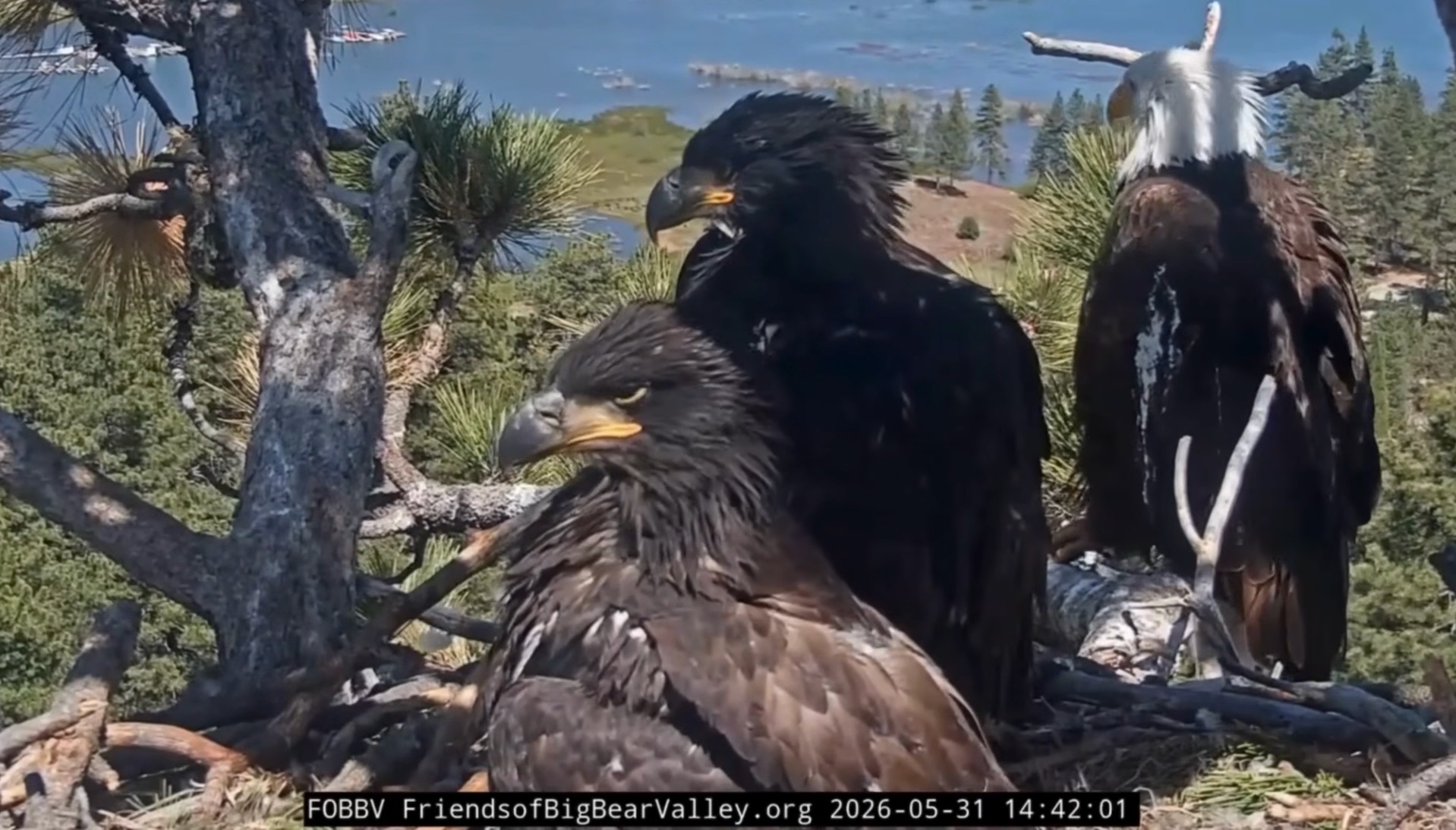
Internet-famous eagles Jackie, Shadow, Sandy, and Luna are not the only residents of their beautiful pine tree overlooking big bear lake. And sometimes, the watchful parents will let their presence be known.
According to Friends of Big Bear Valley (FOBBV), one of the tree’s most famous residents came close to the eagle family over the weekend. Fiona the squirrel made several appearances overnight between May 30 and 31. During one visit, Jackie decided to send a message to the bushy-tailed ro
Internet-famous eagles Jackie, Shadow, Sandy, and Luna are not the only residents of their beautiful pine tree overlooking big bear lake. And sometimes, the watchful parents will let their presence be known.
According to Friends of Big Bear Valley (FOBBV), one of the tree’s most famous residents came close to the eagle family over the weekend. Fiona the squirrel made several appearances overnight between May 30 and 31. During one visit, Jackie decided to send a message to the bushy-tailed rodent.
“Jackie responded with a dramatic slap and some backtalk that reminded us she is not tolerating Fiona while trying to sleep,” FOBBV writes.
The not-so-little-anymore eaglets Sandy and Luna also practiced their squirrel-shooing skills and wing flaps later in the day.
Fiona is one of the catchall names of the flying squirrels that live near Jackie and Shadow. FOBBV is not sure how many of the rodents are in the area, but Fiona and Fast Freddie (another nickname) have had cameo appearances on the livestream for years. The squirrels will visit the nest from time to time, primarily searching for food scraps.
According to the United States Fish and Wildlife Service, the nocturnal creatures are San Bernardino flying squirrels, (Glaucomys sabrinus californicus) a subspecies of the Humboldt’s flying squirrel. They can glide for as far as 300 feet in the air and primarily eat truffles, conifer seeds, and lichens. FOBBV volunteers have noted that the squirrels are “very fond of Shadow’s fish tails, coot feathers, egg shells and even crunchy beetles!”
So far, Jackie and Shadow’s eggs and eaglets have not been in any serious danger from the squirrels. The same can’t be said for the tree’s ravens, who destroyed the pair’s first two eggs this breeding season.
All of the action can be found 24/7 on the eagle nest livestream.
It’s been another roller coaster nesting season for Jackie and Shadow, a pair of internet-famous bald eagle parents living in San Bernardino National Forest in Southern California. After two of their eggs were destroyed by ravens in January, Jackie and Shadow laid two new eggs that have successfully hatched.
Chick 1 hatched on April 4 at 9:33 p.m. PDT, while Chick 2 followed on April 5 at 8:30 a.m. Their large nest in Big Bear Valley east of Los Angeles is livestreamed 24 hours a day by nonprofit Friends of Big Bear Valley (FOBBV) and has captivated millions.
On May 1, FOBBV announced the chicks’ names: Sandy and Luna.
Before leaving the nest, the chicks face threats from other birds of prey, including hawks, ravens, other eagles, and owls. Inclement weather can also present challenges for the chicks. In 2025, a March snowstorm resulted in the death of one of Jackie and Shadow’s three chicks.
During fledging, only 70 percent of eaglets survive. One of the greatest threats is from cars that can injure or kill the birds while they scavenge for food on roadkill.
Who are Jackie and Shadow?
The pair first got together in 2018 and successfully raised chicks in 2019 and 2022. However, their eggs failed to hatch in 2023 and 2024. Only 50 percent of eagle eggs successfully hatch, so this pair has already beaten the odds.
What happened to Jackie and Shadow’s 2025 eaglets?
In 2025, Jackie laid three eggs that all hatched in early March. On March 13, a strong snowstorm dumped up to two feet of snow and battered the nest with strong winds. Only two of the chicks were visible on the live cam when the storm passed by the next morning. FOBBV later confirmed the passing of one of the chicks. The two surviving chicks were later named Sunny and Gizmo after 54,000 names were submitted by fans.
What happens after chicks fledge?
Young eagles usually fledge–or leave the nest and fly–when they can flatten their wings and have feathers capable of flight. This typically occurs when the birds hit 10 to 14 weeks of age. Males also tend to take their first flight a little sooner than females.
According to FOBBV, fledglings from Southern California have been spotted as far south as Baja California, as far north as British Columbia, and as far east as Yellowstone National Park.
About 70 percent of bald eagles survive the fledgling stage. FOBBV does not tag their eagles, so it’s not possible to follow the chicks’ journeys after they flee the nest.
Can I help Jackie and Shadow?
Yes. Environmental groups are currently fundraising $10 million to protect Jackie and Shadow’s foraging area from development. Learn more at SaveMoonCamp.org.
For decades, many paleoarchaeologists believed Neanderthals went extinct largely because they just weren’t intelligent enough to compete with their Homo sapien relatives. However, mounting historical evidence suggests this was far from the case. The latest discovery to help the Neanderthal’s reputation ion? The ancient hominins knew when and how to safely snack on shellfish potentially thousands of years before their human descendants.
The findings published today in the Proceedings of the Na
For decades, many paleoarchaeologists believed Neanderthals went extinct largely because they just weren’t intelligent enough to compete with their Homo sapien relatives. However, mounting historical evidence suggests this was far from the case. The latest discovery to help the Neanderthal’s reputation ion? The ancient hominins knew when and how to safely snack on shellfish potentially thousands of years before their human descendants.
The findings published today in the Proceedings of the National Academy of Sciences focus on Neanderthals who lived at Los Aviones Cave in present-day Cartagena, Spain. Researchers discovered the remains of 115,000-year-old mollusks including gastropods and limpets that were clearly harvested as food. This contradicts past theories about Neanderthals, which suggested they had difficulty adapting to coastal environments and utilizing marine resources. What’s more, the Neanderthals here didn’t eat shellfish in large quantities all the time. Instead, they knew to make the most of them between November and April during the colder seasons.
Los Aviones Cave in Spain is a notable Neanderthal archaeological site. Credit: ICTA-UAB
“They consumed marine resources throughout the year, but with a very clear preference for winter and autumn months,” explained Asier García-Escárzaga, a study co-author and archaeologist at Spain’s Universitat Autònoma de Barcelona Institute of Environmental Science and Technology.
García-Escárzaga says this seasonal pattern often followed by more modern human populations in Europe wasn’t a coincidence. The winter reproduction cycle of many mollusks also results in higher amounts of meat as well as improved flavor and texture. Summer months increase health risks like toxic algae contamination or rapid spoiling.
But how did researchers determine exactly when these shellfish were harvested? It all has to do with the mollusks’ shell carbonate and their oxygen isotopic levels. This level fluctuates depending on seawater temperature and functions like a “prehistoric thermometer,” according to García-Escárzaga.
The findings reveal that Spain’s coastal Neanderthals relied on a diverse diet featuring high-quality oceanic proteins filled with Omega-3 and zinc, both of which aid in reproductive health and brain development. With that in mind, it’s entirely possible that humans’ closest evolutionary ancestors influenced our own love of shellfish.
“What we see at Los Aviones is a fully modern subsistence strategy,” García-Escárzaga and his colleagues wrote in their study.
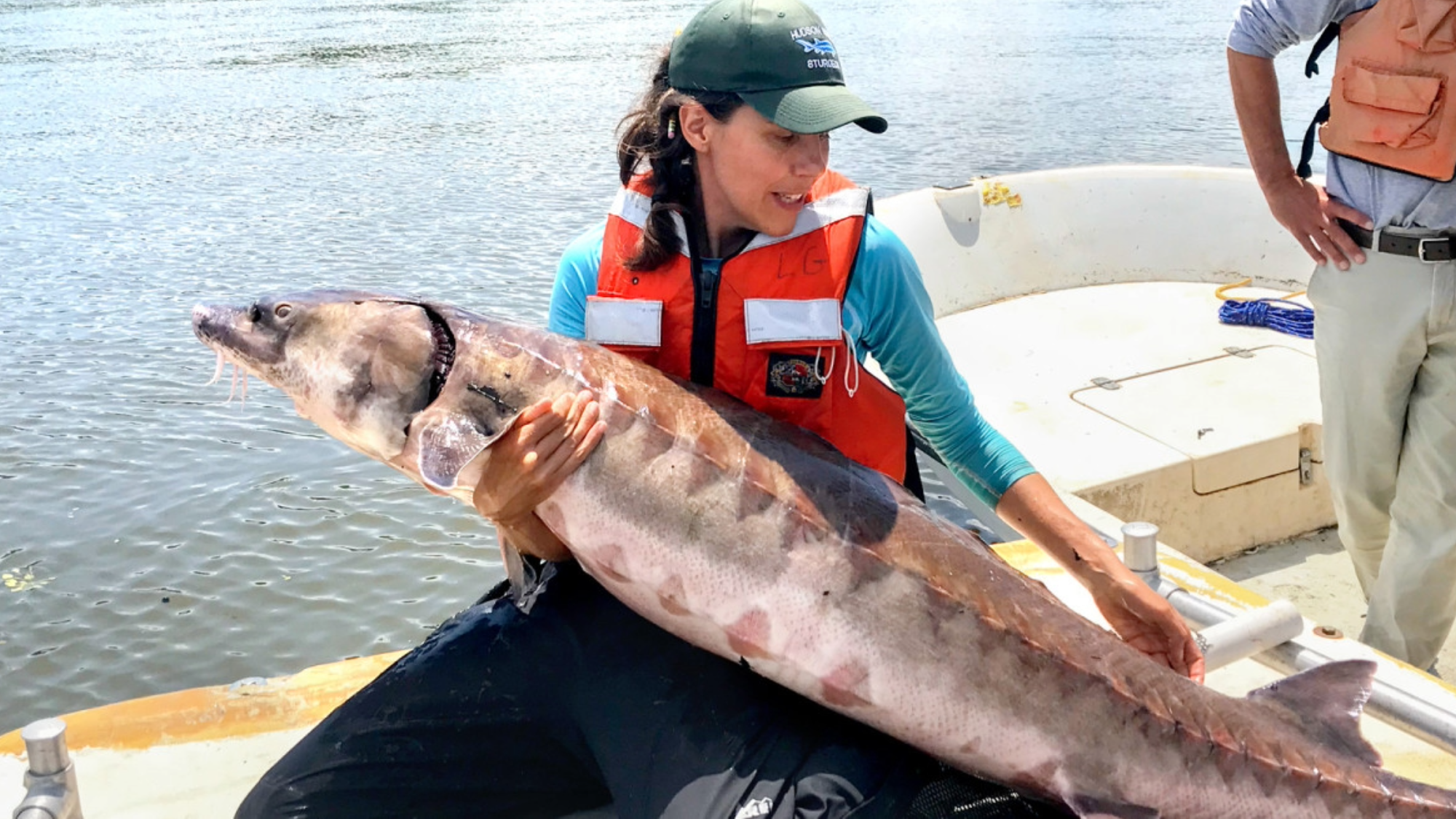
Something strange is happening in the brackish waters of New York’s Hudson River. It sounds like a sort of low thundering, and while anything is possible in a lively body of water so closely associated with the Big Apple, it’s not the Teenage Mutant Ninja Turtles training with their rat sensei Splinter. Instead, scientists say that the mysterious sound is made by the reproductive antics of an endangered fish called Atlantic sturgeon (Acipenser oxyrinchus).
Writing in a recent Endangered Speci
Something strange is happening in the brackish waters of New York’s Hudson River. It sounds like a sort of low thundering, and while anything is possible in a lively body of water so closely associated with the Big Apple, it’s not the Teenage Mutant Ninja Turtles training with their rat sensei Splinter. Instead, scientists say that the mysterious sound is made by the reproductive antics of an endangered fish called Atlantic sturgeon (Acipenser oxyrinchus).
Writing in a recent Endangered Species Research paper, the team is the first to verify the Atlantic sturgeon’s thundering. The noise is probably caused by males thrashing—and their swim bladders’ resonance—as they fertilize eggs, according to researchers.
“It’s almost that you feel it more than you hear it,” Maija Niemistö, a researcher from the New York State Water Resources Institute and co-author of the study, said in a press release. “You can hear these chirps and squirts and bubbles underwater, but this is a different experience entirely. These are ancient fish, and the thunder – it’s almost like you’re brought back in time, because they’ve been making this sound, communicating with each other, for millions of years. It’s awe-inspiring.”
They are also classified as Endangered. In the spring, these giants leave the ocean to swim up the Hudson River to spawn. For sturgeon, this reproductive behavior involves males and females releasing their necessary parts into the water. In other words, the egg doesn’t fertilize inside of the female fish.
The team eavesdropped on the crucial life cycle process with passive acoustic monitoring. They recorded sound within the waters of the Hudson River with underwater microphones for long periods of time. Though this noninvasive strategy is a common approach in marine and terrestrial research, it hasn’t been used as much in rivers and lakes with more freshwater.
Now, the team’s discovery of sturgeon thundering provides the New York State Department of Environmental Conservation (NYSDEC) with an additional way to help monitor and better understand Atlantic sturgeon behavior. As we frequently report, the more researchers know about a species, the more equipped they are to protect it.
And the Atlantic surgeon certainly needs it. In the 19th and 20th century, overfishing greatly decreased their populations. Unfortunately, almost 30 years of protection hasn’t helped the species make a comeback. Part of the problem is that female Atlantic sturgeons can wait up to two decades before their first spawn.
“That’s why they’re so susceptible to overfishing,” added Amanda Higgs, also co-author of the study and a fisheries biologist with NYSDEC Hudson River Fisheries Unit.
Eggs could represent 20 percent of a female’s substantial weight and fisheries were interested in their caviar. “A female was a lucrative catch,” Higgs added, “and so they got wiped out relatively quickly because they don’t have the ability to reproduce and replace themselves quickly.”
While experts estimate that 6,000 Atlantic sturgeon spawned in its waters before the late 1800s, today less than 700 spawn here. Nonetheless, the Hudson River is home to the species’ largest population.
Moving forward, the team can listen for previously unknown spawning grounds, enabling the state to deal out protections for these endangered river giants.
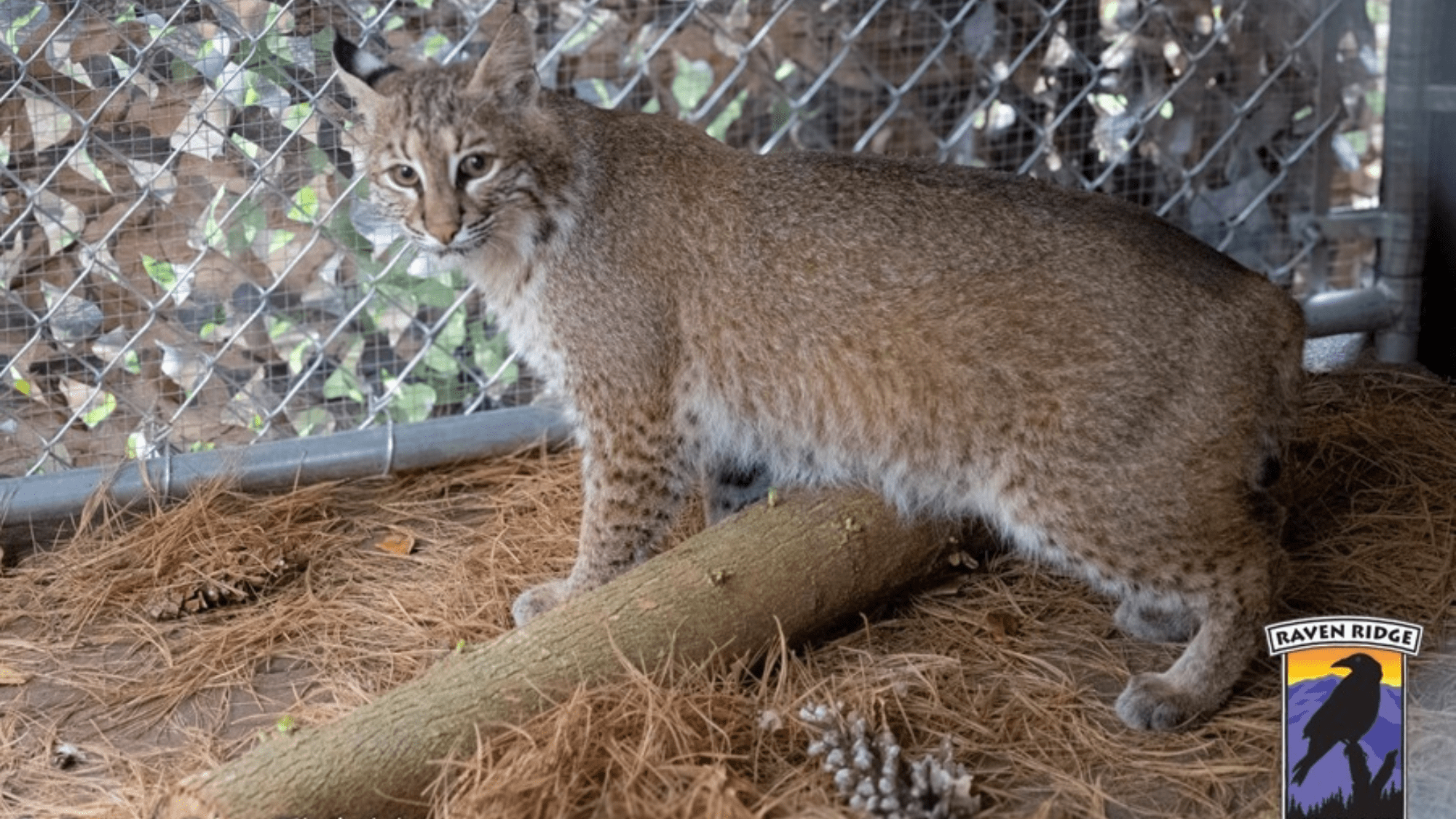
In March, we reported on a wild bobcat that had been hit and dragged by a car, who also got her head stuck in the car’s grill. As if things could get any worse, the wild feline arrived at Raven Ridge Wildlife Center in Pennsylvania on a Sunday, and the nearby veterinary practice was closed. But thanks to two lucky acquaintances, a mobile x-ray machine was brought in, revealing that the bobcat had broken two legs.
Thanks in part to the fact that her bone fractures were clean breaks, her team
In March, we reported on a wild bobcat that had been hit and dragged by a car, who also got her head stuck in the car’s grill. As if things could get any worse, the wild feline arrived at Raven Ridge Wildlife Center in Pennsylvania on a Sunday, and the nearby veterinary practice was closed. But thanks to two lucky acquaintances, a mobile x-ray machine was brought in, revealing that the bobcat had broken two legs.
Thanks in part to the fact that her bone fractures were clean breaks, her team decided to risk a surgery. The next morning, two surgeons operated on the bobcat contemporaneously. After the operation, Tracie Young, director of the Raven Ridge Wildlife Center, told Popular Science that she was doing “fantastic” and “starting to act like a bobcat.”
The female feline has been healing atRaven Ridge Wildlife Center for two months. Image: Dawn Rise Ekdahl / Raven Ridge Wildlife Center.
In her great misfortune, the cat has been rather lucky—and it seems like the luck is holding. Two striking coincidences have now come together to get her a custom-made cage for her rehabilitation.
“After two months of recovery, the bobcat now needs to be moved outside for exercise and to begin building muscle tone,” the wildlife center wrote on social media. “We had to devise a safe and creative way to get her outdoors, necessitating the construction of special caging. We determined that a custom dog kennel would be the only viable option.”
However, the problems were twofold: time and money. The dog kennel builders the wildlife center contacted needed at least eight months to build the rehab cage, and the project would cost thousands of dollars. But then Raven Ridge’s photographer Dawn called her neighbor Glen for suggestions, who turned out to be the owner of a kennel-building business and could build the kennel in two weeks.
The custom-built kennel was made for the bobcat in only two weeks. Image: Dawn Rise Ekdahl / Raven Ridge Wildlife Center.
And if you think that’s enough of a coincidence, it gets even better. The very day construction commenced, Raven Ridge Wildlife Center received a letter with a generous donation. A woman named Raven Minervino has passed away, and her husband wrote that she had consistently supported the wildlife center. After she died, her husband had asked that rather than getting flowers, people make donations in her memory. The letter had a donation in her memory large enough to pay for the custom bobcat cage.
“Thanks to all this support, we successfully moved the bobcat to the new enclosure, where she is now exploring, exercising, and much happier,” reads the social media post. Raven Ridge plans to (or perhaps already has) put a plaque in Minervino’s memory on the cage.
Both of the bobcat’s broken legs have healed, and since having the custom cage, she has put on ten pounds, bringing her to the much healthier total of 19 pounds. Adult female bobcats weigh approximately 15 to 20 pounds on average
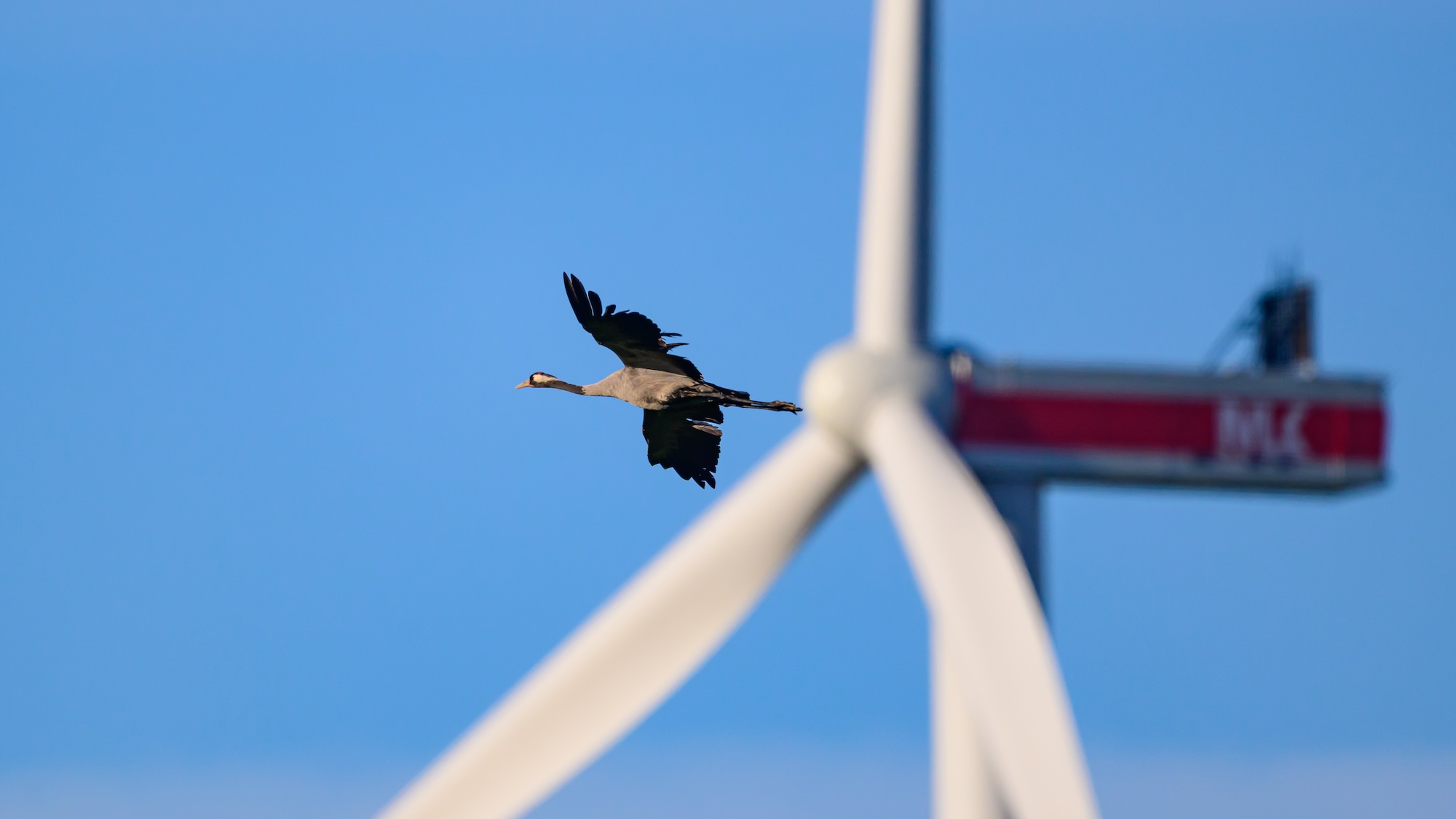
Wind turbines are a net positive for a sustainable society, but that doesn’t mean they don’t have an environmental impact. Apart from their material requirements, those giant, spinning blades can be lethal to unsuspecting winged animals like birds and bats. Although some reports dramatically overplay wind farms’ danger to flying species, there is no denying they can unintentionally kill anywhere from two-to-six birds and four-to-seven bats per megawatt every year. That may not seem like many fat
Wind turbines are a net positive for a sustainable society, but that doesn’t mean they don’t have an environmental impact. Apart from their material requirements, those giant, spinning blades can be lethal to unsuspecting winged animals like birds and bats. Although some reports dramatically overplay wind farms’ danger to flying species, there is no denying they can unintentionally kill anywhere from two-to-six birds and four-to-seven bats per megawatt every year. That may not seem like many fatalities, but every animal counts for an endangered species.
To lower these risks, engineers are devising new ways to make wind turbines more visible and avoidable. One potential solution may involve taking a cue from some of nature’s most dangerous creatures. According to a study published in the journal Behavioral Ecology, more bats and birds will steer clear of wind turbines when their blades are painted with colors similar to animals like venomous coral snakes and poison dart frogs.
A drone photograph of a wind turbine in southern Finland, digitally modified with a biologically inspired warning pattern under natural light conditions. Credit: Eric Lehtonen
“White blades, which are the most frequently used pattern around the world, turned out to be the worst option for birds,” Johanna Mappes, a University of Helsinki environmental scientist and study co-author, said in a statement. “This suggests that a relatively simple visual change could reduce bird mortality in connection with wind power.”
To test how birds respond to various turbine designs, Mappes and her colleagues placed test subjects in front of a video screen in a controlled laboratory environment. They then played clips of wind blades with multiple color palettes spinning at different speeds. These included turbines featuring classic white blades, one blade painted black, blades with red-and-white stripes, or blades with a newly designed, biomimetic red-black-yellow pattern.
“By using a touchscreen especially designed for birds, we can use games to explore their behavior and ecology by simulating real-world scenarios, without putting the birds at risk,” explained University of Exeter ecologist and study co-author George Hancock.
In nearly every trial, the birds were far more likely to approach white blades than any of the colored options. However, the test subjects were the most avoidant of the team’s novel, biomimetic striped blades.
“We’ve known for a long time that birds change how they respond to objects with warning colors, but to see such a large effect was remarkable,” Hancock added.
There is no way to completely prevent wind turbines from ever accidentally harming or killing animals. That said, the study’s authors believe a wider industry adoption of evolutionarily inspired color schemes could be an easy, cheap way to make the technology safer. They also suggest that similar approaches be developed for other human-made avian dangers like power lines and building windows.
“If the results are repeated in practical conditions in different countries and with different bird species, it could be a significant change for the entire wind power industry,” said Mappes.
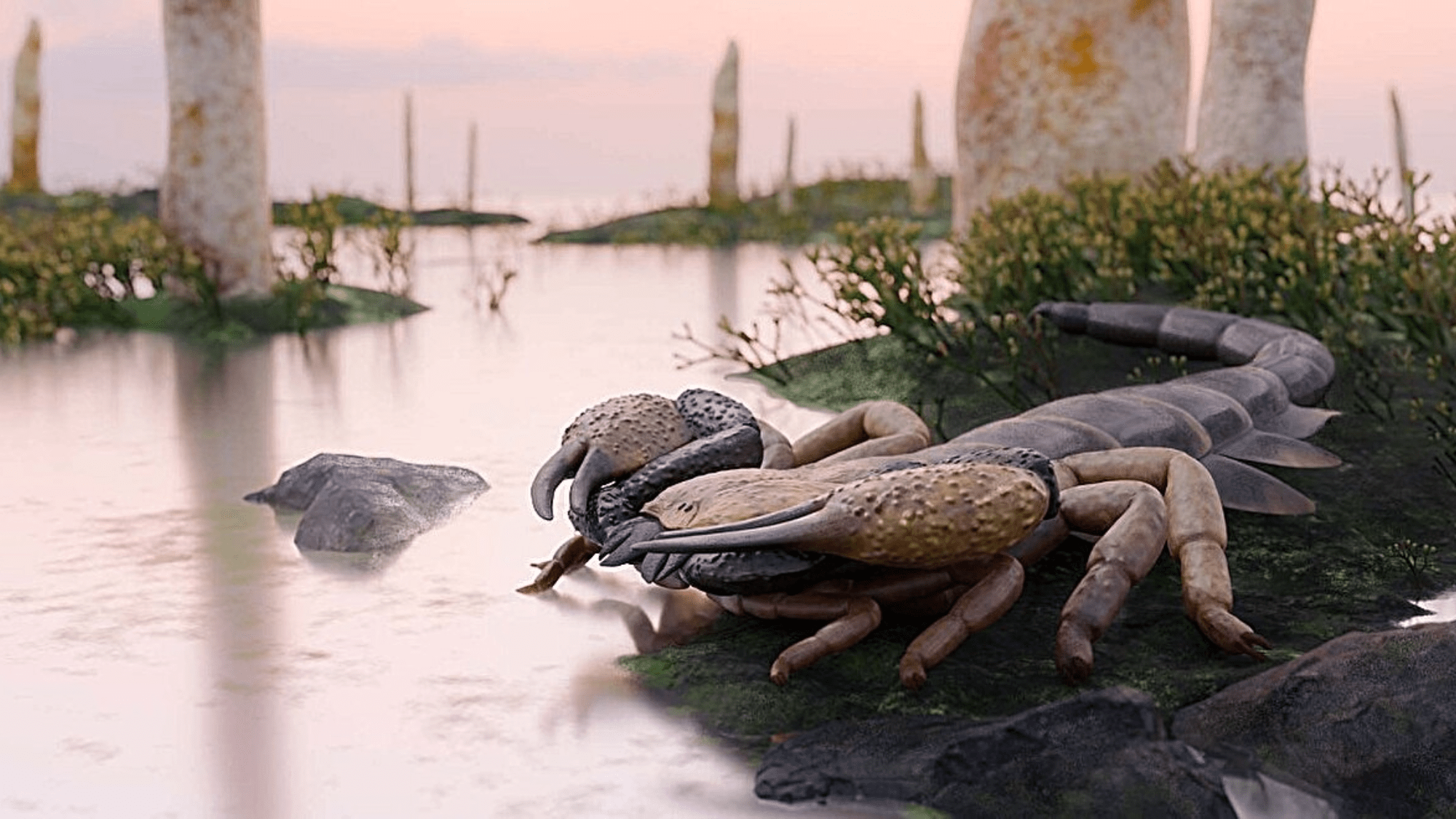
Giant scorpions the size of a baseball bat with pincers the size of a pencil once stalked what is now England and Wales. Praearcturus gigas is believed to be the largest scorpion to ever roam the Earth, and was discovered from fossils that have been tucked away in London’s Natural History Museum for more than 150 years. The findings are detailed in a study published in the journal Palaeontology.
Praearcturus gigas stalked the region’s floodplains about 415 million years ago, during the Early
Giant scorpions the size of a baseball bat with pincers the size of a pencil once stalked what is now England and Wales. Praearcturus gigas is believed to be the largest scorpion to ever roam the Earth, and was discovered from fossils that have been tucked away in London’s Natural History Museum for more than 150 years. The findings are detailed in a study published in the journal Palaeontology.
Praearcturus gigas stalked the region’s floodplains about 415 million years ago, during the Early Devonian. Small plants and fungi had only recently begun to spread, and more complex land ecosystems like forests did not exist yet.
“When we think of giant arthropods, people often picture Carboniferous rainforests with giant millipedes or dragonfly-like insects from later in Earth’s history,” Dr. Richard J. Howard, a study co-author and the Curator of Fossil Arthropods at the Natural History Museum, said in a statement. “But Praearcturus lived at least 50 million years earlier, well before the evolution of trees, when life on land was only just getting started.”
Howard and the team believe that Praearcturus’ enormous size indicates that they had very little competition from other large predators roaming around. Praearcturus might have grown to three-feet-long with six-inch pincers simply because there weren’t any other large animals nearby, so it could dominate its environment in a way that wouldn’t be possible years down the road.
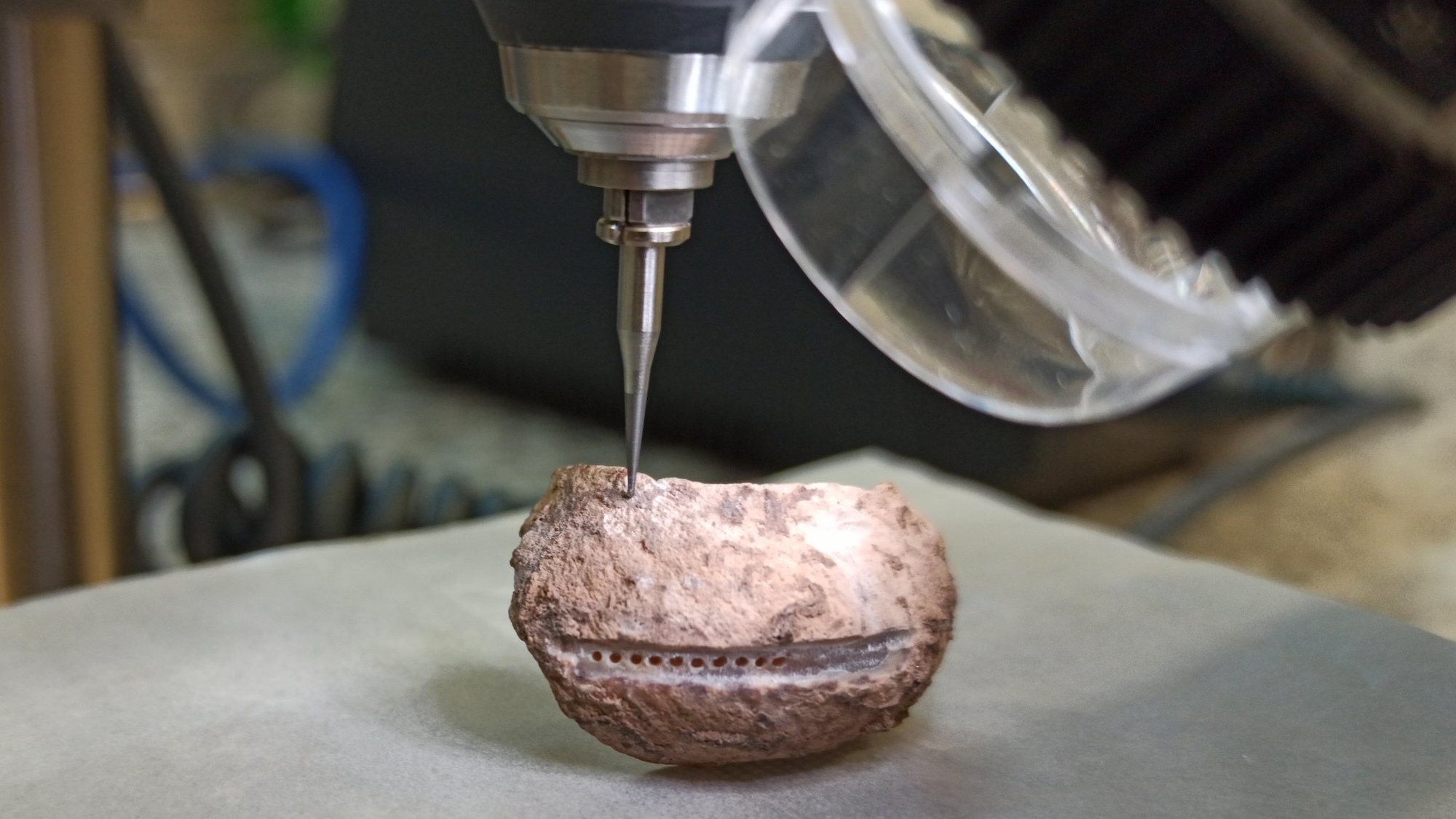
Praearcturus gigas was first scientifically decided in 1871. Scientists originally thought it was some kind of giant crustacean, similar to a woodlouse. The fossils were very fragmented, and lacked key features (such as a tail) that help classify it. To get a better picture, the team compared their fossils with some more well-preserved specimens found in 1972 and 2010.
“Praearcturus has puzzled us palaeontologists for more than a century,” added Dr. Russell Garwood, a study co-author and palaeontologist at The University of Manchester. “By bringing together material from several collections and using cutting edge imaging techniques, we’ve been able to build a clearer picture of the animal than was previously possible, which is really exciting.”
The fossils hint that this giant scorpion may have lived in the water some of the time. Some specimens have flap-like structures on the abdomen that are similar to those found in modern crustaceans like lobsters. These flaps suggest Praearcturus may have been capable of moving between water and land. Their place in the wider arachnid fossil record shows that most scorpions are unusually abundant in rocks dating back to this time period, compared with other arachnid species. This supports the idea that Praearcturus may have lived in freshwater environments, where they are more likely to survive as fossils. Excitingly, it shows that Praearcturus lived at a pivotal moment in our planet’s history, when animals were first experimenting with living life outside the oceans.
Pincer of scorpion (about the size of today’s largest scorpion). Image: Natural History Museum.
“The boundary between land and sea was much less defined at this time,” said Dr. Greg Edgecombe, a study co-author and Natural History Museum researcher. “Praearcturus gives us a fascinating glimpse into how early animals adapted to these changing environments. It may even represent a lineage that returned to the water after earlier ancestors had already begun living on land.”
According to the team, a breakthrough like this shows how important discoveries are still being made from museum collections. It also challenges assumptions about why prehistoric arthropods reached such enormous sizes. Instead of being driven solely by environmental factors like oxygen levels, a lack of competition, and other ecological opportunities may have played a crucial role.
“Confirming that this animal is a scorpion fundamentally changes our understanding of how and when these creatures evolved to such extraordinary sizes,” said Howard.
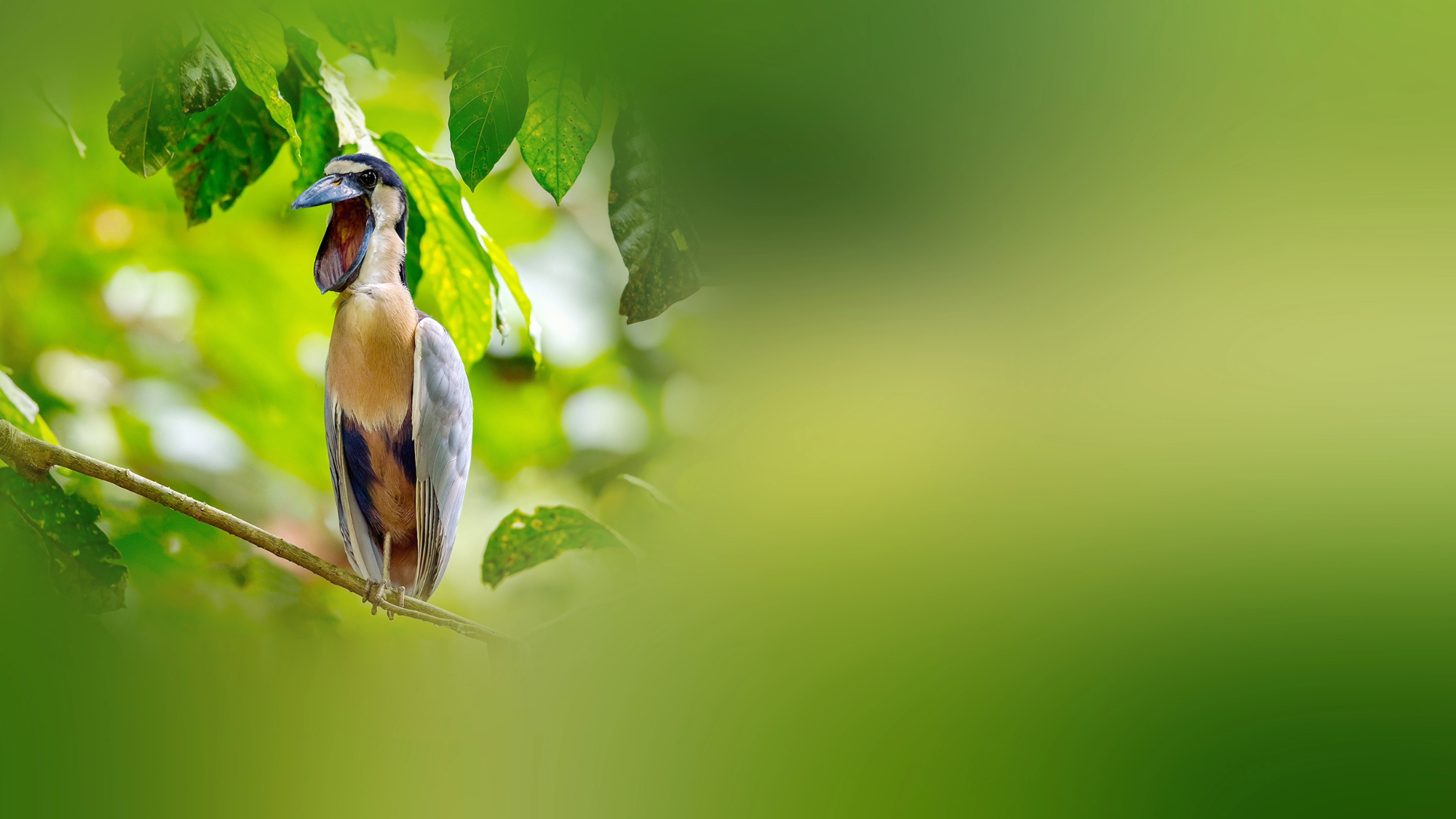
When you think of a heron, chances are you imagine an elegant, long-legged bird posing majestically on the edge of a body of water. If so, it’s time to set the record straight—not all herons are swan-necked ballerinas. In fact, the boat-billed heron (Cochlearius cochlearius) looks like someone stuck the head of a large bird onto the body of a small one, and you can forget about a graceful neck.
Roger Williams Park Zoo & Carousel Village in Rhode Island is home to a boat-billed heron. Ima
When you think of a heron, chances are you imagine an elegant, long-legged bird posing majestically on the edge of a body of water. If so, it’s time to set the record straight—not all herons are swan-necked ballerinas. In fact, the boat-billed heron (Cochlearius cochlearius) looks like someone stuck the head of a large bird onto the body of a small one, and you can forget about a graceful neck.
Roger Williams Park Zoo & Carousel Village in Rhode Island is home to a boat-billed heron. Image: Roger Williams Park Zoo & Carousel Village.
As for its bill, the large and rather flat appendage explains the bird’s name, and is extremely sensitive. “These unique birds get their name from its broad bill that resembles the hull of a boat, perfect for snatching up fish, crustaceans, insects, and amphibians,” the Roger Williams Park Zoo & Carousel Village in Rhode Island writes in a social media post, with pictures of a rather judgemental-looking boat-billed heron. “[Their] large, dark eyes are also adapted for nighttime hunting.”
The funny-looking bird doesn’t migrate and lives close to fresh or saltwater in Mexico, Central America, and parts of South America, and are usually solitary animals. They only come together to mate, and remain monogamous throughout the breeding season. Hatchling boat-billed herons come into this world blind and, unsurprisingly, completely rely on their parents, who feed them for between six to eight weeks before leaving.
Boat-billed herons are solitary animals, but are monogamous with their mates during breeding season. Image: Shutterstock.
These birds feature a type of feather called “powder down.” Instead of molting, their tips slowly turn into waterproofing powder. Interestingly, boat-billed herons produce vocalizations that sound a bit like human hand claps. And right when you think they can’t get any weirder, adults feature a black crown that makes them look like emo queens.
Though their population is decreasing, according to the IUCN red list, they are classified as a species of least concern, which is as good as it gets. However, not all heron species are doing as well as the boat-billed heron. The white-bellied heron (Ardea insignis) is considered critically endangered and the great white heron (Ardea occidentalis) is endangered.

 Login
Login