Normal view

  • ✇Ontario Nature Blog
  • How To Talk to Loved Ones About the Environment You Love Erin Kobayashi
    During Ontario Nature’s Bill 5 Explained webinar, Carolynne Crawley – co-founder of Turtle Protectors and Founder of Msit No’kmaq – encouraged the audience to, “Engage in meaningful conversations with those you know in a good way… It’s really important we take that time to share. And if someone has a difference of opinion and supports these bills, inquire why. Ask them. Ask them questions.” Climate change, biodiversity loss and environmental policy are complex topics that can quickly become em
     

How To Talk to Loved Ones About the Environment You Love

12 February 2026 at 14:32

During Ontario Nature’s Bill 5 Explained webinar, Carolynne Crawley – co-founder of Turtle Protectors and Founder of Msit No’kmaq – encouraged the audience to, “Engage in meaningful conversations with those you know in a good way… It’s really important we take that time to share. And if someone has a difference of opinion and supports these bills, inquire why. Ask them. Ask them questions.”

Climate change, biodiversity loss and environmental policy are complex topics that can quickly become emotional or divisive. We asked four environmental communications experts from David Suzuki Foundation, Sierra Club Canada Foundation, Greenpeace Canada and Ontario Nature about how to talk to your loved ones about the environment you love.

Here’s what we learned:

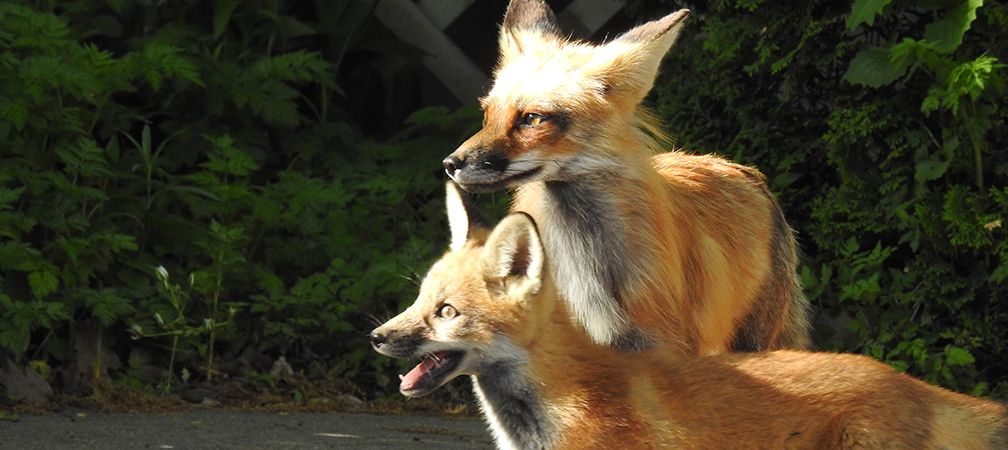
Red foxes, Mimico, mammals, canids, wildlife families
Red foxes, Mimico © Janice Guy

Start From Connection, Not Conflict

When talking about environmental issues, Becca Kram Dos Santos, Communications and Public Engagement Specialist at David Suzuki Foundation, recommends leading with what you share rather than what divides you.

“Instead of opening with the latest environmental headline or climate catastrophe, try to first connect with something you both care about like family, the cost of groceries and/or your favourite green space,” she says. This approach keeps the conservation grounded and human rather than abstract or argumentative.

Ontario Nature’s Communications Manager, Melina Damián, echoes this approach. “Focus on your shared values. Regardless of where people stand in the political spectrum, I bet everyone cares about community, family, safety and a better future,” she says. “When you have a conversation with someone with differing views, it could help to focus on what a shared future would look like – a world where everyone feels included and the wellbeing of people and nature go hand in hand.”

Connor Curtis, Director of Communications at Sierra Club Canada Foundation reinforces finding common ground. “Ask your family member what worries them most about climate change and then share what worries you – share emotions and listen to their concerns first so you know how they see things and so you establish that both of you do care on some level.”

Beaver family feeding on vegetation, three beavers in the wild, wetland builders, ecosystem enhancers, biodiversity
Beaver family feeding on vegetation © Janice Guy

Listen First, Lead with Empathy

“Simply listen,” Kram Dos Santos says. “When people feel heard, they’ll be more open to new information. From there, you can begin to gently connect the dots.”

Sien Van den broeke, Nature and Biodiversity Campaigner at Greenpeace Canada, echoes this sentiment. “Just understanding that people have different lived realities helps me meet them with empathy and care. Try to find out what their experience has been before asserting your own opinions,” she says. “Leaving space for everyone to share their thoughts, I find, helps a lot in learning where they come from and finding solutions together.”

Damián agrees that good conversations grow from focusing on shared values and deep, respectful listening. “Approach others from a place of empathy and curiosity. Or as one of my favourite authors, Edgar Villanueva from Decolonizing Wealth, would say: try to ‘listen in colour.” Damián explains that listening in colour is a superpower that can help bridge divisive views by encouraging good listening that includes being open, empathetic and holistic.

Red-breasted mergansers, female and ducklings, wildlife families, freshwater, biodiversity
Red-breasted mergansers © Peter Ferguson

Think Strategically and Make Room for Self-care

Curtis offers a practical point: you don’t have to debate everyone.

“Think strategically and talk to the right people,” they advise. “To do that you have to identify the people in the room who haven’t made their minds up yet or are truly persuadable and focus your energy and time on them.”

Rather than trying to persuade everyone at a gathering, Curtis suggests being strategic about where you invest your time and emotional effort. This is not about avoiding difficult conversations but about recognizing limits and choosing discussions where dialogue and understanding are more likely.

“My point being, don’t spend five hours talking with someone who either already agrees with you or will never agree with you. Spend one hour each talking to five different people who are on the fence or in the middle on an issue with the aim of bringing them closer to agreeing with environmental action.”

Common loon and juvenile loons, Algonquin Provincial Park, wetlands, biodiversity, Federation of Ontario Naturalists, wildlife families
Common loon and juvenile loons, Algonquin Provincial Park © Noah Cole

This approach isn’t just about being effective; it also helps keep conversations sustainable over time, so you don’t feel exhausted or discouraged by every disagreement.

It’s reminiscent of Crawley who stressed the importance of self-care during the Bill 5 Explained webinar. “When we are doing this work, whether you are First Nations, whether you are in an organization, or an individual community member, and you are trying to do whatever you can to stand up against these things… it’s really important for us to take care of ourselves in the process. So, we continue to fill up our cups, so we don’t burn out.”
  • ✇Popular Science
  • The mystery of Alaska’s orange rivers is finally solved Laura Baisas
    Alaska’s Arctic rivers have a big, orange problem. Previously clear rivers are turning a cloudy orange color due to iron particles, and it’s more than unsightly. The particles can suffocate fish and choke insects, threatening the food web and ecosystem as a whole.  Scientists have long pointed to previously frozen soil beginning to thaw as the potential culprit behind the contamination of rivers in northern Alaska’s remote Brooks Range, and a study recently published in the Communications Ear
     

The mystery of Alaska’s orange rivers is finally solved

2 June 2026 at 16:25

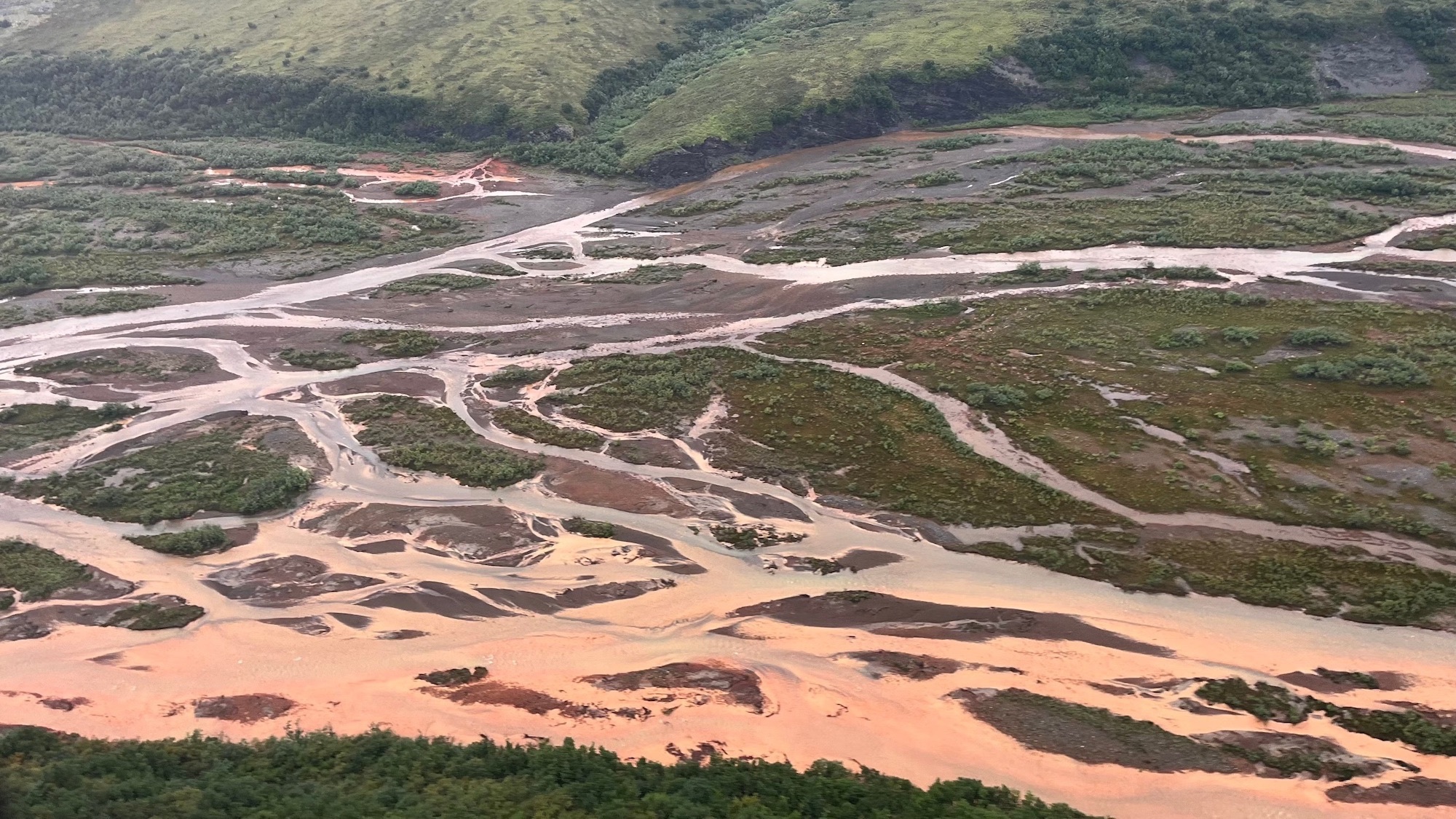
Alaska’s Arctic rivers have a big, orange problem. Previously clear rivers are turning a cloudy orange color due to iron particles, and it’s more than unsightly. The particles can suffocate fish and choke insects, threatening the food web and ecosystem as a whole. 

Scientists have long pointed to previously frozen soil beginning to thaw as the potential culprit behind the contamination of rivers in northern Alaska’s remote Brooks Range, and a study recently published in the Communications Earth & Environment proves it. The research also shows two distinct ways that this thawing soil is rusting the rivers and can help scientists predict where the damage is likely to spread next. 

“You’d think if any ecosystem could hide from the effects of warming and big human footprints, it’d be this one. But it’s not so,” Tim Lyons, a study co-author and biogeochemist at the University of California, Riverside, said in a statement. “There is no safe place.”

a scientist samples river water that has turned orange
Researcher sampling rusty Alaskan river water. Image: Tim Lyons/UCR.

From thawing permafrost to orange water

Permafrost is rock or soil that contains ice that has been frozen for two or more years. Alaska is warming two to three times faster than the global average, melting some of the permafrost that has been frozen for thousands of years. That thawing permafrost is already threatening the Tracy Arm Fjord, a popular destination for Alaskan cruises. 

As the ice-filled permafrost begins to thaw due to climate change, it can turn into mud that can’t support the weight of the soil or vegetation above it. This can threaten human-built infrastructure such as homes, pipes, and roads. It can also expose iron particles from rocks that turn rivers orange, a process called rusting. 

Rusting has severe ecological consequences. The fine iron particles can stay suspended in water for over 60 miles, smothering algae, disrupting insect populations, and clogging fish gills. These changes may already be affecting salmon in Alaska and Canada who rely on the gravel riverbeds for spawning and rely on algae as food during early life stages.

A top-down, fool’s gold problem

For this new study, the team looked at a wide regional view of the roughly 600-mile Brooks Range. They then zoomed in on a specific river system, followed by an even closer look at one creek. This top-down approach helped them to connect the bigger regional patterns to specific, on-the-ground processes.

“At middle, more heavily forested elevations, there isn’t much going on. But at the higher and lower elevations we could see distinctly different phenomena,” said Roman Dial, a study co-author math and biology professor emeritus at Alaska Pacific University.

At the higher elevations, the problem begins in the rocky ground containing pyrite, aka fool’s gold. Since the ground was frozen for many years, water and air didn’t affect the pyrite. Yet the rising temperatures have started to melt the ground, kicking off a process called acid rock drainage. The minerals and rocks are exposed to oxygen and water and degrade the water quality. 

“When pyrite meets water, it comes apart. It breaks down into iron and sulfur, creating sulfuric acid as well as sulfate and other toxic metals,” said Lyons. “When the iron-rich water mixes with more oxygen, the iron turns into rust-like particles that color the water and stain the bottom sediments orange.”

It’s an entirely different story at the lower elevations. The landscape is covered with wetlands that are changing shape and expanding downward as the permafrost melts. In these more soggy places, the soils are low in oxygen. So instead of breathing in oxygen, the microbes in the water (mostly bacteria) are taking in iron. 

“When we breathe, oxygen goes in and gets converted to the carbon dioxide that we exhale,” Dial said. “Similarly, microbes are consuming iron in the lowland soils and converting it into a water-soluble form that seeps into streams and results in rusting as it meets oxygenated surface water.”

Taken together, both acid rock drainage and microbes breathing in more iron help explain why orange waters are appearing across such large and remote regions across northern Alaska, closely tracking to areas where permafrost is thawing.

scientists sampling orange river water

The direct link

The team also found a delayed effect that could help predict future contamination. During the summer, the active, top layer of soil thaws to its deepest point. It then refreezes before the winter. The iron released during one summer thaw can become trapped and then flushed into rivers the following year.

By studying long-term ground temperature data and stream chemistry, this lag can be used to anticipate increases in metal levels.

“That means we can use ground temperatures to help predict water quality in the future,” added study co-author and University of Alaska ecologist Paddy Sullivan. In 2019, Sullivan first noticed the dramatic river changes that looked “like sewage” during fieldwork in the region.

Since mines typically control the waters near them to minimize pollution, the team partnered with scientists at the Red Dog zinc mine in northwest Alaska. The scientists there have long-term temperature records from boreholes that are drilled deeply into the earth and from chemistry sampling in stream water. Linking the underground measurements with changes in the stream’s chemistry directly connected the thawing permafrost to the rusting rivers.

While this problem is difficult to contain and manage, predicting where the contamination may pop up next could help pinpoint and protect critical habitats. This forecasting is especially important for communities that depend on these waters and the fishing living there for food and cultural practices.

“There’s no fixing this once it starts,” Lyons said. “But we can give people downstream a heads up and work hard to protect the places that are still safe and less vulnerable to the rusting.”

The post The mystery of Alaska’s orange rivers is finally solved appeared first on Popular Science.

  • ✇Popular Science
  • Florida students watch male seahorse give birth in the wild Laura Baisas
    Anything can happen out in the ocean. A group of students exploring the shores of Nest Key in the northwest Florida Keys recently learned this firsthand when they watched a male seahorse give birth.  The students from Marine Lab, an organization that promotes environmental stewardship through education programs, were seining in Florida Bay during a routine outing. A technique used by students and marine biologists alike, seining is skimming the water with a large net to collect various smalle
     

Florida students watch male seahorse give birth in the wild

15 June 2026 at 15:03

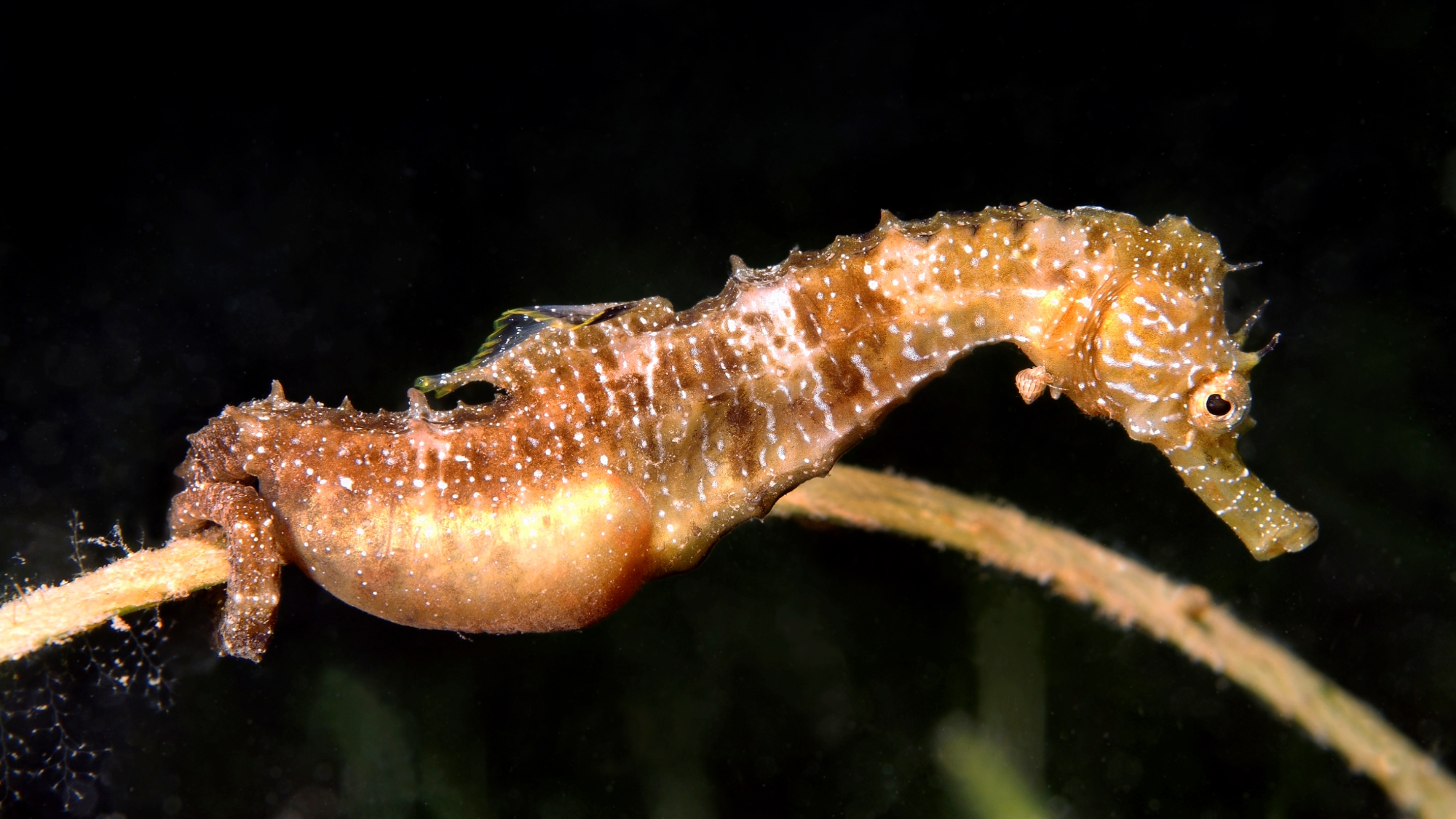
Anything can happen out in the ocean. A group of students exploring the shores of Nest Key in the northwest Florida Keys recently learned this firsthand when they watched a male seahorse give birth

The students from Marine Lab, an organization that promotes environmental stewardship through education programs, were seining in Florida Bay during a routine outing. A technique used by students and marine biologists alike, seining is skimming the water with a large net to collect various smaller marine animals and plants from the seagrass for study. 

When they investigated their catch, the students spotted two tiny seahorses. They took a closer look at the seahorses and spotted a clutch of eggs on one of the seahorses’ tails. The male seahorse then gave birth right there in the net.  

“Seahorses can be found in seagrass habitats throughout Florida Bay, including areas like Nest Key, but we would not describe them as something students see on every trip,” Kristen Prado, a representative from Marine Lab, tells Popular Science. “Nest Key has shallow seagrass habitats that support many small marine animals, and seahorses are one of the species students may encounter during our seining activity. That said, witnessing a male seahorse giving birth during the activity was very rare and exciting for both our students and instructors.”

Seahorses are small predators that play an important role in the ecosystem. They eat tiny crustaceans and other small animals and link the smaller parts of the food web to larger marine life like sharks and marine mammals. They live in seagrass habitats near the shore, where they use their tails to latch onto seagrass and can camouflage within the brown colored grass. 

Following an elaborate courtship dance, the female seahorse uses an organ called an ovipositor to deposit eggs into a special brood pouch on the male’s tail. The eggs are then fertilized within the pouch. Depending on the seahorse species, the eggs will stay there for 10 days up to six weeks. When it’s time for the babies or “fry” to hatch, the seahorse’s body convulses to expel them. From there, the new seahorses are 100 percent independent, and will not need any other care from either parent. 

The students observed the birth before carefully returning the seahorses and other critters back into the sea. According to Pardo, seining can help students observe Florida Bay’s animals in their natural habitat and learn why these ecosystems deserve protection. 

“Witnessing a male seahorse give birth was a rare and exciting moment, but it also speaks to the heart of MarineLab’s work,” says Prado. “Experiences like this help students understand that healthy seagrass habitats are full of life and that even a routine field activity can become a powerful connection to the natural world.”

The post Florida students watch male seahorse give birth in the wild appeared first on Popular Science.

  • ✇Popular Science
  • 8 captivating photos of Delaware Bay’s annual horseshoe crab spawn Avery Schluyer Nunn
    Few creatures wear the mantle of deep time as visibly as Limulus polyphemus, better known as the Atlantic horseshoe crab. To walk through the gravelly shores of the Delaware Bay or the back-bay shallows near Ocean City, New Jersey during the high spring tides of June is to witness a gathering unchanged since the Triassic.  Horseshoe crabs draw tracks in the sand with their six pairs of legs. Image: Susan Allen/@what.sue.seas. Here, the ancient arthropods—who have existed for roughly 445 m
     

8 captivating photos of Delaware Bay’s annual horseshoe crab spawn

13 June 2026 at 12:00

Few creatures wear the mantle of deep time as visibly as Limulus polyphemus, better known as the Atlantic horseshoe crab. To walk through the gravelly shores of the Delaware Bay or the back-bay shallows near Ocean City, New Jersey during the high spring tides of June is to witness a gathering unchanged since the Triassic. 

horseshoe crabs at the water's edge. their tracks are visible in the sand
Horseshoe crabs draw tracks in the sand with their six pairs of legs. Image: Susan Allen/@what.sue.seas.

Here, the ancient arthropods—who have existed for roughly 445 million years—assemble for their great spawning. Under the gravitational pull of the full moon, king tides cue the helmet-shaped crabs to emerge from the depths of the Atlantic Ocean. The females, robust and broad-carapaced at nearly two feet in length, plow into the damp sand at the water’s edge. They then deposit thousands of eggs beneath the slurry of the surf.Each tiny, colorful orb is barely  larger than a mustard seed.

multicolored horseshoe crab eggs in the water
Horseshoe crabs deposit their egg clusters in the sand, but disturbances from waves, shorebirds and crawling crabs bring loose eggs to the surface where they become easy picking for migratory shorebirds. Image: Susan Allen/@what.sue.seas.

The process works like a precise biological clock, and at dawn, the cycle shifts away from the horseshoe crabs and to the daytime feeders. As the crabs deposit millions of these fatty and nutritious eggs, thousands of migratory shorebirds arrive from the sky. Many of these birds have flown thousands of miles up from the southern tip of Patagonia, only to touch down upon these precise Northeast shorelines. Among them is the Rufa red knot (Calidris canutus rufa), a master of the air executing an annual 9,000-mile odyssey to its Arctic breeding grounds

a small bird with rusty brown feathers and a long black beak stands on the sand next to a horseshoe crab
A red knot in breeding plumage stalks the shoreline as crabs crawl ashore to spawn. Image: Susan Allen/@what.sue.seas.

Throughout their long journey, red knots can remain airborne for up to a week straight, burning stored energy and losing nearly half of their body mass in the process. The tiny horseshoe crab eggs are an immediate, vital fuel source, allowing the knots to double their weight in a matter of days.

clear horseshoe crab eggs
Developing eggs become translucent before the larvae hatch into miniature versions of the adults minus the telson. Image: Susan Allen/@what.sue.seas.

Over the past eight years, New Jersey photographer Susan Allen has captured these spawnings. “The quiet Delaware Bayshore becomes globally significant to the survival of many species each spring,” Allen tells Popular Science. “Hopefully this natural wonder will continue to happen.” 

several horseshoe crabs in a pile at the water's edge
One female crab can be surrounded by a dozen males trying to spawn with her. Image: Susan Allen/@what.sue.seas.

Yet, this ancient convergence faces immediate threats. Climate change is warming bay waters and intensifying storms. In some years, the warmer water has prompted horseshoe crabs to spawn earlier in the season, throwing off the timing that red knots depend on when they arrive to feed on crab eggs. 

a huge flock of birds
Red knots stopover at the Delaware Bay during horseshoe crab spawning season to refuel on eggs and hopefully double their weight. Image: Susan Allen/@what.sue.seas.

At the same time, horseshoe crabs have faced mounting pressure from commercial harvest. They are widely used as inexpensive bait in whelk and eel fisheries, and are also collected for the pharmaceutical industry. During the 1990s, harvest numbers surged: in just five years, annual take rose from about 100,000 crabs to 2.5 million.

a horseshoe crab lying on its back on the beach
Horseshoe crabs use their telson to flip themselves over when they get turned upside down. A spiral was drawn by this unsuccessful crab before it perished. Image: Susan Allen/@what.sue.seas.

But against these modern pressures, the endurance of this bird-arthropod partnership remains a profound marvel of prehistoric connection, forged over hundreds of millions of years. The bay is still coming alive as ancient crabs meet the arriving birds in the middle of their long migration. 

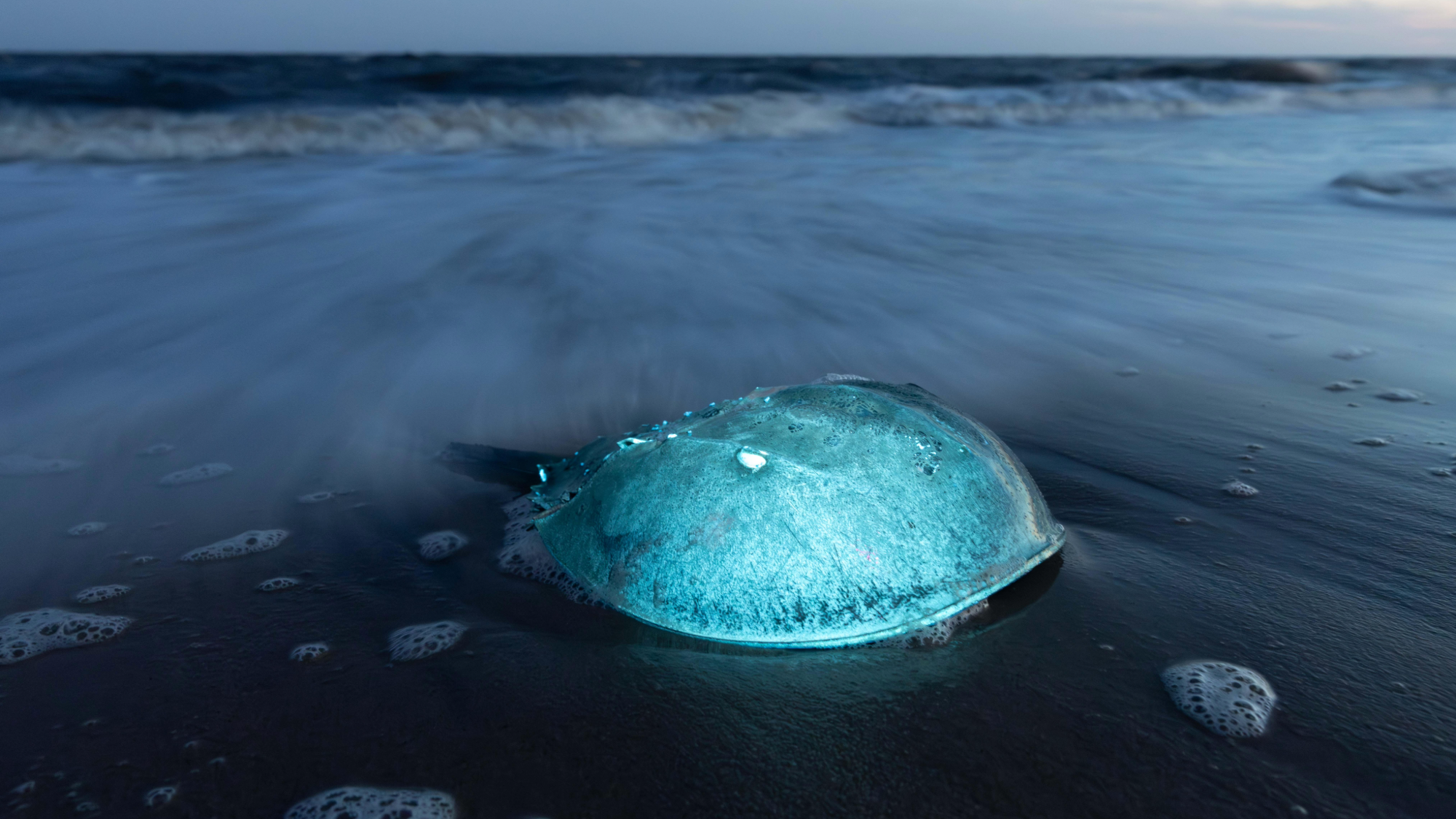
a horseshoe crab glowing blue under UV light
Just like scorpions, horseshoe crabs exhibit biofluorescence under UV light. They also have blue blood that is capable of detecting bacterial contamination. Their blood is harvested by the biomedical industry to test for contamination in vaccines and medical devices, but a synthetic alternative has been developed. Eli Lily has transitioned to using the synthetic alternative for 80 percent of its endotoxin testing. Image: Susan Allen/ @what.sue.seas.

The post 8 captivating photos of Delaware Bay’s annual horseshoe crab spawn appeared first on Popular Science.

Slalom Foundation supports Peruvian protected areas as $1.3 trillion carbon credit market grows

24 April 2026 at 21:40

As the global sustainable forestry industry grows, driven by a carbon credit market expected to reach US$19.9 trillion by 2035, long-term conservation projects in Latin American countries like Peru are taking off. 

The Slalom Foundation – part of the global digital consulting firm Slalom – operated a fund of over US$10 million and recently awarded more than $200,000 to impact initiatives in Latin America, Africa, and the U.S. 

Among those receiving the fresh Slalom Foundation funds is the Forest Stewardship Council Investments & Partnerships (FSC). The FSC has been working with the Peruvian National Service of Natural Protected Areas (SERNANP) to certify 7.4 million hectares of national parks and Peruvian Amazon ecosystems. 

Through its Certification Initiative, the FSC has set up shop in Peru, recently announcing a brand new conservation facility, which will streamline the certification process of national parks and conservation areas in the country. 

The FSC Certification Initiative has already committed US$1.7 million in 2026 to high-value areas in Africa, Latin America, and Central Asia. As it seeks new partners to scale impact, it welcomes Slalom Foundation’s donation and funding for Peru. 

“We are profoundly honored to receive the climatic subsidy from the Slalom Foundation in support of the Fund for Conservation of the FSC,” said Jen Opie, deputy executive director of FSC Investments & Partnerships. “This investment accelerates our certifying capabilities to protect some of the most critical conservation areas in the world throughout Latin America, including Peru.”

Today, sustainable forestry and conservation efforts are tied to the global carbon credit offsetting market. 

A Precedence Research report released in February estimated that the global carbon credit market is worth US$1.3 trillion and expected to grow to $19.9 trillion by 2035, expanding at a CAGR of 35.80% in the same period. 

While North America is expected to see the fastest growth, and Europe holds the largest share of the market, Latin America stands out for its untapped potential, as sectors like aviation and big tech — seeking to offset new energy-hungry AI data center operations – drive demand. 

Within this market, forestry conservation projects lead the way.

The Slalom Foundation said that the organizations benefiting from their recent investment are setting in motion groundbreaking conservation and ecological programs, helping families and women access essential services, and promoting technological certifications that support local wealth and economic development. 

“These environments often face significant barriers when trying to access the necessary resources to unblock financing for long term conservation,” said Opie from FSC. “The collaboration with Slalom reinforces our shared commitment to safeguarding biodiversity, promoting climate resilience, and supporting local communities, whose stewardship is essential to global climate goals,” she added. 

“Together, we are scaling credible and verifiable nature-based climate solutions at a time when decisive action has never been more urgent,” concluded Opie. 

Featured image description: Aerial view of the Amazon Rainforest.

Featured image credit: FSC.

Disclosure: This article mentions a client of an Espacio portfolio company. 

The post Slalom Foundation supports Peruvian protected areas as $1.3 trillion carbon credit market grows appeared first on Perú Reports.

The post Slalom Foundation supports Peruvian protected areas as $1.3 trillion carbon credit market grows appeared first on Latin America Reports.

Divers Capture First Footage of a Great White Shark in the Mediterranean

12 June 2026 at 16:25

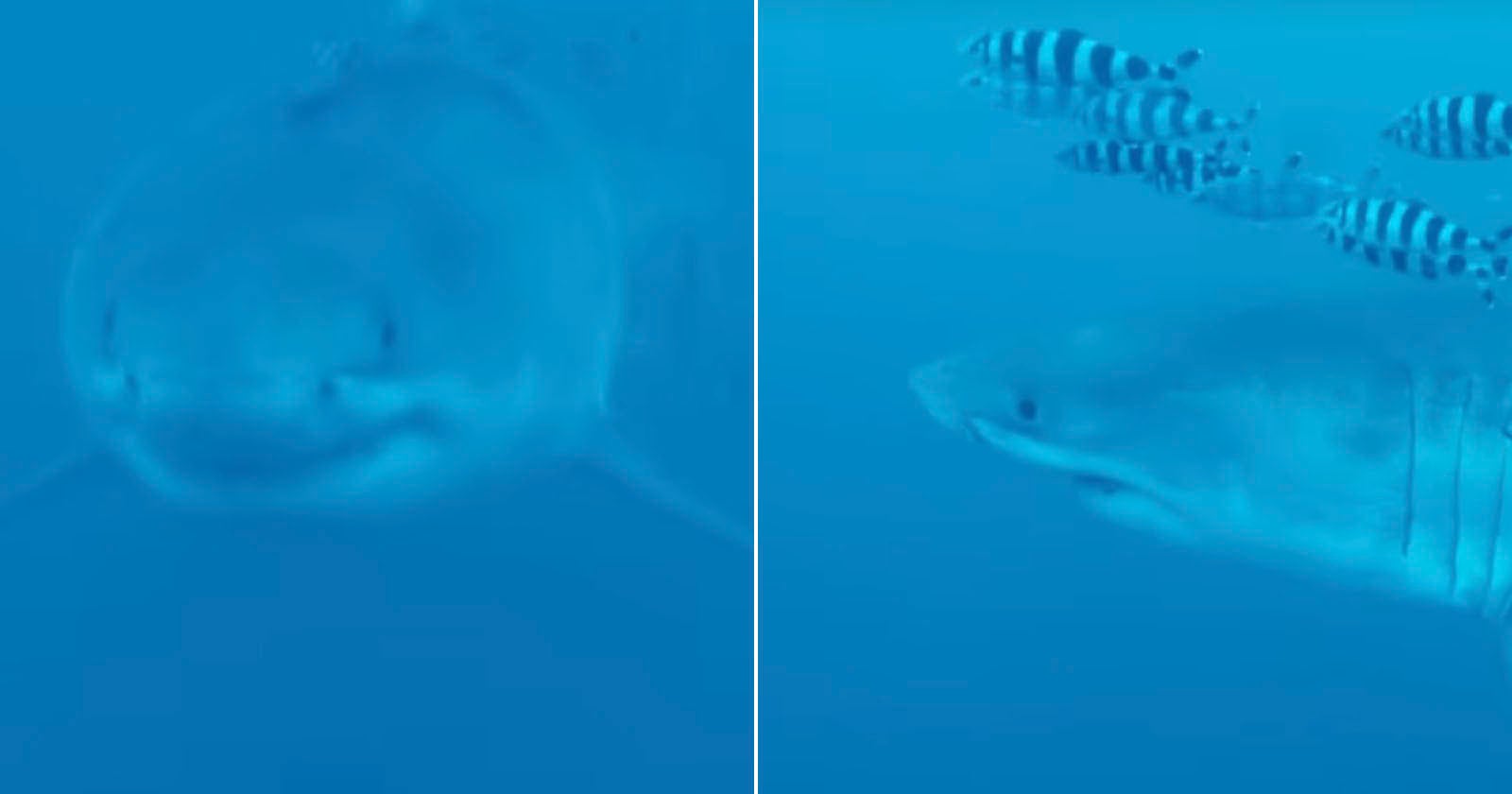
Side-by-side underwater images of a great white shark; the left shows a close-up of its face, while the right shows a profile view with striped fish swimming above its head. The scene is bathed in blue light.

Divers working to dismantle and remove discarded fishing nets in the Mediterranean Sea had an incredible and historic close encounter with a great white shark (Carcharodon carcharias). It is believed to be the first time a great white shark has been caught on film underwater in the Mediterranean.

[Read More]

  • ✇Ontario Nature Blog
  • Why Ontario’s 2026 Budget Fails Nature and What It Means for Us Jenna Kip
    Ontario’s 2026 Budget, A Plan to Protect Ontario, arrives with familiar promises of economic resilience and infrastructure growth. But beneath the surface, a persistent gap remains: meaningful investments in nature. Similar to last year’s budget, the province continues to ignore the importance of biodiversity and nature to economic resilience, community well-being and Ontario’s long-term prosperity. Recommendations Still Being Ignored In 2025, Ontario Nature raised concerns that the provincia
     

Why Ontario’s 2026 Budget Fails Nature and What It Means for Us

9 April 2026 at 15:46

Ontario’s 2026 Budget, A Plan to Protect Ontario, arrives with familiar promises of economic resilience and infrastructure growth. But beneath the surface, a persistent gap remains: meaningful investments in nature. Similar to last year’s budget, the province continues to ignore the importance of biodiversity and nature to economic resilience, community well-being and Ontario’s long-term prosperity.

Recommendations Still Being Ignored

In 2025, Ontario Nature raised concerns that the provincial budget put nature at risk by prioritizing development while weakening environmental protections. These concerns were echoed and expanded in January 2026, when Ontario Nature and 64 partner organizations called on the province to increase investments in conservation.

The unified message was clear: protecting and restoring nature is not a barrier to economic growth but is a foundation for it. Yet the 2026 budget does not meaningfully respond to these recommendations. Our recommendations presented a clear path forward – strategic investments in nature can strengthen our economy, protect communities and reduce long-term costs.

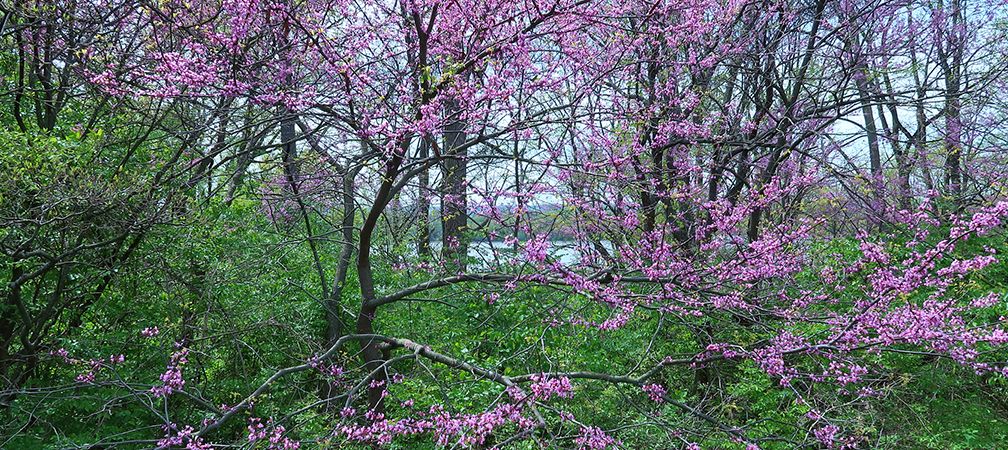
Redbud trees and Cootes Paradise, Royal Botanical Gardens, Burlington, Hamilton, Lake Ontario, Hamilton Harbour, forest, shoreline, wetlands, biodiversity, connection to nature, nature trails
Redbud trees and Cootes Paradise, Royal Botanical Gardens © Cactus Forest CC 0.0

Investing in Protected Areas Creates Jobs and Boosts the Economy

Ontario remains well behind the pace required to meet the national goal of protecting 30 percent of lands and water by 2030. With just over 11 percent currently protected, the province risks falling further behind without a significant redirection in its course. A clear solution remains unprioritized: investing in protected areas is not only an environmental imperative, but an economic strategy. A coordinated annual investment of $60 million to expand Ontario’s protected areas network, particularly on Crown land, would help close this gap and support regional land use planning to protect high biodiversity and cultural value areas from industrial development.

Expanding protected area networks invests in nature-based recreation job opportunities, boosting our economy alongside protecting valuable areas. Across Canada, nature-based recreation creates over one million jobs and generates $101.6 billion in economic activity annually, not including the many additional ecosystem services that nature provides such as absorbing carbon, offsetting flood risks and improving air quality.

Wetlands: Ontario’s Built in Flood Protection

Conserving and restoring wetlands is a direct investment in public safety and affordability. Natural wetlands reduce flood damage, lower infrastructure costs and reduce costs to taxpayers. A University of Waterloo study found that maintaining wetlands can reduce flood damages by 38 percent, while other research shows that benefits of wetland protection can far exceed costs, with benefit-cost ratios reaching as high as 35:1.

Despite these benefits, the 2026 budget does not significantly expand investments in wetland conservation, leaving communities exposed to rising costs.

Long Point Provincial Park, Big Creek National Wildlife Area and Port Rowan, Lake Erie, Big Creek watershed, biodiversity, healthy ecosystems, species at risk, rare species, ecotourism, rural, health, agriculture, helpful, sustainable ecological features
Long Point Provincial Park, Big Creek National Wildlife Area and Port Rowan © Ken Lund CC BY-SA 2.0

Nature Pays Us Back

Public support is not the barrier either. Ontarians overwhelmingly back increased conservation efforts and recognize their benefits for climate resilience, health and the economy.

Ontario’s 2026 budget speaks the language of resilience and protecting Ontario, but it fails to invest in the natural systems that make resilience possible. It seems that most Ontarians are not convinced the government is “protecting Ontario” based on recent polling. Until this changes, the province will continue to take on higher costs, greater risks and missed opportunities.

Malcolm Bluff Shores Nature Reserve, guided hike, donor event, Saugeen - Bruce Peninsula, natural corridor, Niagara Escarpment, Georgian Bay, Bruce Trail, nature trail, connect to nature, ecosystem, Lake Huron, fresh air, biodiversity, environmental appreciation
Malcolm Bluff Shores Nature Reserve, guided hike © Melissa Thomas

Take Action

While provinces across Canada begin implementing meaningful conservation plans, Ontario is falling behind. Rather than weakening environmental protections and shifting the costs of conservation onto communities, the provincial government must commit to sustained, long-term investments in nature.

Protecting nature protects all of us. Stay informed, contact your MPP, and demand better protections for Ontario’s lands and waters. You can also take action today by signing one of Ontario Nature’s Action Alerts.

  • ✇Popular Science
  • Sir David Attenborough’s 100th birthday present is… a parasitic wasp Margherita Bassi
    Famed British naturalist and broadcaster Sir David Attenborough turns 100 years old on May 8, and a team of researchers has prepared a special present: an entire new genus of wasp named in his honor.  Meet Attenboroughnculus tau, a tiny parasitic wasp discovered in Chile. The specimen is 0.14 inches long and has a T-shaped marking on its abdomen that inspired the species name, “tau.” The insect was collected from Chile’s Valdivia Province in 1983, and it took over four decades for someone to
     

Sir David Attenborough’s 100th birthday present is… a parasitic wasp

7 May 2026 at 11:01

Famed British naturalist and broadcaster Sir David Attenborough turns 100 years old on May 8, and a team of researchers has prepared a special present: an entire new genus of wasp named in his honor. 

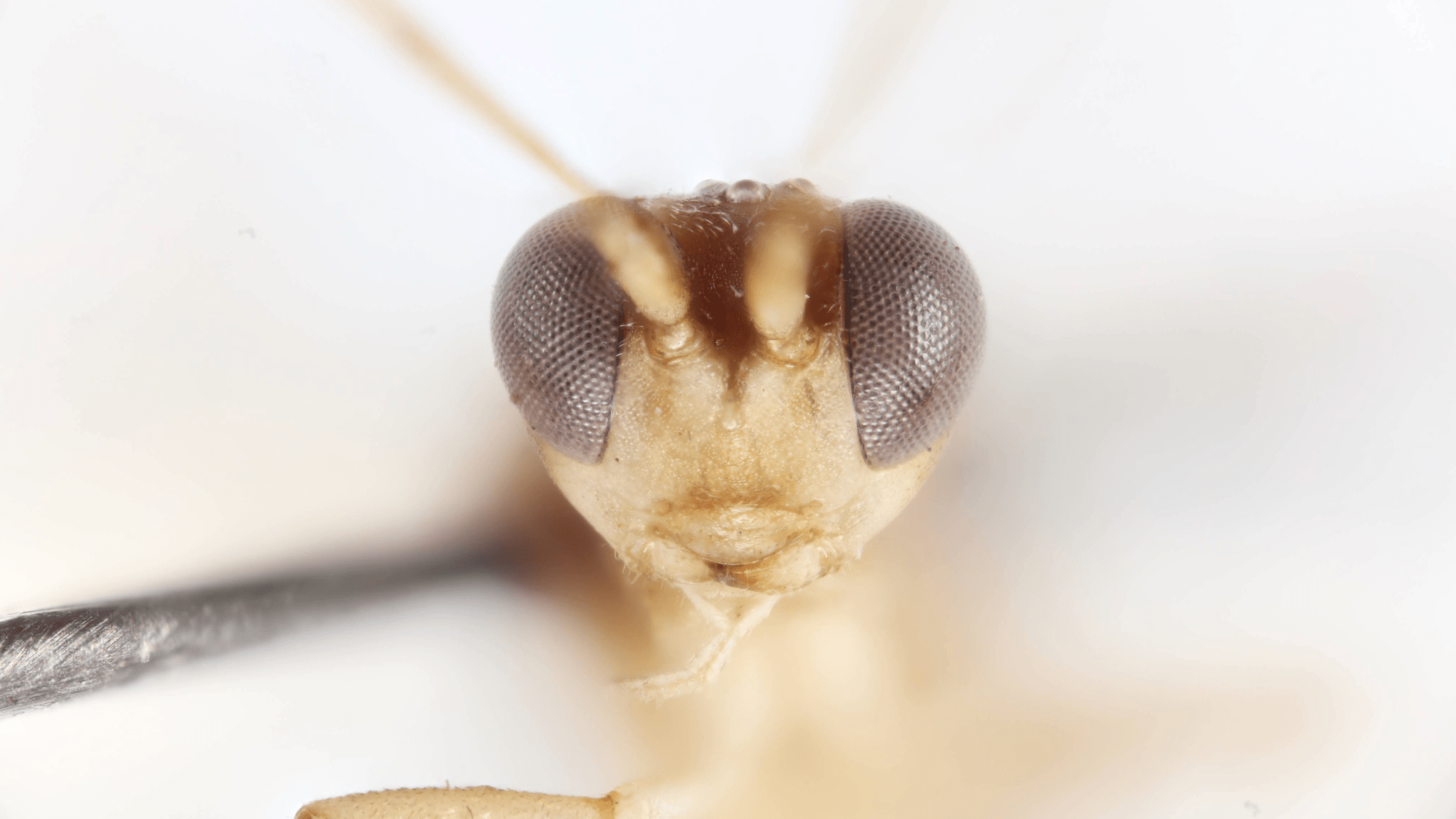
Meet Attenboroughnculus tau, a tiny parasitic wasp discovered in Chile. The specimen is 0.14 inches long and has a T-shaped marking on its abdomen that inspired the species name, “tau.” The insect was collected from Chile’s Valdivia Province in 1983, and it took over four decades for someone to officially recognize it as something new.  

a wasp
Attenboroughnculus tau is one of the over 50 species named in honor of the famed naturalist. Image: © Trustees of the Natural History Museum.

“We hope to inspire global scientists to take another look in their collections to see if there is something small that could contribute to our collective understanding and therefore the future of our natural world,” Jennifer Pullar, science communications manager at London’s Natural History Museum, says in a statement

It was volunteer Augustijn De Ketelaere, a graduate student at Ghent University in Belgium, who noticed the insect’s unexpected traits while the team was examining the museum’s ichneumonid collections. Attenboroughnculus tau has a unique combination of anatomical features that make it different from already established genera: a strongly curved abdominal segment, toothlike structures on the ovipositor (which they use to lay eggs), and distinctive wing and leg morphology.

a close up view of a wasp
Attenboroughnculus tau is less than one inch long. Image: © Trustees of the Natural History Museum.

If you think Attenborough will be offended by the unsavory nature of the bug named in his honor, think again. Parasitoid wasps have appeared in his documentaries, such as the BBC nature documentary series The Trials of Life, in which he dubbed them the “bodysnatcher wasp.”

“David Attenborough has featured Chile’s diverse, extreme landscapes in several documentaries, emphasising the unique environmental challenges and ecological resilience of species within the country,” De Ketelaere, Pullar, and lead author Gavin Broad—principle curator of insects at the museum—write in a recent Journal of Natural History study. “He has used his work to reveal the intimate, unseen or overlooked within nature. This resonates in the discovery of this species in an unsorted drawer within the collections of the Natural History Museum, London.” 

This isn’t the first time Attenborough is honored by taxonomists. In fact, the man has over 50 species named after him, including the carnivorous plant Nepenthes attenboroughii

Happy Birthday Sir David Attenborough! 

The post Sir David Attenborough’s 100th birthday present is… a parasitic wasp appeared first on Popular Science.

The 26 Finalists for the 2026 Beaker Street Science Photography Prize

8 June 2026 at 15:48

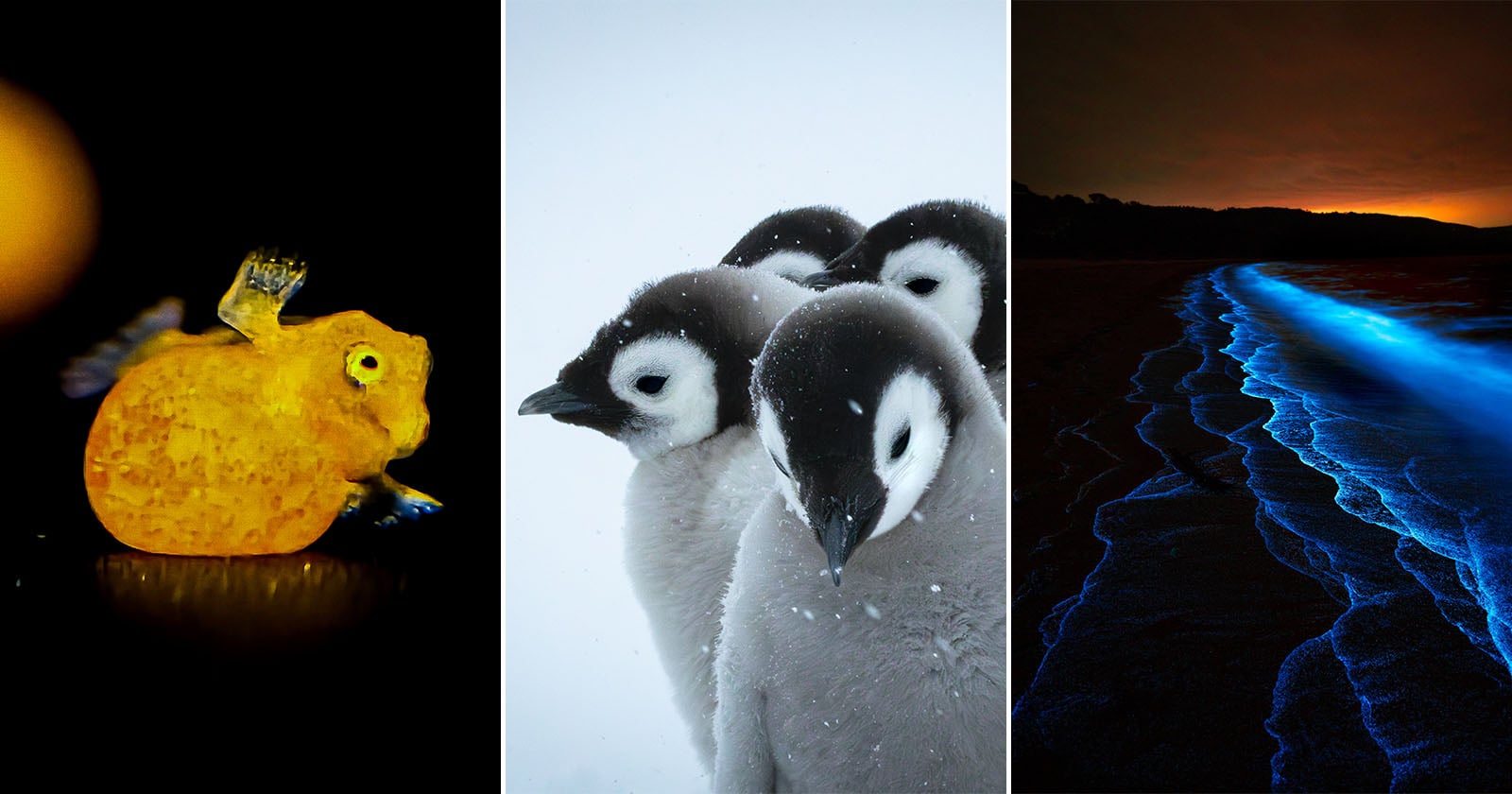
A collage of three images: a bright yellow fish, fluffy penguin chicks huddling in snow, and ocean waves glowing blue under a dark sky.

The 2026 Beaker Street Science Photography Prize has unveiled its finalists, and they are a spectacular collection of beautiful, scientifically valuable images captured by photographers and scientists around the world.

[Read More]

  • ✇Popular Science
  • Kelsey Pfendler is trying to become the youngest woman to row solo from California to Hawaii Mack DeGeurin
    A 31-year-old New York native named Kelsey Pfendler is one week into her audacious quest to become the youngest woman to row unassisted from California to Hawaii. To complete her over 2,400-mile journey, she will need to face stormy seas and traverse waters teeming with all types of ocean life.  If she succeeds, Pfendler will become the first American woman ever to do so. @yourowkelsey A couple hours of napping and some food will make you feel like a new woman! Waves and wind are still bi
     

Kelsey Pfendler is trying to become the youngest woman to row solo from California to Hawaii

28 May 2026 at 19:14

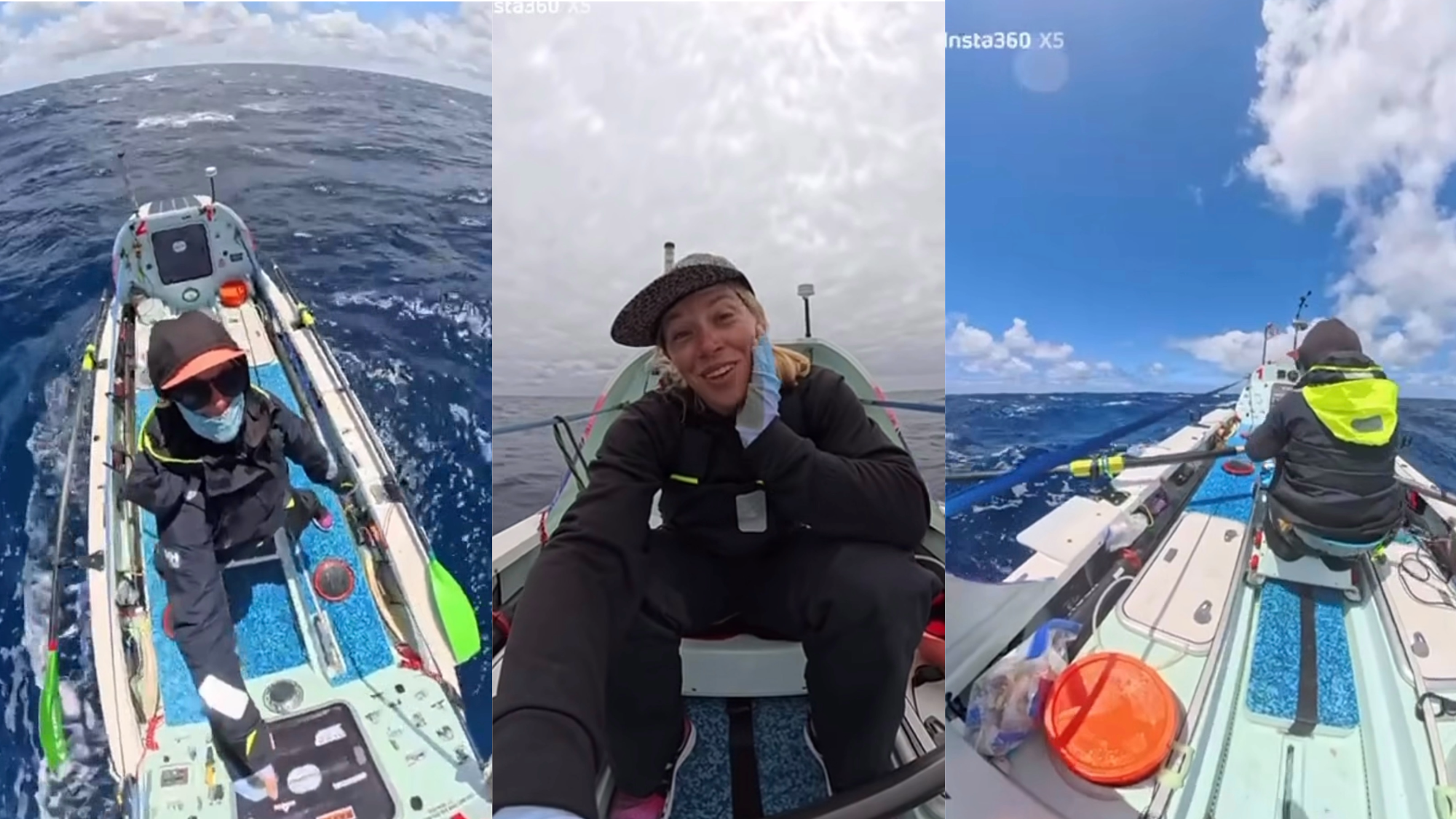
A 31-year-old New York native named Kelsey Pfendler is one week into her audacious quest to become the youngest woman to row unassisted from California to Hawaii. To complete her over 2,400-mile journey, she will need to face stormy seas and traverse waters teeming with all types of ocean life.  If she succeeds, Pfendler will become the first American woman ever to do so.

@yourowkelsey

A couple hours of napping and some food will make you feel like a new woman! Waves and wind are still big, but luckily they are becoming more favorable, allowing Kelsey’s boat to catch and ride the waves. Kelsey is rowing to raise funds for The Whale Foundation an organization whose mission is to support, restore, and celebrate the health and well-being of the Grand Canyon river guiding community. Links to learn more and donate are in our bio. @Concept2 @Recpak @insta360 official

♬ original sound – YouRowKelsey

Pfendler set off from Monterey, California on May 21 and has been posting daily updates on her TikTok. A separate live tracker  also plots her position on a digital map. As of May 28, the tracker shows her off the Southern California coast, moving at 1.6 knots. The multi-month voyage is a major test of physical strength and mental fortitude,  and it’s already proven grueling. In just her first week, Pfendler battled strong headwinds as she pushed away from the California coast, leaving her hands covered in blisters.

@yourowkelsey

Absolutely flying today! Waves are around 14ft and wind maxed about 22mph earlier, which gave her a good boost of speed. 229 miles so far, about 2,000 to go. @Concept2 @Recpak

♬ original sound – YouRowKelsey

And it has only gotten tougher. Pfendler’s route took her directly into the path of a weather front, bringing bone-chilling temperatures and punishing waves. Worse, while taking cover from the waves, she lost the cap to her heavy-duty freshwater bag. Though she has the ability to make more freshwater with a desalination device, it runs on solar power and the storm left the skies too dark and overcast for the device to work. As a result, Pfendler has had to tap into her emergency supply of 25 small water bottles, a scarcity that has also prevented her from using water to rehydrate her freeze-dried camp food.

“It’s tortillas and peanut butter until I get some sun,” Pfendler said. 

But the trip has had its lighter moments as well. Pfendler posted an update sharing her excitement when she crossed the continental shelf. At about 50 to 60 miles off the California coast, crossing the continental shelf is something few humans get to experience so intimately.  She also recounted a moment where she spotted either a sea lion or a dolphin hunting fish nearby, sending them leaping out of the water all around her boat.

“It was really cool, it was in the dark and it was kinda special for me,” Pfendler said, 

This quest  isn’t Pfendler’s first rodeo. She completed a similar rowing trip from California to Hawaii in 2024 with three companions, serving as the skipper. That trip took 40 days, 22 hours, and 14 minutes. Still, rowing in total isolation—even for an experienced oarswoman—adds another layer of challenge. If Pfendler completes the trip, she will be just the third woman ever to do so. The record, set by British rower Lia Ditton in 2020, currently stands at 86 days, 10 hours, and 56 seconds.

The post Kelsey Pfendler is trying to become the youngest woman to row solo from California to Hawaii appeared first on Popular Science.

  • ✇Ontario Nature Blog
  • Conservation Groups Strengthen 2SLGBTQIA+ Inclusion in Nature Cristina Murano
    Recently, there has been an increase in the number of conservation groups working with the 2SLGBTQIA+ (Two-Spirit, lesbian, gay, bisexual, transgender, queer, intersex and asexual) community to host events. This has signalled a new wave of support for 2SLGBTQIA+ people in the environmental movement; and not only is there a growing demand for this programming, but it is also essential. 2SLGBTQIA+ Positivity in Wild Spaces Ontario Nature spoke with conservation organizations hosting 2SLGBTQIA+
     

Conservation Groups Strengthen 2SLGBTQIA+ Inclusion in Nature

4 June 2026 at 18:48

Recently, there has been an increase in the number of conservation groups working with the 2SLGBTQIA+ (Two-Spirit, lesbian, gay, bisexual, transgender, queer, intersex and asexual) community to host events. This has signalled a new wave of support for 2SLGBTQIA+ people in the environmental movement; and not only is there a growing demand for this programming, but it is also essential.

2SLGBTQIA+ Positivity in Wild Spaces

Ontario Nature spoke with conservation organizations hosting 2SLGBTQIA+ events, gaining valuable insights into how these initiatives are being developed and delivered.

Conservation Halton was established more than 60 years ago to protect our communities from flooding and erosion. Ontario Nature spoke with their Communications Specialist, Tamanna Kohi, about their approach to 2SLGBTQIA+ inclusivity, “When we received the accreditation from Canada’s 2SLGBTQIA+ Chamber of Commerce, we placed Rainbow Registered window decals at our park visitor centres. A park visitor pointed out how proud they are to support [our] parks and added that they felt seen and safe knowing we are committed to building a culture of inclusivity for all our communities.”

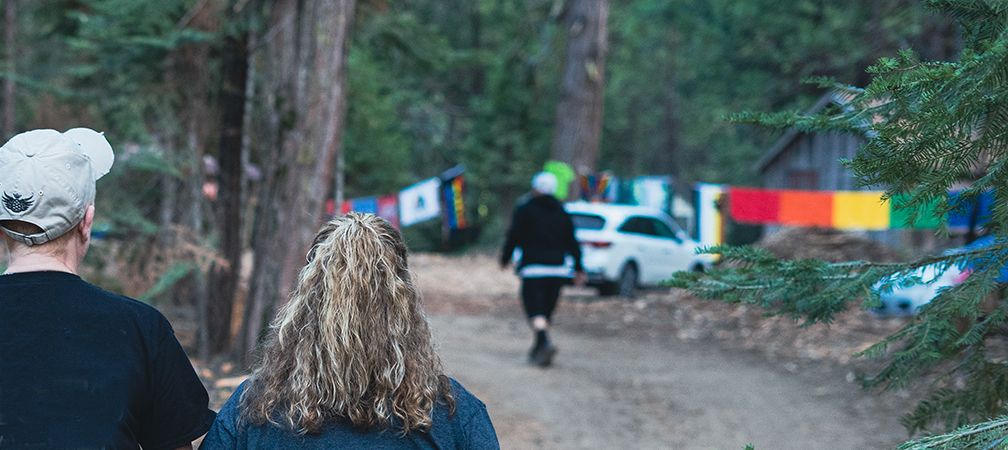
Enjoying a walk during an LGBTQ2SIA+ camping event, Pride, Lesbian Gay Bisexual Transgender Queer Two-spirited Intersex and Asexual +
Enjoying a walk during an LGBTQ2SIA+ camping event © David Prasad CC BY 2.0

This year, the Bruce Trail Conservancy (BTC) and its nine Bruce Trail Clubs also received Rainbow Registered designation. In a press release announcing the accreditation, Laura Tuohy, Manager of Community Engagement at the BTC, emphasized the importance of ensuring everyone feels welcome on the trail.

“People in 2SLGBTQIA+ communities deserve to feel safe, comfortable, and welcome to explore the Bruce Trail and be part of its future, whether that be through self-guided adventures, joining guided hikes, or taking part in volunteer activities,” says Tuohy.

Tuohy told Ontario Nature that participating in Pride events helped BTC better understand barriers people face when accessing outdoor recreation. “Attending Pride events has given us the opportunity to hear peoples’ apprehensions about going on organized group hikes and have direct conversations with people in the 2SLGBTQIA+ community,” she says, “With that feedback, we started our Rainbow Hike program the following year to provide a safe space for 2SLGBTQIA+ folks and allies.”

2SLGBTQIA+ Groups Break Through

If nature is to be for everyone, it must make itself so through active facilitation. Naming 2SLGBTQIA+ positivity and engaging in events, media and outreach that supports the community is a step forward.

The BTC’s approach is yielding impressive results. Tuohy shared, “We are inspired each day by [our] mission ‘preserving a ribbon of wilderness, for everyone, forever.’ … But we recognize that it’s not enough to say, ‘for everyone’, we have to demonstrate it, invite participation, facilitate safe spaces, and work to remove barriers to inclusion.”

As Rosalyn Endlich, Natural Environment Specialist with the City of Toronto elaborated, “Relationship building and supporting existing community networks is essential … we were grateful to partner with Friends of Hanlan’s, a queer landscape-based community advocacy group. Collaborating with them helped us reach additional people and support those that had already laid groundwork and built demand for engagement events.”

A large group of people support LGBTQ2SIA+ rights under the canopy of mature trees in a park or naturalized space, a large-scale Pride gathering
A large Pride gathering © Fibonacci Blue CC BY 2.0

Building Inclusive Spaces in Nature

The groups operating at the intersection of sexual identity, gender identity, and nature programming are filling a gap for 2SLGBTQIA+ people and offering a service to the community.

“We also use the natural world as our guide … as natural ecosystems are more resilient and better able to adapt to change when they are biologically diverse, organizations and movements are stronger when they are diverse and inclusive,” says Tuohy, “When we are facing parallel crises of climate change, biodiversity loss and loss of connection to nature, we need to come together and involve as many people as possible in finding solutions.”

Endlich echoes, “For queer people to come together in a community event to plant and care for a queer space was something special. Now, whenever folks visit this beach, they hopefully will feel even more connected and invested in the space. Also, it was meaningful on a personal level both for our 2SLGBTQIA+ staff and folks who attended this event to all get to work together and see ourselves represented in forestry and environmental stewardship.”

And Kohi adds, “Conservation Halton’s Pride in Nature kick-off event, Birds of All Feathers, is hosted at Mountsberg Conservation Area. Staff, volunteers and event attendees are always excited to attend the event dressed up in their Pride gear,” Kohi adds. “The event features educational signage with animal facts that represent Pride out in nature — for example, the endangered species, Jefferson Salamander is a species with ‘unisexual reproduction’, meaning that females reproduce through cloning. … This was a great opportunity to showcase the diversity of nature.”

To learn more about 2SLGBTQIA+ organizing, visit Queer Ecology by Network in Canadian History & Environment, Making space for LGBTQ+ and wildlife communities by CBC and Five ways to become a better ally to 2SLGBTQ+ communities by Kristopher Wells.

  • ✇Colossal
  • In ‘Reverence,’ Three Decades of Paul Nicklen’s Remarkable Photographs Exalt Nature Kate Mothes
    Known for his stunning photos of wildlife and landscapes, as well as co-founding SeaLegacy alongside fellow conservationist and photographer Cristina Mittermeier, Paul Nicklen has traveled the globe to not only highlight our planet’s phenomenal biodiversity but also to shed light on its increasing vulnerabilities due to the ongoing climate crisis. Nicklen’s most ambitious project yet gathers myriad images from a career exploring the corners of the earth for more than three decades. Forthco
     

In ‘Reverence,’ Three Decades of Paul Nicklen’s Remarkable Photographs Exalt Nature

8 May 2026 at 12:16
In ‘Reverence,’ Three Decades of Paul Nicklen’s Remarkable Photographs Exalt Nature

Known for his stunning photos of wildlife and landscapes, as well as co-founding SeaLegacy alongside fellow conservationist and photographer Cristina Mittermeier, Paul Nicklen has traveled the globe to not only highlight our planet’s phenomenal biodiversity but also to shed light on its increasing vulnerabilities due to the ongoing climate crisis.

Nicklen’s most ambitious project yet gathers myriad images from a career exploring the corners of the earth for more than three decades. Forthcoming from Hemeria, Reverence marks the most comprehensive collection of his work to date. The book features 160 photographs, including some of Nicklen’s most enduring images alongside others previously unpublished.

A close-up photograph by Paul Nicklen of a lion cub

From the root-like system of the Colorado River delta to narwhals feeding on cod in the Arctic Bay off Baffin Island, Nicklen’s photos illuminate the vast and resilient beauty of the natural world. “Reverence is what we feel in the silent presence of a whale beneath the ice, in the fierce gaze of a polar bear, in the timeless dance of ocean and light,” says a statement. “It is what the natural world evokes when we stop long enough to truly see it.”

Reverence is slated for release on July 28, which is also World Conservation Day, and pre-orders are open now.

A close-up photograph by Paul Nicklen of a large colony of penguins
A spread from Paul Nicklen's book 'REVERENCE'
A close-up photograph by Paul Nicklen of a wolf relaxing on a mossy boulder
A close-up photograph by Paul Nicklen of a lioness and her cubs
A close-up photograph by Paul Nicklen of narwhals gathered in the Arctic Bay
A close-up photograph by Paul Nicklen of a grizzly bear charging through the water
A spread from Paul Nicklen's book 'REVERENCE'
A close-up photograph by Paul Nicklen of a whale's tale
A close-up photograph by Paul Nicklen of a gorilla munching on a leaf
A close-up photograph by Paul Nicklen of a lion seated on top of a rock
The cover of Paul Nicklen's book 'Reverence'

Do stories and artists like this matter to you? Become a Colossal Member today and support independent arts publishing for as little as $7 per month. The article In ‘Reverence,’ Three Decades of Paul Nicklen’s Remarkable Photographs Exalt Nature appeared first on Colossal.

❌
Subscriptions