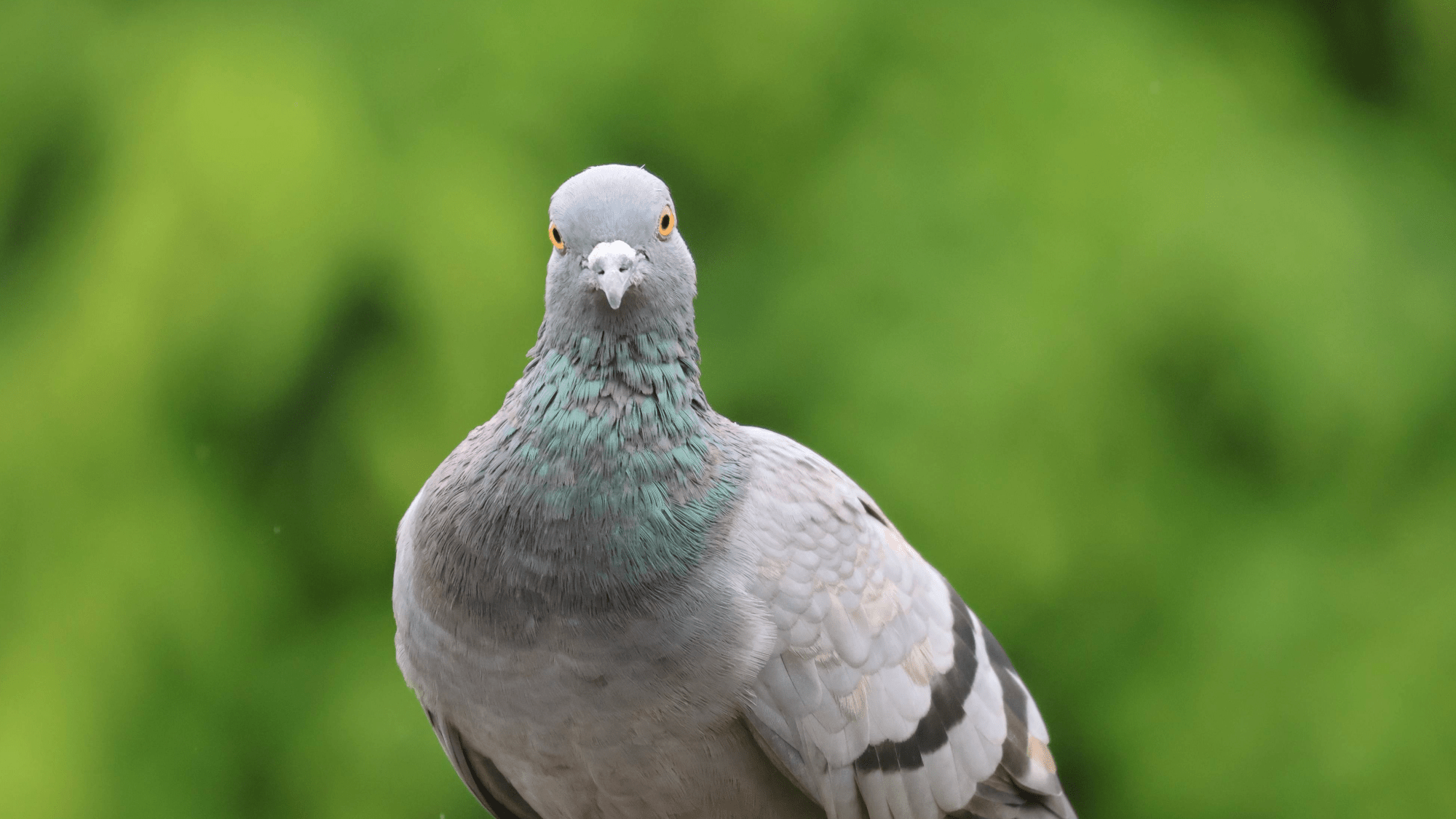
For decades, scientists have known that Earth’s magnetic field helps migratory birds and homing pigeons navigate. Just how our feathered friends sense the invisible sphere around the Earth, however, has been less clear.
At least part of the answer appears to be hiding inside a seemingly random organ. Immune cells inside pigeon livers called macrophages are sensitive to the planet’s magnetic field. These cells function like an internal compass, according to a new study published today in the
For decades, scientists have known that Earth’s magnetic field helps migratory birds and homing pigeons navigate. Just how our feathered friends sense the invisible sphere around the Earth, however, has been less clear.
At least part of the answer appears to be hiding inside a seemingly random organ. Immune cells inside pigeon livers called macrophages are sensitive to the planet’s magnetic field. These cells function like an internal compass, according to a new study published today in the journal Science.
Macrophages destroy old red blood cells, which makes them accumulate iron. The iron makes the macrophages superparamagnetic, a kind of magnetism that takes place in particular nanoparticles. The nanoparticles can then be magnetized if a magnetic field is applied to them.
“When pigeons fly, the nanoparticles align with the magnetic field and become ‘magnetized,’” Clivia Lisowski, a co-author of the study and a post-doctoral researcher in Immunology at the University of Bonn, tells Popular Science. “Like that, pigeons can sense Earth’s magnetic field.”
Electron microscopy image of pigeon liver tissue shows hepatic macrophage (blue) in contact with nerve fiber (yellow), which enables them to transmit (“magnetic”) information to the pigeon brain. Image: Lisowski et al. (2026) Science.
To understand how these particles help the pigeons navigate, Lisowski and her team tracked down where magnetic cells are in pigeons’ bodies. Because the liver and spleen store significant quantities of iron, researchers thought these might be good candidate organs. The liver had a significantly stronger magnetic response than any of the other tissues in the study, according to study co-author Ulf Wiedwald, an expert in nanoscience at the University of Duisburg-Essen in Germany,
From there they homed in on macrophages, and put these important immune cells to the test. They studied pigeons that were trained to fly back to their aviary in Konstanz, Germany, from over 12.4 miles away. Pigeons whose macrophages had been removed got lost when the weather was overcast. But when the sun was out, the pigeons reached the aviary, probably with the aid of solar cues.
The findings show how the birds employ magnetic sensing to find their way, as well as the sun’s orientation.
“Our study has implications for both the immune research landscape as well as for research on animal navigation or magnetoreception, respectively. For animal navigation it’s a new concept of how animals sense/perceive Earth’s magnetic field,” Lisowski says. “We think that this ferrimagnetic mechanism can actually explain how birds migrating at night, or sharks or bats or other animals migrating in dark environments can perceive Earth´s magnetic field.”
The team also found that the iron-rich macrophages are close to nerve fibers, indicating that magnetic information can get to the brain via this route. Ultimately, this shows how important interdisciplinary research, involving immunologists, behavioral biologists, and physicists, carries significance for more than just birds.
As for the immune system, Lisowski explains that to accomplish its different fuctions—such as defending our bodies from pathogens and healing wounds—it has to sense the environment.
“Our finding that the immune system can also sense the Earth´s magnetic field is a complete new layer in this concept of ‘immuno-sensation’ and opens the door to new research,” Lisowski explains.
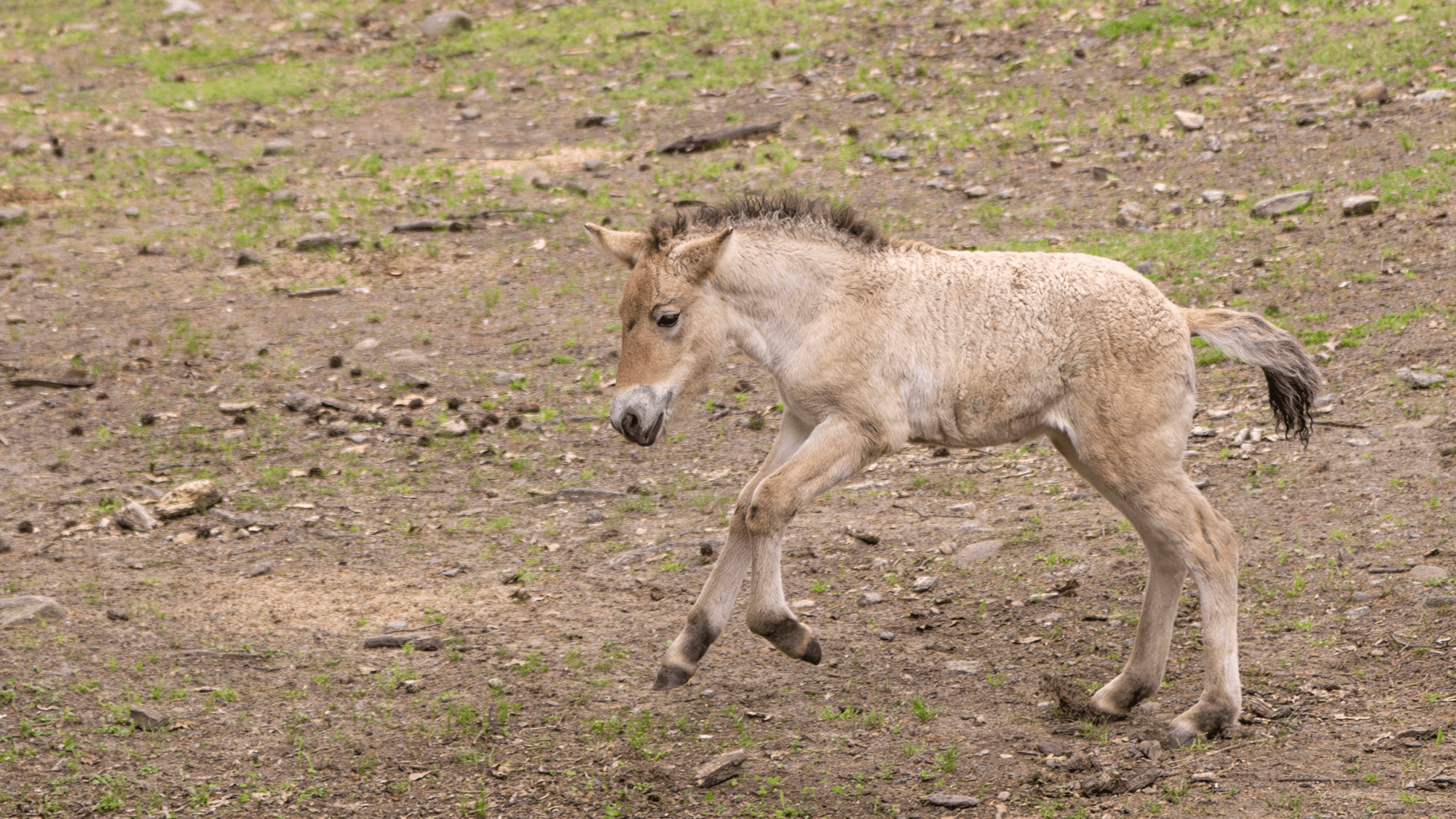
On April 21, a baby horse was born at the Wildlife Conservation Society’s Bronx Zoo in New York City. But it wasn’t just any foal that came into the world—this newest resident of the Big Apple is a Przewalski’s horse (Equus ferus przewalskii), an endangered species that has been pulled back from the brink of extinction.
Przewalski’s horses look more like a mule than your average horse. For starters, their mane sticks up straight into the air and they don’t have a forelock (horse bangs, basic
On April 21, a baby horse was born at the Wildlife Conservation Society’s Bronx Zoo in New York City. But it wasn’t just any foal that came into the world—this newest resident of the Big Apple is a Przewalski’s horse (Equus ferus przewalskii), an endangered species that has been pulled back from the brink of extinction.
Przewalski’s horses look more like a mule than your average horse. For starters, their mane sticks up straight into the air and they don’t have a forelock (horse bangs, basically). Przewalski’s horses are also short, light brown, and—excuse the necessary slang—exceptionally chonky. They also have a really thick neck.
They are also referred to as the Mongolian wild horse, and they are the only truly wild horse species left, according to the International Union for Conservation of Nature (IUCN). Though the species used to exist across Asia and Europe, their numbers plummeted so much that at one point they were deemed Extinct in the Wild.
“The Bronx Zoo has played a pivotal role in the conservation of Przewalski’s horse,” the Bronx Zoo wrote in a statement announcing the birth. “Through breeding programs aimed at maintaining a genetically diverse population of the species and through reintroduction efforts, zoo-bred Przewalski’s horses were successfully returned to their native grasslands in China in 1989 and in Mongolia beginning in 1992.”
Przewalski’s horses now live in Mongolia, China, and Kazakhstan, as well as in zoos. Rather shockingly, the entire extant population (which researchers estimate is less than 2,000 individuals) descends from only 12 horses.
In Mongolia, the Wildlife Conservation Society supports Protected Areas with wild horses. As for the Bronx Zoo, the foal is part of a herd. Visitors can see it from the Wild Asia Monorail, where the adorable baby is sure to develop a colt (young male horse) following.
More than 20,000 votes cast in Butterfly Conservation’s poll of 60 native species to find nation’s favourite for first timeThe votes are in on Britain’s favourite butterfly, and it is one of the most ubiquitous yet spectacular backyard beauties that has flown to victory.With its lavender, yellow and maroon eye spots and luscious rusty red and black colouration, the peacock butterfly is both beautiful and commonplace, flying throughout spring, summer and autumn in all corners of the British Isles
More than 20,000 votes cast in Butterfly Conservation’s poll of 60 native species to find nation’s favourite for first time
The votes are in on Britain’s favourite butterfly, and it is one of the most ubiquitous yet spectacular backyard beauties that has flown to victory.
With its lavender, yellow and maroon eye spots and luscious rusty red and black colouration, the peacock butterfly is both beautiful and commonplace, flying throughout spring, summer and autumn in all corners of the British Isles.
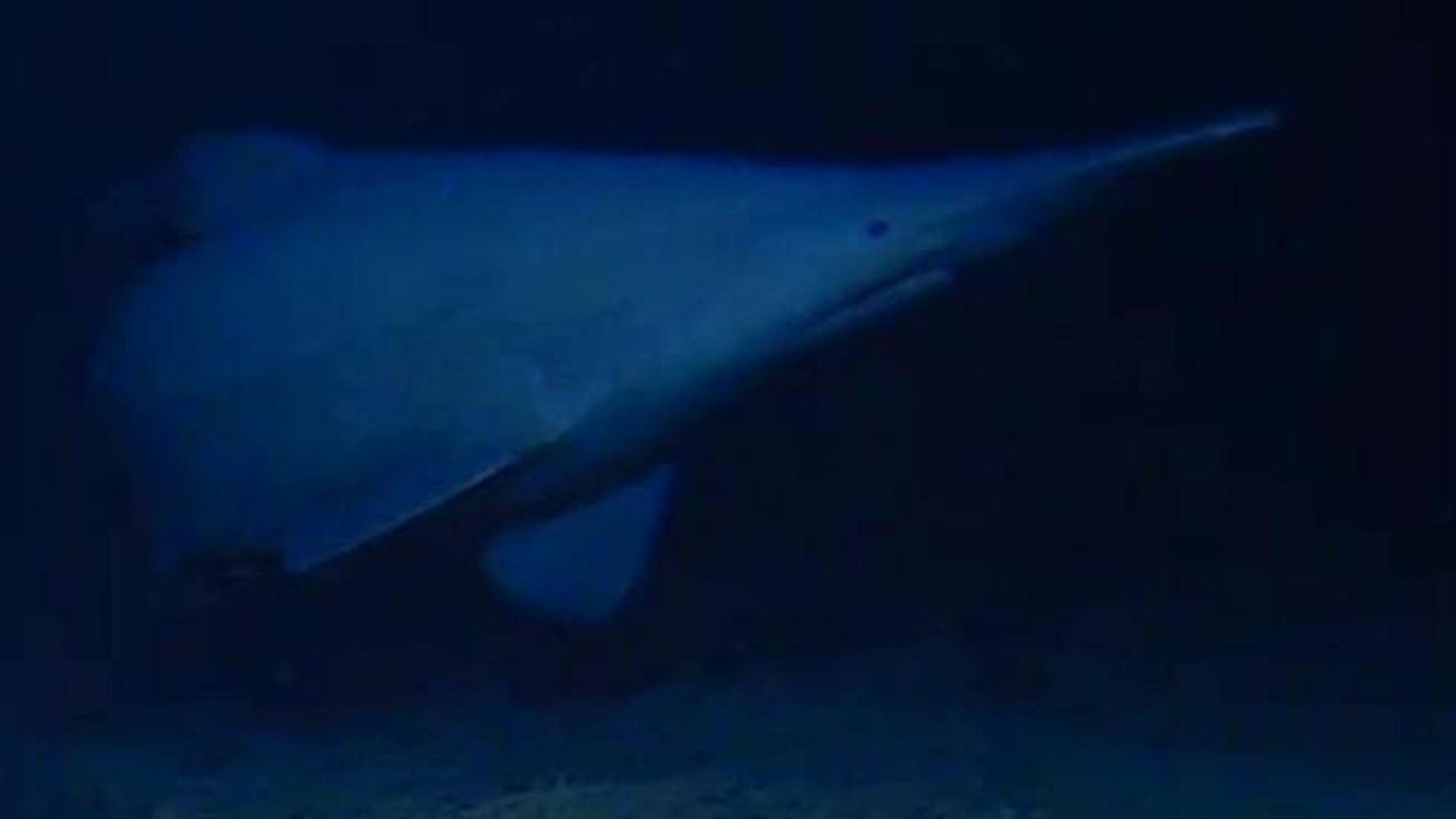
The goblin shark (Mitsukurina owstoni) is one of Earth’s rarest and most elusive sharks. It’s also one of the weirdest. With its distinctive, hornlike snout and protrudable jaws, the pink-skinned living fossil is the only surviving representative of a family lineage that dates back nearly 125 million years.
The goblin shark was first identified in 1898, but sightings remain few and far between. The fish typically remain at a depth of around 3,000 feet, and any encounters with humans have bee
The goblin shark (Mitsukurina owstoni) is one of Earth’s rarest and most elusive sharks. It’s also one of the weirdest. With its distinctive, hornlike snout and protrudable jaws, the pink-skinned living fossil is the only surviving representative of a family lineage that dates back nearly 125 million years.
The goblin shark was first identified in 1898, but sightings remain few and far between. The fish typically remain at a depth of around 3,000 feet, and any encounters with humans have been the result of accidental fishing line snags. The 13-foot-long predators also die quickly after reaching the surface.
However, marine biologists at the University of Hawaii at Mānoa recently captured videos revealing not one, but two goblin sharks swimming in their native habitats. The clips accompany a study published in the Journal of Fish Biology, and showcase the surreal encounters in the Pacific Ocean.One goblin shark was spotted near Jarvis Island (halfway between Hawaii and the Cook Islands) and the other on the slope of the Tonga Trench southeast of Fiji.
“Seeing the most iconic of all the deep-sea sharks alive and looking healthy in its natural habitat is a unique honor,” said University of Hawaii at Mānoa oceanographer and study co-author Aaron Judah.
Spotted on separate expeditions in 2024 and 2025, both videos offer new information on the goblin shark simply based on where they were located. The Jarvis Island sighting extends the animal’s known habitat to the Central Pacific Ocean, while the Tonga Trench recording occurred nearly 2,300 feet deeper than expected.
“The goblin shark is one of these deep-sea charismatic animals that I never thought we’d see alive,” said study-coauthor and Minderoo-University of Western Australia Deep-Sea Research Center founder Alan Jamieson, who spotted the Tonga Trench shark. “To do so was amazing, but to then learn that colleagues in Hawaii also saw one was just incredible.”
Known for his stunning photos of wildlife and landscapes, as well as co-founding SeaLegacy alongside fellow conservationist and photographer Cristina Mittermeier, Paul Nicklen has traveled the globe to not only highlight our planet’s phenomenal biodiversity but also to shed light on its increasing vulnerabilities due to the ongoing climate crisis.
Nicklen’s most ambitious project yet gathers myriad images from a career exploring the corners of the earth for more than three decades. Forthco
Known for his stunning photos of wildlife and landscapes, as well as co-founding SeaLegacy alongside fellow conservationist and photographer Cristina Mittermeier, Paul Nicklen has traveled the globe to not only highlight our planet’s phenomenal biodiversity but also to shed light on its increasing vulnerabilities due to the ongoing climate crisis.
Nicklen’s most ambitious project yet gathers myriad images from a career exploring the corners of the earth for more than three decades. Forthcoming from Hemeria, Reverence marks the most comprehensive collection of his work to date. The book features 160 photographs, including some of Nicklen’s most enduring images alongside others previously unpublished.
From the root-like system of the Colorado River delta to narwhals feeding on cod in the Arctic Bay off Baffin Island, Nicklen’s photos illuminate the vast and resilient beauty of the natural world. “Reverence is what we feel in the silent presence of a whale beneath the ice, in the fierce gaze of a polar bear, in the timeless dance of ocean and light,” says a statement. “It is what the natural world evokes when we stop long enough to truly see it.”
Reverence is slated for release on July 28, which is also World Conservation Day, and pre-orders are open now.
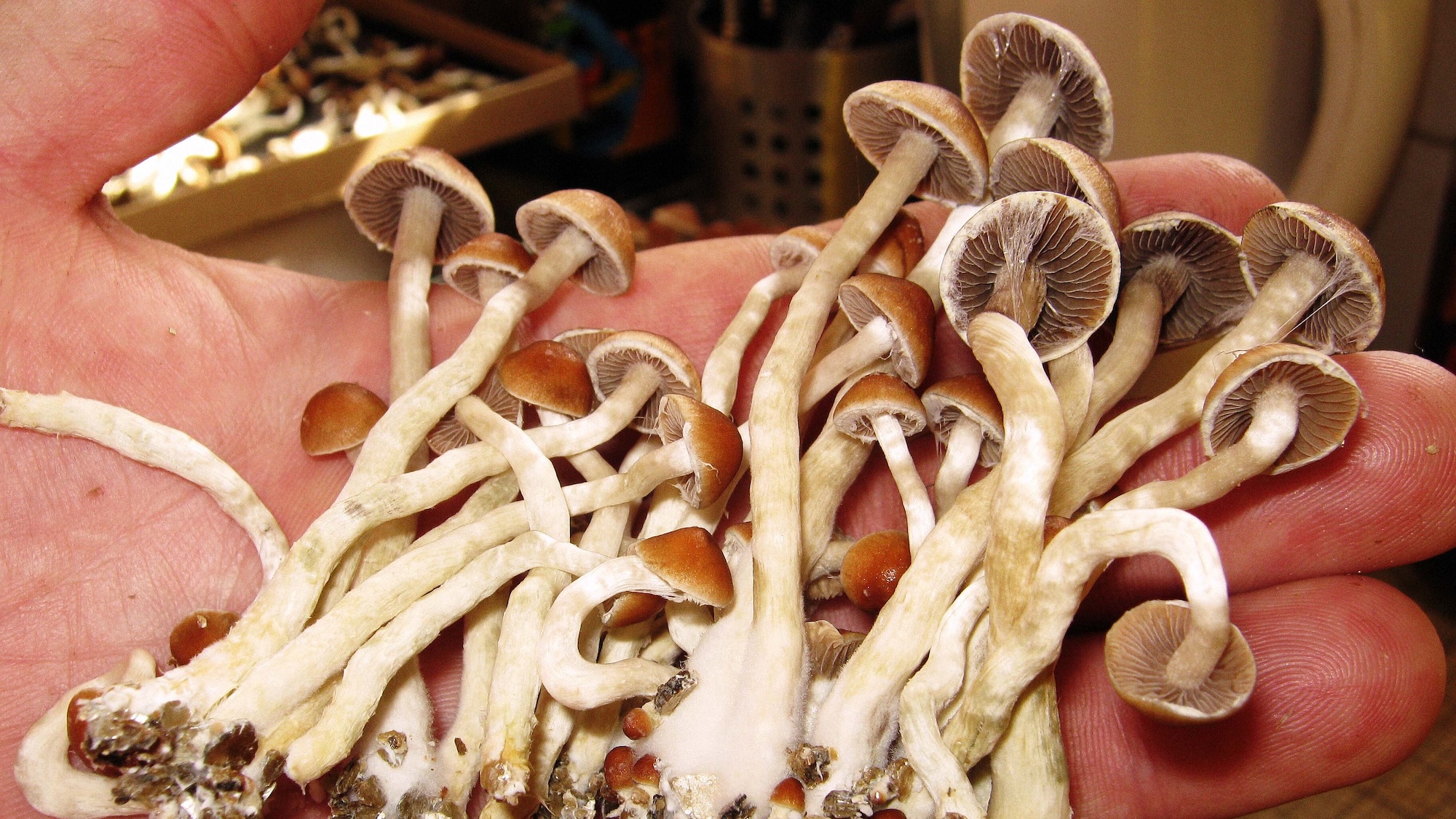
Psilocybin is the psychoactive compound that puts the “magic” in magic mushrooms. Ingest enough of a fungus like Psilocybe cubensis, and users are liable to experience sensory hallucinations, euphoria, and even altered perceptions of time. Mounting research also suggests that smaller, microdosed amounts may offer promising alternative therapeutic options for treating PTSD, depression, and even alcoholism.
But what happens when you give fish the same psychoactive ingredient? It may sound like
Psilocybin is the psychoactive compound that puts the “magic” in magic mushrooms. Ingest enough of a fungus like Psilocybe cubensis, and users are liable to experience sensory hallucinations, euphoria, and even altered perceptions of time. Mounting research also suggests that smaller, microdosed amounts may offer promising alternative therapeutic options for treating PTSD, depression, and even alcoholism.
But what happens when you give fish the same psychoactive ingredient? It may sound like an odd, even pointless experiment, but biological neuroscientists think the results could inform future medical and psychiatric treatments. Their evidence laid out in a study published today in the journal Frontiers in Behavioral Neuroscience suggests small levels of psilocybin ease anxiety or aggression. Or, at the very least, it calms down a notoriously mean species of fish.
The mean fish in question is the mangrove rivulus (Kryptolebias marmoratus). It is a remarkable creature found along the coast of Florida all the way to Brazil.The 1.5 to three inch amphibious fish has evolved to not only thrive in brackish waters, but survive on land for as long as two months. They’re also extremely aggressive and territorial, making them suitable for certain social and behavioral studies. And because the mangrove rivulus self-fertilizes and produces genetically identical embryos, they offer researchers conveniently uniform models.
To test how psilocybin affects the traditionally confrontational fish, a team from Nova Scotia’s Acadia University and the University of British Columbia bred three genetically distinct lines of laboratory rivulus. One group was exposed to the psychoactive compound, another essentially served as a target for their aggression, and a third was employed separately to assess psilocybin absorption and bodily concentration.
Researchers first observed the standard interactions between two fish separated by a mesh barrier in a tank. These frequently include high-energy “swimming bursts” to intimidate each other without making physical contact, as well as less energy intensive, head-on displays of hostility. On the following day, the team placed one of the rivulus into a water tank that included dissolved psilocybin for 20 minutes. Finally, they transported the now-dosed fish back into the tank with its original foe and watched their reunion.
The team’s findings offer the first direct evidence that psilocybin can selectively reduce the escalating aggression in the fish, without dampening their social interactions. Rivulus with psilocybin in their system significantly reduced their tendency to perform swimming bursts, but still participated in easier head-on displays. Basically, the fish calmed down a bit—but they also got very lazy.
“Psilocybin’s calming effect appears to selectively reduce energetically costly, escalated behaviors while lower‑energy social display behaviors remained largely unchanged,” study co-author and biologist Dayna Forsyth said in a statement. “This suggests that this compound can selectively dampen escalated social conflict rather than shutting down behavior altogether.”
That’s great for the mangrove rivulus, but what about humans? While the experiment focused on a single dose of psilocybin under short time constraints, the team’s findings may kickstart further explorations of the psychoactive compound’s uses in therapeutic treatments. In particular, knowing what social behaviors are affected by psilocybin versus the behaviors that remain unchanged can help researchers hone the scope of their future work.
“These are questions that are difficult or impossible to answer directly in humans,” added University of British Columbia biologist and study c-oauthor Suzie Curie.
Even though many parts of the northeastern United States have seen surges of summer temperatures, it’s technically still spring in the Northern Hemisphere, which means many animals are having babies.
That’s true also at Yellowstone National Park, which is home to everything from moose and black bears to river otters and gophers. In a recent social media post, the popular park highlighted some particularly adorable young’uns, including a young bison, black bear, yellow-bellied marmot, three b
Even though many parts of the northeastern United States have seen surges of summer temperatures, it’s technically still spring in the Northern Hemisphere, which means many animals are having babies.
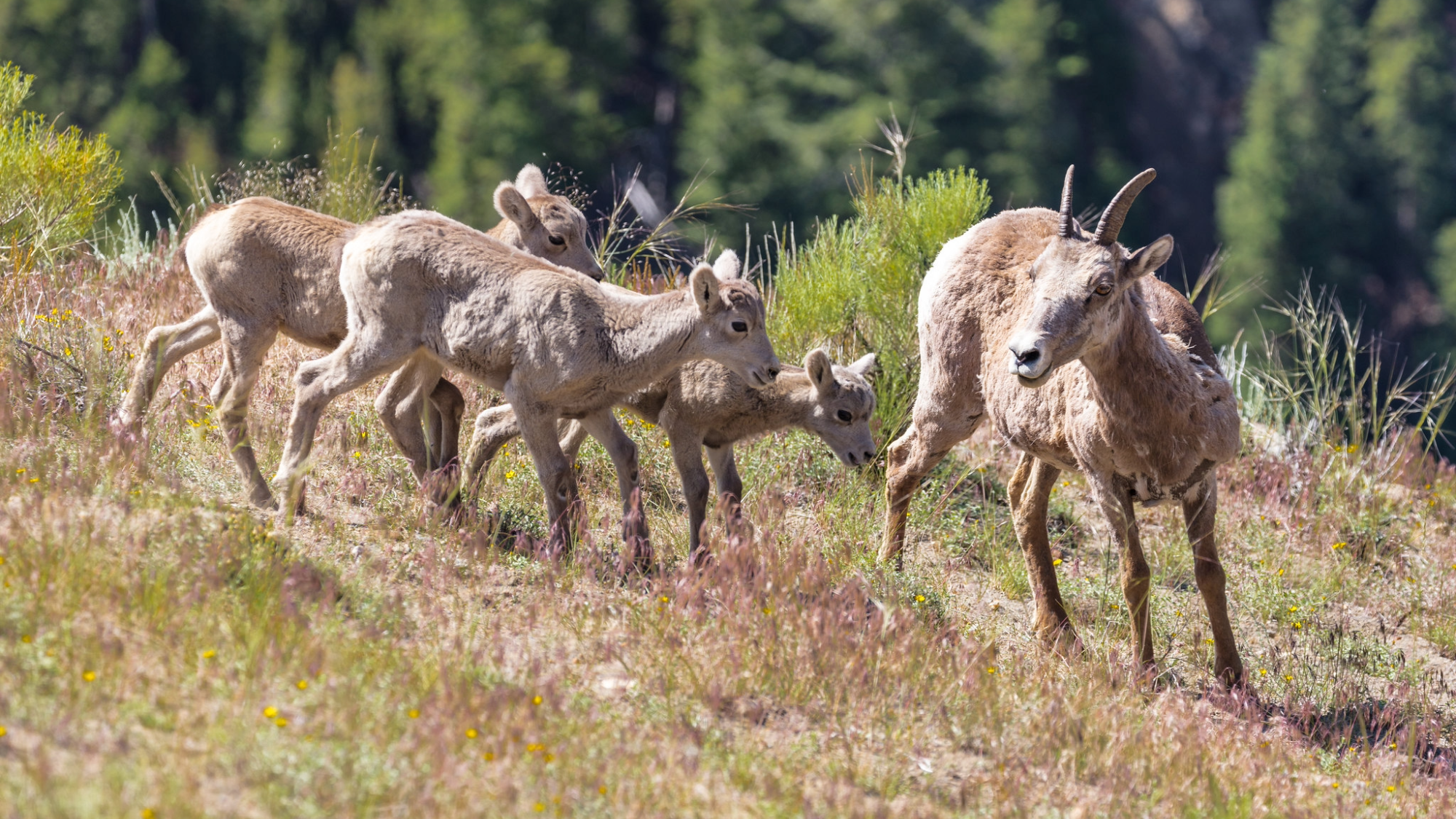
That’s true also at Yellowstone National Park, which is home to everything from moose and black bears to river otters and gophers. In a recent social media post, the popular park highlighted some particularly adorable young’uns, including a young bison, black bear, yellow-bellied marmot, three bighorn sheep, an elk, and two pronghorns.
All of Yellowstone National park is considered bear country. Image: NPS.
“As cute and fuzzy as they are, remember to give wildlife room and use a zoom,” the park wrote. “Always maintain a distance of at least 100 yards (91 m) away from bears, wolves, and cougars and at least 25 yards (23 m) away from all other animals, including bison and elk. Get a closer look by using binoculars, a spotting scope, or zoom lens.”
As always, listen to Yellowstone park rangers on this for your own well-being. However, if you run into a baby animal on its own in a more suburban or urban setting, it may be best to get involved. For example, acting quickly is best with baby opossums (Didelphis virginiana) and baby squirrels.
Yellow-bellied marmots are one of Yellowstone’s largest rodents. Image: NPS.
Opossums are pretty lousy mothers. It’s typically not possible to reunite baby opossums with their mothers, because when they fall off her back, she usually continues on her way without them. If you find one or more opossum babies by themselves, call a wildlife hospital or a licensed wildlife rehabber.
As for baby squirrels, they sometimes fall out of their nests. If you find one and 12 hours later the mother hasn’t come to get it yet, pick it up and call a wildlife rehabilitator, New England Wildlife Center Program Founder Greg Mertz has previously told Popular Science. A video by the same wildlife center has a hilariously wacky but serious tip: try to get a baby squirrel back to its mother by elevating it in a basket (to keep predators away) and playing baby squirrel noises from YouTube (to attract the squirrel mom).
We tend to think of wild animals as being spared from the messy business of personality: the family dramas, the psychological wounds, the baffling quirks that keep resurfacing like whack-a-moles.
Turns out, nobody gets out of that. Animals have personalities, too, and many of the same complex forces that shape our personalities shape theirs.
“They’re not spared,” says Dr. Alison M. Bell, a behavioral ecologist at the University of Illinois Urbana, tells Popular Science. “Life is hard for t
We tend to think of wild animals as being spared from the messy business of personality: the family dramas, the psychological wounds, the baffling quirks that keep resurfacing like whack-a-moles.
Turns out, nobody gets out of that. Animals have personalities, too, and many of the same complex forces that shape our personalities shape theirs.
“They’re not spared,” says Dr. Alison M. Bell, a behavioral ecologist at the University of Illinois Urbana, tells Popular Science. “Life is hard for them, too.”
But life is also “rich,” says Bell, full of ups and downs, wounds and triumphs, just like human lives.
It’s one of those truths that is both surprising and incredibly obvious, especially for those of us with pets. And yet the study of animals’ personalities has faced resistance—in part because accepting it means accepting that animals are far more like us than some are willing to admit.
Personality and social psychologist Dr. Sam Gosling noticed a telling pattern among his colleagues in animal research: On coffee breaks, they’d talk freely and enthusiastically about the personalities of the animals they studied, even their pets at home. Then the break would end.
“They’d finish their tea breaks, put on their scientist white coats, and stop any kind of talk about that,” he says.
But reluctance to engage with the topic scientifically doesn’t mean the evidence isn’t there. Decades of research across species has made one thing abundantly clear: Animals do have personalities. Here’s what the science has to say about what makes your pet special, whether they’re super smart, a risk taker, or a homebody.
1. Animals are shaped by their early environment
For animals, as for humans, the earliest experiences often form the deepest scars or the greatest strengths.
Animals are influenced by “the early life environment,” Bell says. “They’re influenced by their early interactions with parents and siblings.”
This principle is perhaps most evident in our pets. Bell cites an example familiar to many of us: the traumatized shelter dog with a troubled past.
“Pets who are coming from an animal shelter, or have maybe experienced abuse, they don’t forget that,” says Bell. “That leaves a lasting effect.”
Yet many of us don’t extend this understanding to, say, childhood trauma in a squirrel. But according to Bell, the same concepts apply to any animal, wild or domestic. A squirrel neglected by its mother carries that experience forward, just as we do.
“This principle definitely applies to other organisms,” says Bell.
2. Genetics are important, but not the main factor
As with humans, genetics are also an influential force in animal personality. Perhaps you might expect animals to be more genetically hardwired than us, driven by pure instinct and with few individual variations. But according to Bell, genetics accounts for only about 35 percent of animal personality—the same as in humans.
Teasing apart personality traits that come from genetics versus the environment is easier in animals than in humans, according to Gosling. For example, researchers can swap bird eggs between nests to determine whether chicks end up more like their genetic parents or the birds that raised them.
“Because of the experimental control that animal studies afford, our estimates of these effects can be much more precise than they can [be] in humans,” Gosling says. “In humans, we have to deal with them in the messy world.”
As for which matters more, genetics or environment, the answer is complicated.
“These studies have shown that there are genetic factors, environmental factors, biological non-genetic factors, and all kinds of other things that influence animal personality,” he says.
3. Personality varies by species
Beyond factors like genetics and environment, animal personality is also shaped by something more fundamental: the species itself.
As an evolutionary biologist, Bell says she is particularly interested in biological diversity and its role in shaping personality across species.
“What interests me is what are the behaviors animals do that are really, really important for that particular critter, that species?” she says. “If I’m studying a parrot, what’s going to be important is the food they’re eating, the predators they might encounter, their threats, their opportunities, and their habitats. What are the behaviors that matter to that animal?”
The answer, she notes, varies widely depending on the evolutionary needs and challenges of an individual species. Those factors “will be different for a parrot compared to a fish, compared to a whale, compared to a termite,” she says.
4. Personality is stable, but changeable
Another notable aspect of personality is continuity—the extent to which an individual’s personality remains consistent or changes over time. Bell says animal personality tends to be pretty stable over a lifetime.
Bell describes a “signature” that persists from the juvenile to the adult stage, even as behavior naturally changes across life stages. In her research on stickleback fish, Bell and her colleagues have observed consistent personality traits in individual fish.
“We can measure them repeatedly,” she said, “and find that the individuals that were risk-takers yesterday are also the risk-takers tomorrow, and next month.”
Some cats hide from robot vacuum. Others stand on top of them. Their risk taking or nervous approach might all come down to personality. Image: Getty Images / witthaya_prasongsin
But that signature is not immutable, says Bell. Experience can alter it. “New environments, social interactions, even changes in health might influence behavior,” Bell says.
Whether animals can change their personalities more or less than humans over a lifetime remains an open question.
“I don’t see any theoretical reason why we should expect more or less change in humans than in other animals,” says Gosling, though Bell notes that the answer likely varies widely across species.
5. Human nature may be holding us back
Another factor shaping our understanding of animal personality is surprisingly close to home: human resistance to accepting it.
Part of the problem, according to Bell, is that accepting the concept of animal personality requires a sort of double reckoning: We have to be willing to see ourselves as less exceptional than we thought, while simultaneously being willing to see animals as more complex than we previously believed.
“Both of those things have to happen, and I think that’s challenging to conventional thinking,” she says.
Why that resistance persists, even in the face of mounting evidence for animal personality, may say more about human psychology than animal behavior.
“The most surprising thing to me is how surprising it [the fact that animals have unique personalities] is to people,” says Bell.
In Ask Us Anything, Popular Science answers your most outlandish, mind-burning questions, from the everyday things you’ve always wondered to the bizarre things you never thought to ask. Have something you’ve always wanted to know? Ask us.
With varying degrees of hope, I commonly say that I’m going to find wild cats when I head into the wild with my camera. And so it was that I excitedly shared this cougar alert post from Waterton National Park just a few days before my arrival there. I never expected what happened next.
Here, Kitty, Kitty. Psspsspss.
On the eve of my first day in the park, during a wildlife drive, I lamented the lack of wildlife sightings. All of the park’s communications warn visitors to be prepared for enco
With varying degrees of hope, I commonly say that I’m going to find wild cats when I head into the wild with my camera. And so it was that I excitedly shared this cougar alert post from Waterton National Park just a few days before my arrival there. I never expected what happened next.
Here, Kitty, Kitty. Psspsspss.
On the eve of my first day in the park, during a wildlife drive, I lamented the lack of wildlife sightings. All of the park’s communications warn visitors to be prepared for encountering wildlife while hiking. One hundred yards into any trail is this warning sign.The massive 2017 Kenow Fire razed the dense forests, resulting in extensive sightlines. And yet.
Stuck in My Head
I passed by a small gathering of photographers with their big lenses pointed at a black bear high up on a slope. He was too far away, and, honestly, I’m beyond fortunate to be spoiled by previous, intimate bear encounters.
Black bear eating berries high up on the hillside
I’d come here to help reset my head. It’d been way too long since I’d been able to wander the wilderness in this way that feeds my soul, and there’s a lot of stress at home. I craved some forest bathing!
Here’s Your Sign
I was having a hard time shedding the stress. “I’ve lost my wildlife mojo,” I said to myself. The wild is responding to my negative energy, I thought as I rounded a bend to see the unmistakable long tail of a mountain lion crossing the road. A wild, North American mountain lion!!
First sighting – uncropped at 120mm!
I stopped in the road and activated my flashers while simultaneously grabbing my binoculars. I didn’t expect to locate the ghost cat, master of camouflage, in the low aspens and serviceberry bushes. But there he was. Standing broadside. This magnificent, muscular tomcat looking back at me.
I’ve spent a lot of time in mountain lion territory. I’ve seen tracks, scat, and sign. One delightful winter day, I heard a cougar calling to her kittens. I’m sure plenty of wild cats have seen me. But, until now, I’d never seen one in North America. Ghost cats!
I quickly exchanged the binoculars for my camera. The puma made some assessment of me and turned to pad up the burnt hillside. He moseyed, moving at a relaxed walk, stopping to look around, gently wagging the tip of that long feline tail, doing all the cat things. I reveled in this magical, solitary moment.
Imagine if these trees were green. He’d been gone.
As I watched him disappear and reappear through trees and brush, he crouched below a boulder and scrunched his ears out to the side. The stealthy cat pose. I thought he might be stalking a hare.
It was at this moment that I heard a car approaching. I am stopped in the lane of traffic below a blind curve. I started the car and crept forward with my eyes on the rear-view mirror. In the car behind me, one of the photographers I’d passed activated her flashers, and we both stopped.
I glassed and glassed the hillside but could not find the cougar. The person behind me had their big lens out the window, focused on the slope. I scanned the area where she was looking, astonished that she had found this elusive cat so quickly, when I’d been watching him and can’t find him. Only then do I realize that she’s photographing a black bear higher up the hillside to the left. To the right, a cinnamon-phase black bear is ambling along the hillside toward the other bear. This must be what caught the mountain lion’s attention, causing him to crouch. Bears and cats don’t play well together. I’m sure “my” cat is long gone now.
Still in Awe
When I got home, I checked the time stamps on my images. I spent almost five minutes with this elegant, wild cougar. FIVE MINUTES! A glimpse is a gift. I don’t even know what to call this—unreal, unbelievable, blessed, connection, becoming.
The image of that lion crossing the road when I first saw him is seared in my mind. Today, I’m the luckiest girl in the world.
If you’re interested in purchasing or licensing any images you see here, please email me at SNewenham at exploringnaturephotos.com, and I’ll make it happen.
Subscribe here to receive an email whenever a new blog posts.
I’ve only ever been charged by two species. The bear took only a few quick steps before stopping.
The snowshoe hare, on the other hand, well, I was reminded of the killer bunny scene in Monty Python’s The Holy Grail.
In 2014, on a trail in Rocky Mountain National Park, a showshoe hare charged toward me. I wondered with confusion how this was going to play out when he stopped, regarded me for a moment, and then ran off into the woods just over a yard away from me.
I had a similar ex
I’ve only ever been charged by two species. The bear took only a few quick steps before stopping.
The snowshoe hare, on the other hand, well, I was reminded of the killer bunny scene in Monty Python’s The Holy Grail.
In 2014, on a trail in Rocky Mountain National Park, a showshoe hare charged toward me. I wondered with confusion how this was going to play out when he stopped, regarded me for a moment, and then ran off into the woods just over a yard away from me.
I had a similar experience this summer while hiking the Sherman Peak Loop Trail in eastern Washington. As the trail snaked up the mountain, I rounded a curve to see a snowshoe hare sitting on the trail. I stopped. The hare didn’t move. Suddenly, he bolted in my direction. I wasn’t sure what his intention was when he slowed and came right at me. Initially, I thought he was going to blow past me. I was simply between him and a preferred hiding spot, a warren or a family. I stomped my foot as he stopped next to me, and he startled, disappearing into the brush. I’m not quite sure whether he touched my pant leg or not. It all happened so fast!
What is it with the snowshoe hare?!? I’m reminded of an exotic animal veterinarian who remarked, “If rabbits had canine teeth, they would rule the world.”
Starting up the connector trail, I thought, “This must be the bobcat’s favorite trail,” because of the frequency of feline scat along the route. Joining the loop on the east side, the habitat is dark and wet with a few mosquitoes. Small rivulets trickle across my path.
The forest opens up to a rock slide dotted with dense stands of willows, where I talk aloud as I hike so as not to surprise wildlife – snowshoe hare or otherwise.
Elk sign becomes prevalent along the way, and the mountainside is covered with huckleberry bushes. Two people on muleback, going downhill, pass me. Mules are perfect for this rugged terrain. As I continued to climb, rounding along the south side, wildflowers began to flank the trail. Although it’s called the Sherman Peak Loop, I expected it to loop around the peak. But with all of this elevation gain, I’m beginning to wonder if the peak isn’t part of the loop!
I think I can see my house from here!
The route levelled out at 1150 feet from where I started, 6400 feet above sea level, in an area of meadows, with lupine and pine trees. There’s mountain lion scat on the trail. I stop to look for any other signs of this beauty. I find that I’m more at ease where the trail traverses treed slopes thick with windfall. It seems like animals are less likely to hang out there, but these broad, park-like flat areas are easy-going for all of the animals that call this mountain home. It makes me a little uneasy.
From this side of the mountain, there are views southward for days. I can almost see my house from here!
A carpet of flowers looking west toward the Cascade Mountains
Passing the Kettle Crest trail junction, I round onto the west side. I leave the forest and stop in awe at the expansive fields of wildflowers – lupine, buckwheat, paintbrush.
The ground squirrels are chastising me, chattering from their lookouts downslope. I keep stopping to marvel at the beauty.
The carpets of flowers get more dramatic with each step. I can’t afford to linger as much as I’d like because I got a late start today.
Leaving the meadows, I enter a dense stand of young trees crowding the trail. Again, I’m talking to myself, nature, no one, and everyone. My bear spray is at hand, but it’s best that I don’t need it. I’m curving around to the north side on a gentle descent, again seeing the bobcat-sized feline scat that was so common at the outset. There’s another snowshoe hare just off the path. It’s not until this moment, when I see the scat and the hare together, that it clicks.
Snowshoe hares are lynx’s favorite prey. This could be lynx scat!!
This loop has been a wonderful trip through a diversity of habitats. Over three hours and five-and-a-half miles, every step was a delight.
If you’re interested in purchasing or licensing any images you see here, please email me at SNewenham at exploringnaturephotos.com, and I’ll make it happen.
Subscribe here to receive an email whenever a new blog posts.
Coral reefs may soon have new swimming visitors observing their life-rich aquatic metropolises. But that visitor isn’t a fish—or even a human. It’s an autonomous, multi-sensor survey robot. Developed by the Woods Hole Oceanographic Institution (WHOI) Reef Solutions Initiative, this new underwater surveyor uses a combination of hydrophones, high-resolution cameras, and an onboard computer to find signs of marine life hotspots. It then moves in closer for a better look, creating data-rich maps th
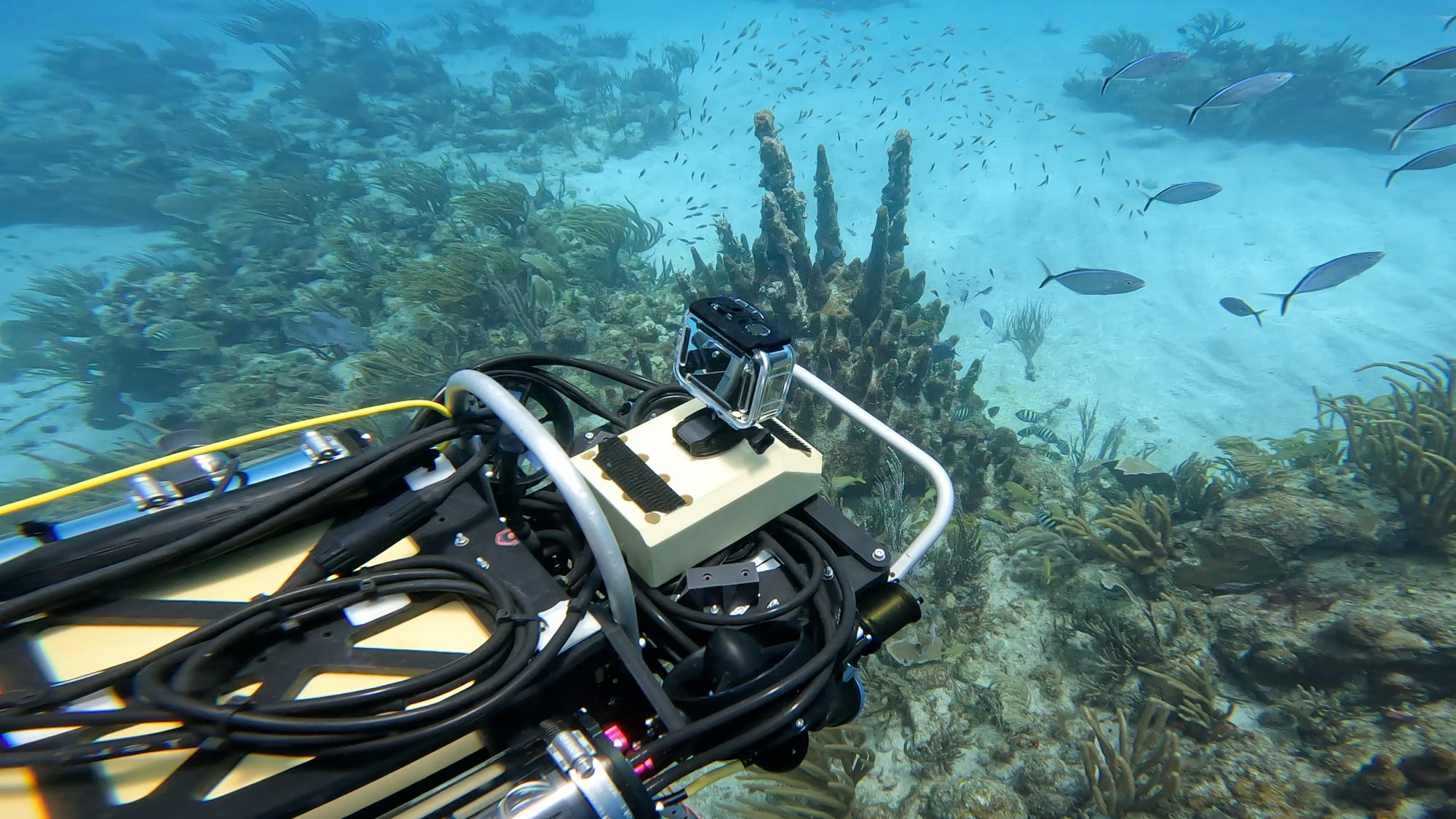
Coral reefs may soon have new swimming visitors observing their life-rich aquatic metropolises. But that visitor isn’t a fish—or even a human. It’s an autonomous, multi-sensor survey robot. Developed by the Woods Hole Oceanographic Institution (WHOI) Reef Solutions Initiative, this new underwater surveyor uses a combination of hydrophones, high-resolution cameras, and an onboard computer to find signs of marine life hotspots. It then moves in closer for a better look, creating data-rich maps that would likely take many human divers multiple trips to produce.
The system, appropriately called the Curious Underwater Robot for Ecosystem Exploration (CUREE), does all this all by itself. Well, that’s the goal, at least. In actual testing around Joel’s Shoal in the U.S. Virgin Islands, the curious robot was able to home in on the distant crackle of shrimp, and even tailed a barracuda for more than 984 feet. That last barracuda tracking bit required some human intervention to get it back on course, but the majority of the barracuda tracking occurred totally autonomously. The findings were published this week in the journal Science Robotics.
Keeping tabs on coral reef’s inhabitants
Coral reefs are like a busy neighborhood or bustling bar in the ocean. Though they account for less than 0.1 percent of physical ocean space, roughly a quarter of all marine species spend some part of their lives there. But overfishing, human development, and warming ocean temperatures are putting those bustling ecosystems at risk. Because of this threat, it’s more important than ever for marine biologists to have an accurate and timely sense of what those environments look like.
Getting a clear sense of what species are where in a reef isn’t simple, though. At any given time, most of a reef is barren, with marine life typically clumping into hotspots distributed throughout the reef. Currently, researchers primarily track those hotspots with trained human divers, though that approach isn’t perfect. Our pesky lungs and limited oxygen tanks mean human divers run on a short clock. It’s also costly for research teams to properly train and equip a human diver, which limits the amount of time and frequency with which they can take a plunge.
An underwater robot could potentially solve both those problems, but it would need the right tools for the job. That’s where CUREE comes in. Engineers outfitted the robot with a variety of sensors that can detect both visual and auditory signals. The system can analyze far-off audio signals in real time to hear distant noises as subtle as fish calling out to each other. It can then triangulate that data using an onboard computer system that moves toward areas it suspects have a high chance of containing marine life. If it spots life once there, it can then use its cameras to provide more precise data about the species and their behavior.
“In some sense, they’re almost a perfect compliment for each other,” WHOI roboticist Seth McCammon said of the multiple sensor method in a statement. “Passive acoustics gives you a broad sense of the environment, while vision is short range, but is this really information-rich data stream.”
Curious robot stalks a barracuda
The team put CUREE to the test near Joel’s Shoal, a coral reef located on the coast of St. John in the U.S. Virgin Islands. In one test, the robot could accurately find and count the number of fish in a region. It was able to detect signs of fish from up to 82 feet away and then use those clues to identify life hotspots.
However, the most interesting result was CUREE’s successful barracuda tracking. Once locked on to its target, CUREE followed the apex predator for a total of nine minutes and 55 seconds, as the fish weaved its way around, looking for lunch. The tracking video in the study shows the barracuda traveling first to a hotspot and then backtracking to another spot where it had previously startled a large reef snapper. And while a human diver had to initiate the robot’s lock on the barracuda,and had to re-lock on the target several times, CUREE did most of the work on its own. The team says eight minutes and 59 seconds of the tracking was done with full autonomy.
Though this isn’t the first underwater robot, its use of multiple sensor types makes it unique because it’s eventually a jack of all trades. Researchers can, in theory at least, drop the robot in a broad area of water and let it get to work surveying.
Our mostly mild, wet February has prompted a burst of new energy among the mosses. Their sporophytes are pushing up, each long stem topped with a capsule, getting ready to burst open and release the spores carrying the next generation. When I captured the image above, the bright green baubles of the sporophytes were still […]
Our mostly mild, wet February has prompted a burst of new energy among the mosses. Their sporophytes are pushing up, each long stem topped with a capsule, getting ready to burst open and release the spores carrying the next generation. When I captured the image above, the bright green baubles of the sporophytes were still […]

 Login
Login