A woman in her 30s has been transported to hospital with arm and leg injuries and beaches in Sydney’s east have been closed after the attackGet our breaking news email, free app or daily news podcastA woman in her 30s is in a critical condition after being bitten by a large shark at Coogee beach on Saturday, with a witness describing the scene at the popular Sydney beach as “shocking”.A spokesperson for New South Wales Ambulance said the woman suffered arm and leg injuries and had been taken by
A woman in her 30s is in a critical condition after being bitten by a large shark at Coogee beach on Saturday, with a witness describing the scene at the popular Sydney beach as “shocking”.
A spokesperson for New South Wales Ambulance said the woman suffered arm and leg injuries and had been taken by road to St Vincent’s hospital.
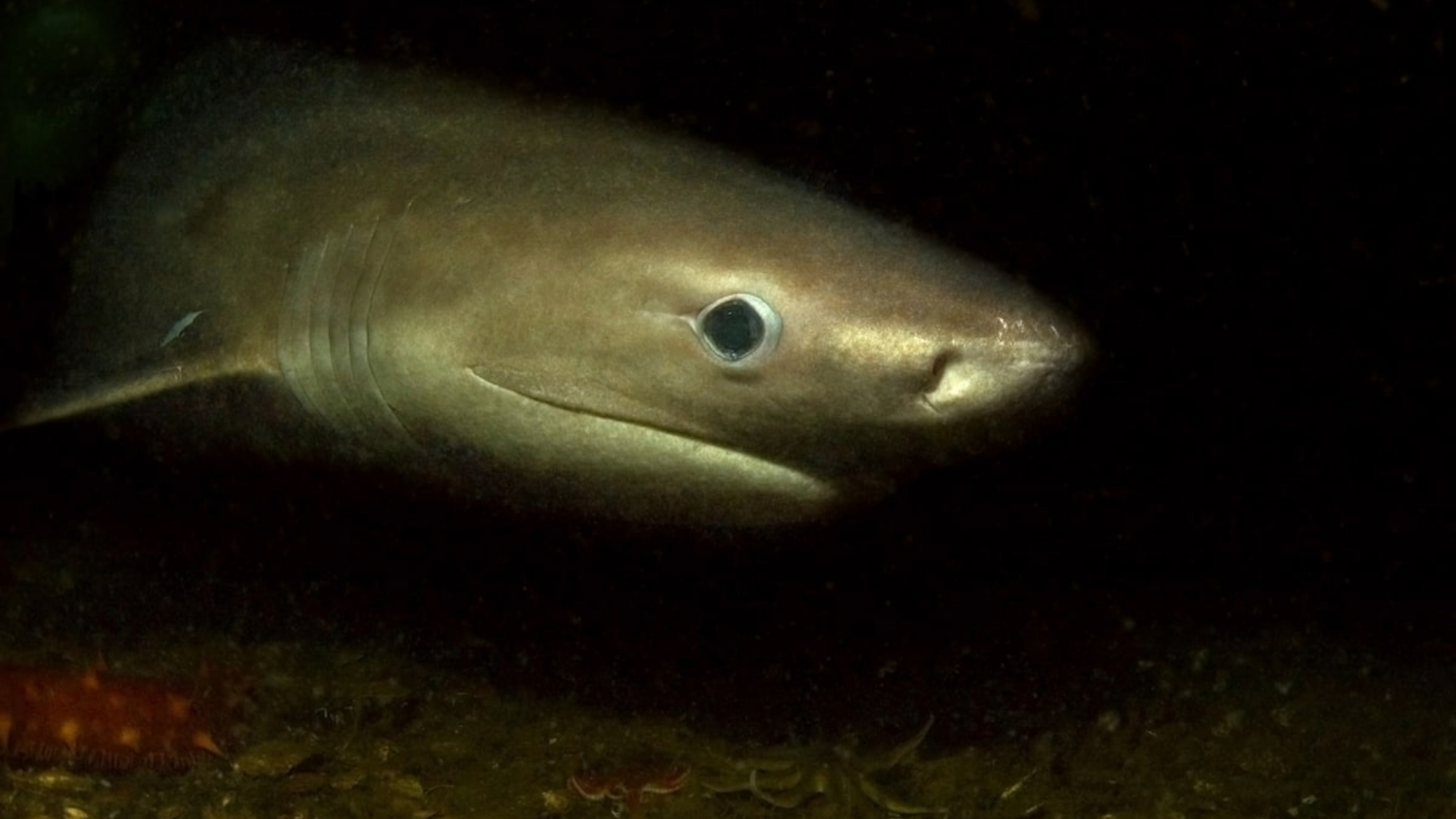
Most sharks have five gill slits on either side. But Hexanchus griseus, a giant and mysterious shark species, has an even six gill slits. These fish, appropriately called the sixgill shark, live in both tropical and temperate waters around the world and can reach up to 14-feet-long. They’ve existed since before the dinosaurs, and yet marine biologists still don’t know very much about them.
One of the problems—for researchers, anyway—is that sixgills usually live in deep oceanic waters, at de
Most sharks have five gill slits on either side. But Hexanchus griseus, a giant and mysterious shark species, has an even six gill slits. These fish, appropriately called the sixgill shark, live in both tropical and temperate waters around the world and can reach up to 14-feet-long. They’ve existed since before the dinosaurs, and yet marine biologists still don’t know very much about them.
One of the problems—for researchers, anyway—is that sixgills usually live in deep oceanic waters, at depths of up to 9,800 feet. It also doesn’t help that they usually favor extremely low-light environments. Among other reasons, these aspects make sixgills difficult to study.
Sixgill sharks (Hexanchus griseus) are older than dinosaurs and are typically found in the deeper parts of the ocean. Image: Seattle Aquarium.
However, these ancient giants have been spotted in Washington State’s Puget Sound year-round, and in water as shallow as 20 feet. Scientists at Seattle Aquarium believe that female sixgills are giving birth in these waters, and new research by the aquarium demonstrates that they have birthing site fidelity. According to the aquarium, they appear to come back to the Salish Sea to give birth numerous times.
Once the baby sharks—or pups—come into this world, Puget Sound turns into their nursery for some time, though researchers don’t know for how long. The young sixgills spend the summer and fall in more southern locations of the Salish Sea, and migrate more north in the winter and spring. They usually travel less than two miles a day, and frequently come up to shallow waters at dusk before going down into deeper waters at dawn, probably looking for prey.
“We think these patterns repeat until they eventually depart for the open ocean. This consistency of movement and behavior reinforces the strength of our opportunity to study sixgill sharks in Puget Sound,” according to a statement from Seattle Aquarium. “Through our research, we hope to answer questions about the life history and ecology of sixgill sharks—including migration, growth rates and prey preferences.”
The aquarium also aims to study previously unexamined physiological aspects of sixgills, and understand human influence.
The team created a custom “cradle” to safely hold a shark while they work quickly to examine it.Image: Seattle Aquarium.
From May to September, Seattle Aquarium researchers and veterinarians will try to study the elusive species at three different locations in Puget Sound, going to each one once a month. There, the team will lift sharks to the surface, and either bring them onto the boat or keep them at the side of the vessel and flip them upside down. This position triggers a trance-like state in several shark species. Either way, the team will make sure that the sharks can breathe through all of those gills.
Once the sharks are secured, the team will examine them. They should be able to collect measurements, obtain tissue samples, take photos, and deploy wearable tags in only five to 10 minutes. The tags that will then supply information about movement, habitat use, and feeding ecology. The scientists will then return the sharks to the open water.
“Our goal is to answer as many questions as possible,” Dani Escontrela, a researcher at the Seattle Aquarium, said in the statement. “We’re collaborating with agencies like the Washington Department of Fish & Wildlife, the Big Fish Lab at Oregon State University, Point Defiance Zoo & Aquarium and other researchers to fill gaps in expertise, all while keeping animal health and well-being our top priority.”
Footage shows Elliot Sudal hauling the shark from the surf before releasing it within seconds, sparking online reactionAn angler who reeled in a rare great white shark at a Nantucket beach said he posted extraordinary video of the encounter to social media as an example of how to safely catch and release one of the ocean’s greatest predators.Elliot Sudal said he was “testing the waters” off the Massachusetts beach he regularly uses when he inadvertently snagged the shark on Sunday. Continue read
Footage shows Elliot Sudal hauling the shark from the surf before releasing it within seconds, sparking online reaction
An angler who reeled in a rare great white shark at a Nantucket beach said he posted extraordinary video of the encounter to social media as an example of how to safely catch and release one of the ocean’s greatest predators.
Elliot Sudal said he was “testing the waters” off the Massachusetts beach he regularly uses when he inadvertently snagged the shark on Sunday.
Materializing out of the hazy blue, they gracefully glide on eight-foot wingspans. Whenever I’ve encountered a spotted eagle ray, this is how it starts. They seem to have an innate curiosity about snorkelers who reflect their quiet study. The spotted eagle rays will deliberately, peacefully, slowly come closer, making a wide circle around me before disappearing back into the mysterious deep blue. It all feels like slow motion. Never threatening or uncomfortable despite their size and advantage.
Materializing out of the hazy blue, they gracefully glide on eight-foot wingspans. Whenever I’ve encountered a spotted eagle ray, this is how it starts. They seem to have an innate curiosity about snorkelers who reflect their quiet study. The spotted eagle rays will deliberately, peacefully, slowly come closer, making a wide circle around me before disappearing back into the mysterious deep blue. It all feels like slow motion. Never threatening or uncomfortable despite their size and advantage. But here’s the thing – if you wait in that quiet moment after they’ve gone, they usually come back around. I love that sense of curiosity, that shared way of seeing the world.
One of my favorite things about snorkeling is being immediately accepted as a part of the underwater world. As long as I don’t stalk the sealife, I can float among them, as one of them, ebbing and flowing with the rhythm of the waves.
It’s been a process. I used to be wary in the water, afraid of things touching me that I couldn’t see (slimy aquatic plants, nibbling panfish, or any variety of things I might step on in the oceans). I always waited for someone else to jump in first so I wouldn’t be alone in the vast unknown.
Once in the water, I stuck close to my snorkel buddy. If I couldn’t see another person in the water, a flush of panic would send me swimming madly back to the perceived safety of social connection. I always swam around instead of over shallow coral heads – you never know who is lurking in those crevices, ready to strike at my soft belly!
But this trip –
I jumped in first. Alone in the water, I saw my first “real” shark (ie, not a nurse shark), a black-tipped reef shark swimming away from me. I was energized!
I followed my curiosity regardless of where others went. I found myself alone, and it was okay. A fellow snorkeler yelled over, “We’re going back to the boat, and I don’t know where any of the guides are.” I’m not going to get out until I’m cold or the guide says we’re leaving. My buddy was still in the water somewhere. I’m having the time of my life.
I sucked in my belly and floated closely over the coral, fascinated by all the tiny creatures that inhabit these living “rocks”.
In all my years of escaping the cold and snow to be healed by warm waters and humid air, I have never been blessed with so many days of sunshine for snorkeling. The rays of light make the dramatic colors of sealife illuminate with indescribable intensity. Awe at every turn. This is the reward for waiting out four days of high winds, rain, and clouds.
Reef Squid
Caribbean reef squid tend to hang out in the shallows, close to shore, amidst the seagrasses. They often congregate in flotillas of six or more, changing colors to suit their mood or to camouflage themselves from predators. They are iridescent at rest, but turn bright gold, white, or reddish at times.
The Wall
There’s an undersea wall just south of the atoll where the ocean floor drops abruptly away. It’s a popular scuba diving site. As a snorkler on the surface, it’s dramatic as everything fades into the deep blue. Your imagination can get the better of you, wondering who is lurking just outside the reach of your vision. Don’t let it deter you from this exploration of wonder. Each coral head perched along the edge of the wall was staked out by a barracuda. I quit counting after twenty! Let’s just say they were everywhere.
It’s a year-round no-take zone, with one exception: invasive lionfish. Lionfish are native to the South Pacific and Indian Oceans. Their presence in the Gulf of Mexico and the Caribbean is detrimental to the health and biodiversity of the reef ecosystems. Adult lionfish are voracious fish-eaters, eating the prey normally consumed by snappers, groupers, and other native species, leaving native fish to go hungry. A single lionfish residing on a coral reef can reduce the numbers of native reef fish on that coral patch by 79 percent! Their neurotoxic venomous spines mean they have few predators in the Caribbean. As such, lionfish may be killed throughout these waters without limitation. Our guide speared one and fed it to a nurse shark.
Giant Eel
The green moray eel is the largest eel in the Caribbean, growing up to eight feet in length. No wonder this one had no hesitation free-swimming among a group of gawking snorkelers. He was a bit intimidating!
A Marine Escort
An immense school of tang floated with me and then escorted me back to the boat where all my fellow snorklers (and guides!) were waiting. I felt part of an underwater parade!
If you’re interested in purchasing or licensing any images you see here, please email me at SNewenham at exploringnaturephotos.com, and I’ll make it happen.
Subscribe here to receive an email whenever a new blog posts.
The goblin shark (Mitsukurina owstoni) is one of Earth’s rarest and most elusive sharks. It’s also one of the weirdest. With its distinctive, hornlike snout and protrudable jaws, the pink-skinned living fossil is the only surviving representative of a family lineage that dates back nearly 125 million years.
The goblin shark was first identified in 1898, but sightings remain few and far between. The fish typically remain at a depth of around 3,000 feet, and any encounters with humans have bee
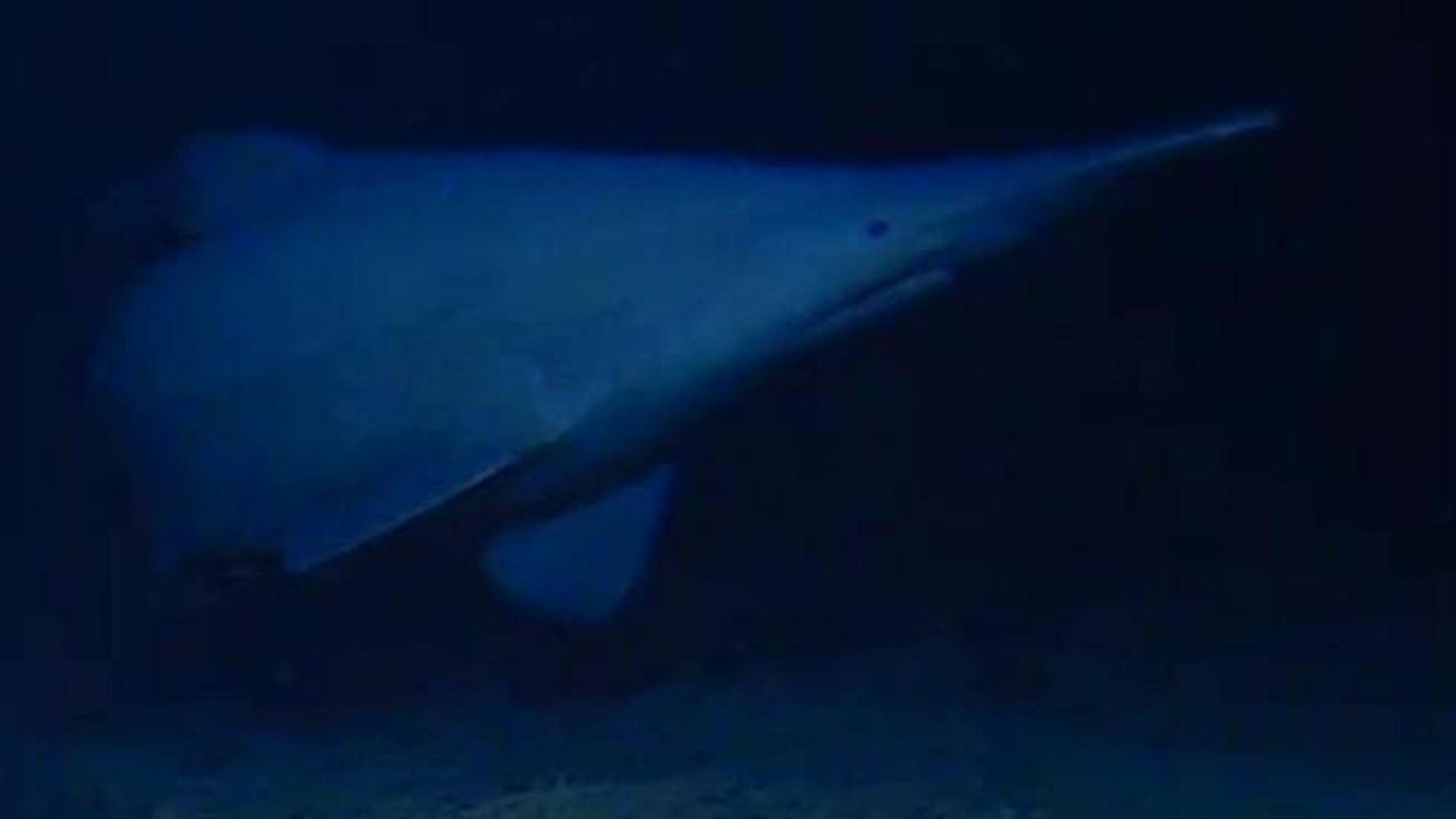
The goblin shark (Mitsukurina owstoni) is one of Earth’s rarest and most elusive sharks. It’s also one of the weirdest. With its distinctive, hornlike snout and protrudable jaws, the pink-skinned living fossil is the only surviving representative of a family lineage that dates back nearly 125 million years.
The goblin shark was first identified in 1898, but sightings remain few and far between. The fish typically remain at a depth of around 3,000 feet, and any encounters with humans have been the result of accidental fishing line snags. The 13-foot-long predators also die quickly after reaching the surface.
However, marine biologists at the University of Hawaii at Mānoa recently captured videos revealing not one, but two goblin sharks swimming in their native habitats. The clips accompany a study published in the Journal of Fish Biology, and showcase the surreal encounters in the Pacific Ocean.One goblin shark was spotted near Jarvis Island (halfway between Hawaii and the Cook Islands) and the other on the slope of the Tonga Trench southeast of Fiji.
“Seeing the most iconic of all the deep-sea sharks alive and looking healthy in its natural habitat is a unique honor,” said University of Hawaii at Mānoa oceanographer and study co-author Aaron Judah.
Spotted on separate expeditions in 2024 and 2025, both videos offer new information on the goblin shark simply based on where they were located. The Jarvis Island sighting extends the animal’s known habitat to the Central Pacific Ocean, while the Tonga Trench recording occurred nearly 2,300 feet deeper than expected.
“The goblin shark is one of these deep-sea charismatic animals that I never thought we’d see alive,” said study-coauthor and Minderoo-University of Western Australia Deep-Sea Research Center founder Alan Jamieson, who spotted the Tonga Trench shark. “To do so was amazing, but to then learn that colleagues in Hawaii also saw one was just incredible.”
The 1990s were truly a golden age for inventive, gritty, and unforgettable films. Yet somehow, many of the quirky greats got lost in the sauce over the years. This can mainly be attributed to the bevy of more mainstream movies that dominate the 90s cinema conversation (Seven, Fight Club, L.A. Confidential, The Shawshank Redemption, etc.) — but the rare gems of the alternative filmic underworld need to be revisited and thoroughly enjoyed, all over again.
The 1990s were truly a golden age for inventive, gritty, and unforgettable films. Yet somehow, many of the quirky greats got lost in the sauce over the years. This can mainly be attributed to the bevy of more mainstream movies that dominate the 90s cinema conversation (Seven, Fight Club, L.A. Confidential, The Shawshank Redemption, etc.) — but the rare gems of the alternative filmic underworld need to be revisited and thoroughly enjoyed, all over again.
This blog is now closedGet our breaking news email, free app or daily news podcastThe prime minister and foreign minister have issued a lengthier statement welcoming the agreement made by the US and Iran, and called for continued restraint to avoid further escalation.President Donald Trump made the announcement he had signed a deal this morning, saying the strait of Hormuz would be reopened.Continued restraint and constructive engagement will be essential to prevent further escalation and secure
The prime minister and foreign minister have issued a lengthier statement welcoming the agreement made by the US and Iran, and called for continued restraint to avoid further escalation.
President Donald Trump made the announcement he had signed a deal this morning, saying the strait of Hormuz would be reopened.
Continued restraint and constructive engagement will be essential to prevent further escalation and secure a lasting agreement. We are pleased the agreement between the US and Iran includes steps to reopening the Strait of Hormuz …
We encourage all parties to use this opportunity to pursue a durable and lasting peace through dialogue and diplomacy. Iran must address longstanding concerns about its nuclear program and the threat it poses to international security.
The family of Leah Stewart is braced for more bad news and the impact on her 18-month-old daughterFollow our Australia news live blog for latest updatesGet our breaking news email, free app or daily news podcastThe family of the woman critically injured in Saturday’s horrific shark attack at Coogee beach is still coming to terms with the catastrophic scope of her injuries and the heartbreaking impact on her toddler.Leah Stewart, a 35-year-old primary school teacher, mother and dedicated ocean sw
The family of the woman critically injured in Saturday’s horrific shark attack at Coogee beach is still coming to terms with the catastrophic scope of her injuries and the heartbreaking impact on her toddler.
Leah Stewart, a 35-year-old primary school teacher, mother and dedicated ocean swimmer, remained on life support in the intensive care unit at St Vincent’s hospital after being mauled by a suspected 3.5-metre great white shark.

 Login
Login