Normal view

  • ✇Popular Science
  • Big wings and sweet songs: The mating lives of Panama’s katydids Laura Baisas
    When it comes to reproduction, animals will pull out all the stops to attract a mate. Sending out noisy mating calls, showing off colorful wings, inflating a throat pouch, and shaking a literal tailfeather all ensure that the next generation of a species happens. Some insects will go as far as making themselves look like an entirely different living thing—leaves.  Usually used as a means of camouflage, male katydids appear to use their leafy disguise to amplify mating calls and make themselve
     

Big wings and sweet songs: The mating lives of Panama’s katydids

3 June 2026 at 00:05

When it comes to reproduction, animals will pull out all the stops to attract a mate. Sending out noisy mating calls, showing off colorful wings, inflating a throat pouch, and shaking a literal tailfeather all ensure that the next generation of a species happens. Some insects will go as far as making themselves look like an entirely different living thing—leaves. 

Usually used as a means of camouflage, male katydids appear to use their leafy disguise to amplify mating calls and make themselves more attractive to the opposite sex. The findings are detailed in a study published today in the journal Proceedings of the Royal Society B, and offer one of the first demonstrations of how leaf mimicry enhances a male katydids’ sexual signals. 

To shield themselves from predators, various species of katydids have evolved wings with structures that look like leaves. Panama’s leaf-masquerading katydids (Arota festae) will even change from green to hot pink in order to better mimic leaves. What’s been less clear to entomologists is whether or not these leaf-mimicking structures play a role in katydid mating. 

This new study looked at a species called Viadana brunneri from Barro Colorado Island, Panama. To attract mates, katydids create songs by rubbing together specialized structures on their wings. In many tropical species like V. brunneri, the portion that mimics leaves makes up the majority of their wing’s surface area.  

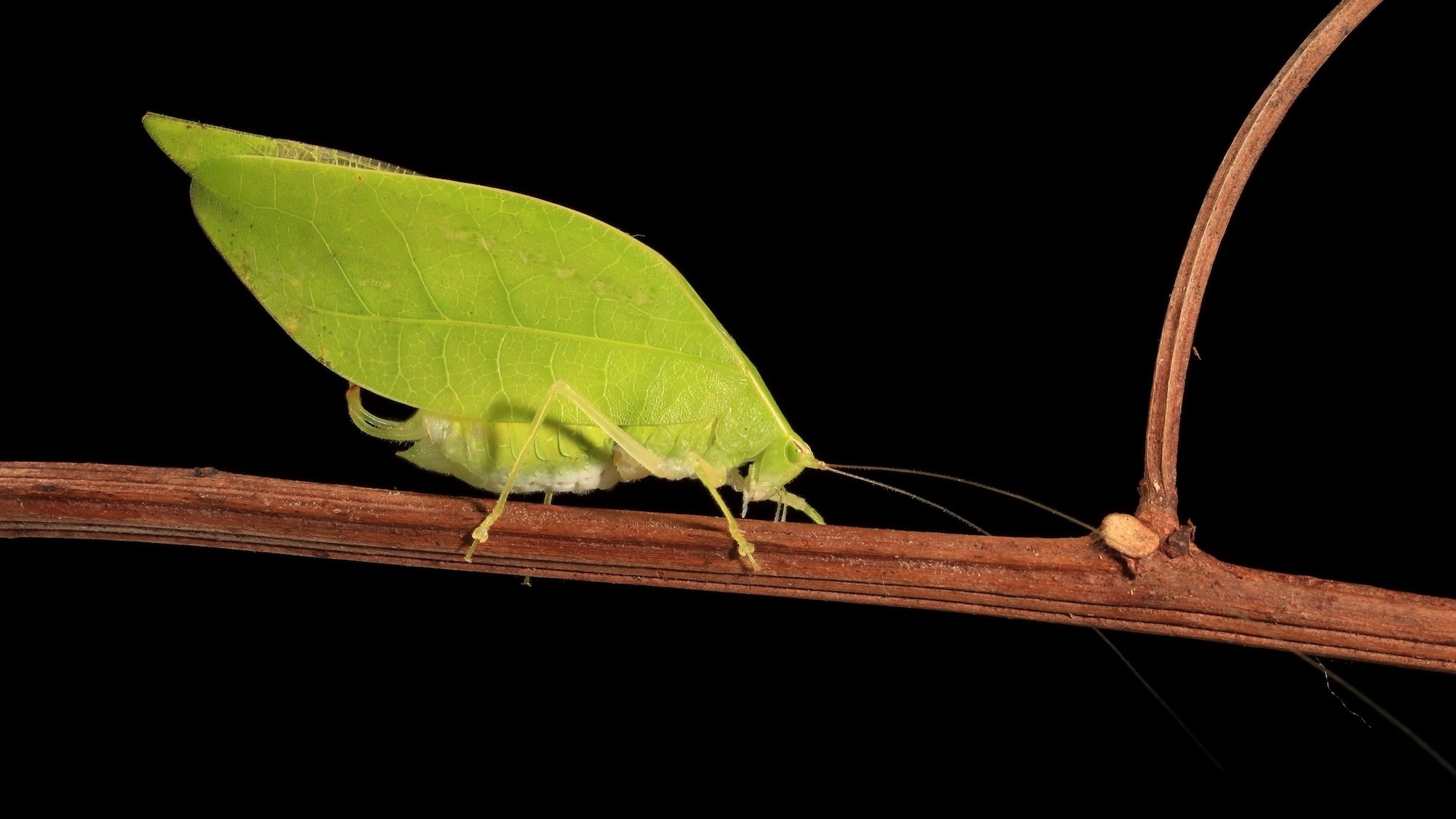
a green insect with a large, green wing that looks like a leaf hands upside down on a stick
Most of the wing structure is devoted to helping male katydids look more like a leaf. Image: Christian Ziegler.

Previously, scientists believed physical adaptations for survival and for attracting mates can function in conflict with one another, particularly if they are physically connected. A male peacock’s flashy tail feathers may help it attract a female, but it also makes it easier for predators to find them. Male katydids, on the other hand, are able to use the acoustic properties of the structures that they use for defense to their reproductive advantage. They are a rare example of how an adaptation for self-defence and reproduction can work together without necessarily putting the animal in jeopardy. 

The team performed a series of bioacoustic, behavioral, and biophysical experiments, showing that these leafy structures on their wings make them more attractive to females, while also helping conceal them. After removing the leafy portions of a male V. brunneri’s wings, the pitch became higher and the volume of their songs also changed. The team then played these calls for females who preferred the lower pitch calls from males with their leafy wing sections still intact. 

While male katydids do all the singing, females indicate their interest by replying to the song with clicks. The insects produce short, sporadic and infrequent calls, possibly for only two seconds in a single night. They perform these calls in ultrasounds, which our ears can’t pick up. They also found that the leafy portions of the male katydid wing will vibrate to amplify their songs, making them more detectable to females. 

“Our study provides a rare example of natural and sexual selection acting in harmony, producing traits that simultaneously improve survival and mating success,” Dr. Benito Wainwright, a study co-author and evolutionary biologist at the University of St Andrews, said in a statement. “We are now extremely excited to start exploring how such an interesting interaction evolved in katydids.” 

The post Big wings and sweet songs: The mating lives of Panama’s katydids appeared first on Popular Science.

  • ✇Exploring Nature - Sheila Newenham
  • Ghost Cat Revealed Sheila Newenham
    With varying degrees of hope, I commonly say that I’m going to find wild cats when I head into the wild with my camera. And so it was that I excitedly shared this cougar alert post from Waterton National Park just a few days before my arrival there. I never expected what happened next. Here, Kitty, Kitty. Psspsspss. On the eve of my first day in the park, during a wildlife drive, I lamented the lack of wildlife sightings. All of the park’s communications warn visitors to be prepared for enco
     

Ghost Cat Revealed

With varying degrees of hope, I commonly say that I’m going to find wild cats when I head into the wild with my camera. And so it was that I excitedly shared this cougar alert post from Waterton National Park just a few days before my arrival there. I never expected what happened next.

Here, Kitty, Kitty. Psspsspss.

On the eve of my first day in the park, during a wildlife drive, I lamented the lack of wildlife sightings. All of the park’s communications warn visitors to be prepared for encountering wildlife while hiking. One hundred yards into any trail is this warning sign.The massive 2017 Kenow Fire razed the dense forests, resulting in extensive sightlines. And yet.

Stuck in My Head

I passed by a small gathering of photographers with their big lenses pointed at a black bear high up on a slope. He was too far away, and, honestly, I’m beyond fortunate to be spoiled by previous, intimate bear encounters.

Black bear
Black bear eating berries high up on the hillside

I’d come here to help reset my head. It’d been way too long since I’d been able to wander the wilderness in this way that feeds my soul, and there’s a lot of stress at home. I craved some forest bathing!

Here’s Your Sign

I was having a hard time shedding the stress. “I’ve lost my wildlife mojo,” I said to myself. The wild is responding to my negative energy, I thought as I rounded a bend to see the unmistakable long tail of a mountain lion crossing the road. A wild, North American mountain lion!!

Ghost cat, mountain lion
First sighting – uncropped at 120mm!

I stopped in the road and activated my flashers while simultaneously grabbing my binoculars. I didn’t expect to locate the ghost cat, master of camouflage, in the low aspens and serviceberry bushes. But there he was. Standing broadside. This magnificent, muscular tomcat looking back at me. Ghost cat, mountain lion

I’ve spent a lot of time in mountain lion territory. I’ve seen tracks, scat, and sign. One delightful winter day, I heard a cougar calling to her kittens. I’m sure plenty of wild cats have seen me. But, until now, I’d never seen one in North America. Ghost cats!Ghost cat, mountain lion

I quickly exchanged the binoculars for my camera. The puma made some assessment of me and turned to pad up the burnt hillside. He moseyed, moving at a relaxed walk, stopping to look around, gently wagging the tip of that long feline tail, doing all the cat things. I reveled in this magical, solitary moment. 

Ghost cat, mountain lion Ghost cat, mountain lion
ghost cat, mountain lion
Imagine if these trees were green. He’d been gone.

As I watched him disappear and reappear through trees and brush, he crouched below a boulder and scrunched his ears out to the side. The stealthy cat pose. I thought he might be stalking a hare.

ghost cat, mountain lion ghost cat, mountain lion

It was at this moment that I heard a car approaching. I am stopped in the lane of traffic below a blind curve. I started the car and crept forward with my eyes on the rear-view mirror. In the car behind me, one of the photographers I’d passed activated her flashers, and we both stopped.

I glassed and glassed the hillside but could not find the cougar. The person behind me had their big lens out the window, focused on the slope. I scanned the area where she was looking, astonished that she had found this elusive cat so quickly, when I’d been watching him and can’t find him. Only then do I realize that she’s photographing a black bear higher up the hillside to the left. To the right, a cinnamon-phase black bear is ambling along the hillside toward the other bear. This must be what caught the mountain lion’s attention, causing him to crouch. Bears and cats don’t play well together. I’m sure “my” cat is long gone now.

Still in Awe

When I got home, I checked the time stamps on my images. I spent almost five minutes with this elegant, wild cougar. FIVE MINUTES! A glimpse is a gift. I don’t even know what to call this—unreal, unbelievable, blessed, connection, becoming.

The image of that lion crossing the road when I first saw him is seared in my mind. Today, I’m the luckiest girl in the world.

If you’re interested in purchasing or licensing any images you see here, please email me at SNewenham at exploringnaturephotos.com, and I’ll make it happen.

Subscribe here to receive an email whenever a new blog posts.

The post Ghost Cat Revealed appeared first on Exploring Nature by Sheila Newenham.

  • ✇Popular Science
  • Rare Przewalski’s horse born in New York Margherita Bassi
    On April 21, a baby horse was born at the Wildlife Conservation Society’s Bronx Zoo in New York City. But it wasn’t just any foal that came into the world—this newest resident of the Big Apple is a Przewalski’s horse (Equus ferus przewalskii), an endangered species that has been pulled back from the brink of extinction.  Przewalski’s horses look more like a mule than your average horse. For starters, their mane sticks up straight into the air and they don’t have a forelock (horse bangs, basic
     

Rare Przewalski’s horse born in New York

27 May 2026 at 19:03

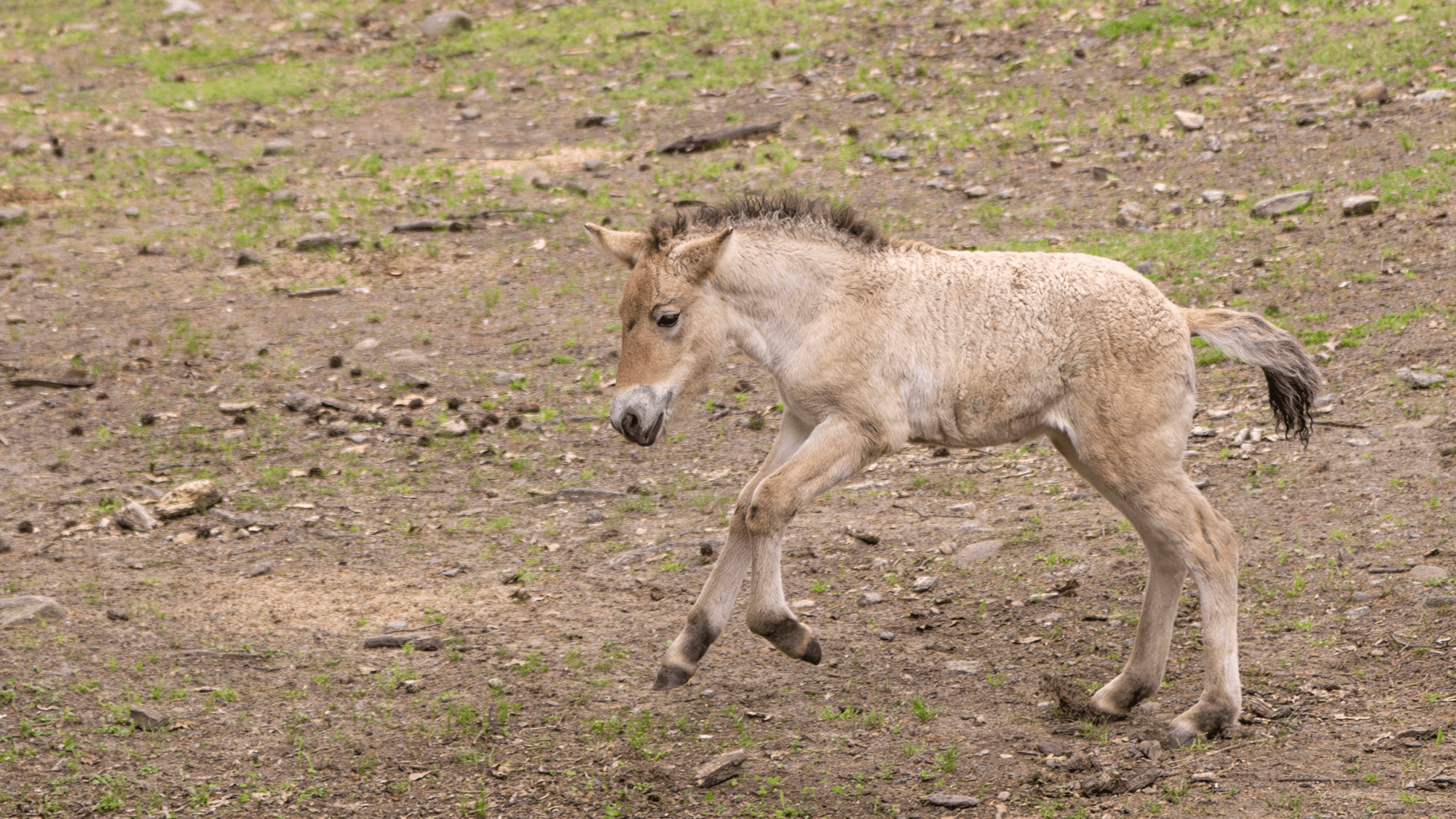
On April 21, a baby horse was born at the Wildlife Conservation Society’s Bronx Zoo in New York City. But it wasn’t just any foal that came into the world—this newest resident of the Big Apple is a Przewalski’s horse (Equus ferus przewalskii), an endangered species that has been pulled back from the brink of extinction. 

Przewalski’s horses look more like a mule than your average horse. For starters, their mane sticks up straight into the air and they don’t have a forelock (horse bangs, basically). Przewalski’s horses are also short, light brown, and—excuse the necessary slang—exceptionally chonky. They also have a really thick neck. 

They are also referred to as the Mongolian wild horse, and they are the only truly wild horse species left, according to the International Union for Conservation of Nature (IUCN). Though the species used to exist across Asia and Europe, their numbers plummeted so much that at one point they were deemed Extinct in the Wild. 

“The Bronx Zoo has played a pivotal role in the conservation of Przewalski’s horse,” the Bronx Zoo wrote in a statement announcing the birth. “Through breeding programs aimed at maintaining a genetically diverse population of the species and through reintroduction efforts, zoo-bred Przewalski’s horses were successfully returned to their native grasslands in China in 1989 and in Mongolia beginning in 1992.”

Przewalski’s horses now live in Mongolia, China, and Kazakhstan, as well as in zoos. Rather shockingly, the entire extant population (which researchers estimate is less than 2,000 individuals) descends from only 12 horses

In Mongolia, the Wildlife Conservation Society supports Protected Areas with wild horses. As for the Bronx Zoo, the foal is part of a herd. Visitors can see it from the Wild Asia Monorail, where the adorable baby is sure to develop a colt (young male horse) following. 

The post Rare Przewalski’s horse born in New York appeared first on Popular Science.

  • ✇Popular Science
  • Japan runs out of robot wolves in fight against bears Andrew Paul
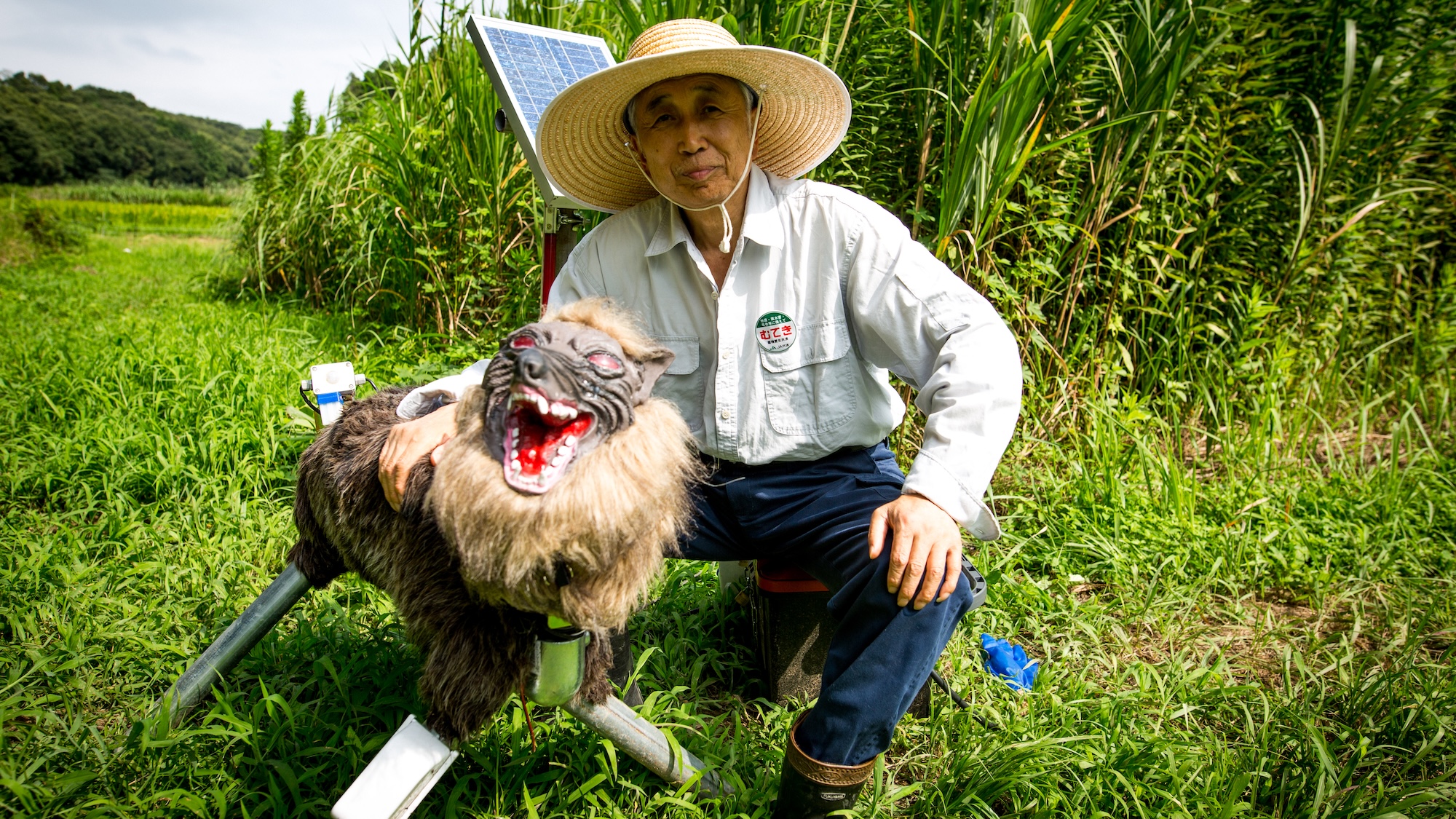
    Japan’s bear problem continues, and the country is running out of the robot wolves that help keep them at bay. First released in 2016 by the manufacturer Ohta, Monster Wolf was originally designed to ward off the agricultural foes like boars, deer, and the island nation’s Asian black bear (Ursus thibetanus) and brown bear (Ursus arctos) populations. The creative solution quickly went viral for its red LED eyes and menacing fangs—as well as its admittedly odd, furry pipe frame. Starting at aro
     

Japan runs out of robot wolves in fight against bears

14 May 2026 at 15:30

Japan’s bear problem continues, and the country is running out of the robot wolves that help keep them at bay. First released in 2016 by the manufacturer Ohta, Monster Wolf was originally designed to ward off the agricultural foes like boars, deer, and the island nation’s Asian black bear (Ursus thibetanus) and brown bear (Ursus arctos) populations. The creative solution quickly went viral for its red LED eyes and menacing fangs—as well as its admittedly odd, furry pipe frame.

Starting at around $4,000, each bespoke Monster Wolf is now equipped with battery power, solar panels, and detection sensors. Its speakers are programmed with over 50 audio clips including human voices and sirens audible over half a mile away. These aren’t assembly line products, however. Each Monster Wolf is custom made, and Ohta simply can’t keep up with the current demand.

“We make them by hand. We cannot make them fast enough now. We are asking our customers to wait two to three months,” company president Yuji Ohta recently told the AFP.

Bear encounters in Japan have steadily risen, as urban development continues to encroach on their habitats and limit their food sources. The country’s rapidly aging population is also making them particularly susceptible to attacks, especially in more rural regions. Since the beginning of 2025, the government has reported at least 200 injuries and 13 fatalities—over twice the previous mortality record. Official data also recorded over 50,000 bear sightings across the country during the same time period. 

Last year, Japan even deployed its own military to help cull bear numbers. More than 14,600 animals were captured and euthanized in 2025, an all-time high and almost triple the previous year’s tally.

Ohta told the AFP that amid the ongoing crisis, there has been “growing recognition” that Monster Wolf is “effective in dealing with bears.” The main customer base remains farmers, but orders are also coming from golf courses and rural workers. Upgraded versions will soon include wheels to actually chase animals and patrol preset routes. There are also plans to release a handheld version for outdoor enthusiasts and schoolchildren.

Until Ohta catches up with its orders, residents and visitors are encouraged to review the Japanese government’s own bear safety tips.

The post Japan runs out of robot wolves in fight against bears appeared first on Popular Science.
  • ✇Popular Science
  • Why sloths risk their lives to poop Jennifer Byrne
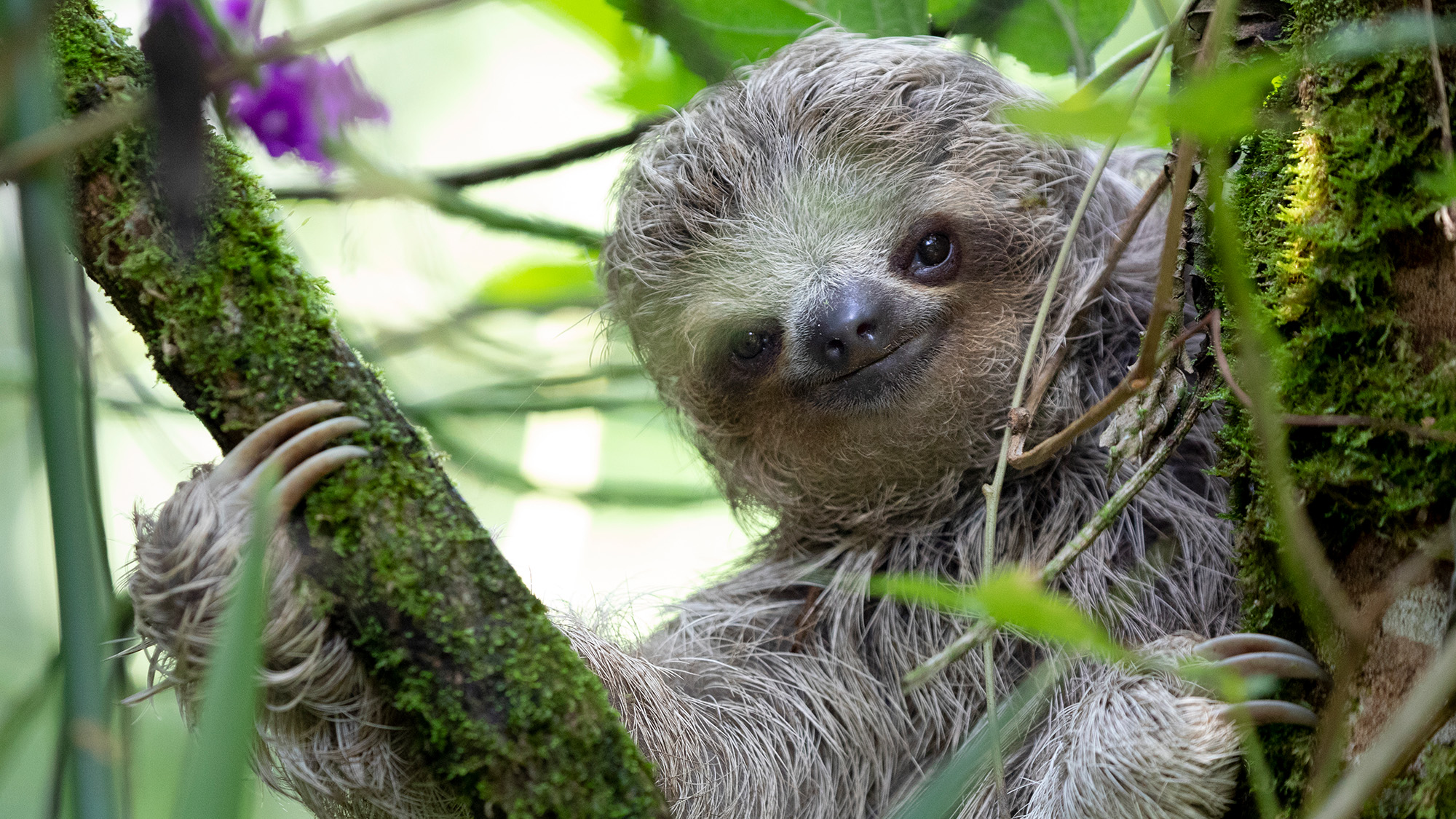
    Every week, without fail, the three-toed sloth takes a breathtaking, almost suicidal risk—all for the sake of a bowel movement. Or, to put it in terms familiar to anyone who has sat through a long Zoom meeting, a “bio-break.” With fast-moving predators lying in wait, being on or near the ground is the number one cause of mortality in sloths. And because sloths have among the slowest metabolisms ever recorded in animals, the climb down the tree and back up represents one of the biggest energy
     

Why sloths risk their lives to poop

15 May 2026 at 13:03

Every week, without fail, the three-toed sloth takes a breathtaking, almost suicidal risk—all for the sake of a bowel movement. Or, to put it in terms familiar to anyone who has sat through a long Zoom meeting, a “bio-break.”

With fast-moving predators lying in wait, being on or near the ground is the number one cause of mortality in sloths. And because sloths have among the slowest metabolisms ever recorded in animals, the climb down the tree and back up represents one of the biggest energy expenditures of their entire week.

“It’s like if I had to go on a 5K run down the middle of an interstate, just to use the bathroom,” University of Wisconsin-Madison wildlife ecologist Dr. Jonathan Pauli tells Popular Science. “It’s really costly, and it’s really risky.”

Which begs the question: Why do three-toed sloths take such risks for a poo? Why not just do the sensible thing and poop from the trees?

The answer involves mutualism—a relationship where all parties benefit—between sloths, moths, and that precious pile of dung sloths risk their lives to leave behind. 

Sloths are home to flightless moths

The key to this whole system turns out to be a much smaller and less glamorous creature: sloth moths (Cryptoses choloepi). These moths spend their entire adult lives in sloth fur—yes, entire. The moment a moth finds and colonizes its slow-moving host, it loses the ability to fly. Permanently.

That’s OK, because sloth moths don’t need to fly once they find their sloth homes. Instead, the moths hitch a ride with the sloth to the base of the tree for its weekly poop session. 

Some sloths do a little wiggle or dance when they’re trying to poop. Video: Have you ever seen a Sloth POOP Dance?, The Sloth Conservation Foundation

After the sloth has deposited its dung on the forest floor, pregnant female moths jump off the sloth into the dung pile (because they can’t fly, they literally hop), lay their eggs, and that’s pretty much the end of the moth. 

Meanwhile, a new generation of sloth moths is dreaming big dreams. After hatching within the dung, the newborn larvae quickly commence chowing down on the dung that spawned them. 

“Larvae will feed off the sloth dung. They actually chew a chamber into the sloth dung,” Pauli says. “The larvae then pupate and emerge as moths.”

And then, for one fleeting moment, sloth moths can fly. The newly emerged moths drift up into the canopy of the tree, find and inhabit a sloth host, and the cycle begins again. The moths are permanently grounded. Until, one day, their offspring will make that brief, one-way flight all over again. 

Algae creates a sloth’s green camo coat

Enter the third player in this strange triumvirate: algae.

Because the moths are flightless, many of them live out their entire lives in the sloth’s fur and die there. As they decompose, they release nitrogen and phosphorus directly into the sloth’s coat. 

Pauli describes the sloth’s peculiar water-absorbing hair as “almost like a hydroponic growth area” for algae. 

More moths means more fertilizer, and more fertilizer means more algae, specifically Trichophilus, or “hair-loving algae,” a species found nowhere on earth except sloth fur. Pauli likens the effect to a ghillie suit (the head-to-toe camouflage gear snipers wear to vanish into foliage). The algae turns the sloth’s fur green enough to disappear into the forest canopy.

A sloth up high on a tree branch in a forest in Costa Rica with green fur.
The algae living on sloths gives their fur a green hue, helping the slow-moving animals blend into the forest canopy. Image: Getty Images / zen rial

But that algae also serves another purpose beyond being cool living camo. It’s also a potential food source for these slow-moving mammals.

Do sloths farm algae on their bodies? Maybe.

To find out whether sloths were actually eating this nutrient-rich algae, Pauli and his colleagues did something that sounds alarming but is apparently just a normal Tuesday in wildlife ecology: They pumped the stomachs of roughly a dozen three-toed sloths. 

What they found wasn’t all that surprising: lots of Cecropia leaves, a staple of sloths’ diet. But they also found Trichophilus algae. And since Trichophilus exists nowhere on earth except sloth fur, there was only one way it could have gotten there: The sloth ate its fur. Testing the algae, Pauli and his team found it to be digestible and lipid-rich—a potentially valuable supplement to a diet of nutritionally poor leaves.

What the team of researchers don’t know is whether it matters. Is the sloth cultivating, munching on, and extracting nutrition from its own self-grown snack?  

“It could be totally trivial and unimportant,” Pauli says. “It could be that they incidentally get a little bit in their stomach, it’s all by accident. It would be like the equivalent of me eating a Snickers bar too quickly and accidentally eating part of the wrapper.”

Or it could be that sloths are deliberately consuming it, extracting real nutrition from the algae growing on their own bodies. Whatever is driving it, Pauli is fairly certain of one thing: The sloth isn’t doing it on purpose.

“It’s not conscious—I don’t think the sloth is ever thinking ‘Time to re-up my algae.’ I think it’s more that individuals that have these behaviors, that fortify these relationships with these other species, see fitness benefits. That’s why we see these behaviors persist.”

In other words, this whole system—from flightless sloth moths to algae to sloth diets—may be helping sloths survive. 

Which brings us back to that suicidal weekly commute. It turns out the sloth’s trip to the forest floor may be doing a lot more than answering nature’s call. In fact, it may be the key to maintaining the entire system. No ground trip, no moth-to-dung delivery. No moth delivery, no fertilizer. No fertilizer, no algae. And no algae means no camouflage, and possibly no nutritional supplement for an animal that can barely afford to lose either. Not bad for a bathroom break. 

In Ask Us Anything, Popular Science answers your most outlandish, mind-burning questions, from the everyday things you’ve always wondered to the bizarre things you never thought to ask. Have something you’ve always wanted to know? Ask us.

Related 'Ask Us Anything' Stories

The post Why sloths risk their lives to poop appeared first on Popular Science.

  • ✇Colossal
  • From Micro to Mega, Jon McCormack’s Striking Photos Reveal Nature’s Patterns Kate Mothes
    Growing up in the Australian Outback, where he first picked up a camera as a teenager to document his surroundings in the bush, Jon McCormack developed a keen eye for the beauty and subtleties of nature. Throughout his career, he’s stepped foot on all seven continents. Yet the idea for his new book, Patterns: Art of the Natural World, emerged from a period of quieter reflection. Like many of us during the pandemic, McCormack’s travels were limited to his immediate area. He began visiting t
     

From Micro to Mega, Jon McCormack’s Striking Photos Reveal Nature’s Patterns

28 April 2026 at 12:59
From Micro to Mega, Jon McCormack’s Striking Photos Reveal Nature’s Patterns

Growing up in the Australian Outback, where he first picked up a camera as a teenager to document his surroundings in the bush, Jon McCormack developed a keen eye for the beauty and subtleties of nature. Throughout his career, he’s stepped foot on all seven continents. Yet the idea for his new book, Patterns: Art of the Natural World, emerged from a period of quieter reflection.

Like many of us during the pandemic, McCormack’s travels were limited to his immediate area. He began visiting the same spots repeatedly and “discovered a new way of seeing, using photography to reveal the hidden harmony and symmetry of the natural world,” says a statement. Patterns, forthcoming from Damiani Books, draws upon this patient and attentive approach to nature’s rhythms, emphasizing its interconnectedness, resilience, and fragility.

a photograph by Jon McCormack of bright yellow aspen trees along the edge of a lake in the mountains
Golden aspens and their reflection join to shape a luminous triangle of color

The snapshots view slivers of our world from a range of perspectives, whether honing in on the recurring features of crystals or flying over a flamboyance of flamingos in Kenya. Patterns contains 90 striking images and text contributions from fellow photographers and conservationists.

Find your copy on Bookshop, and keep up with McCormack’s travels on Instagram.

a photograph by Jon McCormack of an aerial view of streams that look abstract
Patterns of minerals left behind by volcanic eruptions in Iceland
a photograph by Jon McCormack of an abstract pattern in nature
A microscope reveals the crystalline patterns of caffeine
a photograph by Jon McCormack of prismatic spray above a waterfall in Yosemite National Park
A prismatic waterfall at Yosemite
a photograph by Jon McCormack of birds flying over yellow streams, seen from high in the air
Flamingos in flight mirror the shifting patterns etched across Kenya’s Lake Magadi
a photograph by Jon McCormack of dolphins swimming, seen from a vertical perspective
A pod of dolphins swim near the Channel Islands
a photograph by Jon McCormack of microscopic crystals in repeating patterns
In every drop of water, diatoms are algae with glass-like silica shells that resemble tiny jewels under a microscope
the cover of the book 'Patterns' by Jon McCormack featuring an abstract up-close image of stone

Do stories and artists like this matter to you? Become a Colossal Member today and support independent arts publishing for as little as $7 per month. The article From Micro to Mega, Jon McCormack’s Striking Photos Reveal Nature’s Patterns appeared first on Colossal.

  • ✇Popular Science
  • Baby raccoon found in chimney gets a nice bubble bath Margherita Bassi
    Raccoons get into all sorts of shenanigans. Last summer, we reported on a juvenile raccoon which, with his head stuck in a peanut butter jar, as if he were a character in a Looney Toons cartoon. He was extracted from the predicament at the New England Wildlife Center in Weymouth, Massachusetts, where employees are now dealing with another children’s show-worthy situation involving a raccoon. A baby raccoon taking a bubble bath, to be precise. A Facebook post by the wildlife center features tw
     

Baby raccoon found in chimney gets a nice bubble bath

1 June 2026 at 13:00

Raccoons get into all sorts of shenanigans. Last summer, we reported on a juvenile raccoon which, with his head stuck in a peanut butter jar, as if he were a character in a Looney Toons cartoon. He was extracted from the predicament at the New England Wildlife Center in Weymouth, Massachusetts, where employees are now dealing with another children’s show-worthy situation involving a raccoon.

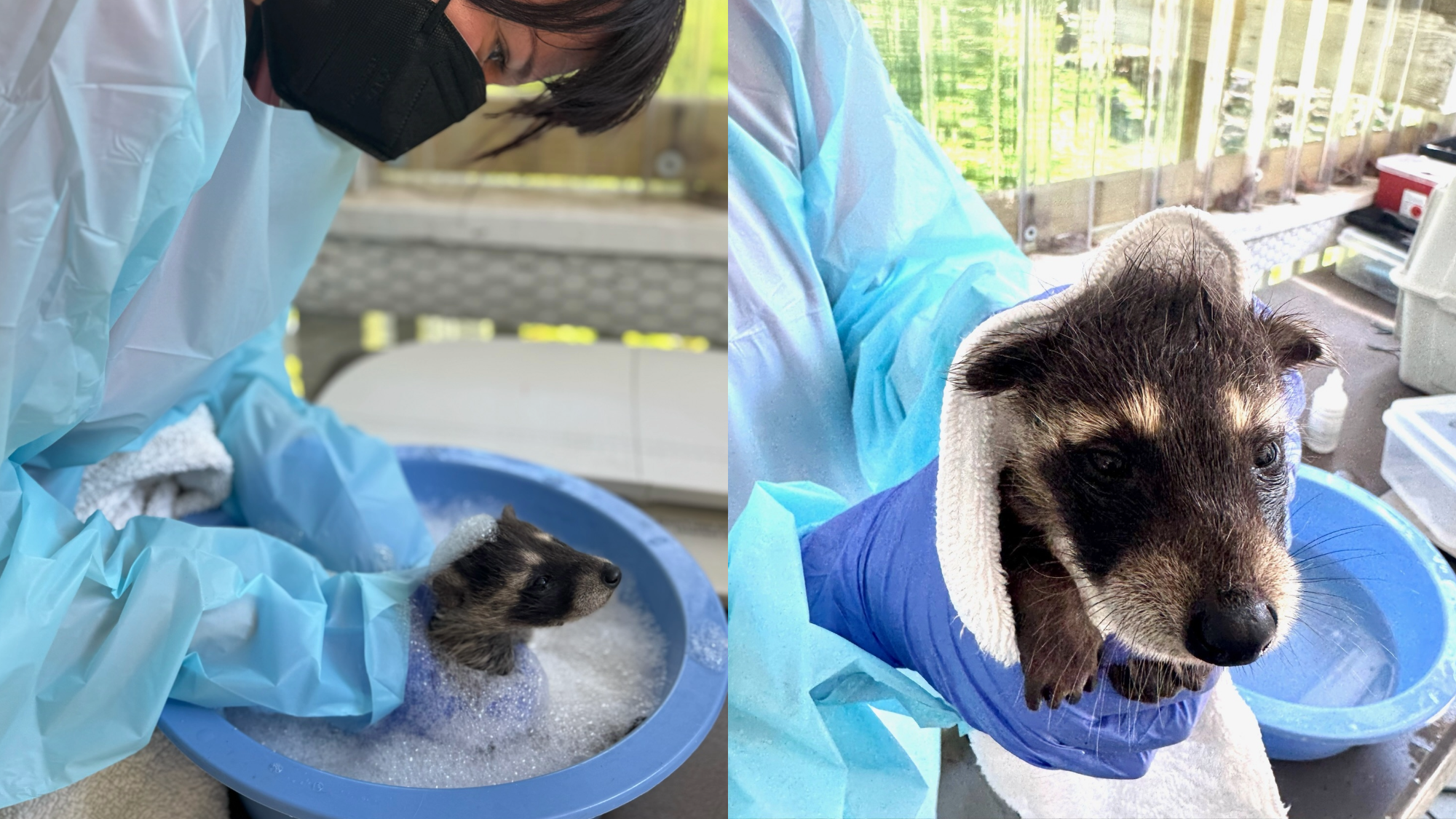
A baby raccoon taking a bubble bath, to be precise. A Facebook post by the wildlife center features two pictures of a member of the team washing the mammal in a big blue bowl. Another picture gives viewers a great close-up of his nose and thoroughly defeated expression as the employee holds it wrapped in a white towel, presumably newly clean. 

The baby reached the New England Wildlife Center via a chimney. After the wannabe Santa Claus was discovered, the Wild Care Cape Cod brought him to the wildlife center, where he arrived filthier than Bert the Chimney Sweep in Mary Poppins

“We don’t often bathe raccoons, but in this case there was so much soot packed into the fur around his face and body that it was beginning to irritate his skin and eyes,” the wildlife center wrote. “Our wildlife hospital team carefully cleaned him up, performed a full veterinary exam, and started supportive care. We are very happy to report he tolerated the bath very well (all things considered) and is now bright and alert with a great appetite!”

(Though hopefully not for peanut butter). 

It’s not unusual to find raccoons in chimneys in the spring. Mother raccoons searching for protected denning locations are particularly common tenants. Sometimes young raccoons will even go back to their previous chimney homes, even if their mother has left. 

Baby racoon Santa Claus will eventually be returned to the wild, but not right away. He will be briefly quarantined to make sure he’s in good health, before he is placed with foster siblings. This will allow him to continue his development with other young raccoons and gain the abilities that will be necessary when he returns to the wild. 

The wildlife center also took the opportunity to share some important raccoon safety tips. Always cap your chimney and do not touch raccoons or raccoon waste—a rule for both humans and pets—which could transmit parasites and diseases. 

As always, if you find an animal—young or old—that you think needs help, you should contact your local wildlife center. Here’s what to do if you come across a baby squirrel or baby opossum

Chim chim cher-ee. 

The post Baby raccoon found in chimney gets a nice bubble bath appeared first on Popular Science.
  • ✇Popular Science
  • Real-life Snuffleupagus found swimming in the Great Barrier Reef Andrew Paul
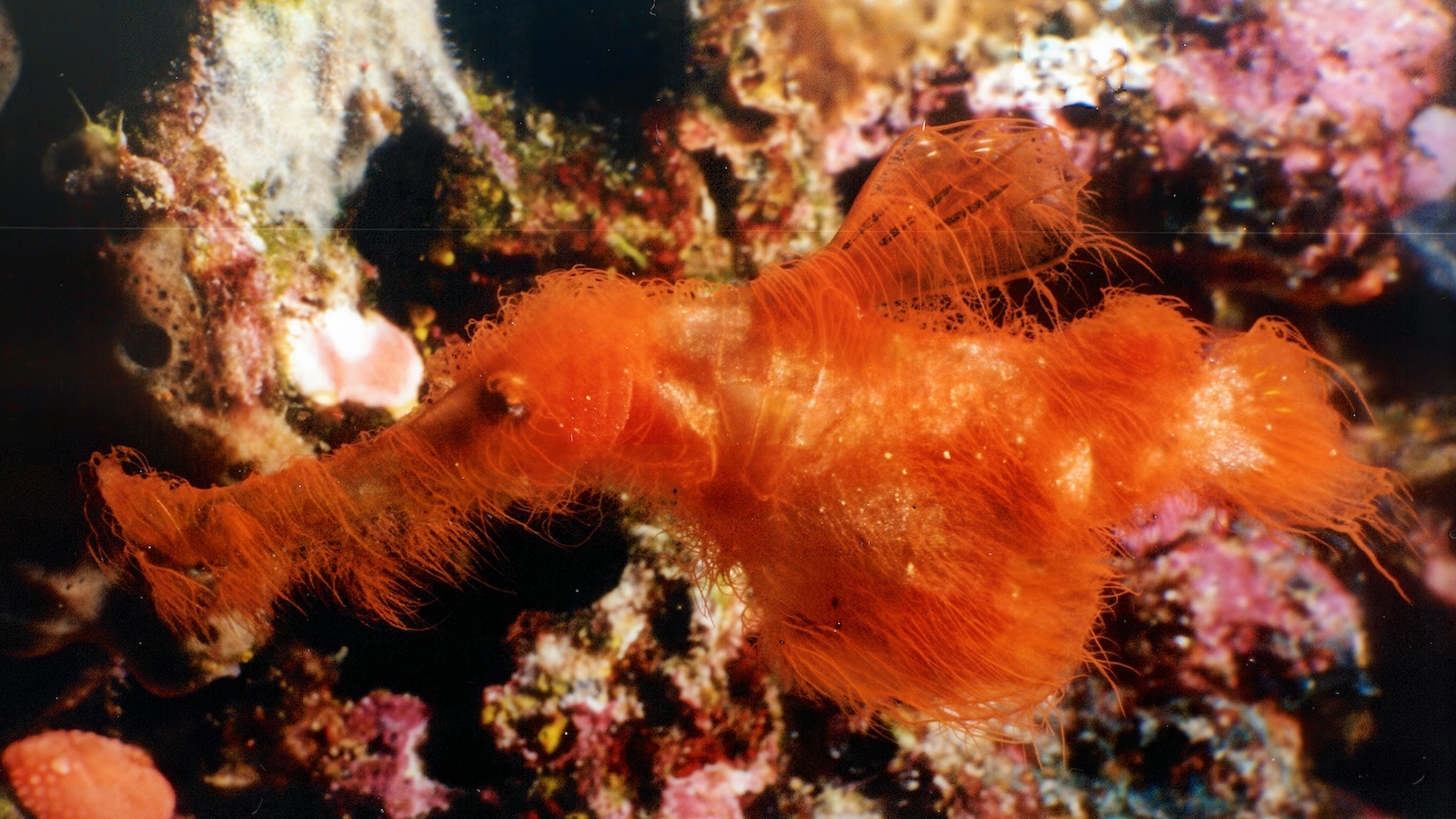
    It’s undeniable. The bright reddish-orange hues, the fuzziness, the snout…there simply is no other way to put it. This unique fish looks exactly like Mr. Snuffleupagus from Sesame Street. “Once you see it, the resemblance to Snuffleupagus is impossible to ignore,” declared marine biologist David Harasti. The similarity is so strong that even the team from the beloved children’s show gave their full backing to name the seahorse relative after Big Bird’s woolly pal. But while the hairy ghost
     

Real-life Snuffleupagus found swimming in the Great Barrier Reef

13 May 2026 at 18:51

It’s undeniable. The bright reddish-orange hues, the fuzziness, the snout…there simply is no other way to put it. This unique fish looks exactly like Mr. Snuffleupagus from Sesame Street.

“Once you see it, the resemblance to Snuffleupagus is impossible to ignore,” declared marine biologist David Harasti.

The similarity is so strong that even the team from the beloved children’s show gave their full backing to name the seahorse relative after Big Bird’s woolly pal. But while the hairy ghost pipefish Solenostomus snuffleupagus was recently described for the first time in the journal Fish Biology, Harasti has long suspected its existence. In fact, he spent nearly 20 years trying to find it.

The saga began during a dive near Papua New Guinea in 2001. While combing through coral, Harasti spotted a unique and wholly unfamiliar creature swimming through the water. Although it appeared to be some type of pipefish, no specific species came to mind.

Side by side images of the hairy ghost pipefish and Mr. Snuffleupagus
There are definite similarities between the two. Credit: David Harasti

“I was perplexed. I photographed a few shots on my old film camera, went home, and pulled out every fish book I owned. Nothing matched,” Harasti recalled. “I realized we might be looking at something entirely new to science. You don’t often get a moment like that in your career, where you realize you could be looking at a species no one has ever documented before.”

Although divers claimed to spot the mystery creature over the next few years, no one managed to collect or properly study an actual specimen. It wouldn’t be until 2020 that Harasti reunited with the perplexing pipefish. After learning of a sighting near the city of Cairns in northern Australia, Harasti set out with research partner and study co-author Graham Short to track it down once and for all. It took a few days of scouring macroalgae in the Great Barrier Reef, the pair finally scooped up a male and female pair for proper examination. 

After carefully studying them, Harasti and Short confirmed the ghost pipefish to be a completely new species. At that point, there was only one last thing to do: get the blessing of Mr. Snuffleupagus. Or, at least, the blessing of Sesame Street’s legal team.

“We are delighted that our beloved Snuffleupagus inspired the naming of a newly discovered marine species in the real world,” Sesame Workshop senior vice president of global education Rosemarie Truglio said in a statement. “Connecting science with imagination and discovery is what Sesame Street has always been about, and this charming new species is a wonderful reminder that there is still so much to explore and learn about the world.”

According to the study’s authors, S. snuffleupagus is the shaggiest of all known ghost pipefish species. These lengthy filaments range in red, orange, and even green hues, which allows it to camouflage seamlessly into its coral habitat—and elude scientists for decades.

The post Real-life Snuffleupagus found swimming in the Great Barrier Reef appeared first on Popular Science.
  • ✇Popular Science
  • Mosquitoes can learn that DEET means dinner is served Laura Baisas
    Sunburn and mosquito bites go together in the summer like a hot dog and ketchup. To keep from becoming a mosquito buffet, most of us turn to bug sprays with DEET.  An acronym built from its scientific identification (diethyltoluamide), DEET was developed for the United States Army in 1946 and entered civilian use in 1957. It is generally considered safe when used as directed.  However, mosquitoes can learn to associate the repellant with food. They may even become attracted to it. The finding
     

Mosquitoes can learn that DEET means dinner is served

28 May 2026 at 15:00

Sunburn and mosquito bites go together in the summer like a hot dog and ketchup. To keep from becoming a mosquito buffet, most of us turn to bug sprays with DEET.  An acronym built from its scientific identification (diethyltoluamide), DEET was developed for the United States Army in 1946 and entered civilian use in 1957. It is generally considered safe when used as directed

However, mosquitoes can learn to associate the repellant with food. They may even become attracted to it. The findings are detailed in a study published today in the Journal of Experimental Biology.

“If someone applies DEET and the concentration fades over time, but a mosquito still manages to feed, the insect may begin associating that smell with a reward,” Clément Vinauger, a study co-author and biochemist at Virginia Tech, said in a statement. “That’s a possibility we should take seriously when we think about how repellents are used in the real world.”

Ace processors

Like it or not, Earth’s over 3,500 known mosquito species are pretty smart and an evolutionary wonder. They use sensory information to find hosts and can adapt to changing environments.

In previous studies, Vinauger’s team has shown that the insects remember and avoid hosts who swat them away, can combine smell and vision to precisely track humans, and even gravitate toward and away from the smell of certain soaps.

“Mosquitoes are remarkable at processing information about their environment,” Vinauger said. “What we are trying to understand is not only how they detect us, but how their brains interpret those cues and turn them into behavior.”

A DEET-covered dinner bell?

In this new study, the team focused on the yellow fever mosquito (Aedes aegypti). This species spreads several diseases to tens of millions of people each year, including dengue fever, Zika, yellow fever, and chikungunya.

The team trained mosquitoes using a form of Pavlovian conditioning. Often called “Pavlov’s dogs,” this training method developed by neurologist and physiologist Ivan Pavlov in the early 20th century was used to teach dogs to associate the sound of a bell ringing with food

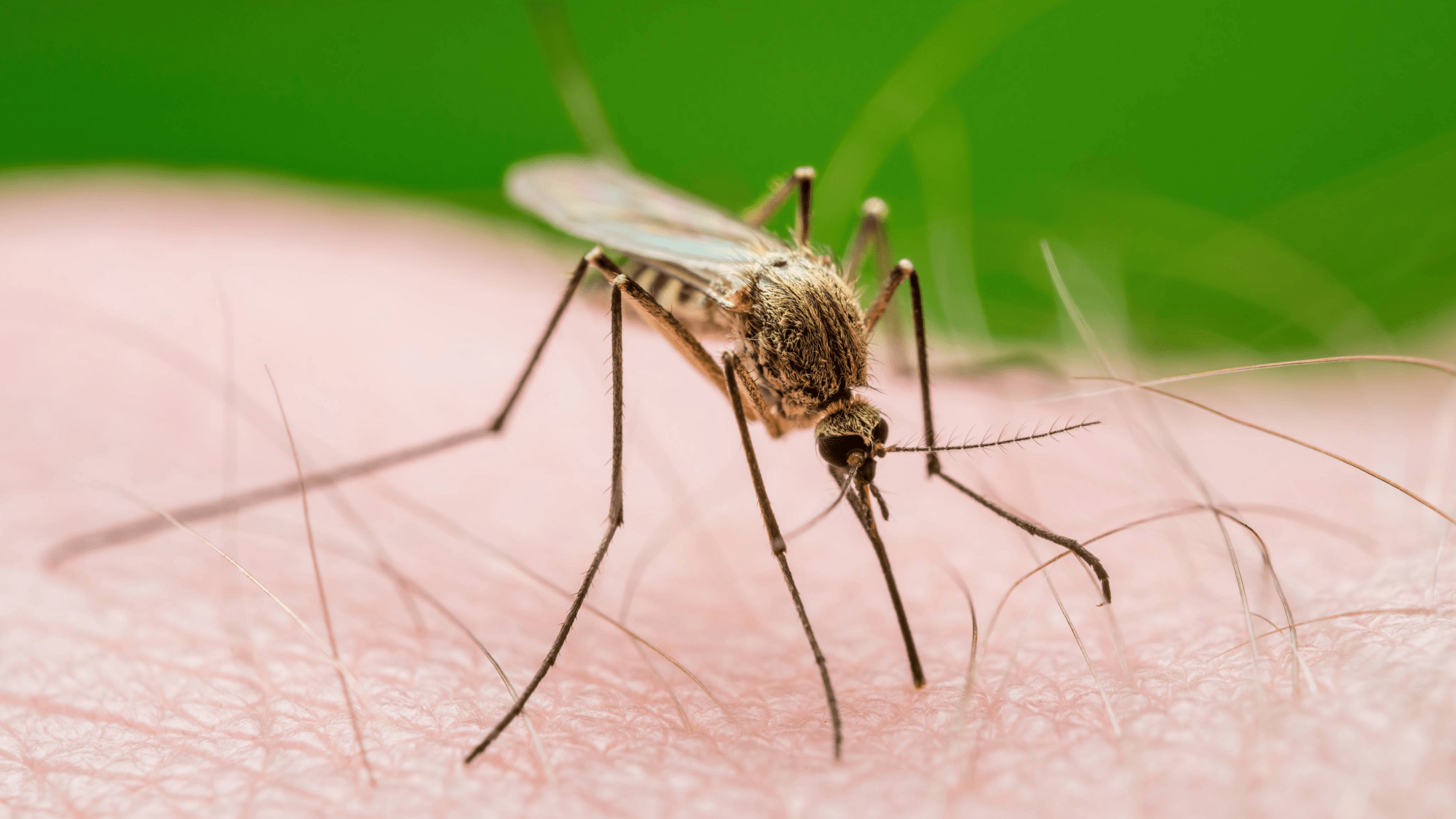
The mosquitoes were restrained behind a piece of fabric mesh. They then offered the mosquitoes a bag of warm blood (yum) that was just out of the insects’ reach to see how enthusiastically the insects stabbed at it with their proboscises. As expected, the mosquitoes were interested in the blood, particularly when the team rewarded them by lowering the bag within reach. Things changed a bit once DEET entered the experiment. When the team offered the insects blood when surrounded by the scent of DEET, they initially stayed away from the potential feast.  

a mosquito handing on a piece of mesh covering a bag of blood
A female yellow fever mosquito (Aedes aegypti), feeding on a bag of warm blood. Image: Romina Barrozo.

To see if they could be trained to associate that smell with the dinner bell, the team fed the mosquitoes warm blood for 20 seconds, squirting the scent of DEET into the enclosure in the final 10 seconds of dining. They repeated the procedure three more times before noting how the mosquitoes responded to only the scent of DEET. In this trial, over 60 percent of mosquitoes tried to bite when they smelled DEET.  

To examine further, the mosquitoes were given a choice between two human hands. The hand belonged to study co-author Ayelén Nally of the University of Buenos Aires. One of Nally’s hands was coated with DEET at normal concentrations and the other was bare. The untrained mosquitoes avoided the DEET-treated hand, while the trained mosquitoes were drawn to it.

Interestingly, the mosquitoes could form that same association when sugar, instead of blood, was used as the reward. 

According to the team, they are seeing how the mosquito’s brain can rewrite its response based on their experiences. What they have learned matters just as much as what a chemical like DEET does. 

“If mosquitoes are repeatedly exposed to DEET, it becomes less effective as a repellent,” study co-author Claudio Lazzari from University of Tours in France added.

Keep the bug spray

Importantly, this does not mean you should stop using DEET completely. It is still one of the most effective ways to keep the dangerous insects away, particularly where mosquito-borne disease is common.

“If you’re in tropical regions where disease risk is real, you should use it,” Vinauger said. “Instead of applying a lot at once, you may want to reapply regularly so it’s always active and providing continuous protection.”

Treated clothing may also be a challenge since DEET concentrations in fabric decline over time. Additional study to understand their behavior is crucial for public health as mosquito-borne illnesses increase due to climate change

“We need to understand how mosquitoes keep outsmarting our control strategies,” Vinauger concluded. “And that takes understanding how they work—at the molecular level, the neural level, the behavioral level.”

The post Mosquitoes can learn that DEET means dinner is served appeared first on Popular Science.
  • ✇Popular Science
  • New box jellyfish name warns of ‘death from behind’ Andrew Paul
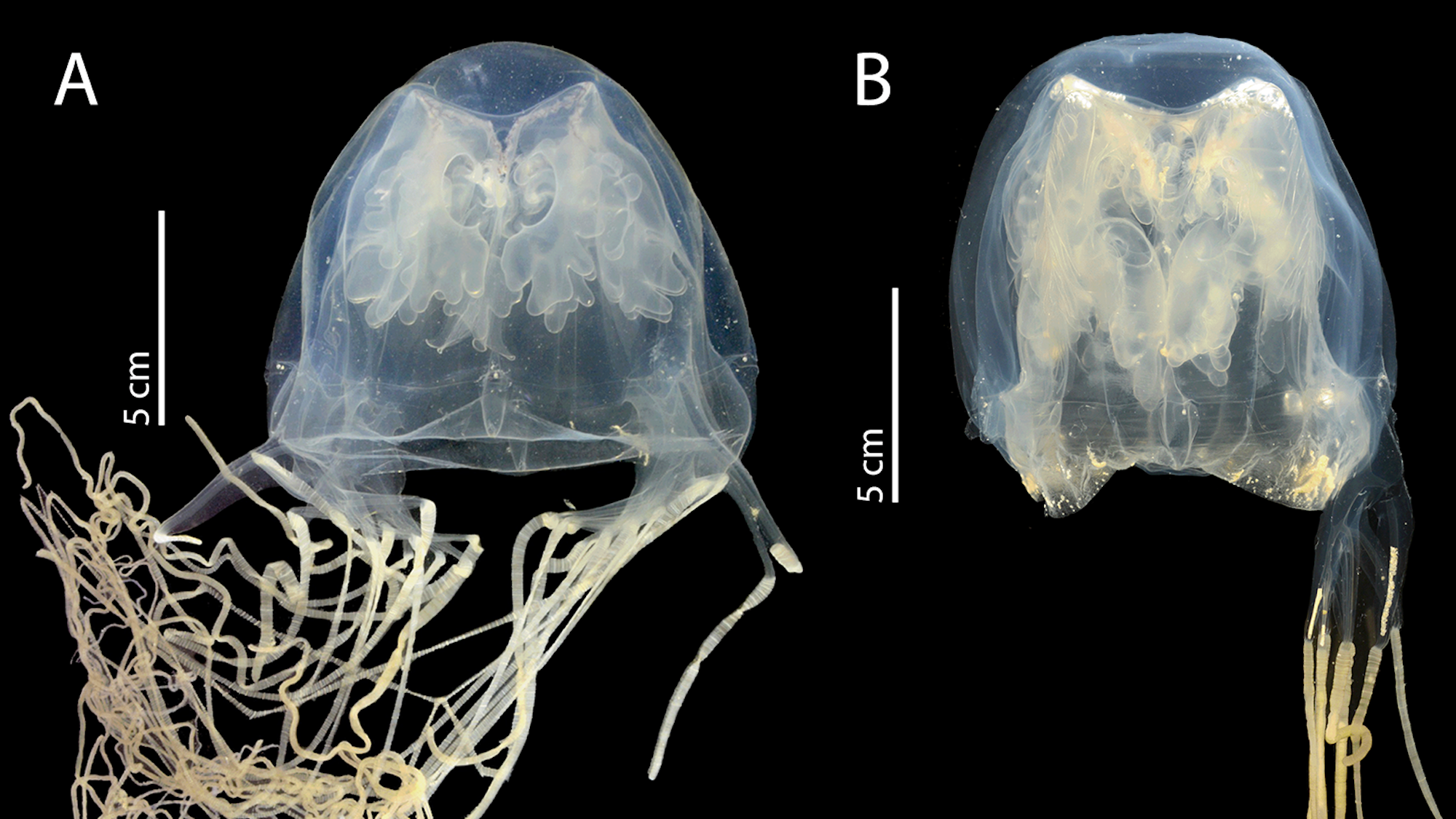
    A recently discovered box jellyfish species living in near Singapore looks nearly identical to another jellyfish previously discovered by the same scientist. But regardless of whether or not you can tell Chironex blakangmati and Chironex yamaguchii apart, you’ll want to steer clear of both of them. Box jellyfish didn’t earn their “sea-wasp” nickname for yellow-and-black stripes. Cheryl Ames, a marine biologist at Japan’s Tohoku University, collected C. blakangmati during an expedition near th
     

New box jellyfish name warns of ‘death from behind’

23 May 2026 at 15:22

A recently discovered box jellyfish species living in near Singapore looks nearly identical to another jellyfish previously discovered by the same scientist. But regardless of whether or not you can tell Chironex blakangmati and Chironex yamaguchii apart, you’ll want to steer clear of both of them. Box jellyfish didn’t earn their “sea-wasp” nickname for yellow-and-black stripes.

Cheryl Ames, a marine biologist at Japan’s Tohoku University, collected C. blakangmati during an expedition near the coast of Singapore’s Sentosa Island. The team initially assumed the invertebrate was an example of C. yamaguchii, but later genomic testing revealed something else entirely.

“We realized they were completely distinct,” Ames explained in a statement. “I actually went back to dust off an old sample of C. yamaguchii I still had in storage in Okinawa to help with the comparisons.”

Apart from genetics, the key difference setting C. blakangmati apart from its three known Chironex relatives is its perradial lappets. This anatomical feature on the bottom of the box jellyfish’s bell-shaped body strengthens the pulsating musculature that propels it through the water. Other Chironex species include pointy canals at the tips of their perradial lappets, but C. blakangmati notably does not.

Canals or not, they are remarkable creatures. The vast majority of jellyfish don’t rely on vision and passively float in ocean currents, but members of the Chironex genus do not. Instead, they have evolved complex eye organs that help them locate prey. They then use that same musculature supported by the perradial lappets to actively swim through the water towards its target.

In this sense, C. blakangmati certainly lives up to its scientific name. Sentosa may be Malay for “peace and tranquility,” but the island once called something very different. Historically, it is also known as Pulau Klakang Mati, which translates to the “Island of Death from Behind.”

The post New box jellyfish name warns of ‘death from behind’ appeared first on Popular Science.
  • ✇Popular Science
  • Hamsters run on wheels for a surprisingly joyful reason Jennifer Byrne
    Everyone who has ever owned a hamster knows the sound: the small, relentless squeak of the exercise wheel, usually starting around two in the morning. As you watch your cute furball running toward no destination whatsoever, you might wonder: What’s going on here? Is little Hammy acting out of restlessness or boredom?  For decades, scientists assumed it was exactly that: a neurosis, an artifact of captivity, the hamster equivalent of doing push-ups in prison.  But in 2014, researcher Joh
     

Hamsters run on wheels for a surprisingly joyful reason

27 May 2026 at 13:03

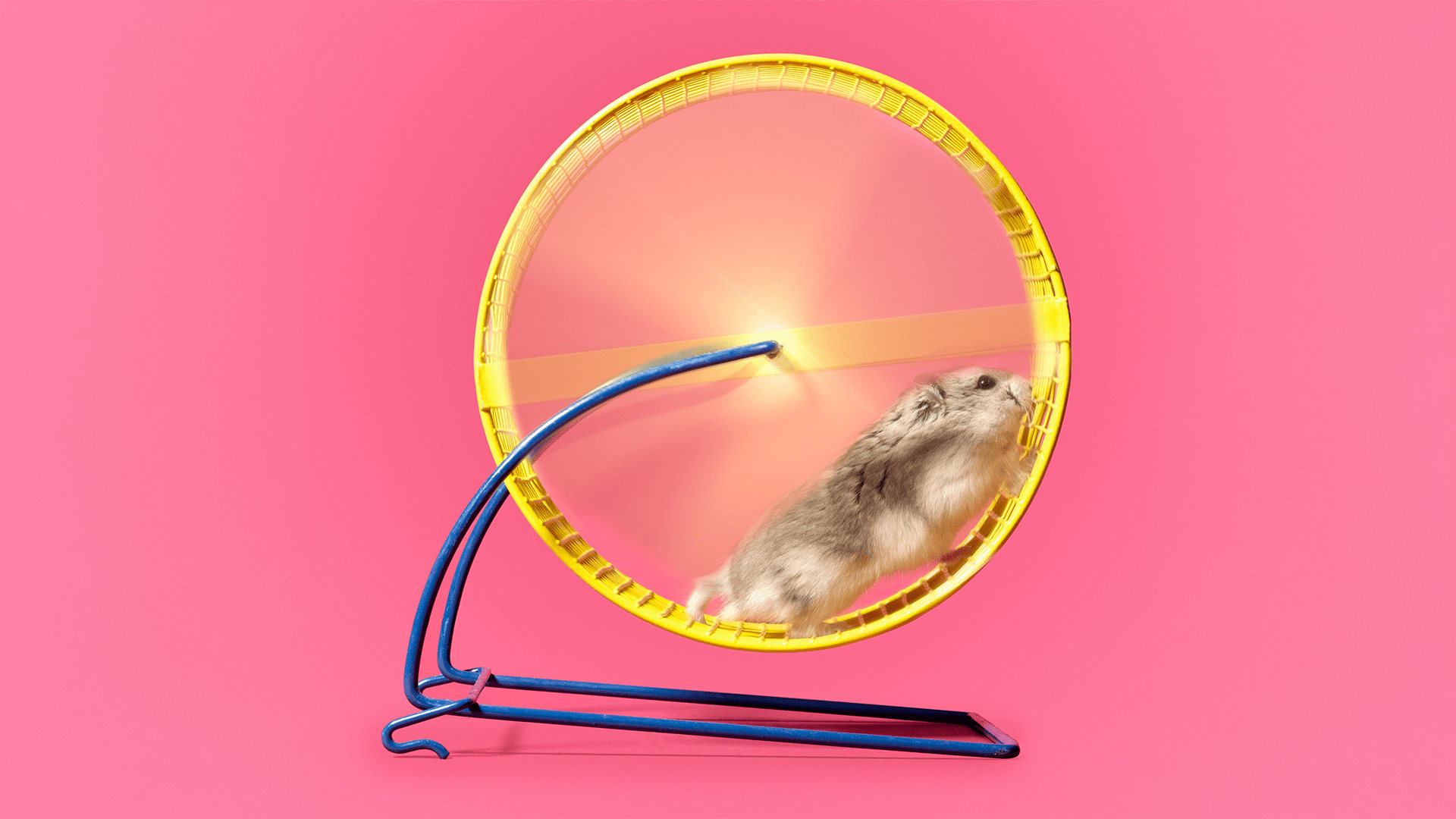
Everyone who has ever owned a hamster knows the sound: the small, relentless squeak of the exercise wheel, usually starting around two in the morning.

As you watch your cute furball running toward no destination whatsoever, you might wonder: What’s going on here? Is little Hammy acting out of restlessness or boredom? 

For decades, scientists assumed it was exactly that: a neurosis, an artifact of captivity, the hamster equivalent of doing push-ups in prison. 

But in 2014, researcher Johanna Meijer conducted a study that suggested a less depressing scenario. When wild mice came across a wheel in their natural habitat, they got on the wheel and ran—sometimes for up to 18 minutes at a stretch.

So if it’s not boredom or neurosis (wild mice surely have plenty of more important tasks than wheel running), what is it? 

Dr. Theodore Garland Jr., a professor of biology at UC Riverside, has spent more than 30 years trying to figure that out. 

“There’s still a lot of controversy about what, exactly, wheel running means to an organism,” Garland says. “What is it? What is the organism trying to do?”

Why wild mice run on wheels just like your hamster

In Meijer’s 2014 study, published in Proceedings of the Royal Society B, she and her colleagues placed exercise wheels in two different locations: a green urban area and a dune area not accessible to the public. For more than three years, they recorded wildlife activity at both locations.

They found that wild mice closely mirrored the behavior of their cage-dwelling counterparts. At both locations, the mice frequently ran on the wheels—often for lengths of time equal to the “workout” durations of captive mice.

Although food was initially used to attract animals to the wheel, the researchers found that wheel running continued even after the food was removed. This suggests that the animals not only ran voluntarily on the wheel, but did so without any external reward. 

The wheels attracted more than just mice, too. Shrews, frogs, and even slugs were recorded using the equipment (a few snails were excluded from the study due to “haphazard” movements on the wheel). But wild mice used the wheel far more than another animal, accounting for 88 percent of all wheel runners. 

Hamsters aren’t the only creatures that like running on wheels. Video: Wild Animals Caught On Hamster Wheel, Live Science

So, why do rodents specifically enjoy a run to nowhere? Are slugs simply less committed to their cardio?

According to Garland, rodents are simply built for it—bigger home ranges, faster metabolisms, and the aerobic capacity to sustain speed over distance.

“A toad isn’t going to be running 10 kilometers in a day,” Garland says. “Whereas a chipmunk could be.”

Dopamine keeps mice and hamsters coming back for more

But that’s only part of the story. The more interesting question is why any animal would choose to do it at all.

According to Garland, the drive to run on wheels among free-ranging animals is not fully understood, but the behavior is likely tied to the reward centers of the brain. 

Dopamine is viewed as the final common denominator,” Garland says, referencing the neurotransmitter that delivers a sense of pleasure to the brain’s reward system. Similar to a human working out at the gym, mice get a dopamine boost every time they run on their trusty wheel. 

In Garland’s own lab, mice placed in larger, rat-sized wheels will sometimes slow down mid-run and rather than jumping off as the wheel keeps spinning, complete a full 360, and keep going. It serves no obvious purpose. It looks, for all the world, like a bit of acrobatics, as if the little mouse is creating its very own roller coaster.

“I’m hesitant to use the ‘F-word’ about lower vertebrates,” he says, “but it’s hard to ignore the idea that they’re getting some sort of pleasure or enjoyment out of it.” 

Related 'Ask Us Anything' Stories

The reward system may explain the drive, but Garland sees something even more elemental at work—something similar to the “zoomies” dogs and other young animals get. 

A baby horse, Garland notes, will sometimes just tear around a field for no apparent reason—solo, unprompted, burning energy for the sheer joy of it. “We used to call it nip-norting,” he says, “just going crazy, even without another individual to egg it on.”

Exercising at a young age leads to lifelong habits, even for hamsters

Rodents’ love of running on wheels might even have implications for humans. Some of Garland’s work suggests that, when introduced at a young age, wheel running can become a lifelong habit.

In his study, Garland found that mice given access to a running wheel immediately after weaning, at just three weeks old, ran significantly more as adults.

“It’s got to be something up here,” Garland says, indicating the brain. “Their reward system has been permanently tweaked.”

Whatever it is keeping these little guys running, an early start seems to predict an ongoing practice. The implications, Garland believes, extend well beyond mice. For instance, cutting physical education from school curricula, he says, could be “a huge public policy disaster,” leading to adults who aren’t used to exercising.

“If you’re a kid who never gets to play basketball or tennis,” he says, “and then you get to college, and your friends are playing pickup games, it’s probably not even on your radar to do that kind of thing.”

Of course, none of this is on your hamster’s radar at all. They’re just galloping away, keeping you awake with the endless rotation of their squeaky wheel. But all that running can also lead to some good: Recently, a resourceful young YouTuber rigged his brother’s hamster wheel to charge his phone.  

But no need to worry—the clever teen isn’t exploiting the toil of a joyless captive. Hammy, it seems, is just doing what comes naturally. 

In Ask Us Anything, Popular Science answers your most outlandish, mind-burning questions, from the everyday things you’ve always wondered to the bizarre things you never thought to ask. Have something you’ve always wanted to know? Ask us.

The post Hamsters run on wheels for a surprisingly joyful reason appeared first on Popular Science.
❌
Subscriptions