❌

Normal view

  • βœ‡Eos
  • Tracing Water’s Hidden Journey Through the Earth’s Living Skin Andrea L. Popp and Harsh Beria
    Editors’ Vox is a blog from AGU’s Publications Department. Ensuring the sustainability of water resources and ecosystems in a changing world requires a thorough understanding of how water moves through Earth’s Critical Zone, a dynamic interface where air, water, soil, plants, and rocks interact. Researchers can track and model this movement of water using naturally occurring markers or β€œtracers.” A recent article in Reviews of Geophysics explores the latest advancements in tracer-aided mi
     

Tracing Water’s Hidden Journey Through the Earth’s Living Skin

13 May 2026 at 12:00
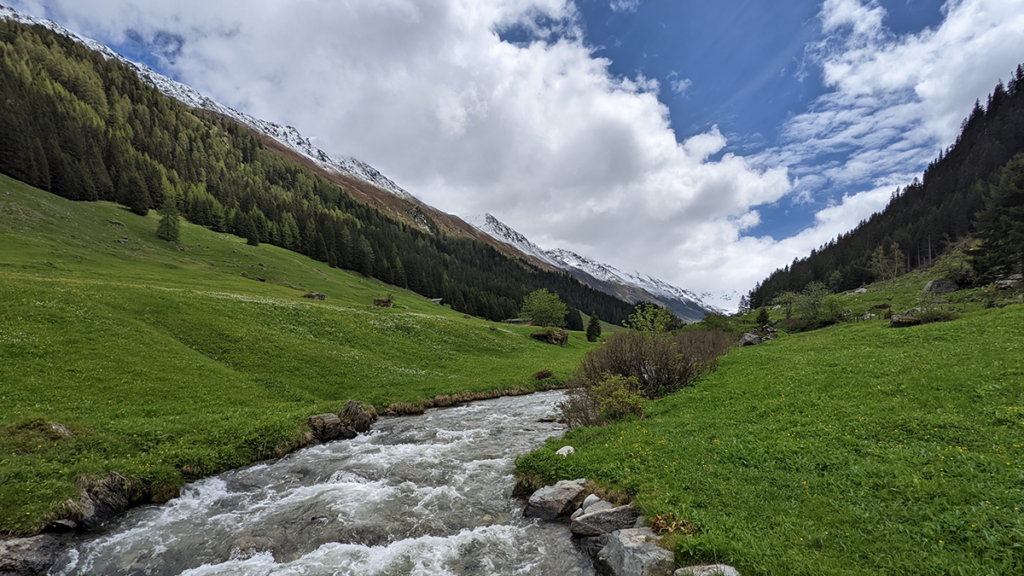
A river flowing through a mountainous region.
Editors’ Vox is a blog from AGU’s Publications Department.

Ensuring the sustainability of water resources and ecosystems in a changing world requires a thorough understanding of how water moves through Earth’s Critical Zone, a dynamic interface where air, water, soil, plants, and rocks interact. Researchers can track and model this movement of water using naturally occurring markers or β€œtracers.”

A recent article in Reviews of Geophysics explores the latest advancements in tracer-aided mixing models and how they can help us to better understand the Critical Zone. Here, we asked the authors to give an overview of the Critical Zone, how tracer-aided mixing modeling works, and future directions for research.

What is the Critical Zone (CZ)?

The Critical Zone is Earth’s β€œliving skin”—the dynamic layer where the atmosphere, hydrosphere, biosphere, and lithosphere interact. It stretches from the top of the vegetation canopy and, in cold regions, from the surface of snowpacks and glaciers, down through soils and into the deeper aquifers. It encompasses lakes, streams, and wetlands at the surface, and extends beyond the soil layer to underlying groundwater aquifers. It is where rainfall, snowmelt and glacier melt become soil moisture, where plants take up water and return it to the atmosphere, where aquifers get recharged, and where streamflow is generated. In short, the Critical Zone is where most processes that sustain terrestrial life and freshwater resources unfold.

Why is it important to understand how water moves through the Critical Zone?

Virtually every freshwater resource we rely on (e.g., drinking water, irrigation) passes through the Critical Zone.

Virtually every freshwater resource we rely on (e.g., drinking water, irrigation) passes through the Critical Zone at some point. Global warming, land-use changes, and intensifying water demand emerging from rapid urbanization and changes in agriculture are reshaping how water is stored and released within the Critical Zone, often in ways we cannot yet predict. Understanding how much water is stored within the Critical Zone, how this water is both recharged from rainfall and snowmelt and eventually discharged into streams, and the timescale of these dynamic processes is essential for protecting ecosystems, safeguarding water supplies, and adapting to a changing climate.

How would you explain a tracer-aided mixing model to a non-specialist?

Imagine mixing a glass of orange juice with a glass of apple juice, and trying afterwards to work out how much of each went into the glass. If the juices had distinctive β€œfingerprints” (imagine its color, sugar content, or a specific chemical) and these fingerprints primarily changed because of the mixing of these two juices, you can then measure the fingerprint in the final mixture and back-calculate the proportion of its distinct sources.

Tracer-aided mixing models work in a similar way but can track the entire water cycle. Different water sources (e.g., rainfall, snowmelt, glacier melt, soil water, groundwater) can have distinct β€œfingerprints” in a naturally occurring tracer, such as stable isotopes of water or specific dissolved elements. By measuring these fingerprints in the streamwater or groundwater and in its potential sources for example, hydrologists can estimate how much each source contributed to the streamwater or groundwater.

Conceptual model of the different components of the Critical Zone. β€œGw” stands for groundwater. Credit: Popp et al. [2025], Figure 2

What are some of the most significant and exciting recent advances in tracer-aided mixing models?

Classical mixing models relied on demanding assumptions: that all water sources can be identified and sampled, and that their signatures were distinct and constant in time. Much of the recent progress has been about relaxing these assumptions.

Bayesian approaches now estimate full probability distributions and provide a more realistic picture of uncertainty. Methods like Convex Hull End-Member Mixing Analysis (CHEMMA) use machine learning to infer the distinct sources directly from data, while ensemble hydrograph separation exploits tracer fluctuations over time, thereby making un-mixing feasible even when multiple sources have overlapping signatures. Perhaps the most conceptually novel advance is end-member splitting, which flips the question from β€œwhere does streamflow come from?” to β€œwhere does precipitation go?”

Alongside these modeling advances, there have been immense advances in how tracers are measured. Portable laser and mass spectrometers now enable high-frequency, in-situ tracer measurements which allows us to capture critical hydrological events such as storms and snowmelt in near-real time.

What are stable water isotope tracers and what are their advantages?

Stable water isotopes are naturally occurring non-radioactive atoms of hydrogen and oxygen that make up a water molecule but have slightly different molecular masses. The two stable isotopes widely used in hydrology are 2H (deuterium) and 18O (oxygen-18). Because these isotopes are part of the water molecule itself, they directly travel with the water molecule. Their key advantages are: (1) they are conservative, meaning they do not react chemically as water moves through soils and aquifers, and (2) they carry distinct signatures resulting from climatic variables such as air temperature.

These properties make stable water isotopes the most versatile and widely used tracer in Critical Zone hydrology.

Consequently, in the European Alps, winter precipitation has a different isotopic signature than summer precipitation because winters are cooler than summers. Other hydrological processes such as evaporation and sublimation leave a recognizable fingerprint on the remaining water, thereby allowing us to estimate how much evaporation or sublimation occurred. Stable water isotopes can be measured in essentially every water compartment, from atmospheric vapor and precipitation to snowpack, plant xylem, soil water, streams, and groundwater. Together, these properties make stable water isotopes the most versatile and widely used tracer in Critical Zone hydrology.

What are the current limitations of tracer-aided mixing models?

Despite their power, mixing models still face many constraints. End-member signatures vary in space and time, are sometimes too similar to distinguish, and some sources may be overlooked entirely. Non-conservative tracers such as nitrate or sulfate can react with their environment along their journey, thereby biasing results if these reactions are not explicitly accounted for.

Sampling is another major bottleneck. Capturing the spatial heterogeneity of soils, snowpacks, and groundwater requires a lot of measurements that are often logistically or financially prohibitive, especially in remote regions. Many of the newer, more powerful tracers such as noble gases or stable isotopes of trace elements, can only be analyzed by a handful of specialized laboratories. As a result, global coverage remains highly uneven, with key regions such as the Arctic and the global South still under-sampled.

What are some of the major unsolved questions and where is more research needed?

There are several fronts where more research is needed. Source signatures are not static, and methods that explicitly capture their variability in time are still underdeveloped. Embedding tracers within global Earth System Models would, in theory, enable more accurate assessment of hydrological partitioning e.g., how rainfall, snowmelt, and glacier melt are split between sublimation, evapotranspiration, groundwater, and streamflow. These will directly inform more robust climate projections, but this remains technically demanding.

Expanding data coverage in under-sampled regions is critical, and citizen science and low-cost sensors may help. Machine learning is a promising approach for uncovering non-linear relationships and gap-filling sparse datasets, but requires training data that often do not yet exist. Greater interdisciplinary integration, e.g., combining tracers with remote sensing, ecological indicators, and biogeochemical data, could yield a more holistic view of the Critical Zone. Finally, the field would benefit from shared protocols and open data practices to enhance progress.

β€”Andrea L. Popp (andrea.popp@smhi.se; 0000-0003-3911-8105), Swedish Meteorological and Hydrological Institute, Sweden; Harsh Beria (hberia@ethz.ch; 0000-0003-2597-9449), ETH Zurich, Switzerland

Editor’s Note: It is the policy of AGU Publications to invite the authors of articles published in Reviews of Geophysics to write a summary for Eos Editors’ Vox.
Citation:Β Popp, A. L., and H. Beria (2026), Tracing water’s hidden journey through the Earth’s living skin,Β Eos, 107, https://doi.org/10.1029/2026EO265019. Published on 13 May 2026.
This article does not represent the opinion of AGU,Β Eos,Β or any of its affiliates. It is solely the opinion of the author(s).
Text Β© 2026. The authors.Β CC BY-NC-ND 3.0
Except where otherwise noted, images are subject to copyright. Any reuse without express permission from the copyright owner is prohibited.

  • βœ‡Malay Mail - All
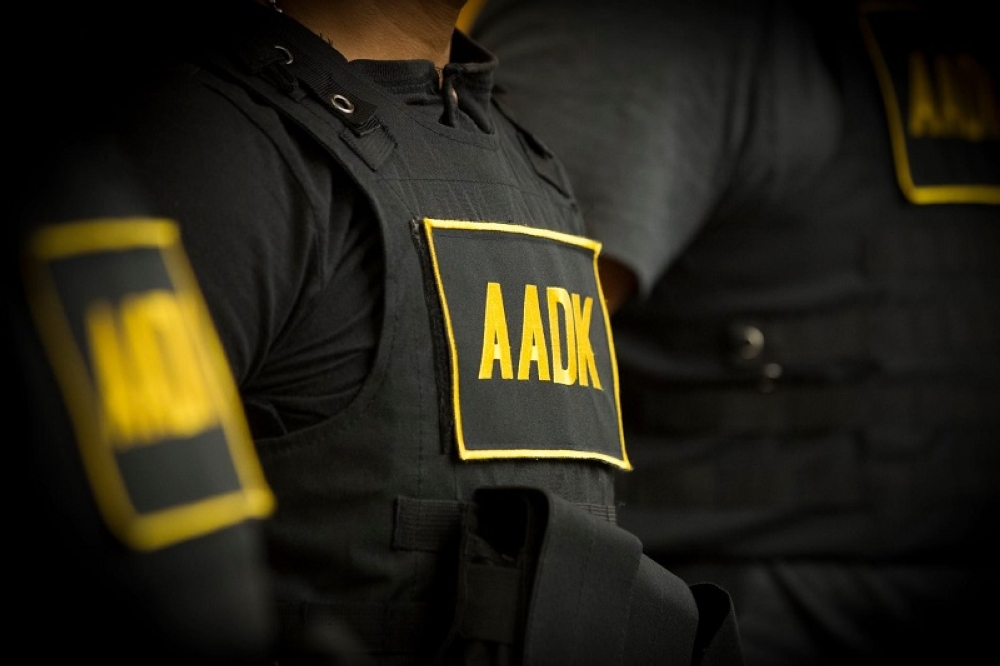
  • Kelantan records highest drug abuse rate in 2025 as border states remain most affected, says AADK
    KUALA NERUS, June 13 β€” Four states located near or along the country’s borders continued to record the highest rates of drug abuse in Malaysia in 2025.The National Anti-Drugs Agency (AADK) Prevention Division director Siti Mariam Mursidan said Kelantan recorded the highest rate, with 1,105 drug addicts and abusers per 100,000 population, followed by Terengganu (997), Perlis (970) and Kedah (965).She said the geographical location of these states has facilitated t
     

Kelantan records highest drug abuse rate in 2025 as border states remain most affected, says AADK

13 June 2026 at 06:39

Malay Mail

KUALA NERUS, June 13 β€” Four states located near or along the country’s borders continued to record the highest rates of drug abuse in Malaysia in 2025.

The National Anti-Drugs Agency (AADK) Prevention Division director Siti Mariam Mursidan said Kelantan recorded the highest rate, with 1,105 drug addicts and abusers per 100,000 population, followed by Terengganu (997), Perlis (970) and Kedah (965).

She said the geographical location of these states has facilitated the entry of illicit drug supplies into the local market, making it easier for addicts to obtain the prohibited substances.

β€œOverall, a total of 191,832 arrests involving drug addicts and individuals involved in prohibited substances were recorded throughout last year.

β€œApart from these four states, other states that also recorded relatively high rates were Pahang with 795 cases per 100,000 population, Penang (757), Melaka (659) and Perak (579). However, the situation in all states remains under control,” she said after the Kuala Nerus Car Free Hour (KNCFH) programme and the state-level Drug-Free Aspirations Tour (JABD) 2026 here today.

Also present were Terengganu deputy police chief SAC Suffian Sulaiman and state AADK director Arzmi Abdullah.

At the event, Siti Mariam also announced the selection of two villages β€” Kampung Gong Rawai in Kuala Terengganu and Kampung Rawai in Marang β€” as pilot locations for the drug-free aspirational village programme.

She said the locations were chosen based on the commitment shown by local leaders and communities in supporting AADK’s preventive programmes and related activities.

β€œThe selection of these villages does not mean that they have a high number of drug addicts. Rather, it is based on the cooperation and readiness of the communities and local leaders to support efforts to combat the drug menace.

β€œTerengganu is quite special because two villages have been selected as pilot projects. In other states, only one adopted village has been chosen for the same programme,” she said. β€” Bernama

Director Martin Scorsese Joins AI Image Startup Black Forest Labs

3 June 2026 at 10:49

An older man with white hair, wearing a black suit, white shirt, and patterned tie, smiles while standing in front of a maroon background with large gold letters.

Martin Scorsese has joined the AI image company Black Forest Labs as an adviser, a decision that has shocked some in the film and creative communities.

[Read More]

  • βœ‡Malay Mail - All
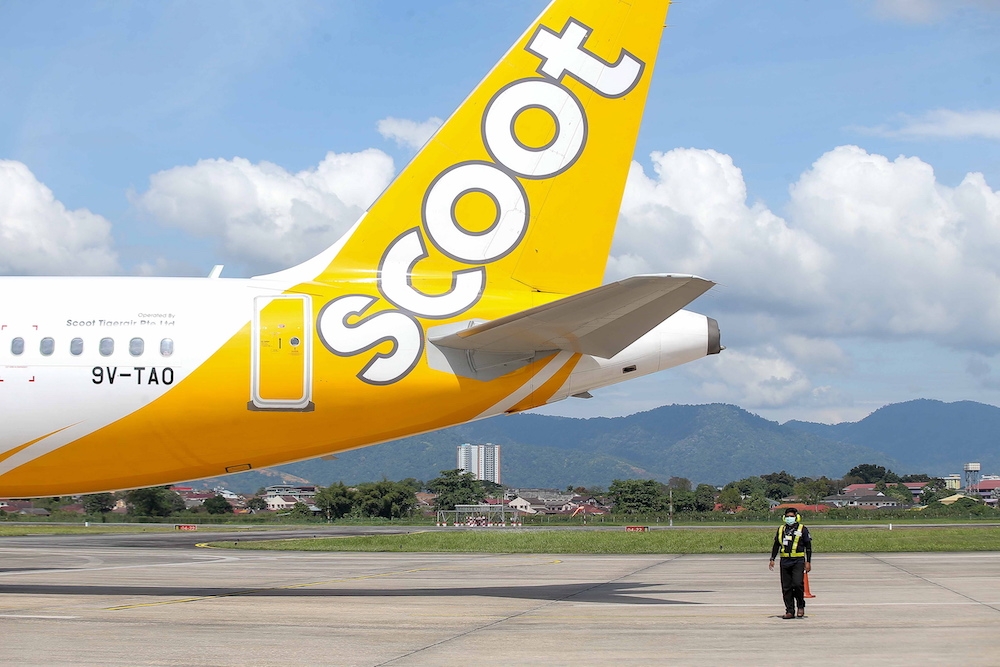
  • Man in Singapore admits posting fake bomb message on Instagram, delaying three Scoot flights Malay Mail
    SINGAPORE, June 4 β€” A 20‑year‑old Singaporean admitted in court that he posted a fake bomb threat on Instagram, triggering enhanced security checks that delayed three Scoot flights by more than an hour each.Rykes Tan Zhi Kai, who was 19 at the time of the offence, pleaded guilty today to one count of communicating false information of a harmful thing, according to CNA.He uploaded a photo of himself with a Scoot Boeing Dreamliner at Changi Airport in June 2025 and
     

Man in Singapore admits posting fake bomb message on Instagram, delaying three Scoot flights

4 June 2026 at 09:19

Malay Mail

SINGAPORE, June 4 β€” A 20‑year‑old Singaporean admitted in court that he posted a fake bomb threat on Instagram, triggering enhanced security checks that delayed three Scoot flights by more than an hour each.

Rykes Tan Zhi Kai, who was 19 at the time of the offence, pleaded guilty today to one count of communicating false information of a harmful thing, according to CNA.

He uploaded a photo of himself with a Scoot Boeing Dreamliner at Changi Airport in June 2025 and captioned it β€œIm [sic] about to bomb this plane,” a message he later described as a joke.

He also replied to a friend with the line β€œThis is automated message. Tan Zhi Kai, Rykes have successfully bombed the plane and is unable to contact you from now onwards,” which he said was another joke meant to imply he had died.

Police received an anonymous tip about the Instagram Story at around 1am on June 8, 2025.

Security teams identified all Scoot Dreamliner flights scheduled to depart between 12.10am and 1.50am for screening.

Three flights β€” TR138 to Tianjin, TR186 to Qingdao and TR720 to Athens β€” underwent enhanced checks and eventually departed at about 3am.

Scoot incurred operational losses of about S$1,946 (RM6,903) as a result of the delays.

Tan had already boarded flight TR876 to Taipei with three companions around the time the police received the information.

He was arrested on June 11, 2025, when he returned to Singapore.

Tan later made full restitution to the airline.

Deputy Public Prosecutor Xu Sijia told the court that deterrence was necessary because Changi Airport was β€œa critical public infrastructure utilised by vast numbers of local and foreign commuters daily.”

The prosecution asked the court to call for both a probation suitability report and a reformative training suitability report.

Tan’s lawyer argued against calling for the reformative training report at this stage.

The judge decided to call for both reports before sentencing.

Tan will return to court for mitigation and sentencing at a later date.

The offence carries a maximum penalty of seven years’ jail, a fine of up to S$50,000, or both.Β 

Β 

Kelowna company uses AI to map evacuation routes ahead of wildfire season

16 June 2026 at 02:27
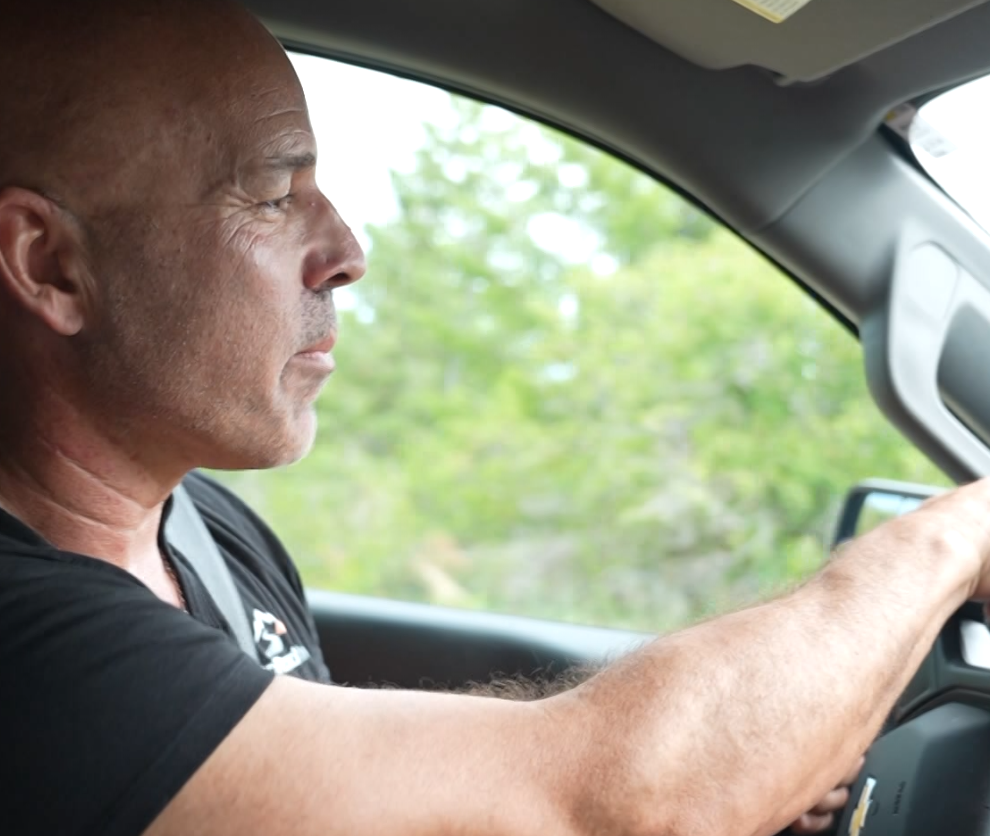
A Kelowna, B.C., technology company is working to help emergency officials better understand the condition of back roads that could become critical escape routes during a disaster.

Attorneys Claiming That AI Hallucinations Were Entirely Shocking Since They Didn’t Know That AI Can Hallucinate Are Now In Hot Water

Attorneys caught using AI hallucinations are no longer able to get a free pass by claiming ignorance about AI. The jig is up. An AI Insider analysis and scoop.

Β© getty

β€˜Widow’s Bay’ Renewed For Season 2 As Creator Katie Dippold Inks Overall Deal With Apple TV

11 June 2026 at 21:30
Just ahead of next week’s Season 1 finale, Apple TV has announced a Season 2 renewal for its hit horror-comedy series Widow’s Bay, starring and executive produced by Emmy winner Matthew Rhys. Additionally, the streamer clearly wants to stay in business with series creator Katie Dippold, signing her to a new multi-year overall deal. No […]

  • βœ‡TheHill - Just In
  • Altman, OpenAI get bogged down in political spending fight Miranda Nazzaro
    OpenAI, the artificial intelligence firm that birthed ChatGPT, is struggling to distance itself from pro-AI super PAC Leading the Future and its Silicon Valley backers as the industry faces backlash over its midterm election donations. OpenAI CEO Sam Altman is facing new questions over the company’s affiliation with Leading the Future, which is backed by...
     

Altman, OpenAI get bogged down in political spending fight

9 June 2026 at 10:00
OpenAI, the artificial intelligence firm that birthed ChatGPT, is struggling to distance itself from pro-AI super PAC Leading the Future and its Silicon Valley backers as the industry faces backlash over its midterm election donations. OpenAI CEO Sam Altman is facing new questions over the company’s affiliation with Leading the Future, which is backed by...

  • βœ‡procartoon
  • Exploring AI Image Generators for Cartoonists Nezzy
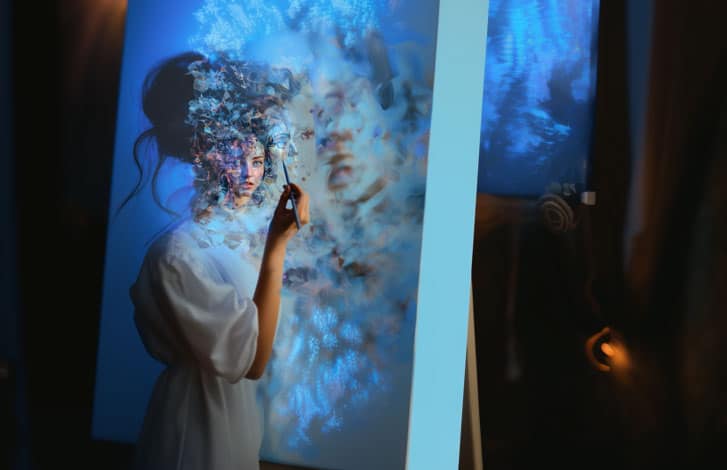
    Exploring AI image generators offers artists tools that can help with rapid concept development, background creation, and even complete compositions, often in ways that weren’t accessible before. The digital revolution in recent years has introduced artificial intelligence (AI) to creative fields, opening up new possibilities for artists, including professional cartoonists.Β  However, for cartoonists, finding the […] The post Exploring AI Image Generators for Cartoonists appeared first on .
     

Exploring AI Image Generators for Cartoonists

By: Nezzy
8 November 2024 at 21:15

Exploring AI image generators offers artists tools that can help with rapid concept development, background creation, and even complete compositions, often in ways that weren’t accessible before. The digital revolution in recent years has introduced artificial intelligence (AI) to creative fields, opening up new possibilities for artists, including professional cartoonists.Β  However, for cartoonists, finding the […]

The post Exploring AI Image Generators for Cartoonists appeared first on .

❌
Subscriptions