Normal view

Same name tops lists of most popular dog and cat names in Japan, and there’s probably a reason why

27 May 2026 at 04:00

Cultural quirks have a hand in making the same name the favorite for dogs and cats in annual study.

Japan’s most famous fictional cat might be the one named Kitty, but when it comes to actual pets, owners tend to get a little more creative with their choices. To investigate what Japan’s most popular pet names are, Daiichi ipet, the pet insurance division of Daiichi Life Group, recently conducted a study of the animal companions it covers, and there’s a common theme among many of the top entries on its list of dog and cat names.

The rankings were compiled by examining the names of dogs and cats who were less than one year old when new insurance policies were taken out for them during the last fiscal year (April 2025-March 2026), and for the sixth year in a row, the most popular name for dogs is Mugi. Mugi is also the number-one name for cats, jumping up to take the top spot from last year’s most popular feline moniker, Latte.

● Top names for dogs
1. Mugi
2. Latte
3. Mocha
4. Cocoa
5. Komugi
● Top names for cats
1. Mugi
2 (tie). Latte/Luna
4. Kinako
5. Leo
6. Mocha

▼ There’s a pretty good chance that at least one of the cats in this photo is named Mugi.

Many pet owners choosing “Luna” are no doubt thinking of Sailor Moon’s cat mentor of the same name, and “Leo” which was the top pick for male cats, is clearly meant to invoke images of lions. Take those two out of the above-listed names, though, and every remaining name has something in common: they’re all food/drink related.

Mugi is the Japanese word for either barley or wheat, and komugi is wheat specifically. There are even more food/drink names if you look farther down the list, with Kinako (roasted soybean powder) and Marron (the French word for “chestnut,” but commonly used in Japanese by sweets fans) at numbers 6 and 8 for dogs, and Omochi (rice cake) and Cocoa at numbers 7 and 8 for dogs.

This isn’t a brand-new trend, either. All of the above-mentioned names were also in Daiichi ipet’s lists of the top 10 dog and cat names in 2024, and giving pets food/drink-related names has been a thing in Japan for much longer than that, and a lot of their enduring popularity probably comes from two reasons.

Let’s start with the obvious one, which ties in to another common thread between many of the most popular names, which is that almost all of them are some shade of brown in color. The exception is Omochi, which is usually white, but even rice cakes take on a golden-brown color if you roast them, as is often done in Japan. A lot of dogs and cats have coats of fur somewhere on the spectrum between brown and gold, so giving them a food/drink name is a way to reference that physical trait.

Another factor that’s likely that in play here, though, is that in Japan it’s not very common to give pets the same names that people have. While there are also-for-people names in English that might have someone thinking of a dog first (like Rex or Rusty), you’ll also often encounter pets in the U.S. with names like Max, Daisy, Penny, or Charlie (all of which are on the American Kennel Club’s list of the most popular dog names in the U.S. for 2025). By comparison, though, it’s rare for Japanese pet owners to give their animals a modern for-people Japanese name like Haruto or Himari, as it would come off feeling overly dry and self-serious. The common logic in Japan is that pets should have names that are playful and fun. A food/drink-based name checks off those boxes, and if it matches the color of the pet’s coat, then there’s no need to explain the name to other people either.

When picking names for pets in Japan, foreign for-people names have a bit more pizzazz (in addition to being the number 4 name for cats in Daiichi ipet’s study, Leo was also the number 8 name for dogs), but then so do foreign food/drink names like Latte, Mocha, and Cocoa. There’s an interesting wrinkle to this, though, that shows up when Daiichi ipet’s study breaks down the most popular names for dogs by breed. Mocha, Cocoa, and Latte were all somewhere within the top three names for toy poodles, Chihuahuas, Pomeranians, and miniature Dachshunds. However, for the Shiba Inu, all three of the breed’s most popular names were Japanese words for foods: Komugi, Azuki (sweet red beans), and Mugi. Odds are this stems from “Shiba Inu” itself being a pair of Japanese words that’ve come to be the internationally accepted way of referring to the breed, making a Japanese-vocabulary food name feel like the best fit.

Source: Daiichi ipet via Otona Answer via Livedoor News via Golden Times
Top image: Pakutaso
Insert images: Pakutaso (1, 2)
● Want to hear about SoraNews24’s latest articles as soon as they’re published? Follow us on Facebook and Twitter!

  • ✇Popular Science
  • Why your dog eats grass Niranjana Rajalakshmi
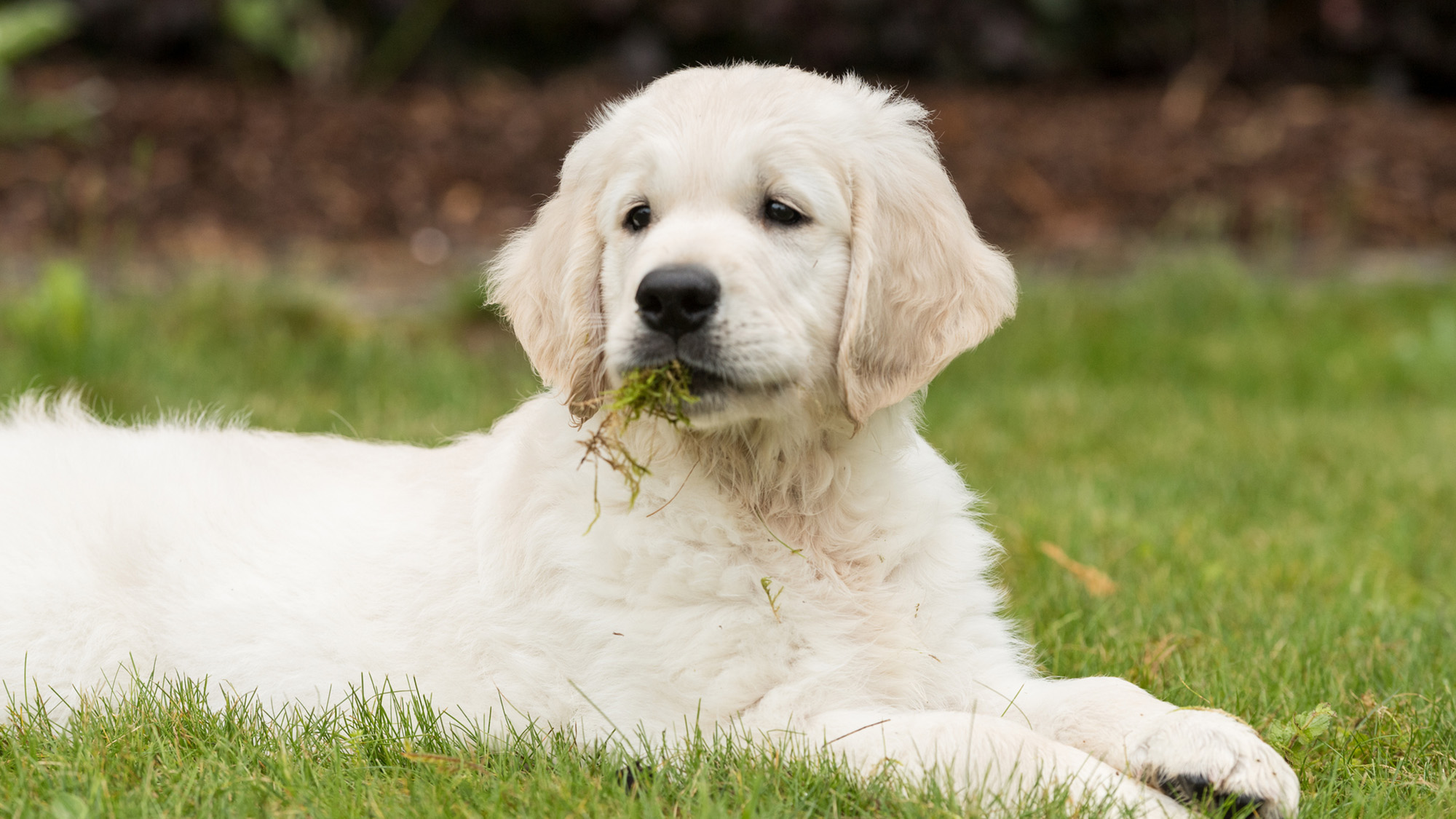
    If your dog stops mid-walk to chew on a patch of lawn, you’ve probably wondered whether something is wrong. Of the delicious food options available to them, why would they choose leafy, bitter grass? Many owners assume the worst: that the dog has an upset stomach and is eating grass to make itself throw up. Dr. Melissa Bain doesn’t see it that way. “My dog enjoys it every day,” says Bain, a professor of clinical animal behavior at the University of California, Davis. “If we ever mow the grass
     

Why your dog eats grass

4 June 2026 at 13:01

If your dog stops mid-walk to chew on a patch of lawn, you’ve probably wondered whether something is wrong. Of the delicious food options available to them, why would they choose leafy, bitter grass? Many owners assume the worst: that the dog has an upset stomach and is eating grass to make itself throw up.

Dr. Melissa Bain doesn’t see it that way. “My dog enjoys it every day,” says Bain, a professor of clinical animal behavior at the University of California, Davis. “If we ever mow the grass, [he’ll] go out there and just start chomping on it.” To her, it reads as a snack, not a symptom.

The idea that dogs graze to purge a sick stomach is one of the explanations owners reach for most. But it’s not what the research shows.

Eating grass is normal dog behavior

Grass eating is extremely common. In a 2008 UC Davis study, 79 percent of owners whose dogs had daily access to plants said their dog ate them. A follow-up internet survey of more than 1,500 owners found that 68 percent of dogs grazed daily or weekly, and grass was by far the plant they ate most.

If a behavior turns up in roughly three out of four dogs, it’s hard to call it a sign of illness.

Most dogs don’t get sick from grass

If dogs really ate grass to purge, you’d expect them to look ill first and vomit afterward. Most don’t. 

The same 2008 study found that only about 9 percent of dogs seemed sick before grazing, and only around 22 percent regularly vomited after. 

Diet made no difference either. Whether dogs were fed raw food, kibble, or a vegetarian diet had no bearing on whether they ate grass. 

There’s nothing like fresh grass. Video: Dogs eating grass, JR videos

“There is no nutritional basis for that that we know of,” Bain says of the theory that grazing makes up for something missing in a dog’s food. It’s a normal behavior, she adds, and one she sees mostly in healthy animals.

Her interviews with owners point in the same direction. When Bain asked what a dog was doing right before it ate grass, the dogs that already seemed unwell were the ones more likely to throw up afterward. The dogs that seemed fine usually didn’t. So, when sickness does show up, it tends to come before the grass, not because of it. The vomiting looks like a side effect, not the goal.

A popular version of that idea is that dogs graze to flush intestinal worms out of their gut. But many of the dogs in the survey were on monthly heartworm medication, which also clears intestinal worms—so those dogs had nothing to flush out. They grazed anyway.

They probably just like it

Once you set illness and diet aside, the explanation that’s left is appetite. “Most dogs eat grass because it is a food they enjoy,” says Carlo Siracusa, professor of clinical small animal behavior and welfare at the University of Pennsylvania.

Bain has noticed the same thing. Dogs tend to go for moist, long-stemmed grass, the tender kind that comes up early in the morning. They’re choosing what tastes good to them.

The behavior may be inherited from wild ancestors

Why dogs like grass in the first place is harder to answer. The 2008 study proposed that grazing is a normal behavior, possibly an instinct carried over from wild canid ancestors. 

Bain finds that idea convincing. One ecological version of that idea holds that grass once helped wild canids clear intestinal worms—the fibrous strands wrap around the worms and carry them out in the droppings. Bain points to wild-canid droppings to support this idea: They often hold long strands of plant material, sometimes with parasites tangled in it. But it isn’t proof, she says.

Related 'Ask Us Anything' Stories

A 2021 study of domestic cats had similar results: Very few cats looked ill before eating plants, and the behavior appeared normal and likely innate rather than a reaction to feeling sick. (Cats did vomit more often than dogs—up to a third of the time—which the authors say may reflect some gastric upset.) Why the instinct exists at all is still an open question.

When it’s worth a second look

Only rarely does grass-eating become a problem, Bain says—when it becomes compulsive. Siracusa says it can turn excessive enough to cause an intestinal obstruction. 

“I have seen this in anxious dogs, but it does not represent the norm,” he says. In nearly three decades of practice, Bain can remember only one dog whose grazing was truly compulsive, and that dog obsessively ate everything, not just plants.

What matters is the pattern. A dog that grazes constantly, looks sick before eating, or vomits regularly afterward is worth a trip to the veterinarian, since the underlying cause may be nausea or another gut problem. It’s also a good idea to keep grass-eating dogs off chemically treated lawns and away from plants that are toxic to dogs.

For most dogs, though, none of that applies. “Most owners should not be concerned if their dog eats grass,” Siracusa says. For a lot of dogs, grass is just the first snack of the day.

In Ask Us Anything, Popular Science answers your most outlandish, mind-burning questions, from the everyday things you’ve always wondered to the bizarre things you never thought to ask. Have something you’ve always wanted to know? Ask us.

The post Why your dog eats grass appeared first on Popular Science.

  • ✇SoraNews24 Japan
  • Japan now has “edible cat fur” for people who really love felines Oona McGee
    When you like a cat so much you want to eat its fur. Cats are beloved the world over, but here in Japan they really love their cats. It’s a love so strong it’s given birth to everything from stickers that smell like cat beliies through to sunscreen that dispenes itself in the shape of a cat paw, and now, dear reader, let us introduce you to “edible cat fur“. Known officially as “Delicious Cat Fur” by its creators, Necoichi, a company that specialises in cat products, this new offering is desi
     

Japan now has “edible cat fur” for people who really love felines

15 June 2026 at 05:00

When you like a cat so much you want to eat its fur.

Cats are beloved the world over, but here in Japan they really love their cats. It’s a love so strong it’s given birth to everything from stickers that smell like cat beliies through to sunscreen that dispenes itself in the shape of a cat paw, and now, dear reader, let us introduce you to “edible cat fur“.

Known officially as “Delicious Cat Fur” by its creators, Necoichi, a company that specialises in cat products, this new offering is designed to look like something that’s been plucked from the back of a calico cat. The cat-like colouring and fluffy texture looks incredibly realistic, but you can breathe a sigh of relief as this “fur” is actually…

▼ … cotton candy!

To be precise, this is said to be cotton candy for cat lovers, as it’s packed with beautiful details that “reflect a deep love for felines”. It’s such a fun and unique product that it’ll appeal to anyone with a fondness for cats, but if you’ve ever wanted to collect your pet’s fur and keep it in a container, or if you’ve ever liked a cat so much you’ve wanted to eat its fur, then this will tip the scales towards being a dream product. You can also share the love with a dedicated message section on the side for gift-giving.

▼ “Our dreams of eating cat fur are finally a reality!”

While the visuals are enough to put cat lovers into a tailspin, the product is also designed to be genuinely delicious. The cotton candy is said to melt lightly on the tongue, and hidden inside are popping candy pieces that crackle in your mouth as you eat it, creating a fun texture that comes with equally fun sound effects.

▼ The promo image for the product reads “We made cat hair”, alongside a speech bubble that says “We love cats too much…” and “This is cotton candy for humans. Cats can’t eat it” as a cautionary note.

With a sweet and sugary aroma, the Delicious Cat Fur is a multi-sensory experience that’ll engage more than just sight, hearing, smell, taste, and touch – it’ll engage your sense of imagination as well.

It’s surprisingly realistic for something made of sugar, and is sure to bring a smile to all sorts of cat lovers, from the casual admirer to the full-on feline enthusiast. Released on 30 May, the “Delicious Cat Fur” is available exclusively at the Necoichi Store at Yokohama’s Lalaport shopping centre, priced at 980 yen (US$6.11).

Store information
Necoichi Lalaport Yokohama / 猫壱 ららぽーと横浜
Address: Kanagawa-ken, Yokohama-shi, Tsuzuki-ku, Ikonobecho 4035-1
神奈川県横浜市都筑区池辺町4035-1
Open: 10 a.m.-8 p.m. (weekdays); 10 a.m.-9 p.m. (weekends)
Website

Source, images: Press release
● Want to hear about SoraNews24’s latest articles as soon as they’re published? Follow us on Facebook and Twitter!
  • ✇Popular Science
  • Clever kid builds phone charger powered by pet hamster Andrew Paul
    Renewable energy is the cornerstone of any sustainable society, but why limit your options to wind or solar installations? In the United States alone, over one million homes host a tiny, furry alternative power source without even realizing it. As a young YouTuber known as Flamethrower recently demonstrated, it’s time for hamsters to start pulling their weight around the house. Or, at the least, it’s time for them to start turning hamster wheels into miniature, makeshift turbines. The idea ca
     

Clever kid builds phone charger powered by pet hamster

8 May 2026 at 18:49

Renewable energy is the cornerstone of any sustainable society, but why limit your options to wind or solar installations? In the United States alone, over one million homes host a tiny, furry alternative power source without even realizing it. As a young YouTuber known as Flamethrower recently demonstrated, it’s time for hamsters to start pulling their weight around the house. Or, at the least, it’s time for them to start turning hamster wheels into miniature, makeshift turbines.

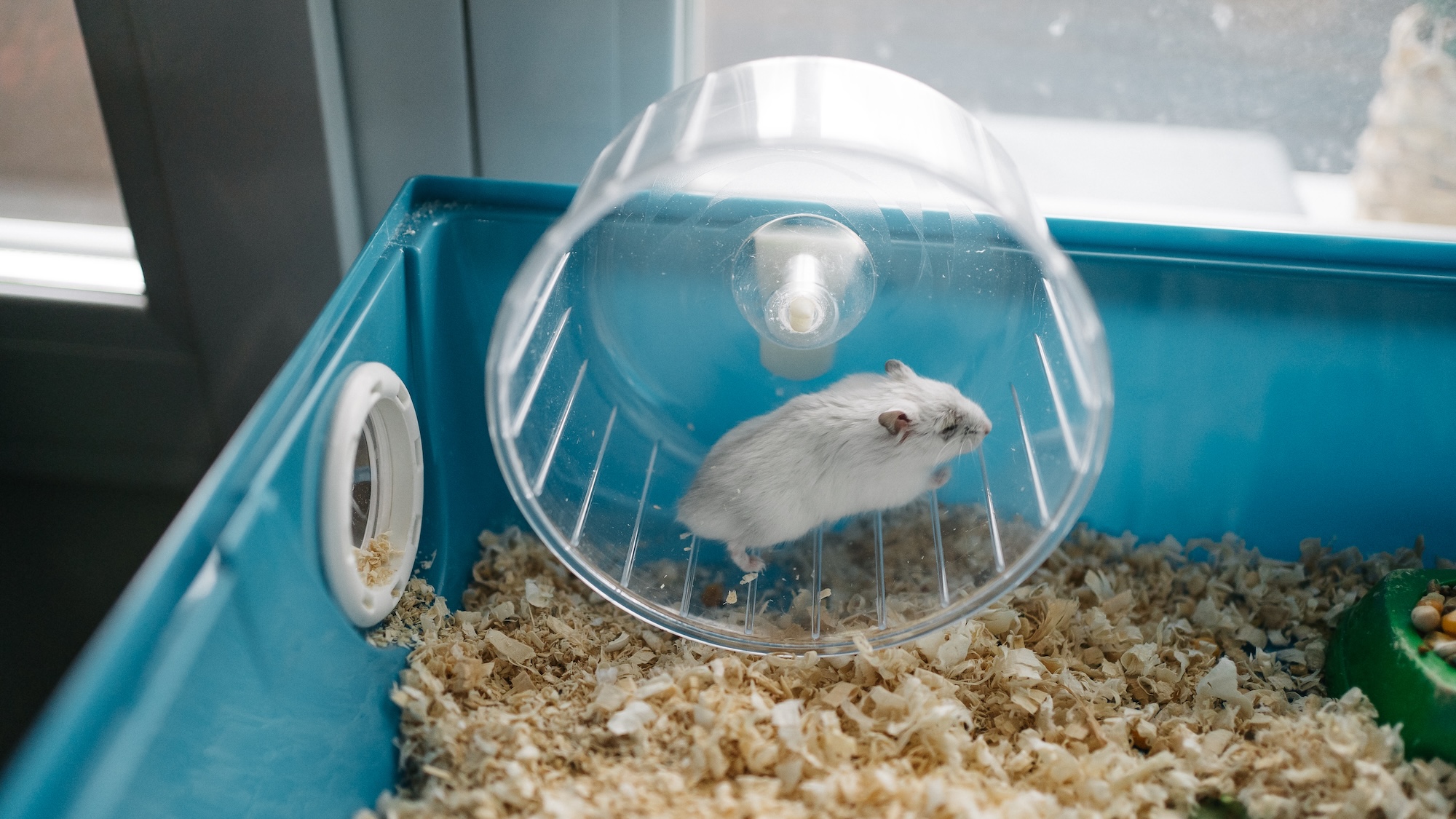
The idea came to Flamethrower after his brother received one of the tiny pets for his birthday. Although adorable, naturally nocturnal hamsters are often up at all hours of the night running on their little exercise accessories. While laying awake to the sound of a spinning, squeaky wheel, the amateur engineer realized how to make the best of an unexpectedly annoying situation.

“So what did I do? Exploit it for energy production, of course!” he declared in his recent video entry.

Turbines help generate most of the world’s energy, and their underlying principles are simple enough. Electricity funneled through wires to a motor will make it spin, but the reverse is also true—spin a motor, and electricity will generate through its terminals into battery storage. The fundamentals are basically the same whether a turbine spins thanks to steam, wind, or nuclear power. Or hamsters.

However, a hamster-powered turbine is not the easiest project to design. As the YouTuber explained, a 5 volt (V) DC motor hypothetically needs to spin at over 10,000 RPM to simply reach a smartphone’s standard 15 watt charging speed. Even if such a superpowered hamster existed, its speed would likely cause the motor to melt before it provided any juice to a battery—and therein lay another issue. 

Batteries don’t only store energy—they are designed to provide electricity at a steady current when needed. However, a standard battery also must receive a higher voltage than it stores in order to amass any reserves. 

Part of the solution came from a device known as an energy harvester module, which takes small voltages and amplifies them to an acceptable level for a battery. But the problem is that the amount of required voltage increases in direct proportion to the energy that’s being stored, meaning yet another unfeasible hurdle. The hobbyist ultimately relied on a system called maximum power point tracking (MPPT) to calculate the optimal input and output proportions for the energy harvester and a few other components. 

All that potential energy is only as good as the battery that stores it, however. For this project, the YouTuber relied on lithium-ion cells salvaged from a broken electric scooter. Flamethrower hooked up his rig to the hamster wheel’s axis, then gave his brother’s pet the night to get its steps in. The next day, he attached his phone via a USB cable charging port to test the whole thing for the first time.

The initial setup worked flawlessly, although it charged at a snail’s pace. Naturally, he booted up his thermal camera nearby (who doesn’t own one?) to investigate any pain points in the system. It turns out the issue did have anything to do with the hamster wheel charger itself, but his outdated USB cable. After swapping that out with a newer replacement, phone charging sped up dramatically.

“And with that, my hamster’s life finally has a purpose,” the inventor declared.

As absurd as it appears, it’s hard to argue with such an ingenious source of free electricity. Hypothetically, the same idea could be adapted to basically anything in a house that spins mechanically, like a stationary bike. Then again, the whole point is to have the hamster do the work, not you. In any case, the YouTuber seems to be on to something here. The way Flamethrower tells it, the rodent may be more reliable than solar or wind energy.

“It’s supposed to be nocturnal but I’m starting to think it never sleeps,” he said.

In The Workshop, Popular Science highlights the ingenious, delightful, and often surprising projects people build in their spare time. If you or someone you know is working on a hobbyist project that fits the bill, we’d love to hear about it—fill out this form to tell us more.

The post Clever kid builds phone charger powered by pet hamster appeared first on Popular Science.

  • ✇Openclipart
  • Cartoon Gecko Walnutty
    A Gecko Remixed from Studiofibonacci's Triceratops And T.Rex I gave it a little mouth for fun. This is also A Leopard gecko Specifically
     

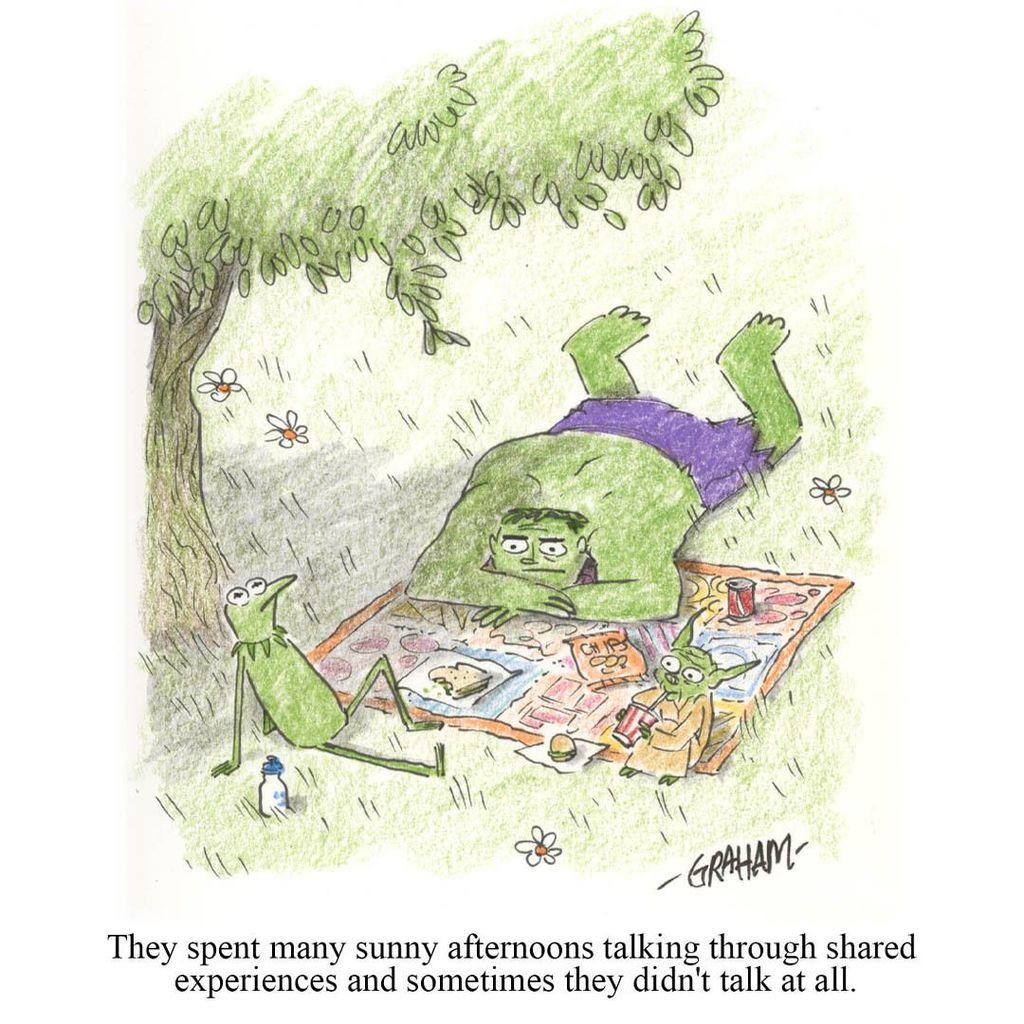
Friends of a feather. #grickledoodle #spring #sunny #green #kermit #muppets…

21 May 2026 at 16:01

Friends of a feather. #grickledoodle #spring #sunny #green #kermit #muppets #yoda #hulk #cartoon #art #drawing #funny #humor

A cartoon illustration of Kermit, The Hulk, and Yoda all sitting under a tree enjoying a picnic. Caption reads "They spent many sunny afternoons talking through shared experiences and sometimes they didn't talk at all."
  • ✇Popular Science
  • Could raccoons become the new dogs? Shoshi Parks
    Last fall, a study of raccoons found that these city-dwelling trash pandas are beginning to look different than their rural cousins in the U.S.—they appear to be domesticating themselves. It wouldn’t be the first time a wild animal species manipulated humanity for its own benefit. Dogs did it at least 14,000 years ago, discovering that befriending garbage-producing humans resulted in tastier, more abundant scraps and less arduous lives on their own. New genetic data indicates that cats feedin
     

Could raccoons become the new dogs?

10 June 2026 at 12:53

Last fall, a study of raccoons found that these city-dwelling trash pandas are beginning to look different than their rural cousins in the U.S.—they appear to be domesticating themselves.

It wouldn’t be the first time a wild animal species manipulated humanity for its own benefit. Dogs did it at least 14,000 years ago, discovering that befriending garbage-producing humans resulted in tastier, more abundant scraps and less arduous lives on their own. New genetic data indicates that cats feeding off the abundant rodents plundering human food stores domesticated themselves for similar reasons around 10,000 years ago. 

Dogs and cats hanging around worked out pretty well for humans, too. The first dogs served as early-warning systems, protectors, and hunting buddies. Cats, on the other hand, helped keep food fresher and reduced the spread of disease. Over time, through a combination of natural selection and human intervention, they evolved into the cute and cuddly companion animals of today.

Could urban raccoons be headed down the same evolutionary path straight into the American home? 

Raccoons as pets

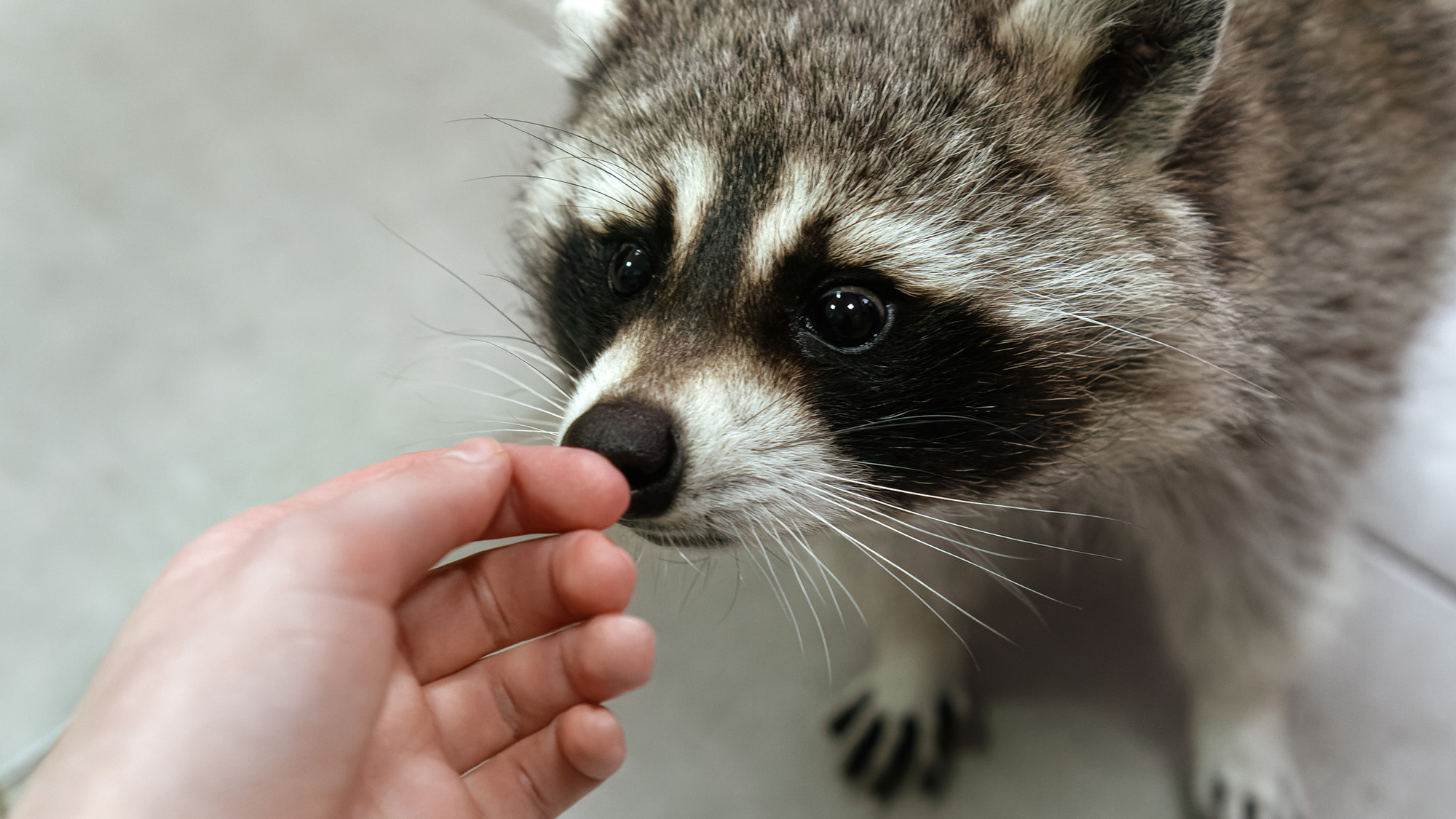
With their expressive masked faces and dexterous little fingers, pet raccoons are already found en masse on social media: sleeping in open dresser drawers and picking Fruit Loops out of cereal bowls. But the algorithm only shows one side of what Lauren Stanton, postdoctoral fellow at the Schell Lab at the University of California, Berkeley, describes as “very active and intelligent animals with complex needs.” 

Problem number one? Raccoons are nocturnal. They sleep in tight spaces during the day and venture out at dusk to forage, hunt, explore, and socialize across vast territories that can stretch as many as three square miles. And they don’t do it quietly. Raccoons have all sorts of vocalizations: purrs, chirps, hisses, and straight-up screams. A hollering, busybody raccoon does not a good night’s sleep make. 

Black and white photograph of First Lady Grace Coolidge with a raccoon on a leash surrounded by a crowd on a lawn.
President Calvin Coolidge and First Lady Grace Coolidge had a pet raccoon named Rebecca. Here Grace holds Rebecca on a leash at the 1927 White House Easter egg roll. Image: Library of Congress, LC-F8- 41374 [P&P]

And then there are those paws which, despite a lack of opposable thumbs, are remarkably agile. A pet raccoon would be able to untie knots, unlatch locks, unscrew jars of food, and open doors in the middle of the night to let their wild compatriots in for raucous, sexy parties during mating season.

As highly-opportunistic omnivores, raccoons hunt insects, aquatic animals, small mammals, and birds. They also scavenge just about anything they can find. Not only would the food in fridges and cabinets fall victim to their nightly raids, they could never be trusted around a gerbil or bird cage—and god forbid there’s a fish tank around. 

Nor would they discriminate about the water chosen for dipping their food, a common behavior which increases paw sensitivity while eating. Toilet bowl, sink full of dirty dishes, or that poor, beleaguered fish tank—it’s all the same to them.

Altogether, this web of destructive, innate behaviors is one that not even ongoing domestication would be likely to ever make compatible with the human home—not that people are likely to stop trying.

“I have talked to many people over the years who have attempted to own raccoons, and their story often ends the same: The raccoon got too difficult to manage and so they ‘released it back to the wild,’” says Stanton, a deadly problem for human-raised raccoons that never learned essential survival skills.

Domestication vs. Domesticated

The evolutionary path of virtually every domesticated animal has undergone “domestication syndrome”—a pattern of physical changes seen across diverse species that includes the development of floppier ears, flatter and rounder faces, and curlier tails over time. 

A 2025 study of the snout-to-skull-length ratio of close to 20,000 images of American raccoons posted on the citizen science platform iNaturalist found the snouts of urban raccoons were 3.56 percent shorter than those of rural raccoons—possibly an early symptom of domestication syndrome.

Global News host Liem Vu chats with the 2025 study author Raffaela Lesch and wildlife expert Brad Gates about how raccoons might be showing early signs of domestication. Video: City raccoons showing early signs of domestication with cuter snouts: Study, Global News

But Stanton isn’t completely convinced that’s actually what’s happening in these urban populations. 

“Although morphological changes might have a genetic basis, there are multiple reasons why such changes could occur,” she explains. “Changes in skull shape, for example, could be due to changes in an animal’s diet, since many urban species shift towards eating softer, carbohydrate-rich foods found in our garbage.” 

Changes in urban raccoon behavior can’t automatically be chalked up to domestication either. 

“If raccoons become habituated to people or learn to associate them with food, they might behave in a more docile or tame manner around people, but this does not mean that they are domesticated,” Stanton continues. Additional empirical evidence, including examination of the raccoon genome, is needed to know for sure.

Regardless, Stanton is adamant that there is no hypothetical future in which raccoons could realistically become good house pets. 

“In my opinion, what makes raccoons so charismatic is their curiosity and unruly nature,” she says. 

“If we attempt to strip away their wildness through ownership or attempts at domestication, then we may lose some of the qualities that make them so special in the first place.” 

In Ask Us Anything, Popular Science answers your most outlandish, mind-burning questions, from the everyday things you’ve always wondered to the bizarre things you never thought to ask. Have something you’ve always wanted to know? Ask us.

Related 'Ask Us Anything' Stories

The post Could raccoons become the new dogs? appeared first on Popular Science.

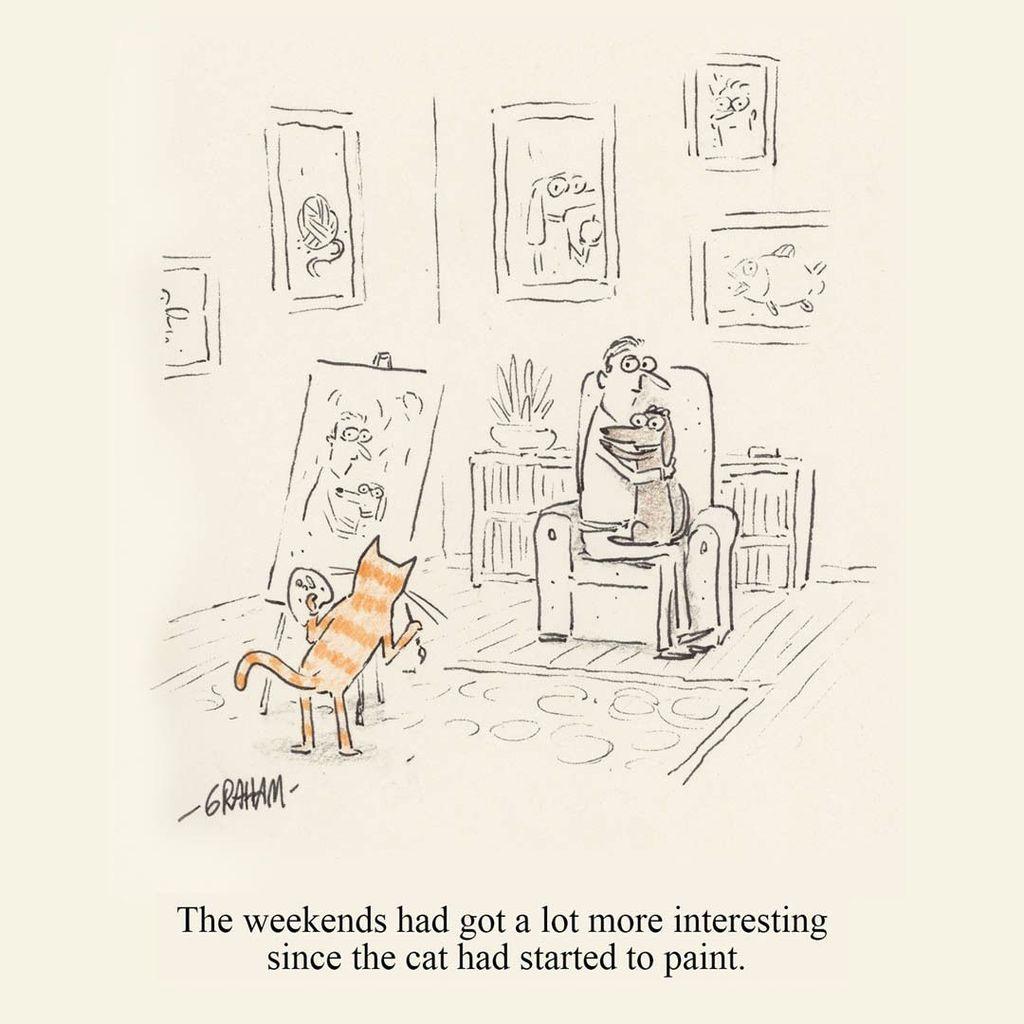
Spicing it up. #grickledoodle #cat #painting #dog #pets #cartoon #art #draw…

13 June 2026 at 16:01

Spicing it up. #grickledoodle #cat #painting #dog #pets #cartoon #art #drawing #funny #humor #weekends

A cartoon illustration of a man and his dog holding each on a chair as a cat paints them on an easel. Caption reads "The weekends had got a lot more interesting since the cat had started to paint."

The actor and wife, Luciana, and their four daughters have rescued many pet…

8 June 2026 at 19:24
The actor and wife, Luciana, and their four daughters have rescued many pets over the years, including several overseas

© <p>Mert Alper Dervis/Anadolu via Getty; The Dodo/Instagram</p>

  • ✇Popular Science
  • Mysterious Amazonian ‘ghost dog’ caught on camera Margherita Bassi
    Hidden deep in the forests of Bolivia and Peru is a species so mysterious it has been dubbed the “ghost dog.” The short-eared dog (Atelocynus microtis) has been deemed one of the region’s least-known carnivores, if not one of the world’s least-known canids, period.  After almost a quarter-century of work, researchers finally have gathered new data on this highly cryptic wild dog. Their results, published in the journal Neotropical Biology and Conservation, shed light on the short-eared dog, r
     

Mysterious Amazonian ‘ghost dog’ caught on camera

14 June 2026 at 14:21

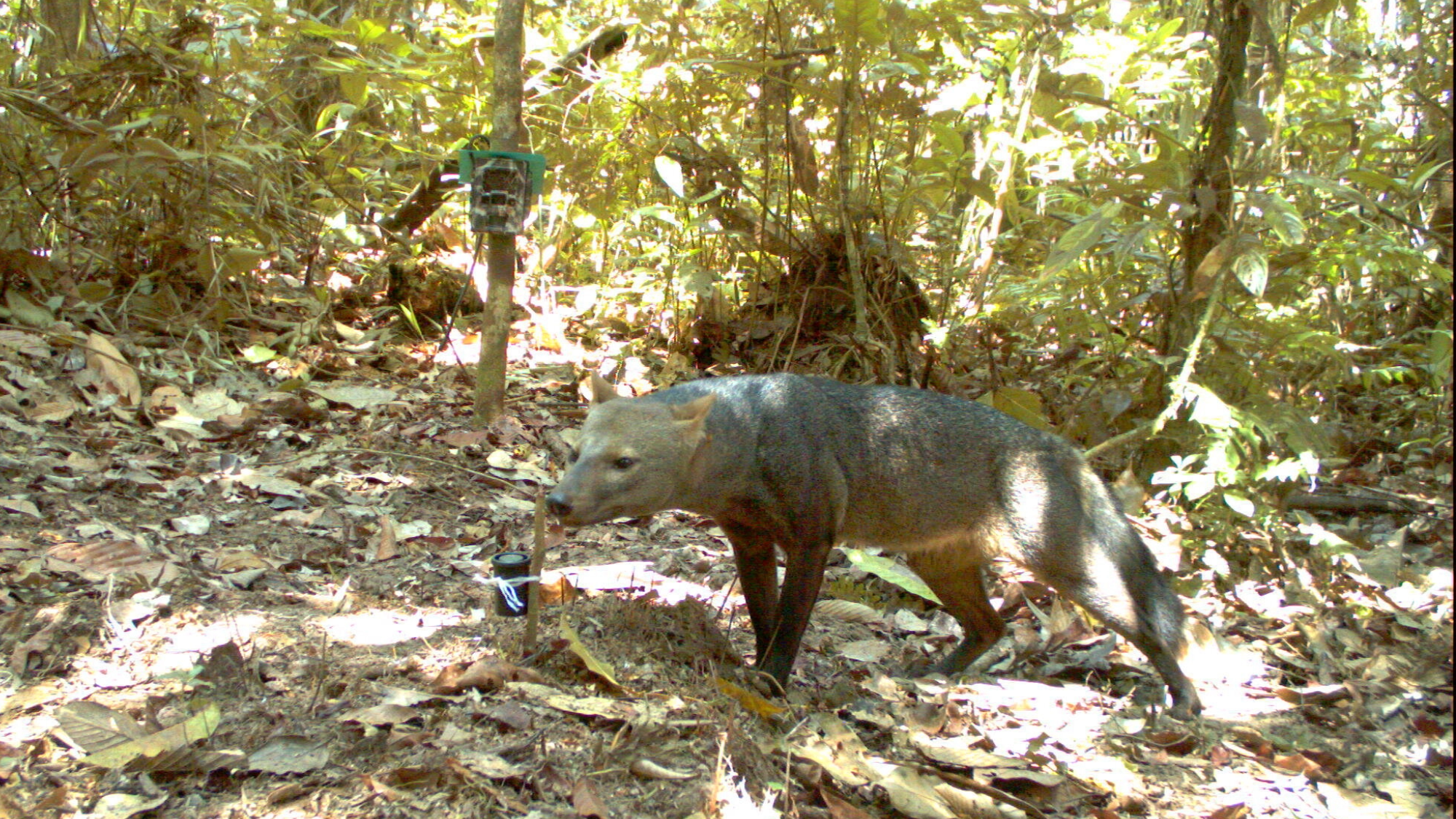
Hidden deep in the forests of Bolivia and Peru is a species so mysterious it has been dubbed the “ghost dog.” The short-eared dog (Atelocynus microtis) has been deemed one of the region’s least-known carnivores, if not one of the world’s least-known canids, period. 

After almost a quarter-century of work, researchers finally have gathered new data on this highly cryptic wild dog. Their results, published in the journal Neotropical Biology and Conservation, shed light on the short-eared dog, revealing something particularly unexpected. 

“The most surprising aspect of the results was that despite being an almost mythical beast, short-eared dogs are much more abundant than we had imagined,” the team said in a statement, though they still don’t qualify as “common.” 

Researchers carried out 34 intensive camera-trap surveys throughout the lowland regions of Bolivia and Peru for over 25 years. This yielded 594 individual photographs, revealing the ghost dog’s large head, small round ears, short legs, long bushy tail, and a dark coat swinging from reddish-brown to blackish gray. The little dog also has partially webbed paws, which isn’t seen in other amazonian canids. 

Based on camera-trap data, the team estimates they have a population density of 15 dogs per 38.61 square miles. This indicates that they are not as sparse as researchers had anxiously theorized. The species is likely more abundant than larger carnivores in the area such as jaguars, but there are less of them than medium-sized carnivores such as ocelots (Leopardus pardalis). 

This study is a “wonderful example of how conservation technology and remote sensing – in this case the intensive use of camera traps—can provide substantial data on one of the least known species of the Amazonian rainforests,” said Robert Wallace, a conservation scientist at the Wildlife Conservation Society and lead-author of the study. He and his colleagues also found that the species is most active between 6 a.m. and noon. 

While the dog’s webbed toes might make you think of an aquatic animal, the species is a “true forest specialist,” according to the statement, demonstrating a significant preference for upland forests far from rivers. Their preference for these dense habitats is a significant reason why humans see so few of these wild dogs—in addition to their secretive nature and excellent hearing and sense of smell, which has allowed them to stay away from people. 

As always in conservation, the more scientists learn about a species, the better equipped they are to protect them. According to the paper, the relative abundance of short-eared dogs was higher in national protected areas and overlapping Indigenous territories, as opposed to unprotected areas. The creation and successful management of protected areas is exceedingly important for the conservation of the species. 

The post Mysterious Amazonian ‘ghost dog’ caught on camera appeared first on Popular Science.

  • ✇Popular Science
  • Even wild desert cats love catnip Margherita Bassi
    Cats are famously obsessed with catnip, but a recent social media post from the Bronx Zoo in New York City highlights that it’s not just bossy domestic felines that take an interest in the plant.  In the zoo’s video, a three-year-old female sand cat (Felis margarita) plays with a catnip-filled ball. Sand cats are the sole only species that live in the true desert. They can withstand both exceptional heat and cold, from 122 degrees Fahrenheit (50 degrees Celsius) to -13 degrees Fahrenheit (-25
     

Even wild desert cats love catnip

10 June 2026 at 21:45

Cats are famously obsessed with catnip, but a recent social media post from the Bronx Zoo in New York City highlights that it’s not just bossy domestic felines that take an interest in the plant. 

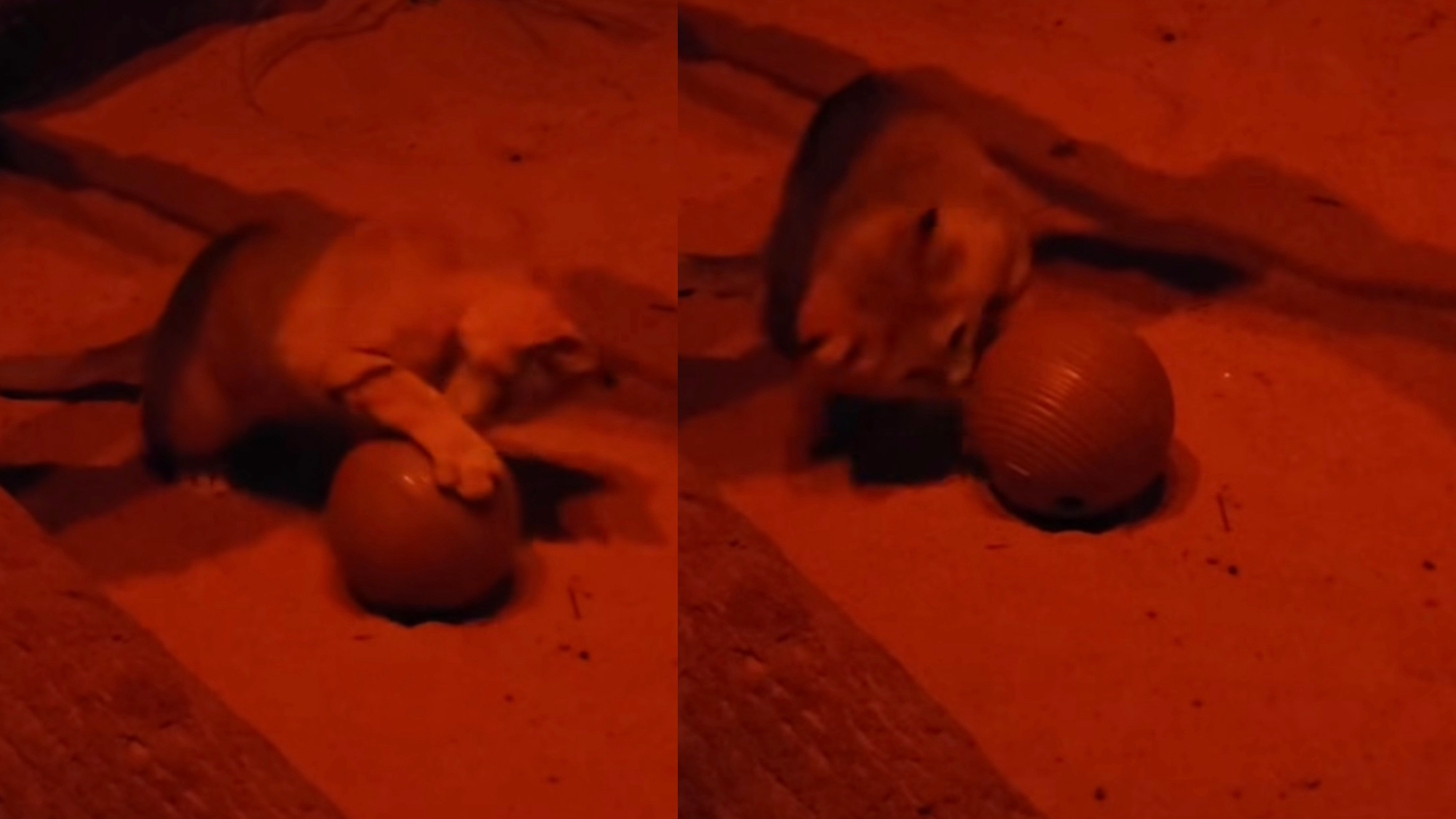
In the zoo’s video, a three-year-old female sand cat (Felis margarita) plays with a catnip-filled ball. Sand cats are the sole only species that live in the true desert. They can withstand both exceptional heat and cold, from 122 degrees Fahrenheit (50 degrees Celsius) to -13 degrees Fahrenheit (-25 degrees Celsius). They are found across northern Africa as well as southwest and central Asia.

“The keepers added catnip to this ball to give the sand cats a novel item to stimulate them physically and mentally. Cats respond to a chemical in catnip called nepetalactone,” according to the post. “Its primary function is to repel insects from the plant. Many cats, though not all, are highly attracted to it, and it is safe and non-toxic for them to enjoy.”

Catnip is part of the mint family. According to Jessica Moody, curator of primates and small mammals at the Wildlife Conservation Society (WCS), not all felid species have the same sensitivity to the plant. Moody tells Popular Science that sex and age also impact the response on an individual level. Bronx Zoo (part of the WCS) animal keepers frequently employ catnip, officially called Nepeta cataria, as well as other scents to incite natural behaviors such as investigation and play. 

It’s clearly working with this particular feline, whose species the IUCN Red List categorizes as a species of least concern. However, “it is difficult given their low population density and harsh environment to track true wild populations,” Moody explains. “Primary threats to the survival of sand cats in the wild include habitat loss and a decline in prey caused by human disturbances like livestock grazing.” 

The post Even wild desert cats love catnip appeared first on Popular Science.

❌
Subscriptions