 Login
LoginBust of Antonia the Younger
9 June 2026 at 22:56


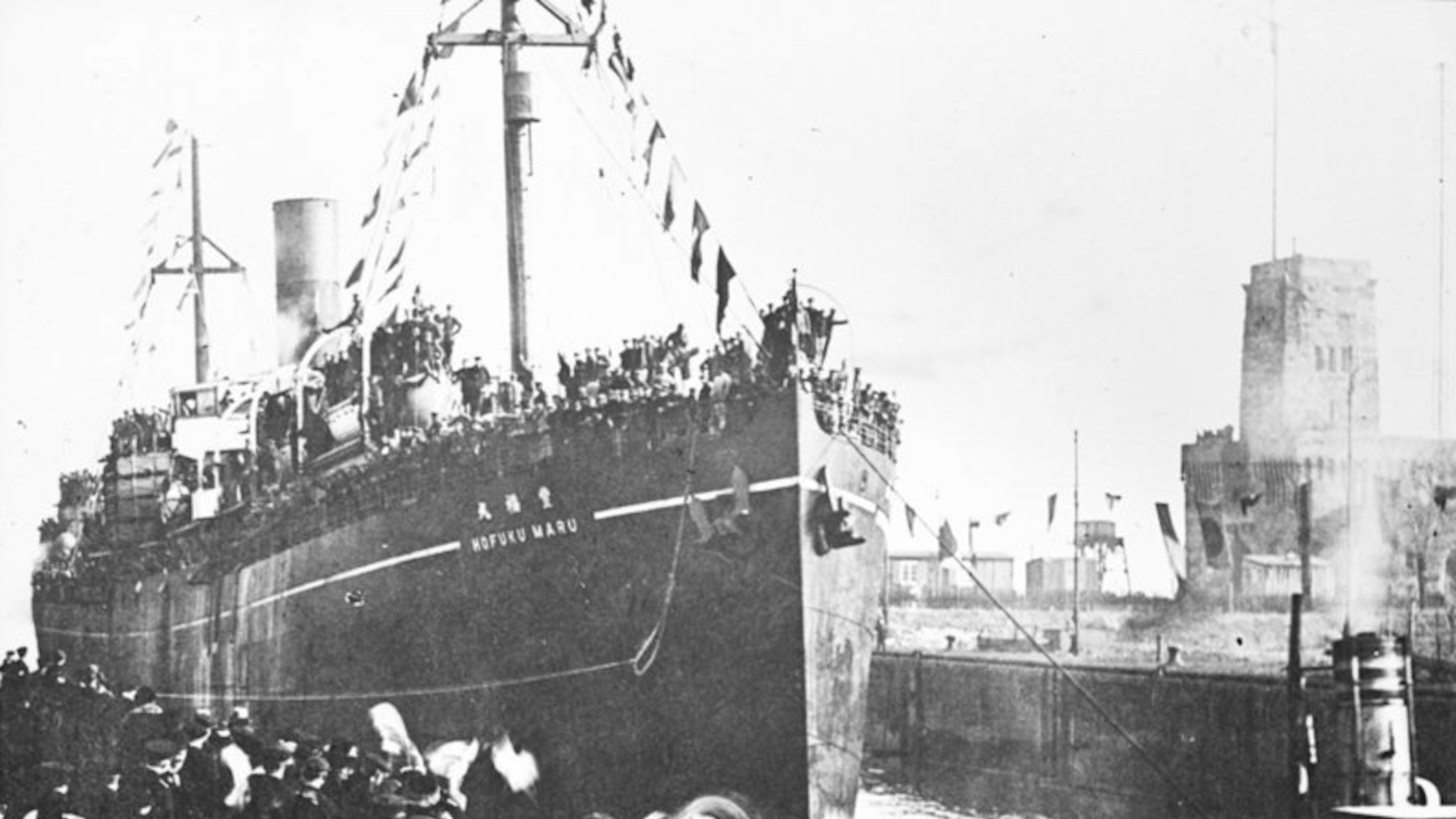
After over 80 years, a team of marine archeologists and historians believe that they’ve uncovered a lost piece of World War II history. The remains of the Japanese freighter Hōfuku Maru were spotted off of the western coast of the Philippines. But the Hōfuku Maru was not just a run of the mill military vessel. The freighter was called a Hellship.
Hellships were requisitioned merchant ships that the Japanese Navy used to transport prisoners of war during WWII in horrific conditions. Inmates died from thirst, heat, beatings, and executions—as well as inadvertent Allied attacks. Hellships traveled within military convoys, and the Allies didn’t know they were transporting prisoners of war. Historians estimate that 20,000 of the over 125,000 Allied prisoners that traveled on Hellships died onboard.

The remains of Hōfuku Maru were discovered off the coast of the Philippines’ Zambales province. On September 21, 1944, more than 1,000 Allied servicemen died aboard the Hōfuku Maru, when it sank in less than three minutes.The ship had up to 1,000 British and Dutch prisoners in its holds, but the shipwrecks’ identity and location was forgotten.
In both American and Japanese military archives, the Hellships Memorial Foundation found documents claiming that the Hōfuku Maru sank over 30 miles away from where it was assumed to have gone down..
“We were absolutely stunned that Japanese sources had information on where the convoy was attacked and what ships were hit – this was a smoking gun,” retired Naval Officer Randy Anderson and Hellships Memorial Foundation founder, said in a statement.
Thus a team, including imaging specialist Evan Kovacs, maritime archaeologist Calvin Mires, and TV presenter/explorer Josh Gates, came together to track down the mysterious shipwreck. Sonar imaging verified the presence of an uncharted wreck in the area they were investigating, and then identified the wreck during deepwater dives. The team also found human remains.
The available evidence points to the Hōfuku Maru. Various elements align perfectly with the vessel’s blueprints, and the wreck is broken into two parts, which matches descriptions by both Americans and Japanese. The remains of the vessel lay beneath over 160 feet of water.
“The pieces all fit,” said Tim Beckensall, a researcher at the Hellships Memorial Foundation, “the vessel is the right size, in the right place and from the correct period. I am convinced this is the Hōfuku Maru.”
The findings will feature in the two-part premiere of Discovery’s Expedition Unknown airing on June 24th.
“The story of the Hellships is a chapter in the history of WWII that demands to be brought to light,” highlighted Gates. “The research and dives that led to this groundbreaking discovery can hopefully offer closure to the families of more than a thousand servicemen who made the ultimate sacrifice. It’s a privilege to work alongside the Hellships Memorial Foundation to honor their memories; they are lost no more.”
The post Long-lost World War II ‘Hellship’ may have finally been found appeared first on Popular Science.
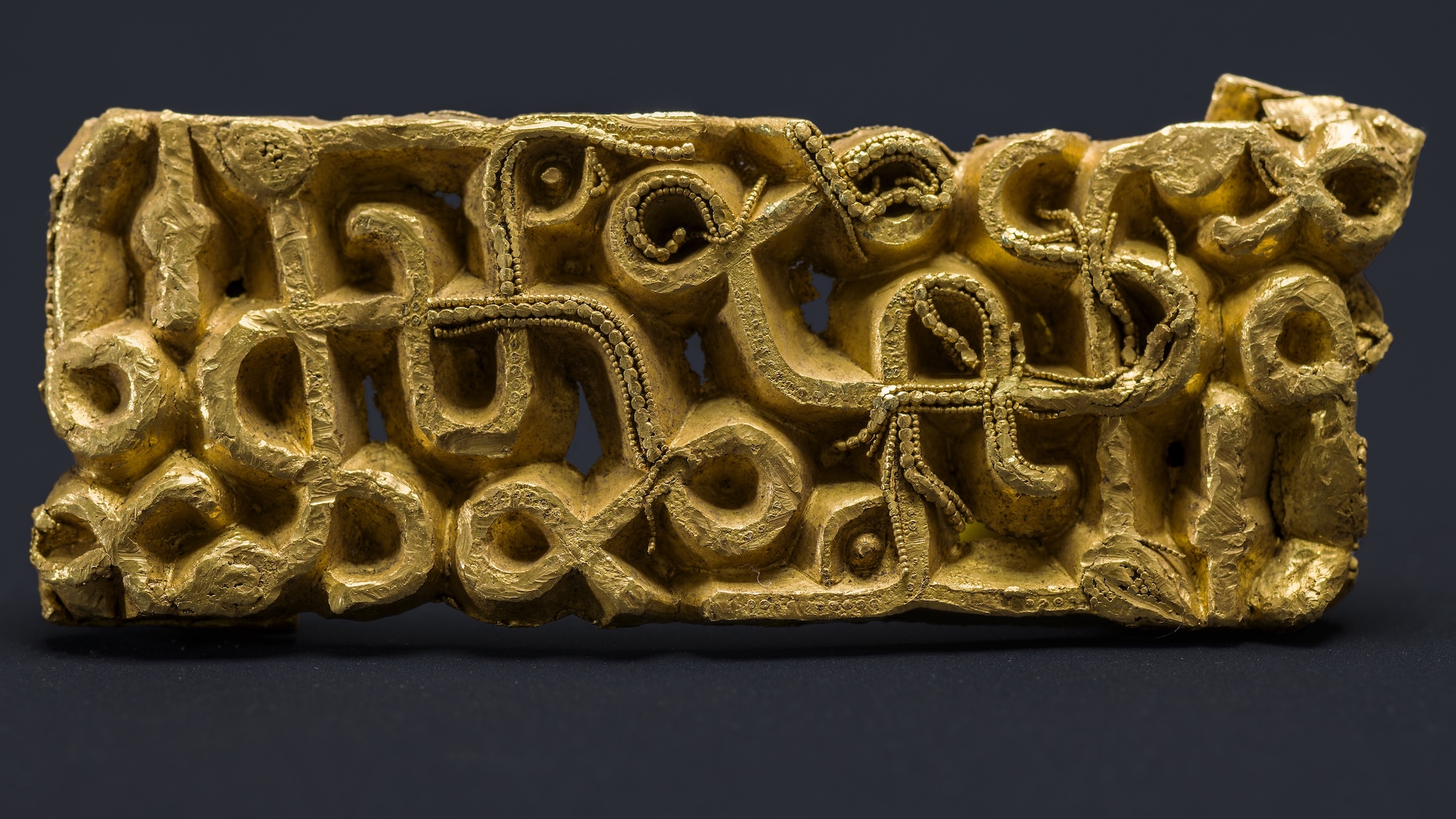
A hiker who paused to examine an old, uprooted tree found something much rarer than roots during a recent walk in the hills of Norway. According to a team of archaeologists from the University of Stavanger, the man’s morning stroll unexpectedly revealed a 1,500-year-old sword scabbard crafted from gold. Its owner likely wasn’t a lowly soldier, either. Based on the artistic skill and material, the embellishment’s original weapon probably belonged to a prominent leader or chieftain who ruled during the 6th century.
The remarkable find remained buried for centuries in the Norwegian district of Austrått, not far from the country’s southwest coast. The small adornment measures about 2.4 inches wide and less than one inch tall, while weighing around 1.15 ounces. Although tiny, the accessory signified immense authority and power. It’s also an incredibly rare artifact.Only 17 other similar pieces are known throughout northern Europe.
“The odds of finding something like this are minimal,” University of Stavanger archaeologist Håkon Reiersen said in a statement, translated from Norwegian.
Even after generations underground, the scabbard retains much of its original design. Although somewhat difficult to discern now, researchers identified clear regional artistic stylings that match those seen during the Migration Period (300s–600s CE), an era known for its widespread shifting power dynamics across Europe and the fall of the Western Roman Empire. These decorations include animal and potential human-animal hybrid illustrations arranged symmetrically across the piece. There are even still remnants of filigree embellishments, and evidence of finely beaded gold wiring that helped create an overall shimmering effect.
Reiersen and his team believe the artifact belonged to a major leader or chief in Hove, a region along Norway’s western coast. This man probably oversaw many warrior followers, and relied on items like impressive weaponry to highlight his influence and power. But while similar relics exist, the Hove discovery is distinct for its clear evidence of heavy usage and wear. Many decorative swords of the era were purely ceremonial or intended only for display. In this case, it appears its owner actually wielded the weapon in battle. Or at the very least regularly carried it around with him in public.
The location of the find also tells its own story. After examining the site, archaeologists determined that the scabbard wasn’t accidentally deposited or discarded, but carefully placed inside a crack in the bedrock. This strongly suggests the ultimate fate of the gold accessory was a religious offering to the gods. Even this act would have been its own signifier of power and wealth. The 6th century was particularly difficult for communities living in the area, who faced many economic, agricultural, and cultural trials. Giving up such a rich adornment would have been a leader’s way of both reiterating his power while pleading for divine aid. Taken altogether, the discovery represents an extraordinary moment for archaeologists that will help them better understand the region’s social dynamics during the Migration Period.
“We just have to say a big thank you to a very attentive hiker for the fact that we now have a new puzzle piece linked to the power center at Hove,” added archaeologist and University of Stavanger museum director Kristin Armstrong-Oma.
The post Hiker stumbles on 6th century gold sword scabbard under fallen tree appeared first on Popular Science.
Pirate treasure and shiny coins typically come to mind when an old shipwreck is discovered. These bits of maritime history are usually studied, preserved, and placed in a museum or private collection—not made into a dress worthy of Paris Fashion Week.
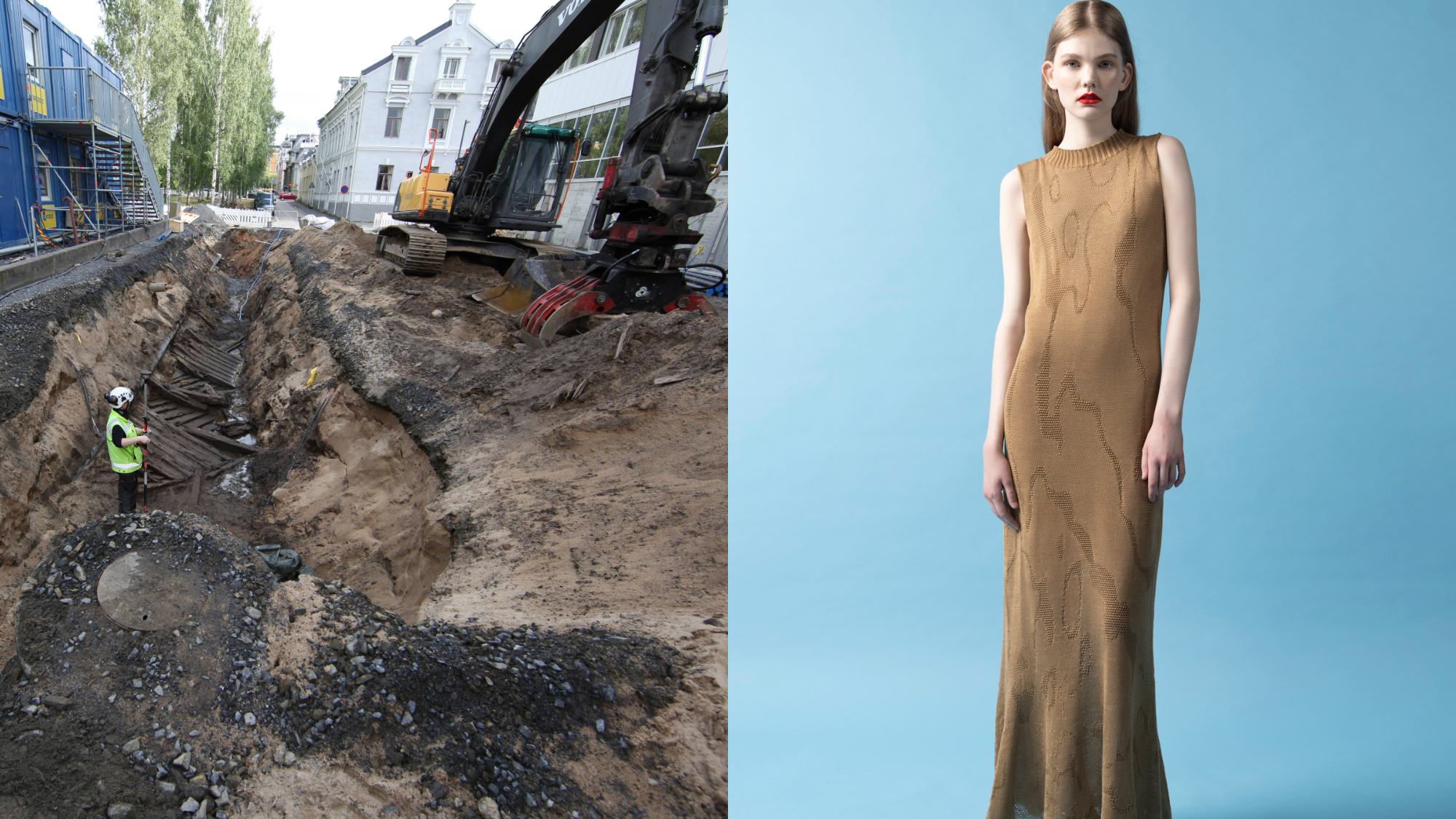
Using the surplus wood from a shipwreck dating back to the 1600s, archeologists, chemists, and textile experts in Finland turned the raw material into a textile fiber. They then spun the fibers into a workable yarn and knit it into a dress with the help of AI-assisted technology. The Shipwreck Dress represents over two years of collaboration between scientists and designers. This unique piece of clothing is also an opportunity to bring history to new audiences.
“Underwater cultural heritage is often invisible, but the Shipwreck Dress brings it into people’s everyday environments,” Minna Koivikko, a maritime archaeologist with the Finnish Heritage Agency, said in a statement. “It’s almost like a spokesperson for history—with a modern twist.”
The wreckage of a 17th century cargo ship was discovered in the central Finnish town of Oulu in 2019. The ship was made from tree timber dating back to 1684 and the unnamed vessel was eventually called the Hahtiperä wreck. The wood for the vessel grew in the forests of Ostrobothnia in southwest Finland in the 17th century.
Some of the leftover pieces of wood risked ending up thrown in the trash after years of conservation work, leaving archeologists wondering how to give the wood a second life in the 21st century.
“The wreck had only partially survived, and not everything could be preserved, even though every piece was documented,” said Koivikko. “It felt unfortunate, and I began wondering whether the wood fragments could still be of use.”
Koivikko joined forces with design and textile experts, chemists, and forestry specialists, to find a way to transform this historical wood into something new.
Bioengineer Inge Schlapp-Hackl oversaw the highly technical process of converting the more than 300-year-old wood into a workable textile fiber. She removed the outer layer to expose the wood’s core, which was then shredded and processed into a dissolving pulp. She then used a patented Ioncell® process to turn the pulp into fiber. Ioncell® uses a solvent called ionic liquid to convert the cellulose from old textiles, wood pulp, and newspapers into fibers, without using other chemicals. The fibers can then be made into long-lasting fabrics.
“Ioncell® fibres have a silky feel and are stronger than cotton,” said Schlapp-Hackl. “In addition to new and reclaimed wood, the Ioncell® method can utilise recycled materials like paper, cardboard, textile waste and straw for fibre production.”
According to the team, the finished yarn is surprisingly strong. It has a subtle sheen and a brown hue, and remains undyed and unbleached. That brown coloring directly originates from the Hahtiperä wreck.
“The pulp made from the wreck contained very few impurities and was surprisingly easy to process,” added Schlapp-Hackl. “This project demonstrated that the Ioncell® method can be used to produce fibre from practically any cellulose-based material.”
The team then used an experimental design program to generate patterns on a local computer. According to the team, this process minimizes energy consumption and so that the designer and AI can work together.
Aalto University textile expert Anna-Mari Leppisaari designed and knitted two identical dresses from yarn, and the surface pattern is inspired by wood grain and digital noise. She knit the dress on a Shima Seiki knitting machine as a single, seamless, three-dimensional piece to keep from wasting any of the fabric.
For Aalto University textile artist and designer Pirjo Kääriäinen, raising awareness of the need to reduce consumption of natural resources has been a lifelong mission. She and her colleagues have spent over 15 years researching how different biomasses and raw materials can be used as raw materials for textile fibers.
The team says that the Shipwreck Dress demonstrates the possibilities that exist when technology and design are tested and that the dress’ historical origins encourage fresh thinking about sustainable consumption.
“Of course, a shipwreck is an exceptional case, but it’s also a story that makes people pause and appreciate materials in a new way,” said Kääriäinen. “If something this beautiful can be made from centuries-old wood, why do we keep throwing away materials that could still be circulated and reused?”
The Shipwreck Dress will be exhibited at the Oulu Museum of Art beginning on Friday May 22. Its twin piece will be shown at Aalto University’s Designs for a Cooler Planet 2026 exhibition beginning on September 1.
The post 17th century shipwreck woven into dress (seriously) appeared first on Popular Science.
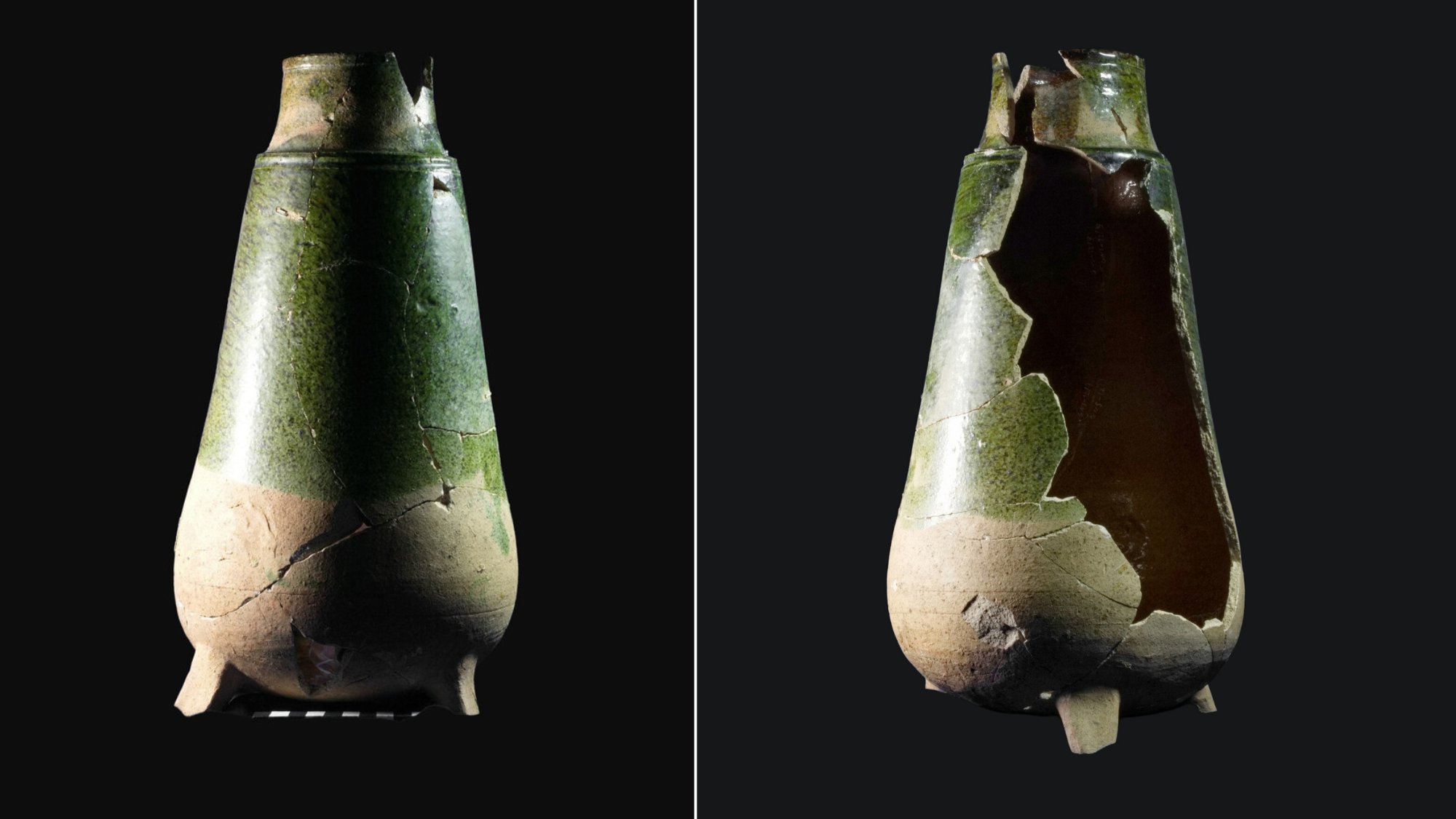
Archaeologists in Germany say a uniquely shaped ceramic vessel discovered inside a castle was potentially used for much more than simple distillations. According to the Saxony State Office for Archaeology, the over 1.5-foot-tall jug’s origins are “presumably” tied to medieval alchemy. But before anyone conjures images of magical rituals, experts say it’s far more likely the container’s creators intended the vessel for more grounded research trying to turn dull metals into gold.
Located in southern Saxony, Germany, Gnandstein Castle’s earliest iteration was built during the 13th century to overlook the Wyhra Valley. Generations of modifications eventually transformed the fortification into a manor, although many medieval architectural elements are still visible throughout the former residence. Gnandstein Castle received around a decade of renovations between 1994 and 2004, during which archeologists scoured the grounds for important historical relics.
More recent construction efforts took place in a previously demolished, 2,400-square-foot portion of the grounds. There, archaeologists found remnants of early modern brick paving and floor tiles dating to the early 16th century. But one additional artifact was particularly interesting—a glazed ceramic vessel with a rounded body, tapered neck, and three feet on the bottom, allowing it to stand upright. Its overall shape and design strongly suggest prolonged, controlled usage instead of storing liquids like wine or cooking oils.
Archaeologists suspect that the container was part of a larger distillation setup. Similar items from the era held liquid that was then heated from flames underneath it. After placing a rounded cap over the neck, vapors would transport up the neck and condense in the cooler top known as a helm or head. Final results frequently included plant extracts, mineral oils, medicines, and alcohol.
The Saxony State Office noted the artifact closely aligns to equipment used in “alchemical and proto-chemical practice” during the 15th and 16th centuries. Popular culture often depicts medieval alchemy as mystical pseudoscience, but a great deal of it actually forms the basis for present-day chemistry, pharmacy, and laboratory research. The ceramic relic itself supports this, as its creator likely chose the material knowing that metal containers sometimes release toxic or contaminating substances during various hot or acidic preparations. The Saxony region also had strong ties to mining and metallurgy around that time, further suggesting alchemical influences.
Unfortunately, the team cautioned that the object’s true use remains unclear. Researchers didn’t find any residual material inside the vessel, so there currently is no way of knowing what it once held. Despite the mystery, it’s now clear someone in Gnandstein Castle hoped to distill something—and possessed the equipment to accomplish it.
The post Odd-shaped vessel hints at alchemy in medieval German castle appeared first on Popular Science.

clgkhkrf54 posted a photo:
Maya Classic Period (550-900 AD) rare polychrome pottery from the Jay I. Kislak collection, Library of Congress, Geography and Map Division. See long file names for additional information.

Stonehenge is so much more than just a monumental feat of ancient engineering—it’s also a logistical marvel. Multiple generations of Neolithic designers relied on communal teamwork and clever construction techniques to precisely place each of the site’s gigantic megaliths about 5,000 years ago. Two primary types of stone known as sarcens and bluestones make up the formation. Paleoarchaeologists previously traced most of the sarcens to about 15 miles away to present-day Marlborough, England, while many of the bluestones originated in Wales.
The famed Altar Stone is far more perplexing, however. The central, six-ton sandstone megalith likely came from a region in Scotland about 400 miles away. How a prehistoric society managed to scoot the boulder so far without complex tools or transportation methods has perplexed researchers for years.
Many researchers have theorized that melting Ice Age glaciers likely helped passively shift the Altar Stone closer to southern England’s Salisbury Plain around 2500 BCE, shortening the transport distance for Stonehenge’s creators. But in 2024, a team at Curtin University used chemical analysis to determine that glaciers simply weren’t the only factor behind the megalith’s move. Now, that same team has combined ice-sheet modeling and mineral grain dating to more precisely locate the Altar Stone’s original home. Their findings, published today in the Journal of Quaternary Science, further underscore how humans played a huge part in getting their centerpiece to Stonehenge.
“Rather than being carried naturally by ice, the evidence points to a deliberate, carefully planned movement across a challenging and varied landscape,” Anthony Clarke, a geochemist and study co-author, said in a statement.
Although glaciers possibly transported many large rocks as far south as Dogger Bank in the North Sea, Clarke explained that geological modeling showed that “no viable glacial pathways” ever linked the Altar Stone’s source region to Stonehenge. This further underscores how Neolithic communities were necessary to move it to its final spot.
“Transporting a stone of this size over such a long distance would have required planning, coordination and a deep understanding of the landscape—not to mention tremendous determination,” he added.
While the exact methods remain a mystery, Clarke and colleagues believe the Altar Stone was almost certainly moved in stages, possibly through a combination of overland and river travel routes.
“The stone would still have needed to be moved hundreds of kilometers by people,” Clarke concluded.
The post Humans really did move Stonehenge’s six-ton centerpiece appeared first on Popular Science.

People flee historic district of ancient city after airstrikes hit residential areas and damage archaeological sites
Israel has bombed the city of Tyre, killing eight and injuring at least 32 people, and struck dozens of other villages in south Lebanon as it issued forced evacuation orders for the historic Christian quarter of the ancient city for the first time.
Israel struck the al-Masaken neighbourhood without warning on Tuesday morning, sending smoke plumes high above the city’s buildings and igniting fires. Further airstrikes were carried out across the city and a series of bombings hit Abbasieh, a village north of Tyre.
Continue reading...
© Photograph: Kawant Haju/AFP/Getty Images
© Photograph: Kawant Haju/AFP/Getty Images
© Photograph: Kawant Haju/AFP/Getty Images
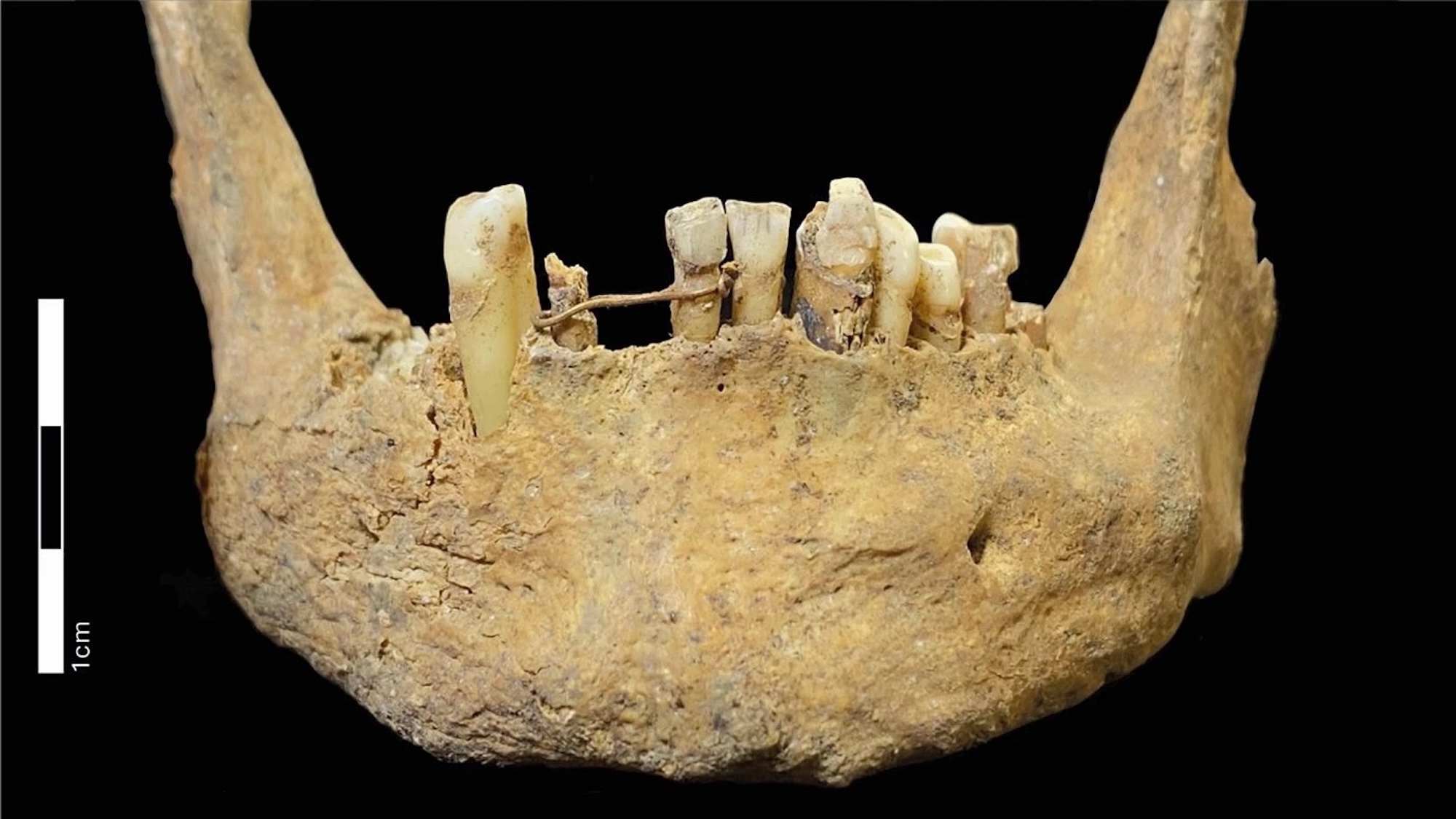
Today, extensive tooth repair or replacement often requires the installation of a dental bridge made from durable resin and metal. That said, the procedure is nothing new. Archaeological examples of dental bridges date back thousands of years across cultures around the world. Recently, researchers discovered the oldest variant ever found in Scotland, but it’s anything but inconspicuous. According to a study recently published in the British Dental Journal, the medieval dental bridge excavated in Aberdeen was crafted using 20-carat gold.
Simplified bridges made from silver or gold wire called dental ligatures date back to at least 2,500 BCE in ancient Egypt. In some cases, funerary preparers installed them in the recently deceased to make their bodies appear more “complete” for the afterlife. However, it took until the Middle Ages before more complicated dentistry spread throughout Europe. Even then, primary texts suggest tooth maintenance likely wasn’t performed by doctors or surgeons.
“During the Middle Ages, teeth were often treated by barbers, or dentatores, who were individuals that specialized in teeth.”University of Aberdeen archaeologists wrote in their study.
Few dental ligature artifacts exist from England prior to the 17th century, and none of them were found in Scotland before the team’s analysis. That is until 2006. A team digging on the grounds of East Kirk of St. Nicholas Kirk in Aberdeen (“kirk” is Scottish for “church”) uncovered a trove of skeletal remains including the skull in this study.. The team recently reexamined 100 of the roughly 900 individuals in the collection—only one of which featured a dental ligature.
X-ray spectroscopy, scanning electron microscopy, and radiocarbon dating filled in many gaps about the person’s identity. Based on their findings, the researchers believe the remains belonged to a middle-aged man who died in Aberdeen sometime between 1460 and 1670. Dental evidence also revealed his bridge had been installed long before his death.
The 20-carat gold alloy ligature’s existence and composition suggests that the man was not only wealthy, but well connected in his community. Although they can’t definitively know if he received care in Aberdeen, records show around 22 goldsmiths worked in the area during that era. These artisans were likely skilled enough to craft and securely knot the wiring.
The reasons for receiving the implant were probably “multifaceted,” according to the study’s authors. Physical appearance during the Late Medieval and Early Modern eras was often culturally tied to one’s character.
“The appearance of a person and their perceived health was linked to one’s sins,” they explained. “As such, the social importance of an individual’s smile encouraged those who were able to afford such treatments to seek them out.”
Apart from being the first dental discovery of its kind in Scotland, the artifact underscores just how long humans have balanced the complex interplay between wealth, beauty standards, and personal health.
The post A medieval Scot rocked a 20-carat gold dental bridge appeared first on Popular Science.

clgkhkrf54 posted a photo:
Maya Classic Period (550-900 AD) rare polychrome pottery from the Jay I. Kislak collection, Library of Congress, Geography and Map Division. See long file names for additional information.

- Ozymandias - posted a photo:
Cambridge, MA '26
Fogg Museum
Trivio, Serra San Quirico (Italy), 3rd Century BC
