 Login
LoginClay Sealing with Ruler Presenting Milk to the Temple
25 May 2026 at 21:13


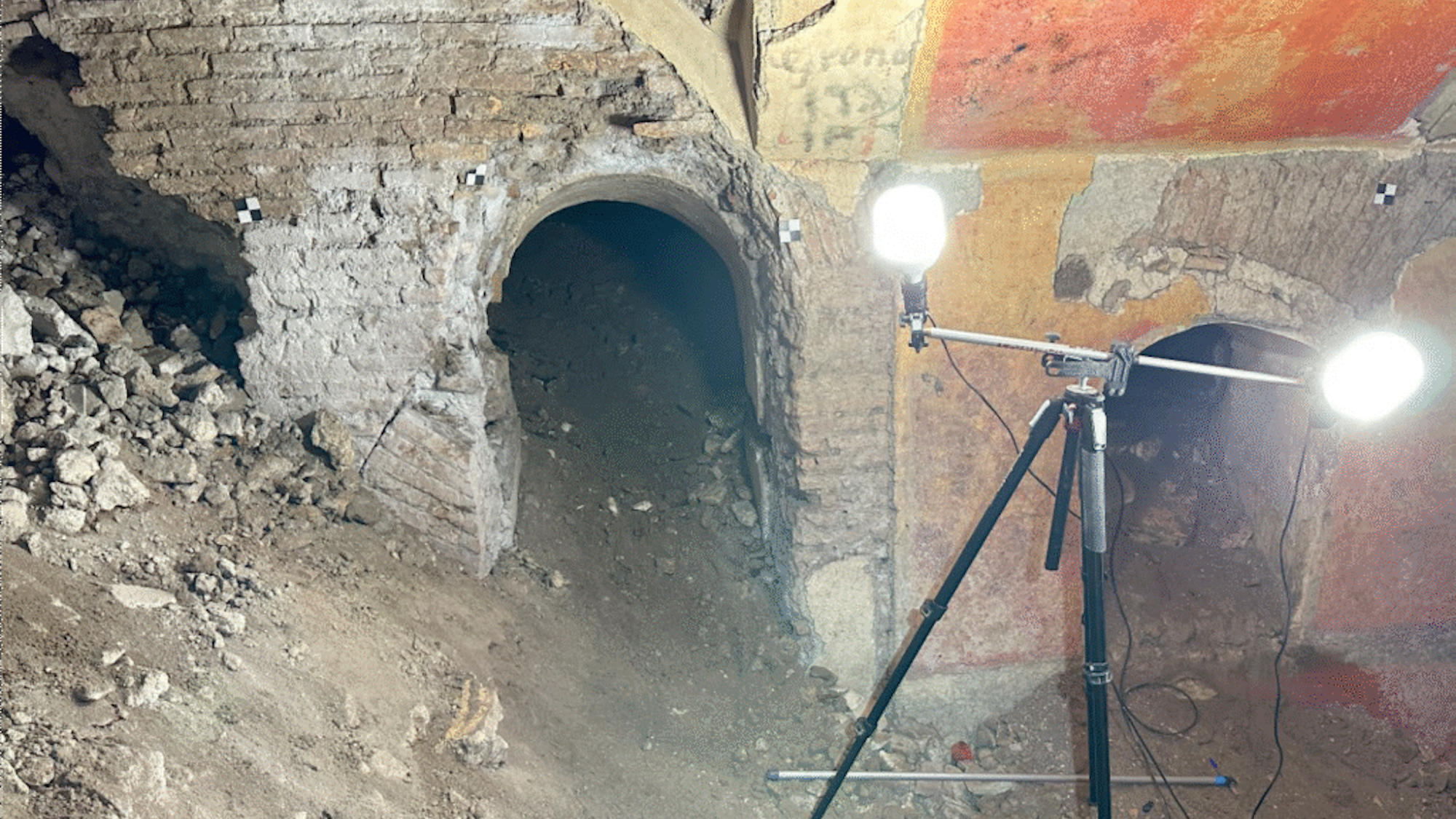
Like all high schools, Cavour Scientific High School has its fair share of rumors. For years, students swore that their classrooms were built atop ancient, unexplored Roman ruins. Their theories were understandable given the school’s impressive view.. From its front steps on Via degil Annibaldi, Cavour Scientific High School is less than a five minute stroll to the Colosseum. Yes, that Colosseum.
The monumental symbol of ancient Rome is only one example of the surrounding neighborhood’s historical significance. Famous figures including Pompey, Cicero, and Emperor Augustus all lived there, but much of the vital archaeological record remains buried underneath centuries of municipal development. The school, originally built during the late 19th century as a missionary complex, is its own testament to this constant change. Although construction work at the time revealed portions of a large Roman villa home known as a domus, no one conducted extensive surveys of the remnants. Instead, the domus’ true size and condition was a matter of speculation for generations.

Knowing this, local students recently undertook multiple clandestine explorations through passageways underneath the gymnasium and finally confirmed longtime suspicions: an ancient, luxurious Roman abode resides beneath their hallways. After their history and Latin teacher reported the findings to the Special Superintendency of Rome, archaeologists spent months excavating the area earlier this year. Now known as the Domus Liceo Cavour (House of the Cavour High School), is offering experts a remarkable glimpse of Roman life circa the mid-second century CE.
The house is impressively preserved despite its age. Archaeologists documented decorative stucco along the vaulted ceilings, floral wall frescos, and even a detailed mosaic featuring irregularly shaped tiles that were popular with wealthy Romans at the time. An inscription left during the first excavation project in the 19th century reports the home likely belonged to someone in the Umbrius family. Although not much is known about them, they possibly originated in Samnium, an area in south-central Italy near Pompeii.
Archaeologists hope to continue their work sometime in the future, and school officials plan to eventually open the site to the public. Until then, much more of Domus Liceo Cavour remains to be examined—including a fair amount of graffiti from former students and urban explorers.
The post Students discover long-lost Roman villa under high school gym appeared first on Popular Science.
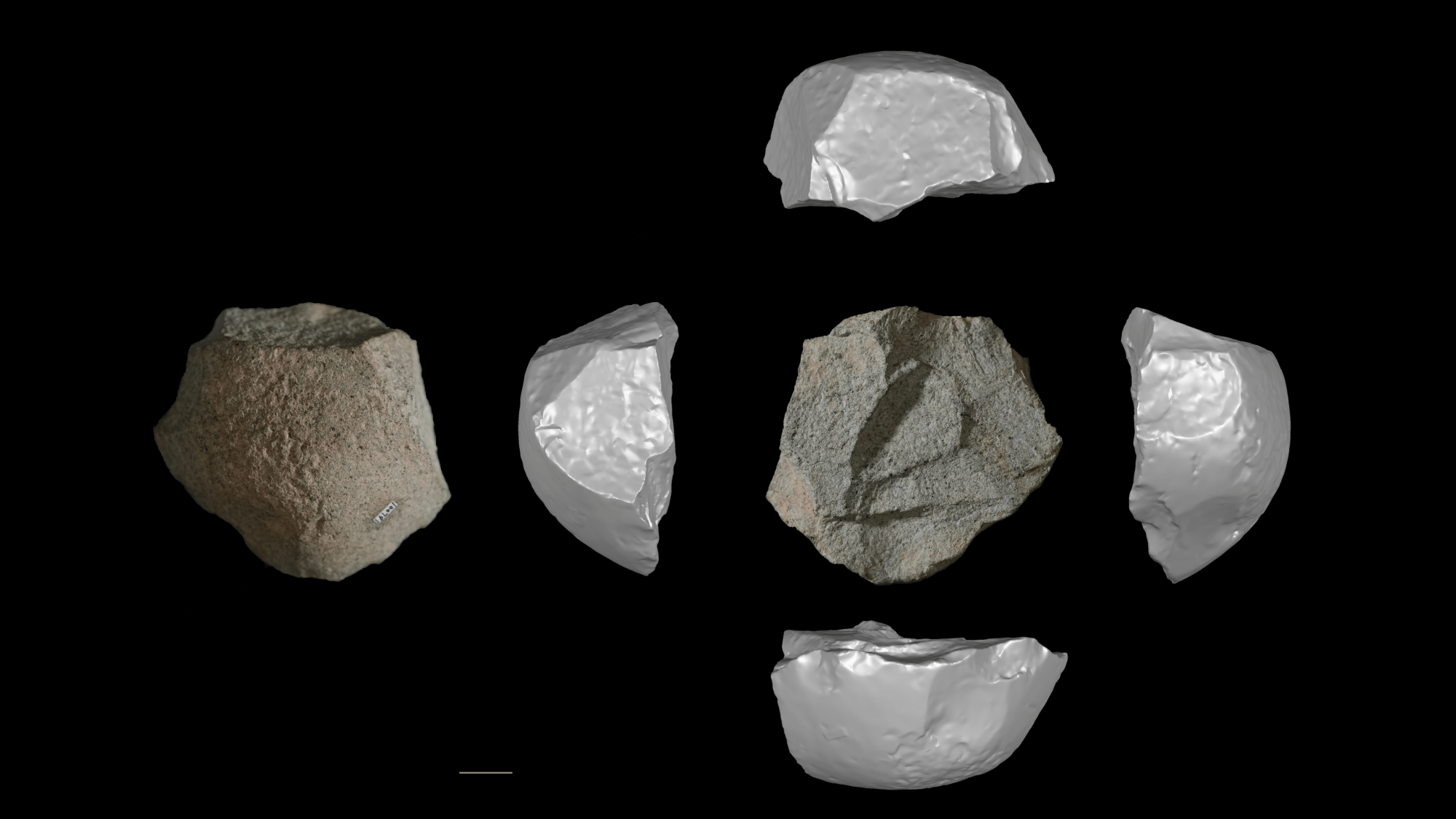
A remarkable collection of ancient stone tools proves that human creativity can thrive in challenging times. The complexity of the stone tools found amidst the bones of butchered animals in central China demonstrate an elevated level of intelligence and creativity. Early humans forged the tools during an ice age 146,000 years ago, not during the relative ease of a warm period. According to a study published today in the Journal of Human Evolution, this challenges the idea that the early humans could not innovate.
“People often imagine creativity as something that flourishes in good times,” Yuchao Zhao, a study co-author and the assistant curator of East Asian archaeology at the Field Museum in Chicago, said in a statement. “Finding out that these stone tools were made during a harsh ice age tells a different story. Hard times can force us to adapt.”
The stone tools were found at the Lingjing archaeological site in central China. An early human species called Homo juluensis, a cousin of our own species, occupied the area. While they went extinct about 50,000 years ago, Homo juluensis had a very large brain size and traits seen in both eastern Asian archaic humans and Neanderthals in Europe.
Until recently, archaeologists believed that ancient humans in East Asia during the late Middle Pleistocene (300,000-120,000 years ago) did not make many significant technological advances, compared to the early humans living in Europe and Africa. However, the Lingjing stone tools tell a different story.
The disc-shaped stone cores at Lingjing were part of a detailed, carefully organized tool-making process. Homo juluensis built them by striking small stones against larger stone cores. Some of the cores were wired evenly on both sides. Other cores were more carefully built. One side was primarily a surface to strike from. The other side was shaped to produce sharp flakes.
According to the team, these asymmetrical cores are especially important. They indicate that prehistoric humans were not just knocking off pieces of a stone at random. Instead, they were managing the core as a three-dimensional object, where surfaces have different roles, while keeping the right angles for producing useful flakes.
“This was not casual flake production, but a technology that required planning, precision, and a deep understanding of stone properties and fracture mechanics,” said Zhao. “The underlying logic of this system—and the cognitive abilities it reflects—shows important similarities to Middle Paleolithic technologies often associated with Neanderthals in Europe and with human ancestors in Africa, suggesting that advanced technological thinking was not limited to western Eurasia.”
The stone artifacts left behind by the Homo juluensis’ living at Lingjing suggest that they were capable of complex thought and creativity. However, this story further complicates a shift in the timeline of how long ago these tools were made.
Homo juluensis at Lingjing would butcher animals like deer, with their bones found alongside the stone tools. A rib from a deer-like animal found at Lingjing contained several glittering calcite crystals—an important particle for dating objects. Calcite crystals have trace amounts of uranium, which degrades into another element called thorium over time. Scientists can then tell the age of the crystal by measuring the ratio of uranium to thorium present inside of a calcite crystal.
“The calcite crystals inside the bone acted like a natural clock, allowing us to refine the age of the site,” says Zhao.
Based on this new analysis, the team believes that these tools date back about 20,000 years older than scientists once believed. While 20,000 years doesn’t sound like a huge amount of time in the grand scheme of things, it’s an important difference. They were likely made during a harsh and cold ice age instead of a warm period. With this new timeline, these tools were likely adaptations for surviving hard times.
“Altogether, this research reveals a much richer story of innovation, intelligence, and human evolution in East Asia,” says Zhao.
The post An extinct human species made surprisingly creative butchery tools appeared first on Popular Science.
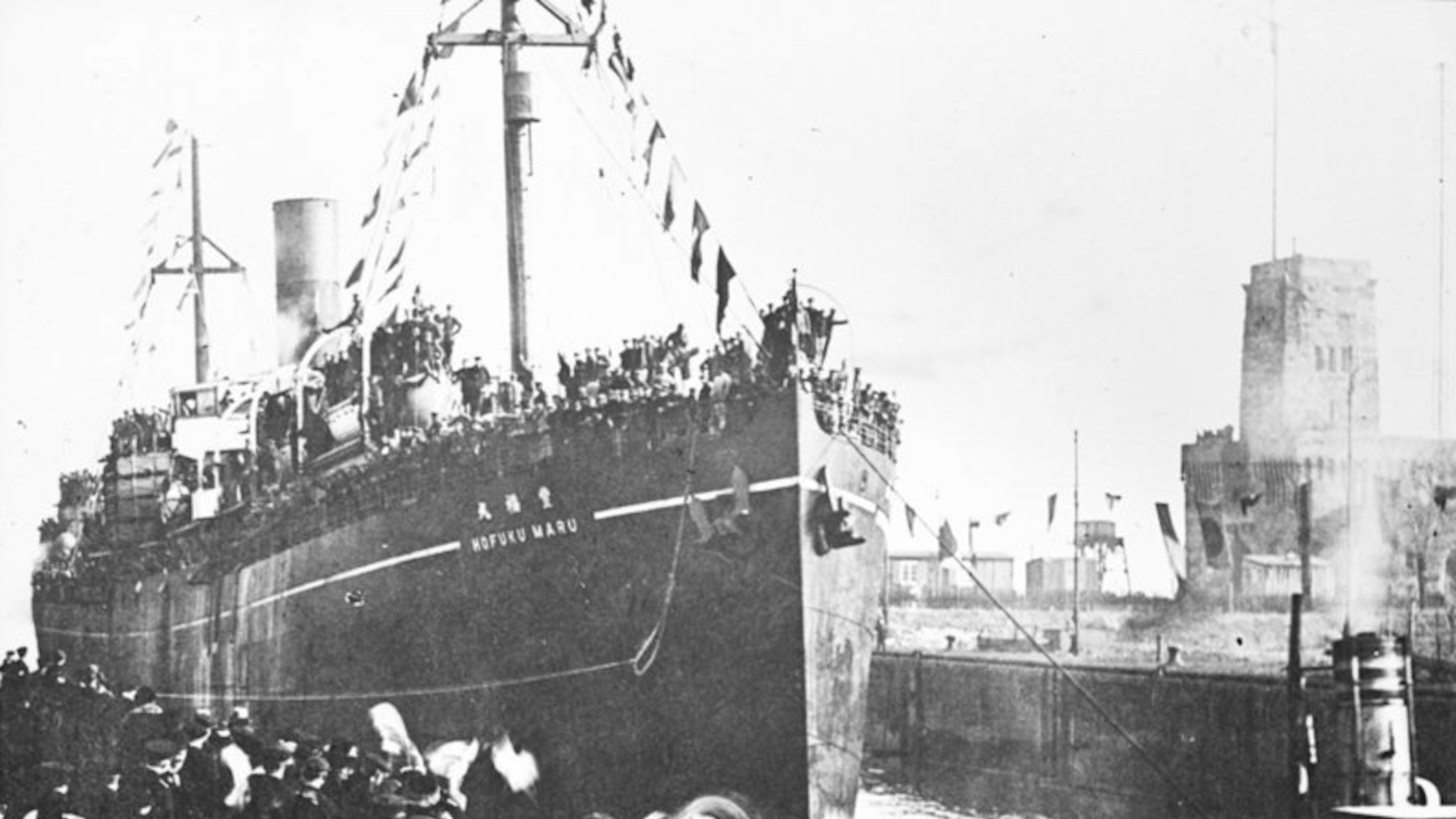
After over 80 years, a team of marine archeologists and historians believe that they’ve uncovered a lost piece of World War II history. The remains of the Japanese freighter Hōfuku Maru were spotted off of the western coast of the Philippines. But the Hōfuku Maru was not just a run of the mill military vessel. The freighter was called a Hellship.
Hellships were requisitioned merchant ships that the Japanese Navy used to transport prisoners of war during WWII in horrific conditions. Inmates died from thirst, heat, beatings, and executions—as well as inadvertent Allied attacks. Hellships traveled within military convoys, and the Allies didn’t know they were transporting prisoners of war. Historians estimate that 20,000 of the over 125,000 Allied prisoners that traveled on Hellships died onboard.
The remains of Hōfuku Maru were discovered off the coast of the Philippines’ Zambales province. On September 21, 1944, more than 1,000 Allied servicemen died aboard the Hōfuku Maru, when it sank in less than three minutes.The ship had up to 1,000 British and Dutch prisoners in its holds, but the shipwrecks’ identity and location was forgotten.
In both American and Japanese military archives, the Hellships Memorial Foundation found documents claiming that the Hōfuku Maru sank over 30 miles away from where it was assumed to have gone down..
“We were absolutely stunned that Japanese sources had information on where the convoy was attacked and what ships were hit – this was a smoking gun,” retired Naval Officer Randy Anderson and Hellships Memorial Foundation founder, said in a statement.
Thus a team, including imaging specialist Evan Kovacs, maritime archaeologist Calvin Mires, and TV presenter/explorer Josh Gates, came together to track down the mysterious shipwreck. Sonar imaging verified the presence of an uncharted wreck in the area they were investigating, and then identified the wreck during deepwater dives. The team also found human remains.
The available evidence points to the Hōfuku Maru. Various elements align perfectly with the vessel’s blueprints, and the wreck is broken into two parts, which matches descriptions by both Americans and Japanese. The remains of the vessel lay beneath over 160 feet of water.
“The pieces all fit,” said Tim Beckensall, a researcher at the Hellships Memorial Foundation, “the vessel is the right size, in the right place and from the correct period. I am convinced this is the Hōfuku Maru.”
The findings will feature in the two-part premiere of Discovery’s Expedition Unknown airing on June 24th.
“The story of the Hellships is a chapter in the history of WWII that demands to be brought to light,” highlighted Gates. “The research and dives that led to this groundbreaking discovery can hopefully offer closure to the families of more than a thousand servicemen who made the ultimate sacrifice. It’s a privilege to work alongside the Hellships Memorial Foundation to honor their memories; they are lost no more.”
The post Long-lost World War II ‘Hellship’ may have finally been found appeared first on Popular Science.

- Ozymandias - posted a photo:
Philadelphia, PA '25
Penn Museum
Ur (Iraq), c. 2450 BC (Early Dynastic Period)


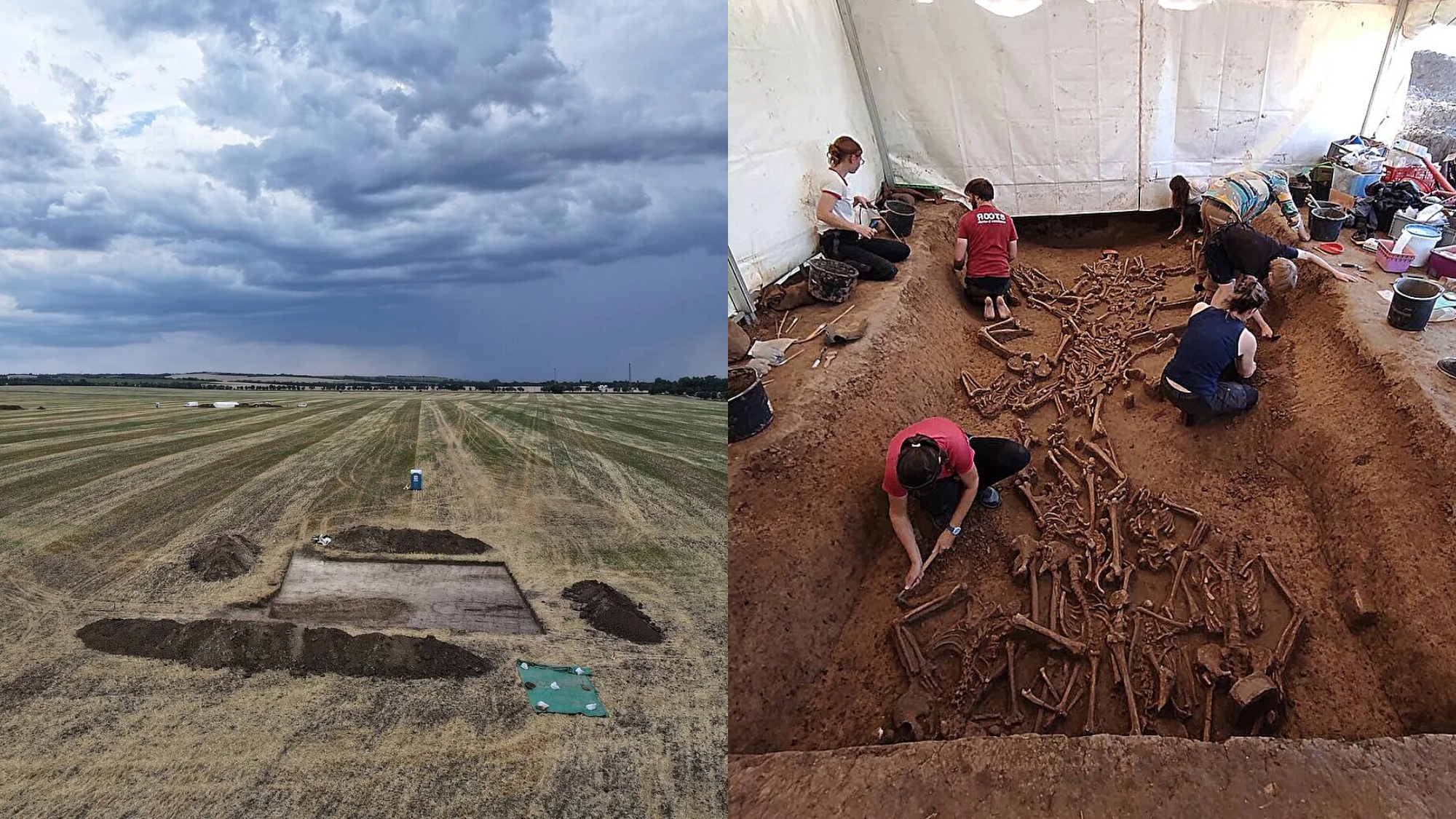
It sounds like a scene out of a horror movie. Dozens of headless human skeletons resting in a single grave. First discovered in 2022, this Neolithic burial site near the present-day town of Vráble, Slovakia, raises significantly more questions than it answers. Was this the site of a grisly massacre 7,000 years ago? Were the individuals sacrificed? Is it the result of some kind of plague?
A new study published in the journal Proceedings of the Prehistoric Society points to a more skillful removal of skulls as part of an unknown ritual, instead of a violent decapitation by an enemy.
The large Neolithic settlement at Vráble is one of the most important excavation sites of the Linear Pottery culture (LBK) in Central Europe. The LBK first arose around 5500 BCE and lasted until roughly 4500 BCE. Archaeologists consider the LBK one of Europe’s earliest farming cultures that moved along the transition from a hunter-gatherer lifestyle to more settled agricultural communities.
Researchers from Kiel University in Germany and the Slovakian Academy of Sciences in Nitra have been investigating the region since 2012. The site is made up of the outlines of over 300 former houses in three neighborhoods. The settlement existed for several centuries between roughly 5250 and 4950 BCE. One of the neighborhoods was surrounded by a ditch that archaeologists believe served as a border.
After finding sporadic human remains in early digs, the team found the remains of at least 78 individuals at the entrance to the settlement. The skeletons were not in any discernible order and 77 of them lacked a head. The team only found one skeleton of a child with a preserved skull. The initial evidence suggests that not a lot of time passed between death and interment.
“The features clearly exhibit an intentional manipulation of the bodies,” Dr. Katharina Fuchs, a study co-author and biological anthropologist at Kiel University, said in a statement. “First analyses suggest, above all, that violent ‘decapitations’ were not conducted here, but rather skilful removals of the skulls.”
The meaning behind this skull-removing practice is still up for debate. One thought is that the heads may have been stored separately. This burial practice has not been verified at Vráble, but did occur in other cultures. However, the details of the practices differ greatly between peoples.
The team believes that this arrangement of body parts may have been one part of a more complex and meaningful practice.
“We must assume that these practices were embedded in completely different contexts of meaning than those of modern societies,” added study co-author and archeologist Martin Furholt. “This is what makes an interpretation of them so challenging.”
Multiple researchers are currently sorting the recovered bones to determine the age at the time of death and biological sexes, and analyzing the cutting marks in more detail. Future studies on the possible impacts of violence and forensic investigations into the decomposition processes are also underway. Additional isotope and DNA analyses should also open a window into the origins, diet, and kinship ties of the Neolithic individuals buried at Vráble.
“But the first results already show that Vráble is an exceptional excavation site,” said Furholt. “It provides us with the keys for the discussion of fundamental questions, for example, how were death and the body understood in the Neolithic and what role did the associated practices play in the social fabric of early farming societies?”
The post 77 headless skeletons found in a field date back 7,000 years appeared first on Popular Science.


clgkhkrf54 posted a photo:
Maya Classic Period (550-900 AD) rare polychrome pottery from the Jay I. Kislak collection, Library of Congress, Geography and Map Division. See long file names for additional information.
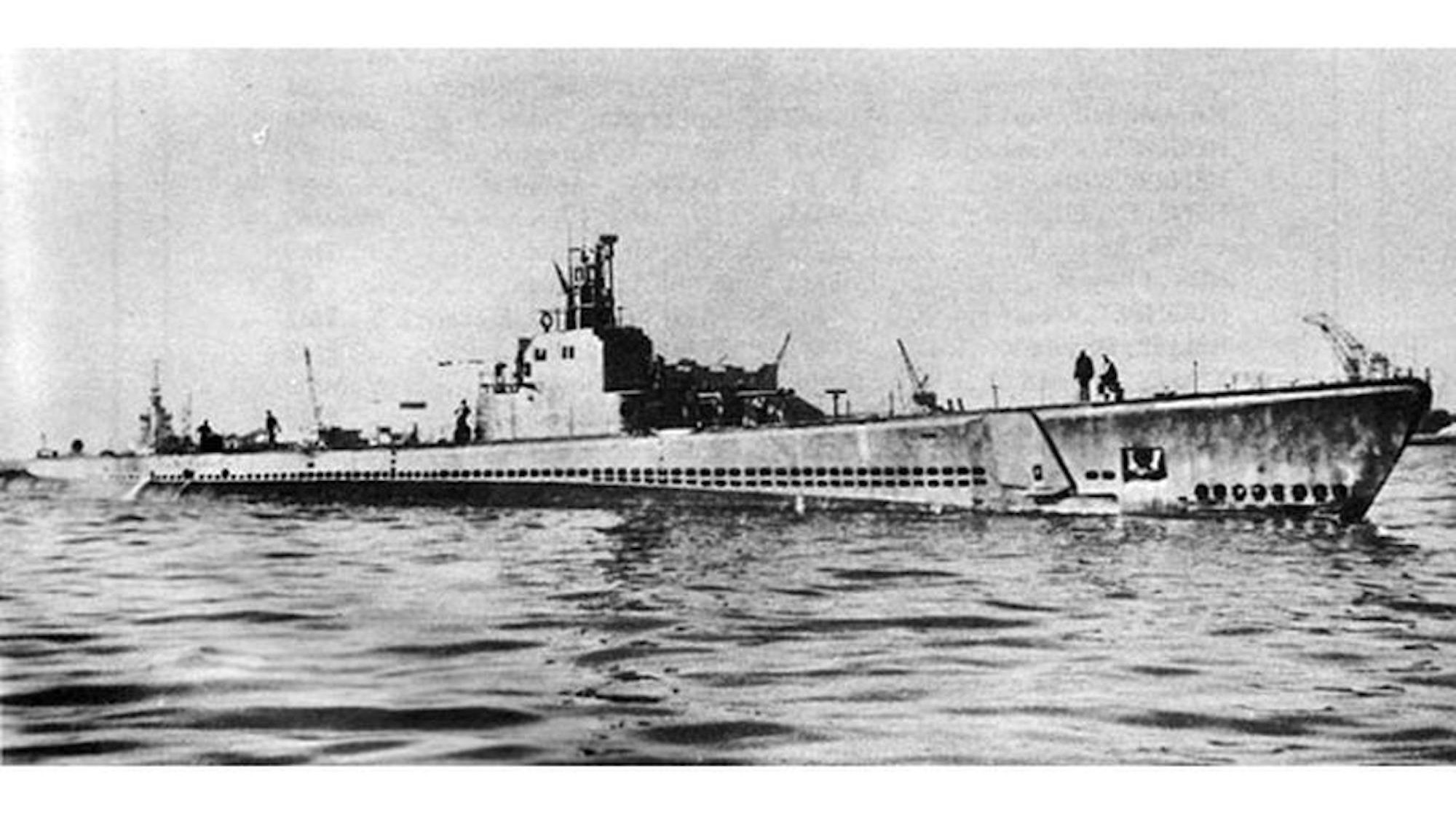
The wreck of an American submarine from World War II has been found off the coast of Matsua Island, Japan. The USS Herring (SS-233) currently rests over 300 feet down in the Pacific Ocean, where it is sitting upright and “maintains a high degree of integrity,” according to United States Naval History and Heritage Command (NHHC). The discovery was announced exactly 82 years after the vessel sank, based on evidence collected from an international team of researchers.
The Herring was first launched from Portsmouth Naval Shipyard in Maine on January 15, 1942, and officially commissioned on May 4, 1942. The vessel completed eight war patrols in both the Atlantic and Pacific Oceans during the war. Herring sank seven enemy ships, including four Japanese cargo ships during what would be the submarine’s final patrol.
Herring was last seen by the crew of the USS Barb during the evening of May 31, 1944. The submarines met to determine who would patrol areas off the Kurile Islands, an archipelago east of Japan. Early on June 1, 1944, Barb’s crew recorded hearing the sound of weapons designed to attack a submarine from a ship or aircraft called depth charges exploding in the distance.
Japanese historical records also confirm that Herring was struck in two direct hits during a counterattack by a shore battery. The strikes ultimately sank Herring and the vessel was presumed lost when Herring failed to report to Midway on July 13, 1944. The sinking killed all 83 crewmembers.
In 2017, a joint expedition between Russian Geographic Society (RGS) and the Russian Military reported a submarine wreck in the area. Based on its location and appearance, the RGS reported that the wreckage was Herring. A subsequent joint expedition returned to the wreck in 2022 to document its status and honor the lost crew. The expedition team also placed a plaque on site. The data collected and shared by the RGS was analyzed by two U.S. volunteer researchers and one researcher in Japan. NHCC confirmed the wreckage on June 1, 2026–82 years to the day after Herring is believed to have sunk.
Importantly, the wreckage shows battle damage around the submarine’s conning tower. This tower is a raised platform from which an officer can conn (conduct or control) a vessel. This damage, along with evidence of grounding at the submarine’s bow, correlates with the historical record of the Herring’s sinking.
The wreckage is currently protected by U.S. law and under the jurisdiction of the Department of the Navy. The Navy allows some non-intrusive activities on sunken military craft, but any activity that may disturb the sunken vessel must be coordinated with NHHC.
“Most importantly, the wreck represents the final resting place of Sailors who gave their lives in defense of the nation and should be respected by all parties as a war grave,” the NHHC wrote in a press release.”
The post Lost WWII submarine discovered off the coast of Japan appeared first on Popular Science.

An extremely rare piece of Olympics history hits the auction block this week. Sports enthusiasts with deep pockets have the chance to own an original gold medal from the 1924 Paris Summer Olympics.
The 1924 Paris Games were a hallmark of Olympics and sports history. More than 3,000 athletes from 44 countries competed in the first Olympics to include a Closing Ceremony. American swimmer Johnny Weissmuller won three gold medals and later went on to play Tarzan in 12 films. Swiss tennis player Richard Norris Williams won gold, after surviving the sinking of the RMS Titanic in 1912. He almost lost both his legs after jumping into the freezing water, but made a full recovery. The Paris Games were also featured in the award-winning film Chariots of Fire.
The 1924 Paris Games were also the first to officially feature the iconic five-ring Olympic symbol. The rings were designed by Baron Pierre de Coubertin, the founder of the modern Olympics and symbolize five continents and athletic unity.
The medals were designed by sculptor André Rivaud. The obverse side shows a winning athlete reaching out to help a fallen competitor, an image of sportsmanship that set the standard for future Olympic medal design. The five Olympic rings are beneath this scene. The reverse side features sports equipment alongside a harp, a nod to the Cultural Olympiad. This artistic and cultural program ran alongside the athletic competition to explore the links between art and sport and the values they both share.
The medal is about 2 inches in diameter and weighs 2.7 ounces. It is listed as “near fine condition,” is made from gold-plated gilt silver and has the “2ARGENT” stamp on the rim as a mark of authenticity. Only 304 gold medals were originally produced, making them one of the rarest and most coveted pieces of Olympic history in existence. The auction will take place on May 28 with a minimum bid of $14,000.
Only 780 days to go until the 2028 Summer Olympic Games in Los Angeles, California.
The post Extremely rare 1924 Olympic gold medal up for auction appeared first on Popular Science.
