Animals are not the only stinky living things on this planet. The putrid corpse flower blooms with the stench of rotting flesh, as does the lesser-known (but equally pungent) Bulbophyllum phalaenopsis. Then there is the elegant stinkhorn (Mutinus elegans), a fungus known for its phallic appearance and spores that give off the odor of rotting meat.
Also called the devil’s dipstick, elegant stinkhorns are found across most of eastern North America, particularly from spring to the earliest days
Animals are not the only stinky living things on this planet. The putrid corpse flower blooms with the stench of rotting flesh, as does the lesser-known (but equally pungent) Bulbophyllum phalaenopsis. Then there is the elegant stinkhorn (Mutinus elegans), a fungus known for its phallic appearance and spores that give off the odor of rotting meat.
Also called the devil’s dipstick, elegant stinkhorns are found across most of eastern North America, particularly from spring to the earliest days of winter. It has also been found in parts of Europe and Asia. They typically prefer temperate climates and looser soils, springing up in gardens, mulch beds, forests, and wood debris during warm and wet weather. They can grow to about four to six inches tall, and a mature mushroom will only last a day or two before subsiding.
The sticky (and stinky) brown spore substance attracts insects to help the fungi spread. Image: Tina Shaw/USFWS.
All of that stench comes from the dark and slimy coating on the mushroom’s tip called the gleba, and it serves an important purpose. The fungi uses this dark and stinky spore mass to get the flies and other insects buzzing. Once they get a whiff of that rotten flesh smell, they will land on the stinkhorn and get covered in spores. As the bugs fly away, they spread the stinkhorn’s spores far and wide, so that more stinkhorn can pop up elsewhere.
During the Victorian era, their penis-like appearance was reportedly distressing to some ladies. According to one story, naturalist Charles Darwin’s daughter Henrietta (or Etty), was openly combative towards the elegant stinkhorn. She would roam the woods armed with a spear, following her nose to the offensive mushrooms. Her niece recalled that Etty would find the fungi and “poke his putrid carcass into her basket.” After cleansing the territory, Etty would then secretly burn it to protect “the morals of the maids.”
Henrietta “Etty” Darwin (1843-1927) was the eldest of Charles Darwin’s daughters to reach adulthood. Image: Cambridge University Library.
If you encounter this bizarre fungus in the wild like Etty Darwin, don’t worry. Beyond offending your nostrils, it is not poisonous or dangerous to your health. But you still probably shouldn’t eat it anyway.
"I literally DM'd him and kept the conversation going. If there was a lull, I would message him... I wasn't scared," Sims says on PEOPLE's 'WAG World' series on June 4
"I literally DM'd him and kept the conversation going. If there was a lull, I would message him... I wasn't scared," Sims says on PEOPLE's 'WAG World' series on June 4
This lovely crochet Hexagon Rainbow Newborn Blanket pattern was given to me by one of our community members, Vicki Brandt. This pattern could be used in many different colour combinations to match any nursery. I chose the rainbow theme because I needed a blanket for a Rainbow Baby when I was crocheting this one. This blanket could […]
The post Crochet Hexagon Rainbow Newborn Blanket + Tutorial appeared first on The Crochet Crowd.
This lovely crochet Hexagon Rainbow Newborn Blanket pattern was given to me by one of our community members, Vicki Brandt. This pattern could be used in many different colour combinations to match any nursery. I chose the rainbow theme because I needed a blanket for a Rainbow Baby when I was crocheting this one. This blanket could […]
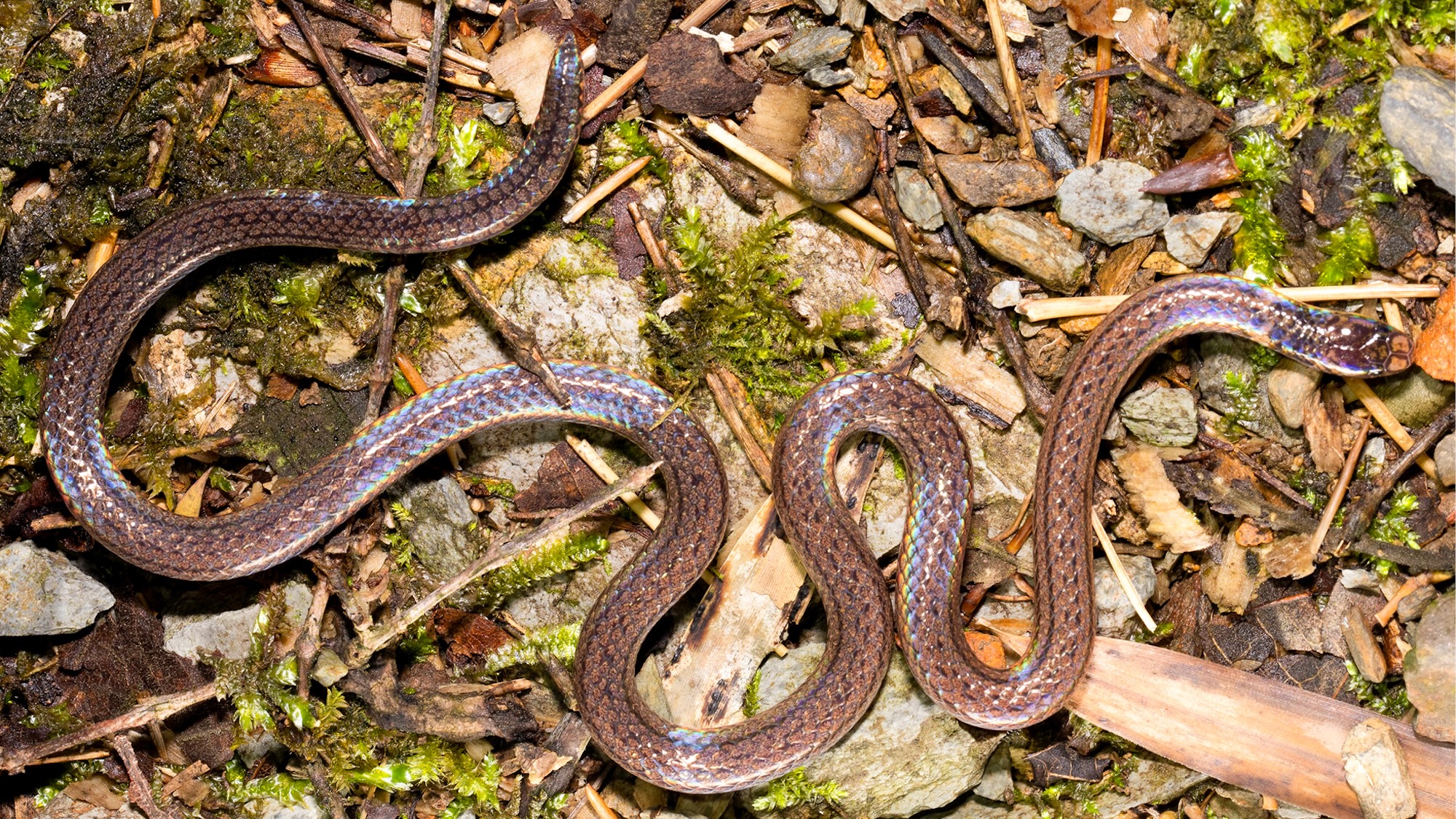
Only around 600 of the nearly 4,000 known snake species are venomous. The recently discovered Guangxi reed snake (Calamaria incredibilis) in China is not one of those species, but its alternative defense mechanism is strange enough to keep most predators at bay. According to a study recently published in the journal Zoosystematics and Evolution by biologists at the Natural History Museum of Guangxi, C. incredibilis wields its wide, stubby tail like a second head to scare away potential threats.
Only around 600 of the nearly 4,000 known snake species are venomous. The recently discovered Guangxi reed snake (Calamaria incredibilis) in China is not one of those species, but its alternative defense mechanism is strange enough to keep most predators at bay. According to a study recently published in the journal Zoosystematics and Evolution by biologists at the Natural History Museum of Guangxi, C. incredibilis wields its wide, stubby tail like a second head to scare away potential threats.
Researchers first spotted the Guangxi reed snake during a biodiversity study in China’s Huaping National Nature Reserve near the nation’s southern border with Vietnam. The mostly nocturnal, non-venomous serpent grows to about eight-inches-long, and is identifiable by its small brown scales and seven darker stripes. Largely docile, it prefers to hide away between rocks and underneath leaves, and prefers a diet of insect larvae and earthworms.
Although largely timid, the Guangxi reed snake has evolved a strategy to bluff its way out of dangerous situations. Whenever it feels threatened, the reptile raises its tail off the ground and begins waving it like an additional head. The tail even features similar markings to those seen on the snake’s head, which adds to the overall realism.
As People recently noted, the reed snake is far from the first new snake species discovered in 2026. Earlier this year, researchers identified both a vibrantly turquoise pit viper and a flying snake in a Cambodian cave alongside previously unknown geckos, millipedes, and microsnails.
The study’s authors explained the Guangxi reed snake “highlights the underestimated diversity” in the reptile’s larger family, as well as underscores the region’s role as an “ important hotspot” of unique animals.
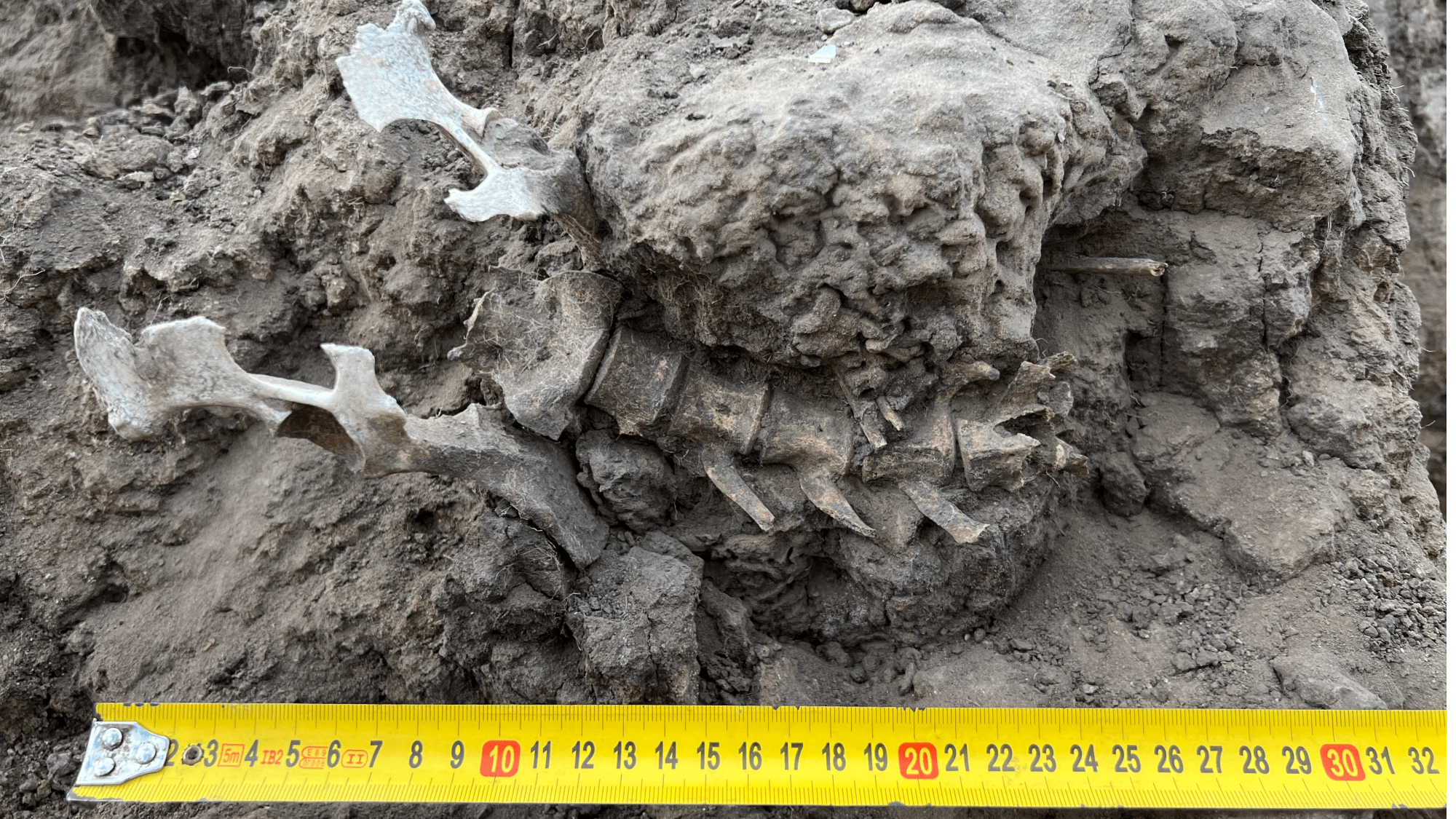
The remains of an ancient dingo is shining new light on deep relationships between Australia’s First Nations and the wild dogs. Barkindji ancestors deliberately cared for and buried the dingo along the Baaka (Darling River) about 800 miles west of Sydney.
The dingo is known as garli in Barkindji language and they lived alongside the Barkindji as part of the community. While burying the dog, the Barkindji took great care in building a midden, or a spot to place organic material. The people li
The remains of an ancient dingo is shining new light on deep relationships between Australia’s First Nations and the wild dogs. Barkindji ancestors deliberately cared for and buried the dingo along the Baaka (Darling River) about 800 miles west of Sydney.
The dingo is known as garli in Barkindji language and they lived alongside the Barkindji as part of the community. While burying the dog, the Barkindji took great care in building a midden, or a spot to place organic material. The people living there continued to bring river mussel shells to the midden for hundreds of years after the dingo’s death. Archaeologists believe that this marks the first time this type of post-death feeding ritual has been scientifically documented. The findings are detailed in a study published today in the journal Australian Archeology.
The garli skeleton site before excavation, Kinchega National Park. Image: Dr. Amy Way, Australian Museum.
“While Barkindji people have always known about this cultural practice, this discovery is really powerful because it provides new details on the depth of that relationship between Barkindji people and dingoes,” study co-author Dr. Amy Way, an archaeologist at the Australia Museum and university, said in a statement. “If garli were buried with the same care and respect we see for human ancestors, including mothers and elders, it tells us these animals were profoundly valued and loved.”
The burial site was first identified in 2020 by Barkindji Elder Uncle Badger Bates and National Parks and Wildlife Service (NPWS) archaeologist Dan Witter within a road cutting as erosion exposed the skeleton. Barkindji custodian Dave Doyleand and Elder Barb Quayle worked alongside the team during the analysis and excavation requested by the Menindee Aboriginal Elders Council. Elderlders guided the care of the remains throughout the research, including smoking ceremonies at the beginning of the excavation to honor their departed ancestor.
The male dingo was deliberately buried sometime between 963 and 916 years ago within a midden along the river. It was about four to seven years old, and his heavily worn teeth suggest a long life spent hunting.
Interestingly, the dingo had several healed injuries, including a broken lower leg and broken ribs. Based on the injuries, the dog may have been kicked by a kangaroo while hunting. This shows that the dingo likely survived with prolonged care by the Barkindji people.
“This confirms these traditions were much more widespread than we once thought,” added study co-author Dr. Loukas Koungoulos, a postdoctoral fellow at the University of Western Australia and research associate at the Australian Museum. “Dingoes like this garli weren’t simply tolerated around camps. They were tamed, lived with people and were embedded in daily life.”
Return to Country of the garli, which can be seen lying on paperbark on the table. Left to Right: Dr Amy Way, Aunty Cheryl Blore, Aunty Patsy Quayle, Uncle Badger Bates, Dr Sam Player, Dr Rebecca Jones, Aunty Evelyn Bates, Dr Loukas Koungoulos, Dave Doyle and Aunty Barb Quayle. CREDIT: Australian Museum.
When the dingo died, he was buried in a midden that appears to have been built right before the burial or at the same time People kept adding to it for hundreds of years after death. Barkindji Elders say that these ongoing additions formed part of a “feeding” ritual that honored the dog as an ancestor and that the site was maintained across multiple generations. After the analysis, the dingo’s remains were returned to Country. In Indigenous contexts, the word Country is capitalized to include the physical land and deep spiritual, cultural, and social dimensions of the area that are integral to identity and heritage.
“This research reinforces what Barkindji people have always known,” Dr Way said. “These relationships with animals, ancestors and Country were deep, deliberate and ongoing.”
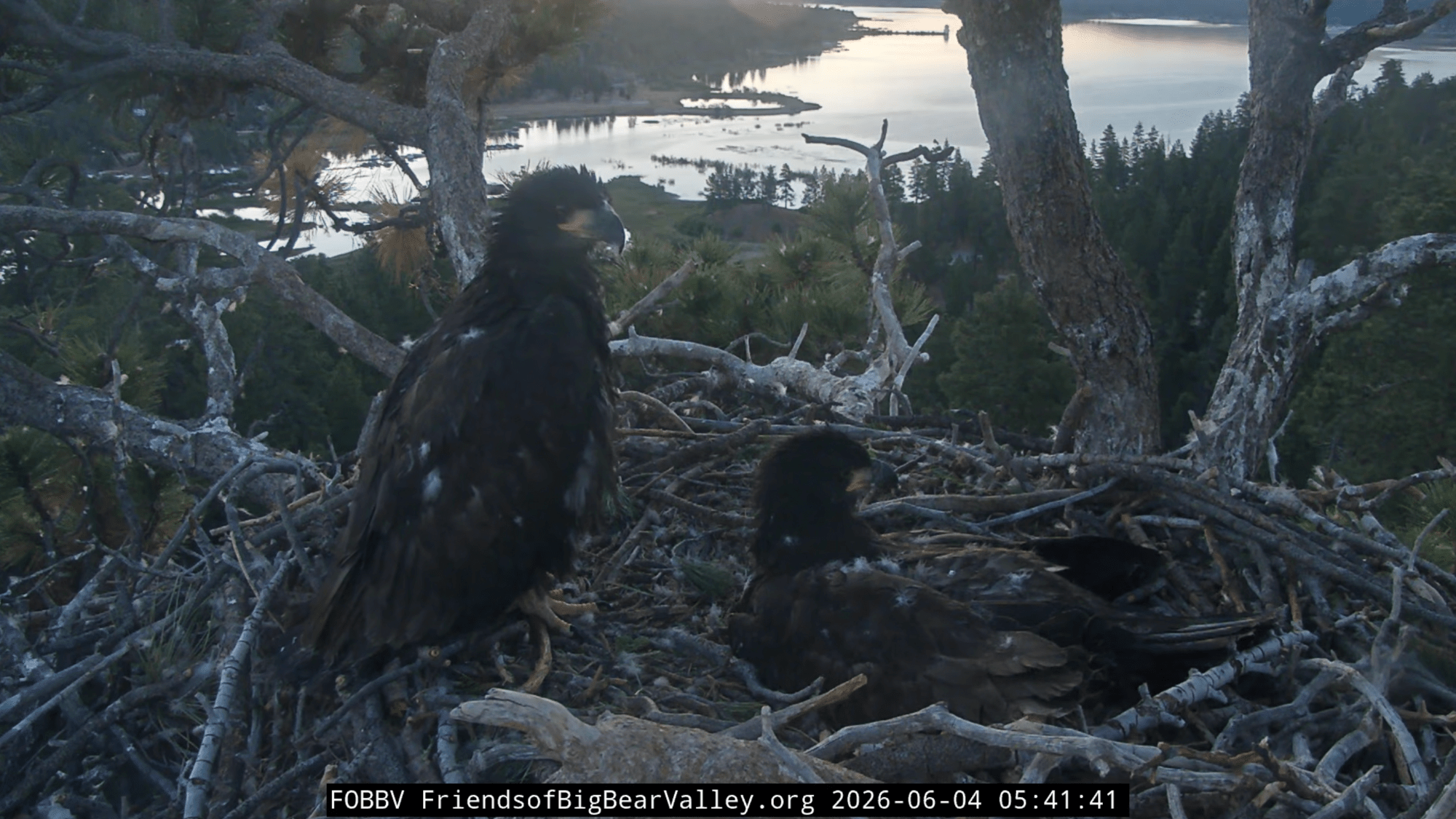
In another sign of their growing independence, eaglets Sandy and Luna appear to have spent their first night alone in the nest. According to Friends of Big Bear Valley (FOBBV), parents Jackie and Shadow slept not too far away last night. The pair spent the night in the nearby roost tree. The chicks reportedly also told Fiona the squirrel to scram—just like mom.
The eaglets are growing rapidly, so room in the roughly six-foot-wide nest in southern California is becoming a premium. Both chicks
In another sign of their growing independence, eaglets Sandy and Luna appear to have spent their first night alone in the nest. According to Friends of Big Bear Valley (FOBBV), parents Jackie and Shadow slept not too far away last night. The pair spent the night in the nearby roost tree. The chicks reportedly also told Fiona the squirrel to scram—just like mom.
The eaglets are growing rapidly, so room in the roughly six-foot-wide nest in southern California is becoming a premium. Both chicks also need room for activities, as they practice their flapping and stomping.
On June 2, Sandy also branched for the first time. Branching is when an eaglet perches on the limb of a tree, and is an important developmental stage that usually occurs when chicks hit 9 weeks old. Once on the tree limb, the young birds can flap their wings, jump, and then land on a lower branch or back in their nest. Branching helps strengthen their flight muscles and helps them become more agile and better at landing ahead of fledging.
Sandy and Luna are expected to fledged sometime in early July. All of their antics are available 24/7 with the FOBBV live cam.
It’s been another roller coaster nesting season for Jackie and Shadow, a pair of internet-famous bald eagle parents living in San Bernardino National Forest in Southern California. After two of their eggs were destroyed by ravens in January, Jackie and Shadow laid two new eggs that have successfully hatched.
Chick 1 hatched on April 4 at 9:33 p.m. PDT, while Chick 2 followed on April 5 at 8:30 a.m. Their large nest in Big Bear Valley east of Los Angeles is livestreamed 24 hours a day by nonprofit Friends of Big Bear Valley (FOBBV) and has captivated millions.
On May 1, FOBBV announced the chicks’ names: Sandy and Luna.
Before leaving the nest, the chicks face threats from other birds of prey, including hawks, ravens, other eagles, and owls. Inclement weather can also present challenges for the chicks. In 2025, a March snowstorm resulted in the death of one of Jackie and Shadow’s three chicks.
During fledging, only 70 percent of eaglets survive. One of the greatest threats is from cars that can injure or kill the birds while they scavenge for food on roadkill.
Who are Jackie and Shadow?
The pair first got together in 2018 and successfully raised chicks in 2019 and 2022. However, their eggs failed to hatch in 2023 and 2024. Only 50 percent of eagle eggs successfully hatch, so this pair has already beaten the odds.
What happened to Jackie and Shadow’s 2025 eaglets?
In 2025, Jackie laid three eggs that all hatched in early March. On March 13, a strong snowstorm dumped up to two feet of snow and battered the nest with strong winds. Only two of the chicks were visible on the live cam when the storm passed by the next morning. FOBBV later confirmed the passing of one of the chicks. The two surviving chicks were later named Sunny and Gizmo after 54,000 names were submitted by fans.
What happens after chicks fledge?
Young eagles usually fledge–or leave the nest and fly–when they can flatten their wings and have feathers capable of flight. This typically occurs when the birds hit 10 to 14 weeks of age. Males also tend to take their first flight a little sooner than females.
According to FOBBV, fledglings from Southern California have been spotted as far south as Baja California, as far north as British Columbia, and as far east as Yellowstone National Park.
About 70 percent of bald eagles survive the fledgling stage. FOBBV does not tag their eagles, so it’s not possible to follow the chicks’ journeys after they flee the nest.
Can I help Jackie and Shadow?
Yes. Environmental groups are currently fundraising $10 million to protect Jackie and Shadow’s foraging area from development. Learn more at SaveMoonCamp.org.
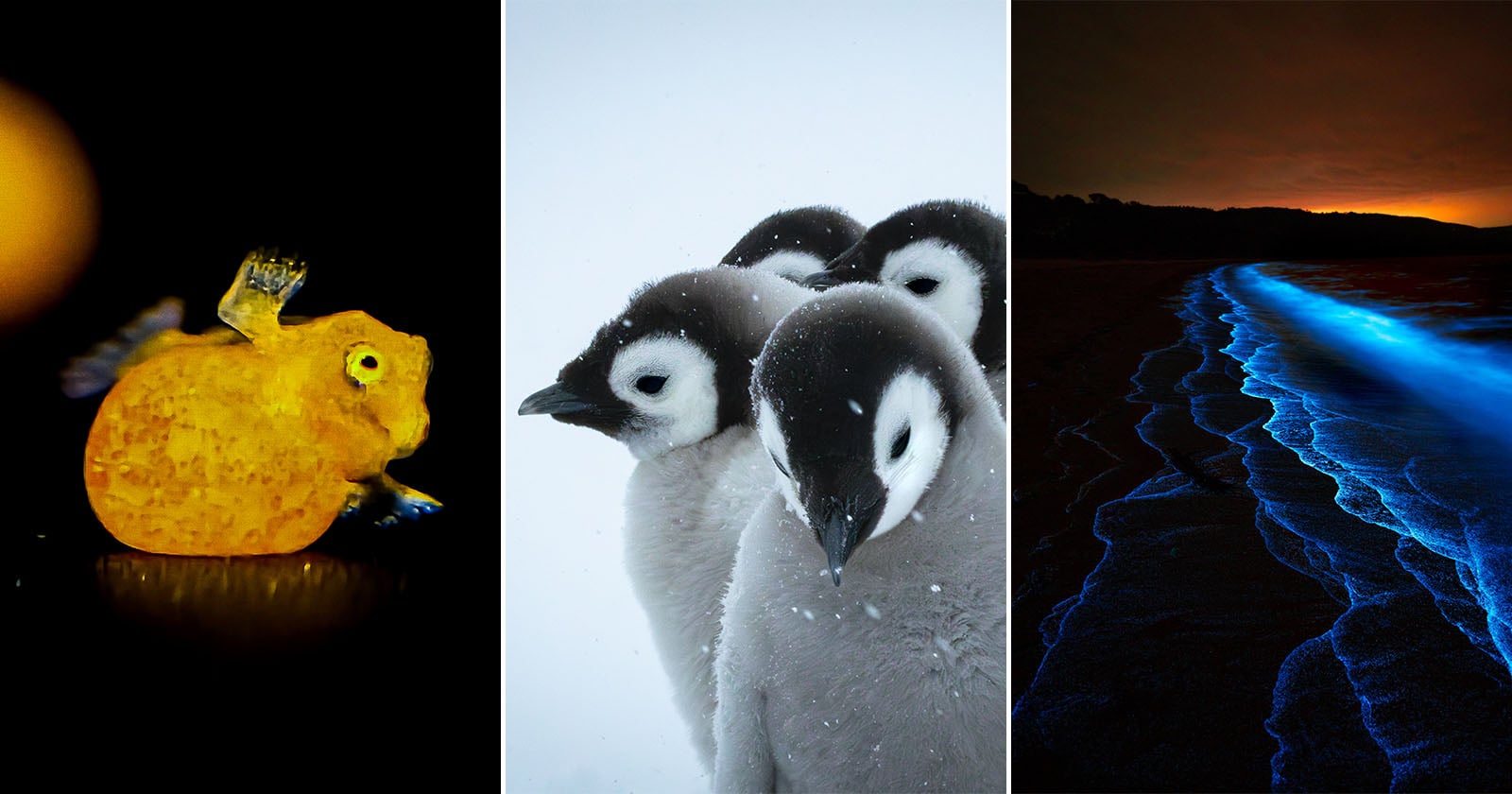
The 2026 Beaker Street Science Photography Prize has unveiled its finalists, and they are a spectacular collection of beautiful, scientifically valuable images captured by photographers and scientists around the world.
[Read More]
The 2026 Beaker Street Science Photography Prize has unveiled its finalists, and they are a spectacular collection of beautiful, scientifically valuable images captured by photographers and scientists around the world.
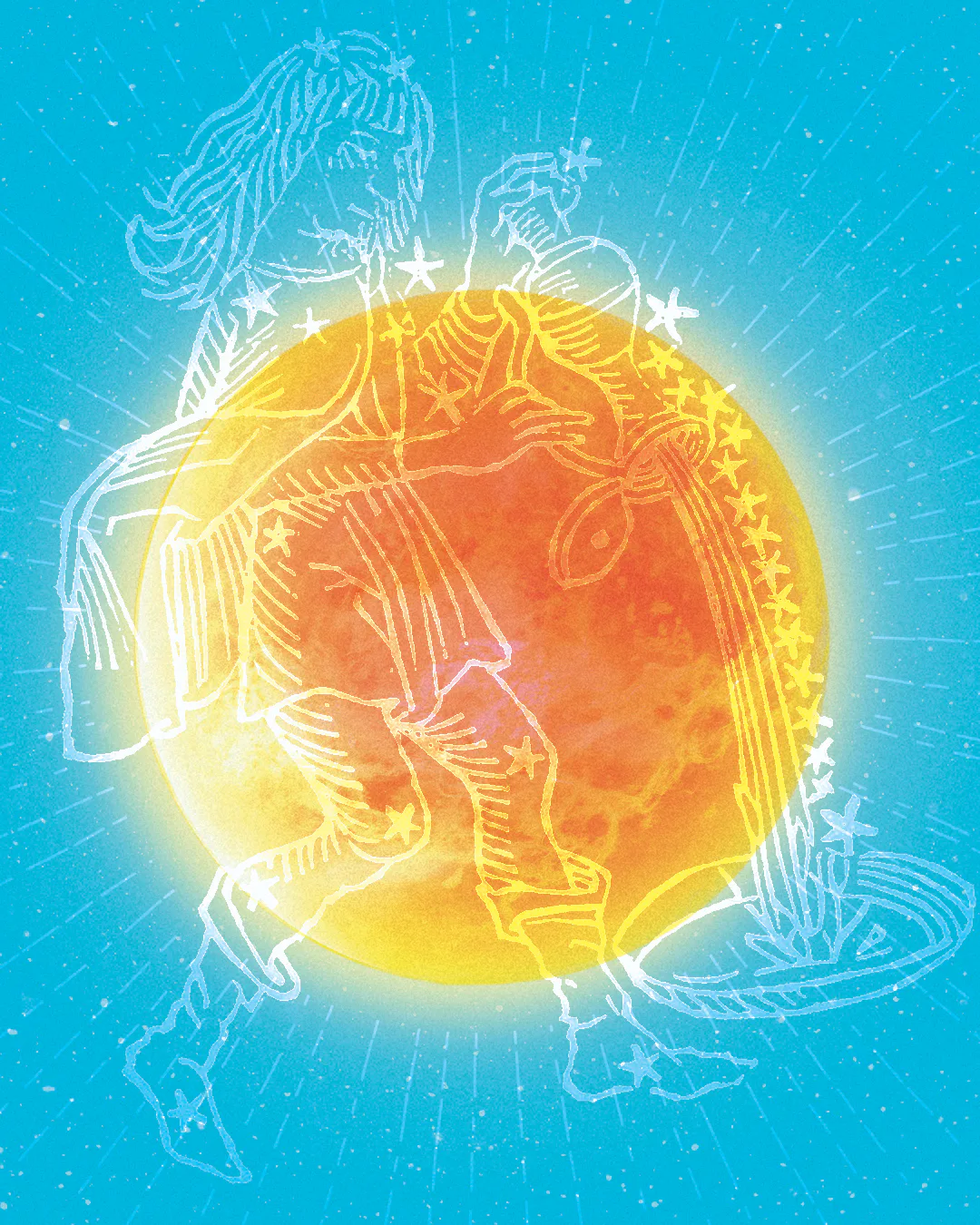
Illustration by Kimberly DuckOnce a year, for about half of the year, the generational baddie of the solar system, Pluto, stations retrograde. Before you start sounding the alarm, let me reiterate that Pluto stations retrograde for approximately half the year. And thankfully, this is nothing new to us. We’ve been experiencing the culture shifts provided by Pluto, the society-ruling sign, since 2023. From May 6 to October 16 of this year, Pluto will retrograde through the revolutionary, innovativ
Once a year, for about half of the year, the generational baddie of the solar system, Pluto, stations retrograde. Before you start sounding the alarm, let me reiterate that Pluto stations retrograde for approximately half the year. And thankfully, this is nothing new to us. We’ve been experiencing the culture shifts provided by Pluto, the society-ruling sign, since 2023. From May 6 to October 16 of this year, Pluto will retrograde through the revolutionary, innovative, and forward-thinking sign of Aquarius. This retrograde gives us the chance to review how we’ve been changing socially, what tools are moving our lives forward, and our aspirations.
Aquarius is deeply connected to society and social lives. This is the trendsetter sign, after all: finger always on the pulse, keeping the rest of us from getting lost in the Stone Age. Over the past few years, you’ve probably noticed the way you connect with others is shifting—or, at the very least, your respect for these social interactions has changed. Pluto in Aquarius marks a social upheaval. In a digital age, where over half of the global population is on social media, we are more connected than ever. However, there is a trend bubbling up involving “dumb phones,” analog items, and the return of IRL house parties. While they’re all valuable ways to stay connected, Pluto’s retrograde in Aquarius encourages us to think about which social experiences lead to the most genuine human connections. Over the next few months, it’ll become apparent not just how you can build these connections, but also which connections hold the most value for you. Who are your people, and how will you continue to grow with them?
In addition to support from people, you’ve also got a few months to think about the gizmos and gadgets that will aid in your goal-chasing journey. Aquarius is the inventor of the stars, constantly thinking about what makes our world function and how to make life easier through innovation. That said, not all inventions stand the test of time. This doesn’t mean we shouldn’t try out new tools, or ways of problem-solving. We just need to be a bit more conscientious about it for the next few months. While Pluto is retrograde, there might be some technical difficulties in your life. These are moments you’re being called to ask “Is this the most efficient way to get what I need to get done? And on top of that, is this process actuallyprogressing me forward, or is it just cutting corners?” Pluto in Aquarius seeks innovation, but also wants you to know when to cut through the slop that is cosplaying as progress.
Pluto in Aquarius is an aspirational time, and the next few months will help us remember where we are going. With the changes to culture and contraptions happening, it’s important to reflect on the life you want. Aquarius archetypically holds onto utopian ideals, with a humanitarian flair that understands progress requires a village. What does that dream life look like for you? Who and what will help you build it into a reality?
While it’s normal to expect the unexpected with any Aquarius transit (i.e. expect the end goal to change over time), it’s essential to have some kind of end goal in mind. Aquarius is dually ruled by Saturn and Uranus, which means this sign knows better than any other how to build upon what already exists. For you, that looks like the universe constantly taking what you want to do and naturally shaping it into something better. So do what Pluto requires of you and start making deep, fundamental changes to the things that aren’t working and are no longer aligned with your vision. Trust that whoever or whatever is pulling the strings will keep you on the right path.
For extra astro guidance, read for your rising sign below! These are sign-specific reflections to help you navigate the next few months of Pluto retrograde.
Aries
Expect a shake-up in your social life soon. Start exploring new ways to connect with the world around you—this is a good time to join a community or team-based club/organization. The airy energy of Pluto in Aquarius will only fan your flames higher and higher, so look forward to the inspiration that comes from others. Be cautious of falling into old social habits or patterns. Let these six months be a period of social rebirth.
Taurus
Pluto retrograde gives you the chance to revisit your legacy. You are a stability-loving sign, but you could be feeling an itch for something new. What aligns with who you are? Who can you work with to carve out a professional path that is perfect for you? There’s no more time to clock in and out without feeling a gust of inspiration. Take these few months to revisit your long-term plan of action.
Gemini
Pluto retrograde will push you to continue being curious. You might find yourself revisiting some old ideas of the world, or filling in the gaps of how you understand this place we call home. Close the loops over these next few months. Use this period of time to go as deep as the iceberg will allow you. No longer are you a jack of all trades, but rather you are becoming a master of all.
Cancer
Pluto retrograde will help you dive deep and shed your skin, metaphorically speaking. You will be experience a greater understanding of yourself and your most intimate relationships by the end of these six months. The manner in which you share who you are continues to evolve, so if there are any boundaries you feel like have been crossed recently, go ahead and re-establish them now. Embrace the intensity, expect the unexpected, and know that this is the time for you to take back control.
Leo
Pluto retrograde will be a moment to assess your relationships: professional, plutonic, passionate—all of ‘em. You might feel particularly like there are some power struggles going on, or a feeling that one party is trying to push the other to bend to their will. Compromise is key, but that doesn’t mean you should compromise on your values. How and with whom you choose to connect will change over the years, so let these next few months be a lesson in who should stand the test of time.
Virgo
It’s time to get serious about your work. These next six months, you might feel like life seems a bit more mundane, which is not necessarily a bad thing. Sometimes moving on autopilot is necessary to focus on inner work, or to chip away at a goal. That said, if you’ve been slacking at all you could experience a bit of tension. Reflect on how you want your life to operate and start making the changes slowly, over time, so that life can start being a reality.
Libra
Oh, how special this retrograde will be for you! During the next few months, you might notice an urge to explore former passion projects, reignite old flames, and find ways to reconnect with your inner child. Pluto in Aquarius is a spark of inspiration that shifts how you express yourself, and shine in the world. People-pleasing should go out the door, because right now is your chance to prioritize your happiness. Trust the fact that, if you make changes from within yourself, you will inspire others to do the same.
Scorpio
Pluto retrograde could be a bit tough, so get ready to do some of the hard work these next few months. You might have to revisit some tense conversations, or wash the salt out of any re-opened wounds. The lesson here is to focus on how you emotionally regulate yourself. What needs to change so you can feel more at ease, day in and day out? If there is something to get off your chest, or a hatchet that needs to be buried, take action.
Sagittarius
The next six months will be a bit of a mental whirlwind with Pluto retrograde. You might have moments of déjà vu in conversation, or you could feel as though you can’t get an idea out of your head. Revisiting how you consume information, and what you choose to share is important right now. Rather than getting caught up in an inner monologue, make sure you are sharing what is on your mind and perhaps someone else’s perspective could help you piece together the answer to the deep questions you’ve been asking.
Capricorn
Pluto retrograde is a great time for you to realign financially. You might have noticed that money is feeling a bit tighter than you’d like. There is only so much you can do about the global economy, but there are steps you can take. Revisit your budget and where you are spending your hard-earned cash. Doing this in conjunction with some reflection on your values will help you pinpoint what to prioritize. There’s no need to change what works, just find ways to be more conscientious about how you use your resources.
Aquarius
Pluto retrograde in your signis both a celebration and a mourning period. On one hand, you will probably feel like you are disconnected from the person looking back at you in the mirror. You might question yourself, wondering who you will be at the end of this long transit. However, it is also a celebration of your growth and how much you’ve been able to overcome. Don’t stress about having it all figured out, or trying to force yourself into a box. You will continue to evolve, so be grateful for the person who got you here, and welcome in the person who will get you through the next phase of life.
Pisces
The next few months will be filled with healing and spiritual insights. Pluto retrograde will aid you in understanding more deeply your beliefs and your dreams. Additionally, you’ll find that these next six months will be filled with natural endings, both internal and external. Remember: when one door closes, another one will open. Be patient, and let yourself surrender to the changing of the seasons.
The family of Leah Stewart is braced for more bad news and the impact on her 18-month-old daughterFollow our Australia news live blog for latest updatesGet our breaking news email, free app or daily news podcastThe family of the woman critically injured in Saturday’s horrific shark attack at Coogee beach is still coming to terms with the catastrophic scope of her injuries and the heartbreaking impact on her toddler.Leah Stewart, a 35-year-old primary school teacher, mother and dedicated ocean sw
The family of the woman critically injured in Saturday’s horrific shark attack at Coogee beach is still coming to terms with the catastrophic scope of her injuries and the heartbreaking impact on her toddler.
Leah Stewart, a 35-year-old primary school teacher, mother and dedicated ocean swimmer, remained on life support in the intensive care unit at St Vincent’s hospital after being mauled by a suspected 3.5-metre great white shark.

 Login
Login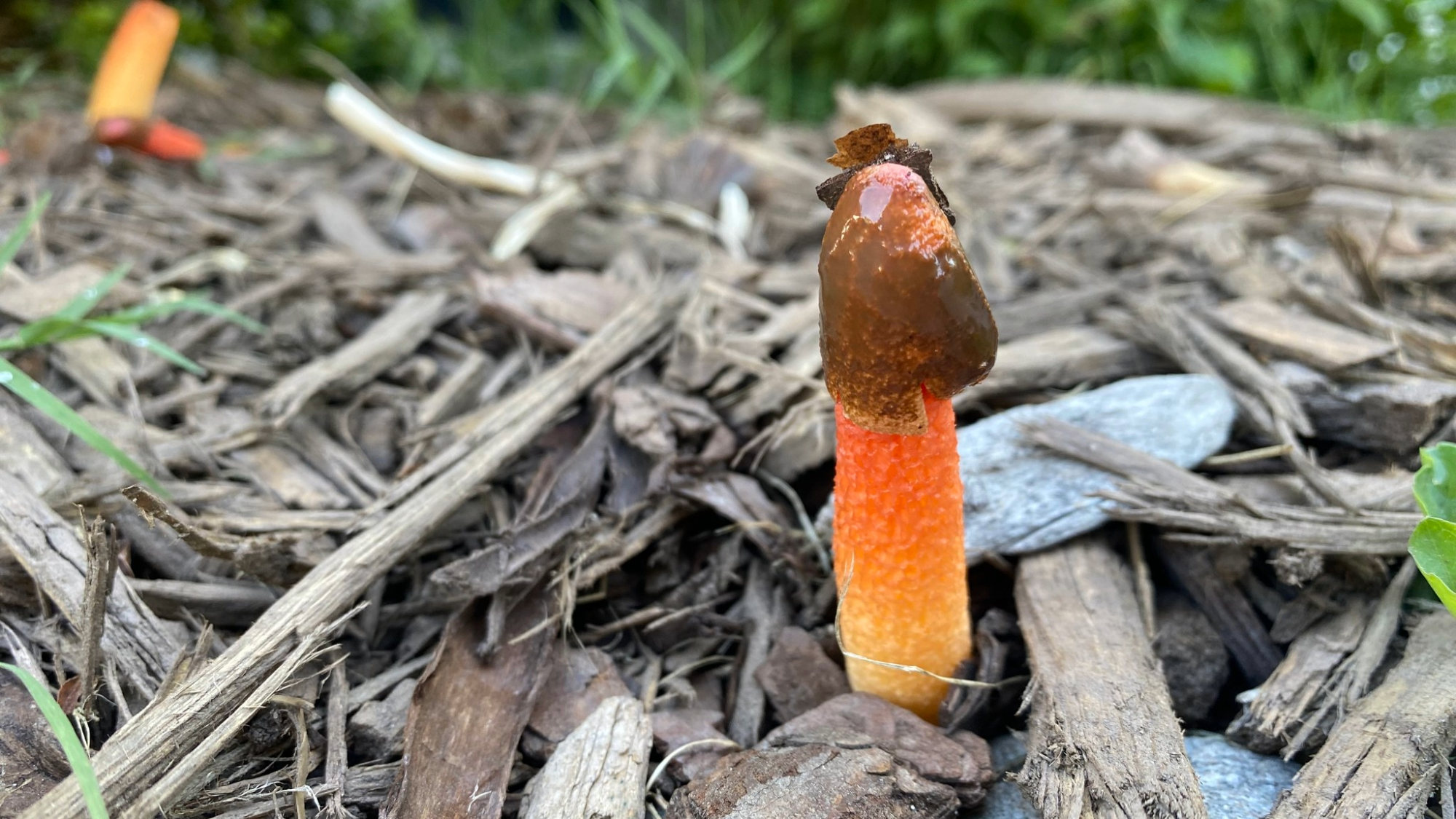


:max_bytes(150000):strip_icc():format(jpeg)/Jena-Sims-Brooks-Koepka-si-swim-event-6426-c8c50b6ad65b41e380bf83717af0e59a.jpg)

:max_bytes(150000):strip_icc():format(jpeg)/marieangela-queeny-king-elijah-blue-allman-Alphabet-Soup-Grown-Ups-Book-Launch-Party-2013-040925-26b4f7b30fb54f91a72254bb83362b75.jpg)
:max_bytes(150000):strip_icc():format(jpeg)/kevin-jonas-michael-buble-060426-341a238b990c4f958b6b898e80e33b7e.jpg)