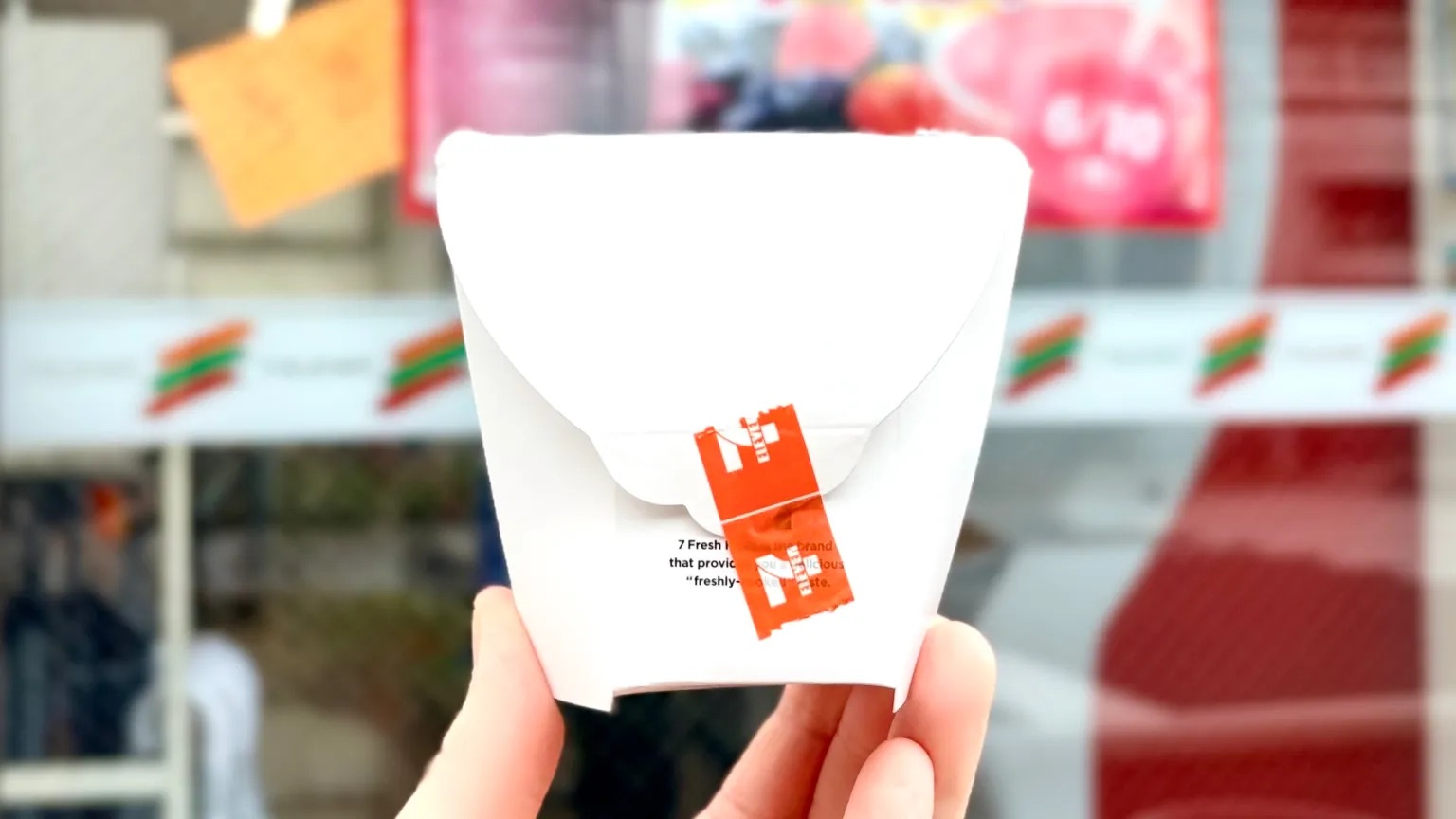
How to buy the new viral convenience store coffee that locals are raving about.
Ever since 7-Eleven introduced coffee-making machines at its branches in 2013, the chain has cemented itself in the convenience store landscape as the place to go for coffee. What became known as the “Seven Cafe” brand soon expanded to include other products like freshly brewed tea and smoothies, but now its coffee is back in the spotlight, after the chain released a super creamy version that locals have been ravin
How to buy the new viral convenience store coffee that locals are raving about.
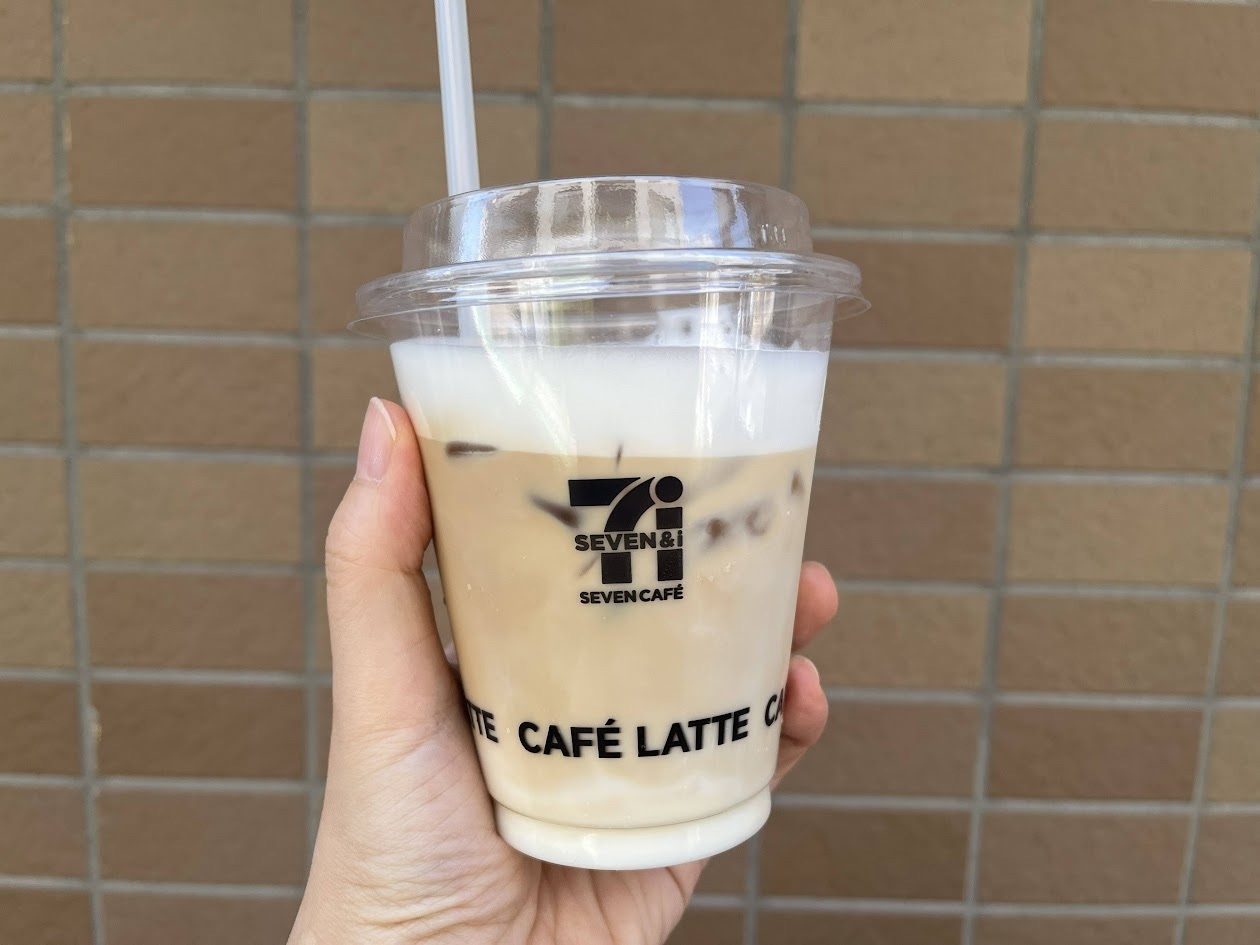
Ever since 7-Eleven introduced coffee-making machines at its branches in 2013, the chain has cemented itself in the convenience store landscape as the place to go for coffee. What became known as the “Seven Cafe” brand soon expanded to include other products like freshly brewed tea and smoothies, but now its coffee is back in the spotlight, after the chain released a super creamy version that locals have been raving about on social media.
Called the Creamy Iced Cafe Latte, this new drink is only available at select Seven Cafe stores – so-called as they’re equipped with machines that dispense the branded drinks – and you’ll know if you can purchase it if you see the option for “creamy” after pressing the “cafe latte” button on the machine. When we headed out to try it, we had to visit four stores before we eventually struck gold, and as the golden brown liquid formed in our cup, we could see that it lived up to its online reputation for being super creamy, thanks to the extra generous portion of milk.
7-Eleven prides itself on the “Extra Rich Milk” used in its lattes, as it contains milk, skimmed condensed milk, and cream sourced from Hokkaido, Japan’s premier dairy region. With a richer flavour and aroma than regular milk, it’s said to be the perfect pairing for the chain’s freshly ground coffee, offering a gentle, natural milk flavour while maintaining a clean, refreshing aftertaste.
The extra creamy latte contains way more extra rich milk than a standard version – the coffee-to-milk ratio appeared to be about 2:8 – so we were very curious to find out how it would taste.
After taking a sip, we were immediately sold on the texture and flavour. It was incredibly rich and almost entirely made of milk, with the aromatic taste of freshly ground coffee appearing after the fluffy, smooth dairy parted ways on the palate, like the sun peering through clouds. It was incredibly full-bodied, and the gentle sweetness came entirely from the milk so you don’t even need to add any sugar. Despite the rich sweetness, though, it had a surprisingly clean aftertaste.
The extreme creaminess might not be for everyone, especially espresso lovers with stronger tastes, but for people who appreciate what milk brings to a cup of coffee, and those who like the frothy visual appeal, this is likely to become your new go-to order.
It’s also surprisingly good for times when you’re hungry, as the drink turned out to be very filling due to the high milk content. So you might want to start off by sticking to a regular size instead of a large for now, as that will leave you with a little more room in your belly for the chain’s new chocolate chip yokubari and sakura bread fruit sandwiches.
Plus some surprising extra requirements, like having to say “thank you” at least 10 times a day.
Every school in Japan has its own set of rules, and while many of these guidelines are perfectly understandable, there are some that are baffling, to say the least.
This topic of nonsensical school rules was recently explored by Jukusen, one of Japan’s largest online directory and comparison platforms for cram schools, in a survey that targeted 104 high school students nationwide.
More than half (
Plus some surprising extra requirements, like having to say “thank you” at least 10 times a day.
Every school in Japan has its own set of rules, and while many of these guidelines are perfectly understandable, there are some that are baffling, to say the least.
This topic of nonsensical school rules was recently explored by Jukusen, one of Japan’s largest online directory and comparison platforms for cram schools, in a survey that targeted 104 high school students nationwide.
More than half (56.7 percent) of the respondents said there were rules at their school that they did not agree with, and out of these, about 70 percent said they hadn’t been given an explanation as to why those rules are necessary.
So what were the rules that made no sense to students? Let’s take a look at the top 12 responses below – totals exceed 100 percent as students were allowed to give multiple responses – starting with a brief rundown from 12 to six.
12. No stopping anywhere on the way home after school (27.9 percent)
11. Limits on the number of keychains students can carry (30.8 percent)
10. Ban on sunscreen and lip balm (31.7 percent)
9. Restrictions on winter clothing such as coats and scarves (34.6 percent)
8. Restrictions on sweaters and cardigans (34.6 percent)
7. Rules specifying the type and colour of school bags (34.6 percent)
6. Restrictions on underwear colour (36.5 percent)
▼ The question put to students for the survey was: “Which school rules honestly make no sense to you?“
Taking a closer look at the top five revealed the following results:
5. Restrictions on smartphones (36.5 percent)
Many respondents accepted bans during class but thought prohibitions during breaks or school events were unreasonable as students want to communicate and take photos at those times.
4. Restrictions on the colour, length, and design of socks (39.4 percent)
Students questioned why schools sought to regulate such a minor detail, saying it felt pointless to regulate tiny fashion issues.
3. Restrictions on how to wear the uniform (42.3 percent)
Students complained that uniform rules were excessively detailed and inconsistently enforced, with one student saying she was pulled up by teachers for folding up the waist of her skirt, even though she was only doing it as it was uncomfortably loose.
▼ Low socks and a high skirt is a no-no at schools.
2. Ban on eyebrow grooming (48.1 percent)
Students argued that not being allowed to care for your eyebrows actually makes people look less presentable. They also expressed concern for people who feel insecure about their brows, as they’re not allowed to tend to them.
1. Restrictions on hairstyles and hair colour (54.8 percent)
Students strongly questioned why schools regulate hair at all, with many saying they felt these rules weren’t in line with the times as they prioritise conformity over individuality.
The survey also revealed some unusual rules that exist at some schools:
On graduation day, girls must wear tights of 80 denier or higher
Students are required to say “thank you” at least 10 times a day within the school
Bans on establishing a light music club
While “light music” originally referred to lighter orchestral pieces, it now involves popular music like punk, rock and J-Pop, and some schools fear these clubs might “increase the number of delinquent and misbehaving students”.
Though students are quick to complain about these “incomprehensible” school rules, saying they have little to do with academic performance, in the end, they mostly put up with them, with approximately 70 percent of current respondents indicating that they abide by the rules despite their dissatisfaction.
The remaining 30 percent are likely plucking an eyebrow hair every now and then, and holding out hope for their school to rethink some of its requirements. With some schools now easing up on black-only hair rules and abolishing underwear checks, change may very well be on the horizon.
Source: Press release
Featured image: Press release
Insert images: Press release, Pakutaso (1, 2, 3) ● Want to hear about SoraNews24’s latest articles as soon as they’re published? Follow us on Facebook and Twitter!
Ordinarily cheap Matsuya opens a high-priced Matsuya inside another upscale Matsuya.
Japanese department stores have food departments on their basement levels, and naturally the fancier department stores offer fancier foods. So it might surprise some shoppers at the Matsuya department store in Tokyo’s upscale Ginza neighborhood to find that one of Japan’s cheapest restaurant chains now has a presence in the store’s food section.
June 10 was the grand opening of Matsuya Premium Ginza, the new d
Ordinarily cheap Matsuya opens a high-priced Matsuya inside another upscale Matsuya.
Japanese department stores have food departments on their basement levels, and naturally the fancier department stores offer fancier foods. So it might surprise some shoppers at the Matsuya department store in Tokyo’s upscale Ginza neighborhood to find that one of Japan’s cheapest restaurant chains now has a presence in the store’s food section.
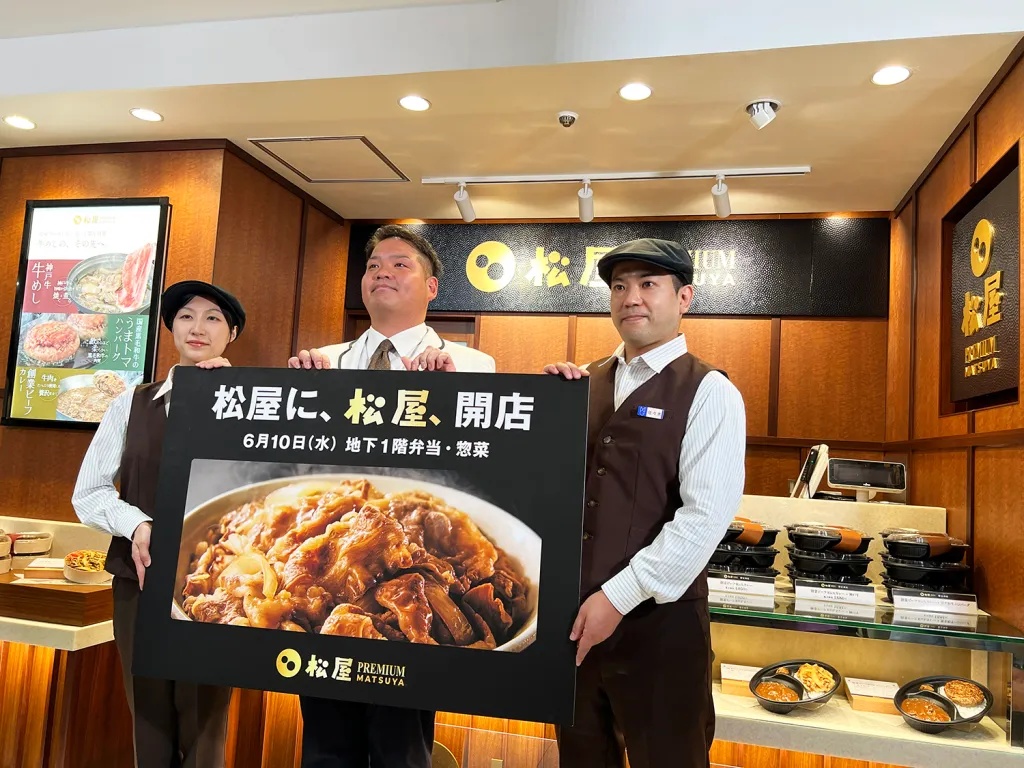
June 10 was the grand opening of Matsuya Premium Ginza, the new department store spinoff of the Matsuya gyudon/beef bowl restaurant chain (which is a separate company from the Matsuya department store). As the name implies, Matsuya Premium is positioning itself as a more luxurious, upgraded version of the Matsuya restaurant chain, offering takeout meals exclusive to Matsuya Premium, such as beef bowls made with Kobe beef.
Obviously, Matsuya Premium’s prices are higher too. At a normal Matsuya, for example, the standard beef bowl is just 460 yen (US$3), but Matsuya Premium’s Kobe beef version will cost you 1,390 yen. There’s a gap in price between the price for regular Matsuya’s tomato sauce hamburger steak set (1,180 yen) and Matsuya Premum’s Kuroge Wagyu Hamburger Steak Bento (1,681 yen).
Here’s the thing though. Regular Matsuya’s food isn’t just cheap, it’s also really tasty. Sure, the restaurant chain is friendly to your wallet, but it’s just as kind to your taste buds, which raises a question.
If regular, cheap Matsuya is already so good, is there any point in paying extra for Matsuya Premium?
To investigate, our Japanese-language reporter Seiji Nakazawa sprang into action, first stopping by Matsuya Premium to pick up a Kobe beef gyudon and Kuroge Wagyu Hamburger Steak, then swinging by a regular Matsuya to procure their more plebian counterparts as well.
▼ Matsuya Premium on the left, basic Matsuya on the right
The Matsuya Premium items do come in more elegant-looking containers, but visually there isn’t much difference to be seen with the food itself.
But beef is always beautiful, and we’re paying extra for what’s supposed to be the special flavor of the Premium items, not enhanced aesthetics. So now it was time for Seiji to taste-test the different versions back-to-back.
He started with the beef bowl, and right away he could taste that the Kobe beef version has something the regular Matsuya beef bowl doesn’t. The marbled quality of the Kobe beef gives it a much heavier dose of umami flavor, which melts in your mouth and merges with the flavors of the stock that the beef is simmered in. That combination danced across his taste buds and fired up his taste buds with a greater intensity than the regular Matsuya gyudon, in which the meaty flavor of the beef is less pronounced and the stock plays a more prominent role.
Moving on to the hamburger steaks, the most striking difference here was the texture of the meat. The Matsuya Premium version is tenderer, and it’s juicier too. Switching to the regular Matsuya hamburger steak after trying a bite of the Premium, Seiji couldn’t help but feel a that the cheaper version is drier and tougher, and, with such a closely-timed comparison, had a twinge of frozen-food feeling to it, he says.
So Seiji is happy to report that Matsuya Premium isn’t just charging more because of its location, and that it genuinely does deliver a more refined eating experience than what you can find at a regular Matsuya. The new venture might not quite match the value-for-money that standard Matsuya is known for, but Matsuya Premium delivers on giving you the quality you’re paying for.
Shop information
Matsuya Premium Ginza / 店名 松屋PREMIUM銀座店
Address: Tokyo-to, Chuo-ku, Ginza 3-6-1, Matsuya Ginza basement level 1
住所 東京都中央区銀座3-6-1松屋銀座 地下1階
Open 11 a.m.-8 p.m. (11 a.m.-7:30 p.m. Sundays and final day of consecutive holidays)
Three years after being acquired by Nippon TV, there’s a shakeup at the top levels of Ghibli’s leadership.
Between its unparalleled commitment to anime artistry and larger-than-life creative keymen, it can be easy to forget that Studio Ghibli still is a company. So while the animators and designers play crucial roles in producing what we see on screen, they’re not the ones running the place. Studio Ghibli does have a president, and the current one is going to step down next month.
Studio Ghibl
Three years after being acquired by Nippon TV, there’s a shakeup at the top levels of Ghibli’s leadership.
Between its unparalleled commitment to anime artistry and larger-than-life creative keymen, it can be easy to forget that Studio Ghibli still is a company. So while the animators and designers play crucial roles in producing what we see on screen, they’re not the ones running the place. Studio Ghibli does have a president, and the current one is going to step down next month.
Studio Ghibli announced through its official website that Hiroyuki Fukuda will be leaving his position as president as of the Ghibli shareholders meeting next month. The 64-year-old Fukuda has been the president and representative director of Studio Ghibli since 2023, and currently concurrently holds the position of president and representative director of Nippon Television Holdings, the Japanese TV broadcaster who acquired Ghibli as a subsidiary the same year that Fukuda became the studio’s president.
Stepping in to replace Fukuda will be 51-year-old Kenichi Yoda. Like Fukuda, Yoda simultaneously is simultaneously a high-ranking executive in both Studio Ghibli and Nippon TV, having a seat on Ghibli’s board of directors since 2023 and also listed as a “general specialist” within Nippon TV’s Content Strategy Division, a combination that’s kept him heavily involved in planning and coordinating events such as exhibitions, concerts, and stage play adaptations for Ghibli’s anime works.
Aside from Fukuda’s departure from Ghibli and Yoda’s promotion within it, the studio is not planning any other changes to its upper leadership structure, meaning that co-founder and anime director Hayao Miyazaki will continue as honorary chairman of the board, veteran producer Toshio Suzuki as representative director and chairman of the board, and Goro Miyazaki as managing director. As such, Ghibli’s philosophy towards animation production and storytelling is unlikely to drastically change as a result of it getting a new president, and the more likely effect would be increased attention given to events and collaborations of the sort Yoda has been handling, which would be in keeping with Ghibli’s recent shift towards showcasing its legacy as opposed to producing new feature-length anime movies.
Yoda is scheduled to become Studio Ghibli’s president on June 22.
Instant ramen maker shows that even hamsters will fall in love with Cup Noodle, if given the chance.
Pretty much everyone loves Cup Noodle, from hungry kids to busy college students to adults who don’t want to go through the hassle of cooking after a long day at the office. As a matter of fact, it turns out that the instant ramen brand’s appeal transcends humanity, as a new video shows the massive untapped potential of a new Cup Noodle fanbase: hamsters!
Now, we should be clear that the Cup No
Instant ramen maker shows that even hamsters will fall in love with Cup Noodle, if given the chance.
Pretty much everyone loves Cup Noodle, from hungry kids to busy college students to adults who don’t want to go through the hassle of cooking after a long day at the office. As a matter of fact, it turns out that the instant ramen brand’s appeal transcends humanity, as a new video shows the massive untapped potential of a new Cup Noodle fanbase: hamsters!
Now, we should be clear that the Cup Noodle manufacturer is not recommending letting your pet hamster eat instant ramen, as the nutritional needs of humans and hamsters are entirely different. Instead, they’ve created a Cup Noodle hamster wheel.
“We’ve made a Cup Noodle that hamsters love running in,” says the post from Nissin’s official Twitter account, along with an adorable video of a hamster taking it for a spin. However, look closely and you’ll see that isn’t a repurposed ramen container. To make the running motion as natural as possible, the apparatus is a straight cylinder, unlike Cup Noodle packages that widen as you move from the base to the brim. The interior of the cylinder also has little notches to give the hamster better traction as it runs.
The exterior design, though, is an exact match to the classic, iconic Cup Noodle packaging, and with the video representing a meeting point of Japan’s love of instant ramen and its love of cute animals, the online reaction has been overwhelmingly positive and envious.
“I want to let my pet ham-chan run on this too!” “This…this would be a huge seller!” “Please offer these for sale. I’ll do anything for one.” “Add a noodle pattern to the inside, and it’ll be perfect.” “I want to hook this up to a generator and use the power to boil water to cook my Cup Noodle with.”
As we’ve seen before, Nissin likes to let its design team share photos of its crazy and/or creative prototypes, and sometimes what starts out as just quirky fun actually does end up making it to market if the response is strong enough. That’s what happened with the Cup Noodle Measuring Cup and Cup Noodle Squid Fork, and considering that Japan is a country that has Final Fantasy scratching pads for cats and Dragon Quest dog houses, it seems like there’s probably a market for Cup Noodle hamster wheels too.
We’re headed to Kyoto today, but not to see the temples or shrines.
Temples and shrines are the first things that come to mind when travelers think of Kyoto, but the prefecture is also a treasure trove of outstanding michi no eki, or “road stations.” These combination roadside shops/rest areas offer a variety of unique local products, from foods and drinks to handicrafts, and with Kyoto Prefecture’s rich culinary legacies, its road stations include ones in famous green tea-growing regions and
We’re headed to Kyoto today, but not to see the temples or shrines.
Temples and shrines are the first things that come to mind when travelers think of Kyoto, but the prefecture is also a treasure trove of outstanding michi no eki, or “road stations.” These combination roadside shops/rest areas offer a variety of unique local products, from foods and drinks to handicrafts, and with Kyoto Prefecture’s rich culinary legacies, its road stations include ones in famous green tea-growing regions and fishing ports on the coast of the Sea of Japan.
Today we’re asking our Japanese-language correspondent Susan, a native of Chiba Prefecture who’s travelled to 850 michi no eki, including all of the ones in Kyoto, for his list of 10 best Kyoto road stations, presented in no particular order.
1. Ocha no Kyoto Minami Yamashiro-mura (Minami Yamashiro Village) Website
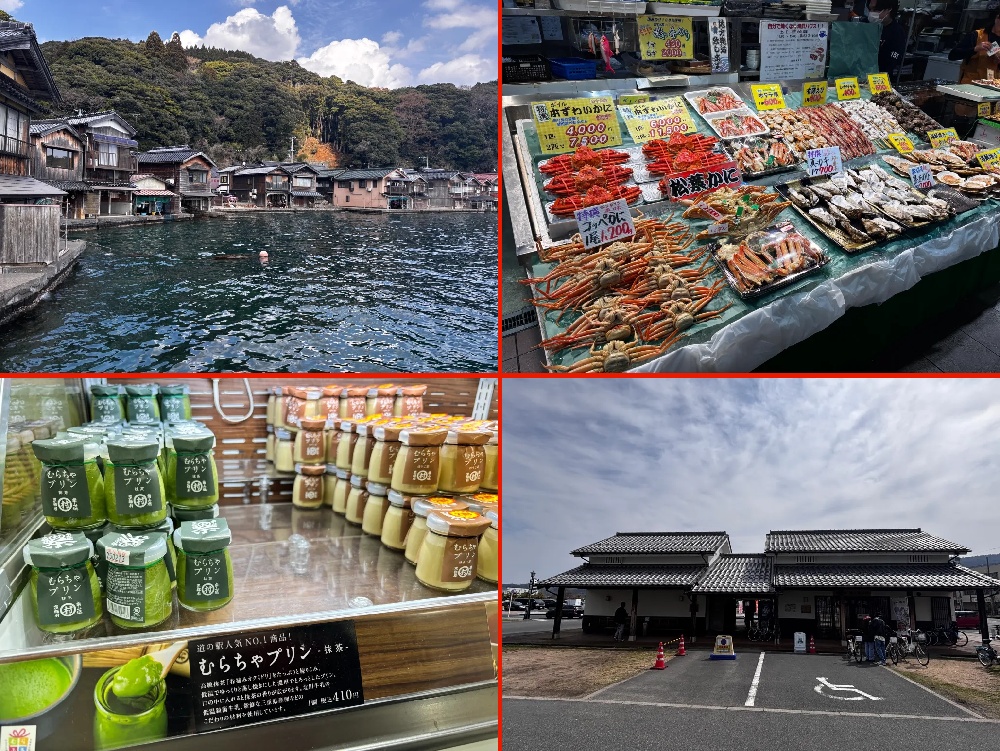
Minami Yamashiro is the only town in Kyoto Prefecture that’s legally classified as a “village” (mura in Japanese), and that alone brings a lot of travelers to this road station. Locally grown tea is the star attraction here, and in the attached restaurant you can dine on soba noodles with green tea mixed into their buckwheat flour. Looking for something sweeter? The Muracha (“Village Tea”) Pudding is not to be missed, with a deep, direct delivery of green tea flavor in every bite.
2. Michi no Eki Miyama Fureai Hiroba (Nantan City) Website
You’ll find this road station on the way to Kayabuki no Sato, a beautifully preserved historic neighborhood with traditional thatched roof Japanese farmhouse architecture. The thing you’ve got to try if you come here is the Miyama Milk from the local dairy, or at least the ice cream, frozen yogurt, or cheese made with it.
The gelato is Susan’s personal favorite, rich but with a clean finish, and the lines get long for it on the weekends, but it’s worth the wait.
On its north side, Kyoto Prefecture stretches all the way to the coast of the Sea of Japan, and that’s where you’ll find the town of Yosa and Ine, a neighborhood of traditional fishermen boathouse homes built out over the water.
The refreshments on offer here include locally made soba and small-batch sake, but Susan also gives a special mention the hisuku, skewers of dried fish that you can buy from the outdoor Umyado stand to snack on while you admire the scenery.
Heading back into the more mountainous inland, we come to this michi no eki in the town of Funai, situated next to the Yuragawa River. This is a tranquil spot befitting its Nagomi name (which means “harmony”), and your heart will feel even more at ease if you’re indulging in a cup of Mont Blanc pudding at the attached Nagomi Cafe.
Seasonal highlights include spring strawberries, autumn chestnuts, winter mochi, and in summer, a special “ayu garden” where you can experience catching ayu (a kind of river fish) by hand, then having it grilled up by the staff for you to enjoy at its freshest flavor.
5. Michi no Eki Mizuho no Sato Sarabiki (Funai) Website
We’re still in Funai for this easy-to-access road station off the the Kyoto Expressway, near where travelers enter the lush countryside of the Tamba Highlands. The Mizuho district is famous for its buckwheat farms, and also for the soba noodles made from the grain, so naturally you can enjoy a bowl of them here, and the hiratake mushrooms, gathered in the local mountains, are delicious too.
This road station’s most unique feature, though, is its mini field hockey court. The Mizuho district hosted national field hockey championships during a sports event back in 1988, and the game has remained popular in the area ever since.
6. Michi no Eki Umi no Kyoto Miyazu (Miyazu City) Website
Yes, the building itself looks cool, but this one is primarily on the list because it offers a great vantage point for seeing Amanohashidate. Considered one of the three most beautiful views in Japan, Amanohashidate is pine tree-covered sandbar that stretches across Miyazu Bay and is supposed to look like a bridge climbing into the heavens, especially so if you bend over and view it through your legs so that it’s upside down.
▼ Susan and a friend in front of Amanohashidate
The road station here has an attached shop with local sake and other souvenirs, but the main appeal really is the view, so make this one a daytime visit.
7. Michi no Eki Tango Okoku Shoku no Miyako (Kyotango City) Website
Shoku no Miyako translates to “Capital of Food,” and the scale of this road station certainly warrants that distinction, as its approximately eight times the size of Japan’s famed Koshien baseball stadium. Whether you’re in the mood for Kyoto Tanba Kurowagyu steak or wood-fired pizza, there are restaurants here that are happy to oblige, and big eaters will enjoy the noodle shop with all-you-can-eat udon.
With so much to eat, you might want to have two meals here, and there are go-karts, a petting zoo, and even a hotel if you need something to do or somewhere to relax between chow-down sessions.
8. Michi no Eki Springs Hiyoshi (Nantan City) Website
Aside from being valuable parts of public infrastructure, many dams in Japan have become tourist attractions in and of themselves. This road station is situated next to the Hiyoshi Dam, and fatures facilities such as an onsen hot spring bath, heated swimming pool, sauna, and outdoor BBQ spaces.
If you need provisions, the souvenir shop sells locally sourced mushrooms and eggs, and there’s even a campground with cottages for overnight guests.
9. Michi no Eki Kyoto Shinkoestumura (Nantan City) Website
This road station is right off the Kyoto Jukan Expressway’s Sonobe Interchange, making it super-easy to access while driving across or around Kyoto Prefecture. Locally grown Onshin rice is the pride of the place, and aside from sacks of the rice itself you can taste it in the mochi rice cakes and senbei rice crackers sold in the souvenir shop.
This michi no eki also has a good selection of nama yatsuhashi, Kyoto’s representative sweet treat of a folded triangle of soft mochi with sweet red bean paste inside. Granted, you can find nama yatsuhashi at plenty of other places in Kyoto, but this road station’s easy expressway access makes it a very convenient place to pick up an extra box or two on your way home.
10. Michi no Eki Maizuruko Toretore Center (Maizuru City) Website
And last, we’re back on the north coast of Kyoto Prefecture to stop at Maizuru Port, one of the largest seafood markets along the Sea of Japan. As soon as you step inside, you’ll be surrounded by the bustling energy of merchants hawking fresh catches of fish, crab, and oysters, among other saltwater delicacies.
This is basically the Tsukiji of road stations, with delicious snow crab in winter, iwagaki oysters in summer, and buri (yellowtail) in autumn, no matter when you visit, you’ll find something great to eat.
Transforming iconic characters into delicious works of art.
Pokémon is a beloved franchise, and you’d be hard-pressed to find anyone in Japan who has not heard of it, even if they have never personally interacted with any of its media. Through collaborations with famous brands from all areas of the market, the cute and charming character designs can be seen in many places throughout the country.
Despite both being of Japanese origin, the combination of a 161-year-old traditional Japanese confe
Transforming iconic characters into delicious works of art.
Pokémon is a beloved franchise, and you’d be hard-pressed to find anyone in Japan who has not heard of it, even if they have never personally interacted with any of its media. Through collaborations with famous brands from all areas of the market, the cute and charming character designs can be seen in many places throughout the country.
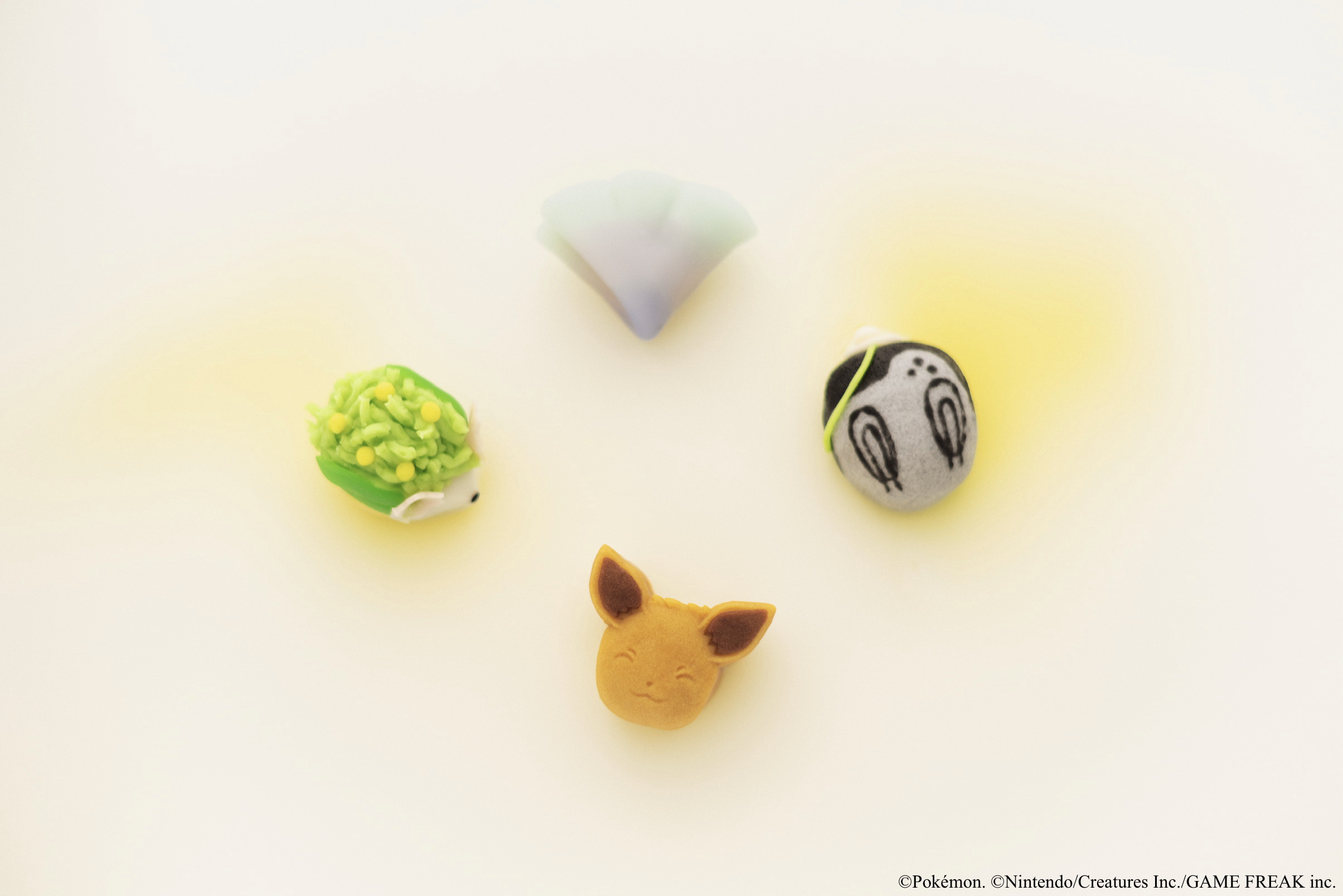
Despite both being of Japanese origin, the combination of a 161-year-old traditional Japanese confectionery maker and an electric mouse and its friends may not be the natural pairing for most people. However, over the last few years, the shop Shichijo Kanshundo has been releasing delightful treats that blend history with pop culture, and from May 11, they have expanded that lineup with another set of four Pokémon kyo-gashi (traditional Kyoto-style sweets).
The shop is renowned for its jonamagashi, which are handmade by craftsmen one by one. While these sweets, traditionally served during tea ceremonies, typically reflect the changing seasons or classical poetry, Shichijo Kanshundo is using their delicate artistry to bring Eevee and Poltchageist into the physical world.
The Eevee sweet is crafted using nerikiri, a traditional mixture of sweet white bean paste, starch syrup, and gyuhi (glutinous rice flour) that artisans sculpt by hand into intricate, soft shapes. Poltchageist is made as a jonyo manju, a light, fluffy steamed bun made with yam, sugar, and joyo-ko (fine rice flour).
These two Pokémon join two others that were previously released to form this new set of four: Shaymin (Land Forme) and Oricorio (Sensu Style). Shaymin is a kinton, made by crumbling white bean paste or nerikiri into a soboro (ground/crumb-like) state and applying it around a core of bean paste. Oricorio, on the other hand, is expressed using uiro, a Japanese sweet made by adding sugar and water to rice flour, among other ingredients, and steaming it until firm, which results in a chewy texture. The set costs 2,916 yen (US$18) and, since they’re made without unnecessary preservatives, are best enjoyed immediately.
Catching these sweets requires a little bit of extra planning, because the physical store in Kyoto only sells these sets on their special sales event on the seventh of every month, so starting June 7, visitors will be able to pick some up on the afternoon stroll through one of Kyoto’s most historic neighborhoods near Sanjusangendo Temple.
There is another method to get your hands on them earlier: you can order them online and receive them directly at your home, although they will be delivered frozen. However, that also means you don’t need to enjoy them all at once, and can take your time to savor the flavors over a period of 14 days from the date of shipment.
If you do happen to find yourself in the Higashiyama area in Kyoto on the seventh of a month, though, be sure to stop by the shop early. These limited-edition treats are a wonderful way to experience Kyoto’s traditional craftsmanship, even if you’re not a dedicated Pokémon fan.
Store information
Shichijo Kanshundo / 七條甘春堂
Address: Kyoto-fu, Higashiyama-ku, Shichijo-doori, Nishinomon-cho 551-banchi
京都市東山区七条通西の門町551番地
Open 9:00 a.m.–5:30 p.m.
Closed January 1 Website
Famed anime house isn’t worried about losing relevancy by limiting access to its films.
Studio Ghibli has a reputation for preferring to do things the old-fashioned way, and so fans weren’t really shocked when the famed anime production house was initially reluctant to licensing its works for online streaming. The studio eventually softened its stance, striking deals with HBO Max in 2019 and Netflix the following year, and while the Netflix agreement has since expired, HBO Max still offers the
Famed anime house isn’t worried about losing relevancy by limiting access to its films.
Studio Ghibli has a reputation for preferring to do things the old-fashioned way, and so fans weren’t really shocked when the famed anime production house was initially reluctant to licensing its works for online streaming. The studio eventually softened its stance, striking deals with HBO Max in 2019 and Netflix the following year, and while the Netflix agreement has since expired, HBO Max still offers the Ghibli catalog for streaming…but not if you’re in Japan.
On-demand online streaming may not dominate the video entertainment landscape in Japan to quite the same extent as it does in many other countries, but things are moving in that direction, especially with Japan’s physical media rental stores fading away at an accelerating pace. It’s getting to the point where one could question whether Ghibli’s attitude about making its anime available for streaming in Japan has gone from being quaintly old-fashioned to detrimentally outdated. That was the sentiment one attendee alluded to at a regular press conference held by Hiroyuki Fukuda, president of Japanese television broadcaster Nippon TV, which acquired Studio Ghibli as a subsidiary in 2023. At the press conference, held on May 25, the attendee asked Fukuda:
“Ghibli’s works remain unavailable for streaming within Japan, which limits their audiences…Concerns have been raised that without opportunities to view these titles, some of them may become forgotten [by the public], so is there any chance of Ghibli’s anime becoming available for streaming on your company’s Hulu service?”
As alluded to in the question, Hulu Japan is a subsidiary of Nippon TV, which would make it the natural, and theoretically easiest to negotiate with, online host of the Ghibli catalog. Users shouldn’t go typing “Ghibli” into the Hulu Japan search box just yet, though, nor that of any other streaming service in Japan, as Fukuda answered that there are no plans to put Ghibli’s films online, because Nippon TV and Studio Ghibli want to preserve the relevance of the TV broadcasts of Ghibli anime.
“Presently, Studio Ghibli and Nippon TV are of the shared belief that we want to preserve the specialness of Ghibli’s films appearing on broadcast TV through our Friday Roadshow program. We are of course aware of the various requests for and different opinions regarding streaming, and this is a matter we intend to continue discussing moving forward.”
Friday Roadshow, or Kinyo Roadshow in Japanese, is Nippon TV’s Friday night movie block, in which it shows a different classic, popular, or family-oriented film each week. Ghibli anime are featured several times per year, with mega-hits like Totoro often saved for dates during summer or other vacation seasons, becoming appointment television for fans.
▼ Hurry home, Chihiro! Friday Roadshow is about to start!
Still, not every Ghibli anime airs every year, and even those that do usually do so only once annually. Nippon TV and Ghibli aren’t currently worried about that lessening the relevance of the studio’s films, though. In his press conference response, Fukuda went on to say that permanent facilities like the Ghibli Museum in Tokyo and the Ghibli Park theme park near Nagoya help build interest and excitement for Ghibli’s anime, as do celebratory events like Ghibli’s art exhibitions that travel around the country. Though Fukuda didn’t mention them, Ghibli’s kabuki stage play adaptations, like the one for Nausicaa of the Valley of the Wind and the upcoming one for Princess Mononoke, also help to spark interest in their source material, and even if there’s no Friday Roadshow broadcast of them in the near future, Ghibli’s anime are always readily available for purchase on physical media in Japan.
Occasional overseas events and London’s My Neighbor Totoro stage play notwithstanding, the average overseas Ghibli fan has far less access to these kinds of Ghibli touchpoints than fans in Japan do, which in turn makes easier access to the anime movies themselves, though online distribution, a greater necessity outside Japan, which would explain why Ghibli has come around to the idea of streaming its works in foreign countries. And the day may come when Ghibli shrugs its shoulders and says “OK” for streaming inside Japan too. Nippon TV and the studio aren’t at that point just yet, though, and Fukuda’s treatment of Ghibli as a partner, as opposed to just a subsidiary, in the matter is probably a wise call, considering how committed Ghibli is to presenting its creations in the way it feels best conveys their vision.
Quick and easy, this is a meal that’ll have you going back for seconds.
One of our favourite hacks when it comes to making Japanese-style meals is to whip out our rice cooker and stuff it with all sorts of unconventional ingredients. These so-called “rice cooker recipes” almost always result in surprisingly delicious meals, and our latest culinary experiment turned out to be so tasty and easy to make that we wanted to share it so you can enjoy it too.
The recipe itself is adapted from one crea
Quick and easy, this is a meal that’ll have you going back for seconds.
One of our favourite hacks when it comes to making Japanese-style meals is to whip out our rice cooker and stuff it with all sorts of unconventional ingredients. These so-called “rice cooker recipes” almost always result in surprisingly delicious meals, and our latest culinary experiment turned out to be so tasty and easy to make that we wanted to share it so you can enjoy it too.
The recipe itself is adapted from one created by Marudai Foods, the makers of “Smoked House Aged Wiener” sausages, so you can rest assured that its foundations have been tried and tested for deliciousness. While the brand’s sausages are, as you might expect, on the ingredients list, the recipe also includes vegetables, making it ideal for people looking to add more nutrition to their diets, and for parents looking for a tasty way to encourage their kids to eat veggies.
So let’s get cooking, starting first with the ingredients you’ll need.
Marudai Foods “Smoked House Aged Wiener” sausages x 1 pack
Carrot x 1
Canned sweetcorn x 1 can
Uncooked rice x 2 go (“go” is a traditional rice-measuring unit that equates to about 150 grams, so you’ll need 300 grams)
Granulated dashi soup stock x 1 tablespoon
Soy sauce x 1.5 tablespoons
Cooking sake x 1 tablespoon
Chopped green onions to garnish
Method
1. Cut the wieners diagonally in half. Peel the carrot, and drain the corn from the can.
2. Add the rice to the rice cooker, then add the dashi granules, and water to the scale of “2 go” on the side of the bowl. Place all the other ingredients on top and press the button to start the rice-cooking cycle.
3. After it’s cooked, mix everything well and top with green onions. Then add extra soy sauce, and butter if you like, and you’re done!
The moment you open the rice cooker, the smoky aroma and the umami of the wiener emanates upwards, instantly stimulating your appetite. Though the whole carrot might seem large, it’s so soft that it can be easily cut with a shamoji rice paddle and mixed around.
When you go to serve the meal, it’ll look so colourful and appetising that even the most veggie-averse diners won’t be able to resist trying it.
Everything is so soft and moreish you’ll be going back for refills, and the mix of carbs and protein will fill you up nicely.
As the rice cooks, it absorbs all the savoury flavour from the sausages, making everything extra tasty. It’s a fun and easy way to make a nutritious meal that actually tastes good, and once you’ve mastered a recipe like this you can move on to slightly more challenging, and more carb-heavy, meals like this massive deep-dish Chicago pizza.
School getting ready for its 80th birthday makes a modern addition to its uniform options.
Tanabe Junior High School in the town of Kyotanabe, Kyoto Prefecture, is going to be marking the 80th anniversary of its founding next year. That’s definitely a good opportunity to look back on its history and celebrate its traditions, but the school has no intent of having its thinking be stuck in the past, as shown by its plans to be the first public junior high school in Japan to have a hoodie as its
School getting ready for its 80th birthday makes a modern addition to its uniform options.
Tanabe Junior High School in the town of Kyotanabe, Kyoto Prefecture, is going to be marking the 80th anniversary of its founding next year. That’s definitely a good opportunity to look back on its history and celebrate its traditions, but the school has no intent of having its thinking be stuck in the past, as shown by its plans to be the first public junior high school in Japan to have a hoodie as its uniform.
Currently, the standard uniform for boys at Tanabe is a gakuran, a straight-collared button-up jacket-like garment worn with slacks, and for girls it’s a sailor suit blouse-and-skirt combo. These are both considered pretty traditional outfits in the Japanese school system these days, as it’s becoming increasingly common for school uniforms to have blazers instead.
▼ Gakuran
Tanabe does allow female students who don’t want to wear the sailor suit to opt for gakuran or dress shirt and slacks instead, but the old-school uniforms aren’t necessarily unpopular. For the last three years, the school has polled students on whether they want to keep the current uniforms or switch to a more modern blazer, and for three years in a row, the students have voted to keep the gakuran and sailor suits. However, later this year they’ll have another option, a zip-up gray hoodie, with black trim and the school’s emblem on the left side of the chest. The design, which was decided on by the students, can be seen on the school’s website here.
“We came to the decision [to introduce a hoodie uniform] taking into consideration that we are in a diverse and genderless era,” said the school in a statement. To be clear, the hoodie isn’t just for use while commuting to school or extracurricular events, either. Not only can students wear it in class, it can also be worn to such important occasions as the school’s graduation ceremony and welcome ceremony for newly enrolled students.
Aside from being comfortable and modern, the hoodie uniform also has the advantage of being machine washable (most conventional school uniforms require dry cleaning), and though at 9,000 yen (US$58) it’s not a particularly inexpensive hoodie, that’s still about half the price that students currently have to pay for gakuran or sailor suit tops. Students aren’t required to commit to just one style of uniform, either, so if they want to purchase both the hoodie and the pre-existing option, and wear whichever they feel like on that day, that’s OK too.
The hoodie uniform will be available starting in November.
Trendy Korean snacks get a convenience store makeover, but is it a good thing?
Last year, 7-Eleven showcased some of Korea’s most famous food in a special limited-time campaign, and it proved to be so popular that Korean cuisine is back in the spotlight again, with a series called “Mashisso! Korea’s Top Recommended Gourmet Picks”.
This two-part series kicked off on 1 June, with a second batch of items released just over a week later, on 9 June. Out of all the “mashisso!” (“delicious!”) produc
Trendy Korean snacks get a convenience store makeover, but is it a good thing?
Last year, 7-Eleven showcased some of Korea’s most famous food in a special limited-time campaign, and it proved to be so popular that Korean cuisine is back in the spotlight again, with a series called “Mashisso! Korea’s Top Recommended Gourmet Picks”.
This two-part series kicked off on 1 June, with a second batch of items released just over a week later, on 9 June. Out of all the “mashisso!” (“delicious!”) products in this second release, there was one in particular that became a runaway hit with customers.
▼ Freshly Fried Gamja Cheese Balls
Gamja Cheese Balls are hugely popular in Korea, and they’re also a hit in Shin-Okubo, Tokyo’s Koreatown district. Curious to find out what a convenience store version would taste like, we stopped by 7-Eleven to give them a try, and we found them waiting for us in the hot display case next to the register, glistening in the golden light like delicious fried jewels.
After ordering a pack, staff handed us a warm pouch of three and we raced home to try them while they were still hot. Spearing one with the included toothpick, we took a bite and found that the outside was wonderfully crisp, while the inside was incredibly chewy and soft.
With “gamja” meaning “potato” in Korean, we’d initially expected the balls to have a fluffy, hearty, mashed potato-like texture, but the potato-infused dough turned out to be satisfyingly chewy, with a springy texture that made it irresistible. Inside, the saltiness of the gooey, melted cheese paired beautifully with the subtly sweet dough, creating a combination that was absolutely addictive.
Being freshly fried in-store is another bonus, as it ensures maximum enjoyment of the interplay between gooey and crispy textures. After polishing off our balls, we realised they would also work well with some added customisations, like a drizzle of honey for an extra sweet-and-salty kick.
At just 230 yen (US$1.44) per bag, these trendy Korean snacks are an easy treat to pick up at 7-Eleven, and in our opinion, they’re well worth a repeat purchase before they disappear on 16 June.

 Login
Login