Normal view

  • ✇Latin America Reports
  • Guatemala Supreme Court revokes arrest warrant for Colombia Attorney General   Alfie Pannell
    Bogotá, Colombia – The Supreme Court of Guatemala has overturned 26 arrest warrants issued last year by the country’s Public Prosecutor’s Office, which targeted high-profile figures including Colombian Attorney General Luz Adriana Camargo.  In a decision made public on Monday, the country’s high court ruled that the prosecutor’s office did not have the authority to issue the warrants in June last year.  The court order marks a setback for Guatemala’s Public Prosecutor’s Office, which right
     

Guatemala Supreme Court revokes arrest warrant for Colombia Attorney General  

14 April 2026 at 23:43

Bogotá, Colombia – The Supreme Court of Guatemala has overturned 26 arrest warrants issued last year by the country’s Public Prosecutor’s Office, which targeted high-profile figures including Colombian Attorney General Luz Adriana Camargo. 

In a decision made public on Monday, the country’s high court ruled that the prosecutor’s office did not have the authority to issue the warrants in June last year. 

The court order marks a setback for Guatemala’s Public Prosecutor’s Office, which rights groups have condemned as a rogue and politically-motivated body.

“[The Prosecutor’s Office] exceeded its legal powers by unlawfully issuing arrest warrants without having the legal authority to do so,” declared the Supreme Court in its ruling.

“The issuance of arrest warrants is a power reserved for trial judges… who are responsible for overseeing the investigation,” it continued.

In addition to targeting Camargo, the warrants issued last year sought the arrest of former Colombian Defense Minister and current Ambassador to the Holy See, Ivan Velasquez.

Both high-ranking Colombian officials were accused of obstruction of justice, corruption, and influence peddling during their tenure overseeing an investigation into bribes paid to Guatemalan officials by Brazilian construction giant Odebrecht. 

Camargo and Velasquez helped lead the United Nations-backed International Commission against Impunity in Guatemala (CICIG), which investigated the Odebrecht case, a sweeping corruption scandal in which the construction firm was found guilty of bribing officials in 10 Latin American countries.

But the warrants, spearheaded by Guatemalan public prosecutor Rafael Curruchiche, were widely decried at the time. 

Guatemala’s own government condemned the move, writing, “these actions are carried out with a clear political objective, without grounding in the national and international legal system.”

“These are part of a series of actions by the Public Prosecutor’s Office, the Attorney General of the Republic and judges associated with corruption that have distorted the meaning of justice in Guatemala,” added the Guatemalan government at the time. 


For years, Guatemala has seen a power struggle between its Attorney General’s Office, led by Maria Consuelo Porras, and the government.

Consuelo Porras has been condemned by rights groups for her efforts to block anti-corruption efforts in the country, which have seen her sanctioned by 40 countries, including the United States.

Public Prosecutor Curruchiche has also been widely condemned for interfering in democratic processes, suspending then-presidential candidate Bernardo Arevalo’s party during elections in 2023; Arevalo went on to win.

Following the Supreme Court’s ruling overturning the warrants, Curruchiche said he would launch an appeal in the country’s Constitutional Court. 

Featured image description: Colombian Attorney General Luz Adriana Camargo gives a speech.

Featured image credit: @FiscaliaCol via X

The post Guatemala Supreme Court revokes arrest warrant for Colombia Attorney General   appeared first on Latin America Reports.
  • ✇El País in English
  • Cabrero Segundo’s exchange Pablo Ferri
    Everything in this story comes back to El Cabra. Everything leads to him, Cabrero Segundo, the “famous Lacandón,” the boss, a man of average height, about five foot five, brown-skinned, with a paunch, a goatee and tattoos: a cross on his left shoulder and a jaguar on his right. An eccentric character. In the film he had made about his life, he cast a hulking actor who was eight inches taller. At the height of his power he built a clandestine airstrip two minutes from his house to receive drug sh
     

Cabrero Segundo’s exchange

6 June 2026 at 04:00

Everything in this story comes back to El Cabra. Everything leads to him, Cabrero Segundo, the “famous Lacandón,” the boss, a man of average height, about five foot five, brown-skinned, with a paunch, a goatee and tattoos: a cross on his left shoulder and a jaguar on his right. An eccentric character. In the film he had made about his life, he cast a hulking actor who was eight inches taller. At the height of his power he built a clandestine airstrip two minutes from his house to receive drug shipments. The night he kidnapped 33 soldiers, disarmed and stripped them — no one in the jungle forgets that — he spent the final hours before dawn snorting cocaine in front of them, using a banknote. El Cabra, a man with ambition.

Seguir leyendo

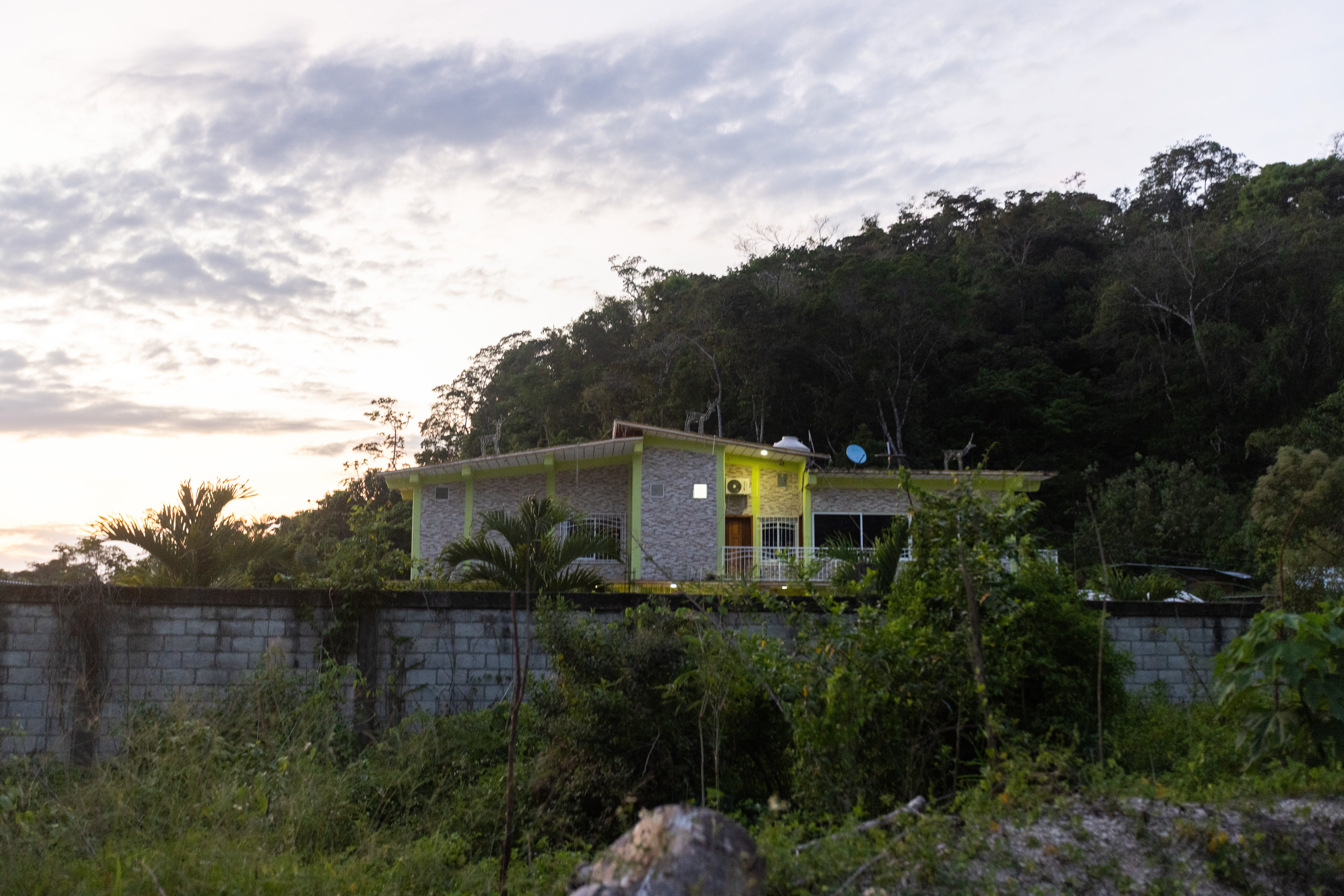
The house that witnesses identify as the property of Cabrero Segundo López, alias 'La Cabra.'View of the old illegal light-plane runway used for drug trafficking in the Lacandon Jungle.Esquivel Cruz, councilor of the municipality of Ocosingo, Chiapas.Lawyer Rufino Gómez shows a video in which Chiapas police carry out the operation in Lacanjá to arrest 20 alleged collaborators of El Cabra, not on the road as the local prosecutor claimed.

Photography and video:

Quetzalli Nicte-Ha

Visual editing:

Gladys Serrano and Mónica González

Layout and design:

Mónica Juárez Martín and Ángel Hernández

  • ✇El País in English
  • Hope in atoms: A new method to search for missing migrants in Mexico Cindy Espina
    “Where do the disappeared people in Mexico come from?” That is the question Dr. Luciano Valenzuela, a biologist, posed as he opened the workshop the Argentine Forensic Anthropology Team (EAAF) organized to explain a new search method. It will be part of a project carried out over the next three years in Mexico and Central America to shorten the search for migrants who have disappeared on Mexican territory.Seguir leyendo
     

Hope in atoms: A new method to search for missing migrants in Mexico

11 June 2026 at 12:46
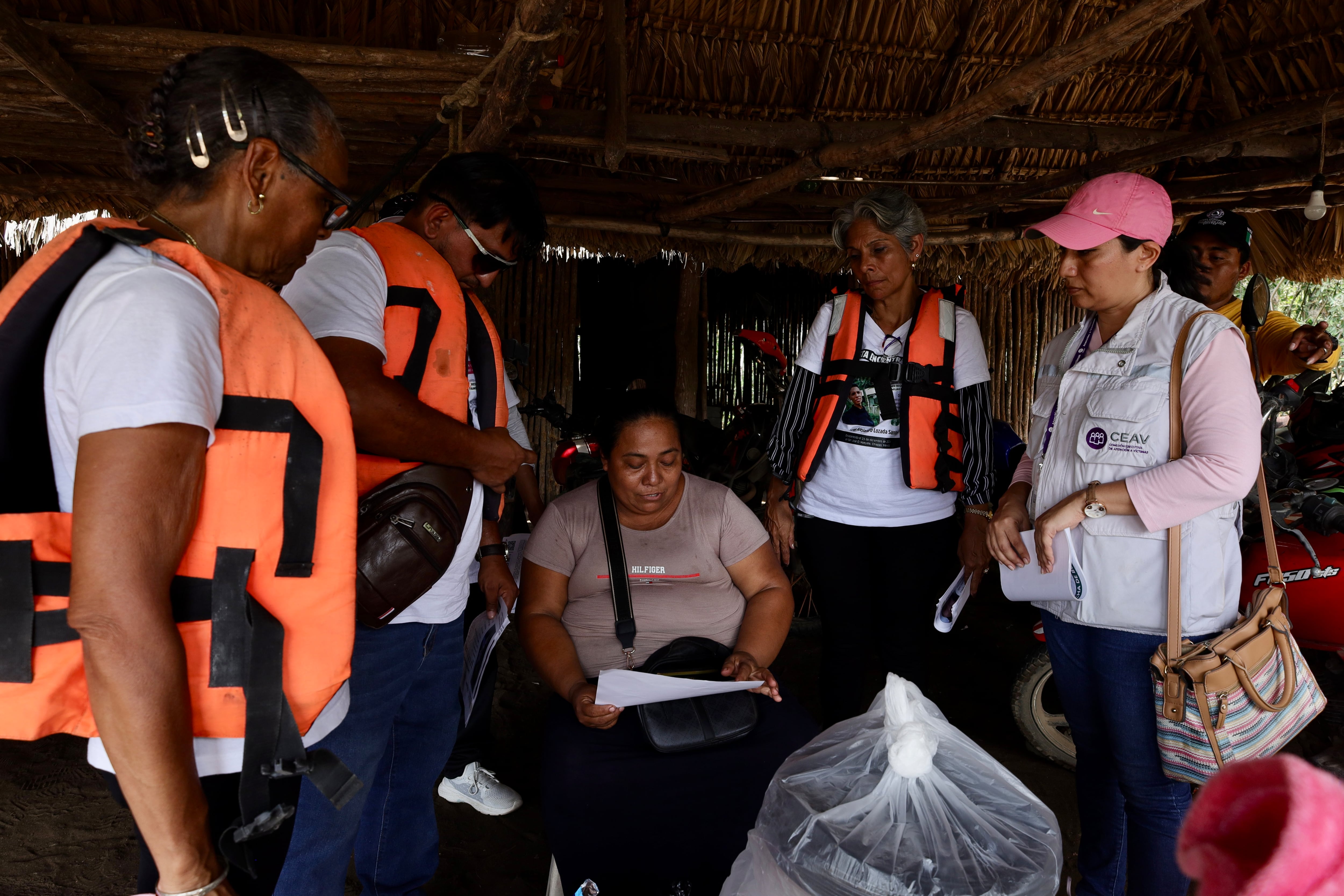
A collective searching for missing migrants in Chiapas, May 9.

“Where do the disappeared people in Mexico come from?” That is the question Dr. Luciano Valenzuela, a biologist, posed as he opened the workshop the Argentine Forensic Anthropology Team (EAAF) organized to explain a new search method. It will be part of a project carried out over the next three years in Mexico and Central America to shorten the search for migrants who have disappeared on Mexican territory.

Seguir leyendo

A $1.8 million fine and 15 days to pay: the unaffordable penalties Trump uses to harass migrants

28 May 2026 at 10:36

Rosa has made two specific requests to her husband in case she’s deported to Guatemala: that he send over her pots and pans, and that he save money for her funeral expenses. “I would go there to die,” says the undocumented woman who has been fighting since January to recover from a stroke that nearly took her life. The Trump administration has her in its sights: a few days ago she received by mail a notice fining her $1.8 million for failing, since 2013, to comply with an order to leave the country voluntarily. It is not an isolated case: more than 65,000 immigrants have received letters imposing unaffordable penalties that together total $36 billion. Organizations and experts have called the measure unconstitutional, extraordinarily cruel and a form of psychological torture.

Seguir leyendo

© David Dee Delgado (REUTERS)

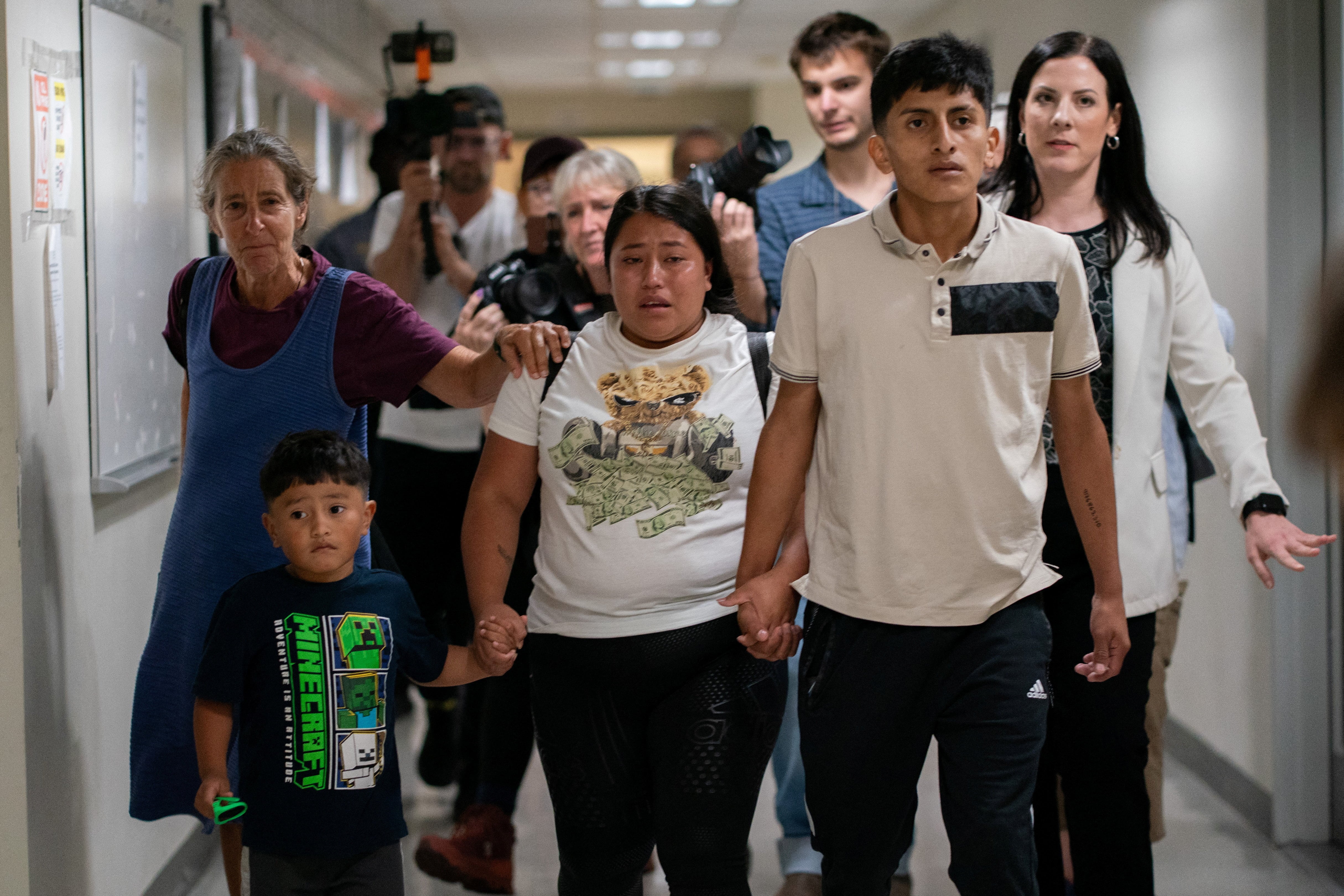
A migrant family is processed in New York on July 31.

‘Please God, make me invisible’: The undocumented Guatemalan immigrant who has spent 40 years in the shadows

22 May 2026 at 11:38
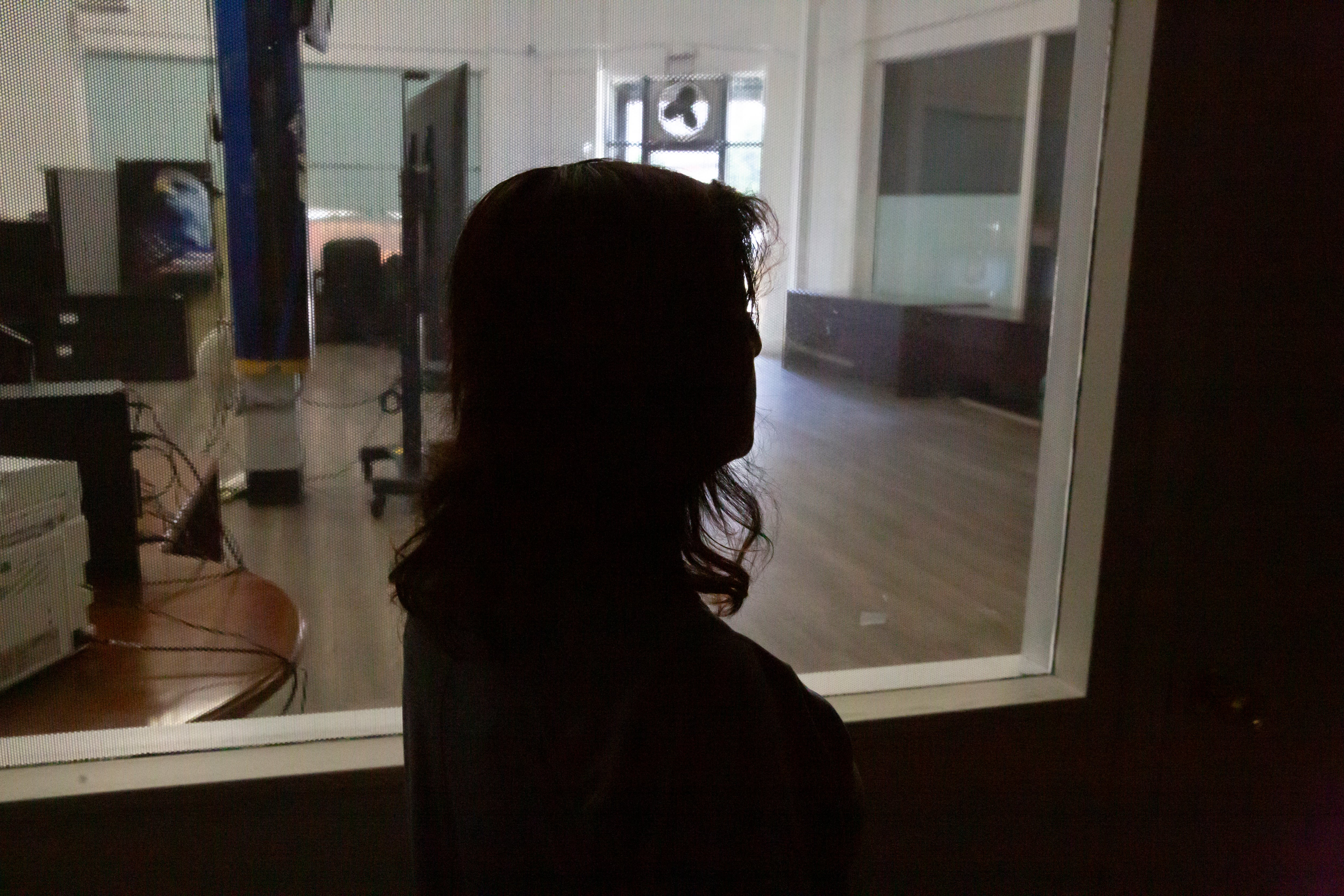
Laura in Los Angeles, May 11.

Before leaving her home in Los Angeles, Laura looks up at the sky and whispers a prayer: “Please God, make me invisible.” She fears encountering immigration agents, getting detained, and being deported to Guatemala. It is the same prayer she has repeated since she arrived in the United States 40 years ago. Since then, seven presidents have served, and there have been multiple failed attempts to regularize millions of undocumented people. But Laura continues to live in the shadows, now with less hope than ever of changing her immigration status.

Seguir leyendo

Mining giant Fenix, accused of the destruction of Maya lands, resumes operations in Guatemala

27 May 2026 at 13:08

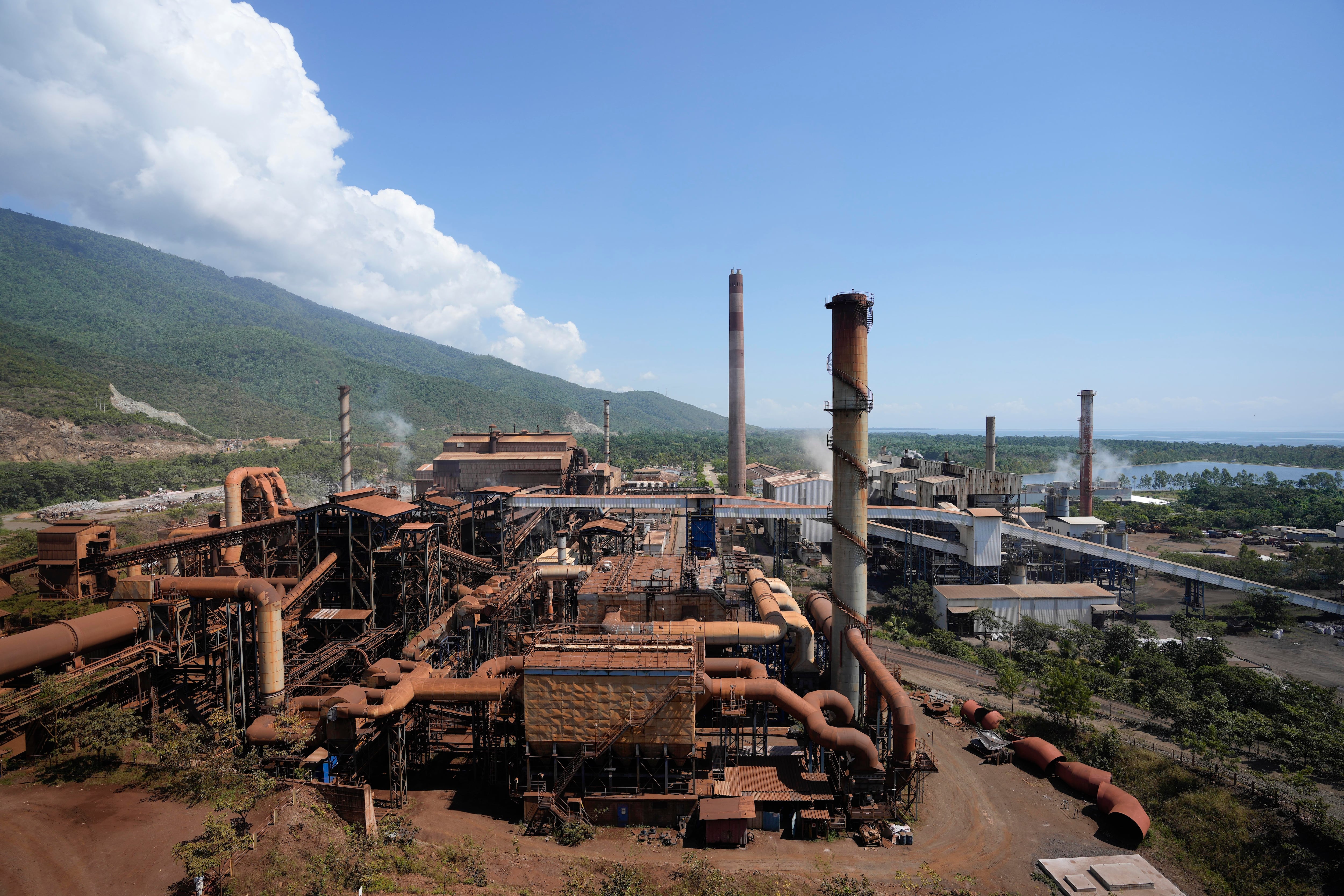
Fenix Nickel, the mining giant and one of Guatemala’s largest nickel extractive companies — accused of bribery, environmental destruction, and violence against Maya communities in the country’s north — has resumed operations after a three-year suspension, Indigenous leaders in the area and local media confirmed this week.

Seguir leyendo

© Moises Castillo (AP)

The El Estor nickel processing plant in Guatemala.

Organized crime weaves a new maritime trafficking network between Mexico and Guatemala

31 May 2026 at 04:00
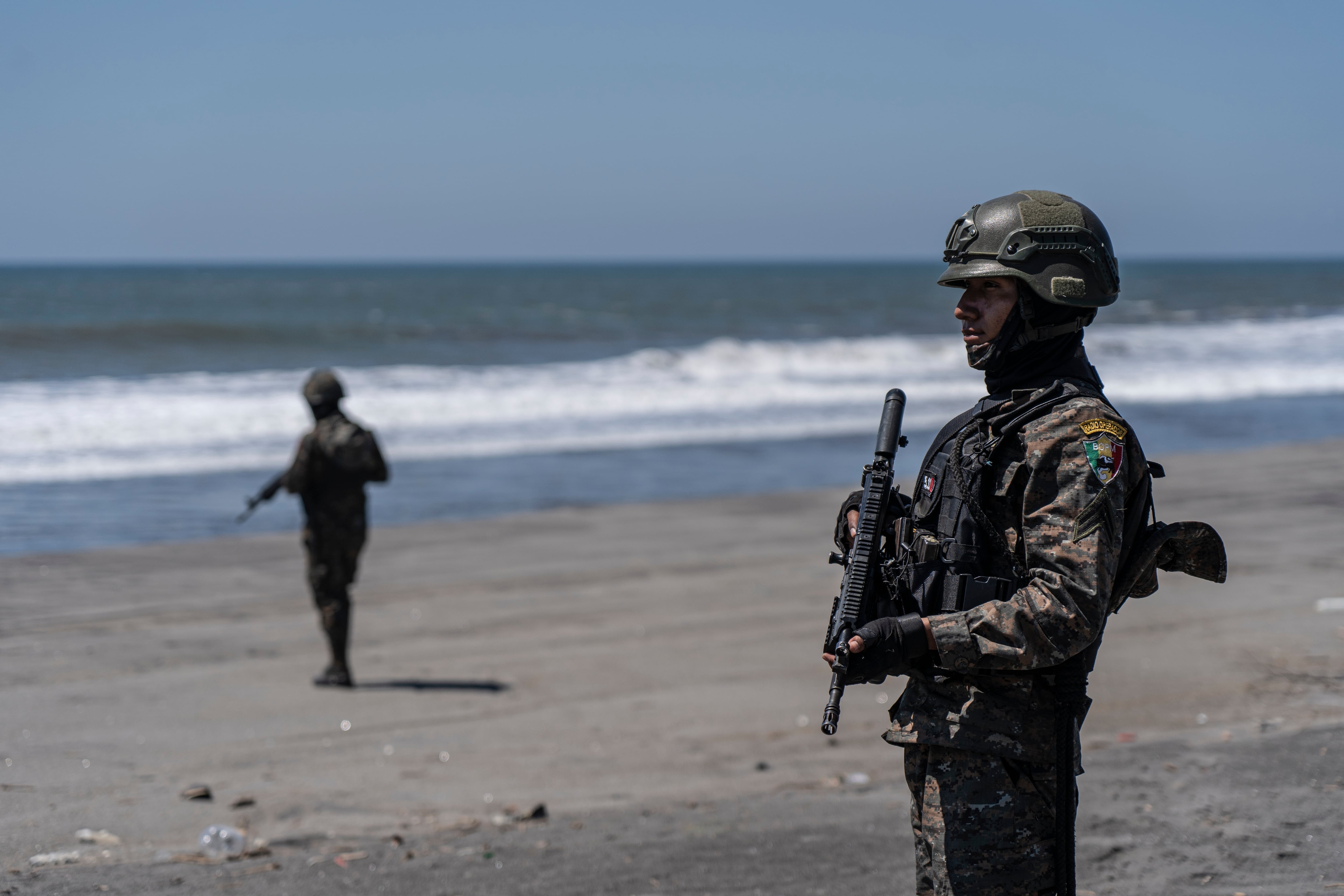
Guatemalan troops patrol the border with Chiapas on February 12, 2024.

Organized crime has returned to the Pacific route for drug trafficking. Since the start of 2026, at least eight vessels have been detected on the “maritime bridge” between Guatemala and Chiapas, Mexico with dozens arrested and several tons of cocaine seized. The detection and interdiction of these speedboats at sea is further evidence of the pressure the United States is exerting on the governments of Mexico and Central America.

Seguir leyendo

Guatemalan troops patrol the border with Chiapas.
❌
Subscriptions