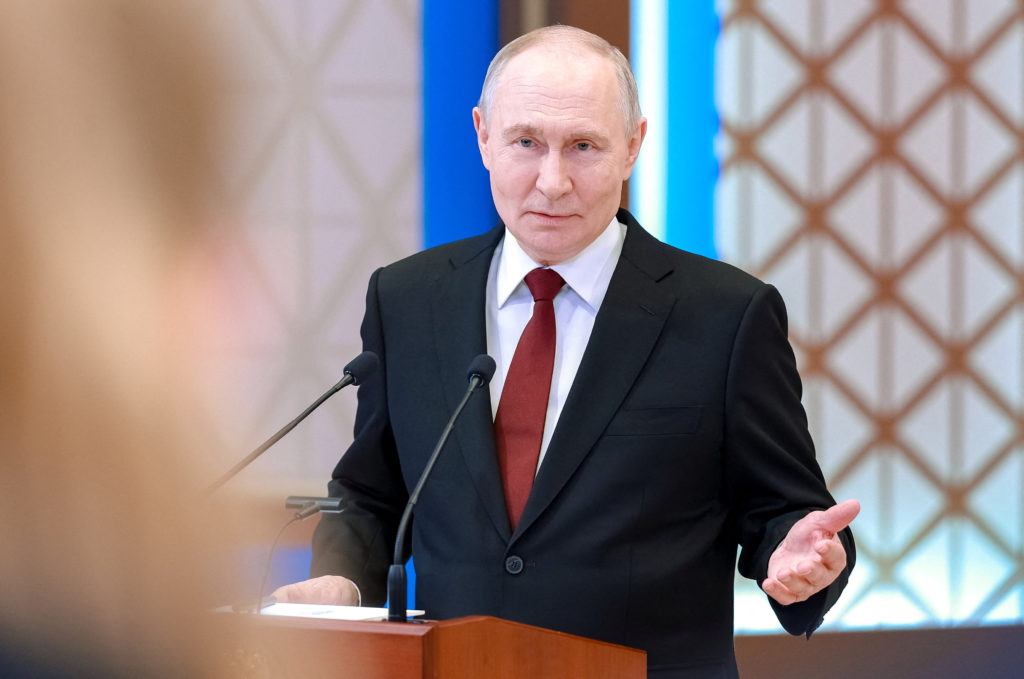
MOSCOW, June 5 — Russian President Vladimir Putin has been informed about an open letter from Ukrainian President Volodymyr Zelenskiy, Kremlin spokesman Dmitry Peskov told Izvestia news outlet today.“Yes, overnight we already handed over (to Putin) the written version. What came from the media was passed on to the president, and he has reviewed it. The president has been briefed,” Peskov saidZelenskiy published the open letter to Putin yesterday in which h
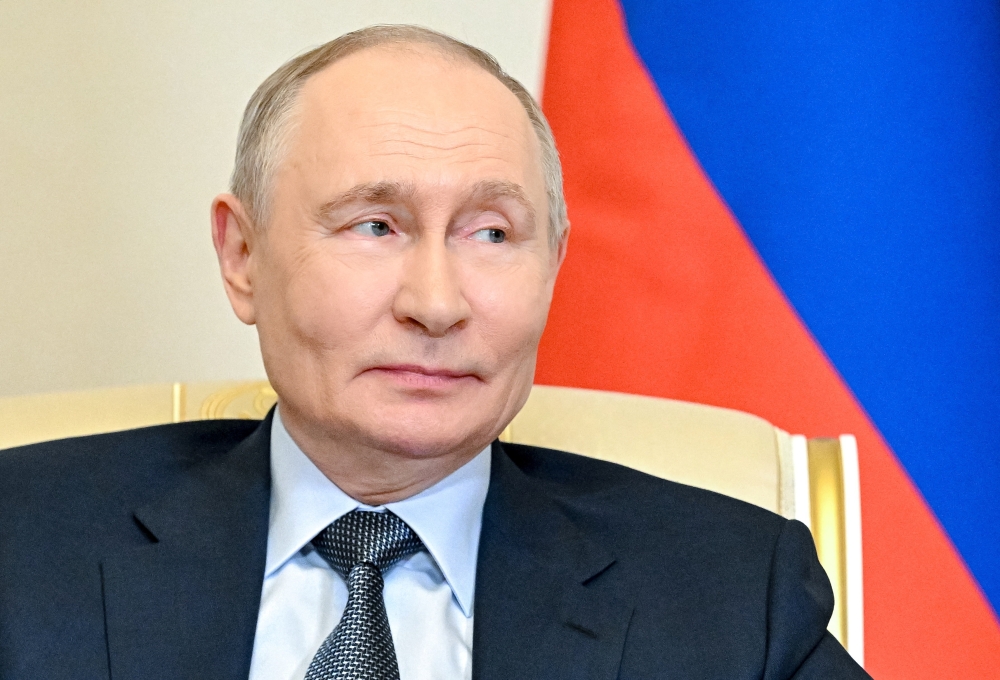
MOSCOW, June 5 — Russian President Vladimir Putin has been informed about an open letter from Ukrainian President Volodymyr Zelenskiy, Kremlin spokesman Dmitry Peskov told Izvestia news outlet today.
“Yes, overnight we already handed over (to Putin) the written version. What came from the media was passed on to the president, and he has reviewed it. The president has been briefed,” Peskov said
Zelenskiy published the open letter to Putin yesterday in which he proposed the two leaders meet to agree on an end to the war, warning that Kyiv stood ready to fight on otherwise. He also taunted Putin, saying Russians were getting tired of both him and the war.
Peskov said it was very likely that Putin would comment on the letter during a plenary session at the St Petersburg International Economic Forum, where he is due to speak on Friday afternoon. — Reuters
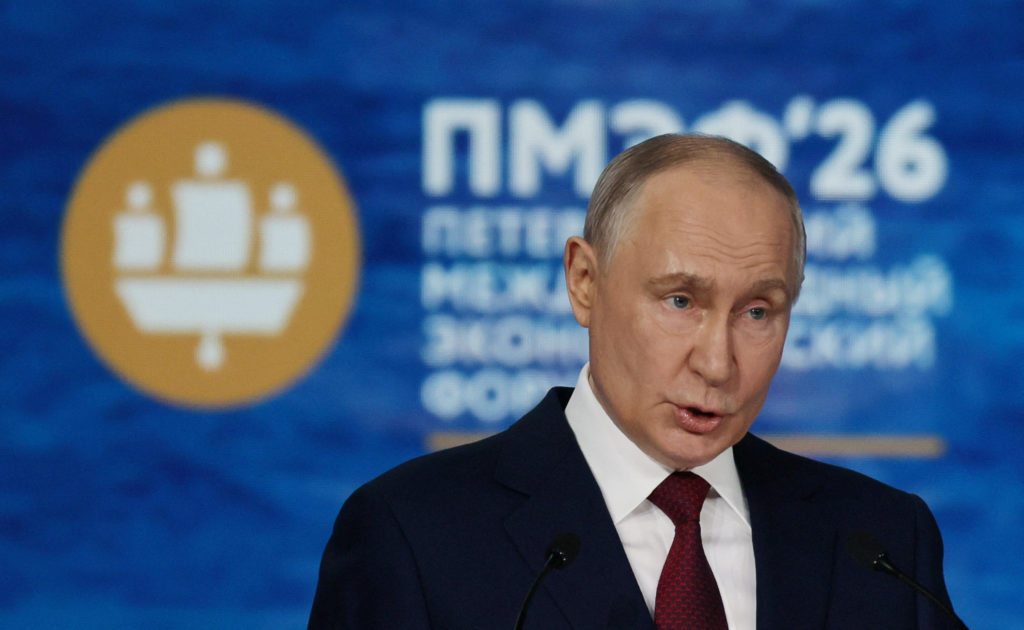
President Vladimir Putin said Thursday that Russia will strengthen its air defenses to counter recent Ukrainian drone attacks, which have reached deep inside his country and cast a cloud over his showcase economic forum in his hometown of St. Petersburg.
President Vladimir Putin said Thursday that Russia will strengthen its air defenses to counter recent Ukrainian drone attacks, which have reached deep inside his country and cast a cloud over his showcase economic forum in his hometown of St. Petersburg.
Russians, accustomed to living with constant unpredictability, have been stashing rubles for months in the drawers of their homes. Cash withdrawals have been so massive since the start of the year that the Bank of Russia has carried out a substantial upward revision of the financial system’s liquidity needs through the end of 2026. Internet shutdowns — and, by extension, disruptions to payment systems — ordered by the authorities for alleged “security reasons” have driven Russians to withdraw mo
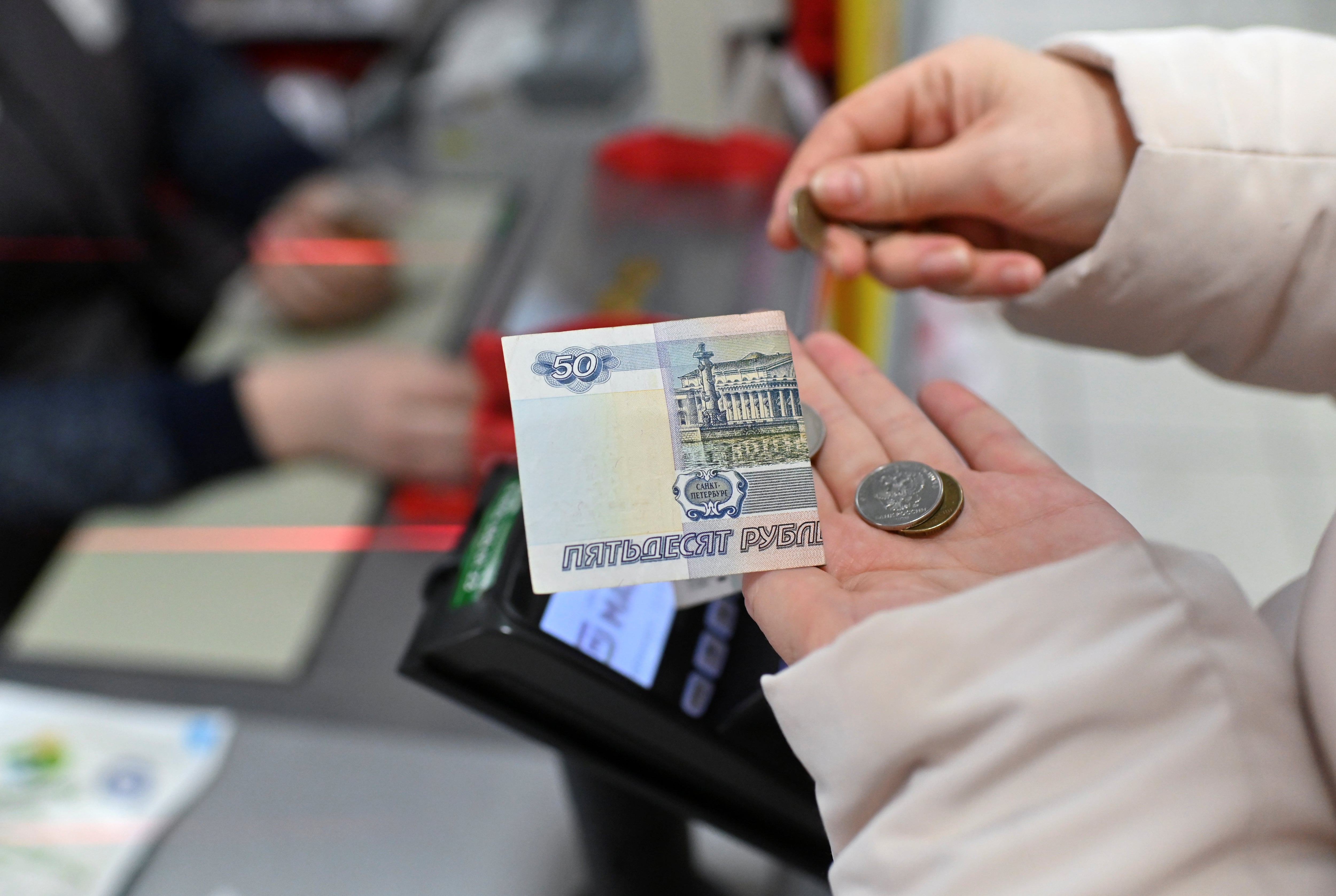
Russians, accustomed to living with constant unpredictability, have been stashing rubles for months in the drawers of their homes. Cash withdrawals have been so massive since the start of the year that the Bank of Russia has carried out a substantial upward revision of the financial system’s liquidity needs through the end of 2026. Internet shutdowns — and, by extension, disruptions to payment systems — ordered by the authorities for alleged “security reasons” have driven Russians to withdraw money from ATMs. Added to this, in a bid to raise revenue to fund the war against Ukraine, is a new bill that would tighten controls on cash payments to businesses.
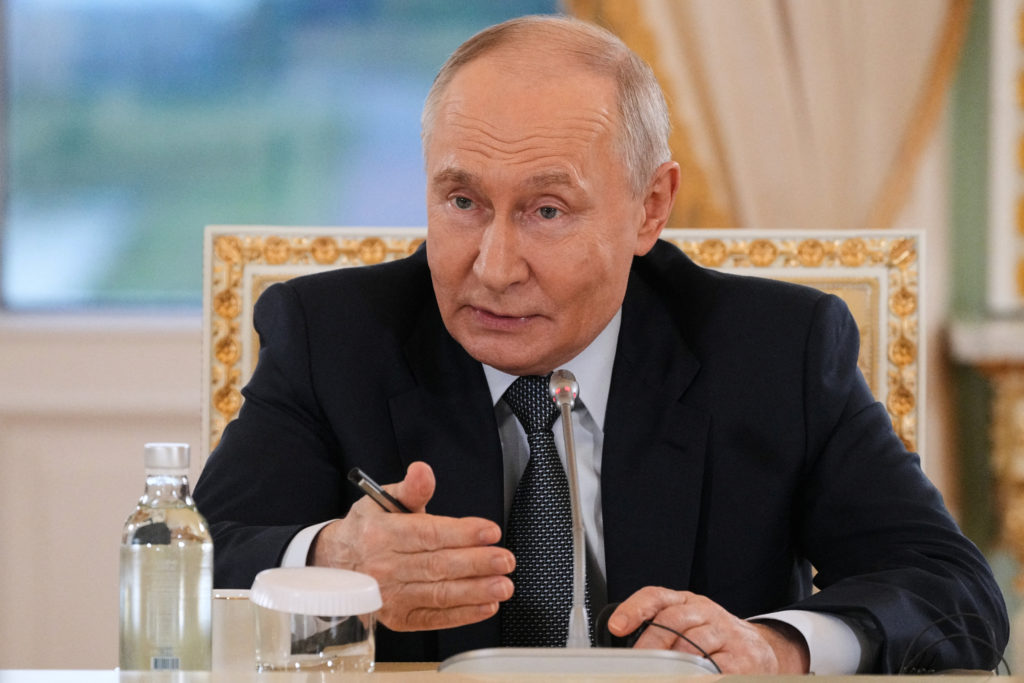
Russian President Vladimir Putin on Friday rejected a proposal by Ukrainian President Volodymyr Zelenskyy for a face-to-face negotiation on the conflict, saying he sees "no point" in it.
Russian President Vladimir Putin on Friday rejected a proposal by Ukrainian President Volodymyr Zelenskyy for a face-to-face negotiation on the conflict, saying he sees "no point" in it.
Standing at the Cannes podium Saturday night to collect the Grand Prix for “Minotaur,” exiled Russian director Andrey Zvyagintsev used his acceptance speech to issue a direct, personal plea to Vladimir Putin to bring the war to an end. Set in Russia in 2022, “Minotaur” follows Gleb (Dmitriy Mazurov), a successful company director whose carefully […]
Standing at the Cannes podium Saturday night to collect the Grand Prix for “Minotaur,” exiled Russian director Andrey Zvyagintsev used his acceptance speech to issue a direct, personal plea to Vladimir Putin to bring the war to an end. Set in Russia in 2022, “Minotaur” follows Gleb (Dmitriy Mazurov), a successful company director whose carefully […]
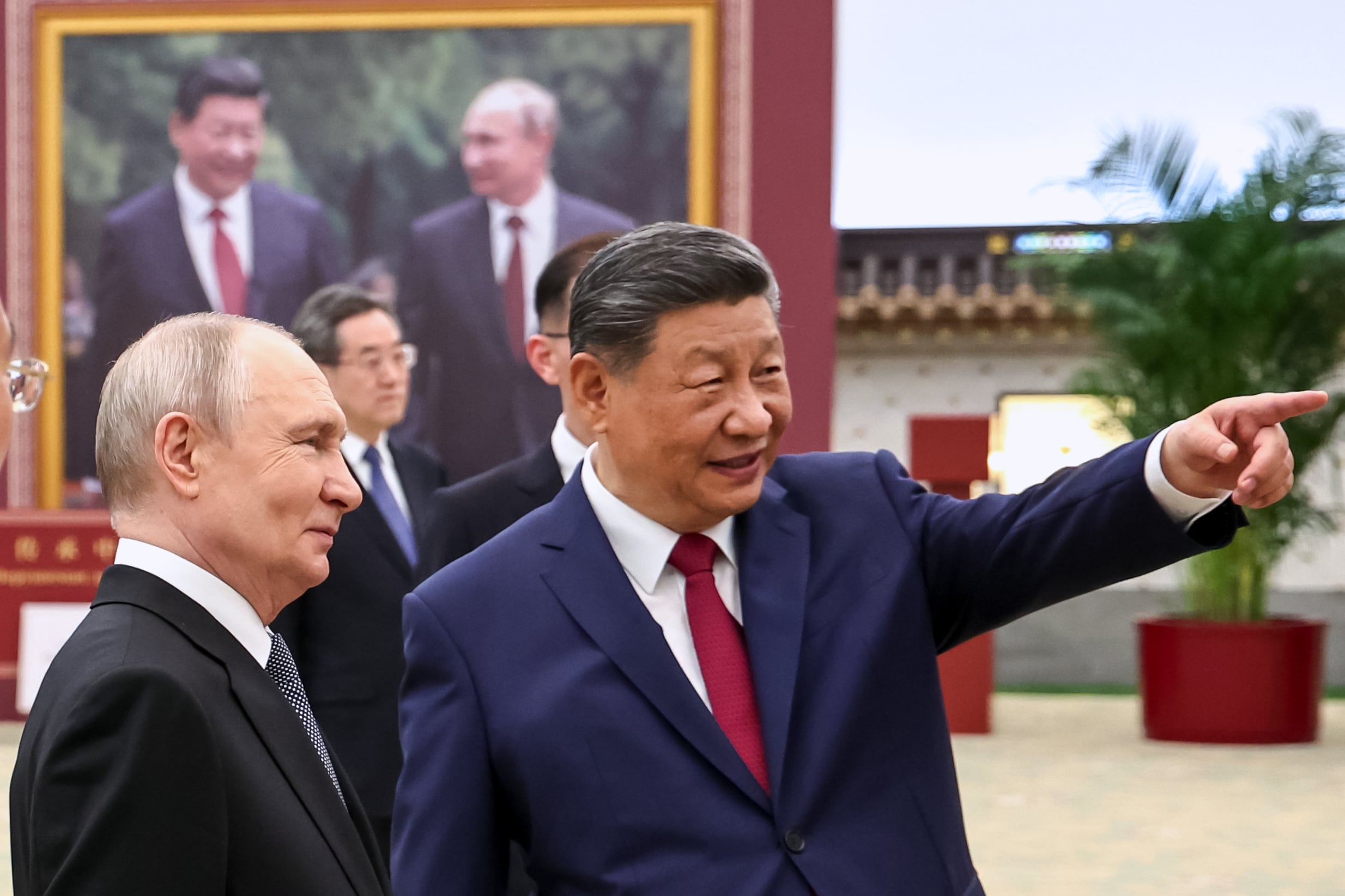
Poised to become the king of pipelines, with a total route of more than 2,600 kilometers (1,615 miles), Power of Siberia-2 is set to change two things forever: global natural gas flows and the already solid alliance between China and Russia. A few loose ends remain before it becomes reality, but after Tuesday’s meeting between Xi Jinping and Vladimir Putin, the road appears paved for the pipeline that will link the Yamal Peninsula ― one of the world’s largest gas fields ― with Beijing and Shangh
Poised to become the king of pipelines, with a total route of more than 2,600 kilometers (1,615 miles), Power of Siberia-2 is set to change two things forever: global natural gas flows and the already solid alliance between China and Russia. A few loose ends remain before it becomes reality, but after Tuesday’s meeting between Xi Jinping and Vladimir Putin, the road appears paved for the pipeline that will link the Yamal Peninsula ― one of the world’s largest gas fields ― with Beijing and Shanghai to come to fruition.
Chinese President Xi Jinping will visit North Korea next week, state media said Friday, his first trip abroad this year after hosting a series of leaders as Beijing asserts itself as a global diplomatic superpower.
Chinese President Xi Jinping (right) and North Korean leader Kim Jong Un pose for a photo at the Great Hall of the People in Beijing on September 4, 2025. File photo: China’s Ministry of Foreign Affairs.
State broadcaster CCTV said Xi would visit from June 8 to 9 at the invitat
Chinese President Xi Jinping will visit North Korea next week, state media said Friday, his first trip abroad this year after hosting a series of leaders as Beijing asserts itself as a global diplomatic superpower.
Chinese President Xi Jinping (right) and North Korean leader Kim Jong Un pose for a photo at the Great Hall of the People in Beijing on September 4, 2025. File photo: China’s Ministry of Foreign Affairs.
State broadcaster CCTV said Xi would visit from June 8 to 9 at the invitation of North Korean leader Kim Jong Un, his first trip to Pyongyang in seven years.
Beijing is a vital source of political and economic support to North Korea, which is one of the most diplomatically isolated countries in the world and under heavy international sanctions.
“China is meeting leaders from around the world, coordinating positions and playing a mediating role,” Lim Eul-chul, a North Korea expert at South Korea’s Kyungnam University, told AFP.
“As China’s international standing rises, Beijing is likely seeking to draw Pyongyang more actively into its diplomatic orbit as a partner in advancing a more multilateral order.”
The two leaders will “exchange views on bilateral relations and issues of common concern”, Chinese foreign ministry spokeswoman Mao Ning said at a press briefing on Friday.
The visit was “an opportunity to promote the development” of bilateral relations and “make greater contributions to regional and even world peace”, Mao said.
Chinese foreign ministry spokesperson Mao Ning. File photo: China’s Ministry of Foreign Affairs.
Pyongyang depends on China for up to 95 percent of total trade and 85 percent of its exports, according to 2022 statistics from the National Committee on North Korea, a Washington-based think tank.
But North Korea has drawn closer to Russia since Moscow’s full-scale invasion of Ukraine in 2022, with Pyongyang sending thousands of troops and weapons to support the war effort.
In return, analysts say North Korea is receiving financial aid, military technology, food and energy, helping it circumvent sanctions over its banned nuclear programmes.
Xi’s choice of Pyongyang for his first overseas trip of 2026 is “a deliberate visual rebuttal to the prevailing read in Western capitals that Pyongyang had quietly migrated into Moscow’s orbit”, said Seong-Hyon Lee from the George H. W. Bush Foundation for US-China Relations.
Managing the relationship
Xi last met Kim in September, when he invited the North Korean leader and Putin as guests of honour to a military parade in Beijing marking the 80th anniversary of the victory over imperial Japan in World War II.
Chinese President Xi Jinping (centre), flanked by Russian President Vladimir Putin and North Korean leader Kim Jong Un, walks before the military parade marking China’s 80th anniversary of Victory Day at Tiananmen Square, Beijing, on September 3, 2025. Photo: The Kremlin.
In 2019, Xi and his wife Peng Liyuan were welcomed to North Korea with great pomp and fanfare to celebrate the two countries’ “unbreakable friendship”.
Beijing’s Foreign Minister Wang Yi said during a visit to Pyongyang in April that China and South Korea should “enhance coordination” on international and regional issues.
China’s interests include keeping an eye on North Korea’s nuclear programme, the advancement of which is “extremely rapid”, Hong Min of the Korea Institute for National Unification (KINU) told AFP.
“This aspect needs to be managed. If North Korea acts in a provocative and belligerent manner, it could trigger regional conflict, which could run counter to China’s interests,” Hong said.
Kim vowed an “exponential” increase in nuclear military capabilities on Wednesday as he visited a new atomic facility, Pyongyang’s state-run Korean Central News Agency reported.
South Korea’s foreign ministry has said it hopes exchanges between North Korea and China contribute to peace and stability, and that China can play a constructive role.
Pyongyang has repeatedly shunned efforts by the South Korean government to improve relations, calling Seoul its most “hostile” adversary.
Analysts have viewed Xi’s recent diplomatic flurry as part of attempts to position China as a stable, strategic alternative to an unpredictable United States.
Welcome to The Hill's Defense & NatSec newsletter {beacon} Defense &National Security Defense &National Security The Big Story Putin pours cold water on Zelensky meeting Russian President Vladimir Putin poured cold water on the prospect of meeting with Ukrainian President Volodymyr Zelensky in person, arguing there is no reason to have diplomatic talks to...
Welcome to The Hill's Defense & NatSec newsletter {beacon} Defense &National Security Defense &National Security The Big Story Putin pours cold water on Zelensky meeting Russian President Vladimir Putin poured cold water on the prospect of meeting with Ukrainian President Volodymyr Zelensky in person, arguing there is no reason to have diplomatic talks to...
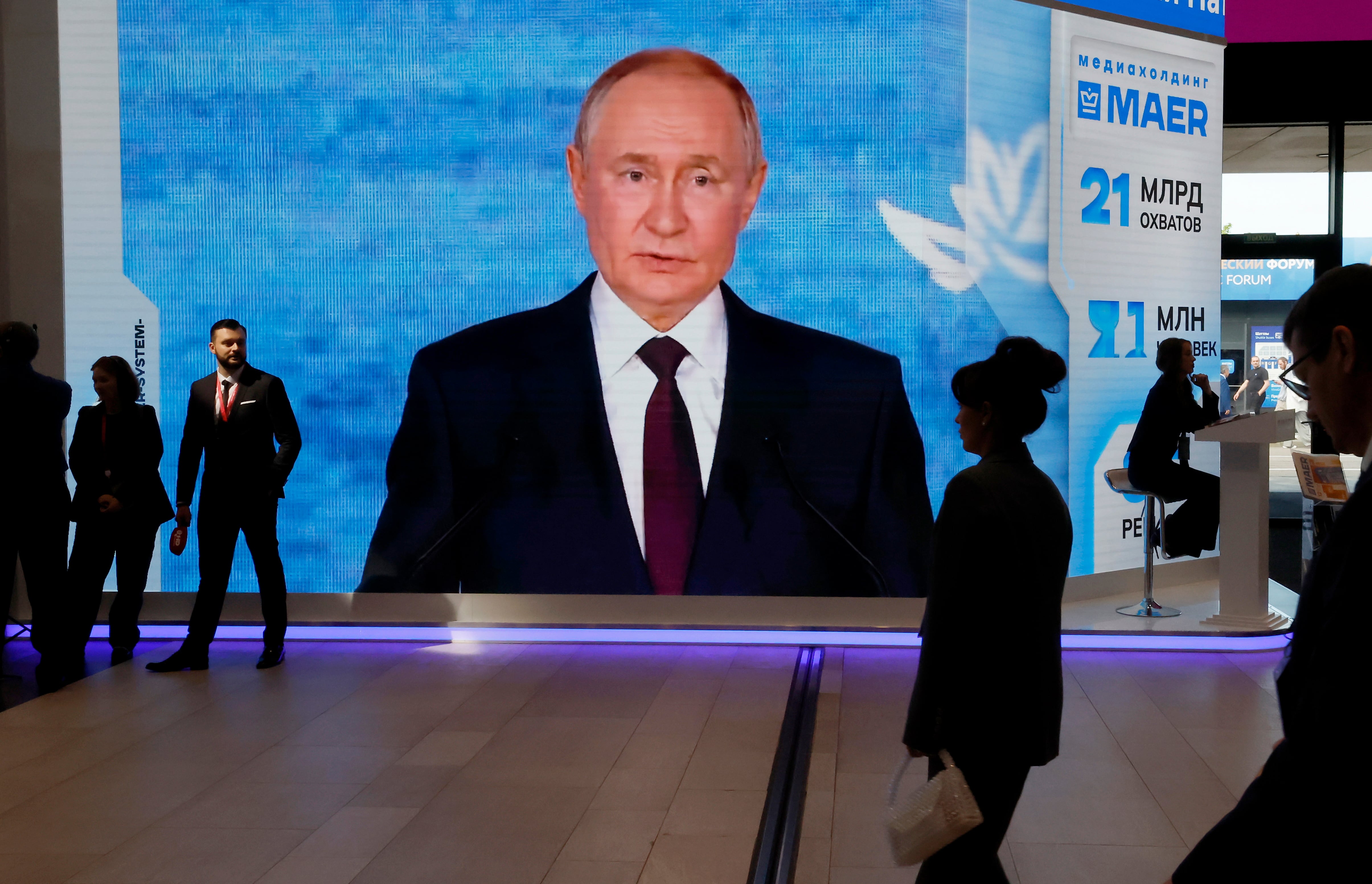
Many years ago, the St. Petersburg International Economic Forum hosted world leaders such as Angela Merkel, Xi Jinping, Emmanuel Macron, and José Luis Rodríguez Zapatero. Russia’s invasion of Ukraine in 2022 changed everything. The Kremlin’s flagship business event is now a pale imitation of what it once was. This year, its main attractions have been a philosopher of Russian ultranationalism, Donald Trump’s chair of the Commission of Fine Arts, and Russian President Vladimir Putin.Seguir leyendo
Many years ago, the St. Petersburg International Economic Forum hosted world leaders such as Angela Merkel, Xi Jinping, Emmanuel Macron, and José Luis Rodríguez Zapatero. Russia’s invasion of Ukraine in 2022 changed everything. The Kremlin’s flagship business event is now a pale imitation of what it once was. This year, its main attractions have been a philosopher of Russian ultranationalism, Donald Trump’s chair of the Commission of Fine Arts, and Russian President Vladimir Putin.
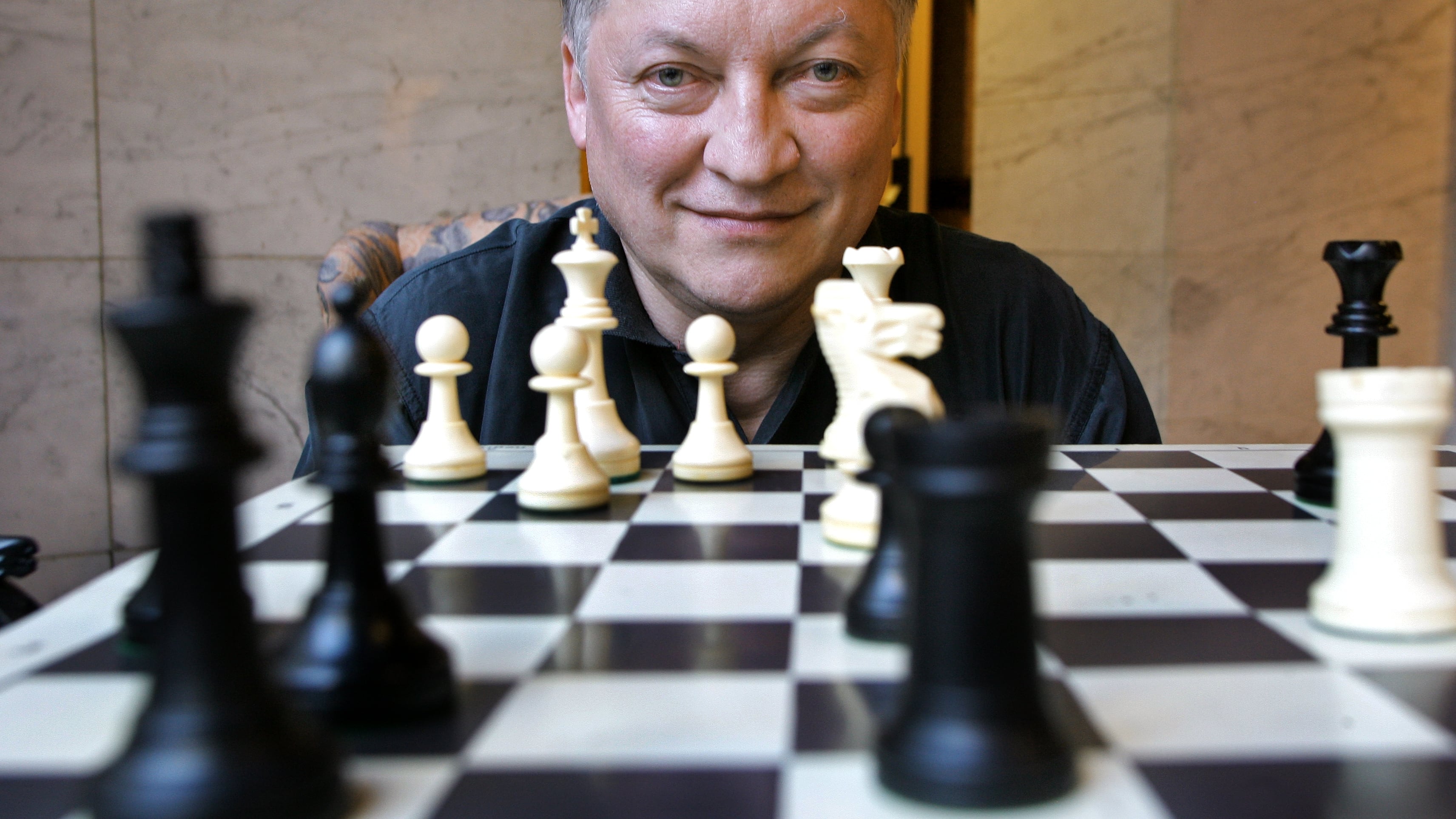
Anatoly Yevgenyevich Karpov is the most decorated and acclaimed of the championship chess players produced by the Soviet Union — the world’s largest country until its dissolution in 1991 — where chess was a deeply rooted national passion. A six-time world champion and winner of more than 160 tournaments, Karpov turned 75 on Saturday. He is living with serious health problems and is confined to Russia because, as a member of Vladimir Putin’s party in the State Duma, Russia’s lower house, he is on
Anatoly Yevgenyevich Karpov is the most decorated and acclaimed of the championship chess players produced by the Soviet Union — the world’s largest country until its dissolution in 1991 — where chess was a deeply rooted national passion. A six-time world champion and winner of more than 160 tournaments, Karpov turned 75 on Saturday. He is living with serious health problems and is confined to Russia because, as a member of Vladimir Putin’s party in the State Duma, Russia’s lower house, he is on the list of sanctioned individuals barred from traveling to the West. This is despite having spoken out against the invasion of Ukraine in 2022 — although, just days earlier, he had voted in favour of annexing the Ukrainian provinces of Donetsk and Luhansk.
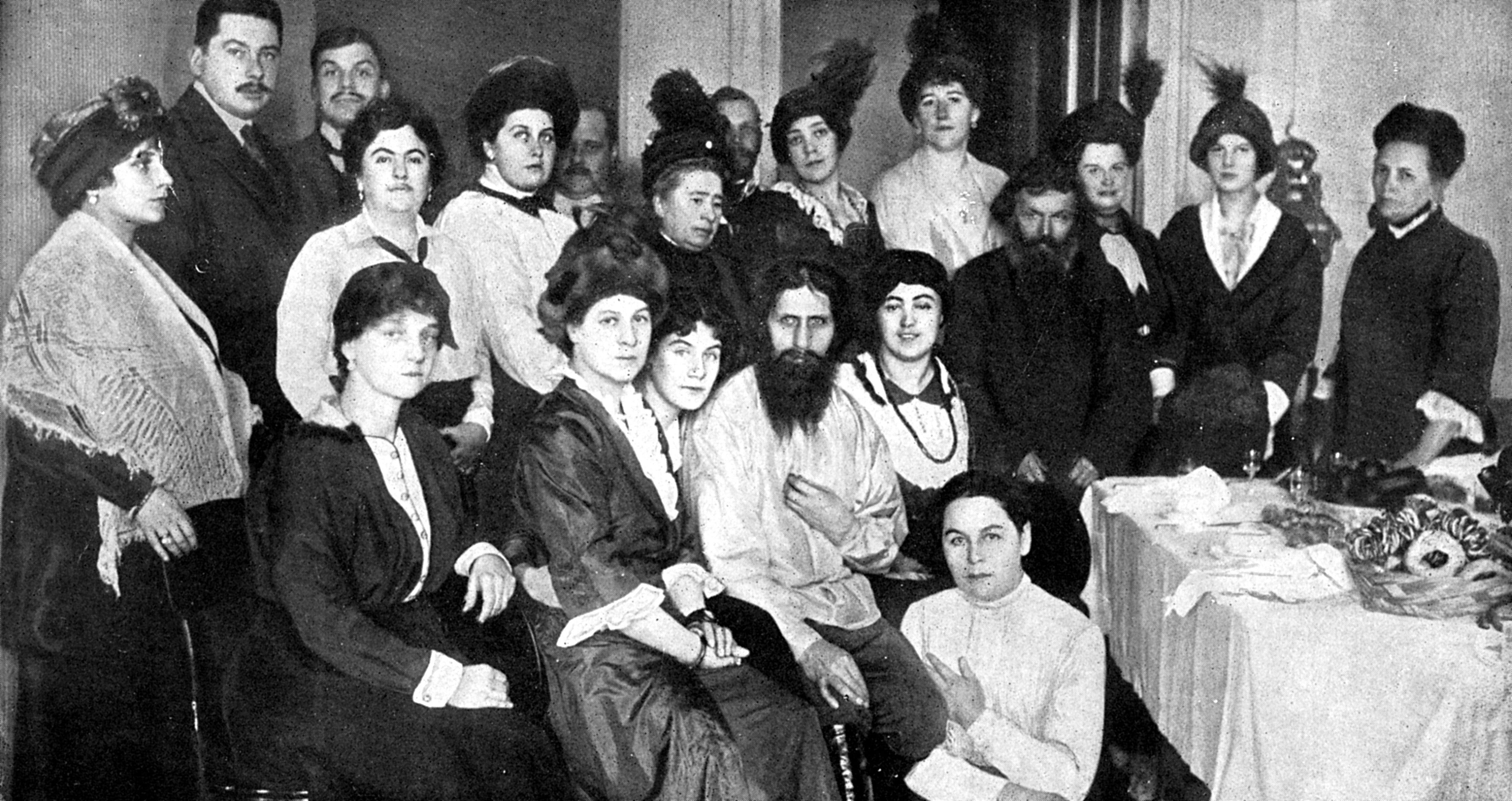
Used to hearing Antony Beevor detail troop movements at Stalingrad, the siege of Berlin, the Normandy landings, the paratroopers’ effort at Arnhem or the Panzer offensive in Hitler’s last stand in the Ardennes, it is surprising to hear him talk about Rasputin’s penis. In truth, he adopts the same look of intense concentration he brings to his usual military topics. “Rasputin’s penis… is an object of interest, certainly,” he says when his interlocutor mentions that, during an afternoon of astonis
Used to hearing Antony Beevor detail troop movements at Stalingrad, the siege of Berlin, the Normandy landings, the paratroopers’ effort at Arnhem or the Panzer offensive in Hitler’s last stand in the Ardennes, it is surprising to hear him talk about Rasputin’s penis. In truth, he adopts the same look of intense concentration he brings to his usual military topics. “Rasputin’s penis… is an object of interest, certainly,” he says when his interlocutor mentions that, during an afternoon of astonishment and vodka, he saw on display in a St. Petersburg museum the appendage shown as such in a glass jar. “Yes, it is said to measure 13 inches, about 33 centimeters, but I don’t know that it’s something to take seriously. My father-in-law, the historian John Julius Norwich, used to explain that his father, Duff Cooper, the first British ambassador to France after the Liberation and also a historian [and father of the notable writer Artemis Cooper, Beevor’s wife], was convinced that part of Rasputin’s sexual success and magnetism lay in his member and his muscular control, but there is no historical record that it was cut off after his murder. Today it is impossible to assert that what is on display is his; I don’t believe any DNA test has been done.” In fact, some say it is a horse’s penis, or, if not that, a dried sea cucumber, as has also been suggested. Beevor recalls, in any case, that at the time in Tsarist Russia, Rasputin was credited with extraordinary sexual potency and caricatures circulated showing his organ, in reference to the monk’s influence over the Tsarina Alexandra and, through her, Tsar Nicholas II, with the legend: “The rod that rules Russia.”
Russia's warning to carry out "consistent and systematic" missile strikes on Kyiv, accompanied by a call for evacuating foreign embassies from the capital, signals Vladimir Putin's intention to expand Russia's barrage despite the heavy costs and potential international outrage.
Russia's warning to carry out "consistent and systematic" missile strikes on Kyiv, accompanied by a call for evacuating foreign embassies from the capital, signals Vladimir Putin's intention to expand Russia's barrage despite the heavy costs and potential international outrage.

 Login
Login