Reading view

Odd-shaped vessel hints at alchemy in medieval German castle

Archaeologists in Germany say a uniquely shaped ceramic vessel discovered inside a castle was potentially used for much more than simple distillations. According to the Saxony State Office for Archaeology, the over 1.5-foot-tall jug’s origins are “presumably” tied to medieval alchemy. But before anyone conjures images of magical rituals, experts say it’s far more likely the container’s creators intended the vessel for more grounded research trying to turn dull metals into gold.

Located in southern Saxony, Germany, Gnandstein Castle’s earliest iteration was built during the 13th century to overlook the Wyhra Valley. Generations of modifications eventually transformed the fortification into a manor, although many medieval architectural elements are still visible throughout the former residence. Gnandstein Castle received around a decade of renovations between 1994 and 2004, during which archeologists scoured the grounds for important historical relics.

More recent construction efforts took place in a previously demolished, 2,400-square-foot portion of the grounds. There, archaeologists found remnants of early modern brick paving and floor tiles dating to the early 16th century. But one additional artifact was particularly interesting—a glazed ceramic vessel with a rounded body, tapered neck, and three feet on the bottom, allowing it to stand upright. Its overall shape and design strongly suggest prolonged, controlled usage instead of storing liquids like wine or cooking oils.

Archaeologists suspect that the container was part of a larger distillation setup. Similar items from the era held liquid that was then heated from flames underneath it. After placing a rounded cap over the neck, vapors would transport up the neck and condense in the cooler top known as a helm or head. Final results frequently included plant extracts, mineral oils, medicines, and alcohol.

The Saxony State Office noted the artifact closely aligns to equipment used in “alchemical and proto-chemical practice” during the 15th and 16th centuries. Popular culture often depicts medieval alchemy as mystical pseudoscience, but a great deal of it actually forms the basis for present-day chemistry, pharmacy, and laboratory research. The ceramic relic itself supports this, as its creator likely chose the material knowing that metal containers sometimes release toxic or contaminating substances during various hot or acidic preparations. The Saxony region also had strong ties to mining and metallurgy around that time, further suggesting alchemical influences.

Unfortunately, the team cautioned that the object’s true use remains unclear. Researchers didn’t find any residual material inside the vessel, so there currently is no way of knowing what it once held. Despite the mystery, it’s now clear someone in Gnandstein Castle hoped to distill something—and possessed the equipment to accomplish it.

The post Odd-shaped vessel hints at alchemy in medieval German castle appeared first on Popular Science.

  •  

Clever kid builds phone charger powered by pet hamster

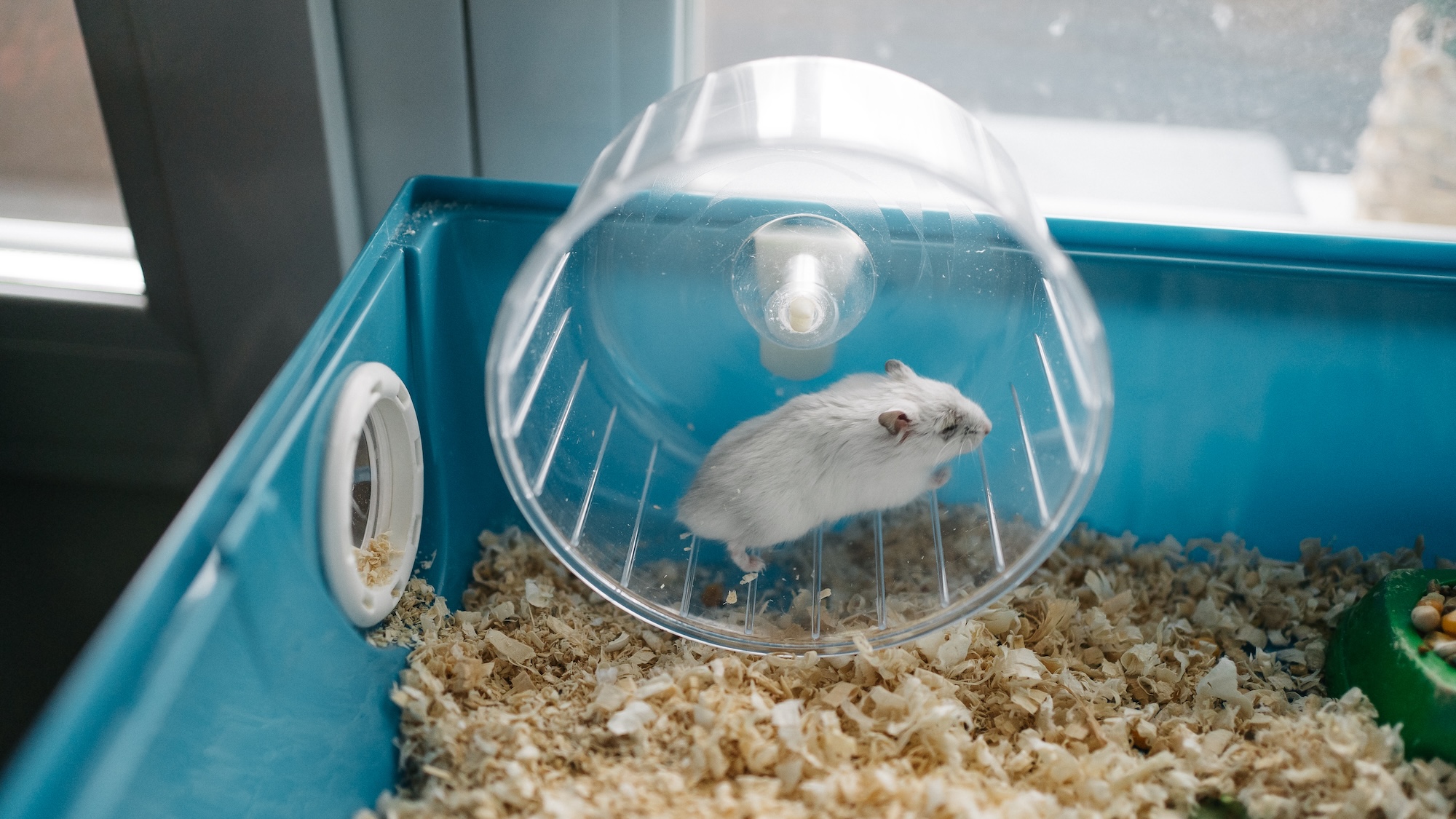
Renewable energy is the cornerstone of any sustainable society, but why limit your options to wind or solar installations? In the United States alone, over one million homes host a tiny, furry alternative power source without even realizing it. As a young YouTuber known as Flamethrower recently demonstrated, it’s time for hamsters to start pulling their weight around the house. Or, at the least, it’s time for them to start turning hamster wheels into miniature, makeshift turbines.

The idea came to Flamethrower after his brother received one of the tiny pets for his birthday. Although adorable, naturally nocturnal hamsters are often up at all hours of the night running on their little exercise accessories. While laying awake to the sound of a spinning, squeaky wheel, the amateur engineer realized how to make the best of an unexpectedly annoying situation.

“So what did I do? Exploit it for energy production, of course!” he declared in his recent video entry.

Turbines help generate most of the world’s energy, and their underlying principles are simple enough. Electricity funneled through wires to a motor will make it spin, but the reverse is also true—spin a motor, and electricity will generate through its terminals into battery storage. The fundamentals are basically the same whether a turbine spins thanks to steam, wind, or nuclear power. Or hamsters.

However, a hamster-powered turbine is not the easiest project to design. As the YouTuber explained, a 5 volt (V) DC motor hypothetically needs to spin at over 10,000 RPM to simply reach a smartphone’s standard 15 watt charging speed. Even if such a superpowered hamster existed, its speed would likely cause the motor to melt before it provided any juice to a battery—and therein lay another issue. 

Batteries don’t only store energy—they are designed to provide electricity at a steady current when needed. However, a standard battery also must receive a higher voltage than it stores in order to amass any reserves. 

Part of the solution came from a device known as an energy harvester module, which takes small voltages and amplifies them to an acceptable level for a battery. But the problem is that the amount of required voltage increases in direct proportion to the energy that’s being stored, meaning yet another unfeasible hurdle. The hobbyist ultimately relied on a system called maximum power point tracking (MPPT) to calculate the optimal input and output proportions for the energy harvester and a few other components. 

All that potential energy is only as good as the battery that stores it, however. For this project, the YouTuber relied on lithium-ion cells salvaged from a broken electric scooter. Flamethrower hooked up his rig to the hamster wheel’s axis, then gave his brother’s pet the night to get its steps in. The next day, he attached his phone via a USB cable charging port to test the whole thing for the first time.

The initial setup worked flawlessly, although it charged at a snail’s pace. Naturally, he booted up his thermal camera nearby (who doesn’t own one?) to investigate any pain points in the system. It turns out the issue did have anything to do with the hamster wheel charger itself, but his outdated USB cable. After swapping that out with a newer replacement, phone charging sped up dramatically.

“And with that, my hamster’s life finally has a purpose,” the inventor declared.

As absurd as it appears, it’s hard to argue with such an ingenious source of free electricity. Hypothetically, the same idea could be adapted to basically anything in a house that spins mechanically, like a stationary bike. Then again, the whole point is to have the hamster do the work, not you. In any case, the YouTuber seems to be on to something here. The way Flamethrower tells it, the rodent may be more reliable than solar or wind energy.

“It’s supposed to be nocturnal but I’m starting to think it never sleeps,” he said.

In The Workshop, Popular Science highlights the ingenious, delightful, and often surprising projects people build in their spare time. If you or someone you know is working on a hobbyist project that fits the bill, we’d love to hear about it—fill out this form to tell us more.

The post Clever kid builds phone charger powered by pet hamster appeared first on Popular Science.

  •  

Mars rover snaps a selfie near skyscraper-sized boulders

After five years of rolling across Mars, NASA’s Perseverance rover is still going strong. And it has the selfies to prove it. NASA highlighted its “six-wheeled scientist’s” latest Red Planet excursion in a mission update on May 12, explaining that the explorer is currently engaged in the Northern Rim Campaign. This is Perseverance’s fifth project since arriving on Earth’s planetary neighbor in February 2021.  Compiled from 61 separate photos taken in March, the latest scene depicts Perseverance near a region known as Lac de Charmes.

“We took this image when the rover was in the ‘Wild West’ beyond the Jezero Crater rim—the farthest west we have been since we landed at Jezero a little over five years ago,” Perseverance project scientist Katie Stack Morgan said in a statement.

Prior to snapping its selfie, the rover had just finished abrading the rocky Arethusa outcrop. This task involves using the drill on its robotic arm to grind a section of the geological formation, which then offers scientists back on Earth the materials necessary to analyze its composition. After remotely examining the rock’s chemistry, researchers learned Arethusa is largely igneous minerals dating even further back than the Jezero Crater itself. The outcrop likely formed underground millions of years ago from molten material.

The latest portrait is the sixth selfie taken by Perseverance since arriving on Mars. To pull it off, the rover relied on its Wide Angle Topographic Sensor for Operations and eNgineering (WATSON) camera installed at the end of its robotic arm. It took about one hour to accomplish and required 62 extremely fine-tuned movements to ensure the clearest shot possible.

NASA’s Perseverance captured this enhanced-color panorama of an area nicknamed “Arbot” on April 5, the 1,882nd Martian day, or sol, of the mission. Made of 46 images, the panorama offers one of the richest geological vistas of the rover’s mission, revealing a windswept landscape of diverse rock textures. Credit: NASA / JPL-Caltech / ASU / MSSS

Lest anyone think Perseverance is too narcissistic, the rover also employed its Mastcam-Z to also photograph Lac de Charmes’ Arbot area a few days later. The vista scene is the result of 46 combined images, and will help NASA plot out a route to further investigate the ridge. Thanks to the new vantage points, scientists already think they have spotted a few megabreccia—massive chunks of rock as big as skyscrapers that were launched during a meteorite impact about 3.9 billion years ago.

“The rover’s study of these really ancient rocks is a whole new ballgame,” Stack Morgan explained. “These rocks—especially if they’re from deep in the crust—could give us insights applicable to the entire planet, like whether there was a magma ocean on Mars and what initial conditions eventually made it a habitable planet.”

The post Mars rover snaps a selfie near skyscraper-sized boulders appeared first on Popular Science.

  •  

Newly discovered spider has smiley face on its back

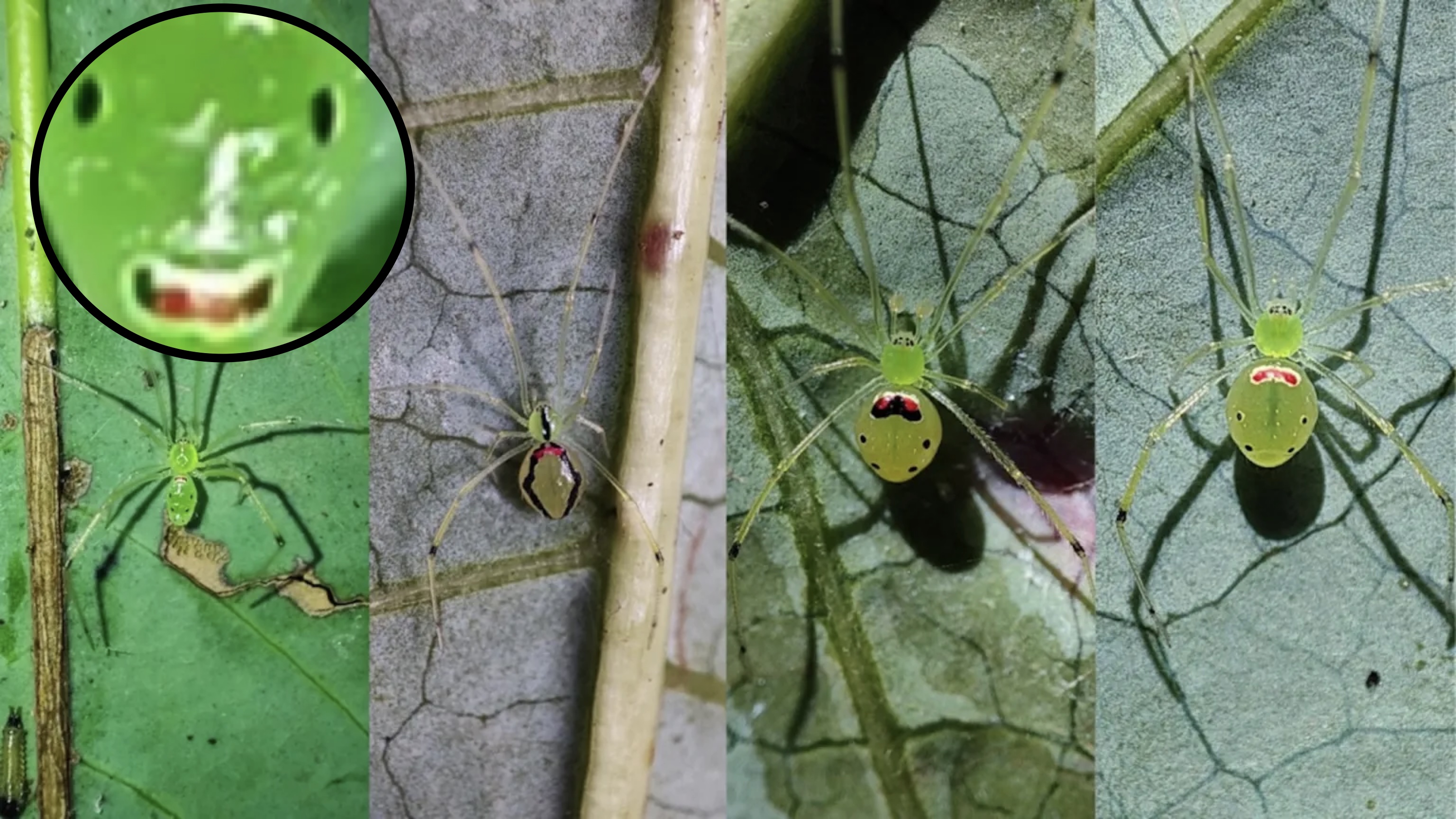
The happy-face spider (Theridion grallator) is famous for the particularly cheery looking patterns on top of its abdomen. Ecologists in Hawaii first described the tiny, vibrantly green arachnids in 1900, and have long assumed them to be unique to the islands. However, an unexpected encounter thousands of miles away recently surprised researchers combing through the forested slopes of the Himalayan mountains.

According to their study published in the journal Evolutionary Systematics, there is at least one more smiley spider species in the world. Of course, such a discovery deserves an equally appropriate name. Without further ado, it’s time to meet the Himalayan happy-face spider (Theridion himalayana).

Mature male (left) and female (right) of Theridion himalayana sp. nov. Photo credit: Devi Priyadarshini and Ashirwad Tripathy.
Mature male (left) and female (right) of Theridion himalayana sp. nov. Credit: Devi Priyadarshini and Ashirwad Tripathy.

The meetup began in 2023 during an expedition in the northern state of Uttarakhand, a region home to many animals that remain unknown to science. Researchers from India’s Forest Research Institute and the Regional Museum of Natural History intended to catalogue ant biodiversity at the foot of the Himalayan mountains, but they kept getting distracted by the insects’ eight-legged neighbors.

“My co-author [Ashirwad Tripathy] kept sending me spiders from high altitude regions for identification,” Regional Museum of Natural History biologist Devi Priyadarshini said in a statement.

Priyadarshini recalled on “one fine day,” her colleague sent a photo of an arachnid clinging to a Daphniphyllum leaf. That was when she “froze in shock.”

“I had seen the Hawaiian spider during my master’s program…I knew instantly we had a jackpot because of its striking resemblance,” explained Priyadarshini.

Over the next few months, Tripathy continued to document every similar spider he saw during his survey. While each of the 32 examples clearly belonged to the same species, they all showcased an array of smiley dot-and-stripe coloration patterns (known as morphs) on their bodies. Once in the lab, the team conducted a DNA analysis of their specimens and discovered about an 8.5 percent genetic variation from the Hawaiian happy-face spider. This confirmed it evolved completely independent of the almost identical island spiders, thus earning the name Theridion himalayana.

“The name [Theridion] Himalayana was decided as the species name because we both wanted to pay our respects to the mighty Himalaya mountain ranges, which have been standing tall not just guarding our country but also holding a plethora of biodiversity within them,” added Tripathy.

Although the green coloration obviously helps both spiders blend into the surrounding vegetation, the exact reason for their back patterns remains unclear. Priyadarshini said this question is “definitely indicative of a deeper genetic mystery” that deserves further investigation. However, another shared trait is even stranger. Both species have a fondness for ginger plants, even though ginger isn’t native to Hawaii.

“How did the [Hawaiian] spiders choose an invasive species and ginger exactly?” wondered Priyadarshini, who theorized T. himalayan may be an “elder cousin” of T. grallator.“Although this sounds like a tall claim now, it will be our further scope of work to establish any missing links,” she said.

The post Newly discovered spider has smiley face on its back appeared first on Popular Science.

  •  

Humans really did move Stonehenge’s six-ton centerpiece

Stonehenge is so much more than just a monumental feat of ancient engineering—it’s also a logistical marvel. Multiple generations of Neolithic designers relied on communal teamwork and clever construction techniques to precisely place each of the site’s gigantic megaliths about 5,000 years ago. Two primary types of stone known as sarcens and bluestones make up the formation. Paleoarchaeologists previously traced most of the sarcens to about 15 miles away to present-day Marlborough, England, while many of the bluestones originated in Wales.

The famed Altar Stone is far more perplexing, however. The central, six-ton sandstone megalith likely came from a region in Scotland about 400 miles away. How a prehistoric society managed to scoot the boulder so far without complex tools or transportation methods has perplexed researchers for years.

Many researchers have theorized that melting Ice Age glaciers likely helped passively shift the Altar Stone closer to southern England’s Salisbury Plain around 2500 BCE, shortening the transport distance for Stonehenge’s creators. But in 2024, a team at Curtin University used chemical analysis to determine that glaciers simply weren’t the only factor behind the megalith’s move. Now, that same team has combined ice-sheet modeling and mineral grain dating to more precisely locate the Altar Stone’s original home. Their findings, published today in the Journal of Quaternary Science, further underscore how humans played a huge part in getting their centerpiece to Stonehenge.

“Rather than being carried naturally by ice, the evidence points to a deliberate, carefully planned movement across a challenging and varied landscape,” Anthony Clarke, a geochemist and study co-author, said in a statement.

Although glaciers possibly transported many large rocks as far south as Dogger Bank in the North Sea, Clarke explained that geological modeling showed that “no viable glacial pathways” ever linked the Altar Stone’s source region to Stonehenge. This further underscores how Neolithic communities were necessary to move it to its final spot.

“Transporting a stone of this size over such a long distance would have required planning, coordination and a deep understanding of the landscape—not to mention tremendous determination,” he added.

While the exact methods remain a mystery, Clarke and colleagues believe the Altar Stone was almost certainly moved in stages, possibly through a combination of overland and river travel routes.

“The stone would still have needed to be moved hundreds of kilometers by people,” Clarke concluded.

The post Humans really did move Stonehenge’s six-ton centerpiece appeared first on Popular Science.

  •  

Birds avoid wind turbines painted like venomous snakes

Wind turbines are a net positive for a sustainable society, but that doesn’t mean they don’t have an environmental impact. Apart from their material requirements, those giant, spinning blades can be lethal to unsuspecting winged animals like birds and bats. Although some reports dramatically overplay wind farms’ danger to flying species, there is no denying they can unintentionally kill anywhere from two-to-six birds and four-to-seven bats per megawatt every year. That may not seem like many fatalities, but every animal counts for an endangered species.

To lower these risks, engineers are devising new ways to make wind turbines more visible and avoidable. One potential solution may involve taking a cue from some of nature’s most dangerous creatures. According to a study published in the journal Behavioral Ecology, more bats and birds will steer clear of wind turbines when their blades are painted with colors similar to animals like venomous coral snakes and poison dart frogs.

A drone photograph of a wind turbine in southern Finland, digitally modified with a biologically inspired warning pattern under natural light conditions. Credit: Eric Lehtonen

“White blades, which are the most frequently used pattern around the world, turned out to be the worst option for birds,” Johanna Mappes, a University of Helsinki environmental scientist and study co-author, said in a statement. “This suggests that a relatively simple visual change could reduce bird mortality in connection with wind power.”

To test how birds respond to various turbine designs, Mappes and her colleagues placed test subjects in front of a video screen in a controlled laboratory environment. They then played clips of wind blades with multiple color palettes spinning at different speeds. These included turbines featuring classic white blades, one blade painted black, blades with red-and-white stripes, or blades with a newly designed, biomimetic red-black-yellow pattern.

“By using a touchscreen especially designed for birds, we can use games to explore their behavior and ecology by simulating real-world scenarios, without putting the birds at risk,” explained University of Exeter ecologist and study co-author George Hancock.

In nearly every trial, the birds were far more likely to approach white blades than any of the colored options. However, the test subjects were the most avoidant of the team’s novel, biomimetic striped blades.

“We’ve known for a long time that birds change how they respond to objects with warning colors, but to see such a large effect was remarkable,” Hancock added.

There is no way to completely prevent wind turbines from ever accidentally harming or killing animals. That said, the study’s authors believe a wider industry adoption of evolutionarily inspired color schemes could be an easy, cheap way to make the technology safer. They also suggest that similar approaches be developed for other human-made avian dangers like power lines and building windows.

“If the results are repeated in practical conditions in different countries and with different bird species, it could be a significant change for the entire wind power industry,” said Mappes.

The post Birds avoid wind turbines painted like venomous snakes appeared first on Popular Science.

  •  

Inventor plays homemade electromagnetic bagpipes in rock band

Bagpipes: You either love ‘em or you hate ‘em. But even among the instrument’s diehard defenders, most wouldn’t spend years designing, building, and perfecting an electromagnetic variant. But that’s exactly what one intrepid hobbyist in the United Kingdom has accomplished—although he first began toying with the idea 30 years ago.

“This project started back in 1996 when I hacked an Irish Uilleann bagpipe chanter by replacing the cane reed with a homemade reed made from carbon steel,” he explained on his Hackaday project page.

Although most famously associated with Scotland, various iterations of bagpipe instruments are documented in regions around the world like North Africa, East Asia, and the Persian Gulf. The Uilleann or Irish pipes date back to the 18th century and operate similarly to their Scottish relatives. To play them, a wearer operates small bellows strapped around the waist to blow relatively dry air through pipe reeds while using them like flutes. Uilleann pipes typically encompass two full octaves and produce a sound that many consider more melodic and mild than Scottish bagpipes.

Carbon steel reed inside electric bagpipes setup
The electric bagpipes utilize a carbon steel reed that connects to an amplifier. Credit: Goat Industries / Hackaday

This doesn’t mean they’re quiet, of course. In fact, their earliest versions could often be found on the battlefield as morale boosters. Although, the invention of electric instruments meant that even the most robust pipes couldn’t overshadow an amplifier cranked to its maximum. This posed a problem to the modernized version’s inventor.

“I desperately wanted to play the pipes in a rock band and I knew that I would only be able to sonically compete with an electric guitar by fitting an electromagnetic pickup next to a steel reed,” he explained.

Wielding a workaround may sound like a lot of work, especially when a musician could hypothetically just place a microphone near their traditional bagpipes. While certainly possible, it’s still difficult for the performer to actually hear themselves on stage compared to the electric instruments and drums. On top of that, standard microphones pick up a lot of background noise and produce feedback in stage monitors. Constructing a steel reed bypasses these issues entirely.

“Jimi Hendrix-type feedback can still be created but only by turning up the monitor amp really high and physically shoving the instrument into the speaker,” the creator wrote, adding that he can also employ the same effects used by guitarists, including distortion, pitch shifters, and delays.

The modern updates don’t end there, either. While the bellows bag is crafted from goat skin, it’s basically an exterior cosmetic accessory that houses another bag made from the same vinyl used in car seat covers. That’s all well and good—but how does it play?

“Playing gigs with this instrument, people would crowd around to watch and guitarists at the back would be scratching their heads thinking ‘That sounds like an electric guitar, but it definitely is not an electric guitar and you definitely can’t get an electric guitar to sound like that!’” he wrote.

While the full plans aren’t available online, fans of the sound can check out the inventor’s website to hear multiple original songs featuring the electro-bagpipes.

In The Workshop, Popular Science highlights the ingenious, delightful, and often surprising projects people build in their spare time. If you or someone you know is working on a hobbyist project that fits the bill, we’d love to hear about it—fill out this form to tell us more.

Related 'The Workshop' Stories

The post Inventor plays homemade electromagnetic bagpipes in rock band appeared first on Popular Science.
  •  

Handyman adapts Barbie Dream Camper to handle soaring gas prices

There are over 283 million cars cruising the United States, and over 90 percent of them are still guzzling gas. Apart from the obvious environmental problems, fuel prices also continue to skyrocket thanks to the ongoing war in Iran. The average price for gas is currently around 33 percent higher than it was before the crisis, and there is little sign that those numbers are going down anytime soon.

The strain is forcing many drives to reconsider how they get around—and they’re getting creative with it. In Georgia, a 30-year-old handyman is showing everyone how to properly adapt to uncertain times. According to a recent Reuters profile, Mali Hightower has retrofitted a discarded, bright pink Power Wheels Barbie Dream Camper with a two-gallon, one-piston engine for his shorter commuting needs.

“I drive this when I can,” Hightower said on May 19. 

To get it going, a driver simply pulls the rip cord that’s attached to the former power washer engine. At less than four-feet-tall, the Dream Camper may not be the most comfortable ride for a full-grown adult,but it’s definitely cheaper. Hightower likely still prefers driving his 1996 Mercedes-Benz convertible, but with a full tank costing him around $90 right now, he’s more than willing to use his Power Wheels alternative for errands like grocery runs.

While somewhat surreal to see at a gas pump, the DIY solution underscores a more important issue: the need for more people to divest from fossil fuel rides in favor of public transportation and electric vehicles (EVs). Unfortunately, that’s easier said than done for many people. The U.S. is dramatically underfunded when it comes to options like commuter bus routes and trains, while EVs are still out of many people’s price ranges. The Dream Barbie Camper may be one-of-a-kind right now, but there’s a good chance that similar, intentionally constructed alternatives are on the way. At least those will be able to comfortably fit the driver.

The post Handyman adapts Barbie Dream Camper to handle soaring gas prices appeared first on Popular Science.

  •  

Real-life Snuffleupagus found swimming in the Great Barrier Reef

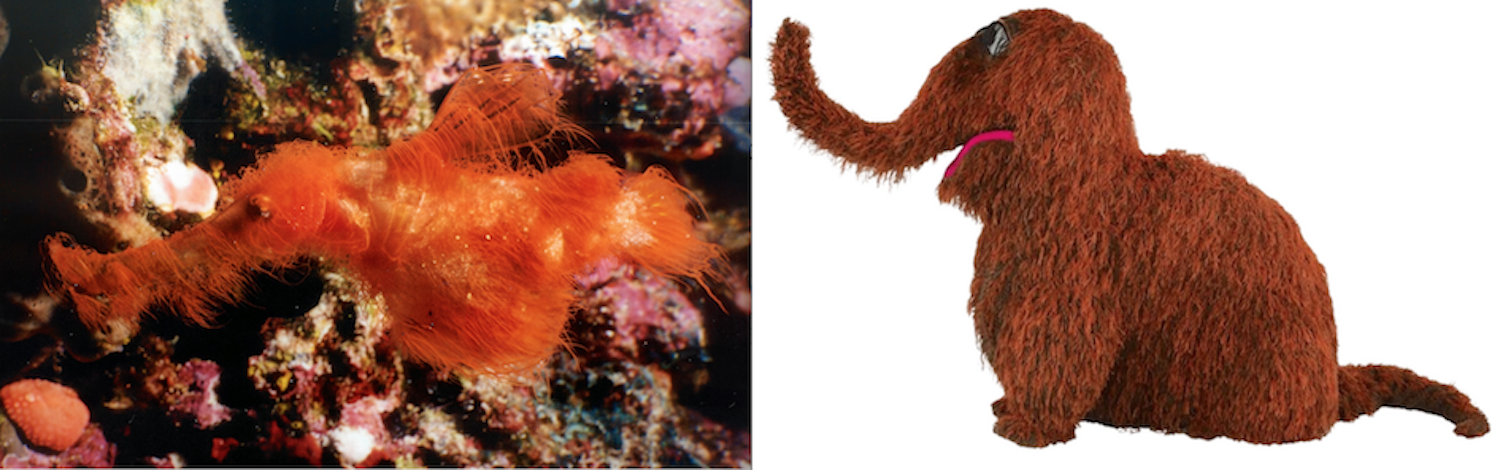
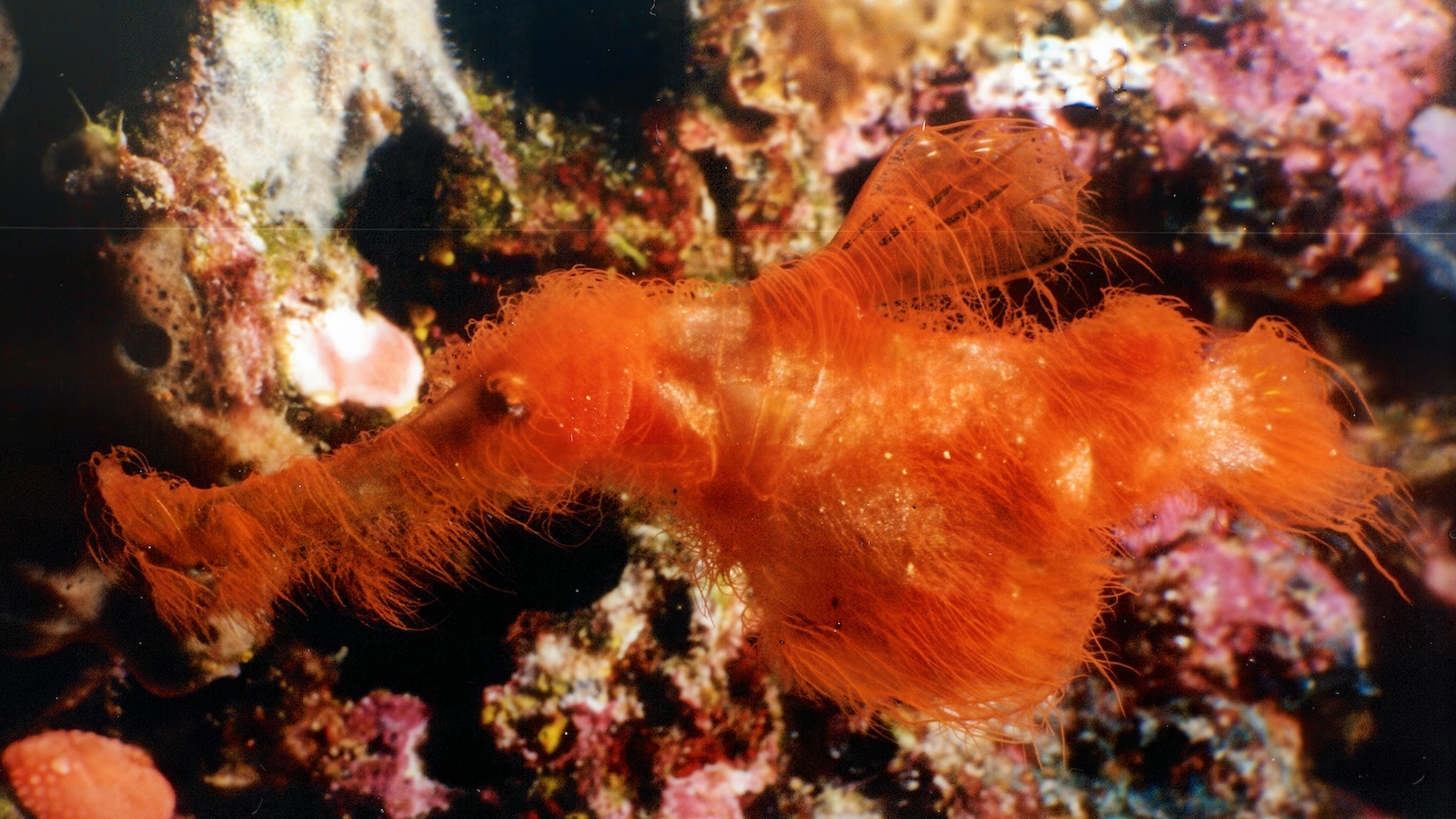
It’s undeniable. The bright reddish-orange hues, the fuzziness, the snout…there simply is no other way to put it. This unique fish looks exactly like Mr. Snuffleupagus from Sesame Street.

“Once you see it, the resemblance to Snuffleupagus is impossible to ignore,” declared marine biologist David Harasti.

The similarity is so strong that even the team from the beloved children’s show gave their full backing to name the seahorse relative after Big Bird’s woolly pal. But while the hairy ghost pipefish Solenostomus snuffleupagus was recently described for the first time in the journal Fish Biology, Harasti has long suspected its existence. In fact, he spent nearly 20 years trying to find it.

The saga began during a dive near Papua New Guinea in 2001. While combing through coral, Harasti spotted a unique and wholly unfamiliar creature swimming through the water. Although it appeared to be some type of pipefish, no specific species came to mind.

Side by side images of the hairy ghost pipefish and Mr. Snuffleupagus
There are definite similarities between the two. Credit: David Harasti

“I was perplexed. I photographed a few shots on my old film camera, went home, and pulled out every fish book I owned. Nothing matched,” Harasti recalled. “I realized we might be looking at something entirely new to science. You don’t often get a moment like that in your career, where you realize you could be looking at a species no one has ever documented before.”

Although divers claimed to spot the mystery creature over the next few years, no one managed to collect or properly study an actual specimen. It wouldn’t be until 2020 that Harasti reunited with the perplexing pipefish. After learning of a sighting near the city of Cairns in northern Australia, Harasti set out with research partner and study co-author Graham Short to track it down once and for all. It took a few days of scouring macroalgae in the Great Barrier Reef, the pair finally scooped up a male and female pair for proper examination. 

After carefully studying them, Harasti and Short confirmed the ghost pipefish to be a completely new species. At that point, there was only one last thing to do: get the blessing of Mr. Snuffleupagus. Or, at least, the blessing of Sesame Street’s legal team.

“We are delighted that our beloved Snuffleupagus inspired the naming of a newly discovered marine species in the real world,” Sesame Workshop senior vice president of global education Rosemarie Truglio said in a statement. “Connecting science with imagination and discovery is what Sesame Street has always been about, and this charming new species is a wonderful reminder that there is still so much to explore and learn about the world.”

According to the study’s authors, S. snuffleupagus is the shaggiest of all known ghost pipefish species. These lengthy filaments range in red, orange, and even green hues, which allows it to camouflage seamlessly into its coral habitat—and elude scientists for decades.

The post Real-life Snuffleupagus found swimming in the Great Barrier Reef appeared first on Popular Science.

  •  

World’s largest blanket fort built at Las Vegas community center

The classic blanket fort is a simple structure. Entry level hideouts often only require a bedsheet and a couple of chairs, and it doesn’t take much effort to expand the floorspace to accommodate guests. Constructing an intimidatingly expansive blanket enclave is a much bigger feat of engineering, however. At least, that’s what it looks like from photos showcasing the newest Guinness World Record holder for the largest blanket fort. The current champions? Local residents and high schoolers in Las Vegas, Nevada.

Inside of world's largest blanket fort
The fort needed to be tall enough to allow inhabitants to sit comfortably inside it. Credit: Robert Edward / Clark County, Nevada Robert Edward

At 14,103-square feet, the billowy project overshadows the previous record holder (12,291-square-feet) that was built in South Carolina in 2024. According to the official announcement from Nevada’s Clark County, the job necessitated a small army of volunteers and community partners using a design envisioned by engineering students at Las Vegas’ West Career & Technical Academy. All told, the blanket fort included hundreds of sheets draped over tent poles and anchored by ropes, pipes, and even binder clips.

Confirming the fort’s record breaking size required a visit from an official Guinness World Records adjudicator. The assessor didn’t simply measure the floorspace inside the Desert Breeze Community Center’s basketball court, though. Eligibility requirements included making sure there weren’t any gaps between sheets larger than one inch, ensuring all sheets touched the ground, and determining minimum height requirements that allowed a person to “sit comfortably” inside the tent.

Guinness World Record inspector walking inside world's largest blanket fort
An inspection from an official Guinness adjudicator was required before certifying the structure. Credit: Robert Edward / Clark County, Nevada

A good blanket fort’s temporary nature is part of its appeal, and the recordbreaking project has since been disassembled. After all, Desert Breeze Community Center still needs its gym for pickup basketball games.

The post World’s largest blanket fort built at Las Vegas community center appeared first on Popular Science.

  •  

For 6 days, NASA’s Mars rover battled a rock

Curiosity got itself stuck between a rock and hard place last month, but NASA says there’s no reason to fret about the intrepid Mars rover. On April 25, mission engineers were remotely piloting its robotic arm’s rotary-percussive drill into a Martian rock nicknamed Atacama. It’s a relatively routine task for Curiosity, which takes the samples and then pulverizes them into a powder for future onboard chemical analysis.

But Atacama is no small stone. The hefty, 1.5-foot-wide geologic formation is about six inches thick and weighs about 28.6 pounds. So NASA engineers were understandably a bit worried when Curiosity attempted to retract its arm—and subsequently lifted the entire rock off the ground.

“Drilling has fractured or separated the upper layers of rocks in the past, but a rock has never remained attached to the drill sleeve,” the agency explained in a recent rundown.

While amusing to envision, the situation was no laughing matter for NASA’s engineers. The rover’s drill would be of little more use with a giant rock indefinitely attached to it. But even if controllers could detach Atacama from the rover, the force might damage the tool or the arm itself. Without those capabilities, Curiosity’s ongoing mission would be in serious jeopardy.

Mission specialists first tried the drilling version of “turning it off and on again,” by vibrating the tool. However, Atacama remained stubbornly stuck on Curiosity…for another four days. NASA then tried a new approach by reorienting the robotic arm and instructing the drill to vibrate one more time. Atacama managed to shake off a bit of sand that time, but little else.

Two more stressful days passed before NASA gave it a third try. Engineers tilted the drill slightly further, then rotated and vibrated the tool while also spinning its drill bit. The Curiosity team anticipated it may take multiple attempts to pull off the feat.But in this case, Atacama finally gave way almost immediately. The nearly weeklong ordeal culminated with the giant rock fracturing as it landed on the Martian ground.

So far, NASA hasn’t reported any lingering damage to the vehicle, meaning the rover is likely ready to continue exploring the Red Planet. As for Atacama, it seems the Martian rock learned a valuable lesson: Don’t mess with Curiosity.

The post For 6 days, NASA’s Mars rover battled a rock appeared first on Popular Science.

  •  

Magic mushrooms make mean fish lazier and more chill

Psilocybin is the psychoactive compound that puts the “magic” in magic mushrooms. Ingest enough of a fungus like Psilocybe cubensis, and users are liable to experience sensory hallucinations, euphoria, and even altered perceptions of time. Mounting research also suggests that smaller, microdosed amounts may offer promising alternative therapeutic options for treating PTSD, depression, and even alcoholism.

But what happens when you give fish the same psychoactive ingredient? It may sound like an odd, even pointless experiment, but biological neuroscientists think the results could inform future medical and psychiatric treatments. Their evidence laid out in a study published today in the journal Frontiers in Behavioral Neuroscience suggests small levels of psilocybin ease anxiety or aggression. Or, at the very least, it calms down a notoriously mean species of fish.

The mean fish in question is the mangrove rivulus (Kryptolebias marmoratus). It is a remarkable creature found along the coast of Florida all the way to Brazil.The 1.5 to three inch amphibious fish has evolved to not only thrive in brackish waters, but survive on land for as long as two months. They’re also extremely aggressive and territorial, making them suitable for certain social and behavioral studies. And because the mangrove rivulus self-fertilizes and produces genetically identical embryos, they offer researchers conveniently uniform models.

To test how psilocybin affects the traditionally confrontational fish, a team from Nova Scotia’s Acadia University and the University of British Columbia bred three genetically distinct lines of laboratory rivulus. One group was exposed to the psychoactive compound, another essentially served as a target for their aggression, and a third was employed separately to assess psilocybin absorption and bodily concentration.

Researchers first observed the standard interactions between two fish separated by a mesh barrier in a tank. These frequently include high-energy “swimming bursts” to intimidate each other without making physical contact, as well as less energy intensive, head-on displays of hostility. On the following day, the team placed one of the rivulus into a water tank that included dissolved psilocybin for 20 minutes. Finally, they transported the now-dosed fish back into the tank with its original foe and watched their reunion.

The team’s findings offer the first direct evidence that psilocybin can selectively reduce the escalating aggression in the fish, without dampening their social interactions. Rivulus with psilocybin in their system significantly reduced their tendency to perform swimming bursts, but still participated in easier head-on displays. Basically, the fish calmed down a bit—but they also got very lazy.

“Psilocybin’s calming effect appears to selectively reduce energetically costly, escalated behaviors while lower‑energy social display behaviors remained largely unchanged,” study co-author and biologist Dayna Forsyth said in a statement. “This suggests that this compound can selectively dampen escalated social conflict rather than shutting down behavior altogether.”

That’s great for the mangrove rivulus, but what about humans? While the experiment focused on a single dose of psilocybin under short time constraints, the team’s findings may kickstart further explorations of the psychoactive compound’s uses in therapeutic treatments. In particular, knowing what social behaviors are affected by psilocybin versus the behaviors that remain unchanged can help researchers hone the scope of their future work.

“These are questions that are difficult or impossible to answer directly in humans,” added University of British Columbia biologist and study c-oauthor Suzie Curie.

The post Magic mushrooms make mean fish lazier and more chill appeared first on Popular Science.

  •  
❌