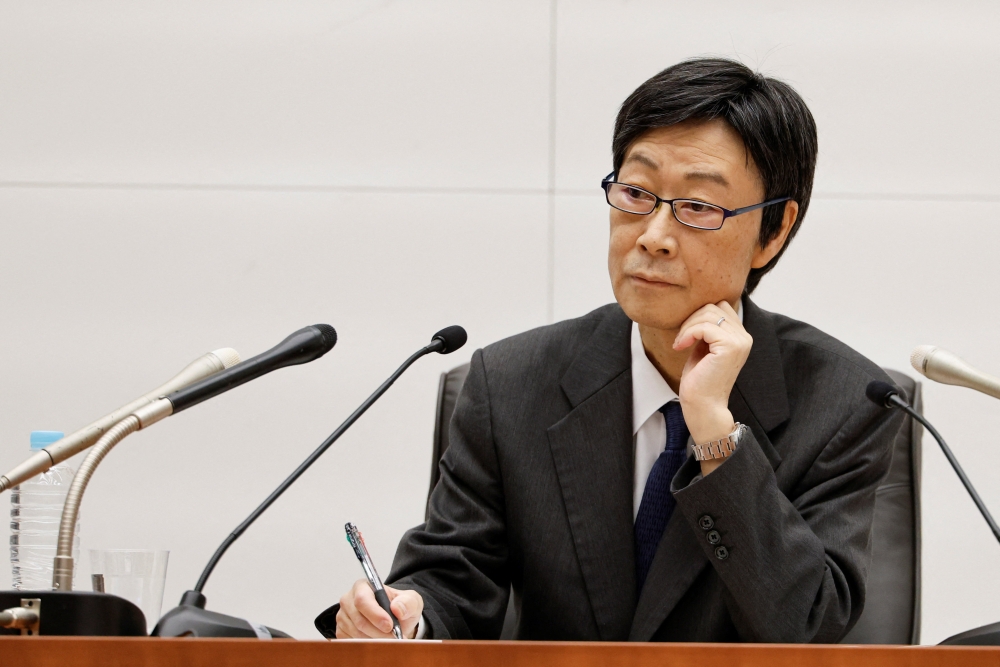
TOKYO, June 11 — Prime Minister Datuk Seri Anwar Ibrahim today reaffirmed the Unity Government’s commitment to its coalition partners, saying it would not take any action that could be perceived as a betrayal of the existing political consensus.
Anwar, who is Pakatan Harapan (PH) chairman, said the government remained stable, with all parties continuing to respect the understanding reached to ensure the country’s political stability.
“So far, I have not heard any such views. In fact, members of the Cabinet and the leadership represented in it have consistently maintained that the Unity Government at the national level must remain strong,” he told a press conference here yesterday.
The Unity Government, formed after the 15th general election in 2022, comprises PH, Barisan Nasional (BN), Gabungan Parti Sarawak (GPS), Gabungan Rakyat Sabah (GRS) and several other parties.
Anwar, who is also PKR president, was commenting on claims that several former Bersatu state assemblymen could join PKR following recent developments in the political relationship between Bersatu and PAS.
PAS president Tan Sri Abdul Hadi Awang on Monday announced that the party had formally decided to end its political cooperation with Bersatu after taking into account reports, studies and current assessments of the relationship between the two parties.
Anwar stressed that the coalition’s political approach remained rooted in consultation, discussion and cooperation, rather than abruptly severing ties.
“In politics, this business of divorcing, pronouncing ‘talak’ and remarrying is not our way. We negotiate properly, discuss matters properly and cooperate properly. For now, the Unity Government remains intact, although there are some differences of opinion at the state level,” he said.
He said decisions made at the state level were the responsibility of the respective leadership and those involved should be accountable for them.
The prime minister said the government’s main focus remained on implementing the national development agenda, including fulfilling international commitments and strengthening economic cooperation.
Anwar is scheduled to attend the Asean-Russia meeting in Kazan next week before travelling to Turkmenistan to explore cooperation opportunities in the energy sector, particularly in relation to gas resources. — Bernama
Special sweets designed to satisfy your sweet tooth and cool you off in the summer heat.
This year is Pokémon’s 30th anniversary, and the franchise is celebrating in style at the Grand Hyatt Tokyo, with the hotel offering amazing Pokémon-themed rooms including one with 30 Pikachu plushies to keep guests company during their stay. But what if you’ve already got a place to sleep in Tokyo? Does that mean you have to miss out on the collaboration’s fun?
Not at all, because the Grand Hyatt Tokyo’s restaurants are also part of the party, and they’re offering both sweet and savory Pokémon-themed eats all summer long!
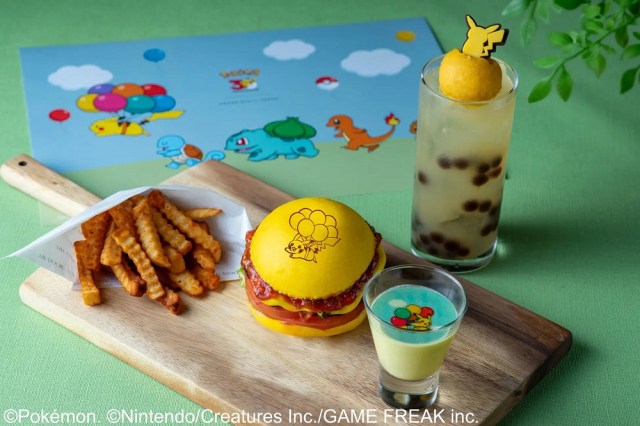
Starting things off is the Sora Tobu Pikachu (“Pikachu in the Sky”) Gourmet Burger Set, with a Pikachu-yellow bun, the Hyatt’s original barbecue sauce, and jalapeno pickles. It’s accompanied by curry powder French fries and chilled corn soup, and to drink you get a “Pikachu soda,” which looks to be an ice cream float with boba-style tapioca balls too.
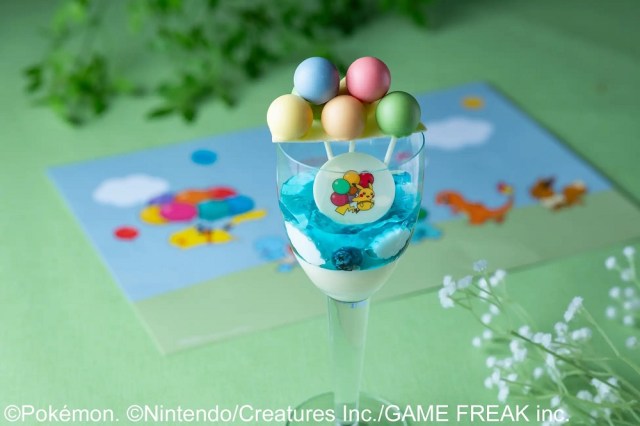
The Pikachu burger is available in the hotel’s Oak Door steakhouse restaurant, but just like wild Pokémon appear in different parts of their regions, there are other Pikachus at the Hyatt’s Fiorentina cafe, which is adding a Sora Tobu Pikachu Summer Parfait to its menu.
Since this is a parfait to be enjoyed during one of Japan’s notoriously hot and humid summers, this dessert bypasses heavy chocolate or caramel sauces. Instead, the key ingredients are mascarpone mousse, peach gelatin infused with butterfly pea, and coconut gelatin, for visuals evocative of a bright blue sky and puffy clouds. The “balloons” that are carrying Pikachu on this flight are actually orbs of frozen mousse in mango, orange, pistachio, blueberry, and raspberry flavors.
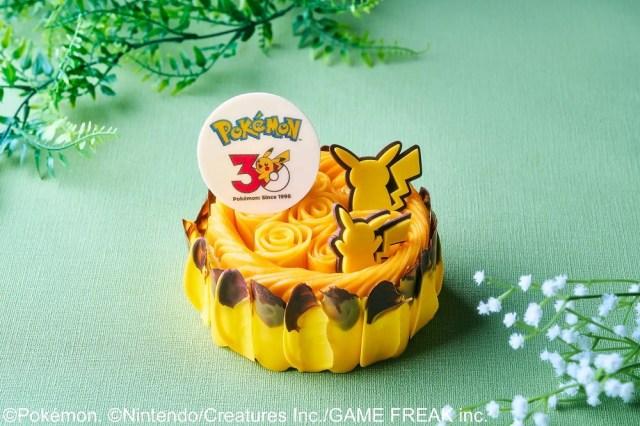
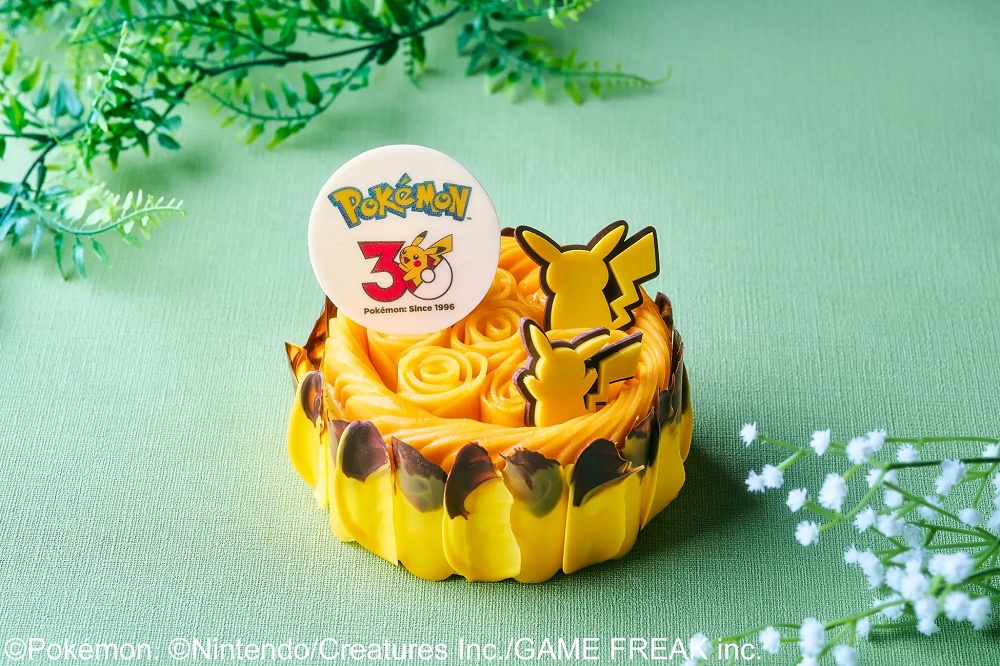
And there’s still one more place to score some Pokémon treats. Head to the Hyatt’s Fiorentina Pastry Boutique and you can pick up a Pokémon 30th Anniversary Mango Cake.
This fancy cake has layers of mango and coconut jelly inside almond sponge cake, topped with mango mouse and a bouquet’s worth of mango slices arranged in the shape of roses. But even with all those floral flourishes, fans’ eyes will be drawn to the pair of Pikachu chocolates.
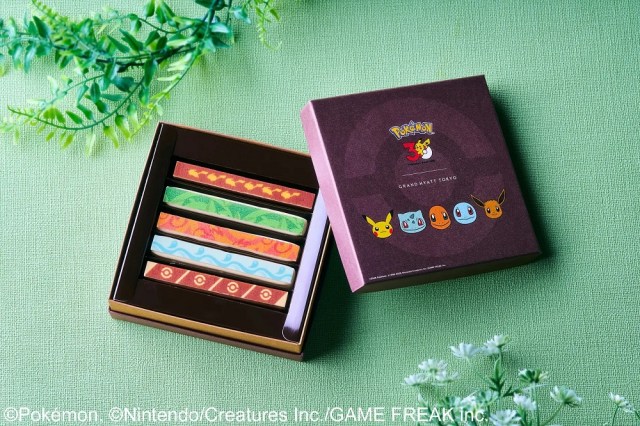
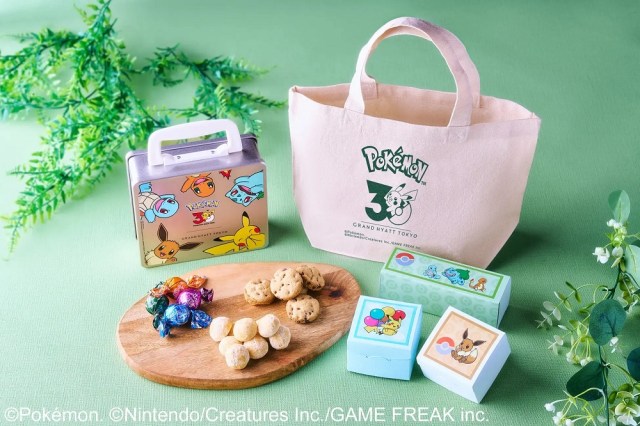
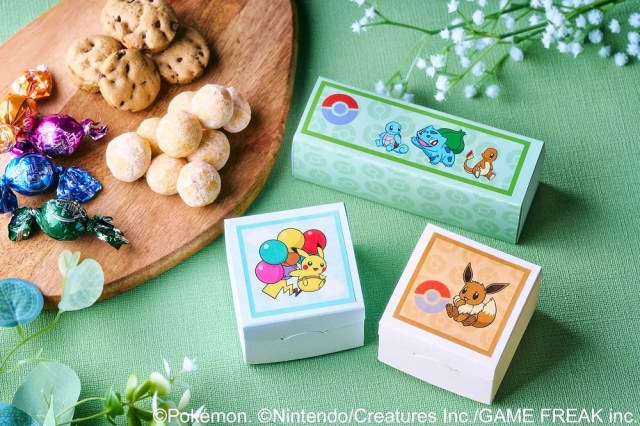
For those looking for permanent reminders of their Pokémon sweets sessions, Fiorentina can also supply Grand Adventure Sweets Trunk Cases, with Pikachu mango cookies, Eevee coffee chocolate cookies, and Gen-1 starter trio chocolates in a bundle with a special tote bag and lunchbox-style case.
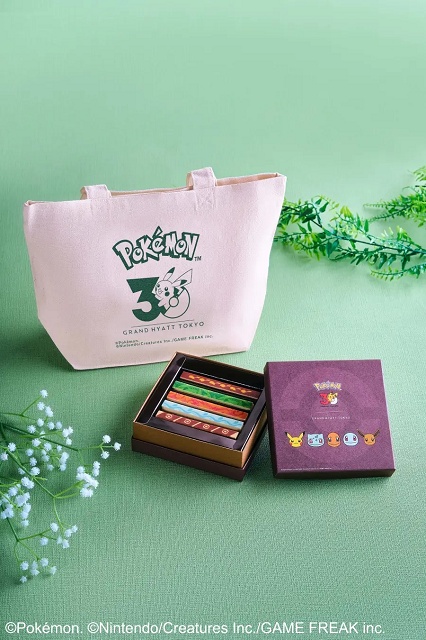
…or Grand Adventure Baton Chocolate sets, with an assortment of gourmet chocolates and the tote.
▼ The cookies and starter trio chocolates can also be purchased by themselves, if you’ve already got your carrying equipment needs sorted.
As for pricing, the intricate decadence of the Pokémon 30th Anniversary Mango Cake puts it at 12,600 yen (US$81). The Pikachu burger set, meanwhile, is 6,600 yen, and the parfait 3,520. The Sweets Trunk Case and Baton Chocolate sets are 7,500 and 6,800 yen, respectively. The by-themselves chocolates are 2,200 yen, and Pikachu and Eevee cookie boxes are 1,200 each.
The Pokémon/Grand Hyatt Tokyo collaboration runs from June 20 to August 31, but reservations can already be made for the burger, parfait, and cake through the hotel’s website. Reservations are highly recommended for the burger and parfait, as they’re limited to quantities of 20 each daily, and reservations of at least three days in advance are required to purchase the Pikachu cake.
Some might say you haven’t truly seen Japan if you haven’t colour hunted.
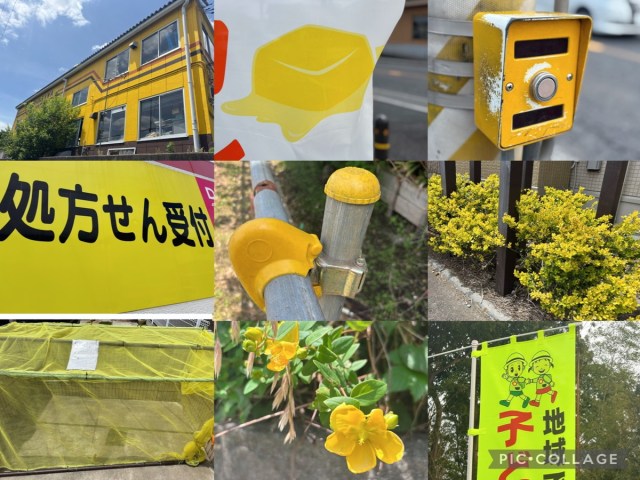
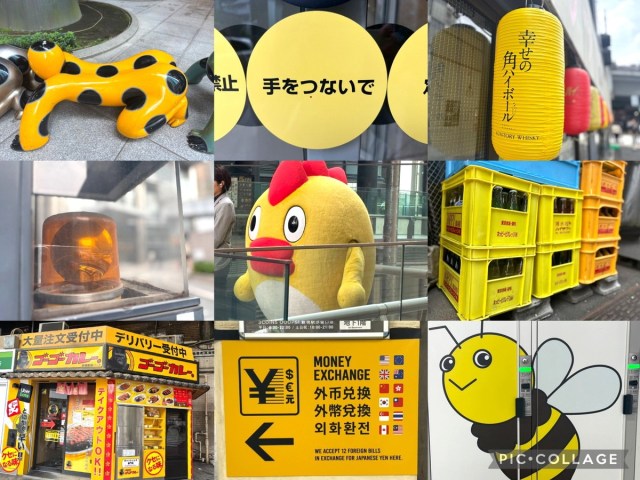
Recently, an activity called “colour hunting” has been gaining popularity in Japan. Simply put, it involves choosing a colour theme and then, while walking around town, taking photos of things that match that colour, before compiling them into a single image.
The results are remarkably mesmerising, but what’s even more interesting is the way it encourages you to notice details you wouldn’t have noticed otherwise, giving you a whole new perspective on your surroundings.
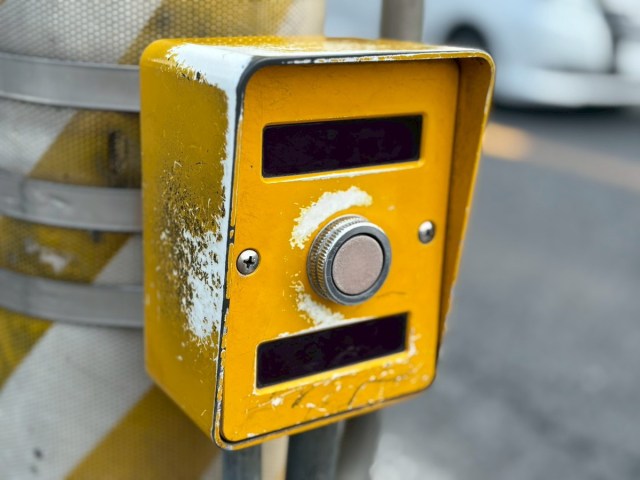
Always keen to try out a trend, we decided to conduct our very own colour hunt, both in a rural residential area and in the heart of Tokyo, to see what we could find. The theme we chose was yellow, and as we set out on our walk, which was a familiar one, it didn’t take long for us to spot things we’d never noticed before.
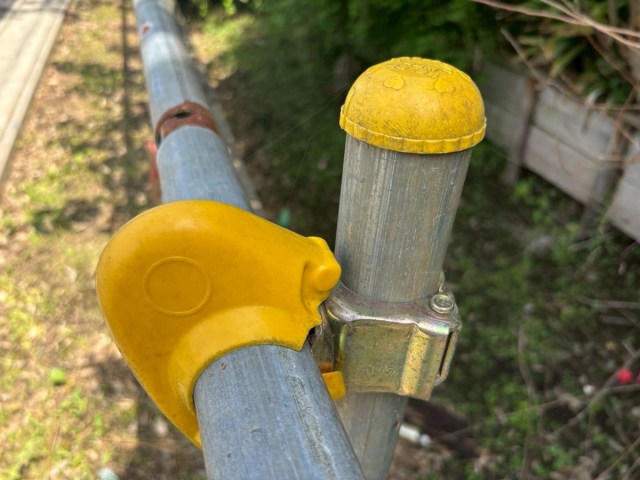
▼ Like the fittings on a metal barrier…
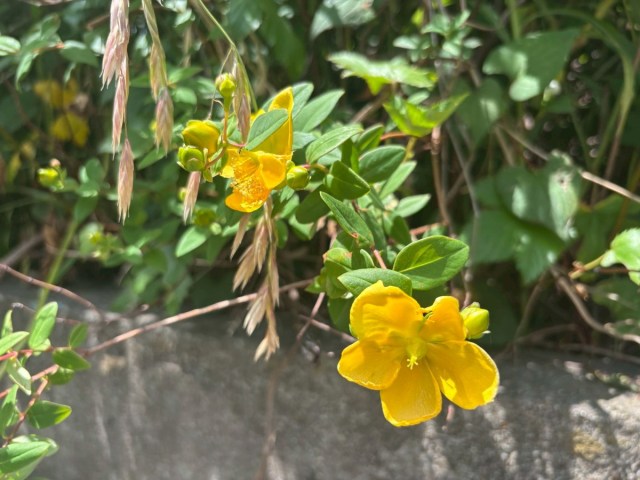
▼ … flowers growing by the side of the pavement…
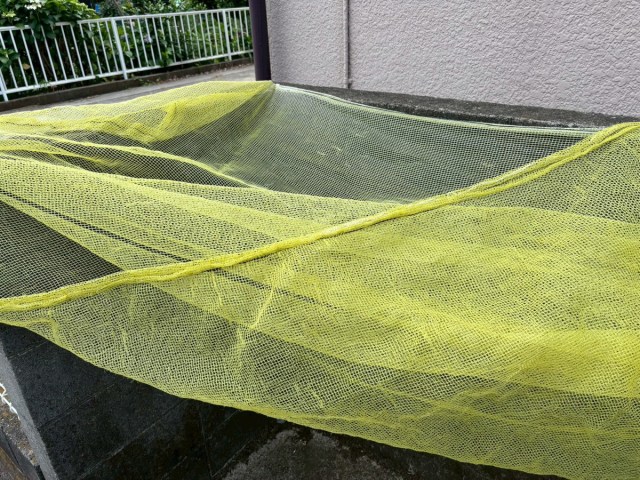
▼…netting over garbage collection areas…
▼…and, of course, the road signs.
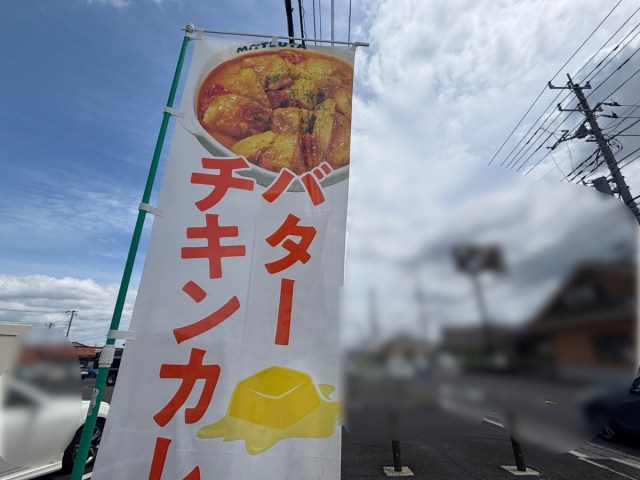
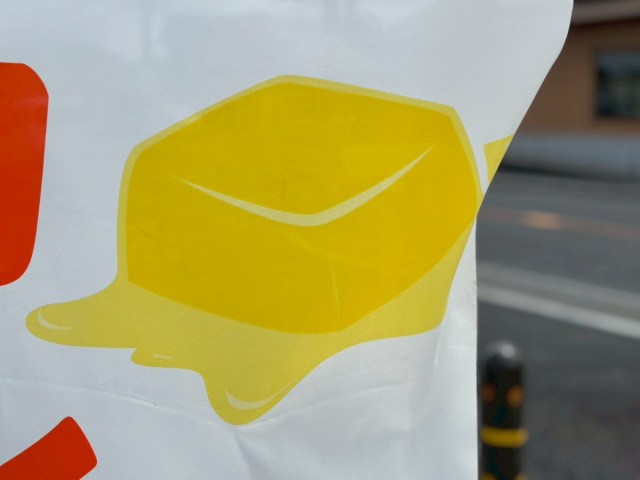
Moving further down the street and into the main hub of town, our eyes began to spy yellow in slightly more unusual places, like the cube of partially melted butter on the “butter chicken curry” banner outside an Indian restaurant.
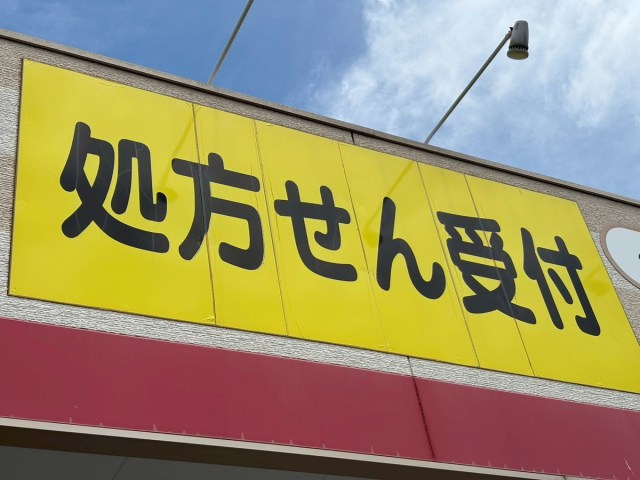
▼ The yellow “prescription services” sign outside a local drugstore…
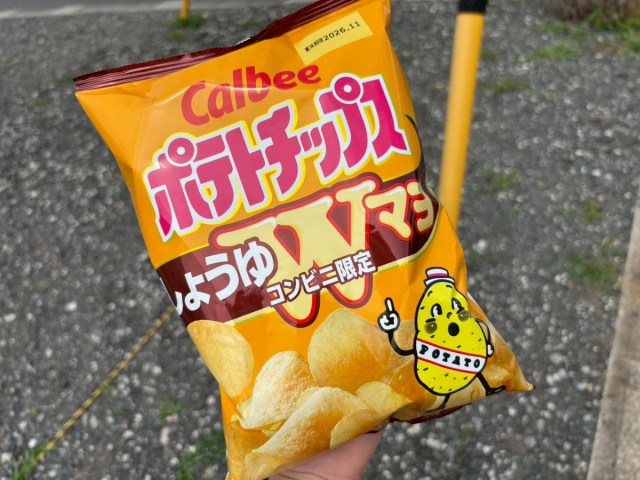
▼ …and the yellow on a pack of Calbee chips.
With our eyes now instinctively zoning in on shades of yellow, the sunny colour began to lift our mood. It also became something of a scavenger hunt, and after around an hour of walking, our prize was this composite image of all the yellow we’d seen.
The images actually painted a picture of quaint countryside life, and now we were ready to take things up a notch by colour hunting in the heart of Tokyo.
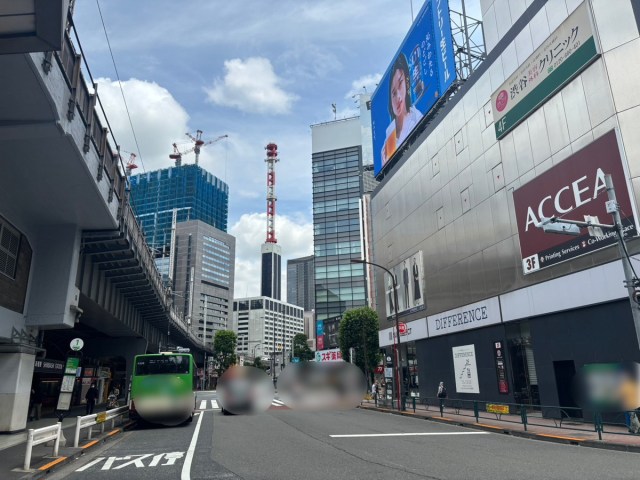
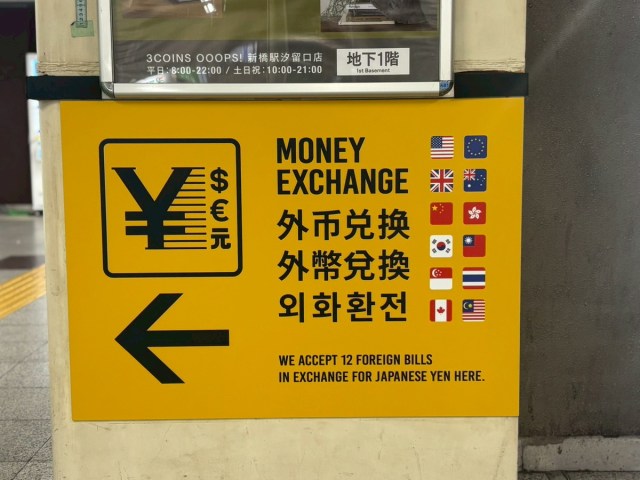
Walking around Shimbashi, it didn’t take long for our eyes to zone in on yellow, with this “Money Exchange” sign being our first find of the afternoon.
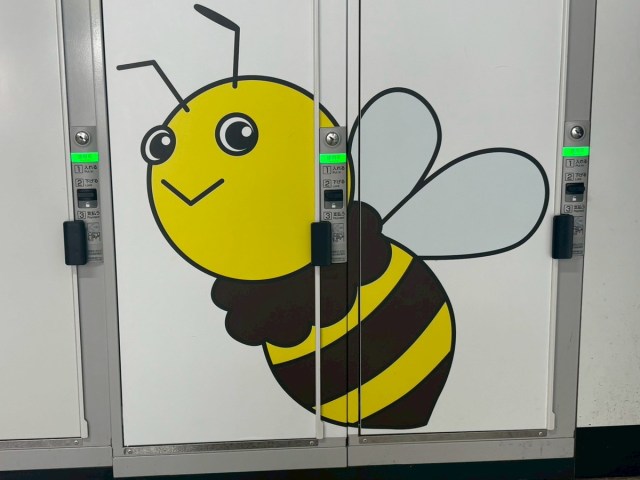
▼ We also spotted a large bee on a coin locker nearby.
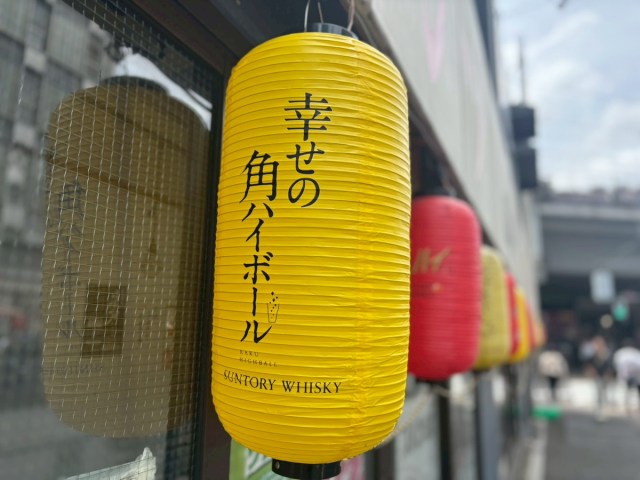
This was already turning out better than expected, and our search for the sunny hue continued in earnest when we stopped to photograph a yellow lantern advertising Suntory whisky highballs.
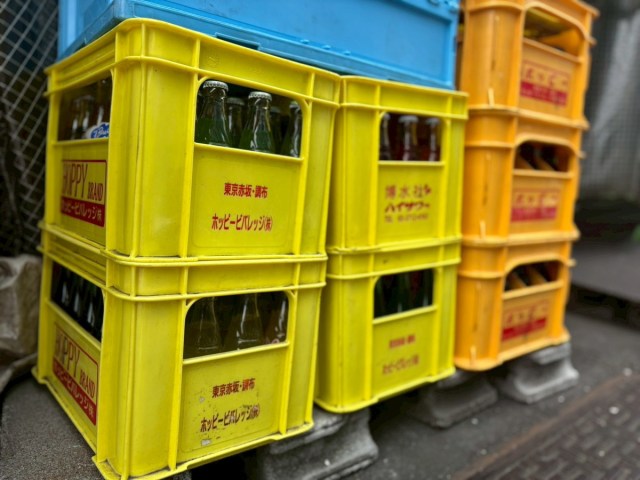
▼ Crates of Hoppy, a beer-flavoured low-alcohol drink were also outside.
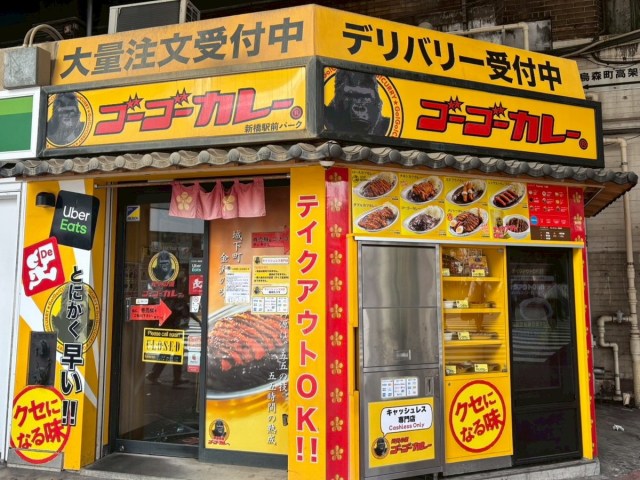
▼ And nearby, a branch of the Go Go Curry chain.
At this point, we were so honed in on yellow that people wearing the colour, or carrying yellow items, began to stand out as they attracted our gaze.
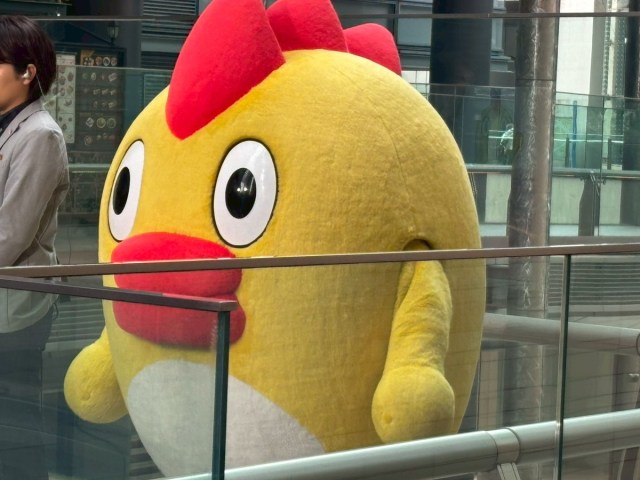
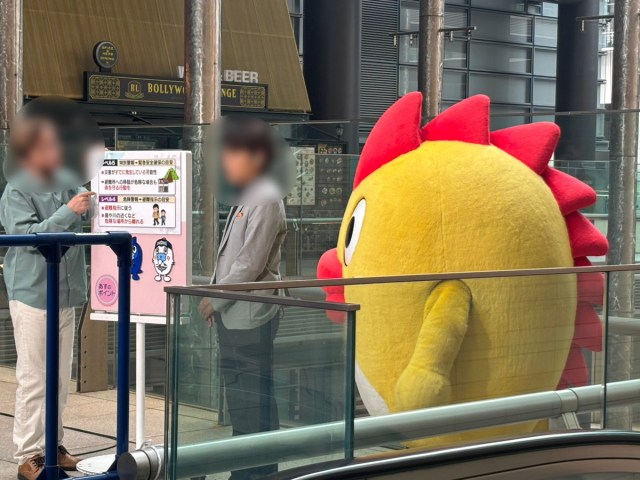
▼ When our eyes landed upon Sora-jiro doing a live weather forecast, we couldn’t help but smile.
▼ Sora-jiro is the mascot character for Nippon Television and its weather forecast.
Continuing on our stroll, we came across even more yellow sightings.
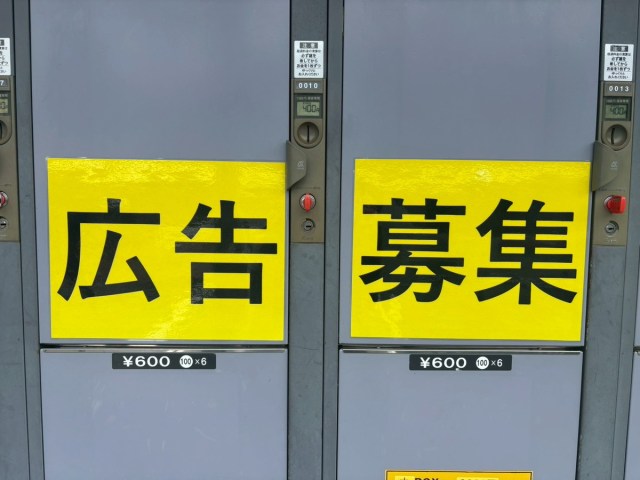
We began to realise just how well yellow works in attracting the eye, leading it to be used on a number of signs like the “advertising recruitment” ones on these coin lockers…
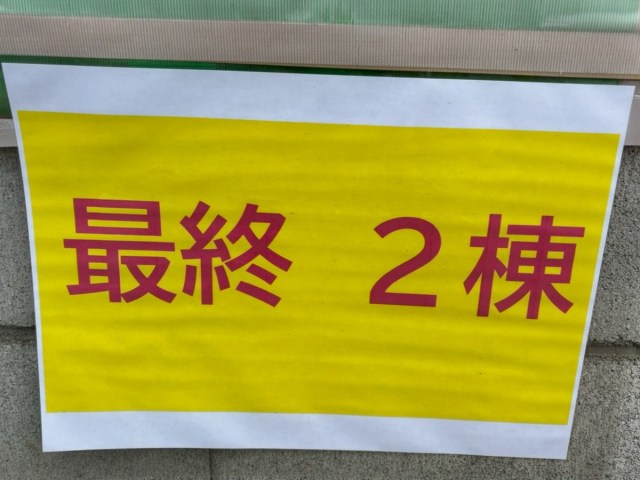
▼ …and this one, which reads “Last two buildings”.
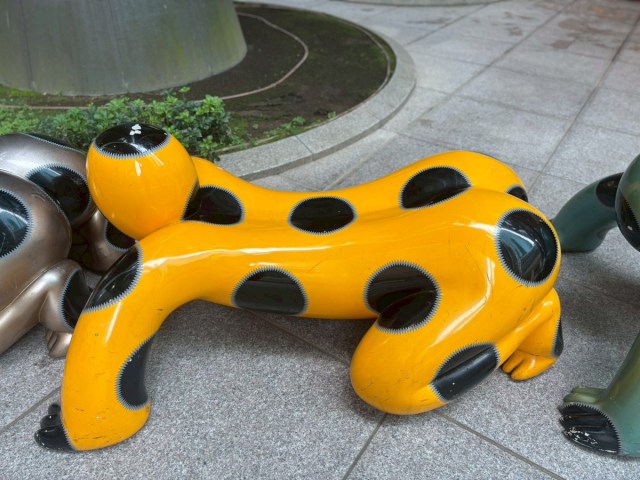
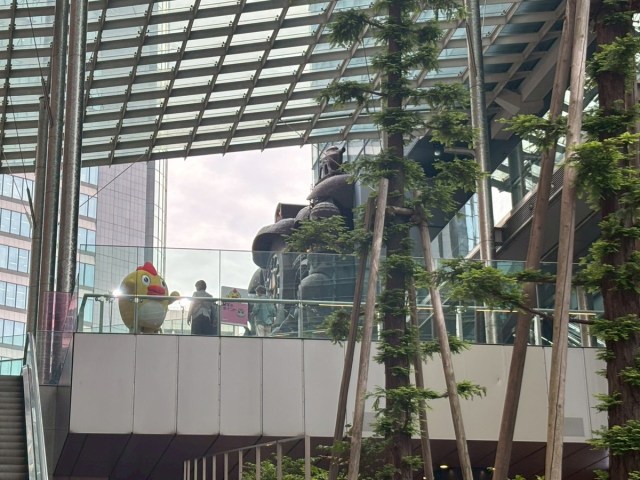
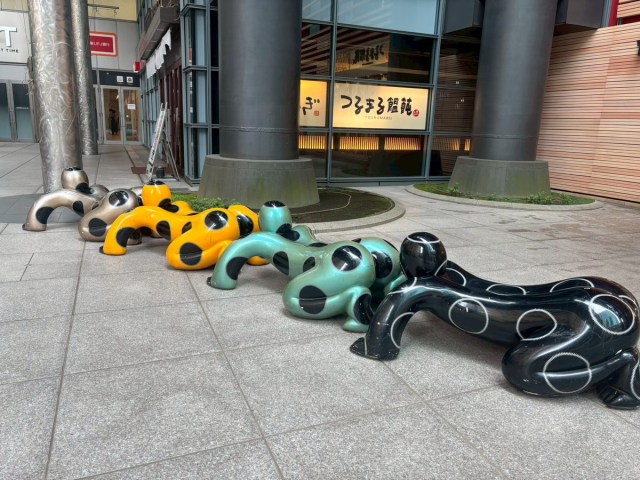
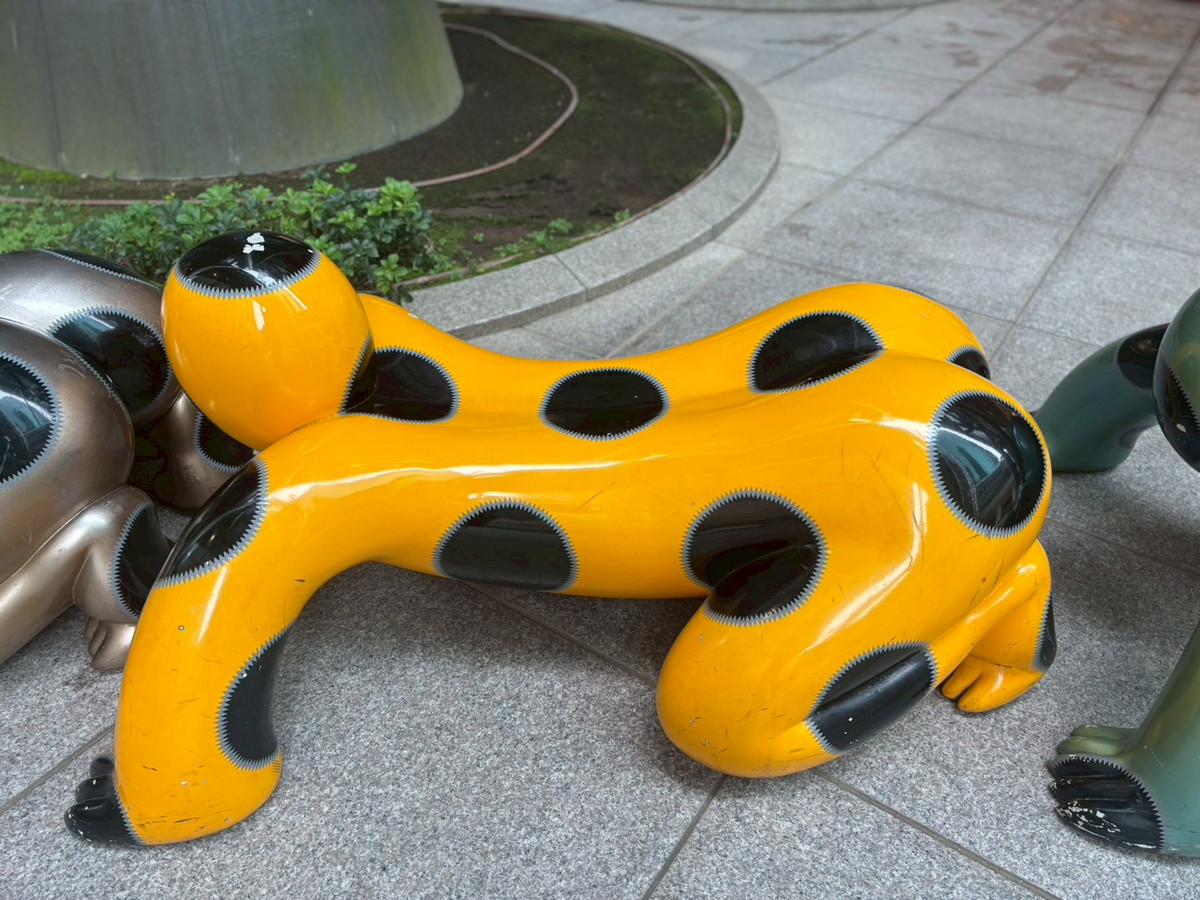
Just as we thought we were done for the day, we came across these figures, which are actually designed to be used as seating benches.
Compiling our photos from Shimbashi, the look and feel was entirely different to our rural collection, capturing the finer details that give Tokyo its unique charm.
Hunting for the same colour in two different locations revealed an interesting contrast in subjects and mood – whereas the rural scenes mostly contained images of flowers and signs, in Tokyo there was more grit and extra variety, as objects and characters played a greater role. It was such a fun, eye-opening adventure that we’re now keen to hunt for more colours around town, and connect with all the hidden finds areas we would otherwise miss.
Outer Senshi join their anime/manga magical girl sisters on the streets of Minato Ward.
Sailor Moon features some pretty fantastical settings, with much of its mythos involving ancient kingdoms on the moon and antagonists hailing from even farther reaches of the cosmos. However, most of the series takes place in Minato, one the actual wards of real-world Tokyo, where Usagi and her friends live, go to school, and fight many of the manga/anime’s monsters of the week,
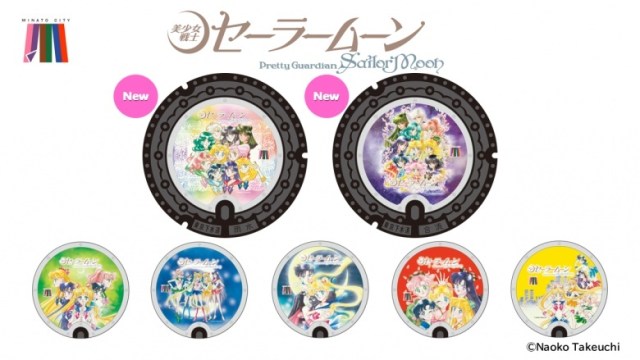
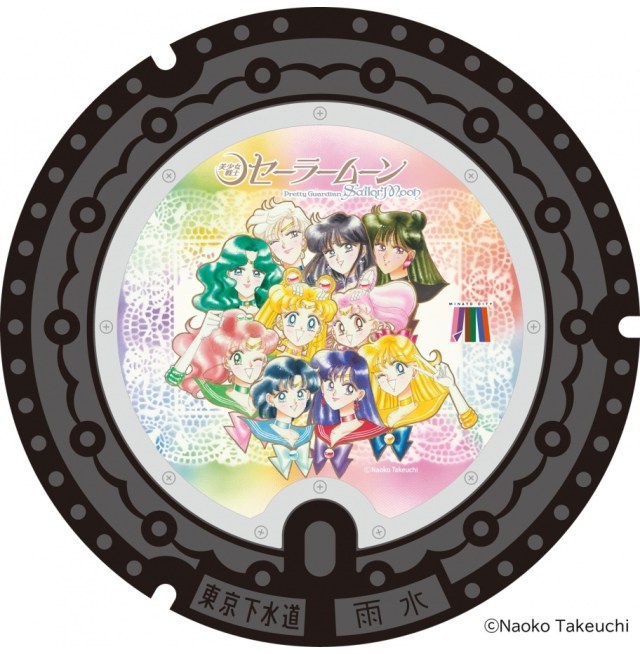
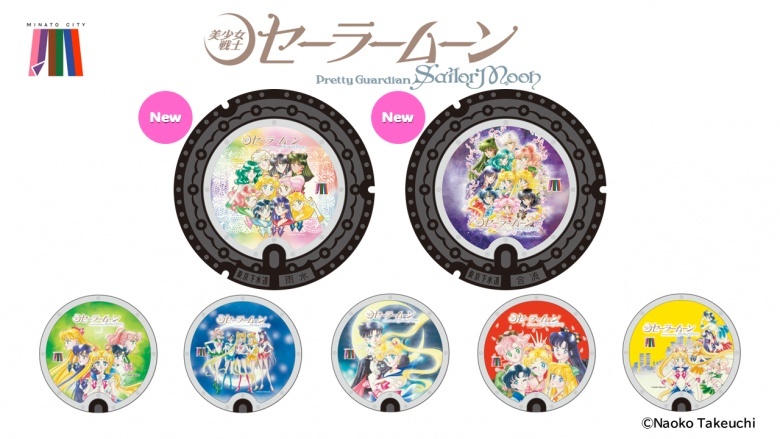
So a while back, Minato Ward decided to celebrate the connection by installing Sailor Moon manhole covers featuring artwork of Sailors Moon, Mercury, Mars, Jupiter, and Venus. As fans will be quick to point out, though, that’s actually only half the series’ roster of magical girls. As time went on, creator Naoko Takeuchi added new heroines to the cast, and now Minato Ward is adding new Sailor Moon manhole covers to its streets.
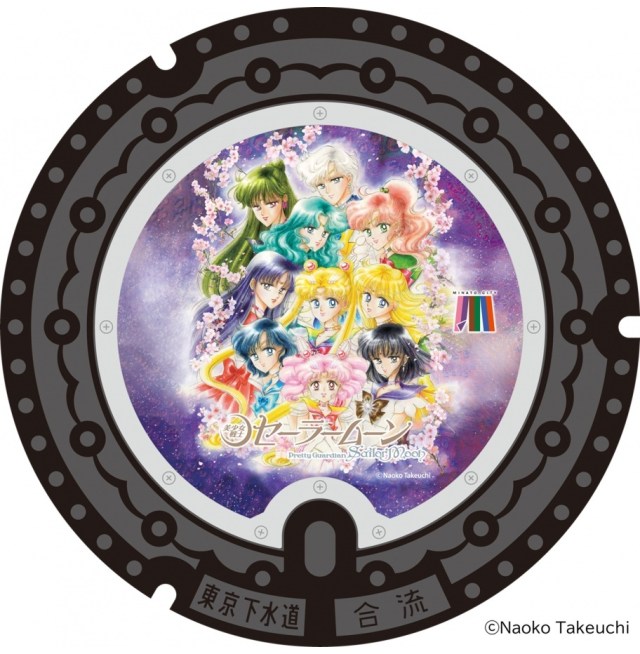
Out of the first five covers, four featured the Inner Sailor Senshi (Moon, Mercury, Mars, Jupiter, and Venus), while power couple Sailor Moon and Tuxedo Mask shared the fifth. The two new designs will both once again feature the Inner Senshi, but they’ll be joined by the Outer Senshi, Sailors Pluto, Uranus, Neptune, and Saturn, as well as disruptive and divisive time-traveler Sailor Chibi Moon.
The first of the new manhole covers has the fully assembled Senshi standing amidst the branches of a cherry blossom tree with the sakura in full bloom. It was installed towards the end of March in Minato Ward’s Roppongi district, specifically on the Roppongi 7-4-2 block, not far from the Tokyo Midtown shopping and entertainment complex.
The second new Sailor Moon cover, the seventh overall, will also show all 10 Sailor Senshi, this time with a pastel rainbow color scheme to the background. But while we know what it’ll look like, Minato Ward is keeping its location a secret for now, and will only be publicizing where to find it after it’s been installed.
Minato Ward is keeping the exact timetable under wraps too, but the Sailor Moon official website says that the rainbow Sailor Moon cover should be in place by the end of this month. And if you’re looking for even more crossovers between anime artwork and public infrastructure, don’t forget about the new Pokémon manhole covers in a part of Japan that’s looking to bounce back from a natural disaster.
TOKYO, June 16 — The Bank of Japan hiked interest rates to a 31-year high on Tuesday as it battles inflation caused by the Middle East war — even after Washington and Tehran agreed a peace deal.
The central bank for the world’s fourth-largest economy raised its benchmark rate 25 basis points to 1.0 percent, the highest since 1995 and marking the first increase since December.
The widely expected decision followed rate rises by the European Central Bank and in Indonesia last week after the conflict caused economic havoc and rising prices worldwide.
With US inflation at a three-year high, expectations are growing that the Federal Reserve will follow suit, albeit not at new boss Kevin Warsh’s first gathering this week.
“While higher crude oil prices have been exerting downward pressure on economic activity, the economy has generally been supported by factors such as high levels of corporate profits and an improvement in the employment and income situation,” the BoJ said.
The consumer price index (CPI) has been below two percent thanks in part to government energy subsidies.
“However, the price pass-through stemming from the rise in crude oil prices has been progressing at a relatively fast pace in business-to-business transactions, which could spread to an increase in consumer prices across a wide range of items,” the central bank added.
“Against this backdrop, taking into account that medium- to long-term inflation expectations have also continued to rise, there is a risk of underlying CPI inflation deviating upward to a level above the price stability target of two percent.”
Looking ahead, the BoJ said that it will “continue to raise the policy interest rate and adjust the degree of monetary accommodation”.
“In this regard, it will consider the timing and pace of adjustment, while closely monitoring the impact of the future course of the situation in the Middle East on Japan’s economic activity and prices,” it said.
It also indicated that it would pause the tapering of its colossal programme of bond purchases after next April.
US-Iran deal
The United States and Iran agreed to end their three-month war on all fronts and reopen the Strait of Hormuz, through which pre-conflict about a fifth of world oil and gas passed.
The accord was set to be physically signed in Switzerland on Friday, but hundreds of ships remain stuck, and it will likely take considerable time for trade flows to normalise.
Japan relied on the Middle East for around 90 per cent of its crude supplies before the war began on February 28.
Its problems have been exacerbated by a falling yen, caused by the rise in oil prices and the gap between US and Japanese interest rates, which are among the lowest in the developed world.
The government spent around 11.7 trillion yen (US$72 billion) last month propping up the currency, which has been languishing at around 160 yen against the dollar.
The yen briefly jumped against the dollar after the announcement on Tuesday, while the Nikkei 225 stock index rose above 70,000 points for the first time.
BoJ deputy governor Shinichi Uchida was slated to address the media on Tuesday afternoon after the rate decision, filling in for governor Kazuo Ueda, who is in hospital.
The central bank is under pressure from markets to keep tightening interest rates, and also from Prime Minister Sanae Takaichi’s government not to snuff out growth with high borrowing costs.
The BoJ began hiking rates from below zero in 2024 after nearly two decades of ultra-loose monetary policies.
Akino Fukuda at Moody’s Analytics said Tuesday’s move was “another step toward policy normalisation”.
“Real rates remain negative, financial conditions are still relatively loose, and inflation pressures are turning higher, so more hikes are necessary,” Fukuda said.
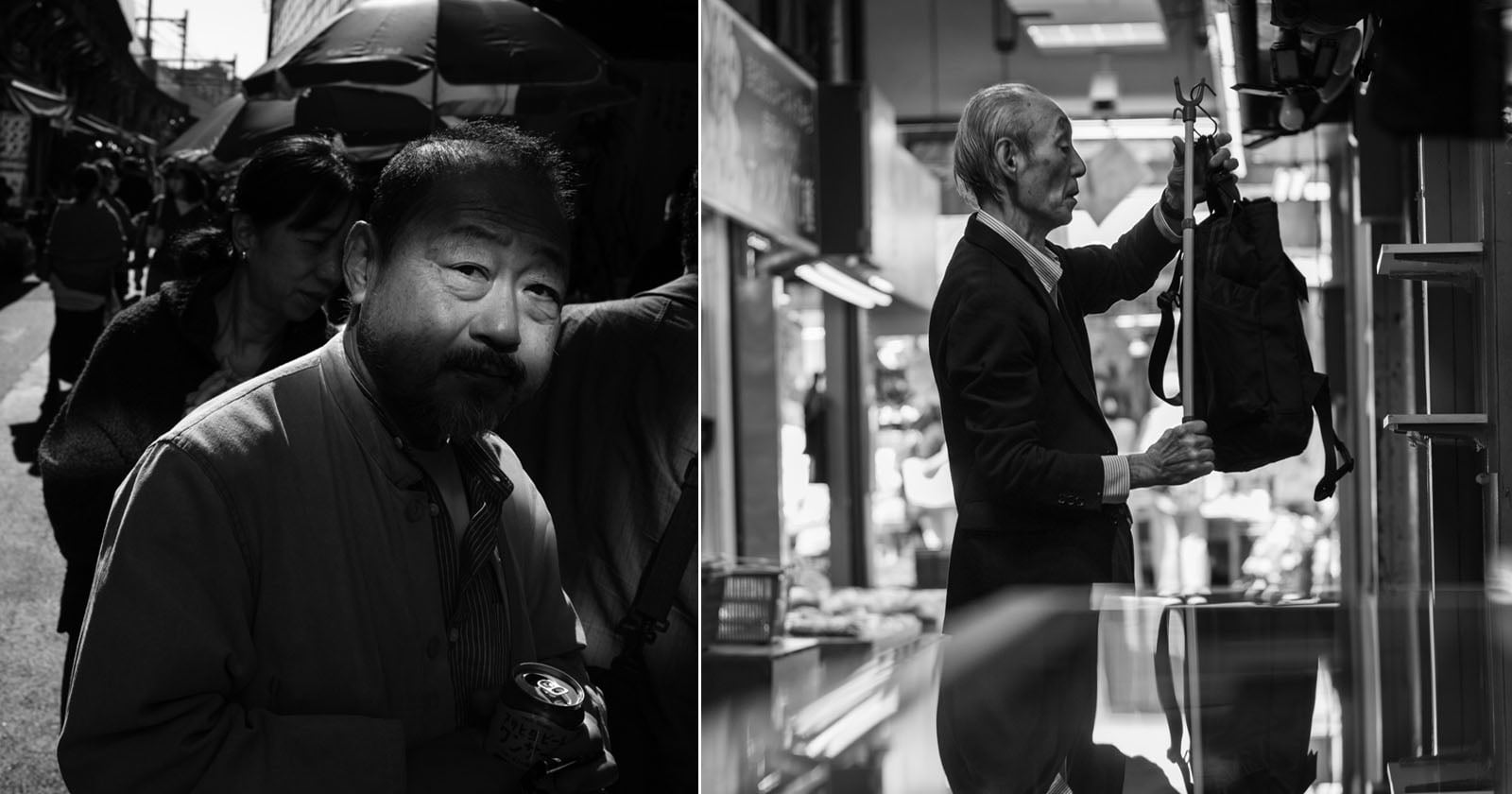
Most photographers I know are in constant motion. New cities, new continents, new visual problems to solve. There's truth in it. Unfamiliarity forces you to look. Familiarity gives you permission to stop. But there's another, less-discussed school of practice that works in the opposite direction: stay. Return. Go back to the same streets until the strangeness burns away and something else appears in its place.
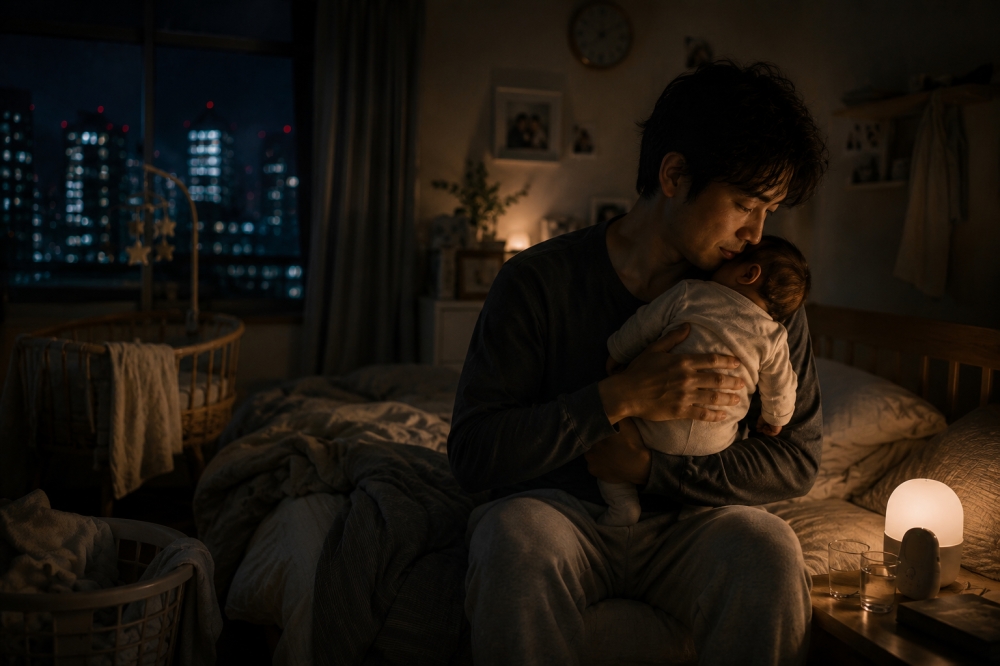
TOKYO, June 12 — For centuries, exhausted parents have relied on a familiar checklist when a baby starts wailing: hungry, sleepy, wet nappy, wind or simply in need of comfort.
Now, a growing number of parents in Japan are adding something else to the routine — artificial intelligence.
Meet the latest entrant into the booming world of parenting tech: apps that claim they can translate infant cries into actionable advice, turning late-night guesswork into something that looks a little more like a diagnostic dashboard.
One of the buzziest newcomers is Babylingual, a free app launched in March by 25-year-old Japanese father Moto Numazawa. The idea came not from a Silicon Valley lab, but from the living room of a first-time parent trying to prepare for the chaos of raising a newborn.
According to Kyodo News, Numazawa developed the app after his wife became pregnant, believing modern parents — especially those in increasingly common nuclear families — often have fewer relatives around to lean on for childcare advice.
In late April, he tested the app on his three-month-old son, Saku. Holding a smartphone close as the baby cried, Babylingual returned its verdict within seconds: “I’m hungry.”
The app didn’t stop there. It displayed a probability gauge comparing different possible causes of distress before suggesting: “It might be feeding time.”
The diagnosis wasn’t entirely off-base. About three hours had passed since Saku’s last feed. After being fed, he promptly drifted off to sleep in his mother Yu’s arms.
Babylingual draws on previous research indicating that babies may produce distinct vocal patterns linked to different needs. It sorts cries into five categories, while also allowing parents to save recordings to share with other caregivers and access voice-guidance features intended to help soothe infants.
Yu told Kyodo News the app had proven useful in situations where Saku’s needs were harder to decipher.
“I didn’t understand why he was crying when he had a build-up of gas in his stomach, so the app helped me,” she said.
Numazawa is quick to position the technology as an assistant rather than a replacement for parental instinct.
“Parents and children develop alongside each other,” he said. “I hope the app can help communication between them.”
Babylingual isn’t alone in this increasingly crowded corner of the AI economy.
Cross Medicine, a venture company affiliated with Tokushima University, has developed Awababy, an app trained using more than 160,000 recordings of baby cries alongside data on soothing techniques.
Awababy analyses infant vocalisations across 11 emotional categories and suggests possible responses. According to company president Koga Nakai, usage spikes during the middle of the night — precisely when sleep-deprived parents are least likely to have someone they can call for reassurance.
The company also believes the technology could help ease parental stress and potentially reduce the risk of post-partum depression. Local governments are already taking notice.
Mishima city in Shizuoka prefecture recently trialled Awababy with residents and is considering offering the service free of charge. Meanwhile, the town of Oyama has begun distributing user IDs to eligible parents of newborns.
For all the hand-wringing about AI replacing human connection, Japan’s crying-baby apps offer a different vision of the future — one where algorithms don’t take over parenting, but simply help decode one of humanity’s oldest mysteries.
After all, every parent wants the same thing at 3am: to know what the baby is trying to say.
A flaw in the system makes this Starbucks breakfast less than stellar.
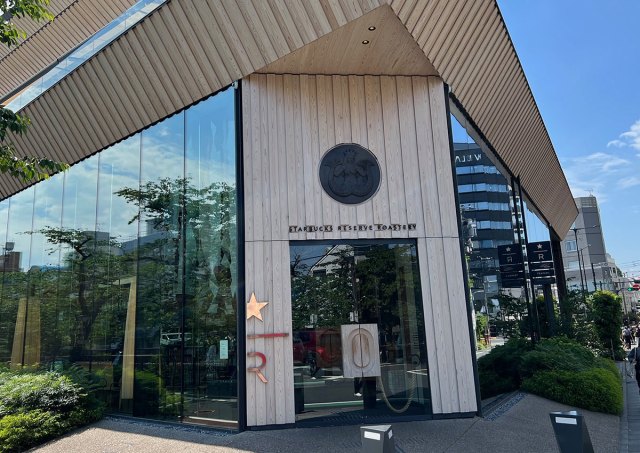
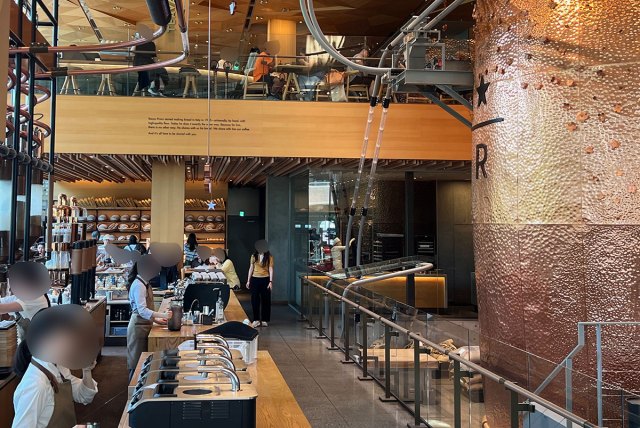
They say the third time’s the charm, and that’s what happened to us when we attempted to try the super-popular sell-out breakfast at the Starbucks Reserve Roastery Tokyo in Meguro Ward recently.
▼ The Reserve Roastery Tokyo
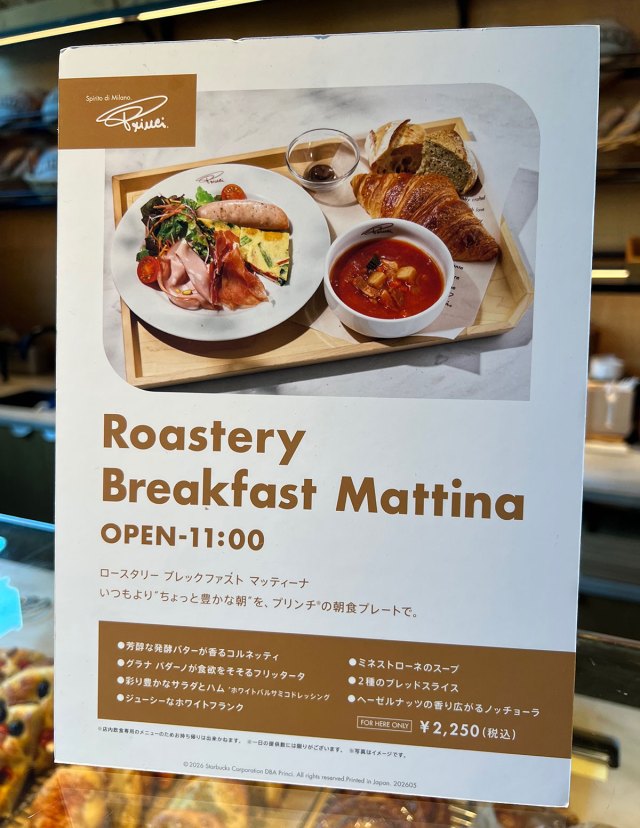
The premium breakfast set is so popular that despite visiting twice to try it we were unable to order it as it had already sold out, and on one occasion, it had sold out by 8 in the morning, just an hour after opening.
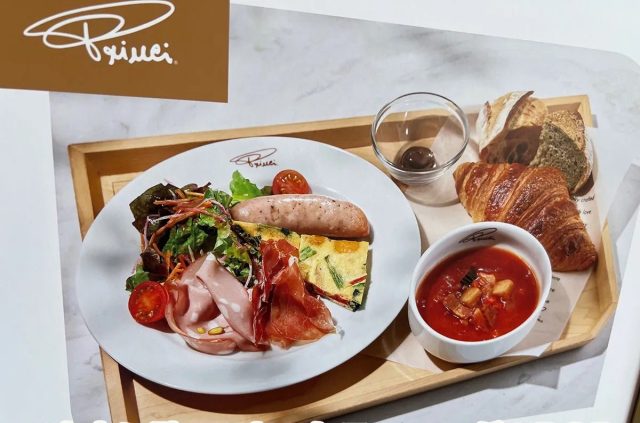
▼ The incredibly popular menu item is called Roastery Breakfast Mattina.
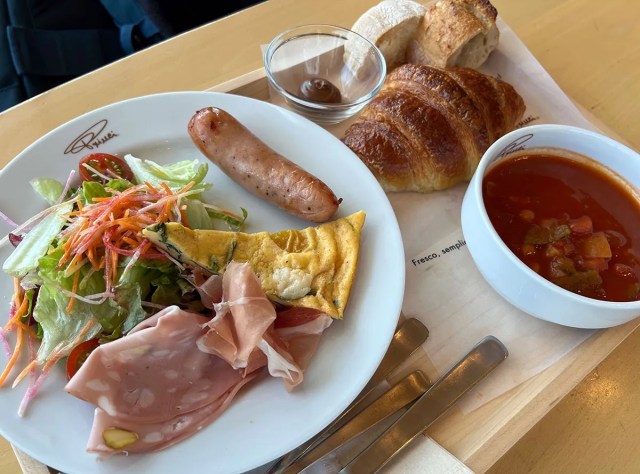
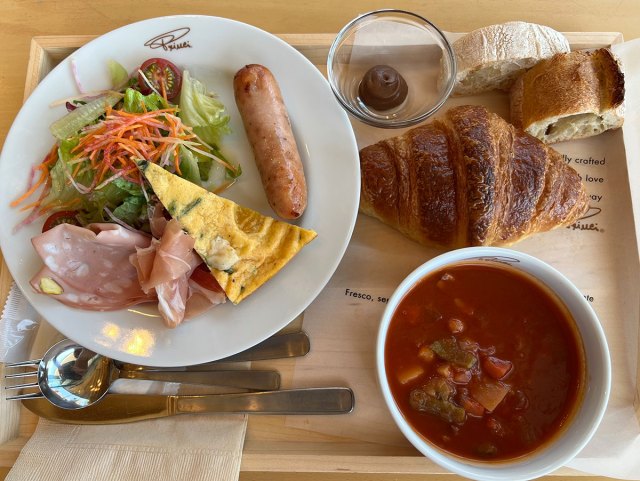
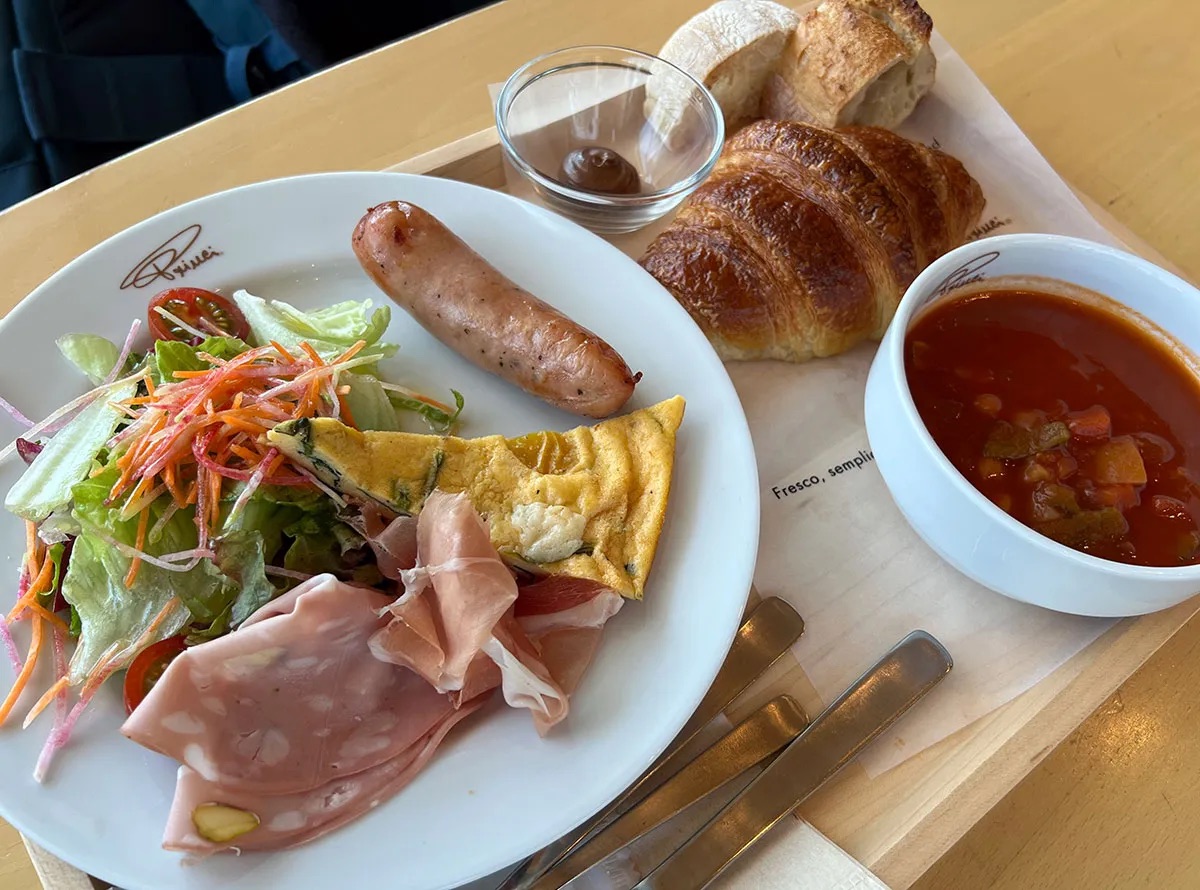
On our third visit, we almost punched the air like a Starbucks-loving Super Mario when staff told us the breakfast set was available. Placing an order for it immediately, it didn’t take long for our breakfast to be served, and we were able to take a good look at everything it contained.
It looked absolutely delicious, and despite there being no Starbucks branding anywhere, it really had a Starbucks feel to it.
What we received for our breakfast was:
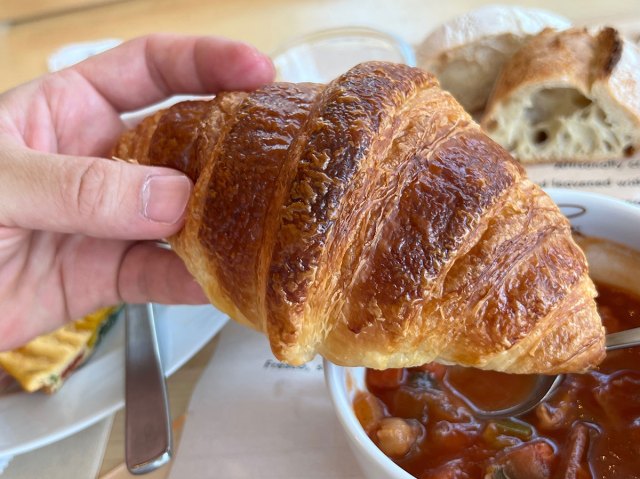
One croissant (or as Starbucks calls it, a Cornetto)
Two types of bread
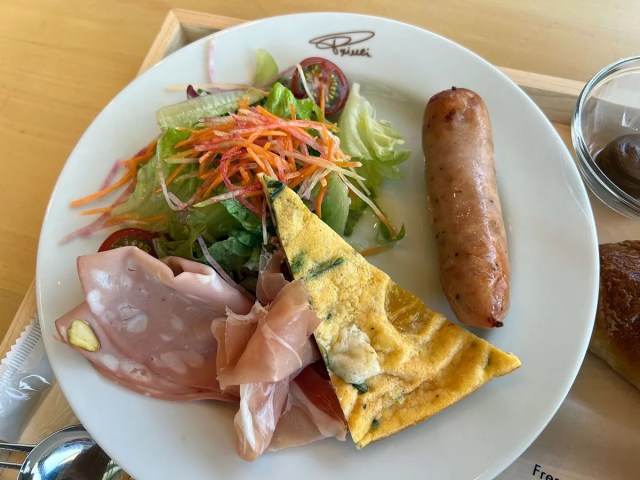
One frittata slice
One white sausage
Salad
Ham
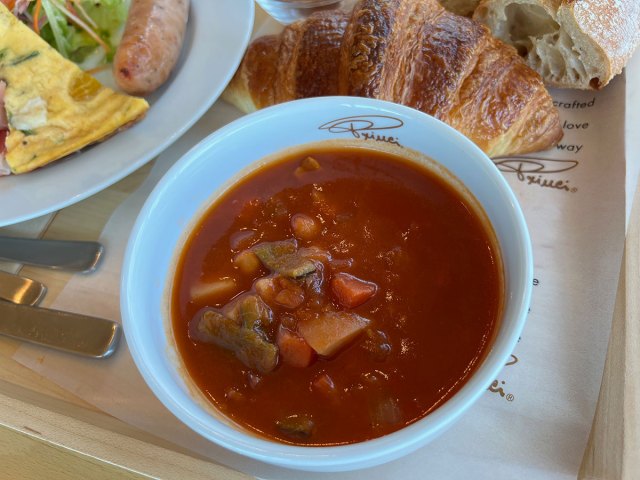
Minestrone soup
Nocciola spread (hazelnut chocolate spread)
To readers living outside Japan, this breakfast might not seem all that special, but here in Japan, where breakfast options are notoriously slim, it’s a rare sight to find something like this outside of a hotel buffet.
▼ We began by tasting the soup, which was hearty and delicious, and a nice nod to the Italian influence behind this particular breakfast.
Next up, we took bites of the salad, ham and fritatta, which all met our approval, before trying the cornetto, which tasted good both dipped in the soup and with some of the chocolate hazelnut spread.
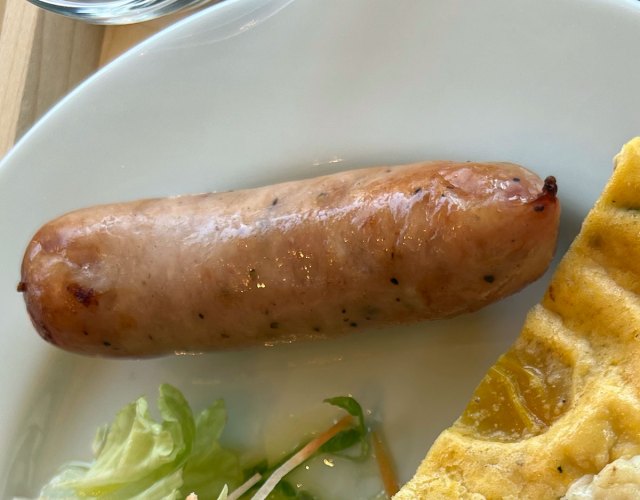
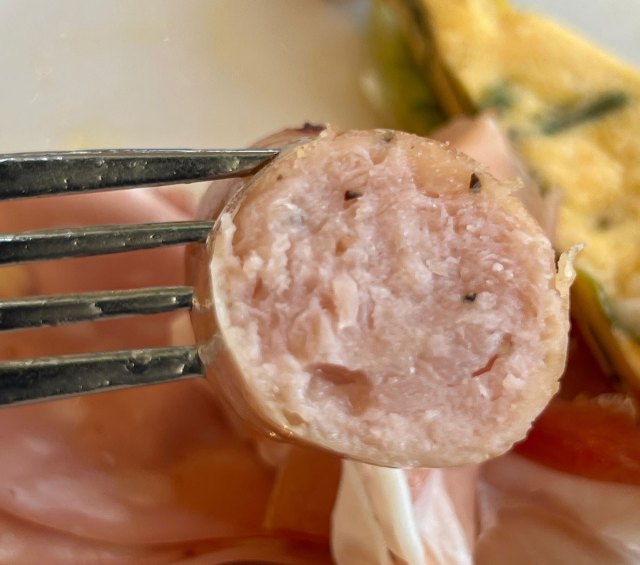
▼ Our favourite item on the breakfast plate, however, was the sausage.
▼ Juicy and flavoursome, it was a high-quality sausage that left us wanting more.
The entire breakfast was flawless in terms of quality and flavour, but as we finished it all, we realised there was one thing missing.
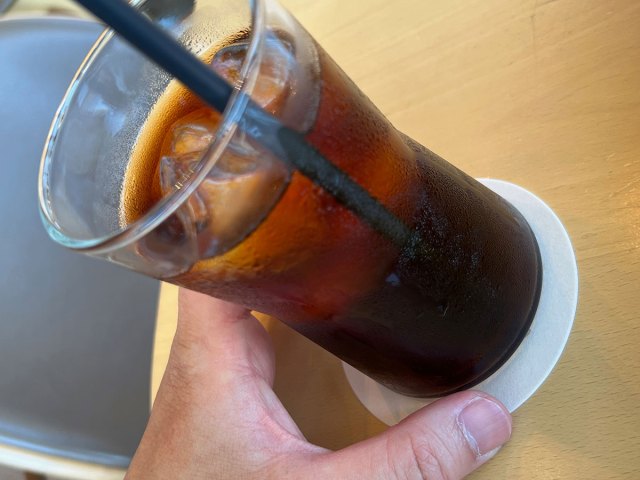
▼ A drink.
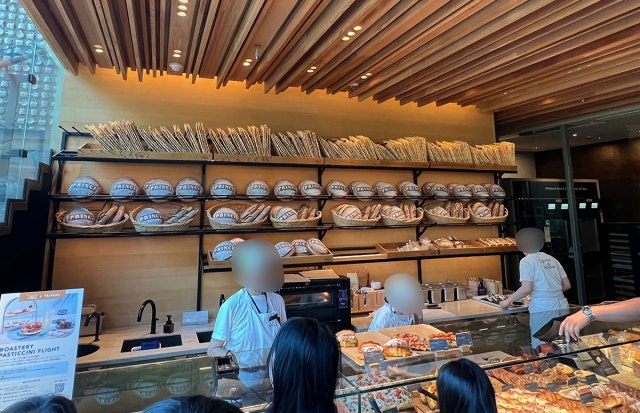
This is the major design flaw in the Starbucks breakfast, especially when you’re dining solo. As beverages need to be purchased separately, you end up having to queue twice – once at the Princi bakery counter at the back on the ground floor where the breakfast set is sold, and once again at the drink counter.
Though the two counters are close to each other, it can become a hassle when there are long lines of people waiting to order.
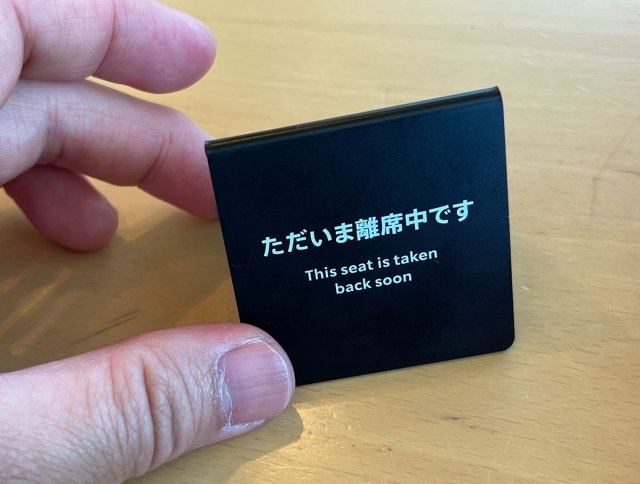
Adding to the hassle is the fact that the place is so popular it can be incredibly difficult to find a seat, so you’ll be faced with a list of priorities when dining alone.
If you’re in a group, one person can find a table while another person orders breakfast and someone else gets drinks, streamlining the process and eliminating stress. When you’re dining solo, though, you have to complete all these tasks alone, which isn’t all that fun, especially when you’re paying 2,250 yen (US$14.13) for the breakfast.
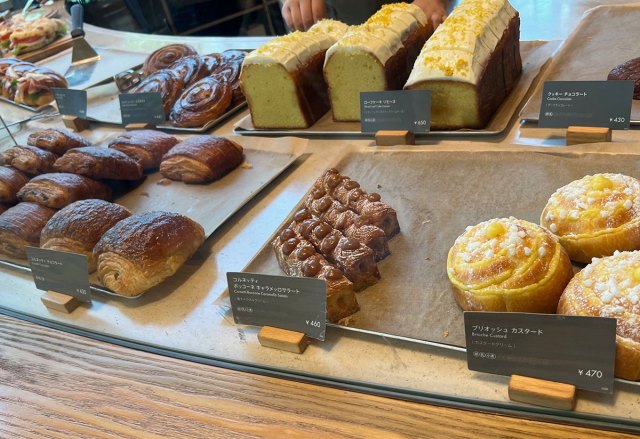
Having to order breakfast at the bakery comes with another set of challenges, as you’ll need a whole lot of willpower not to succumb to the baked delights on display.
So is the breakfast set worth the hype and hassle? Well, for Starbucks fans, yes. There’s definitely an air of exclusivity about it, due to its scarcity, so every bite will make you feel like an elite Starbucks customer.
It’s especially ideal for an early-morning meetup with friends, as long as you get there at 7 a.m. sharp so you can be confident the breakfast won’t have sold out. Solo diners who don’t mind expending some energy and juggling a few things will also enjoy the breakfast, but if you prefer to walk to the beat of your own drum, or want an alternative when it sells out, then this hack will be more up your alley.
Cafe information
Starbucks Reserve Roastery Tokyo / スターバックス リザーブ ロースタリー東京
Address: Tokyo-to, Meguro-ku, Aobadai 2-19-23
東京都目黒区青葉台2丁目19-23
Open 7 a.m.-11 p.m. Website
KUALA LUMPUR, June 8 — The Ministry of Entrepreneur and Cooperative Development (Kuskop) is stepping up efforts to accelerate the internationalisation of Malaysian micro, small and medium enterprises (MSMEs), with a particular focus on expanding their presence in the East Asian market, especially Japan.
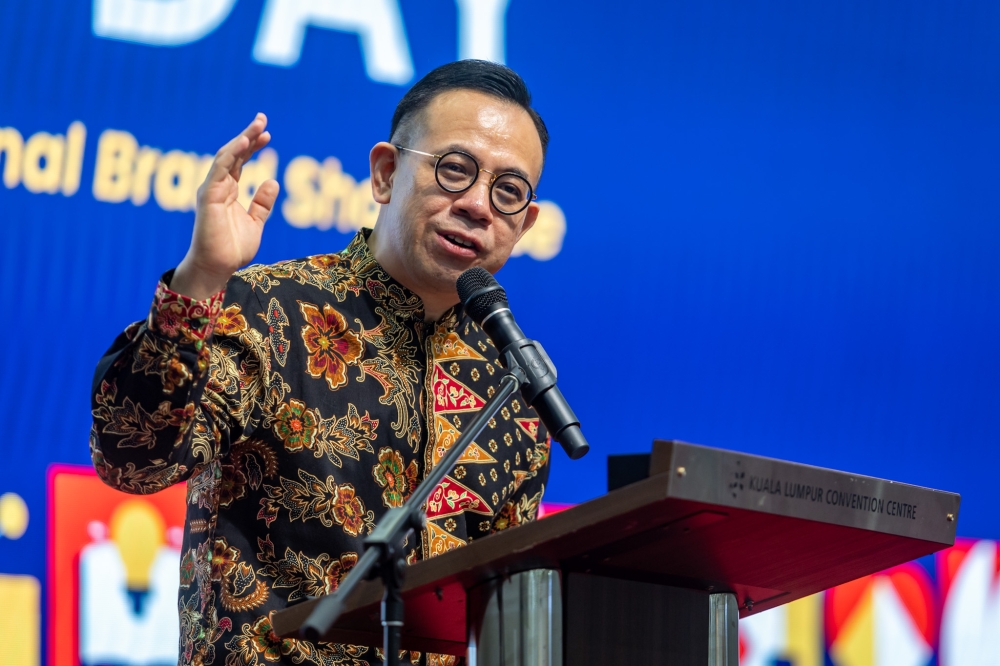
In a statement today, Kuskop said the initiative is taken through the participation of its minister, Steven Sim Chee Keong, in the official working visit of Prime Minister Datuk Seri Anwar Ibrahim to Tokyo, which begins today and runs until June 10.
The ministry said the visit is expected to create new opportunities for Malaysian MSMEs in trade, investment and access to international markets in Japan.
As part of the programme, Kuskop, together with Bank Rakyat, will organise the Bank Rakyat BizMatch: Make Malaysian Businesses Great initiative in conjunction with the Nikkei Forum Future of Asia 2026, one of the region’s most influential economic forums.
The programme will bring together Malaysian and Japanese entrepreneurs to explore new avenues for trade, investment and business collaboration, while building on the success of Kuskop’s existing MSME internationalisation initiatives.
Kuskop highlighted the strong performance of Malaysian companies at FOODEX Japan 2026 in Tokyo, where 31 Malaysian companies and cooperatives generated total sales worth RM350.8 million, comprising RM318.9 million in potential sales and RM31.9 million in actual sales.
The achievement significantly exceeded the initial target of RM80 million in potential sales. The participation also resulted in the signing of four memorandums of understanding (MoUs) and two memorandums of agreement (MoAs) between Malaysian companies and international business partners.
According to Sim, the achievement demonstrated the strong competitiveness of Malaysian products and businesses in the global marketplace.
“The success proves that Malaysian products and enterprises can compete at the highest level internationally. Our next challenge is to help more local companies expand beyond domestic borders and establish a stronger regional and global presence,” he said.
Sim added that the Japan visit is part of Kuskop’s ongoing efforts to open up new market opportunities, expand business networks and attract strategic partnerships that can benefit Malaysian entrepreneurs.
“As global companies assess investment and collaboration opportunities across the region, we want Malaysian MSMEs to be part of those conversations. This will help them gain access to technology, new markets and strategic partnerships that can elevate their growth to the next level,” he said.
During the visit, Sim is scheduled to accompany the Prime Minister in a series of engagements with Japanese industry leaders and major corporations, as well as participate in regional economic forums involving government leaders, investors and business communities from across Asia.
MSMEs account for 96.1 per cent of all businesses in Malaysia, contribute 39.5 per cent to the country’s Gross Domestic Product (GDP), and recorded exports worth RM196.8 billion in 2024. — Bernama
TOKYO, June 5 — An “extremely intelligent” bear that injured four people in northern Japan remains at large as of today, after apparently unlatching a window while evading capture and turning on a water tap, officials said.
A record 13 people were killed by bears in Japan last year, and there has been a jump in sightings as the animals emerge hungry from hibernation.
After attacking four people at two factories in Fukushima on Tuesday, the bear took shelter inside one of the buildings, local media reported.
It dodged capture despite efforts by hunters and responders equipped with traps and anaesthetic guns, and escaped late Wednesday.
The bear remains at large as of this morning, a Fukushima official told AFP.
Fukushima city mayor Yuki Baba told reporters yesterday that evidence suggested the animal “unlocked the window on its own” to flee, adding that claw marks had been found near the exit.
It is also believed the bear “turned on the water tap” to drink, he added, describing it as “extremely intelligent”.
“With the cooperation of hunters, police and firefighters, I believe we took all possible measures available to us” to catch it, Baba said.
“That we failed to achieve our goal despite our best efforts is extremely regrettable,” he said.
In the last fiscal year to March, bear sightings nationwide topped 50,000, more than double the previous record set two years earlier, according to official data.
The animals were seen entering homes, roaming near schools and rampaging through supermarkets and hot spring resorts on an almost daily basis.
Bears are thriving thanks in part to an abundance of food — including acorns, deer and boars — under the influence of a warming climate, experts say. — AFP
You can haul back thousands of yen worth of ramen, rice, and snacks for a fraction of the price.
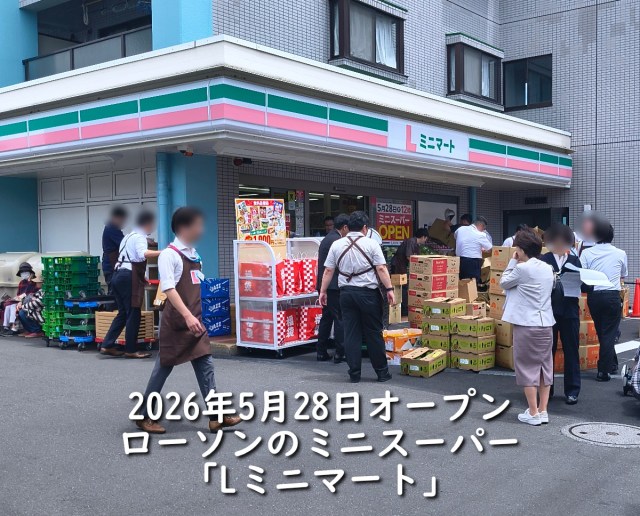
Expanding its reach with additional sub-brands, one of Japan’s big-three convenience stores, Lawson, opened the doors to L Minimart, its first “mini supermarket”, on May 28 in Kodaira, Tokyo. Excited to learn more about what this new brand will entail, our Japanese-language reporter Mr. Sato joined the crowd of the roughly 200 people who wanted to be among the first to step through the store’s doors on the day of its opening.
Mr. Sato arrived early enough that he was able to line up, peruse the store, and complete his shopping without any significant wait time or issues, but by the time he was wrapping up his visit, other prospective customers were being told that they would likely have a one-hour wait to enter.
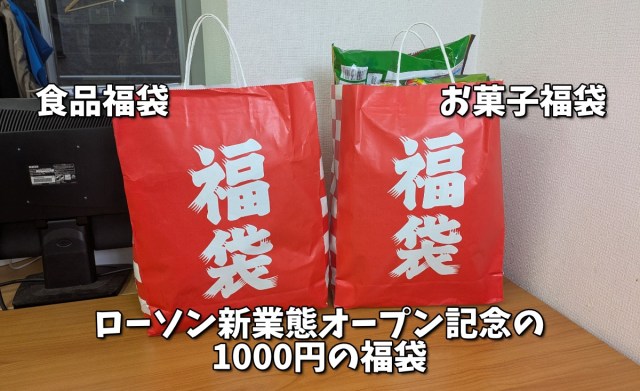
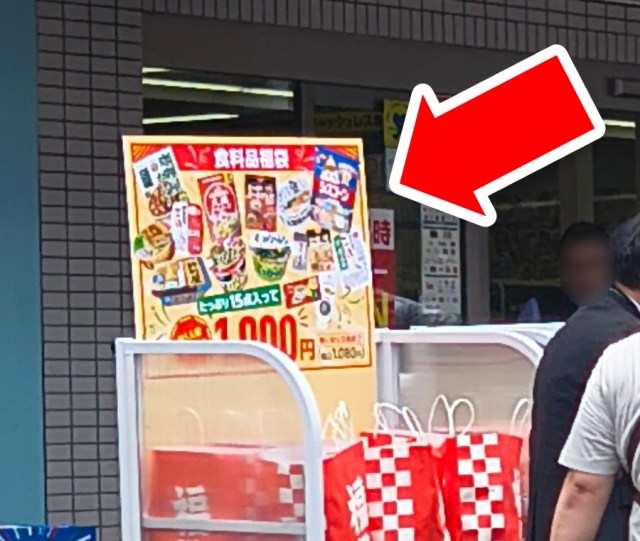
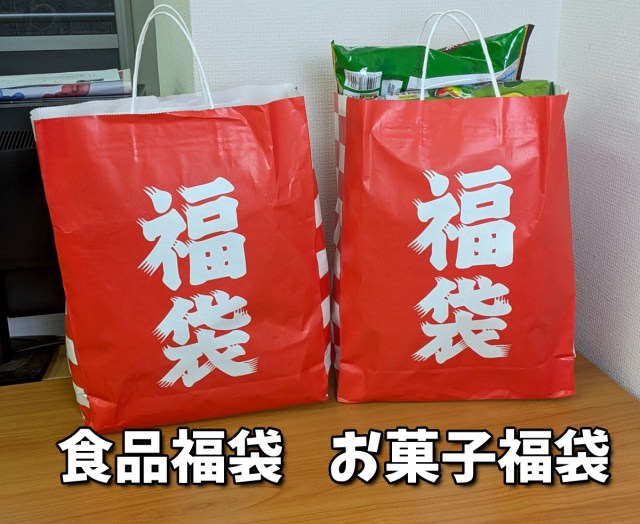
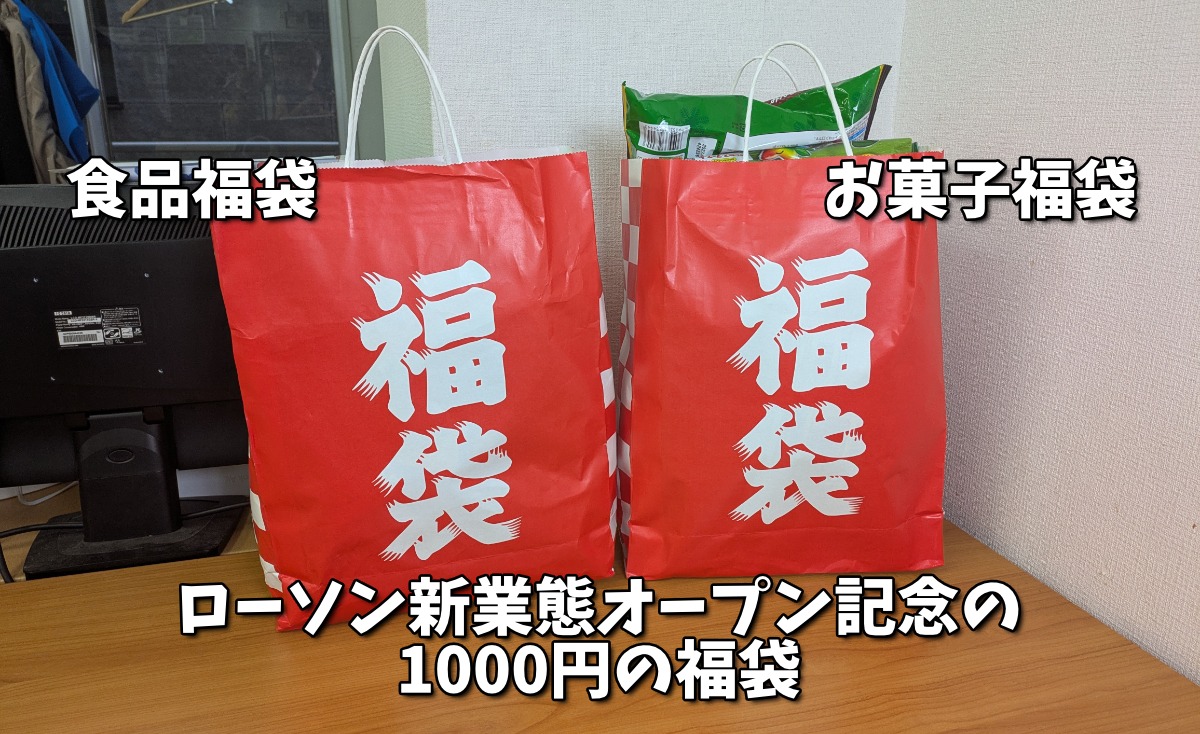
As Mr. Sato walked back from the store to the nearest train station (Kodaira Station), he couldn’t help but look down at some of his recent purchases. In commemoration of the opening, he discovered the store was selling two types of lucky bags, also known as fukubukuro: one full of food and the other stuffed with snacks, and both priced at 1,080 yen (US$6.76) per bag.
Longtime readers may be familiar with our annual report on the New Year’s fukubukuro that go on sale at all manner of stores in Japan, but they’re not an uncommon sight to see throughout the year too, particularly if the store is involved in some sort of celebration or campaign.
A lot of times when good deals like these crop up, the amount of bags that each customer can purchase is limited, so Mr. Sato was pleasantly surprised to find out that there were no official limits in place. However, he soon realized one of the unwritten limits: your arm strength.
▼ Mr. Sato only picked up one of each.
While the snack bag wasn’t so bad, the food one slowly began to feel like an iron block hanging at the end of his arm, leaving him to adjust his grip regularly, and making him pretty tired after the whole ordeal was over. He couldn’t help but wonder what it might be like for customers who are more advanced in age, and how they might struggle to haul their lucky bag back to their houses.
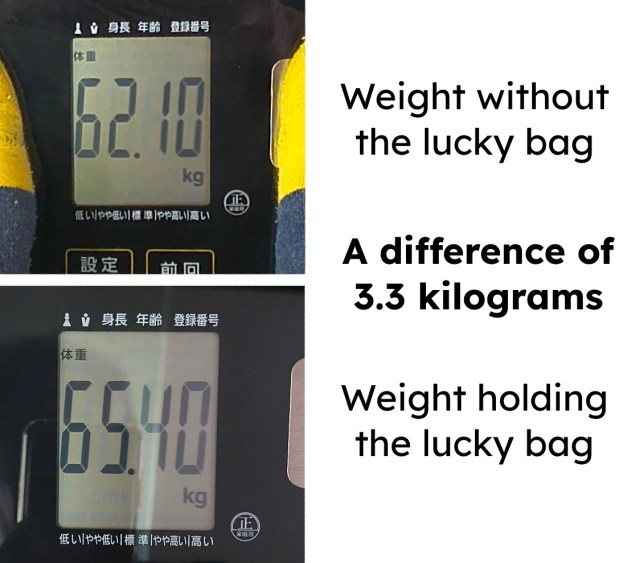
Arriving home, he quickly stepped on the scales for a base reading, before picking up the food lucky bag, filled with curiosity. How heavy was it exactly?
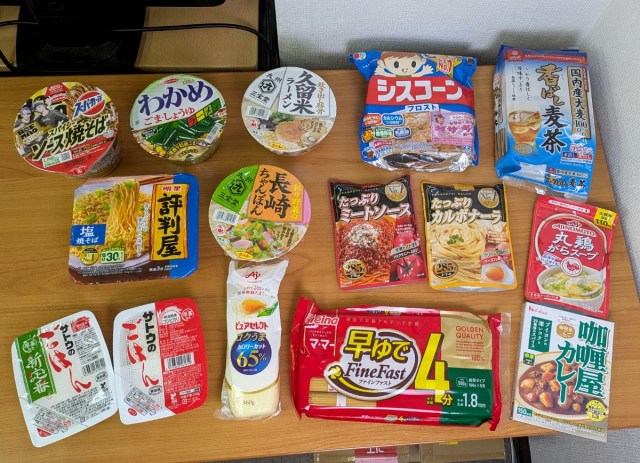
It turned out that the bag weighed an impressive 3.3 kilograms (7.3 pounds), so it was no wonder he was feeling a little drained.
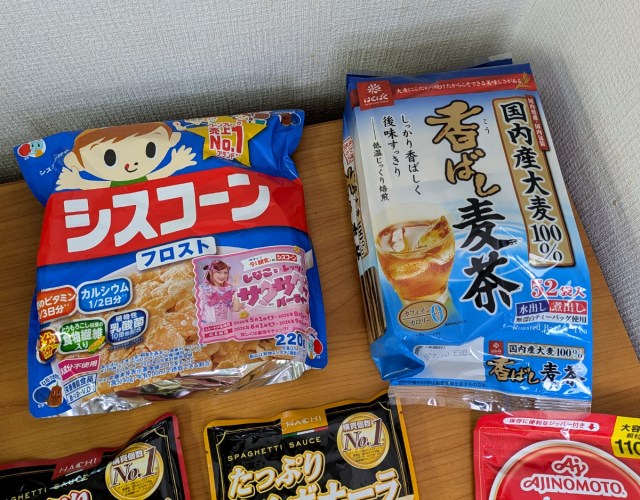
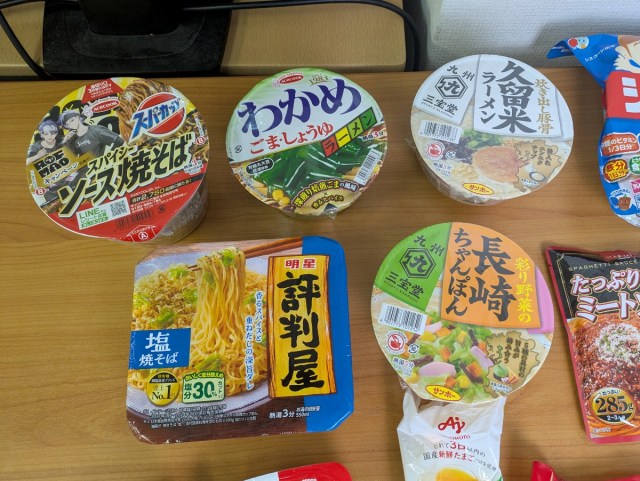
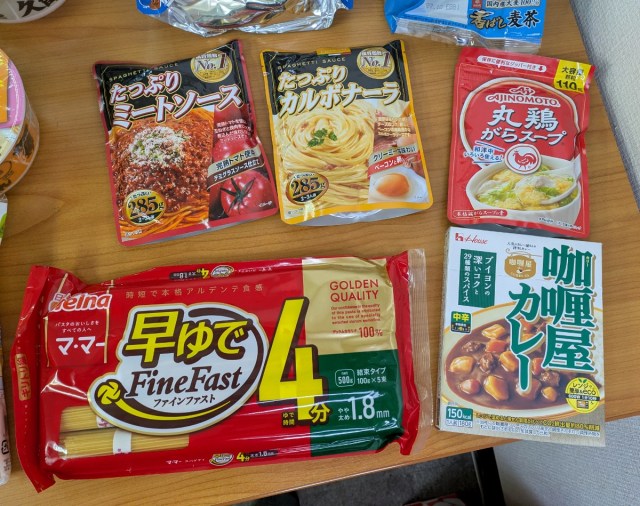
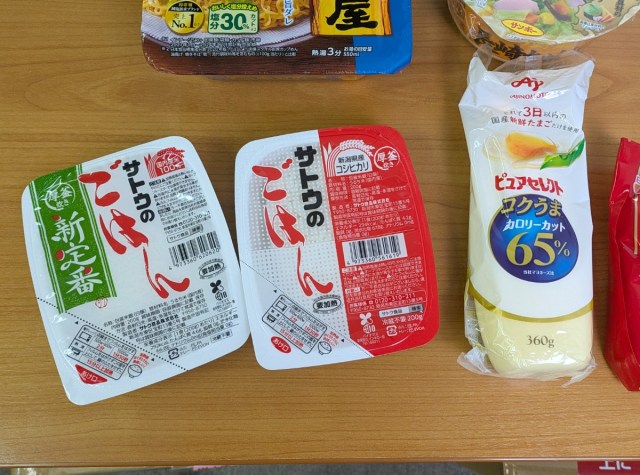
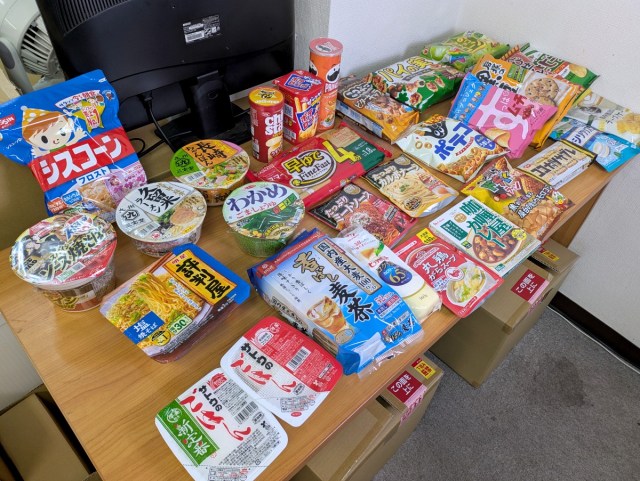
Spreading out the contents of the bag, he discovered that there were a total of 15 items:
1. Ciscorn Frost Cereal – 421 yen 2. Hakubaku Fragrant Barley Tea (52 bags) – 270 yen
3. Acecook Super Cup Sauce Yakisoba – 259 yen 4. Acecook Seaweed Ramen – 254 yen 5. Kyusyu Sanpodo Kurumeshi Ramen – 254 yen 6. Myojo Hyobanya Salt Yakisoba – 159 yen 7. Kyusyu Sanpodo Nagasaki Champon – 254 yen
8. Hachi Shokuhin Tappuri Carbonara – 226 yen 9. Hachi Shokuhin Tappuri Meat Sauce – 226 yen 10. Ajinomoto Marudorigara Soup – 400 yen 11. Mama Hayayude FineFast Four Minutes – 320 yen 12. House Shokuhin Curry-ya Curry (Medium Spice) – 130 yen
13. Sato no Gohan New Standard Microwaveable Rice – 307 yen 14. Sato no Gohan Microwaveable Rice – 200 yen 15. Ajinomoto Pure Select Rich and Tasty 65 Percent Calorie Cut Mayonnaise – 280 yen
Just a single fukubukuro contained food worth an impressive 3,960 yen, making for a saving of 2,880 yen.
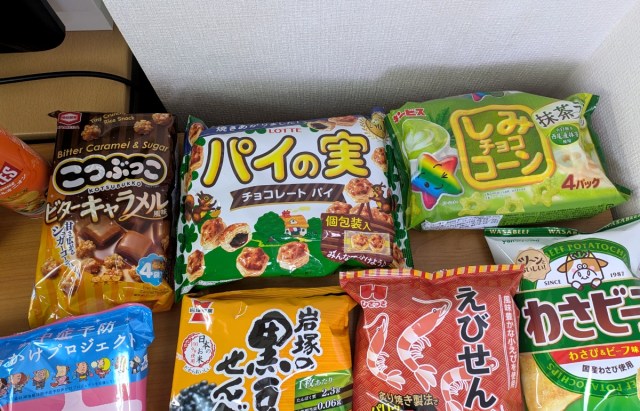
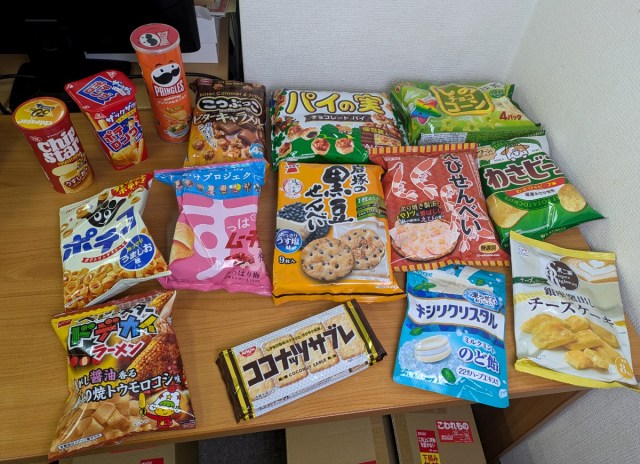
The snack bag also contained 15 items:
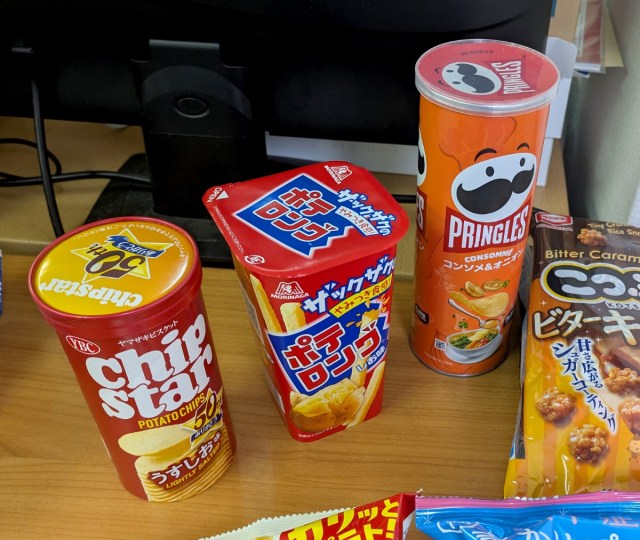
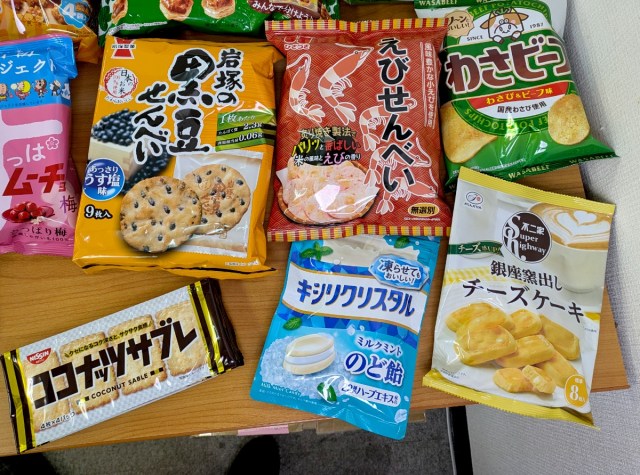
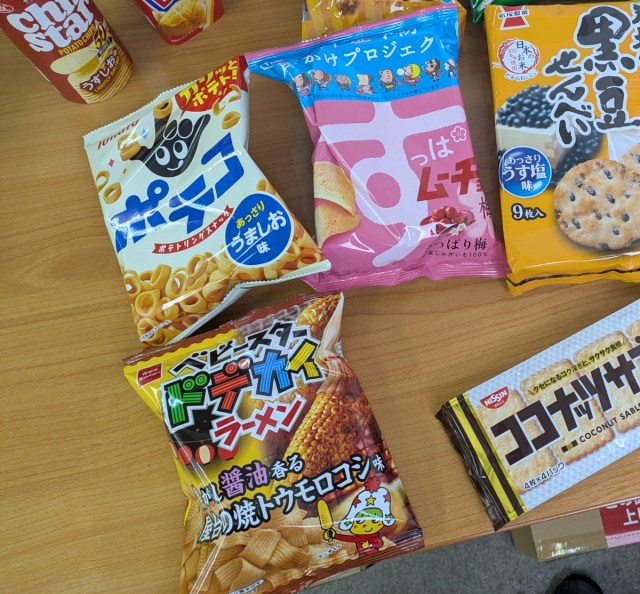
1. Kameda Seika Kotsubukko Bitter Caramel Rice Snack – 216 yen 2. Lotte Pie no Mi Share Pack – 300 yen 3. Ginbis Shimi Choco Corn Matcha – 328 yen
4. Yamazaki Biscuit Chip Star Lightly Salted – 100 yen 5. Morinaga Seika Pote-long Salt Flavor – 110 yen 6. Pringles Consomme and Onion – 160 yen
7. Iwatsuka Seika Black Soybean Rice Crackers – 260 yen 8. Hizatsuki Shrimp Rice Crackers – 200 yen 9. Yamayoshi Seika Wasabeef Potato Chips – 160 yen 10. Nissin Coconut Sable Cookies – 162 yen 11. Kasugai Xylicrystal Milk-Mint Candies – 200 yen 12. Fujiya Ginza Kamadashi Cheesecake – 300 yen
13. Tohato Poteko Tasty Salt Flavor Potato Ring Snack– 173 yen 14. Koikeya Sour Mucho Chips Refreshing Plum Flavor – 140 yen 15. Oyatsu Company Baby Star Giant Ramen Scorched Soy Sauce Scented Festival Stall’s Grilled Corn Flavor – 152 yen
Totaling 2,961 yen, the whopping grand total of the food’s worth is 6,921 yen, which meant a saving of 4,761 yen.
Having paid just 2,160 yen for the two bags, the results were well worth the money spent.
While many people have likely missed out on the opportunity to go and purchase one of these lucky bags, it appears that L Minimart has plans to open more stores in the future, with one coming to Itabashi, Tokyo, on June 12, and another to Hiratsuka, Kanagawa, on June 26, so when one happens to open up near you, be sure to grab these lucky bags.
Store Information
L Minimart Kodaira Nakamichi-ten / Lミニマート 小平仲町店
Address: Tokyo-to, Kodaira-shi, Nakamachi 251, Excellence
東京都小平市仲町251エクセレンス
Open: 7:00 a.m.–11:00 p.m.
Japanese customer service turns a disappointing experience into a heartwarming memory.
When people hear the words “Starbucks breakfast” in Japan, they usually think of the chain’s “Good Start Morning” offer, which gives you a 40-yen (US$0.25) discount on the in-store price when you buy a qualifying drink and food item together. You can take advantage of the deal until 11 in the morning at most stores, but diehard fans of the chain know there’s a better deal hiding out at the Starbucks Reserve Roastery Tokyo in Tokyo’s Meguro Ward.
Here, you’ll find a luxurious breakfast that’s been described by diners as “hotel-quality”, but the only problem is it’s so popular it often sells out. That’s what happened when we stopped by to try it, but rather than leave disappointed, we ended up leaving with a full stomach and a warm heart, thanks to the help of staff who went above and beyond with their customer service to make our experience a great one.
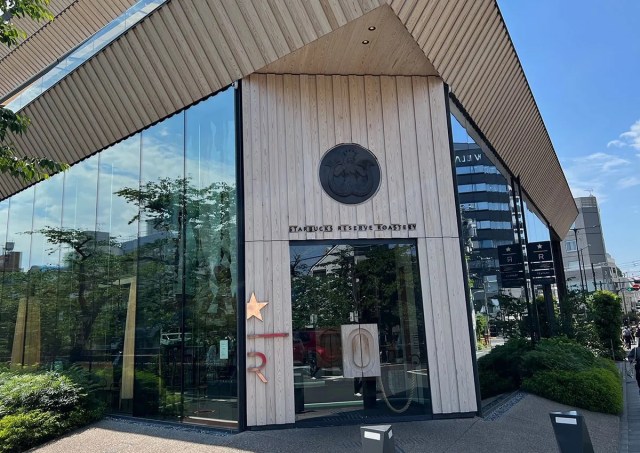
▼ Starbucks Reserve Roastery Tokyo
The official name of the popular breakfast is “Roastery Breakfast Mattina“, and it’s sold by Princi, the Italian bakery on the first floor. While it’s said to be incredibly delicious, it’s also slightly pricey, at 2,250 yen per set, and can only be ordered dine-in until 11:00 a.m. each day.
▼ Drinks are sold separately, so if you want to add coffee to your breakfast, you should be prepared to spend at least 3,000 yen.
Despite the price, the breakfast is incredibly popular – so much so that when we visited at 10:30am, staff told us that they’d just sold out, and when we returned the next day just after 9 a.m. staff told us they sold out at 8 a.m.
Fearing we may never get to eat breakfast, we asked staff if there was any type of workaround they might recommend. We told them we’d be happy to purchase the bread and ham from the breakfast set on their own if it were possible, and to our surprise, the staff member we spoke to said, “You can buy the bread individually. We also offer ham in sandwiches and such, but…please wait a moment.” They then started communicating with someone on their intercom system.
Eagerly waiting to find out what was about to happen, the employee then said, “Well, how about this? We have a menu item that we’d like to recommend, but please wait a moment while we check if it’s still available.”
Crossing our fingers for the best result, we waited with bated breath until the staff member turned and said, “It seems it’s still available, so I’ll guide you to the place where it’s being served.”
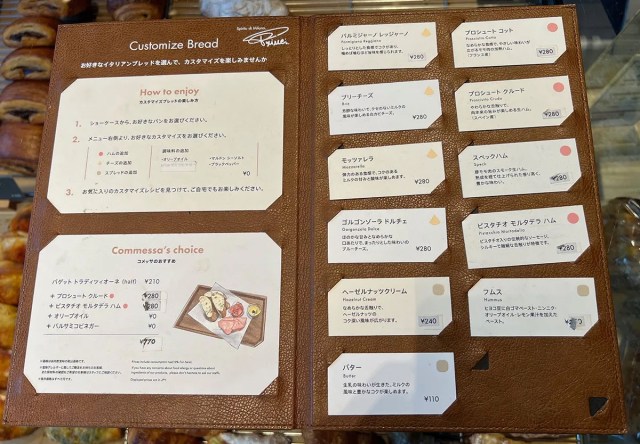
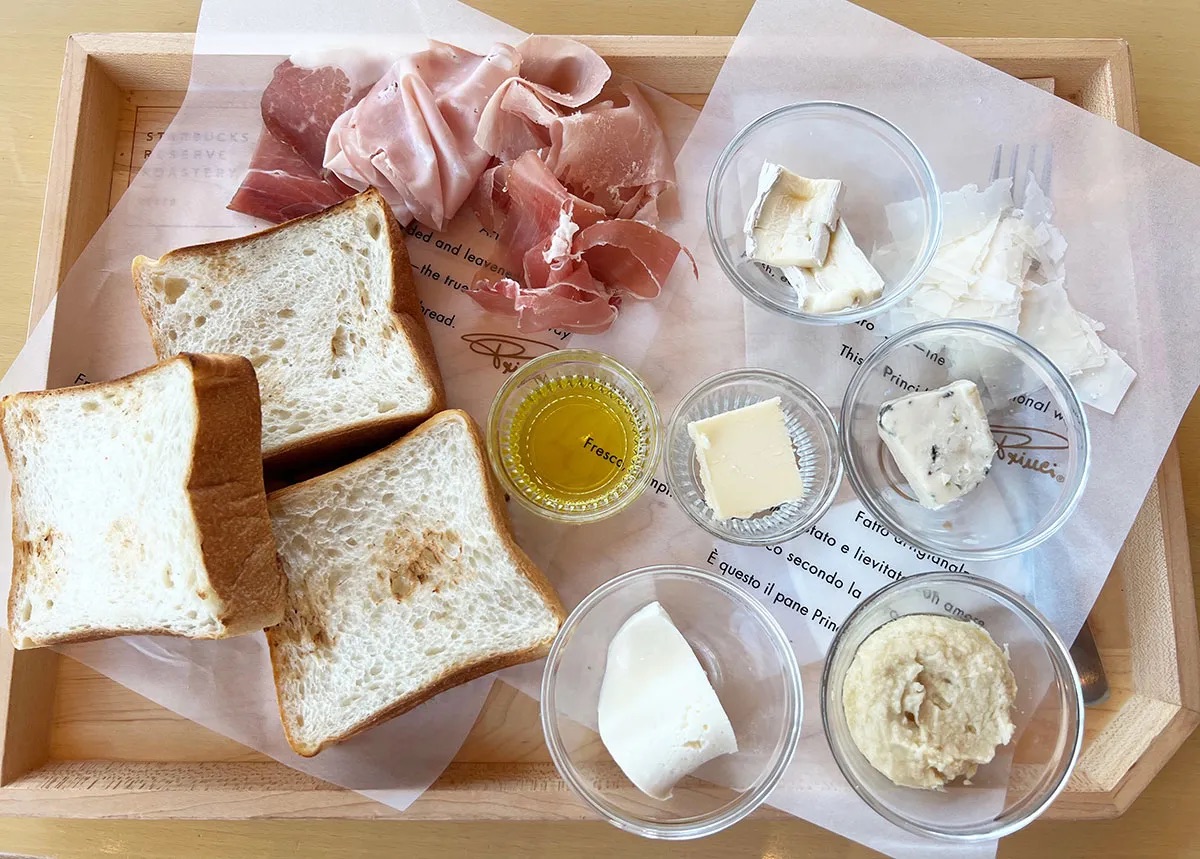
▼ They then led us to the Princi bakery, where they introduced us to a store-exclusive menu item called “Customize Bread”.
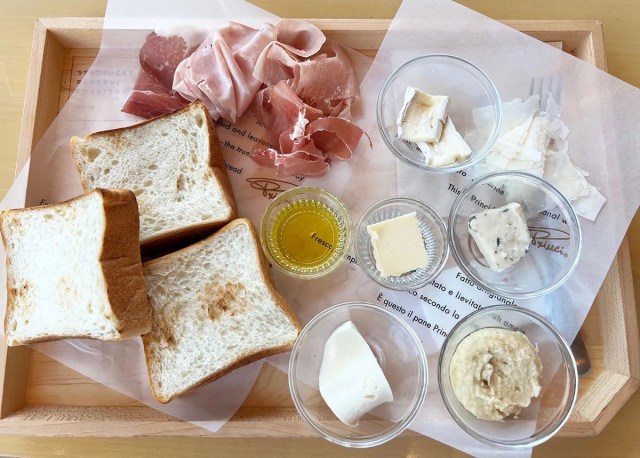
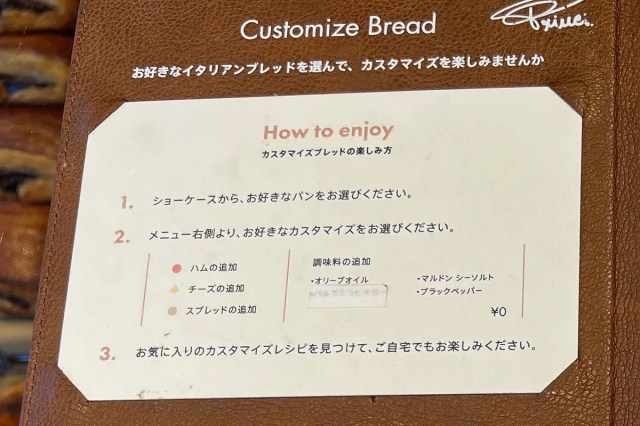
As the name suggests, this customisable bread menu allows for a wide range of customisation. You can choose your favourite bread, cheese, ham, and, if desired, olive oil, salt, and black pepper, to create your own unique set.
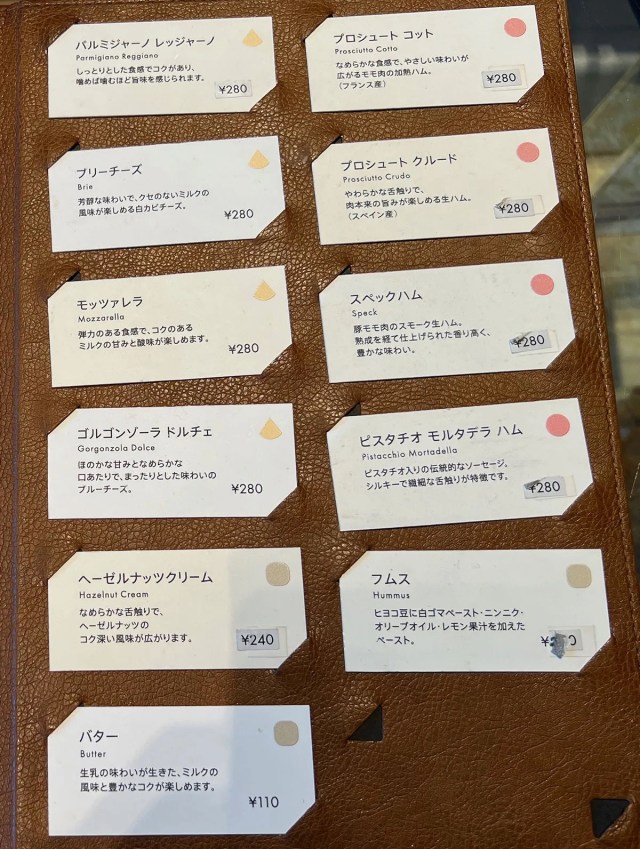
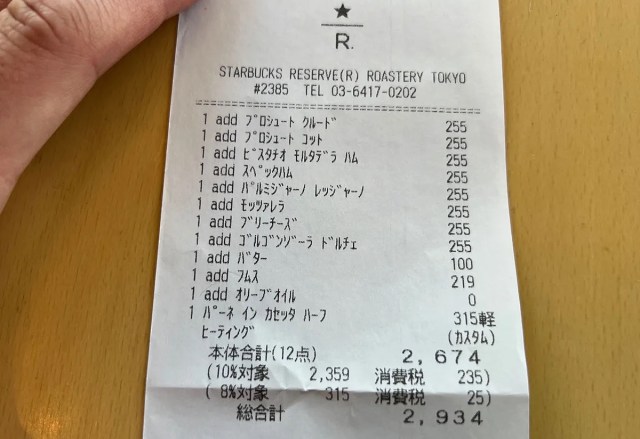
The price varies depending on what you add – cheese add-ons cost an extra 280 yen, while the butter, dip and cream options are less expensive.
You get to choose your bread yourself, but if you’re unsure about anything, you can simply tell staff your preferences for hard or soft textures and they’ll choose something that suits your taste. Staff were incredibly helpful, and when we asked if it might be okay to order pretty much all the toppings, they told us not to worry as customers often add all of them.
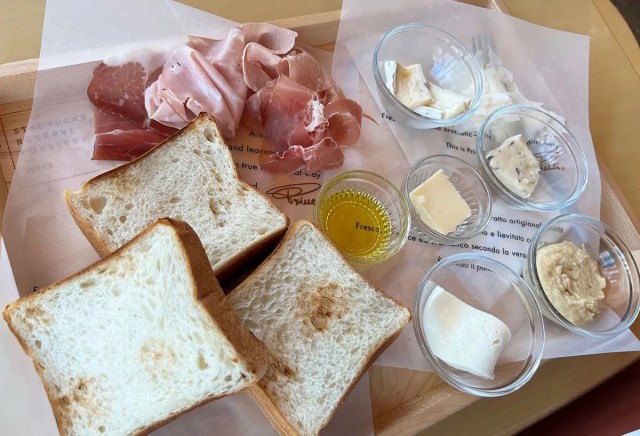
▼ So we ended up ordering the lot, except for the Hazelnut Cream, which we worried might be too sweet for our liking.
It was a veritable feast, and so good looking it resembled a breakfast you’d get at a fancy hotel.
▼ Olive oil, Maldon sea salt, and black pepper are free with every order.
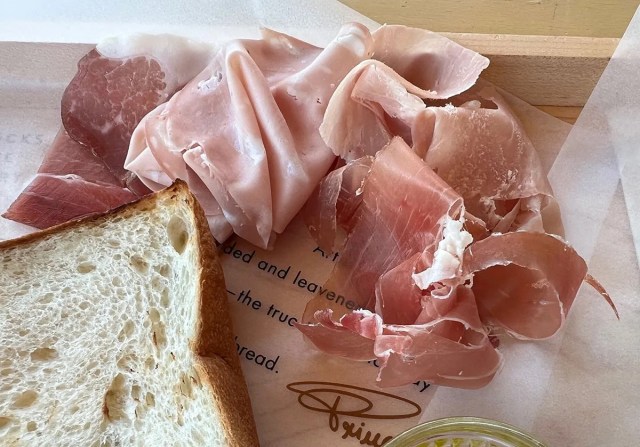
We had no idea a breakfast like this was possible at Starbucks, and we were particularly impressed with the range of hams.
▼ We chose prosciutto crudo, prosciutto cotto, pistachio mortadella, and speck.
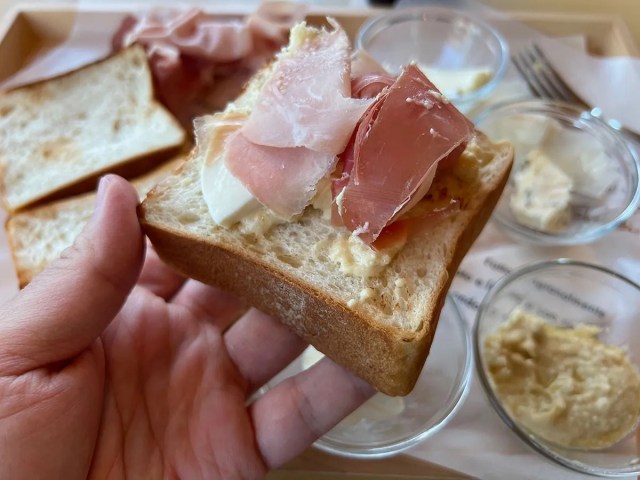
Sure, it may not be as colourful as the original breakfast set, but in every other respect it seemed overwhelmingly superior. Not only did it look like a high-class hotel breakfast, we also enjoyed being able to mix and match the bread with toppings to our liking.
As previously mentioned, the price of the set varies depending on what you add, and because we went all out with the add-ons, our total came to 2,934 yen, which was more than the sold-out breakfast.
Still, it was an experience we were happy to pay for, because not only did we get to discover a new way to eat breakfast at Starbucks, we got to experience the warmth of Japanese customer service as well. In fact, it was the customer service that left a lasting impression on us, as staff went out of their way to ensure we left happy, and never applied any pressure during our order, so we were able to make our choices calmly and with ease.
It added the pep in our step we needed to start the day, and now we know Starbucks is just as good a place to go for breakfast as it is for afternoon tea.
Cafe information
Starbucks Reserve Roastery Tokyo / スターバックス リザーブ ロースタリー東京
Address: Tokyo-to, Meguro-ku, Aobadai 2-19-23
東京都目黒区青葉台2丁目19-23
Open 7 a.m.-11 p.m. Website

 Login
Login