Normal view

  • ✇SoraNews24 Japan
  • Starbucks Japan has a problem with its sell-out breakfast that might annoy solo diners Oona McGee
    A flaw in the system makes this Starbucks breakfast less than stellar.  They say the third time’s the charm, and that’s what happened to us when we attempted to try the super-popular sell-out breakfast at the Starbucks Reserve Roastery Tokyo in Meguro Ward recently. ▼ The Reserve Roastery Tokyo The premium breakfast set is so popular that despite visiting twice to try it we were unable to order it as it had already sold out, and on one occasion, it had sold out by 8 in the morning, just an ho
     

Starbucks Japan has a problem with its sell-out breakfast that might annoy solo diners

30 May 2026 at 05:00

A flaw in the system makes this Starbucks breakfast less than stellar. 

They say the third time’s the charm, and that’s what happened to us when we attempted to try the super-popular sell-out breakfast at the Starbucks Reserve Roastery Tokyo in Meguro Ward recently.

▼ The Reserve Roastery Tokyo

The premium breakfast set is so popular that despite visiting twice to try it we were unable to order it as it had already sold out, and on one occasion, it had sold out by 8 in the morning, just an hour after opening.

▼ The incredibly popular menu item is called Roastery Breakfast Mattina.

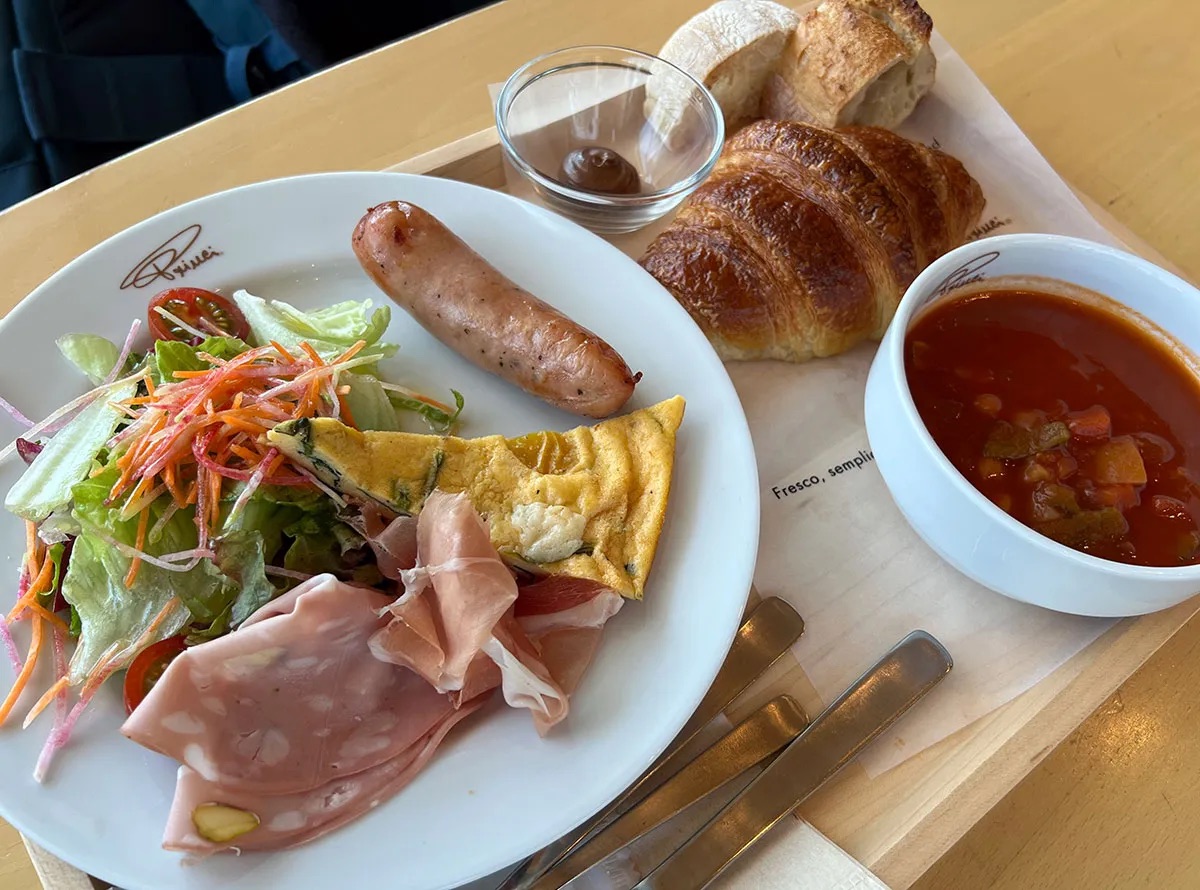
On our third visit, we almost punched the air like a Starbucks-loving Super Mario when staff told us the breakfast set was available. Placing an order for it immediately, it didn’t take long for our breakfast to be served, and we were able to take a good look at everything it contained.

It looked absolutely delicious, and despite there being no Starbucks branding anywhere, it really had a Starbucks feel to it.

What we received for our breakfast was:

  • One croissant (or as Starbucks calls it, a Cornetto)
  • Two types of bread
  • One frittata slice
  • One white sausage
  • Salad
  • Ham
  • Minestrone soup
  • Nocciola spread (hazelnut chocolate spread)

To readers living outside Japan, this breakfast might not seem all that special, but here in Japan, where breakfast options are notoriously slim, it’s a rare sight to find something like this outside of a hotel buffet.

▼ We began by tasting the soup, which was hearty and delicious, and a nice nod to the Italian influence behind this particular breakfast.

Next up, we took bites of the salad, ham and fritatta, which all met our approval, before trying the cornetto, which tasted good both dipped in the soup and with some of the chocolate hazelnut spread.

▼ Our favourite item on the breakfast plate, however, was the sausage.

▼ Juicy and flavoursome, it was a high-quality sausage that left us wanting more.

The entire breakfast was flawless in terms of quality and flavour, but as we finished it all, we realised there was one thing missing.

▼ A drink.

This is the major design flaw in the Starbucks breakfast, especially when you’re dining solo. As beverages need to be purchased separately, you end up having to queue twice – once at the Princi bakery counter at the back on the ground floor where the breakfast set is sold, and once again at the drink counter.

Though the two counters are close to each other, it can become a hassle when there are long lines of people waiting to order.

Adding to the hassle is the fact that the place is so popular it can be incredibly difficult to find a seat, so you’ll be faced with a list of priorities when dining alone.

If you’re in a group, one person can find a table while another person orders breakfast and someone else gets drinks, streamlining the process and eliminating stress. When you’re dining solo, though, you have to complete all these tasks alone, which isn’t all that fun, especially when you’re paying 2,250 yen (US$14.13) for the breakfast.

Having to order breakfast at the bakery comes with another set of challenges, as you’ll need a whole lot of willpower not to succumb to the baked delights on display.

So is the breakfast set worth the hype and hassle? Well, for Starbucks fans, yes. There’s definitely an air of exclusivity about it, due to its scarcity, so every bite will make you feel like an elite Starbucks customer.

It’s especially ideal for an early-morning meetup with friends, as long as you get there at 7 a.m. sharp so you can be confident the breakfast won’t have sold out. Solo diners who don’t mind expending some energy and juggling a few things will also enjoy the breakfast, but if you prefer to walk to the beat of your own drum, or want an alternative when it sells out, then this hack will be more up your alley.

Cafe information
Starbucks Reserve Roastery Tokyo / スターバックス リザーブ ロースタリー東京
Address: Tokyo-to, Meguro-ku, Aobadai 2-19-23
東京都目黒区青葉台2丁目19-23
Open 7 a.m.-11 p.m.
Website

Images©SoraNews24
● Want to hear about SoraNews24’s latest articles as soon as they’re published? Follow us on Facebook and Twitter!
  • ✇SoraNews24 Japan
  • Japanese temple burns to the ground, fire burning inside for 1,200 years unharmed Casey Baseel
    Sacred fire saved from non-sacred fire on Miyajima. Hiroshima Prefecture’s Miyajima Island, famed for the torii gate that stands in the water just off its coast, is home to one of Japan’s most beautiful and historically significant concentrations of shrines and temples. Among them, though, Daishoin Temple is especially noteworthy, as it’s the oldest Buddhist temple on the island, founded by traveling monk Kukai (a.k.a. Kobo Daishi) in the year 806. Located on Mt. Misen, along a popular hiking
     

Japanese temple burns to the ground, fire burning inside for 1,200 years unharmed

22 May 2026 at 04:00

Sacred fire saved from non-sacred fire on Miyajima.

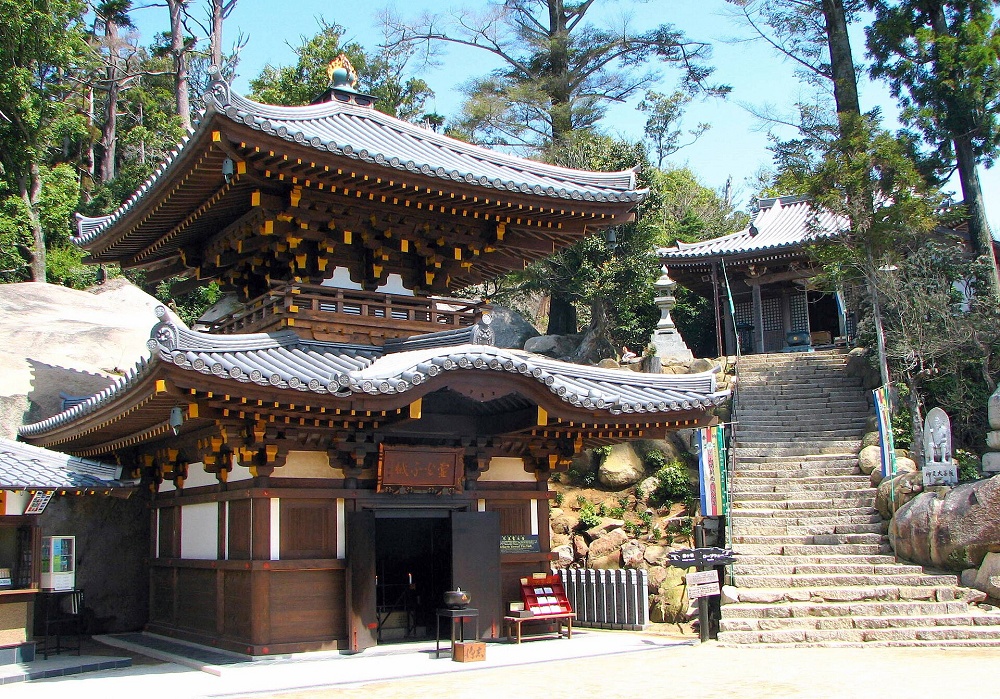
Hiroshima Prefecture’s Miyajima Island, famed for the torii gate that stands in the water just off its coast, is home to one of Japan’s most beautiful and historically significant concentrations of shrines and temples. Among them, though, Daishoin Temple is especially noteworthy, as it’s the oldest Buddhist temple on the island, founded by traveling monk Kukai (a.k.a. Kobo Daishi) in the year 806.

Located on Mt. Misen, along a popular hiking trail that leads up to the mountain’s peak, Daishoin receives many visitors. On the morning of May 20, though, a call came in to Japan’s 119 emergency response number reporting that the temple’s Reikado hall was on fire. Firefighters rushed to the scene, and after roughly two hours the blaze, which had also spread to part of the neighboring forest, was largely suppressed, but sadly, the hall burned to the ground.

Thankfully, though, the Reikado’s fire was unharmed.

To unravel this confusing situation, it’s helpful to know that Reikado translates as “Hall of the Sacred Flame,” and also that the building’s official name is Kiezu no Reikado, or “Hall of the Ever-burning Sacred Flame.” Housed within the hall was a flame that’s said to have been burning for more than 1,200 years.

▼ The Reikado’s sacred flame (prior to the fire on May 20) can be seen at the point queued in this video.

After the hall caught on fire, a quick-thinking monk transferred the sacred flame to another section of the temple where no unwanted fires were occurring, preserving its streak as it progresses towards the 1,300-year mark.

Fortunately, no one was injured in the fire, though the hiking trail as well as the ropeway to the top of the mountain were shut down as a precaution. Investigators are still trying to determine the cause of the fire.

This isn’t the first time for the Seikado to burn down but its sacred flame to be saved, as the same scenario also unfolded in 2005, with the rebuilt hall then opening in 2006. Daishoin’s abbot Masahiro Yoshida, though, says that the newest rebuilding will likely take more than one year to complete.

Source: Yomiuri Shimbun, FNN Prime Online
Top image: Wikipedia/Bgag
● Want to hear about SoraNews24’s latest articles as soon as they’re published? Follow us on Facebook and Twitter!

  • ✇SoraNews24 Japan
  • 161-year-old Kyoto confectionary maker releases new edible Pokémon lineup Elliot Hale
    Transforming iconic characters into delicious works of art. Pokémon is a beloved franchise, and you’d be hard-pressed to find anyone in Japan who has not heard of it, even if they have never personally interacted with any of its media. Through collaborations with famous brands from all areas of the market, the cute and charming character designs can be seen in many places throughout the country. Despite both being of Japanese origin, the combination of a 161-year-old traditional Japanese confe
     

161-year-old Kyoto confectionary maker releases new edible Pokémon lineup

15 May 2026 at 04:00

Transforming iconic characters into delicious works of art.

Pokémon is a beloved franchise, and you’d be hard-pressed to find anyone in Japan who has not heard of it, even if they have never personally interacted with any of its media. Through collaborations with famous brands from all areas of the market, the cute and charming character designs can be seen in many places throughout the country.

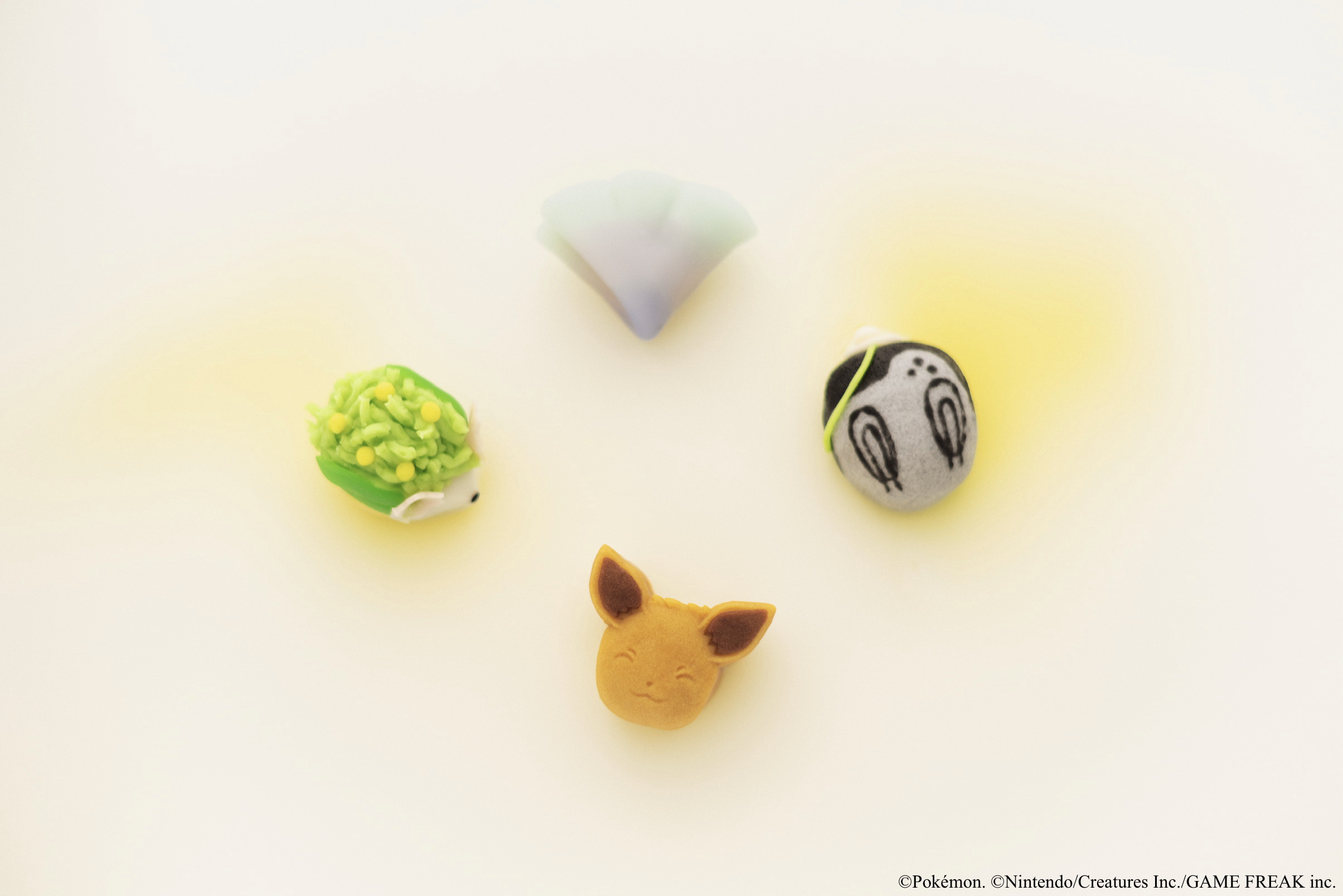
Despite both being of Japanese origin, the combination of a 161-year-old traditional Japanese confectionery maker and an electric mouse and its friends may not be the natural pairing for most people. However, over the last few years, the shop Shichijo Kanshundo has been releasing delightful treats that blend history with pop culture, and from May 11, they have expanded that lineup with another set of four Pokémon kyo-gashi (traditional Kyoto-style sweets).

The shop is renowned for its jonamagashi, which are handmade by craftsmen one by one. While these sweets, traditionally served during tea ceremonies, typically reflect the changing seasons or classical poetry, Shichijo Kanshundo is using their delicate artistry to bring Eevee and Poltchageist into the physical world.

The Eevee sweet is crafted using nerikiri, a traditional mixture of sweet white bean paste, starch syrup, and gyuhi (glutinous rice flour) that artisans sculpt by hand into intricate, soft shapes. Poltchageist is made as a jonyo manju, a light, fluffy steamed bun made with yam, sugar, and joyo-ko (fine rice flour).

These two Pokémon join two others that were previously released to form this new set of four: Shaymin (Land Forme) and Oricorio (Sensu Style). Shaymin is a kinton, made by crumbling white bean paste or nerikiri into a soboro (ground/crumb-like) state and applying it around a core of bean paste. Oricorio, on the other hand, is expressed using uiro, a Japanese sweet made by adding sugar and water to rice flour, among other ingredients, and steaming it until firm, which results in a chewy texture. The set costs 2,916 yen (US$18) and, since they’re made without unnecessary preservatives, are best enjoyed immediately.

Catching these sweets requires a little bit of extra planning, because the physical store in Kyoto only sells these sets on their special sales event on the seventh of every month, so starting June 7, visitors will be able to pick some up on the afternoon stroll through one of Kyoto’s most historic neighborhoods near Sanjusangendo Temple.

There is another method to get your hands on them earlier: you can order them online and receive them directly at your home, although they will be delivered frozen. However, that also means you don’t need to enjoy them all at once, and can take your time to savor the flavors over a period of 14 days from the date of shipment.

If you do happen to find yourself in the Higashiyama area in Kyoto on the seventh of a month, though, be sure to stop by the shop early. These limited-edition treats are a wonderful way to experience Kyoto’s traditional craftsmanship, even if you’re not a dedicated Pokémon fan.

Store information
Shichijo Kanshundo / 七條甘春堂
Address: Kyoto-fu, Higashiyama-ku, Shichijo-doori, Nishinomon-cho 551-banchi
京都市東山区七条通西の門町551番地
Open 9:00 a.m.–5:30 p.m.
Closed January 1
Website

Related: Shichijo Kanshundo online store
Source: PR Times via Japaaan
Images: PR Times
● Want to hear about SoraNews24’s latest articles as soon as they’re published? Follow us on Facebook and Twitter!
  • ✇Hong Kong Free Press HKFP
  • Japan fires missiles during drills, drawing China rebuke AFP
    Japan fired surface-to-ship missiles and sank an old warship in waters between the Philippines and Taiwan as part of major military exercises that include US forces, angering China. A Japan’s Type 88 surface-to-ship missile system is launched during the maritime strike of Balikatan exercise in Paoay, Ilocos Norte on May 6, 2026. Photo: Jam Sta Rosa/AFP. Prime Minister Sanae Takaichi has accelerated Japan’s shift towards a more muscular defence policy, further casting off — with US encoura
     

Japan fires missiles during drills, drawing China rebuke

By: AFP
7 May 2026 at 05:54
Japan China

Japan fired surface-to-ship missiles and sank an old warship in waters between the Philippines and Taiwan as part of major military exercises that include US forces, angering China.

A Japan's Type 88 surface-to-ship missile system is launched during the maritime strike of Balikatan exercise in Paoay, Ilocos Norte on May 6, 2026. Photo: Jam Sta Rosa/AFP.
A Japan’s Type 88 surface-to-ship missile system is launched during the maritime strike of Balikatan exercise in Paoay, Ilocos Norte on May 6, 2026. Photo: Jam Sta Rosa/AFP.

Prime Minister Sanae Takaichi has accelerated Japan’s shift towards a more muscular defence policy, further casting off — with US encouragement — Tokyo’s pacifist stance in place since the end of World War II.

The firing on Wednesday of two Type-88 missiles formed part of exercises in the Philippines between US, Australian, Filipino and Japanese troops as well as contingents from France, New Zealand and Canada.

Japanese and Philippine defence ministers observed the launch in the northern province of Ilocos Norte, some 400 kilometres (250 miles) from Taiwan, an AFP reporter at the scene said.

The two projectiles hit the target, a retired Philippines navy corvette, around 75 kilometres offshore in the South China Sea, causing it to sink, officials said.

The 19-day Balikatan exercises, meaning “shoulder-to-shoulder” and which wrap up Friday, have involved some 17,000 military personnel including Japanese combat troops for the first time.

Japanese Prime Minister Sanae Takaichi. Photo: Sanae Takaichi, via X.

Japan in recent years has moved to obtain “counterstrike” capabilities while hiking military spending and deepening security cooperation with regional allies including the Philippines.

Last month Takaichi’s government relaxed the country’s self-imposed rules to allow exports of lethal military hardware, seeking to grab a larger slice of the booming global market.

Last year Japan’s Mitsubishi Heavy Industries won a landmark order from the Australian navy — Takaichi was in Canberra this week — to supply 11 warships.

Missile drill angers China

Long-frosty China-Japan ties have worsened after Takaichi, seen as an arch-conservative and security hawk, suggested in November that Japan might intervene militarily in any Chinese attempt to take Taiwan.

China, which regards the democratic island as part of its territory and has not ruled out force to annex it, was furious over the comments, advising its citizens to avoid Japan and imposing trade restrictions.

Chinese foreign ministry spokesman Lin Jian during a press conference on March 20, 2026. Photo: China's Ministry of Foreign Affairs.
Chinese foreign ministry spokesman Lin Jian during a press conference on March 20, 2026. Photo: China’s Ministry of Foreign Affairs.

On Wednesday Beijing lashed out at the missile test, calling it “another example of the Japanese right-wing forces’ push for accelerated remilitarisation of Japan.”

Foreign ministry spokesperson Lin Jian told a regular briefing that “not only has Japan, the aggressor, failed to deeply reflect on its historical crimes, it has even sent military forces overseas and fired offensive missiles under the pretext of security cooperation.”

Yee Kuang Heng, a professor in international security at the University of Tokyo, said that the missile test to sink a ship was “particularly significant as island defence is a shared concern of both Japan and the Philippines.”

Another important component was the participation of Japan’s Amphibious Rapid Deployment Brigade (ARDB) in counter-landing drills with US, Philippine and Canadian forces, Heng added.

“Balikatan 2026 also saw the maiden deployment of Japan’s ShinMaywa US-2 amphibious aircraft for air-sea rescue and medical procedures, especially important given the long sea lanes in the region,” Heng told AFP.

  • ✇SoraNews24 Japan
  • Pokémon Center Mega Tokyo to remain closed for the summer following stabbing incident Casey Baseel
    Ikebukuro Pokémon superstore and Pikachu dessert cafe won’t be reopening until nearly half a year after murder. In late March, the Pokémon Center superstore in Tokyo’s Ikebukuro neighborhood, also known as the Pokémon Center Mega Tokyo, became the scene of a tragedy as a 21-year-old worker was stabbed and murdered. The store, as well as the Pikachu Sweets cafe located a short distance away within the same shopping center, were immediately closed down for an indefinite period of time, and a num
     

Pokémon Center Mega Tokyo to remain closed for the summer following stabbing incident

1 June 2026 at 13:00

Ikebukuro Pokémon superstore and Pikachu dessert cafe won’t be reopening until nearly half a year after murder.

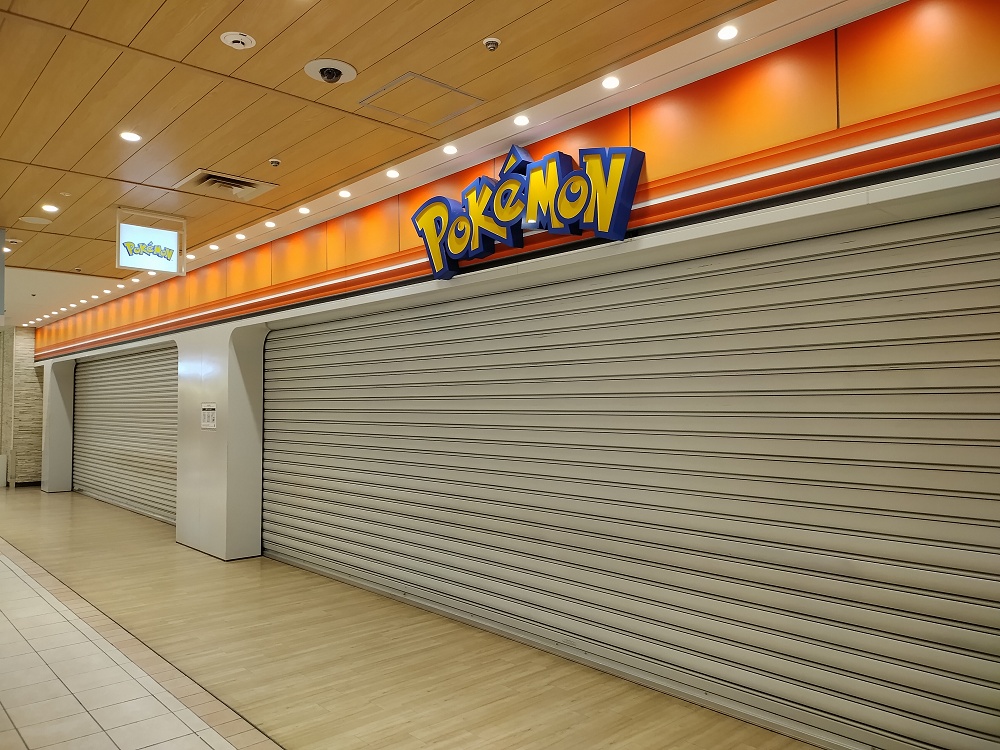
In late March, the Pokémon Center superstore in Tokyo’s Ikebukuro neighborhood, also known as the Pokémon Center Mega Tokyo, became the scene of a tragedy as a 21-year-old worker was stabbed and murdered. The store, as well as the Pikachu Sweets cafe located a short distance away within the same shopping center, were immediately closed down for an indefinite period of time, and a number of events scheduled for April were cancelled at all other branches of the Pokémon Center chain, which has locations across Japan.

Initially, it seemed as if the Ikebukuro Pokémon Center might be reopening in early May, to coincide with the resumption of in-store events as well as Japan’s Golden Week spring vacation period. Golden Week came and went with the store’s shutters still closed, however, and they’re going to remain shut for several months more, as the Pokémon Company has announced that the Ikebukuro Pokémon Center will not be reopening until “around September.” The same timetable has been announced for the reopening of the Pikachu Sweets cafe, which has also remained closed since the incident.

▼ Pikachu Sweets is located on the same floor of the Sunshine City shopping mall as the Ikebukuro Pokémon Center, with the two stores less than a minute’s walk away from each other, but there is no indication that either the victim or murderer was at the cafe on the day of the stabbing.

No statement has been made about whether there will be any changes to the stores’ physical layouts, admission procedures, or any other aspects of its operations. With the murderer of the victim being an ex-boyfriend who was stalking her, the stabbing hasn’t been perceived as a sign of violence related towards Pokémon Center employees or Pokémon fans themselves, but the stabbing was still a shocking demonstration of vulnerabilities in the store’s security protocols, and with Pokémon Centers regularly being packed with customers, many of them children, on weekends and holidays, the Pokémon Company is no doubt feeling a need to rethink and retool how it handles guest safety issues.

Source: Pokémon Center official website (1, 2)
Photos ©SoraNews24
● Want to hear about SoraNews24’s latest articles as soon as they’re published? Follow us on Facebook and Twitter!
  • ✇SoraNews24 Japan
  • Shochu maker on remote Japanese island plays music as its spirits age, flavor varies by genre Casey Baseel
    Rock shochu and reggae shochu really do taste different from each other. The island of Amami Oshima is part of Kagoshima Prefecture, and Kagoshima is usually pictured as making up the southwest tip of the island of Kyushu, one of Japan’s four main islands. Amami Oshima, though, is far, far away from the Kyushu coastline, so far away that the ferry from Kagoshima City takes 13 hours to get there. ▼ The route from Kagoshima City to Amami Oshima, which can alternatively be reached by plane from T
     

Shochu maker on remote Japanese island plays music as its spirits age, flavor varies by genre

18 May 2026 at 01:00

Rock shochu and reggae shochu really do taste different from each other.

The island of Amami Oshima is part of Kagoshima Prefecture, and Kagoshima is usually pictured as making up the southwest tip of the island of Kyushu, one of Japan’s four main islands. Amami Oshima, though, is far, far away from the Kyushu coastline, so far away that the ferry from Kagoshima City takes 13 hours to get there.

▼ The route from Kagoshima City to Amami Oshima, which can alternatively be reached by plane from Tokyo in two and a half hours.

With its remote location, Amami Oshima is famous for its lush mangrove forests, beautiful beaches, and clear, sparkling ocean waters.

Oh, and it’s also famous for shochu, a distilled spirit with longstanding cultural connections to southwest Japan. Specifically, Awaji Oshima’s kokuto shochu, made with rice and brown sugar, is highly prized, and so on our recent visit to the island we didn’t just want to drink some, but also see how it’s made.

We lucked out when we contacted Nishihira Shuzo, an Amami Oshima shochu maker that’s been in business for 99 years, and they said they could offer us a tour of the facility, and a tasting too, with some very unique beverages to sample.

▼ The rustic exterior of the Nishihira Shuzo distillery

Despite being around for nearly a century, Nishihira Shuzo is still a family-run operation, and we were told that the fourth-generation owner of the business would be our guide. With shochu being a high-alcohol drink with an old-school vibe, our mental knee-jerk reaction was to expect a stern-looking, silver-bearded gentleman, but instead we were warmly greeted by Serena Nishihira and her friendly smile.

▼ Serena Nishihira

In addition to being a skilled shochu distiller and businesswoman, Nishihira is also a musician, which is something that’ll come into play later on. To start, though, she led us into the distillery’s production area.

As mentioned above, Nishihira Shuzo’s shochu is made from rice, so steaming the grains is the first step in making it. The distillery has a gigantic cylinder-shaped apparatus that’s used for washing and steaming, with a typical batch using about 400 kilograms (882 pounds) of rice.

Once the rice is cooked, it’s taken out of the drum and sprinkled with koji, a fermentation-triggering type of mold that’s also used in making sake. The rice is then put on racks in a temperature-controlled environment for its initial fermentation.

The next morning, the rice is put into jars with yeast and water to ferment for an additional five days. This isn’t a step that all shochu makers include in their process, but Nishihira Shuzo says it’s a key element of theirs.

After its time in the pot, the mixture is transferred into tanks and combined with liquified brown sugar, then given another two weeks to ferment.

That produces the fermented mash which is then distilled.

But that doesn’t mean Nishihira Shuzo can whip up a whole batch of kokuto shochu, start to finish, in just three weeks, because the final step (before bottling) is to age the shochu in tanks for at least one full year.

From a 400-kilogram load of rice, Nishihira Shuzo can produce roughly 800 1.8-liter (60.9-ounce) bottles of shochu. Luckily for us, some of those bottles end up in the distillery’s tasting room, which was the next place that Nishihira led us to.

The tasting room has chairs, a projector, and a screen set up for use for group events or musical performances, but we had the place to ourselves on this day.

Nishira poured us a selection of the company’s products, and we found them all extremely enjoyable. But just when we thought things couldn’t get any better, she led us through a door at the back of the room where we saw this.

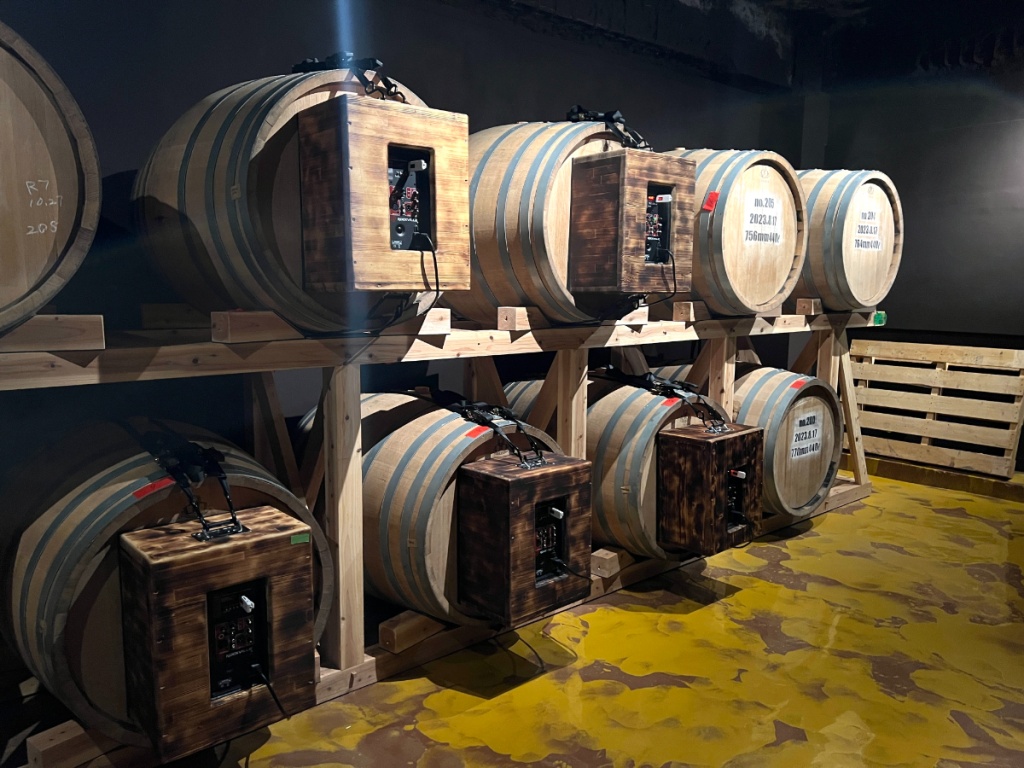
Those are shochu barrels with speakers attached to them. And not some little mini speakers that you might have set up in your kitchen to listen to tunes while you cook, but concert-size amps!

This is where the Nishihira’s Sonic Aging Project takes place. While the speakers were quiet as we looked at them, Nishihira turns all of them on when the distillery starts its shift for the day, and has them play for eight hours. Different amps play different genres of music, with a total of six styles: house, reggae, hip-hop, Latin, rock, and shima uta, or Japanese southern island folk songs.

“We play the music at high volumes,” Nishihira explained, “Depending on the genre, the music produces different vibrations within the barrels, and we want to see how that affects the shochu.”

▼ The shima uta barrel

Like we said, Nishihira is a musician, so at first the idea of playing music for the shochu sounded like a whimsical, creative, but ultimately inconsequential idea. Nishihira, says, though, that with the barrels being music-treated for roughly 2,000 hours in a year, it really does make a difference.

Genres with more bass produce stronger vibrations in the barrel, and also with the shochu itself. That increased interplay between the container and its contents causes the wood to have a more significant influence on the color and flavor of the shochu that’s aging inside.

To prove this, Nishihira ushered us up to the second floor of the tasting area to try some of the Sonic Aging Project series.

Out of the six music genres, Nishihira says that reggae produces the strongest vibrations, and shima uta the softest. So we definitely wanted to taste those two, and she also poured us some of the rock shochu, which is somewhere between the other two in the spectrum.

And you know what? We really could taste the difference! The reggae shochu was darker in color and had a rich flavor with some notable bitter notes from the wood. The shima uta shochu, meanwhile, was lighter in color and sharper in taste, with a more pronounced sensation of alcohol. The rock shochu, sure enough, was a mid-point between the more distinct characteristics of the reggae and shima uta.

So which of the Sonic Aging Project shochu styles is the best? There’s actually no answer to that, Nishihira says. Just like your favorite musical genre is a matter of personal taste, so too will different people have different rankings for how much they like the different types Sonic Aging Project shochu, and they’ve all got their own unique charms.

Reservations for Nishihira Shuzo tours can be made through their website here, but if you can’t make it all the down to Amami Oshima, they also offer their shochu, including the Sonic Aging series, through their online store here.

Related: Nishihira Shuzo official website
Photos ©SoraNews24
● Want to hear about SoraNews24’s latest articles as soon as they’re published? Follow us on Facebook and Twitter!

  • ✇Hong Kong Free Press HKFP
  • Japanese defence chief takes swipe at China at security meet AFP
    By Matthew Walsh Japan’s defence minister took a veiled swipe at China on Sunday, pledging to keep strengthening the military despite Beijing’s criticism of Tokyo’s increasingly muscular security stance. Japan’s Defence Minister Shinjiro Koizumi delivers a speech during the fifth plenary session of the 23rd Shangri-La Dialogue summit in Singapore on May 31, 2026. Photo: Mohd Rasfan/AFP. Under Prime Minister Sanae Takaichi, Japan has quickened its pivot towards a more proactive defence
     

Japanese defence chief takes swipe at China at security meet

By: AFP
31 May 2026 at 03:53
Shinjiro Koizumi featured image

By Matthew Walsh

Japan’s defence minister took a veiled swipe at China on Sunday, pledging to keep strengthening the military despite Beijing’s criticism of Tokyo’s increasingly muscular security stance.

Japan's Defence Minister Shinjiro Koizumi delivers a speech during the fifth plenary session of the 23rd Shangri-La Dialogue summit in Singapore on May 31, 2026. Photo: Mohd Rasfan/AFP.
Japan’s Defence Minister Shinjiro Koizumi delivers a speech during the fifth plenary session of the 23rd Shangri-La Dialogue summit in Singapore on May 31, 2026. Photo: Mohd Rasfan/AFP.

Under Prime Minister Sanae Takaichi, Japan has quickened its pivot towards a more proactive defence policy, further shaking off — with US encouragement — its pacifist outlook in place since the end of World War II.

The change has drawn frequent rebukes from Beijing, which has accused Tokyo of following a reckless policy of “new militarism” that could destabilise the region.

Japanese Defence Minister Shinjiro Koizumi hit back on Sunday, saying “nothing could be further from the truth”.

“Think about it. There is a country that has a huge arsenal of nuclear weapons and strategic bombers,” Koizumi said at the annual Shangri-La Dialogue in Singapore.

“Japan has neither of such weapons. And yet, Japan is labelled (as) ‘new militarism’. Isn’t it strange?” he said, without mentioning China by name.

China is thought to possess hundreds of nuclear warheads and has been rapidly developing its military in recent years.

A diplomatic spat between the Asian rivals has been rumbling since Takaichi suggested in November that Japan might intervene militarily if China were to attempt to seize Taiwan, the self-ruled island that Beijing claims is part of its territory.

Japanese Prime Minister Sanae Takaichi attends an event on May 29, 2026. Photo: Sanae Takaichi, via X.

Koizumi said that China was expanding its military capabilities “without sufficient transparency” and that its military activities were “a matter of serious concern for Japan”.

Tokyo would “steadily build up its defence capabilities and make continuous updates with a high degree of transparency”, including in the fields of artificial intelligence, uncrewed systems as well as cyber and space defence, he said.

“Japan’s past as a peace-loving nation has been valued by the region and by international community. This fact will not be shaken by false claims, because it is a fact,” he said.

Maritime disputes

In a meeting with his Philippine counterpart Gilberto Teodoro, the two countries confirmed that Japan would aim to transfer Abukuma-class destroyers and TC-90 aircraft to the Southeast Asian nation during Japan’s fiscal year 2027, a Philippine statement said.

Manila has been eyeing the Abukuma-class vessels — which are being retired by Japan — for some time, with the military sending a contingent to examine them in 2025.

The countries have been deepening defence ties in the shadow of China’s naval ambitions, announcing that they will discuss intelligence sharing and open maritime border talks condemned by Beijing as an “illegal” violation of its expansive territorial claims.

Teodoro singled out Beijing’s activities in the South China Sea for criticism, saying Manila “will not sacrifice our territorial integrity and sovereignty because our constitution does not allow us”.

Philippines' Secretary of National Defence Gilberto Teodoro delivers a speech as he attends the sixth plenary session of the 23rd Shangri-La Dialogue summit in Singapore on May 31, 2026. Photo: The International Institute for Strategic Studies, via Flickr.
Philippines’ Secretary of National Defence Gilberto Teodoro delivers a speech as he attends the sixth plenary session of the 23rd Shangri-La Dialogue summit in Singapore on May 31, 2026. Photo: The International Institute for Strategic Studies, via Flickr.

“To do so would be to subvert the popular, democratic and free mandate that the people gave our political leaders, unlike some autocratic systems where the mandate comes from above, dictated down.”

Beijing claims almost the entire South China Sea despite an international ruling that its assertion has no legal basis.

As Teodoro spoke, China’s People’s Liberation Army Southern Theater Command issued a statement online saying it had “conducted combat readiness patrols” in the waters and airspace around Scarborough Shoal, the site of a years-long territorial dispute with the Philippines.

The patrols “serve as an effective countermeasure to cope with all sorts of rights-violation and provocative acts” around the shoal, “an inherent part of China’s territory”, the statement said.

See also: Pentagon chief Pete Hegseth says US seeks ‘stable equilibrium’ with China in Asia

The Shangri-La Dialogue is Asia’s top defence forum, bringing together security officials and experts from about 45 countries.

In contrast to Japan — and its ally the United States — China has sent a watered-down delegation that does not include its defence minister, Dong Jun, for the second year running.

Koizumi said he was “feeling sad that we were unable to have the opportunity to have a meeting this time”.

  • ✇SoraNews24 Japan
  • Japan Railways partners with Overwatch, heroes hit the Shinkansen for bullet train collaboration Casey Baseel
    And yes, there is a reason Mercy is dressed that way. With Japan being home to many of the world’s most passionate gamers, Japan Railways Group periodically partners with popular video game franchises to add a little extra fun to fans’ train travel in Japan, like we’ve seen in previous tie-ups with the Final Fantasy and Pokémon series. For its next video game collaboration, though, JR Central (a.k.a. JR Tokai) is teaming up with a series that hails from the U.S. This summer, characters from th
     

Japan Railways partners with Overwatch, heroes hit the Shinkansen for bullet train collaboration

7 June 2026 at 01:00

And yes, there is a reason Mercy is dressed that way.

With Japan being home to many of the world’s most passionate gamers, Japan Railways Group periodically partners with popular video game franchises to add a little extra fun to fans’ train travel in Japan, like we’ve seen in previous tie-ups with the Final Fantasy and Pokémon series. For its next video game collaboration, though, JR Central (a.k.a. JR Tokai) is teaming up with a series that hails from the U.S.

This summer, characters from the cast of Blizzard’s Overwatch will be taking a ride on the Shinkansen as part of the Payload to Osaka campaign (a reference to the game’s “payload escort” missions). The promotion’s key art shows Hanzo, D.Va, Genji, Kiriko, Mercy, Hammond, and Jetpack Cat getting off the bullet train at Shin Osaka Station, the closest stop on Japan’s high-speed rail network to downtown Osaka. The artwork contains a few tips of the hat to Osaka’s famous food culture, with Hammond snacking on takoyaki octopus balls and Hanzo scarfing on a steamed pork bun (and you’ll note that Hanzo is eating it after getting off the train).

From July 17 to September 23, passengers onboard JR Central Shinkansen trains can take an Overwatch-themed quiz via their smartphones, and correctly answering the questions gets you one of seven phone wallpapers. While the wallpaper you win is randomized, you can take the quiz as many times as you want during your ride (10 questions are randomly pulled from a pool each time), and JR Central guarantees you won’t get any duplicate wallpapers until you’ve completed a full set of all seven.

Even if you’re not up to taking the quiz, you can still receive a PC wallpaper image of the illustration just by answering an online questionnaire, which, like the quiz, can be accessed through the promotion’s official website, while onboard the bullet train. This also serves as a record of your Shinkansen ride, which you can then show at the Osaka Nipponbashi branch of anime merchandise store chain Animate to receive an Overwatch cleaning cloth with the same illustration.

Animate Osaka Nipponbashi will also be hosting an Overwatch Payload to Osaka popup store with character pins and acrylic mini standees from July 17 to 26.

While Overwatch does have fans in Japan, the series’ most passionate supporters tend to hail from other countries. With international tourists accounting for so much travel in Japan these days, though, especially on the JR Tokai section of the Shinkansen network that connects Osaka with Kyoto and Tokyo, JR Central most likely expects to get a lot of interest from non-Japanese fans, enough so that the company felt the need to follow up on its official Twitter announcement for the collaboration with a statement that “These items are available in Japan only.”

Speaking of the Twitter announcement, at least one non-Japanese fan was furious about the clothing that Mercy is wearing in the artwork.

What is this kind of OUTFIT? ugly as hell pic.twitter.com/4wkggD4fpR

— 𓆩♡𓆪 🦇✦ÆØNLIZ ✦🦇𓆩♡𓆪 (She/Her) (@AEONFLUX_85) June 4, 2026

From the choice of words and capitalization, that was probably meant as a rhetorical question, but hey, there’s actually a reason for this outfit (sorry, OUTFIT). Aside from having a vibrant food culture, Osaka is also known for its flashy fashion sense, in particular its ladies’ fondness for animal prints. Granted, it’s usually associated with women of a more mature age than Mercy, but a little touch of Osaka style isn’t completely out of place here.

Related: JR x Overwatch Payload to Osaka official website, Animate Osaka Nipponbashi
Source: JR Central via Hachima Kiko
Images: JR Central
● Want to hear about SoraNews24’s latest articles as soon as they’re published? Follow us on Facebook and Twitter!

  • ✇SoraNews24 Japan
  • Japanese government to allow desecration of flags on kids’ meals Master Blaster
    A victory for freedom of eats. The ruling Liberal Democratic Party has been hard at work drafting a bill to criminalize desecration of the Japanese flag. It’s apparently a pressing matter, even though I’ve never seen anyone do anything bad to a flag before. In fact, I rarely see the flag used much at all, good or bad. But it’s perhaps in anticipation of continuing protests to the current administration’s efforts to roll back the pacifist elements of the constitution that they feel this is a pr
     

Japanese government to allow desecration of flags on kids’ meals

25 May 2026 at 14:00

A victory for freedom of eats.

The ruling Liberal Democratic Party has been hard at work drafting a bill to criminalize desecration of the Japanese flag. It’s apparently a pressing matter, even though I’ve never seen anyone do anything bad to a flag before. In fact, I rarely see the flag used much at all, good or bad. But it’s perhaps in anticipation of continuing protests to the current administration’s efforts to roll back the pacifist elements of the constitution that they feel this is a priority.

There has been a lot of discussion about the specific details of this law as it rubs up against people’s freedom of expression. One major point is what exactly constitutes the national flag of Japan. Especially since it’s just a red circle on a white background, I could drop some spaghetti sauce on my shirt and end up wearing the flag. So, how is it legally different from a real flag?

According to the latest revision of the bill, the flag is defined as generally made of cloth or paper, primarily displayed on poles as a sign or decoration, and usable in real society. This means the Japanese flags in the virtual world are fair game, which is great news for my upcoming smartphone game Flag Blaster 3000.

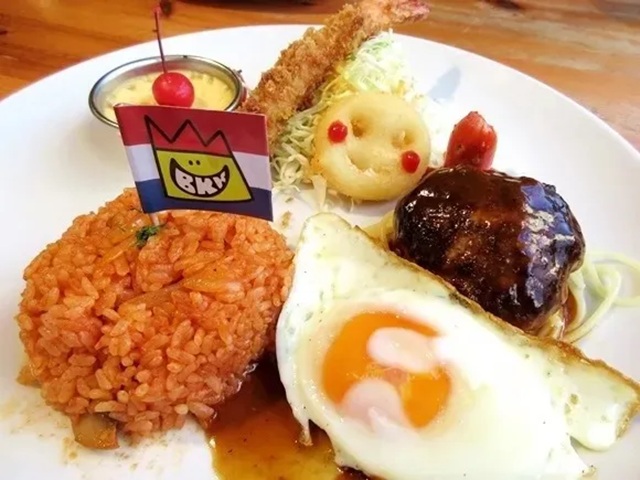
But where does that leave those little toothpick flags that restaurants in Japan stick in the potato salad or rice of kids’ meals? They’re made of paper, displayed as a decoration, and used in society.

▼ The countries are usually randomly given out, so there’s only a small chance of getting a Japanese flag a lot of the time.

Since they technically fit the legal definition of a flag, the makers of the bill decided to explicitly exclude kids’ meal flags from the law. This means you wouldn’t have to worry about getting in trouble with the law if you attacked some ketchup rice extra hard and made a mess of your flag. Another exemption involves flags depicted in paintings. That being said, destroying other people’s paintings can land you in a whole other spot of trouble.

Online commenters have been less than happy that this is what the government is choosing to spend its time on when so many other things in the country seems to be getting less and less bearable.

“This is what they’re discussing?”
“They can’t seriously be spending time on kids’ meal flags.”
“Just ignoring all of our other anxieties.”
“Didn’t they recently say they didn’t have time to discuss same-sex marriage or separate surnames?”
“I should get a tattoo of the flag. Then no one will hurt me.”
“Just copy whatever they do in France and get it done with.”
“When I was a kid, I used to carefully save my kids’ meal flag and take it home. I’d usually forget all about it 10 minutes after that.”

The draft bill also includes a provision that freedom of expression should be considered when pressing charges. According to the wording, artistic expression, such as live-action films, using real national flags as props would be exempt if considered socially acceptable.

That last part about being “considered socially acceptable” is still a matter of contention in the bill, since it is greatly open to interpretation. I think we can all agree that Godzilla torching the flag with its atomic breath is completely acceptable because that big lug just doesn’t know any better. But if King Kong hurls a colossal turd at one, the issue becomes much less black and white.

Hopefully, they get this all sorted out soon, and maybe go back to working on things like how no one can afford stuff anymore, and why we can’t even secure the resources to make colored bags of potato chips.

Source: Mainichi Shimbun, Hachima Kiko
Photos ©SoraNews24
● Want to hear about SoraNews24’s latest articles as soon as they’re published? Follow us on Facebook and Twitter!
  • ✇SoraNews24 Japan
  • With hot sweaty Shibuya summer on the way, free sodium tablets to be given out in downtown Tokyo Casey Baseel
    Stay salty, everybody. Shibuya is one of Tokyo’s most exciting neighborhoods. Between world-famous tourism landmarks like the statue of faithful dog Hachiko and the scramble intersection, plus shopping options from iconic stores like fashion mecca 109 and Nintendo Tokyo, there’s a lot to see and do in this part of downtown, and if you’re visiting this summer you might want to stop by the Shibuya Ward Office too and grab a little something to eat. No, this isn’t another semi-secret ward office
     

With hot sweaty Shibuya summer on the way, free sodium tablets to be given out in downtown Tokyo

6 June 2026 at 05:00

Stay salty, everybody.

Shibuya is one of Tokyo’s most exciting neighborhoods. Between world-famous tourism landmarks like the statue of faithful dog Hachiko and the scramble intersection, plus shopping options from iconic stores like fashion mecca 109 and Nintendo Tokyo, there’s a lot to see and do in this part of downtown, and if you’re visiting this summer you might want to stop by the Shibuya Ward Office too and grab a little something to eat.

No, this isn’t another semi-secret ward office cafeteria we’re talking about. Instead, the Shibuya Ward Office is giving out free sodium tablets as of June 1.

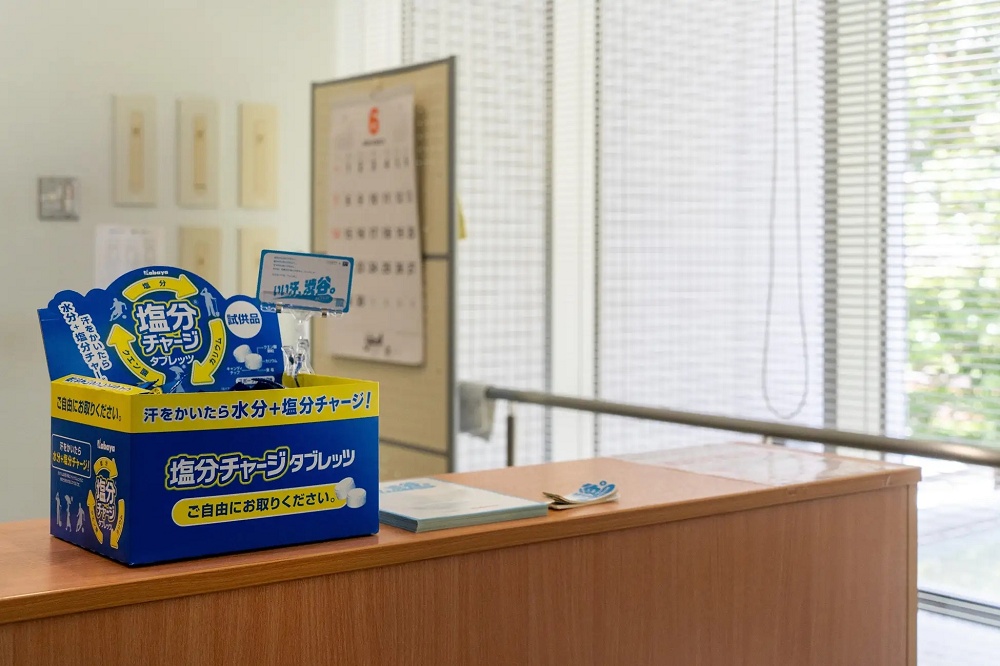
Shibuya Ward’s goal isn’t to promote snacking, though. The complimentary salt tablets are part of Good Sweat Shibuya Action, a multi-faceted public awareness campaign aimed at dealing with the high heat and humidity that come with summer in Japan. While it might not be as much of an issue in countries with higher salt intakes in their daily diets, in Japan profuse sweating leading to dangerously low levels of sodium in the body is a legitimate concern for many people, with supplements for replenishing sodium and other vital minerals lost during perspiration, such as Kabaya Foods Corporation’s Enbun Charge Tablets being sold in pharmacies and convenience stores.

However, not everyone carries a supply of tablets on them, and as the effects of heat stroke can sneak up on people, Enbun Charge Tablets are now being offered free of charge at the Shibuya Ward Office. Anyone who wants one can simply grab a tablet from the box located in the second-floor atrium of the building.

▼ The Shibuya Ward Office is just one black away from the Shibuya Parco shopping center, which houses the Nintendo Tokyo and Shibuya Pokémon Center stores.

▼ A banner announcing the free Enbun Charge (塩分チャージ)

Boxes of free sodium tablets will also be placed at 29 other locations in Shibuya Ward, primarily libraries, public gyms/sports facilities, medical centers, and government offices, tying into the ward’s initiative to promote “cool sharing spots,” climate-controlled common-use areas where a large number of people can cool off in a more aggregately energy-efficient manner than simultaneously running their own home air conditioning units.

As the tablets are individually wrapped, there’s no need to use them right away, so swinging by the ward office and grabbing one to keep on hand for later in the day is an option too.

Source: Shibuya Keizai Shimbun, PR Times
Images: PR Times
● Want to hear about SoraNews24’s latest articles as soon as they’re published? Follow us on Facebook and Twitter!
  • ✇SoraNews24 Japan
  • Government says 5.7 trillion yen of Japanese media was pirated last year, thinks AI could help Casey Baseel
    Ministry of Economy, Trade and Industry conducts study to estimate damage to producers of anime and other Japanese media. With Japanese entertainment media growing in popularity around the world, the Japanese government’s Ministry of Economy, Trade and Industry is also growing more concerned about the effects of media piracy overseas. In its latest study of the situation, the ministry claims that damage from piracy has been rapidly increasing, but one of its proposed countermeasures might not
     

Government says 5.7 trillion yen of Japanese media was pirated last year, thinks AI could help

26 May 2026 at 14:00

Ministry of Economy, Trade and Industry conducts study to estimate damage to producers of anime and other Japanese media.

With Japanese entertainment media growing in popularity around the world, the Japanese government’s Ministry of Economy, Trade and Industry is also growing more concerned about the effects of media piracy overseas. In its latest study of the situation, the ministry claims that damage from piracy has been rapidly increasing, but one of its proposed countermeasures might not really do much to solve the problem.

For its study, the ministry conducted surveys in six foreign countries, including the U.S. and China, regarding “content piracy,” “content” here being a loose term used for entertainment media including anime and digital manga. Based on the results of the surveys, the ministry estimates that 5.7 trillion yen (US$37 billion) worth of Japanese content was pirated overseas in 2025, roughly three times the amount estimated for 2022, the previous iteration of the ministry’s study.

For the 2025 investigation, the ministry also added a new category, estimating the amount of pirated “character goods” that were sold online outside of Japan, such as knockoff and unlicensed figures, posters, plushies, and the like. For this category, the ministry arrived at an estimate of 4.7 trillion yen, brining its total figure for pirated content and knockoff merch to 10.4 trillion yen.

The ministry is framing this as the amount of “damage” caused to the legitimate Japanese media/merchandising industry, which invites consideration of whether pirated media always directly correlates to lost sales revenue. Those of a more lenient viewpoint could argue that if someone pirates content which they weren’t going to pay for anyway, no actual damage has been done, and similar logic could be applied to pirating of Japanese content not available in the country of the pirating party. On the other hand, it’s naive to think that no one is pirating content they would have paid for in the absence of an illicit way to get it for free, and with such a significant amount of Japanese entertainment media now being distributed in major foreign markets in a fairly timely matter, it’d be disingenuous to try to frame piracy as strictly an issue of availability either.

As such, while the actual damage to Japanese rightsholders is likely less than the full 10.4 trillion yen that the Ministry of Economy, Trade and Industry is claiming, it’s also not like there are no negative effects from piracy, and so it’s not surprising that the Japanese government would want to look for ways to address the problem.

However, one of the ideas being floated by the researchers is to promote the use of AI in production to lower costs and secure profits. In addition to sidestepping the root causes of piracy (insufficient legal enforcement and/or local availability), a reliance on lower costs also ignores that a major reason Japanese content, particularly anime, has become so popular around the world is that many foreign fans see it as having a mix of high quality and unique narratives, neither of which are things that AI is particularly good at producing. Leaning on the technology as a method by which to address piracy could end up as a sort of monkey’s paw if, by eroding what makes Japanese entertainment content attractive to audiences in the first place, AI simply turns Japanese-made media into something that’s not worth watching.

Source: TBS News Dig via Livedoor News via Otakomu
Top image: Pakutaso
● Want to hear about SoraNews24’s latest articles as soon as they’re published? Follow us on Facebook and Twitter!

Japan’s cheap beef bowl chain Matsuya opens gourmet Premium Matsuya with Kobe beef…inside Matsuya

8 June 2026 at 02:00

A tale of four Matsuyas, and a whole lot of gourmet wagyu beef.

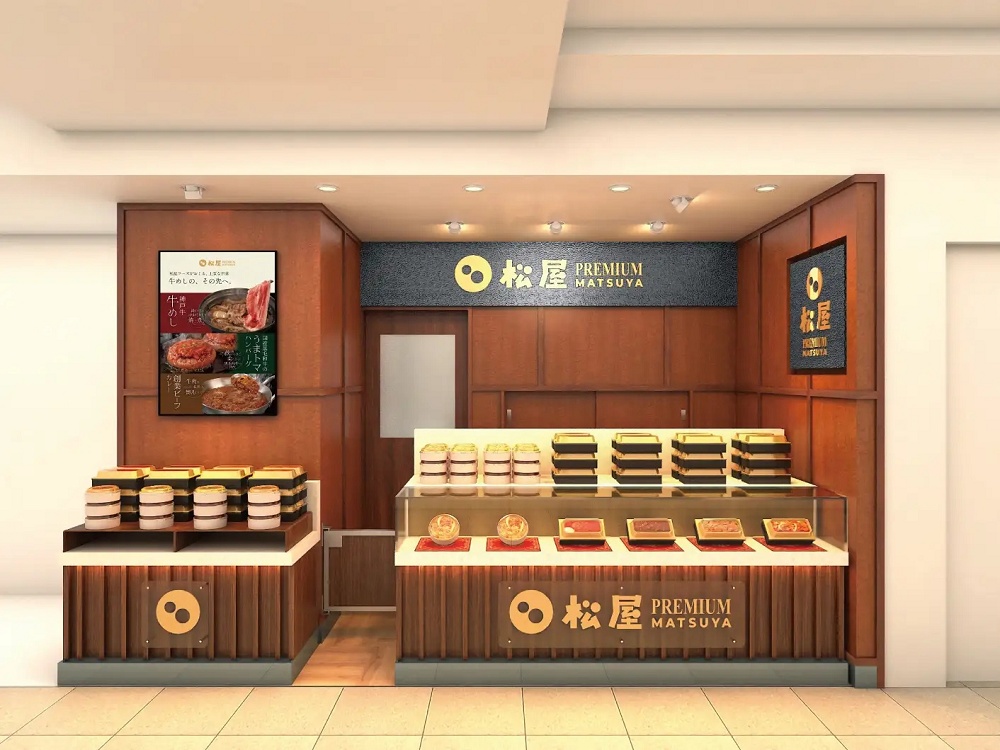
As one of the country’s big-three gyudon/beef bowl chains, Matsuya is among the top choices for those looking for a cheap but hearty meal in Japan. But maybe it doesn’t always need to be quite so cheap, and so Matsuya has made the decision to open a new, more expensive, and more gourmet, branch inside Matsuya.

Actually, we should back up a bit, because there are no fewer than four different Matsuyas we’re going to be talking about here. First is just plain old Matsuya, the beef bowl chain. Then there’s Matsuya Foods, the Matsuya restaurant chain’s parent company. Next there’s the Matsuya department store chain, whose branch in Ginza is going to be the site of the new Premium Matsuya gyudon shop.

The Matsuya department store chain is a totally separate company from Matsuya Foods. Founded 101 years ago, the Matsuya department store has an upscale image, offering not only fancy fashions but also high-end food items at its flagship store in Tokyo’s posh Ginza neighborhood. There’s some comic irony in a luxury department store and budget-friendly restaurant coincidentally sharing the same name, and the two companies decided to explore the idea of some sort of promotional collaboration, with the result being Premium Matsuya, which will be opening in Matsuya Ginza’s food section later this month serving special, upscale items you won’t see on a regular Matsuya restaurant menu.

For example, Matsuya’s signature dish is their standard beef bowl, which is priced at 460 yen (US$3). Premium Matsuya’s beef bowl, pictured below, will cost more than three times as much, 1,390 yen, but that’s because it’s made with Kobe beef!

Other delicacies offered by Premium Matsuya will include a hamburger steak bento boxed lunch with domestically raised kuroge wagyu (Japanese Black) beef (1,681 yen)…

…a tonteki (pork steak) bento (1,681 yen)…

…and beef curry rice sets, also with the options of sliced Kobe beef or a kuroge wagyu hamburger steak (1,050-1,681 yen).

While some Japanese department store food shops have seats for eat-in dining, preview images for Premium Matsuya suggest it’ll be a take-out only operation, though the staff will also have dapper uniforms unique to the upscale offshoot to help create an elegant atmosphere.

It should be noted that the menu and prices at regular Matsuya restaurants will remain unchanged, so this isn’t an example of Matsuya trying to reestablish its preexisting branches as higher-priced eateries, unlike the course recently taken by curry chain Coco Ichibanya. As for whether Matsuya Ginza’s clientele will be interested in gourmet Matsuya meals, Premium Matsuya’s opening as a permanent part of the food department comes after a similar limited-time pop-up at Matsuya Ginza last year was met with an overwhelmingly positive reaction from shoppers, so hopes are high for when Premium Matsuya opens on June 10.

Related: Matsuya Ginza
Source: Otakuma Keizai Shimbun via Livedoor News via Hachima Kiko, PR Times

Images: PR Times
● Want to hear about SoraNews24’s latest articles as soon as they’re published? Follow us on Facebook and Twitter!
❌
Subscriptions