U.S. says it stopped a merchant ship trying to breach blockade and reach Iran


![]()
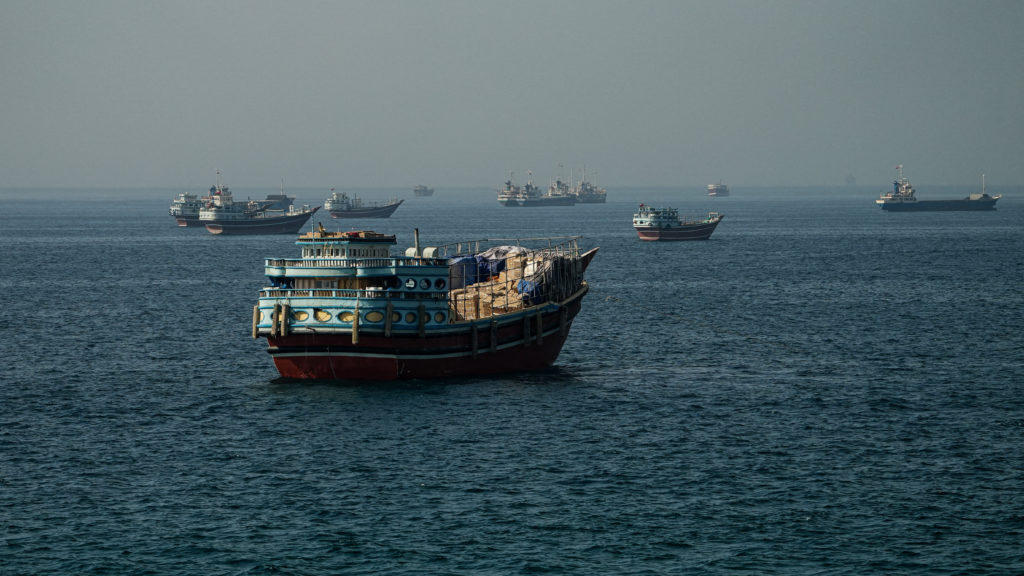
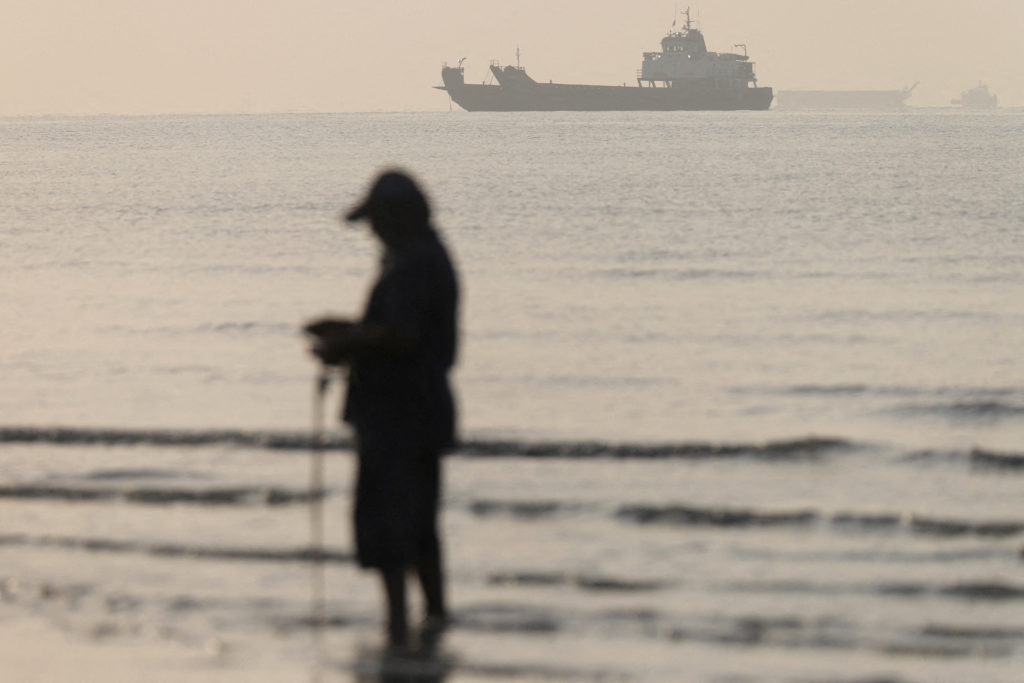
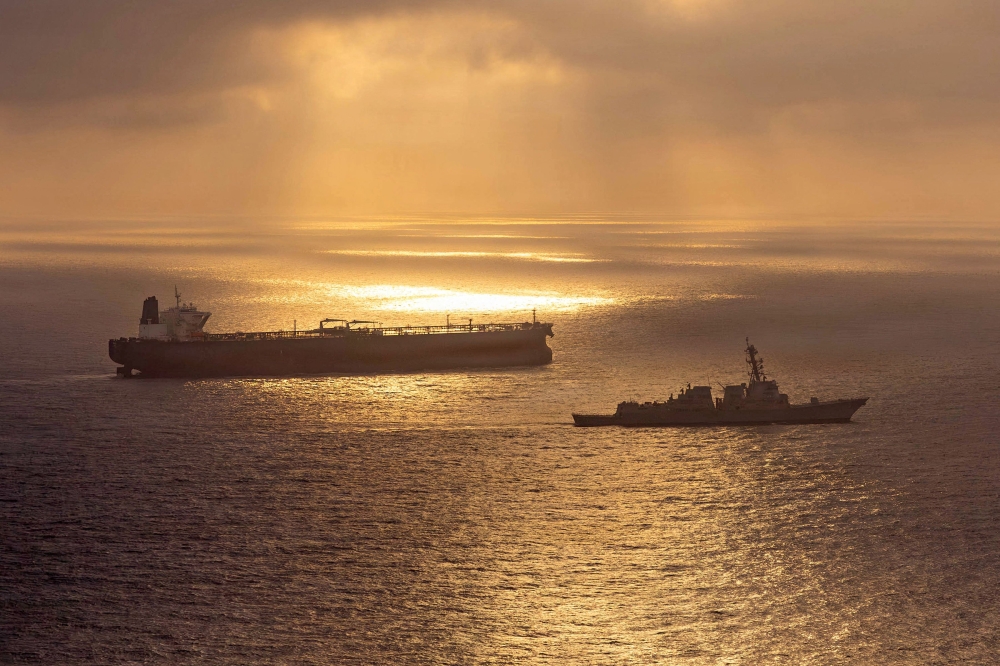
WASHINGTON, June 11 — President Donald Trump said yesterday that the US military secretly helped 100 million barrels of oil pass through the contested Strait of Hormuz, which Iran largely closed in response to US and Israeli attacks.
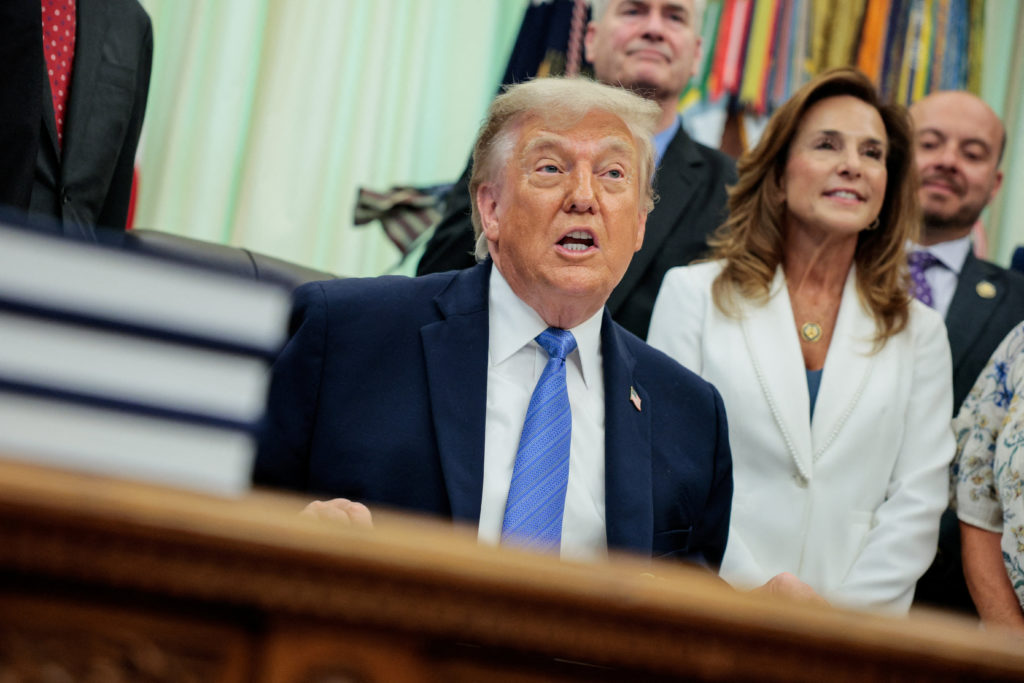
“Last month, I directed our Great US Military to execute a secret mission to support Oil Tankers and other Commercial Ships through the Straight of Hormuz,” Trump said in a post on his Truth Social platform, claiming the US “controls” the strait.
“Today, I am pleased to announce that this effort has resulted in more than 100 MILLION Barrels of Oil making its way through,” he said, adding that more than 200 commercial ships had gone through. — AFP


US Secretary of State Marco Rubio warned Tuesday against any “destabilizing” actions on Taiwan before a trip to China by President Donald Trump and called on Beijing also to raise pressure on Iran.

Trump is scheduled to pay the first visit of his second term to China next week, a trip he delayed after he led the United States in a joint attack alongside Israel against Iran.
Rubio, addressing reporters at the White House, said he was sure that Trump and Chinese President Xi Jinping would discuss Taiwan, the self-governing democratic island claimed by Beijing.
“I think both countries understand that it is in neither one of our interests to see anything destabiliz(ing) happen in that part of the world,” Rubio told reporters.
“We don’t need any destabilizing events to occur with regards to Taiwan or anywhere in the Indo-Pacific, and I think that’s to the mutual benefit of both the United States and the Chinese,” Rubio said.
China has ramped up its military presence around Taiwan in recent years and staged large-scale military drills.
While the United States has an ambiguous policy on whether it would defend Taiwan, its military looks increasingly stretched as resources shift from Asia to the Iran war.
Rubio, who has never visited China, was an outspoken critic of Beijing’s human rights record while a senator, championing legislation that brought sanctions over Beijing’s alleged use of forced labor from the Uyghur minority.
The Trump administration has largely downplayed human rights, preferring to focus on promoting what it sees as core US interests such as trade.
Asked if Trump would raise human rights, Rubio said, “I think we’ve proven in some cases it’s most effective to raise them in the appropriate setting. But we always raise those issues.”
Rubio also called for China to put pressure on Iranian Foreign Minister Abbas Araghchi, who was leaving Tuesday for Beijing.

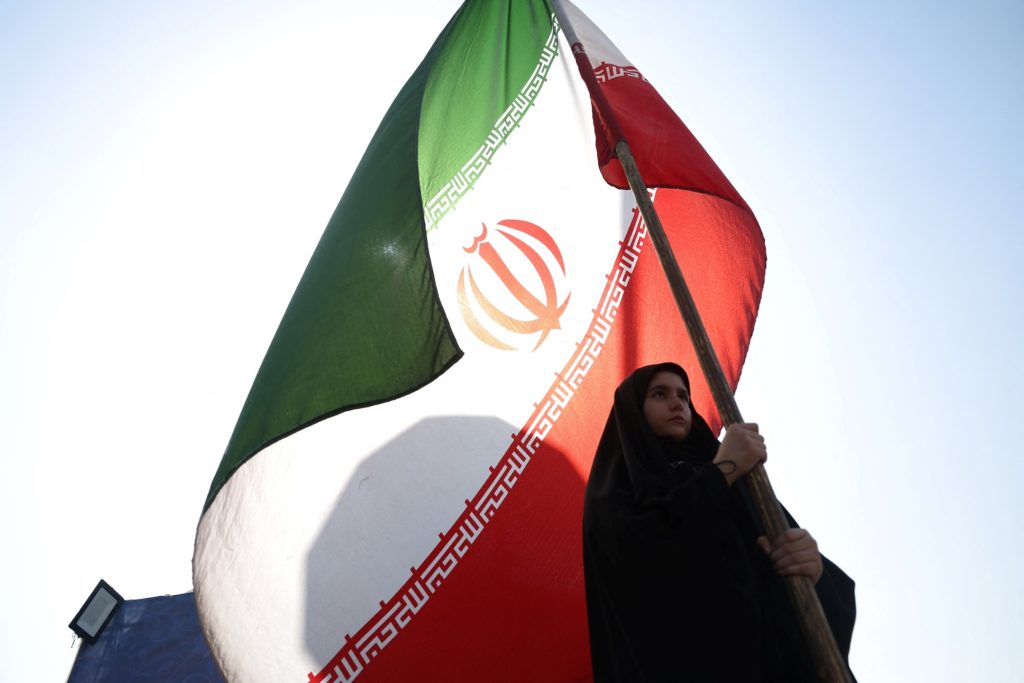
Iran has exerted control over the Strait of Hormuz, the narrow waterway through which one-fifth of the world’s oil once transited, in retaliation for being attacked by the United States and Israel.
China has been by far the largest buyer of Iranian oil, defying sanctions unilaterally imposed by Trump since his first term against any country that is Tehran’s customer.
“I hope the Chinese tell him (Araghchi) what he needs to be told, and that is that what you were doing in the straits is causing you to be globally isolated,” Rubio said.
“You’re the bad guy in this,” he said. “You guys should not be blowing up ships.”
The United States has also been blowing up ships. The US military said Monday it had destroyed six small Iranian boats, accusing them of threatening shipping.
During the war, a US submarine torpedoed an Iranian frigate off Sri Lanka, killing 104 sailors, with US forces leaving them to drown.

![]()
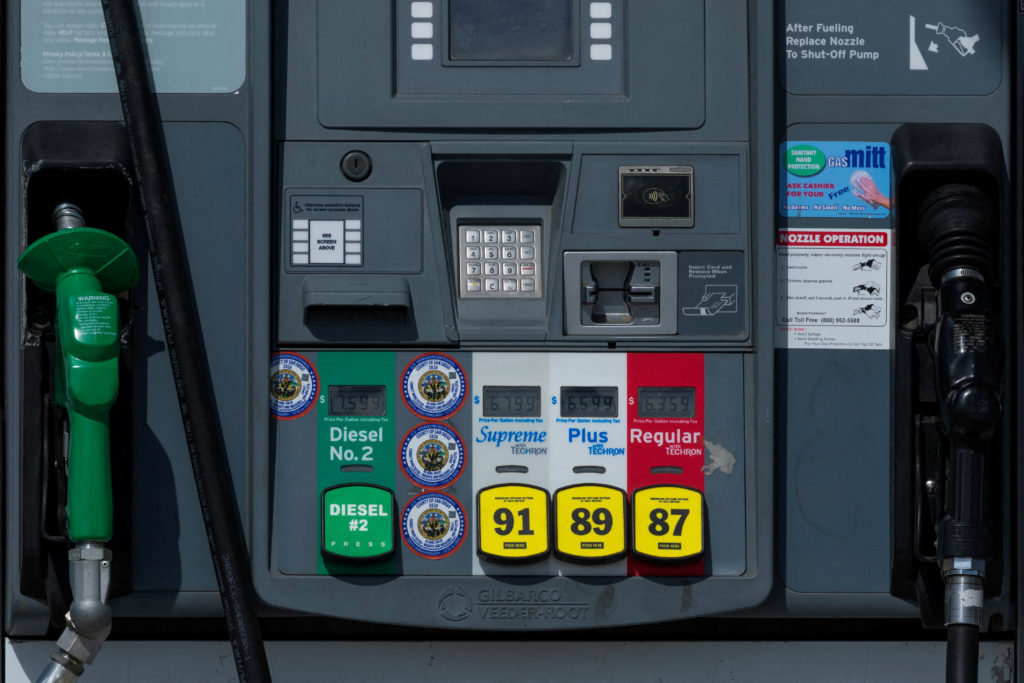
WASHINGTON, June 11 — US President Donald Trump yesterday brushed off concerns about consumer inflation surging to a fresh three-year high in May, on the back of soaring energy prices caused by his war in Iran.
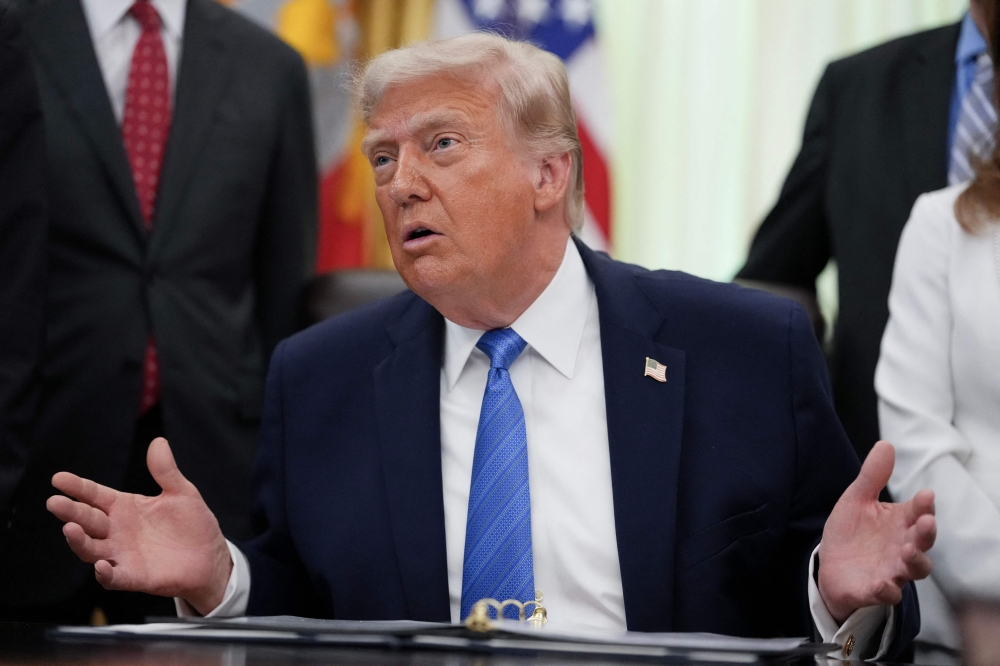
“The numbers were great... I love the inflation,” Trump told reporters, a comment pounced on by Democrats who have made rising prices a cornerstone of their campaign to take control of Congress in November’s midterm elections.
The consumer price index (CPI) rose 4.2 per cent year-on-year, up from the previous month’s 3.8 per cent figure and the highest reading since April 2023.
The Republican Speaker of the House Mike Johnson later argued that the president’s remarks had been taken out of context, but Senate Democratic Minority Leader Chuck Schumer said they demonstrated Trump’s disdain for the financial struggles faced by American families.
“Trump really said, ‘I love the inflation.’ On camera. For all of America to hear. His contempt for you knows no bounds,” Schumer posted on X.
And the Democratic Party posted a new campaign ad on its social media account featuring a video of Trump’s comments.
“Trump said the quiet part out loud—he loves inflation. Every American should see this,” the post said.
The US-Israel war against Iran, launched in late February, has sent energy prices skyrocketing after Tehran retaliated by virtually closing the vital Strait of Hormuz, through which roughly a fifth of global oil and gas normally pass.
Trump also repeated his prediction that inflation would “come down like a rock” after the conflict ends.
Economists have disputed that claim, with oil prices expected to take months to return to pre-war levels, depending on when hostilities end.
Possible peak
May’s consumer inflation data showed energy prices had risen 23.5 per cent over the same time last year, with gasoline rising by 40.5 per cent.
Grocery prices also rose significantly for the second month in a row, up 2.7 per cent over a year ago.
Other prices to increase over the month included medical care, personal care, airline fares and recreation.
Americans have been dealing with years of higher prices, with inflation remaining elevated long after the Covid pandemic.
Prices have been fuelled by repeated shocks, including the Russian invasion of Ukraine, Trump’s tariffs and now the war on Iran.
Analysts, however, said that gasoline prices at the pump have recently stabilized, potentially indicating a favorable outlook for overall inflation.
“Higher energy prices again pushed up inflation last month, but we estimate that inflation has peaked and will trend lower in the second half of the year,” said Kathy Bostjancic, chief economist at Nationwide.
She added that this was assuming there was a “near-term resolution with Iran to reopen the Strait of Hormuz.”
Core CPI inflation, which excludes volatile food and energy prices, came in at 2.9 per cent in May, up from 2.8 per cent the month before.
“For now, there appears to be little passthrough of higher energy cost onto core inflation, outside of airfare,” said Gregory Daco, chief economist at EY-Parthenon.
No position to cut rates
The US Federal Reserve has a long-term two-percent target for inflation, and the central bank’s key interest rate-setting committee will meet next week.
It will be new chairman Kevin Warsh’s first meeting since taking office last month, and he will be under pressure from Trump to reduce interest rates.
Markets, however, expect the Fed to keep rates steady at this meeting, and are now pricing in rate hikes for later in the year, spooking equity investors.
Before the war, markets had priced in rate cuts for later in the year, with expectations that inflation fueled by Trump’s tariff policy would begin to fade.
The war, however, has complicated the outlook, with more Fed policymakers saying they were concerned about rising inflation, which the central bank would typically address by raising rates.
“The Fed will be in no position to cut rates if this continues,” said Chris Zaccarelli, chief investment officer for Northlight Asset Management. — AFP


By AFP teams in Tehran, Dubai, Beijing and Mecca
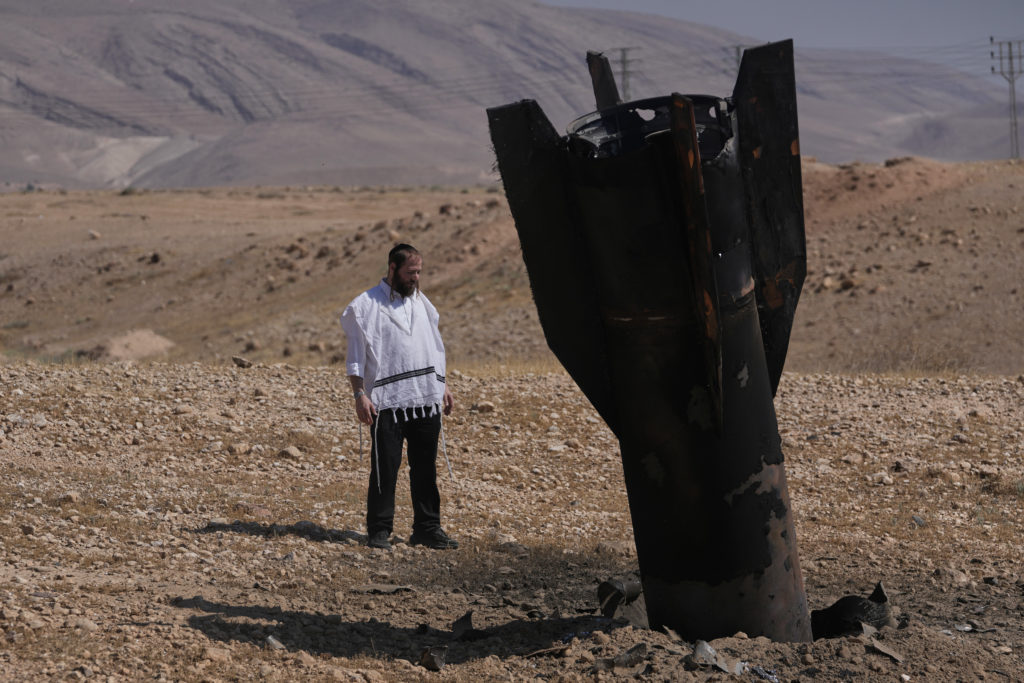
US forces launched overnight strikes on missile sites in southern Iran and boats they said were trying to lay mines in Gulf waters, sending oil prices higher Tuesday and fuelling tension as diplomats sought a deal to end the war.

The international benchmark Brent crude jumped up by almost three percent after the US Central Command announced the new wave of bombings, and China urged both sides to respect their truce and resolve their dispute peacefully.
Iran did not immediately confirm the reported strikes, but state media reported blasts in the southern port city of Bandar Abbas, and the Revolutionary Guards Corps said its forces had downed a US drone entering its airspace and fired at an F-35 fighter jet.
In a statement marking the start of the Eid al-Adha holiday, Tehran’s supreme leader Ayatollah Mojtaba Khamenei declared that Washington was losing its influence in the Middle East and warned Middle East countries to ensure that they no longer host bases from which the US could launch attacks.
The United States, he said in a written statement, “in addition to no longer having any safe haven in the region for aggression and the establishment of military bases, is moving further and further away from its former position with each passing day”.
Tim Hawkins, a spokesman for US Central Command, said: “US forces conducted self-defence strikes in southern Iran today to protect our troops from threats posed by Iranian forces.”
He gave few details of the attacks and said only that the targets included missile launch sites and boats trying to “emplace mines.”
Despite the strikes, Secretary of State Marco Rubio said on Tuesday that a deal remained within reach.

But he remained firm on the fate of the Strait of Hormuz, the key oil and gas shipping route out of the Gulf, which Iran is seeking to control by charging fees to approve the passage of vessels.
“There were some talks going on in Qatar today, so we’ll see if we can make progress. I think it’s a lot of talking back and forth going on about specific language in the initial document, so it’ll take a few days,” Rubio told reporters during a visit to India.
He said the strait was “going to be open one way or the other,” adding: “What’s happening there is unlawful, it’s illegal, it’s unsustainable for the world, it’s unacceptable.”
The strikes threatened a ceasefire that began on April 8 as the United States and Iran struggle to reach an accord to end a war that has rattled the global economy with a severe disruption of energy flows.
China, Washington’s great power rival and a major energy importer, expressed concern after the US strikes.
“We urge the parties concerned to fulfil their ceasefire commitments, resolve disputes through peaceful means… and promote the early restoration of peace,” foreign ministry spokeswoman Mao Ning told reporters.

Hopes of an accord took another blow when Israeli Prime Minister Benjamin Netanyahu vowed to “crush” Hezbollah in Lebanon on Monday evening. Iran has demanded that any peace accord apply to the fighting in Lebanon as well.
On Tuesday, Israel warned Lebanese civilians to evacuate the southern city of Nabatieh ahead of more planned strikes.
US President Donald Trump said in a social media post that he expected Iran to hand over its enriched uranium to the United States to be destroyed, or have it destroyed in Iran with an international witness.
The nuclear fuel “will either be immediately turned over to the United States to be brought home and destroyed or, preferably, in conjunction and coordination with the Islamic Republic of Iran, destroyed in place or, at another acceptable location”.