 Login
Login
Evolution of Fears



We find out why Japanese social media has gone crazy for this cake.
Starbucks might be famous for its Frappuccinos, but fans of the chain will tell you its cakes are where it’s at. That’s what’s happening right now on Japanese social media, where sweet tooths are raving about the chain’s chocolate terrine. At 540 yen (US$3.40) apiece, this is no cheap slice, but fans say it’s worth the investment, and the calories, so we picked one up to find out if it was worth the hype.

We were immediately captivated by the cake’s decadent appearance, and impressed by how well the thick cream topping sat perfectly atop the slice, even after the 10-minute journey home.

Taking a bite, our fascination deepened, much like the intense chocolate flavour that washed over the palate upon first contact. It was incredibly rich and smooth, melting on the tongue with a deep, lingering taste, and although it wasn’t too sweet it imparted a satisfying feeling of having eaten something sweet, which was a very fine feat.
The mellow aroma of cocoa was deeply present in every mouthful, and we were amazed at how rich and decadent it was without being cloying. Perhaps because of the light aftertaste, it felt substantial yet not too heavy, making it ideal for summer.

According to the rave reviews, what makes the Starbucks chocolate terrine so popular is the way it has a light, melt-in-your-mouth texture that’s pleasant to enjoy, even in summer, and after trying it, we finally understood what that meant.
▼ In this case, the rave reviews are warranted.

Even when we were buying our terrine at Starbucks, we saw a number of other people ordering it as well, so word of its deliciousness is spreading rapidly around Japan.
For a cake that’s gone viral on social media, the chocolate terrine really is worthy of all the praise and attention, so keep an eye out for it next time you’re at Starbucks. It’ll make the perfect partner for this year’s chunky and milky strawberry Frappuccino.
Related: Starbucks Coffee Japan
Images©SoraNews24
● Want to hear about SoraNews24’s latest articles as soon as they’re published? Follow us on Facebook and Twitter!

Social media is widely considered to be bad for one’s mental health, at least anecdotally. However, it can have some positive impacts, such as videos of animals chewing food very loudly. What could possibly be better than a closeup of an animal’s snout as it crunches on a carrot?
This week, zoos around the United States have been using social media to highlight one particularly cute muncher—tree kangaroos. Ahead of World Tree Kangaroo Day on May 21, conservation organization AZA SAFE (Saving Animals From Extinction): Tree Kangaroo of Papua New Guinea is inviting organizations working with tree kangaroos to compete in this year’s International Tree Kangaroo Crunch-a-Thon.
In the aptly-named competition, participants posted videos on Instagram and/or Facebook of their tree kangaroo eating something. The competition categories are Most Likes, Most Views, and Judges’ Choice, and winners will be announced on May 17, Australian Eastern Standard Time.
The organizers even provide crunchy food recommendations: bell peppers, celery, romaine hearts, snap peas, green beans, cucumbers, and zucchini—with the caveat that the last two vegetables might not have the best crunch.
“In partnership with the AZA Tree Kangaroo SAFE program, we’re participating in the Tree Roo Crunch-a-Thon to help shine a spotlight on this endangered species,” reads a social media post by Roger Williams Park Zoo & Carousel Village featuring three munching, pink-nosed brown and white tree kangaroo. “Our Zoo is home to three Matschie’s tree kangaroos – a species of tree kangaroo native to the cloud forests of Papua New Guinea.”
Tree kangaroos are 14 species in the Dendrolagus genus, the sole arboreal kangaroo group. They are herbivorous marsupials with bushy tails, and usually have long arms and padded back feet. Tree kangaroos live in parts of Australia, Indonesia, and New Guinea’s rainforests. The Golden-mantled tree kangaroo (Dendrolagus pulcherrimus) is among the world’s most endangered mammals and only lives in a small area of Papua New Guinea.
In the words of the Crunch-a-Thon organizers, “let the crunching begin!”
The post Watch adorable animals compete for best chewer in 2026 Crunch-a-Thon appeared first on Popular Science.


Meta has filed for a judicial review of Ofcom’s methodology for setting fees and penalties under the Online Safety Act, arguing that pegging charges to a company’s qualifying worldwide revenue (QWR) is disproportionate and out of step with the geographic scope of the regulator’s remit. A hearing has been scheduled for 13 and 14 October.
The stakes are considerable. Under the Act, Ofcom can levy fines of up to 10 per cent of QWR or £18m, whichever is higher. Given that Meta reported global revenues of roughly $201bn last year, the regulator could in theory issue a penalty of around $20bn, a sum that would dwarf the largest fines in UK corporate history. The fee regime introduced last September applies the same QWR principle to annual tariffs, capturing companies whose user-generated content, search or adult-content services in the UK generate more than £250m a year.
Meta contends that liability should be determined by activity within the jurisdiction doing the regulating. “We and others in the tech industry believe its decisions on the methodology to calculate fees and potential fines are disproportionate,” a company spokesperson said. “We believe fees and penalties should be based on the services being regulated in the countries they’re being regulated in. This would still allow Ofcom to impose the largest fines in UK corporate history.”
Court documents filed on Meta’s behalf by Monica Carss-Frisk KC describe Ofcom’s approach as “troubling”, warning that it would result in a handful of large platforms shouldering the bulk of the regulator’s costs even though the Act covers a much broader sweep of internet services. The barrister noted that QWR is not pegged to revenue generated by any particular service in the UK; rather, once a service is offered to British users, the entirety of its global turnover is counted.
Ofcom, for its part, is preparing to dig in. The regulator said its fees and fines framework reflected “a plain reading of the law” and pledged to “robustly defend our reasoning and decisions”.
Meta is not alone in pushing back. The US online forum 4chan has refused to pay penalties imposed under the Act, and Ofcom is facing separate litigation from the operators of both 4chan and Kiwi Farms. The regime has also drawn criticism from Donald Trump’s White House, which has signalled growing impatience with European digital rules that it sees as targeting American firms.
The financial significance of the new system for Ofcom itself is hard to overstate. Once the preserve of broadcasters and telecoms operators paying for spectrum and licence fees, the regulator now expects the bulk of its £233m budget for the year to come from online safety tariffs, which are forecast to bring in £164m. That marks one of the most substantial shifts in Ofcom’s funding base in its two-decade history.
For SME founders watching from the sidelines, the case is more than a transatlantic skirmish between Big Tech and a British quango. The threshold of £250m in qualifying turnover means most smaller platforms sit outside the fee net, but the principles being tested in October, how revenue is attributed across borders, and how proportionality is measured for global digital businesses, will shape the regulatory environment for any UK-based scale-up that one day finds itself trading internationally on the back of user-generated content. The judgment, when it comes, will be read closely well beyond Menlo Park.
Read more:
Meta launches high court challenge against Ofcom over online safety act fines

SINGAPORE: Scrolling through LinkedIn, the online professional networking and career development platform, can feel like attending a never-ending awards night. One of your friends becomes a vice-president, while another buys a condominium.
Then, someone else posts a business-class work trip and celebrates a promotion with a polished photo and hundreds of congratulatory comments. For many working adults in Singapore, this type of stream of updates can create an uncomfortable thought: Am I falling behind?
According to Channel NewsAsia (CNA), career experts say feeling this way has become harder to avoid because career milestones are now more visible online, more frequent and easier to compare. It’s the very pressure that 27-year-old Shania Tsing is currently experiencing.
After leaving her previous role as a sales engineer in 2025 to work in events management, she accepted a lower salary in exchange for work she enjoyed more. Even though she feels happier in her current role, comments from people around her and constant exposure to friends reaching life milestones sometimes make her question whether she made the right call.
Career comparison is not new, but what has changed is its speed and visibility. Career counsellors said that people compare themselves with those of similar age and background because they feel like the easiest measuring stick.
Over time, people may start using public signs of success to judge how well they are doing, rather than deciding what progress means for themselves.
Clinical counsellor Stella Ong said many people aren’t chasing someone else’s success. They are trying to answer a silent question: Am I progressing at the right pace?
Platforms like LinkedIn make that question harder to avoid, as career updates now appear alongside daily browsing.
Promotions, job changes, and achievements arrive continuously, creating the impression that everyone else is accelerating while you remain still. Impressions like this can slowly reset what people consider normal.
Experts interviewed pointed out something many people already suspect but rarely say aloud: online career updates are selective.
Recruitment and leadership coach Connie Low explained that professional announcements are frequently shaped to present someone in the best possible light. Job titles also differ across firms and industries, making direct comparisons unreliable.
On top of that, there is another career wrinkle: job title inflation. Global talent consultancy Robert Walters reported that Singapore saw growth in senior-sounding job titles in recent years, including roles labelled “manager” and “director” for people with relatively limited experience. Those titles don’t always align with their actual salary, authority, or scope of work.
Low also noted that promotion rates are lower than many assume. Based on industry benchmarks she referenced, only a small portion of employees receive promotions in a typical year. Most careers move more slowly than social media, such as LinkedIn, suggests.
So people rarely post their ordinary or not-so-good years. No one, in the general sense, uploads a status saying they stayed in the same role, did solid work and just went home.
The career experts added that the answer isn’t to stop comparing entirely. Comparison can still motivate people if it ignites the fire of learning within, rather than self-doubt. The problem starts when it becomes constant and begins to shape how people see themselves.
One helpful change is to change the question. Instead of asking whether someone else is ahead, ask whether your current path matches your values, interests and goals.
Counsellors also suggested getting reality checks from managers, mentors, recruiters or experienced colleagues instead of relying on what appears online. Keeping a record of personal achievements can help, too, because it provides a defined view of progress over time.
Tsing said she has now started placing more weight on enjoying her work and on fostering a healthy workplace culture than on chasing visible milestones. A mindset switch that has helped her reduce comparisons.
Career progress doesn’t always arrive in neat age brackets. Some people move fast. Others change direction. Most are doing better than their feeds suggest. So use LinkedIn as a noticeboard, not a scoreboard. A job title can impress strangers for five seconds, but building work you can live with lasts much longer.
This article (Career experts: Singapore workers aren’t as far ahead in their jobs as their LinkedIn work update suggests) first appeared on The Independent Singapore News.
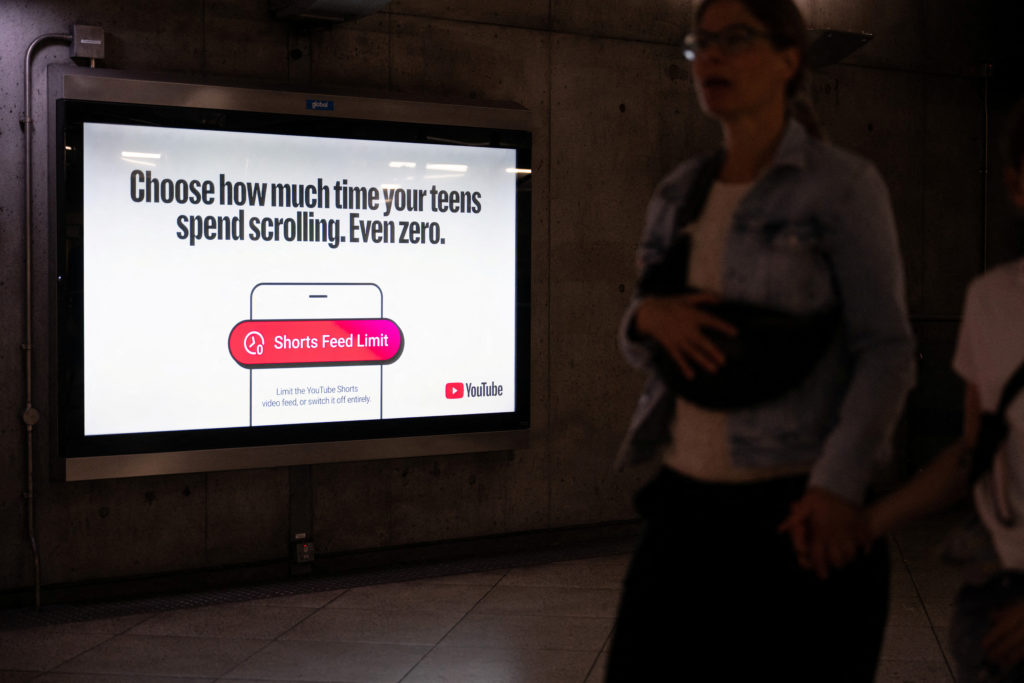
No 10 is worried about retaliation from White House over restrictions to under-16s’ internet use
Ministers have embarked on a concerted lobbying operation to prevent a backlash from the Trump administration to the under-16s social media ban announced by Keir Starmer.
Officials said they have spent weeks trying to reassure senior Trump officials and the US president himself that the restrictions were not specifically aimed at US technology companies.
Continue reading...
© Photograph: Chris J Ratcliffe/Reuters
© Photograph: Chris J Ratcliffe/Reuters
© Photograph: Chris J Ratcliffe/Reuters
Any official reprimand will come from regulator Ofcom, but not for at least two months
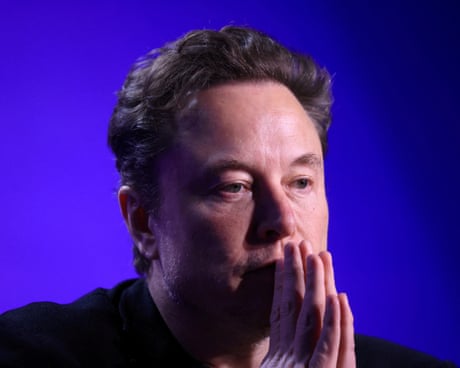
Elon Musk’s X will face no action to remove a mass of posts inciting violence in Northern Ireland for at least two months, despite widespread condemnation of the platform and its billionaire owner.
Concern over the role social media played in spreading disturbing images and fuelling anger continued to grow on Wednesday as police and community leaders urged calm.
Continue reading...
© Photograph: David Swanson/Reuters
© Photograph: David Swanson/Reuters

© Photograph: David Swanson/Reuters
This blog is now closed. Read our main report here: Police use water cannon against rioters in Northern Ireland
Hadi Alodid refused legal representation and made no reply to charges which were put put to him through an Arabic interpreter as he appeared in court charged with attempted murder following the Belfast knife attack, the Press Association reports.
The 30-year-old, with an address at Duncairn Avenue in Belfast, appeared before the city’s magistrates’ court on Wednesday morning.
He is charged with the attempted murder of Stephen Ogilvie on Monday, with threatening to kill an NHS radiographer on the same day and with the possession of a knife.
Continue reading...
© Photograph: Henry Nicholls/AFP/Getty Images

© Photograph: Henry Nicholls/AFP/Getty Images

© Photograph: Henry Nicholls/AFP/Getty Images
Government wants to back parents against tech companies though some feel the process has been rushed
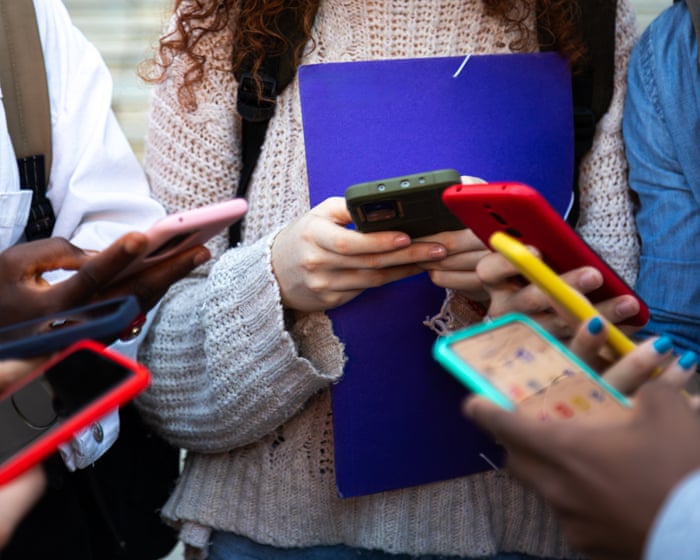
Keir Starmer is expected to announce sweeping “Australia-plus” restrictions on under-16s accessing harmful social media apps, a move the government has framed as taking the side of parents against the big technology companies.
A consultation on online safety closed on 26 May, giving ministers just weeks to come up with policies after receiving more than 116,000 responses. Industry sources and child safety advocates have described the process as “rushed” and driven by a political timeline. It is not clear when the ban could come into force.
Continue reading...
© Photograph: Daniel de la Hoz/Getty Images
© Photograph: Daniel de la Hoz/Getty Images
© Photograph: Daniel de la Hoz/Getty Images

SINGAPORE: Singapore’s racial harmony didn’t appear overnight. It took decades of effort, daily interaction, and a willingness among different communities to live, work and grow together.
That was the message from Minister for Digital Development and Information Josephine Teo after authorities ordered three social media platforms to block access to 14 posts that sought to target Singapore’s Indian community and undermine the country’s multicultural values.
Speaking to reporters on June 6, Mrs Teo said Singaporeans should resist attempts to weaken the bonds that hold society together. According to Channel NewsAsia (CNA), she stressed that social cohesion is valuable precisely because it takes so long to build and can be damaged much more quickly if people become complacent.
The warning came after investigations by the Ministry of Home Affairs (MHA) and the police found that the content likely originated from a China-based platform before being circulated elsewhere online. Mrs Teo added that the videos didn’t come from Singapore and did not reflect the views of Singaporeans.
MHA said the posts that were ordered to be blocked contained narratives aimed at the Indian community and sought to cast doubt on Singapore’s multicultural model.
While Singapore has long maintained strict laws against content that could inflame racial or religious tensions, authorities are increasingly dealing with online material produced outside the country.
The latest case also shows that harmful narratives don’t always come from within a community. In the age of social media, messages created elsewhere can travel rapidly and reach local audiences within minutes.
Mrs Teo said blocking harmful content is only one part of the solution. She urged Singaporeans not to forward or re-share such material if they come across it online. Sharing content, even to express disagreement, can make it reach a wider audience.
Mrs Teo also stressed the importance of strengthening community ties through everyday interactions. Building relationships with neighbours, colleagues, and people from different backgrounds creates resilience against attempts to divide communities. When people know one another personally, it becomes harder for outsiders to sow suspicion or hostility.
The minister pointed to an example found in one of the disputed posts. The content used an image of a religious procession along Pagoda Street in Chinatown to suggest that Indians are not welcome in Singapore.

The minister then rejected that portrayal and noted that within her Jalan Besar Group Representation Constituency, places of worship from different faiths sit within walking distance of one another. These include Buddhist and Hindu temples, a mosque and a Methodist church.
Mrs Teo was speaking while attending the Jalan Besar Family Sports Carnival at Zhongshan Park, which she described as an example of how Singaporeans from different backgrounds can come together through shared community activities.
Singapore’s multicultural identity is cited as one of the country’s strengths, but it also requires constant maintenance. Past incidents have shown how rapidly misinformation and divisive rhetoric can gain traction online.
The rise of social media has made it easier for false narratives to easily spread like wildfire, especially when they touch on sensitive issues such as race, religion and national identity.
Mrs Teo warned that while the Indian community may be the target today, other racial or religious groups could become targets tomorrow.
A society built on mutual respect cannot rely solely on laws and platform controls. It also depends on people choosing not to amplify harmful content and continuing the everyday work of getting to know one another.
As Singapore navigates an increasingly connected online environment, that may be one of the most effective safeguards against those seeking to divide communities.
Harmful content loses much of its power when people refuse to spread it. The strongest response is the simplest: verify before sharing, ignore attempts to provoke division, and continue treating fellow Singaporeans, regardless of race, colour, or ethnic origin, as neighbours rather than as stereotypes.
This article (‘Social cohesion takes a long time to build; it can be broken if not careful’ — Josephine Teo urges Singaporeans not to re-share divisive social media content) first appeared on The Independent Singapore News.
