Nestled amid plants native to the U.K., a giant figure of Gaia, or Mother Nature, sleeps in a verdant garden. With willow-branch locks shaped by artist Tom Hare and a crown of leaves, the figure’s face and shoulders are made from a fallen mature tree carved by Tim Wood. A winding pathway leads beneath an arch that extends the character’s torso, created in the tradition of dry stone walls and meticulously assembled by the family-run outfit Noble Stonework.
You’ll find Gaia in a garden title
Nestled amid plants native to the U.K., a giant figure of Gaia, or Mother Nature, sleeps in a verdant garden. With willow-branch locks shaped by artist Tom Hare and a crown of leaves, the figure’s face and shoulders are made from a fallen mature tree carved by Tim Wood. A winding pathway leads beneath an arch that extends the character’s torso, created in the tradition of dry stone walls and meticulously assembled by the family-run outfit Noble Stonework.
You’ll find Gaia in a garden titled “On the Edge” at this year’s RHS Chelsea Flower Show, which has taken the top prize of Garden of the Year. The project is a collaboration between designer Sarah Eberle and Campaign to Protect Rural England (CPRE), which champions the countryside and the sustainable practices necessary to protect and preserve its ecosystems.
Photo by Neil Hepworth/RHS
For this year’s exhibit, Eberle emphasized “edgelands,” or spaces between rural and urbanized areas like the borders of fields or even residential gardens. Think roadside berms or the seemingly unruly growth beside a canal. Often, these spots just look like a lot of weeds. Eberle sees not only the beauty, but the value, in these overlooked areas.
“These spaces connect millions of people to nature in everyday life, yet they’re undervalued and under constant pressure,” CPRE says in a statement. “This garden is an invitation to see them differently: not as ‘leftover’ land, but as living places that can recover and thrive with the right care.” Eberle’s choice of plants has a slightly wild aesthetic, with vines taking over the stone arch—redolent of the U.K.’s historic stone bridges—and a graceful yet somehow satisfyingly chaotic arrangement of plants we might associate with untamed overgrowth.
The garden’s design encourages people to consider using natural materials, cultivating local plants to help pollinators, and embracing “flaws” like old stumps or rocky areas that can be havens for wildlife. Amid nature’s innate rhythms, Gaia is a gentle protector who snoozes calmly with everything in balance. Eberele describes the effect: “A sense of abundance, a landscape under repair, the beauty in the ordinary. It’s about how it makes you feel—it’s almost a homecoming, an embrace, a hug.”
The Chelsea Flower Show is the flagship event of the Royal Horticultural Society, and it has been held on the grounds of the Royal Hospital since 1913, with the exception of a few skipped seasons during the two World Wars and in 2020. It’s not just limited to British gardeners, however: exhibitors from around the globe conceive of some of the most creative gardens imaginable. Tickets are available on the RHS website, and the show continues through May 23 in London.
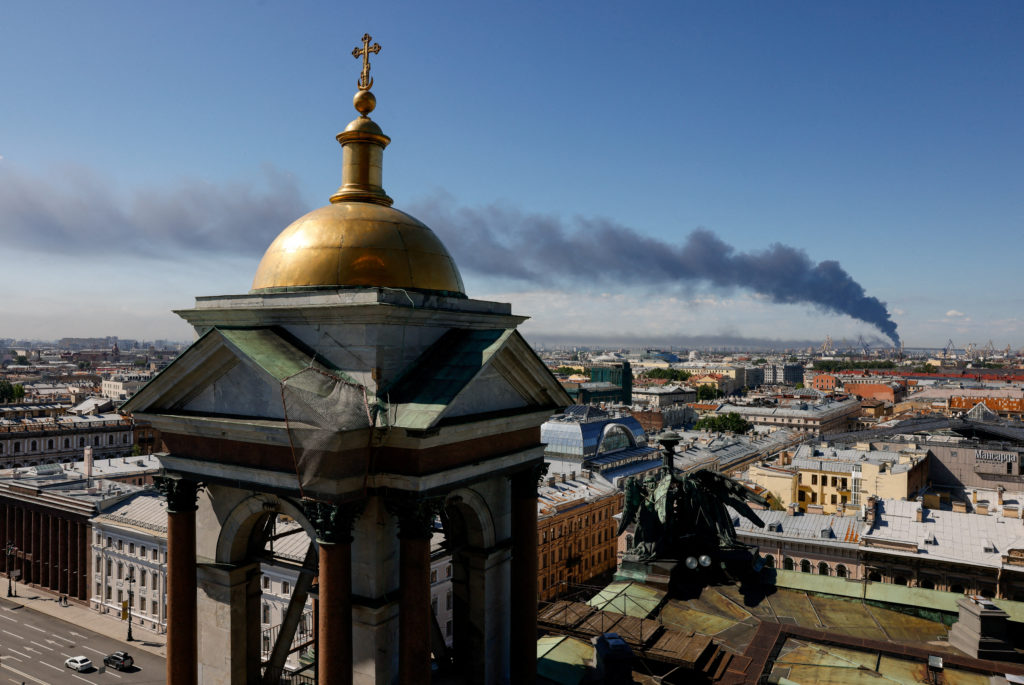
In our news wrap on Wednesday, Ukraine says it struck an oil depot in Russia's St. Petersburg with drones that flew more than 600 miles to reach their target, the UK's prime minister condemned violent protests that erupted over the death of a teenager, a hotel fire in New Delhi killed at least 21 people and federal prosecutors investigate former Rep. George Santos.
In our news wrap on Wednesday, Ukraine says it struck an oil depot in Russia's St. Petersburg with drones that flew more than 600 miles to reach their target, the UK's prime minister condemned violent protests that erupted over the death of a teenager, a hotel fire in New Delhi killed at least 21 people and federal prosecutors investigate former Rep. George Santos.
SINGAPORE, June 2 — Singapore and the United Kingdom (UK) inked a memorandum of understanding (MoU) to cooperate in nuclear safety regulation, including the exchange of information and expertise, and the training of scientific and technical personnel. Singapore National Environment Agency (NEA) said the agreement was signed with the UK’s Office for Nuclear Regulation (ONR) to support an overarching effort to build capabilities in nuclear safety and to study the
SINGAPORE, June 2 — Singapore and the United Kingdom (UK) inked a memorandum of understanding (MoU) to cooperate in nuclear safety regulation, including the exchange of information and expertise, and the training of scientific and technical personnel.
Singapore National Environment Agency (NEA) said the agreement was signed with the UK’s Office for Nuclear Regulation (ONR) to support an overarching effort to build capabilities in nuclear safety and to study the feasibility of the safe deployment of nuclear energy in Singapore.
NEA deputy chief executive officer Koh Li-Na said the collaboration will strengthen Singapore’s capabilities in radiation protection, nuclear safety, and assessment.
“Through partnerships with well-established regulators like ONR, NEA will deepen its technical expertise to understand new reactor technologies and build the institutional capabilities needed to rigorously assess nuclear safety,” she said in a statement on Tuesday.
According to NEA, this collaboration will also enhance its regulatory knowledge as Singapore continues to study the potential role of nuclear energy in its energy future.
NEA has also been developing Singapore’s nuclear safety and regulatory capabilities through close partnerships with established regulators in Finland, France, and the United States, as well as Asean partners. — Bernama
The Landslide Blog is written by Dave Petley, who is widely recognized as a world leader in the study and management of landslides.
I’ve not posted about Landslides in Art much in recent years – the most recent edition was almost two years ago – but loyal readers will know that this is a long running series of posts.
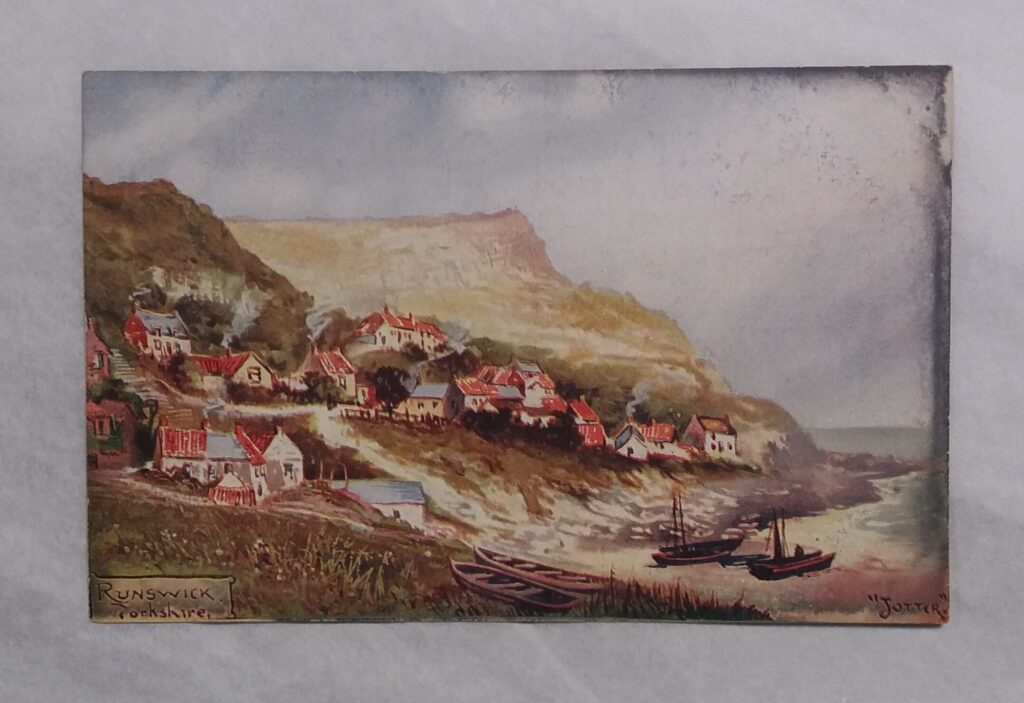
Anyway, I came across a page recently about the major landslide that struck the village of Runswick Bay in North Yorkshire. It includes a painting of the village with th
The Tees Valley Museums site describes the landslide of 1662, noting that there were two major failure events. It is very fortunate that no-one was killed. The village was essentially destroyed and then rebuilt to the south of the original site.
It is probably true to say that the painting by Jotter is not a classic, but it does capture some interesting aspects of the site. First, it appears that the morphology is that of an existing landslide mass – this was probably a reactivation rather than a first time failure. Second, the toe was actively eroding, so maybe the two phase failure involved a collapse at the toe, which then destabilised the mass upslope? This would fit the eyewitness reports. Finally, note the mass in the background, which is also the result of a series of failure events.
There are many other major landslides along this section of coast – it is a classic area of UK mass movement geology. And it is truly beautiful too – visit if you can.
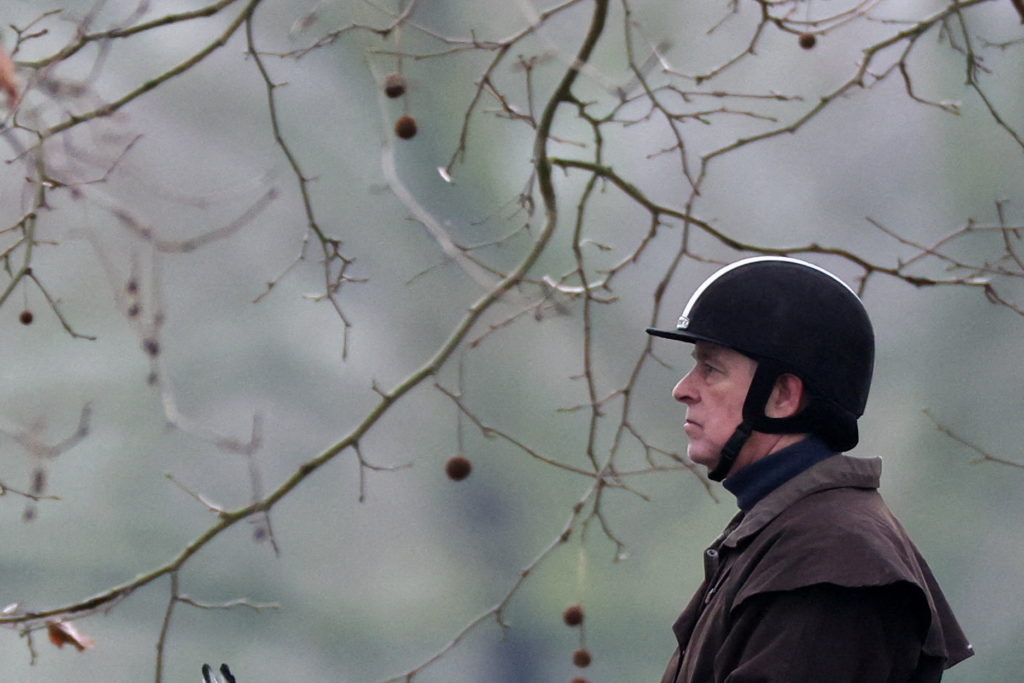
The National Audit Office report said Andrew Mountbatten-Windsor received income from renting out the cottages on the Royal Lodge estate, his home near Windsor Castle for more than 20 years. A lease for Royal Lodge signed in 2003 shows he paid only a nominal fee known as a "peppercorn rent" for the property, which included a 30-room mansion and eight cottages, three of which he was allowed to sublet.
The National Audit Office report said Andrew Mountbatten-Windsor received income from renting out the cottages on the Royal Lodge estate, his home near Windsor Castle for more than 20 years. A lease for Royal Lodge signed in 2003 shows he paid only a nominal fee known as a "peppercorn rent" for the property, which included a 30-room mansion and eight cottages, three of which he was allowed to sublet.

 Login
Login