Reading view

Six towering historical warrior floats will grace Fukui’s Mikuni Festival for three days
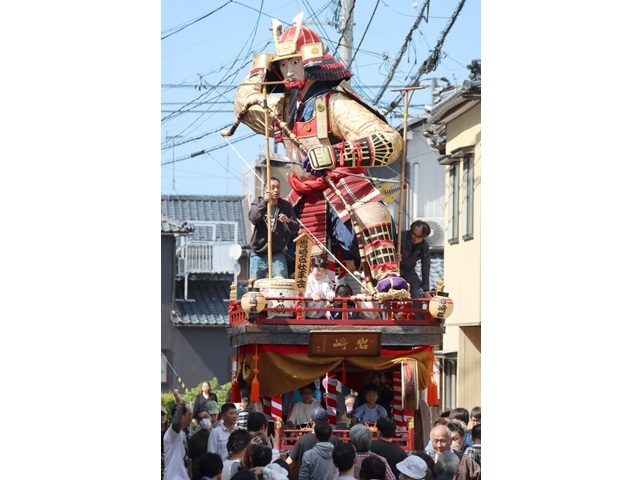
This annual procession is the perfect stop for samurai buffs who enjoy traditional Japanese festivals with a warrior twist.

The streets of Sakai, Fukui Prefecture, are about to be packed when the city’s Mikuni Festival kicks off on May 19 for three days. Considered one of the Hokuriku region of Japan’s “three great festivals,” the annual festival spans approximately 300 years of tradition. This year, six newly crafted floats over six meters (6.6 yards) in height that depict historical samurai of legend as well as famous scenes from kabuki plays and historical battles will be paraded around different districts of the city.

▼ Kamakura Gongoro Kagemasa (born 1069), as depicted in the play “Shibaraku,” one of the 18 Best Kabuki Plays
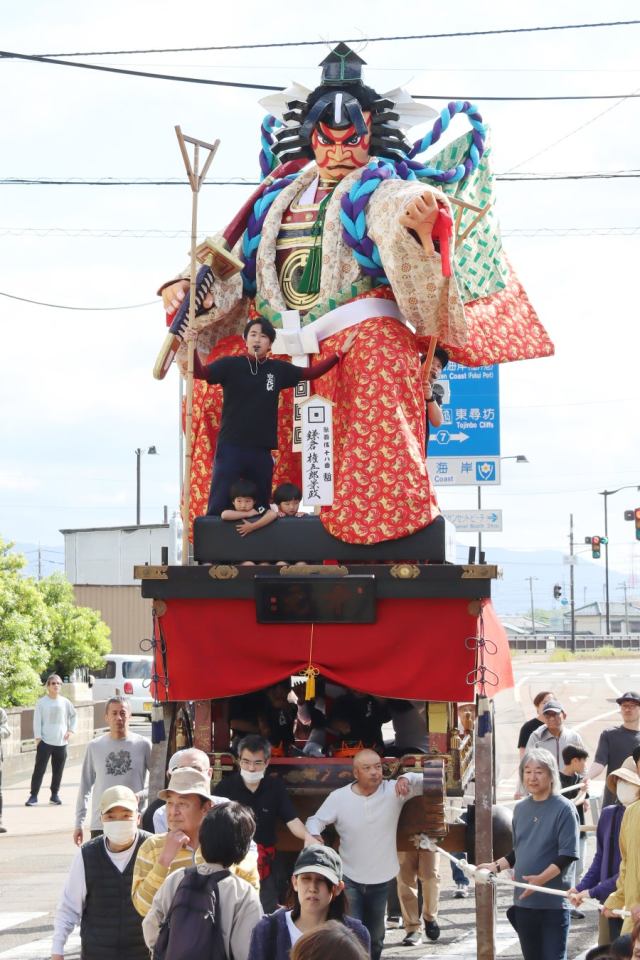
▼ Keiji Maeda (1543-1612)
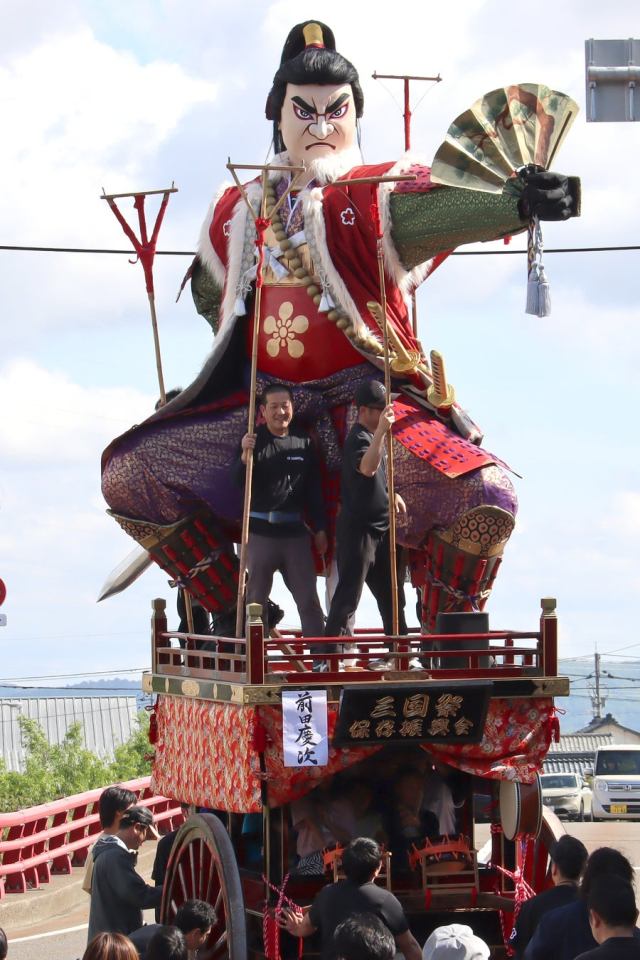
The new floats were first unveiled to the public on 9 May. Festivities will officially begin at 6:30 p.m. on 19 May when the Maeda Keiji float will be showcased in the vicinity of Mikuni Shrine by the harbor. Then, at 1 p.m. on 20 May, all six floats will join in a procession around the city beginning at Mikuni Shrine. On this day, a special mikoshi portable shrine will also leave from the shrine, along with a procession of locals donning warrior-inspired garb.

▼ Magistrate Kinshiro Toyama (1793-1855)
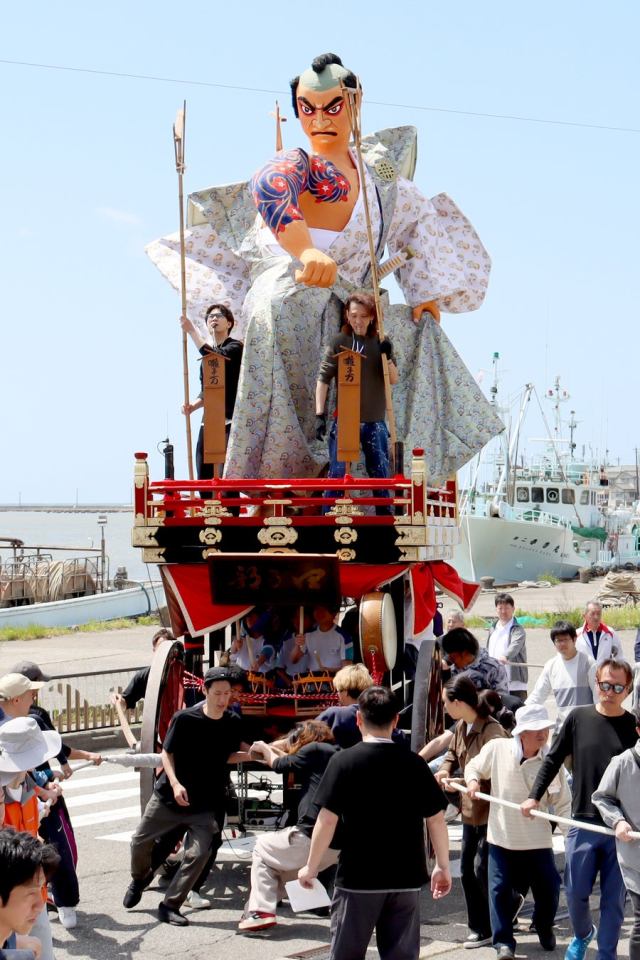
▼ Minamoto no Yoshitsune (1159-1189)
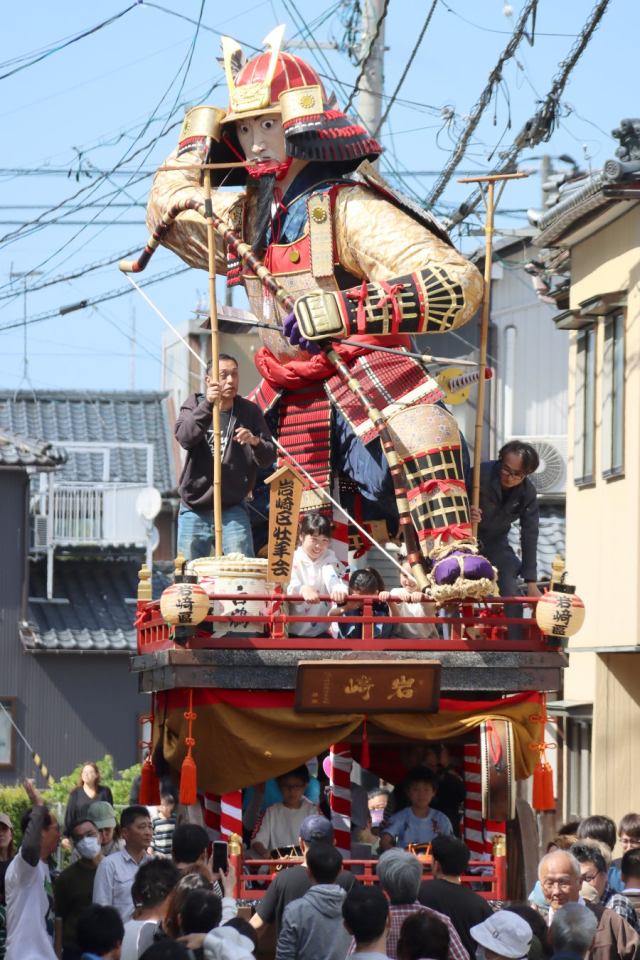
In addition, this year’s festival marks a first as the newly assembled Sakai City Board of Education’s Mikuni Festival General Investigative Committee, comprised of 11 expert individuals from the municipality, will begin conducting a multi-year, comprehensive study of the festival. Their investigation will examine everything from the craftsmanship of the floats and how they’re pulled around, to the various musical accompaniments in different districts of the city. It will also seek to answer overarching questions such as why the floats came to include figures of samurai in the first place and why those are destroyed upon the conclusion of the festival every year. As the first study of its kind to be funded by governmental aid, a formal written report is expected to be published in 2029.

▼ Taira no Tomomori (1152-1185) with the anchor he used to drown himself upon losing the Sea Battle of Dan no Ura (1185)
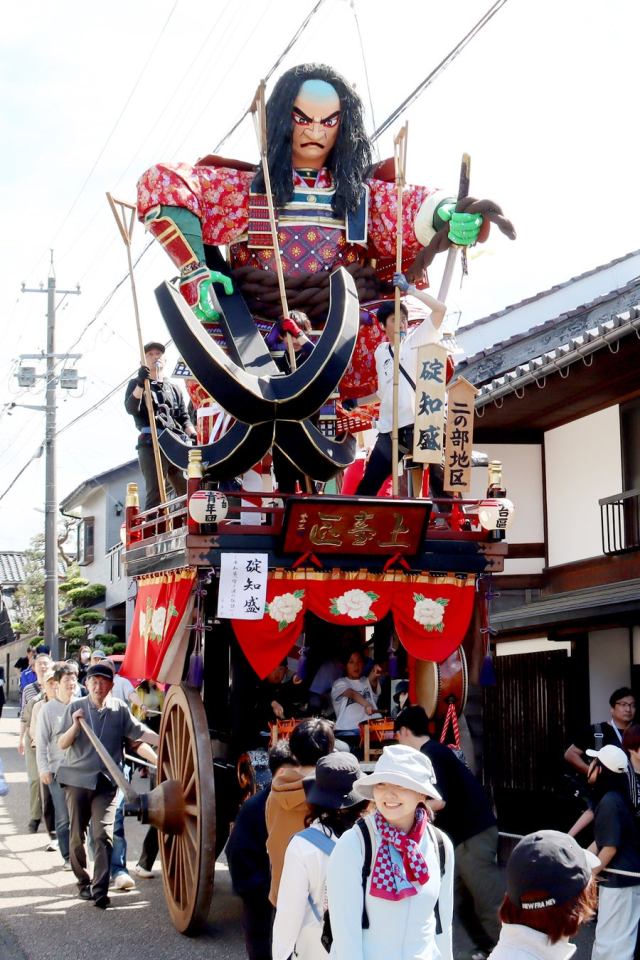
▼ The assault of Naganori Asano (1667-1701) on Yoshinaka Kira (1641-1703) in the Pine Corridor of Edo Castle, the trigger that led to the legend of the 47 Ronin (1703)
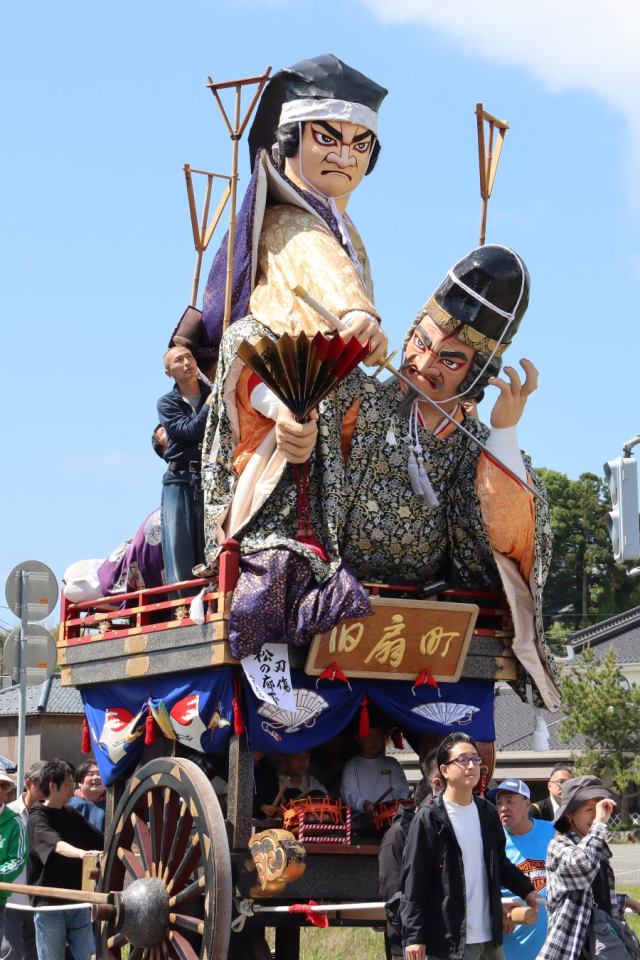
Another new feature of this year’s festival is the creation of a special seated viewing area in the Echizen Railway’s Mikuni Station plaza. Between 4:30-6:30 p.m. on 20 May, spectators can view all six floats in succession as they approach the station and circle the intersection. 40 seats are available for purchase for 5,000 yen ($31.55) each in advance or for 6,000 yen on the day of the event. The viewing area will be split into four levels, with the highest one at 1.8 meters for prime viewing. Seats can be reserved by contacting the Mikuni Community Center at mikuni-cc@city.fukui-sakai.lg.jp or (+81) 0776-82-6400.

While you’re in town, you may also want to see what Fukui has to offer in the gastronomic delights department, such as the sasazuke preserved fish that’s popular among the locals.

Source, images: PR Times
● Want to hear about SoraNews24’s latest articles as soon as they’re published? Follow us on Facebook and Twitter!

  •  

Japanese manga fans urge Trump to stop using characters in his online posts

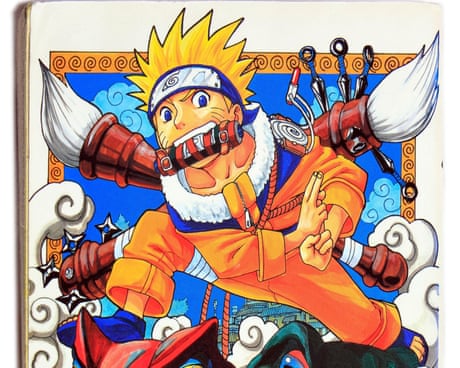
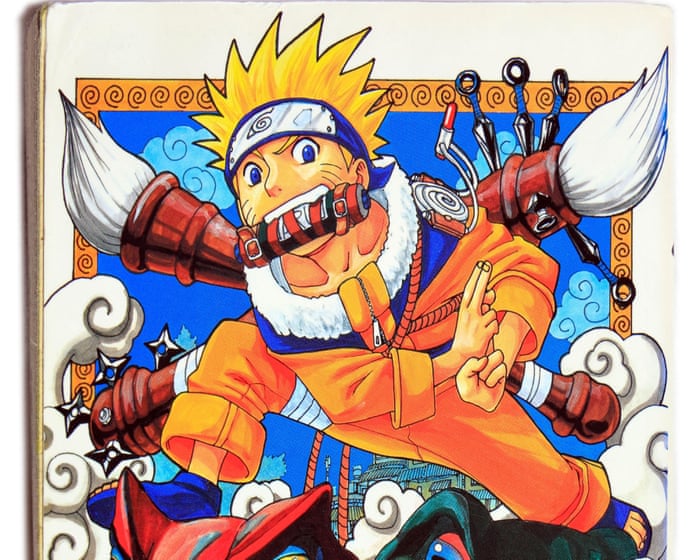
Renewed outrage at White House’s use manga and anime imagery after US president is depicted as ninja Naruto

Japanese anime and manga fans are urging Donald Trump to stop using their favourite characters in his social media posts.

About 20,000 people have signed a petition on Change.org entitled Protect Japanese Manga, protesting against the official White House X account posting videos featuring unauthorised use of imagery from the popular Dragon Ball, Yu-Gi-Oh! and Naruto series. Angry fans have also been posting on social media.

Continue reading...

© Photograph: StudioB/Alamy

© Photograph: StudioB/Alamy

© Photograph: StudioB/Alamy

  •  

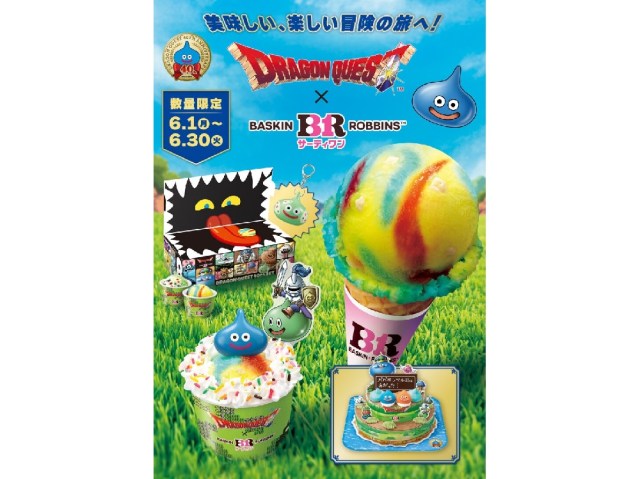
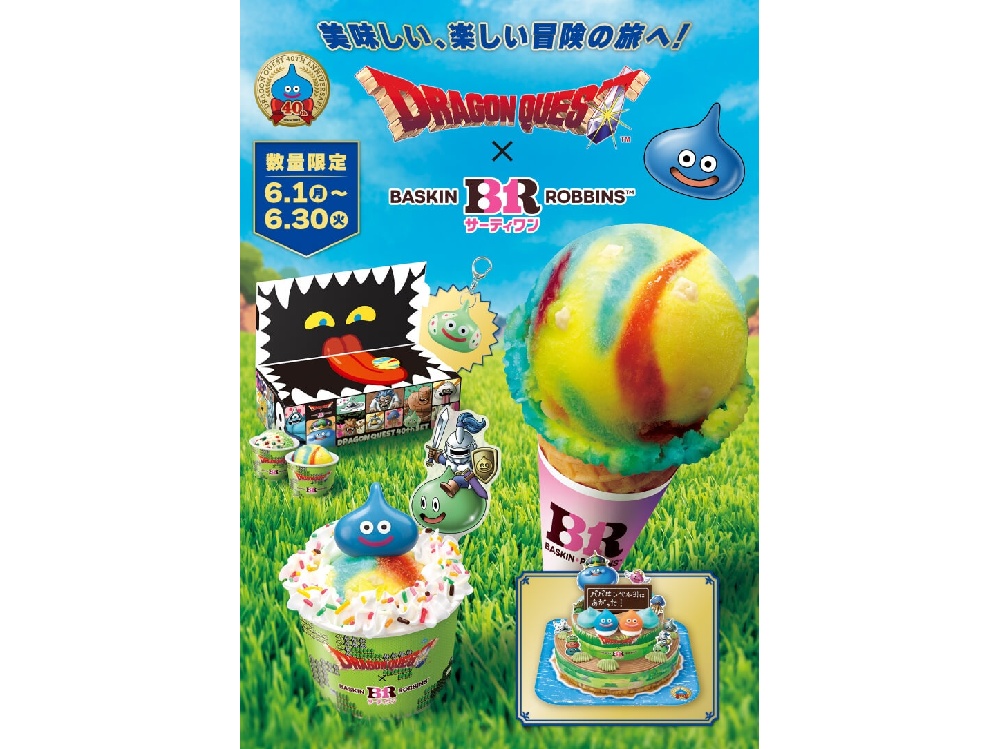
Dragon Quest Slimes appear on Baskin-Robbins ice cream cakes in Japan, Critical Hit flavor debuts

Critical Hit-flavor ice cream and Mimic containers among the sweet adventures waiting at Baskin-Robbins.

Generally speaking, customers wouldn’t be happy to see slimes at the restaurants and sweets shops they visit. But just like your kindergarten teacher told you, capitalization is important, and so the appearance of Slimes at Baskin-Robbins Japan is a cause for joy across the nation.

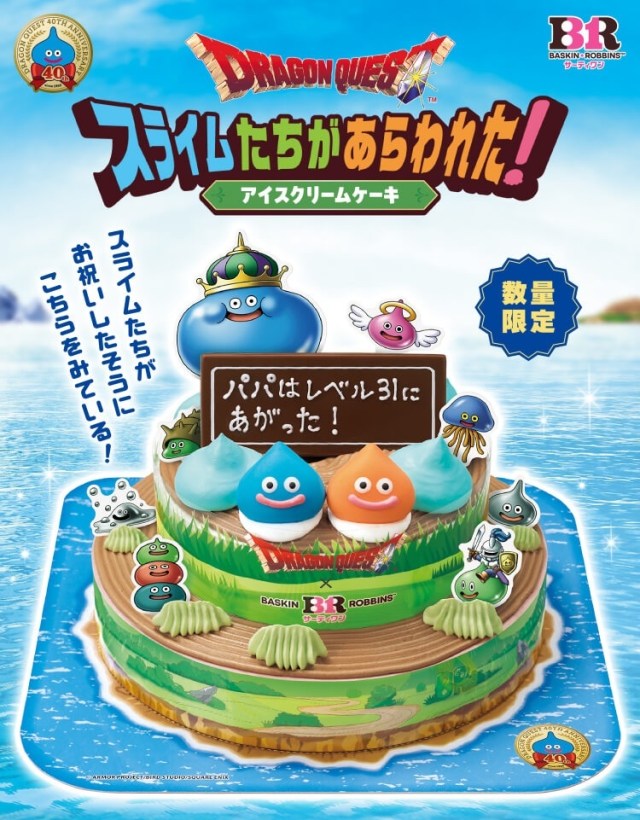
Yes, the mascot monsters of the Dragon Quest video game franchise have drawn near to Thirty-One, as Baskin-Robbins is known to fans in Japan. Among the treats that made their debut on June 1 is the Slimes Draw Near Ice Cream Cake.

This 11.5-centimeter (4.5-inch) diameter cake features a two-tiered Slime Island with edible frosting Slimes, decorative paper ones, and a command window-style chocolate plate with a message of your choice written on it (the one in the above photo announces “Papa has reached level 31!”). The cake’s interior is made up of four different flavors of ice cream: Double Chocolate, Caramel Ribbon, Strawberry, and Popping Shower, the last of which is so deeply loved in Japan that Baskin-Robbins had to remove it from the voting in their popularity polls.

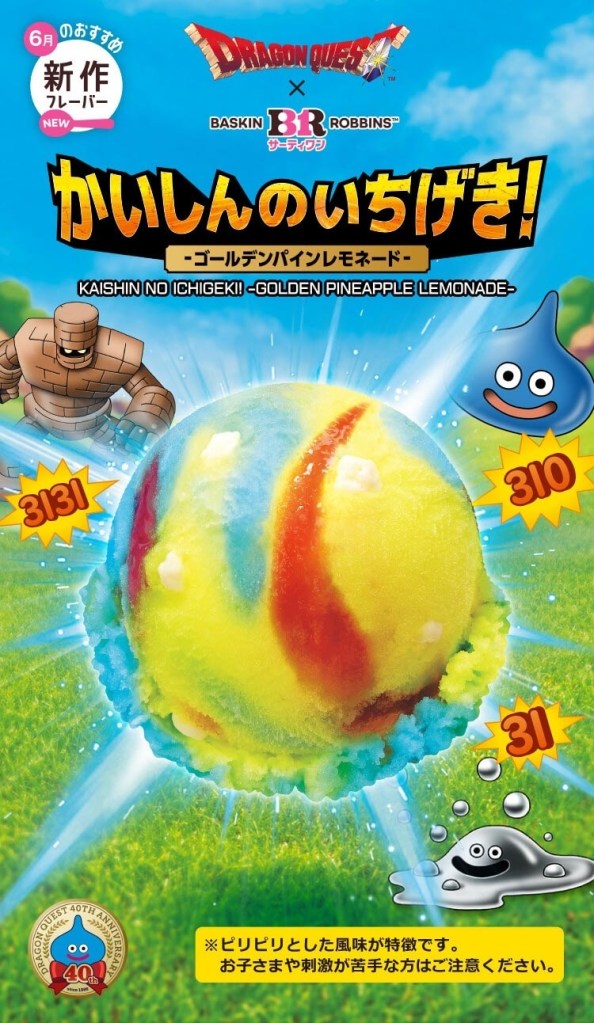
Arriving at the same time as the Slime cake is a new ice cream flavor called Critical Hit Golden Pineapple Lemonade (or Kaishin no Ichigeki Golden Pine Lemonade in Japanese) that tips its hat to Dragon Quest’s RPG gameplay mechanics.

The looks here are a little deceiving, as the sky-blue sorbet here isn’t the Ramune/Blue Hawaii flavor usually associated with this color in Japan, but instead is a lemonade-flavor sorbet, while the yellow is golden pineapple sorbet. The “critical hit” comes from the red ribbons of sour lemon flavor and the mixed-in pieces of Baskin-Robbins Japan’s newly crafted pachishuwa/“fizzy popping” candies, giving this refreshing new ice cream flavor a stimulating kick too.

▼ The introductory video even features the Dragon Quest critical hit sound effect, plus pop-up damage scores of 31, 310, and 3,131.

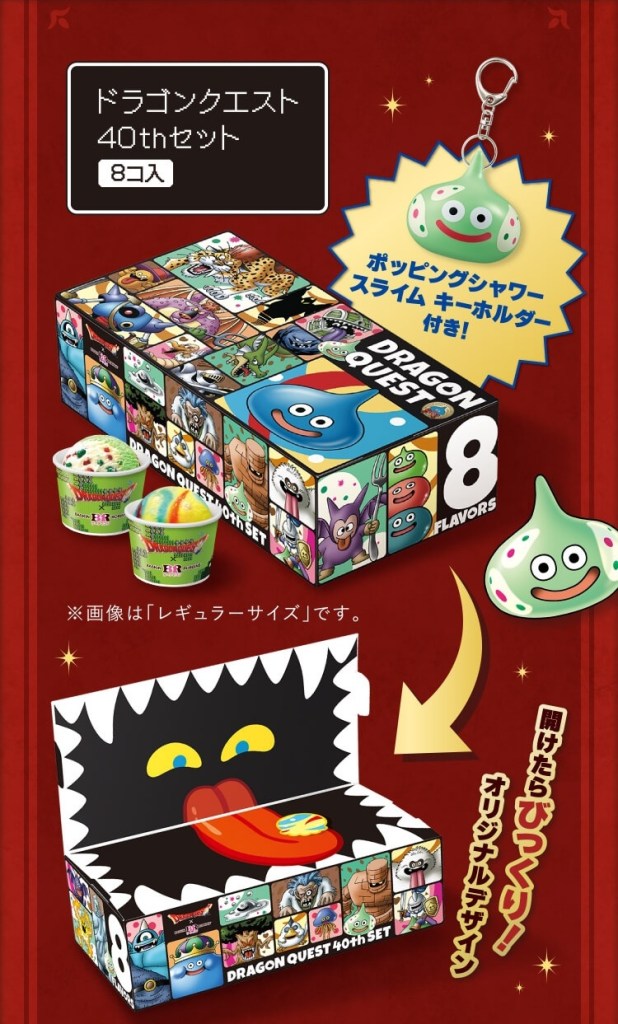
Of course, Baskin-Robbins’ whole deal is that they have a bunch of different flavors, and if you’re in the mood for far more than just one, there’s a Dragon Quest 40th Set (since this year is Dragon Quest’s 40th anniversary) that puts eight ice cream flavors of your choice inside a Mimic. Each flavor comes in a special cup with Dragon Quest overworld map pixel artwork, and the bundle also includes a Popping Shower Slime keychain.

▼ In order to lure in gold-seeking adventurers, Mimics usually disguise themselves as treasure chests, but here in the real world is there any container more tempting than a box filled with ice cream?

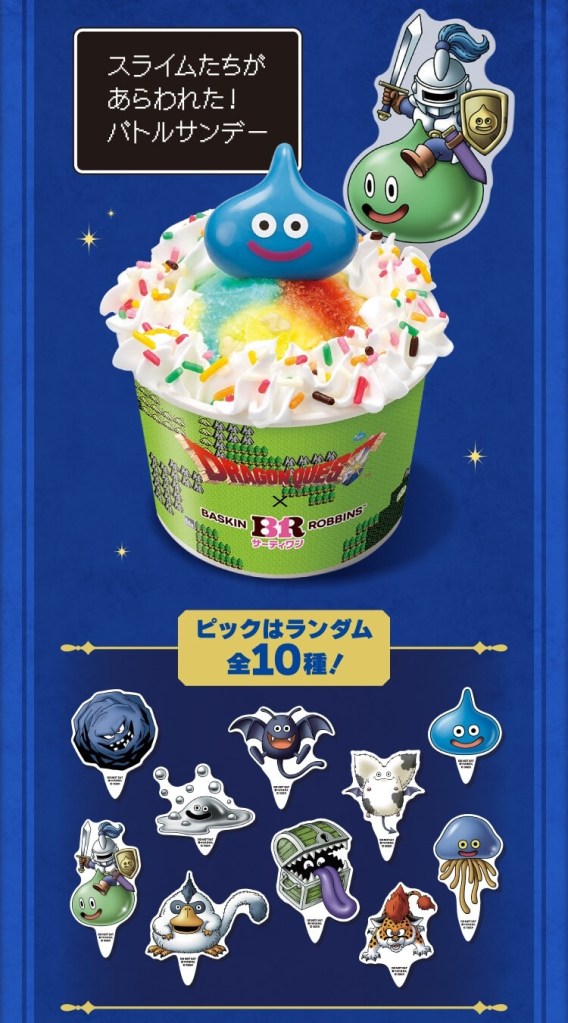
And finally, for those focused enough to only need one scoop of ice cream, or perhaps those cultured enough to always want whipped cream and sprinkles, there’s the A Slime Draws Near Battle Sundae, which includes one of 10 random decorative character illustrations.

The Battle Sundae is priced at 580 yen (US$3.75), the Slime cake 4,300 yen, and the Mimic box 3,000 or 3,500 yen, depending on whether you choose small or regular-sized scoops of ice cream. The Dragon Quest collaboration is scheduled to run until June 30.

Source: Baskin-Robbins Japan via Otakomu
Top image: Baskin-Robbins Japan
Insert images: Baskin-Robbins Japan (1, 2, 3)
● Want to hear about SoraNews24’s latest articles as soon as they’re published? Follow us on Facebook and Twitter!
  •  

Japan’s sticker wars are reaching a breaking point, even for enthusiasts

Our resident sticker-collecting writer shares why she’s saying “enough is enough” and is extricating herself from a sticky situation.

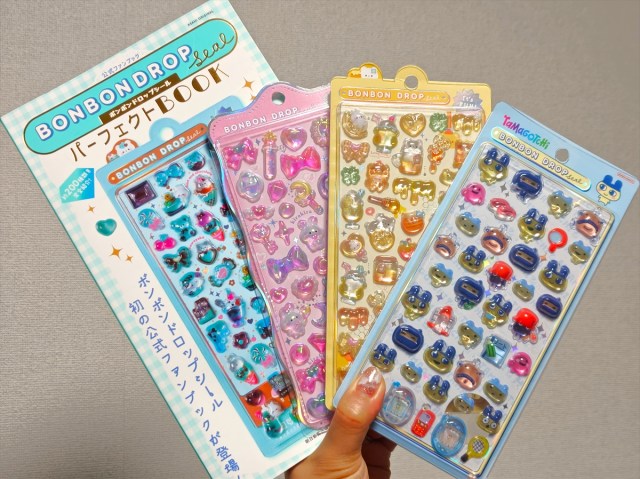
Sticker collecting and trading as a hobby has been sweeping Japan among kids and adults alike for a while now, to the point that puffy stickers were sold out last year and people were shelling out ridiculous amounts of money to get their hands on them. Our Japanese-language reporter Haruka Takagi also got all in on the fun herself, even making new friends through this shared interest…until recently, that is. She suddenly stopped collecting them last month for one simple reason–she got tired of the hassle.

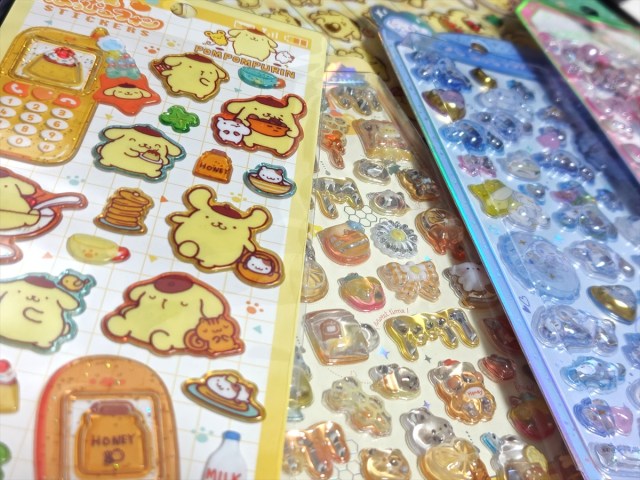
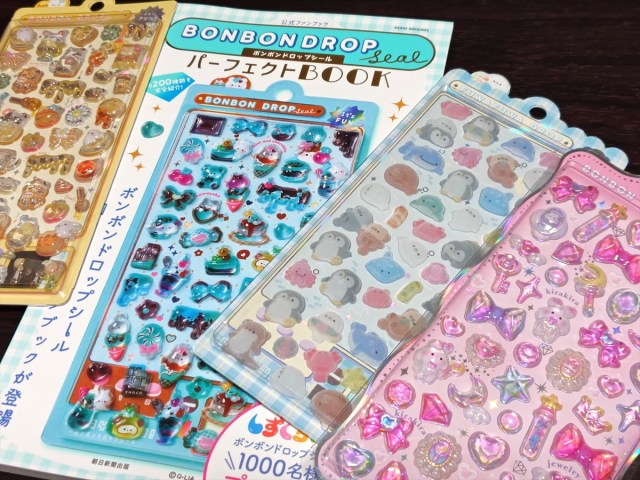
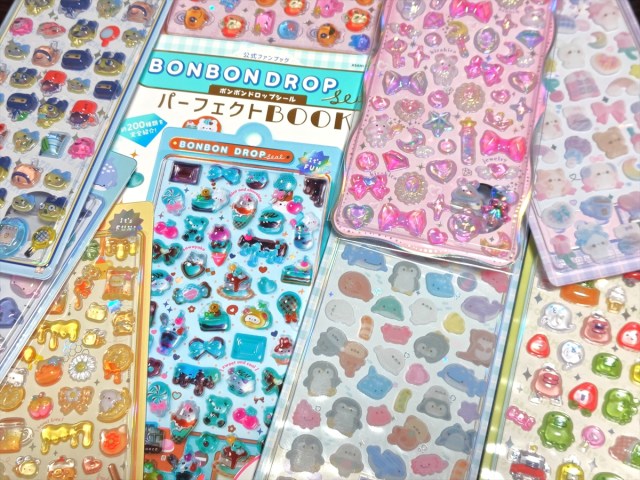
Now, there are still plenty of stickers that she hasn’t gotten her hands on yet, such as those from the 3-D Bon Bon Drops brand, anything featuring her beloved pandas, Sanrio’s Pompompurin, and more that she’s seen on social media. The company behind Bon Bon Drops recently announced that it increased its production by 2.5 times due to popular demand…which sounds like she should be able to easily get her hands on them, no? The truth isn’t quite so simple.

▼ Keep calm and stick on

As a homebody, Haruka prefers purchasing most of her stickers online on places like Amazon and Rakuten through the official manufacturers’ pages. Until not that long ago, she was able to purchase stickers by occasionally browsing these sites and placing an order. Even if some of them sold out in five minutes, that still gave her enough time to look through the options and use her loyalty points. However, that practice changed completely with the advent of “breaking news” sticker social media sites, where certain accounts give notifications at the exact moment popular stickers go on sale, causing tens of thousands of fans to flood the shopping sites all at once. She can barely even buy stickers online at all now as a result.

She could try proactively patrolling her usual pages before these kinds of announcements are made, but that practice is unsustainable. Although she’s a freelance writer, that doesn’t mean she has the time to obsessively check these sites every hour, especially when she’s wearing her “mom hat.” The situation is also unrealistic for physical store locations, where stickers might sell out in five minutes and then customers have to either store-hop from place to place or wait for hours on-site for workers to restock them. It doesn’t make any sense to go to these extreme lengths for what’s supposed to be a simple hobby.

A further concern is that the stickers Haruka orders might not arrive–if she even manages to buy them in the first place. She’s been hearing more and more about such cases recently, and has even personally experienced not getting a set that she went through a lot of trouble to order that never came and the ensuing emotional letdown. She’s realized that when a site lists things like “reserve now” or “estimated restock time,” sometimes the stickers don’t materialize for months, or the store might even cancel the order after a certain amount of time.

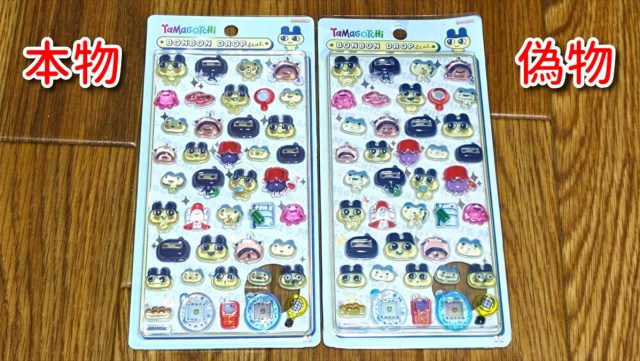
That frustration led her to consider making purchases from third-party sellers on auction sites. Initially she was enthusiastic about the idea because the prices weren’t that far off from the manufacturers’ prices, and she should be able to find her favorites more easily. However, she then learned that the tradeoff is that counterfeits abound. Take the Tamagotchi sets pictured below, for instance, which appear to be almost indistinguishable at a glance. However, she received the fake version from a third-party seller, which made her lose trust in such sites.

▼ Genuine set (left) versus counterfeit set (right)

However, the final straw that broke the camel’s back for Haruka’s sticker collecting was the official manufacturers announcing that they would be releasing dozens of new sticker sets, seemingly all at once, too.

While the prospect of new stickers may sound exciting, Haruka had a completely different natural reaction to the news along the lines of the following:

“That probably means they’ll be discontinuing the ones I want and have been waiting for forever.”
“It’s not like I’ll be able to get my hands on any of the new ones anyway…”
“I’m so tired of this.”

Since then, all of the fiery passion that she once had for growing her collection dimmed until it was nothing more than a whiff of smoke. Now she feels strangely sad when she hears about newly released sticker sets, which is why she’s decided to take a break from stickers altogether.

That doesn’t mean Haruka’s given up all hope, though. She has faith that someday she’ll be able to pick her hobby back up again, whenever she can leisurely browse through the options and not have to jump through all kinds of hoops to get them. In the meantime, we hope she’ll consider starting a new collection–ideally something that won’t become just as complicated.

All images © SoraNews24
● Want to hear about SoraNews24’s latest articles as soon as they’re published? Follow us on Facebook and Twitter!
  •  

Tokyo restaurant offers lunches for less than 1 U.S. cent…if you’re good enough at rock-paper-scissors

We head to a unique restaurant for a harami bowl and a janken match.

It wasn’t all that long ago that you could find lots of restaurants in Japan offering “one-coin” lunches, so called because the meals were priced at 500 yen (US$3.25) or less, with 500 yen being the largest denomination of coin in Japan. With prices rapidly rising, though, one-coin meals are getting harder and harder to find, something that’s making both our wallets and our stomachs very sad.

However, we recently discovered a restaurant in Tokyo where you can not only get a one-coin lunch, but you don’t even need a 500-yen coin, because the place sometimes charges as little as just one yen for lunch!

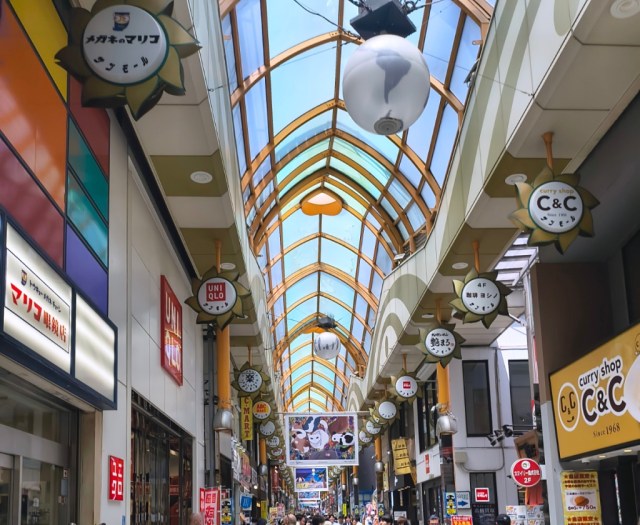
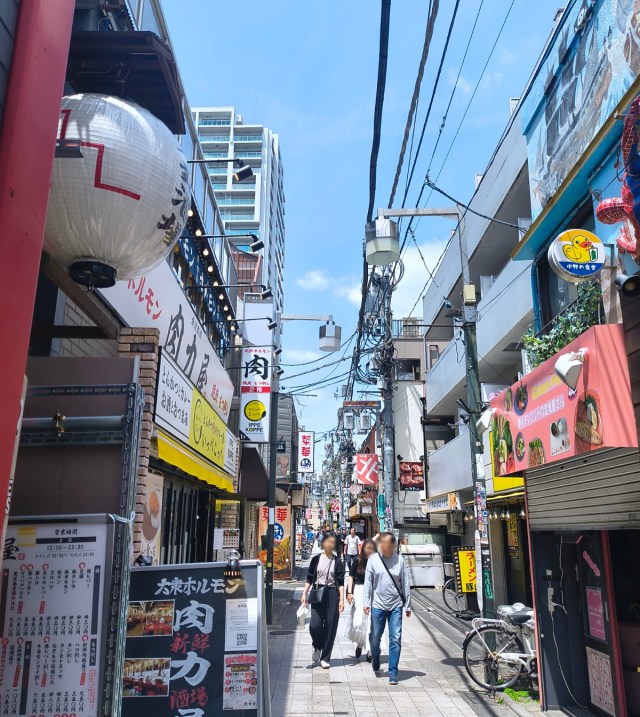
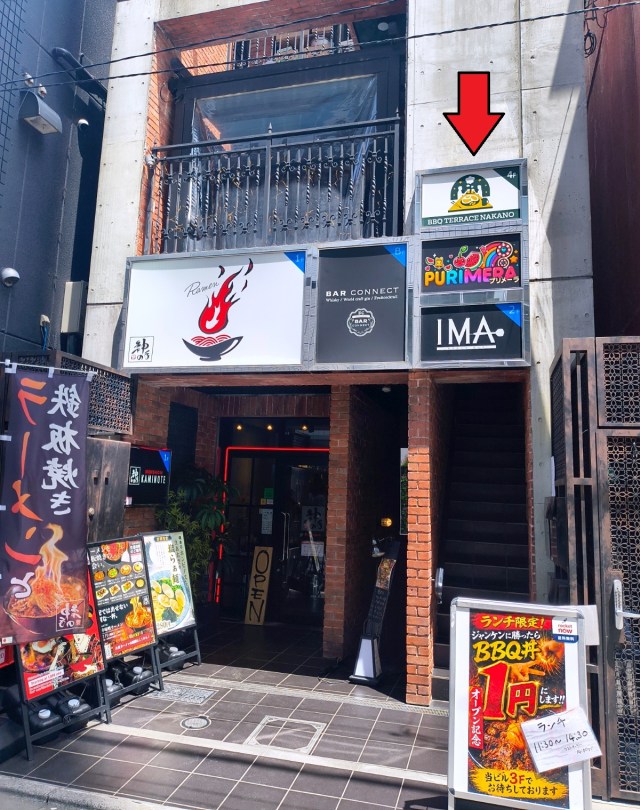
The restaurant is called BBQ Terrace Nakano, and as the name implies, it’s located in the Nakano neighborhood, about a five-minute walk from Nakano Station on the Chuo train and Tozai subway lines. After heading out the north exit, we strolled partway down the Nakano Sun Mall covered shopping arcade, hung a right and cut down one of the side streets until we got to Fureai Road, then turned left and kept walking for a bit more…

…until we were at the building that houses BBQ Terrace Nakano.

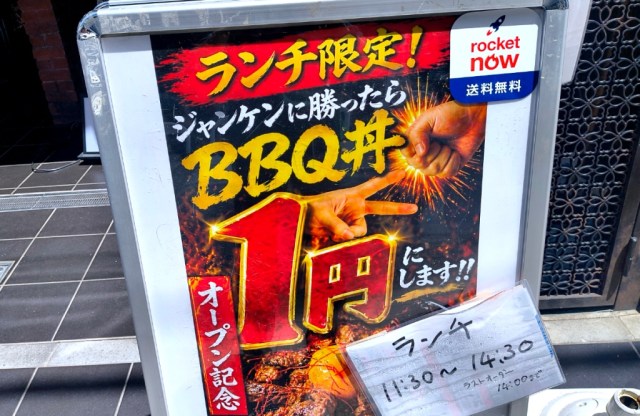
▼ Keep an eye out for this sign.

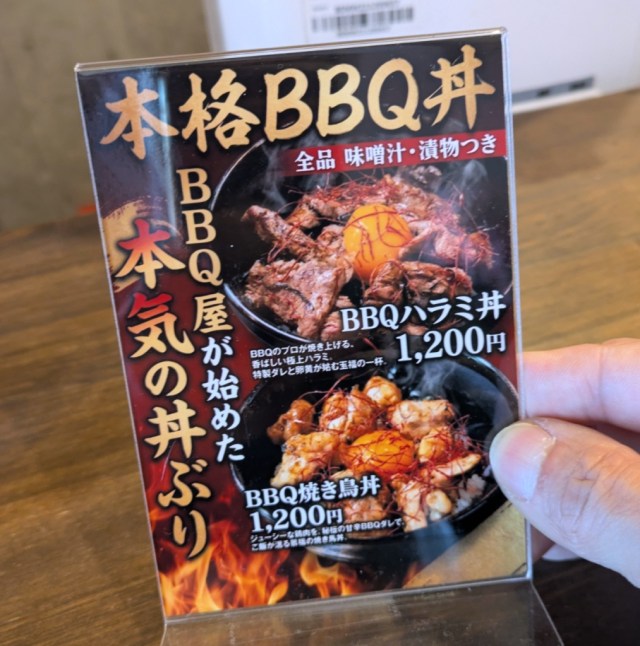
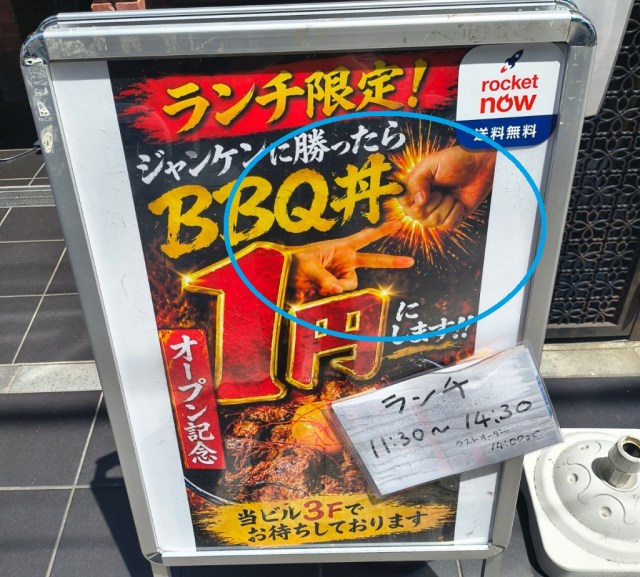
Now, if you’re wondering if there’s some sort of insidious catch to BBQ Terrace Nakano’s one-yen lunches, like they give you a slice of plain toast and call that a “lunch” before trying to upsell you on all sorts of different expensive side dishes, you can put your mind at ease. The one-yen price is a special offer on weekdays between 11:30 a.m. and 2 p.m., and is applicable to the restaurant’s BBQ Harami (skirt steak) and BBQ Yakitori (grilled chicken) bowls, which give you the meat, rice, miso soup, and pickles, which are normally priced at 1,200 yen.

That said, there is a challenge you’ll have to complete in order to get these meals for just one yen: you’ll have to defeat the restaurant staff in a game of janken, a.k.a. rock-paper-scissors.

We opted for the harami bowl, and after we placed our order, we sat waiting with our stomach growling and our competitive juices gurgling. It turned out that we’d gotten a bit ahead of ourselves, though, since you do the rock-paper-scissors challenge at the end of your meal, right before paying. In hindsight, this is a smart way to structure the system, since it encourages customers to be accepting of possibly paying 1,200 yen for the meal, making the potential one-yen price feel like a 1,199-yen discount if you’re lucky enough to get it.

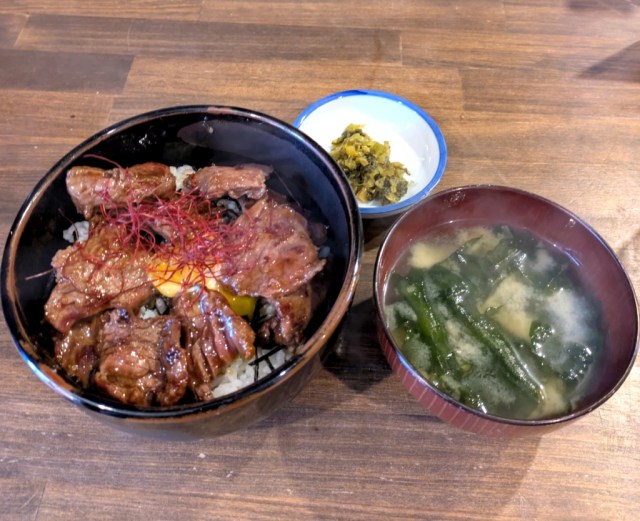
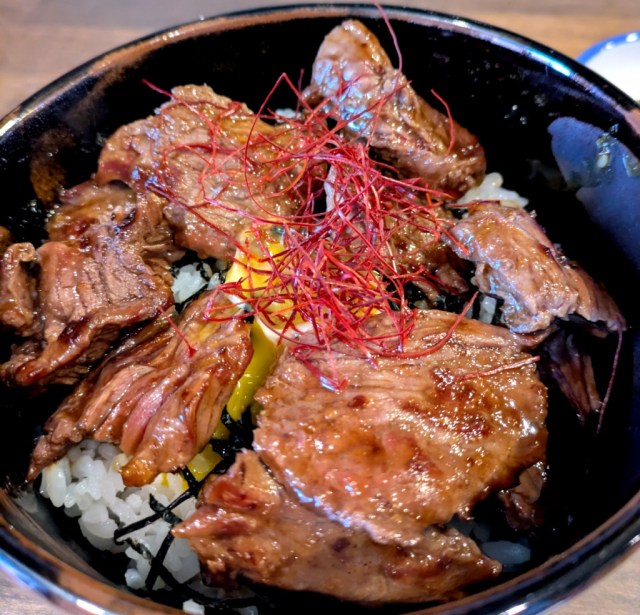
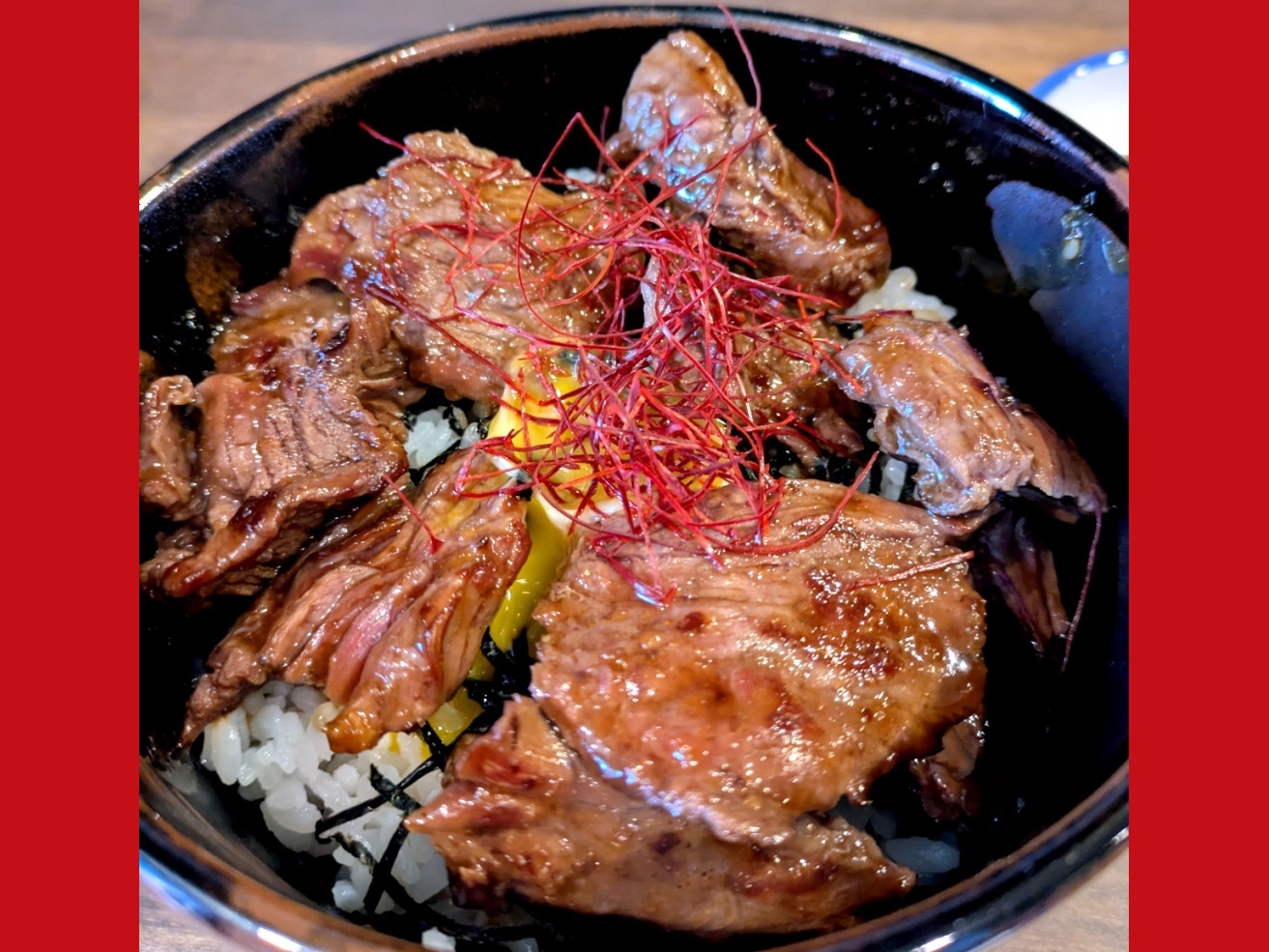
And honestly, even for 1,200 yen, this is a pretty attractive spread.

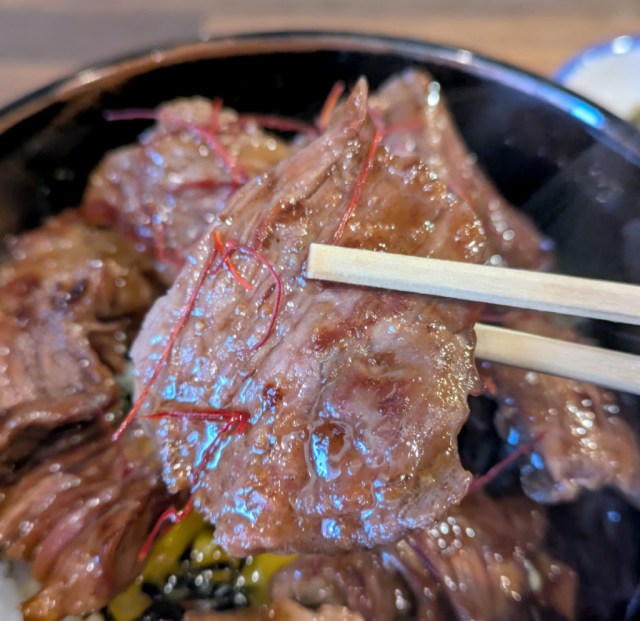
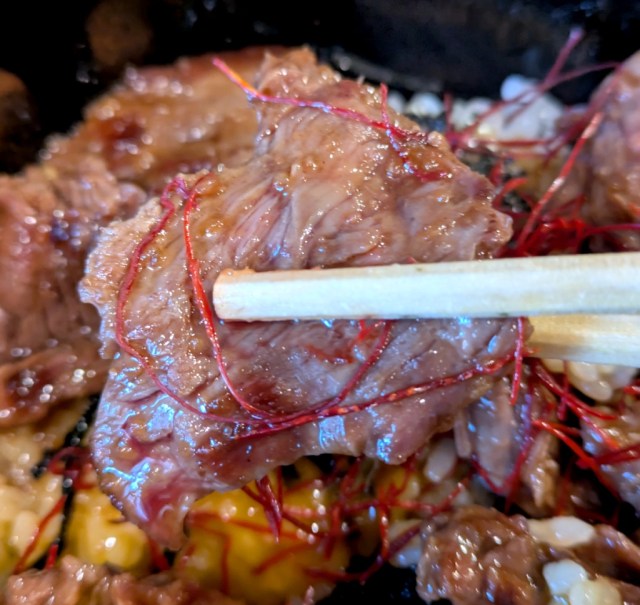
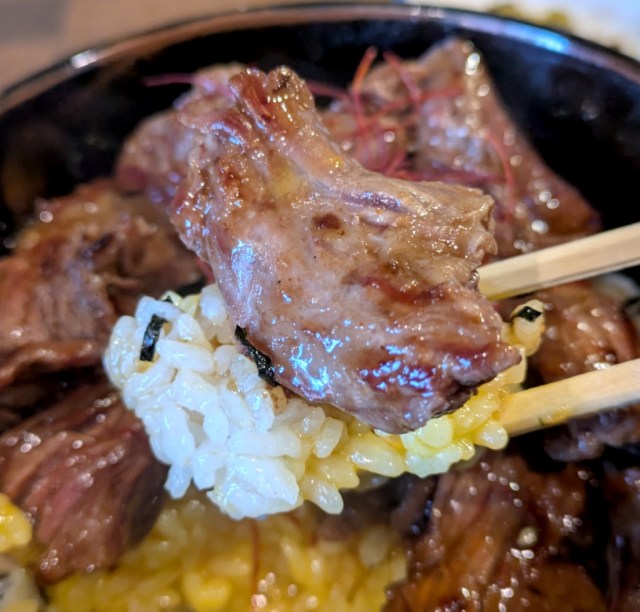
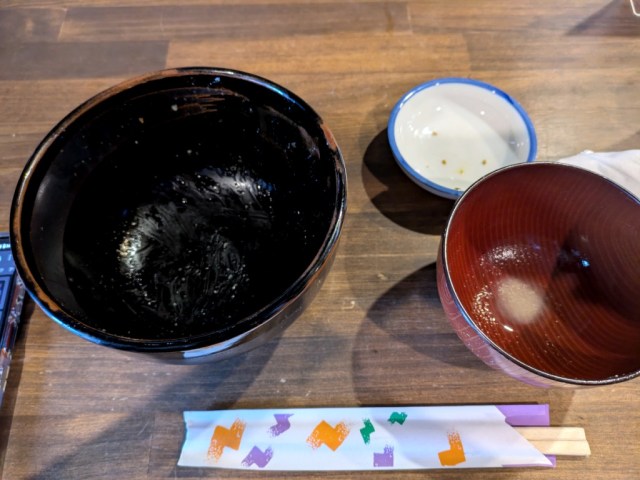
The slices of beef are nice and thick, topped with ito togarashi (shredded red chili pepper) and treated with a soy sauce-based sauce and egg yolk to make it even more moist and flavorful.

It really is an outstanding meal, so much so that we wondered if we’d feel a little guilty if we ended up paying just one yen for it.

But hey, BBQ Terrace Nakano had issued the challenge, and we were going to accept it! Once we were done eating, we headed up to the register, where waiting for us was BBQ Terrace Nakano’s owner himself, who personally takes on all comers in the rock-paper-scissors bouts.

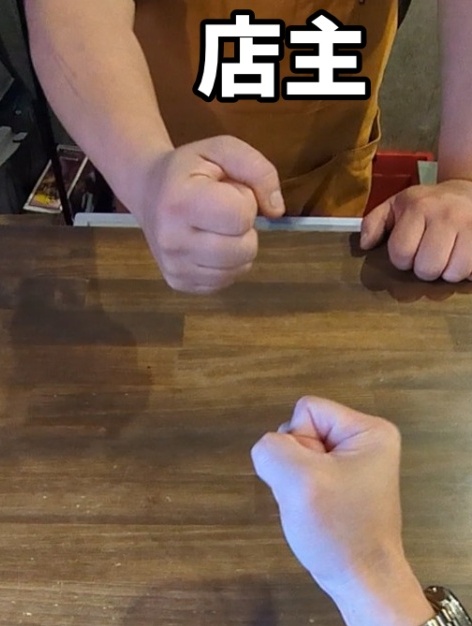
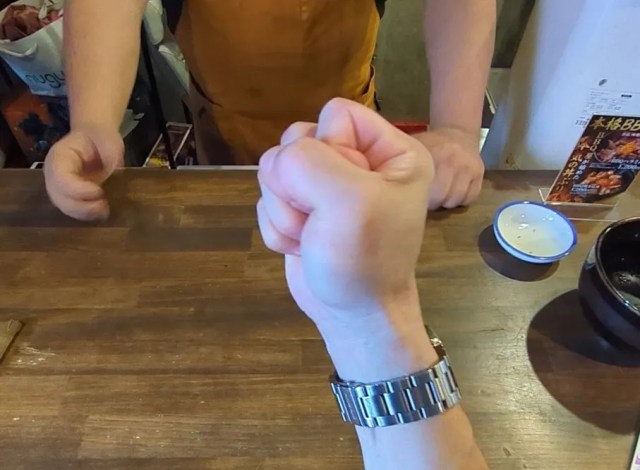
Together, we recited the customary Japanese janken cadence (“Saisho we gu! Janken pa!”) and threw out our opening gambit, paper…

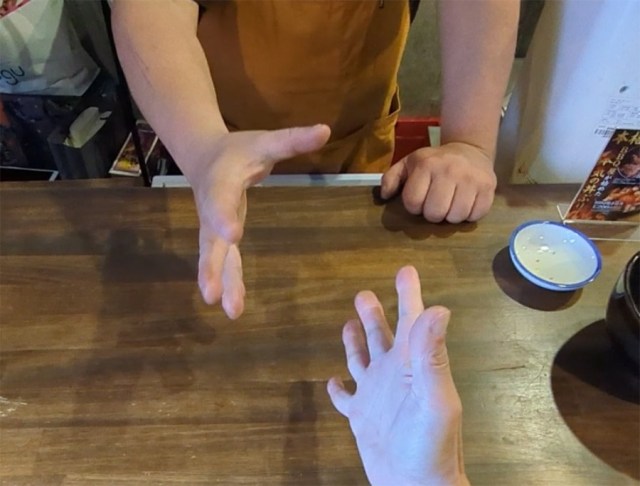
…only to see that the owner had had the same idea! Tying like this is called aiko in Japanese, and you reset by calling out “Aiko desho,” and while we switched tactics to rock…

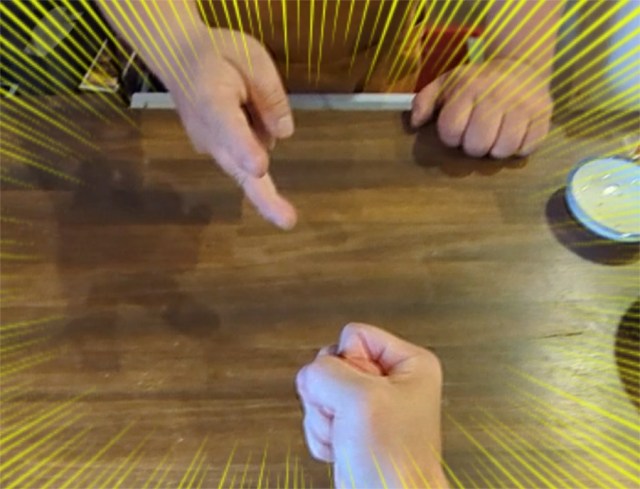
BBQ Terrace Nakano’s miscalculated and changed to scissors, giving us the win, and the one-yen price for our lunch!

▼ Though it’s technically the same gesture, at this point our janken rock had transitioned to being a victory fist pump.

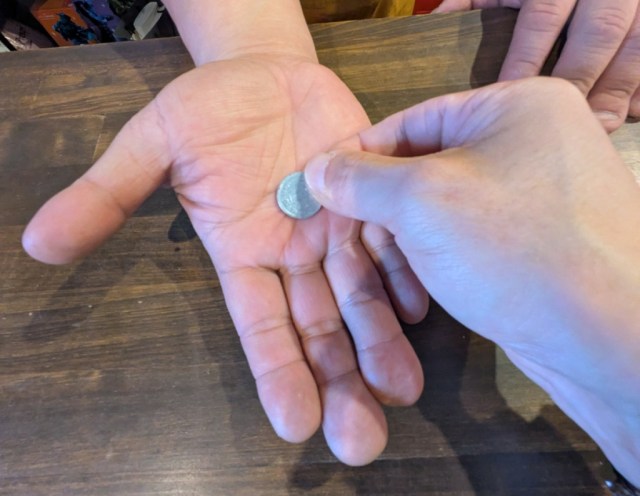
▼ The single one-yen coin, worth less than 1 U.S. cent, which we paid for our lunch.

So if you’re feeling lucky, or just very confident in your rock-paper-scissors skill, you can have a great meal at a great price here…but you’ll also need to be quick. Initially, the plan was for BBQ Terrace Nakano’s weekday lunch janken promotion to run only until the end of May, and while the owner says he’s now thinking about extending it farther than that, it probably won’t be around forever.

Restaurant information
BBQ Terrace Nakano / BBQテラス中野
Address: Tokyo-to, Nakano-ku, Nakano 5-50-4, Rikamu Building 4th floor
東京都中野区中野5-50-4 リカムビル4階
Open 11:30 a.m.-11 p.m.
Website

Photos ©SoraNews24
● Want to hear about SoraNews24’s latest articles as soon as they’re published? Follow us on Facebook and Twitter!
  •  

20260405-EBANISTERIA JAPONESA-NB007-2K

Manuel Gual posted a photo:

20260405-EBANISTERIA JAPONESA-NB007-2K

The Quiet Discipline of Japanese Woodworking: A Traditional Joinery Workshop

Description

Inside a serene Japanese woodworking studio, the images reveal the slow, precise, and deeply tactile world of traditional cabinetmaking. Soft natural light filters through shoji screens, illuminating aged wooden workbenches, hand planes, chisels, saws, measuring tools, stacked timber, polished drawers, iron hardware, and carefully assembled joinery. The atmosphere is calm and contemplative, shaped by patience, repetition, and respect for material.

The series follows the full rhythm of artisanal creation: selecting and preparing raw boards, drawing measured plans by hand, sharpening blades on a wet stone, cutting and carving joints, planing long ribbons of wood from a board, assembling drawers and cabinets, fitting metal handles, brushing lacquer, polishing surfaces, and finally presenting finished tansu-style furniture in a quiet tatami room. Every scene emphasizes craftsmanship over speed, touch over machinery, and inherited knowledge over industrial production.

The visual language combines documentary realism with a refined cinematic sensibility. Warm wood tones, indigo work garments, soft diffused daylight, shallow depth of field, sawdust, wood grain, worn tools, and traditional Japanese interiors create an intimate portrait of a craft that feels timeless. The images celebrate not only furniture making, but also the philosophy behind it: restraint, precision, durability, balance, and beauty found in useful objects.

This collection is ideal for themes related to Japanese culture, traditional carpentry, handmade furniture, heritage crafts, sustainable design, woodworking, wabi sabi aesthetics, slow craftsmanship, interior design, and the quiet dignity of manual labor.

The images have been generated by Artificial Intelligence.

  •  

Even at twice regular Daiso price, this handy item is still great for summer travel in Japan

With the rainy season here, this umbrella companion is a Daiso-premium bargain.

Having flipped the calendar to June, we’re clearly not in spring anymore, but many Japanese people would argue that we haven’t really made it to summer just yet. That’s because we’re at the start of tsuyu, or “the rainy season,” a roughly month-long stretch of wet weather that precedes the idyllic fun-in-the-sun section of summer.

As a matter of fact, Tokyo is getting drenched with heavy rains at the time of this writing, which is why we’re happy that we recently hit up Daiso and picked up an extremely handy item that we’re going to be putting to good use in the weeks to come.

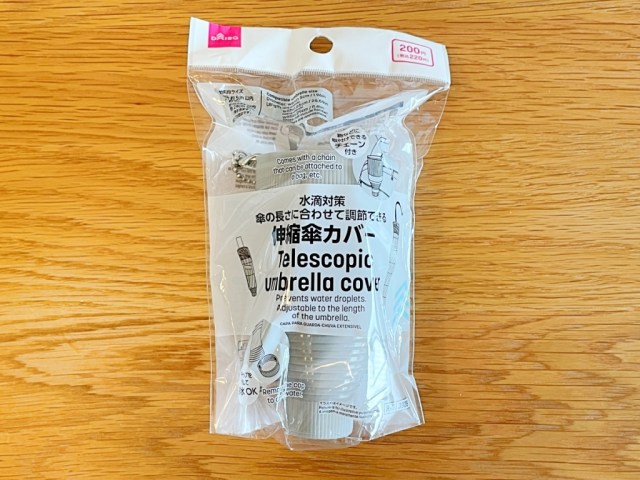
This is actually one of Daiso’s premium-priced products, costing double what the chain usually charges for its items. Of course, with Daiso being Japan’s most famous 100 yen shop, that means that the Telescopic Umbrella Cover is still only 200 yen (US$1.30), and for how useful it is, that price feels like a bargain.

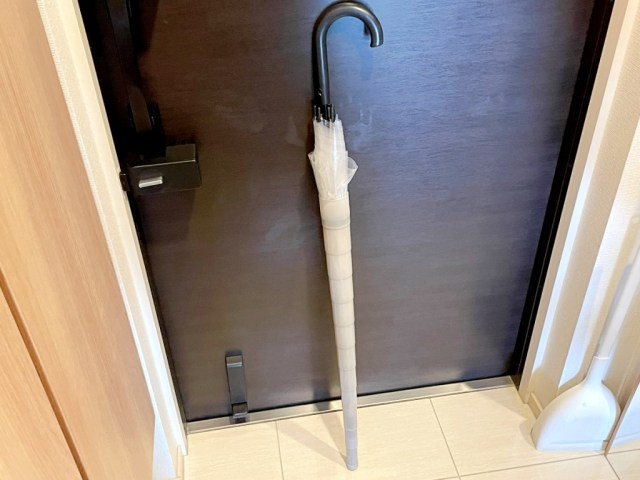
Even with Japan’s excellent train/subway network, life here tends to involve a lot of walking, since you’re at least going to need to get to/from the station. But while an umbrella will keep the rain off you while you’re outside, once you head inside or onto a train, you’ve now got a sopping shaft of damp fabric that’s going to wet your clothes, or the clothes of anyone standing close to you on one of Japan’s famously crowded trains.

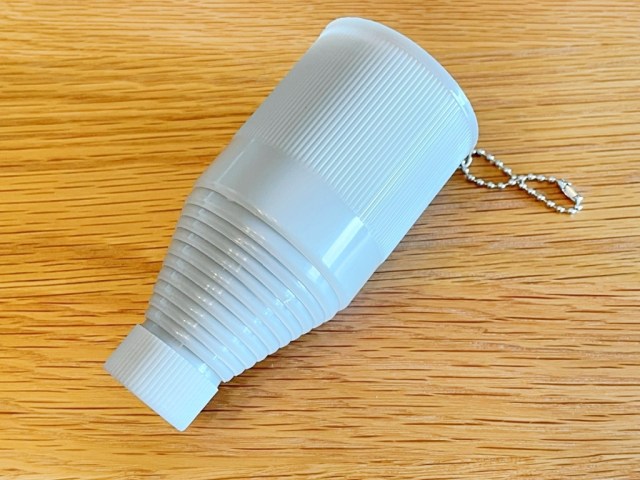
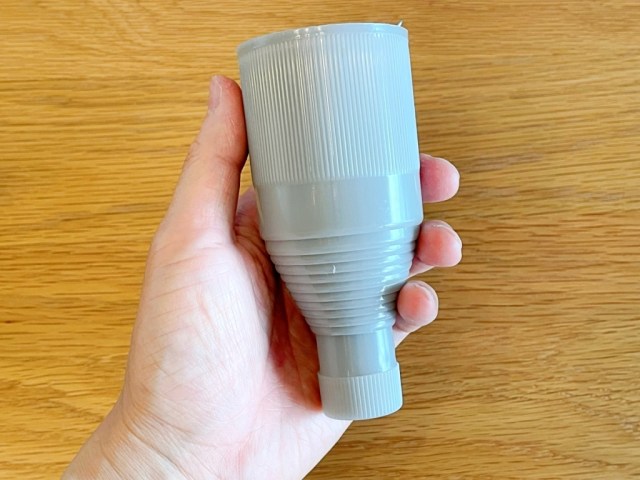
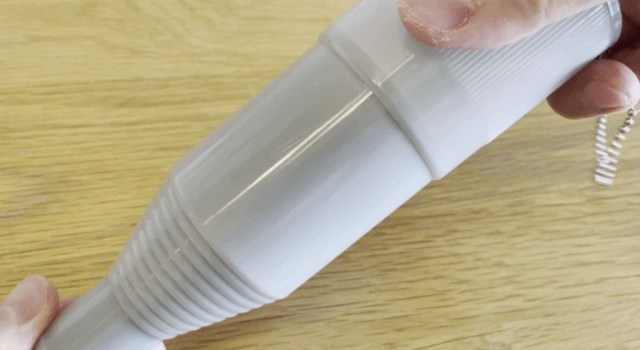
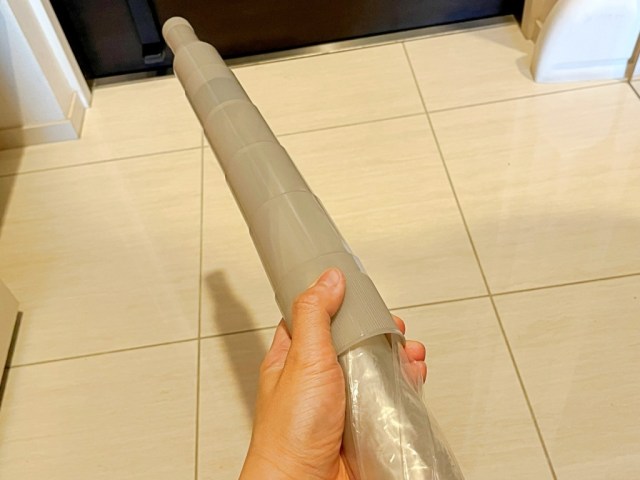
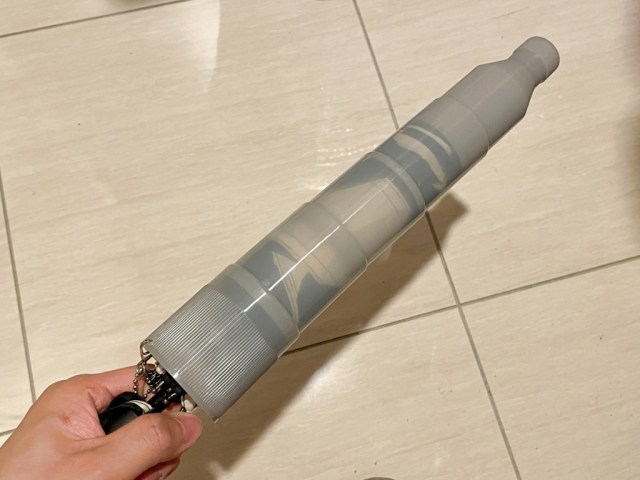
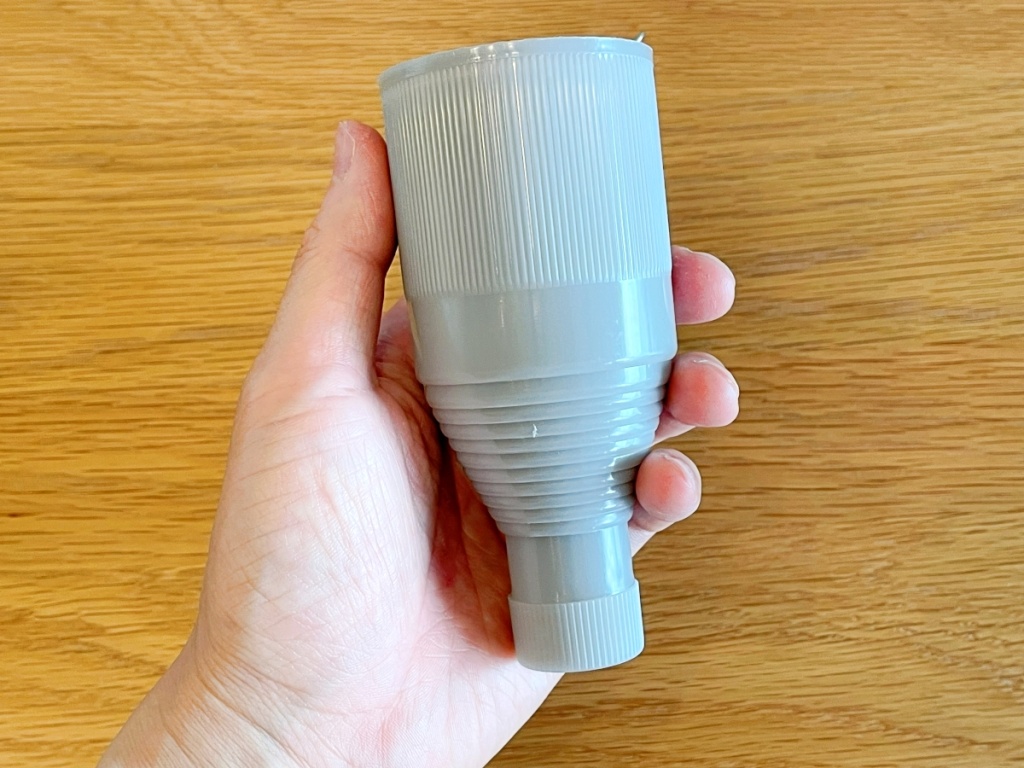
Daiso’s Telescopic Umbrella Cover is here to solve that problem. Essentially a plastic cup with an accordion-like construction, it’s conveniently compact when scrunched down to its smallest size, but expands to accommodate umbrellas.

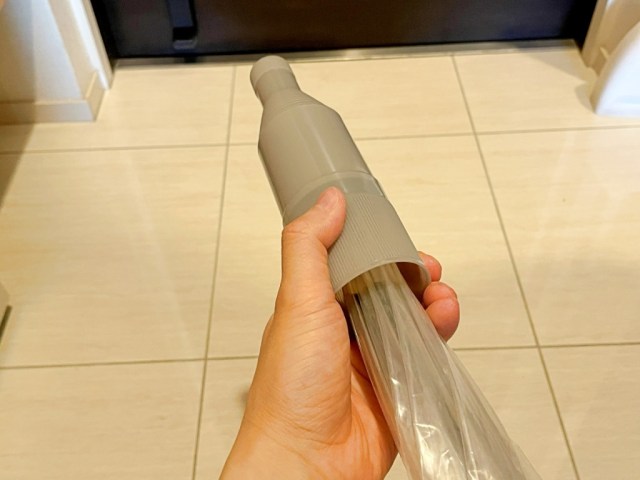
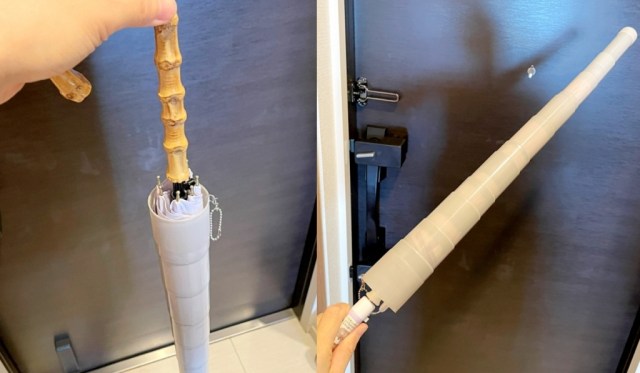
Simply insert your umbrella into the cover and push until it reaches your desired length.

Daiso’s case has a number of advantages compared to the disposable thin plastic bag-style slip-on covers provided at some shopping centers and stores in Japan. For one, there’s no trash generated with Daiso’s reusable cover, and unlike the disposable versions, the Daiso cover works not only with long umbrellas with pointy tips, but shorter folding umbrellas, the kind most popular with travelers, too.

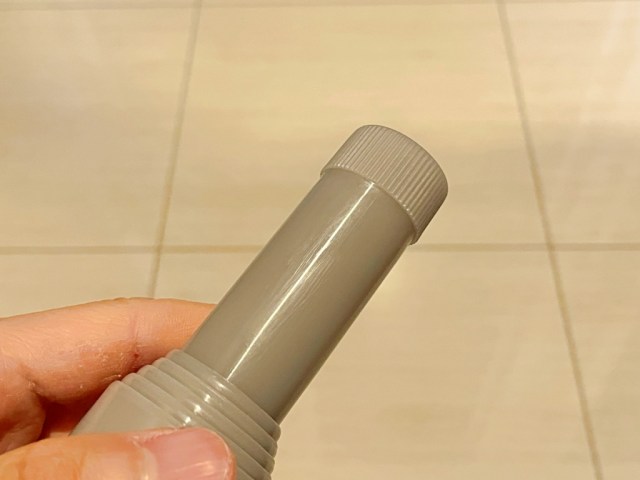
Also, when you take your umbrella back out from a plastic-bag cover, you’re left with a bag of water from all the drops that dripped off the fabric. Daiso’s cover instead has a removable cap at the tip so that you can pour out the water in an appropriate place.

And while some umbrellas come with cloth covers to be slipped over them when wet but not in use, you then end up with a soggy fabric cover that’ll need to be washed once you get home, and repeated washings can damage its moisture absorbency. On the other hand, since Daiso’s case is made of plastic, you can simply wipe off the interior surfaces and it’ll be ready to go again.

Really, the only drawback we could see is that the case didn’t completely cover an extra-large 70-centimeter (27.6-inch) long umbrella that we included in our testing, but even then, it provided a long area length of protection.

Daiso’s Telescopic Umbrella Cover even has a chain so that you can clip it to your bag for easier carrying, and with sudden showers being something that can happen even after the “rainy season” is done, we might have one of these with us all summer long.

Photos ©SoraNews24
● Want to hear about SoraNews24’s latest articles as soon as they’re published? Follow us on Facebook and Twitter!
  •  

Tokyo’s insane Garlic Ramen is a meal, and an aroma, you’ll never forget[Taste test]

There aren’t enough breath mints in the world to save us, but we’re going in anyway.

Japanese folk wisdom holds that garlic is a food that boosts physical stamina, and it’s supposed to be helpful in dealing with the adverse effects of hot weather too. The actual science behind those claims gets a little indistinct, but for garlic lovers, we’re getting into a time of year that provides ample excuses to load up on the seasoning. Today that leads us to Yoshioka, a ramen restaurant in downtown Tokyo’s Mejiro neighborhood.

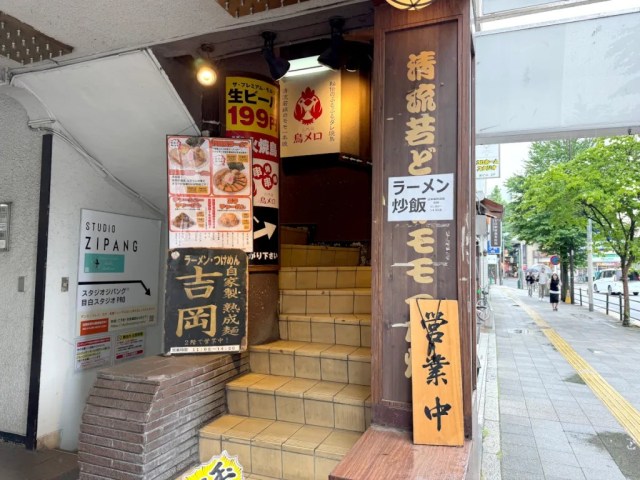
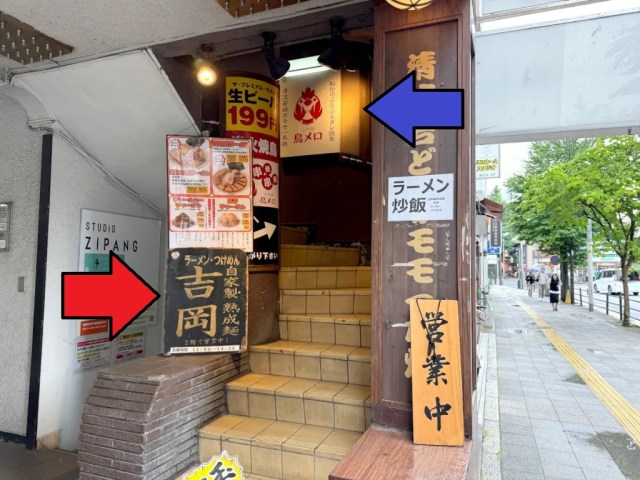
You might have a little trouble spotting Yoshioka, because it actually shares space with a branch of the izakaya (Japanese pub) chain Torimero, with Yoshioka operating in the hours when Torimero isn’t and vice-versa.

▼ The Yoshioka (吉岡) and Torimero (鳥メロ) signs, and the stairway that leads up into the hybrid eatery.

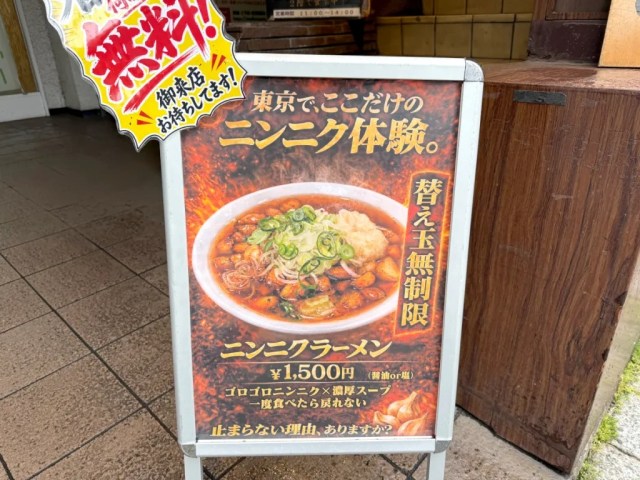
Making the place a little easier to find for us on this day, though, was the sign that was placed at the bottom of the stairs advertising Yoshioka’s Garlic Ramen (“Ninniku Ramen” in Japanese), which included the bold statement:

“Try it once, and you’ll never be able to go back.”

We weren’t sure if this open-ended prophecy was meant to imply that we would never be able to go back to less garlicky versions of ramen, or whether we’d have such strong garlic fumes coming out of ourselves that we’d never be allowed back into regular society. That second possibility might sound a little overly dramatic, but consider this: Yoshioka boasts that it uses 200 grams (7.05 ounces) of garlic in every bowl of its Garlic Ramen. To put that in perspective, an average-sized clove of garlic weighs about 5 grams, meaning that eating a bowl of the Garlic Ramen should be the equivalent of eating roughly 20 cloves of garlic.

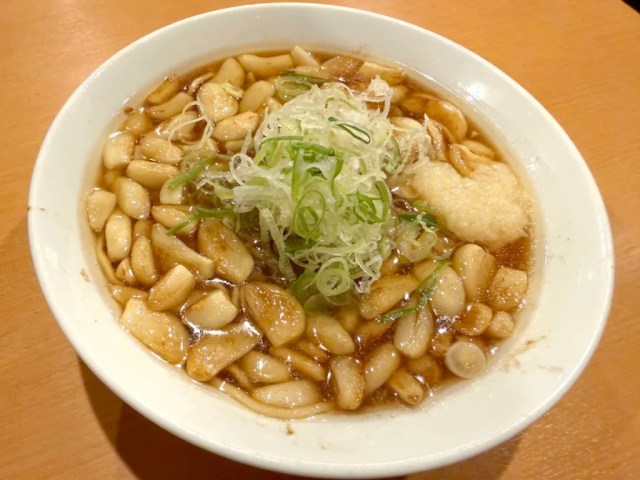
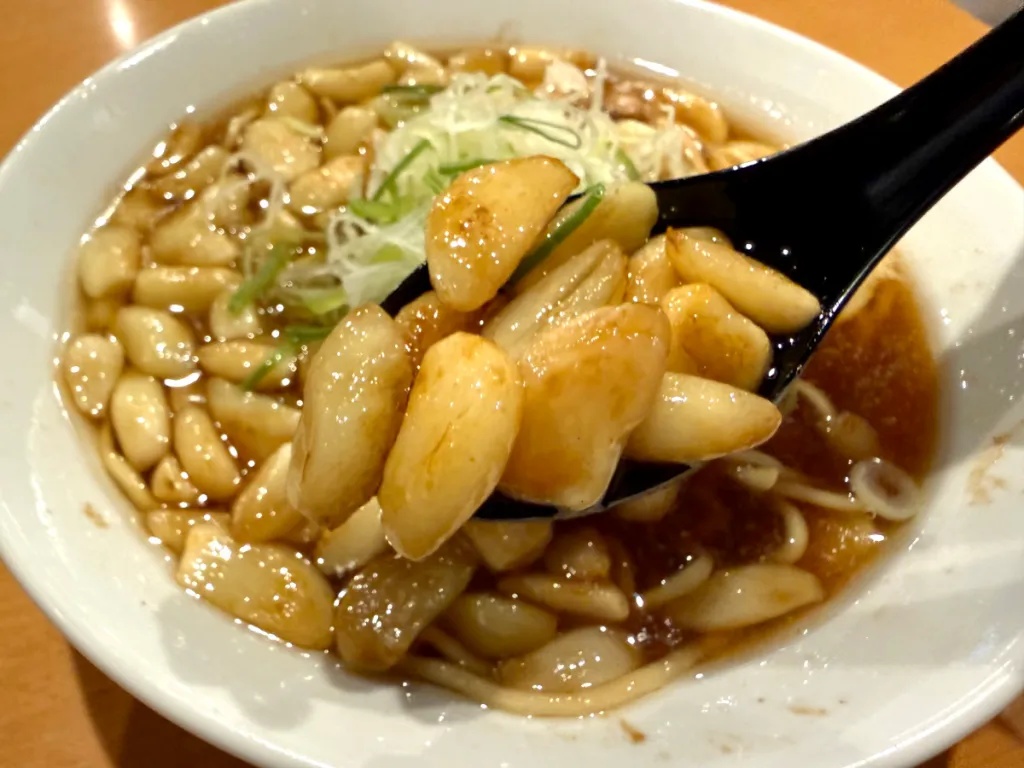
And yet, when the restaurant staff set our bowl down in front of us, it had what looked like even more garlic than that.

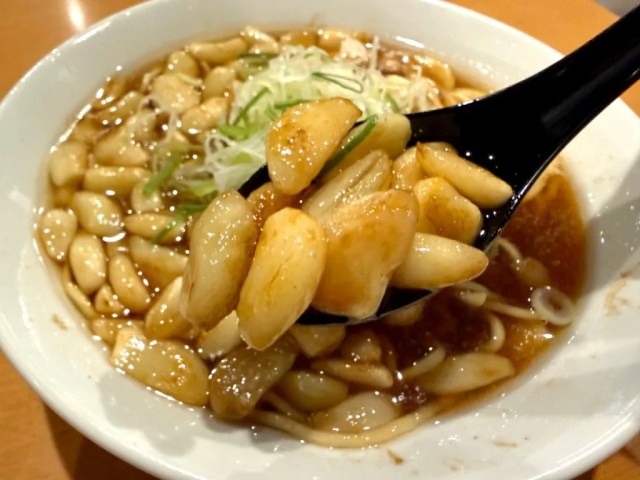
This is an insane amount of garlic. Like, there’re enough cloves that you could eat them by the spoonful, like the world’s most powerfully pungent cereal.

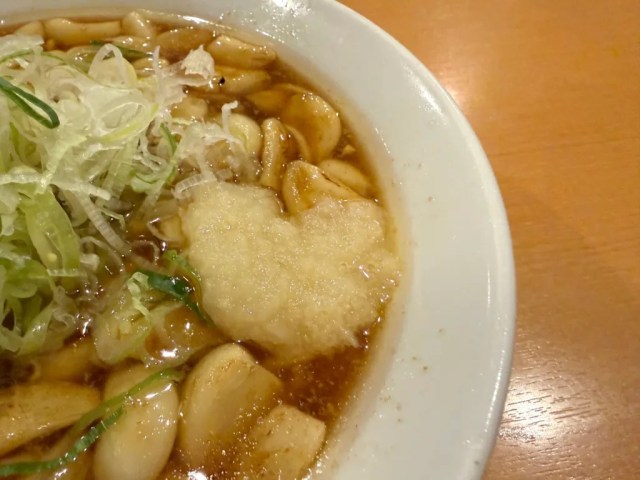
Oh, and in addition to the dozens of cloves of garlic, you get a sizeable squirt of garlic paste waiting to be mixed it into the salty soy sauce-based broth too.

And the taste? Pretty much the fiercest punch of garlic we could imagine. This is an edible declaration of the idea that one can never have too much garlic, and if that’s a conviction you share, you’ll fall in love with this instantly.

The seasoning is so powerful that by the second bite of noodles it was no longer shocking, either because of the bliss we were wrapped up in or because we’d already consumed so much garlic that we were transitioning into a clove of garlic ourselves, and so the flavor now felt natural.

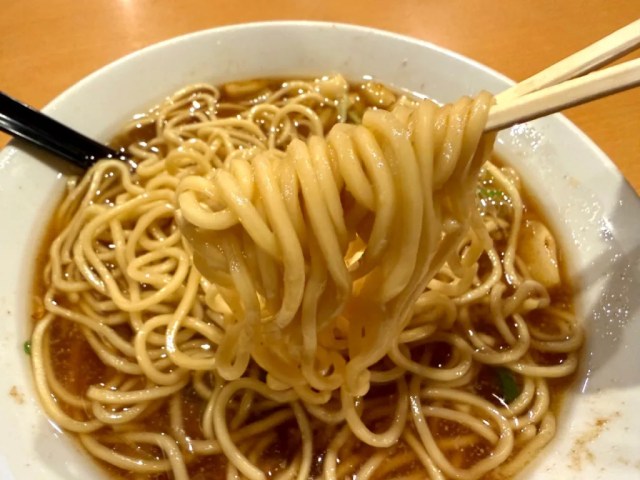
Speaking of the noodles, they’re of excellent quality, with a smooth and slippery surface and firm consistency. Actually, even the broth has a noteworthy texture, as there’s so much garlic in it that the liquid takes on some fluffy, sticky characteristics.

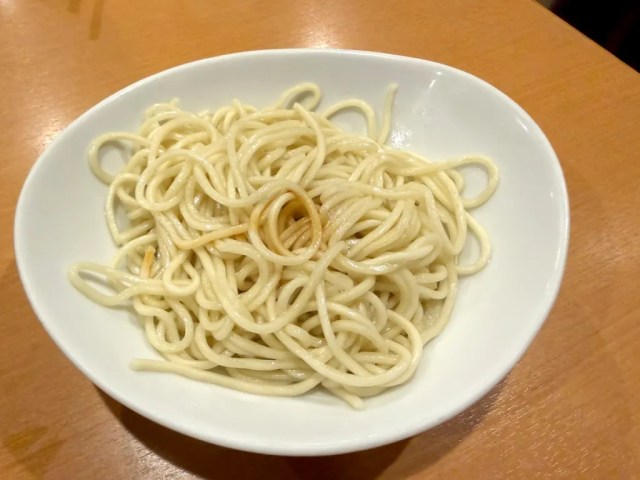
At 1,500 yen (US$9.70), Yoshioka’s Garlic Ramen is on the pricier side, but with how much garlic you get, it doesn’t feel like a bad deal at all, especially when you take into account that you’re allowed one refill of noodles for no additional charge.

All in all, the Garlic Ramen is an unforgettable food experience, but there is one potentially negative aspect to it. Remember how we said Yoshioka shares its space with another restaurant? Because of that, Yoshioka is only open for lunch, meaning you’re going to have to eat this garlicky-loaded bowl of noodles in the early afternoon, or maybe even the late morning, and there is no imaginable way that you won’t smell have the smell of garlic emanating from you wherever you go for the rest of the day. Still, if you’re a garlic lover, it’s worth it, and if you’d rather have some super-salty ramen, we can show you where to find that too.

Restaurant information
Yoshioka (Mejiro main branch) / 吉岡(目白総本店)
Address: Tokyo-to, Toshima-ku, Mejiro 35-13, Fujiya Building 2nd floor
東京都豊島区目白3-5-13 フジヤビルM2F
Open 11 a.m.-2 p.m.

Photos ©SoraNews24
● Want to hear about SoraNews24’s latest articles as soon as they’re published? Follow us on Facebook and Twitter!
  •  

Extra-cute Sea Animal crepes come to Japan’s cafe chain born from a sweet fashion brand

Gelato Pique’s spinoff cafes pique our interest with adorable ice cream and mochi treats.

From its name, you might assume that Gelato Pique is an ice cream brand, but it’s actually a Japanese apparel company that specializes in cute and cozy roomwear (including Pokémon designs). The company describes its aesthetic as being “inspired by sweet indulgences,” hence the “Gelato” part of its name.

However, there’s a lot of crossover between fans of comfy pajamas and relaxing cafes, so while it wasn’t Gelato Pique’s original plan, the brand has also been spun off into a Gelato Pique Cafe chain. This is where the brand’s linguistic atmosphere starts wrapping back on itself. Gelato Pique’s clothing has to be extra-cute in order to match the sweetness of its name, but that then means Gelato Pique Cafe’s customers are going to expect food and drinks on a higher level of photogenic cuteness than at other restaurants.

That’s a bar Gelato Pique Cafe is easily clearing, though with its Sea Animals sweets series.

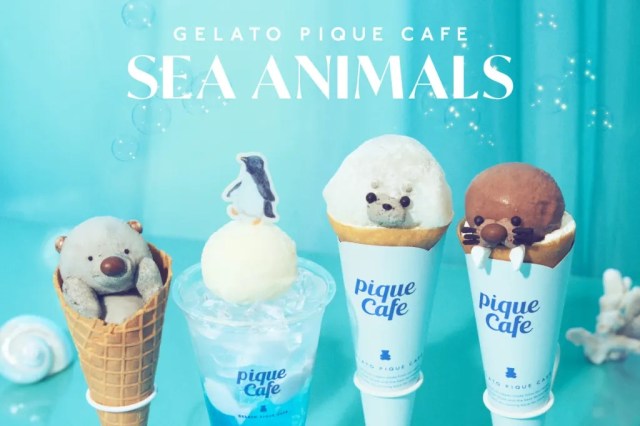
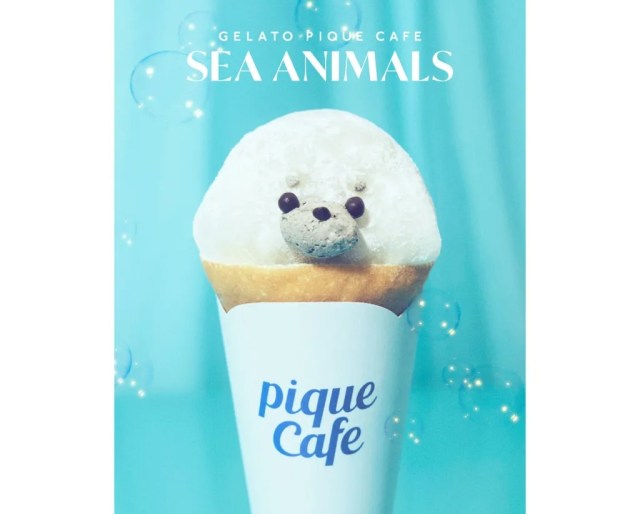
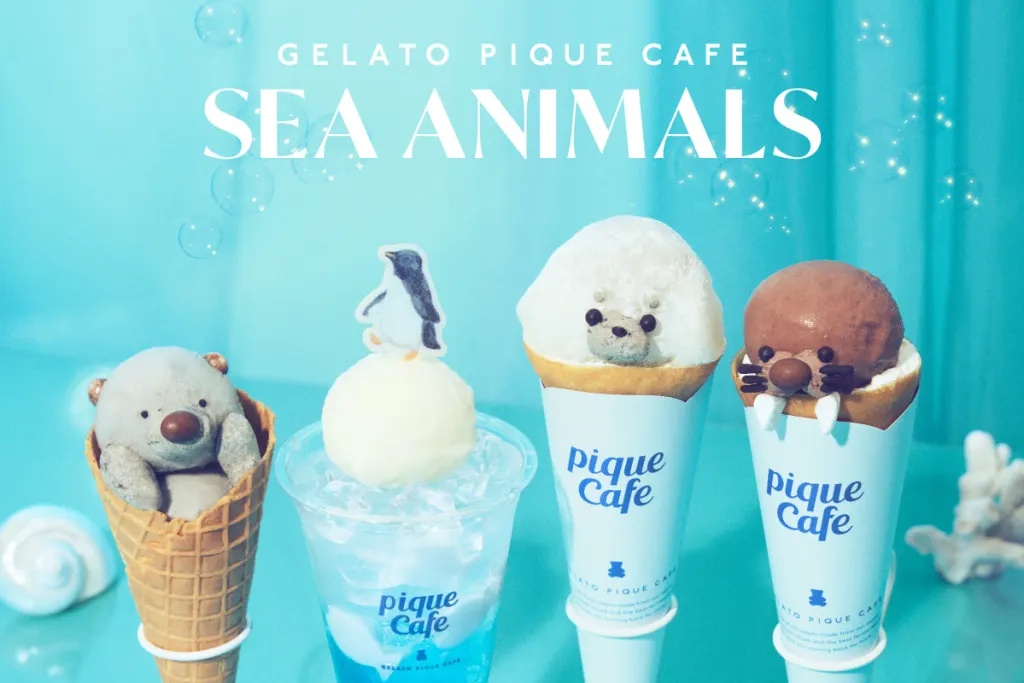
Leading the way in this fresh wave of adorable eats is Gelato Pique’s original marine mammal crepe, the Mochimochi (“Chewy”) Seal Crepe, returning following its initial stint on the menu last summer. Wrapped inside the crepe are whipped cream, tiramisu cream, sliced mango, sliced almonds, and caramel sauce, and sitting atop it is a scoop of black sesame ice cream wrapped in mochi, with chocolate pieces to make the adorable seal’s facial features.

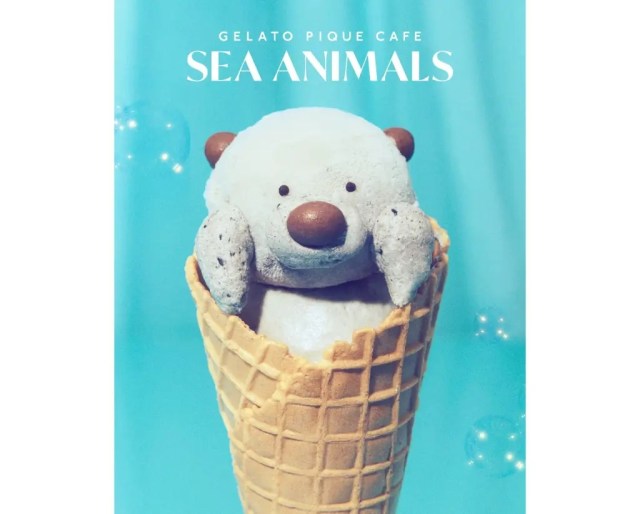
Joining the seal is the new Pukapuka (“Floating”) Otter Gelato, looking like a sea otter happily drifting about in the waves. Here too you get black sesame ice cream with chocolate pieces, and the critter’s hands are formed from black sesame-infused whipped cream.

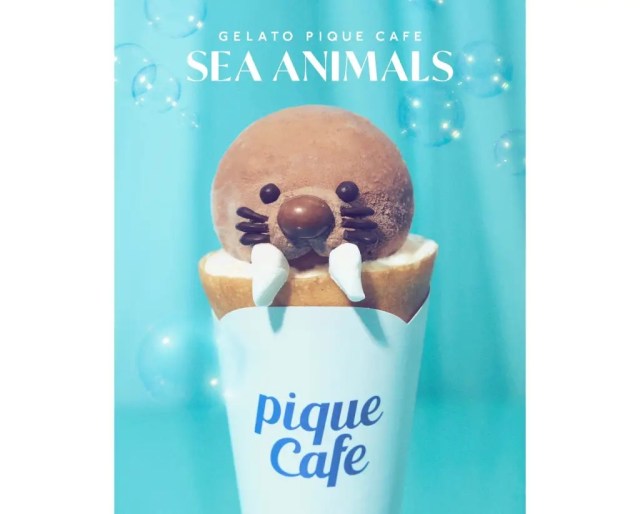
There’s also the new Hinyari (“Chilly”) Walrus Crepe. Instead of black sesame, the ice cream topping here is a chocolate banana flavor, with chocolate for the eyes, nose and whiskers, and marshmallows serving as the tusks. Inside the crepe are tiramisu cream, sliced bananas, and caramel sauce.

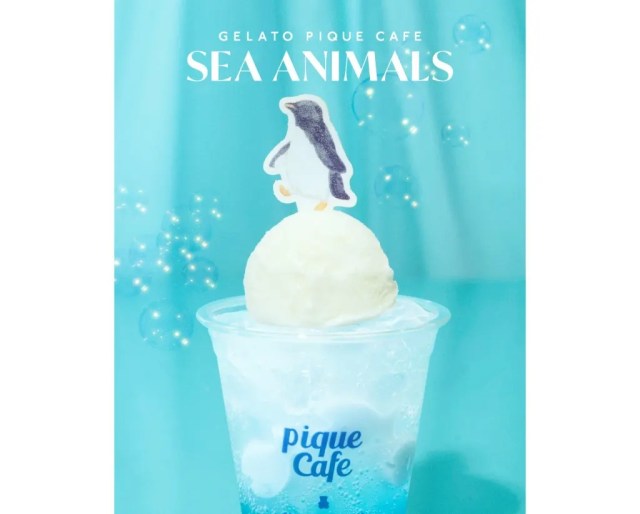
And last, if you’re thirsty but still want something sweet, there’s the Purupuru (“Jiggly”) Penguin Soda Float. The base here is Ramune (an apple/citrus cider that’s a perennial summertime favorite in Japan) with fish-shaped pineapple gelatin pieces added. Floating atop the drink is a scoop of milk gelato, and standing on top of that is a penguin-shaped monaka wafer.

The Pukapuka Otter gelato cone is priced at 840 yen (US$5.40), the Purupuru Penguin soda at 890, and the crepes 1,290 yen each. They’ll all be available at Gelato Pique Cafe branches between now and July 1.

Related: Gelato Pique Cafe location list
Source, images: PR Times
● Want to hear about SoraNews24’s latest articles as soon as they’re published? Follow us on Facebook and Twitter!
  •  

Japan now has “edible cat fur” for people who really love felines

When you like a cat so much you want to eat its fur.

Cats are beloved the world over, but here in Japan they really love their cats. It’s a love so strong it’s given birth to everything from stickers that smell like cat beliies through to sunscreen that dispenes itself in the shape of a cat paw, and now, dear reader, let us introduce you to “edible cat fur“.

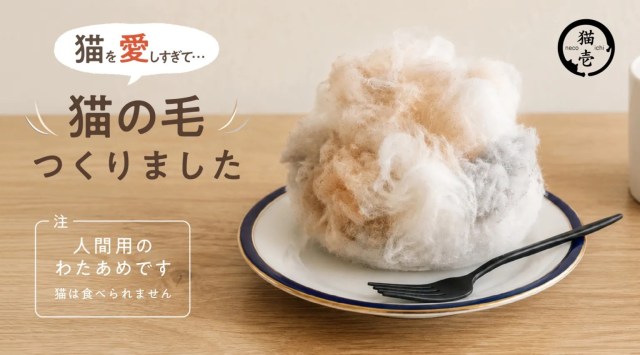
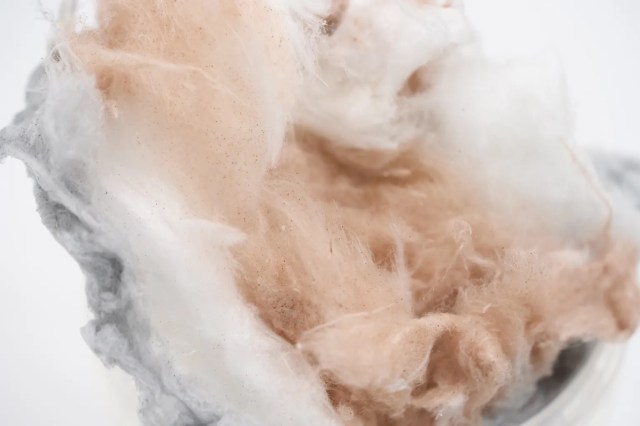
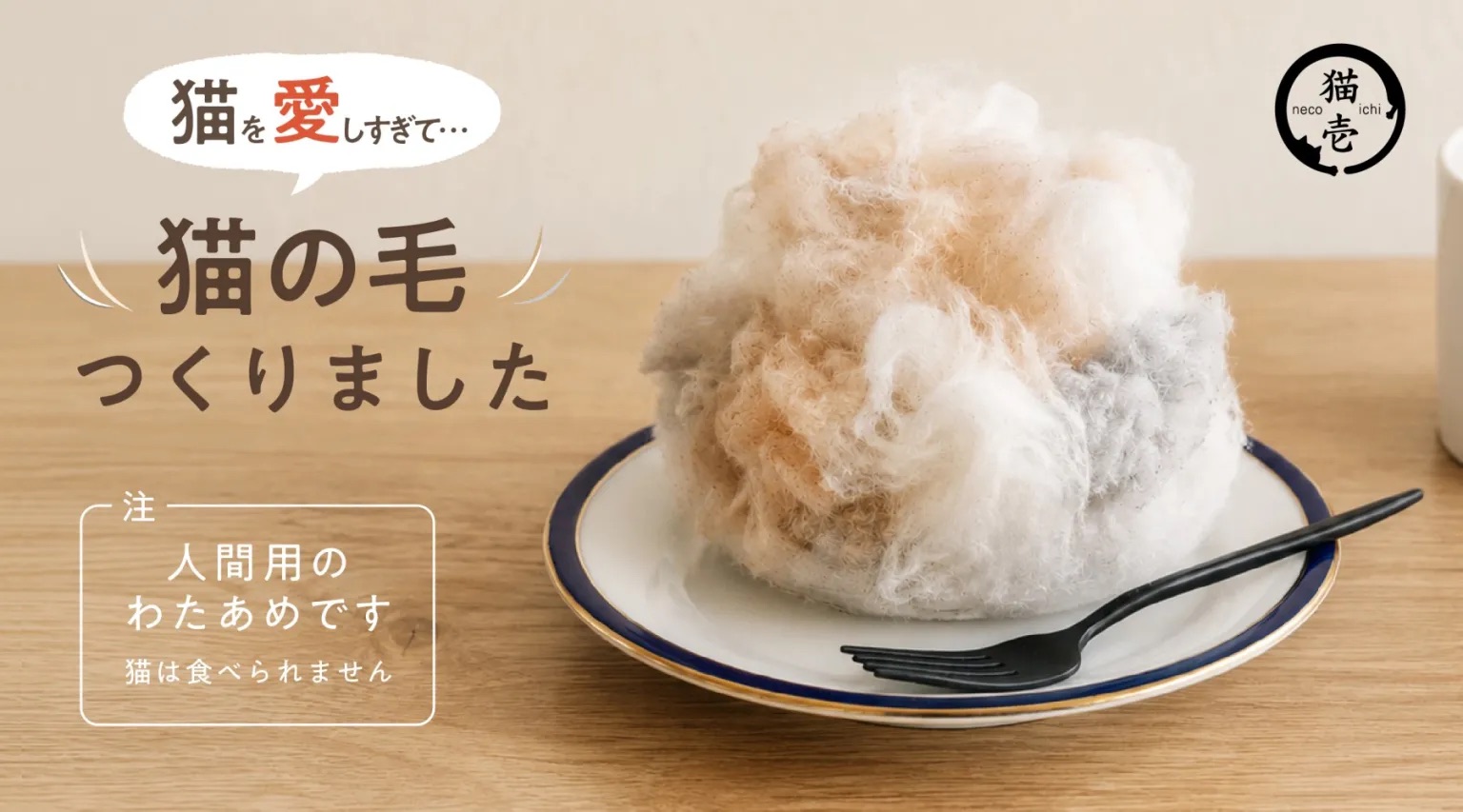
Known officially as “Delicious Cat Fur” by its creators, Necoichi, a company that specialises in cat products, this new offering is designed to look like something that’s been plucked from the back of a calico cat. The cat-like colouring and fluffy texture looks incredibly realistic, but you can breathe a sigh of relief as this “fur” is actually…

▼ … cotton candy!

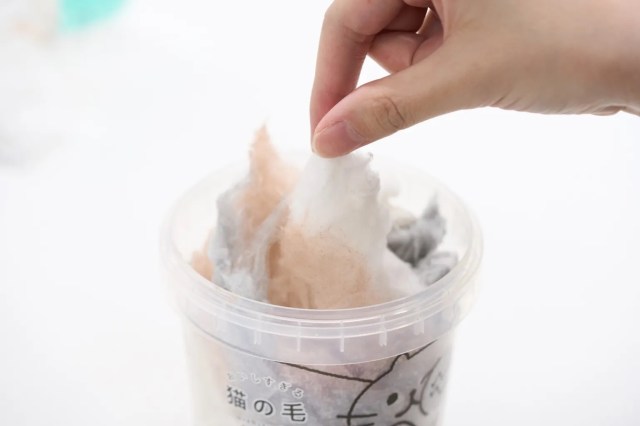
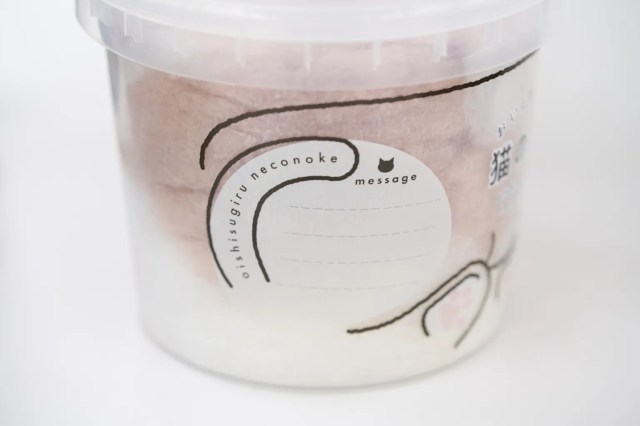
To be precise, this is said to be cotton candy for cat lovers, as it’s packed with beautiful details that “reflect a deep love for felines”. It’s such a fun and unique product that it’ll appeal to anyone with a fondness for cats, but if you’ve ever wanted to collect your pet’s fur and keep it in a container, or if you’ve ever liked a cat so much you’ve wanted to eat its fur, then this will tip the scales towards being a dream product. You can also share the love with a dedicated message section on the side for gift-giving.

▼ “Our dreams of eating cat fur are finally a reality!”

While the visuals are enough to put cat lovers into a tailspin, the product is also designed to be genuinely delicious. The cotton candy is said to melt lightly on the tongue, and hidden inside are popping candy pieces that crackle in your mouth as you eat it, creating a fun texture that comes with equally fun sound effects.

▼ The promo image for the product reads “We made cat hair”, alongside a speech bubble that says “We love cats too much…” and “This is cotton candy for humans. Cats can’t eat it” as a cautionary note.

With a sweet and sugary aroma, the Delicious Cat Fur is a multi-sensory experience that’ll engage more than just sight, hearing, smell, taste, and touch – it’ll engage your sense of imagination as well.

It’s surprisingly realistic for something made of sugar, and is sure to bring a smile to all sorts of cat lovers, from the casual admirer to the full-on feline enthusiast. Released on 30 May, the “Delicious Cat Fur” is available exclusively at the Necoichi Store at Yokohama’s Lalaport shopping centre, priced at 980 yen (US$6.11).

Store information
Necoichi Lalaport Yokohama / 猫壱 ららぽーと横浜
Address: Kanagawa-ken, Yokohama-shi, Tsuzuki-ku, Ikonobecho 4035-1
神奈川県横浜市都筑区池辺町4035-1
Open: 10 a.m.-8 p.m. (weekdays); 10 a.m.-9 p.m. (weekends)
Website

Source, images: Press release
● Want to hear about SoraNews24’s latest articles as soon as they’re published? Follow us on Facebook and Twitter!
  •  

Kanji ice cream becomes a sell-out hit in Japan

A fun new way to learn kanji… and reward yourself for it at the same time.  

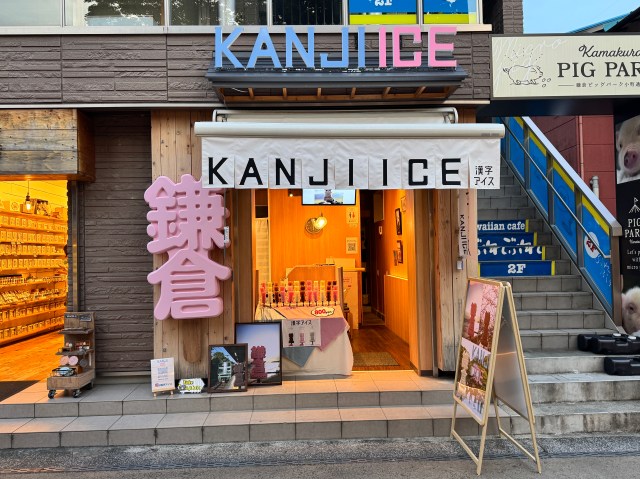
It’s been just over two weeks since Kanji Ice opened a store in the historic district of Kamakura in Tokyo’s neighbouring Kanagawa Prefecture. The opening on 1 May was perfectly timed to precede Golden Week, a string of holidays on 3-6 May, which is known for being a busy travel and shopping period.

While the store’s operators had hoped it would be busy, they couldn’t predict just how sought after its wares would be, and demand turned out to be so great that many of its ice creams totally sold out, proving they were onto a winner.

▼ The word “ice” commonly means “ice cream” in Japan.

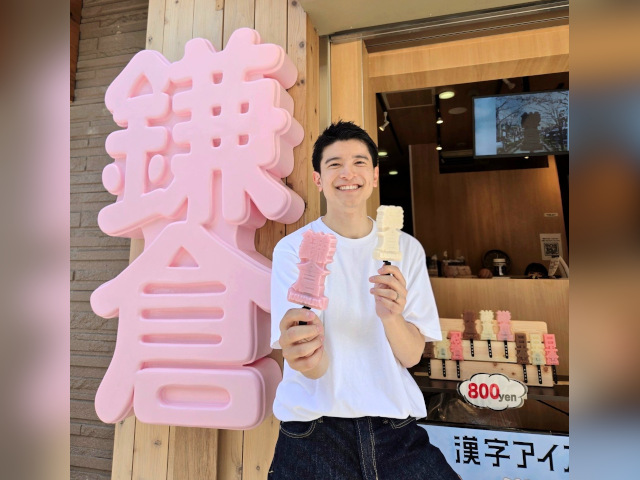
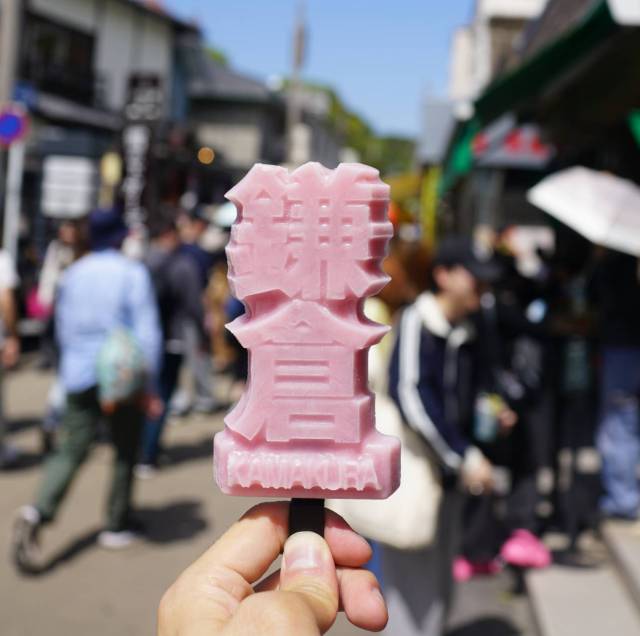
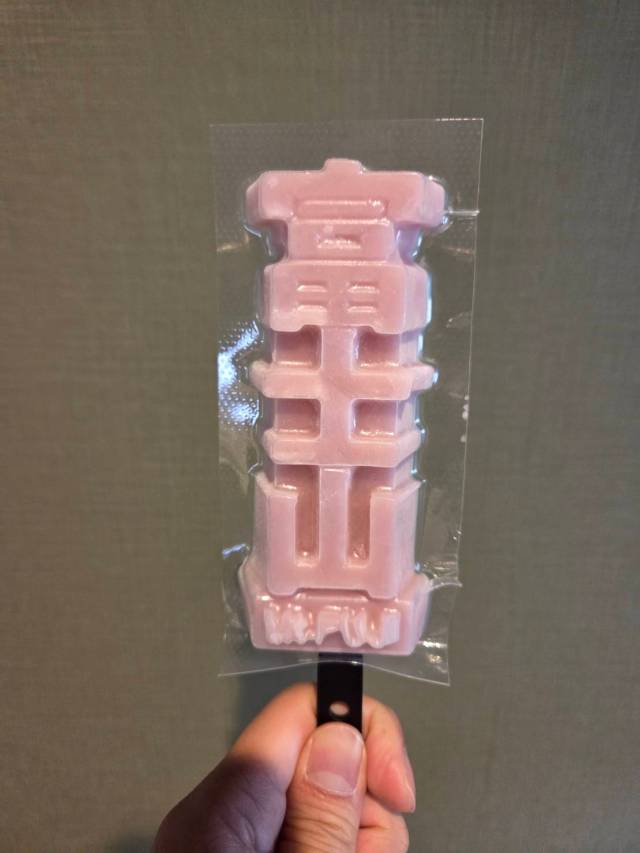
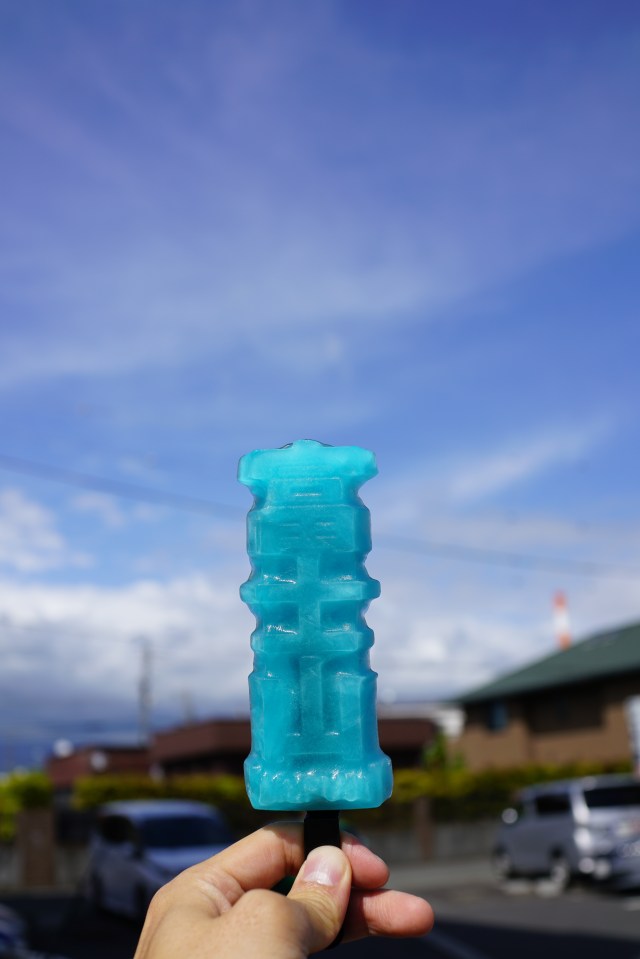
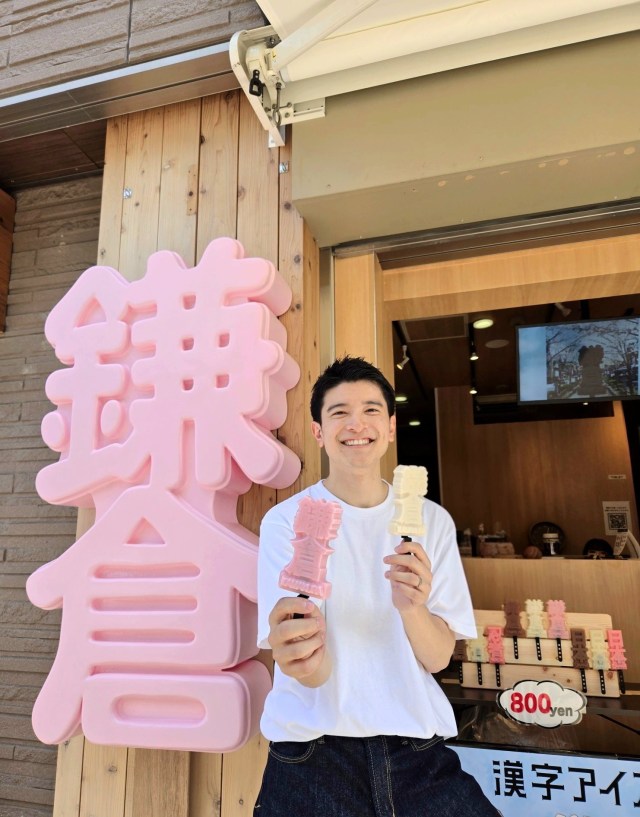
So what makes these new ice creams such a sell-out hit? Well, for starters, they look amazing, with three flavours – Crunchy Rich Chocolate, Crispy Strawberry, and Chewy Milk – moulded into kanji letters that read: “Kamakura“, “Japan” and “Ninja“.

▼ 鎌倉 (“Kamakura“)

Then there’s the fact that they’ve been developed with a special ice cream manufacturing technology that prevents the ice cream from melting, so it remains solid even after 30 minutes even at room temperature. The non-melting ice cream is a patented technology of a Japanese company called Fulllife, who is working with the store to jointly file a new patent application for the Kanji Ice Cream.

Non-melting ice cream is said to be perfect for carrying around, so you can capture memorable photos of the Kanji Ice cream at various tourist spots in the vicinity. The store is also working at expanding beyond Kamakura, with Kanji Ice cream now available at sites like Sanga Stadium in Kyoto and JR Shin-Fuji Station in Shizuoka Prefecture and the Fuji Shibazakura Festival in Yamanashi Prefecture, where you can pick up an ice cream that says “Mt. Fuji” (富士山).

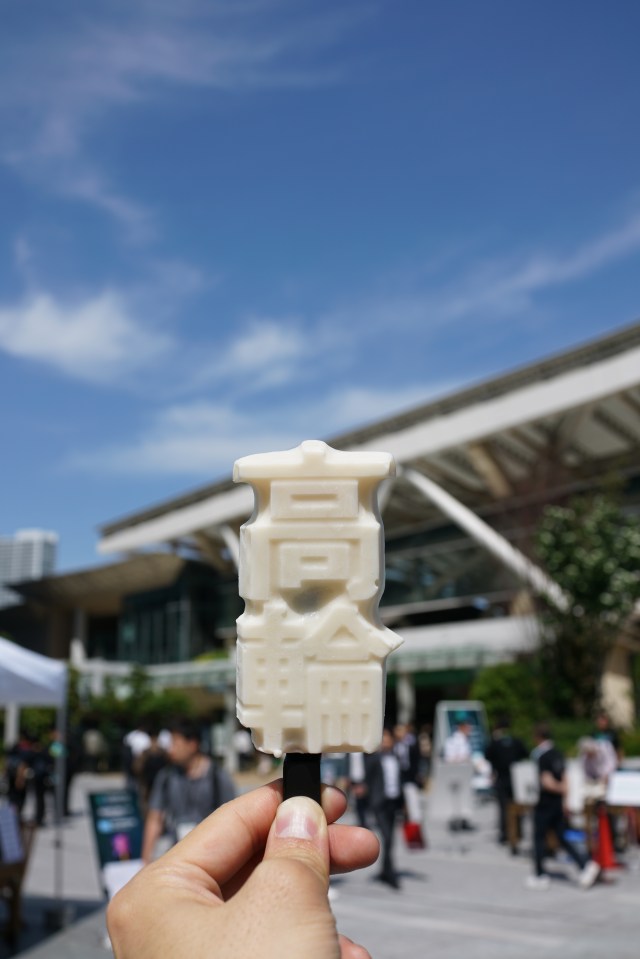
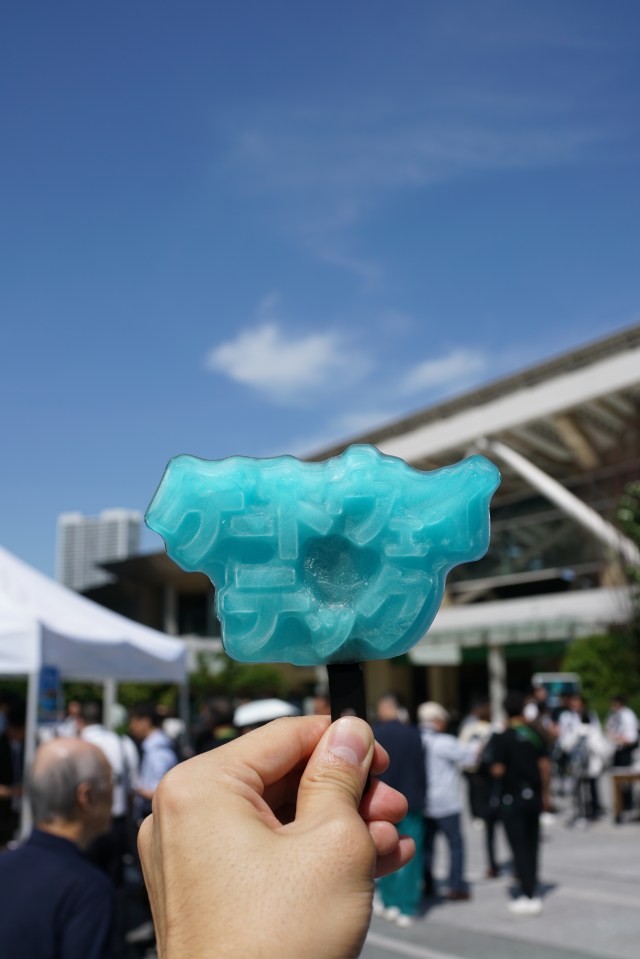
The store is also able to create custom ice creams for events, like these two, which read 高輪 (“Takanawa”) and ゲートウエイテック (“Gateway Tech”), for an annual business event at Tokyo’s Takanawa Gateway City.

With so many options for customisation, the Kanji Ice Cream might soon be greeting you at all sorts of tourist sites around Japan.

▼ Strawberry polyphenols are used for the ice cream’s non-melting properties.

This is a very social media-friendly ice cream that’s sure to attract attention online, so keep an eye out for it while you travel around Japan. And if you happen to find yourself over in Gifu, there’s a non-melt katana samurai sword ice cream that draws upon the secret powers of kudzu for its remarkable strength.

Store information
Kanji Ice Cream / 漢字アイス
Address: Kanagawa-ken, Kamakura-shi, Yukinoshita 1-6-4
神奈川県鎌倉市雪ノ下1-6-4
Open 11:00 a.m.–5:30 p.m.

Source, images: Press release
● Want to hear about SoraNews24’s latest articles as soon as they’re published? Follow us on Facebook and Twitter!
  •  
❌