Normal view

  • ✇SoraNews24 Japan
  • Japanese convenience store challenge is only for those with extreme tastes Oona McGee
    Super Happy! Challenge gives us two unforgettable products that deserve a place in convenience store history. If you’re hungry and in the mood to try convenience store food, Lawson is the place to go right now as the chain is currently upsizing some of its most popular products for free. ▼ Popular items in the “Super Happy! Challenge” lineup include oversized versions of onigiri, sandwiches, and the Premium Roll Cake. In amongst the offerings are two surprises we weren’t expecting, and rather
     

Japanese convenience store challenge is only for those with extreme tastes

5 June 2026 at 03:00

Super Happy! Challenge gives us two unforgettable products that deserve a place in convenience store history.

If you’re hungry and in the mood to try convenience store food, Lawson is the place to go right now as the chain is currently upsizing some of its most popular products for free.

▼ Popular items in the “Super Happy! Challenge” lineup include oversized versions of onigiri, sandwiches, and the Premium Roll Cake.

In amongst the offerings are two surprises we weren’t expecting, and rather than being happy to see them, we had a hunch they might be too extreme for anyone’s liking.

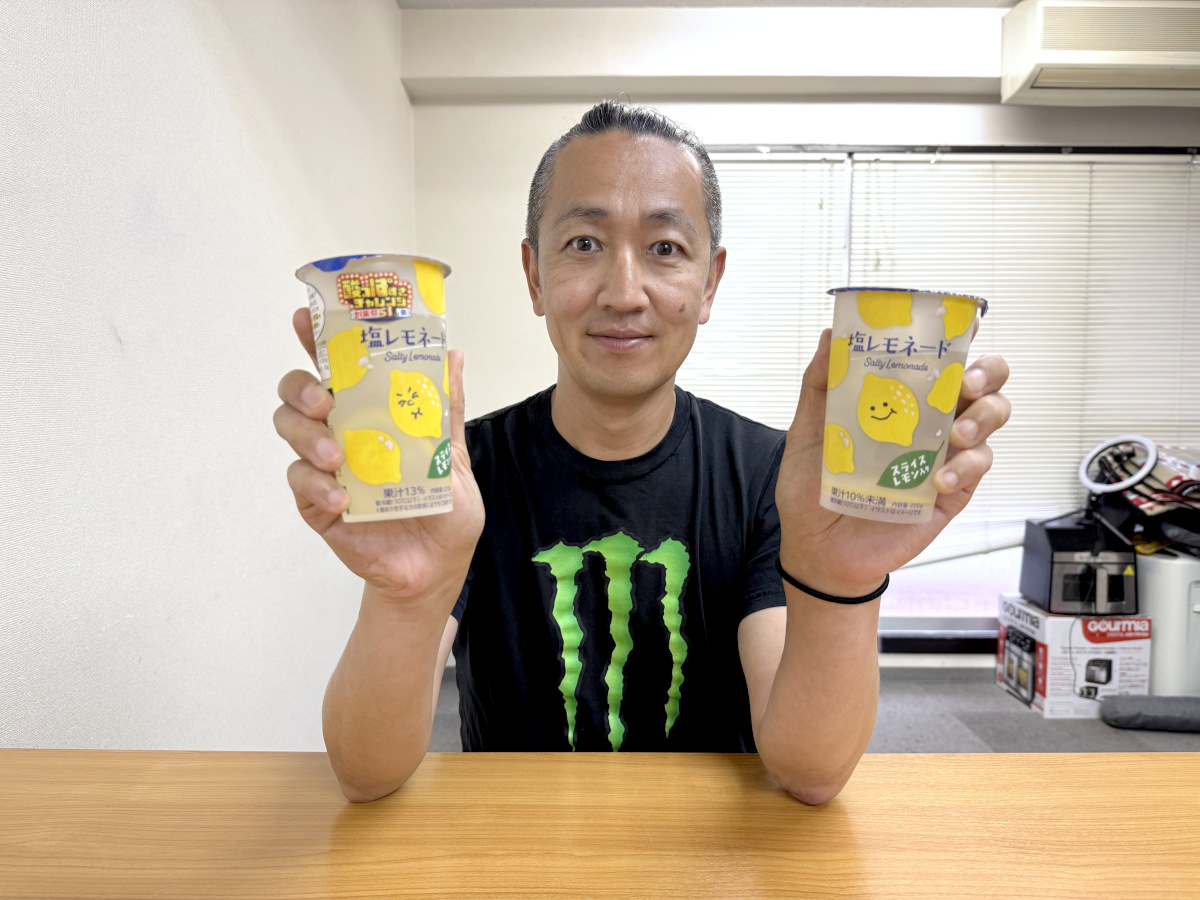
▼ The “Too Sour” Salted Lemonade (228 yen [US$1.43]) and the “Too Sweet” Drinkable Chilled Zenzai (298 yen).

According to Lawson’s official website, the Too Sour version of the chain’s Salted Lemonade contains twice as much lemon juice as the previous version, while the Too Sweet version of the Drinkable Chilled Zenzai is made with twice as much red bean paste as the original product.

▼ Zenzai is is a traditional Japanese sweet made from sweetened red beans and usually served with mochi (rice cakes).

Reading the descriptions alone, it’s hard to tell just how extreme these drinks really are, so our reporter P.K. Sanjun bought both the regular and upsized versions of each for a taste test back in the office.

▼ Starting with the regular Salted Lemonade, it wasn’t especially sour – in fact, it tasted more like a lightly salted lemonade than anything intensely citrusy.

Then he took a sip of the Too Sour Salted Lemonade

▼ Waaaaa!

P.K. could hardly get his words out, but when he finally unpuckered his lips he managed to say, “Wow. This stuff is unbelievable.

It wasn’t just that it was more sour – the entire flavor profile felt completely different. To try and describe it, P.K. says it’s like tasting the difference between water and tea and then tasting the difference between water and cola, which is where the Too Sour Lemonade sits. The taste, texture and intensity is on a whole other scale compared to the regular version.

It was so intense he couldn’t even finish the drink, so he moved on to the regular Drinkable Chilled Zenzai.

It had a pleasantly balanced sweetness that was fairly refined and P.K. had absolutely no complaints about the flavour. Then he took a sip of the Too Sweet Drinkable Chilled Zenzai

▼ Tooooooo sweeeeeet!!!!!!!!

The sweetness was absolutely relentless. It was the kind of sweetness that burns its way down your throat in an aggressive manner and it was so strong that P.K. dare not take another sip.

After trying the drinks, P.K. was surprised to find that in both cases, he actually preferred the original versions. They felt more balanced and, frankly, more enjoyable to drink.

P.K. gives both of these two thumbs down.

Although the drinks themselves were too extreme for P.K.’s palate, he was impressed by Lawson’s marketing. In choosing to go overboard with the sourness and sweetness levels, this campaign serves to highlight just how good the original versions are. It also proves that you really can have too much of a good thing, and so sometimes, just sometimes, upsizing your favourite products or flavours may not be all it’s cracked up to be.

Everyone’s palate is different, though, so if you’d like to test yours against the extreme ends of the spectrum, the drinks will be on shelves for a limited four-week period from 2 June.

Photos ©SoraNews24
● Want to hear about SoraNews24’s latest articles as soon as they’re published? Follow us on Facebook and Twitter!
  • ✇Maureen Abood
  • Arabic Coffee Maureen Abood
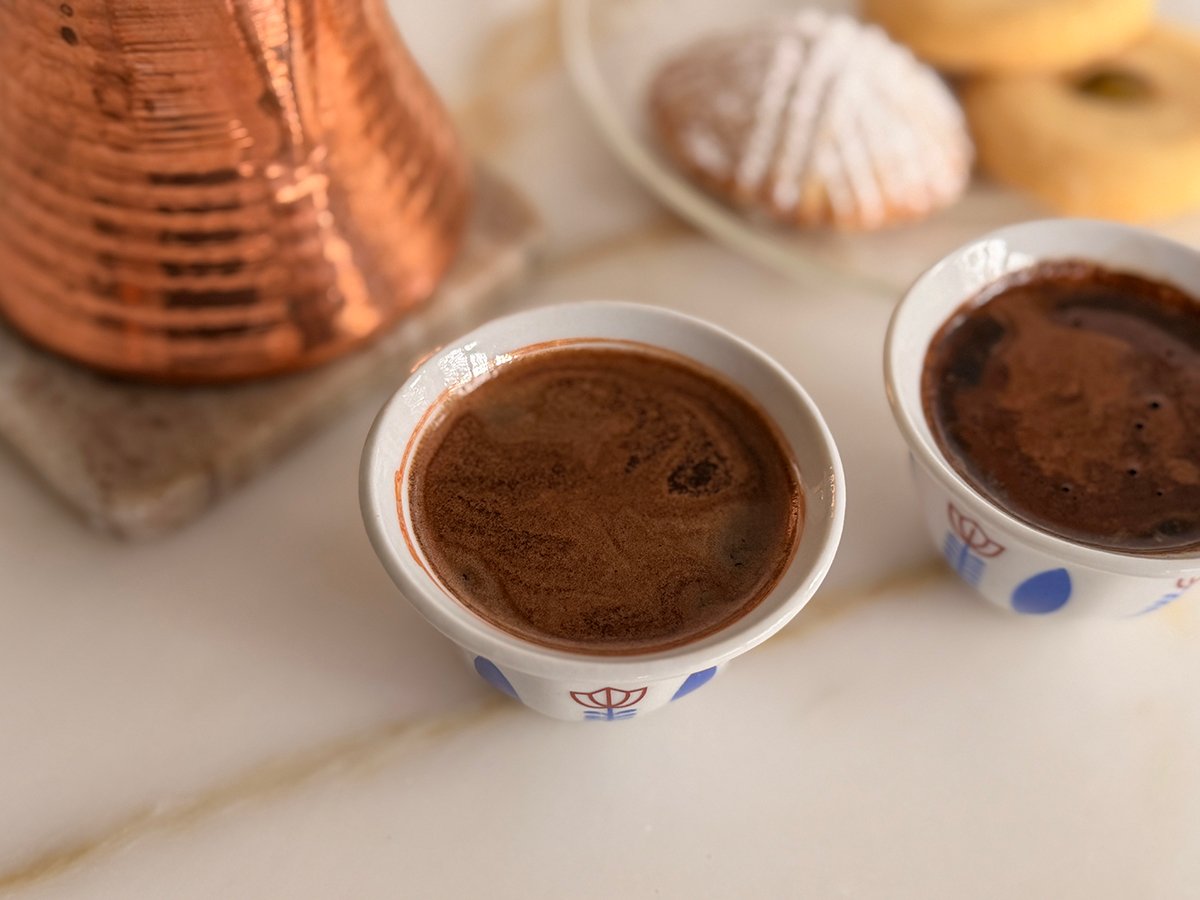
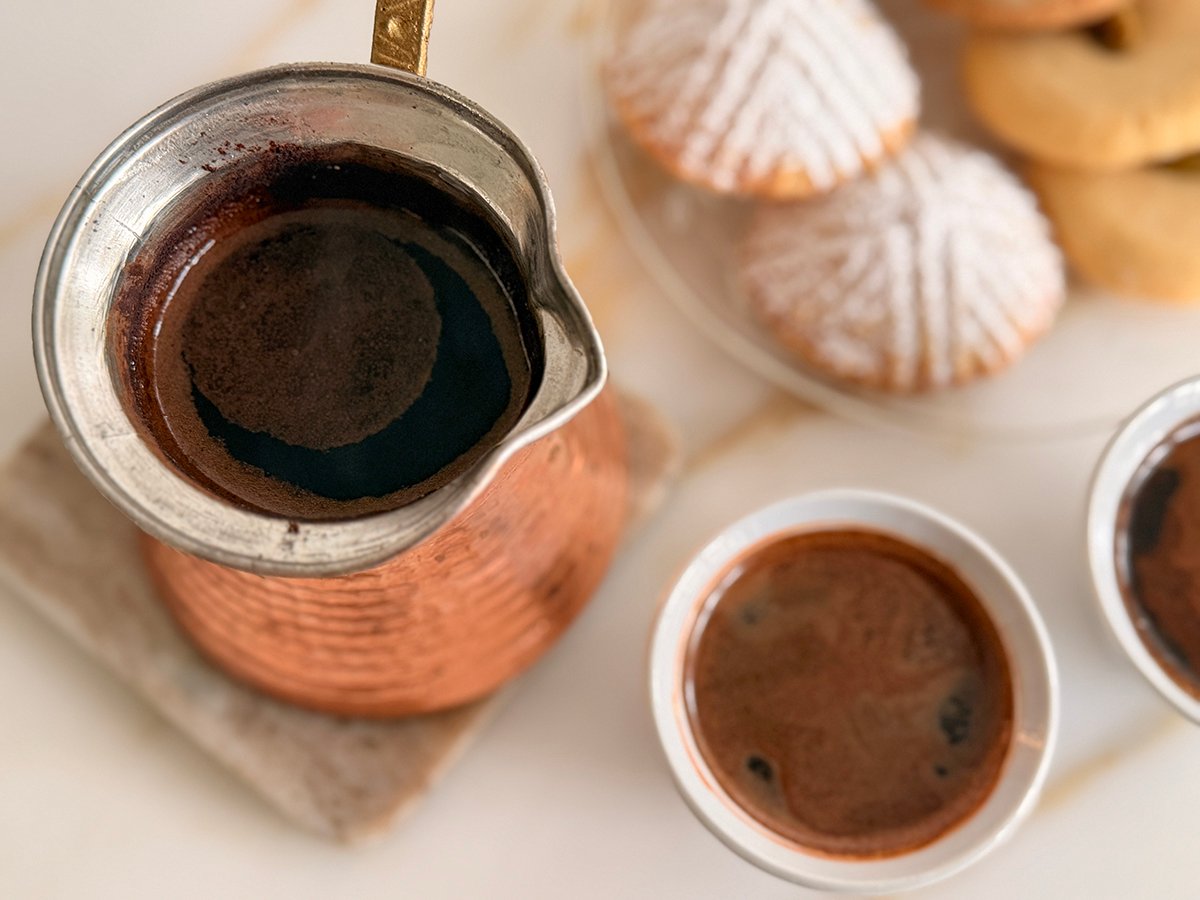
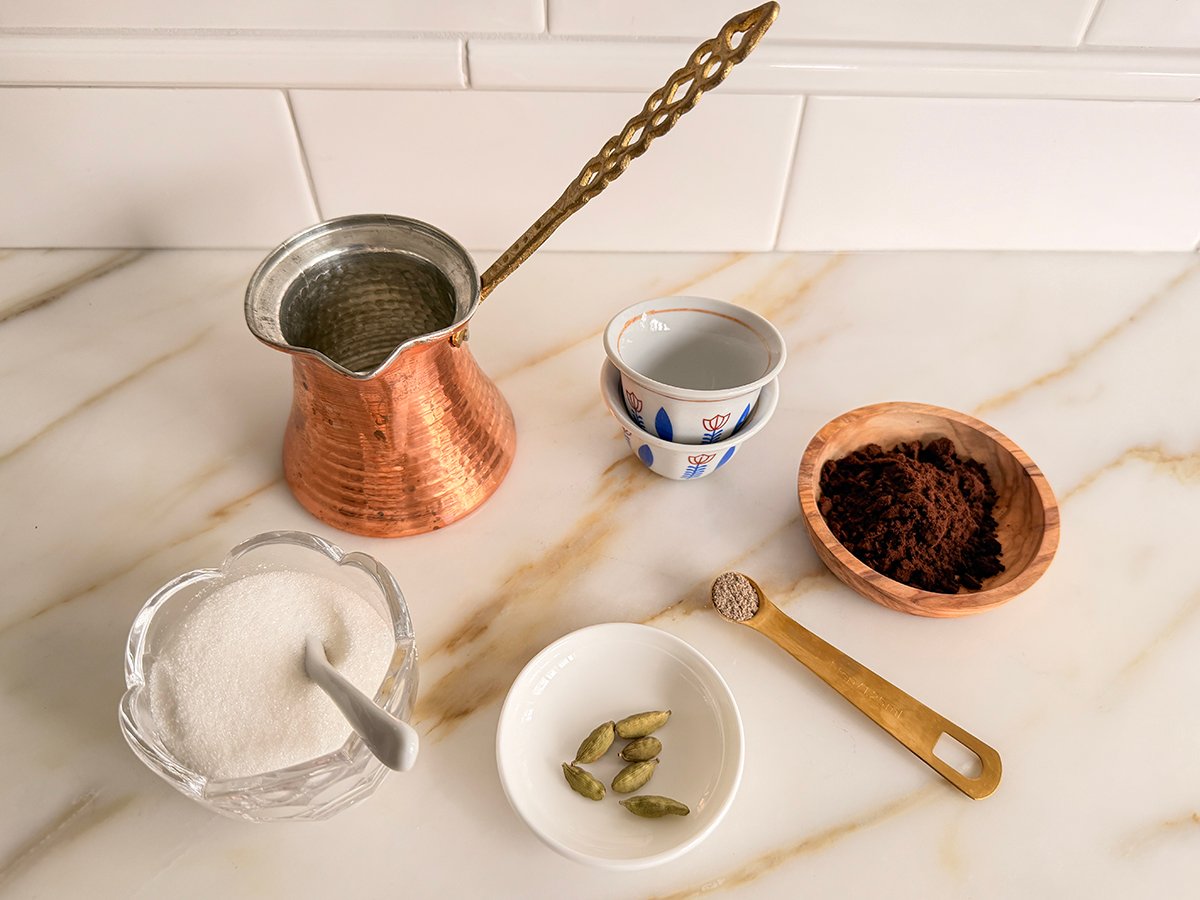
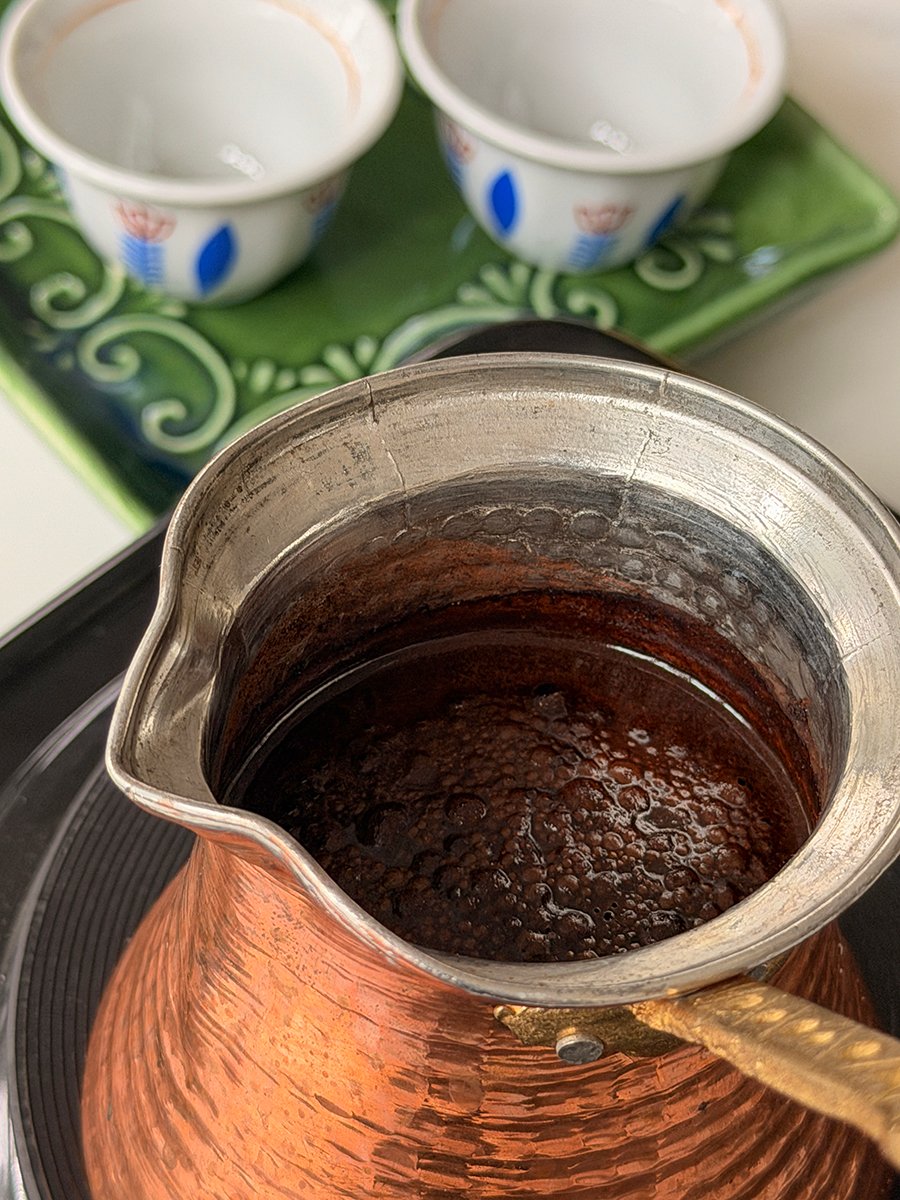
    Arabic coffee is smooth, bold, and beautifully aromatic. It’s part of a tradition of hospitality. Here’s how to make Arabic… The post Arabic Coffee appeared first on Maureen Abood.
     
  • ✇MyFitnessPal Blog
  • Creamy Almond Butter and Banana Smoothie MyFitnessPal’s Recipes
    This creamy smoothie tastes like a nutritious milkshake that is totally acceptable for breakfast or, better yet, after a workout. Ground flaxseeds up your fiber intake without sacrificing taste (making it great for kids or picky eaters). For this recipe you’ll want unsweetened and unsalted natural almond butter to control the amount of added sugar sugar and sodium in the smoothie. We also like to use an almond butter made with roasted almonds for a more toasty, nutty flavor. This is a great pos
     

Creamy Almond Butter and Banana Smoothie

Two glasses of smoothies, one a banana smoothie with a metal straw, are placed on a countertop. Nearby are small dishes containing ground seeds, maple syrup, and a creamy spread. A logo reading "RD APPROVED" is visible in the upper left corner. The background is a gray textured wall. MyFitnessPal Blog

This creamy smoothie tastes like a nutritious milkshake that is totally acceptable for breakfast or, better yet, after a workout. Ground flaxseeds up your fiber intake without sacrificing taste (making it great for kids or picky eaters). For this recipe you’ll want unsweetened and unsalted natural almond butter to control the amount of added sugar sugar and sodium in the smoothie. We also like to use an almond butter made with roasted almonds for a more toasty, nutty flavor.

The image shows a logo with the text "RDtip" against a white background. The letters "RD" are outlined, with a checkmark inside the "D," while "tip" is in solid blue, resembling the simplicity of zucchini pizza. There is also a blue vertical line to the left of the text. MyFitnessPal Blog

This is a great post-workout meal as it has more than 20g of protein — the recommended minimum for a post-workout snack (1).

Active time: 5 minutes | Total time: 5 minutes

Creamy Almond Butter and Banana Smoothie

Ingredients

  • 1 cup (244g) unsweetened almond milk
  • 1 cup ice
  • 2 medium bananas, chopped and frozen
  • 2 tbsp (32g) unsalted almond butter
  • 2 tbsp ground flaxseed
  • 1 tbsp honey
  • 2 scoops protein powder

Directions

Add all of the ingredients to a blender and process until smooth. Pour into two glasses and serve right away.

Serves: 2 | Serving Size: About 1 1/2 cups

Nutrition (per serving): Calories: 389; Total Fat: 15g; Saturated Fat: 2g; Monounsaturated Fat: 7g; Polyunsaturated Fat: 5g; Cholesterol: 3mg; Sodium: 191mg; Carbohydrate: 46g; Dietary Fiber: 7g; Sugar: 25g; Protein 20g

Nutrition Bonus: Potassium: 777mg; Iron:9%; Vitamin C: 18%; Calcium: 31%

Originally published August 6, 2020; Updated January 2026

The post Creamy Almond Butter and Banana Smoothie appeared first on MyFitnessPal Blog.

  • ✇SoraNews24 Japan
  • 7-Eleven Japan adds a new watermelon smoothie to its convenience stores…but is it worth the hype? Oona McGee
    Summertime bust or must-buy? It’s been roughly three years since 7-Eleven added smoothie machines to its stores in Japan, allowing customers to whip up freshly made smoothies in seconds after selecting their desired varieties from the freezer section. During that time, the chain has added a number of limited-edition flavours to the range, with all of them proving to be popular with customers. Now with summer fast approaching, the chain is giving us a brand new variety that’s said to capture th
     

7-Eleven Japan adds a new watermelon smoothie to its convenience stores…but is it worth the hype?

3 June 2026 at 13:00

Summertime bust or must-buy?

It’s been roughly three years since 7-Eleven added smoothie machines to its stores in Japan, allowing customers to whip up freshly made smoothies in seconds after selecting their desired varieties from the freezer section. During that time, the chain has added a number of limited-edition flavours to the range, with all of them proving to be popular with customers. Now with summer fast approaching, the chain is giving us a brand new variety that’s said to capture the taste of Japanese summer in a cup.

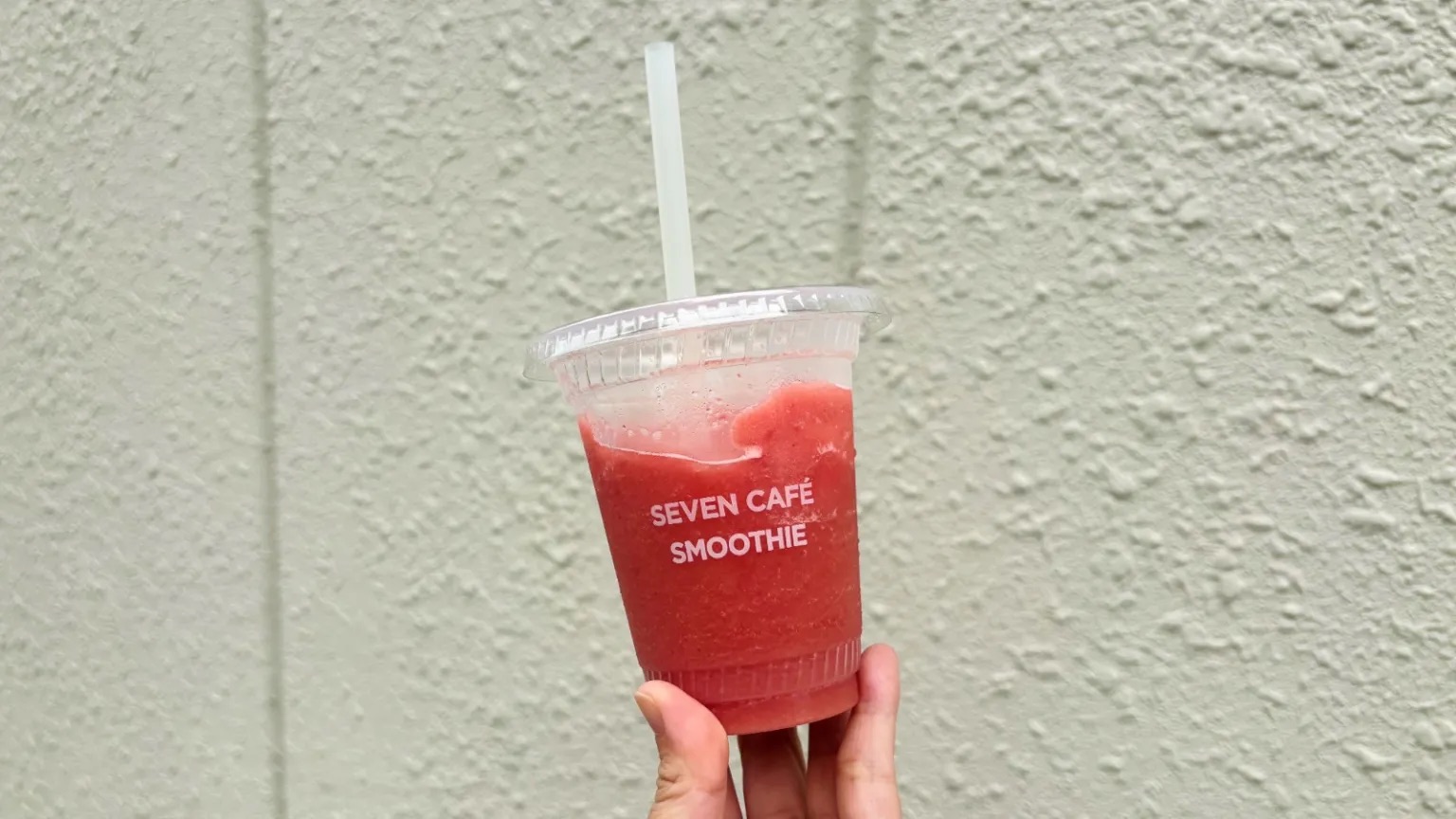
▼ The すいかスムージー (Suika Smoothie) or “Watermelon Smoothie

Released on 2 June, the first thing we noticed when we saw the new release at our nearest branch was the lid, which was decorated with images of not just watermelon, but strawberries as well. This indicated that the drink combined strawberry pulp with watermelon pulp, and that’s not all – the cube-shaped chunks inside the cup are infused with watermelon juice and apple purée, and the ingredients list reveals that a small amount of tomato purée and salt are also included as special secret ingredients.

A lot of watermelon drinks in Japan tend to contain a mix of fruit juices but we tend to prefer 100 percent watermelon juice as it allows the natural flavor of the fruit to shine through. With that in mind, we were curious to see how this smoothie would fare, and how authentic the watermelon flavour might be.

Upon first sip, we immediately noticed that the slightly crunchy texture of the ice was surprisingly similar to the texture of real watermelon. This was an impressive highlight we weren’t expecting, and thankfully the strawberry flavour, which we thought might be too strong, was a pleasant accent, with its characteristic tartness playing a soft accompaniment to the watermelon, which took the spotlight.

The taste of watermelon was truly authentic, with the smoothie capturing the fruit’s juiciness and sweetness perfectly while delivering a refreshing, icy coolness. Although it wasn’t as pure as a 100-percent watermelon juice, the balance between ingredients was so carefully crafted that it didn’t take anything away from the star flavour, and the watermelon remained delectably intense from start to finish, leaving us completely satisfied.

For 400 yen (US$2.50), this smoothie will definitely quench your thirst, particularly on hot and humid days, and after trying it we now understand the hype it’s been getting online. It’s a drink that’s well worth trying, and here’s a secret tip for you: the smoothies at 7-Eleven will be half price on “Smoothie Day” on 10 June, so put the date in your calendars and you’ll be able to enjoy the whole range, including the delicious matcha variety, at a great discount.

Images©SoraNews24
● Want to hear about SoraNews24’s latest articles as soon as they’re published? Follow us on Facebook and Twitter!
  • ✇SoraNews24 Japan
  • Shochu maker on remote Japanese island plays music as its spirits age, flavor varies by genre Casey Baseel
    Rock shochu and reggae shochu really do taste different from each other. The island of Amami Oshima is part of Kagoshima Prefecture, and Kagoshima is usually pictured as making up the southwest tip of the island of Kyushu, one of Japan’s four main islands. Amami Oshima, though, is far, far away from the Kyushu coastline, so far away that the ferry from Kagoshima City takes 13 hours to get there. ▼ The route from Kagoshima City to Amami Oshima, which can alternatively be reached by plane from T
     

Shochu maker on remote Japanese island plays music as its spirits age, flavor varies by genre

18 May 2026 at 01:00

Rock shochu and reggae shochu really do taste different from each other.

The island of Amami Oshima is part of Kagoshima Prefecture, and Kagoshima is usually pictured as making up the southwest tip of the island of Kyushu, one of Japan’s four main islands. Amami Oshima, though, is far, far away from the Kyushu coastline, so far away that the ferry from Kagoshima City takes 13 hours to get there.

▼ The route from Kagoshima City to Amami Oshima, which can alternatively be reached by plane from Tokyo in two and a half hours.

With its remote location, Amami Oshima is famous for its lush mangrove forests, beautiful beaches, and clear, sparkling ocean waters.

Oh, and it’s also famous for shochu, a distilled spirit with longstanding cultural connections to southwest Japan. Specifically, Awaji Oshima’s kokuto shochu, made with rice and brown sugar, is highly prized, and so on our recent visit to the island we didn’t just want to drink some, but also see how it’s made.

We lucked out when we contacted Nishihira Shuzo, an Amami Oshima shochu maker that’s been in business for 99 years, and they said they could offer us a tour of the facility, and a tasting too, with some very unique beverages to sample.

▼ The rustic exterior of the Nishihira Shuzo distillery

Despite being around for nearly a century, Nishihira Shuzo is still a family-run operation, and we were told that the fourth-generation owner of the business would be our guide. With shochu being a high-alcohol drink with an old-school vibe, our mental knee-jerk reaction was to expect a stern-looking, silver-bearded gentleman, but instead we were warmly greeted by Serena Nishihira and her friendly smile.

▼ Serena Nishihira

In addition to being a skilled shochu distiller and businesswoman, Nishihira is also a musician, which is something that’ll come into play later on. To start, though, she led us into the distillery’s production area.

As mentioned above, Nishihira Shuzo’s shochu is made from rice, so steaming the grains is the first step in making it. The distillery has a gigantic cylinder-shaped apparatus that’s used for washing and steaming, with a typical batch using about 400 kilograms (882 pounds) of rice.

Once the rice is cooked, it’s taken out of the drum and sprinkled with koji, a fermentation-triggering type of mold that’s also used in making sake. The rice is then put on racks in a temperature-controlled environment for its initial fermentation.

The next morning, the rice is put into jars with yeast and water to ferment for an additional five days. This isn’t a step that all shochu makers include in their process, but Nishihira Shuzo says it’s a key element of theirs.

After its time in the pot, the mixture is transferred into tanks and combined with liquified brown sugar, then given another two weeks to ferment.

That produces the fermented mash which is then distilled.

But that doesn’t mean Nishihira Shuzo can whip up a whole batch of kokuto shochu, start to finish, in just three weeks, because the final step (before bottling) is to age the shochu in tanks for at least one full year.

From a 400-kilogram load of rice, Nishihira Shuzo can produce roughly 800 1.8-liter (60.9-ounce) bottles of shochu. Luckily for us, some of those bottles end up in the distillery’s tasting room, which was the next place that Nishihira led us to.

The tasting room has chairs, a projector, and a screen set up for use for group events or musical performances, but we had the place to ourselves on this day.

Nishira poured us a selection of the company’s products, and we found them all extremely enjoyable. But just when we thought things couldn’t get any better, she led us through a door at the back of the room where we saw this.

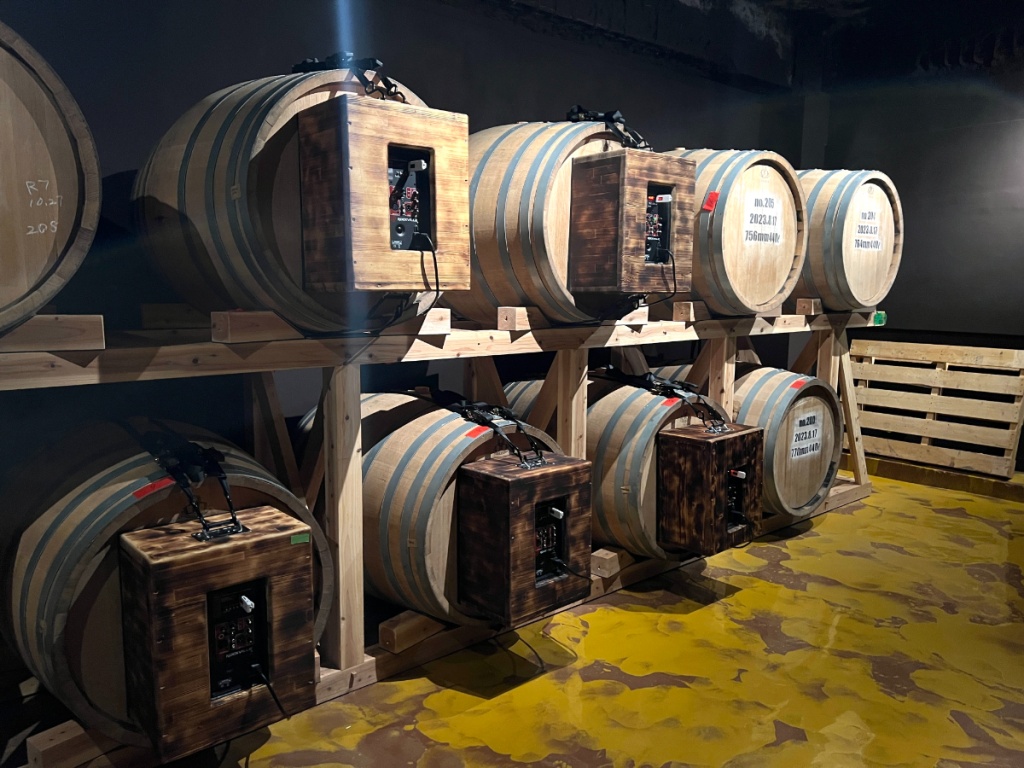
Those are shochu barrels with speakers attached to them. And not some little mini speakers that you might have set up in your kitchen to listen to tunes while you cook, but concert-size amps!

This is where the Nishihira’s Sonic Aging Project takes place. While the speakers were quiet as we looked at them, Nishihira turns all of them on when the distillery starts its shift for the day, and has them play for eight hours. Different amps play different genres of music, with a total of six styles: house, reggae, hip-hop, Latin, rock, and shima uta, or Japanese southern island folk songs.

“We play the music at high volumes,” Nishihira explained, “Depending on the genre, the music produces different vibrations within the barrels, and we want to see how that affects the shochu.”

▼ The shima uta barrel

Like we said, Nishihira is a musician, so at first the idea of playing music for the shochu sounded like a whimsical, creative, but ultimately inconsequential idea. Nishihira, says, though, that with the barrels being music-treated for roughly 2,000 hours in a year, it really does make a difference.

Genres with more bass produce stronger vibrations in the barrel, and also with the shochu itself. That increased interplay between the container and its contents causes the wood to have a more significant influence on the color and flavor of the shochu that’s aging inside.

To prove this, Nishihira ushered us up to the second floor of the tasting area to try some of the Sonic Aging Project series.

Out of the six music genres, Nishihira says that reggae produces the strongest vibrations, and shima uta the softest. So we definitely wanted to taste those two, and she also poured us some of the rock shochu, which is somewhere between the other two in the spectrum.

And you know what? We really could taste the difference! The reggae shochu was darker in color and had a rich flavor with some notable bitter notes from the wood. The shima uta shochu, meanwhile, was lighter in color and sharper in taste, with a more pronounced sensation of alcohol. The rock shochu, sure enough, was a mid-point between the more distinct characteristics of the reggae and shima uta.

So which of the Sonic Aging Project shochu styles is the best? There’s actually no answer to that, Nishihira says. Just like your favorite musical genre is a matter of personal taste, so too will different people have different rankings for how much they like the different types Sonic Aging Project shochu, and they’ve all got their own unique charms.

Reservations for Nishihira Shuzo tours can be made through their website here, but if you can’t make it all the down to Amami Oshima, they also offer their shochu, including the Sonic Aging series, through their online store here.

Related: Nishihira Shuzo official website
Photos ©SoraNews24
● Want to hear about SoraNews24’s latest articles as soon as they’re published? Follow us on Facebook and Twitter!
  • ✇Camille Styles
  • The Best Rosé Wines Under $30—Plus NA Picks Worth Pouring Katherine Fluor
    ‘Tis the season for al fresco dinners, shorter hemlines, no-makeup makeup—and, of course, the best rosé wines. Rosé has long been the unofficial BFF of long, sun-soaked days, fully earning its “summer water” badge of honor. Its appeal is simple: rosé is light, refreshing, and pairs with just about everything on a summer table. And if you know where to look (hint: beyond the big-name bottles), you can find seriously good options at a price that feels easy, too. The Be
     

The Best Rosé Wines Under $30—Plus NA Picks Worth Pouring

14 May 2026 at 10:30
best summer rose wines

‘Tis the season for al fresco dinners, shorter hemlines, no-makeup makeup—and, of course, the best rosé wines. Rosé has long been the unofficial BFF of long, sun-soaked days, fully earning its “summer water” badge of honor.

Its appeal is simple: rosé is light, refreshing, and pairs with just about everything on a summer table. And if you know where to look (hint: beyond the big-name bottles), you can find seriously good options at a price that feels easy, too.

The Best Rosé Wines for Summer (All Under $30)

To kick off the season, we rounded up our favorite rosés under $30. We polled our editors and a few industry pros to find the bottles they’re buying on repeat. Start scrollin’ and sippin’—these picks don’t disappoint.

Peyrassol

Cuvée des Commandeurs Rosé

You’ll always find this rosé in Camille’s fridge. The bottle’s pale, rosy appearance is extra dreamy, and it pairs floral notes with a light, crisp, and refreshing flavor. Recommended by the importer as an accessible and tasty introduction to the Peyrassol style, this is a rosé you can sip on all summer and enjoy in any environment, alongside nearly any dish.

Avaline

Rosé

My go-to is Cameron Diaz and Katherine Power’s lovely, light, and fresh rosé. It’s an organic wine with notes of melon and a whiff of zest. Avaline features a smooth, floral sip and tastes of tart peaches and berry lemonade. Dry but vibrant, and chic as hell!

Yes Way Rosé

Yes Way Rosé

This classic party wine is proof that it doesn’t have to be expensive to taste good. It’s a dry, classic Provençal-style rosé from the south of France. The grenache blend is light, fanciful, and doesn’t take itself too seriously. Notes of ripe strawberry, citrus, and stone fruits will make it your go-to for Sunday brunch and picnics.

Bojo do Luar

Luar Rosa Rosé

This heavenly organic Portgueuese wine is made from a blend of tinta cão, vinhão, and loureiro. The tinta cão and vinhão grapes are sourced from a small producer practicing organic viticulture in the Vinho Verde region. Spontaneous fermentation occurs in concrete and stainless steel with chestnut flowers and is then combined with loureiro to add zest and even more aromatics.

Las Jaras Wines

2025 Superbloom

This dark pink wine is a product of co-fermenting red and white Rhône varieties from a single vineyard. This vintage contains about a third of red and two-thirds white grapes. It goes by the term “California Table Wine,” but it’s a complex and unique wine with an unforgettable flavor. Red grapes give this wine a spicy nose and plenty of texture, while the white grapes add watermelon and rhubarb notes, plus a clean, mineral finish.

Summer Water

Summer Water Rosé

There’s a reason I alluded to this bottle above. With notes of lime zest, grapefruit, strawberry, and watermelon, this pick epitomizes summer (meriting the name, of course). While a flavor profile like that makes me feel confident sipping it alongside any and all meals or even enjoying a glass on its own, the creators of the ubiquitous bottle recommend a plate of crispy fries. Don’t mind if I do.

Jolie Folie

Provence Rosé

We’ve got your next everyday fave coming right up. This fruity and light rosé hails from the South of France and has lovely notes of strawberry and raspberry. It’s bright and dry with a hint of apricot on the finish. Perfect for your next beach day, brunch, or light dinner accompaniment.

Chateau d’Esclans

The Beach Rosé Wine

Considered the chic little sister to Whispering Angel, The Beach is a balanced wine with aromas of red berries, hints of lime, and melon. It was created by winemaker Sacha Lichine, who was on a quest to create the greatest rosés in the world and is considered by many to have been responsible for the “Rosé Renaissance.”

Ruza

2022 Ruza Rosé Wine

Grapes were specifically designed for this rosé and picked early in the season then taken directly to press, (after a few hours of skin contact) the result of which gives it a soft pink hue. It has notes of red berries and citrus, and pairs beautifully with shellfish or sushi.

Miraval Rosé

Yes, we have Bradd Pitt to thank for this wine. (His vineyard in Provence manufactures it!) It’s an elegant, pale pink, fresh wine with notes of fresh fruit, currants, rose, and lemon zest. The minerality and saline notes are perfectly balanced, making it as irresistible as it is affordable. Pair it with a gorgeous charcuterie board and enjoy.

Bonus: The Best NA Rosé Wines

The NA wine category has come a long way—and rosé, with its natural fruitiness and effervescence, translates beautifully without alcohol. Whether you’re sober curious, taking a break, or simply want something lighter in your glass, these four bottles are worth keeping on hand all summer.

Oddbird

Non-Alcoholic Sparkling Rosé

Made from organic French grapes and aged for a full year before the alcohol is removed, Oddbird tastes like it has no business being NA. Silky bubbles, a hint of summer berries, and a dry finish that actually feels like wine. Start here if you’re new to the category.

Underwood

Non-Alcoholic Rosé Bubbles

Light, bubbly, and bursting with strawberry and pink grapefruit—this can is the kind of thing you bring to a picnic and everyone reaches for without asking questions.

Wölffer Estate

Spring in a Bottle

Wölffer is the Hamptons rosé brand, so it tracks that their NA version is the most elevated on this list. Peach, raspberry, tiny bubbles, and that clean mineral finish—it genuinely tastes like the real thing.

Thomson & Scott

Noughty Sparkling Rosé

Organic, vegan, and it actually tastes like rosé—not grape juice with ambitions. Made from Spanish Tempranillo, it’s crisp, lightly sweet, and the kind of bottle you open on a Tuesday just because.

This post was last updated on May 14, 2026, to include new insights.

The post The Best Rosé Wines Under $30—Plus NA Picks Worth Pouring appeared first on Camille Styles.

  • ✇SoraNews24 Japan
  • Godiva melts minds by releasing a new corn chocolate drink in Japan Oona McGee
    We find out if this new limited-edition Chocolixir really tastes like corn potage soup. With summer now upon us, stores all over Japan are releasing limited-edition seasonal products to keep us feeling cool and refreshed. Over at Godiva, though, the focus is more on seasonal produce, with a new release that’s like nothing we’ve ever seen before. Called the Sweet Corn Chocolixir, this new take on the chain’s signature chocolate-based Chocolixir drink is said to taste like sweet corn potage sou
     

Godiva melts minds by releasing a new corn chocolate drink in Japan

9 June 2026 at 03:00

We find out if this new limited-edition Chocolixir really tastes like corn potage soup.

With summer now upon us, stores all over Japan are releasing limited-edition seasonal products to keep us feeling cool and refreshed. Over at Godiva, though, the focus is more on seasonal produce, with a new release that’s like nothing we’ve ever seen before.

Called the Sweet Corn Chocolixir, this new take on the chain’s signature chocolate-based Chocolixir drink is said to taste like sweet corn potage soup. Although corn potage is incredibly popular throughout Japan, it’s more commonly associated with the colder months, as you can buy the soup hot in cans at vending machines.

Corn is actually harvested in summer, though, so Godiva’s new Chocolixir celebrates the new harvest, and while the flavour sounds intriguing enough on its own, what’s even more surprising is the unusual topping.

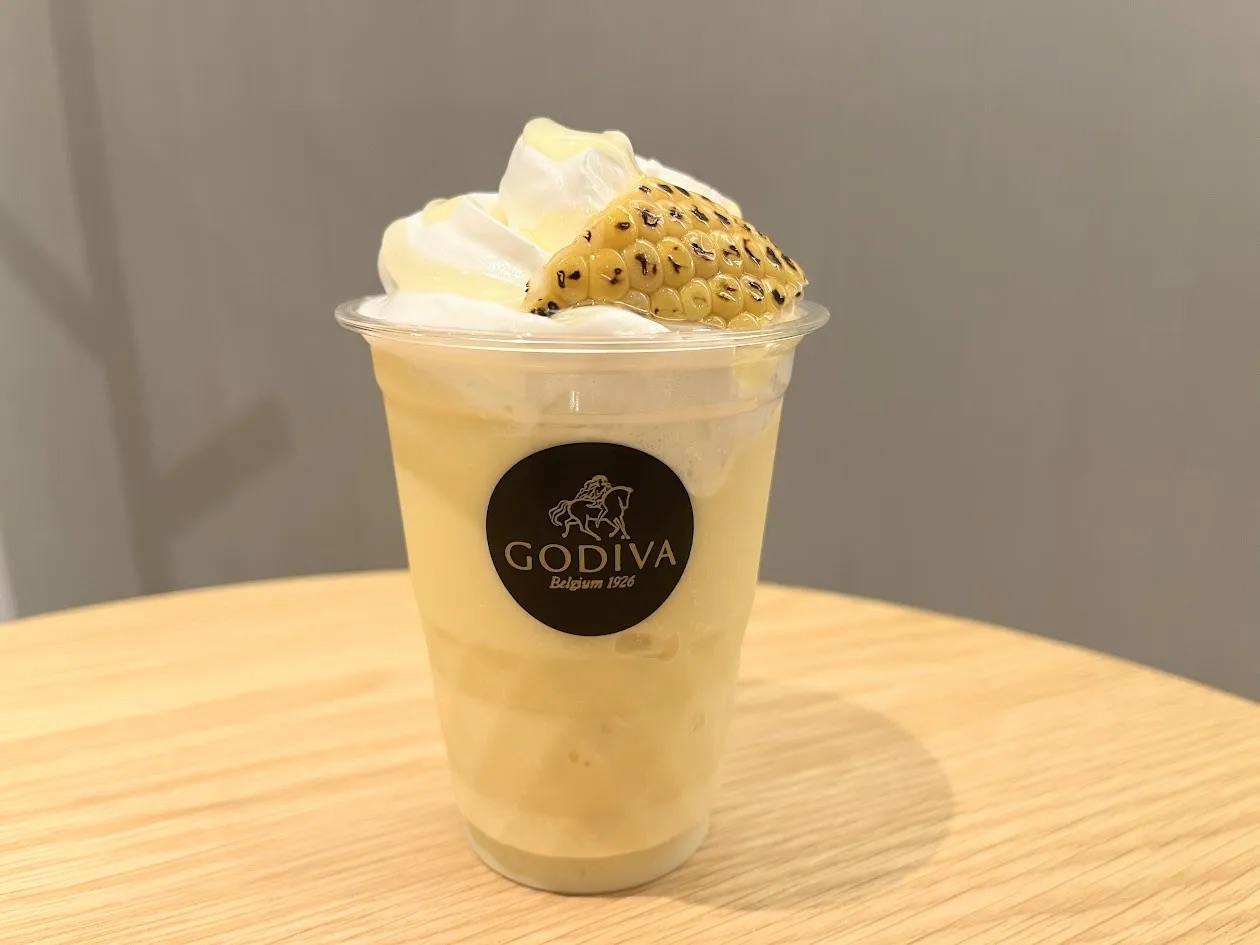
▼ It’s not every day you see whole corn kernels sitting on top of a chocolate drink.

According to Godiva, the new Chocolixer combines the natural sweetness of sweet corn with white chocolate and honey butter sauce. It’s then topped with a generous swirl of whipped cream and finished with roasted corn.

▼ Released on 29 May, the drink is on the menu from 830 yen (US$5.18) for a regular size and 940 yen for a large.

It took us a long time to tear our eyes away from the corn topping when we bought the new drink to try it, but when we did, we were able to appreciate the finer details. Nibbling on the corn revealed it to be wonderfully fresh, sweet and juicy, making it a lovely entree for the drink to follow, while the rich yet light and fluffy cream accompaniment was a fun accent, easing our palate into the deeper flavour combinations. The first sip highlighted the deliciousness of the corn, and we instantly likened it to a slightly sweet chilled corn potage, where you could taste the natural sweetness and subtle saltiness of the ingredients.

Delving further, the combination of white chocolate and rich honey butter sauce was absolutely delicious. This is where the drink truly shines, as the white chocolate brings the whole drink together and elevates the flavour, showcasing the skill of Godiva and reminding us of its chocolate prowess.

Though we’d been slightly cautious about the corn drink at first, by the end we were seriously impressed. Godiva’s cold chocolate take on corn potage is bursting with sweetness, and the refreshing crunch of ice is a delightful addition, making it the perfect summer beverage.

The only problem is finding a store where you can buy it, as the drink is so popular it was sold out at every participating branch we visited when we first went on the hunt for it. As a general rule, if it’s not listed on the menu at a participating store (see link below for locations) it’s likely to be sold out, but from our experience it would be best to visit a branch as soon as it opens, and a store that’s large but still slightly out of the way, like the one we visited in Tokyo’s Hibiya, will give you a better chance of finding it.

Related: Godiva Cafe store list
Images ©SoraNews24

● Want to hear about SoraNews24’s latest articles as soon as they’re published? Follow us on Facebook and Twitter!

  • ✇SoraNews24 Japan
  • Japan’s izakaya pubs closing at record pace, failing to attract foreign tourists Casey Baseel
    Combination of factors is dimming the shine of one of the stars of Japanese restaurant culture. Izakaya are a unique part of Japanese food culture. Their closest analogy would be pubs, since izakaya serve a wide variety of alcoholic drinks and food meant to be paired with such beverages. Their menus are much more extensive than just basic bar munchies, though, with things such as yakitori chicken skewers, grilled onigiri rice balls, and plates of sliced sashimi being long-standing favorites. A
     

Japan’s izakaya pubs closing at record pace, failing to attract foreign tourists

20 May 2026 at 15:00

Combination of factors is dimming the shine of one of the stars of Japanese restaurant culture.

Izakaya are a unique part of Japanese food culture. Their closest analogy would be pubs, since izakaya serve a wide variety of alcoholic drinks and food meant to be paired with such beverages. Their menus are much more extensive than just basic bar munchies, though, with things such as yakitori chicken skewers, grilled onigiri rice balls, and plates of sliced sashimi being long-standing favorites. As a matter of fact, unlike with a pub, the expectation is that izakaya customers will always order some kind of food too, though there’s still a greater focus on drinks than at a regular restaurant.

However, izakaya are in a tough spot in Japan these days, and since the start of the year have been going bankrupt at a faster rate than at any time in nearly the past 40 years, according to a new study.

Data from Tokyo Shoko Research, a commerce and industry research organization, shows that between January and April of 2026, 88 izakaya have declared bankruptcy with debts of 10 million yen (US$65,000) or more. That’s 54.3 percent more than for the same period last year, and the highest number Tokyo Shoko Research has observed for the first quarter of the year since it began tracking such statistics in 1989, significantly more than the previous high of 59 in 2024.

So what’s causing the closures? A mix of factors, but one of the biggest is rising prices. Japan is experiencing by far its worst inflation in a generation, and costs for not just ingredients, but also for utilities, are hitting izakaya hard. Many are responding by reducing portion sizes, reworking recipes to make use of cheaper ingredients, or raising the prices they charge their own customers to make up the increased expenses. There are limits to how much of those tactics diners will put up with, though.

Facing rising costs for their own necessities such as rent, groceries, transportation, and home utilities, many consumers are becoming much more sensitive to the value they’re getting with the reduced amount of money they have left over for discretionary spending, and izakaya are looking a lot less appealing to many people than they used to. In particular, Tokyo Shoko Research points out that izakaya offers that include a full meal’s worth of food plus unlimited drinks for a period of time (usually 90 or 120 minutes), traditionally some of their most attractive deals, have gotten more expensive and now often cost more than 5,000 yen, a price point that many diners are balking at.

The study also highlights recent changes in dining/drinking patterns in Japan. Traditionally, izakaya have gotten much of their business from groups of coworkers coming in together, either as part of a pre-planned event such as a welcome party for new employees or an end-of-the-year celebration, or as spontaneous excursions to grab a drink after clocking out, sometimes after doing overtime and being too hungry/thirsty to wait until they can commute back home. However, those gatherings largely went away during the pandemic, and while many izakaya weathered that economic storm due to financial support from the government, the custom of coworkers going to drink together hasn’t rebounded to its previous level.

Part of that is due to more people working from home, something that was extremely rare in Japan prior to the pandemic. Many jobs now offer at least some telecommuting flexibility,  meaning fewer people in the office, and so fewer people to go grab a cold Asahi with on the way to the station at the end of the day. There’s also been a gradual increase in desire for a more even work/life balance in Japanese society. Even many in management positions are now more aware that constant overtime chips away at morale and the company’s ability to retain workers, and have come to accept that many employees feel that, when overtime does have to be done, having to go drinking with your boss afterward doesn’t make up for it, but actually makes the situation even worse.

So when you combine higher prices, freedom from the obligation to go to izakaya with coworkers, and the possibility of already being at home when you clock out from work, having a drink in the comfort of your living room, and one you purchased at the supermarket for half of what an izakaya would have charged you, becomes a very compelling alternative.

▼ Especially when stores in Japan have not just beer, but a wide variety of canned cocktails too.

Ah, but what about inbound foreign tourists? Japanese cuisine is one of the top reasons travelers from overseas come to Japan, and with the yen remaining so weak, many visitors still feel like dining out here is a bargain compared to their home countries. Tokyo Shoko Research, though, says that izakaya aren’t drawing in foreign tourists to the same extent that other restaurants in Japan are.

The report doesn’t offer any theories as to why this is, but it likely has something to do with international foodies’ passion for Japanese food being strongly focused on specific dishes, such as ramen, sushi, or curry rice. While many izakaya do have tasty food, their broader menu makes them a little less likely to hook a traveler’s attention than, for instance, a restaurant whose storefront is plastered with signage featuring photo after photo of steaming hot bowls of ramen. Ordering at izakaya is also a little trickier to navigate. There aren’t any vending machines at the entrance to purchase a meal ticket from, and it can be hard for newbies to estimate how many plates of food to order for a filling spread. There’s also the whole otoshi custom of unasked-for appetizers that you still have to pay for, but aren’t told the price of in advance, which can be an unpleasant bit of culinary culture shock.

Izakaya, like all pubs, are about more than just base sustenance. In a sense, they’re a form of entertainment, and much like certain genres of music or movies fluctuate in popularity, there’s a chance that izakaya will bounce back. For now, though, the situation isn’t very rosy, so if you see one that looks intriguing, they’d probably really appreciate it if you came in for a drink and a bite to eat.

Source: Tokyo Shoko Research via Yahoo! Japan News via Jin
Top image: Pakutaso
Insert images: Pakutaso (1, 2)
● Want to hear about SoraNews24’s latest articles as soon as they’re published? Follow us on Facebook and Twitter!
  • ✇SoraNews24 Japan
  • Starbucks Japan releases new “torori” drinks exclusive to 7-Eleven convenience stores Oona McGee
    A new limited-edition drink you can’t even get at Starbucks. Competition is fierce amongst Japan’s top three convenience store chains,  7-Eleven, Family Mart and Lawson, but right now 7-Eleven is edging ahead of the competition with a new tie-up Starbucks drink that you can’t get anywhere else, not even at Starbucks. Called Fruity Cheers Torori, this new beverage comes in two flavours, Strawberry Berry Bergamot and Mango Passionfruit, with each one blending the rich aroma of fruit with the cre
     

Starbucks Japan releases new “torori” drinks exclusive to 7-Eleven convenience stores

11 June 2026 at 03:00

A new limited-edition drink you can’t even get at Starbucks.

Competition is fierce amongst Japan’s top three convenience store chains,  7-Eleven, Family Mart and Lawson, but right now 7-Eleven is edging ahead of the competition with a new tie-up Starbucks drink that you can’t get anywhere else, not even at Starbucks.

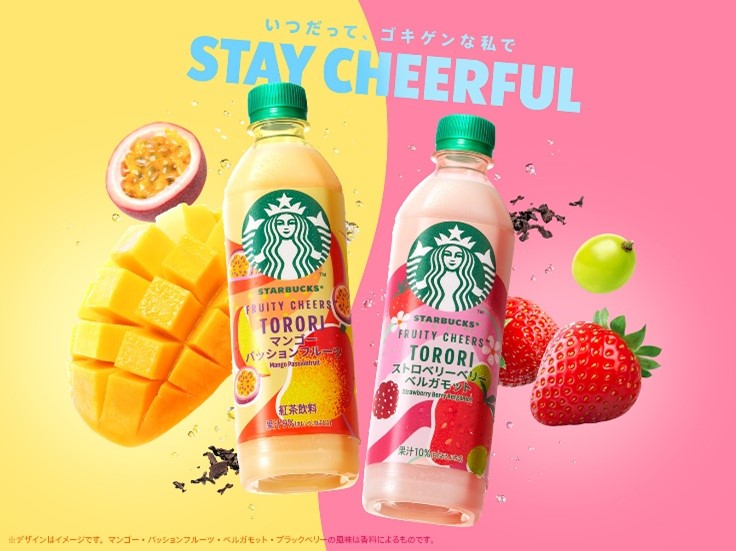
Called Fruity Cheers Torori, this new beverage comes in two flavours, Strawberry Berry Bergamot and Mango Passionfruit, with each one blending the rich aroma of fruit with the creamy smoothness of milk and the refreshing finish of tea for a perfect summer pick-me-up. One of its other key features lies in its name, as “torori” is Japanese onomatopoeia for something with a thick, smooth, rich, and velvety texture, and that’s what this drink promises to deliver.

The Strawberry Berry Bergamot blends milk with the refreshing citrus aroma of bergamot, the delicate fragrance of jasmine tea, and the sweet tartness of strawberry and blackberry. The result is a vibrant, fruity beverage with a rich strawberry aroma and a satisfyingly smooth texture.

The Mango Passionfruit features rich tropical aromas of mango and passionfruit, and blends it all with milk and black tea to create a luscious taste experience. The sweet, full-bodied fruit flavors and creamy richness are said to “unfold with every sip”, delivering a refreshing sensation that captures the spirit of summer.

According to Starbucks, this new series was created with the goal of bringing the Starbucks experience into people’s busy everyday lives through a convenient PET bottle format. Carefully developed by fine-tuning the balance between fruit, milk, and tea to achieve a rich, fruity flavour with a refreshing finish, these drinks are said to be the perfect companion for a summer afternoon.

With bright, colourful packaging and layered graphic elements, the cheerful design is sure to grab your attention when the drinks are released on 16 June. They’ll be available at 7-Eleven stores nationwide for a limited time, priced at 214 yen (US$1.33) each.

Source, images: Press release
● Want to hear about SoraNews24’s latest articles as soon as they’re published? Follow us on Facebook and Twitter!
  • ✇SoraNews24 Japan
  • Starbucks Japan releases first-ever muscat-flavoured chilled cup drink Oona McGee
    A brand new tea latte designed to lift your spirits this summer. It’s been 20 years since Starbucks debuted its “Chilled Cup” series of drinks in Japan, ahead of any other country, and although there’s been a lot of limited-edition flavours in that time, one ingredient has always been missing: Muscat. Associated in Japan with premium grapes such as Shine Muscat, the sweet, aromatic fruit has become a beloved seasonal flavour, making its arrival in the Chilled Cup series long overdue. This isn’
     

Starbucks Japan releases first-ever muscat-flavoured chilled cup drink

3 June 2026 at 01:00

A brand new tea latte designed to lift your spirits this summer.

It’s been 20 years since Starbucks debuted its “Chilled Cup” series of drinks in Japan, ahead of any other country, and although there’s been a lot of limited-edition flavours in that time, one ingredient has always been missing: Muscat.

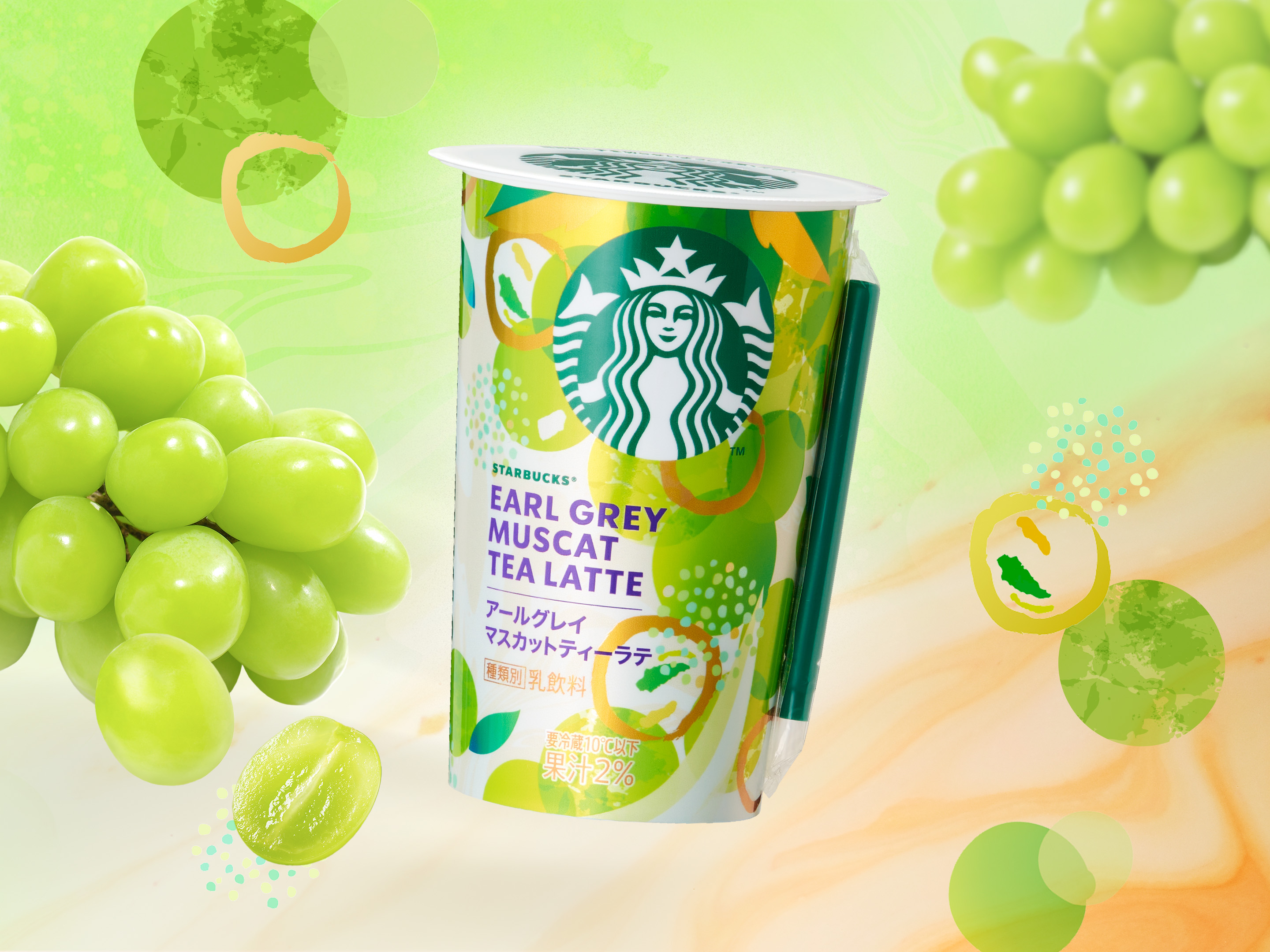
Associated in Japan with premium grapes such as Shine Muscat, the sweet, aromatic fruit has become a beloved seasonal flavour, making its arrival in the Chilled Cup series long overdue. This isn’t a solo arrival, though, as it’s partnered by earl grey to create a special tea latte designed to “lift your spirits” with its creamy yet refreshing flavour. By combining juicy Muscat grape juice and fresh milk with Earl Grey tea infused with the elegant aroma of bergamot, a perfect balance is achieved, delivering a teatime twist on the summery fruit flavour before the season gets into full swing.

While the drink can easily be drunk on its own, Starbucks says it will also pair particularly well with raisin butter sandwiches, as the muscat’s aromatic notes help to enhance the rich, deep flavour of raisins. When enjoyed together, the individual characteristics of the two types of grapes are enhanced, and the subtle saltiness of the butter cream adds a pleasant accent.

▼ Experience a new, nuanced flavour that you wouldn’t get from each treat on its own.

This pairing highlights the chain’s dedication to creating memorable moments full of novelty, excitement and surprise, which for many people is what summer is all about.

This fruity floral tea latte is an exciting blend of flavour we can’t wait to try, and each 200-millilitre (6.8-ounce) cup is set to retail for 230 yen (US$1.44) at retailers and 7-Eleven convenience stores nationwide.

Source, photos: Press release
● Want to hear about SoraNews24’s latest articles as soon as they’re published? Follow us on Facebook and Twitter!

  • ✇SoraNews24 Japan
  • Starbucks Japan releases a new limited-edition Frappuccino inspired by espresso affogato Oona McGee
    Find out if this exclusive drink has what it takes to combat a Japanese summer. Some might say the best time to enjoy a Frappuccino is in the heat of summer, especially in Japan when the high humidity drains all your energy and has you searching for a much-needed boost. This summer, the chain is catering to that need with the Banana Affogato Frappuccino, which combines the pick-me-up powers of banana, with its natural sugars and healthy carbs, with the caffeine kick of espresso, for a refreshi
     

Starbucks Japan releases a new limited-edition Frappuccino inspired by espresso affogato

29 May 2026 at 14:00

Find out if this exclusive drink has what it takes to combat a Japanese summer.

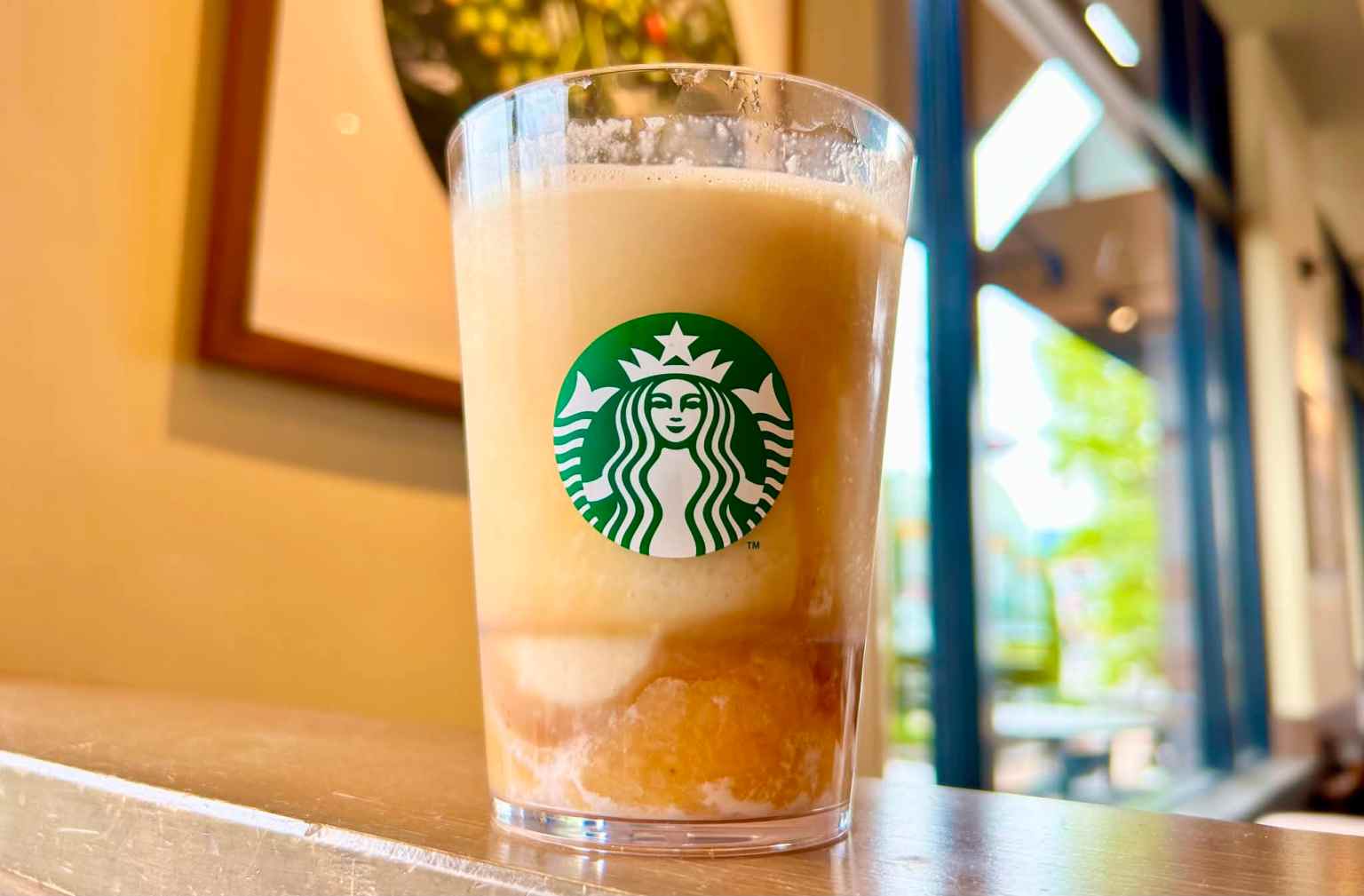
Some might say the best time to enjoy a Frappuccino is in the heat of summer, especially in Japan when the high humidity drains all your energy and has you searching for a much-needed boost. This summer, the chain is catering to that need with the Banana Affogato Frappuccino, which combines the pick-me-up powers of banana, with its natural sugars and healthy carbs, with the caffeine kick of espresso, for a refreshing hit of energy in one icy beverage.

With the days nearing summertime highs already, now is a great time to test the powers of the Frappuccino, so our reporter K. Masami headed out to try the new beverage when it was released on 27 May. As a fan of the chain’s existing Espresso Affogato Frappuccino, a popular menu staple that’s said to have inspired the banana version, Masami wanted to know what the fruit would bring to the new drink.

After placing her order, and following the barista’s recommendation to switch the regular milk in the drink to almond for an additional 55 yen (US$0.34), it didn’t take long for Masami to get her first look at the Frappuccino, and she immediately found she was unable to peel her eyes away from the base of the beverage.

The bottom of the glass was filled with plenty of banana pulp, and not only did it look delicious, it promised to benefit the environment too. That’s because the drink contains bananas that would have otherwise gone to waste, as they were considered substandard for the market due to skin blemishes and size issues. These superficial issues don’t affect the taste of the bananas, so enjoying them in drink form is a clever way to save them from landfill, and every sip will make you feel like you’re doing your bit for the environment.

Sitting atop the banana pulp is a blend of milk and banana powder, with a special espresso sauce made by combining an espresso shot and classic syrup. The syrup works to rein in the bitterness of the espresso, creating a harmonious blend of flavours.

Although Masami had initially been concerned that the espresso might overpower the taste of banana, she needn’t have worried. Upon tasting it, she found that the banana remained the star of the show throughout, largely due to the smooth banana pulp, which was packed with fruit flavour and had a delicious mouthfeel, making every sip a taste sensation.

The almond milk added an earthy note that Masami loved, and although the drink was well balanced, she recommends coffee lovers request an extra espresso shot, as the coffee flavour might seem a little too mild for those who like the bitterness of espresso. In fact, until 21 June, customers who request an espresso shot using the chain’s mobile ordering system will have the usual additional 55-yen fee waived, so it’s a good way to try the customisation.

For 700 yen, the new Banana Affogato Frappuccino gets the thumbs-up from Masami, who felt a jolt of energy coarse through her body after trying the drink. It hit the spot so well that she found herself realising it was exactly what her body had been craving on the hot and muggy day she enjoyed it, so keep an eye out for it when you need to restore your energy levels during the heat of summer.

Images©SoraNews24
● Want to hear about SoraNews24’s latest articles as soon as they’re published? Follow us on Facebook and Twitter!

  • ✇SoraNews24 Japan
  • 7-Eleven Japan now sells canned water, but does funky packaging mean funky flavor?[Taste test] Casey Baseel
    Lotte’s canned water makes its convenience store debut. The first time you take a look at the drink section in a Japanese convenance store, you might be surprised by some of the packaging, specifically the things that you can buy in cans. Canned coffee and cocktails can be found in pretty much every convenience store in the country, and while not as common, canned teas aren’t all that shocking to see here either. But even we were surprised to find out that 7-Eleven Japan now sells canned water
     

7-Eleven Japan now sells canned water, but does funky packaging mean funky flavor?[Taste test]

16 May 2026 at 23:30

Lotte’s canned water makes its convenience store debut.

The first time you take a look at the drink section in a Japanese convenance store, you might be surprised by some of the packaging, specifically the things that you can buy in cans. Canned coffee and cocktails can be found in pretty much every convenience store in the country, and while not as common, canned teas aren’t all that shocking to see here either.

But even we were surprised to find out that 7-Eleven Japan now sells canned water.

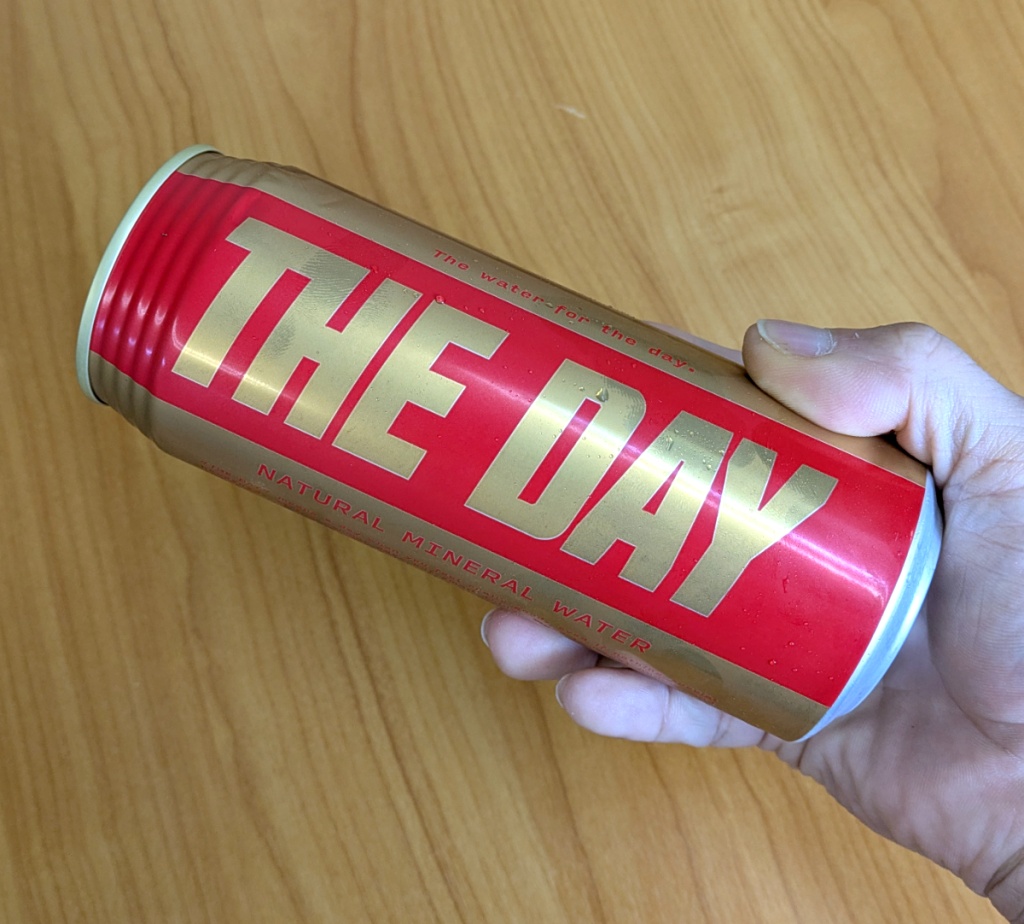
The Day is a brand of canned water from Lotte, who’s best known as a candy and snack food maker. They’re now in the water game too, though, and while the black-can The Day is carbonated, the red version isn’t.

▼ The Day went on sale through online shops and discount retailers in September, but just made its convenience store debut at 7-Eleven on May 5.

The visual design looks more like something you’d see for an energy drink or beer, and the contrast feels even more pronounced when you see The Day next to other brands of water, which tend to go with nature imagery and transparencies as their main visual motifs.

Lotte says they chose The Day’s name to symbolize its concept as “a water that lifts your spirts” and will give you a great day. There are no additional energy boosting chemicals or supplements added, though. The Day is simply canned natural mineral water, sourced from the town of Yaizu in Shizuoka Prefecture, according to the can’s text.

▼ And yes, we did accidentally drop this can on our way back from 7-Eleven, leading to the first time in our lives that we can say that we dented our water.

Once back in our taste-testing center, we cracked open the non-sparkling The Day for a comparison with Suntory’s Tennensui, one of Japan’s most popular bottled water brands.

Oddly enough, while the red-can The Day is supposed to be the non-sparkling variety, after we poured some into a glass we did still see some air bubbles. Not so many that we’d call it a full-on carbonated beverage, and this might just be a side-effect of the canning process, as opposed to an intentional design choice, but still, the water wasn’t completely still.

Taste-testing duties fell to our ace reporter Mr. Sato, and he says The Day’s mouthfeel is smooth, imparting a refreshing sensation as it glides down your throat. He reports no unpleasant metallic taste or aroma either, so while it feels unusual to be drinking water from a can, the flavor isn’t funny, and is perfectly satisfying.

But why has Lotte chosen to put The Day in cans, and not the plastic bottles that are the industry norm? In its press release, the company says it sees the day as “One answer to the needs of a new age of wellness,” and the choice of more easily recyclable aluminum seems to be an extension of that philosophy. The uniqueness factor probably doesn’t hurt either, as the packaging and design really do stand out against other brands of water. Lotte might also be hoping that the more substantial feel of a can helps position The Day as a premium product, and at a price of 158 yen (US$1) for a 480-mililiter (16.2-ounce) can, it is a little on the pricy side, as most other water brands are 140 yen or less for a 500-miiliter bottle.

There is one clear drawback to The Day being in a can, though, which is that once you pop the top, there’s no way to close it back up again. This isn’t an issue for coffee or alcoholic beverages, since they tend to be things where people drink the entire can shortly after opening it. Regardless of whether it started out hot or iced, coffee tends to taste significantly worse once it gets to room temperature, and beer and cocktails aren’t the kind of drinks most people go walking around with. A lot of people, though, buy a bottle of water while commuting to work or out on a walk, take a few sips, then put the cap back on so they can toss the bottle in their bag and have some more when they feel thirsty again a little later on.

By nature of being in a can, The Day doesn’t lend itself to that “I’ll have a little now, and then the rest later on” style of consumption, making it a much less convenient choice than its competitors. On the other hand, being locked into drinking the whole can once you’ve opened it does promote taking the time to mindfully hydrate, and with Japan’s cruelly hot kokushobi-level summer weather on the way, maybe that’s not such a bad thing.

Photos ©SoraNews24
● Want to hear about SoraNews24’s latest articles as soon as they’re published? Follow us on Facebook and Twitter!

❌
Subscriptions