Normal view

  • ✇SoraNews24 Japan
  • Tokyo has a cafe that prohibits talking inside, and here’s why it’s awesome Casey Baseel
    If you need a break from the noise in your life, this Koenji cafe is waiting for you. In Tokyo you’re never very far away from a convenience store or vending machine, so going to a cafe to have a drink is about more than just quenching your thirst. It’s about enjoying the atmosphere of a cozy or stylish space, and while some people might see that as conducive to lively conversation, others prefer a place that offers peaceful relaxation conducive to contemplation, and for those in the latter gr
     

Tokyo has a cafe that prohibits talking inside, and here’s why it’s awesome

19 June 2026 at 01:00

If you need a break from the noise in your life, this Koenji cafe is waiting for you.

In Tokyo you’re never very far away from a convenience store or vending machine, so going to a cafe to have a drink is about more than just quenching your thirst. It’s about enjoying the atmosphere of a cozy or stylish space, and while some people might see that as conducive to lively conversation, others prefer a place that offers peaceful relaxation conducive to contemplation, and for those in the latter group, there’s R Zadokushokan.

早番報告🌱
外がしっとりした空気になってきて、水槽の音がいつもよりお店のと馴染んでいるような気がします。
窓から少し入る風が心地よくてしっとりしている中で少しさらさらしたような気持ちになれます。

一人立ちしたての新人スタッフですが、空気の質を細かくとらえてくれてます😊👍

13:00空席7 pic.twitter.com/bxVwP0R15e

— 読書喫茶室 アール座読書館 (@rzadokushokan) April 29, 2026

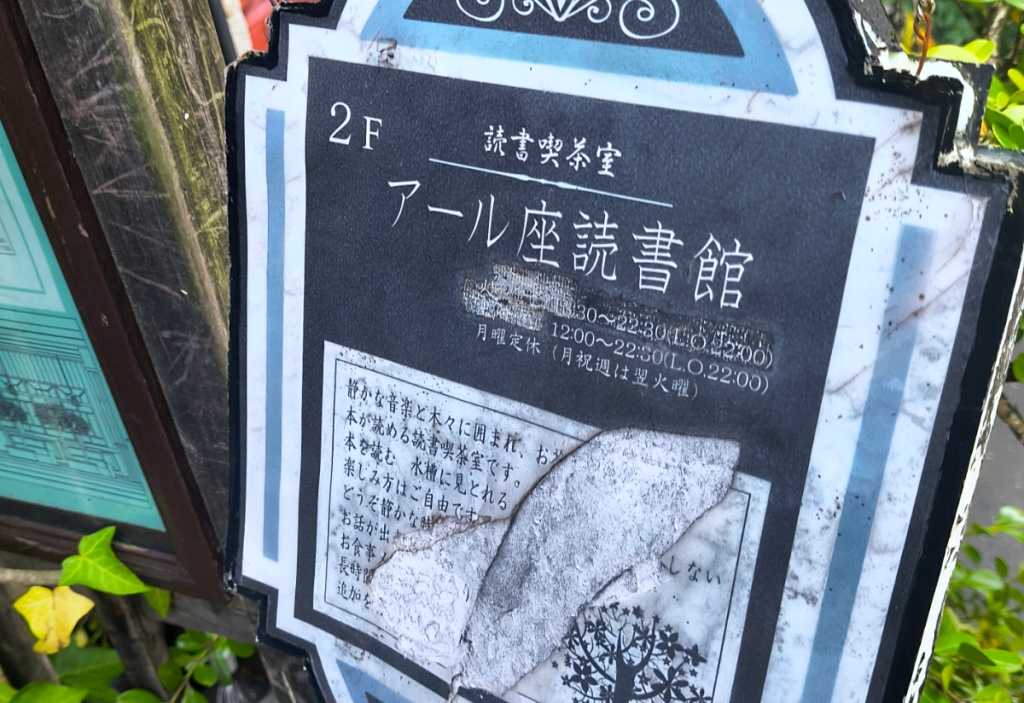
Located in Tokyo’s Koenji neighborhood, The “Zadokushokan” part of R Zadokushokan’s name translates to “sitting and reading building,” and the place has the vibes of a classy reading room.

空気報告→ふかふかの毛布に包まれているような雰囲気です🫧

店主:心身を深く緩めることが出来ると、そんな心持ちになれます😌

20:30 空席5 pic.twitter.com/15MncEDHXP

— 読書喫茶室 アール座読書館 (@rzadokushokan) May 14, 2026

But what really makes R Zadokushokan unique is that the cafe explicitly asks customers to “please refrain from long conversations.” So while walking across the threshold doesn’t mean you’ve committed to a monastery-like vow of silence, it does mean that customers agree to keep their chitchat at a minimum. Aside from a few words exchanged between customers and staff when ordering, and the occasional sounds of the city outside that seep through the walls and windows, the only things you’ll be hearing are ambient sounds like the burbling of the water pump for the cafe’s aquarium or the soft mechanical click as its electric fan gently turns back and forth.

アール座読書館、エセルの中庭ではアルバイトの応募を随時受付けております。
※募集のタイミングで選考が行われます。

曜日固定 週2〜3日程度

ご興味ある方はスタッフまでお声がけ下さい。
折返し仕事内容や選考についてご説明致します。

内容詳細→https://t.co/PrsYPfe7Jd pic.twitter.com/OFNFO1fOT2

— 読書喫茶室 アール座読書館 (@rzadokushokan) May 9, 2026

Our ace reporter Mr. Sato isn’t exactly a regular customer at R Zadokushokan, but he’s visited more than a few times, and recently stopped by one again. Mr. Sato spends most of his days chasing down trends as he looks for weird and wonderful things to write about, and when he’s on the move he’s pretty much always listening to music through earphones stuck in his ears. It’s exciting and all, but after a while that sort of sensory overload can start to saturate his cerebrum, and when he feels that sensation coming on he makes a detour to R Zadokushokan.

R Zadokushokan doesn’t have rules banning the use of smartphones or laptops (as long as they’re not emitting noise from their speakers). Even without any such formal policy, though, Mr. Sato feels like electronic devices would be sort of a mismatch for this atmosphere, and so when he visits he goes old-school in his musings, writing down his thoughts and drafting articles with pen and paper.

Being here, Mr. Sato’s thinking process starts to slow down, but it becomes clearer too. Yes, writing this way takes more time than typing, but when he’s at this cafe, speed isn’t his goal. He’s looking for a place where he can think deeply and thoroughly, and he doesn’t want to waste the opportunity to find meaningfully expressive words by rushing though his search for them.

With each line his pen leaves on the paper, Mr. Sato feels like he’s clearing away the unwanted, unnecessary distractions from his mind, and transferring what he really wants to say onto the page. That sensation of the world coming into sharper focus by stepping away from both the literal and mental noise that so often surrounds us is why he keeps coming back to R Zadokushokan, and why he recommends it to anyone looking for the same sensory reset.

Cafe information
R Zadokushokan / アール座読書館
Address: Tokyo-to, Suginami-ku, Koenji Minami 3-57-6
東京都杉並区高円寺南3丁目57-6
Open noon-10 p.m.
Closed Mondays
Twitter

Photos ©SoraNews24
● Want to hear about SoraNews24’s latest articles as soon as they’re published? Follow us on Facebook and Twitter!
  • ✇SoraNews24 Japan
  • Beautiful Ghibli anime uchiwa fans are like little posters you can use to keep yourself cool Casey Baseel
    Totoro and friends want to keep you cool and smiling this summer with these traditional non-folding fans. Summer presents a bit of a conundrum in Japan. On the one hand, it’s not a matter of if the weather will be hot and humid, but whether it’ll be extremely or just very hot and humid. At the same time, summer is full of festivals, fireworks shows, pop culture events, and even beautifully blossoming flowers, so there’s tons of fun to be had if you can find a way to cope with the heat. And if
     

Beautiful Ghibli anime uchiwa fans are like little posters you can use to keep yourself cool

1 June 2026 at 01:00

Totoro and friends want to keep you cool and smiling this summer with these traditional non-folding fans.

Summer presents a bit of a conundrum in Japan. On the one hand, it’s not a matter of if the weather will be hot and humid, but whether it’ll be extremely or just very hot and humid. At the same time, summer is full of festivals, fireworks shows, pop culture events, and even beautifully blossoming flowers, so there’s tons of fun to be had if you can find a way to cope with the heat.

And if you have a fun way to do so, all the better, right?

Filling that role nicely are these fans from Studio Ghibli specialty store Donguri Kyowakoku. This type of fan is called an uchiwa, and because they have an easy-to-grip handle, it’s easier to generate a cooling breeze with uchiwa than with than sensu (folding fans), making them a classical summer lifesaver.

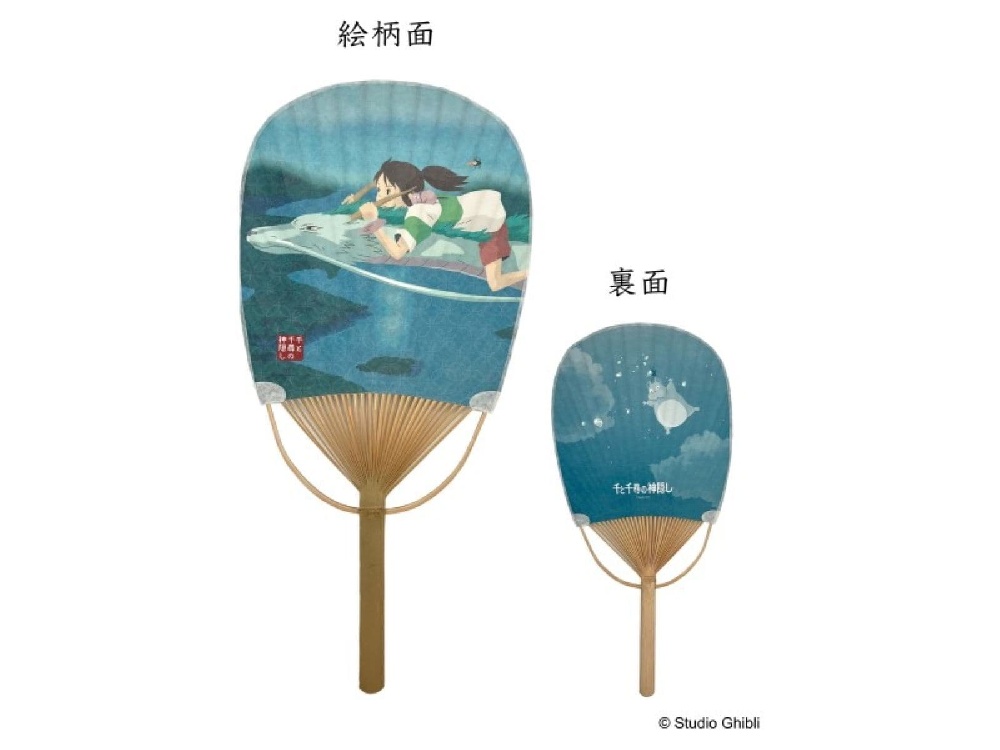
The Ghibli uchiwa are made from bamboo frames and textured paper. A total of four designs are available, representing two of Ghibli’s greatest hits and with unique artwork on each side. On the fan above, we see Spirited Away’s Chihiro riding through the sky on Haku in his dragon form on the front, and when you flip the fan over, you can see Mouse Boh and Haedori having a somewhat less elegant flight.

Also here from Ghibli’s Oscar-winner is No Face, which is fitting since uchiwa are said to be shaped like koban, Japan’s traditional oval gold coins. The back of the No Face fan bares the kanji for Abura, as in the Aburaya bathhouse of the gods where most of the movie takes place, along with illustrations of some of the establishment’s more prominent patrons.

No Ghibli movie captures the vibes of a carefree summer day like My Neighbor Totoro, though, and so it’s also part of the lineup, with one of its designs featuring sisters Mei and Satsuki along with the Catbus.

▼ The back of the fan reveals that the Catbus leaves adorable pawprints behind as it scampers around the countryside.

And finally, the fourth fan shows a gathering of all three Totoros, big, medium. And small, with them dancing under fireworks and the kanji for matsuri (“festival”) on the back.

The fans are all 17 centimeters (6.7 inches) in width and 37 centimeters in length, with the exception of the Catbus uchiwa which is just a bit longer at 37.5 centimeters. The long handles make them easy to tuck into a tote bag or slide into the sash of a summer kimono, and since uchiwa don’t fold up, they also work great as interior decorations, since they’re essentially little mini posters that you can also use to make a breeze. All four of the fans are priced at 880 yen (US$5.70) and recently restocked at Donguri Kyowakou, with online orders available here.

Source: Donguri Kyowakoku
Top image: Donguri Kyowakoku
Insert images: Donguri Kyowakoku (1, 2, 3, 4)
● Want to hear about SoraNews24’s latest articles as soon as they’re published? Follow us on Facebook and Twitter!

  • ✇SoraNews24 Japan
  • What’s it like to join Tokyo’s walking-and-talking-with-strangers club for a day? Casey Baseel
    We strap on our shoes and head into downtown Tokyo for a philosophical conversation prompt and a walk with a whole bunch of people we’ve never met before. Japan is right in a special sweet spot right now weather-wise, where the chill of winter and allergy-triggering pollen of spring are gone, but the sweltering heat of summer hasn’t arrived just yet. That makes the conditions ideal for a nice walk with friends…or, as we experienced in downtown Tokyo, a nice walk with complete strangers. This u
     

What’s it like to join Tokyo’s walking-and-talking-with-strangers club for a day?

2 June 2026 at 05:00

We strap on our shoes and head into downtown Tokyo for a philosophical conversation prompt and a walk with a whole bunch of people we’ve never met before.

Japan is right in a special sweet spot right now weather-wise, where the chill of winter and allergy-triggering pollen of spring are gone, but the sweltering heat of summer hasn’t arrived just yet. That makes the conditions ideal for a nice walk with friends…or, as we experienced in downtown Tokyo, a nice walk with complete strangers.

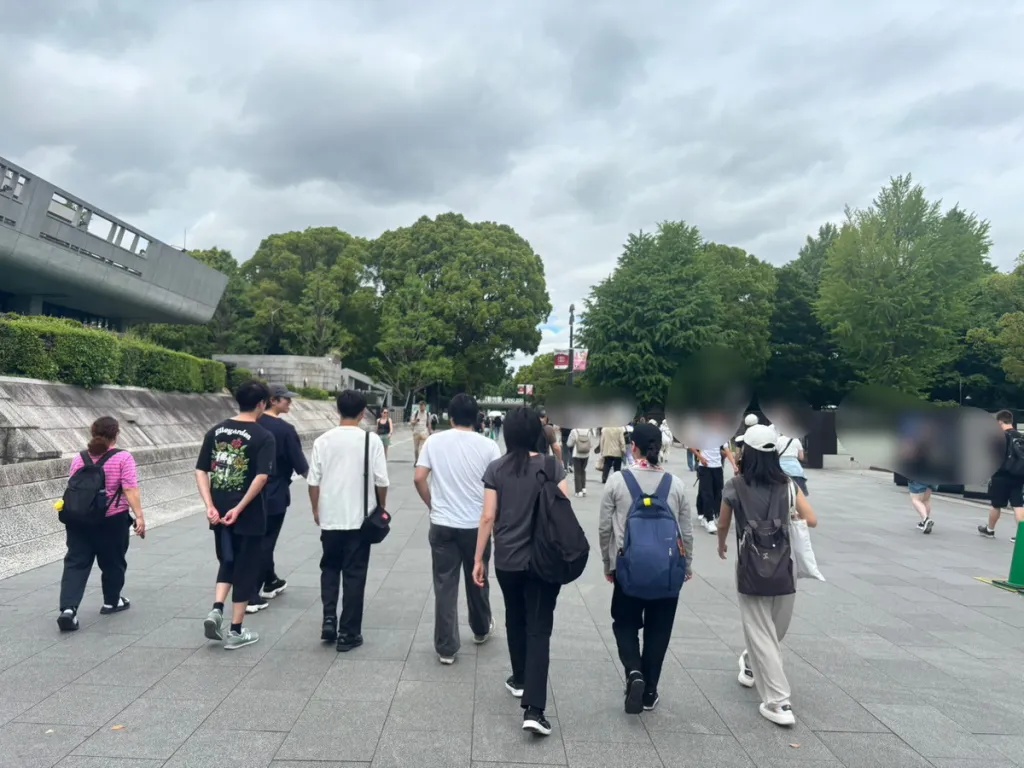
This unusual opportunity came to us thanks to Taiwamura Walking Club (or Taiwamura Sampo-bu, as they’re called in Japanese), an organization that puts together group walks by setting a time, meeting place, course, and a lightly philosophical topic to discuss as you stroll. For the session we joined, the group met at 10 a.m. outside Ueno Station, with an equal mix of men and women. There was a wide range of ages too, with the youngest being a 19-year-old college student and the oldest members old enough to be her parents.

Taiwamura Walking Club usually limits the number of participants to 10 people or so, and after everyone arrived, the session started with a quick round of self-introductions. Then we were off and walking, with the Taiwamura Walking Club representative leading the way.

As mentioned above, every walk that Taiwamura Walking Club organizes has a conversational theme (taiwa is Japanese for “discussion,” after all). This isn’t a debate club, though, so the topics aren’t contentious or requiring of specialized knowledge. Instead, they’re relatable conversation prompts, and the one for our walk was “Why does loafing around the house make people feel guilty?”

As we soon learned, the combination of walking and talking is surprisingly clever. Because you’re on the move, there isn’t any of the pressure to keep up a constant stream of chatter like you might feel sitting down face-to-face at tables in a cafe or standing near somebody at a party. Walking the route that Taiwamura Walking Club prepares gives everyone a shared goal that helps keep occasional silences and pauses from feeling awkward, but the goal is simple enough that it doesn’t demand 100-percent of your concentration either, giving participants ample leftover mental capacity to talk with one another.

Again, because this isn’t a controlled debate, the conversations were very free-form. The official topic is really just a jumping-off point, and as we chatted with the other strangers-turned-companions, our conversation meandered into all sorts of other topics, whether work, other hobbies and interests, or daily life, before coming back to “Why does loafing around the house make people feel guilty?” and then flowing into yet other non-pre-planned topics.

Because of that, we didn’t arrive at any indisputable consensus answer to Taiwamura Walking Club’s question of the day, nor was that ever the hoped-for outcome in the first place. The group did land on a couple of plausible explanations for what causes feelings of guilt after being lazy at home, such as:
● It makes you aware of how much time you’ve spent looking at social media and watching online videos without any sense of purpose.
● It’s a passive, rather than creative, way to spend time.
● If you keep on loafing around until it gets to be late at night, you won’t get enough sleep and you’ll feel exhausted the next day.

In total, we spent about an hour walking, and in addition to a feeling of accomplishment at having gotten in some extra steps, we felt mentally refreshed after having had the opportunity to talk to so many new people in such a relaxed, communication-conducive environment.

We found Taiwamura Walking Club among the listings on Peatix, an online event and community activity platform that helps organizers connect with participants, and Taiwa also spreads the word about its walks on Kokucheese, another site with a similar purpose. Our walk came with a participation cost of 500 yen (US$3.25), but Taiwa has organized free walks too, and their mobile icebreaker sessions seem like a great way to meet new people in a low-stress, highly fun way.

Related: Peatrix, Kokucheese, Taiwamura Walking Club on Kokucheese
Photos ©SoraNews24
● Want to hear about SoraNews24’s latest articles as soon as they’re published? Follow us on Facebook and Twitter!
  • ✇SoraNews24 Japan
  • Lawson transforms convenience store food with massive katsu burger and an insane curry bread Oona McGee
    Japanese convenience store food, like you’ve never seen it before.  If you’re looking for value-for-money on your next convenience store run, then Lawson is the place to go right now, because the chain is holding a special “Super Happy Too Much! Challenge” campaign, where select products are being upsized for free. This is the second week of the campaign, which brings us a new lineup of 10 larger-than-usual products, and the standouts for us turned out to be two products in the bread aisle. ▼
     

Lawson transforms convenience store food with massive katsu burger and an insane curry bread

13 June 2026 at 16:00

Japanese convenience store food, like you’ve never seen it before. 

If you’re looking for value-for-money on your next convenience store run, then Lawson is the place to go right now, because the chain is holding a special “Super Happy Too Much! Challenge” campaign, where select products are being upsized for free.

This is the second week of the campaign, which brings us a new lineup of 10 larger-than-usual products, and the standouts for us turned out to be two products in the bread aisle.

▼ The 51-percent upsized Shrimp Crackers with Sweet Rice Wine got a second look from us as well.

While we ended up bypassing the crackers, we couldn’t resist purchasing the Too Much! Menchi Burger (387 yen [US$2.41])…

▼ … and the Curry Bread and Minced Meat Cutlet (192 yen).

These wildly inventive creations have been causing a buzz since they were released on 9 June, and when we saw them in person, we immediately understood why.

Firstly, the Too Much! Menchi Burger is visually stunning, as the weight of the menchi katsu (miced meat cutlet) has been increased by more than 51 percent compared to the regular version.

▼ The cutlet is now so big it juts out the sides like a meaty moustache.

While the menchi-to-bun ratio is now drastically outweighed, the taste remains outstanding. Since it’s prepared in-store, as part of Lawson’s “Machikado Kitchen” prepared food lineup, the menchi katsu comes out hot and crispy, with an irresistible, freshly fried crunch.

▼ The inside of the cutlet is plump and generous, with onion adding extra flavour to the juicy meat.

Next, we move on to the curry bread, which has a Japanese name that translates as: “Too Much Pairing! European-Style Curry Bread & Jutting-out Menchi Katsu“.

Curry bread, or “Kare Pan” as it’s known in Japanese, is usually served on its own, as a rounded morsel of battered, fried bread with a curry filling in the centre. This new product, however, changes everything we thought we knew about curry bread by using them as buns, and sandwiching a fried meat cutlet between them.

▼ A triple-fry burger, with a menchi katsu jutting out from the centre.

Despite the fry-heavy elements, this “burger” was actually less greasy than we thought it would be. Both the curry bread and the menchi katsu did have strong, distinctive flavors, though, so there were moments when we found ourselves thinking, “Wait, what exactly am I eating right now?” To be honest, the combination is so intense that it can leave your taste buds feeling a little overwhelmed as the two main ingredients compete for your attention, and it’s seriously filling so you might want to eat it in two sittings.

▼ The curry bread and cutlet were a full-on pairing, so it lived up to its name.

While Week One of the campaign went overboard with drinks that were extremely salty and extremely sweet, our choices for Week Two challenged our bellies and our preconceptions of what convenience store food can be.

We learned that too much menchi katsu can be well matched for a burger, while the too-much pairing of curry bread and menchi katsu can be too much for the taste buds. In the end, though, we were left with full bellies and a new appreciation for Lawson, who dared to take convenience store food to new realms with such bold, attention-grabbing creations.

Photos ©SoraNews24
● Want to hear about SoraNews24’s latest articles as soon as they’re published? Follow us on Facebook and Twitter!
  • ✇SoraNews24 Japan
  • Dragon Quest Slimes appear on Baskin-Robbins ice cream cakes in Japan, Critical Hit flavor debuts Casey Baseel
    Critical Hit-flavor ice cream and Mimic containers among the sweet adventures waiting at Baskin-Robbins. Generally speaking, customers wouldn’t be happy to see slimes at the restaurants and sweets shops they visit. But just like your kindergarten teacher told you, capitalization is important, and so the appearance of Slimes at Baskin-Robbins Japan is a cause for joy across the nation. Yes, the mascot monsters of the Dragon Quest video game franchise have drawn near to Thirty-One, as Baskin-Rob
     

Dragon Quest Slimes appear on Baskin-Robbins ice cream cakes in Japan, Critical Hit flavor debuts

5 June 2026 at 01:00

Critical Hit-flavor ice cream and Mimic containers among the sweet adventures waiting at Baskin-Robbins.

Generally speaking, customers wouldn’t be happy to see slimes at the restaurants and sweets shops they visit. But just like your kindergarten teacher told you, capitalization is important, and so the appearance of Slimes at Baskin-Robbins Japan is a cause for joy across the nation.

Yes, the mascot monsters of the Dragon Quest video game franchise have drawn near to Thirty-One, as Baskin-Robbins is known to fans in Japan. Among the treats that made their debut on June 1 is the Slimes Draw Near Ice Cream Cake.

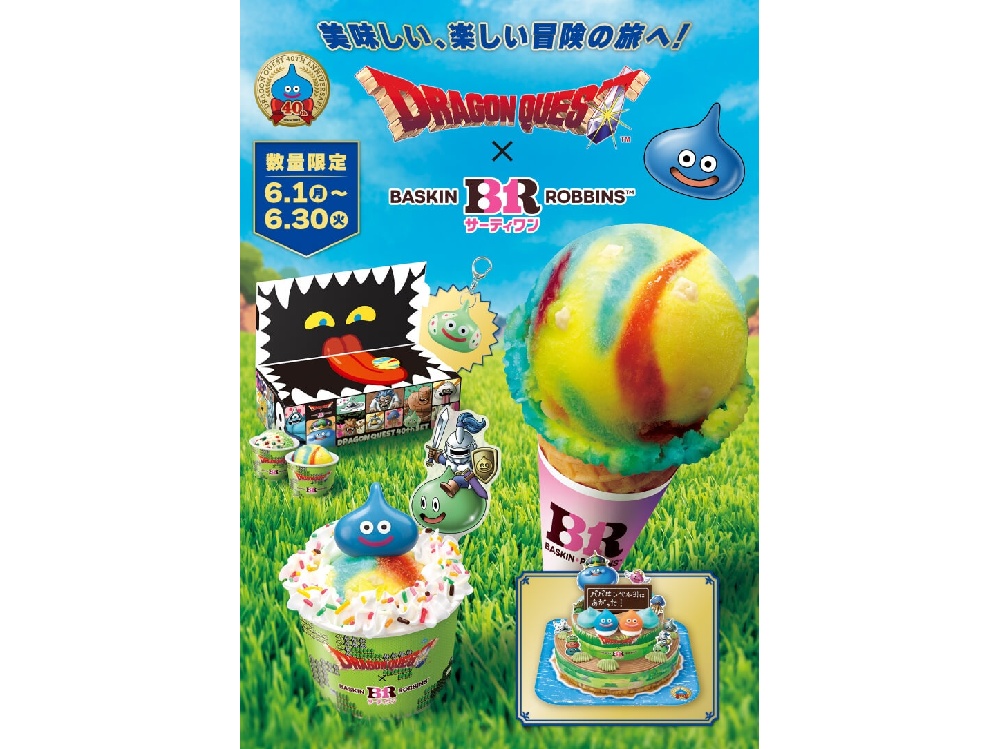
This 11.5-centimeter (4.5-inch) diameter cake features a two-tiered Slime Island with edible frosting Slimes, decorative paper ones, and a command window-style chocolate plate with a message of your choice written on it (the one in the above photo announces “Papa has reached level 31!”). The cake’s interior is made up of four different flavors of ice cream: Double Chocolate, Caramel Ribbon, Strawberry, and Popping Shower, the last of which is so deeply loved in Japan that Baskin-Robbins had to remove it from the voting in their popularity polls.

Arriving at the same time as the Slime cake is a new ice cream flavor called Critical Hit Golden Pineapple Lemonade (or Kaishin no Ichigeki Golden Pine Lemonade in Japanese) that tips its hat to Dragon Quest’s RPG gameplay mechanics.

The looks here are a little deceiving, as the sky-blue sorbet here isn’t the Ramune/Blue Hawaii flavor usually associated with this color in Japan, but instead is a lemonade-flavor sorbet, while the yellow is golden pineapple sorbet. The “critical hit” comes from the red ribbons of sour lemon flavor and the mixed-in pieces of Baskin-Robbins Japan’s newly crafted pachishuwa/“fizzy popping” candies, giving this refreshing new ice cream flavor a stimulating kick too.

▼ The introductory video even features the Dragon Quest critical hit sound effect, plus pop-up damage scores of 31, 310, and 3,131.

Of course, Baskin-Robbins’ whole deal is that they have a bunch of different flavors, and if you’re in the mood for far more than just one, there’s a Dragon Quest 40th Set (since this year is Dragon Quest’s 40th anniversary) that puts eight ice cream flavors of your choice inside a Mimic. Each flavor comes in a special cup with Dragon Quest overworld map pixel artwork, and the bundle also includes a Popping Shower Slime keychain.

▼ In order to lure in gold-seeking adventurers, Mimics usually disguise themselves as treasure chests, but here in the real world is there any container more tempting than a box filled with ice cream?

And finally, for those focused enough to only need one scoop of ice cream, or perhaps those cultured enough to always want whipped cream and sprinkles, there’s the A Slime Draws Near Battle Sundae, which includes one of 10 random decorative character illustrations.

The Battle Sundae is priced at 580 yen (US$3.75), the Slime cake 4,300 yen, and the Mimic box 3,000 or 3,500 yen, depending on whether you choose small or regular-sized scoops of ice cream. The Dragon Quest collaboration is scheduled to run until June 30.

Source: Baskin-Robbins Japan via Otakomu
Top image: Baskin-Robbins Japan
Insert images: Baskin-Robbins Japan (1, 2, 3)
● Want to hear about SoraNews24’s latest articles as soon as they’re published? Follow us on Facebook and Twitter!
  • ✇SoraNews24 Japan
  • 7-Eleven Japan adds macaroni cheese sandwiches to its convenience store food range Oona McGee
    New “one piece” sandwich looks set to be another sell-out hit for the popular chain. On “Sandwich Day” on 13 March, 7-Eleven completely revamped its sandwiches in Japan, and among them appeared a new, generously filled single-serve range known as the “Yokubari Sando” (“Greedy Sandwich“). This so-called “one piece” sandwich aims to deliver an overwhelming sense of filling and satisfaction at an affordable price point, and the newest addition to the range, announced today, does just that, with a
     

7-Eleven Japan adds macaroni cheese sandwiches to its convenience store food range

20 May 2026 at 03:00

New “one piece” sandwich looks set to be another sell-out hit for the popular chain.

On “Sandwich Day” on 13 March, 7-Eleven completely revamped its sandwiches in Japan, and among them appeared a new, generously filled single-serve range known as the “Yokubari Sando” (“Greedy Sandwich“). This so-called “one piece” sandwich aims to deliver an overwhelming sense of filling and satisfaction at an affordable price point, and the newest addition to the range, announced today, does just that, with a surprising filling to boot.

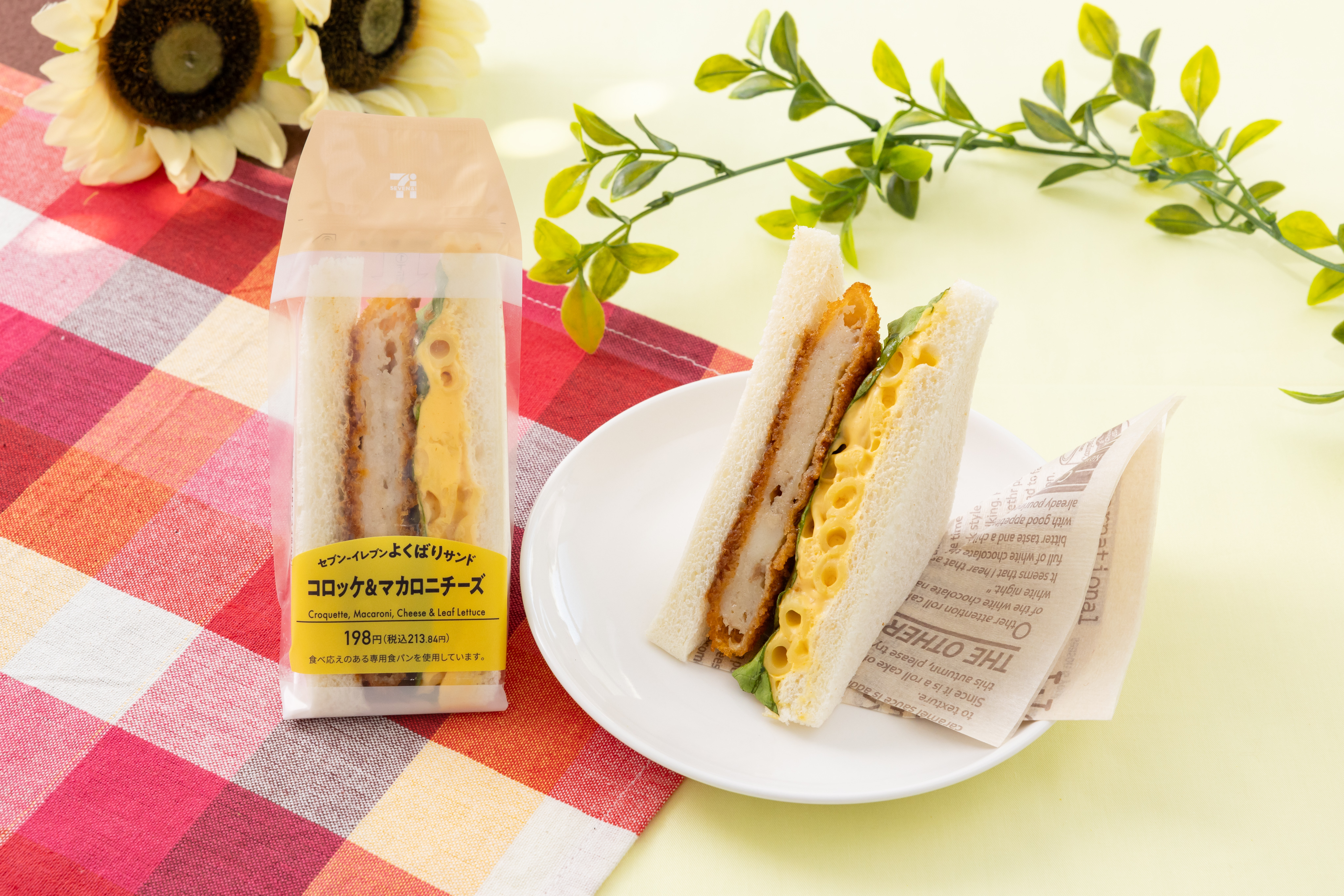
▼ Say hello to the Croquette & Macaroni Cheese.

Known as “Croquette, Macaroni Cheese & Leaf Lettuce” in English, this sandwich has been carefully designed to ensure you get all the fillings in every mouthful, from the first to the very last bite.

7-Eleven says it totally redesigned the shape of the croquette to suit the sandwich, developing a unique type of croquette that spreads all the way to the edges of the bread. With rich, creamy macaroni and cheese sandwiched inside, this pairing is said to create an exquisite combination that allows the texture and flavour of each ingredient to stand out, giving you an incredibly moreish and satisfying sandwich experience.

By selling sandwiches individually, instead of in pairs, the Greedy Sando line is able to deliver a much more generous filling, which is a genius marketing move by 7-Eleven, who faced criticism in the past for what many called its “paper tiger” sandwiches.

Judging by the immense popularity of the previously released Greedy Sando, which gave us colourful chocolate sprinkles and whipped cream, this new sandwich looks set to be a sell-out hit so keep an eye out for it at Seven-Eleven stores around Japan when it’s released on 27  May, priced at 214 yen (US$1.35).

Source, images: Press release
● Want to hear about SoraNews24’s latest articles as soon as they’re published? Follow us on Facebook and Twitter!
  • ✇SoraNews24 Japan
  • Order a cocktail, support a senior with Shinjuku Day Service Mojito at a handful of businesses Krista Rogers
    A new model of urban community collaboration in Shinjuku’s Kabukicho area connects the generations using mint as a bridge. Senior citizens probably aren’t the first demographic that comes to mind when you think of Shinjuku’s Kabukicho neighborhood, which is much more commonly associated with younger crowds, nightlife, and bars. Yet, the area is home to a sizeable population of older folks who depend on facilities such as Shinjuku Day Service for lifestyle support and social activities. “Day se
     

Order a cocktail, support a senior with Shinjuku Day Service Mojito at a handful of businesses

9 June 2026 at 01:00

A new model of urban community collaboration in Shinjuku’s Kabukicho area connects the generations using mint as a bridge.

Senior citizens probably aren’t the first demographic that comes to mind when you think of Shinjuku’s Kabukicho neighborhood, which is much more commonly associated with younger crowds, nightlife, and bars. Yet, the area is home to a sizeable population of older folks who depend on facilities such as Shinjuku Day Service for lifestyle support and social activities.

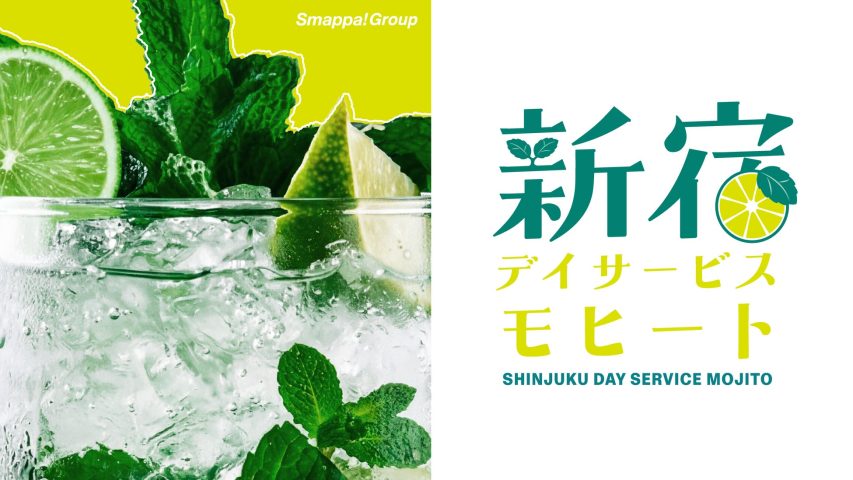
“Day service” is a Japanese term that describes a place akin to a senior center where outpatient services are offered to senior citizens who are still capable of living independently but could use help with certain tasks or socialization activities. Shinjuku Day Service has recently partnered with Smappa! Group, which operates a large number of restaurants, bars, host clubs, and other entertainment facilities throughout Shinjuku, to bring a refreshingly new partnership to Kabukicho tables called the Shinjuku Day Service Mojito.

This initiative, which is one of the first of its kind in a major metropolitan area, connects farms, day service facilities, and restaurants/bars together in a community chain of compassion. Senior citizen volunteers grow mint plants organically using seedlings provided by Pipichan Farm in Ome, Tokyo Prefecture, which are then harvested and distributed to several Kabukicho restaurants, bars, and host clubs. Each of these participating locations has designed its own unique cocktail using the mint and is committed to sharing the story of its cultivation with customers.

The beauty of Shinjuku Day Service Mojito is that it creates a sense of purpose for many of the seniors so that they can feel their impact not only within their own community but in the larger Kabukicho community as well. Project organizers have commented that cultivating plants also has important physical and mental benefits for the seniors such as keeping their senses and cognitive abilities sharp. Best of all, involvement in the project is completely voluntary, participants can grow the herbs at their own pace, and they can be involved in other parts of the distribution process if they so choose.

▼ It’s fitting that mint means “virtue” or “warmth of emotions” in Japan’s language of flowers (hanakotoba).

If you’d like to support seniors by purchasing one or more of the collaborative mint cocktails, please see the list of participating businesses below. We think this is an excellent way for seniors to stay active and connected to the community–tied right up there with having their own line of collective trading cards.

Participating restaurants and bars (all located within Kabukicho)
人間レストラン (Ningen Restaurant)
麦ノ音 (Mugi no Oto)
MISO SOUP
BRIAN BAR
red.
世阿弥 (Zeami)
ありんす (Arinsu)
デカメロン ギャルバー (Decameron Gyaru Bar)
PEGASUS
● BAR CACCO
クラブ春 (Club Haru)

Participating host clubs (all located within Kabukicho)
APiTS
AWAKE
CURE
SMAPPA! HANS AXEL VON FERSEN
OPUST

Source, images: PR Times
● Want to hear about SoraNews24’s latest articles as soon as they’re published? Follow us on Facebook and Twitter!
  • ✇SoraNews24 Japan
  • Universal Studios Japan is giving Frieren anime fans the chance to make unforgettable memories. Casey Baseel
    Universal Studios Japan made our Frieren fan cry, and she’s very OK with that. The original concept for Universal Studios was to give theme park visitors a taste of Hollywood movie magic, but many of the biggest draws at Universal Studios Japan are its Japanese video game and anime partnerships. The latest entry into what’s collectively called Universal Cool Japan just kicked off and it gives fans a chance to step into, and walk around in, the world of fantasy anime Frieren: Beyond Journey’s E
     

Universal Studios Japan is giving Frieren anime fans the chance to make unforgettable memories.

14 June 2026 at 15:00

Universal Studios Japan made our Frieren fan cry, and she’s very OK with that.

The original concept for Universal Studios was to give theme park visitors a taste of Hollywood movie magic, but many of the biggest draws at Universal Studios Japan are its Japanese video game and anime partnerships. The latest entry into what’s collectively called Universal Cool Japan just kicked off and it gives fans a chance to step into, and walk around in, the world of fantasy anime Frieren: Beyond Journey’s End.

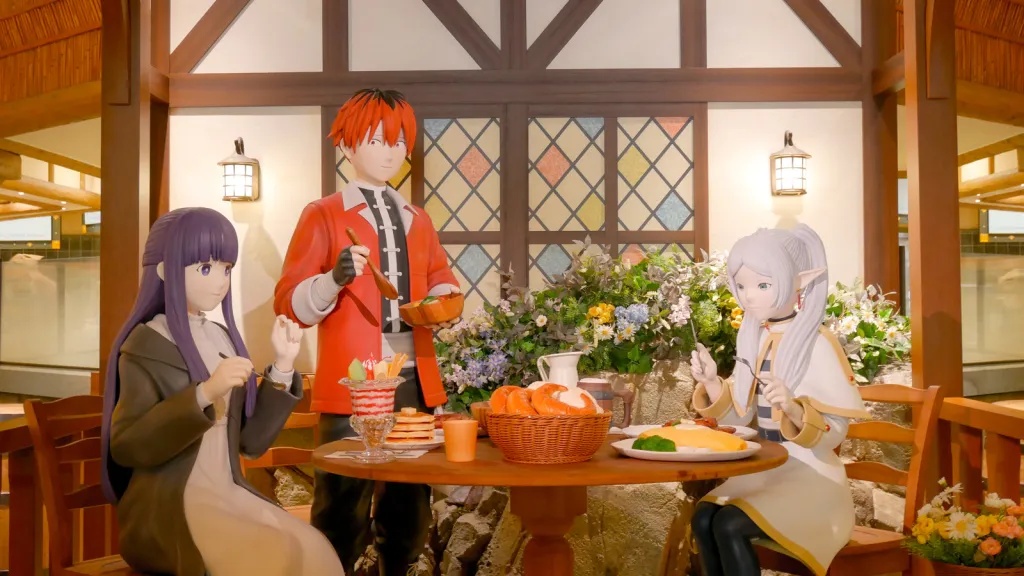
The main attraction of the collaboration is the Frieren: Beyond Journey’s End Story Walk: Journey of Remembrances. This is a walk-through environment in which you’ll retrace Frieren’s steps, visiting scenes and locations from the anime recreated through dynamic lighting, sounds effects, voices, and projection mapping. Aside from the titular heroine, you’ll encounter other members of the cast including her traveling companions Fern and Stark.

Our Japanese-language reporter and passionate Frieren fan Marie Morimoto recently took this journey and was thoroughly enchanted. Some of the scenes are funny, some are touching, and the final stop on the journey was so moving that she didn’t just get choked up, she actually shed some tears.

▼ Video preview for Frieren: Beyond Journey’s End Story Walk: Journey of Remembrances

After Marie wiped the tears from her tears, though, it was time to attend to her stomach, so it was off to the Restaurant of Remembrances, as Universal Studios Japan’s Lost World restaurant has been renamed while it’s occupied by the Frieren franchise.

The vibe here is that of a fantasy tavern where adventurers can grab grub while reminiscing about their most recent adventure or planning their next. The menu includes such hearty fare as the Frieren Beef Plate with Red Wine Demi-glace Sauce, with, as Marie learned when she took a bite, features delightfully tender meat. There’s also an Eisen and Heiter Hamburger Steak and Fish and Chips Plate, and as a salute to Frieren’s soft spot for sweets, the Freiren Cherry and Blueberry Parfait, which includes an elegant butterfly-motif spoon to take home with you.

To drink, Marie opted for the Fragrant Flower Frieren White Soda. In Japan, the term “white soda” usually refers to a fizzy soft drink with a mildly sweet yogurt base (basically Calpis/Calpico, but from a different manufacturer), but the Frieren White Soda has a dash of sky blue color to, matching the hair color of the hero Himmel.

And of course, this wouldn’t be a proper collaboration without some special exclusive merch, would it? On that end, Universal Studios Japan has cute character hair bands with Frieren and Himmel plushies attached, and also plushie straps/key holders.

If you want to get more romantic, there’s a Pair Necklace so that you and your sweetheart can wear complementing accessories.

And there are also gacha/blind-box key chains and standee props.

▼ Though we’d call magical rods of this length “staffs” in English, the box’s text calls them “wands,” and actually in fantasy anime/video games they’re pretty much both called tsue in Japanese.

▼ A cool design point on the collaboration’s key art illustration is that the gate behind Frieren is the entrance to Universal Studios Japan.

In addition to all this, the Frieren crew are also part of Universal Studio’s Hollywood Dream the Ride roller coaster, with one of the selectable audio tracks now being a tale of Frieren encountering some mythical feathered beasts.

Universal Studios Japan’s Frieren collaboration is going on now and continues until January 11.

Related: Universal Studios Japan
Photos ©SoraNews24
(C)山田鐘人・アベツカサ/小学館/「葬送のフリーレン」製作委員会
TM & (C) 2026 Universal Studios. All rights reserved.
● Want to hear about SoraNews24’s latest articles as soon as they’re published? Follow us on Facebook and Twitter!
  • ✇SoraNews24 Japan
  • Godiva melts minds by releasing a new corn chocolate drink in Japan Oona McGee
    We find out if this new limited-edition Chocolixir really tastes like corn potage soup. With summer now upon us, stores all over Japan are releasing limited-edition seasonal products to keep us feeling cool and refreshed. Over at Godiva, though, the focus is more on seasonal produce, with a new release that’s like nothing we’ve ever seen before. Called the Sweet Corn Chocolixir, this new take on the chain’s signature chocolate-based Chocolixir drink is said to taste like sweet corn potage sou
     

Godiva melts minds by releasing a new corn chocolate drink in Japan

9 June 2026 at 03:00

We find out if this new limited-edition Chocolixir really tastes like corn potage soup.

With summer now upon us, stores all over Japan are releasing limited-edition seasonal products to keep us feeling cool and refreshed. Over at Godiva, though, the focus is more on seasonal produce, with a new release that’s like nothing we’ve ever seen before.

Called the Sweet Corn Chocolixir, this new take on the chain’s signature chocolate-based Chocolixir drink is said to taste like sweet corn potage soup. Although corn potage is incredibly popular throughout Japan, it’s more commonly associated with the colder months, as you can buy the soup hot in cans at vending machines.

Corn is actually harvested in summer, though, so Godiva’s new Chocolixir celebrates the new harvest, and while the flavour sounds intriguing enough on its own, what’s even more surprising is the unusual topping.

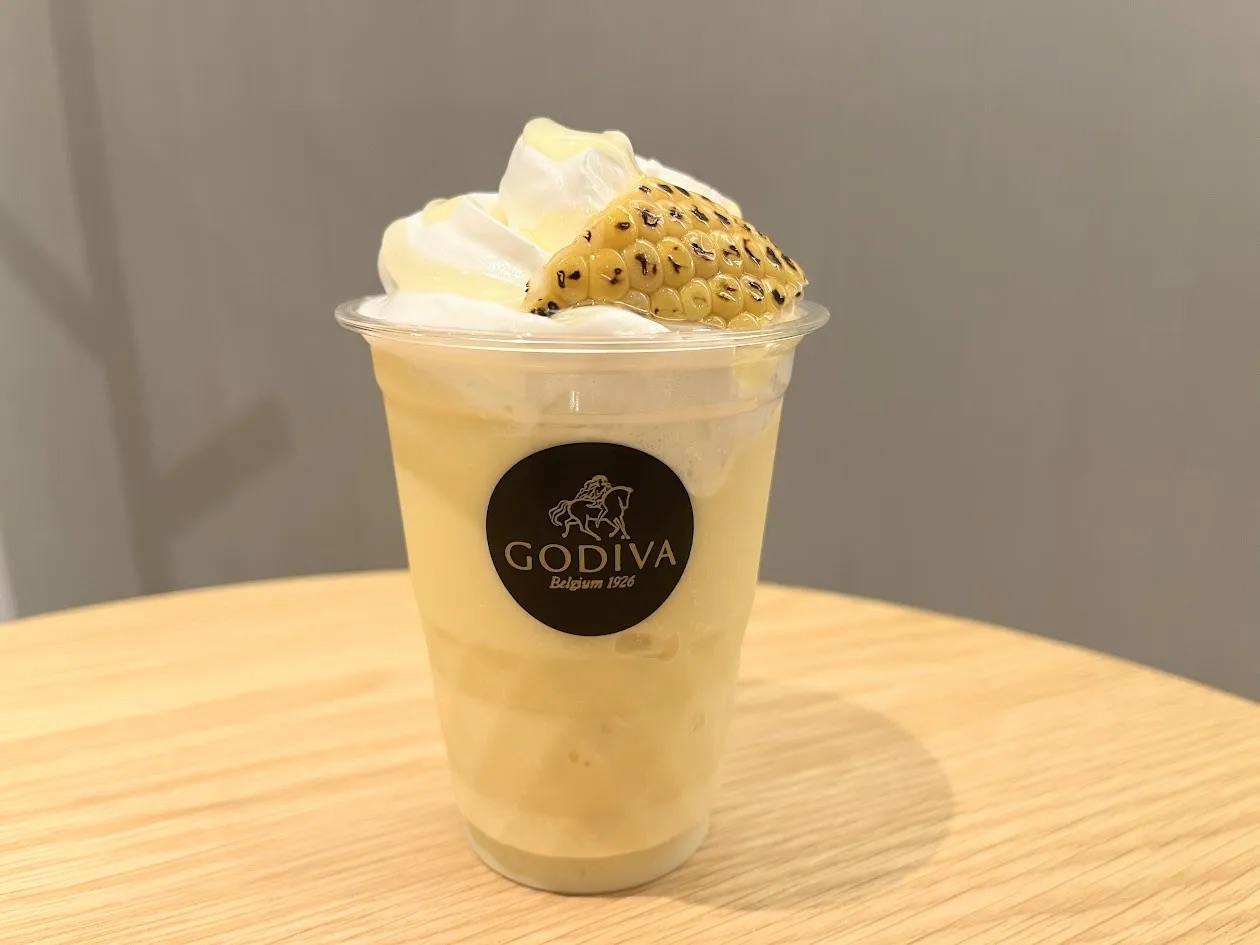
▼ It’s not every day you see whole corn kernels sitting on top of a chocolate drink.

According to Godiva, the new Chocolixer combines the natural sweetness of sweet corn with white chocolate and honey butter sauce. It’s then topped with a generous swirl of whipped cream and finished with roasted corn.

▼ Released on 29 May, the drink is on the menu from 830 yen (US$5.18) for a regular size and 940 yen for a large.

It took us a long time to tear our eyes away from the corn topping when we bought the new drink to try it, but when we did, we were able to appreciate the finer details. Nibbling on the corn revealed it to be wonderfully fresh, sweet and juicy, making it a lovely entree for the drink to follow, while the rich yet light and fluffy cream accompaniment was a fun accent, easing our palate into the deeper flavour combinations. The first sip highlighted the deliciousness of the corn, and we instantly likened it to a slightly sweet chilled corn potage, where you could taste the natural sweetness and subtle saltiness of the ingredients.

Delving further, the combination of white chocolate and rich honey butter sauce was absolutely delicious. This is where the drink truly shines, as the white chocolate brings the whole drink together and elevates the flavour, showcasing the skill of Godiva and reminding us of its chocolate prowess.

Though we’d been slightly cautious about the corn drink at first, by the end we were seriously impressed. Godiva’s cold chocolate take on corn potage is bursting with sweetness, and the refreshing crunch of ice is a delightful addition, making it the perfect summer beverage.

The only problem is finding a store where you can buy it, as the drink is so popular it was sold out at every participating branch we visited when we first went on the hunt for it. As a general rule, if it’s not listed on the menu at a participating store (see link below for locations) it’s likely to be sold out, but from our experience it would be best to visit a branch as soon as it opens, and a store that’s large but still slightly out of the way, like the one we visited in Tokyo’s Hibiya, will give you a better chance of finding it.

Related: Godiva Cafe store list
Images ©SoraNews24

● Want to hear about SoraNews24’s latest articles as soon as they’re published? Follow us on Facebook and Twitter!
You’ll never win cash or prizes or cash at this Tokyo pachinko parlor, and that’s why it’s so cool

19 May 2026 at 17:30

Tampopo is part pachinko parlor, part video game arcade, and part museum.

Being a man of culture, when our ace reporter Mr. Sato is out and about in the suburbs and sees on the map that there’s a “game center” (as Japanese arcades are called) on the map, he often goes to check them out. This isn’t because he’s a hardcore gamer (though he’s got some impressive in-game victories under his belt), but because a lot of times suburban arcades have a lineup of retro games, and visiting them feels like taking a trip back in time twenty, thirty, or even 40 years.

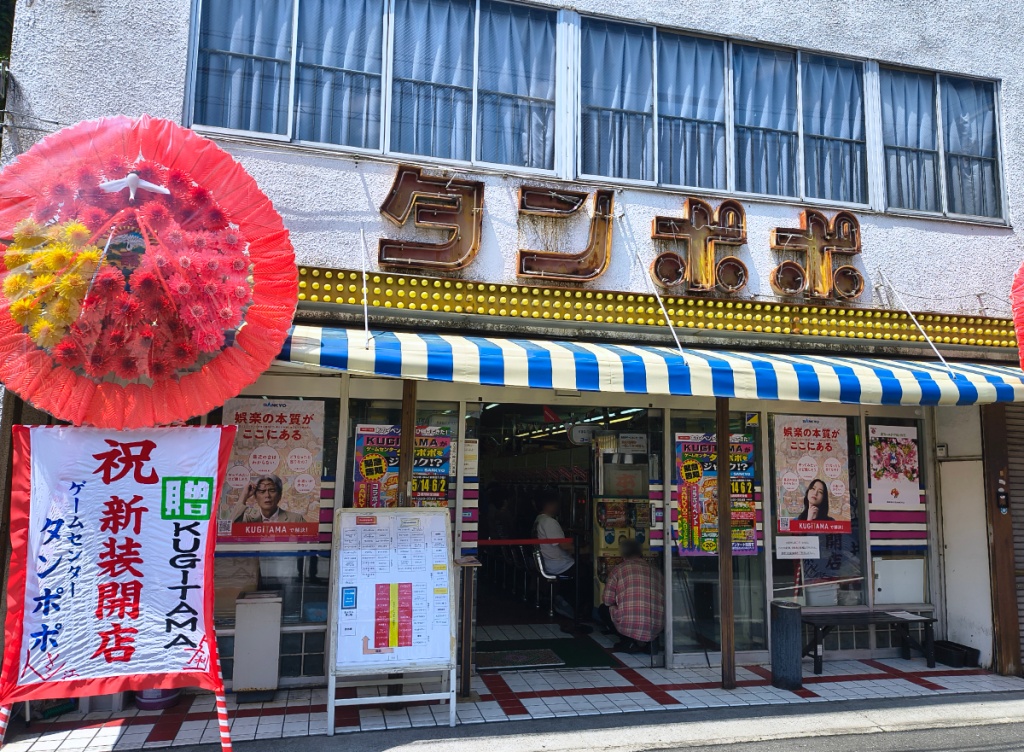
So when Mr. Sato was in Tokyo’s Fussa district, a bit west of the city center, on a recent afternoon and noticed “Game Center Tampopo” (ゲームセンタータンポポ) on Google Maps, and just a three-minute walk from Fussa Station, he decided to pay the place a visit and play some games.

However, when he got there, and took a look inside…

…he saw that the place is packed with pachinko machines!?!

There are a total of 70 pachinko machines inside Tampopo, and not a single conventional video game. As such, “Game center” might seem like a misclassification of the facility, because pachinko parlors, by nature of being a form of gambling, are fundamentally different from game centers, right?

Except, Tampopo isn’t actually a gambling hall, because no matter what you do, you can’t win anything to take home.

Ordinarily, if you win at pachinko you can exchange the balls you’ve won for non-monetary prizes…and every neighborhood that has a pachinko parlor also, conveniently, has a small, nondescript shop (usually just a window set into an exterior wall) nearby that just so happens to be in the business of buying those prizes from people for cash (this whole song and dance is to get around Japan’s laws prohibiting gambling for money on pachinko). But at Tampopo, there are no prizes of any kind given out, regardless of how many balls you may win from their machines.

Why? Take a look at Tampopo’s machines, and you’ll probably notice that they’re all very old-school in design. Modern pachinko machines, pretty much without exception, have video displays and all sorts of other digital bells and whistles. Tampopo’s machines, though, are pretty much entirely analog.

As you might expect from gambling devices, there are a lot of rules about pachinko machines that operators have to follow. Machines have to be periodically certified as functioning properly and fairly, but even if their owners are keeping up with the required maintenance, the machines also have a specified maximum service life, after which they can no longer be legally used for gambling (i.e. the transaction in which players pay money for a chance at winning prizes). Once pachinko machines reach the end of their service period, most of them are scrapped, but Tampopo wants to give them a second life.

Tampopo’s machines are what are called “minashi machines,” meaning that they’re no longer played for gambling, but simply for fun. Instead of purchasing a set amount of balls, players at Tampopo pay for an unlimited amount of balls for a certain amount of time: 1,000 yen (US$6.50) for one hour, 2,000 yen for two hours, or 3,000 yen for a full day, from 10 a.m. to 8 p.m.

After purchasing the ticket you want from a vending machine, the staff will write the ending time of your session on it and place it in a lanyard that you wear while playing.

▼ Mr. Sato’s card, with “until 1:10 p.m.” (13:10まで) written on it

The lack of any possible payout means this isn’t gambling, and the vibe is more like an arcade or retro tech preservation museum. As a matter of fact, back in his youthful days in Shimane Prefecture, Mr. Sato spent about a year working in a pachinko hall when machines like this were still in widespread use, and Tampopo is a cleaner and more pleasant place to spend an extended time (especially since it’s an entirely non-smoking facility) than the parlor he worked in.

Once your session starts, you can grab an entire box of balls and play to your heart’s content.

Free of any worry about winning or losing, Mr. Sato was able to sit back and appreciate the craftsmanship that went into pachinko machines of this era, when every pin, spinner, bumper, and target was a physical part of the playing field.

And should luck not be on your side and you run out of balls…

…you can just go and grab a refill.

Ah, and if you’re wondering why there are boxes of tokens (or “medals,” as they’re called in Japan), that’s because in addition to its 70 pachinko machines, Tampopo also has 19 slot machines, which are also part of its unlimited-play not-for-gambling deal.

While retro video games are enjoying a revival in popularity these days, retro pachinko is something much harder to find, but it’s a fascinating pop culture subcategory in its own right too, and there’s no better place to get a taste of it in the Tokyo area than Tampopo.

Location information
Game Center Tampopo / ゲームセンター タンポポ
Addres: Tokyo-to, Fussa-shi, Honcho 135
東京都福生市本町135
Open 10 a.m.-8 p.m.
Closed Wednesdays (unless Wednesday is a holiday)
Website

Photos ©SoraNews24
Screenshot: Google Maps
● Want to hear about SoraNews24’s latest articles as soon as they’re published? Follow us on Facebook and Twitter!
  • ✇SoraNews24 Japan
  • 7-Eleven Japan releases a chocolate chip sandwich… that tastes like ice cream Oona McGee
    This chilled sando is a convenience store must-try. When you’re travelling around Japan and learning the language, you’ll find yourself picking up new words in odd places, and right now the word at 7-Eleven is “yokubari“. Literally translating as “greedy” or “indulgent“, the chain is using the word to describe a range of single-serve “one-piece” sandwiches that are so loaded with decadent fillings they’re bulging at the seams, and now there’s a new variety on the shelves. ▼ Chocolate Chip &
     

7-Eleven Japan releases a chocolate chip sandwich… that tastes like ice cream

10 June 2026 at 13:00

This chilled sando is a convenience store must-try.

When you’re travelling around Japan and learning the language, you’ll find yourself picking up new words in odd places, and right now the word at 7-Eleven is “yokubari“. Literally translating as “greedy” or “indulgent“, the chain is using the word to describe a range of single-serve “one-piece” sandwiches that are so loaded with decadent fillings they’re bulging at the seams, and now there’s a new variety on the shelves.

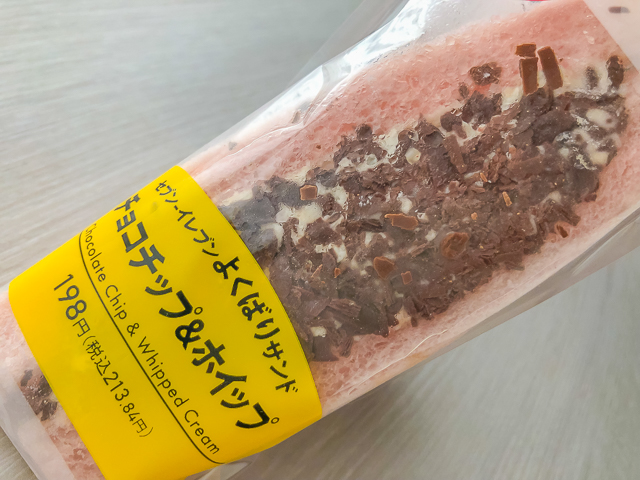
Chocolate Chip & Whipped Cream

At first glance, you might wonder where the chocolate chips are, as the cross-section shows what appears to be flakes rather than chips.

The chocolate chunks are there but they’re hiding inside the sandwich, scattered within the cream filling.

We only found out about the chunks after picking up one of the “yokubari sando” at our nearest 7-Eleven. It took us a while to get to the inside of the sando, though, as we were mesmerised by just how beautiful it looked.

▼ The combination of white, brown and pink created a wonderfully harmonious colour palette.

The pink slices are called “sakura bread”, and are said to add more than just visual appeal as they’re slightly salty, with a flavour that’s reminiscent of pickled cherry blossoms.

Opening the sandwich for a closer look, we were pleased to see that the filling hadn’t just been pushed to the cross section – it covered the entire surface area of the bread, proving the chain wasn’t skimping on the chocolate chip cream.

This is when we discovered that the cream was actually filled with chunks of chocolate, making it look like chocolate chip ice cream.

▼ Flakes up front, chips out back.

Putting the sandwich back together for a taste, we took a big bite and lost ourselves to the super soft texture.

The bread was plump and chewy, the cream was fluffy and exquisite, and the mixture of chocolate flakes and chips made it taste chunky and melty at the same time.

This meltiness actually had another surprising effect, as it made the whole thing taste like an ice cream sandwich. The chocolate itself tasted like the hardened sort you get on chocolate-covered ice creams, so every bite fooled the taste buds into thinking this was an ice cream.

It was such an unusual sensation that we hardly noticed any saltiness from the sakura bread – if it was there it only added to the ice cream effect – and we were glad we had it chilled as this made it taste even more like chocolate chip ice cream.

We didn’t think the chain could outdo itself after wowing us with its previous Yokubari Sando, filled with colourful chocolate sprinkles, but we’re happy to say they’ve blown us out of the water with this new variety. Sweet, delicious, and very indulgent, the Chocolate Chip and Whipped Cream Yokubari is a convenience store must-try, and it’s perfectly timed for summer, when its ice cream-esque character will keep you cool and refreshed during Japan’s scorchingly hot days.

Images©SoraNews24
● Want to hear about SoraNews24’s latest articles as soon as they’re published? Follow us on Facebook and Twitter!

  • ✇SoraNews24 Japan
  • Colour Hunting: The hot new street photography trend changing how we see Japan Oona McGee
    Some might say you haven’t truly seen Japan if you haven’t colour hunted.   Recently, an activity called “colour hunting” has been gaining popularity in Japan. Simply put, it involves choosing a colour theme and then, while walking around town, taking photos of things that match that colour, before compiling them into a single image. The results are remarkably mesmerising, but what’s even more interesting is the way it encourages you to notice details you wouldn’t have noticed otherwise, givin
     

Colour Hunting: The hot new street photography trend changing how we see Japan

7 June 2026 at 13:00

Some might say you haven’t truly seen Japan if you haven’t colour hunted.  

Recently, an activity called “colour hunting” has been gaining popularity in Japan. Simply put, it involves choosing a colour theme and then, while walking around town, taking photos of things that match that colour, before compiling them into a single image.

The results are remarkably mesmerising, but what’s even more interesting is the way it encourages you to notice details you wouldn’t have noticed otherwise, giving you a whole new perspective on your surroundings.

Always keen to try out a trend, we decided to conduct our very own colour hunt, both in a rural residential area and in the heart of Tokyo, to see what we could find. The theme we chose was yellow, and as we set out on our walk, which was a familiar one, it didn’t take long for us to spot things we’d never noticed before.

▼ Like the fittings on a metal barrier…

▼ … flowers growing by the side of the pavement…

▼…netting over garbage collection areas…

▼…and, of course, the road signs.

Moving further down the street and into the main hub of town, our eyes began to spy yellow in slightly more unusual places, like the cube of partially melted butter on the “butter chicken curry” banner outside an Indian restaurant.

▼ The yellow “prescription services” sign outside a local drugstore…

▼ …and the yellow on a pack of Calbee chips.

With our eyes now instinctively zoning in on shades of yellow, the sunny colour began to lift our mood. It also became something of a scavenger hunt, and after around an hour of walking, our prize was this composite image of all the yellow we’d seen.

The images actually painted a picture of quaint countryside life, and now we were ready to take things up a notch by colour hunting in the heart of Tokyo.

Walking around Shimbashi, it didn’t take long for our eyes to zone in on yellow, with this “Money Exchange” sign being our first find of the afternoon.

▼ We also spotted a large bee on a coin locker nearby.

This was already turning out better than expected, and our search for the sunny hue continued in earnest when we stopped to photograph a yellow lantern advertising Suntory whisky highballs.

▼ Crates of Hoppy, a beer-flavoured low-alcohol drink were also outside.

▼ And nearby, a branch of the Go Go Curry chain.

At this point, we were so honed in on yellow that people wearing the colour, or carrying yellow items, began to stand out as they attracted our gaze.

▼ When our eyes landed upon Sora-jiro doing a live weather forecast, we couldn’t help but smile.

▼ Sora-jiro is the mascot character for Nippon Television and its weather forecast.

Continuing on our stroll, we came across even more yellow sightings.

We began to realise just how well yellow works in attracting the eye, leading it to be used on a number of signs like the “advertising recruitment” ones on these coin lockers…

▼ …and this one, which reads “Last two buildings”.

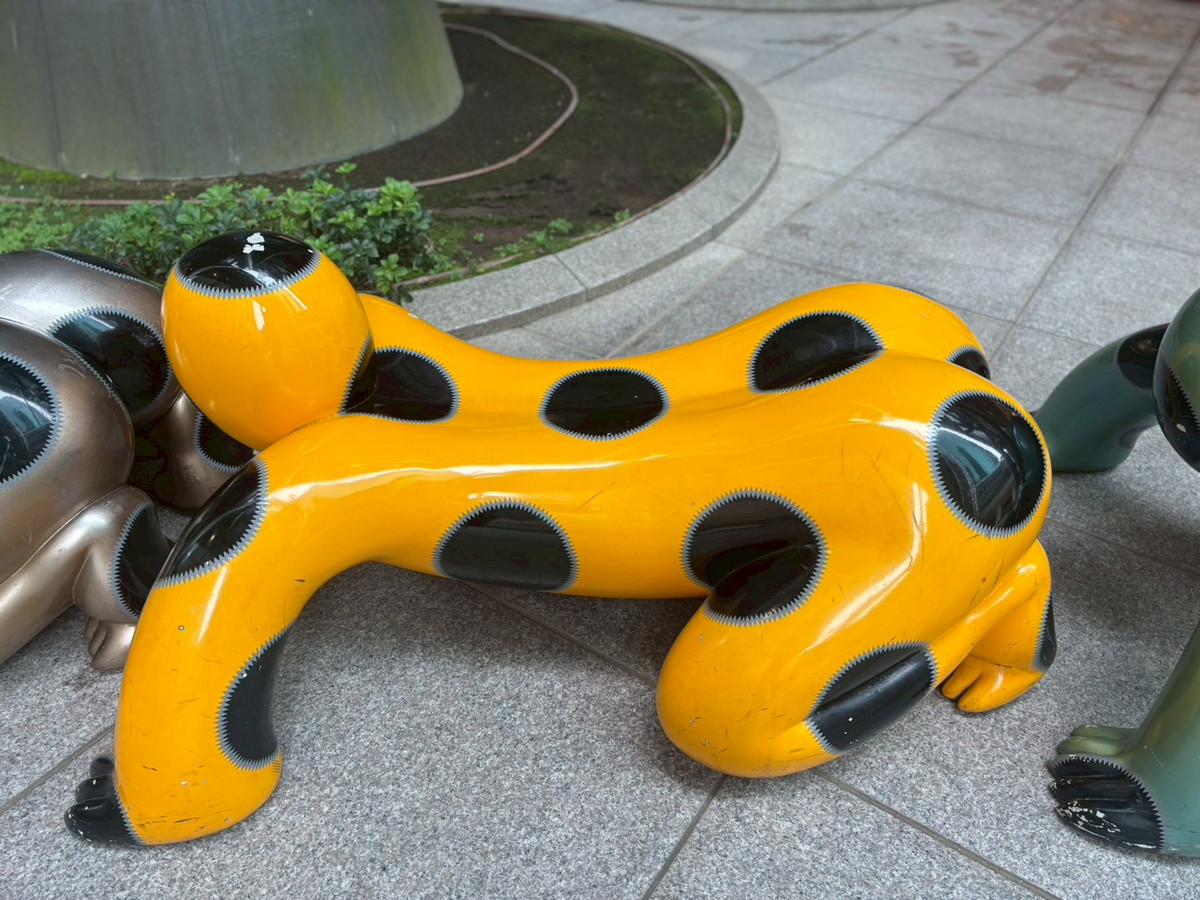
Just as we thought we were done for the day, we came across these figures, which are actually designed to be used as seating benches.

Compiling our photos from Shimbashi, the look and feel was entirely different to our rural collection, capturing the finer details that give Tokyo its unique charm.

Hunting for the same colour in two different locations revealed an interesting contrast in subjects and mood – whereas the rural scenes mostly contained images of flowers and signs, in Tokyo there was more grit and extra variety, as objects and characters played a greater role. It was such a fun, eye-opening adventure that we’re now keen to hunt for more colours around town, and connect with all the hidden finds areas we would otherwise miss.

Images©SoraNews24
● Want to hear about SoraNews24’s latest articles as soon as they’re published? Follow us on Facebook and Twitter!

❌
Subscriptions