Normal view

  • ✇Popular Science
  • Mosquitoes can learn that DEET means dinner is served Laura Baisas
    Sunburn and mosquito bites go together in the summer like a hot dog and ketchup. To keep from becoming a mosquito buffet, most of us turn to bug sprays with DEET.  An acronym built from its scientific identification (diethyltoluamide), DEET was developed for the United States Army in 1946 and entered civilian use in 1957. It is generally considered safe when used as directed.  However, mosquitoes can learn to associate the repellant with food. They may even become attracted to it. The finding
     

Mosquitoes can learn that DEET means dinner is served

28 May 2026 at 15:00

Sunburn and mosquito bites go together in the summer like a hot dog and ketchup. To keep from becoming a mosquito buffet, most of us turn to bug sprays with DEET.  An acronym built from its scientific identification (diethyltoluamide), DEET was developed for the United States Army in 1946 and entered civilian use in 1957. It is generally considered safe when used as directed

However, mosquitoes can learn to associate the repellant with food. They may even become attracted to it. The findings are detailed in a study published today in the Journal of Experimental Biology.

“If someone applies DEET and the concentration fades over time, but a mosquito still manages to feed, the insect may begin associating that smell with a reward,” Clément Vinauger, a study co-author and biochemist at Virginia Tech, said in a statement. “That’s a possibility we should take seriously when we think about how repellents are used in the real world.”

Ace processors

Like it or not, Earth’s over 3,500 known mosquito species are pretty smart and an evolutionary wonder. They use sensory information to find hosts and can adapt to changing environments.

In previous studies, Vinauger’s team has shown that the insects remember and avoid hosts who swat them away, can combine smell and vision to precisely track humans, and even gravitate toward and away from the smell of certain soaps.

“Mosquitoes are remarkable at processing information about their environment,” Vinauger said. “What we are trying to understand is not only how they detect us, but how their brains interpret those cues and turn them into behavior.”

A DEET-covered dinner bell?

In this new study, the team focused on the yellow fever mosquito (Aedes aegypti). This species spreads several diseases to tens of millions of people each year, including dengue fever, Zika, yellow fever, and chikungunya.

The team trained mosquitoes using a form of Pavlovian conditioning. Often called “Pavlov’s dogs,” this training method developed by neurologist and physiologist Ivan Pavlov in the early 20th century was used to teach dogs to associate the sound of a bell ringing with food

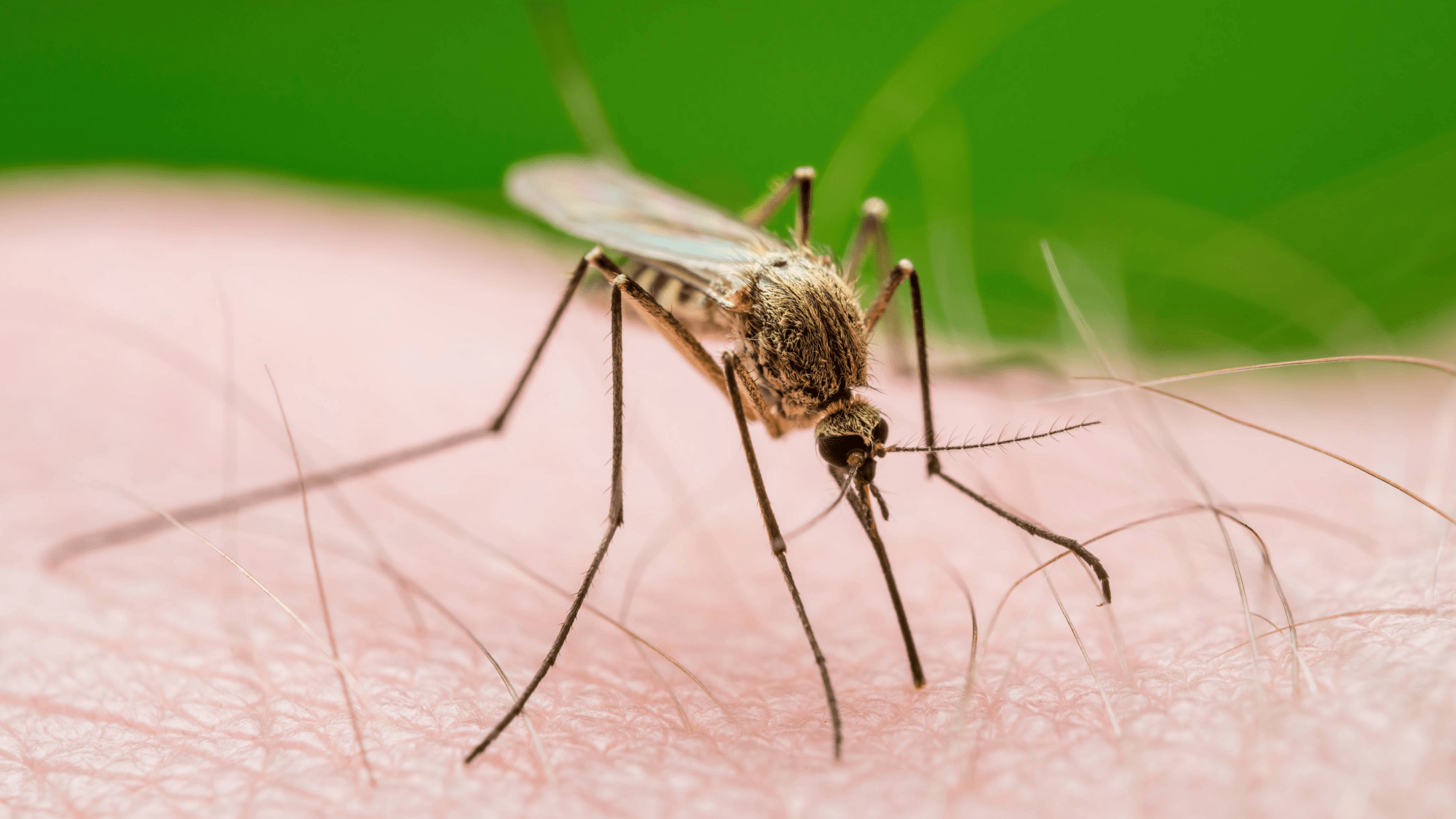
The mosquitoes were restrained behind a piece of fabric mesh. They then offered the mosquitoes a bag of warm blood (yum) that was just out of the insects’ reach to see how enthusiastically the insects stabbed at it with their proboscises. As expected, the mosquitoes were interested in the blood, particularly when the team rewarded them by lowering the bag within reach. Things changed a bit once DEET entered the experiment. When the team offered the insects blood when surrounded by the scent of DEET, they initially stayed away from the potential feast.  

a mosquito handing on a piece of mesh covering a bag of blood
A female yellow fever mosquito (Aedes aegypti), feeding on a bag of warm blood. Image: Romina Barrozo.

To see if they could be trained to associate that smell with the dinner bell, the team fed the mosquitoes warm blood for 20 seconds, squirting the scent of DEET into the enclosure in the final 10 seconds of dining. They repeated the procedure three more times before noting how the mosquitoes responded to only the scent of DEET. In this trial, over 60 percent of mosquitoes tried to bite when they smelled DEET.  

To examine further, the mosquitoes were given a choice between two human hands. The hand belonged to study co-author Ayelén Nally of the University of Buenos Aires. One of Nally’s hands was coated with DEET at normal concentrations and the other was bare. The untrained mosquitoes avoided the DEET-treated hand, while the trained mosquitoes were drawn to it.

Interestingly, the mosquitoes could form that same association when sugar, instead of blood, was used as the reward. 

According to the team, they are seeing how the mosquito’s brain can rewrite its response based on their experiences. What they have learned matters just as much as what a chemical like DEET does. 

“If mosquitoes are repeatedly exposed to DEET, it becomes less effective as a repellent,” study co-author Claudio Lazzari from University of Tours in France added.

Keep the bug spray

Importantly, this does not mean you should stop using DEET completely. It is still one of the most effective ways to keep the dangerous insects away, particularly where mosquito-borne disease is common.

“If you’re in tropical regions where disease risk is real, you should use it,” Vinauger said. “Instead of applying a lot at once, you may want to reapply regularly so it’s always active and providing continuous protection.”

Treated clothing may also be a challenge since DEET concentrations in fabric decline over time. Additional study to understand their behavior is crucial for public health as mosquito-borne illnesses increase due to climate change

“We need to understand how mosquitoes keep outsmarting our control strategies,” Vinauger concluded. “And that takes understanding how they work—at the molecular level, the neural level, the behavioral level.”

The post Mosquitoes can learn that DEET means dinner is served appeared first on Popular Science.
  • ✇Popular Science
  • Pigeons use their livers to sense Earth’s magnetic field Margherita Bassi
    For decades, scientists have known that Earth’s magnetic field helps migratory birds and homing pigeons navigate. Just how our feathered friends sense the invisible sphere around the Earth, however, has been less clear.  At least part of the answer appears to be hiding inside a seemingly random organ. Immune cells inside pigeon livers called macrophages are sensitive to the planet’s magnetic field. These cells function like an internal compass, according to a new study published today in the
     

Pigeons use their livers to sense Earth’s magnetic field

28 May 2026 at 18:00

For decades, scientists have known that Earth’s magnetic field helps migratory birds and homing pigeons navigate. Just how our feathered friends sense the invisible sphere around the Earth, however, has been less clear. 

At least part of the answer appears to be hiding inside a seemingly random organ. Immune cells inside pigeon livers called macrophages are sensitive to the planet’s magnetic field. These cells function like an internal compass, according to a new study published today in the journal Science

Macrophages destroy old red blood cells, which makes them accumulate iron. The iron makes the macrophages  superparamagnetic, a kind of magnetism that takes place in particular nanoparticles. The nanoparticles can then be magnetized if a magnetic field is applied to them. 

“When pigeons fly, the nanoparticles align with the magnetic field and become ‘magnetized,’” Clivia Lisowski, a co-author of the study and a post-doctoral researcher in Immunology at the University of Bonn, tells Popular Science. “Like that, pigeons can sense Earth’s magnetic field.”

Electron microscopy image of pigeon liver tissue shows hepatic macrophage (blue) in contact with nerve fiber (yellow), which enables them to transmit (“magnetic”) information to the pigeon brain. Image: Lisowski et al. (2026) Science.

To understand how these particles help the pigeons navigate, Lisowski and her team tracked down where magnetic cells are in pigeons’ bodies. Because the liver and spleen store significant quantities of iron, researchers thought these might be good candidate organs. The  liver had a significantly stronger magnetic response than any of the other tissues in the study, according to study co-author Ulf Wiedwald, an expert in nanoscience at the University of Duisburg-Essen in Germany, 

From there they homed in on macrophages, and put these important immune cells  to the test. They studied  pigeons that were trained to fly back to their aviary in Konstanz, Germany, from over 12.4 miles away. Pigeons whose macrophages had been removed got lost when the weather was overcast. But when the sun was out, the pigeons reached the aviary, probably with the aid of solar cues. 

The findings show  how the birds employ magnetic sensing to find their way, as well as the sun’s orientation. 

“Our study has implications for both the immune research landscape as well as for research on animal navigation or magnetoreception, respectively. For animal navigation it’s a new concept of how animals sense/perceive Earth’s magnetic field,” Lisowski says. “We think that this ferrimagnetic mechanism can actually explain how birds migrating at night, or sharks or bats or other animals migrating in dark environments can perceive Earth´s magnetic field.”

The team also found that the iron-rich macrophages are close to nerve fibers, indicating that magnetic information can get to the brain via this route. Ultimately, this shows how important  interdisciplinary research, involving immunologists, behavioral biologists, and physicists, carries  significance for more than just birds. 

As for the immune system, Lisowski explains that to accomplish its different fuctions—such as defending our bodies from pathogens and healing wounds—it has to sense the environment.

“Our finding that the immune system can also sense the Earth´s magnetic field is a complete new layer in this concept of ‘immuno-sensation’ and opens the door to new research,” Lisowski explains. 

The post Pigeons use their livers to sense Earth’s magnetic field appeared first on Popular Science.
  • ✇Popular Science
  • Pregnant gorillas undergo ultrasounds and the results might look familiar Margherita Bassi
    When Sachita Shah sent her cardiologist brother an ultrasound of her patient’s heart, he was very confused. The heart was huge, and the left ventricle incredibly muscular. His confusion was warranted, as the ultrasound was not of a human heart. It belonged to another primate—a gorilla. Shah, emergency physician and VP of Global Health at medical equipment manufacturer Butterfly Network, tells Popular Science that if she had shown an ultrasound of a gorilla fetus to a radiologist, they would have
     

Pregnant gorillas undergo ultrasounds and the results might look familiar

26 May 2026 at 18:30

When Sachita Shah sent her cardiologist brother an ultrasound of her patient’s heart, he was very confused. The heart was huge, and the left ventricle incredibly muscular. His confusion was warranted, as the ultrasound was not of a human heart. It belonged to another primate—a gorilla. Shah, emergency physician and VP of Global Health at medical equipment manufacturer Butterfly Network, tells Popular Science that if she had shown an ultrasound of a gorilla fetus to a radiologist, they would have assumed it was a human baby. 

Shah is on the gorilla care team currently looking after Jamani and Olympia, two western lowland gorillas (Gorilla gorilla gorilla) mothers at Woodland Park Zoo in Seattle, Washington. Jamani gave birth on Monday May 18, and Olympia is expected to deliver her new baby imminently. Shah and her colleagues’s work involves conducting ultrasounds of Jamani and Olympia’s baby bump—though now probably just Olympia’s—to keep an eye on the baby’s growth and position. 

“We got a really pretty baby face,” Shah says, speaking of the ultrasounds. “We could see nose and lips and fetal breathing movements and heartbeat and drinking fluid, opening mouth and swallowing. For all intents and purposes, it was very much the same [as a human baby].” 

The endangered gorilla mothers were trained to take part in the exams and procedures conducted by the gorilla care team, and they could choose whether to participate or not. The gorillas put their bellies against the edge of the enclosure for the scan (and received snacks), where there is a small opening through which the care team can reach through with the ultrasound probe. 

As such, the zoo needed a small and portable imaging device. That’s where Butterfly Network and their all-in-one ultrasound probe came in. 

“When you think of an ultrasound, you might think of a big cart with lots of different probes—a different probe if you wanted to do a pregnancy scan, or a heart scan, or a pediatric scan might have a tiny probe,” Shah says. 

Instead, the Butterfly probe they use at Woodland Park Zoo is a handheld ultrasound that plugs into a smart phone. It is around as big as an electric shaver, and it functions with a number of different softwares for either veterinarian or human health use. Notably, an app allows the team to use it for different types of scans—from a pregnant gorilla to a child’s lungs—that would traditionally require distinct probes and machines. 

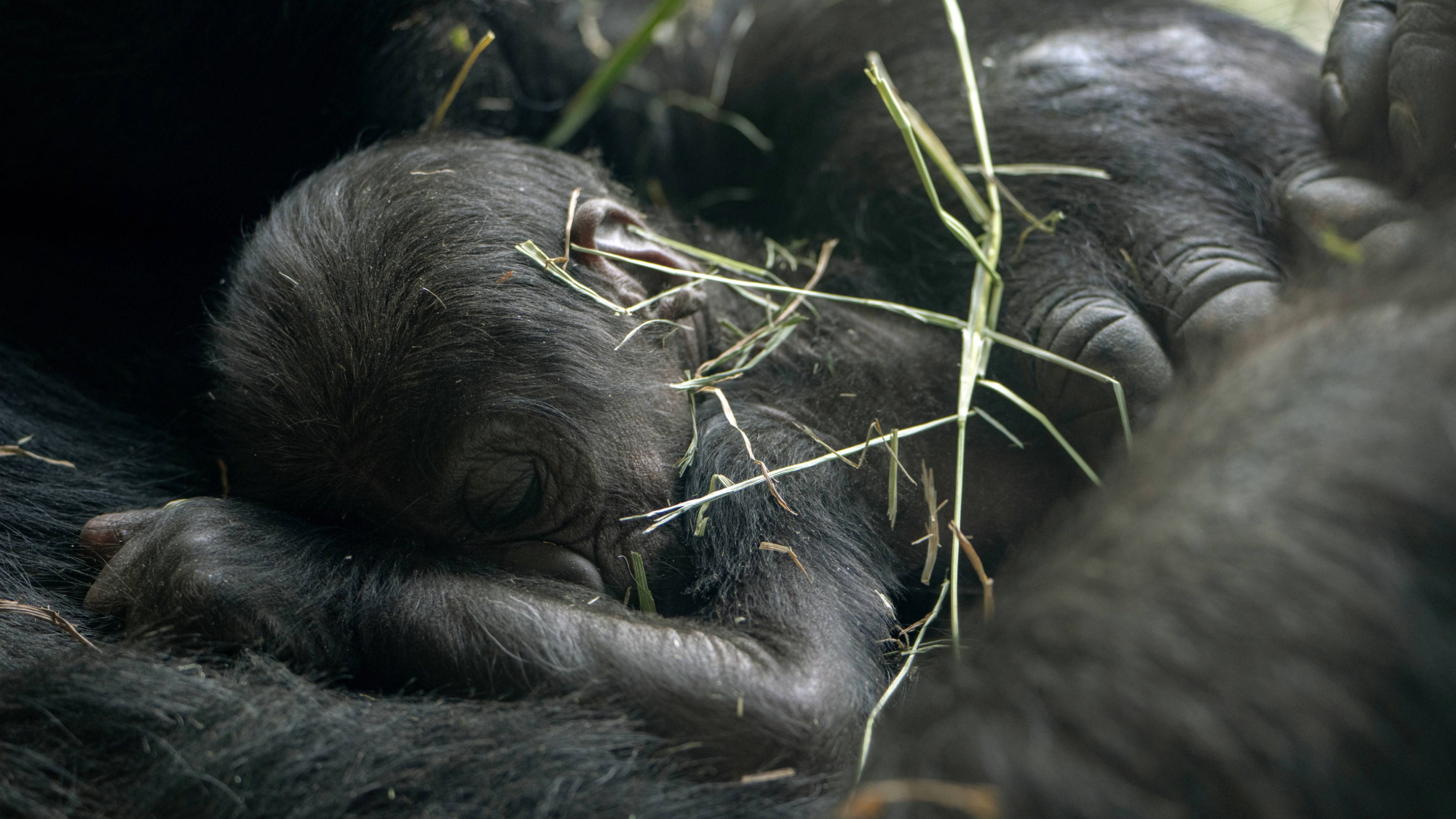
a sleeping baby gorilla
Jamani’s baby was born on May 18 at 5:50 a.m. Image: Jeremy Dwyer-Lindgren / Woodland Park Zoo.

Shah and her colleagues also used the Butterfly ultrasound device to scan the heart of Nadaya, the silverback gorilla father of both babies. In fact, the heart ultrasound Shah sent to her brother belonged to Nadaya.  They used human software for that scan, even though their vet software is optimized for fur. Fortunately, Nadaya’s chest isn’t very furry. 

Shah, who has gone through a pregnancy herself, was most moved by working with the gorilla mothers. 

“We could tell the baby’s head had dropped and we thought, ‘oh man, she must be so uncomfortable.’ And she was waddling and walking a little differently. I was like, ‘oh, I remember that, girl.’ It was just amazing to remember that we’re all connected in that way,” she says. 

Western lowland gorillas are critically endangered, so babies are always excellent news.

UPDATE May 27 8:19 a.m EDT

On Sunday, May 24, at 1:44 p.m. PDT, Olympia’s baby was delivered by an emergency C-section performed by a medical team who typically works on humans. This 5.4-pund boy is the western lowland gorilla’s second baby.

The post Pregnant gorillas undergo ultrasounds and the results might look familiar appeared first on Popular Science.
  • ✇Popular Science
  • ‘Two-headed snake’ confuses predators Andrew Paul
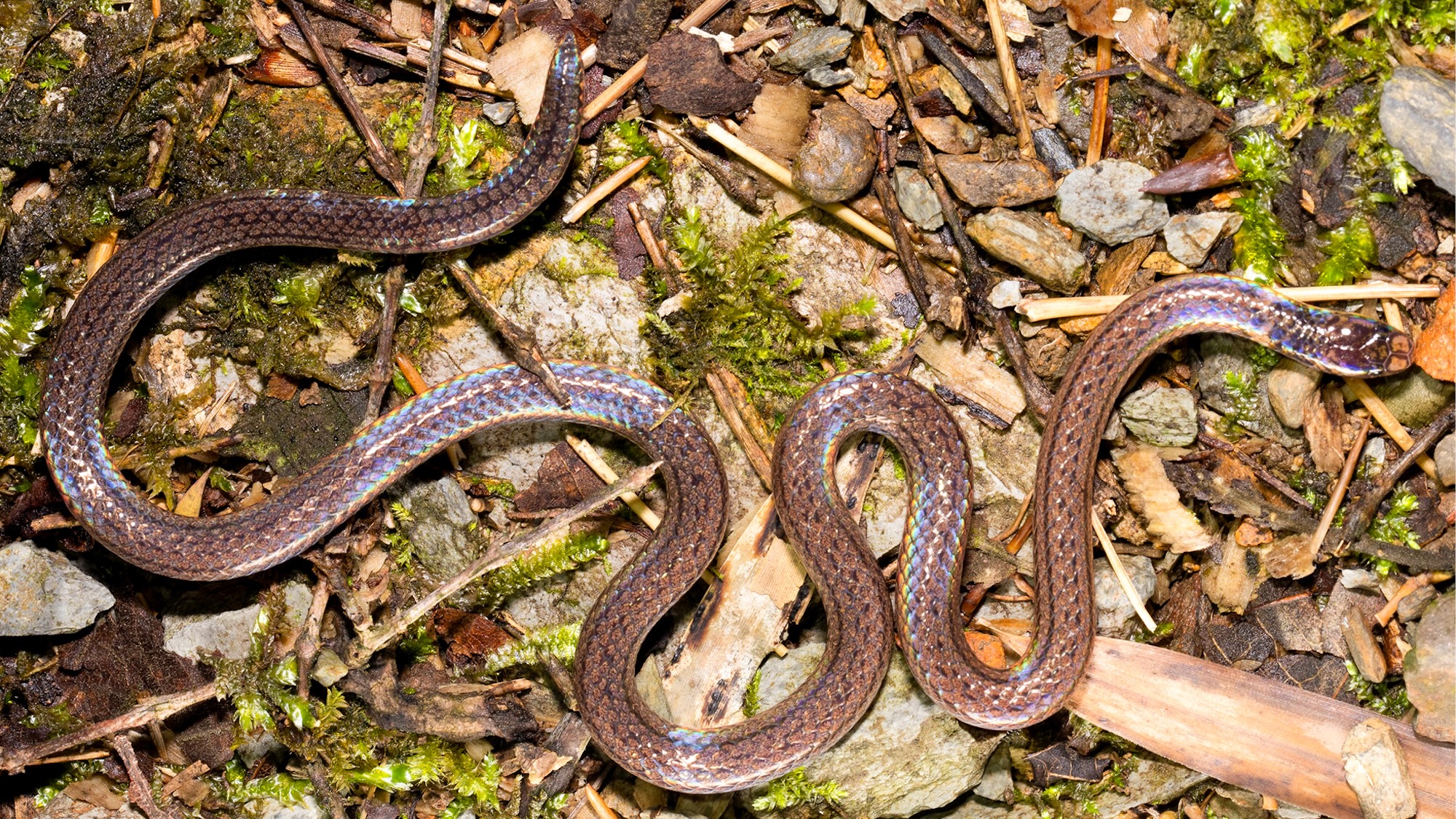
    Only around 600 of the nearly 4,000 known snake species are venomous. The recently discovered Guangxi reed snake (Calamaria incredibilis) in China is not one of those species, but its alternative defense mechanism is strange enough to keep most predators at bay. According to a study recently published in the journal Zoosystematics and Evolution by biologists at the Natural History Museum of Guangxi, C. incredibilis wields its wide, stubby tail like a second head to scare away potential threats.
     

‘Two-headed snake’ confuses predators

15 May 2026 at 15:22

Only around 600 of the nearly 4,000 known snake species are venomous. The recently discovered Guangxi reed snake (Calamaria incredibilis) in China is not one of those species, but its alternative defense mechanism is strange enough to keep most predators at bay. According to a study recently published in the journal Zoosystematics and Evolution by biologists at the Natural History Museum of Guangxi, C. incredibilis wields its wide, stubby tail like a second head to scare away potential threats.

Researchers first spotted the Guangxi reed snake during a biodiversity study in China’s Huaping National Nature Reserve near the nation’s southern border with Vietnam. The mostly nocturnal, non-venomous serpent grows to about eight-inches-long, and is identifiable by its small brown scales and seven darker stripes. Largely docile, it prefers to hide away between rocks and underneath leaves, and prefers a diet of insect larvae and earthworms.

Although largely timid, the Guangxi reed snake has evolved a strategy to bluff its way out of dangerous situations. Whenever it feels threatened, the reptile raises its tail off the ground and begins waving it like an additional head. The tail even features similar markings to those seen on the snake’s head, which adds to the overall realism. 

As People recently noted, the reed snake is far from the first new snake species discovered in 2026. Earlier this year, researchers identified both a vibrantly turquoise pit viper and a flying snake in a Cambodian cave alongside previously unknown geckos, millipedes, and microsnails.

The study’s authors explained the Guangxi reed snake “highlights the underestimated diversity” in the reptile’s larger family, as well as underscores the region’s role as an “ important hotspot” of unique animals.

The post ‘Two-headed snake’ confuses predators appeared first on Popular Science.
  • ✇Popular Science
  • Thomas the moray eel goes to the doctor Margherita Bassi
    Routine checkups for humans are usually straightforward. The doctor tells you what to do, and unless you’re a squirming baby or terrified of needles, you pretty much follow instructions.  But what happens when the patient is a giant yellow-orange eel with sharp teeth? Things get a bit slippery. At the New England Aquarium, experts need to follow a complicated process in order to get Thomas, a green moray eel (Gymnothorax funebris), ready for his yearly checkup.  The first step consists of
     

Thomas the moray eel goes to the doctor

30 May 2026 at 19:15

Routine checkups for humans are usually straightforward. The doctor tells you what to do, and unless you’re a squirming baby or terrified of needles, you pretty much follow instructions. 

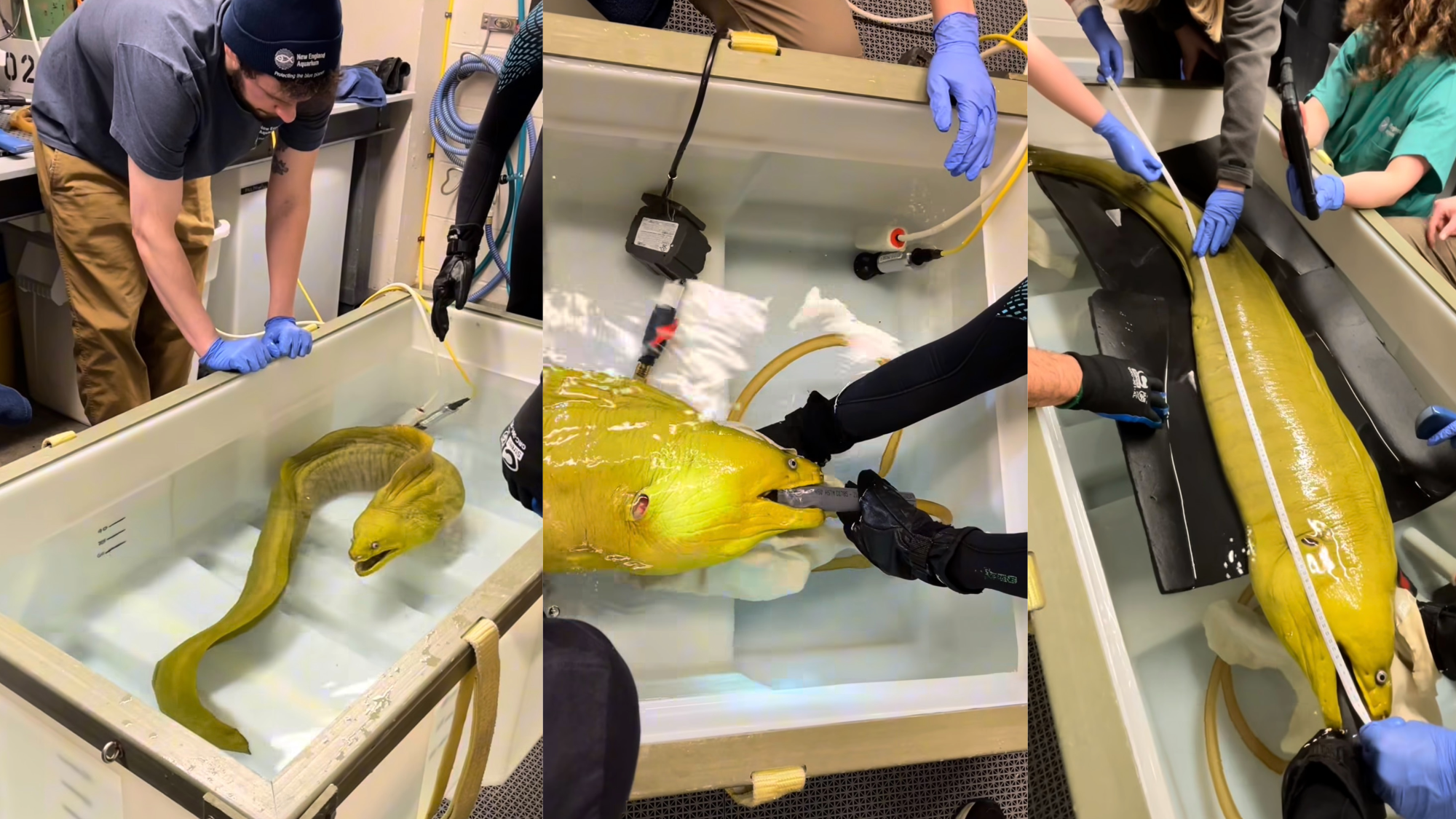
But what happens when the patient is a giant yellow-orange eel with sharp teeth? Things get a bit slippery. At the New England Aquarium, experts need to follow a complicated process in order to get Thomas, a green moray eel (Gymnothorax funebris), ready for his yearly checkup. 

The first step consists of retrieving Thomas from the aquarium’s giant ocean tank. Divers get him into a plastic barrel.Thomas and the barrel are then submerged into a different water tank with powdered anesthetic water, Melissa Joblon, New England Aquarium’s director of animal health, tells Popular Science

“We have to be really cautious to make sure that he’s fully anesthetized before we handle him because they can be dangerous,” she adds, “and they’re very slippery and can kind of slither away if we’re not really careful.”

Once Thomas is essentially knocked out, the team lifts him from his sedation bin and onto a rack. They then flush water—with more of the anesthesia agent—which allows him to continue breathing. 

The medical exam is preventative care, meaning the team is on the lookout for any health issues to catch them before they become serious. The session includes a physical exam, bloodwork, a full ultrasound, and an electrocardiogram. The team is essentially investigating the eel’s outsides and insides. 

“We do full routine annual exams on the majority of the animals that live at the aquarium, similar to bringing your cat or dog to a vet once a year,” Joblon explains. 

Thomas is probably 18 to 21 years old, but he was a juvenile when the New England Aquarium took him in. A pet owner donated him after wisely deciding that they couldn’t care for the eel anymore—Thomas was becoming too big. Green moray eels are, after all, among the largest morays—they can be eight feet long.

Here’s to making sure Thomas eels good. 

The post Thomas the moray eel goes to the doctor appeared first on Popular Science.

  • ✇Popular Science
  • Bobcat that survived being hit by a car gets a custom-built kennel Margherita Bassi
    In March, we reported on a wild bobcat that had been hit and dragged by a car, who also got her head stuck in the car’s grill. As if things could get any worse, the wild feline arrived at Raven Ridge Wildlife Center in Pennsylvania on a Sunday, and the nearby veterinary practice was closed. But thanks to two lucky acquaintances, a mobile x-ray machine was brought in, revealing that the bobcat had broken two legs.  Thanks in part to the fact that her bone fractures were clean breaks, her team
     

Bobcat that survived being hit by a car gets a custom-built kennel

25 May 2026 at 17:04

In March, we reported on a wild bobcat that had been hit and dragged by a car, who also got her head stuck in the car’s grill. As if things could get any worse, the wild feline arrived at Raven Ridge Wildlife Center in Pennsylvania on a Sunday, and the nearby veterinary practice was closed. But thanks to two lucky acquaintances, a mobile x-ray machine was brought in, revealing that the bobcat had broken two legs. 

Thanks in part to the fact that her bone fractures were clean breaks, her team decided to risk a surgery. The next morning, two surgeons operated on the bobcat contemporaneously. After the operation, Tracie Young, director of the Raven Ridge Wildlife Center, told Popular Science that she was doing “fantastic” and “starting to act like a bobcat.” 

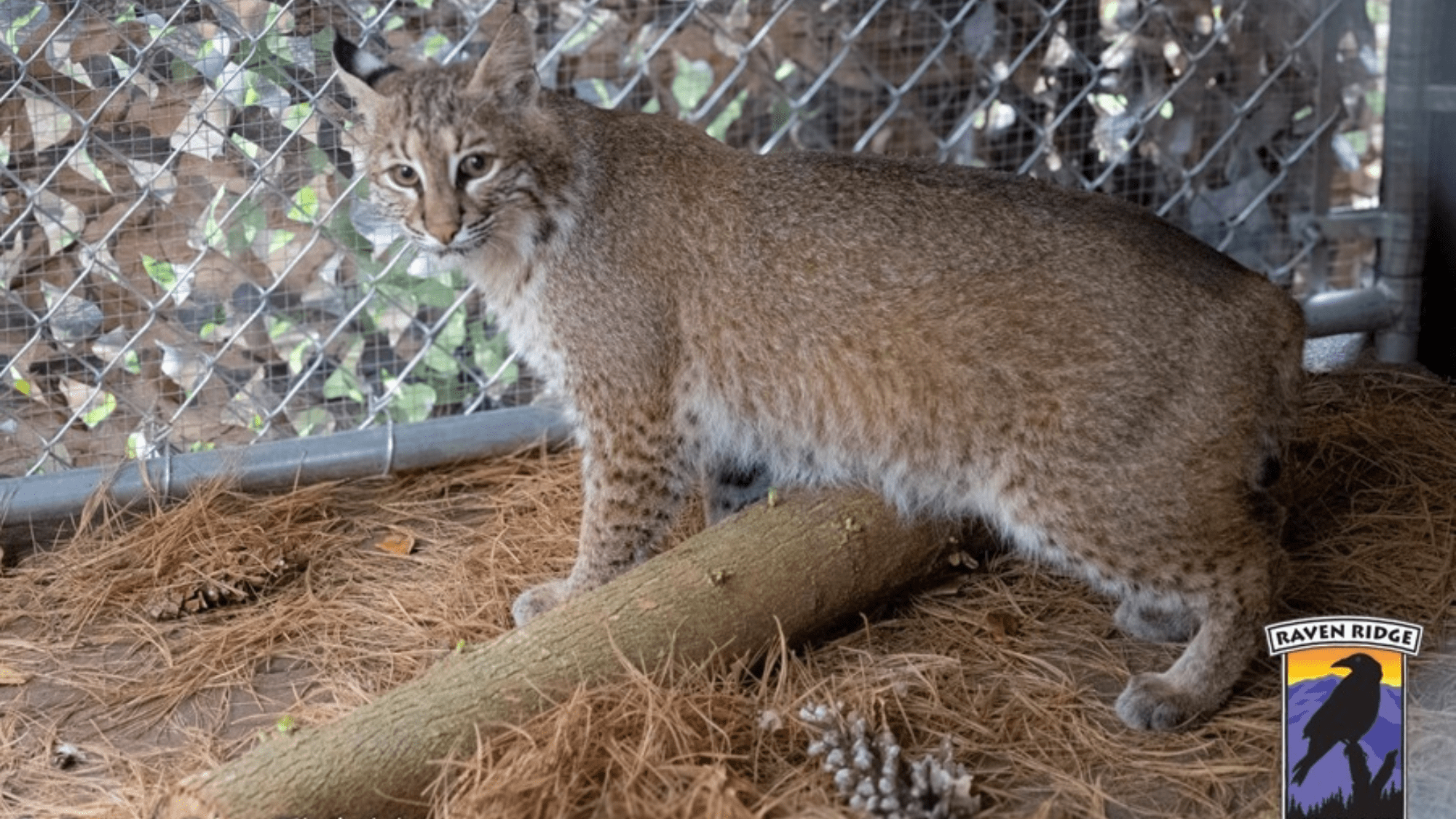
a bobcat sits on some pine needles
The female feline has been healing at Raven Ridge Wildlife Center for two months. Image: Dawn Rise Ekdahl / Raven Ridge Wildlife Center.

In her great misfortune, the cat has been rather lucky—and it seems like the luck is holding. Two striking coincidences have now come together to get her a custom-made cage for her rehabilitation. 

“After two months of recovery, the bobcat now needs to be moved outside for exercise and to begin building muscle tone,” the wildlife center wrote on social media. “We had to devise a safe and creative way to get her outdoors, necessitating the construction of special caging. We determined that a custom dog kennel would be the only viable option.”

However, the problems were twofold: time and money. The dog kennel builders the wildlife center contacted needed at least eight months to build the rehab cage, and the project would cost thousands of dollars. But then Raven Ridge’s photographer Dawn called her neighbor Glen for suggestions, who turned out to be the owner of a kennel-building business and could build the kennel in two weeks. 

a man moves a kennel on a forklift
The custom-built kennel was made for the bobcat in only two weeks. Image: Dawn Rise Ekdahl / Raven Ridge Wildlife Center.

And if you think that’s enough of a coincidence, it gets even better. The very day construction commenced, Raven Ridge Wildlife Center received a letter with a generous donation. A woman named Raven Minervino has passed away, and her husband wrote that she had consistently supported the wildlife center. After she died, her husband had asked that rather than getting flowers, people make donations in her memory. The letter had a donation in her memory large enough to pay for the custom bobcat cage.

“Thanks to all this support, we successfully moved the bobcat to the new enclosure, where she is now exploring, exercising, and much happier,” reads the social media post. Raven Ridge plans to (or perhaps already has) put a plaque in Minervino’s memory on the cage. 

Both of the bobcat’s broken legs have healed, and since having the custom cage, she has put on ten pounds, bringing her to the much healthier total of 19 pounds. Adult female bobcats weigh approximately 15 to 20 pounds on average

The post Bobcat that survived being hit by a car gets a custom-built kennel appeared first on Popular Science.

  • ✇Popular Science
  • 1.3 million people share DNA with Maryland’s earliest colonists Andrew Paul
    In 1634, English settlers established St. Mary’s City as the first permanent outpost in the colony of Maryland. Many of these early residents were ultimately buried in the town’s Chapel Field cemetery, including 49 colonists between the town’s founding and 1734. Recently, geneticists collaborating between Harvard University, the Smithsonian Institute, and genetics company 23AndMe analyzed these previously unidentified remains as part of a larger genealogical project tracing colonial migration ac
     

1.3 million people share DNA with Maryland’s earliest colonists

15 May 2026 at 18:00

In 1634, English settlers established St. Mary’s City as the first permanent outpost in the colony of Maryland. Many of these early residents were ultimately buried in the town’s Chapel Field cemetery, including 49 colonists between the town’s founding and 1734. Recently, geneticists collaborating between Harvard University, the Smithsonian Institute, and genetics company 23AndMe analyzed these previously unidentified remains as part of a larger genealogical project tracing colonial migration across the United States.

Their findings illustrate how  such a small original population can have vast genetic influences over time. According to the team’s study published in the journal Current Biology, over 1.3 million living descendents can be traced directly to the handful of settlers buried at St. Mary’s City. What’s more, researchers believe that they potentially identified remains belonging to Maryland’s second governor.

The results come after decades of work that began with the excavation of a trio of extremely rare lead coffins from the cemetery’s Brick Chapel in 1986. These were later revealed to contain the bodies of Philip Calvert, his first wife Anne Wolseley Calvert, and an infant son from Calvert’s second wife, Jane Sewell. Calvert served as Maryland’s fifth governor, and came from one of the colony’s most prominent and influential founding families. Later DNA analysis tied the Calverts to three more bodies buried nearby.

“Although additional work is needed to determine exactly how these individuals were related to Philip, this finding is significant given that several members of the extended Calvert family, including Philip’s half-brothers Leonard (1610–1647) and George (1613–1634), died in St. Mary’s during this period,” explained Douglas Owsley, the Smithsonian’s biological anthropology curator.

Further genetic examinations identified relatives among five other families, including one that spanned three generations.

“Because mortality was so high in the early days of the colony, finding a multigenerational family was a surprise,” Owsley said. “It’s a discovery that simply wouldn’t have been possible without genetic study.”

From there, the team was able to move forward through the centuries by comparing the DNA information at St. Mary’s City with more than 11.5 million participants from the 23AndMe genetic database. The results show that there are now around 1.3 million living relatives of Maryland’s first European residents. They were also able to corroborate a major migration that occurred between 1780–1820, when many of the colony’s Catholics fled south to Kentucky due to economic stressors and anti-Catholic sentiments.

One of the study’s more groundbreaking facets involved researchers’ ability to assess unknown remains through a combination of genetic material and multiple family trees that include still-living individuals. First, they identified people in the database who shared the strongest genetic relationships to the three related cemetery bodies. They then examined overlaps in anthropological information and known lineages to narrow down the mystery remains. Based on their findings, the team now believes the remains belong to colonial Maryland’s second governor, Thomas Greene, his first wife, Anne, and their son, Leonard.

“This is the first time that ancient DNA has been used to help identify unknown individuals, without any prior knowledge of who they might have been. And it just so happens that one of those individuals turned out to be one of colonial Maryland’s most prominent figures,” said Éadaoin Harney, a senior scientist at the 23andMe Research Institute.

Study co-author and Harvard Medical School geneticist David Reich added that their latest work showcases how vital ancient DNA analysis can be to expanding our understanding of history. 

“While written records are extraordinarily rich, genetic data can still address gaps in that record and yield surprises,” said Reich.

The post 1.3 million people share DNA with Maryland’s earliest colonists appeared first on Popular Science.
  • ✇Popular Science
  • Animals have personalities. Here’s what shapes them. Jennifer Byrne
    We tend to think of wild animals as being spared from the messy business of personality: the family dramas, the psychological wounds, the baffling quirks that keep resurfacing like whack-a-moles. Turns out, nobody gets out of that. Animals have personalities, too, and many of the same complex forces that shape our personalities shape theirs. “They’re not spared,” says Dr. Alison M. Bell, a behavioral ecologist at the University of Illinois Urbana, tells Popular Science. “Life is hard for t
     

Animals have personalities. Here’s what shapes them.

7 June 2026 at 11:53

We tend to think of wild animals as being spared from the messy business of personality: the family dramas, the psychological wounds, the baffling quirks that keep resurfacing like whack-a-moles.

Turns out, nobody gets out of that. Animals have personalities, too, and many of the same complex forces that shape our personalities shape theirs.

“They’re not spared,” says Dr. Alison M. Bell, a behavioral ecologist at the University of Illinois Urbana, tells Popular Science. “Life is hard for them, too.”

But life is also “rich,” says Bell, full of ups and downs, wounds and triumphs, just like human lives.

It’s one of those truths that is both surprising and incredibly obvious, especially for those of us with pets. And yet the study of animals’ personalities has faced resistance—in part because accepting it means accepting that animals are far more like us than some are willing to admit.

Personality and social psychologist Dr. Sam Gosling noticed a telling pattern among his colleagues in animal research: On coffee breaks, they’d talk freely and enthusiastically about the personalities of the animals they studied, even their pets at home. Then the break would end.

“They’d finish their tea breaks, put on their scientist white coats, and stop any kind of talk about that,” he says. 

But reluctance to engage with the topic scientifically doesn’t mean the evidence isn’t there. Decades of research across species has made one thing abundantly clear: Animals do have personalities. Here’s what the science has to say about what makes your pet special, whether they’re super smart, a risk taker, or a homebody.

1. Animals are shaped by their early environment

For animals, as for humans, the earliest experiences often form the deepest scars or the greatest strengths. 

Animals are influenced by “the early life environment,” Bell says. “They’re influenced by their early interactions with parents and siblings.”

This principle is perhaps most evident in our pets. Bell cites an example familiar to many of us: the traumatized shelter dog with a troubled past.

“Pets who are coming from an animal shelter, or have maybe experienced abuse, they don’t forget that,” says Bell. “That leaves a lasting effect.” 

Yet many of us don’t extend this understanding to, say, childhood trauma in a squirrel. But according to Bell, the same concepts apply to any animal, wild or domestic. A squirrel neglected by its mother carries that experience forward, just as we do. 

“This principle definitely applies to other organisms,” says Bell. 

2. Genetics are important, but not the main factor 

As with humans, genetics are also an influential force in animal personality. Perhaps you might expect animals to be more genetically hardwired than us, driven by pure instinct and with few individual variations. But according to Bell, genetics accounts for only about 35 percent of animal personality—the same as in humans. 

Teasing apart personality traits that come from genetics versus the environment is easier in animals than in humans, according to Gosling. For example, researchers can swap bird eggs between nests to determine whether chicks end up more like their genetic parents or the birds that raised them.

“Because of the experimental control that animal studies afford, our estimates of these effects can be much more precise than they can [be] in humans,” Gosling says. “In humans, we have to deal with them in the messy world.”

Related 'Ask Us Anything' Stories

As for which matters more, genetics or environment, the answer is complicated. 

“These studies have shown that there are genetic factors, environmental factors, biological non-genetic factors, and all kinds of other things that influence animal personality,” he says.

3. Personality varies by species

Beyond factors like genetics and environment, animal personality is also shaped by something more fundamental: the species itself. 

As an evolutionary biologist, Bell says she is particularly interested in biological diversity and its role in shaping personality across species.

“What interests me is what are the behaviors animals do that are really, really important for that particular critter, that species?” she says. “If I’m studying a parrot, what’s going to be important is the food they’re eating, the predators they might encounter, their threats, their opportunities, and their habitats. What are the behaviors that matter to that animal?”

The answer, she notes, varies widely depending on the evolutionary needs and challenges of an individual species. Those factors “will be different for a parrot compared to a fish, compared to a whale, compared to a termite,” she says. 

4. Personality is stable, but changeable

Another notable aspect of personality is continuity—the extent to which an individual’s personality remains consistent or changes over time. Bell says animal personality tends to be pretty stable over a lifetime. 

Bell describes a “signature” that persists from the juvenile to the adult stage, even as behavior naturally changes across life stages. In her research on stickleback fish, Bell and her colleagues have observed consistent personality traits in individual fish.

“We can measure them repeatedly,” she said, “and find that the individuals that were risk-takers yesterday are also the risk-takers tomorrow, and next month.”

Cat on robotic vacuum cleaner in house
Some cats hide from robot vacuum. Others stand on top of them. Their risk taking or nervous approach might all come down to personality. Image: Getty Images / witthaya_prasongsin

But that signature is not immutable, says Bell. Experience can alter it. “New environments, social interactions, even changes in health might influence behavior,” Bell says.

Whether animals can change their personalities more or less than humans over a lifetime remains an open question. 

“I don’t see any theoretical reason why we should expect more or less change in humans than in other animals,” says Gosling, though Bell notes that the answer likely varies widely across species. 

5. Human nature may be holding us back

Another factor shaping our understanding of animal personality is surprisingly close to home: human resistance to accepting it.

Part of the problem, according to Bell, is that accepting the concept of animal personality requires a sort of double reckoning: We have to be willing to see ourselves as less exceptional than we thought, while simultaneously being willing to see animals as more complex than we previously believed.

“Both of those things have to happen, and I think that’s challenging to conventional thinking,” she says. 

Why that resistance persists, even in the face of mounting evidence for animal personality, may say more about human psychology than animal behavior. 

“The most surprising thing to me is how surprising it [the fact that animals have unique personalities] is to people,” says Bell. 

In Ask Us Anything, Popular Science answers your most outlandish, mind-burning questions, from the everyday things you’ve always wondered to the bizarre things you never thought to ask. Have something you’ve always wanted to know? Ask us.

The post Animals have personalities. Here’s what shapes them. appeared first on Popular Science.
  • ✇Popular Science
  • Why were T. rex’s arms so tiny? Paleontologists finally find an answer. Andrew Paul
    Tyrannosaurus rex is iconic for its ferocity and big teeth, as well as those teeny-tiny arms. The Cretaceous Period apex predator wasn’t the only carnivore with underdeveloped forelimbs, however. At least five groups of two-legged, mostly meat-eating theropod dinosaurs experienced a shortening of the upper arms over the course of their evolutionary journey. But why did they have such comically small claws? One team of researchers believes the answer is simple. “It’s a case of ‘use it or lose
     

Why were T. rex’s arms so tiny? Paleontologists finally find an answer.

19 May 2026 at 23:05

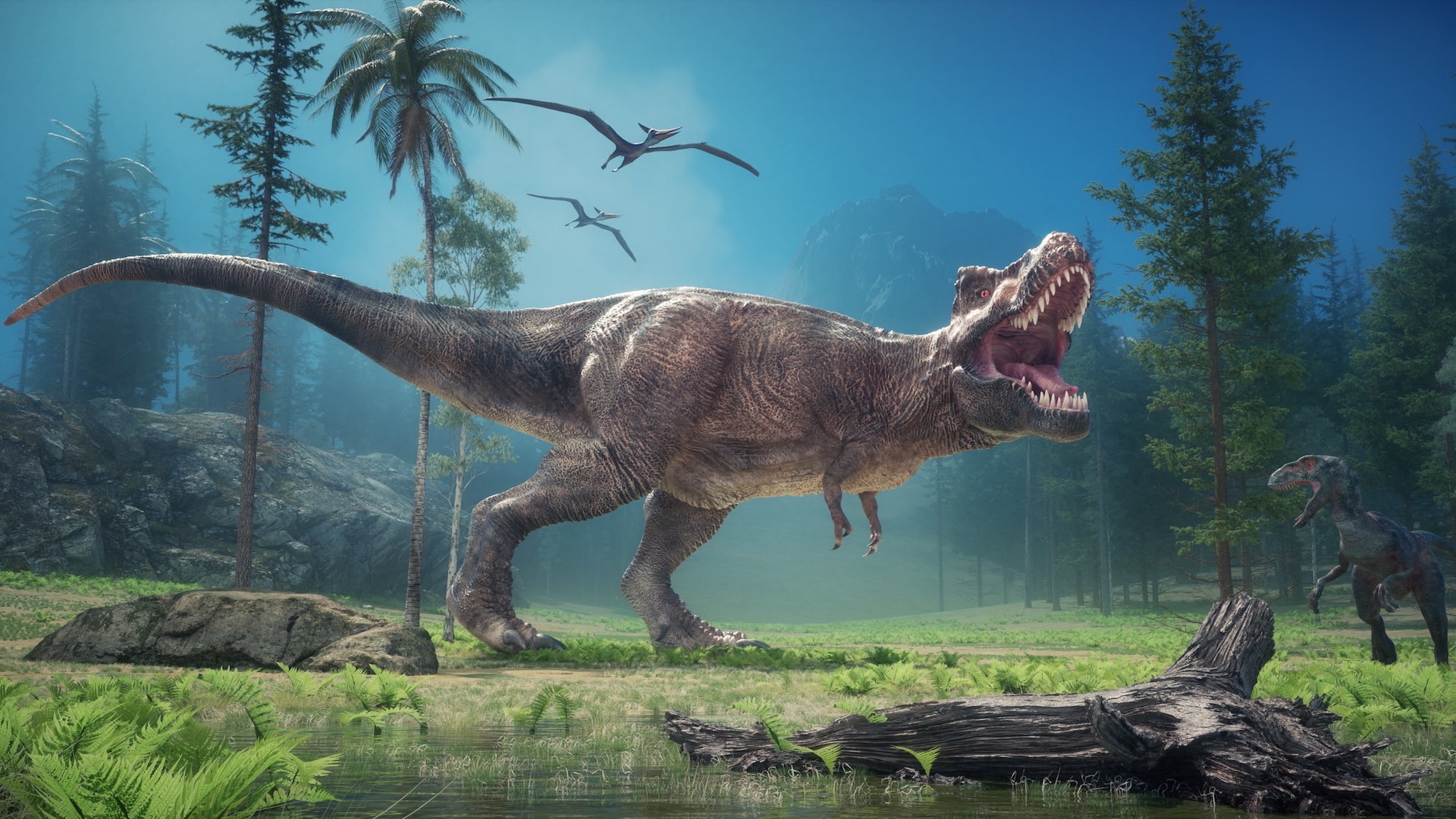
Tyrannosaurus rex is iconic for its ferocity and big teeth, as well as those teeny-tiny arms. The Cretaceous Period apex predator wasn’t the only carnivore with underdeveloped forelimbs, however. At least five groups of two-legged, mostly meat-eating theropod dinosaurs experienced a shortening of the upper arms over the course of their evolutionary journey. But why did they have such comically small claws? One team of researchers believes the answer is simple.

“It’s a case of ‘use it or lose it,’” University College London paleontologist Charlie Scherer said in a statement.

Scherer and his colleagues recently examined the data for 82 theropod species, including those in T. rex’s tyrannosaurid family. Their study published today in the Proceedings of the Royal Society B Biological Sciences argues a combination of massive skulls and crushing jaws—coupled with increasingly large prey—had many theropods relying increasingly less on their forearms.

“We sought to understand what was driving this change and found a strong relationship between short arms and large, powerfully built heads,” explained Scherer. “The head took over from the arms as the method of attack.”

The team based their conclusions on a new system of assessing dinosaur skull strength based on attributes like overall dimensions, how tightly bones were joined in the head, and bite force. Unsurprisingly, T. rex came in first place for bite force, followed by the Tyrannotitan. Almost as large as a T. rex, the Tyrannotitan lived in present-day Argentina during the Early Cretaceous over 30 million years before its famous descendent. In each example, the reason for short arms likely coincided with hunting larger and larger dinner targets.

“Trying to pull and grab at a 100–foot–long sauropod with your claws is not ideal. Attacking and holding on with the jaws might have been more effective,” added Scherer.

Overall, the team identified a bigger correlation between skull strength and smaller arms than with either skull or body size. This conclusion is further supported by some theropod dinosaurs with strong heads, tiny forelimbs, and a relatively small stature. For example, Majungasaurus roamed present-day Madagascar 70 million years ago while weighing about 1.75 tons—around a fifth the size of T. rex.

Not every dinosaur’s limbs shrank in the same way, either. Abelisaurids like Majungasaurus exhibited smaller arms past their elbows as well as their hands, while tyrannosaurid arms reduced proportionally. In each case, it seems that the theropods initially had far more success latching onto prey with their powerful jaws, then evolution did the rest of the work.

As to which dinosaur had the teeniest forearms, the answer according to Scherer is clear.

“The Carnotaurus had ridiculously tiny arms, smaller than the T. rex,” he said.

The post Why were T. rex’s arms so tiny? Paleontologists finally find an answer. appeared first on Popular Science.
  • ✇Popular Science
  • A ‘mystery beetle’ is devouring North Carolina’s precious blueberries Laura Baisas
    North Carolina’s blueberries may have a beetle problem. For the first time, scientists in the Tarheel State have documented the presence of Prionus imbricornus eating blueberry bushes. This longhorn beetle and its larvae can chomp their way through the state’s valuable blueberry fields. The findings are described in a study published this week in the Journal of Integrated Pest Management.  Blueberries are native to North Carolina, but were not cultivated until 1935. The state is the sixth lar
     

A ‘mystery beetle’ is devouring North Carolina’s precious blueberries

3 June 2026 at 15:14

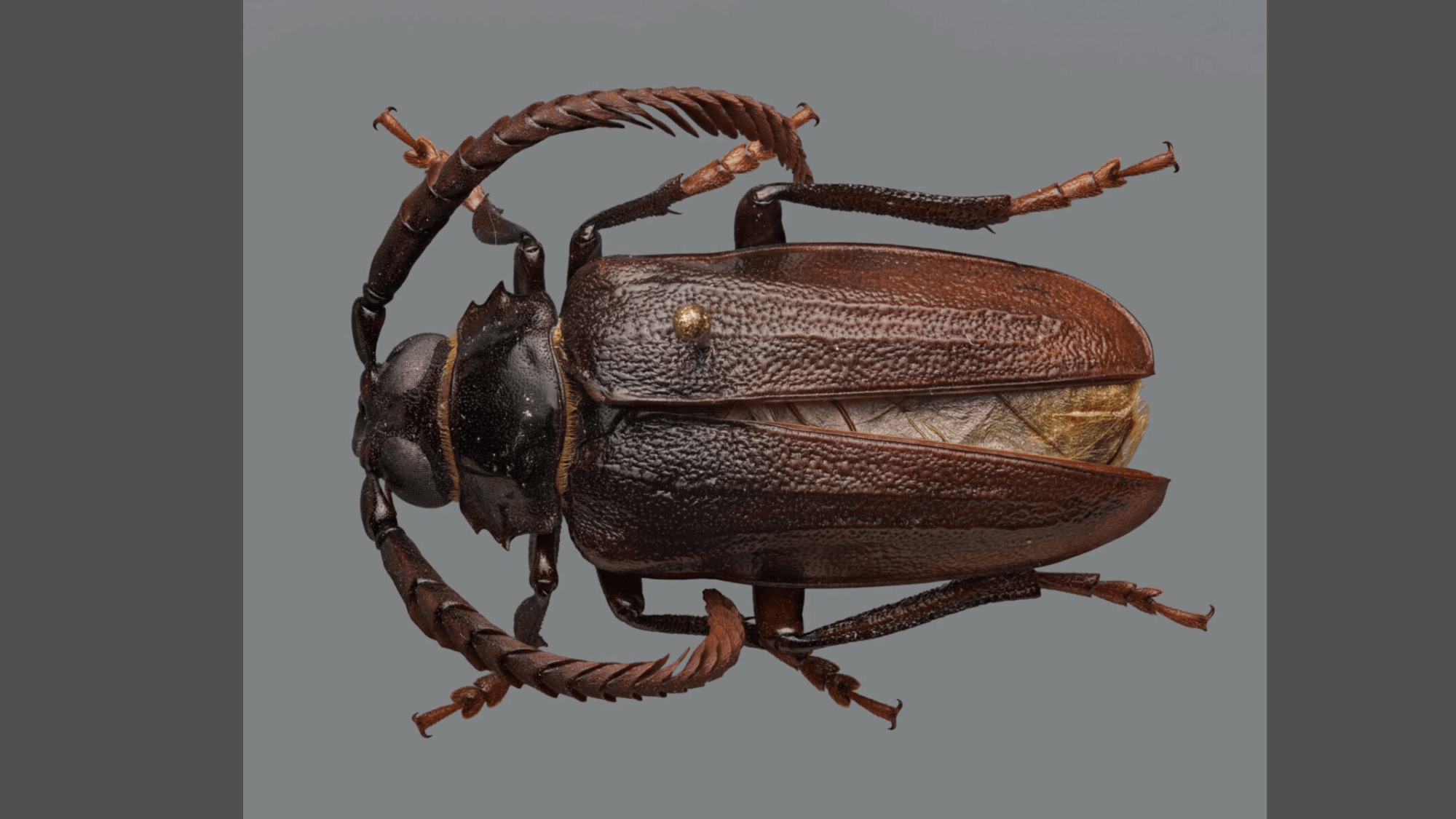
North Carolina’s blueberries may have a beetle problem. For the first time, scientists in the Tarheel State have documented the presence of Prionus imbricornus eating blueberry bushes. This longhorn beetle and its larvae can chomp their way through the state’s valuable blueberry fields. The findings are described in a study published this week in the Journal of Integrated Pest Management

Blueberries are native to North Carolina, but were not cultivated until 1935. The state is the sixth largest blueberry producer in the United States, and the blueberry industry is valued at roughly $70 million. Protecting the plants from pests is crucial, as blueberries are considered one of North Carolina’s most valuable and desirable crops. 

Several species including the blueberry maggot (Rhagoletis mendax), plum curculio (Conotrachelus nenuphar), and cranberry fruitworm (Acrobasis vaccinii Riley) can threaten blueberry crops. The long-horned beetle P. imbricornus may now join their ranks. P. imbricornus is known for their long antennae and are considered wood-boring beetles. The adult females typically lay their eggs in the soil near the roots of hardwood trees. The larvae then eat and destroy the roots. These larvae can grow up to five inches long and potentially kill trees, since the adults don’t feed. 

a long yellow beetle larvae
P. Imbricornis larva. The larva, which can grow up to five inches long, feed on the roots of blueberry bushes. Image: Matt Bertone/NC State.

North Carolina is the first state to report that P. imbricornus is actively feeding on blueberry bushes. However, reports of unidentified larvae from the Prionus beetle genus feeding on and damaging blueberry bush roots go back to 2010. In the 16 years since, identifying the specific species responsible has been difficult since the larvae live near the roots of the plants. Different types of longhorn beetle larvae also look very similar, and not identifying a species can harm efforts to combat harmful bugs. 

“Before now, researchers often just assumed the species of Prionus on their commodities based on adult identification,” Kenneth Geisert, a study co-author and NC State graduate student, said in a statement. “If that guess was incorrect, it could mean using a treatment strategy that did not line up with the problem and incorrectly associating species and their hosts.”

For example, P. imbricornus attacks roots, but another longhorn beetle species may go after a tree’s dead branches or trunk. 

“Without knowing which species of beetle you’re dealing with and their ecology, incorrect management can cause adverse effects on non-target insects,” Geisert added.

For this study, the team used a series of black panel traps scented with sex pheromones to attract and gather adult beetles. The traps were placed at six farms across Pender, Sampson, Bladen, and New Hanover counties. The team then used a technique called genetic barcoding on the larvae to analyze small, standardized segments of their DNA to identify the species. They then compared the unknown larval sequences with the same genetic segments from known Prionus adults.

They matched the P. imbricornus with 98 to 99 percent accuracy. According to the team, this result is both good and bad news for farmers.

“On one hand, it’s very important that we know which species we’re dealing with,” said Lorena Lopez, a study co-author and entomologist at NC State. “On the other, North Carolina was the first state to ever report Prionus infestation in blueberries, and there are no insecticides currently labeled against this pest in blueberries.”

To address this shortfall, Lopez has begun insecticide trials. Pinpointing effective insecticides and timing during P. imbricornis reproductive cycles can potentially limit larval development. Fewer larvae could help prevent major root damage and provide blueberry farmers with an effective management tool to protect their crops. 

The post A ‘mystery beetle’ is devouring North Carolina’s precious blueberries appeared first on Popular Science.

  • ✇Popular Science
  • It’s a barracuda! It’s a shrimp! It’s a robot helping coral reefs. Mack DeGeurin
    Coral reefs may soon have new swimming visitors observing their life-rich aquatic metropolises. But  that visitor isn’t a fish—or even a human. It’s an autonomous, multi-sensor survey robot. Developed by the Woods Hole Oceanographic Institution (WHOI) Reef Solutions Initiative, this new underwater surveyor uses a combination of hydrophones, high-resolution cameras, and an onboard computer to find signs of marine life hotspots. It then moves in closer for a better look, creating data-rich maps th
     

It’s a barracuda! It’s a shrimp! It’s a robot helping coral reefs.

15 May 2026 at 17:39

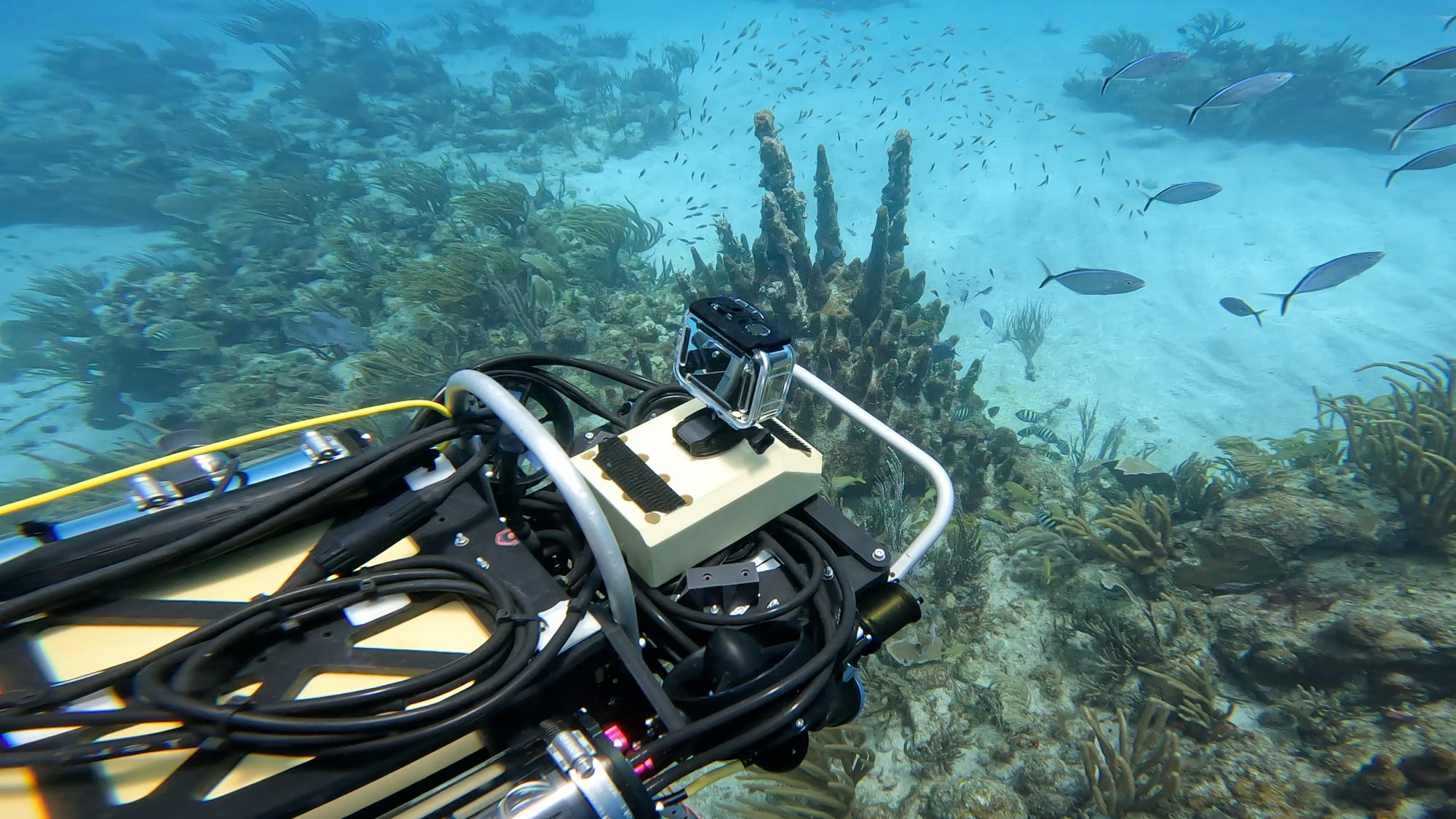
Coral reefs may soon have new swimming visitors observing their life-rich aquatic metropolises. But  that visitor isn’t a fish—or even a human. It’s an autonomous, multi-sensor survey robot. Developed by the Woods Hole Oceanographic Institution (WHOI) Reef Solutions Initiative, this new underwater surveyor uses a combination of hydrophones, high-resolution cameras, and an onboard computer to find signs of marine life hotspots. It then moves in closer for a better look, creating data-rich maps that would likely take many human divers multiple trips to produce.

The system, appropriately called the Curious Underwater Robot for Ecosystem Exploration (CUREE), does all this all by itself. Well, that’s the goal, at least. In actual testing around Joel’s Shoal in the U.S. Virgin Islands, the curious robot was able to home in on the distant crackle of shrimp, and even tailed a barracuda for more than 984 feet. That last barracuda tracking bit required some human intervention to get it back on course, but the majority of the barracuda tracking occurred totally autonomously. The findings were published this week in the journal Science Robotics

Keeping tabs on coral reef’s inhabitants 

Coral reefs are like a busy neighborhood or bustling bar in the ocean. Though they account for less than 0.1 percent of physical ocean space, roughly a quarter of all marine species spend some part of their lives there. But overfishing, human development, and warming ocean temperatures are putting those bustling ecosystems at risk. Because of this threat, it’s more important than ever for marine biologists to have an accurate and timely sense of what those environments look like.

Getting a clear sense of what species are where in a reef isn’t simple, though. At any given time, most of a reef is barren, with marine life typically clumping into hotspots distributed throughout the reef. Currently, researchers primarily track those hotspots with  trained human divers, though that approach isn’t perfect. Our pesky lungs and limited oxygen tanks mean human divers run  on a short clock. It’s also costly for research teams to properly train and equip a human diver, which limits the amount of time and frequency with which they can take a plunge.

an autonomous underwater robot exploring a coral reef
CUREE (Curious Underwater Robot for Ecosystem Exploration), an autonomous underwater vehicle navigates using information from its cameras and outstretched hydrophones to gather audio and visual information about a coral reef environment. Image: Photo by Austin Greene, © Woods Hole Oceanographic Institution.

An underwater robot could potentially solve both those problems, but it would need the right tools for the job. That’s where CUREE comes in. Engineers outfitted the robot with a variety of sensors that can detect both visual and auditory signals. The system can analyze far-off audio signals in real time to hear distant noises as subtle as fish calling out to each other. It can then triangulate that data using an onboard computer system that moves toward areas it suspects have a high chance of containing marine life. If it spots life once there, it can then use its cameras to provide more precise data about the species and their behavior.

“In some sense, they’re almost a perfect compliment for each other,” WHOI roboticist Seth McCammon said of the multiple sensor method in a statement. “Passive acoustics gives you a broad sense of the environment, while vision is short range, but is this really information-rich data stream.” 

Curious robot stalks a barracuda 

The team put CUREE to the test near Joel’s Shoal, a coral reef located on the coast of St. John in the U.S. Virgin Islands. In one test,  the robot could accurately find and count the number of fish in a region. It was able to detect signs of fish from up to 82 feet away and then use those clues to identify life hotspots.

a diver gives a robot a thumbs up
Woods Hole Oceanographic Institution (WHOI) scientist and WARP Lab lead Yogesh Girdhar tests the CUREE (Curious Underwater Robot for Ecosystem Exploration) autonomous underwater vehicle in the U.S. Virgin Islands in November 2021. Members of the WARP Lab designed CUREE to navigate and sense complex coral reef environments autonomously to identify biodiversity hotspots. Image: Photo by Dan Mele © Woods Hole Oceanographic Institution.

However, the  most interesting result was CUREE’s successful barracuda tracking. Once locked on to its target, CUREE followed the apex predator for a total of nine minutes and 55 seconds, as the fish weaved its way around, looking for lunch. The tracking video in the study shows the barracuda traveling first to a hotspot and then backtracking to another spot where it had previously startled a large reef snapper. And while a human diver had to initiate the robot’s lock on the barracuda,and had to re-lock on the target several times, CUREE did most of the work on its own. The team says eight minutes and 59 seconds of the tracking was done with full autonomy.

Though this isn’t the first underwater robot, its use of multiple sensor types makes it unique because it’s eventually a jack of all trades. Researchers can, in theory at least, drop the robot in a broad area of water and let it get to work surveying. 

The post It’s a barracuda! It’s a shrimp! It’s a robot helping coral reefs. appeared first on Popular Science.

❌
Subscriptions