Normal view

  • ✇Popular Science
  • Fact or myth? Ticks can drop out of trees like paratroopers. Margherita Bassi
    The official start of summer is days away, and after a particularly long and cold winter in parts of the United States, many are ready to enjoy the outdoors again without risking frostbite. Warm weather comes with another type of bite, however. One that comes with an unwanted guest attached to your body. Along with mosquitos and flies, ticks are among our most disliked arachnids. However, their infamy comes with a lot of myths, and with tick season in full swing, it’s important to straighten
     

Fact or myth? Ticks can drop out of trees like paratroopers.

8 June 2026 at 14:03

The official start of summer is days away, and after a particularly long and cold winter in parts of the United States, many are ready to enjoy the outdoors again without risking frostbite. Warm weather comes with another type of bite, however. One that comes with an unwanted guest attached to your body.

Along with mosquitos and flies, ticks are among our most disliked arachnids. However, their infamy comes with a lot of myths, and with tick season in full swing, it’s important to straighten out a few misconceptions. 

False: Ticks can fly

If you’ve heard that ticks can fly and/or jump, you’ll be relieved to know that they can’t. In fact, their legs are pretty unimpressive appendages, according to Escher Cattle, an entomologist at the Regional Government of Cape Cod.

“They have some pretty good grabbers on their front legs and their other legs are pretty decent as well, but really all a tick has the equipment to do is walk around and grab stuff,” Cattle tells Popular Science. They’re not muscular like those of grasshoppers, for example. As for locomotion more generally, ticks don’t have wings, nor are they aerodynamic. As such, they’re also “not physically geared to be dropping out of trees like some kind of paratrooper.”

While a tick might attach onto an animal that takes it up into a tree and then fall, the chances that the skydiving arachnids will land on you is infinitesimal, Cattle says. In fact, ticks generally exist beneath an elevation of at most three feet. 

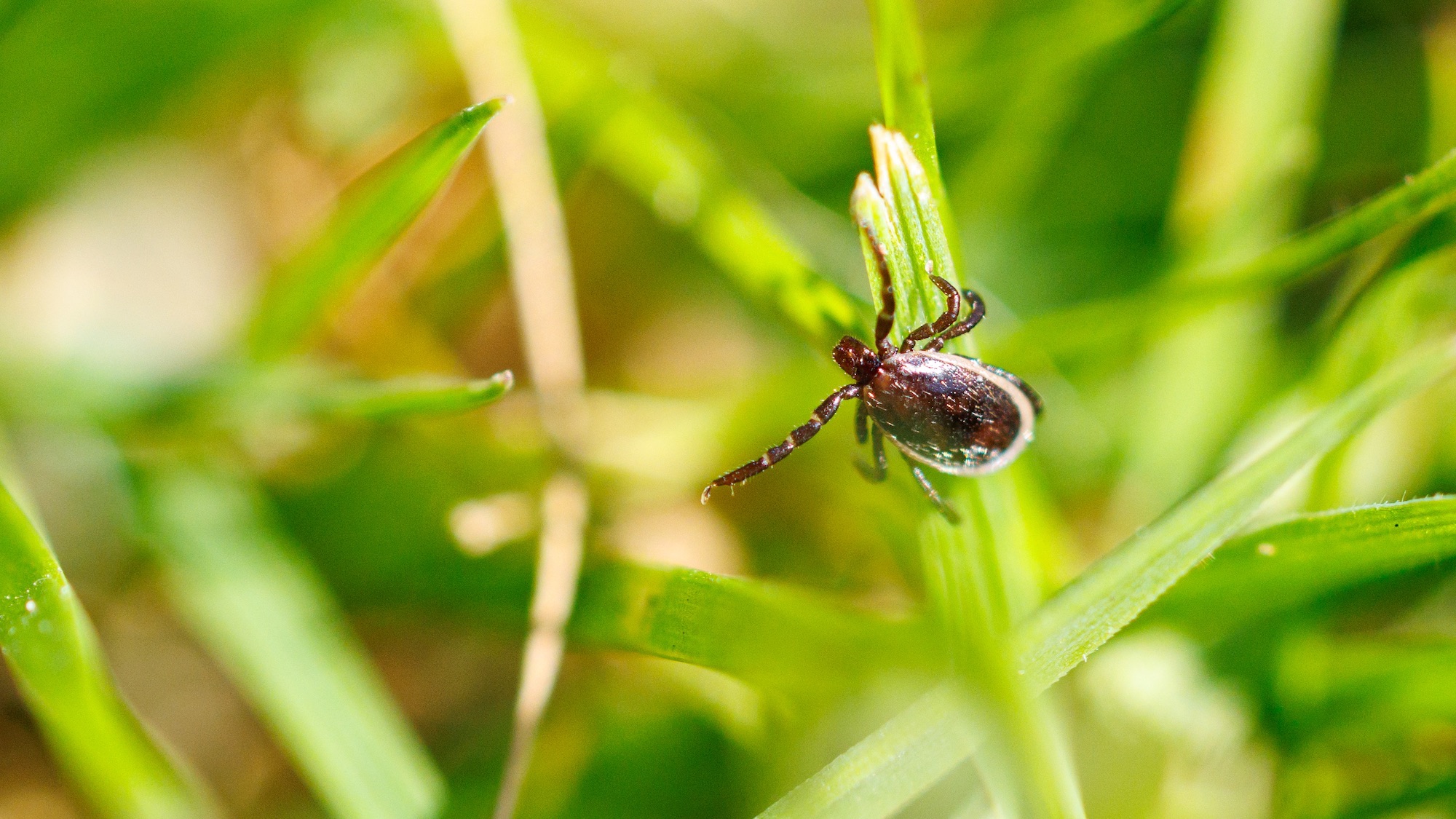
The way a tick actually attaches to a host is by climbing to the top of a plant, sticking its arms out, and waiting for something alive to brush by—a behavior called questing. It does so after sensing chemical cues of something warm, moving, and blood-filled. 

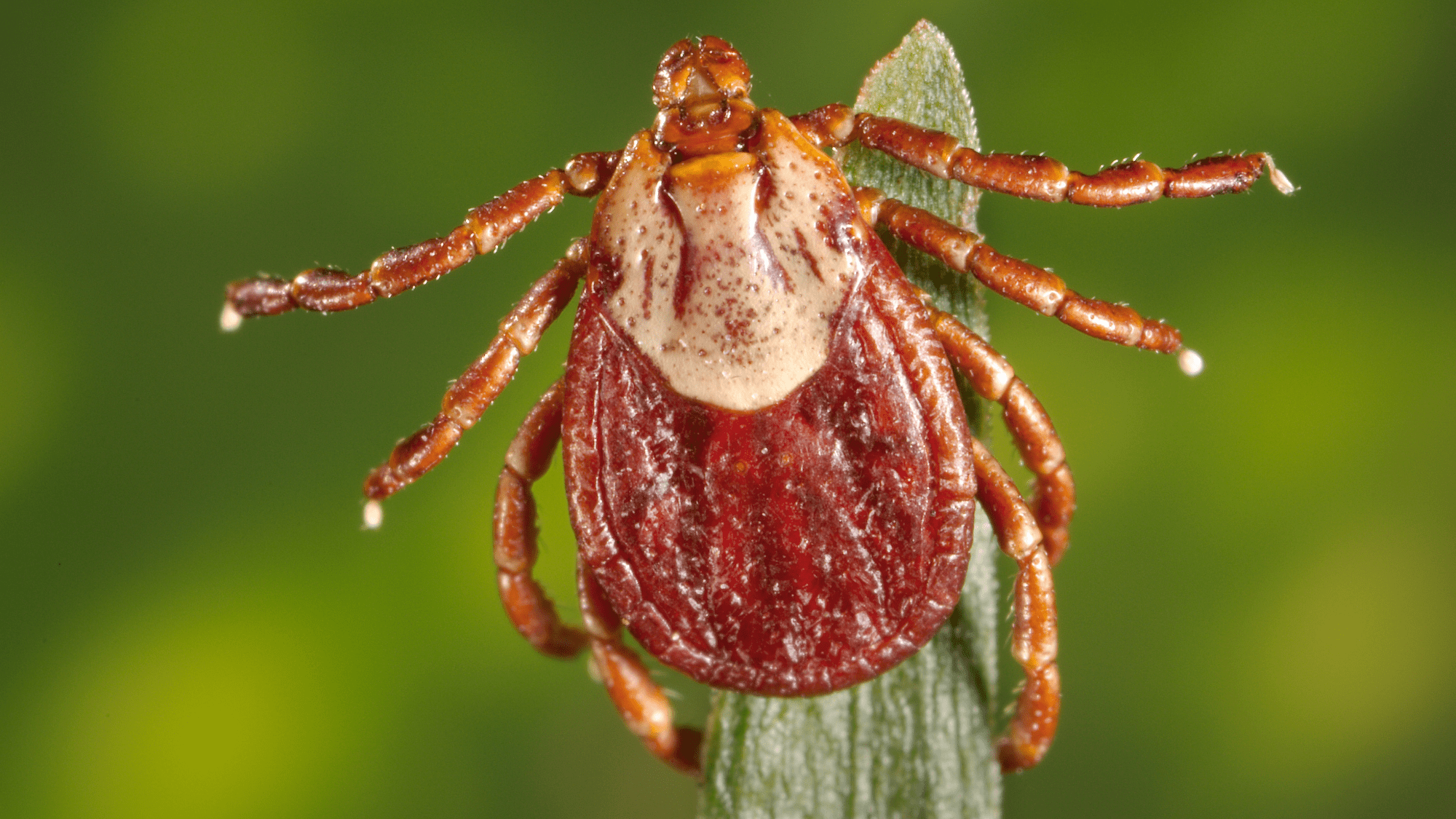
a tick on a blade of grass
Deer ticks are found in the eastern half of North America. Image: CDC/ James Gathany; William L. Nicholson, Ph.D.

False: Opossums help remove ticks by eating them

Speaking of blood-filled things, one tick myth that Cattle is sorry to dispel is one that paints opossums as tick-eating machines. You may have read that opossums are good to have around because they eat lots of ticks. This popular notion is founded on the results of a study in which researchers put ticks on opossums, among other animals, to investigate how these animals reacted to the pest. 

Because the team wasn’t seeing any ticks dropping off the opossums, they assumed the mammals were eating them all. As of now, there is no direct evidence known to researchers of opossums eating any ticks. 

One similar belief is that birds such as turkeys and guinea fowl eat ticks. While that’s true, they also carry them around, so having one in your backyard doesn’t automatically mean you’ll have less ticks.

True: They can carry disease

What isn’t a myth, though, is that ticks can be vectors of disease. These include Rocky Mountain spotted fever, tularemia, ehrlichiosis, and most infamously, Lyme disease. 

The good news is that you can decrease your chances of catching the disease from a tick bite if you remove the tick within 24 hours. But sometimes, tick bites go unnoticed, so it’s important to check yourself when you come back indoors during warm weather. 

Ticks are shockingly cold-resistant, but they usually keep to themselves during the colder seasons. They still can come back out as soon as the sun starts shining—including on those randomly very hot February days. 

True: A ‘dorky’ look helps prevent tick bites

If you do find a tick, don’t try to burn or suffocate it off your skin. Use a trusty pair of tweezers, grip it near the mouth parts, and pull it off. If anything gets left behind, your skin will naturally push it out with some time. If you’re not sure how long the tick has been on you, you should contact your doctor. 

As for tick bite prevention, “I know it looks kind of dorky, but tucking your pants into your socks is a really good tip. Making it so that there are barriers between ticks and your skin as much as possible is extremely good as a strategy,” explains Cattle, who also teaches about tick-borne disease prevention for Cape Cod Cooperative Extension. 

a pair of khaki pants tucked into high white socks
Tucking long pants into socks creates a good barrier between ticks and your skin. Image: Delaware Department of Natural Resources and Environmental Control.

You can also apply a synthetic pesticide called permethrin on their clothes and insect repellant on any exposed skin.

Ticks are “very good at what they do,” he concludes, but “I think adopting just a couple habits at a time really makes a difference.”

Update June 9 9:47 a.m. EDT : This story incorrectly identified ticks as insects. They are arachnids.

The post Fact or myth? Ticks can drop out of trees like paratroopers. appeared first on Popular Science.
  • ✇Popular Science
  • How to keep ticks out of your yard Debbie Wolfe
    With warm weather in full swing, people and pets are spending more time outdoors. While time outside is essential for both physical and mental health, it also comes with a few seasonal downsides, bug bites among them. But not just any bites: specifically, tick bites. According to the Centers for Disease Control and Prevention, ticks cause the vast majority of vector-borne illnesses in the U.S., including an estimated 475,000 Lyme disease cases each year, far surpassing those caused by diseases s
     

How to keep ticks out of your yard

6 June 2026 at 12:00

With warm weather in full swing, people and pets are spending more time outdoors. While time outside is essential for both physical and mental health, it also comes with a few seasonal downsides, bug bites among them. But not just any bites: specifically, tick bites. According to the Centers for Disease Control and Prevention, ticks cause the vast majority of vector-borne illnesses in the U.S., including an estimated 475,000 Lyme disease cases each year, far surpassing those caused by diseases spread by mosquitoes and other biting insects.

The truth is, ticks aren’t randomly scattered across lawns. In fact, they thrive in specific microhabitats. The good news is that small landscaping and maintenance changes can dramatically reduce how hospitable a yard is to them.

Why ticks love certain yards

Ticks need moisture, shade, and a steady supply of hosts to survive. And for them, the average backyard can feel like paradise. There are an estimated 899 tick species worldwide, with more than 90 found in the continental U.S. That diversity makes clear how adaptable these parasites are across different environments. Unlike mosquitoes, ticks dry out easily, so they gravitate toward humid environments like leaf litter, tall grass, overgrown shrubs, and dense ground cover where moisture lingers.

 A tick-friendly yard is basically a miniature wildlife corridor: one that provides shelter, humidity, and easy transportation for ticks to move safely between animal hosts. Ticks use a behavior called “questing,” climbing onto grass blades or low shrubs and waiting with their front legs outstretched for a passing host to brush by. Deer, mice, squirrels, and even neighborhood pets can carry ticks directly into a yard without anyone noticing. That’s why a perfectly manicured lawn alone usually won’t solve the problem.

Landscaping fixes that cut tick risk

Clear Out Damp Hiding Spots

One of the most effective ways to reduce ticks is to make your yard less hospitable to them. Ticks thrive in cool, damp environments, so piles of leaves, overgrown brush, and dense vegetation create ideal shelter. Start by removing leaf litter, trimming overgrown edges, and clearing brush near fences, stone walls, and wooded boundaries. These shaded areas protect ticks from heat and dehydration, allowing them to survive longer and wait for passing hosts.

Add a Dry Buffer

Creating a dry barrier between wooded areas and the lawn can also help slow ticks down. A three-foot strip of gravel, mulch, or wood chips acts like a miniature moat between tick-heavy habitat and the spaces where people and pets spend time. Because ticks dry out easily, they struggle to cross hot, exposed surfaces.

Mow Smart, Not Extreme

Regular mowing helps reduce humidity at ground level and makes it harder for ticks to hide in tall grass. But there’s a balance. Cutting a lawn too short can stress grass, damage soil health, and reduce habitat for pollinators. The goal isn’t a perfectly sterile yard; it’s reducing the cool, moist conditions that ticks prefer.

Limit Wildlife Visitors

Wildlife plays a major role in bringing ticks into residential spaces. Bird feeders, while enjoyable, can attract rodents such as white-footed mice, which are among the primary carriers of Lyme disease in many regions. Feeding birds during the winter, when tick activity is lower, and removing feeders during warmer months can help reduce rodent traffic. Deer-resistant plants and fencing can also discourage deer from wandering through the yard and dropping off ticks along the way.

What works and what doesn’t

The reality is that no single solution eliminates ticks completely. However, targeted pesticide treatments, when applied professionally in high-risk areas, and tick tubes, which use treated cotton to kill ticks on rodents, can meaningfully reduce tick populations when used correctly. These approaches work best as part of a broader prevention plan rather than a one-time fix.

Other popular solutions have far less evidence behind them. Ultrasonic repellents, for example, have shown limited and inconsistent results in studies, with some devices producing only weak repellency that researchers say is insufficient for reliable protection. There are “tick-repelling” plants that may slightly discourage ticks in small areas, but planting a few herbs or flowers alone will not protect an entire yard. The same goes for many DIY internet hacks involving essential oils sprayed around large properties. At best, they may offer temporary, localized effects. The most effective approach is layered and practical: reduce habitat, limit wildlife traffic, and use targeted treatments when needed.

Reduce your exposure

Tick encounters are increasing partly because warming temperatures and changing habitats are allowing some tick species to expand into new regions and remain active longer throughout the year. Even a well-managed yard can still contain ticks, so personal protection matters too. After spending time outdoors, it’s a good idea to do a full tick check on both yourself and your pets, especially around ankles, waistbands, scalp lines, and behind the knees. Wearing light-colored clothing can also make ticks easier to spot before they attach.

For extra protection, the Environmental Protection Agency recommends using EPA-approved repellents when gardening, hiking, or doing yard work. Showering soon after being outside may also help wash away unattached ticks before they bite. 

The post How to keep ticks out of your yard appeared first on Popular Science.
  • ✇Popular Science
  • Big wings and sweet songs: The mating lives of Panama’s katydids Laura Baisas
    When it comes to reproduction, animals will pull out all the stops to attract a mate. Sending out noisy mating calls, showing off colorful wings, inflating a throat pouch, and shaking a literal tailfeather all ensure that the next generation of a species happens. Some insects will go as far as making themselves look like an entirely different living thing—leaves.  Usually used as a means of camouflage, male katydids appear to use their leafy disguise to amplify mating calls and make themselve
     

Big wings and sweet songs: The mating lives of Panama’s katydids

3 June 2026 at 00:05

When it comes to reproduction, animals will pull out all the stops to attract a mate. Sending out noisy mating calls, showing off colorful wings, inflating a throat pouch, and shaking a literal tailfeather all ensure that the next generation of a species happens. Some insects will go as far as making themselves look like an entirely different living thing—leaves. 

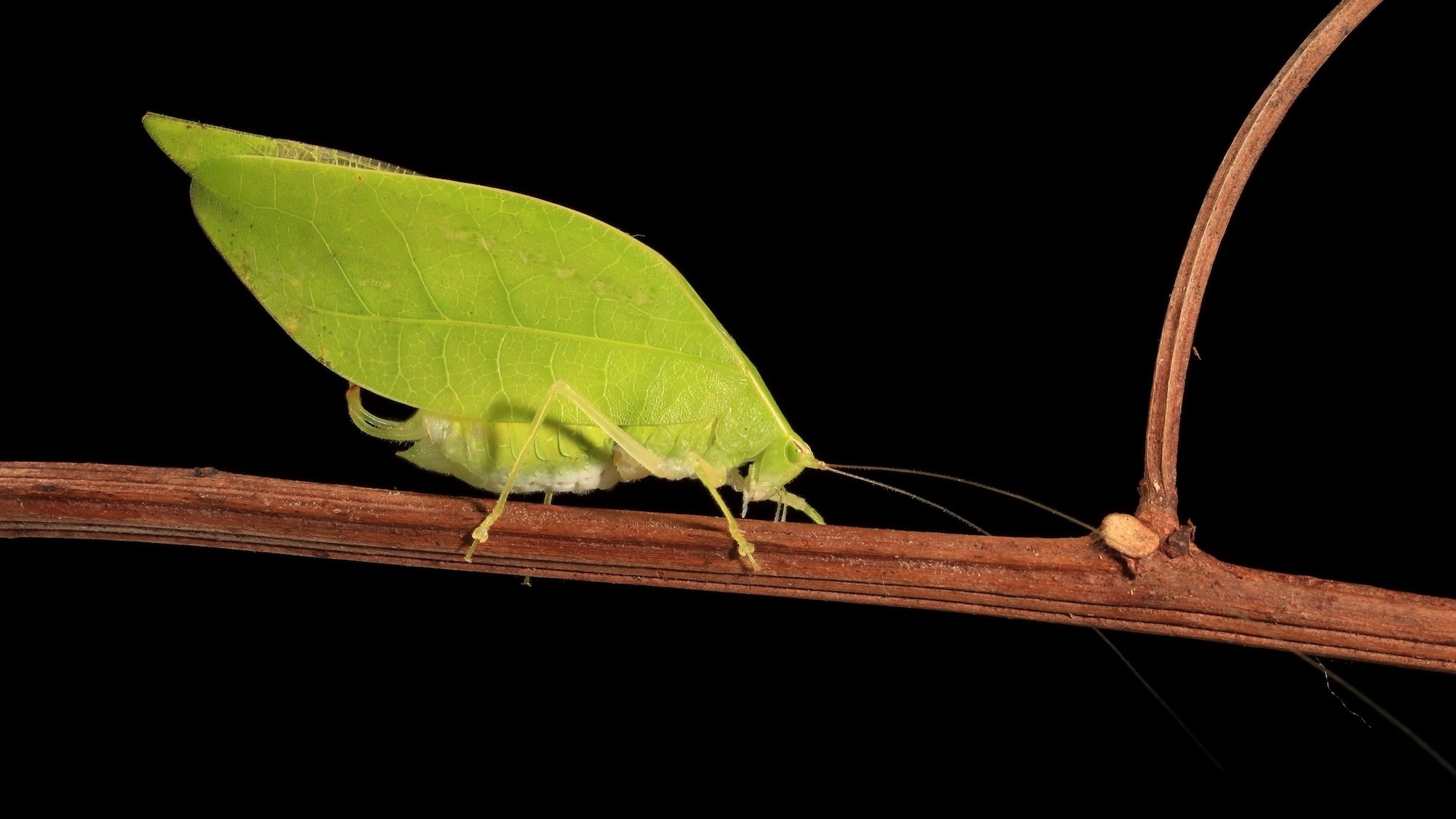
Usually used as a means of camouflage, male katydids appear to use their leafy disguise to amplify mating calls and make themselves more attractive to the opposite sex. The findings are detailed in a study published today in the journal Proceedings of the Royal Society B, and offer one of the first demonstrations of how leaf mimicry enhances a male katydids’ sexual signals. 

To shield themselves from predators, various species of katydids have evolved wings with structures that look like leaves. Panama’s leaf-masquerading katydids (Arota festae) will even change from green to hot pink in order to better mimic leaves. What’s been less clear to entomologists is whether or not these leaf-mimicking structures play a role in katydid mating. 

This new study looked at a species called Viadana brunneri from Barro Colorado Island, Panama. To attract mates, katydids create songs by rubbing together specialized structures on their wings. In many tropical species like V. brunneri, the portion that mimics leaves makes up the majority of their wing’s surface area.  

a green insect with a large, green wing that looks like a leaf hands upside down on a stick
Most of the wing structure is devoted to helping male katydids look more like a leaf. Image: Christian Ziegler.

Previously, scientists believed physical adaptations for survival and for attracting mates can function in conflict with one another, particularly if they are physically connected. A male peacock’s flashy tail feathers may help it attract a female, but it also makes it easier for predators to find them. Male katydids, on the other hand, are able to use the acoustic properties of the structures that they use for defense to their reproductive advantage. They are a rare example of how an adaptation for self-defence and reproduction can work together without necessarily putting the animal in jeopardy. 

The team performed a series of bioacoustic, behavioral, and biophysical experiments, showing that these leafy structures on their wings make them more attractive to females, while also helping conceal them. After removing the leafy portions of a male V. brunneri’s wings, the pitch became higher and the volume of their songs also changed. The team then played these calls for females who preferred the lower pitch calls from males with their leafy wing sections still intact. 

While male katydids do all the singing, females indicate their interest by replying to the song with clicks. The insects produce short, sporadic and infrequent calls, possibly for only two seconds in a single night. They perform these calls in ultrasounds, which our ears can’t pick up. They also found that the leafy portions of the male katydid wing will vibrate to amplify their songs, making them more detectable to females. 

“Our study provides a rare example of natural and sexual selection acting in harmony, producing traits that simultaneously improve survival and mating success,” Dr. Benito Wainwright, a study co-author and evolutionary biologist at the University of St Andrews, said in a statement. “We are now extremely excited to start exploring how such an interesting interaction evolved in katydids.” 

The post Big wings and sweet songs: The mating lives of Panama’s katydids appeared first on Popular Science.
  • ✇Popular Science
  • Mosquitoes can learn that DEET means dinner is served Laura Baisas
    Sunburn and mosquito bites go together in the summer like a hot dog and ketchup. To keep from becoming a mosquito buffet, most of us turn to bug sprays with DEET.  An acronym built from its scientific identification (diethyltoluamide), DEET was developed for the United States Army in 1946 and entered civilian use in 1957. It is generally considered safe when used as directed.  However, mosquitoes can learn to associate the repellant with food. They may even become attracted to it. The finding
     

Mosquitoes can learn that DEET means dinner is served

28 May 2026 at 15:00

Sunburn and mosquito bites go together in the summer like a hot dog and ketchup. To keep from becoming a mosquito buffet, most of us turn to bug sprays with DEET.  An acronym built from its scientific identification (diethyltoluamide), DEET was developed for the United States Army in 1946 and entered civilian use in 1957. It is generally considered safe when used as directed

However, mosquitoes can learn to associate the repellant with food. They may even become attracted to it. The findings are detailed in a study published today in the Journal of Experimental Biology.

“If someone applies DEET and the concentration fades over time, but a mosquito still manages to feed, the insect may begin associating that smell with a reward,” Clément Vinauger, a study co-author and biochemist at Virginia Tech, said in a statement. “That’s a possibility we should take seriously when we think about how repellents are used in the real world.”

Ace processors

Like it or not, Earth’s over 3,500 known mosquito species are pretty smart and an evolutionary wonder. They use sensory information to find hosts and can adapt to changing environments.

In previous studies, Vinauger’s team has shown that the insects remember and avoid hosts who swat them away, can combine smell and vision to precisely track humans, and even gravitate toward and away from the smell of certain soaps.

“Mosquitoes are remarkable at processing information about their environment,” Vinauger said. “What we are trying to understand is not only how they detect us, but how their brains interpret those cues and turn them into behavior.”

A DEET-covered dinner bell?

In this new study, the team focused on the yellow fever mosquito (Aedes aegypti). This species spreads several diseases to tens of millions of people each year, including dengue fever, Zika, yellow fever, and chikungunya.

The team trained mosquitoes using a form of Pavlovian conditioning. Often called “Pavlov’s dogs,” this training method developed by neurologist and physiologist Ivan Pavlov in the early 20th century was used to teach dogs to associate the sound of a bell ringing with food

The mosquitoes were restrained behind a piece of fabric mesh. They then offered the mosquitoes a bag of warm blood (yum) that was just out of the insects’ reach to see how enthusiastically the insects stabbed at it with their proboscises. As expected, the mosquitoes were interested in the blood, particularly when the team rewarded them by lowering the bag within reach. Things changed a bit once DEET entered the experiment. When the team offered the insects blood when surrounded by the scent of DEET, they initially stayed away from the potential feast.  

a mosquito handing on a piece of mesh covering a bag of blood
A female yellow fever mosquito (Aedes aegypti), feeding on a bag of warm blood. Image: Romina Barrozo.

To see if they could be trained to associate that smell with the dinner bell, the team fed the mosquitoes warm blood for 20 seconds, squirting the scent of DEET into the enclosure in the final 10 seconds of dining. They repeated the procedure three more times before noting how the mosquitoes responded to only the scent of DEET. In this trial, over 60 percent of mosquitoes tried to bite when they smelled DEET.  

To examine further, the mosquitoes were given a choice between two human hands. The hand belonged to study co-author Ayelén Nally of the University of Buenos Aires. One of Nally’s hands was coated with DEET at normal concentrations and the other was bare. The untrained mosquitoes avoided the DEET-treated hand, while the trained mosquitoes were drawn to it.

Interestingly, the mosquitoes could form that same association when sugar, instead of blood, was used as the reward. 

According to the team, they are seeing how the mosquito’s brain can rewrite its response based on their experiences. What they have learned matters just as much as what a chemical like DEET does. 

“If mosquitoes are repeatedly exposed to DEET, it becomes less effective as a repellent,” study co-author Claudio Lazzari from University of Tours in France added.

Keep the bug spray

Importantly, this does not mean you should stop using DEET completely. It is still one of the most effective ways to keep the dangerous insects away, particularly where mosquito-borne disease is common.

“If you’re in tropical regions where disease risk is real, you should use it,” Vinauger said. “Instead of applying a lot at once, you may want to reapply regularly so it’s always active and providing continuous protection.”

Treated clothing may also be a challenge since DEET concentrations in fabric decline over time. Additional study to understand their behavior is crucial for public health as mosquito-borne illnesses increase due to climate change

“We need to understand how mosquitoes keep outsmarting our control strategies,” Vinauger concluded. “And that takes understanding how they work—at the molecular level, the neural level, the behavioral level.”

The post Mosquitoes can learn that DEET means dinner is served appeared first on Popular Science.

  • ✇Popular Science
  • A ‘mystery beetle’ is devouring North Carolina’s precious blueberries Laura Baisas
    North Carolina’s blueberries may have a beetle problem. For the first time, scientists in the Tarheel State have documented the presence of Prionus imbricornus eating blueberry bushes. This longhorn beetle and its larvae can chomp their way through the state’s valuable blueberry fields. The findings are described in a study published this week in the Journal of Integrated Pest Management.  Blueberries are native to North Carolina, but were not cultivated until 1935. The state is the sixth lar
     

A ‘mystery beetle’ is devouring North Carolina’s precious blueberries

3 June 2026 at 15:14

North Carolina’s blueberries may have a beetle problem. For the first time, scientists in the Tarheel State have documented the presence of Prionus imbricornus eating blueberry bushes. This longhorn beetle and its larvae can chomp their way through the state’s valuable blueberry fields. The findings are described in a study published this week in the Journal of Integrated Pest Management

Blueberries are native to North Carolina, but were not cultivated until 1935. The state is the sixth largest blueberry producer in the United States, and the blueberry industry is valued at roughly $70 million. Protecting the plants from pests is crucial, as blueberries are considered one of North Carolina’s most valuable and desirable crops. 

Several species including the blueberry maggot (Rhagoletis mendax), plum curculio (Conotrachelus nenuphar), and cranberry fruitworm (Acrobasis vaccinii Riley) can threaten blueberry crops. The long-horned beetle P. imbricornus may now join their ranks. P. imbricornus is known for their long antennae and are considered wood-boring beetles. The adult females typically lay their eggs in the soil near the roots of hardwood trees. The larvae then eat and destroy the roots. These larvae can grow up to five inches long and potentially kill trees, since the adults don’t feed. 

a long yellow beetle larvae
P. Imbricornis larva. The larva, which can grow up to five inches long, feed on the roots of blueberry bushes. Image: Matt Bertone/NC State.

North Carolina is the first state to report that P. imbricornus is actively feeding on blueberry bushes. However, reports of unidentified larvae from the Prionus beetle genus feeding on and damaging blueberry bush roots go back to 2010. In the 16 years since, identifying the specific species responsible has been difficult since the larvae live near the roots of the plants. Different types of longhorn beetle larvae also look very similar, and not identifying a species can harm efforts to combat harmful bugs. 

“Before now, researchers often just assumed the species of Prionus on their commodities based on adult identification,” Kenneth Geisert, a study co-author and NC State graduate student, said in a statement. “If that guess was incorrect, it could mean using a treatment strategy that did not line up with the problem and incorrectly associating species and their hosts.”

For example, P. imbricornus attacks roots, but another longhorn beetle species may go after a tree’s dead branches or trunk. 

“Without knowing which species of beetle you’re dealing with and their ecology, incorrect management can cause adverse effects on non-target insects,” Geisert added.

For this study, the team used a series of black panel traps scented with sex pheromones to attract and gather adult beetles. The traps were placed at six farms across Pender, Sampson, Bladen, and New Hanover counties. The team then used a technique called genetic barcoding on the larvae to analyze small, standardized segments of their DNA to identify the species. They then compared the unknown larval sequences with the same genetic segments from known Prionus adults.

They matched the P. imbricornus with 98 to 99 percent accuracy. According to the team, this result is both good and bad news for farmers.

“On one hand, it’s very important that we know which species we’re dealing with,” said Lorena Lopez, a study co-author and entomologist at NC State. “On the other, North Carolina was the first state to ever report Prionus infestation in blueberries, and there are no insecticides currently labeled against this pest in blueberries.”

To address this shortfall, Lopez has begun insecticide trials. Pinpointing effective insecticides and timing during P. imbricornis reproductive cycles can potentially limit larval development. Fewer larvae could help prevent major root damage and provide blueberry farmers with an effective management tool to protect their crops. 

The post A ‘mystery beetle’ is devouring North Carolina’s precious blueberries appeared first on Popular Science.

  • ✇The Guardian World news
  • Britain’s favourite butterfly revealed – and it’s a familiar backyard beauty Patrick Barkham
    More than 20,000 votes cast in Butterfly Conservation’s poll of 60 native species to find nation’s favourite for first timeThe votes are in on Britain’s favourite butterfly, and it is one of the most ubiquitous yet spectacular backyard beauties that has flown to victory.With its lavender, yellow and maroon eye spots and luscious rusty red and black colouration, the peacock butterfly is both beautiful and commonplace, flying throughout spring, summer and autumn in all corners of the British Isles
     

Britain’s favourite butterfly revealed – and it’s a familiar backyard beauty

12 June 2026 at 04:00

More than 20,000 votes cast in Butterfly Conservation’s poll of 60 native species to find nation’s favourite for first time

The votes are in on Britain’s favourite butterfly, and it is one of the most ubiquitous yet spectacular backyard beauties that has flown to victory.

With its lavender, yellow and maroon eye spots and luscious rusty red and black colouration, the peacock butterfly is both beautiful and commonplace, flying throughout spring, summer and autumn in all corners of the British Isles.

Continue reading...

© Photograph: Mark Seal/Butterfly Conservation/PA

© Photograph: Mark Seal/Butterfly Conservation/PA

© Photograph: Mark Seal/Butterfly Conservation/PA

  • ✇Popular Science
  • Worker bees have power to pick their queen Laura Baisas
    While every bumble bee colony has a queen, the process for becoming that queen bee may be a bit more democratic than monarchical. The worker bees appear to select which baby will be queen one day, according to a new study published in the journal Insect Biochemistry and Molecular Biology. The key to this selection process lies in the juvenile hormone. This hormone in insects is responsible for their development, molting, and eventual reproduction. When the team gave the juvenile hormone to wo
     

Worker bees have power to pick their queen

19 May 2026 at 14:45

While every bumble bee colony has a queen, the process for becoming that queen bee may be a bit more democratic than monarchical. The worker bees appear to select which baby will be queen one day, according to a new study published in the journal Insect Biochemistry and Molecular Biology.

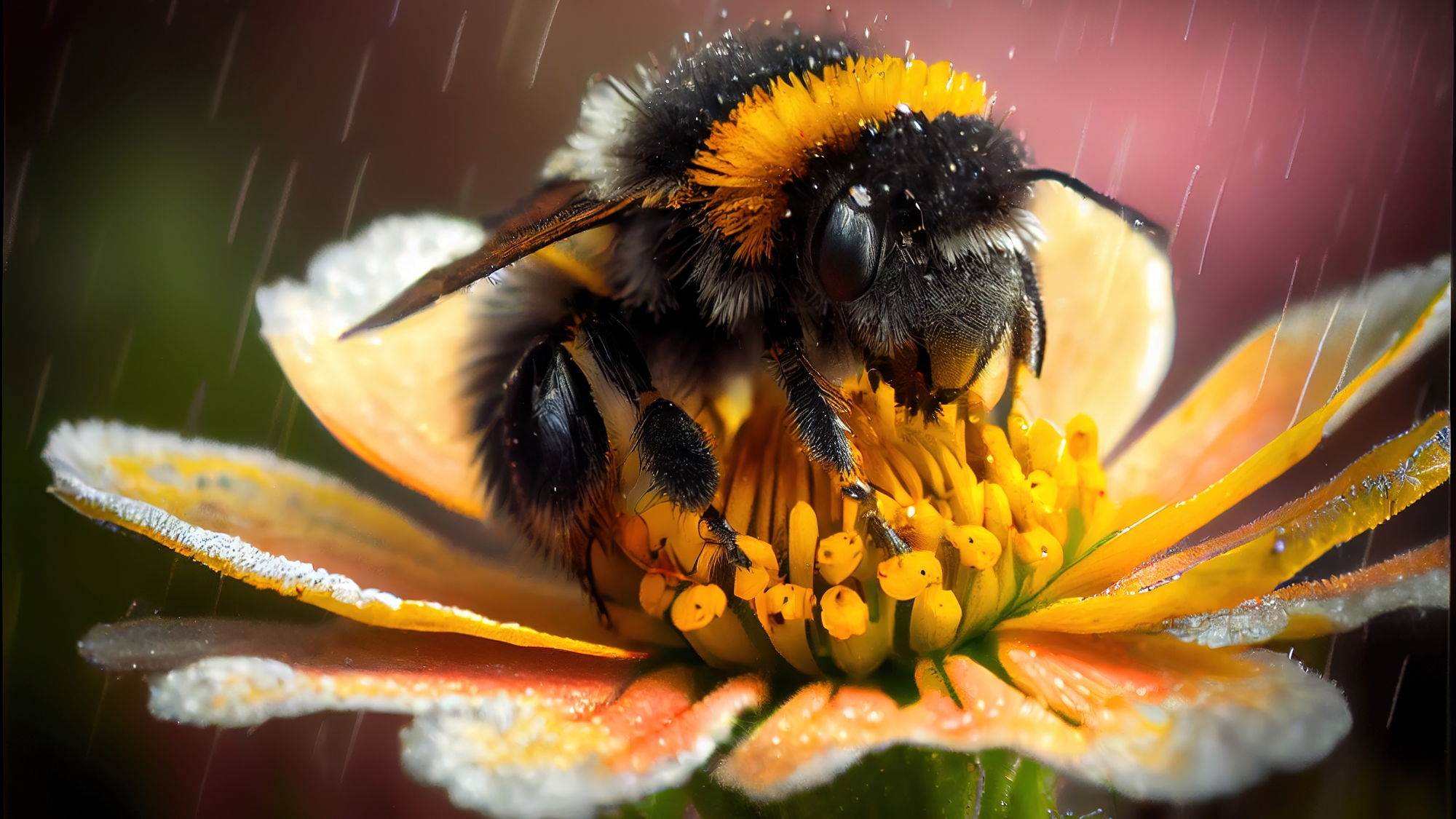
The key to this selection process lies in the juvenile hormone. This hormone in insects is responsible for their development, molting, and eventual reproduction. When the team gave the juvenile hormone to worker bees, they passed it along to all of the larvae in the colony through feeding. The more juvenile hormone the larvae received, the more likely they were to become queen. 

According to the team, this is the first study to show that bumble bee caste is determined by the workers and shifts our understanding of bee colony dynamics. Instead of a top-down hierarchy, the colony appears to be a more decentralized system, where the caregivers and workers can alter the future of baby bees. 

Less like Mean Girls?

Understanding the fate of the bee larvae is key to understanding their social behavior. Their whole system relies on a division of reproductive labor—some females will reproduce, while the others help. 

“Since all these females share the same DNA, it’s a striking example of how the same genotype can produce very different forms,” Etya Amsalem, a study co-author and entomologist at Penn State, said in a statement. “It’s also a practical question since bumble bees are important for pollination, so knowing how to produce queens could improve commercial breeding and management.”

In addition to their different social roles, queen bees and worker bees are also very different physically. Bumblebee queens are larger, live longer lives, and will reproduce. Worker bees are smaller in stature and do not reproduce or live as long.

While it was clear that hormones were involved in how workers determine the queen, the exact mechanisms behind it were more vague. 

“A single female egg in bumblebees holds the blueprint for two completely different life paths: the giant, reproductive queen or the small, sterile worker,” added study co-author and postdoctoral researcher Seyed Ali Modarres Hasani. “We wanted to understand what triggers the change in the female life trajectory, when does it happen and who controls the process.”

A matter of hormones

In the study, the team used three worker bees and a cluster of larvae. They applied juvenile hormone at different doses and times, and administered it either to workers or directly to larvae. They then traced the hormone’s movement, measuring  larval mass and recording which individuals became queens or workers.

“Every colony will produce many new queens at the end of the season,” Amsalem said. “These queens will leave the colony, mate and go into winter diapause, and then each queen will start a new colony in the next spring. In that sense, producing as many queens—and males—at the end of the season is the ultimate purpose of the colony.”

When the juvenile hormone was applied directly to the larvae, not only did they not turn into queens, but the worker bees ended up eliminating most of these larvae.

When the workers were treated with the juvenile hormone, they put it into the food that they make for the larvae. These larvae then ingested the hormone, and were heavier and much more likely to become queens.

“We also determined that larvae are only sensitive to this hormone on days seven and eight of their development,” Hasani said. “By tracing the juvenile hormone, we saw that the workers pass the hormone into the food they make from nectar and pollen.”

Queen development and the colony’s future

These results suggest that queen production is linked to how the colony progresses through the summer’s warmer months until it eventually collapses in the fall.

“Bumblebee workers do not reproduce when the colony is young, but they can activate their ovaries and produce males as the colony ages, which causes an increase in juvenile hormone levels,” Amsalem said. “As a result, over time, they feed larvae more of the hormone. When enough workers do this simultaneously, usually towards the end of the season, larvae receive doses that are high enough during the critical window to develop into queens.”

These results could help improve bee colony management at a hormonal level, explain how complex insect societies evolve, and how hormonal signals interact to shape colony structure.

The post Worker bees have power to pick their queen appeared first on Popular Science.
  • ✇Colossal
  • Meticulously Detailed Natural Specimens by Marisa Aragón Ware Emerge from Paper Kate Mothes
    Marisa Aragón Ware grew up wandering through the Rocky Mountain forests of Colorado, where she reveled in nature’s diversity. There, she learned about woodland wildflowers, fungi, birds, and more with the help of her dad, who is a scientist. Over time, her fascination with organic forms made its way into an evolving art practice. Based in Boulder, Ware continues to spend time in the woods, taking inspiration from flora and fauna alike. Through a meticulous process of cutting and scoring pa
     

Meticulously Detailed Natural Specimens by Marisa Aragón Ware Emerge from Paper

2 June 2026 at 20:44
Meticulously Detailed Natural Specimens by Marisa Aragón Ware Emerge from Paper

Marisa Aragón Ware grew up wandering through the Rocky Mountain forests of Colorado, where she reveled in nature’s diversity. There, she learned about woodland wildflowers, fungi, birds, and more with the help of her dad, who is a scientist. Over time, her fascination with organic forms made its way into an evolving art practice.

Based in Boulder, Ware continues to spend time in the woods, taking inspiration from flora and fauna alike. Through a meticulous process of cutting and scoring paper, she creates delicate curves to imitate the volume of leaves or bones and defines feathers, insect wings, and petals with precise veins and edges.

a white paper relief of an animal skull amid foliage against a dark background

Paper became Ware’s medium of choice because she finds beauty and awe in a material we use so often in daily life that we hardly give it a second thought. “Paper is deeply familiar—everyone has handled it, written grocery lists on it, folded it, torn it, discarded it,” she tells Colossal. “Because it’s such an everyday material, there’s something especially powerful about transforming it into something unexpected.”

Biodiversity and ecosystem interdependence are themes running throughout Ware’s work, and she’s especially interested in the theory of biophilia. The hypothesis posits that humans inherently seek connections with nature on multiple levels. “Our need for nature extends far beyond physical survival; it also nourishes imagination, spirituality, and our sense of meaning,” Ware says. “Through my sculptures, I hope to create moments of wonder that help viewers reconnect with that ancient relationship and perhaps feel more compelled to protect it.”

Precision and control are key in Ware’s practice, but she has recently been privileging experimentation and a loosening-up of her approach. “I’ve been asking myself what may have been lost in the process of becoming technically skilled and how I can return to a beginner’s mindset without abandoning the abilities I’ve spent decades developing,” she says. “That questioning has led me to incorporate new processes and materials, including cyanotypes, allowing myself to work in ways that are less controlled, more intuitive, and more exploratory.”

Ware’s work is included in Common Waters at Arch Enemy Arts, which opens on June 5. See more on Ware’s Instagram. You might also enjoy Manabu Kosaka’s hyperrealistic paper sculptures of retro technology.

a white paper relief of a flying bird against a dark background with ferns and the moon
a white paper relief of a phoenix in front of an Islamic window with flowers
a white paper relief of a luna moth against a red background
a white paper relief of a ram's skull amid foliage
a white paper relief of six moths against a teal background
a white paper relief of a grasshopper on a leaf against a teal background with a red sphere
a white paper relief of a dragonfly against a dark background of the moon
a white paper relief of a bee and some foliage on a wooden table with cutting tools

Do stories and artists like this matter to you? Become a Colossal Member today and support independent arts publishing for as little as $7 per month. The article Meticulously Detailed Natural Specimens by Marisa Aragón Ware Emerge from Paper appeared first on Colossal.

  • ✇Colossal
  • Jake Messing’s Hyperrealistic Paintings Celebrate the Abundance of Nature Kate Mothes
    “The world hums with beauty and danger, harmony and discord,” says Jake Messing. “We walk through these shifting currents every day. For as long as I can remember, I have turned toward the natural world—studying its patterns, its relationships, its quiet lessons.” In highly detailed, hyperrealistic paintings, the Northern California-based artist explores nature as a reflection of our inner lives. Abundance and beauty are sometimes confronted with tension and discomfort, and through nature,
     

Jake Messing’s Hyperrealistic Paintings Celebrate the Abundance of Nature

7 May 2026 at 16:00
Jake Messing’s Hyperrealistic Paintings Celebrate the Abundance of Nature

“The world hums with beauty and danger, harmony and discord,” says Jake Messing. “We walk through these shifting currents every day. For as long as I can remember, I have turned toward the natural world—studying its patterns, its relationships, its quiet lessons.”

In highly detailed, hyperrealistic paintings, the Northern California-based artist explores nature as a reflection of our inner lives. Abundance and beauty are sometimes confronted with tension and discomfort, and through nature, “I question the fears and unspoken rules that shape us,” Messing says.

A hyperrealistic, detailed still life painting of florals, succulents, and birds
“Coccinellidaes Hideaway 2”

Working in acrylic on canvas, the artist composes otherworldly vignettes of flora and fauna, often uniting creatures and plants in situations we’d be unlikely to encounter in the real world. Yet these dense, maximal clusters of succulents, insects, blossoms, birds, and other creatures summon what Messing describes as both “chaos and grace” in a vibrant meditation on ecosystems, interdependency, and biodiversity.

In an art historical sense, these works certainly nod to the meticulously detailed Dutch Golden Age oil paintings of the likes of Rachel Ruysch and Jan Brueghel the Elder, which were also typically set against deep backgrounds. Employing a bit of memento mori—a reminder of the inevitability of death—these often incorporated wilting petals and other nods to decay.

Messing taps into this tradition, yet he emphasizes full-blooded vivacity. Every floret and frond is bursting with life, while the occasional playful color gradient, bubbles, or shiny fabric place these compositions firmly in our time. “Through my work, I seek to bring the outside in, to honor the wildness that surrounds us, and to reveal the beauty and danger, the decay and renewal, that bind our outer and inner worlds together,” he says.

See more on the artist’s Instagram.

A hyperrealistic, detailed still life painting of florals and bubbles
“Bubbles and Blooms”
A detail of a hyperrealistic, detailed still life painting of florals and bubbles
Detail of “Bubbles and Blooms”
A hyperrealistic, detailed still life painting of florals with a prismatic color gradient
“Visible Light”
A hyperrealistic, detailed still life painting of florals and barn swallows
“Swarms and Swallows”
A highly detailed painting of a menagerie of blue jays and an eagle in a jumble against a white background
“Azure Guard”
A detail of a highly detailed painting of a menagerie of blue jays and an eagle in a jumble against a white background
Detail of “Azure Guard”
A highly detailed painting of a menagerie of wild animals and flora in a jumble against a black background
“Beasts and Beauty”
A hyperrealistic, detailed still life painting of florals
“Sequined Spring”
A hyperrealistic, detailed still life painting of florals
“Foiled Florals”

Do stories and artists like this matter to you? Become a Colossal Member today and support independent arts publishing for as little as $7 per month. The article Jake Messing’s Hyperrealistic Paintings Celebrate the Abundance of Nature appeared first on Colossal.

  • ✇Popular Science
  • Mayflies have crazy, acrobatic sex Margherita Bassi
    Researchers studying copulation in mayflies pulled off a stunt worthy of the naughtiest ancient Greek myths. Just like Hephaestus used an unbreakable net to trap his wife Aphrodite and her lover Ares in the middle of their adulterous act, a team of scientists in Germany deployed a long-handled net to catch mating insects, and then used freezing spray to preserve the moment for study.  And that’s not even the strangest part of the study titled, “When mayflies have an erection: functional morph
     

Mayflies have crazy, acrobatic sex

9 May 2026 at 14:32

Researchers studying copulation in mayflies pulled off a stunt worthy of the naughtiest ancient Greek myths. Just like Hephaestus used an unbreakable net to trap his wife Aphrodite and her lover Ares in the middle of their adulterous act, a team of scientists in Germany deployed a long-handled net to catch mating insects, and then used freezing spray to preserve the moment for study. 

And that’s not even the strangest part of the study titled, “When mayflies have an erection: functional morphology of the genitalia in Ecdyonurus.” 

Frozen in the act

Mayflies are a group of strange winged insects with dramatic life cycles. They live as larvae in freshwater for most of their lives. When they finally become adults, they stop eating (their gut closes off and turns into a balloon) and they exist to fulfill a single mission—sex. 

Before the Insect Systematics and Diversity study, researchers knew very little about mayfly mating. It’s easy to see why, since the act is fast and it takes place mid-flight,  in the air. The team was clearly undeterred in their quest to understand the intimate affairs of much smaller beings.

The team collected Ecdyonurus venosus mayflies in Germany’s Black Forest. There, they used a long-handled net to catch copulating pairs. Unsurprisingly, most of the captured duos split up right away. Those that didn’t, however, would experience the literal meaning of Dolly Parton’s hit song “I Will Always Love You.” The team then shock-froze them with freezing spray and preserved them in ethanol.

a man holding a large bug net by a lake
Benedict Stocker shock-freezing a copulating pair of mayflies in a net. Image: A. Staniczek / SMNS.

The researchers then used synchrotron X-ray microtomography (µCT) at the synchrotron particle accelerator of the Karlsruhe Institute of Technology, producing images for a digital 3D model. 

“The aim of the present work is to clarify the function of genital interactions during copulation in the mayfly genus Ecdyonurus,” the team wrote in the study, “and to unravel the mechanisms that lead to the change in the penis configuration during mating.”

Yes, you read that right. Their penis changes—and the males sort of have two of them. 

A tale of two penises

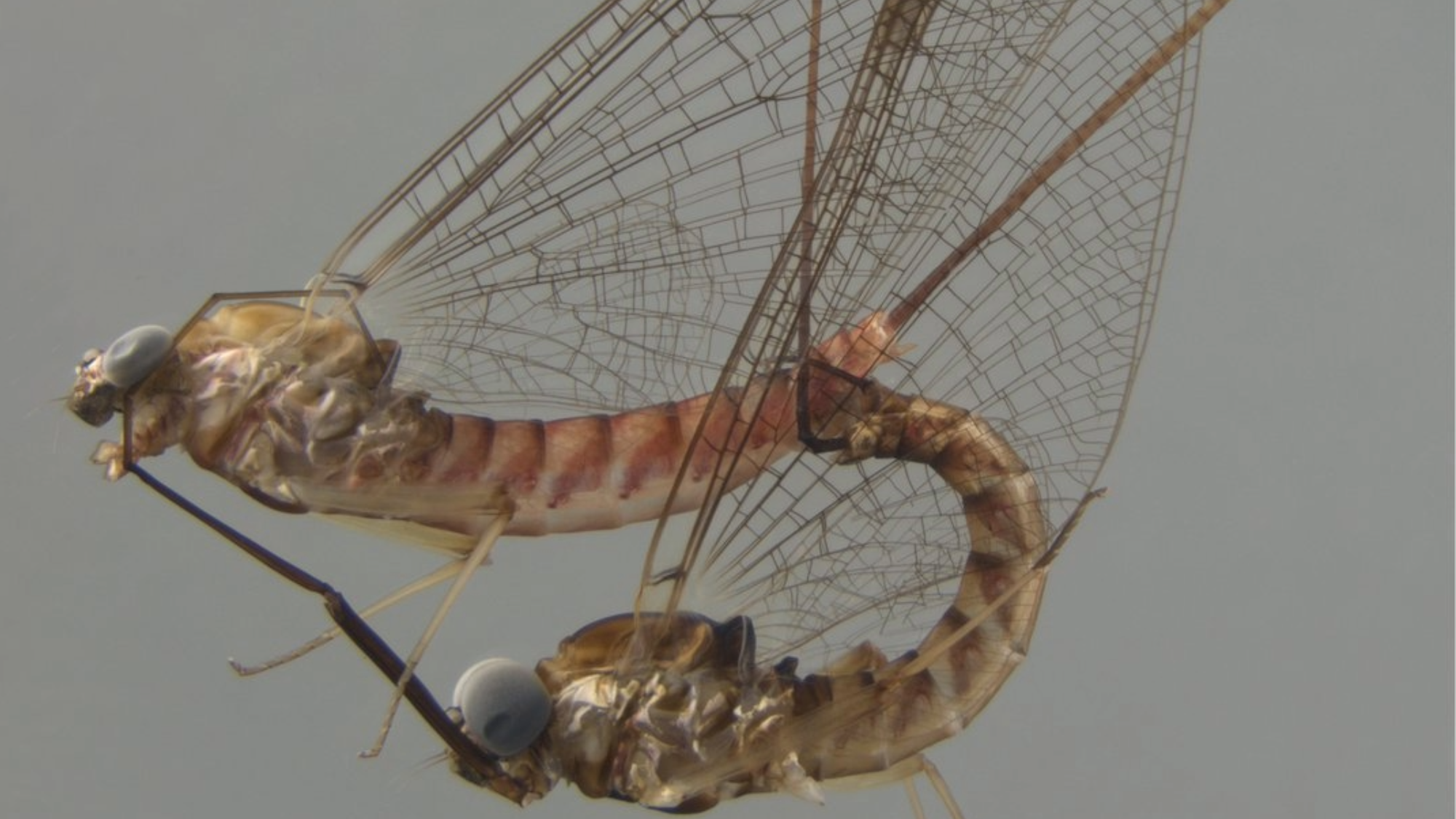
Mayfly sex is of a shockingly acrobatic dynamic. Males swarm over bodies of water to seduce females. When a female introduces herself into the fray, the copulation occurs immediately and in midair. The male attaches onto the female from below, using forelegs to hold onto the bases of her wings, and then bends his abdomen up and over. He also uses specialized genital forceps called claspers to secure his grip. Mating can now take place. 

Females have a copulatory pouch that opens towards the back. Males have two separate penis lobes that have spines in between them and claspers on both sides of the “paired penis.” Similarly to the claspers, the spines keep the paired penis in place during mating. 

Male (left) and female (right) of the mayfly species Ecdyonurus venosus, body length approx. 1.2 cm.
Male (left) and female (right) of the mayfly species Ecdyonurus venosus, body length approx. 1.2 cm. Image: Copyright: A. Staniczek / SMNS.

“µCT scans show that the penis changes shape during mating powerful muscles cause[ing] a deformation of the penis shaft, making the penis lobes fold over. At the same time, the penial spines extend and prick into the thin membrane of the female’s copulatory pouch,” per a statement. “This stretches the pouch so that it can receive large amounts of sperm, which are stored in a folded membrane at the front of the copulatory pouch.”

As if mayfly mating wasn’t complicated enough, other males frequently attempt to steal the female, so male mayflies’ sturdy attachment is doubly useful. Once the mating is done, however, the couple doesn’t get to celebrate their achievement for long. 

Researchers don’t know if they mate multiple times, but not much time passes before the males die of exhaustion from the swarming flight. The females lay the fertilized eggs in upstream water—and then also die. 

The post Mayflies have crazy, acrobatic sex appeared first on Popular Science.
  • ✇Popular Science
  • 61 new beetles discovered in China Margherita Bassi
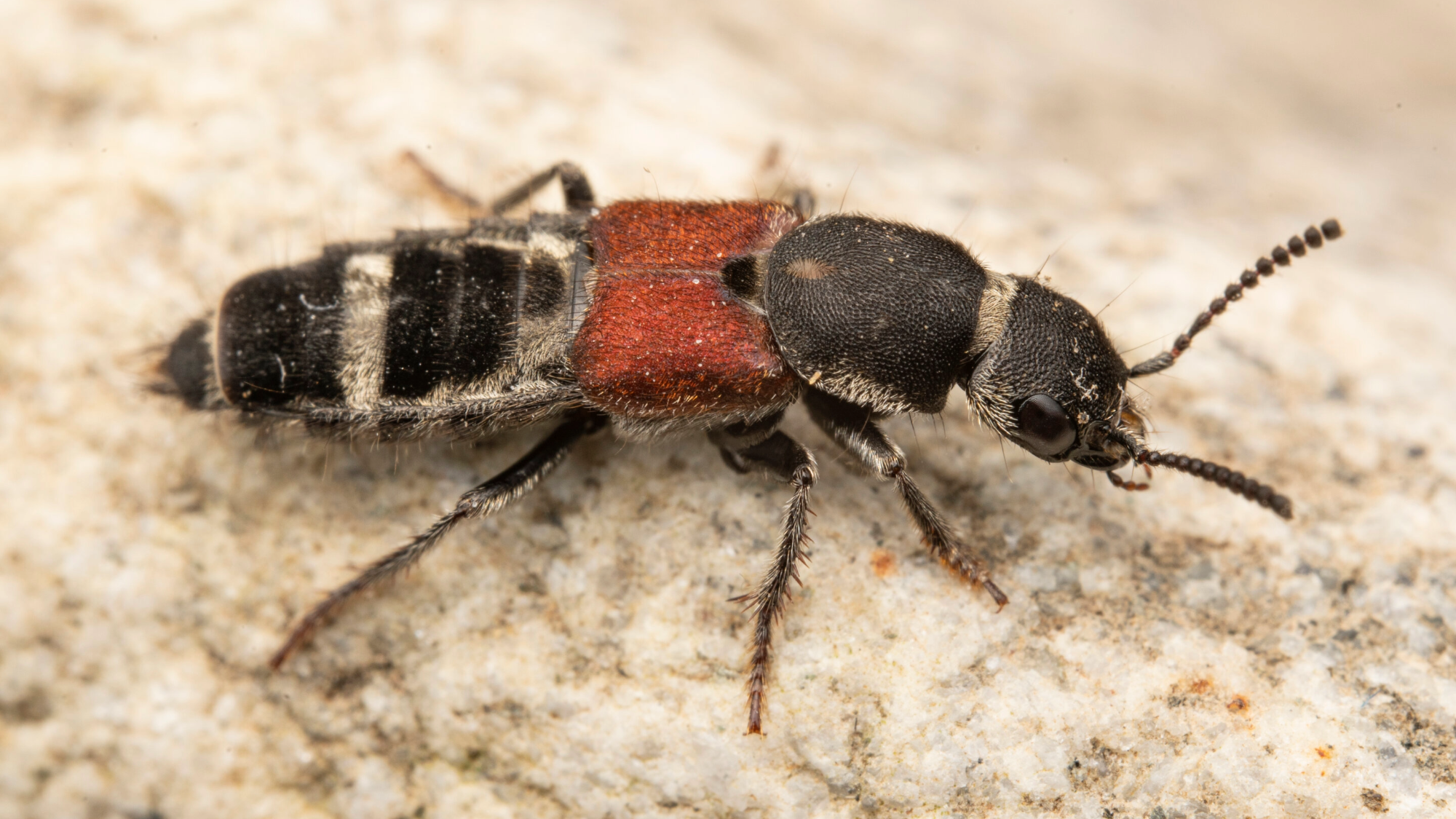
    As if we needed reminding, new research documenting dozens of previously unknown insect species highlights just how little we know about our fellow planet-dwellers.  For the first time, researchers have comprehensively revisioned the Platydracus genus of beetles in China. Meaning flat dragon, Platydracus is a genus of rove beetles. In this new review, the team recorded over 100 species, a majority of which are new to science. Their work highlights how it’s not just the small and bland species
     

61 new beetles discovered in China

18 May 2026 at 13:00

As if we needed reminding, new research documenting dozens of previously unknown insect species highlights just how little we know about our fellow planet-dwellers. 

For the first time, researchers have comprehensively revisioned the Platydracus genus of beetles in China. Meaning flat dragon, Platydracus is a genus of rove beetles. In this new review, the team recorded over 100 species, a majority of which are new to science. Their work highlights how it’s not just the small and bland species that get overlooked in taxonomic work—sometimes, even large and colorful animals go unnoticed. 

In fact, these beetles are pretty large (frequently several centimeters long) and a lot of them mimic wasps or have bright colors. And yet, many of them have either gone completely unnoticed in the wild or sat for years unidentified in museum collections.

“It is striking that so many new species can remain hidden among large and colourful beetles. It shows how little we actually know about biodiversity and that even highly visible species can still go unnoticed,” Alexey Solodovnikov, senior author of the study recently published in the journal Insect Systematics and Diversity, said in a statement

Solodovnikov is a systematic entomologist at the University of Copenhagen who studies rove beetles. His team’s work puts a spotlight on the Linnean shortfall, or the difference between the number of scientifically named and described species and the number of species that exist in reality. 

six new beetle species with yellow and brown stripes
Comparison of two newly discovered Platydracus species and one previously known species. Image: Natural History Museum Denmark

For example, Platydracus is part of the rove beetle family Staphylinidae. This large family consists of approximately 70,000 known species, though researchers estimate that these are only 20-25 percent of the actual number of rove beetle species. More broadly, there are about 925,000 formally described insect species. This number is shockingly low compared to how many insect species exist, which is estimated at over five million. What’s more, even the species we do know are frequently insufficiently recorded, according to the study. 

The team also rectified some mistakes, which included cases of species having been described based on, per today’s taxonomic standards, too little knowledge. 

“Many species were originally described on a very limited basis. With more collected specimens and modern methods of examination, we can now test and refine earlier species delimitations while adding new species to nature’s mosaic,” Solodovnikov explained. “This gives us a much more accurate picture of biodiversity, which is crucial both for our understanding of nature and for our ability to protect it.” 

The researchers closely studied the beetle’s bodies and used DNA barcoding—a method that uses an organism’s genetic sequence to recognize the species. They found that sometimes species can look very different despite having the same DNA markers. The oppositescenario—having different DNA markers, but appearing very similar—can also happen.

Ultimately, the study stands as a reminder that we still have a long way to go in mapping out all the life that we share the planet with.

The post 61 new beetles discovered in China appeared first on Popular Science.

❌
Subscriptions