 Login
LoginG-ANMO de Havilland DH.82a Tiger Moth K4259
17 May 2026 at 19:57


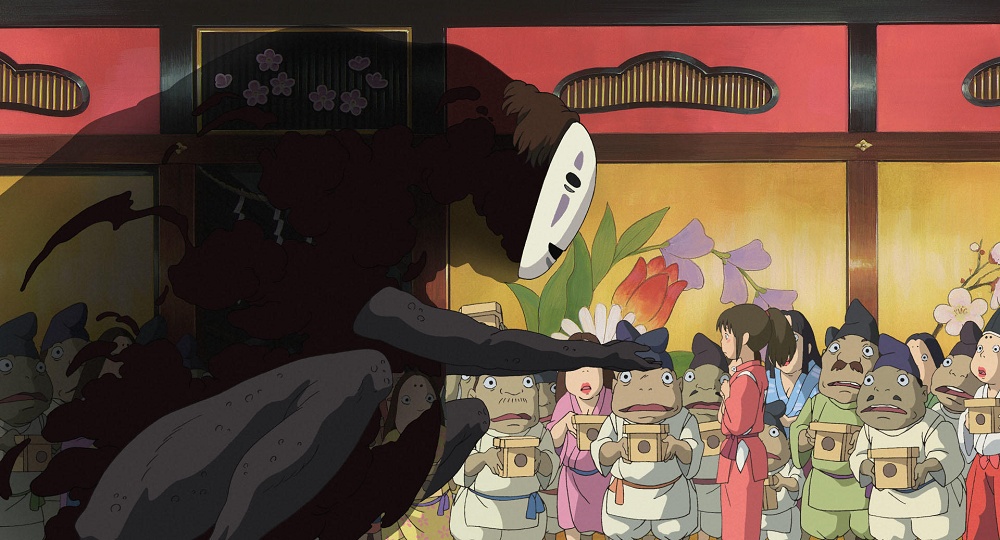

Three years after being acquired by Nippon TV, there’s a shakeup at the top levels of Ghibli’s leadership.
Between its unparalleled commitment to anime artistry and larger-than-life creative keymen, it can be easy to forget that Studio Ghibli still is a company. So while the animators and designers play crucial roles in producing what we see on screen, they’re not the ones running the place. Studio Ghibli does have a president, and the current one is going to step down next month.
Studio Ghibli announced through its official website that Hiroyuki Fukuda will be leaving his position as president as of the Ghibli shareholders meeting next month. The 64-year-old Fukuda has been the president and representative director of Studio Ghibli since 2023, and currently concurrently holds the position of president and representative director of Nippon Television Holdings, the Japanese TV broadcaster who acquired Ghibli as a subsidiary the same year that Fukuda became the studio’s president.
Stepping in to replace Fukuda will be 51-year-old Kenichi Yoda. Like Fukuda, Yoda simultaneously is simultaneously a high-ranking executive in both Studio Ghibli and Nippon TV, having a seat on Ghibli’s board of directors since 2023 and also listed as a “general specialist” within Nippon TV’s Content Strategy Division, a combination that’s kept him heavily involved in planning and coordinating events such as exhibitions, concerts, and stage play adaptations for Ghibli’s anime works.
Aside from Fukuda’s departure from Ghibli and Yoda’s promotion within it, the studio is not planning any other changes to its upper leadership structure, meaning that co-founder and anime director Hayao Miyazaki will continue as honorary chairman of the board, veteran producer Toshio Suzuki as representative director and chairman of the board, and Goro Miyazaki as managing director. As such, Ghibli’s philosophy towards animation production and storytelling is unlikely to drastically change as a result of it getting a new president, and the more likely effect would be increased attention given to events and collaborations of the sort Yoda has been handling, which would be in keeping with Ghibli’s recent shift towards showcasing its legacy as opposed to producing new feature-length anime movies.
Yoda is scheduled to become Studio Ghibli’s president on June 22.
Source: Studio Ghibli
Top image: Studio Ghibli
● Want to hear about SoraNews24’s latest articles as soon as they’re published? Follow us on Facebook and Twitter!

At a friend’s cottage I recently uncovered a copy of The Reptiles of Ontario published in 1939 by the Royal Ontario Museum of Zoology. It’s an artifact that thrills with the mention of the extraordinary nature once found near human settlement.
It says that, in 1877, a timber rattlesnake, a species now extirpated from Ontario, was discovered a mile from Niagara Falls and even into the late 1930s this large snake—which can be five feet or longer—was found at Niagara Glen.
The spiny soft-shelled turtle, now endangered, once occurred in Hamilton Bay. The spotted turtle, also endangered, was in the 1930s common around Lake Erie. The eastern hog-nosed snake, currently threatened, was in 1907 found in Toronto.
The book’s most uplifting section is devoted to the Massasauga rattlesnake. The author, E.B.S. Logier, offers it a measure of empathy. In fact, he hints that it has intrinsic value.
This is extraordinary given that it’s long been reviled in the province. From the time of early settlement on, many considered it dangerous. Elizabeth Simcoe, wife of the first lieutenant-governor of Upper Canada, wrote in her diary in the 1790s that 700 rattlesnakes were killed during the building of a mill on the Humber River.
Logier laments that the creature is rarely seen and adds, “There will be multitudes of serious-minded people in the generations yet to come who will wish to see and study rattlesnakes…so there is a responsibility incumbent on us who are living today, and who by the very nature of the case are trustees of an estate to be passed on, not to wantonly destroy any living thing, regardless of whether from our point of view it is a desirable creature or not.”
Logier says we should protect rattlers because it would benefit humans: future Ontarians may want to experience them. But by urging their preservation even if they aren’t desirable ‘from our point of view’ he also suggests wildlife has inherent worth. It’s his use of ‘our point of view’ — coming decades before the modern environmental movement — that’s impressive here.
Further, in calling us “trustees of an estate”, he implies our job is not to exploit the natural world but to safeguard it. This echoes the message and conservation work of Ontario Nature, which reminds us that the environment is entrusted to us for future generations, not as something to own, but as something to steward.
Logier isn’t ready to grant the Massasauga constitutional rights (what might be called “security of the serpent”), but he’s gesturing in that direction.
And given he was writing 87 years ago, that’s admirable.

SAO PAULO, June 2 — Brazilian teenager Leo Veiga had almost given up on his dream of becoming a professional footballer when artificial intelligence helped him secure a spot in the youth ranks of an Italian club.
Tech companies promising to “democratise” football are launching apps that allow young players to upload videos recorded on their phone of them showcasing their ball skills.
AI is then used to analyse and score their performance, which is sent to scouts and clubs.
The 18-year-old Veiga was stuck playing for a small club in his home state of Santa Catarina in southern Brazil when he discovered one of these apps, from Swiss company Footbao.
A YouTube video offered the highest-scoring users to train for a few days with the Italian club Lecce. Veiga was selected and caught the eye of a scout, who decided to take a chance on him.
“AI opened a new door,” he told AFP from Italy, where he is now under contract with the youth academy of the club Spezia, which plays in Italy’s second division.
“I thought, ‘I’m going to download the app and give it a try. If nothing happens, it doesn’t matter because nothing else is working out for me. But what if something does happen?’” he said.
Footbao works with videos from matches and training sessions, while another tech company in the field, German firm CUJU, uses videos of drills suggested to users through the app.
‘Untapped potential’
Around 120,000 players have used the Footbao app, most of them in Brazil, the world’s largest exporter of football talent.
“There are probably between 14,000 and 15,000 players with the potential to join clubs or academies,” chief executive Nick Rappolt told AFP.
The company, founded in 2023, also operates in Colombia and Argentina and plans to expand into other South American countries.
According to Rappolt, AI can “democratise” football by helping identify talent that lies outside the radar of major development centres.
CUJU’s app, meanwhile, was launched last year and has been downloaded around 160,000 times.
“Professional clubs have huge databases, but they mostly contain players who have already been scouted. There is no reliable data on talent at the earliest stages,” Sven Muller, CUJU’s marketing director, told AFP.
The goal, he said, is to turn “simple videos recorded on a phone” into “reliable performance data.”
‘Boost to women’s football’
In Sao Paulo, Marcela Geremias de Lima repeatedly kicks a ball against a wall, one of the exercises proposed by CUJU, which focuses on technical skills such as ball control and speed.
After using the app, Marcela was invited to youth tournaments organised by the company in front of scouts.
She eventually earned a place in the Under-15 side of Corinthians, a powerhouse of South American women’s football with six Copa Libertadores titles.
The exercises “help you improve” and mean “you can be seen from anywhere in the world,” she said.
Brazil will host the 2027 Women’s World Cup, an event that could help drive the recruitment of young female players.
The Brazilian club Santos, associated with star players like Pele and Neymar, in December announced a deal with Footbao to help identify young prospects.
It is a way to “expand our search for athletes,” club president Marcelo Teixeira said.
Top prospects are usually recruited from a very young age, but AI can give a boost to players who might otherwise go unnoticed, according to Joao Paulo Sampaio, head of youth development at Palmeiras, where international talents such as Endrick and Estevao came through the ranks.
“I receive between 30 and 40 videos every day,” Sampaio told AFP, adding that tech companies that carry out “a first round of pre-selection” represent “a new tool,” although the Sao Paulo club does not currently work with these firms. — AFP
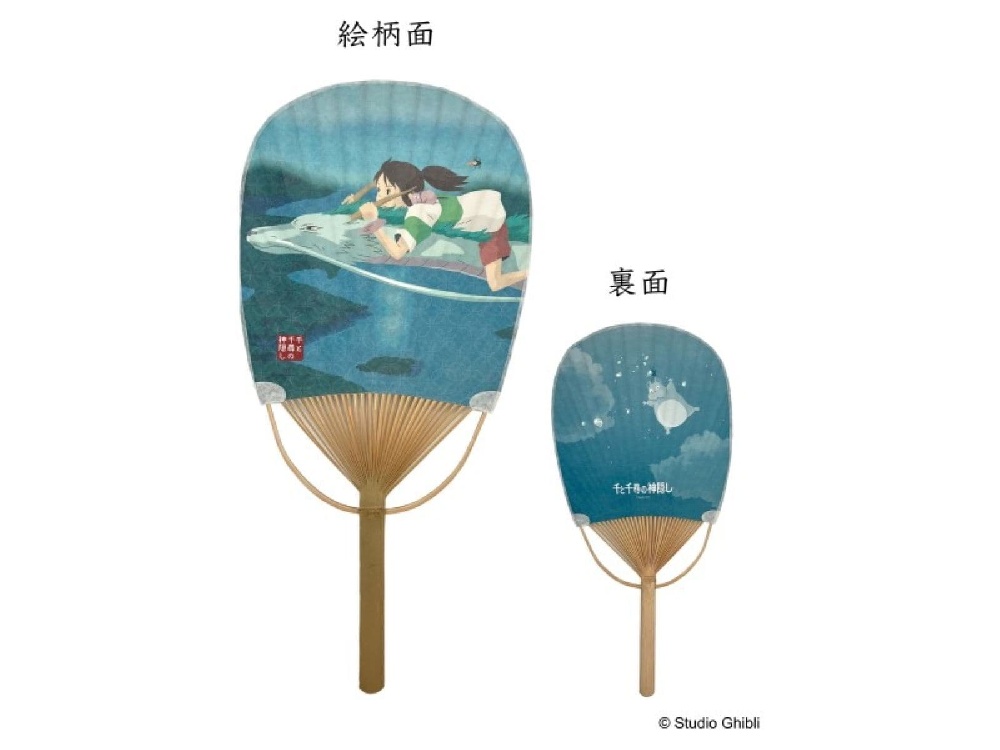
Totoro and friends want to keep you cool and smiling this summer with these traditional non-folding fans.
Summer presents a bit of a conundrum in Japan. On the one hand, it’s not a matter of if the weather will be hot and humid, but whether it’ll be extremely or just very hot and humid. At the same time, summer is full of festivals, fireworks shows, pop culture events, and even beautifully blossoming flowers, so there’s tons of fun to be had if you can find a way to cope with the heat.
And if you have a fun way to do so, all the better, right?
Filling that role nicely are these fans from Studio Ghibli specialty store Donguri Kyowakoku. This type of fan is called an uchiwa, and because they have an easy-to-grip handle, it’s easier to generate a cooling breeze with uchiwa than with than sensu (folding fans), making them a classical summer lifesaver.
The Ghibli uchiwa are made from bamboo frames and textured paper. A total of four designs are available, representing two of Ghibli’s greatest hits and with unique artwork on each side. On the fan above, we see Spirited Away’s Chihiro riding through the sky on Haku in his dragon form on the front, and when you flip the fan over, you can see Mouse Boh and Haedori having a somewhat less elegant flight.
Also here from Ghibli’s Oscar-winner is No Face, which is fitting since uchiwa are said to be shaped like koban, Japan’s traditional oval gold coins. The back of the No Face fan bares the kanji for Abura, as in the Aburaya bathhouse of the gods where most of the movie takes place, along with illustrations of some of the establishment’s more prominent patrons.
No Ghibli movie captures the vibes of a carefree summer day like My Neighbor Totoro, though, and so it’s also part of the lineup, with one of its designs featuring sisters Mei and Satsuki along with the Catbus.
▼ The back of the fan reveals that the Catbus leaves adorable pawprints behind as it scampers around the countryside.
And finally, the fourth fan shows a gathering of all three Totoros, big, medium. And small, with them dancing under fireworks and the kanji for matsuri (“festival”) on the back.
The fans are all 17 centimeters (6.7 inches) in width and 37 centimeters in length, with the exception of the Catbus uchiwa which is just a bit longer at 37.5 centimeters. The long handles make them easy to tuck into a tote bag or slide into the sash of a summer kimono, and since uchiwa don’t fold up, they also work great as interior decorations, since they’re essentially little mini posters that you can also use to make a breeze. All four of the fans are priced at 880 yen (US$5.70) and recently restocked at Donguri Kyowakou, with online orders available here.
Source: Donguri Kyowakoku
Top image: Donguri Kyowakoku
Insert images: Donguri Kyowakoku (1, 2, 3, 4)
● Want to hear about SoraNews24’s latest articles as soon as they’re published? Follow us on Facebook and Twitter!
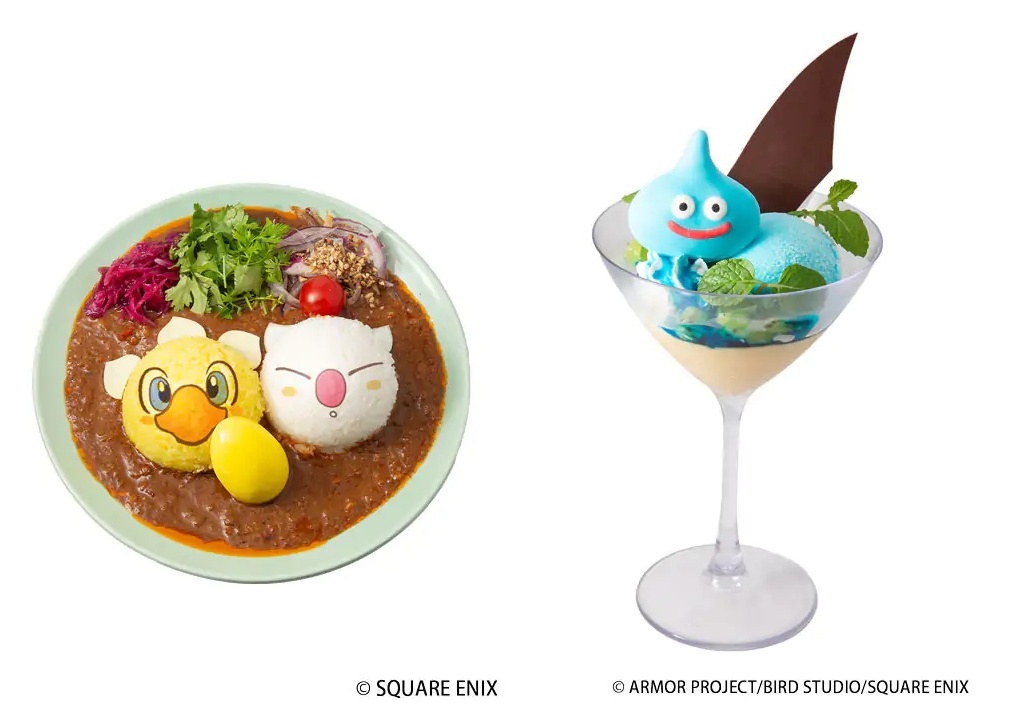
Tokyo’s new video game/anime eatery has a lot to love (and eat).
June 12 is the grand opening of the brand-new Square Enix Cafe in downtown Tokyo’s Shinjuku neighborhood, and the eatery has released a sneak peek at what’s going to be on the menu. As you might expect, food and beverages inspired by the Final Fantasy and Dragon Quest franchises will be on offer, but there’s one other dark-horse candidate for your dining and drinking attention, and an anime/manga mega-hit too.
Beginning with Final Fantasy, the entrée options are the Chocobo and Moogle Spice Curry, milder Moogle Kids Curry…
…Chocobo and Friends Burger Plate (with a special appearance by Cactuar on one of its mini buns), and Chocobo Balanced Salad, designed as a for-humans equivalent of the Gysahl Greens so loved by the avian steeds.
And for dessert, Final Fantasy fans can look forward to the FF Version Purin Parfait, a Japanese-style custard pudding served in a classy cocktail glass with toppings including a marshmallow Chocobo and ice cream.
The “FF Version” part of the name suggests the existence of other pudding parfaits as well, and the DQ Version, of course, stars Dragon Quest’s adorable Slime.
The DQ mascot monster also appears in the Slimes Draw Near Jiggly Sweets Plate…
…and there are savory Slime plates too, such as the Healslime Burger Basket, in which the restorative creature’s tentacles are represented by a sliced sausage, and the Taco Rice-Style Hamburger Plate with Bubble Slime On Top.
Getting back to that third video game inspiration we mentioned, it’s none other than Nier: Automata, whose version of the purin parfait gives you a triple dose of Emil marshmallows…
…and his smiling (?) face is also present in the Lunar Tear Milk Tea Float plate.
Things get a little abstract with the 2B YoRHa Skirt-style Crepe Salad (with edible bamboo charcoal the most likely ingredient giving it its color), and things get really abstract with the On-Site Procurement Bullet Hell Pasta, meant to evoke memories of the enemy bullet barrages in the game’s shooting segments.
Now we come to the anime/manga part of the menu, which is saluting Fullmetal Alchemist.
Though Square Enix is most famous for video games, the company is also a major manga publisher, and within Japan handles the tale of brothers Al and Ed Elric, who are featured in a purin parfait, plus steamed buns with sweet custard and savory stew fillings. Fellow alchemist Roy Mustang also contributes to the menu with a Flame Alchemist shrimp pasta topped with shredded chili for extra heat.
Drinks come in two tiers, with the fancier ones consisting of a Final Fantasy Potion, Dragon Quest Traveler’s Healing Herb Set, and Fullmetal Alchemist Dwarf in the Flask.
The lower drink tier is made up of standard soft drinks such as coffee, tea, cola, orange juice, and melon soda. The cold drinks come with your choice of illustrated cup sleeve…
…while hot drinks let you pick one of two latte art designs per series.
The Square Enix Cafe has a service charge of 1,200 yen (US$7.60) per person, but that price does include one lower-tier drink of your choice, plus an illustrated placemat (you can pick which title you want, but the exact design is random).
▼ In keeping with Nier’s unabashed weirdness, its placemats are vertically oriented.
And as anyone who’s been to one knows, you can’t have a proper themed cafe in Japan without art coasters, and you’ll receive one at random when ordering any of a series’ associated food items or premium drinks.
Prices for the premium drinks and desserts are generally in the 1,000-1,500 yen range, with most of the main dishes priced between 1,500 and 2,200 yen (though the Fullmetal Alchemist steamed buns are just 770 yen each).
Again, the Square Enix Cafe’s grand opening takes place on June 12, and while walk-ins are allowed if space is available, reservations can be made through the restaurant’s website.
Restaurant information
Officially Licensed Square Enix Cafe & Shop Shinjuku
Address: Tokyo-to, Shinjuku-ku, Shinjuku 3-36-1
東京都新宿区新宿3丁目36-1
Open 11 a.m.-10 p.m.
Website
Source, images: Officially Licensed Square Enix Cafe & Shop Shinjuku official website
● Want to hear about SoraNews24’s latest articles as soon as they’re published? Follow us on Facebook and Twitter!
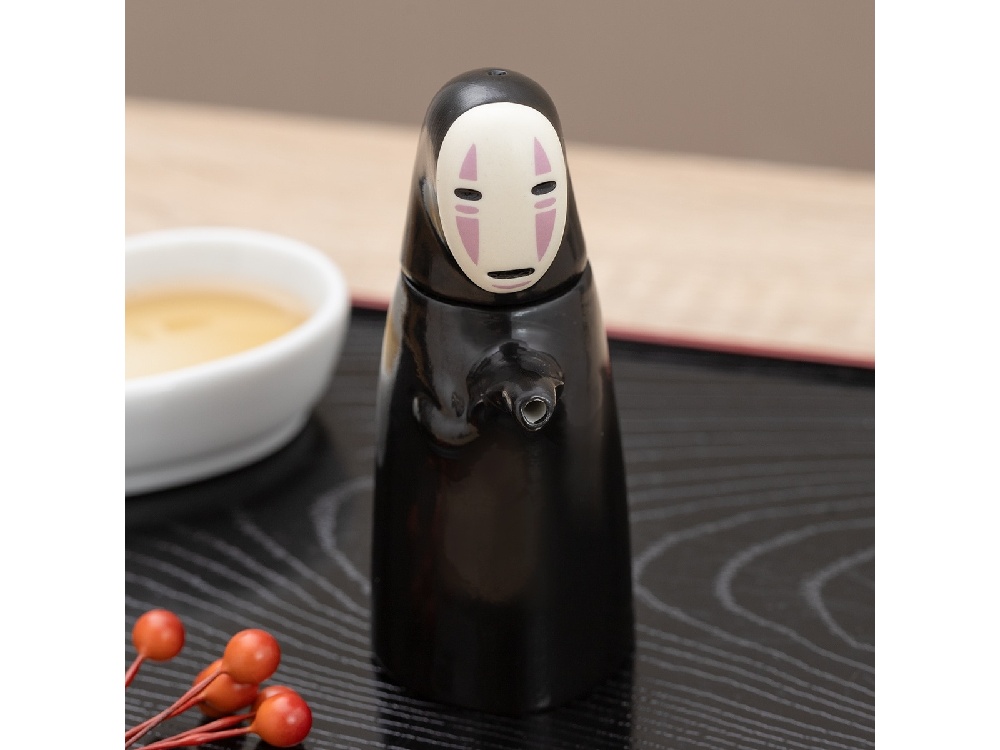
Can you please pass the soy sauce, No Face?
Explicit exposition has never really been Studio Ghibli’s thing, but even by their standards, No Face’s character arc is an impressive case. Without saying a single word of dialogue, we watch the Spirited Away scene-stealer go from covetous to considerate over the course of the film, learning that there’s more to life than a cycle of gorging and coercing people with regurgitated pricy baubles.
By the time the movie ends, No Face has become a sympathetic, even heartwarming character, and his new life as a generous, helpful sort can continue in your kitchen in the form of a cute and classy No Face soy sauce dispenser.
The porcelain bottle stands 10.8 centimeters (4.3 inches) tall, with its glaze catching the light in a hazy way evocative of the indistinct nature of No Face’s physical form within the anime.
Instead of pouring from the very top of the bottle, the soy sauce comes out of No Face’s extended arm, which is crafted to bring to mind his on-screen posing.
A silicone seal helps keep the connection between the two parts of the bottle snug and secure, and separating them also makes for easy cleaning of the inside.
While this is technically classified as a soy sauce dispenser by Ghibli specialty shop Donguri Kyowakoku, you could use it to hold whatever liquid you want (although the modest diameter of the opening means that thick condiments or lotions probably won’t flow too easily through it). And if your diet isn’t all that saucy, there’s always the option of using the bottle for decorative purposes like a very unique anime figure.
While the No Face soy sauce dish shown in the above photo is sold out, the soy sauce dispenser is back at Donguri Kyowakoku following a recent restock, and can be ordered through the chain’s online store here, priced at 2,640 yen (US$17). Just be careful not to spill any sauce on your new Totoro necktie.
Source: Donguri Kyowakoku
Top image: Donguri Kyowakoku
Insert images: Donguri Kyowakoku, Studio Ghibli
● Want to hear about SoraNews24’s latest articles as soon as they’re published? Follow us on Facebook and Twitter!
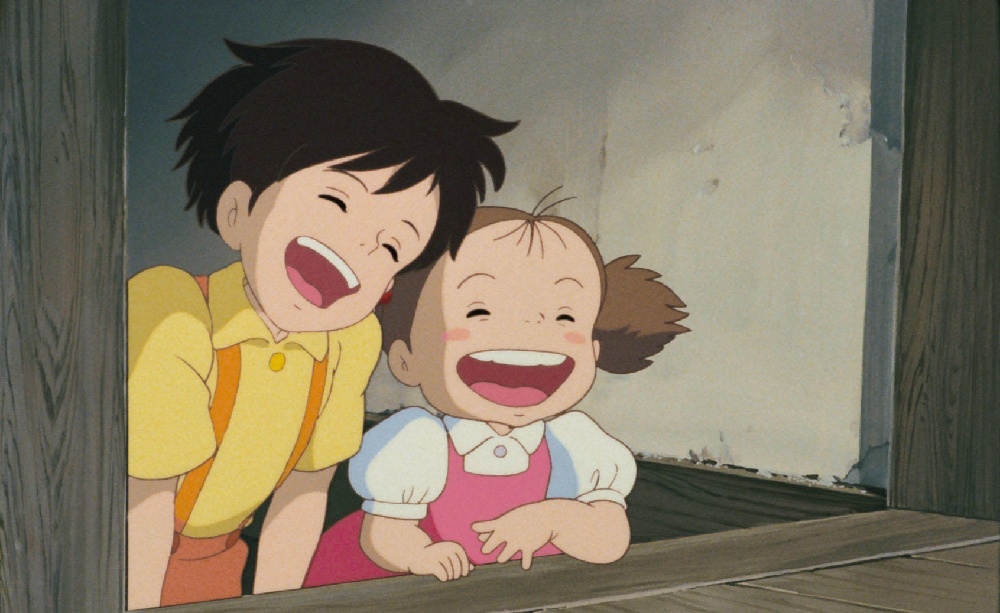
Famed anime house isn’t worried about losing relevancy by limiting access to its films.
Studio Ghibli has a reputation for preferring to do things the old-fashioned way, and so fans weren’t really shocked when the famed anime production house was initially reluctant to licensing its works for online streaming. The studio eventually softened its stance, striking deals with HBO Max in 2019 and Netflix the following year, and while the Netflix agreement has since expired, HBO Max still offers the Ghibli catalog for streaming…but not if you’re in Japan.
To this day, there’s only one Ghibli-produced film that’s ever been made available for streaming within Japan, and it’s the one film that Ghibli itself didn’t control the rights to, Grave of the Fireflies. Everything else, like My Neighbor Totoro, Spirited Away, and Howl’s Moving Castle? Not available to view online in Japan.
▼ “Ashitaka, will I ever see you online?”
On-demand online streaming may not dominate the video entertainment landscape in Japan to quite the same extent as it does in many other countries, but things are moving in that direction, especially with Japan’s physical media rental stores fading away at an accelerating pace. It’s getting to the point where one could question whether Ghibli’s attitude about making its anime available for streaming in Japan has gone from being quaintly old-fashioned to detrimentally outdated. That was the sentiment one attendee alluded to at a regular press conference held by Hiroyuki Fukuda, president of Japanese television broadcaster Nippon TV, which acquired Studio Ghibli as a subsidiary in 2023. At the press conference, held on May 25, the attendee asked Fukuda:
“Ghibli’s works remain unavailable for streaming within Japan, which limits their audiences…Concerns have been raised that without opportunities to view these titles, some of them may become forgotten [by the public], so is there any chance of Ghibli’s anime becoming available for streaming on your company’s Hulu service?”
As alluded to in the question, Hulu Japan is a subsidiary of Nippon TV, which would make it the natural, and theoretically easiest to negotiate with, online host of the Ghibli catalog. Users shouldn’t go typing “Ghibli” into the Hulu Japan search box just yet, though, nor that of any other streaming service in Japan, as Fukuda answered that there are no plans to put Ghibli’s films online, because Nippon TV and Studio Ghibli want to preserve the relevance of the TV broadcasts of Ghibli anime.
“Presently, Studio Ghibli and Nippon TV are of the shared belief that we want to preserve the specialness of Ghibli’s films appearing on broadcast TV through our Friday Roadshow program. We are of course aware of the various requests for and different opinions regarding streaming, and this is a matter we intend to continue discussing moving forward.”
Friday Roadshow, or Kinyo Roadshow in Japanese, is Nippon TV’s Friday night movie block, in which it shows a different classic, popular, or family-oriented film each week. Ghibli anime are featured several times per year, with mega-hits like Totoro often saved for dates during summer or other vacation seasons, becoming appointment television for fans.
▼ Hurry home, Chihiro! Friday Roadshow is about to start!
Still, not every Ghibli anime airs every year, and even those that do usually do so only once annually. Nippon TV and Ghibli aren’t currently worried about that lessening the relevance of the studio’s films, though. In his press conference response, Fukuda went on to say that permanent facilities like the Ghibli Museum in Tokyo and the Ghibli Park theme park near Nagoya help build interest and excitement for Ghibli’s anime, as do celebratory events like Ghibli’s art exhibitions that travel around the country. Though Fukuda didn’t mention them, Ghibli’s kabuki stage play adaptations, like the one for Nausicaa of the Valley of the Wind and the upcoming one for Princess Mononoke, also help to spark interest in their source material, and even if there’s no Friday Roadshow broadcast of them in the near future, Ghibli’s anime are always readily available for purchase on physical media in Japan.
Occasional overseas events and London’s My Neighbor Totoro stage play notwithstanding, the average overseas Ghibli fan has far less access to these kinds of Ghibli touchpoints than fans in Japan do, which in turn makes easier access to the anime movies themselves, though online distribution, a greater necessity outside Japan, which would explain why Ghibli has come around to the idea of streaming its works in foreign countries. And the day may come when Ghibli shrugs its shoulders and says “OK” for streaming inside Japan too. Nippon TV and the studio aren’t at that point just yet, though, and Fukuda’s treatment of Ghibli as a partner, as opposed to just a subsidiary, in the matter is probably a wise call, considering how committed Ghibli is to presenting its creations in the way it feels best conveys their vision.
Source: Nippon TV via Oricon News via Otakomu
Top image: Studio Ghibli
Insert images: Studio Ghibli (1, 2)
● Want to hear about SoraNews24’s latest articles as soon as they’re published? Follow us on Facebook and Twitter!

Renewed outrage at White House’s use manga and anime imagery after US president is depicted as ninja Naruto
Japanese anime and manga fans are urging Donald Trump to stop using their favourite characters in his social media posts.
About 20,000 people have signed a petition on Change.org entitled Protect Japanese Manga, protesting against the official White House X account posting videos featuring unauthorised use of imagery from the popular Dragon Ball, Yu-Gi-Oh! and Naruto series. Angry fans have also been posting on social media.
Continue reading...
© Photograph: StudioB/Alamy
© Photograph: StudioB/Alamy
© Photograph: StudioB/Alamy

Theme park prohibition strangely opens the door to a new kind of creative freedom.
When you visit Ghibli Park in Nagakute City, Aichi Prefecture, you’ll find a vast array of attractions, including life-sized buildings that look like they’ve jumped straight out of a Studio Ghibli film. However, if you research the park beforehand to see what the rooms inside these buildings look like, you’ll notice something else: there isn’t a wide variety of interior photos on social media.
That might sound odd, given Ghibli’s worldwide fame and loyal fanbase, but the lack of photos doesn’t mean there’s no desire to share them online. Rather, it’s because photography is strictly prohibited inside most of the buildings. Instead, the park limits interior photos to the Becoming Characters in Memorable Ghibli Scenes exhibit inside Ghibli’s Grand Warehouse, where visitors can step into life-sized dioramas depicting 14 famous film scenes.
All of this came as a surprise to our Japanese-language reporter Saya Togashi when she visited the park for the first time recently. Unaware of the photography ban in the large majority of the buildings, her initial disappointment turned into an eye-opening experience both literally and figuratively, so she decided to share some thoughts on the ban and the surprising effect it had on her visit.
▼ Saya with her Ghibli Park entry band.
1. People don’t linger to take photos
The most obvious benefit to come from the ban is the fact that it prevents people from lingering too long in an area while trying to capture the perfect shot. Every exhibit presents a perfect photo opportunity, as each display creates an ideal backdrop that makes visitors look as though they’ve stepped into an anime world, and the attention to detail in the objects inside the buildings is so impressive that you could take hundreds of photos and it still wouldn’t be enough, which is why the ban feels necessary.
With so many small rooms inside, there isn’t much space to move around – even if one person stopped to take a picture it would cause a huge holdup for visitors. The photography ban ensures the crowds move smoothly through the exhibits, creating a more pleasant environment for everyone to enjoy what they’re seeing.
Another advantage is the absence of live video streamers. Even when they aren’t being intentionally disruptive, live streaming can cause anxiety for people nearby, as not everyone wants their face broadcast around the world without consent. In a country like Japan, where publishing identifiable photos of people without permission may violate privacy or image rights, the absence of cameras creates a sense of ease and safety that allows everyone to relax.
2. Visitors can concentrate on what’s in front of them
When you can’t take pictures, or when you don’t have your smartphone in your hand, something beautiful happens: you naturally start to focus on what’s in front of you. Though photography may be prohibited, visitors are allowed to touch many of the exhibits, engaging the sense of touch and creating a multi-sensory experience that benefits from full attention. This gesture of goodwill by the park, which prioritises the visitor experience over concerns about theft or damage, helps nurture an environment of care and respect that you might not find in other amusement parks.
In Mei and Satsuki’s House, for instance, opening a closet door reveals bedding and pyjamas belonging to the Kusakabe family, who star in the film My Neighbour Totoro. The dresser contains the father’s clothes, which carry a faint smell of mothballs. You can search for the stairs leading to the second floor, just like in the movie, and even find Mei’s hat. It’s a continuous stream of discoveries that gives you a great sense of satisfaction in finding things for yourself.
Without the scrutiny of a smartphone screen, our senses become sharper. The small size of Mei’s clothes and the way they feel in your hand, the creaking of the closet, the sense of everyday life emanating from the old dishes in the kitchen – these are now vividly etched into Saya’s memory as real lived experiences.
In the documentary Until Ghibli Park is Finished, director Goro Miyazaki told his staff, “It’s good to touch the house as much as possible, like refolding clothes as if you were actually living there.” That sense of bringing the house to life is clearly evident, and it allows visitors to appreciate just how impressive it is that Satsuki and Mei’s House is built to be fully functional, with features such as a wood-fired stove for boiling water and a hearth for cooking rice. If God is in the details, so is Studio Ghibli.
3. There are no spoilers
In this era where everyone is a photographer, any place and any event can be easily experienced virtually through the Internet. Although we might know there are things that can only be understood by being there and experiencing them firsthand, videos and images can have a huge impact on our perception.
At Ghibli Park, however, very little prior information is available beyond officially released details about the different rooms and exhibits. Since photography is prohibited indoors in many areas of the park, visitors experience the spaces with almost no spoilers beforehand.
Because you encounter the actual settings and objects without prior exposure, everything feels fresh and surprising. Saya felt this especially strongly in Howl’s Moving Castle, where she had goosebumps after stepping into the dimly lit castle from the bright outdoors. Once your eyes adjust, you’re overwhelmed by the sheer volume of cluttered everyday objects and magical items laid out in front of you, appearing just as it was in the movie.
Although it’s an area visitors can’t touch, Howl’s bedroom, meticulously recreated with small objects, sounds, lights, and movements, is a must-see. It’s truly moving to witness something you’ve only ever seen in the 2-D anime world come to life before your eyes, complete with weight, scent, and texture.
Sure, Ghibli Park might not have big rides with elaborate special effects or dazzling shows, but that’s actually its charm. The dedication to creating special spaces and the sheer scale of its construction surpasses those of many world-class theme parks, and it’s something you can sense in every area.
After visiting the park, Saya came to realise the merits and demerits of modern theme parks that rely on social media sharing. Keen to update their operational policies to keep pace with the times, theme parks are shifting from being places where visitors immerse themselves in carefully crafted worlds and becoming platforms for sharing experiences, primarily through social media.
Saya has felt the tide turn firsthand at Disney Resorts, where she used to attend the New Year’s Eve countdown event every year. Although getting tickets was always a bit of a struggle, once you were inside the park, you could easily enjoy all the events, like watching shows, enjoying limited-edition food and drinks, and buying New Year’s items, without the need for any special strategy or plan. Of course, there were lines, but as long as visitors waited patiently, they could achieve their theme park goals, especially as visitors wandered the grounds discovering things along the way.
However, one year things changed. Even immediately after opening, the shelves for New Year’s items were empty, special menu items were all sold out, and the atmosphere at events became tense, with staff shouting to control crowds as people scrambled to secure prime viewing spots. This was around the time when the social media culture of sharing one’s own experiences and the business of profiting from reselling began. It created a world of competition and anxiety, where people have to work harder to buy the things they want and experience the things they want to experience — things that once felt much simpler before the age of social media.
This isn’t necessarily a bad thing for the theme parks themselves; the spread of information on social media and the increased rarity of merchandise are simply the result of fans’ enthusiasm. However, it does have an impact on the visitor experience, and after visiting Ghibli Park, Saya walked away with her eyes opened to what can be possible when visitors are prioritised over financial profit. By creating sensory worlds that can’t be fully captured in photographs, Ghibli Park encourages visitors to engage with the world around them, fostering face-to-face communication and a sense of adventure that lies at the heart of every Ghibli film.
Photos©SoraNews24
● Want to hear about SoraNews24’s latest articles as soon as they’re published? Follow us on Facebook and Twitter!
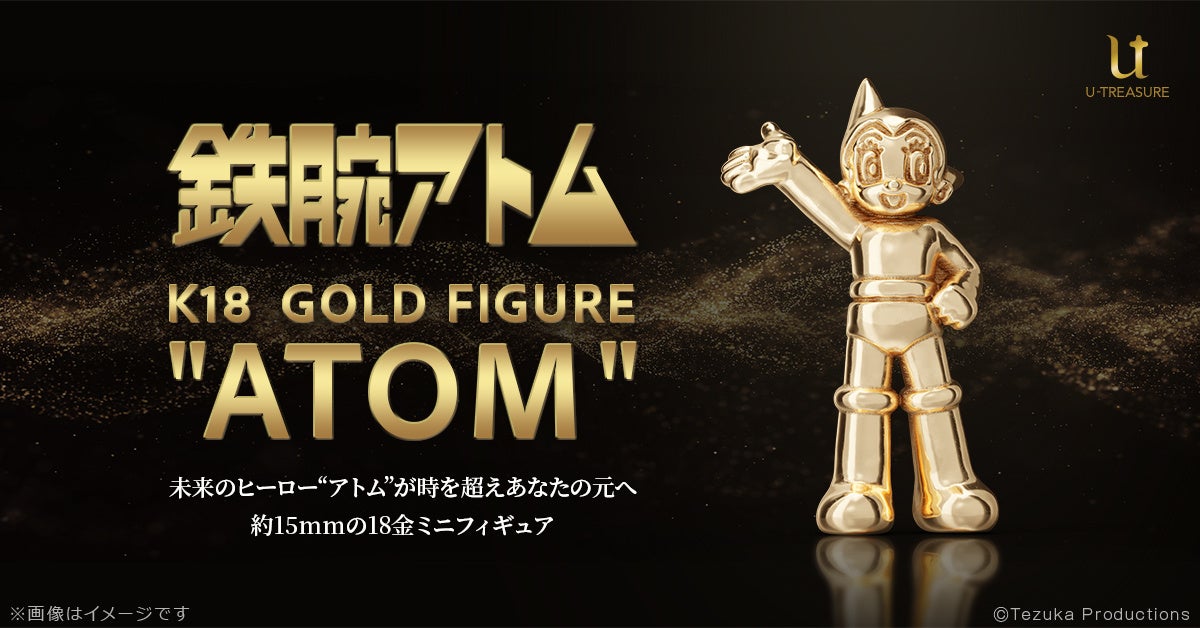
A new line of decorative mini figures made from gold pay homage to pioneering manga artist Osamu Tezuka’s massive influence on anime and manga.
U-Treasure, a Japanese jewelry brand that frequently partners with pop culture franchises for fun but classy keepsakes, is now taking preorders for the first three pieces in a new collaborative series paying homage to manga legend Osamu Tezuka.
The Osamu Tezuka World Gold Collection celebrates the 80th anniversary of the God of Manga‘s 1946 debut manga The Diary of Ma-chan (a four-panel newspaper comic strip). Tezuka continued to churn out classic works of manga for the rest of his life that revolutionized the genre and Japanese popular culture forevermore.
The standout piece of U-Treasure’s trio of offerings is undoubtedly the miniature figure of Tetsuwan Atom, better known as Astro Boy to English-speaking audiences. Tezuka’s original Astro Boy manga was serialized from 1952-1968, inspiring a groundbreaking 1963 TV series that is considered to be the first-ever serialized Japanese TV anime. Countless adaptations and collaborations have been produced since.
▼ Astro Boy, the robot boy whom we can thank for modern manga and anime
Costing 121,000 yen (US$760), the figure is crafted from 18-karat yellow gold and stands only 15 millimeters (0.59 inches) tall.
Nevertheless, it’s a faithful creation of the character, with Tezuka’s trademark large eyes and Astro Boy’s pointy, distinctive hairstyle.
The figure comes specially packaged in a black box inscribed with “Osamu Tezuka World” and “Testsuwan Atom” in gold, retro-style font.
Precisely because of its small size, it’s an elegant trinket that will upgrade any desk or shelf without taking up too much space.
While Astro Boy is undoubtedly the most recognizable of the new pieces, the two other characters in this release also hold a space place in Tezuka’s legacy. First, the 9-millimeter-tall Hyoutantsugi is a gourd-like character that was originally inspired by a doodle made by Tezuka’s younger sister. It became a visual gag that randomly appears in almost all of his works.
▼ Hyoutantsugi miniature gold figure (165,000 yen)
Second, the 12-millimeter-tall Buddha captures the likeness of Tezuka’s rendition of the life of Siddhartha Gautama in his 1972-1983 eponymously titled masterpiece.
▼ Buddha miniature gold figure (220,000 yen)
All three miniature figures are available for preorder between May 20 and June 22 on U-Treasure’s online shop and at U-Treasure Concept Stores Ikebukuro in Tokyo and Shinsaibashi in Osaka (location information here).
We’re looking forward to seeing what the next set of characters will be in U-Treasure’s The Osamu Teszuka World Gold Collection–and something tells us it definitely won’t be any of the erotic animal sketches that his daughter discovered locked in his desk drawer just over ten years ago.
Source, images: PR Times
● Want to hear about SoraNews24’s latest articles as soon as they’re published? Follow us on Facebook and Twitter!

At the helm of the pressure strategy on Mexico designed in Washington, on the hard-line side, there are two individuals: Stephen Miller and Sebastian Gorka. They are two well-known figures from Donald Trump’s circle of loyalists, both allies of his during his first presidency and whom the president recruited as soon as he secured a second term.
© Getty Images
