Japan’s Kansai region inspires some very bold baking in Shakey’s Japan’s ovens.
A while back, Shakey’s celebrated its 50th anniversary of arriving in Japan with a special selection of pizzas that it called the “American Pizza Tour.” But having passed the half-century mark in Japan now, the chain has seen some very tasty stuff in this country too, and brings us to Shakey’s newest creations, pizzas inspired by the culinary traditions of central Japan’s Kansai region.
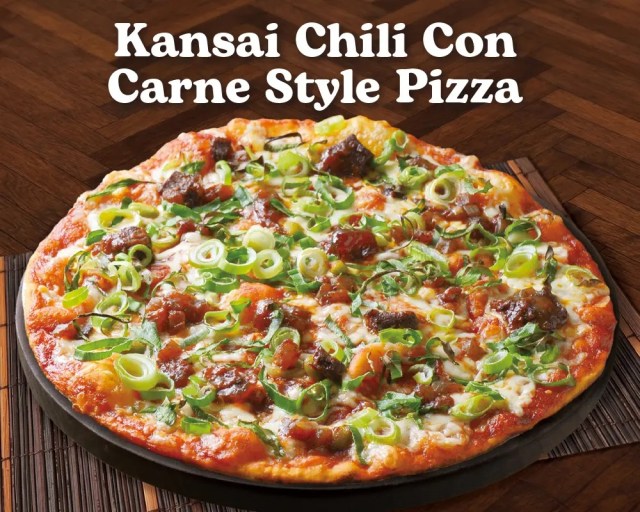
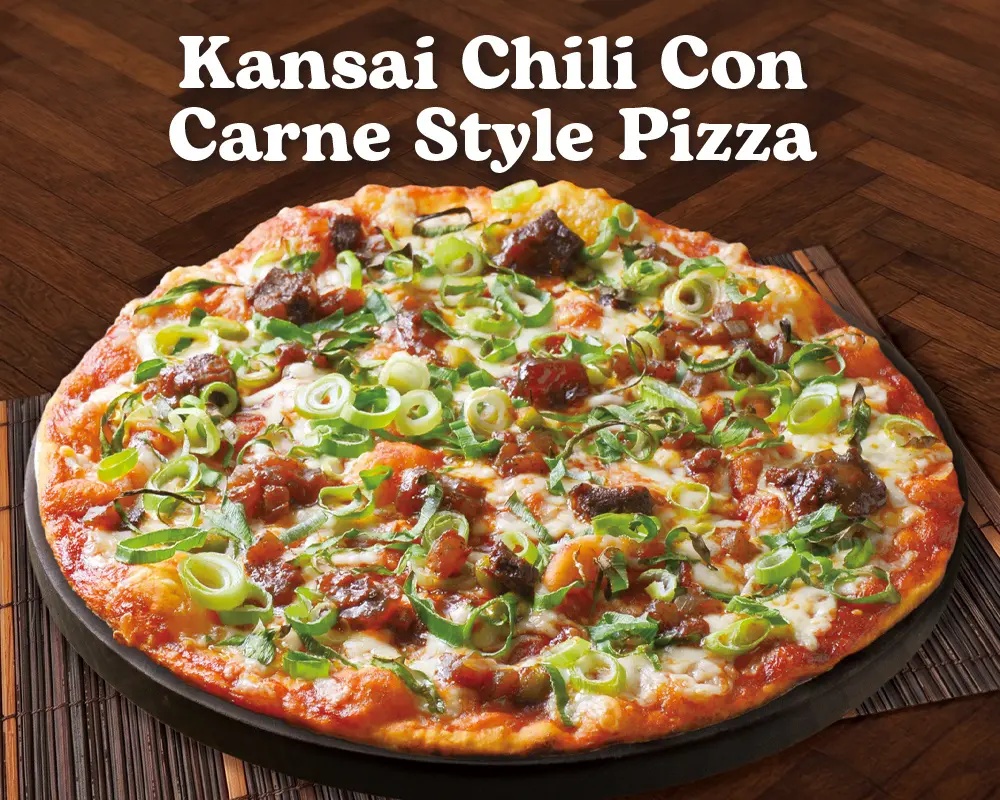
We start with the Kansai Chili Con Carne Style Pizza. The topping for this complex concept is sujikon, a dish popular in Kansai made by simmering gyusuji (beef tendon) and konnyaku (konjac gelatin) simmered in a soy sauce-based stock. The sauce here has a Kansai twist too, as it’s a mixture of tomato sauce and Doro Sauce, a thick savory Worcestershire-like sauce made in Kobe with a little spicy kick to it.
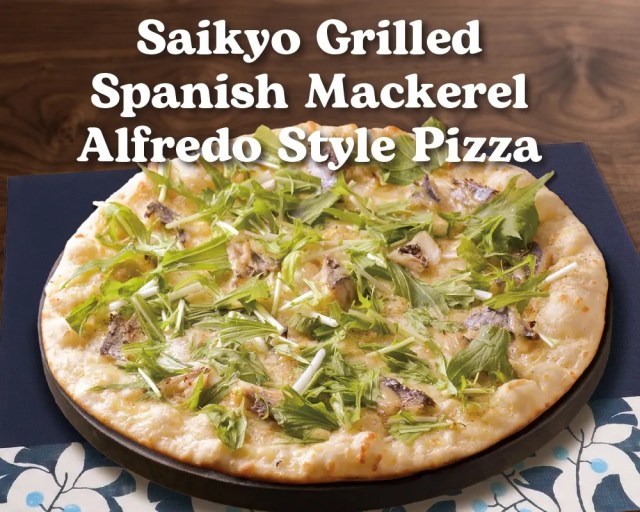
Next we have the Saikyo Grilled Spanish Mackerel Alfredo Style Pizza. Kyoto is also part of the Kansai region, and while history buffs love the city for its temples and shrines, foodies are especially fond of saikyoyaki, a Kyoto specialty of white miso-marintaed grilled fish. Sawara (Spanish mackerel) is the most commonly used type of fish for saikyoyaki, and so that’s what comes with this pizza, with its elegantly sweet notes accompanied by a buttery Alfredo sauce and crisp mizuna (Japanese mustard greens).
Dessert also comes courtesy of inspiration from Kyoto cuisine. Though not mentioned in the name of the Matcha and Strawberry Dessert Pizza, here Shakey’s is drawing from nama yatsuhashi, Kyoto’s representative confectionary of folded mochi with anko (sweet red beans) inside and often a dusting of cinnamon. This dessert pizza has a butter anko sauce and is topped with little balls of gyuhi (extra soft mochi) and strawberry pieces, with matcha powder and cinnamon which should deliver an intriguing mix of sweet, bitter, and tart sensations.
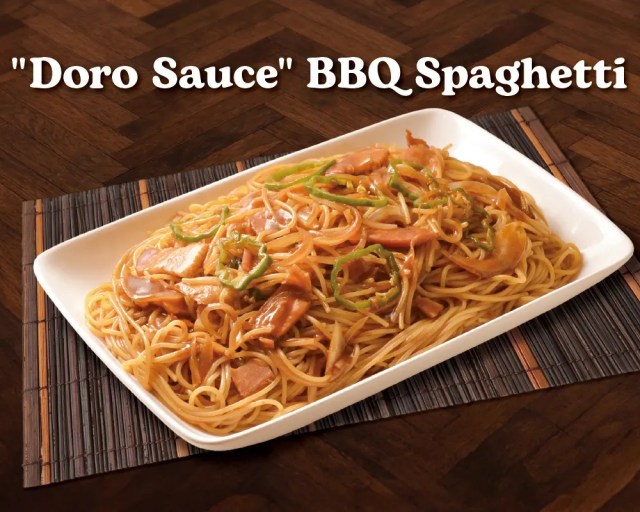
And finally, Shakey’s will be serving up Doro Sauce BBQ Spaghetti too, which should let you get an even more pronounced taste of the condiment than with the Kansai Chili Con Carne Style Pizza.
There’s no denying that the new pizzas are all very bold, pioneering innovations…but it’s also hard to deny that they’re pretty weird. Since Shakey’s Japan operates on a flat-fee, all-you-can-eat system, though, there’s no need to commit to ordering a whole pie, so you can try a single slice first, then go back for more if/when they win you over.
Shakey’s Japan Tour 2026 Kansai, as the new items’ stint is called, runs from now until August 31.
A public restroom stall shock that had nothing to do with cleanliness.
Whether you’re looking for a Pokémon frappe, chocolate chip sandwich, or surprisingly high-quality T-shirt, Japan’s convenience stores have got you covered. As a matter of fact, it can start to become easy to become desensitized to the very wide variety of things you can find in a Japanese convenience store, but earlier this month a customer at one in the town of Shimonoseki, Yamaguchi Prefecture came across something that still managed to shock him, as the late-night shopper found a gun inside the shop.
Firearm ownership is heavily regulated in Japan, however, so the gun wasn’t something the store was selling, and it wasn’t out on the shelves between the boxes of Pocky and packs of melon bread either. Instead, the customer, who was at the store at around 12:35 a.m. on June 3, found the gun in the store’s bathroom. After he stepped into a stall, he noticed a belt hanging from a hook ordinarily meant for bags or coats. Attached to the belt was a holster, and inside the holster was a pistol.
We’ve often discussed how life in Japan isn’t like anime, but reality here is also very different from video games, and you generally won’t find weapons just lying about in real-life Japan like it’s an RPG. An odd exception, though, is bathrooms, which periodically turn into unintended armories when police officers use them and forget to take their guns with them once they’re done doing their bathroom business. That’s what happened in this case as well, with the firearm being traced back to a police officer with the Yamaguchi Prefectural Police who was on duty that night and had stopped by the convenience store roughly 40 minutes before the customer found his gun.
The customer informed the store staff about the forgotten weapon, and the store then contacted the policer to report its discovery. The officer has admitted to accidentally leaving his weapon behind, and the Yamaguchi police have pledged to reassert to all officers the importance of making sure they haven’t left their gun behind and unaccounted for when moving from one location to another.
Until recently, most police departments prohibited officers from making use of convenience stores while on duty and in uniform. With such regulations being eased, though, the frequency with which police firearms are brought into stores will likely continue to increase, so hopefully officers will remember to take them back out too.
Even with a shop name like Mayo x Mayo, we weren’t expecting this much mayo.
The word “original” has a bit of a different nuance in Japanese. It’s not so much used to describe something revolutionary or inventive so much as something that’s unique to a specific place. So, for example, a restaurant that makes its own roux from scratch, as opposed to using any sort of pre-made version, might boast about its “original curry,” even if the restaurant’s curry itself is pretty orthodox in style.
But we recently stumbled across a mayonnaise specialty shop in Kobe that’s original in both senses of the word.
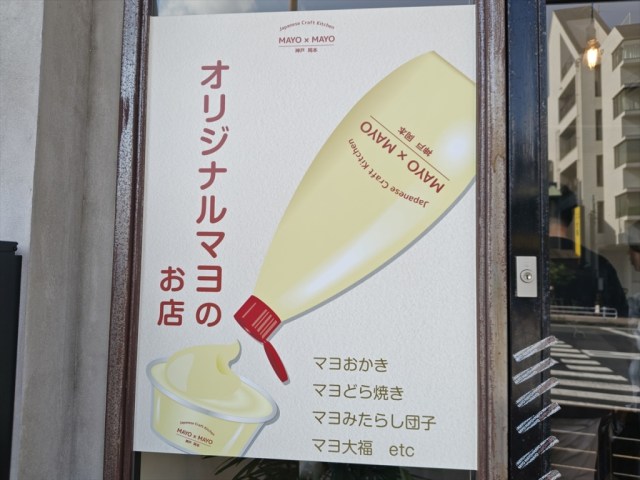
▼ オリジナルマヨのお店 = original mayo shop
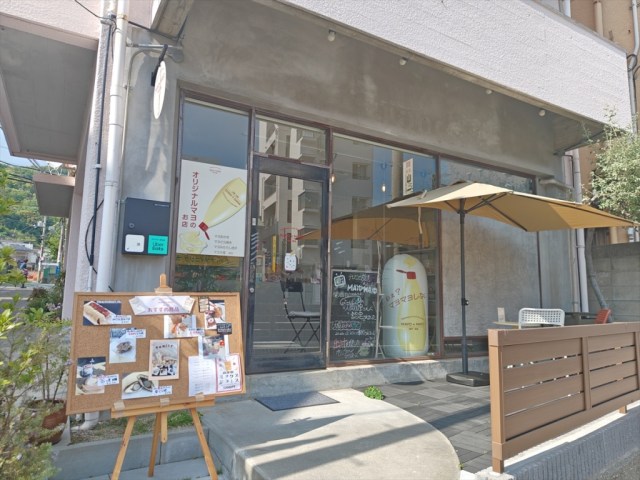
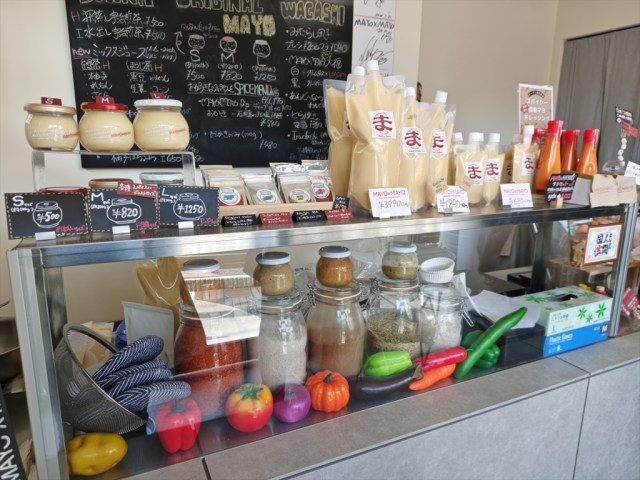
Called Mayo x Mayo, the simple but inviting storefront is flanked by a little outdoor terrace section. After stepping inside the shop, we saw that they do indeed offer their proprietary mayo in both pouches and glass jars.
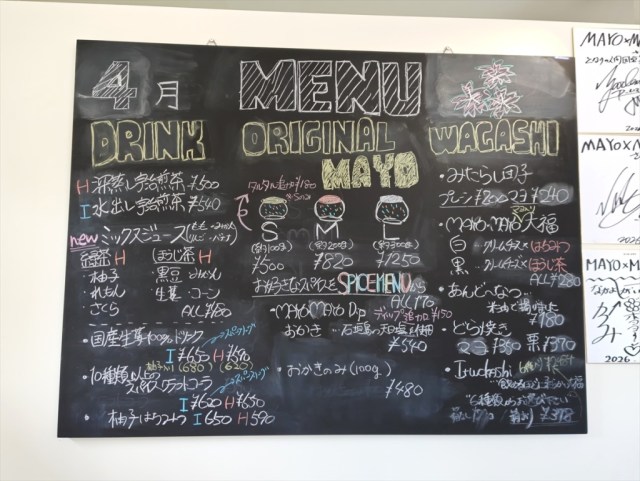
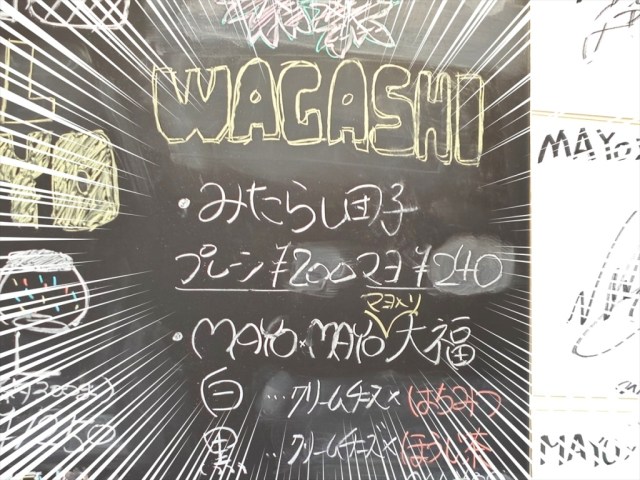
But what really grabbed our attention was the blackboard with Mayo x Mayo’s wares listed on it, which included a section for wagashi…
…a.k.a. Japanese sweets?!?
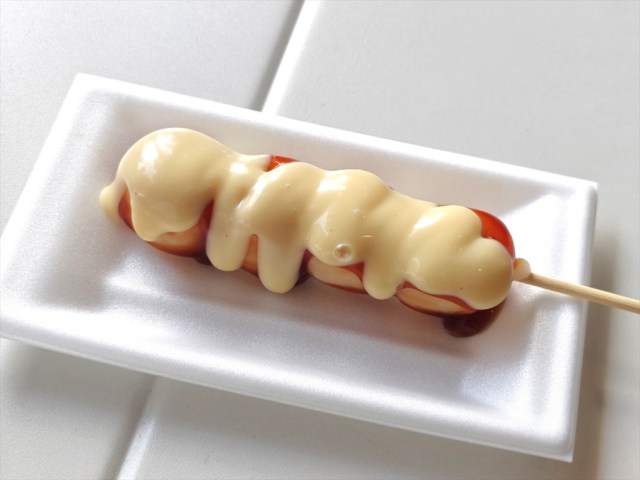
The first item under the wagashi heading was mitarashi dango. Dango are mochi dumplings, generally served skewered, and mitarashi dango is what they’re called when they’re slathered with sweet soy sauce glaze, but at Mayo x Mayo, the mitarashi dango come with mayo too.
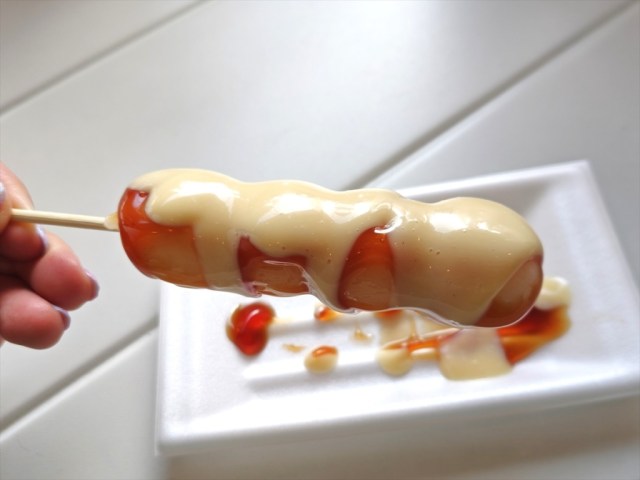
We’re not talking about a little dab of mayo for color or a subtle flavor accent that might go undetected if you weren’t looking for it. Mayo x Mayo puts a ton of mayo on them, so much so that there might even be more mayonnaise than mitarashi glaze.
While Japan has a loyal foodie sub-demographic of hard-core mayo fans, our Japanese-language reporter Haruka Takagi doesn’t count herself among them, but she doesn’t dislike mayo either. She likes mayonnaise, but thinks of it as just one of many tasty condiments there are in the world, or at least that’s what she thinks when she bothers to think about mayonnaise at all, something that doesn’t happen all that often, to be honest. This made Haruka the perfect candidate for taste-testing duties, since she isn’t predisposed to love or hate mayonnaise itself. She was, however, understandably apprehensive about this unusual flavor combination would play out, and so, steeling her resolve, she swiftly bit down and tore one of the dumplings off the stick…
…and it turned out she hadn’t needed to worry at all!
To her happy surprise, Mayo x Mayo’s mayonnaise mitarashi dango tasted great! Part of this is thanks to Japanese mayonnaise being comparatively thicker in consistency and less sour-tasting than its western counterparts, and another part is thanks to Mayo x Mayo’s mayo having very little sourness to it at all, even in comparison to other Japanese versions. What you’re left with is a very pronounced creamy sensation, which blended deliciously with the sweet and salty flavors of the mitarashi glaze. Haruka had expected the two sauces to acrimoniously fight each other for dominance and for her taste buds to suffer as collateral damage from the battle, but they actually played very nicely together, and the mitarashi glaze that Mayo x Mayo uses being an especially sweet example also helped.
Mayo x Mayo charges 240 yen (US$1.50) for its mayo mitarashi dango, but you can also get a skewer of regular mitarashi dango, without mayonnaise, for 200 yen. However, you can’t get away from the mayonnaise with another of the shop’s desserts, their daifuku.
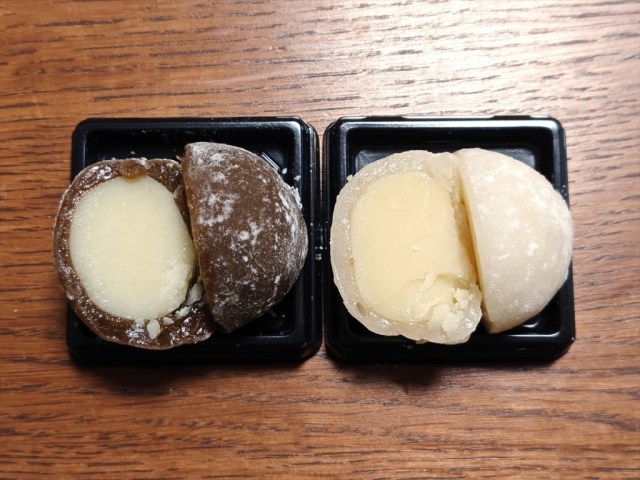
Daifuku are also a kind of mochi dumpling, but whereas dango are solid spheres, daifuku have a mochi wrapping that goes around some sort of filling, most commonly anko (sweet bean paste). At Mayo x Mayo, though, the filling also includes mayonnaise.
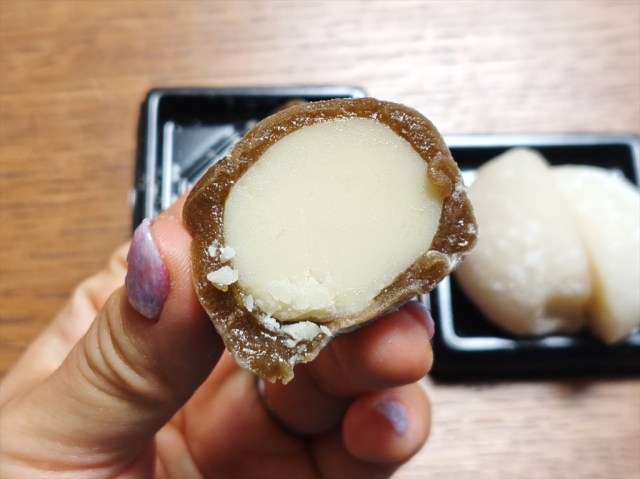
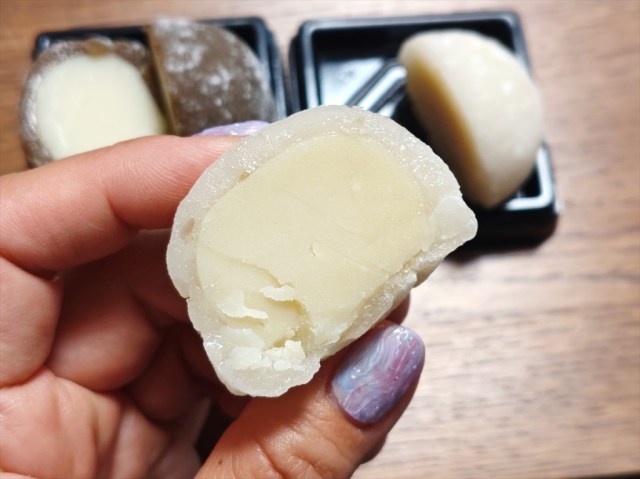
Mayo x Mayo offers two kinds of daifuku, both with a cream cheese anko filling with mayo mixed in too. The Black Daifuku (which is actually brown on the outside) also gives you the flavor of hojicha (roasted green tea) while the White Daifuku’s extra ingredient is honey (both are priced at 300 yen).
Once again, the result was much more delicious to Haruka than conventional wisdom would have led her to expect. The primary impression here came from the rich cream cheese flavor with a touch of saltiness, and though the mayo wasn’t nearly as pronounced as it was with the dango, she could still taste its presence.
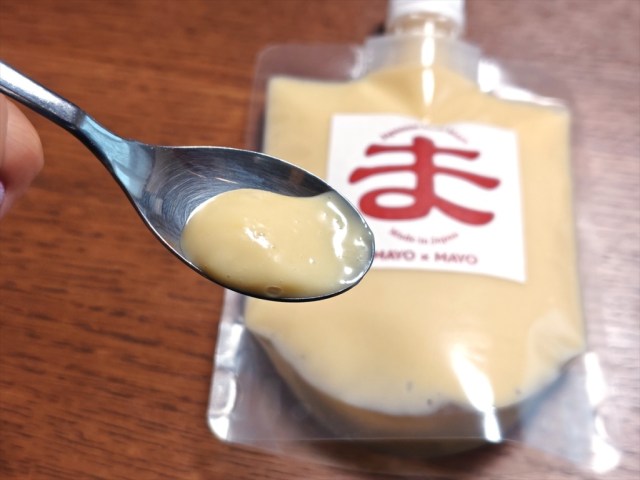
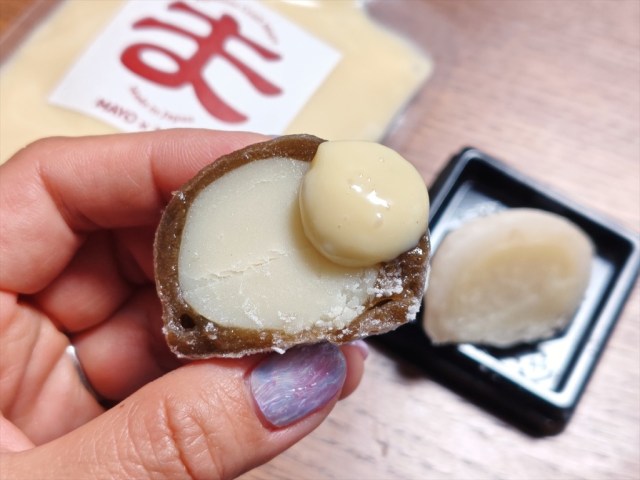
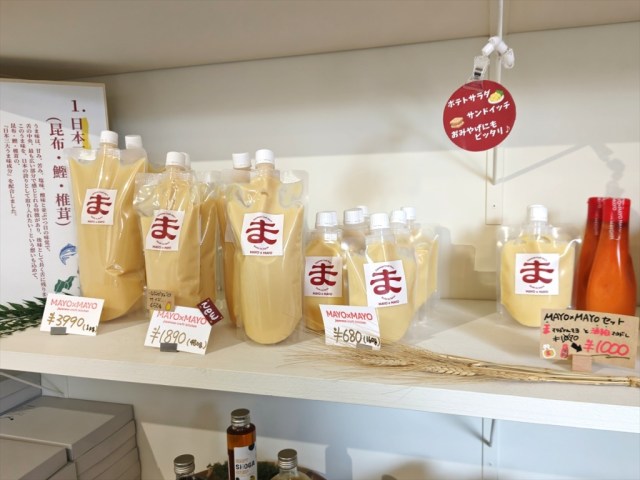
Haruka had also picked up a pouch of Mayo x Mayo’s original mayo, for 680 yen, though, so she decided to add a squeeze of the stuff to her daifuku…
…and though she was no longer surprised by this point, she was happy to find that this was also a great-tasting combination.
Since then, Haruka has tested Mayo x Mayo’s mayo out with other, non-dessert food, and she reports that it works great for more conventional mayonnaise uses too. A trip all the way back to Kobe to restock might not be in the cards when her pouch runs out, but thankfully Mayo x Mayo sells its mayonnaise online too. And if seeing photos of daifuku has your stomach growling more so than the mayo, there’s a new dessert spot opening in Tokyo soon that you won’t want to miss.
Shop information
Mayo x Mayo
Address: Hyogo-ken, Kobe-shi, Higashinada-ku, Yamakitamachi 3-7-11
兵庫県神戸市東灘区本山北町3-7-11
Open 10:30 a.m.-6:30 p.m.
Closed Sundays Website
We weren’t sure if curry pizza is something that should exist. You could make the argument that the combination seems too weird to work. Alternatively, one could contend that, with curry and pizza already being two of the world’s most delicious foods as separate entities, combining them carries the risk of creating some sort of super cuisine that, once tasted, we’d all be unable to stop eating, leading to the collapse of society as all other human activity is preempted by thoughts of “…or we could just go get more curry pizza instead.”
But regardless of whether or not curry pizza should exist, it does exist. On June 15, Pizza Hut Japan started baking its new Drinkable Cheese Curry Pizza (or “Nomeru Pizza Cheese Curry” if you’re ordering in Japanese), and, even knowing the danger we might be exposing ourselves to, its siren song was too strong for us to resist taste-testing it.
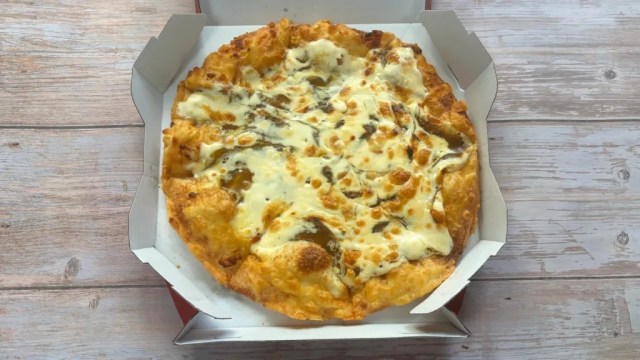
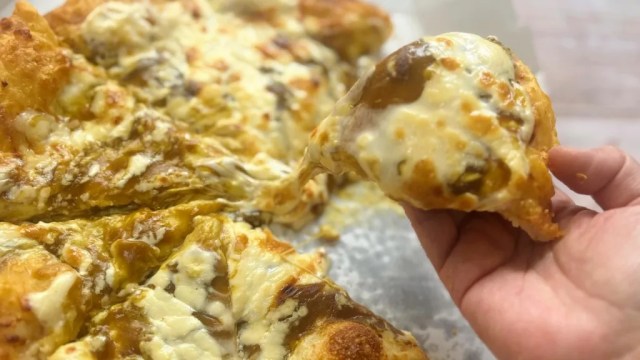
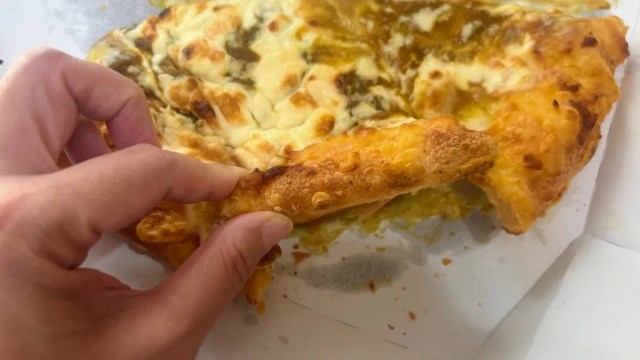
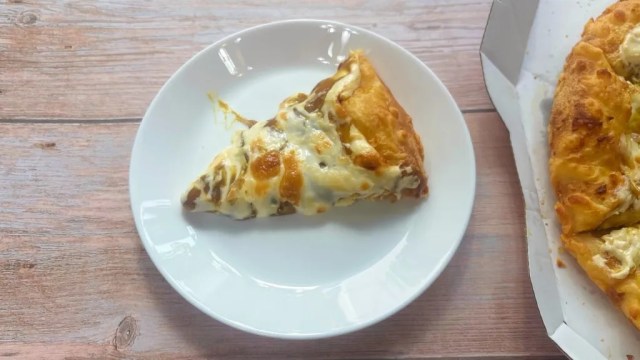
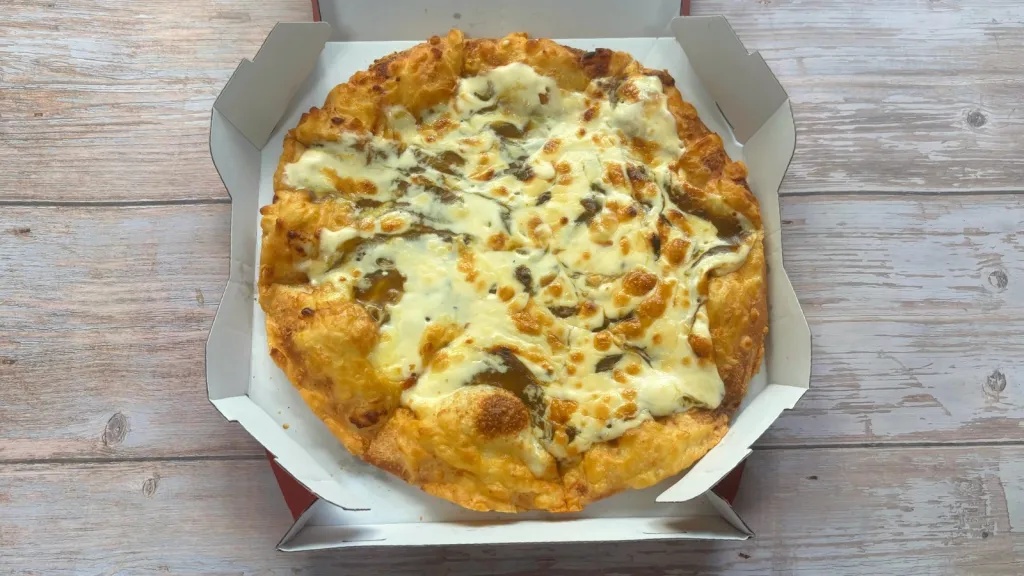
Opening up the box, the initial visual impression isn’t so shocking, since the curry goes on the crust first and then gets mostly covered up by the cheese. Speaking of the cheese, Pizza Hut’s curry pizza uses two types, and neither is mozzarella. Spread on top of the curry is a cheddar cheese sauce, with a liquid-like consistency that justifies the “Drinkable” part of the pizza’s name. Then, out towards the edge of the crust, there’s gouda cheese too.
There’s so much cheese and curry that it almost overflows, but the Drinkable Cheese Curry Pizza’s crust gets thicker as it get farther from the center. It’s not a conventional thick crust, and it’s not a deep-dish pizza either, but more like a basin, keeping the gooey goodness on the dough even as each individual slice doesn’t have all that much verticality.
And yes, this gooiness is good. Taste-testing duties fell to our Japanese-language reporter Yayoi Saginomiya, who found the mix of cheese and curry to be captivatingly delicious. As is often the case with curry in Japan, the focus here is more on the dish’s savory qualities, and the intent isn’t to pummel you with spiciness. So while the flavor of curry shines through, it doesn’t hit you with any particularly piquant properties, making the Drinkable Cheese Curry Pizza easy to share with friends or family even if they aren’t spice fiends.
▼ A medium-size Drinkable Cheese Curry Pizza is priced at 2,230 yen (US$14.50) for carry-out and 3,190 yen for delivery.
But while Yayoi’s notes indicate that Pizza Hut Japan’s curry pizza is every bit as tasty as we’d hoped/feared, this doesn’t mean that society is doomed. It’s only scheduled to be on the menu until June 15, or while supplies last, so we will eventually have to go back to doing things other than eating curry pizza…but not for a while.
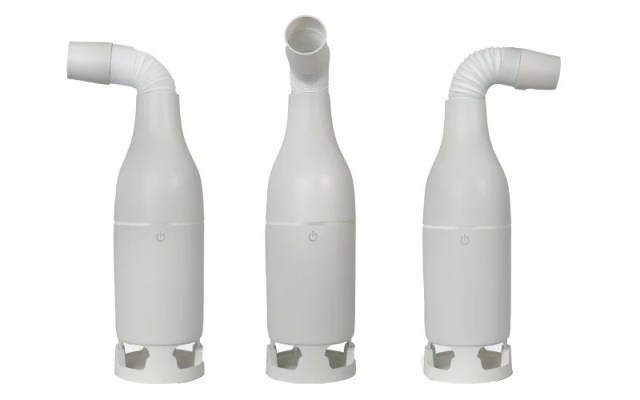
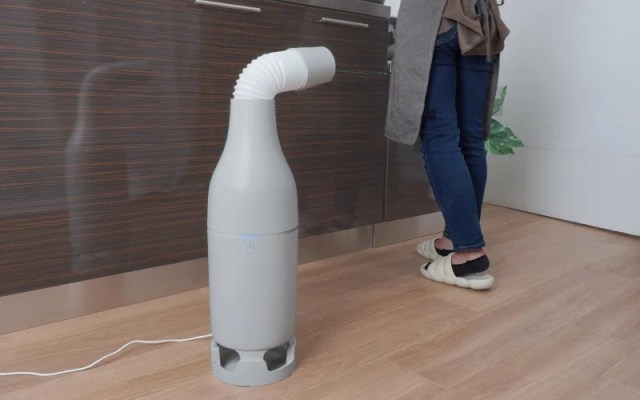
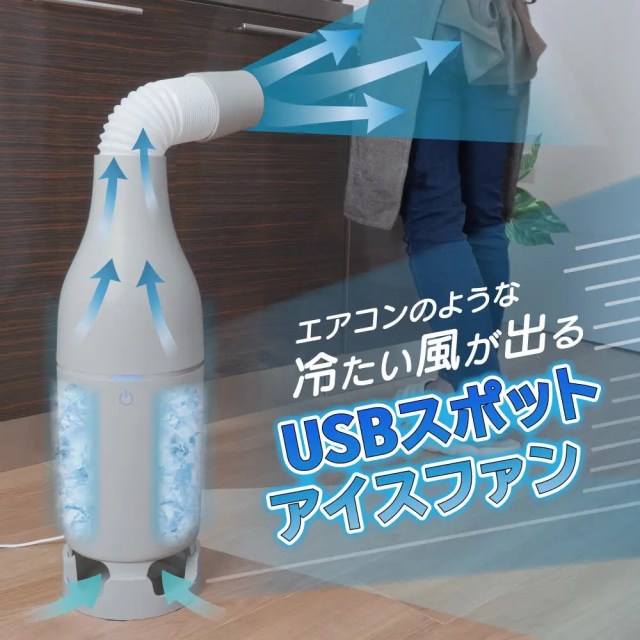
Thanko calls it the Cold Wind USB Spot Ice Fan, and it’s meant to provide you with a more effective blast of cold air than you’d get with a regular electric fan, but without the side-effect waste heat, costly installation, or high running costs of a conventional air conditioning unit.
The unit draws in air from near its base, sucks it up, and then blows it out the tube at the top. In between, it passes through an ice pack, cooling the air and then compressing it into the exit hose, so that it blows out with extra force, focusing the breeze exactly where you want it to, most likely directly on yourself.
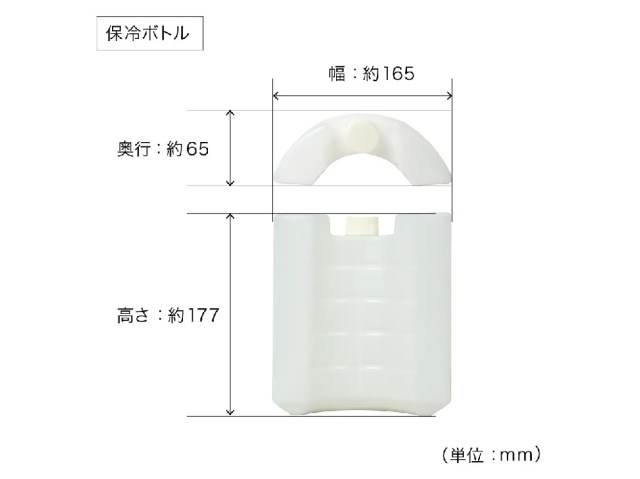
The reusable ice pack comes pre-filled with a powdered freezing agent. Add water and freeze it, and it’ll last you for four hours of fan use.
It’s extremely rare for homes and apartments in Japan to have centralized heating/air conditioning systems, and instead you have to install a separate unit for each and every room you want coverage in. This often means that hallways, bathrooms, and spaces towards the center of the home end up with no air conditioning, and the Cold Wind USB Spot Ice Fan looks like a handy way to cool off those places where putting in a full AC unit would be impractical and/or expensive.
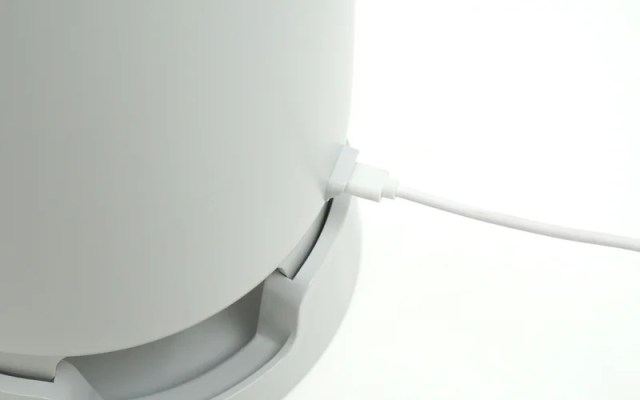
As for the USB part of the name, the device gets its power though a USB C port, and can be used either plugged into an AC adaptor or a mobile battery. The fan has three speed settings (high, medium, and low), and Thanko says that even though its efficient design means it uses only about one-fifth the electricity of a normal electric fan, it’ll still have you feeling three degrees Celsius (5.4 degree Fahrenheit) cooler.
The Cold Wind USB Spot Ice Fan is available through Thanko’s online store here, where it’s priced at 7,980 yen (US$51). And if you’re wondering if Thanko has weird and wonderful ways to keep you warm in the winter too, they sure do.
For most people doing long-haul domestic travel in Japan, the Shinkansen is their default method of getting from Point A to far-away Point B. However, sometimes it’s just as quick, if not quicker, to fly, especially if you’re starting at one end of the country and going all the way to the other.
In addition, while Shinkansen tickets are more or less constant in price, airfares fluctuate, so if you time your trip right, flying can be quicker and more economical than taking the train. Taking a plane starts to look like an even better option if you’re racking up frequent flyer miles…unless, that is, you’re a member of the yakuza, in which case trying to get frequent flyer miles can get you arrested.
On May 17, the Fukuoka Prefectural Police arrested Yuta Hirayama, a 42-year-old man from the town of Onojo, Fukuoka Prefecture. According to his arrest report, Hirayama has no officially designated job, but the police say he is a registered member of an organized crime syndicate that’s a subordinate group to the Kudo-kai, a Japanese mafia group based in Fukuoka.
Between June and November of 2023, Hirayama took nine domestic flights with a major Japanese airline, including flights between Fukuoka and Tokyo’s Haneda Airport to visit an acquaintance who was in prison in east Japan. In the process, he accrued 4,224 frequent flyer miles to an account registered in his name. However, the terms of service for the airline’s frequent flyer program includes a clause that members, by using the program, profess that they are not members of a criminal organization. Based on their assertion that Hirayama is a member of such a group, the police say that by using his account to accrue miles, he committed an act of fraud.
As we’ve discussed before, transactions and service contracts with no-yakuza clauses are common in Japan. It’s illegal, for example, for yakuza members to make mobile phone contracts or attend professional baseball games, as telecom providers and sports leagues don’t want to be associated with criminal organizations. Businesses are especially leery of having yakuza as members of loyalty programs that offer any sort of customer credit, since it could be construed as providing them with financial benefits. That’s why, for example, there are supermarket point programs with no-yakuza clauses, and with 4,224 miles within the frequent flyer program that Hirayama was a member of being exchangeable for 4,224 yen (US$27) in flight credit, the airline has a no-yakuza clause as well.
There is an additional wrinkle to this case, though, in that Hirayama had been a member of the frequent flyer program since 2013, but the airline only added its no-yakuza clause in 2022. As such, even if proven to be a member of a criminal organization, Hirayama’s initial entry into the program wasn’t fraudulent. However, the 2022 no-yakuza clause was ostensibly among the periodic terms of service updates that such programs require users to agree to when logging into their account, placing the legal responsibility on yakuza members to read through the new terms and withdraw from the program. So while many people simply scroll down to where they can click “OK” on such updates, if you’re a gangster, you really should read through them.
It’s unclear whether prosecutors will seek jail time for Hirayama, but if he is confirmed to be a yakuza member, his frequent flyer miles will be forfeited.
In this age of social media, it can be easy to get swept up in the lives of others and feel a pang of jealousy for those who have nicer things. Nevertheless, when it comes time to choose a plant to spruce up your home, it’s important to get one that fits your budget rather than splurging on the kind of high-end greenery all the famous celebrities are flaunting these days.
But for one 26-year-old man in the city of Takamatsu, Kagawa Prefecture, the allure of a really nice little tree in a local home center was, unfortunately, too powerful to resist. In the late afternoon of 7 June, the man was eyeing up a particularly premium potted plant selling for 275,000 yen (US$1,700). Averse to parting with so much money, he instead took a price tag from another item valued at 3,980 yen ($25) and replaced the plant’s one with it.
The plant in question is rather rare, so rare in fact, that it doesn’t even have a normal name and just goes by its scientific one of Operculicarya hyphaenoides in both English and Japanese. They’re native to Madagascar and are related to cashew trees. This type is also known as a caudex because of its fat trunk that stores water. These kinds of plants are quite popular for houseplant enthusiasts, partly because they have a natural bonsai feel to them.
▼ This video gives us a really good look at some.
However, when he attempted to purchase it, the cashier luckily had a keen eye for foliage and suspected something was wrong, refusing the purchase. The store had an incident involving someone swapping price tags the previous month, and was on high alert for it.
The man decided to leave without causing a scene, but the store contacted the police, who reviewed security camera footage. The video contained enough evidence to identify the man and implicate him for the houseplant fraud, resulting in his arrest on 8 June for the most recent incident.
The rareness of this particular plant also seems to have confused the media in Japan, which referred to it as a “cactus,” likely because it was in the cactus section of the home center where it was sold. Naturally, upon reading the news, many people online searched the plant’s name and were further confused by the mislabeling.
“It cost that much, and it doesn’t even look like a cactus?!” “It looks like a baobab tree.” “I have no idea what is good about that plant.” “It’s got a strange shape, but the leaves look cute.” “Cacti prices have really gone up, haven’t they?” “They say it’s easy to grow cacti. He should have tried that.” “That staff member knows the prices well.” “He probably just wanted to sell it online.”
Police are currently investigating the man’s motive and whether he was involved in any other related crimes. If he did plan to sell it, he would have had a hard time of it. Given the rarity of these plants and the fact that each one tends to have a distinct look, it would have been pretty easy for police to spot it as soon as it appeared online.
So, chances are he just likes plants, but lacked the patience and discipline to save up for one himself. Let that be a lesson to all of us who have heard that devil whisper in our ear, seducing us into committing felonies for really nice houseplants. It’s just not worth it.
We find out just how devilish and angelic these 100-yen surprises are.
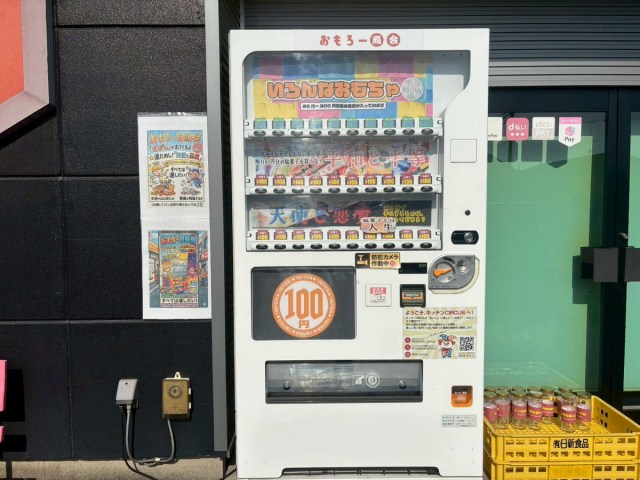
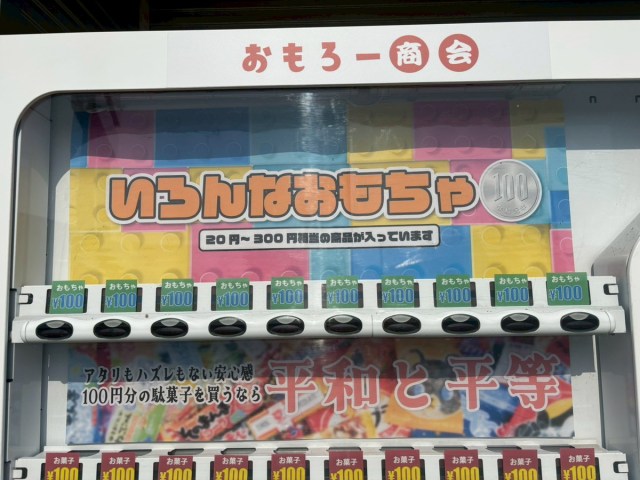
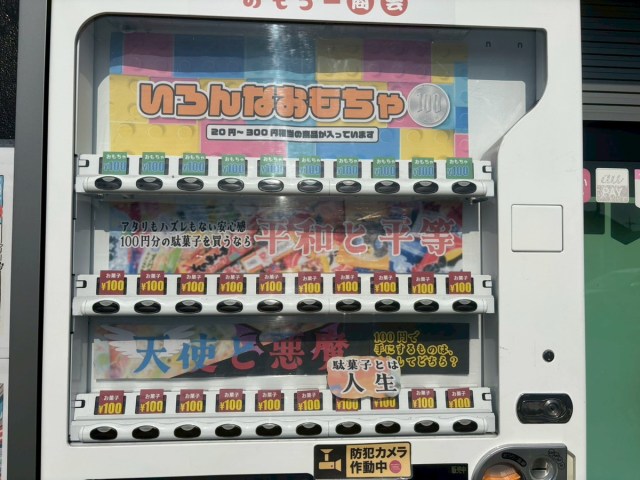
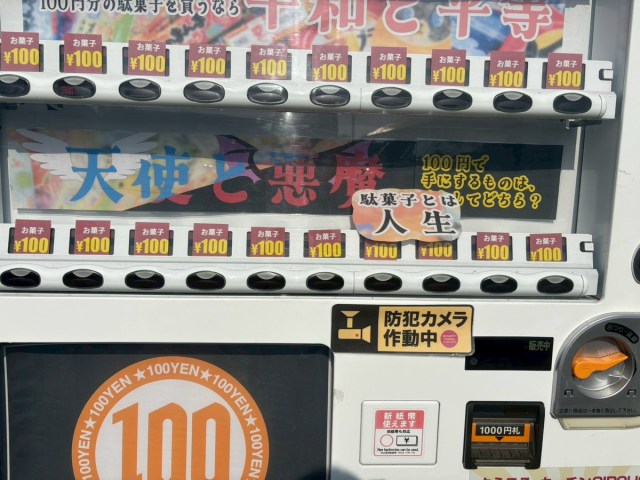
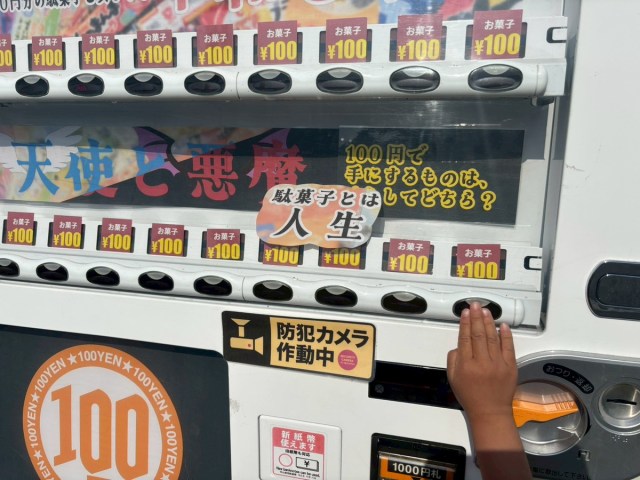
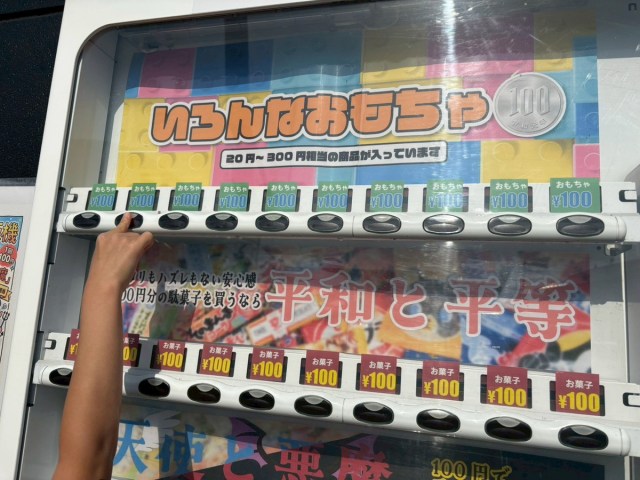
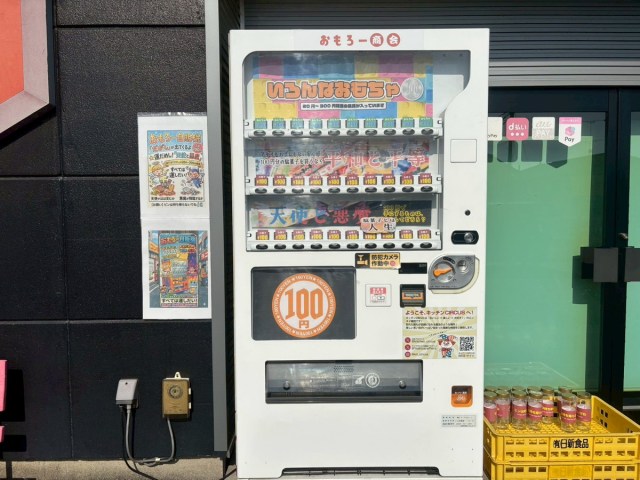
Our reporter Natsuno Futon was strolling the streets of OyamaCity in Tochigi Prefecture the other day when she came across an unusual vending machine. The first thing that caught her eye was the huge “100 yen” (US$0.63) sign on the front, but then, as she stepped closer, she became even more intrigued.
There, in the window display, were the words “いろんなおもちゃ” (“various toys“), and beneath them: “Contains items worth between 20 and 300 yen“.
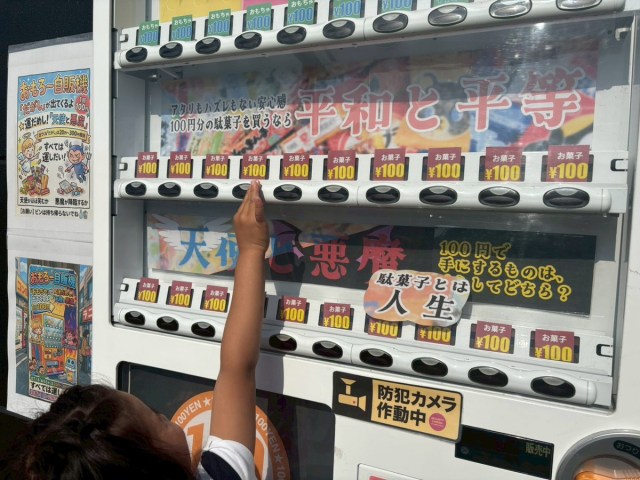
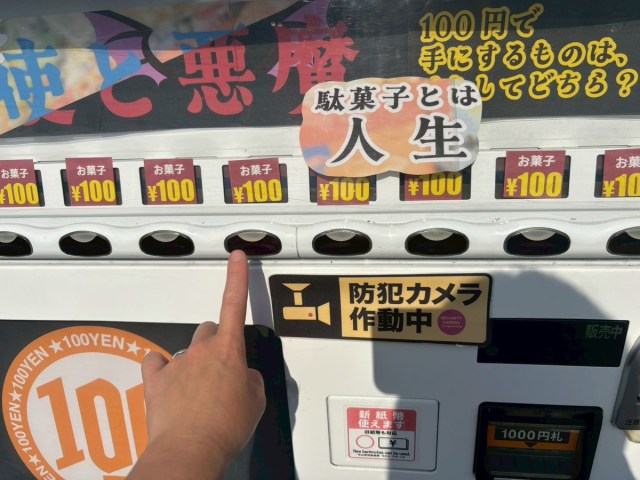
As her eyes moved down to scan the second row, she read the words: “平和と平等” (“Peace and Equality”) and then, on the third row, “天使と悪魔” (“Angels and Demons”).
Natsuno had never encountered a vending machine stocked with Peace and Equality and Angels and Demons before, and neither had her children who were with her on this outing. Needless to say, her children were excited to find out what these mystery items were, so Natsuno found herself reaching into her pocket for some 100-yen coins.
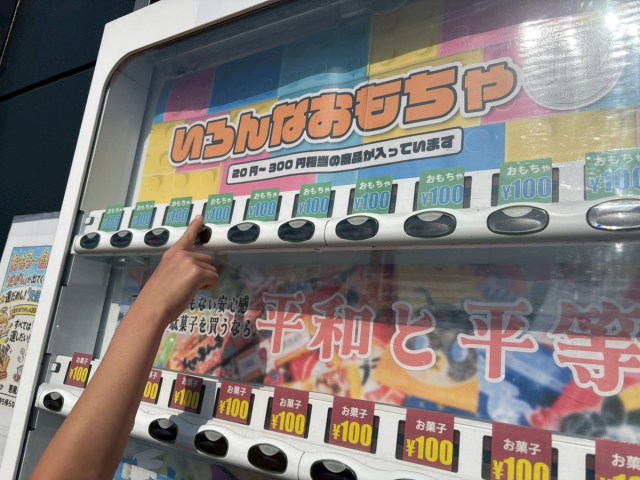
With a machine like this, part of the fun is randomly selecting a button to press, and her daughter started by pushing one of the buttons on the top row, which were marked “おもちゃ” (“toys“).
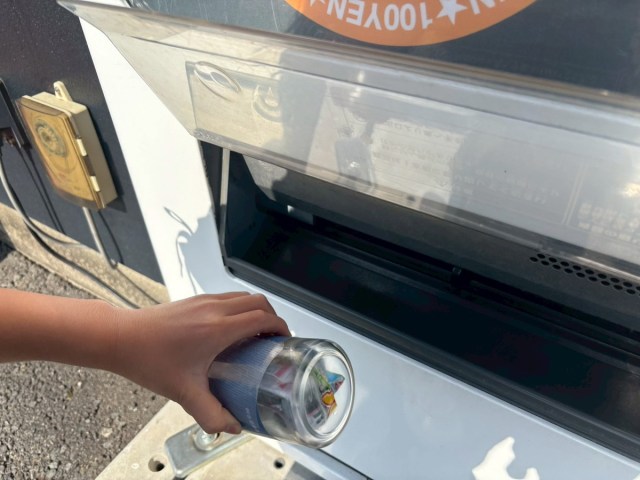
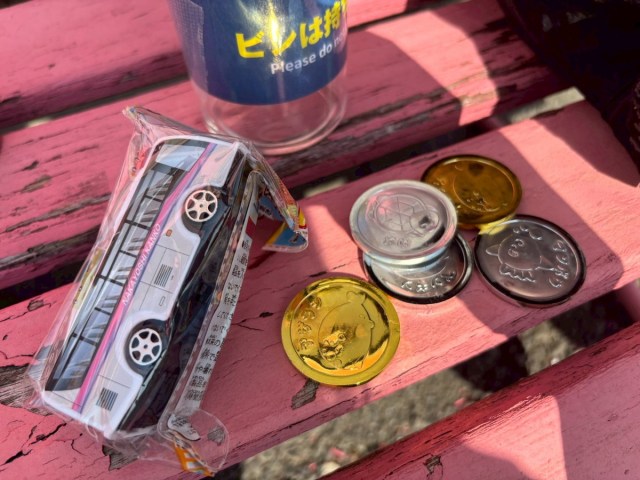
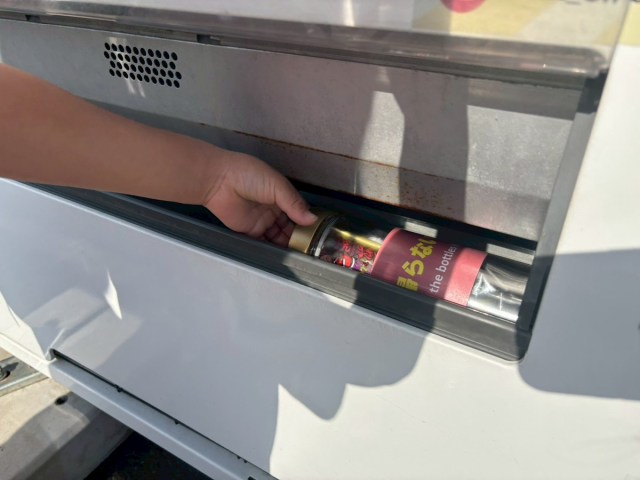
▼ A long cylinder immediately popped out into the tray at the bottom of the machine, and this is what came out of it.
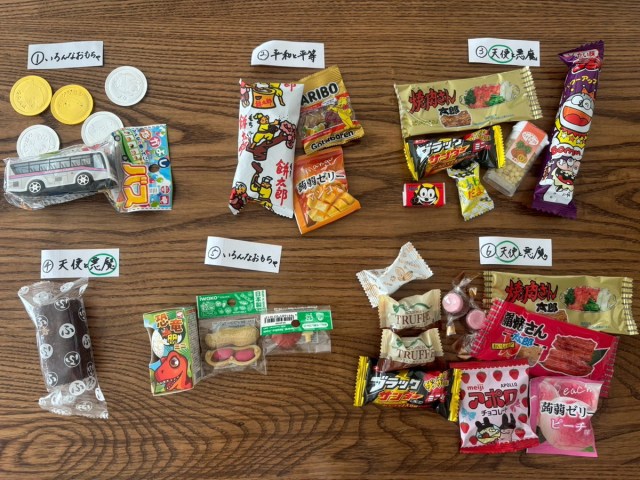
A toy car and five toy coins. From Natsuno’s point-of-view, this was a bit of a disappointment, particularly as her daughter doesn’t have any interest in toy cars or fake coins.
▼ Hoping for something better, her daughter popped a real coin into the machine and pressed a button on the “Peace and Equality“row.
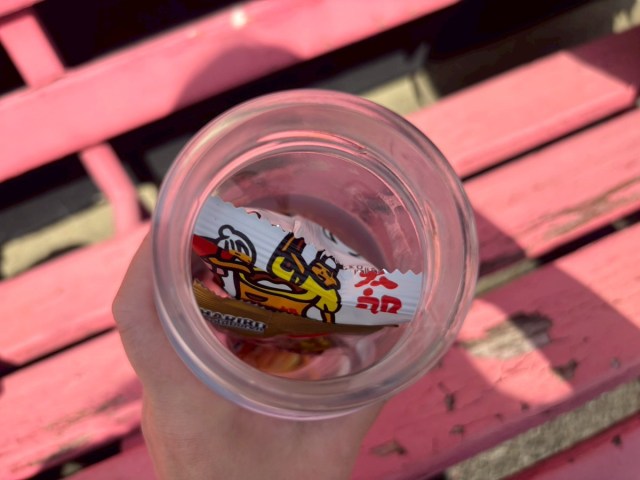
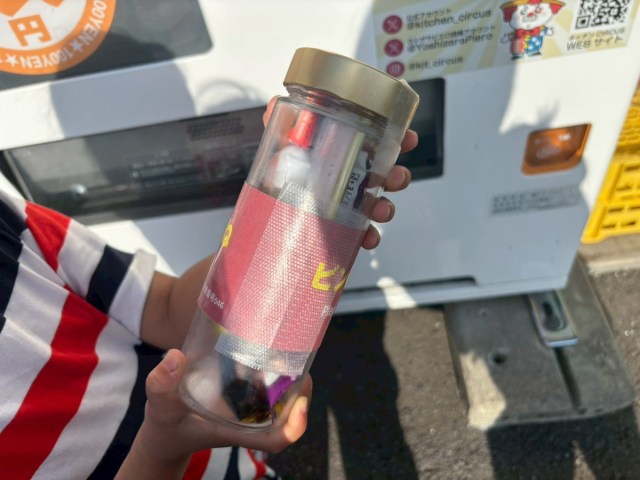
The buttons on the second and third rows read “お菓子” (“sweets“), so they knew this would be something edible. What that would be, however, remained a mystery until they popped the lid on the canister they received.
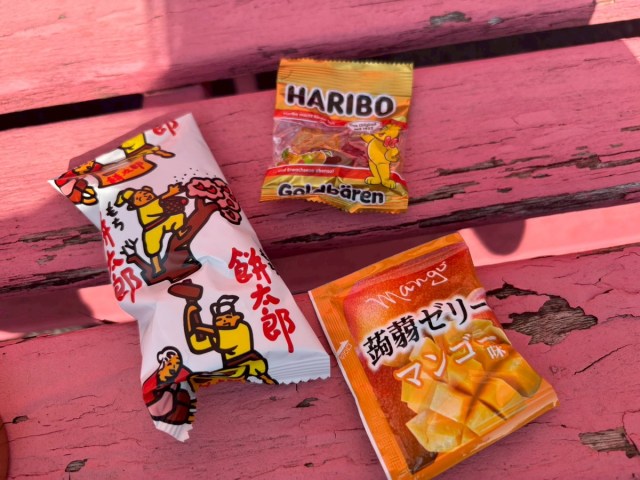
▼ Oh! That looks like Mochitaro.
Mochitaro is a classic Japanese “dagashi” (cheap snack) consisting of crunchy rice cracker chunks. It wasn’t the only thing in the canister, as it also contained some mango jelly and a small bag of Haribo gummy candies.
For 100 yen (US$0.63), this was a decent deal, and it gave Natsuno and her daughter hope that they might be able to encounter an angel on their next try.
▼ Time to press a button on the “Angels and Demons” row.
What came out, however, appeared to be neither an angel nor a demon, as the canister was ambiguous.
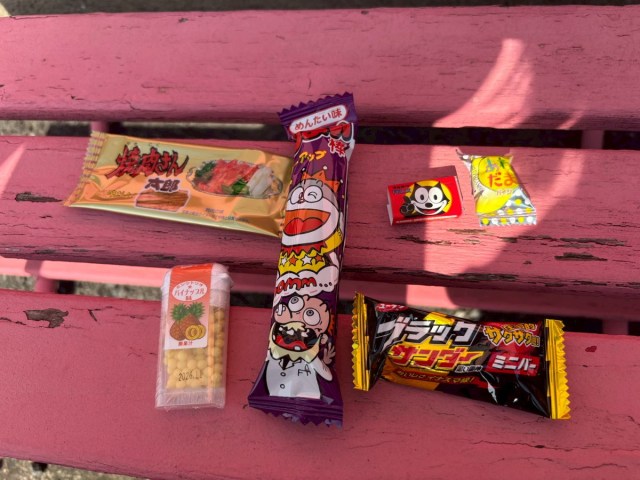
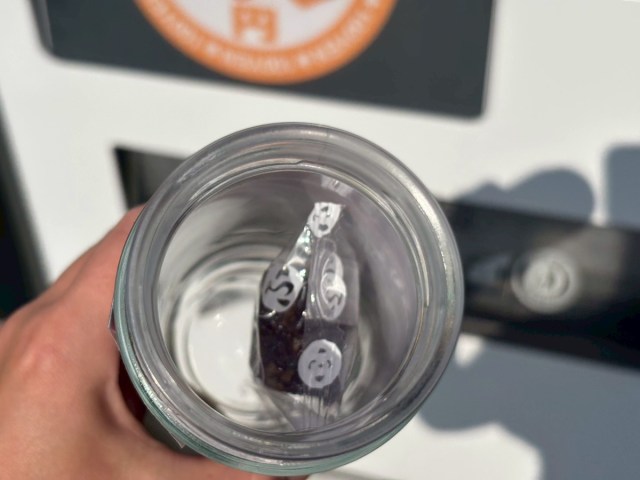
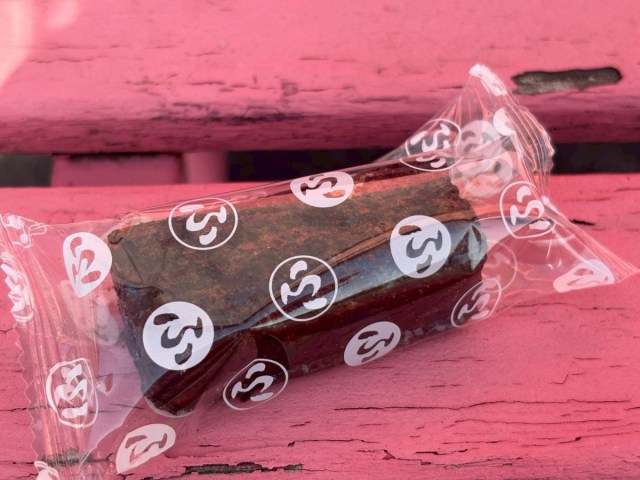
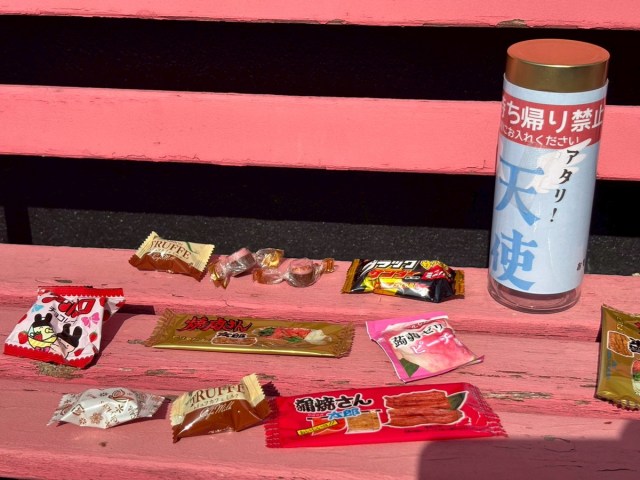
Even after looking inside, they weren’t sure whether they’d been visited by a demon or an angel, as they received six cheap candies that might’ve been worth around 100 yen. The dark hues on some of the packs, including the iconic Black Thunder chocolate, hinted at a devilish selection, but on the other hand, it was a pretty good deal.
▼ Curious to give it another try, Natsuno’s daughter pressed another button…
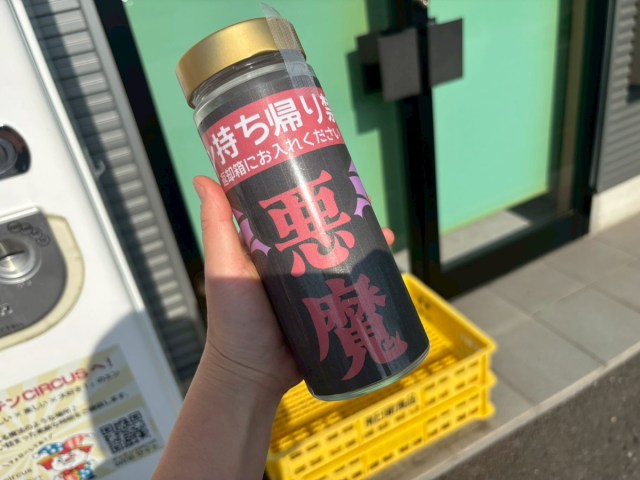
▼ …and out popped a canister with the word “Devil” printed on it in big red characters.
▼ What was inside?
▼ One puffed wheat snack.
This was definitely devilish – paying 100 yen to receive just one cheap puffed rice snack was a merciless move, and now they were more determined than ever to meet an angel.
▼ One more try.
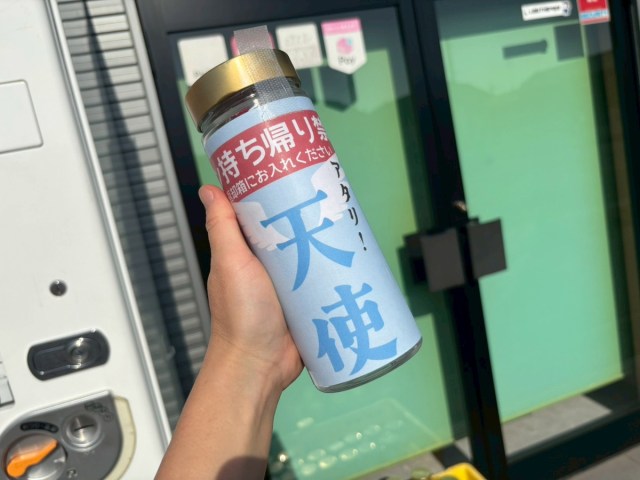
▼ Success!
The progression from ambiguous canister through to devil and then angel was such a great progression that Natsuno felt it was almost as if there was someone inside the machine, reading the atmosphere and doling out excitement in increasing levels.
▼ The word “アタリ!” (“win!“) was also printed on the canister, adding to the sense of joy.
▼ So…let’s see what the angel delivered.
This was definitely a win, as it was the best result so far, with Natsuno estimating the total value to be more than 100 yen. Emboldened by this result, Natsuno and her daughter went for another try on the toy line, which seemed to present a better deal than the sweet options.
▼ If there’s a chance of winning something worth up to 300 yen, this is where they might get lucky.
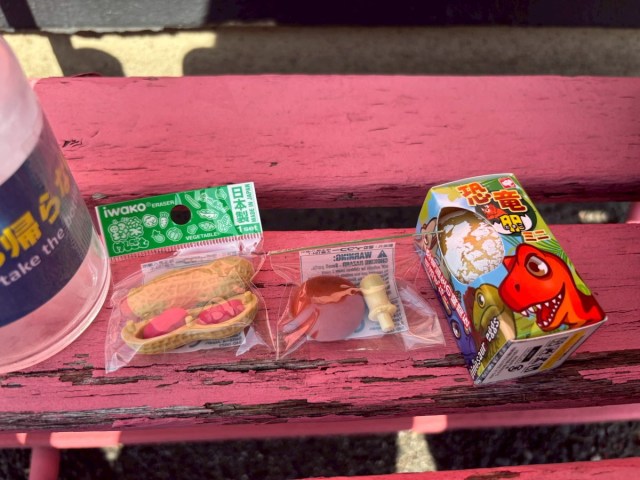
▼ They were rewarded with two fun erasers from respected company Iwako, and a dinosaur egg.
Natsuno figured this bundle was worth over 200 yen. It wasn’t bad, but to be honest, she wouldn’t say it was worth 300 yen.
▼ After a total of six tries, here’s everything they received.
It may not have been a huge deal, but the real draw of the machine wasn’t a tangible product visible to the human eye. The real takeaway here was the fun and excitement of wondering what might come out of the machine, and that was worth way more than every deposit of 100 yen.
▼ There aren’t really any other places in the world where you can buy “peace and equality” for 100 yen.
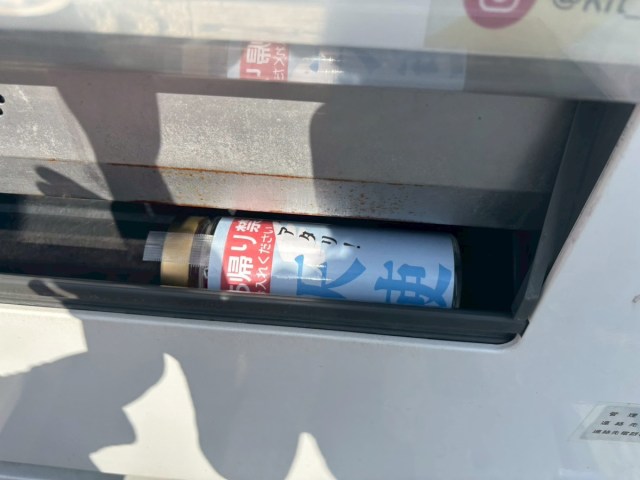
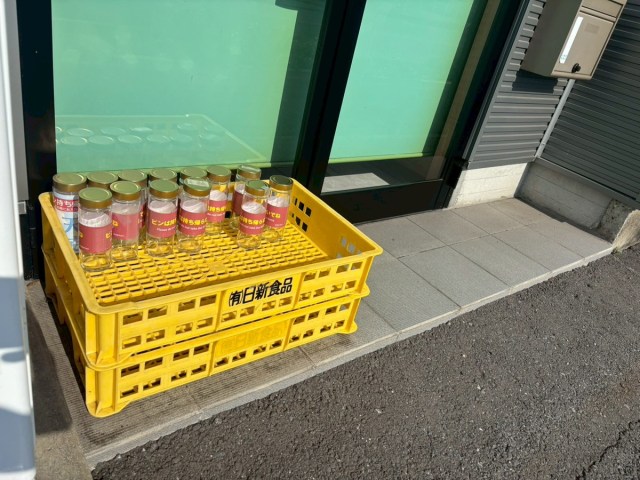
▼ Judging by the containers in the return spot for reuse, there weren’t many angels that day either, so they felt extra blessed to have received one.
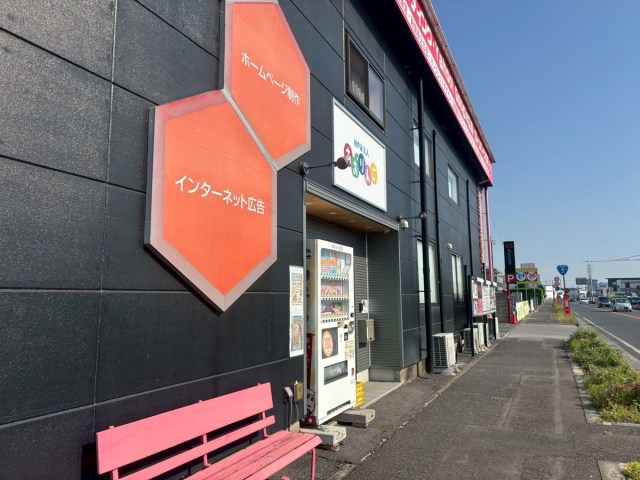
If you’d like to try your luck at the vending machine, it’s located under a sign for “NPO Aoringo” on a black building that reads “Ad Promote Co., Ltd.”and we’ve included the address for you below.
Ad Promote operates and stocks these machines, and according to its online shop, “Omoro Shokai” (“Fun Trading Company”), the Omoro vending machines ceased operations in January this year. That means this machine, which we visited in May, is the last of its kind in the country, so if you’re like us and love visiting weird and unusual machines, this is a stop worth putting on your itinerary.
Instant ramen maker shows that even hamsters will fall in love with Cup Noodle, if given the chance.
Pretty much everyone loves Cup Noodle, from hungry kids to busy college students to adults who don’t want to go through the hassle of cooking after a long day at the office. As a matter of fact, it turns out that the instant ramen brand’s appeal transcends humanity, as a new video shows the massive untapped potential of a new Cup Noodle fanbase: hamsters!
Now, we should be clear that the Cup Noodle manufacturer is not recommending letting your pet hamster eat instant ramen, as the nutritional needs of humans and hamsters are entirely different. Instead, they’ve created a Cup Noodle hamster wheel.
“We’ve made a Cup Noodle that hamsters love running in,” says the post from Nissin’s official Twitter account, along with an adorable video of a hamster taking it for a spin. However, look closely and you’ll see that isn’t a repurposed ramen container. To make the running motion as natural as possible, the apparatus is a straight cylinder, unlike Cup Noodle packages that widen as you move from the base to the brim. The interior of the cylinder also has little notches to give the hamster better traction as it runs.
The exterior design, though, is an exact match to the classic, iconic Cup Noodle packaging, and with the video representing a meeting point of Japan’s love of instant ramen and its love of cute animals, the online reaction has been overwhelmingly positive and envious.
“I want to let my pet ham-chan run on this too!” “This…this would be a huge seller!” “Please offer these for sale. I’ll do anything for one.” “Add a noodle pattern to the inside, and it’ll be perfect.” “I want to hook this up to a generator and use the power to boil water to cook my Cup Noodle with.”
As we’ve seen before, Nissin likes to let its design team share photos of its crazy and/or creative prototypes, and sometimes what starts out as just quirky fun actually does end up making it to market if the response is strong enough. That’s what happened with the Cup Noodle Measuring Cup and Cup Noodle Squid Fork, and considering that Japan is a country that has Final Fantasy scratching pads for cats and Dragon Quest dog houses, it seems like there’s probably a market for Cup Noodle hamster wheels too.
KFC set out to recreate the image of three parts of the U.S. in sandwich form, and it looks like they hit at least one bullseye.
People in Japan are well aware that KFC originated in the U.S. Seeing as how Kentucky doesn’t get a lot of international tourists or pop culture attention, though, very few Japanese people have any strong impression of Kentucky Fried Chicken’s home state, to the extent that most Japanese people call KFC itself simply “Kentucky.”
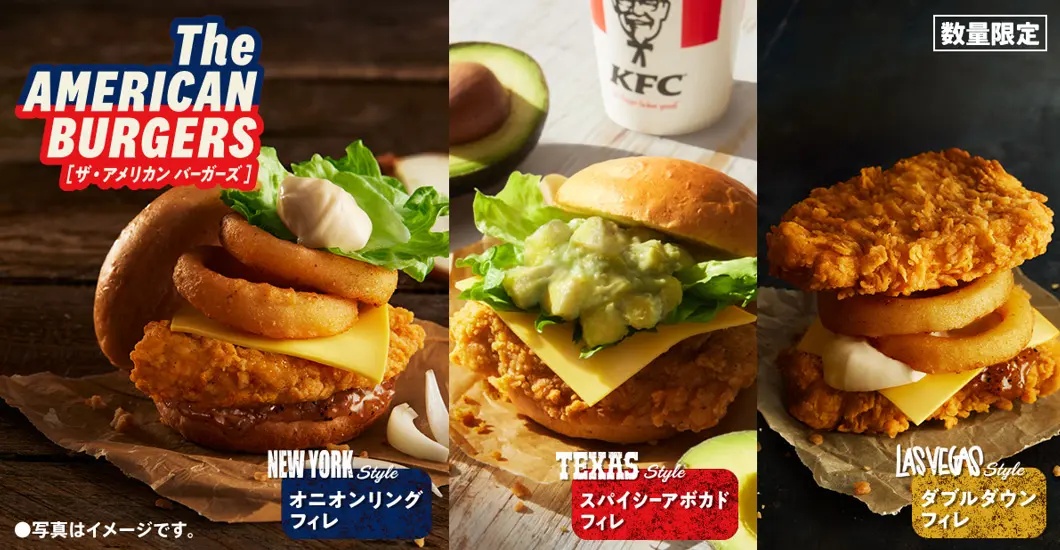
So for the trio of sandwiches KFC Japan is adding to its menu, collectively named “The American Burgers,” they’re picked three other parts of the U.S. for their themes, saying that they want for them to be edible expressions of the image of America. That might sound like a challengingly abstract goal, but they might have nailed it with their Las Vegas “burger.”
I’ve put “burger” in quotes since it usually implies a sandwich with a either a ground meat patty or a bun, but the Las Vegas Style Double Down Fillet Burger has neither. Instead, it’s a pair of boneless fried chicken pieces being used to sandwich onion rings, a cheddar cheese slice, what appears to be a large dollop of mayonnaise, and a drizzle of barbecue glaze. KFC Japan describes the combined effect as “a guilty flavor,” and it absolutely looks like the sort of extravagant decadence one would wallow in while visiting Vegas, right down to the inevitable soul-searching self-questioning “Should I really have done that?” afterwards.
The other two members of the The American Burgers trio are less likely to trigger a review of your life choices, though they’re both definitely heavyweight meal options too. Picture above, the New York Style Onion Ring Fillet Burger scales itself back to one piece of boneless fried chicken and has a bun, but does keep the onion rings and cheddar cheese. The other key ingredient here is a garlic sauce which KFC boasts combines the umami properties of bacon and onion, with the goal of the sandwich, KFC Japan says, being to to deliver a hearty meal evocative of a New York diner.
And last, there’s the Texas Style Spicy Avocado Filet Burger. This one ditches the New York sandwich’s onion rings and garlic sauce, and instead gives you a diced avocado filling. This is sort of an unusual choice, linguistically/geographically speaking, since in America a burger with avocado is usually called a “California burger.” KFC Japan says the avocado filling is inspired by guacamole, but with an extra spicy kick added to it, and that Texas was chosen for the name as a symbol of guacamole’s popularity across the southern U.S.
With guacamole being at least as popular in California as it is in Texas, and having been introduced to the U.S. via Mexico, the “Texas” theming still feels a little off, and while New York is famous for its delis, it’s not necessarily any more known for diners than other large American city. Still, full marks to KFC Japan for capturing the excitement-to-potential-regret roller coaster of a Vegas bender in sandwich form.
The New York and Texas American Burgers are both priced at 580 yen (US$3.75), while the Vegas one is for higher-rollers at 790 yen. They’ll all be on sale for a limited time at KFC Japan branches starting May 27.
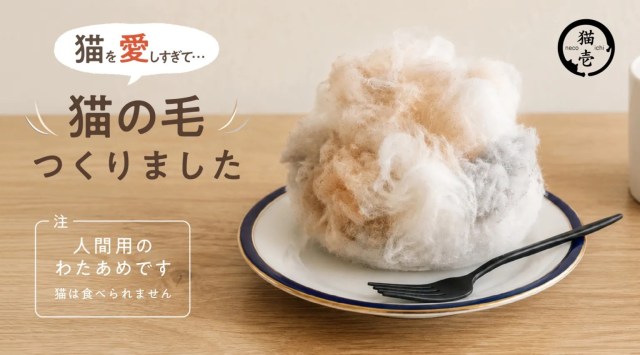
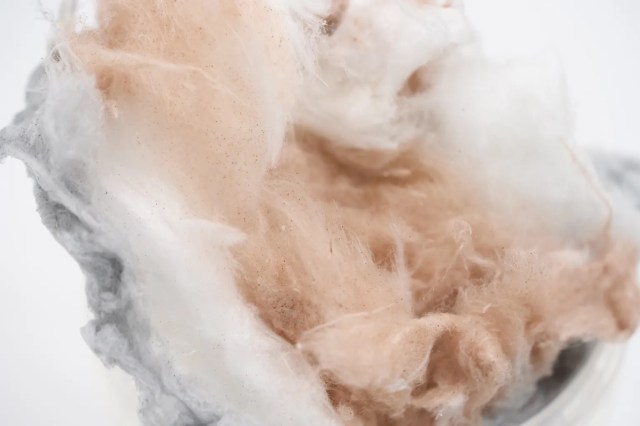
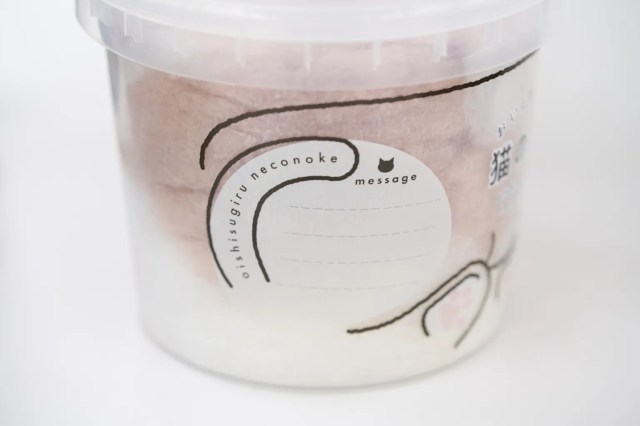
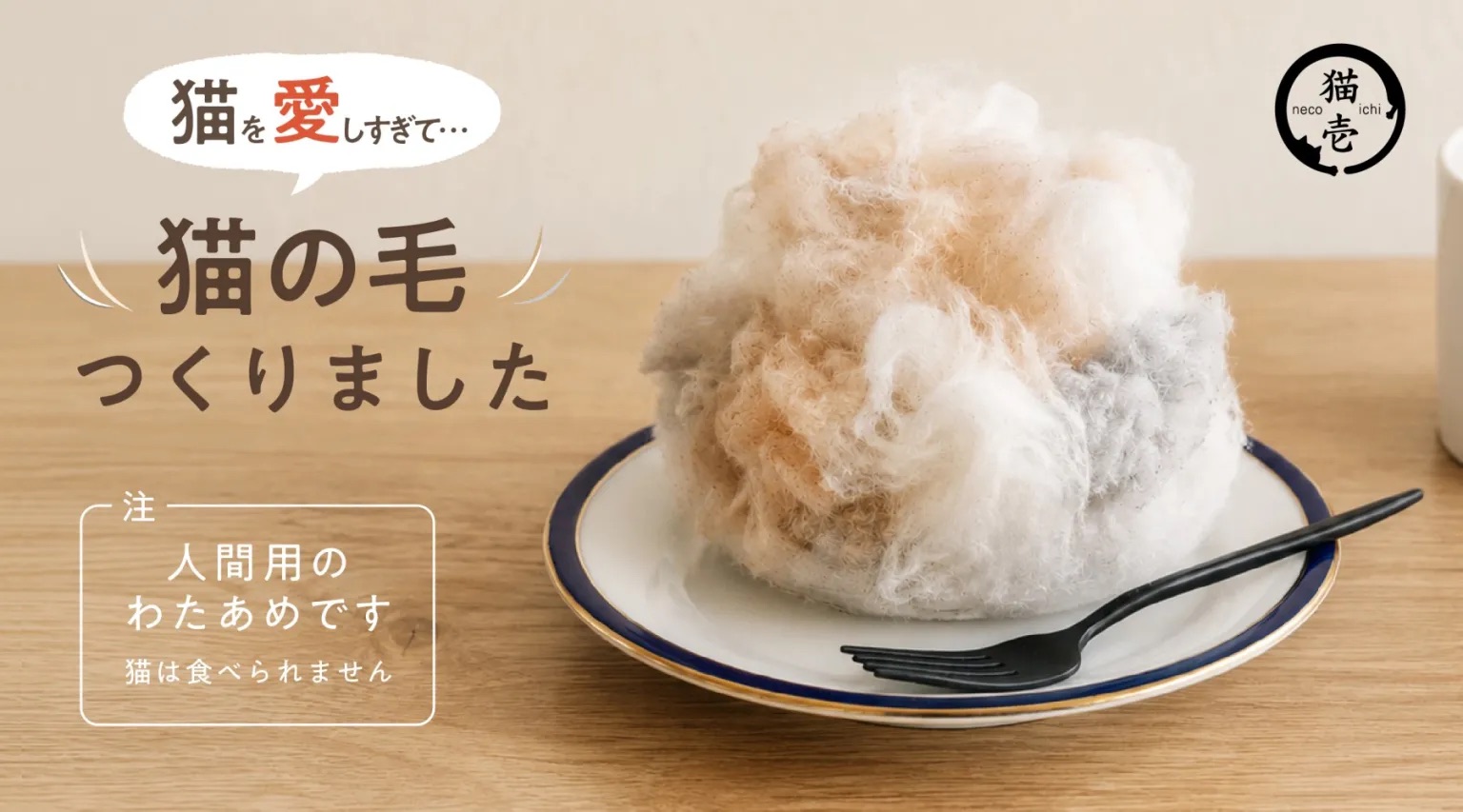
Known officially as “Delicious Cat Fur” by its creators, Necoichi, a company that specialises in cat products, this new offering is designed to look like something that’s been plucked from the back of a calico cat. The cat-like colouring and fluffy texture looks incredibly realistic, but you can breathe a sigh of relief as this “fur” is actually…
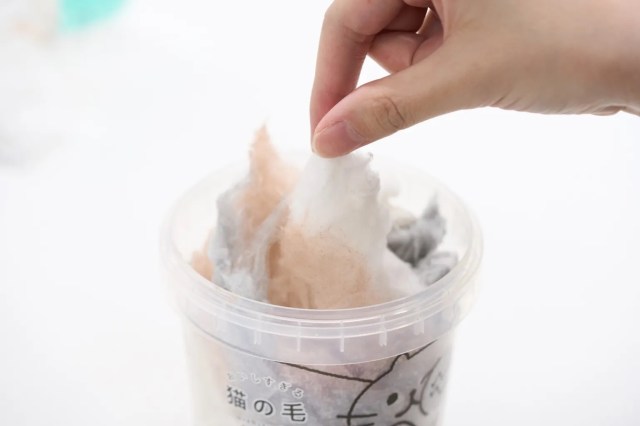
▼ … cotton candy!
To be precise, this is said to be cotton candy for cat lovers, as it’s packed with beautiful details that “reflect a deep love for felines”. It’s such a fun and unique product that it’ll appeal to anyone with a fondness for cats, but if you’ve ever wanted to collect your pet’s fur and keep it in a container, or if you’ve ever liked a cat so much you’ve wanted to eat its fur, then this will tip the scales towards being a dream product. You can also share the love with a dedicated message section on the side for gift-giving.
▼ “Our dreams of eating cat fur are finally a reality!”
While the visuals are enough to put cat lovers into a tailspin, the product is also designed to be genuinely delicious. The cotton candy is said to melt lightly on the tongue, and hidden inside are popping candy pieces that crackle in your mouth as you eat it, creating a fun texture that comes with equally fun sound effects.
▼ The promo image for the product reads “We made cat hair”, alongside a speech bubble that says “We love cats too much…” and “This is cotton candy for humans. Cats can’t eat it” as a cautionary note.
With a sweet and sugary aroma, the Delicious Cat Fur is a multi-sensory experience that’ll engage more than just sight, hearing, smell, taste, and touch – it’ll engage your sense of imagination as well.
It’s surprisingly realistic for something made of sugar, and is sure to bring a smile to all sorts of cat lovers, from the casual admirer to the full-on feline enthusiast. Released on 30 May, the “Delicious Cat Fur” is available exclusively at the Necoichi Store at Yokohama’s Lalaport shopping centre, priced at 980 yen (US$6.11).
Rock shochu and reggae shochu really do taste different from each other.
The island of Amami Oshima is part of Kagoshima Prefecture, and Kagoshima is usually pictured as making up the southwest tip of the island of Kyushu, one of Japan’s four main islands. Amami Oshima, though, is far, far away from the Kyushu coastline, so far away that the ferry from Kagoshima City takes 13 hours to get there.
▼ The route from Kagoshima City to Amami Oshima, which can alternatively be reached by plane from Tokyo in two and a half hours.
Oh, and it’s also famous for shochu, a distilled spirit with longstanding cultural connections to southwest Japan. Specifically, Awaji Oshima’s kokuto shochu, made with rice and brown sugar, is highly prized, and so on our recent visit to the island we didn’t just want to drink some, but also see how it’s made.
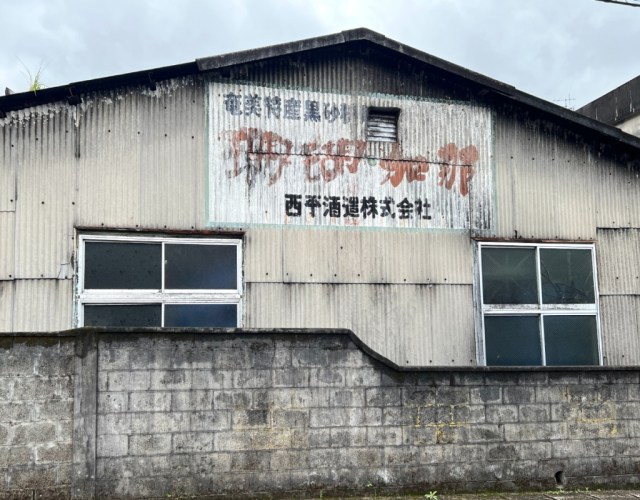
We lucked out when we contacted Nishihira Shuzo, an Amami Oshima shochu maker that’s been in business for 99 years, and they said they could offer us a tour of the facility, and a tasting too, with some very unique beverages to sample.
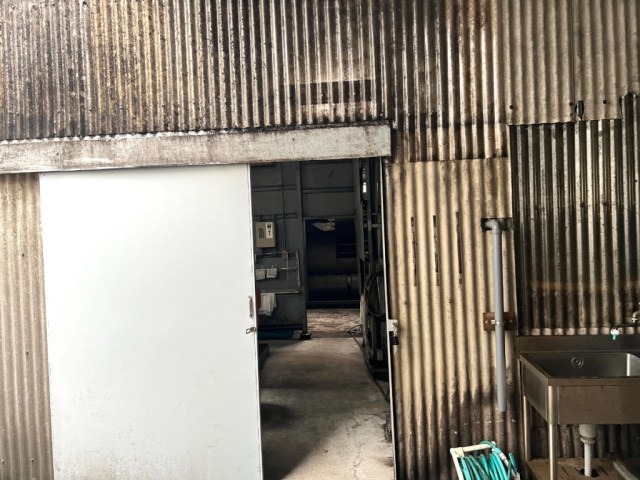
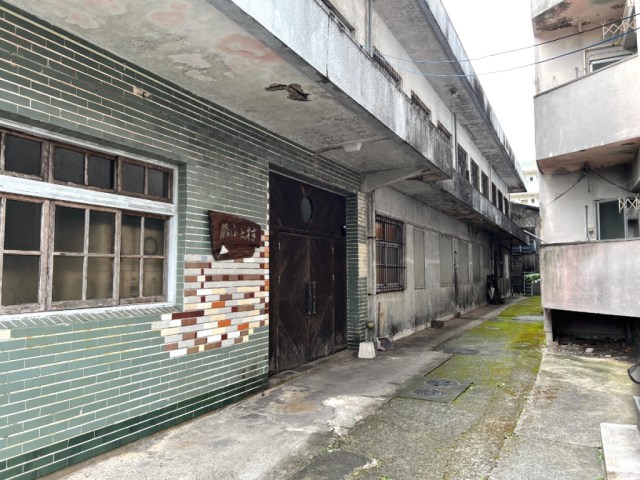
▼ The rustic exterior of the Nishihira Shuzo distillery
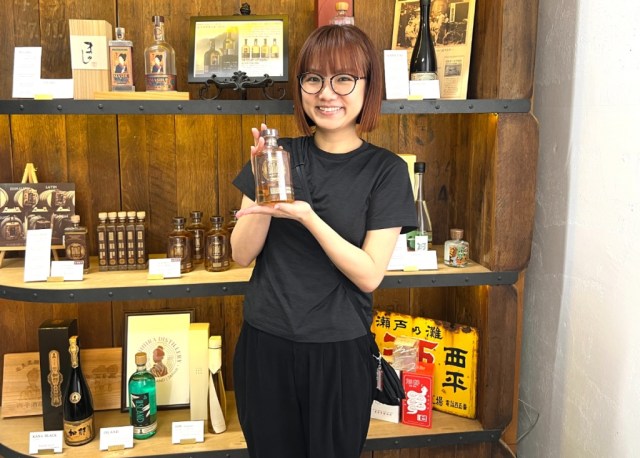
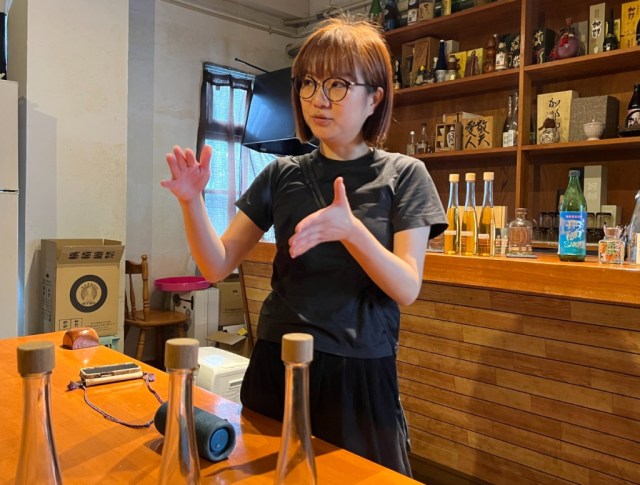
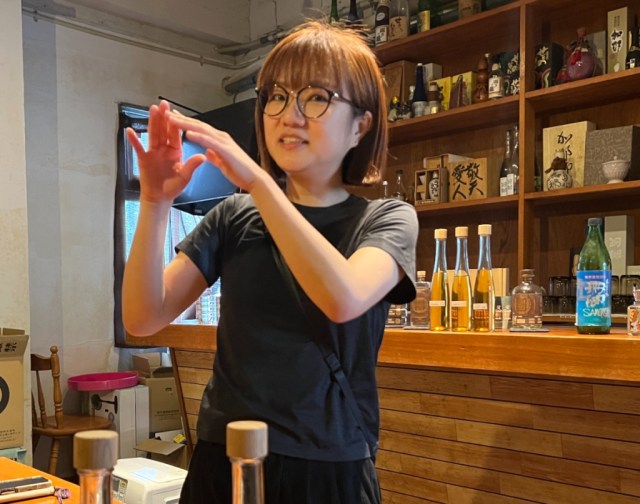
Despite being around for nearly a century, Nishihira Shuzo is still a family-run operation, and we were told that the fourth-generation owner of the business would be our guide. With shochu being a high-alcohol drink with an old-school vibe, our mental knee-jerk reaction was to expect a stern-looking, silver-bearded gentleman, but instead we were warmly greeted by Serena Nishihira and her friendly smile.
▼ Serena Nishihira
In addition to being a skilled shochu distiller and businesswoman, Nishihira is also a musician, which is something that’ll come into play later on. To start, though, she led us into the distillery’s production area.
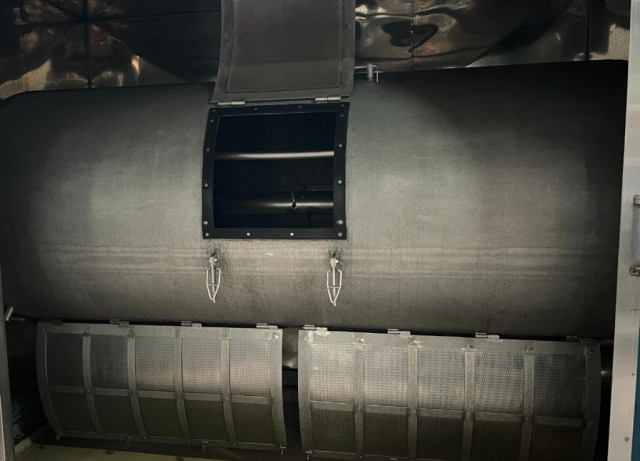
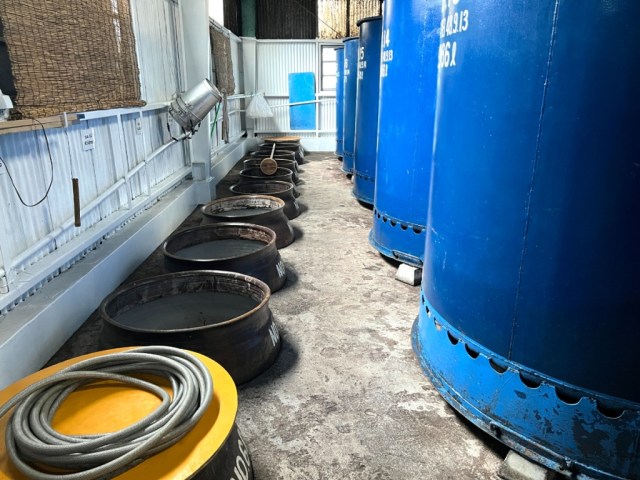
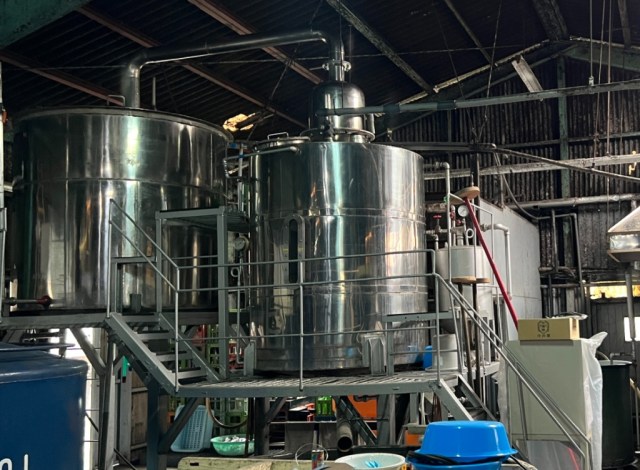
As mentioned above, Nishihira Shuzo’s shochu is made from rice, so steaming the grains is the first step in making it. The distillery has a gigantic cylinder-shaped apparatus that’s used for washing and steaming, with a typical batch using about 400 kilograms (882 pounds) of rice.
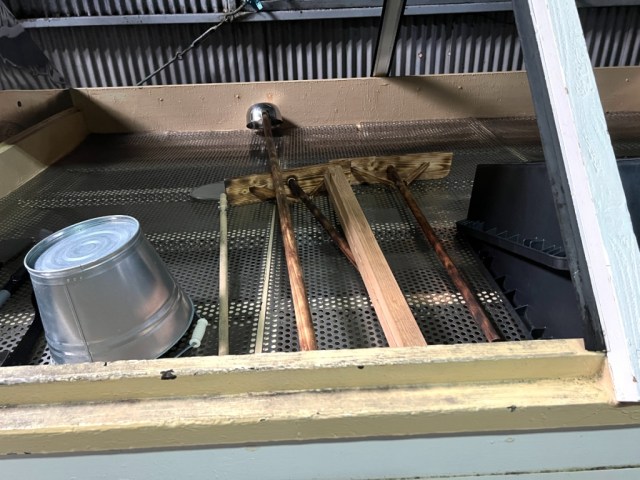
Once the rice is cooked, it’s taken out of the drum and sprinkled with koji, a fermentation-triggering type of mold that’s also used in making sake. The rice is then put on racks in a temperature-controlled environment for its initial fermentation.
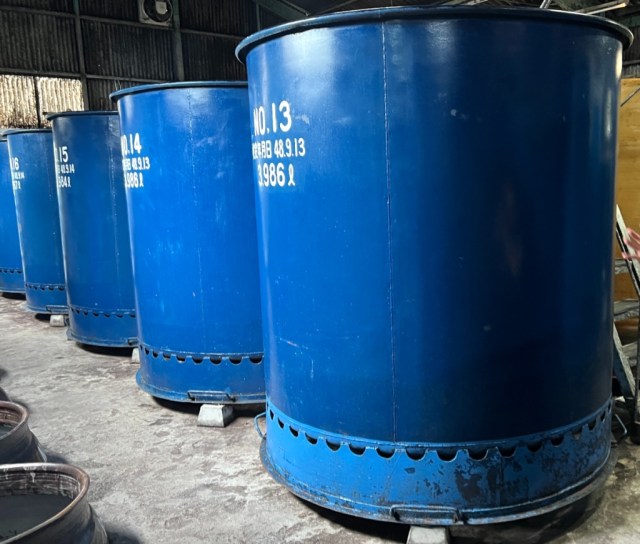
The next morning, the rice is put into jars with yeast and water to ferment for an additional five days. This isn’t a step that all shochu makers include in their process, but Nishihira Shuzo says it’s a key element of theirs.
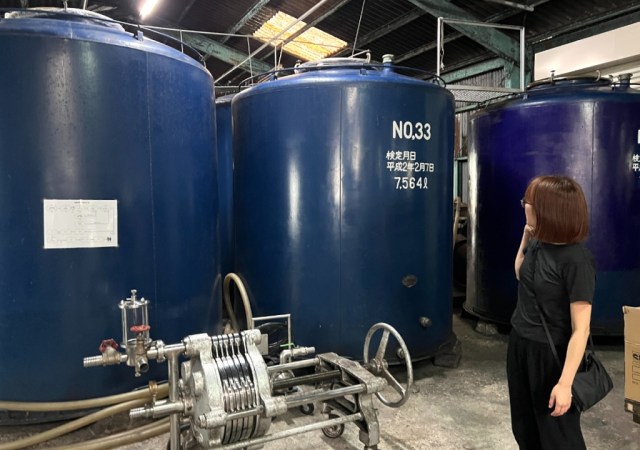
After its time in the pot, the mixture is transferred into tanks and combined with liquified brown sugar, then given another two weeks to ferment.
That produces the fermented mash which is then distilled.
But that doesn’t mean Nishihira Shuzo can whip up a whole batch of kokuto shochu, start to finish, in just three weeks, because the final step (before bottling) is to age the shochu in tanks for at least one full year.
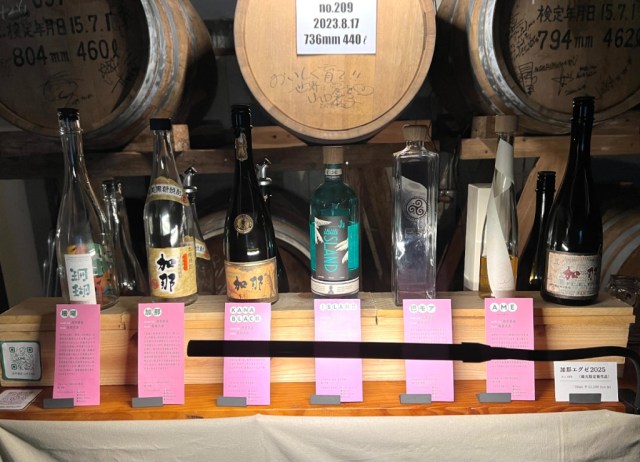
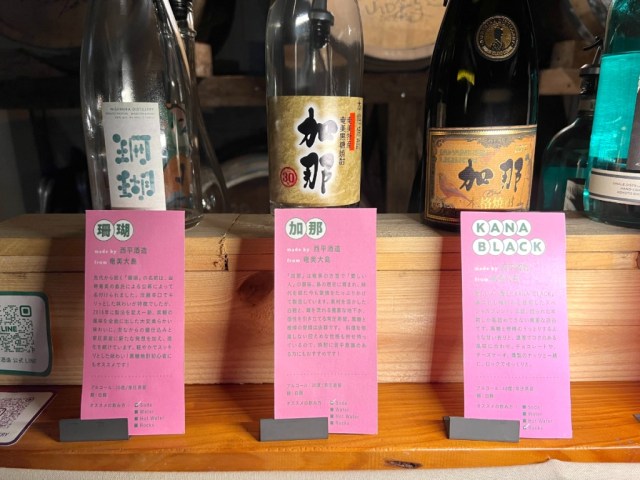
From a 400-kilogram load of rice, Nishihira Shuzo can produce roughly 800 1.8-liter (60.9-ounce) bottles of shochu. Luckily for us, some of those bottles end up in the distillery’s tasting room, which was the next place that Nishihira led us to.
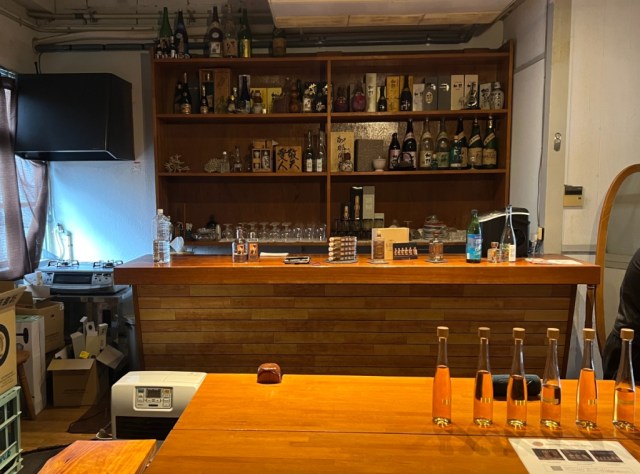
The tasting room has chairs, a projector, and a screen set up for use for group events or musical performances, but we had the place to ourselves on this day.
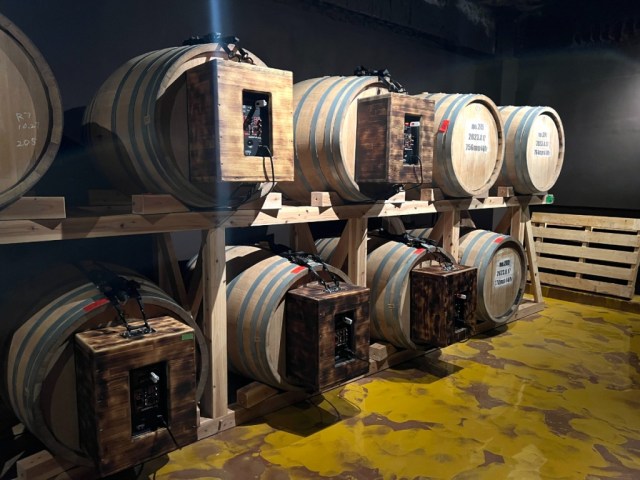
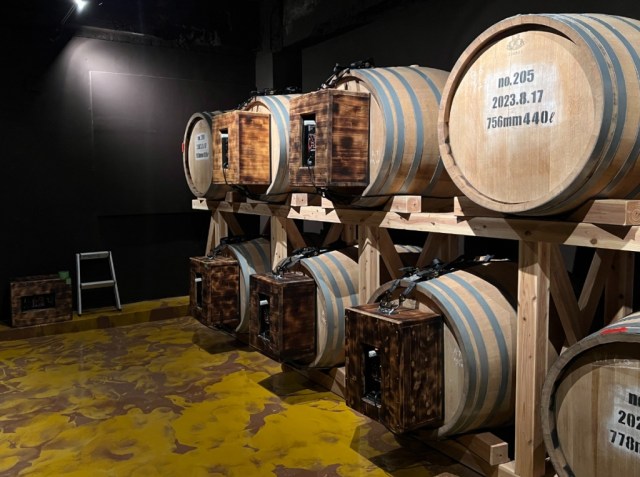
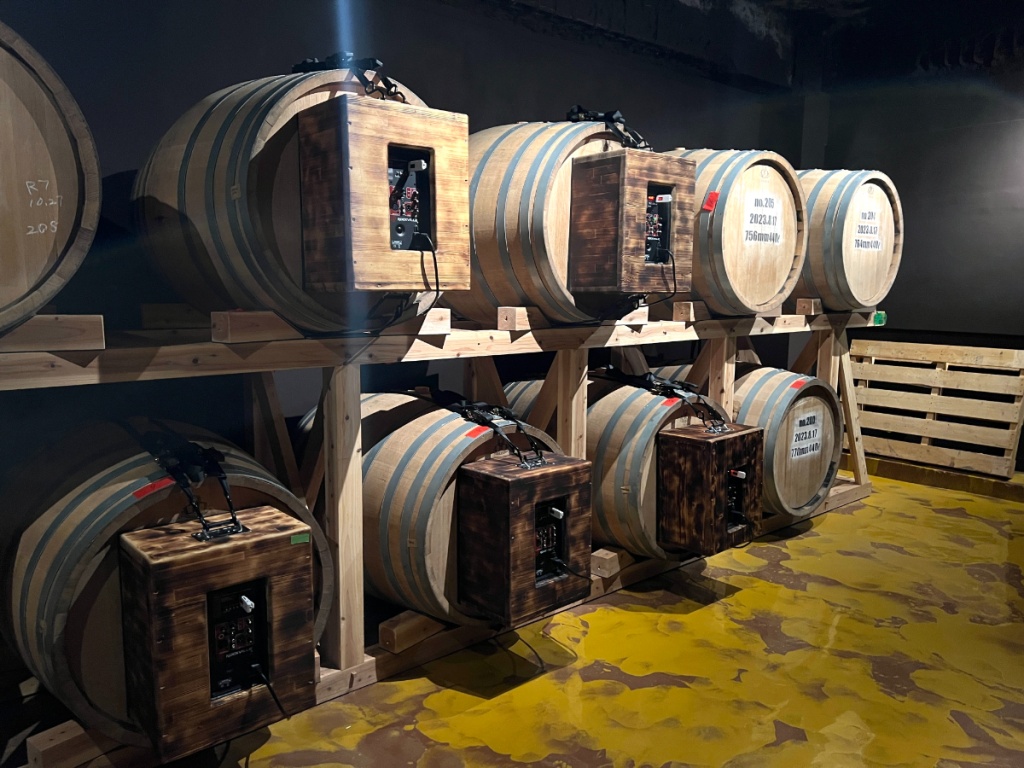
Nishira poured us a selection of the company’s products, and we found them all extremely enjoyable. But just when we thought things couldn’t get any better, she led us through a door at the back of the room where we saw this.
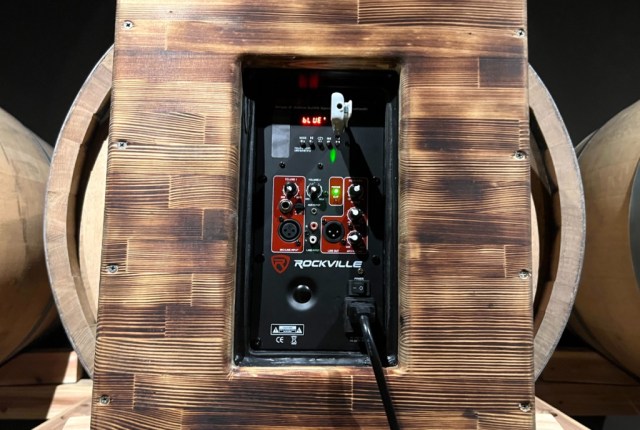
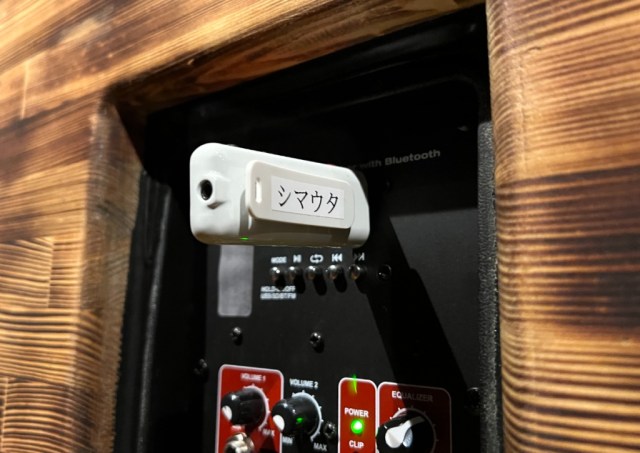
Those are shochu barrels with speakers attached to them. And not some little mini speakers that you might have set up in your kitchen to listen to tunes while you cook, but concert-size amps!
This is where the Nishihira’s Sonic Aging Project takes place. While the speakers were quiet as we looked at them, Nishihira turns all of them on when the distillery starts its shift for the day, and has them play for eight hours. Different amps play different genres of music, with a total of six styles: house, reggae, hip-hop, Latin, rock, and shima uta, or Japanese southern island folk songs.
“We play the music at high volumes,” Nishihira explained, “Depending on the genre, the music produces different vibrations within the barrels, and we want to see how that affects the shochu.”
▼ The shima uta barrel
Like we said, Nishihira is a musician, so at first the idea of playing music for the shochu sounded like a whimsical, creative, but ultimately inconsequential idea. Nishihira, says, though, that with the barrels being music-treated for roughly 2,000 hours in a year, it really does make a difference.
Genres with more bass produce stronger vibrations in the barrel, and also with the shochu itself. That increased interplay between the container and its contents causes the wood to have a more significant influence on the color and flavor of the shochu that’s aging inside.
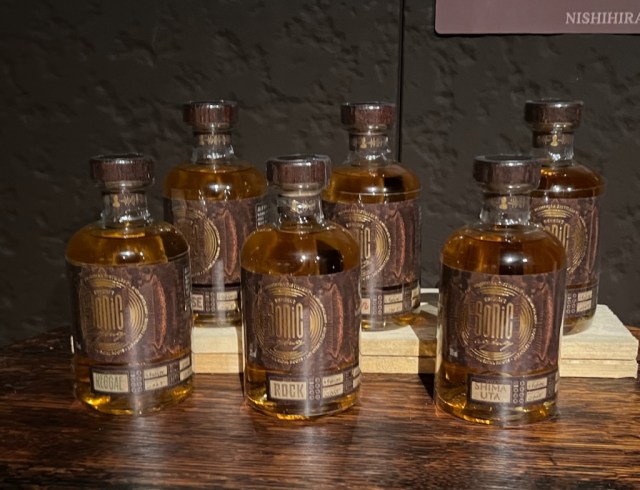
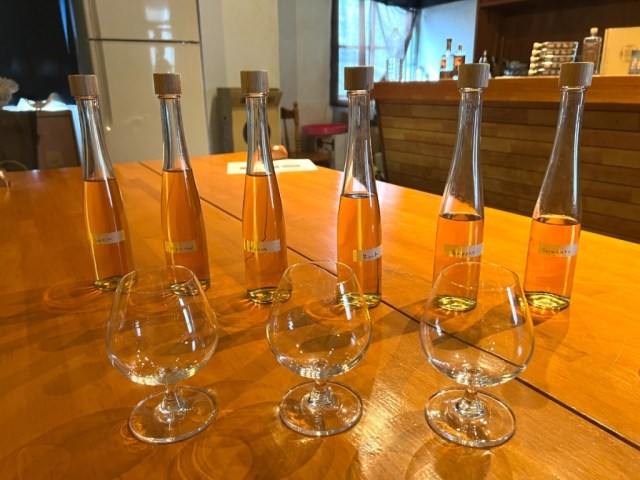
To prove this, Nishihira ushered us up to the second floor of the tasting area to try some of the Sonic Aging Project series.
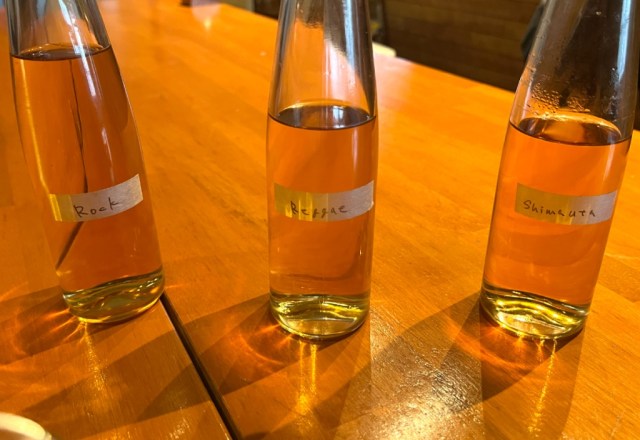
Out of the six music genres, Nishihira says that reggae produces the strongest vibrations, and shima uta the softest. So we definitely wanted to taste those two, and she also poured us some of the rock shochu, which is somewhere between the other two in the spectrum.
And you know what? We really could taste the difference! The reggae shochu was darker in color and had a rich flavor with some notable bitter notes from the wood. The shima uta shochu, meanwhile, was lighter in color and sharper in taste, with a more pronounced sensation of alcohol. The rock shochu, sure enough, was a mid-point between the more distinct characteristics of the reggae and shima uta.
So which of the Sonic Aging Project shochu styles is the best? There’s actually no answer to that, Nishihira says. Just like your favorite musical genre is a matter of personal taste, so too will different people have different rankings for how much they like the different types Sonic Aging Project shochu, and they’ve all got their own unique charms.
Reservations for Nishihira Shuzo tours can be made through their website here, but if you can’t make it all the down to Amami Oshima, they also offer their shochu, including the Sonic Aging series, through their online store here.

 Login
Login