Reading view

20260405-EBANISTERIA JAPONESA-NB007-2K

Manuel Gual posted a photo:

20260405-EBANISTERIA JAPONESA-NB007-2K

The Quiet Discipline of Japanese Woodworking: A Traditional Joinery Workshop

Description

Inside a serene Japanese woodworking studio, the images reveal the slow, precise, and deeply tactile world of traditional cabinetmaking. Soft natural light filters through shoji screens, illuminating aged wooden workbenches, hand planes, chisels, saws, measuring tools, stacked timber, polished drawers, iron hardware, and carefully assembled joinery. The atmosphere is calm and contemplative, shaped by patience, repetition, and respect for material.

The series follows the full rhythm of artisanal creation: selecting and preparing raw boards, drawing measured plans by hand, sharpening blades on a wet stone, cutting and carving joints, planing long ribbons of wood from a board, assembling drawers and cabinets, fitting metal handles, brushing lacquer, polishing surfaces, and finally presenting finished tansu-style furniture in a quiet tatami room. Every scene emphasizes craftsmanship over speed, touch over machinery, and inherited knowledge over industrial production.

The visual language combines documentary realism with a refined cinematic sensibility. Warm wood tones, indigo work garments, soft diffused daylight, shallow depth of field, sawdust, wood grain, worn tools, and traditional Japanese interiors create an intimate portrait of a craft that feels timeless. The images celebrate not only furniture making, but also the philosophy behind it: restraint, precision, durability, balance, and beauty found in useful objects.

This collection is ideal for themes related to Japanese culture, traditional carpentry, handmade furniture, heritage crafts, sustainable design, woodworking, wabi sabi aesthetics, slow craftsmanship, interior design, and the quiet dignity of manual labor.

The images have been generated by Artificial Intelligence.

  •  

20260405-EBANISTERIA JAPONESA-NB011-2K

Manuel Gual posted a photo:

20260405-EBANISTERIA JAPONESA-NB011-2K

The Quiet Discipline of Japanese Woodworking: A Traditional Joinery Workshop

Description

Inside a serene Japanese woodworking studio, the images reveal the slow, precise, and deeply tactile world of traditional cabinetmaking. Soft natural light filters through shoji screens, illuminating aged wooden workbenches, hand planes, chisels, saws, measuring tools, stacked timber, polished drawers, iron hardware, and carefully assembled joinery. The atmosphere is calm and contemplative, shaped by patience, repetition, and respect for material.

The series follows the full rhythm of artisanal creation: selecting and preparing raw boards, drawing measured plans by hand, sharpening blades on a wet stone, cutting and carving joints, planing long ribbons of wood from a board, assembling drawers and cabinets, fitting metal handles, brushing lacquer, polishing surfaces, and finally presenting finished tansu-style furniture in a quiet tatami room. Every scene emphasizes craftsmanship over speed, touch over machinery, and inherited knowledge over industrial production.

The visual language combines documentary realism with a refined cinematic sensibility. Warm wood tones, indigo work garments, soft diffused daylight, shallow depth of field, sawdust, wood grain, worn tools, and traditional Japanese interiors create an intimate portrait of a craft that feels timeless. The images celebrate not only furniture making, but also the philosophy behind it: restraint, precision, durability, balance, and beauty found in useful objects.

This collection is ideal for themes related to Japanese culture, traditional carpentry, handmade furniture, heritage crafts, sustainable design, woodworking, wabi sabi aesthetics, slow craftsmanship, interior design, and the quiet dignity of manual labor.

The images have been generated by Artificial Intelligence.

  •  

Mistrust between the Cuban exile community and the island’s internal opposition complicates a post‑Castro transition

The Cuban dissident Oswaldo Payá used to say that he lived in the crossfire. In May 2002, he achieved the milestone of delivering more than 11,000 signatures to Cuba’s Parliament. The petition demanded a referendum to democratize the island.

Seguir leyendo

© Norlys Perez (REUTERS)

A billboard featuring Fidel Castro, Raúl Castro and Miguel Díaz-Canel in Havana, Cuba, on May 15.
  •  

20260405-EBANISTERIA JAPONESA-NB018-2K

Manuel Gual posted a photo:

20260405-EBANISTERIA JAPONESA-NB018-2K

The Quiet Discipline of Japanese Woodworking: A Traditional Joinery Workshop

Description

Inside a serene Japanese woodworking studio, the images reveal the slow, precise, and deeply tactile world of traditional cabinetmaking. Soft natural light filters through shoji screens, illuminating aged wooden workbenches, hand planes, chisels, saws, measuring tools, stacked timber, polished drawers, iron hardware, and carefully assembled joinery. The atmosphere is calm and contemplative, shaped by patience, repetition, and respect for material.

The series follows the full rhythm of artisanal creation: selecting and preparing raw boards, drawing measured plans by hand, sharpening blades on a wet stone, cutting and carving joints, planing long ribbons of wood from a board, assembling drawers and cabinets, fitting metal handles, brushing lacquer, polishing surfaces, and finally presenting finished tansu-style furniture in a quiet tatami room. Every scene emphasizes craftsmanship over speed, touch over machinery, and inherited knowledge over industrial production.

The visual language combines documentary realism with a refined cinematic sensibility. Warm wood tones, indigo work garments, soft diffused daylight, shallow depth of field, sawdust, wood grain, worn tools, and traditional Japanese interiors create an intimate portrait of a craft that feels timeless. The images celebrate not only furniture making, but also the philosophy behind it: restraint, precision, durability, balance, and beauty found in useful objects.

This collection is ideal for themes related to Japanese culture, traditional carpentry, handmade furniture, heritage crafts, sustainable design, woodworking, wabi sabi aesthetics, slow craftsmanship, interior design, and the quiet dignity of manual labor.

The images have been generated by Artificial Intelligence.

  •  

Goran Konjevod Transforms Paper into Elegantly Organic Origami Vessels

Goran Konjevod Transforms Paper into Elegantly Organic Origami Vessels

If it weren’t for being so lightweight and crisp in their facets, Goran Konjevod’s elegant vases could at first glance be mistaken for thin porcelain. Crafted instead from precisely folded paper, the works tap into the relationship between—and associations with—material, form, and function. His meticulous origami compositions combine organic forms with nuanced hues and gradients, creating a sense of visual heft and presence from thin, gauzy material.

Konjevod’s work was recently included in Art of the Fold at ACCI Gallery, and “Grey Curves Vase” and “Artist’s Palette Vase” will be part of an exhibition titled The Craft of Paper: Contemporary Takes on Tradition this August at the Robert C. Williams Museum of Papermaking in Atlanta. See more on Instagram.

An origami paper vase with a wide lip on top and a white-to-indigo gradient
“Sea Vase”
Small vases
An origami paper vase
“Takeuchi-inspired Vase”
An origami paper vase made with dark red paper, with a wavy texture
“Crimson Dream Vessel”
An origami paper vase with a wide base and narrow top, with uneven rim details around the body
“Inverted Vase”
Small vases
An origami paper vase
“Indigo Mottle Vase”
The base of an origami paper vase
Base detail of “Indigo Mottle Vase”
An origami paper vase in gray paper with a wavy, ripple effect
“Grey Curves Vase”
An origami paper vase with a blue-magenta gradient
“Twisted Pleat Vase”

Do stories and artists like this matter to you? Become a Colossal Member today and support independent arts publishing for as little as $7 per month. The article Goran Konjevod Transforms Paper into Elegantly Organic Origami Vessels appeared first on Colossal.

  •  

French museum reports theft of arty banana

Malay Mail

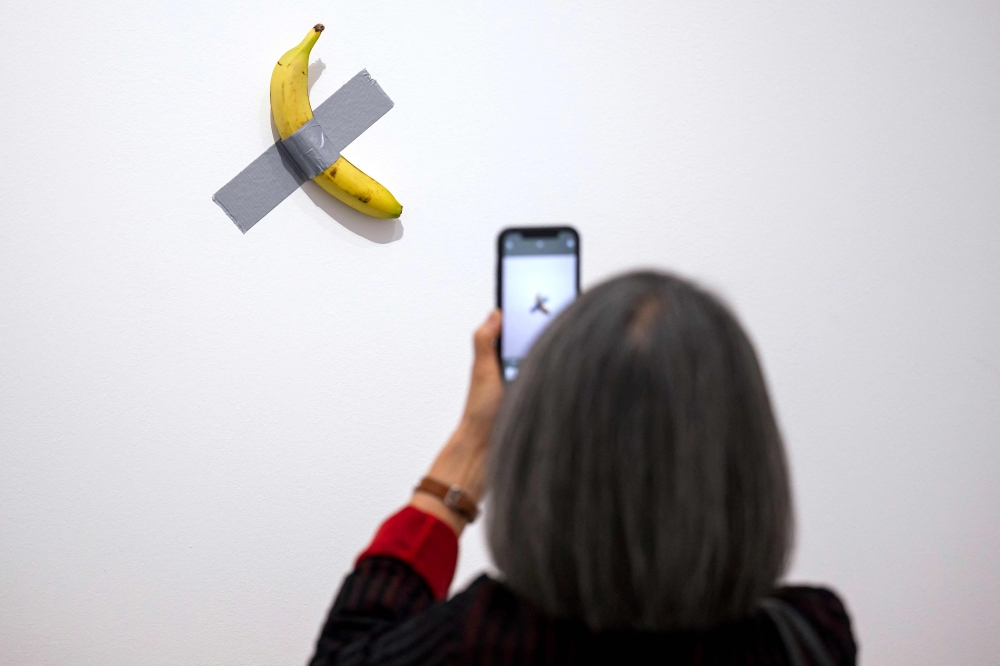
STRASBOURG, May 31 — A museum in eastern France on Sunday reported to police the theft of a banana that forms a core part of a multimillion-dollar artwork by Italian visual artist Maurizio Cattelan.

The missing fruit—which was taped to a wall to form the provocative work by Cattelan called Comedian—was noticed by a guard on Saturday to have gone missing.

The Pompidou-Metz museum, which is a branch of the famous Pompidou Centre in Paris, said in a statement it had lodged a criminal complaint for theft against persons unknown.

It also said it had replaced the banana.

It is not the first time damage has been dealt to the conceptual artwork, whose perishable banana centrepiece is replaced every three days to keep it contemporary.

In July last year, a visitor to the museum ate the fruit. But guards quickly intervened and stuck up a replacement banana.

Cattelan said at the time he was disappointed the hungry visitor had consumed only the banana and not the tape as well. The museum did not take legal action in that instance.

This time, though, it decided to make its criminal complaint because the perpetrator was unidentified, and therefore “there is no possibility of dialogue”.

It also said that “this is the second time this has happened” and it felt it was an issue of respect for the artwork.

Cattelan’s edible creation, which aims to question the notion of art and its value, has sparked controversy ever since it made its debut at the 2019 Art Basel show in Miami Beach with an asking price of US$120,000 (RM475,890).

A performance artist, David Datuna, ate Comedian at that 2019 show, saying he felt “hungry”.

But the work’s value has only risen.

Chinese-born crypto founder Justin Sun in 2024 forked out US$5.2 million for one iteration of the work, then days later ate it in front of cameras in Hong Kong.

As well as Comedian, Cattelan is also known for producing an 18-carat, fully functioning gold toilet called America that was offered to Donald Trump during his first term in the White House.

A British court in March found two men guilty of stealing it during an exhibition in 2020 in the United Kingdom, from an 18th-century stately home that was the birthplace of wartime prime minister Winston Churchill.

It was split up into parts and none of the gold was ever recovered. — AFP


  •  

Cuba hopes for World Cup respite from US sabre-rattling – but prepares for the worst

With some matches being held in nearby Miami, a Cuban response to US military action could mar the tournament

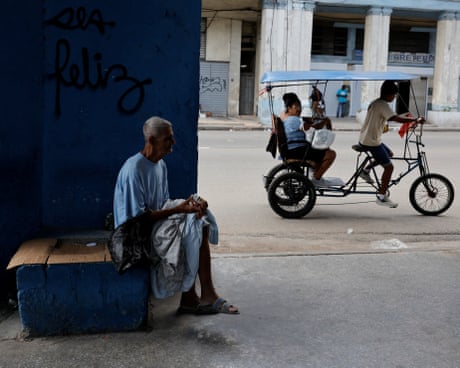
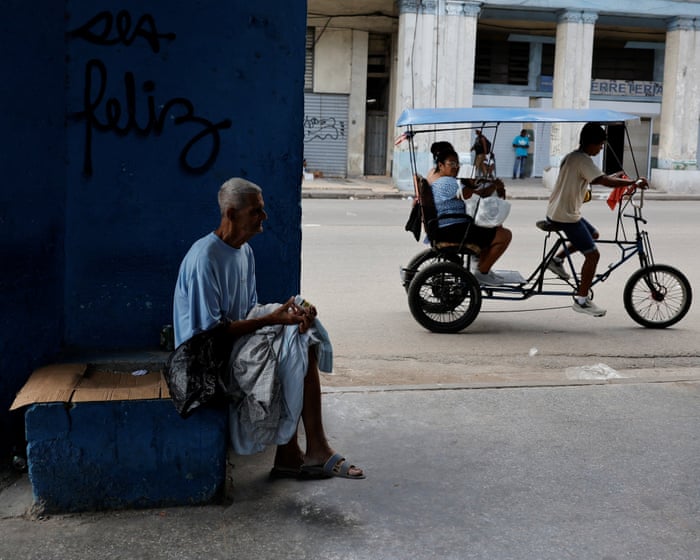
As Cuba crumbles under a nearly five-month-long US oil blockade, many on the island hope that the World Cup might save the island from US attack – or at least offer a respite until the competition ends on 19 July.

“The beginning of the World Cup will make it more difficult for the United States to carry out a military action in Cuba,” said Carlos Alzugaray, Cuba’s former ambassador to the EU. “Cuba is very close to the US, and can hit many targets inside the US, especially in south Florida, with drones or other weapons.”

Continue reading...

© Photograph: Norlys Perez/Reuters

© Photograph: Norlys Perez/Reuters

© Photograph: Norlys Perez/Reuters

  •  

Miami’s exile community celebrates indictment of Raúl Castro: ‘Trump has made the people regain hope’

About 50 people, some holding signs and Cuban flags, gathered Wednesday outside the iconic Versailles restaurant on Calle Ocho in Miami, a regular meeting point for the Cuban exile community. The atmosphere was celebratory. And besides commemorating the island’s independence, the occasion was the indictment of Raúl Castro.

Seguir leyendo

© CRISTOBAL HERRERA-ULASHKEVICH (EFE)

Former political prisoner Agustín Acosta, Wednesday in Miami.
  •  

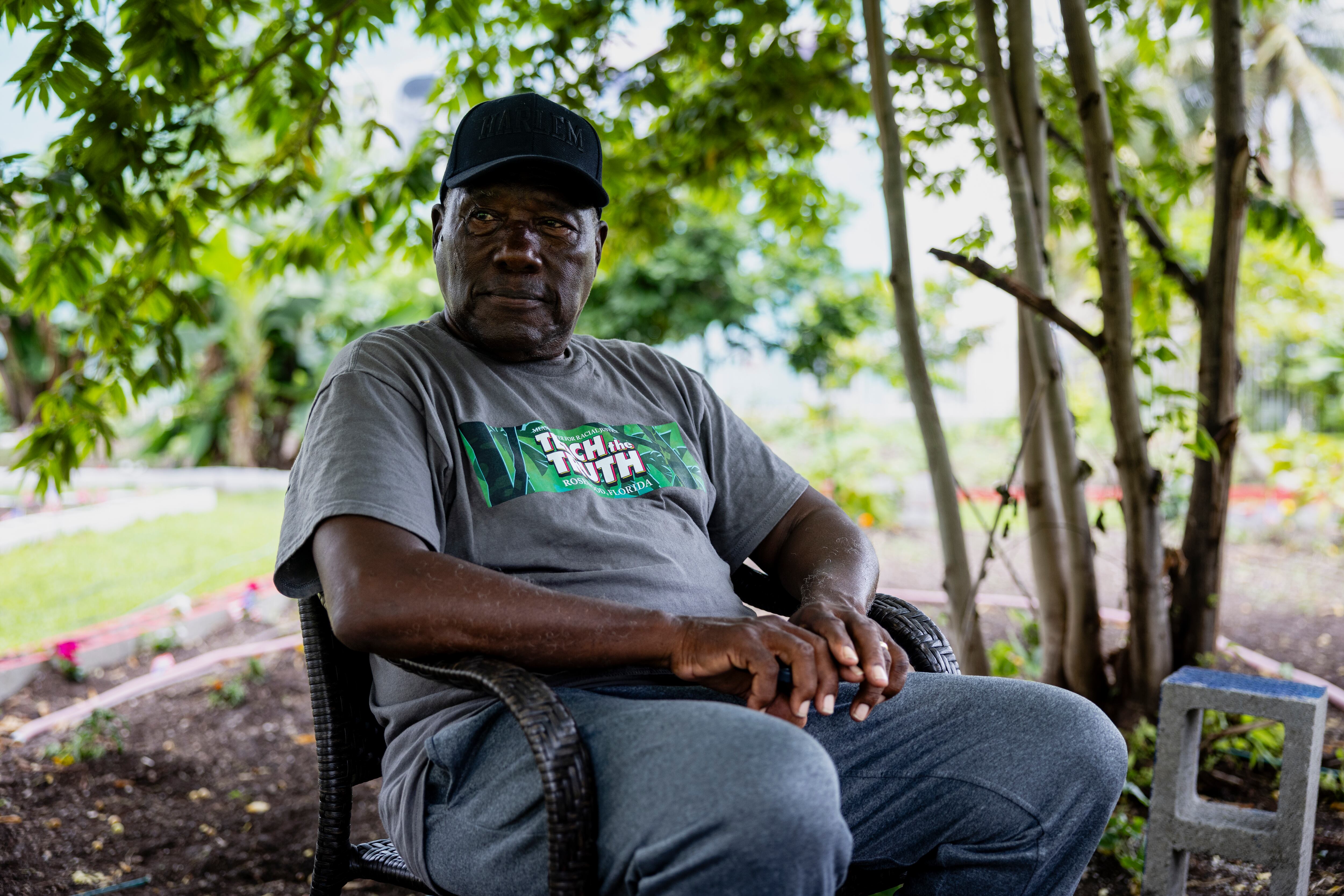
Marvin Dunn, the Miami historian challenging Trump’s presidential library: ‘This is commercial benefit for the family directly’

Marvin Dunn at his community urban farm in Overtown, Miami, May 27.

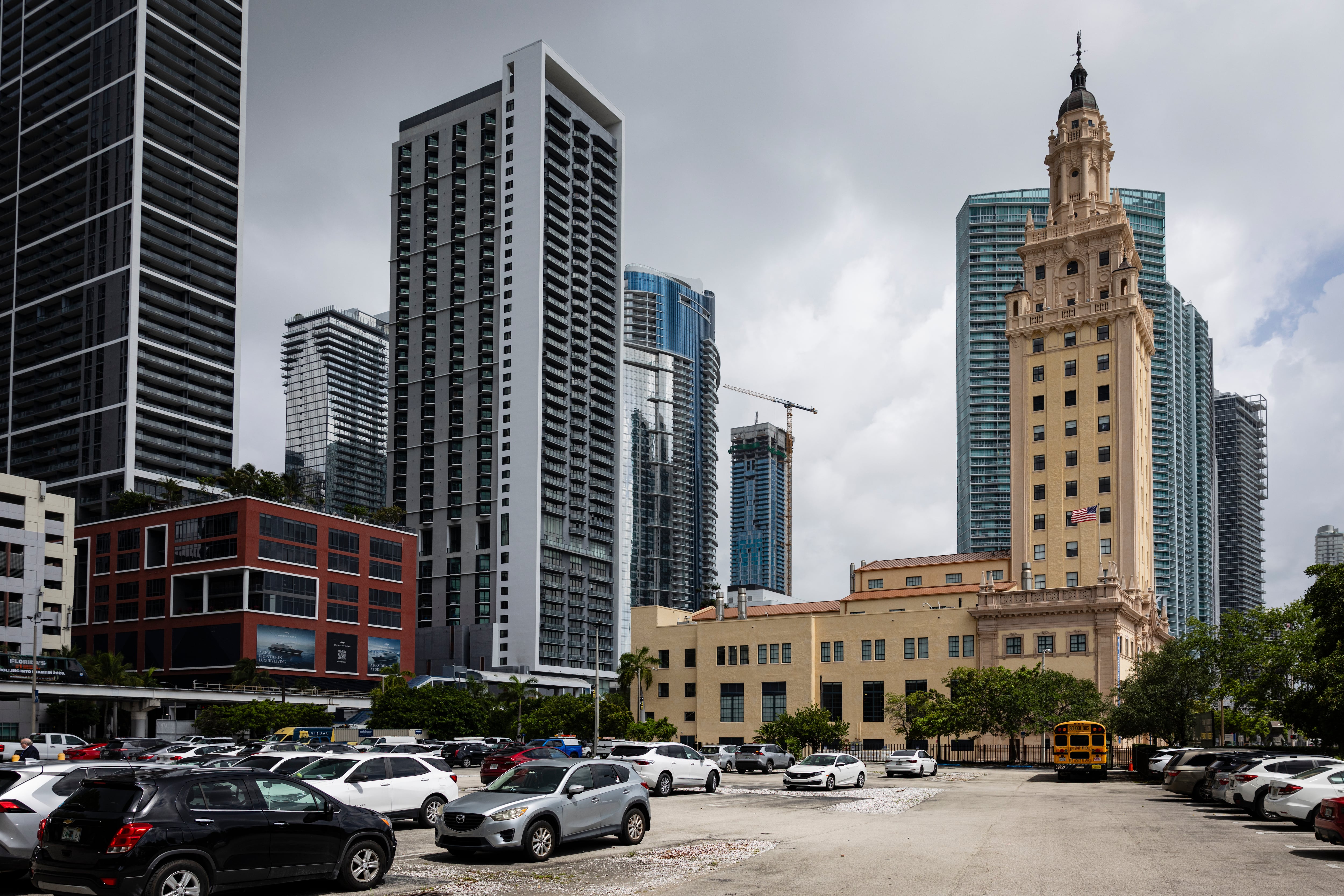
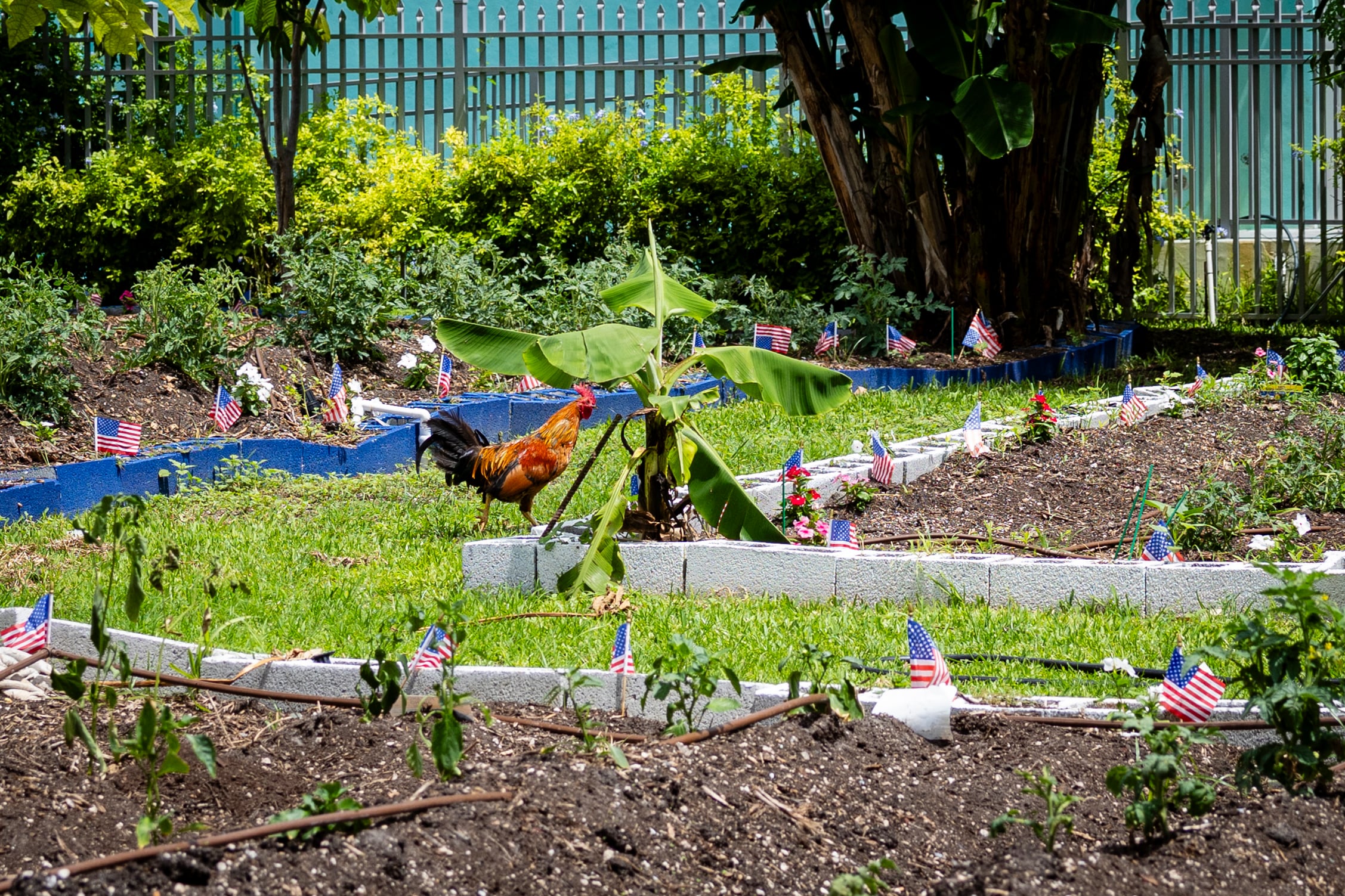
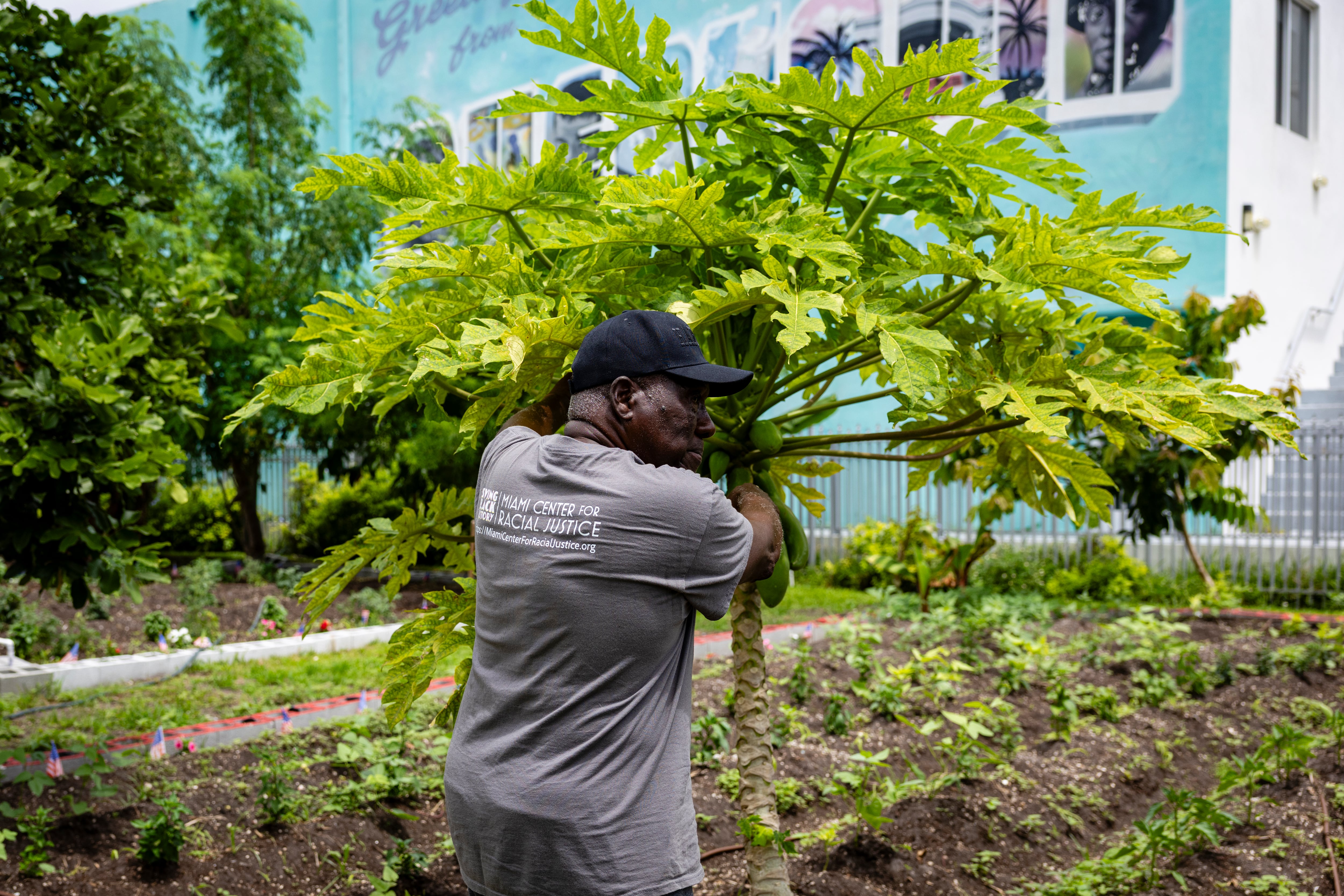
Marvin Dunn moves with surprising agility among the beds of lettuce, cabbage, and potatoes on his community farm in Overtown, a historic Black neighborhood in Miami that was fractured by the construction of the interstate highway in the 1960s. The farm, squeezed between I-95 and the high-rises packed into nearby downtown, is a kind of oasis where the 85-year-old historian — one of the most recognized voices on the history of segregation in Florida — hosts talks, distributes banned books, and is now preparing a new legal battle to stop construction of Donald Trump’s presidential library a little over 1,000 meters away.

Seguir leyendo

View of the Miami Dade College land under consideration for the possible construction of Donald Trump’s presidential library, in Miami, Florida.Crops at Dunn’s Overtown Farm.Marvin Dunn inspects crops at Dunn’s Overtown Farm on May 27.
  •  

American Music Awards Photo Gallery: See EJAE, Rei Ami, Katseye, Sombr, Karol G, Teyana Taylor and Other Stars on the Red Carpet and Backstage

The American Music Awards are drawing some of the biggest stars in music to Las Vegas to perform present or collect honors on the three-hour CBS/Paramount+ telecast, and Variety has photographers on the carpet and backstage to capture all the looks heating up Memorial Day weekend. Queen Latifah is hosting, and among those making their […]

  •  

‘It feels like a mockery’: Justo Betancourt, a former detainee at Alligator Alcatraz who received a congratulations note from Trump

Justo Betancourt, a Cuban migrant who was held at Alligator Alcatraz.

When Justo Betancourt, 55, was released from Alligator Alcatraz on May 14, after nearly six months in detention, he had lost 22 kilograms (48.5 lb) and could barely walk. Two days later he was admitted to hospital, on the verge of a diabetic coma. While in detention, he did not receive the insulin doses he needed, suffered strokes, and during one episode, he fell and lost a tooth. He has been left with neurological after-effects: his right hand trembles, and to climb a step, he lifts his leg from behind the thigh. “Sometimes I have to grab it and push, because it doesn’t respond,” he says on the ground floor of the apartment building where he lives, in Miami’s Little Havana. This week, President Donald Trump dedicated a message to him on Truth Social: “Welcome home to Justo Betancourt, whose Daughter, Arianne, fought very hard to free her father from Alligator Alcatraz. Enjoy your Freedom together!!!”

Seguir leyendo

Justo Betancourt with his daughter Arianne.Justo Betancourt in Miami on June 2.Justo Betancourt with his daughter Arianne and his son Eddy Oney.
  •  

“Near-miss” Tsunami in Alaskan Cruise Area Offers Lessons for Steep Landscapes Near Glaciers

As glaciers retreat in warming regions, the risk of related hazards can increase, and improved monitoring may help reduce some of those dangers, according to a new study.

  •  
❌