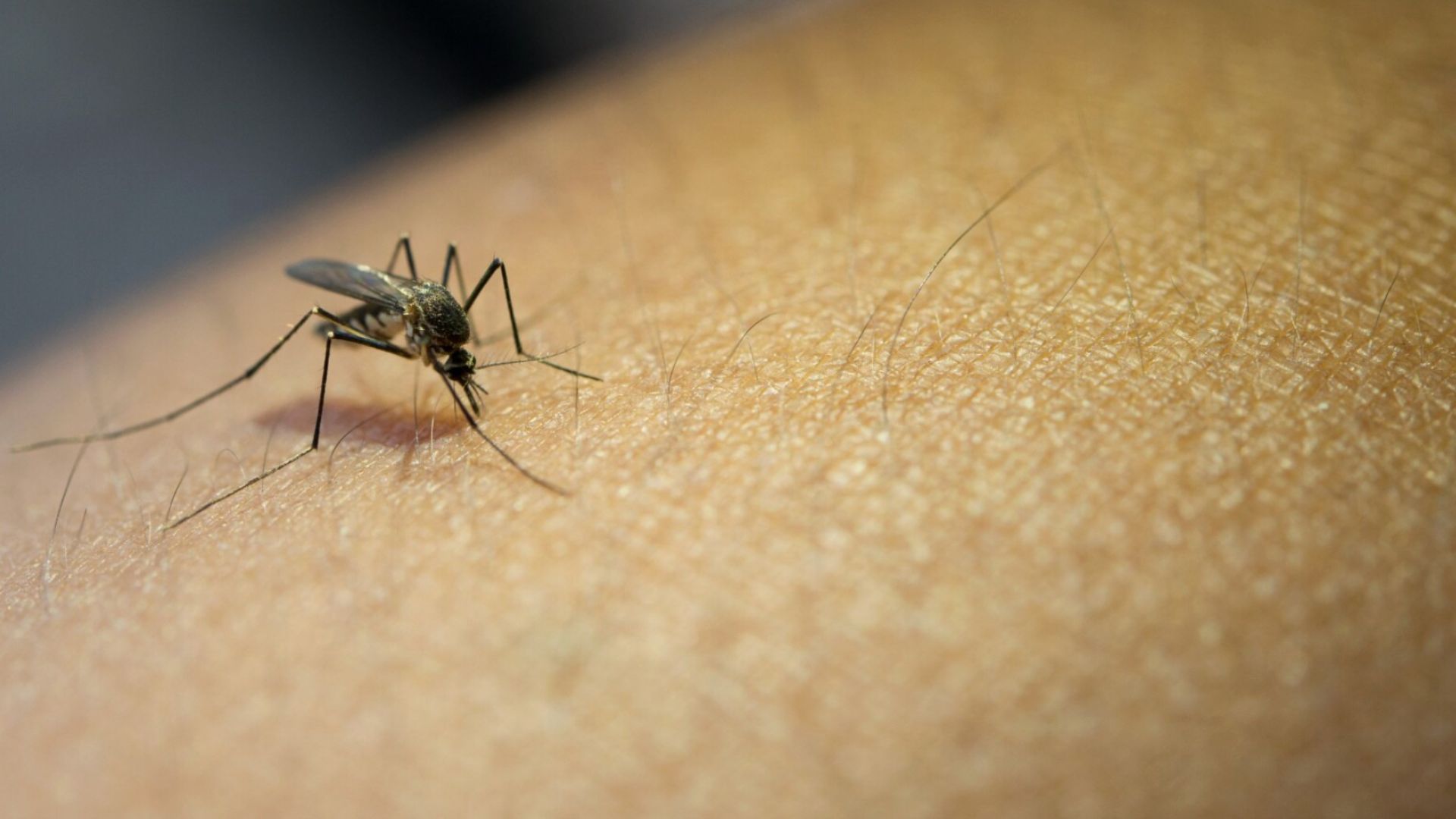
SINGAPORE: Dengue cases continued to rise last week, with 80 infections reported in the week ending June 6, according to the National Environment Agency (NEA). The figure marks an increase of 13 cases from the previous week.
As of June 8, there were eight active dengue clusters across Singapore. Four were classified as red alert clusters, indicating 10 or more reported cases.
The largest cluster, with 16 cases, was located around Jalan Bangau and Jalan Jarak. Other red alert clusters included a 15-case cluster at Neram Road and Nim Crescent, an 11-case cluster at Lilac Drive and Mimosa Road, and a 10-case cluster at Countryside Road and Lentor Avenue.
Peak dengue season
With Singapore now in its peak dengue season, authorities are reminding residents to check their homes regularly for potential mosquito breeding spots.
With this, the NEA urges the members of the public to practice the Mozzie Wipeout B-L-O-C-K steps:
Break up hardened soil to prevent water from collecting Lift and empty flowerpot plates Overturn pails and wipe their rims dry Change water in vases regularly Keep roof gutters clear and place BTI insecticide where necessary
Moreover, residents must also allow NEA officers to do an inspection in their premises, and conduct spraying of insecticides for immediate removal of adult mosquitoes to stop dengue from spreading.
Residents living in dengue cluster areas are encouraged to take theactions
Spray insecticide in dark corners around the house Apply insect repellent regularly, and Wear long-sleeve tops and long pants to prevent mosquito bites
Zika and Chikungunya are two other mosquito-borne diseases. Thankfully, there are no Zika clusters or areas with likely Zika transmission, and there are currently no chikungunya clusters. The majority of chikungunya infections occurred in individuals with recent travel to Chikungunya-affected areas.
Indeed, the presence of Aedes mosquitoes in Singapore poses an ongoing risk of mosquito-borne diseases. It is important for everyone to stay alert and act now for everyone’s safety. Check your home and common areas often, follow the guidelines of the authorities, and see a doctor if you have a fever or other dengue symptoms.
SINGAPORE: Singapore will introduce stricter refrigerant standards for supermarkets, refrigerated transport and vehicle air-conditioning from 2027 as part of its push to cut greenhouse gas emissions and move towards net-zero emissions by 2050.
The initiative, announced by the National Environment Agency (NEA) on May 28, 2026, targets refrigeration and air-conditioning systems that rely on hydrofluorocarbon (HFC) gases. These gases can trap heat far more effectively than carbon dioxide, making them a significant contributor to climate change.
The new rules will primarily affect newly installed systems, allowing businesses and vehicle owners to continue using existing equipment until it reaches the end of its lifespan.
Supermarkets first, vehicles next
Under the new framework, refrigeration systems used in supermarkets must use refrigerants with a Global Warming Potential (GWP) of 150 or below from July 1, 2027.
A year later, from July 1, 2028, air-conditioning systems in new passenger cars and light goods vehicles will need to meet the same standard.
According to NEA, the later timeline for vehicles gives suppliers more time to prepare, as lower-GWP refrigerants aren’t yet available across all vehicle models. The standards are aligned with those already adopted in markets such as the European Union and Japan.
Many businesses have already started using lower-GWP refrigerants
NEA noted that several major supermarket operators in Singapore have already adopted refrigeration systems that use lower-GWP refrigerants.
Suppliers and manufacturers are also offering equipment designed to meet the newer environmental standards while maintaining energy efficiency.
Rather than forcing an immediate replacement of existing systems, authorities are focusing on new installations, reducing disruption and allowing businesses to transition gradually.
For consumers, the changes will largely happen behind the scenes. Shoppers are unlikely to notice a difference when buying groceries, while future vehicle buyers may eventually find lower-emission air-conditioning systems becoming the norm.
New disposal requirements for refrigerants
Beyond what is installed, the measure also covers what happens when equipment reaches the end of its useful life. From July 2027, companies that dismantle commercial refrigeration systems, industrial cold-room systems, vehicle air-conditioning units and refrigerated trucks must register with NEA and follow approved procedures when handling used refrigerants.
From July 2027, companies that dismantle commercial refrigeration systems, industrial cold-room systems, vehicle air-conditioning units and refrigerated trucks must register with NEA and follow approved procedures when handling used refrigerants.
The agency said many companies are already following similar practices, and specialist service providers are available to properly recover and manage spent refrigerants. The goal is to prevent harmful gases from being released into the atmosphere during disposal, an often overlooked part of the refrigeration lifecycle.
Replacing high-emission refrigerants with cleaner alternatives can help reduce Singapore’s carbon footprint
Air-conditioning and refrigeration are essential in a tropical country like Singapore. They keep homes cool, preserve food and support logistics networks that move temperature-sensitive goods every day. This convenience, however, comes with an environmental cost.
By aiming for high-warming-impact refrigerants, Singapore is tackling a source of emissions that receives far less public attention than vehicles, power stations, or industrial facilities. The latest measures also build on NEA’s earlier restrictions, introduced in 2022, on household air conditioners, refrigerators, and large building cooling systems.
Replacing high-emission refrigerants with cleaner alternatives is a practical step that can help reduce Singapore’s carbon footprint without changing how people live or work.
As Singapore moves towards its climate initiatives, the challenge will be balancing environmental goals with business readiness. In this case, NEA appears to be taking a gradual approach that gives industries time to adapt while still moving the country toward lower emissions.
EXCLUSIVE: WWE Superstar Alexa Bliss has signed with Prototype Talent Agency for representation in all areas. Born Lexi Kaufman, Bliss has reached the pinnacle of her wrestling as a 5-time WWE Women’s Champion as well as a two-time WWE Women’s Tag Team Champion. She can be seen weekly on USA Network’s WWE SmackDown!. Bliss will […]
On February 12, 2026, EPA Administrator Lee Zeldin stood next to President Trump and called the repeal of the 2009 Endangerment Finding “the single largest deregulatory action in the history of the United States.” He was likely correct. With this move, the legal basis for all federal greenhouse gas regulation for cars, power plants, and oil fields was removed at once.
This headline-making move was just the most visible part of 14 months of steady rollbacks of U.S. environmental and public health protections, often couched in language about saving tax dollars and reducing regulation, but ignoring the rising cost of healthcare, insurance, and environmental damage caused by the policies. Since Inauguration Day 2025, the Trump administration has issued many executive orders and regulatory actions affecting air quality, water protections, toxic chemicals, wildlife habitat, and climate and health science.
Scientists, former EPA officials, and public health researchers have documented the consequences, which include more cases of childhood neurological damage and tens of millions of acres of wetlands left unprotected from pollution. Earth911 assembled this timeline of major actions and what research says about their likely effects.
January 20, 2025: Inauguration Day Shock and Awe
On his first day in office, Trump signed 26 executive orders, several of which quickly changed U.S. environmental policy. Experts in environmental law called this a “flood the zone” strategy, meant to overwhelm environmental groups and courts so they could not respond to every action at once.
Key Day-One actions included:
EO 14154, “Unleashing American Energy”: Declared a national energy emergency, directed the EPA to review and potentially revoke the Endangerment Finding, ordered a moratorium on all new offshore and onshore wind leases, instructed agencies to expedite fossil fuel permitting, and directed the Council on Environmental Quality (CEQ) to rescind its NEPA implementing regulations within 30 days.
EO 14148, “Initial Recissions of Harmful Executive Orders”: Revoked nearly 80 Biden administration executive orders, including all climate-focused orders and the Justice40 environmental justice initiative.
EO 14151, “Ending Radical and Wasteful Government DEI Programs”: Directed each federal agency to “terminate, to the maximum extent allowed by law, all DEI, DEIA, and ‘environmental justice’ offices and positions,” effectively shuttering EPA’s environmental justice programs overnight.
Paris Agreement withdrawal (EO 14162): Trump formally directed the UN to begin withdrawal proceedings from the Paris Agreement, repeating his first-term move. The U.S. withdrawal took effect in January 2026. According to the UN Environment Programme’s 2025 Emissions Gap Report, the U.S. withdrawal from the Paris Agreement is projected to add an additional 0.1°C of warming to global temperature trajectories—in a world already tracking toward 2.3–2.8°C of warming this century.
“Unleashing Alaska’s Extraordinary Resource Potential“: This executive order directed agencies to maximize oil, gas, mineral, and timber extraction in Alaska, reconsider Arctic National Wildlife Refuge protections, and expedite LNG permitting. Later followed by Interior Secretary Burgum announcing plans to open 13 million acres of ecologically sensitive Alaskan lands for drilling.
Dan Esty, a professor of environmental law and policy at Yale University, told ABC News that the administration had a clear strategy: “There are a number of more subtle actions that the Trump administration has taken that also have considerable corrosive effect on our efforts to promote action on climate change and a sustainable future more broadly.” He warned that less visible rollbacks, such as regulatory delays, staff cuts, and limiting science, would add to the impact of the major executive orders in ways the public might not notice.
January 21–31, 2025: Building the Deregulatory Machine
January 21: EO 14173, “Ending Illegal Discrimination and Restoring Merit-Based Opportunity” revoked EO 12898, the 1994 Clinton-era executive order requiring federal agencies to identify and address disproportionate environmental burdens on communities of color and low-income communities, which was the cornerstone of federal environmental justice policy for three decades.
January 28: EPA delayed the effective dates of four rules to March 21, 2025, including a Toxic Substances Control Act rule on trichloroethylene (TCE), a carcinogen linked to cancer, liver damage, and Parkinson’s disease, and revisions to air quality model guidance that states depend on for pollution planning.
“Today is the greatest day of deregulation our nation has seen,” Zeldin said in a press statement. “We are driving a dagger straight into the heart of the climate change religion.” It would be another year before, again, Zeldin touted an even bigger deregulatory move.
The 31 targeted regulations included:
Carbon pollution standards for coal and gas power plants
Mercury and Air Toxics Standards (MATS) for coal-fired power plants
National ambient air quality standards for particulate matter (soot)
Methane emissions rules for oil and gas operations
Vehicle greenhouse gas and fuel economy standards
Wastewater discharge limits for coal plants
Wetlands and waterway protections under the Clean Water Act
Responding to Zeldin’s announcement, Harvard T.H. Chan School of Public Health researchers Mary Rice and Amruta Nori-Sarma warned in public commentary that repealing the Endangerment Finding alone would eliminate legal obligations to cut emissions from the transportation sector—the largest single source of U.S. greenhouse gas pollution—with cascading effects on climate-related public health harms including heat illness, worsening wildfires, and more severe flooding.
Also in March, EPA began dismantling its Office of Research and Development (ORD), removing all career scientific leadership and halting the publication of internal research. The Environmental Protection Network (EPN), a nonpartisan group of hundreds of former EPA staff, later warned in a February 2026 report that “political leadership is steering the agency away from its responsibility to protect human health and the environment.”
The ORD’s closure eliminated the internal scientific capacity to assess pollution risks for mercury, PFAS, air toxics, and wildfire smoke.
April 2025: Coal Revival, Mercury Exemptions, and Public Lands
April 8: Trump signed executive orders aimed at reviving the coal industry, expediting coal mining permits on federal land and directing federal agencies to maximize coal extraction. This directly contradicts global energy market trends: the International Energy Agency reports that renewable electricity is now cheaper than new coal in every major market.
April 2025: EPA solicited exemption applications from coal- and oil-fired power plants seeking waivers from the Mercury and Air Toxics Standards (MATS) via email—an unprecedented process that environmental groups called an open invitation for polluters to self-select out of public health rules. By May, EPA had granted exemptions to 68 power plants covering facilities in 45 states.
The health risks of weakening MATS are well known. Coal-fired power plants are the largest source of mercury in the U.S., a dangerous neurotoxin that harms brain development in fetuses and young children. The Sierra Club found that going back to pre-2024 MATS standards would let the dirtiest coal plants release 50% more mercury. Arsenic and chromium, which are also covered by MATS, are linked to cancer, heart disease, and birth defects. Moms Clean Air Force director Dominique Browning put it simply, saying that “No amount of mercury is safe for babies’ developing brains.”
On April 17, Trump signed a proclamation that opened parts of the Pacific Islands Heritage National Marine Monument to commercial fishing. This 500,000-square-mile area west of Hawaii is home to protected turtles, whales, and endangered Hawaiian monk seals. Research shows that marine protected areas usually help fishermen by letting overfished stocks recover, which is the opposite of how the administration described the change.
May 14: EPA announced plans to eliminate drinking water standards for four short-chain PFAS chemicals (PFHxS, PFNA, PFBS, and GenX), reversing Biden-era standards designed to protect millions of Americans. The agency also proposed extending compliance deadlines for the two standards it retained (PFOA and PFOS). According to the Environmental Working Group, an estimated 41 million people will drink PFAS-contaminated water for at least two additional years due to these delays. PFAS chemicals are linked to cancer, immune suppression, thyroid disruption, and developmental harm in children.
May 2025: EPA terminated more than $15 million in PFAS research grants—including grants to universities studying PFAS contamination of agricultural land and drinking water—even as the agency publicly claimed commitment to addressing the PFAS crisis. ProPublica’s investigation found the EPA had also requested three court delays in litigation over PFAS Superfund designation, signaling unwillingness to enforce the designation that would make major polluters financially liable for cleanup.
May 28: The Council on Environmental Quality formally withdrew all NEPA guidance dating back to 1977, revoking the regulatory framework agencies had used for 50 years to assess environmental impacts of federal projects. Under the rollback, federal agencies are no longer required to assess climate impacts, cumulative pollution burdens, or environmental justice considerations when approving oil, gas, and mining projects. Earthworks described the change as eliminating the public’s right to know about pollution in their communities before projects are approved.
June 11: EPA Administrator Zeldin proposed to repeal the Carbon Pollution Standards for fossil fuel-fired power plants, which were finalized in 2024. Power plants are a top source of both greenhouse gas emissions and co-pollutants—including soot and smog-forming nitrogen oxides—that directly harm respiratory health.
July 29: EPA formally proposed to reconsider the 2009 Endangerment Finding, releasing a draft rule that cited a five-scientist Department of Energy “Climate Working Group” report as scientific support. The report was subsequently rebutted point-by-point by 86 scientists from academia, government, and industry, who concluded the DOE report “exhibits pervasive problems with misrepresentation” and does not meet standards appropriate for policy support. A federal judge later ruled the DOE violated the Federal Advisory Committee Act in convening the group.
July 18: EPA exempted three additional coal plants—in Ohio, Illinois, and Colorado—from MATS compliance deadlines, expanding the exemption program that now covers a substantial share of the nation’s remaining coal fleet. Texas data cited by NRDC found that six power plants that received presidential exemptions collectively increased their sulfur dioxide emissions by 48 percent in a single year.
By September 2025, EPA employment had fallen from more than 17,000 to 15,166 staff, a reduction of nearly 2,000 employees in less than a year. The Fish and Wildlife Service lost 1,817 staff; the National Park Service lost more than 2,700; and the Bureau of Land Management and Forest Service together shed over 7,000 workers. The Sierra Club documented that a spending bill passed the House cutting the Fish and Wildlife Service’s budget by 44 percent, which advocates warned would hamstring the agency’s ability to list endangered species.
EPA directed its in-house career scientists to stop publishing their research, removed the agency’s scientific integrity policy from its website, and proposed to zero out the budget for ORD’s research functions on PFAS, air pollutants, and wildfire smoke. According to Earthjustice, EPA also created a new office nominally focused on science but placed it directly under the Office of the Administrator, removing independent scientific oversight.
In September, 2025, EPA proposed to eliminate the Greenhouse Gas Reporting Program, which requires approximately 50 categories of large industrial facilities to disclose their emissions annually. The reporting program is the primary source of facility-level emissions data used by researchers, regulators, and investors to track industrial pollution. Without it, independent monitoring of whether industry is reducing emissions becomes functionally impossible.
November–December 2025: Water Protections and Vehicle Standards Targeted
On November 17, 2025, EPA and the Army Corps of Engineers proposed a new “Waters of the United States” (WOTUS) rule that would dramatically narrow which wetlands and waterways receive federal Clean Water Act protection—going further than even the 2023 Supreme Court Sackett decision required. The proposal would exclude groundwater, interstate waters that lack continuous surface flow, and tens of millions of acres of seasonal wetlands and headwater streams from federal jurisdiction.
A 2025 analysis by NRDC found that between 38 million and 70 million acres of wetlands could be at risk of unregulated pollution or destruction under the proposed rule. “This is one of the most significant setbacks to clean water protections in half a century,” said Betsy Southerland, former director of EPA’s Office of Science and Technology. Wetlands help filter drinking water, absorb floodwaters, and support fisheries and biodiversity. These roles are even more important as climate change leads to stronger storms.
December 3: The Department of Transportation proposed rolling back Corporate Average Fuel Economy (CAFE) standards for model years 2022–2031, reversing efficiency targets set under both Obama and the first Trump administration. The proposal would significantly slow the transition to electric vehicles, increasing long-term fossil fuel demand and tailpipe pollution. Transportation represents 30 percent of total U.S. greenhouse gas emissions—the largest single economic sector.
Also, last December, the EPA published a final rule weakening nitrogen oxide standards for new power plants, reducing projected reductions from 2,700 tons per year (as originally proposed) to just 300 tons by 2032. Nitrogen oxides are a primary precursor of ground-level ozone (smog), which aggravates asthma, reduces lung function, and is linked to premature death.
February 12, 2026: The Endangerment Finding Falls
On February 12, 2026, the Trump administration finalized the repeal of the 2009 EPA Endangerment Finding for Greenhouse Gases—the legal determination, developed by 31 climate scientists and reviewed by NASA, NOAA, the USDA Forest Service, and other federal agencies, that greenhouse gases endanger public health and welfare. The repeal simultaneously eliminated vehicle house gas emission standards.
Scientists responded loudly. Benjamin DeAngelo, who led the original 2009 document, told Earth.Org: “Looking back on the original 2009 Endangerment Finding, and all of the supporting science and responses to comments, the entire record still holds up incredibly well.” Professor Andrew Dessler, a climate scientist at Texas A&M, said there is “no legitimate scientific rationale” for the EPA’s decision. The National Academies of Sciences, Engineering, and Medicine independently reviewed the finding in 2025 and concluded it was accurate and stood the test of time.
The Brookings Institution noted that the repeal’s internal logic—that U.S. vehicle emissions alone are too small to justify regulation—could be extended to justify eliminating any individual sector’s emissions rules, effectively making all sectoral climate regulation legally indefensible. The Rhodium Group estimated U.S. emissions would now decline to only 26–35% below 2005 levels by 2035, compared to 32–44% with regulations in place—a gap of hundreds of millions of tons of additional CO2 annually.
Chris Field, director of the Stanford Woods Institute for the Environment, described the repeal’s systemic significance as a loss of “the foundation on which all of the other regulations rest.” A 2025 study cited by TIME magazine found that air pollution from oil and gas operations is responsible for more than 91,000 premature deaths and hundreds of thousands of additional health incidents across the U.S. each year, with Black, Asian, Native American, and Hispanic communities consistently most affected.
February 2026: Mercury Standards Repealed
In the same period, EPA announced the repeal of the 2024 Mercury and Air Toxics Standards, reverting to weaker 2012-era limits. The Environmental Protection Network warned the repeal “will allow hundreds of facilities across 45 states to avoid meeting critical safety standards—jeopardizing public health, degrading ecosystems, and disproportionately harming children, pregnant people, and communities already overburdened by pollution.”
The rollback of mercury standards especially affects subsistence fishing communities, including many tribal nations, and low-income households that rely on fish for protein.
Mercury builds up in fish tissue, so even small increases in mercury in the environment lead to more human exposure. A substantial body of peer-reviewed research, including a 2016 PNAS study and a 2021 Harvard T.H. Chan School of Public Health white paper, has shown that the mercury-related health benefits of MATS are orders of magnitude larger than the EPA estimated in its 2011 analysis, yet the EPA continued to rely on that outdated science to justify weakening the rule.
What Experts Say: The Cumulative Public Health Toll
The Environmental Protection Network’s February 2026 report identified 12 high-risk pollutants that are gaining “new life” due to weakened, delayed, or rescinded regulations. The list includes brain-damaging mercury and pesticides in food, hormone-disrupting phthalates in consumer products, cancer-causing PFAS in drinking water, lead, arsenic, and trichloroethylene in water, and carcinogens benzene, formaldehyde, and vinyl chloride in air, along with heart- and lung-damaging soot and smog.
“Political leadership is steering the agency away from its responsibility to protect human health and the environment,” said EPN senior director Marc Boom. “Making Americans safer is a choice, and EPA’s current leadership has chosen to make Americans sicker.”
“When people of expertise and competence leave the government, you cannot find them and rehire them and reassemble them into teams very quickly,” said former EPA Deputy Administrator Stan Meiburg, cautioning that the scientific case for re-regulating after the current administration ends will be even more difficult than it was in 2009. John Holdren, former White House science advisor, echoed this concern: “It has long been understood that good policy depends on careful analysis and good science, and we’re seeing the capacity to deliver that foundation systematically undermined.”
What You Can Do
Federal protections are now weaker, but actions by individuals, communities, and states can still help reduce exposure and push for stronger protections. Here are steps you can take at each level:
Check your local air quality daily at AirNow.gov, particularly if you live near industrial facilities, highways, or coal plants. On high-pollution days, reduce outdoor exercise and keep windows closed.
Reduce fish consumption from water bodies with mercury advisories. Find your state’s current advisories through the EPA’s fish advisory database before eating locally caught fish. For more on sustainable seafood choices, see Earth911’s “How You Can Help Protect Our Oceans”.
Reduce household PFAS exposure by avoiding non-stick cookware, water-resistant clothing treated with PFAS finishes, and microwave popcorn bags. Earth911’s “PFAS Contaminants: Where They Came From, Why They Persist & What We Can Do” covers the full landscape of exposure sources and emerging remediation approaches.
For your community:
Submit public comments on pending EPA rulemakings—including the proposed WOTUS rule and PFAS reporting rollback. Find open comment periods and submit directly at regulations.gov. To understand what’s at stake for wetlands specifically, see Earth911’s interview “Exploring America’s 110 Million Acres of Wetlands”.
Contact your state environmental agency to understand whether your state has adopted stronger standards. Many states—including California, New York, and Oregon—maintain air and water protections that exceed weakened federal minimums. Find your state agency through the Environmental Council of the States directory.
Support organizations litigating these rollbacks: Earthjustice, NRDC, the Center for Biological Diversity, and state attorneys general coalitions are all actively challenging these rules in court.
At the policy level:
Contact your senators and representative through congress.gov and urge them to codify key environmental protections, including the statutory basis for greenhouse gas regulation, removing them from executive discretion.
Since the 1970s, when democracy functions, the nation has unequivocally emphasized human and environmental protection, which was a product of a bipartisan approach led by a Democratic Congress and Republican presidents, from Nixon to Bush II. Make your voice heard in the 2026 midterm elections.
WASHINGTON, June 6 — Actor James Handy, known for his role in Top Gun: Maverick, was fatally stabbed at his home in Los Angeles, German Press Agency (dpa) reported.
Trade publication Variety reported on Thursday, citing police, that emergency responders were called to the northwest of the city on Wednesday morning, where police confirmed in a statement that they found the 81-year-old unconscious in the front garden of his property with a stab wound to the chest.
He was taken to hospital by paramedics and later pronounced dead. A suspect turned himself in to police at the scene. He is said to be the son of the victim’s girlfriend.
Police said they received an emergency call from a man who said: “I am the son of man, I just killed the man of sin.” A spokesman for the actor confirmed Handy’s death to Variety.
Handy played the bartender Jimmy in the action film sequel Top Gun: Maverick (2022). He also had a role in the adventure film Jumanji (1995). — Bernama-dpa
GENEVA, June 2 — There is an 80-per cent chance of the warming El Nino phenomenon developing between June and August, increasing the risk of extreme weather events, the World Meteorological Organization said today.
“Fuelled by unusually warm ocean waters in the tropical Pacific, El Nino conditions are developing and are set to influence global temperature and rainfall patterns,” the United Nations’ weather and climate agency (WMO) said.
Forecasts from the WMO global network “indicate a pronounced shift toward El Nino conditions, with probabilities reaching 80 percent for June-August”, the Geneva-based organisation said.
El Nino is a natural climate phenomenon that warms surface temperatures in the central and eastern equatorial Pacific Ocean, bringing worldwide changes in winds, pressure and rainfall patterns.
It typically takes place every two to seven years and lasts around nine to 12 months.
Conditions oscillate between El Nino and its opposite La Nina, with neutral conditions in between.
The likelihood of El Nino developing by November is “near or above 90 percent”, and most forecast models suggest it will be “at least moderate—and possibly strong”, the WMO said in its quarterly El Nino/La Nina update.
WMO chief Celeste Saulo said the world therefore needed to get ready for an El Nino which could “exacerbate drought and heavy rainfall and increase the risk of heatwaves both on land and in the ocean”.
The WMO says that even a moderate El Nino makes some weather and climate extremes more likely.
The last El Nino contributed to making 2023 the second-hottest year on record and 2024 the all-time high at around 1.55C above the 1850-1900 pre-industrial average.
Urgent climate warning
In late April to mid-May, the sea-surface temperature in the central-eastern Equatorial Pacific—the area used as a monitoring reference—was approaching El Nino thresholds, the WMO said, with sub-surface temperatures more than 6C above average.
Meanwhile, the Southern Oscillation Index—the atmospheric component of El Nino—is also consistent with El Nino conditions developing.
The WMO said there was no evidence that climate change increases the frequency or intensity of El Nino events.
However, it can amplify the associated impacts, it says, because a warmer ocean and atmosphere increase the availability of energy and moisture for extreme weather events, such as heatwaves and heavy rainfall.
“El Nino is arriving on our doorstep,” UN chief Antonio Guterres said in a video message.
“The world must treat it as the urgent climate warning it is. El Nino conditions will pour fuel on the fire of a warming world. Impacts will hit even harder, travel even farther, and cross borders with devastating speed.
“The only effective response is climate action equal to the crisis—ending the addiction to fossil fuels, accelerating the shift to renewables, protecting the most vulnerable, and delivering early warning systems for all.”
Temperatures above normal
The WMO said that for June to August, forecasts project “a nearly universal dominance of above normal temperatures in nearly all parts of the globe”.
This increases the risk of compounding hazards in some regions, and accelerating the onset of drought conditions where rainfall is reduced, it said.
Regional climate centres are predicting “below-normal” rainfall during the critical June-September rainy season in the northern Greater Horn of Africa; below-average monsoon rainfall in south Asia; and drier and warmer summer conditions in central America.
During the northern hemisphere summer, warm waters associated with El Nino can fuel hurricanes in the central and eastern Pacific, while hindering their development in the Atlantic Ocean.
The WMO hopes advance warning will guide preparedness, especially in climate-sensitive sectors like agriculture, water management, energy and health. — AFP
The Forgotten Archive of a Spanish Spy Agency. MORTADELO Y FILEMON
Description:
A cinematic retro espionage collection set in a fictional 1970s Spanish intelligence world, filled with dusty archives, classified files, typewriters, surveillance rooms, laboratories, old telephones, secret maps, dim offices, deserted streets, vintage storefronts, and mysterious objects that suggest abandoned missions, bureaucratic conspiracies, and forgotten undercover operations.
These images were generated by Artificial Intelligence.
Shutterstock has agreed to pay the Federal Trade Commission (FTC) $35 million over allegations that the photo agency misled customers and illegally made millions of dollars from them.
President Trump has appointed Bill Pulte, an unqualified individual with no experience in intelligence or national security, as Acting Director of National Intelligence, prioritizing his own self-interest over America's national security.
JAKARTA, June 3 — Indonesian officials arrested today the former head of the country’s free school meals programme, blighted by mass food poisonings and corruption claims, a day after he was fired.
The much-hyped billion-dollar feeding scheme was the flagship policy of President Prabowo Subianto’s 2024 election campaign.
Prabowo fired Dadan Hindayana, an entomologist who had led the National Nutrition Agency since its inception in August 2024, along with two deputies yesterday. All three were taken into custody in Jakarta today.
They stand accused of “crimes in the management” of the programme, Syarief Sulaeman Nahdi of the attorney general’s office told reporters.
Authorities earlier raided the nutrition agency’s office as well as the homes of the three defendants, Syarief said.
The government says the programme has provided meals to more than 61 million people by March, but tens of thousands of people have fallen ill since it was rolled out in January last year.
Critics have called for the scheme to be suspended over hygiene concerns and accusations of corruption.
Last month, anti-graft watchdog Indonesia Corruption Watch filed a complaint against Dadan citing alleged budget irregularities.
Syarief said today that foundations appointed by the three defendants to oversee kitchens were allegedly “used as vehicles for crimes”.
“Those foundations received billions of rupiahs in incentives every day, and those foundations were affiliated, owned by” the suspects, he added.
The trio are also accused of overseeing illicit procurement of electric motorbikes, shoes, tablets and television sets.
If found guilty, they could face life imprisonment.
The free meal scheme had a goal of reaching at least 82.9 million children and pregnant and breastfeeding women — nearly one-third of the country’s population.
More than 20 per cent of children in Indonesia are affected by stunting caused by severe malnutrition.
The programme was among the first budget items to be cut back as Jakarta moved to counter the economic impact of the Middle East war.
Dadan, who just Tuesday attended an official event by Prabowo’s side, told parliament last year the programme was responsible for at least 11,000 poisoning cases, with over 600 people hospitalised.
Prabowo has also acknowledged problems and vowed to discipline anyone found guilty of wrongdoing.
Announcing Dadan’s dismissal yesterday, State Secretary Prasetyo Hadi said that “throughout the ongoing evaluation process, all programmes of the National Nutrition Agency will continue to run as they should”. — AFP
SINGAPORE, June 2 — Singapore and the United Kingdom (UK) inked a memorandum of understanding (MoU) to cooperate in nuclear safety regulation, including the exchange of information and expertise, and the training of scientific and technical personnel.
Singapore National Environment Agency (NEA) said the agreement was signed with the UK’s Office for Nuclear Regulation (ONR) to support an overarching effort to build capabilities in nuclear safety and to study the feasibility of the safe deployment of nuclear energy in Singapore.
NEA deputy chief executive officer Koh Li-Na said the collaboration will strengthen Singapore’s capabilities in radiation protection, nuclear safety, and assessment.
“Through partnerships with well-established regulators like ONR, NEA will deepen its technical expertise to understand new reactor technologies and build the institutional capabilities needed to rigorously assess nuclear safety,” she said in a statement on Tuesday.
According to NEA, this collaboration will also enhance its regulatory knowledge as Singapore continues to study the potential role of nuclear energy in its energy future.
NEA has also been developing Singapore’s nuclear safety and regulatory capabilities through close partnerships with established regulators in Finland, France, and the United States, as well as Asean partners. — Bernama
KUALA LUMPUR, June 7 — The Pentagon has reportedly raised its counterintelligence threat level for Israel to its highest tier amid concerns over alleged spying on senior US officials.
AFP, citing NBC News, reported that the Pentagon’s Defence Intelligence Agency assessed Israel’s “ability to conduct human espionage and technical collection” as being at a “critical level”.
NBC News, citing US officials, said the move followed concerns that Israel had tried to obtain information on the Trump administration’s internal discussions and decision-making on conflicts in the Middle East.
The New York Times also reported alleged Israeli efforts to eavesdrop on senior officials, including President Donald Trump’s top negotiator Steve Witkoff and the Pentagon’s top policy official Elbridge Colby.
AFP said the reports came after the United States and Israel launched joint strikes on Iran on February 28, triggering the war.
The reports also come amid apparent strain between Trump and Israeli Prime Minister Benjamin Netanyahu.
Reuters reported earlier this week that Trump confirmed he had called Netanyahu “crazy” during a heated phone call over Israel’s military actions in Lebanon, which Trump said had complicated US diplomatic efforts.
According to AFP, Axios and ABC News had earlier reported that Trump unleashed a profanity-laced tirade at Netanyahu over Israel’s threats to bomb Beirut, amid fears such a move would undermine talks with Tehran. — Reuters

 Login
Login