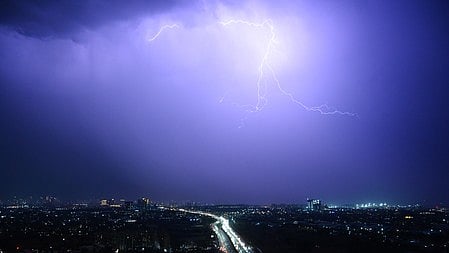
More than 20 people have died and several others have been injured after severe storms, heavy rain and lightning strikes battered parts of Bihar over the past 24 hours, officials said on Tuesday.
According to officials, five deaths were reported from East Champaran, while Gaya and Aurangabad recorded three fatalities each. Additional casualties were reported from several districts, including Patna, Vaishali, Sitamarhi and Bhojpur.
In Barh, in Patna district, two people were killed after trees and walls collapsed during the storm. In Sitamarhi, two women died when an electric pole fell amid strong winds, sparking allegations of poor infrastructure maintenance. One person injured in the incident remains under treatment.
The heatwave turned into a cool spell as a powerful hailstorm struck Siwan, Bihar, India today. pic.twitter.com/iFSv5U0Qjs
Lightning strikes also claimed lives elsewhere. In Rohtas district, a young worker was killed after being struck at a worksite, while several others were injured.
The storms caused widespread disruption, with uprooted trees and fallen electricity poles blocking roads and cutting off power supply in many areas for hours. Panic was reported at a railway station in Katihar district when a large tree branch fell on a high-voltage overhead wire, briefly halting train services before normal operations were restored.
The India Meteorological Department had earlier issued a warning of thunderstorms, rainfall and lightning across the State.
In response to the fatalities, the State government has announced an ex gratia payment of Rs 4 lakh for the families of those who lost their lives.
Authorities have urged residents to remain cautious and follow safety advisories, warning that unstable weather conditions may continue in the coming days.
Concrete is everywhere, and that’s a problem. Manufacturing the essential material accounts for around eight percent of annual global carbon dioxide emissions, making it one of the single biggest contributors to the climate crisis. Researchers are investigating all types of creative solutions to the issue, often by replacing ingredients with more eco-friendly alternatives.
Recent propositions include adding coffee grounds, bacteria, and even recycled diapers into the mix.But engineers at Purdue University in Indiana think the answer can already be found in the natural world. According to a study recently published in the journal Chemistry of Materials, one solution may be swapping out the cement for shellfish.
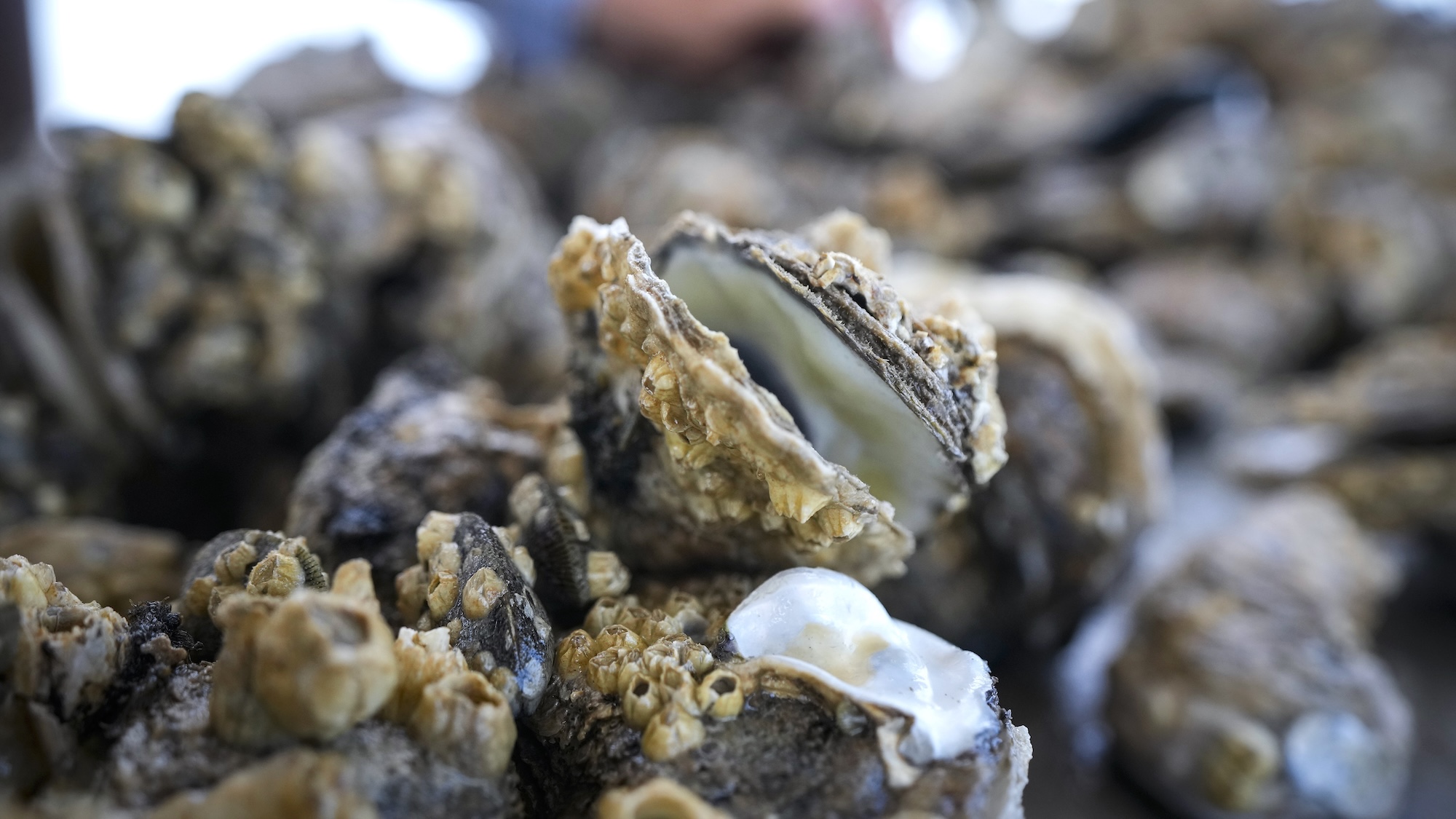
“Oysters generate a natural cement. They use this material for attaching to each other when building reef structures,” chemist and study co-author Jonathan Wilker explained in a recent university profile.
Wilker has spent years examining the biological properties of oyster cement in hopes of recreating the sturdy adhesive for other applications. They have since learned that the bivalves bind together by producing the inorganic compound calcium carbonate—basically chalk. While calcium carbonate isn’t usually adhesive by itself, oysters also produce a small amount of stickier organic materials like phosphorylated proteins. This allows the shellfish to fuse together, even when saturated in water.
After breaking down the chemical composition of oyster cement, Wilker’s team recreated it in a laboratory. They then collected a bunch of limestone bathroom tiles, since their calcium carbonate is virtually identical to oyster shells. From there, they glued stacks of tiles together using their artificial, biomimetic cement. In nearly every stress test, the tiles broke before the bond itself.
Confident in their faux-oyster cement’s abilities, Wilker and colleagues finally tried combining a polymer from their creation into commercially available concrete mix. In lab tests, their oyster-inspired concrete was 10 times stronger while doubling its compressive strength. On top of all that, it also took less time to cure.
Wilker’s team plans to continue testing their patent-pending recipe. He notes that it’s not simply stronger. It’s even more eco-friendly when compared to most adhesives on the market.
“Most of the adhesives that you see at the hardware store are made of organic compounds, derived from petroleum,” he said. “There is so much more that we can learn from nature.
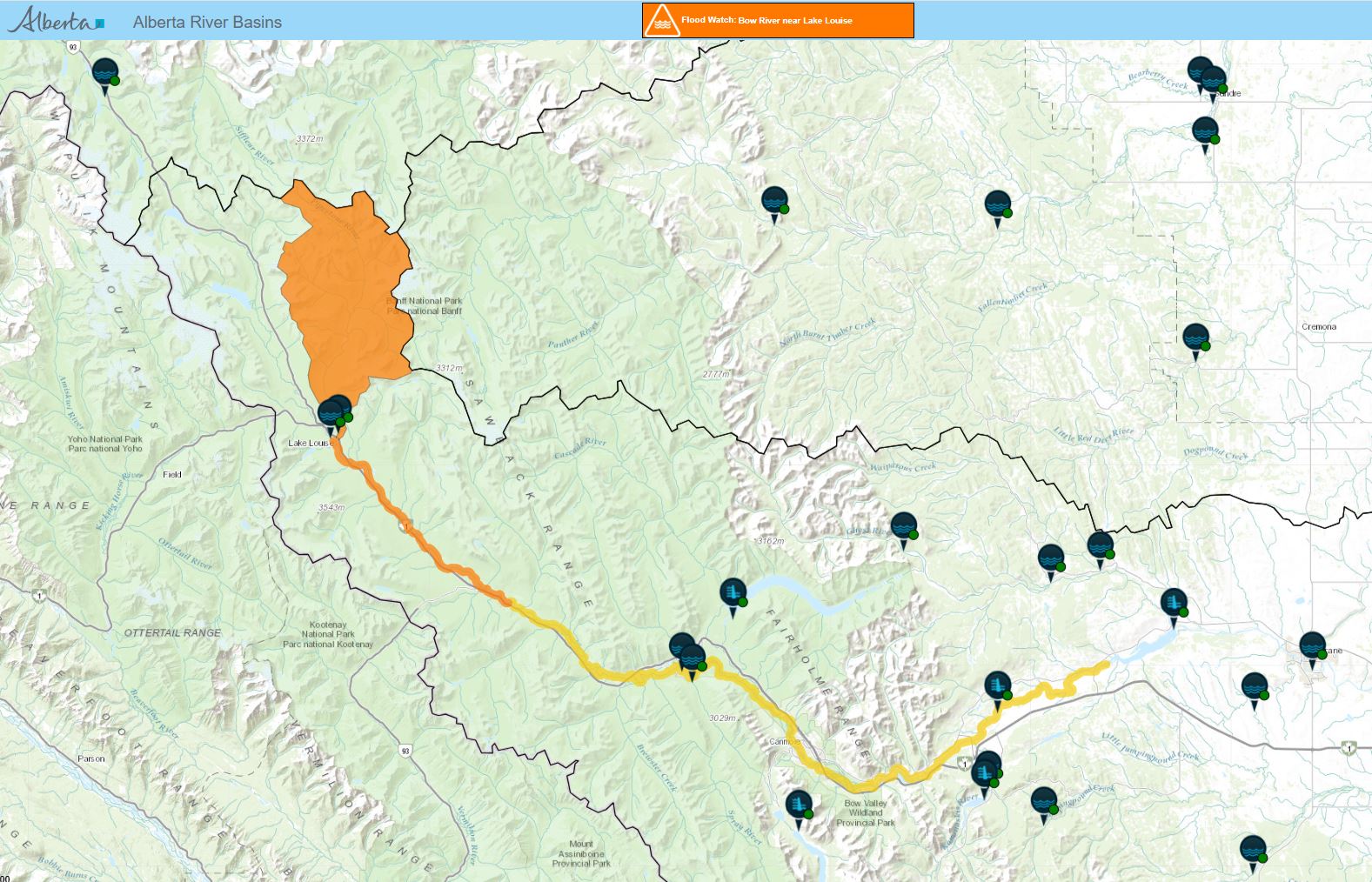
With up to 100 millimetres of rain in the forecast over the next few days, communities in southern and central Alberta are preparing for the possibility of flooding.
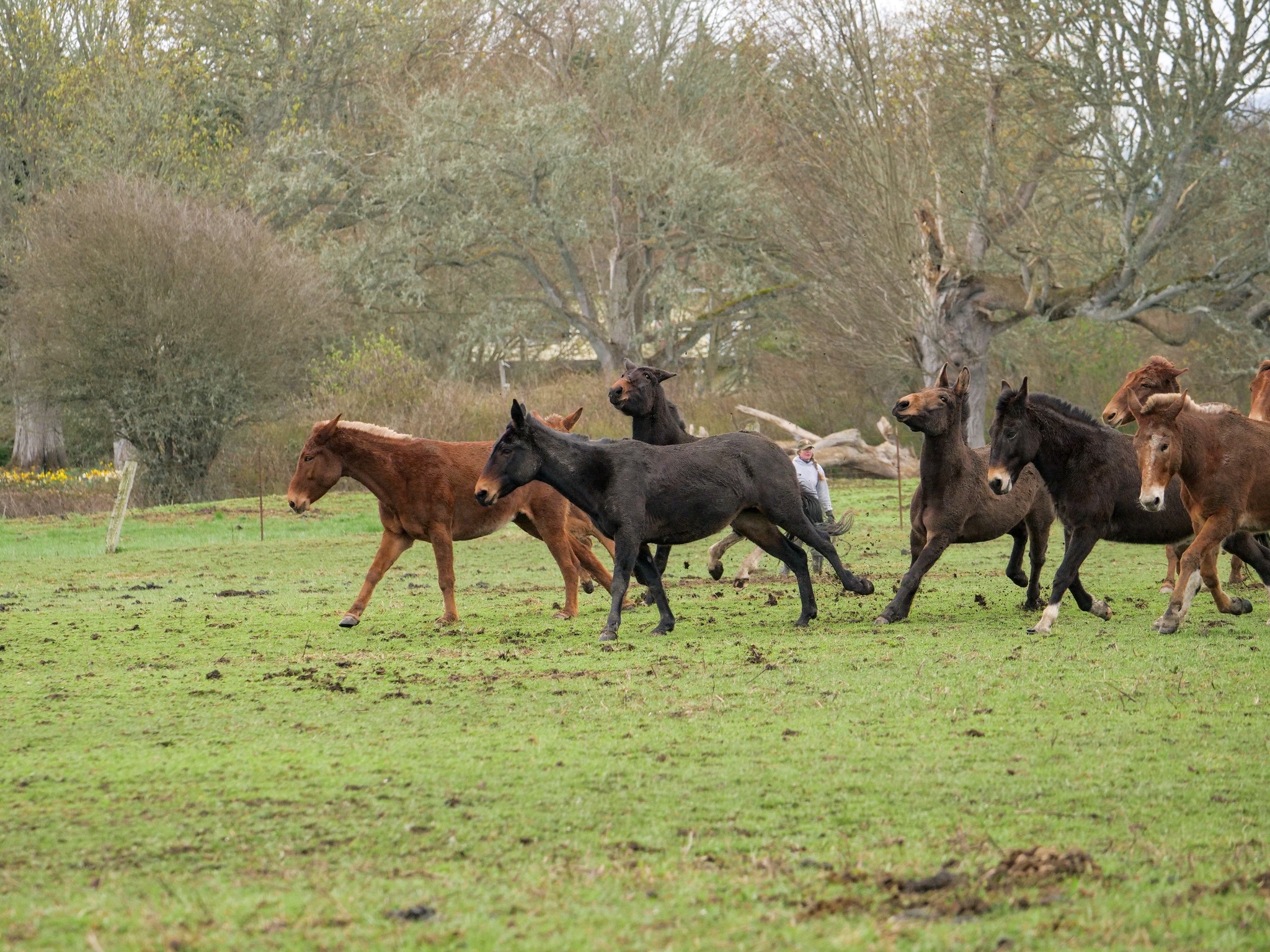
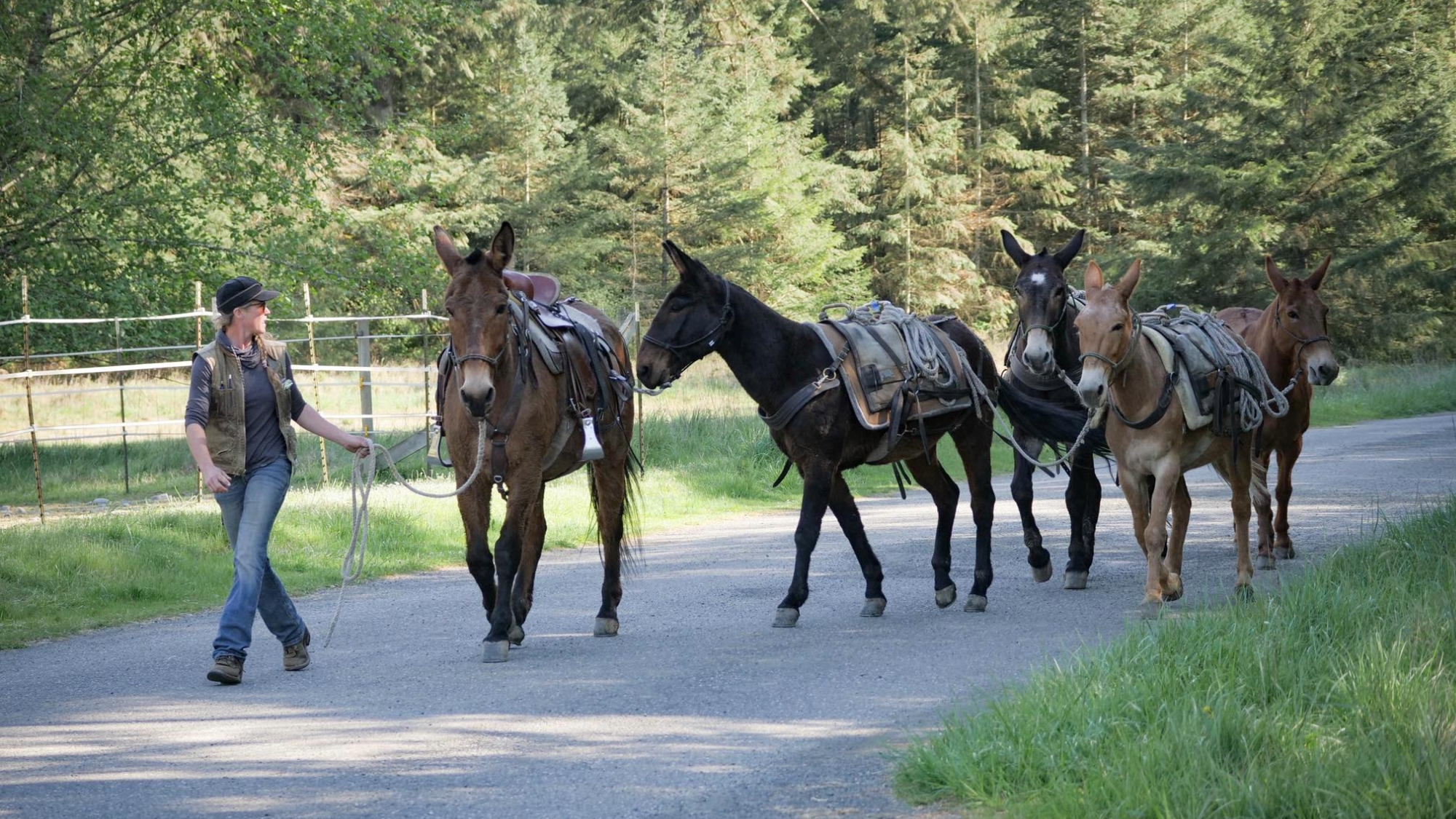
Five new mules at Olympic National Park in Washington State are ready for the busy tourist season. Murl, Cutti, Pip, Checkers, and Gopher join the park’s large working mule herd. Mules have helped maintain the trails in national parks since the early 1900s, and they continue to help monitor Olympic’s one million acres, 600 miles of trails, and 64 trailheads.
Murl, Cutti, Pip, Checkers, and Gopher were named by the park staff and are a nod to the different native plants and animals found at the national park. The mules help trail crews in more wild areas of the park.
Olympic National Park’s mule herd works from April through October and then spends the winter in a large pasture. Image: Olympic National Park.
Mules are the result of interbreeding between a male donkey (Equus asinus) and a female horse (Equus caballus). Thanks to their strength, agility, and endurance, they are the perfect pack animal, according to Washington’s National Park Fund. The park’s over two dozen mules each weigh about 1,000 pounds and can haul roughly 20 percent of their body weight. They carry everything from trail maintenance gear to construction materials and research equipment during their working season—April through October. They will even support the park’s search and rescue teams, safely evacuating any injured hikers out of the wilderness.
When a new mule arrives at the park, they spend time next to older and more experienced mules to learn the ropes. They are housed in a corral in the Elwha River valley during their working season and head out to their winter pasture in Sequim for a five-month break.
Previously, we reported on the birth of a baby western lowland gorilla (Gorilla gorilla gorilla) at Seattle’s Woodland Park Zoo on May 18. His mother Jamani was one of two pregnant western lowland gorillas bearing children from the same father, a silverback gorilla named Nadaya. Since Olympia was due around the same time, we spent the long weekend waiting anxiously for news.
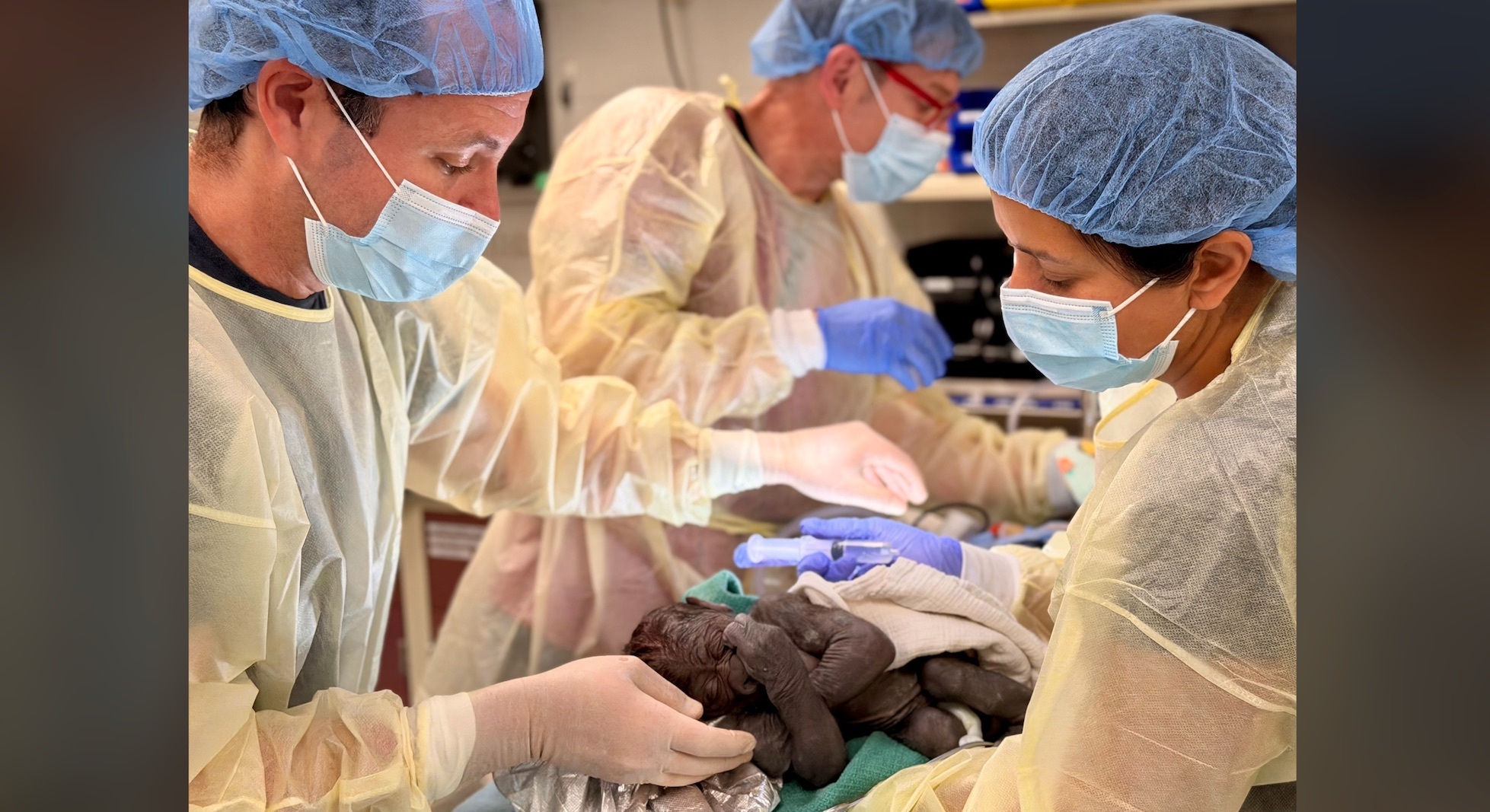
The Woodland Park Zoo’s announcement arrived last night. The baby was born on May 24—five dates past the due date. To bring her baby into the world, the medical team that usually works on humans performed an emergency C-section on Olympia. The procedure is incredibly rare for gorillas, with less than a dozen recorded gorilla C-sections.
“Over the weekend, the decision to proceed with emergency delivery was due to low fluid and intermittent low baby heart rate (found by us with the Butterfly) and critical behavioral information from the keepers team that suggested delayed/paused labor, with confirmation of ruptured membranes (bag of water) by the Team Gorilla OB physicians,” Sachita Shah, emergency physician and VP of Global Health at medical equipment manufacturer Butterfly Network, tells Popular Science. In a previous interview, Shah said that ultrasounds of gorilla fetuses look very similar to ultrasounds of human fetuses.
Butterfly is an all-in-one ultrasound probe that the gorilla care team has been using to monitor the pregnancies. Once the baby came out, “I used The Butterfly throughout the neonatal resuscitation to keep a close eye on the baby’s heart rate as our vital sign so we were able to ensure the safe point to transition from neonatal resuscitation to post natal care,” Shah adds.
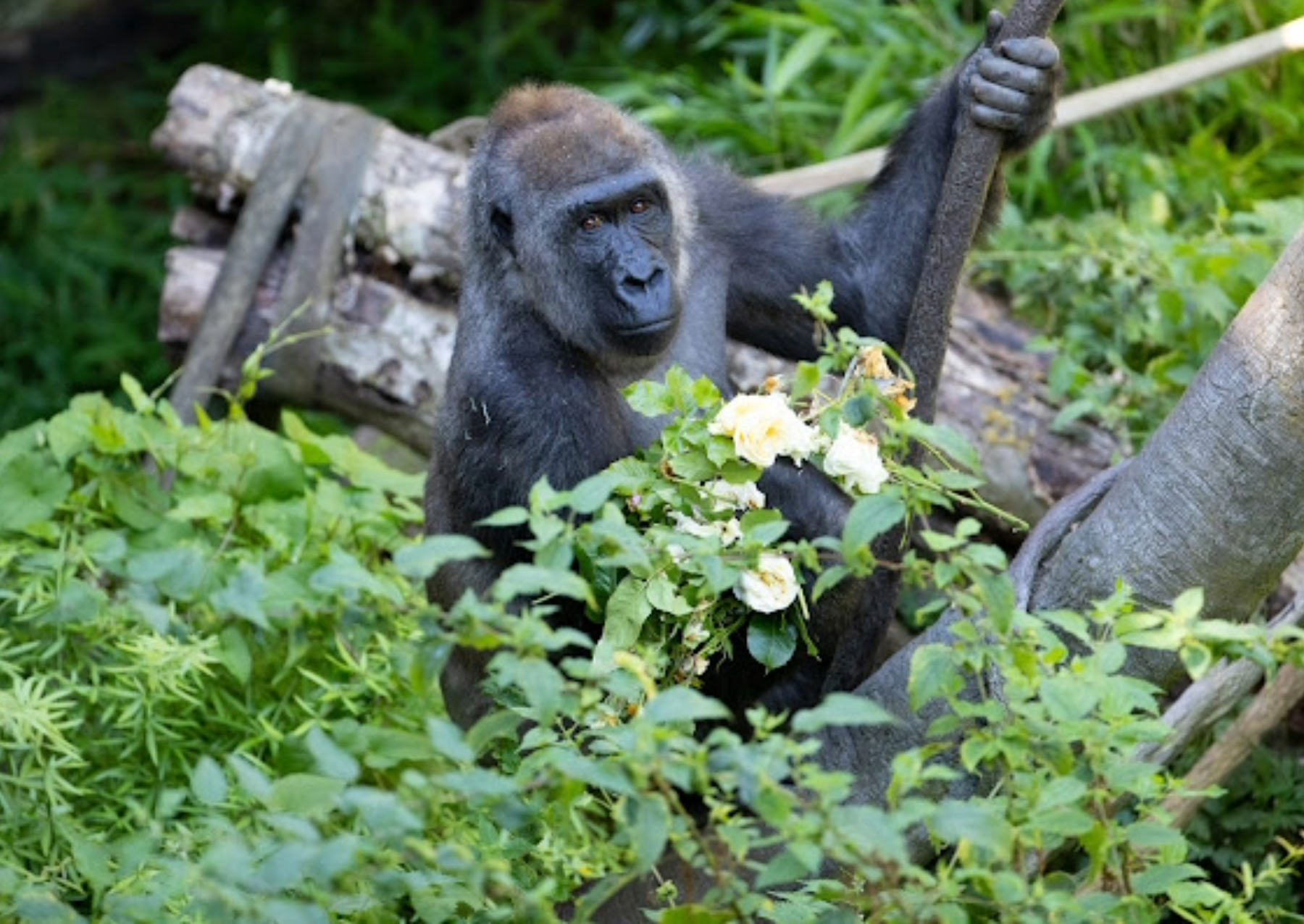
Olympia, seen in her habitat prior to her pregnancy. Image: Jeremy Dwyer-Lindgren/Woodland Park Zoo.
Whether for humans or gorillas, a C-section is a major operation, and Olympia rested without the baby for the first night after the birth. But the newborn wasn’t far away—a gorilla keeper and veterinary technician took care of the baby in a den next to Olympia’s, so she was able to see, hear, and smell it. Both Olympia and the baby boy are now back with their gorilla troop, though Jamani is taking care of Olympia’s newborn as well as her own baby boy.
“So far Olympia’s baby is doing well and maintaining a healthy body temperature. While Olympia recovers from the C-section, our plan is to allow Jamani to continue caring for Olympia’s son while also caring for her own son as long as both infants remain healthy, which is our priority,” Martin Ramirez, Curator of Mammalogy at Woodland Park Zoo, explained in a blog post. “Once Olympia shows signs of being ready for her baby, we’ll move forward with plans to reunite them.”
It remains to be seen what the mother-son duo will look like. However, western lowland gorillas are critically endangered, so the important thing is that both remain healthy.
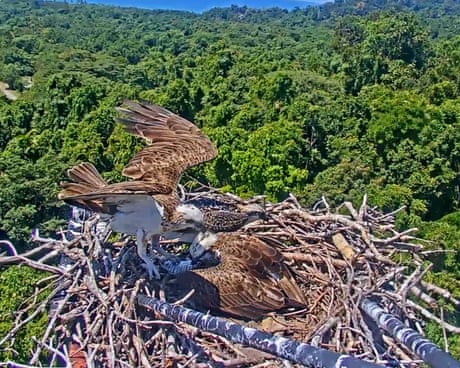
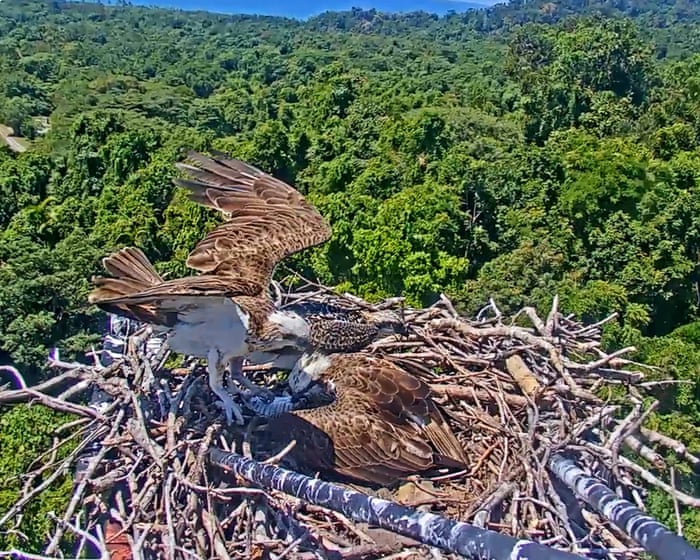
It started by chance – but it should have come as no surprise that two ospreys would pick a hi-tech research facility to make their home.
James Cook University’s 47-metre tall crane towers over the far-north Queensland rainforest canopy, making it the perfect nesting place for the seabird.
The built environment, particularly office buildings other urban facilities, are responsible for 39% of the global energy-related emissions, according to the World Green Building Council. About a third of that impact comes from the initial construction of a building and the other two-thirds is produced over the lifetime of a building by heating, cooling, and providing power to the occupants. Our guest today is leading a key battle to reduce the impact of the built environment. Tune in for a wide-ranging conversation with Rob Bernard, Chief Sustainability Officer at CBRE Group Inc., which manages more than $145 billion of commercial buildings, providing logistics, retail, and corporate office services across more than than 100 countries.
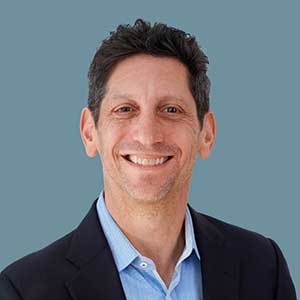
Rob Bernard, Chief Sustainability Officer at the commercial real estate giant CBRE, is our guest on Sustainability In Your Ear.
Rob cut his sustainability teeth at Microsoft, as its Chief Environmental Strategist for 11 years, as the company was developing its world-leading approach and collaborating with other tech giants to lobby for policy and funding to accelerate progress. He discusses CBRE’s Sustainability Solutions & Services for commercial building owners, as well as the accelerating progress for renewables, carbon tracking, and economic, health, and lifestyle benefits of living lightly on the planet. You can learn more about CBRE and its sustainability services at cbre.com
Take a few minutes to learn more about making construction and building operations more sustainable:
The ocean floor is covered with dead whales–but it is everything but a biohazard. When a whale dies, its body sinks to the ocean floor in a process called whale fall. The carcass then becomes its own complex ecosystem, nourishing and housing all types of marine life. Whale bones can then fossilize over time, leaving behind traces of what life looked like millions of years ago.
Now, scientists in the Indian Ocean have discovered an enormous whale graveyard. The collection of bones and communities supported by these whale falls stretches 745 miles across the seafloor 13,779 to 22,965 feet deep. The oldest whale fossil is roughly 5.3 million years old and the graveyard even includes a new species of extinct whale. The findings are detailed in a study published today in the journal Nature.
“The deep sea is far from barren—it’s dynamic, full of life and history,” Dr. Xiaotong Peng, a study co-author and engineer at the Chinese Academy of Sciences (CAS), tells Popular Science. “When a whale dies and sinks, it becomes an oasis, supporting unique communities for decades or centuries.”
In 2023, CAS team was studying the geology and biology of the southeast Indian Ocean’s hadal zone—the ocean’s deepest zone, extending from 19,680 to 36,000 feet-deep. While inside of a submersible, the divers spotted the first whale fossil 22,972 feet below the surface.
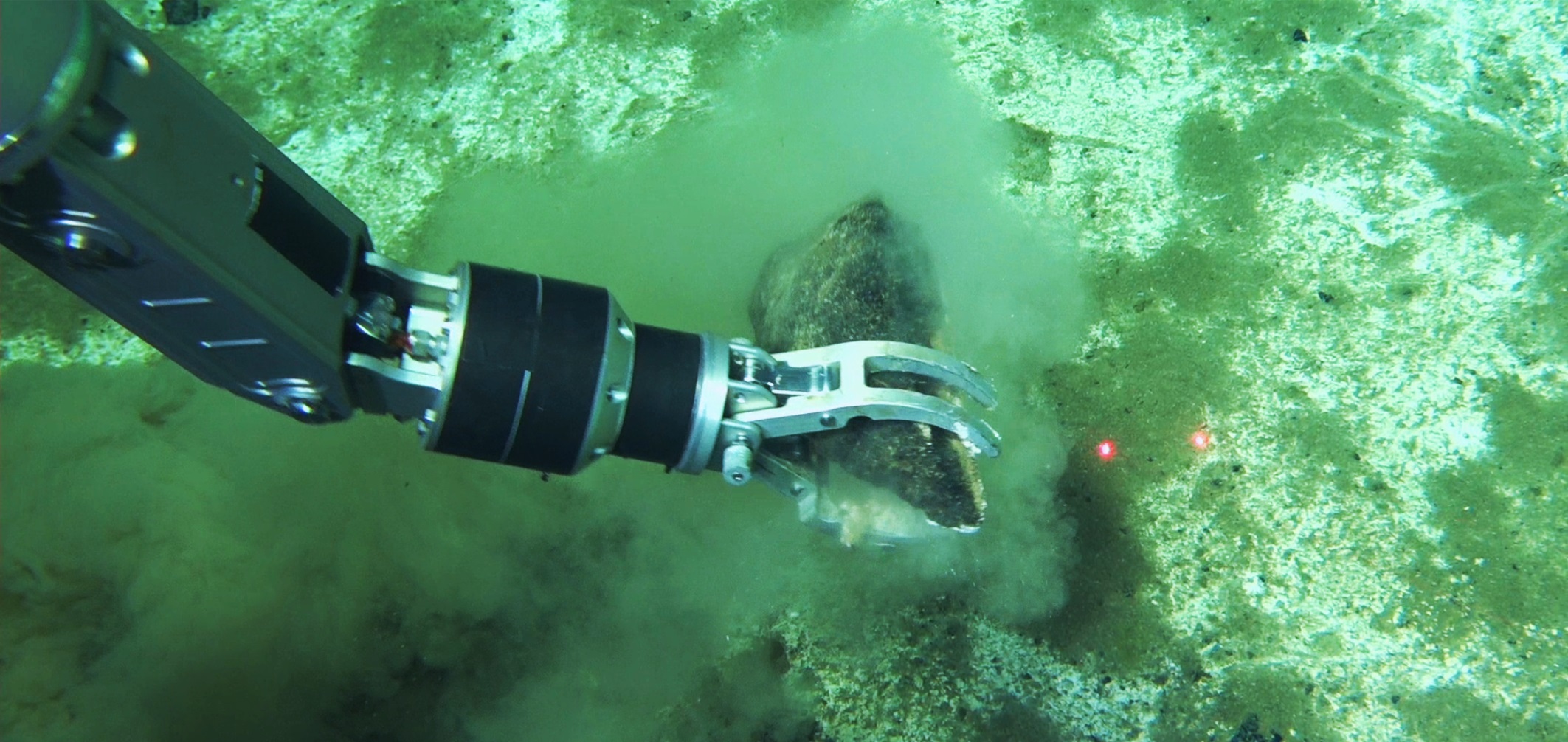
Recovery of whale fossil bones using the manipulator arm of the Chinese submersible Fendouzhe on the deep seafloor of the Diamantina Zone, a deep-sea rift in the Indian Ocean. Image: Global TREnD, IDSSE.
According to study co-author and geologist Dr. Peng Zhou, the remains were actually “quite easy to find” once the team began to search. “They looked unusual, so when the dive scientists first encountered them, they wanted to figure out what they were,” Zhou tells Popular Science.
Peng adds, “We immediately pivoted our objectives to systematically map, document, and sample these whale remains. So it really came down to curiosity meeting the technological capability to explore depths that had been largely inaccessible.”
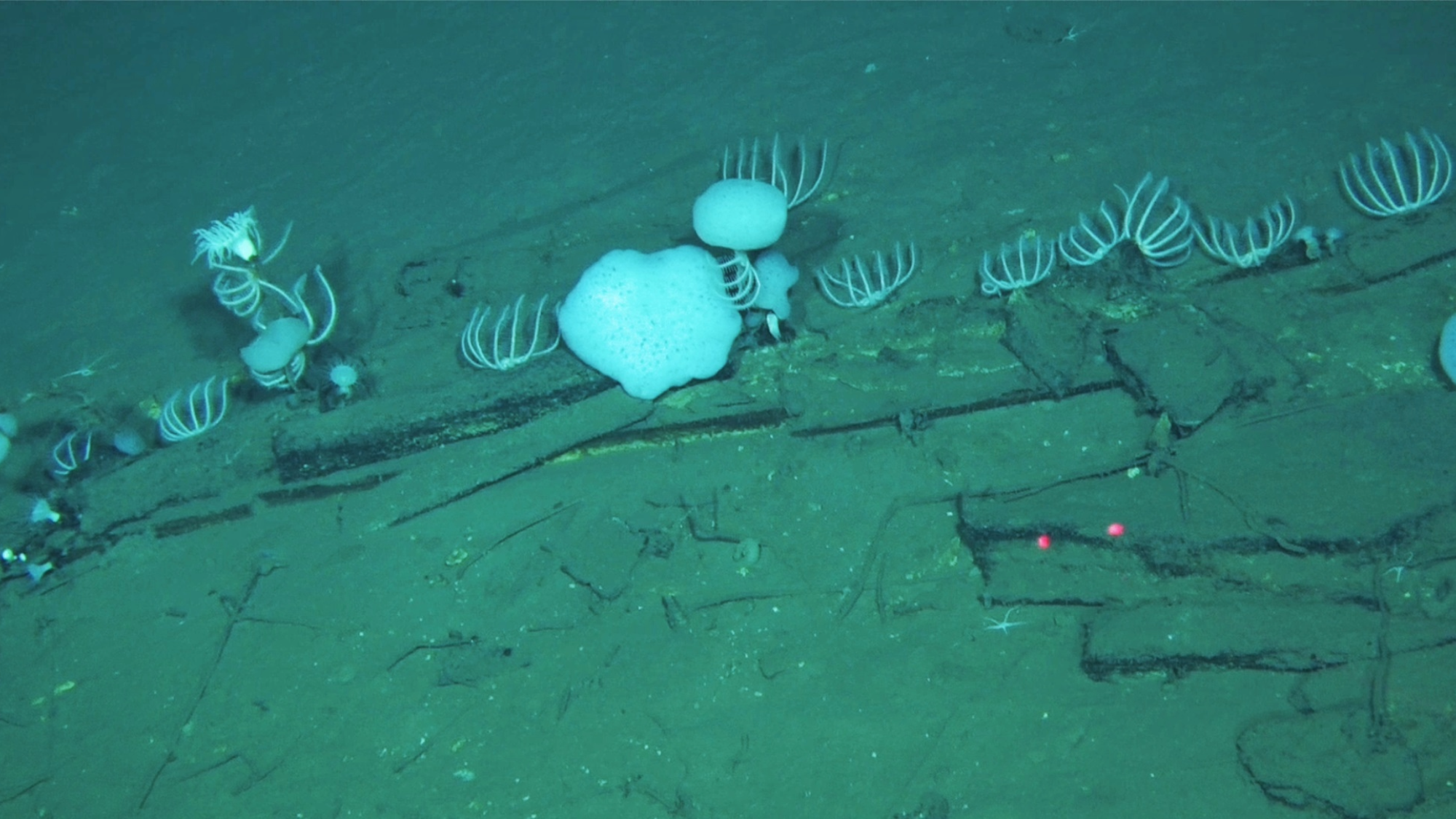
They documented 485 whale fossil sites from five active whale falls. The whale carcasses are home to a large community of jellyfish, brittle stars, bone-boring worms, and bivalves. Some of these species living in the carcasses may even be new to science, but that has not been confirmed. The oldest have been in the area for about 5.3 million years ago (the Pliocene era).
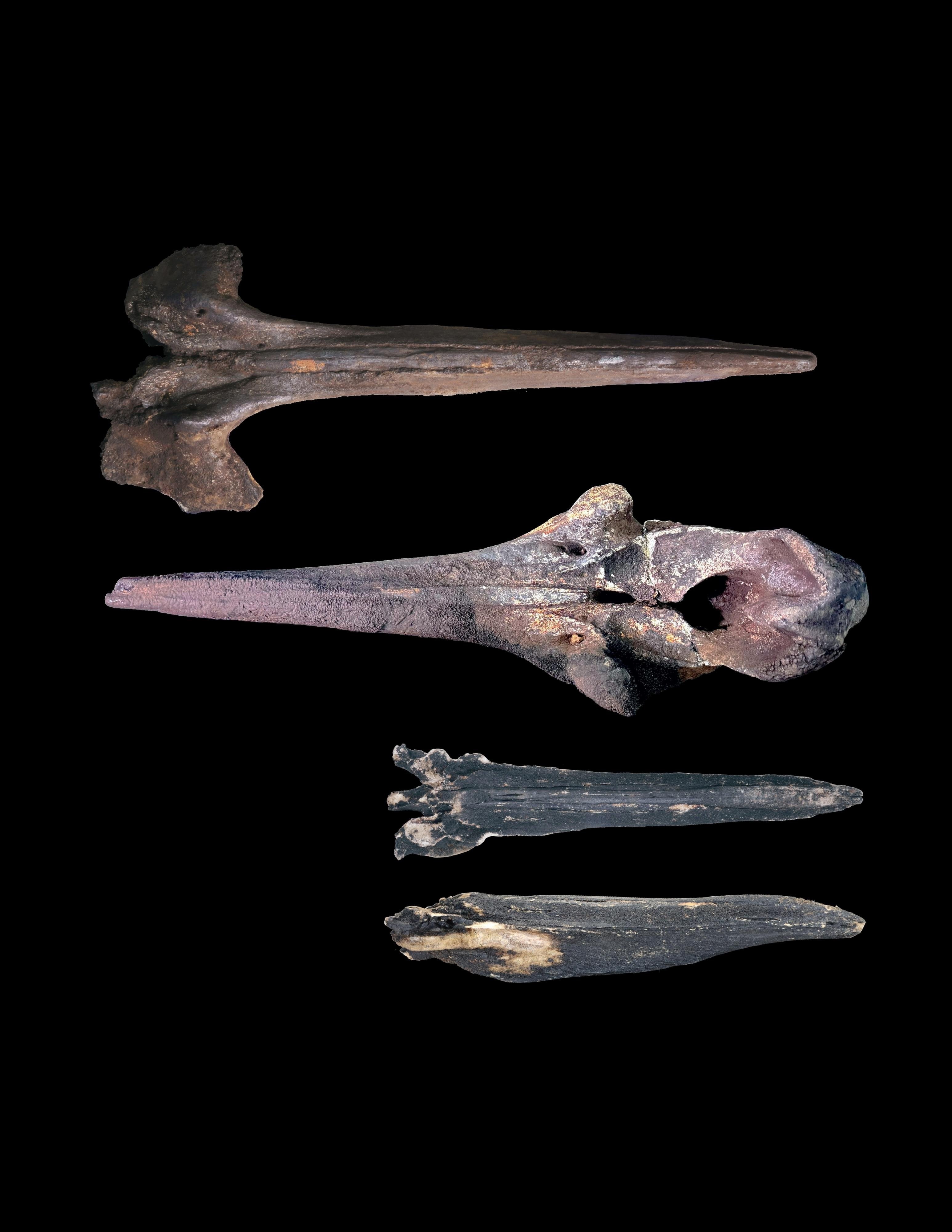
Fossil skulls of three beaked whales recovered from the seafloor at hadal depth of the Diamantina Zone, 6,584–-6,878 meters. The image shows two extinct beaked whale species, Pterocetus diamantinae sp. nov. (new species to science, on the top) and Izikoziphius rossi (the second skull), as well as an extant Andrews’ beaked whale, Mesoplodon bowdoini (two skulls on the bottom). Image: Global TREnD, IDSSE
Most of the whale fossils come from several species of deep-diving beaked whales. Some of the bones belong to beaked whales that still exist today. Others are from extinct whales, including a species new to science named Pterocetus diamantinae.
“Finding both extinct genera like Pterocetus and living species like Mesoplodon bowdoini preserved together in the same region, across 1,200 kilometres [745 miles] of seafloor at such extreme depths—that was truly unexpected,” says Zhou.
This fossil record is also continuous, so the team can track the population dynamics and evolution of deep-diving whales over time.
“These fossils give us a direct window into the Pliocene, about 5.3 million years ago,” study co-author and biologist Dr. Xikun Song tells Popular Science. “They show that beaked whales were already specialized deep‑divers in the Indian Ocean by that time. Beyond the whales themselves, the associated fossil fauna also tells us about the structure of ancient deep‑sea whale‑fall communities and broader deep‑sea biodiversity back then.”
This whale graveyard could reshape our understanding of both living and extinct beaked-whales. There are roughly 24 species of beaked-whale living today. However, their deep-sea habitat, likely low population numbers, and reclusive behavior make them difficult to study. Having such a large fossil deposit like this could help explain more about their reclusive lives.
The fossils are also shedding more light on the mysterious ecosystems living at the ocean’s deepest depths.
“Discoveries like this are possible because of curiosity, collaboration, and technology,” Peng concludes. “We’ve barely scratched the surface of the deep ocean, and there’s so much more waiting to be found.”
With the assembly elections to five states done and dusted, and Assam and West Bengal in the bag for the BJP, Prime Minister Narendra Modi decided it was time to ask Indians to brace themselves for price shocks and other crises emanating from the war in West Asia. As always, the onus of sacrifice was on citizens — don’t buy gold, use less oil, work from home... All too familiar exhortations to exercise restraint and discipline and take patriotic responsibility.
He had one for farmers too: to “move to 50 per cent organic farming”. But is the switch such a cinch?
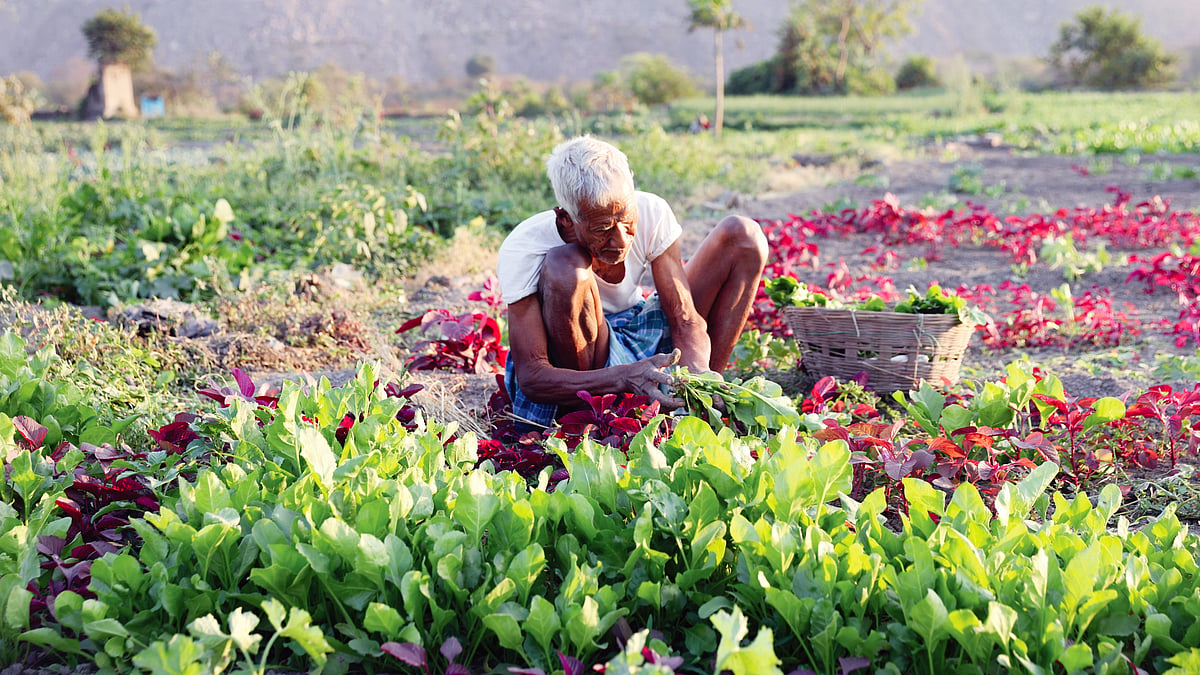
It takes seven to ten years to move from chemical-intensive agriculture to organic — or sustainable — farming. The transition, as this writer has learnt in conversations with tens of thousands of farmers across the country, comes with big risks and massive shocks — sudden drops in production, spikes in labour wages, pest attacks, uncertain inputs...
The consensus is that while productivity stabilises over time, change requires constant guidance and services that are not available in the market. While India has some 400 definitions of organic farming in different regional languages, the agriculture science fraternity has not yet adopted it as a system of production.
By and large, organic farming has spread in India through community-based organisations, NGOs and, in some cases, highly motivated individual farmers, rarely through public institutions or universities.
At first glance, Modi’s proposal to make a big switch to organic farming may seem ecologically sound. The crisis in Indian agriculture is real — farmers have had it rough for decades. Excessive use of chemicals has irreparably degraded soils, contaminated groundwater, reduced biodiversity and trapped farmers in expensive input-intensive systems. Few serious environmentalists would deny the urgent need for more sustainable agricultural practices.
The latest 2026 report by the Research Institute of Organic Agriculture (FiBL) and IFOAM Organics International shows that organic agriculture spans nearly 99 million hectares in over 180 countries, involving 4.8 million producers. The global organic food market has grown to nearly 145 billion. India, with four million hectares, has one of the world’s largest numbers of certified organic farmers, topped by Australia with 53 million hectares.
The report does not consider farmers who practise organic farming but are not certified. In India, for instance, the Participatory Guarantee System (PGS) is used by millions of farmers as a process of certification for domestic consumption, in addition to the third-party certification usually required for export.
In India and worldwide, organic farming is a small fraction of the overall production ecosystem, but it is growing. For instance, India is a leader in organic cotton. Ditto for millets. Millions of small farmers in tribal and lagging geographies use less chemicals and are de facto organic, but not certified by any of the expensive and difficult certification systems.
Note the gap though, between the first and the second. Australia has a systemic approach; India does not. Our problem is policy — or the lack of it. Farmers want to switch away from chemicals, no one needs to preach at them. What they await is policy support to do so.
As G.V. Ramanjaneyulu of the Centre for Sustainable Agriculture (CSA) in Hyderabad, one of the most ardent advocates of sustainable farming practices, puts it: “Farmers have done everything in the past 20 years to increase their incomes and switch to sustainable practices.” They have tweaked their cropping choices, learnt organic practices, invested time and money and shouldered the risks during the transition.
With public institutions and systems overwhelmingly leaning on modern i.e. industrialised agriculture, organic farmers cannot compete in volatile markets.
“It is the Indian Council of Agriculture Research (ICAR) and agriculture universities that must be asked to institutionalise organic farming research and strategy,” he says. “Policy must support the farmers who practise non-chemical agriculture production systems.”
Over 25 years, the CSA has steadily organised farmers in Telangana and Andhra Pradesh under its cooperatives and farmers’ produce companies, helping them switch from chemical to organic or integrated pesticide management systems, under Sahaja Aharam, a brand of its own.
Yet, challenges remain: remunerative prices, access to markets, quality inputs, knowledge support and so on. Ramanjaneyulu says policy hasn’t evolved to support farmers who made the switch; prices, credit flows, input markets remain stagnant; and the science of organic farming has not yet been institutionalised.
“Chemical farming systems have all the pillars in place: public institutions push it, banks and financial institutions support it, and markets latch it up,” he says. For farmers to switch from one system to the other, they need similar pillars. “Who will provide those? What kind of knowledge systems are needed for the switch? These are critical issues that need government backing and strategy.”
A farmer cannot switch to organic farming or stop using chemicals because someone says so. Before the prime minister tells farmers to feel the moral obligation and bear the burden of the transition, he must put policy and systems in place.
The PM (and his cabinet) must answer some of these questions for farmers to practise what he preaches. What is the timeline for the transition? Under which procurement structures? Through what extension systems? What kind of financial support? How are they to absorb transitional yield losses? How will certification be managed? What happens to small cultivators already trapped in huge debt? How will states compensate for lower output during conversion years? Who will bear the economic risk of experimentation?
These are not technical details. They are the difference between grandstanding and implementation.
****
For a sobering lesson, we need look no farther than Sri Lanka. In 2021, the Sri Lankan government abruptly banned the import of chemical fertilisers and aggressively pushed the country towards organic farming. The decision was wrapped up in ecological jargon and national pride.
The results were disastrous. Crop yields fell sharply. Tea production suffered severe losses. Food shortages ballooned. Inflation spiralled. Rural distress deepened.
The lesson from Sri Lanka’s experiment with organic farming is not that it’s impossible or undesirable, but that agricultural practices cannot be altered overnight through executive fiat. These transitions require years of preparation, scientific planning, farmer consultation, market redesign, transition finance and decentralised adaptation to local ecological realities. Many organisations have done the spadework in India. We can learn from their experiences. Sikkim moved to a fully organic model, but farmers in the state did not benefit economically.
Ecological transitions are extraordinarily complex processes that cannot be reduced to moral exhortation from podiums. Agriculture is not theatre. Soil systems do not obey slogans.
Wars disrupt oil supplies, inflation rises, currencies weaken, uncertainty spreads across markets. Prudence, moderation, even austerity can become necessary. But what distinguishes democratic leadership from political theatre is whether sacrifice is evenly shared or selectively imposed.
By now, we know the most reliable way to understand this regime is not to listen to what it says but to observe what it does. For over a decade, structural crises in India have repeatedly been translated into moral obligations for citizens. Recall the prime minister’s exhortations during the demonetisation of 2016 and the COVID-19 pandemic of 2020.
Now, geopolitical instability is being converted into another sermon on austerity instead of a serious national conversation about sustainable agriculture, fossil fuel dependence, resource conservation and ecological repair. That responsibility cannot be delegated downwards to already vulnerable citizens.
Jaideep Hardikar is a senior Nagpur-based journalist and author of Ramrao: The Story of India’s Farm Crisis. Read more by him here
The official start of summer is days away, and after a particularly long and cold winter in parts of the United States, many are ready to enjoy the outdoors again without risking frostbite. Warm weather comes with another type of bite, however. One that comes with an unwanted guest attached to your body.
Along with mosquitos and flies, ticks are among our most disliked arachnids. However, their infamy comes with a lot of myths, and with tick season in full swing, it’s important to straighten out a few misconceptions.
False: Ticks can fly
If you’ve heard that ticks can fly and/or jump, you’ll be relieved to know that they can’t. In fact, their legs are pretty unimpressive appendages, according to Escher Cattle, an entomologist at the Regional Government of Cape Cod.
“They have some pretty good grabbers on their front legs and their other legs are pretty decent as well, but really all a tick has the equipment to do is walk around and grab stuff,” Cattle tells Popular Science. They’re not muscular like those of grasshoppers, for example. As for locomotion more generally, ticks don’t have wings, nor are they aerodynamic. As such, they’re also “not physically geared to be dropping out of trees like some kind of paratrooper.”
While a tick might attach onto an animal that takes it up into a tree and then fall, the chances that the skydiving arachnids will land on you is infinitesimal, Cattle says. In fact, ticks generally exist beneath an elevation of at most three feet.
The way a tick actually attaches to a host is by climbing to the top of a plant, sticking its arms out, and waiting for something alive to brush by—a behavior called questing. It does so after sensing chemical cues of something warm, moving, and blood-filled.
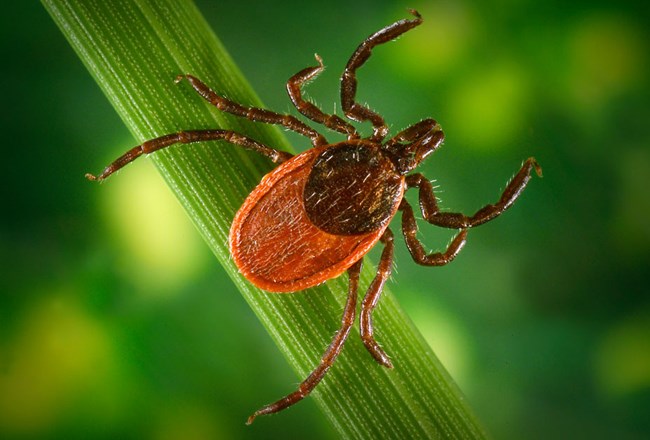
Deer ticks are found in the eastern half of North America. Image: CDC/ James Gathany; William L. Nicholson, Ph.D.
False: Opossums help remove ticks by eating them
Speaking of blood-filled things, one tick myth that Cattle is sorry to dispel is one that paints opossums as tick-eating machines. You may have read that opossums are good to have around because they eat lots of ticks. This popular notion is founded on the results of a study in which researchers put ticks on opossums, among other animals, to investigate how these animals reacted to the pest.
Because the team wasn’t seeing any ticks dropping off the opossums, they assumed the mammals were eating them all. As of now, there is no direct evidence known to researchers of opossums eating any ticks.
One similar belief is that birds such as turkeys and guinea fowl eat ticks. While that’s true, they also carry them around, so having one in your backyard doesn’t automatically mean you’ll have less ticks.
True: They can carry disease
What isn’t a myth, though, is that ticks can be vectors of disease. These include Rocky Mountain spotted fever, tularemia, ehrlichiosis, and most infamously, Lyme disease.
The good news is that you can decrease your chances of catching the disease from a tick bite if you remove the tick within 24 hours. But sometimes, tick bites go unnoticed, so it’s important to check yourself when you come back indoors during warm weather.
Ticks are shockingly cold-resistant, but they usually keep to themselves during the colder seasons. They still can come back out as soon as the sun starts shining—including on those randomly very hot February days.
True: A ‘dorky’ look helps prevent tick bites
If you do find a tick, don’t try to burn or suffocate it off your skin. Use a trusty pair of tweezers, grip it near the mouth parts, and pull it off. If anything gets left behind, your skin will naturally push it out with some time. If you’re not sure how long the tick has been on you, you should contact your doctor.
As for tick bite prevention, “I know it looks kind of dorky, but tucking your pants into your socks is a really good tip. Making it so that there are barriers between ticks and your skin as much as possible is extremely good as a strategy,” explains Cattle, who also teaches about tick-borne disease prevention for Cape Cod Cooperative Extension.
Tucking long pants into socks creates a good barrier between ticks and your skin. Image: Delaware Department of Natural Resources and Environmental Control.
You can also apply a synthetic pesticide called permethrin on their clothes and insect repellant on any exposed skin.
Ticks are “very good at what they do,” he concludes, but “I think adopting just a couple habits at a time really makes a difference.”
Update June 9 9:47 a.m. EDT : This story incorrectly identified ticks as insects. They are arachnids.
Assam’s Kaziranga National Park and Tiger Reserve has further strengthened its reputation as a biodiversity hotspot, with a recent survey documenting a rich diversity of birds of prey and storks across its vast landscape.
The survey, conducted earlier this year and released on World Environment Day, recorded 30 species of raptors comprising 217 individual birds, alongside six species of storks with a total count of 266 individuals. The findings underscore the ecological importance of Kaziranga as a crucial habitat for both resident and migratory bird species.
According to Kaziranga National Park and Tiger Reserve Director Sonali Ghosh, the initiative represents another step towards strengthening science-based wildlife management and conservation planning in the protected area.
The survey highlighted the remarkable avian diversity supported by Kaziranga’s varied ecosystems, which include grasslands, wetlands, forests and riverine habitats. The reserve provides ideal conditions for a wide range of raptors, including eagles, vultures, falcons, buzzards and owls, while its extensive wetlands serve as important feeding and breeding grounds for several stork species.
India is home to 112 recorded species of raptors, and nearly 50 of these have been documented within Kaziranga and its surrounding landscape. The region’s wetlands and proximity to the Himalayan foothills make it a particularly valuable refuge for birds of prey.
The study found that Kaziranga National Park recorded the highest diversity, with 21 raptor species and five stork species. The Biswanath Wildlife Division followed closely with 20 raptor species and six stork species, while the Nagaon Wildlife Division recorded 14 raptor species and five stork species.
Among storks, the Asian Openbill emerged as the most abundant species, with 92 individuals recorded across the reserve. In contrast, the Greater Adjutant, one of the world's rarest storks, was represented by only three sightings.
The Himalayan Griffon Vulture was the most frequently observed raptor, with 69 individual records. The Booted Eagle and White-tailed Eagle were among the rarest species encountered, each recorded only once during the survey.
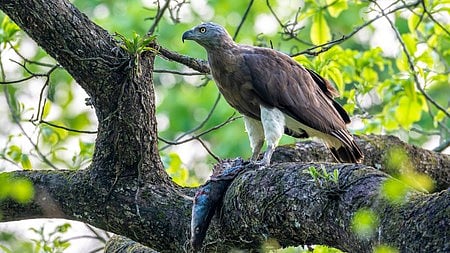
The findings also reaffirm Kaziranga’s importance for the globally threatened Pallas’s Fish Eagle. The reserve has become a critical breeding ground for the species, which faces declining populations across its range.
In an example of international wildlife research collaboration, a male Pallas’s Fish Eagle named ‘Ider’, fitted with a tracking device in Mongolia in 2020, has returned to Kaziranga every year to breed. Researchers have observed the bird travelling annually between central-western Mongolia and Assam, demonstrating the significance of transboundary conservation efforts.
Earlier research by the Wildlife Institute of India identified 10 active nests of Pallas’s Fish Eagle in Kaziranga, the highest known concentration of breeding sites for the species anywhere in the world. Conservationists believe this places a special responsibility on the reserve to safeguard nesting habitats and floodplain ecosystems.
Experts have also emphasised the need to address threats such as habitat degradation, powerline electrocution and disturbance at nesting sites. Continued satellite tracking and international cooperation are expected to play a key role in protecting the species in the future.
Most of the raptor and stork species recorded during the survey are protected under Schedule I of the Wildlife (Protection) Act, 1972, granting them the highest level of legal protection in India.
The survey’s findings reinforce Kaziranga’s status as one of Asia’s most important wildlife landscapes, not only for its celebrated populations of one-horned rhinoceroses, tigers and elephants, but also for its critical role in conserving some of the subcontinent’s most threatened bird species.
Spread across the districts of Golaghat, Nagaon, Sonitpur and Biswanath, the UNESCO World Heritage Site remains home to an extraordinary range of wildlife, including more than 2,600 one-horned rhinoceroses, over 100 Bengal tigers, 1,200 Asian elephants and substantial populations of wild water buffalo and eastern swamp deer.
Wildlife managers say the latest bird survey will help shape future conservation strategies and ensure the long-term protection of Kaziranga’s diverse ecosystems and avian inhabitants.
Senior Congress leader and MP Jairam Ramesh on Thursday said “SIR” — sustainable, inclusive and rapid development — would dominate policymaking in India over the coming years, irrespective of which party was in power at the Centre or in the states.
Delivering the M.P. Veerendrakumar Memorial Lecture in Kozhikode, Ramesh said India would confront three major challenges over the next 10 to 15 years, encapsulated in what he termed the “SIR” framework.
He said the country required economic growth that was environmentally sustainable, socially inclusive and rapid enough to generate employment for the seven to eight million Indians entering the workforce each year.
“All three are important,” the Congress leader said, explaining that development must protect the environment, ensure benefits reached all sections of society rather than a privileged few, and expand quickly enough to create jobs.
The Congress general-secretary (communications) said integrating environmental concerns with development would become a central policy priority, regardless of political leadership. “Secondly, we have to create wealth, but ensure that inequalities do not widen. Thirdly, we have to expand the economy to create more and more jobs,” he said.
Ramesh also reflected on his long association with former Union minister and socialist leader M.P. Veerendrakumar, recalling that they first met nearly three decades ago after the latter took oath as Union minister of state for finance.
At the time, Ramesh was serving as an adviser to then Union finance minister P. Chidambaram. “Over the years, till his death, we maintained a very close and cordial relationship,” he said.
Sharing an anecdote from their days as Rajya Sabha MPs, Ramesh recalled Veerendrakumar joking: “You may be Jairam Ramesh MP, but I am M.P. Veerendrakumar MP. So, I am a double MP, unlike you.”
“That was the kind of person he was,” Ramesh said.
The Rajya Sabha MP said three defining aspects marked Veerendrakumar’s life, foremost among them his deep commitment to India’s socialist tradition.
Tracing the evolution of socialism in India, Ramesh referred to leaders such as Jayaprakash Narayan, Ram Manohar Lohia and Kamaladevi Chattopadhyay, and noted the movement’s many organisational incarnations over the decades.
“It is said of the socialists that they could not live together for six months and could not live apart for six months,” he remarked.
Referring to the succession of socialist parties — from the Congress Socialist Party and Praja Socialist Party to the Samata Party, JD, JD(S) and JD(U) — Ramesh quipped that “all the alphabets of the English language were covered by the socialists”. However, he said the socialist tradition was ultimately rooted in values rather than political power.
“They were invested in people’s struggles. Veerendrakumar represented and exemplified the grand socialist tradition, which is gradually withering away,” he said.
Ramesh said the other defining features of Veerendrakumar’s life were his commitment to India’s cultural, linguistic and religious diversity, which he argued was currently under strain.
He said few countries matched India’s extraordinary plurality and noted that unlike diverse nations such as the Soviet Union and Yugoslavia, which eventually disintegrated, India had endured because its Constitution not only respected and accommodated diversity but celebrated it. “That is also the message of Veerendrakumar’s life,” he said.
A veteran socialist leader, Veerendrakumar served as a member of the Lok Sabha, Rajya Sabha and Kerala Legislative Assembly. He also held portfolios as Union minister of state for finance and minister of state for urban affairs and employment, besides serving as a minister in Kerala.
He had additionally served as chairman of PTI and president of the Indian Newspaper Society.

 Login
Login