Routine checkups for humans are usually straightforward. The doctor tells you what to do, and unless you’re a squirming baby or terrified of needles, you pretty much follow instructions.
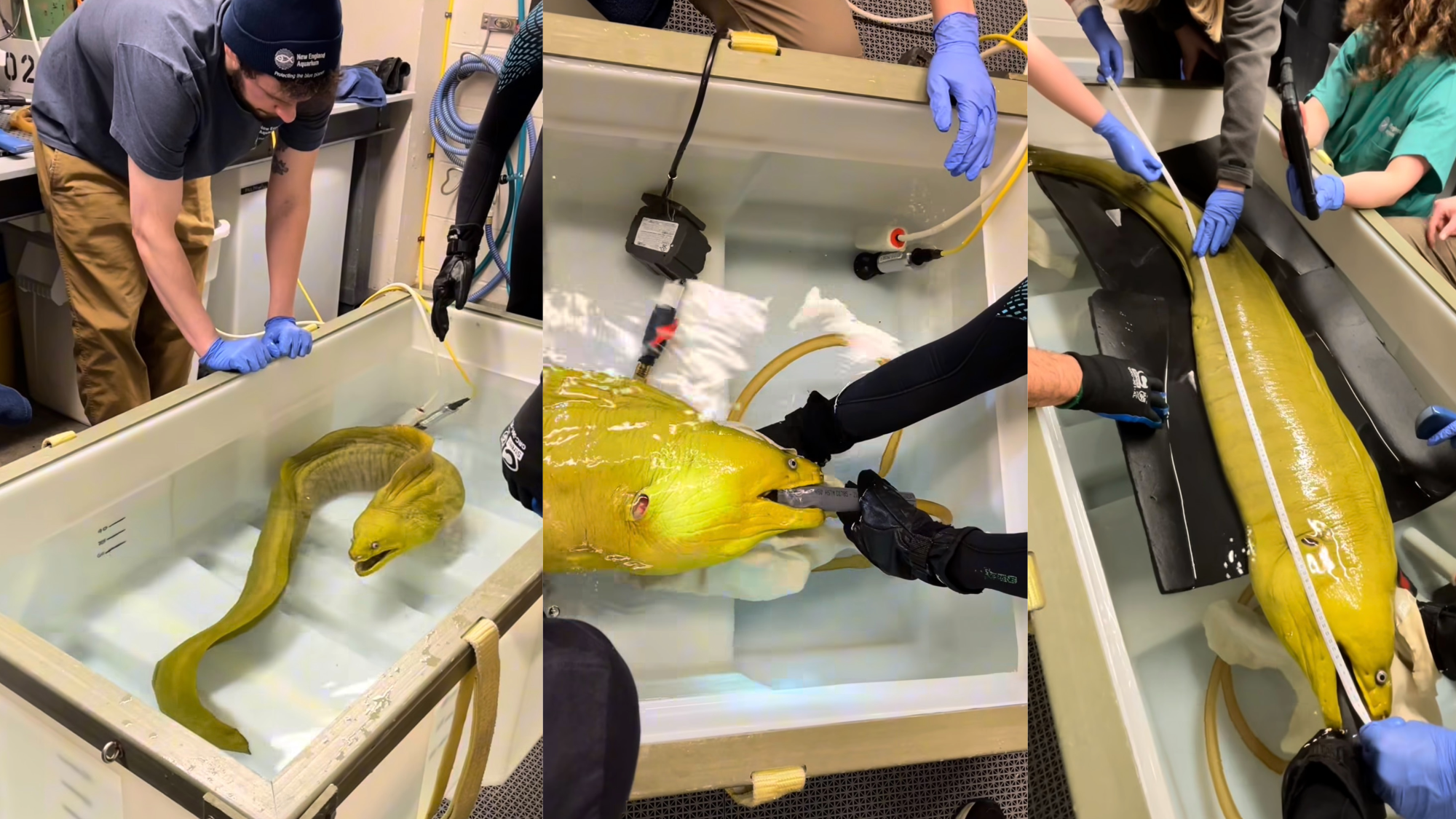
But what happens when the patient is a giant yellow-orange eel with sharp teeth? Things get a bit slippery. At the New England Aquarium, experts need to follow a complicated process in order to get Thomas, a green moray eel (Gymnothorax funebris), ready for his yearly checkup.
The first step consists of
Routine checkups for humans are usually straightforward. The doctor tells you what to do, and unless you’re a squirming baby or terrified of needles, you pretty much follow instructions.
But what happens when the patient is a giant yellow-orange eel with sharp teeth? Things get a bit slippery. At the New England Aquarium, experts need to follow a complicated process in order to get Thomas, a green moray eel (Gymnothorax funebris), ready for his yearly checkup.
The first step consists of retrieving Thomas from the aquarium’s giant ocean tank. Divers get him into a plastic barrel.Thomas and the barrel are then submerged into a different water tank with powdered anesthetic water, Melissa Joblon, New England Aquarium’s director of animal health, tells Popular Science.
“We have to be really cautious to make sure that he’s fully anesthetized before we handle him because they can be dangerous,” she adds, “and they’re very slippery and can kind of slither away if we’re not really careful.”
Once Thomas is essentially knocked out, the team lifts him from his sedation bin and onto a rack. They then flush water—with more of the anesthesia agent—which allows him to continue breathing.
The medical exam is preventative care, meaning the team is on the lookout for any health issues to catch them before they become serious. The session includes a physical exam, bloodwork, a full ultrasound, and an electrocardiogram. The team is essentially investigating the eel’s outsides and insides.
“We do full routine annual exams on the majority of the animals that live at the aquarium, similar to bringing your cat or dog to a vet once a year,” Joblon explains.
Thomas is probably 18 to 21 years old, but he was a juvenile when the New England Aquarium took him in. A pet owner donated him after wisely deciding that they couldn’t care for the eel anymore—Thomas was becoming too big. Green moray eels are, after all, among the largest morays—they can be eight feet long.
When Sachita Shah sent her cardiologist brother an ultrasound of her patient’s heart, he was very confused. The heart was huge, and the left ventricle incredibly muscular. His confusion was warranted, as the ultrasound was not of a human heart. It belonged to another primate—a gorilla. Shah, emergency physician and VP of Global Health at medical equipment manufacturer Butterfly Network, tells Popular Science that if she had shown an ultrasound of a gorilla fetus to a radiologist, they would have
When Sachita Shah sent her cardiologist brother an ultrasound of her patient’s heart, he was very confused. The heart was huge, and the left ventricle incredibly muscular. His confusion was warranted, as the ultrasound was not of a human heart. It belonged to another primate—a gorilla. Shah, emergency physician and VP of Global Health at medical equipment manufacturer Butterfly Network, tells Popular Science that if she had shown an ultrasound of a gorilla fetus to a radiologist, they would have assumed it was a human baby.
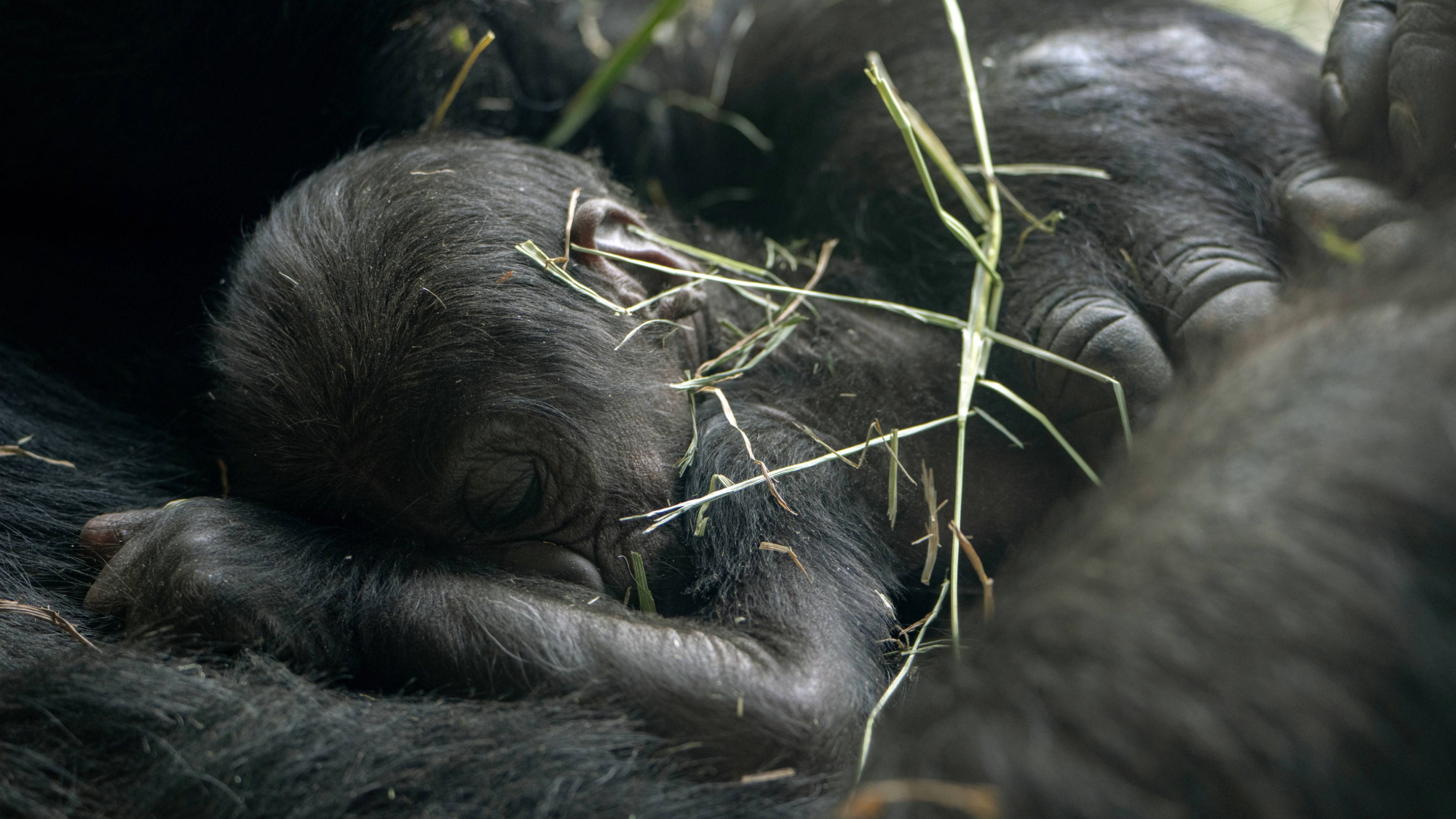
Shah is on the gorilla care team currently looking after Jamani and Olympia, two western lowland gorillas (Gorilla gorilla gorilla) mothers at Woodland Park Zoo in Seattle, Washington. Jamani gave birth on Monday May 18, and Olympia is expected to deliver her new baby imminently. Shah and her colleagues’s work involves conducting ultrasounds of Jamani and Olympia’s baby bump—though now probably just Olympia’s—to keep an eye on the baby’s growth and position.
“We got a really pretty baby face,” Shah says, speaking of the ultrasounds. “We could see nose and lips and fetal breathing movements and heartbeat and drinking fluid, opening mouth and swallowing. For all intents and purposes, it was very much the same [as a human baby].”
The endangered gorilla mothers were trained to take part in the exams and procedures conducted by the gorilla care team, and they could choose whether to participate or not. The gorillas put their bellies against the edge of the enclosure for the scan (and received snacks), where there is a small opening through which the care team can reach through with the ultrasound probe.
As such, the zoo needed a small and portable imaging device. That’s where Butterfly Network and their all-in-one ultrasound probe came in.
“When you think of an ultrasound, you might think of a big cart with lots of different probes—a different probe if you wanted to do a pregnancy scan, or a heart scan, or a pediatric scan might have a tiny probe,” Shah says.
Instead, the Butterfly probe they use at Woodland Park Zoo is a handheld ultrasound that plugs into a smart phone. It is around as big as an electric shaver, and it functions with a number of different softwares for either veterinarian or human health use. Notably, an app allows the team to use it for different types of scans—from a pregnant gorilla to a child’s lungs—that would traditionally require distinct probes and machines.
Jamani’s baby was born on May 18 at 5:50 a.m. Image: Jeremy Dwyer-Lindgren / Woodland Park Zoo.
Shah and her colleagues also used the Butterfly ultrasound device to scan the heart of Nadaya, the silverback gorilla father of both babies. In fact, the heart ultrasound Shah sent to her brother belonged to Nadaya. They used human software for that scan, even though their vet software is optimized for fur. Fortunately, Nadaya’s chest isn’t very furry.
Shah, who has gone through a pregnancy herself, was most moved by working with the gorilla mothers.
“We could tell the baby’s head had dropped and we thought, ‘oh man, she must be so uncomfortable.’ And she was waddling and walking a little differently. I was like, ‘oh, I remember that, girl.’ It was just amazing to remember that we’re all connected in that way,” she says.
Western lowland gorillas are critically endangered, so babies are always excellent news.
UPDATE May 27 8:19 a.m EDT
On Sunday, May 24, at 1:44 p.m. PDT, Olympia’s baby was delivered by an emergency C-section performed by a medical team who typically works on humans. This 5.4-pund boy is the western lowland gorilla’s second baby.
Famed British naturalist and broadcaster Sir David Attenborough turns 100 years old on May 8, and a team of researchers has prepared a special present: an entire new genus of wasp named in his honor.
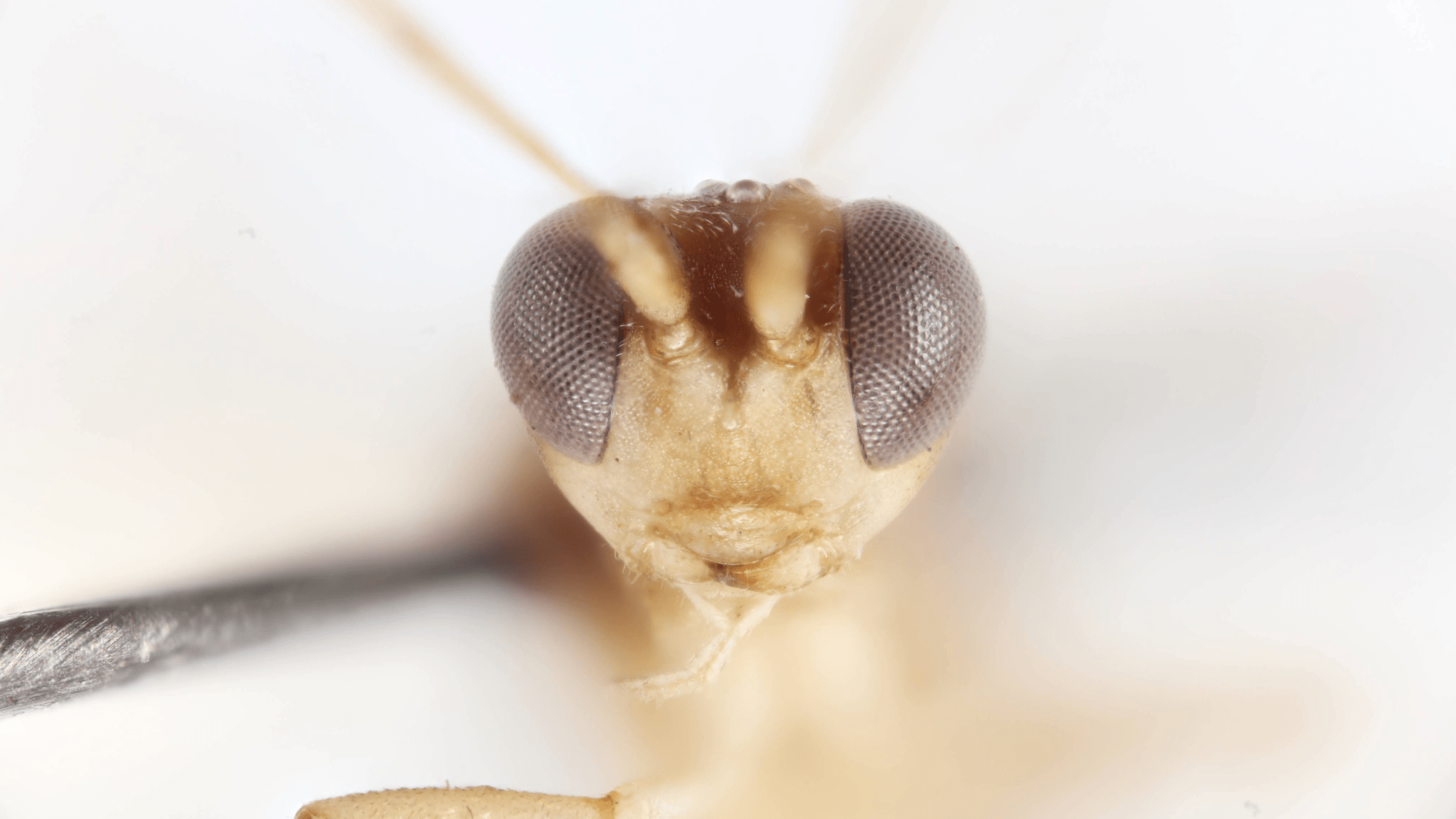
Meet Attenboroughnculus tau, a tiny parasitic wasp discovered in Chile. The specimen is 0.14 inches long and has a T-shaped marking on its abdomen that inspired the species name, “tau.” The insect was collected from Chile’s Valdivia Province in 1983, and it took over four decades for someone to
Famed British naturalist and broadcaster Sir David Attenborough turns 100 years old on May 8, and a team of researchers has prepared a special present: an entire new genus of wasp named in his honor.
Meet Attenboroughnculus tau, a tiny parasitic wasp discovered in Chile. The specimen is 0.14 inches long and has a T-shaped marking on its abdomen that inspired the species name, “tau.” The insect was collected from Chile’s Valdivia Province in 1983, and it took over four decades for someone to officially recognize it as something new.
“We hope to inspire global scientists to take another look in their collections to see if there is something small that could contribute to our collective understanding and therefore the future of our natural world,” Jennifer Pullar, science communications manager at London’s Natural History Museum, says in a statement.
It was volunteer Augustijn De Ketelaere, a graduate student at Ghent University in Belgium, who noticed the insect’s unexpected traits while the team was examining the museum’s ichneumonid collections. Attenboroughnculus tau has a unique combination of anatomical features that make it different from already established genera: a strongly curved abdominal segment, toothlike structures on the ovipositor (which they use to lay eggs), and distinctive wing and leg morphology.
If you think Attenborough will be offended by the unsavory nature of the bug named in his honor, think again. Parasitoid wasps have appeared in his documentaries, such as the BBC nature documentary series The Trials of Life, in which he dubbed them the “bodysnatcher wasp.”
“David Attenborough has featured Chile’s diverse, extreme landscapes in several documentaries, emphasising the unique environmental challenges and ecological resilience of species within the country,” De Ketelaere, Pullar, and lead author Gavin Broad—principle curator of insects at the museum—write in a recent Journal of Natural History study. “He has used his work to reveal the intimate, unseen or overlooked within nature. This resonates in the discovery of this species in an unsorted drawer within the collections of the Natural History Museum, London.”
This isn’t the first time Attenborough is honored by taxonomists. In fact, the man has over 50 species named after him, including the carnivorous plant Nepenthes attenboroughii.
Neanderthals (Homo neanderthalensis) were once considered to have been extremely primitive and unsophisticated compared to us humans (Homo sapiens). However, continued research into our long-lost cousins has revealed that these extinct hominids were not quite as archaic as they seemed to early anthropologists.
While archeologists have found that Neanderthals pulled out food from their teeth with toothpicks and may have even used medicinal plants as antibiotics, researchers still aren’t sure
Neanderthals (Homo neanderthalensis) were once considered to have been extremely primitive and unsophisticated compared to us humans (Homo sapiens). However, continued research into our long-lost cousins has revealed that these extinct hominids were not quite as archaic as they seemed to early anthropologists.
While archeologists have found that Neanderthals pulled out food from their teeth with toothpicks and may have even used medicinal plants as antibiotics, researchers still aren’t sure about the extent of their medical care abilities. Now, new research published in the journal PLOS One indicates that they were capable of complex dental interventions, which adds a series of cognitive and physical updates to the Neanderthal story.
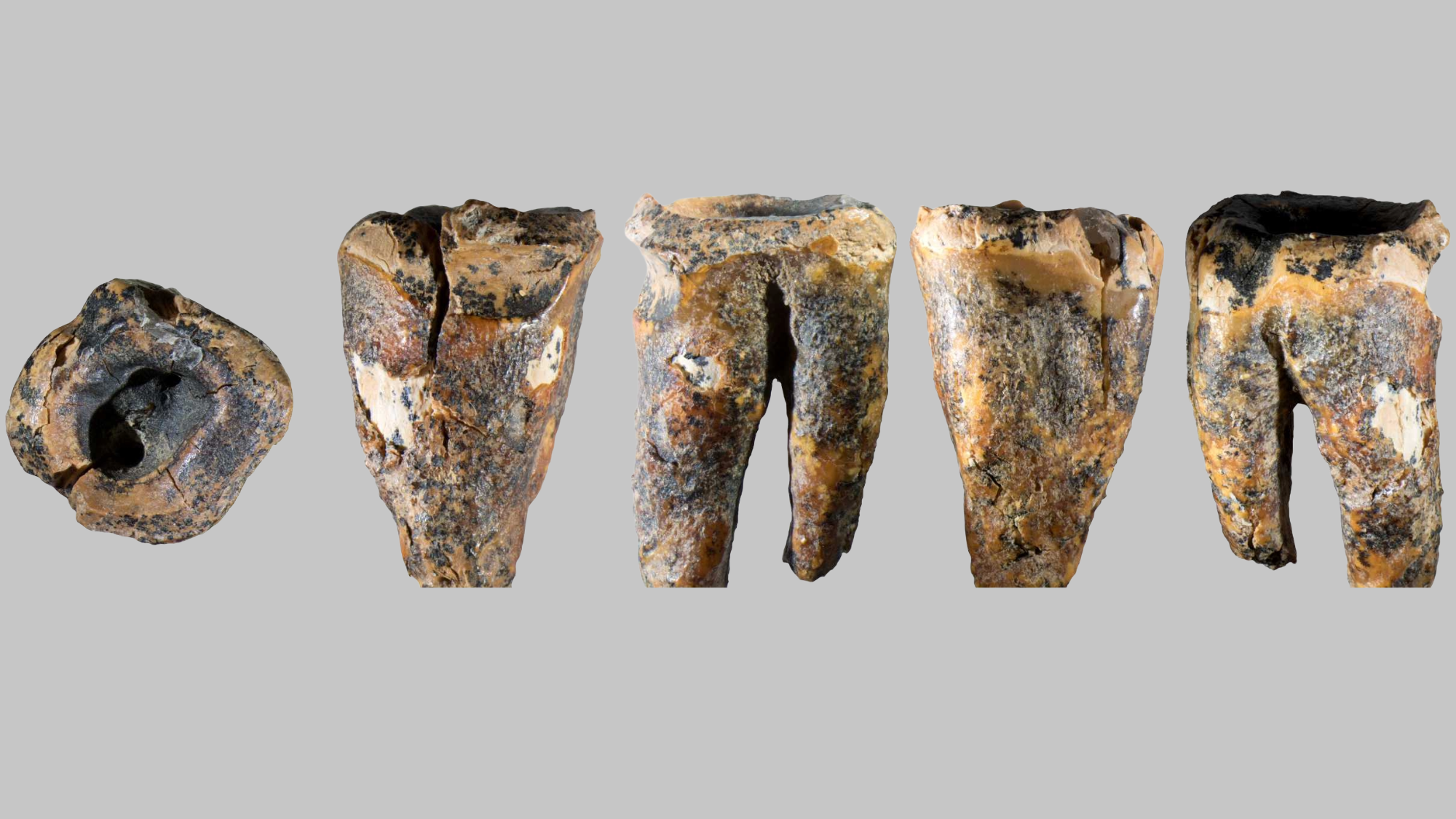
A team digging in Chagyrskaya Cave in southern Russia’s Altai region found a single Neanderthal molar that is approximately 59,000-years-old. The tooth features toothpick grooves along its sides, and a deep hole in its center that reaches into the pulp cavity. Tooth pulp is the jelly-like material that holds blood vessels, nerves, and connective tissue.
Using three modern human teeth, the team showed that it’s possible to make a hole of the same shape and same patterns of microscopic grooves by drilling with a stone point similar to tools that were previously discovered in Chagyrskaya Cave. Andrey Krivoshapkin, a co-author of the study and a researcher at the Institute of Archaeology and Ethnography at the Siberian branch of the Russian Academy of Sciences, tells Popular Science that the team eliminated all other interpretations.
For example, “natural wear from chewing could expose a pulp chamber over time, but it would not widen the chamber or create a deep, irregular concavity with smooth, rounded edges. Dental trauma, such as a fracture, would leave sharp, irregular margins and crackings, not the polished, rounded contours we see,” he explains.
They also ruled out taphonomic, geological, and chemical processes. “So while we always remain open to new interpretations, the evidence overwhelmingly supports deliberate human intervention,” he says.
Krivoshapkin and his colleagues also identified ante-mortem (before death) wear on the concavity walls and edges, showing that after the hole was made, the tooth continued to be used. In other words, the Neanderthal continued to chew and process materials with this tooth. According to Krivoshapkin, if the drilling had happened after the individual had died, the edges of the hole would be sharp and fresh and not polished in the slightest.
“So the wear proves two things: first, the procedure was performed on a living person, and second, the intervention was successful enough that the tooth continued to function. That is what makes this a medical treatment rather than just a curious modification,” he explains.
The team also found changes in dentin mineralization in the tooth that aligns with serious cavities. Ultimately, Krivoshapkin and his colleagues argue that the hole in the tooth represents a Neanderthal dental operation that dug out the infection. And yes, it would have been painful—they didn’t have laughing gas 59,000 years ago. But as with dental surgery today, getting rid of the damaged part of the tooth lessens the pain from the infection.
This intervention carries a whole set of implications about Neanderthal cognitive abilities.The tooth suggests that Neanderthals potentially could identify the source of pain, decide how to treat it, use the necessary manual dexterity to execute the operation, and withstand the intervention’s pain to diminish future pain. It represents the first time such behavior has been shown in non Homo sapiens, and it predates the earliest-known human example by over 40,000 years.
This abstract causal reasoning in Neanderthals “goes far beyond the instinctive self‑medication seen in other primates,” Krivoshapkin explains. “Along with other recent discoveries this finding challenges the old stereotype of Neanderthals as cognitively inferior to us, showing that they were not failed humans but successful, innovative people in their own right. And on a deeply human level, it reminds us that the impulse to treat disease and relieve suffering is not uniquely modern, it is ancient and part of our shared hominin heritage.”
How do you determine how many months or years animal mothers nurse their babies? If you’re not in a rush and can observe this dynamic, you could supposedly stick around to see when the baby, mother, or both decide that they’re done. However, that could take years. A team of researchers investigating breastfeeding in orangutans recently opted for a different, perhaps surprising strategy—searching for particular proteins in poop.
In a preliminary study published in the journal Communications B
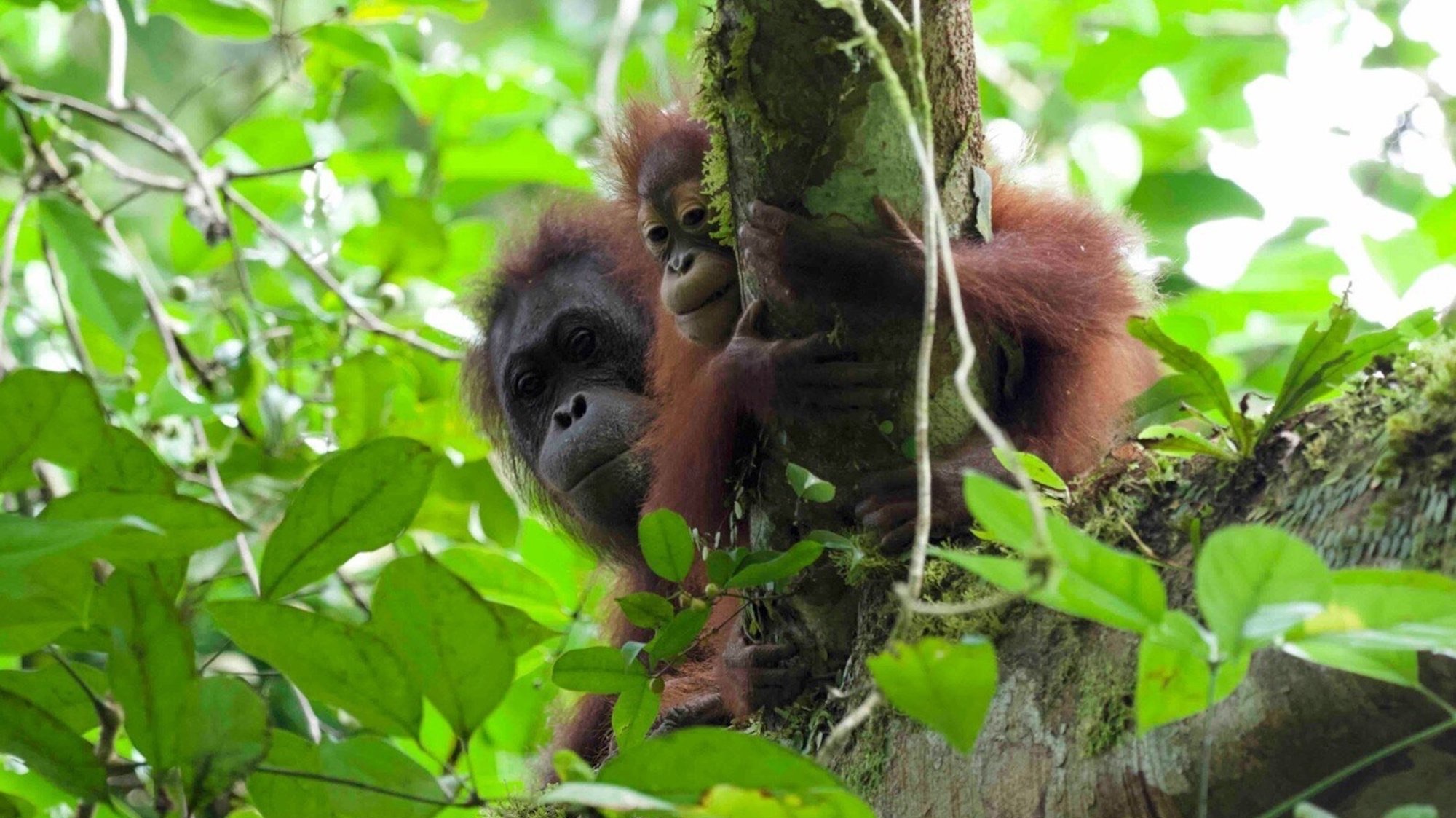
How do you determine how many months or years animal mothers nurse their babies? If you’re not in a rush and can observe this dynamic, you could supposedly stick around to see when the baby, mother, or both decide that they’re done. However, that could take years. A team of researchers investigating breastfeeding in orangutans recently opted for a different, perhaps surprising strategy—searching for particular proteins in poop.
In a preliminary study published in the journal Communications Biology, researchers searched for milk‑specific proteins in the feces of wild Bornean orangutans (Pongo pygmaeus) living in the Danum Valley Conservation Area, in the Malaysian part of the island of Borneo. These proteins prove that he or she is continuing to drink breast milk.The practice of recognizing particular proteins in feces is called fecal proteomics and it can help scientists better understand what animals are consuming.
“Orangutans have a slow life history with one of the longest interbirth intervals and the lowest reported infant mortality rates among primates or even mammals,” the team wrote in the study. “Breastfeeding is a key factor in their life history because it possibly promotes offspring health and increases maternal interbirth intervals.”
The team gathered fecal samples for over two and a half years, and found milk‑specific proteins in all the 20 samples from orangutans less than six and a half years old. This indicates that the young great apes were continuing to breastfeed until they were at least that age.
According to the team, these results are “consistent with the behavioral evidence as having one of the longest breastfeeding periods in mammals.”
What’s more, “milk intake was significantly correlated with higher levels of biological defense and probiotic bacterial proteins.”
In other words, the more milk a young orangutan drinks, the more probiotic intestinal bacteria it has and the sturdier its biological protections are. Such consistent and enduring breastfeeding probably helps the very high survival of orangutan babies and plays a role in their slow reproductive approach.
Unfortunately, Bornean orangutans are critically endangered, and the paper highlights why their populations don’t rebound quickly after a decrease. Safeguarding what’s left of their rainforest habitats is crucial.
Dante Alighieri’s The Divine Comedy is one of the most famous Italian literary works, if not the most famous. The medieval narrative poem is divided into three sections—Inferno (Hell), Purgatorio (Purgatory), and Paradiso (Paradise)—and chronicles Dante’s fictional travels through the three regions. However, Marshall University English professor Timothy Burbery, says that Dante is more than just an author and character. He’s also an accidental geophysicist.
Simply put, Burbery argues that Da
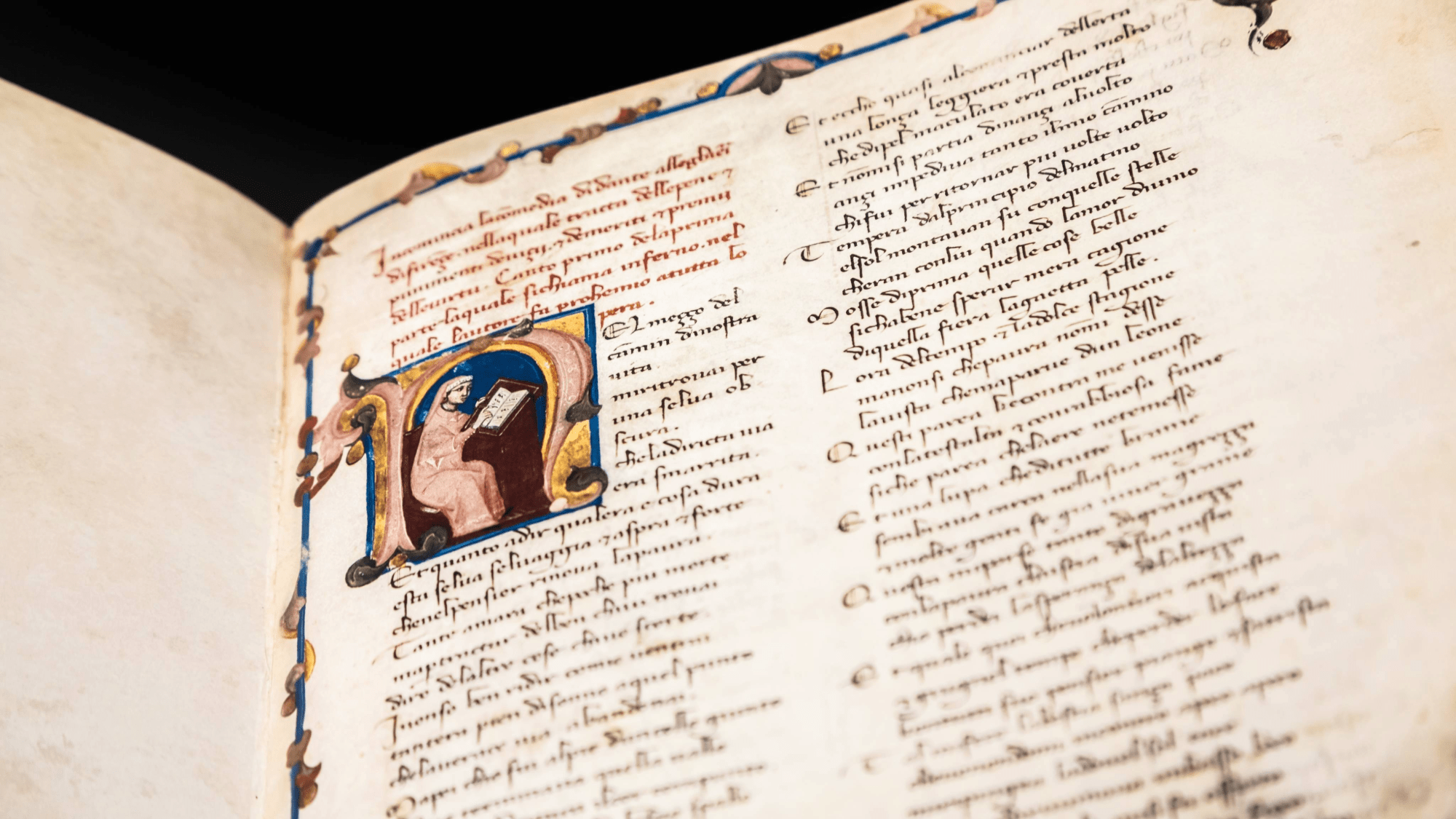
Dante Alighieri’s The Divine Comedy is one of the most famous Italian literary works, if not the most famous. The medieval narrative poem is divided into three sections—Inferno (Hell), Purgatorio (Purgatory), and Paradiso (Paradise)—and chronicles Dante’s fictional travels through the three regions. However, Marshall University English professor Timothy Burbery, says that Dante is more than just an author and character. He’s also an accidental geophysicist.
Simply put, Burbery argues that Dante’s Inferno demonstrates an intuitive understanding of certain aspects of geophysics and geology long before they were formally discovered by scientists. Burbery points to two examples that particularly emphasize this idea of anticipated science: a flight on a strange creature and Satan’s fall from grace.
The devil fell from space
In the poem, Dante is guided through Hell, which the Roman poet Virgil described as a series of nine concentric circles. At one point, the duo fly on the back of a hybrid creature called Geryon to get from one circle to another. During the flight, Dante (the character) notes that he cannot feel the motion of flight. Though Dante (the author) couldn’t have known this, that sensation of not feeling any movement while moving is called the “inertial frame of reference” in physics, according to Burbery.
Burbery’s second example refers to Dante’s description of Satan falling to Earth from Heaven. In addition to the more traditional spiritual and allegorical framing, the author describes the iconic fall as a physical one. Satan is illustrated as a large extraterrestrial object with mass and velocity that plummets to Earth from beyond the orbit of Saturn and changes the landscape. Simply put, Dante’s devil can be seen as a meteorite or asteroid, and when he smashes into Earth, he creates Hell—a sort of bottom-up crater.
“Because Satan plunges to earth from a massive height, he picks up tremendous speed, and when he slams into the earth, he tunnels to its core, and the dirt he excavates in the process forms Mount Purgatory. He also causes the continents in the Southern Hemisphere to flee to the Northern Hemisphere. And he creates the cone, or crater, of Hell, in the Northern Hemisphere,” Burbery says while summarizing Dante’s work.
Importantly, Burbery says that scholars are divided over whether Satan’s fall in Inferno created Hell or not.
“While these effects are clearly fantastic and literary, they presage scientific thinking on how asteroids and meteorites restructure the earth, and, among other things, form craters,” he explains.
Of course, there are notable differences between Satan’s fall and how real asteroids and meteorites behave. Perhaps the most notable is that while Dante’s Satan reached the center of the Earth, meteorites don’t make it that far. What’s more, meteorites have a direct impact on the landscape, whereas the scholars in the “Satan’s fall created Hell” camp believe that the effect was indirect.
A dramatic Gustave Doré engraving for Dante’s Inferno, depicting a crowd of souls in a desolate landscape under a raining fire, observed by two figures. Image: PATSTOCK via Getty Images.
What does a Satan splat look like?
According to Burbery, Dante is the only author to contemplate the geophysics of such a far fall. For example, the Greek myth Icarus represents another famous fall, but his was from a much lower elevation. The Titans took nine days to fall from the heavens, but it seems like no writer has ever taken a shot at describing the physics of their landing in Tartarus. But by considering Satan’s fall as a physical one, Dante had to think about what such an impact would do to Earth, according to Burbery.
Before Dante, “nobody had really thought through, either with Satan or other mythological figures like Icarus, ‘what would it be like if they actually slammed into the earth?’ So he is doing proto geology and proto geophysics, just in imagining this idea that something could fall into the planet from a great height,” he tells Popular Science.
While we don’t know if Dante ever really saw any impact craters, he may have seen Mount Etna and/or Mount Vesuvius, or at least heard of these volcanoes. As such, they could have inspired his illustration of Satan’s splat, which would make that section of Inferno an accidental, but also foreshadowing thought experiment.
What’s more, by giving Satan an extraterrestrial origin, Dante is unknowingly foreshadowing the discovery of meteors’ extraterrestrial origins. This was not scientifically proven until 1803, centuries after the creation of The Divine Comedy in the 14th-century.
A nod to Aristotle
While Dante was clearly curious about geological events like earthquakes and landslides, both of which are featured in The Divine Comedy, Burbery explains that the author would have actually argued against this meteoric reading of his work. At the time, most people believed in the Aristotelian model of the cosmos, in which the skies beyond the moon were unchanging and meteors were extremely local events to earth—not alien bodies arriving from far away.
“If you would have asked him about meteors, he would have said, ‘no, I go with Aristotle here.’” Burbery says . In fact, Dante mentions the Aristotelian model directly in Paradiso. “But somehow he still had this physical understanding of these things, even though he wasn’t admitting it. He’s talking about Satan, the spiritual being, and yet he’s treating him as a physical body plunging down from space.”
Burbery presented an early version of his groundbreaking—pun intended—interpretation at the European Geosciences Union General Assembly in Vienna earlier this month. He aims to publish a research paper on this topic in the future.
Attention creative souls! While NASA might feel like an exclusive den of scientists, engineers, and otherworldly athletes, the agency is reaching out to storytellers and artists via two new initiatives.
“As NASA pushes the boundaries of exploration and innovation for the benefit of humanity, the agency is looking for partners to share mission stories covering Artemis Moon missions, nuclear propulsion, aeronautics, and more,” NASA wrote in a press release. Since “journalists” aren’t mentioned
Attention creative souls! While NASA might feel like an exclusive den of scientists, engineers, and otherworldly athletes, the agency is reaching out to storytellers and artists via two new initiatives.
“As NASA pushes the boundaries of exploration and innovation for the benefit of humanity, the agency is looking for partners to share mission stories covering Artemis Moon missions, nuclear propulsion, aeronautics, and more,” NASA wrote in a press release. Since “journalists” aren’t mentioned in either of these calls for creatives, it would appear that NASA is seeking other means to keep people talking about its missions.
Specifically, they are seeking proposals from creatives including documentarians, songwriters, storytellers, and poets for projects about missions including Artemis III in 2027 and Space Reactor-1 Freedom to Mars in 2028, among others. Proposals are due by the end of June.
NASA is also launching another creative initiative called Moon Joy June.
“To keep the Moon Joy alive after the Artemis II mission, NASA is hosting a month-long art challenge on Instagram, Threads, and Tumblr. Each week during the month of June 2026, NASA will provide a prompt to inspire participants to make and share their artistic creations,” they explain in an FAQ page.
The prompts have already been released, so artists looking to participate can already start brainstorming. Week one’s prompt is “launch,” week two will be “moon,” week three will be “crew,” and week four will be “Earth.”
A note to the competitive-minded—the agency highlights that Moon Joy June is not a contest but an art challenge, meaning there will be no prize. And as if it could get any worse for type-A people, participants don’t actually have to follow the prompts. It seems like we’re in for a free-for-all artistic takeover of the three social media platforms.
Non-traditional art forms like nail art and latte foam art are also welcomed. In NASA’s words, “The sky is (not) the limit!”
While turkeys are more associated with the fall, spring is the season of the baby turkey just like with most birds. When two turkeys were left without a mother, staff at Raven Ridge Wildlife Center in Pennsylvania resorted to a surprising replacement: a feather duster.
It might sound like a Disney-esque solution, but rehabilitation animals won’t start healing until they are relaxed, and these two chicks—just a day or two old—were very stressed. According to Raven Ridge’s Game Warden, a man f
While turkeys are more associated with the fall, spring is the season of the baby turkey just like with most birds. When two turkeys were left without a mother, staff at Raven Ridge Wildlife Center in Pennsylvania resorted to a surprising replacement: a feather duster.
It might sound like a Disney-esque solution, but rehabilitation animals won’t start healing until they are relaxed, and these two chicks—just a day or two old—were very stressed. According to Raven Ridge’s Game Warden, a man found them running down the same road where their mother and a sibling were killed.
Turkeys are precocial birds, meaning they’re pretty independent soon after they hatch. Unlike baby blue jays or robins, turkey and pheasant chicks eat and move on their own. However, they do rely on their mother for warmth and protection. So when these two chicks arrived at the wildlife rehabilitation center in southeastern Pennsylvania, the staff put them in an incubator to keep them warm.
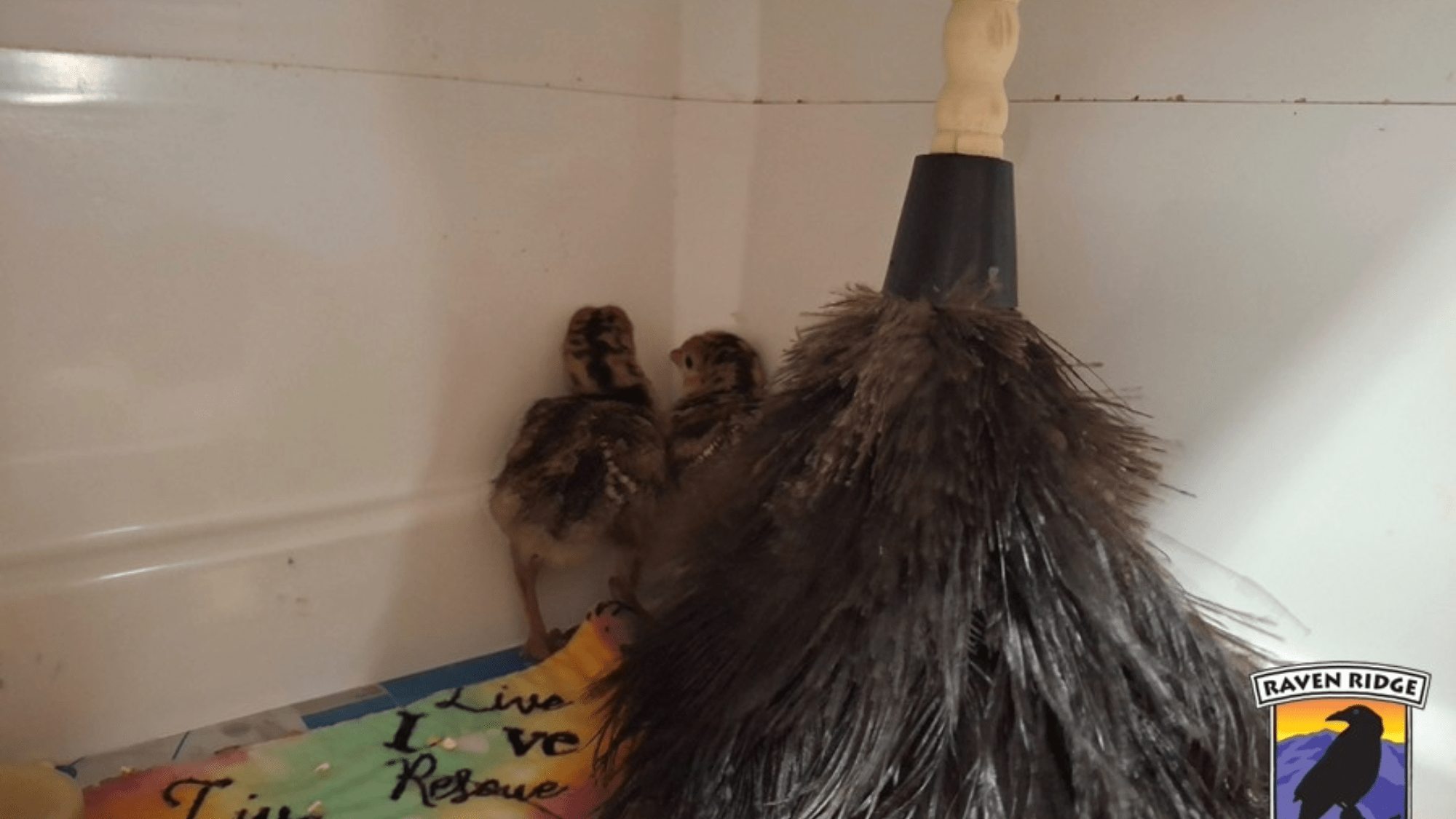
This particular incubator hosts a third presence. The staff put in a feather duster with the chickens, that they can hide under as if it were their mother.
The chicks were found after one of their siblings and mother were likely hit by a car. Image: Raven Ridge Wildlife Center.
“The incubator is nice and warm, which would be just like mom,” Tracie Young, director of the Raven Ridge Wildlife Center, tells Popular Science. “And to cut down their stress, the feather duster is hanging from the inside of the incubator. It’s more natural, more something that they’re going to recognize, and they’re able to hide under it. So it’s just like mom. It’s safety, it’s warmth. And that really does help with these animals in rehabilitation.”
Interestingly, Young and her colleagues also put pictures of adult turkeys in the incubator so that, in the absence of a real one, the chicks can still see a sort of adult role model. It’s not unusual for wildlife centers to resort to off-beat solutions for orphaned babies in rehabilitation. In 2024, wildlife care staff wore fox masks while caring for a juvenile red fox so that it doesn’t get used to humans.
Young says that when dealing with one or just a few ducklings at Raven Ridge, they give them adult duck decoys. As for turkey chicks, “a turkey decoy is not going to fit into an incubator,” she explains, so that’s where the pictures come in.
This isn’t the first time the team has reached for the feather duster in such a scenario, nor will it be the last. In fact, the wildlife center also just received another baby bird—its first ever ruffed grouse (Bonasa umbellus). That means they’ll have to procure another feather duster.
The baby chicks will likely be at the wildlife center until closer to the fall, when they’ll be returned to the wild. Once the birds become bigger and able to keep themselves warm, the team will transfer them into a larger cage and then outside. For now, however, the featherduster is helping.
“They were running out from underneath their duster, running back underneath the feather duster,” she says, “but we noticed, too, that after putting the feather duster in they were a lot calmer, they were eating more, and their weight is going up.”
Something strange is happening in the brackish waters of New York’s Hudson River. It sounds like a sort of low thundering, and while anything is possible in a lively body of water so closely associated with the Big Apple, it’s not the Teenage Mutant Ninja Turtles training with their rat sensei Splinter. Instead, scientists say that the mysterious sound is made by the reproductive antics of an endangered fish called Atlantic sturgeon (Acipenser oxyrinchus).
Writing in a recent Endangered Speci
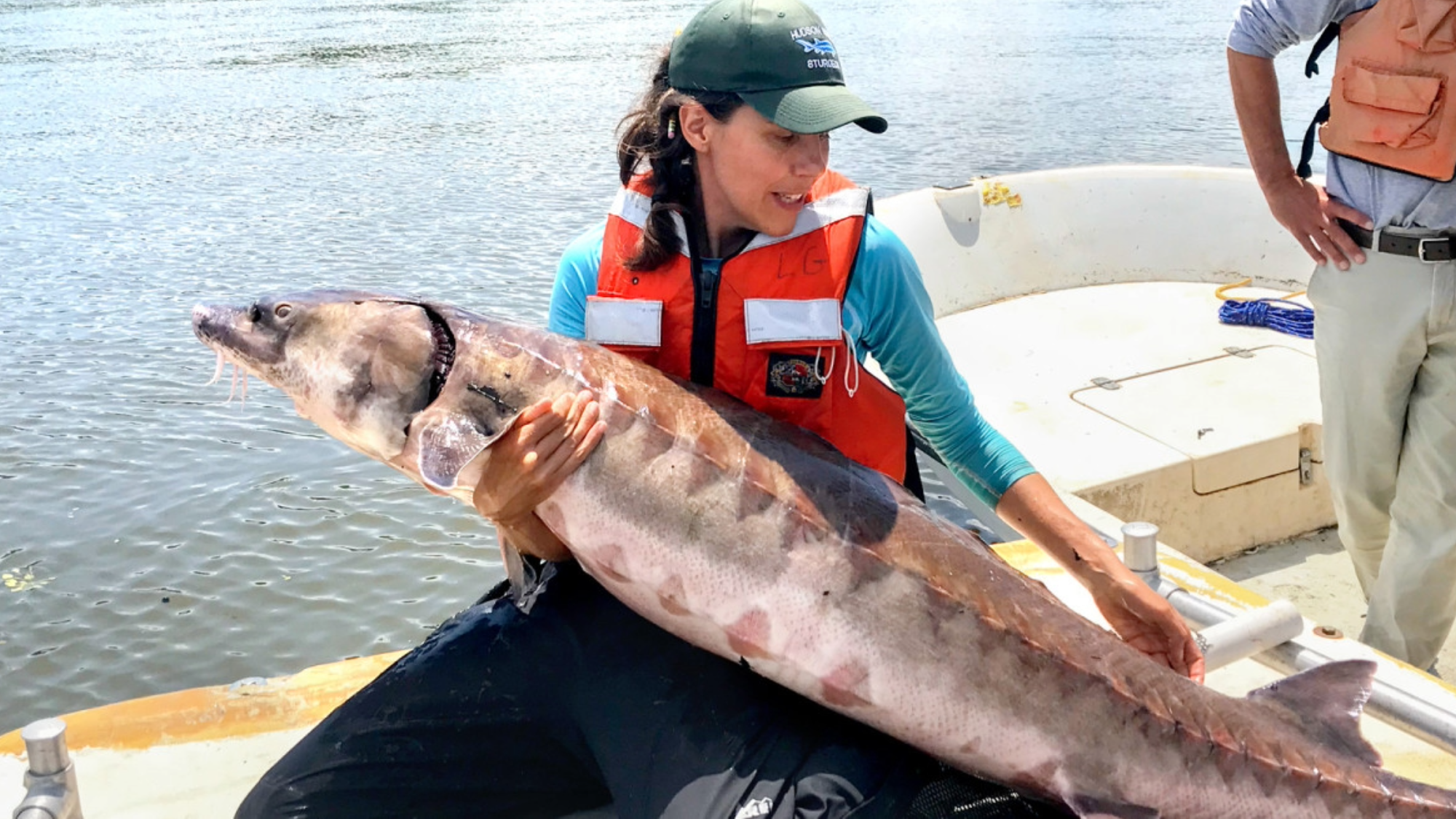
Something strange is happening in the brackish waters of New York’s Hudson River. It sounds like a sort of low thundering, and while anything is possible in a lively body of water so closely associated with the Big Apple, it’s not the Teenage Mutant Ninja Turtles training with their rat sensei Splinter. Instead, scientists say that the mysterious sound is made by the reproductive antics of an endangered fish called Atlantic sturgeon (Acipenser oxyrinchus).
Writing in a recent Endangered Species Research paper, the team is the first to verify the Atlantic sturgeon’s thundering. The noise is probably caused by males thrashing—and their swim bladders’ resonance—as they fertilize eggs, according to researchers.
“It’s almost that you feel it more than you hear it,” Maija Niemistö, a researcher from the New York State Water Resources Institute and co-author of the study, said in a press release. “You can hear these chirps and squirts and bubbles underwater, but this is a different experience entirely. These are ancient fish, and the thunder – it’s almost like you’re brought back in time, because they’ve been making this sound, communicating with each other, for millions of years. It’s awe-inspiring.”
They are also classified as Endangered. In the spring, these giants leave the ocean to swim up the Hudson River to spawn. For sturgeon, this reproductive behavior involves males and females releasing their necessary parts into the water. In other words, the egg doesn’t fertilize inside of the female fish.
The team eavesdropped on the crucial life cycle process with passive acoustic monitoring. They recorded sound within the waters of the Hudson River with underwater microphones for long periods of time. Though this noninvasive strategy is a common approach in marine and terrestrial research, it hasn’t been used as much in rivers and lakes with more freshwater.
Now, the team’s discovery of sturgeon thundering provides the New York State Department of Environmental Conservation (NYSDEC) with an additional way to help monitor and better understand Atlantic sturgeon behavior. As we frequently report, the more researchers know about a species, the more equipped they are to protect it.
And the Atlantic surgeon certainly needs it. In the 19th and 20th century, overfishing greatly decreased their populations. Unfortunately, almost 30 years of protection hasn’t helped the species make a comeback. Part of the problem is that female Atlantic sturgeons can wait up to two decades before their first spawn.
“That’s why they’re so susceptible to overfishing,” added Amanda Higgs, also co-author of the study and a fisheries biologist with NYSDEC Hudson River Fisheries Unit.
Eggs could represent 20 percent of a female’s substantial weight and fisheries were interested in their caviar. “A female was a lucrative catch,” Higgs added, “and so they got wiped out relatively quickly because they don’t have the ability to reproduce and replace themselves quickly.”
While experts estimate that 6,000 Atlantic sturgeon spawned in its waters before the late 1800s, today less than 700 spawn here. Nonetheless, the Hudson River is home to the species’ largest population.
Moving forward, the team can listen for previously unknown spawning grounds, enabling the state to deal out protections for these endangered river giants.
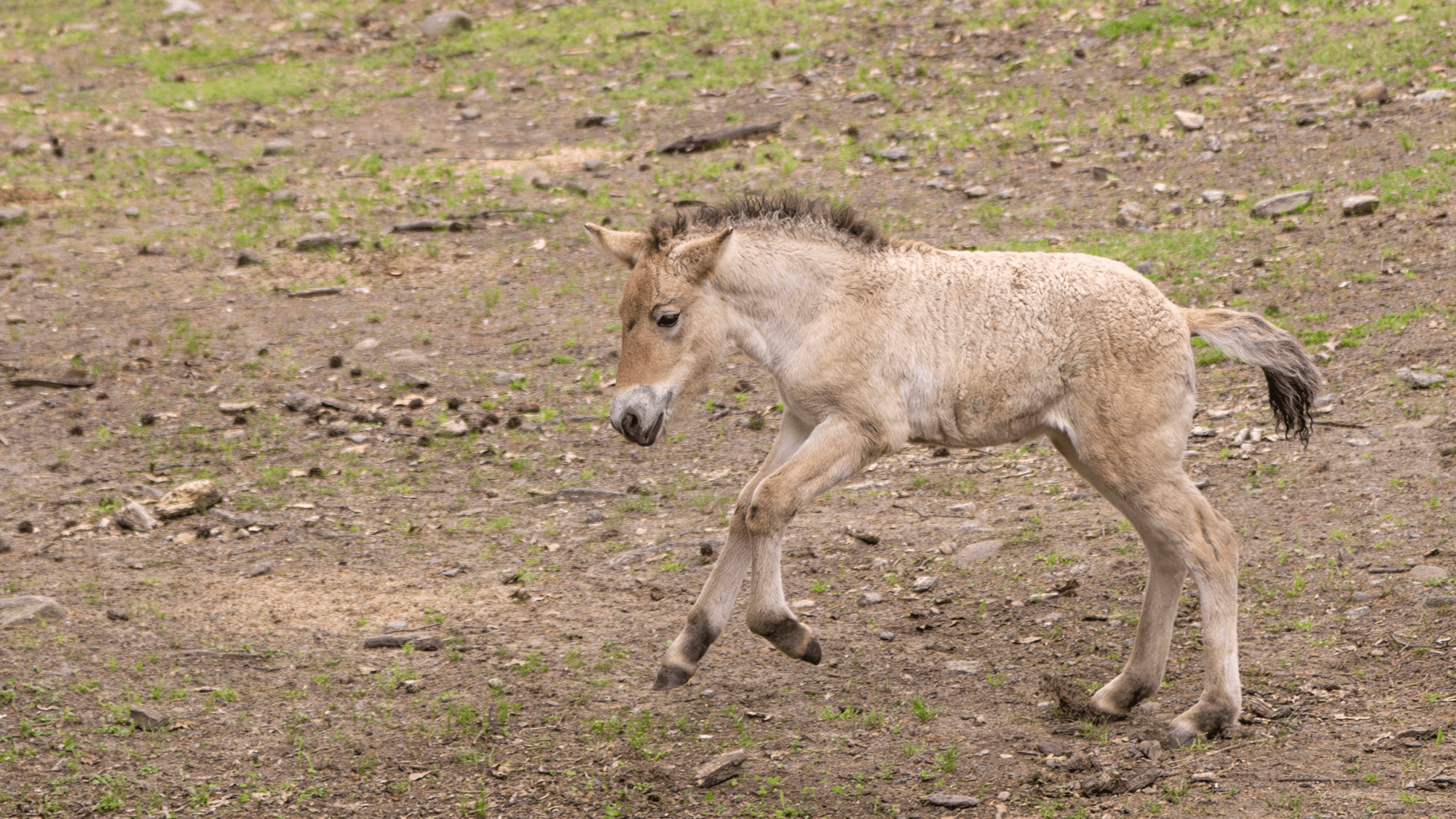
On April 21, a baby horse was born at the Wildlife Conservation Society’s Bronx Zoo in New York City. But it wasn’t just any foal that came into the world—this newest resident of the Big Apple is a Przewalski’s horse (Equus ferus przewalskii), an endangered species that has been pulled back from the brink of extinction.
Przewalski’s horses look more like a mule than your average horse. For starters, their mane sticks up straight into the air and they don’t have a forelock (horse bangs, basic
On April 21, a baby horse was born at the Wildlife Conservation Society’s Bronx Zoo in New York City. But it wasn’t just any foal that came into the world—this newest resident of the Big Apple is a Przewalski’s horse (Equus ferus przewalskii), an endangered species that has been pulled back from the brink of extinction.
Przewalski’s horses look more like a mule than your average horse. For starters, their mane sticks up straight into the air and they don’t have a forelock (horse bangs, basically). Przewalski’s horses are also short, light brown, and—excuse the necessary slang—exceptionally chonky. They also have a really thick neck.
They are also referred to as the Mongolian wild horse, and they are the only truly wild horse species left, according to the International Union for Conservation of Nature (IUCN). Though the species used to exist across Asia and Europe, their numbers plummeted so much that at one point they were deemed Extinct in the Wild.
“The Bronx Zoo has played a pivotal role in the conservation of Przewalski’s horse,” the Bronx Zoo wrote in a statement announcing the birth. “Through breeding programs aimed at maintaining a genetically diverse population of the species and through reintroduction efforts, zoo-bred Przewalski’s horses were successfully returned to their native grasslands in China in 1989 and in Mongolia beginning in 1992.”
Przewalski’s horses now live in Mongolia, China, and Kazakhstan, as well as in zoos. Rather shockingly, the entire extant population (which researchers estimate is less than 2,000 individuals) descends from only 12 horses.
In Mongolia, the Wildlife Conservation Society supports Protected Areas with wild horses. As for the Bronx Zoo, the foal is part of a herd. Visitors can see it from the Wild Asia Monorail, where the adorable baby is sure to develop a colt (young male horse) following.
Raccoons get into all sorts of shenanigans. Last summer, we reported on a juvenile raccoon which, with his head stuck in a peanut butter jar, as if he were a character in a Looney Toons cartoon. He was extracted from the predicament at the New England Wildlife Center in Weymouth, Massachusetts, where employees are now dealing with another children’s show-worthy situation involving a raccoon.
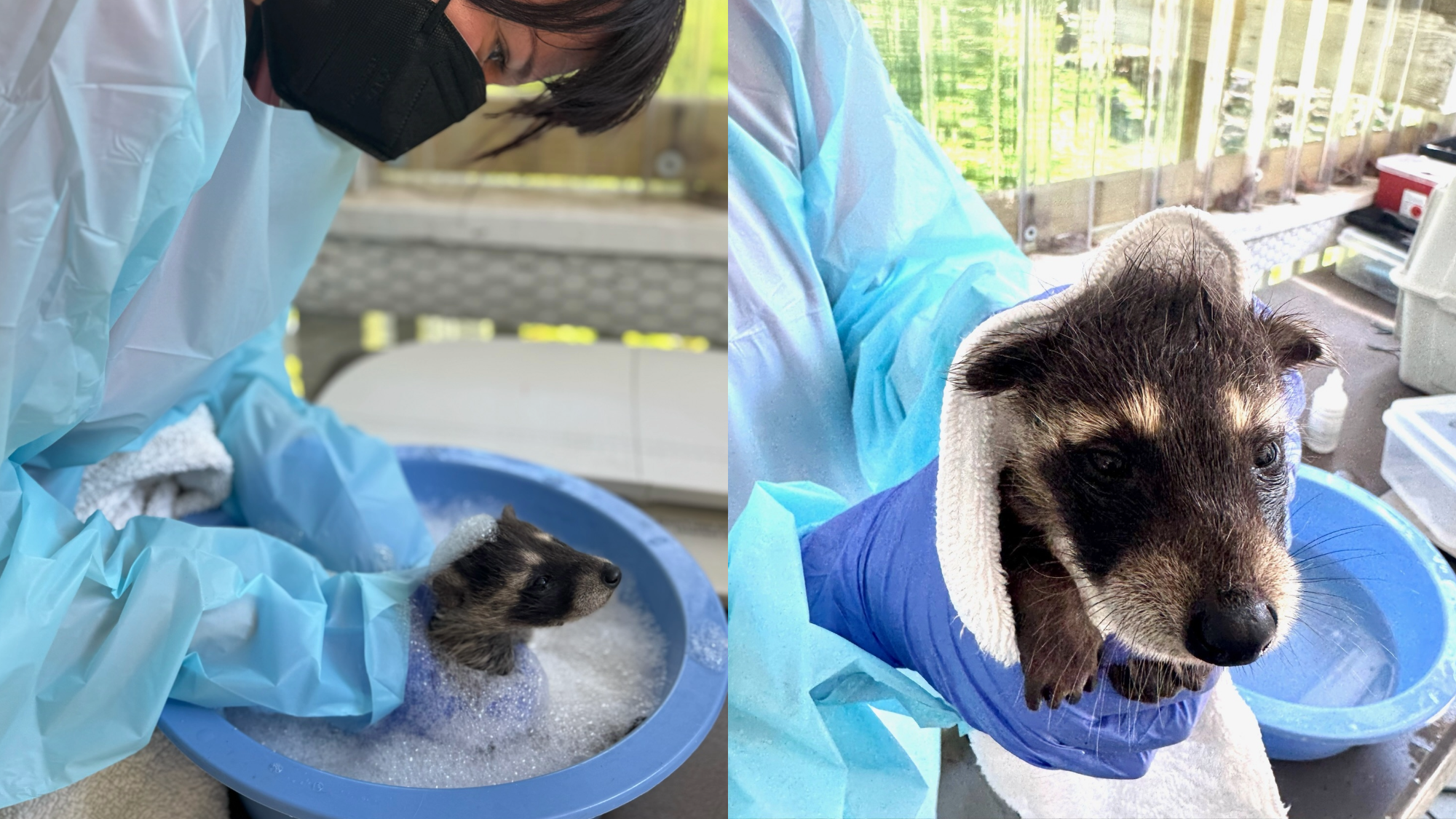
A baby raccoon taking a bubble bath, to be precise. A Facebook post by the wildlife center features tw
Raccoons get into all sorts of shenanigans. Last summer, we reported on a juvenile raccoon which, with his head stuck in a peanut butter jar, as if he were a character in a Looney Toons cartoon. He was extracted from the predicament at the New England Wildlife Center in Weymouth, Massachusetts, where employees are now dealing with another children’s show-worthy situation involving a raccoon.
A baby raccoon taking a bubble bath, to be precise. A Facebook post by the wildlife center features two pictures of a member of the team washing the mammal in a big blue bowl. Another picture gives viewers a great close-up of his nose and thoroughly defeated expression as the employee holds it wrapped in a white towel, presumably newly clean.
The baby reached the New England Wildlife Center via a chimney. After the wannabe Santa Claus was discovered, the Wild Care Cape Cod brought him to the wildlife center, where he arrived filthier than Bert the Chimney Sweep in Mary Poppins.
“We don’t often bathe raccoons, but in this case there was so much soot packed into the fur around his face and body that it was beginning to irritate his skin and eyes,” the wildlife center wrote. “Our wildlife hospital team carefully cleaned him up, performed a full veterinary exam, and started supportive care. We are very happy to report he tolerated the bath very well (all things considered) and is now bright and alert with a great appetite!”
(Though hopefully not for peanut butter).
It’s not unusual to find raccoons in chimneys in the spring. Mother raccoons searching for protected denning locations are particularly common tenants. Sometimes young raccoons will even go back to their previous chimney homes, even if their mother has left.
Baby racoon Santa Claus will eventually be returned to the wild, but not right away. He will be briefly quarantined to make sure he’s in good health, before he is placed with foster siblings. This will allow him to continue his development with other young raccoons and gain the abilities that will be necessary when he returns to the wild.
The wildlife center also took the opportunity to share some important raccoon safety tips. Always cap your chimney and do not touch raccoons or raccoon waste—a rule for both humans and pets—which could transmit parasites and diseases.
As always, if you find an animal—young or old—that you think needs help, you should contact your local wildlife center. Here’s what to do if you come across a baby squirrel or baby opossum.
Previously, we reported on the birth of a baby western lowland gorilla (Gorilla gorilla gorilla) at Seattle’s Woodland Park Zoo on May 18. His mother Jamani was one of two pregnant western lowland gorillas bearing children from the same father, a silverback gorilla named Nadaya. Since Olympia was due around the same time, we spent the long weekend waiting anxiously for news.
The Woodland Park Zoo’s announcement arrived last night. The baby was born on May 24—five dates past the due date. To
Previously, we reported on the birth of a baby western lowland gorilla (Gorilla gorilla gorilla) at Seattle’s Woodland Park Zoo on May 18. His mother Jamani was one of two pregnant western lowland gorillas bearing children from the same father, a silverback gorilla named Nadaya. Since Olympia was due around the same time, we spent the long weekend waiting anxiously for news.
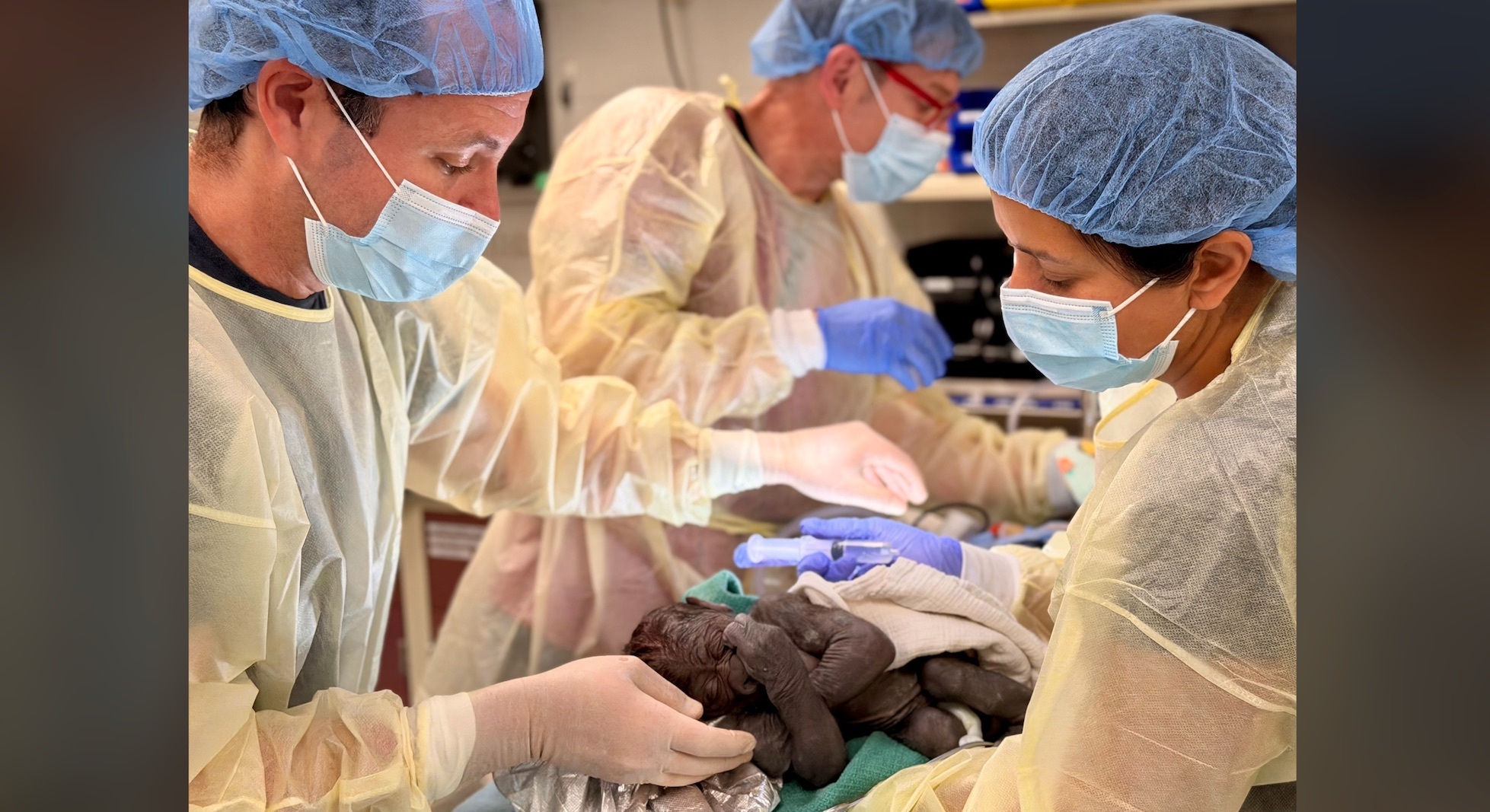
The Woodland Park Zoo’s announcement arrived last night. The baby was born on May 24—five dates past the due date. To bring her baby into the world, the medical team that usually works on humans performed an emergency C-section on Olympia. The procedure is incredibly rare for gorillas, with less than a dozen recorded gorilla C-sections.
“Over the weekend, the decision to proceed with emergency delivery was due to low fluid and intermittent low baby heart rate (found by us with the Butterfly) and critical behavioral information from the keepers team that suggested delayed/paused labor, with confirmation of ruptured membranes (bag of water) by the Team Gorilla OB physicians,” Sachita Shah, emergency physician and VP of Global Health at medical equipment manufacturer Butterfly Network, tells Popular Science. In a previous interview, Shah said that ultrasounds of gorilla fetuses look very similar to ultrasounds of human fetuses.
Butterfly is an all-in-one ultrasound probe that the gorilla care team has been using to monitor the pregnancies. Once the baby came out, “I used The Butterfly throughout the neonatal resuscitation to keep a close eye on the baby’s heart rate as our vital sign so we were able to ensure the safe point to transition from neonatal resuscitation to post natal care,” Shah adds.
Olympia, seen in her habitat prior to her pregnancy. Image: Jeremy Dwyer-Lindgren/Woodland Park Zoo.
Whether for humans or gorillas, a C-section is a major operation, and Olympia rested without the baby for the first night after the birth. But the newborn wasn’t far away—a gorilla keeper and veterinary technician took care of the baby in a den next to Olympia’s, so she was able to see, hear, and smell it. Both Olympia and the baby boy are now back with their gorilla troop, though Jamani is taking care of Olympia’s newborn as well as her own baby boy.
“So far Olympia’s baby is doing well and maintaining a healthy body temperature. While Olympia recovers from the C-section, our plan is to allow Jamani to continue caring for Olympia’s son while also caring for her own son as long as both infants remain healthy, which is our priority,” Martin Ramirez, Curator of Mammalogy at Woodland Park Zoo, explained in a blog post. “Once Olympia shows signs of being ready for her baby, we’ll move forward with plans to reunite them.”
It remains to be seen what the mother-son duo will look like. However, western lowland gorillas are critically endangered, so the important thing is that both remain healthy.

 Login
Login