 Login
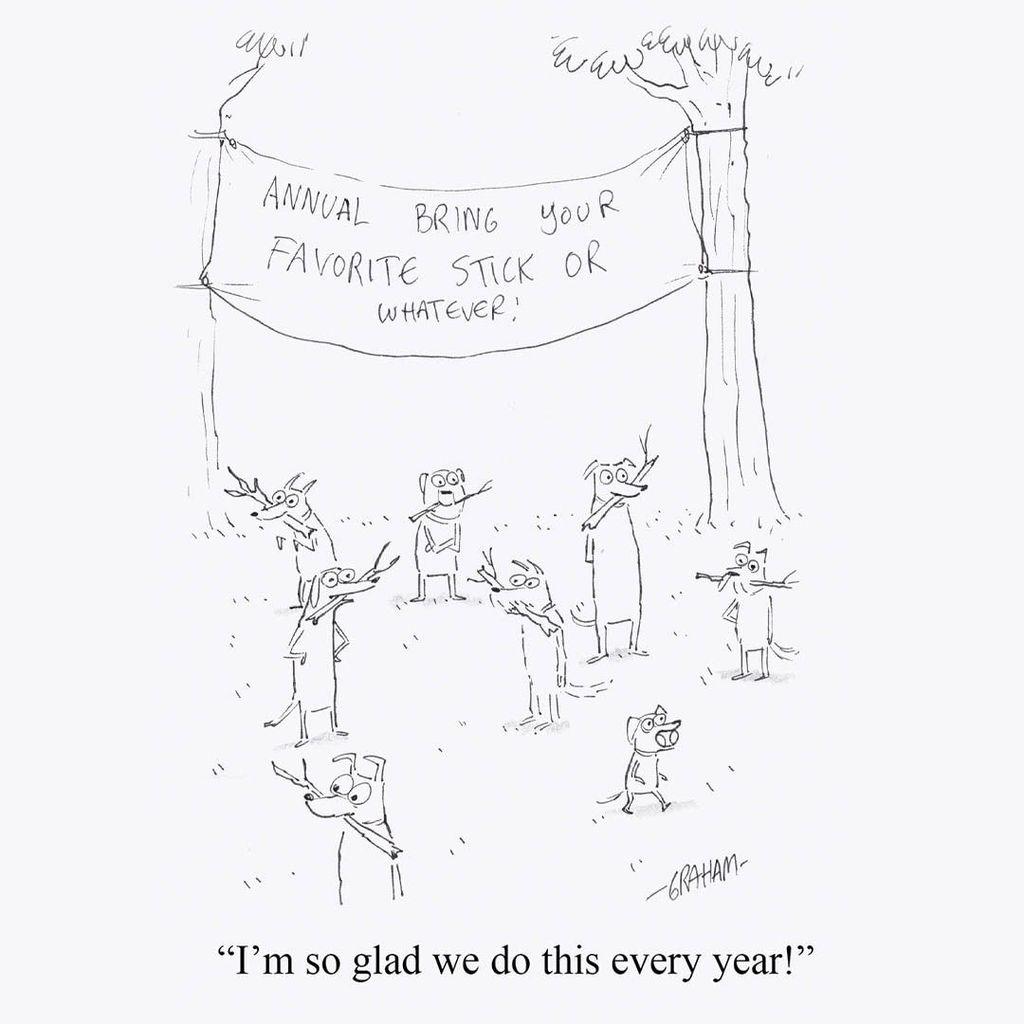
LoginGood times. #grickledoodle #dogs #event #cartoon #art #drawing #funny #humo…
13 May 2026 at 16:02



Misato Sano’s studio is replete with piles of wooden offcuts, heavy lumber, woodworking equipment, and flowing natural light. The Miyagi-based artist has been sculpting charismatic dogs for several years, steadily adding more distinct characters to her growing pack.
Self-portraiture remains a consistent theme within Sano’s practice. Each dog evokes a different emotion mirroring the artist’s personality, ranging from shy and skittish to excited and silly. “Visualizing my inner self through expressions and gestures full of charm and humor has also become an opportunity to deepen my self-love,” she shares.
Sano’s distinctive woodcarving techniques are exemplary of the artist’s signature style. Dimpled surfaces, for instance, evoke different types of dog coats and allow for color variance to come through upon the finishing application of oil paint. Working with camphor wood, the sculptural exaggeration of physical features such as limbs, bulbous tufts of fur, and even nails add to the body of work’s playful appeal.
These rhythmic textures and amusing design choices have also lent themselves to explorations of embroidery and illustration. Meditative stitches and repetitive, gridded ink drawings are a continuation of the artist’s dialogue with herself.
Sano is gearing up for an exciting year. Later this month, her work will be on view in a duo exhibition at the Kan Hai Art Museum in Taiwan. In August, the artist’s work is traveling to the states for Nucleus Portland’s 10th anniversary show, before a third exhibition at Igoone Arai in her native Miyagi, Japan. Keep up with the artist’s tail-wagging adventures by following her on Instagram.
Do stories and artists like this matter to you? Become a Colossal Member today and support independent arts publishing for as little as $7 per month. The article Misato Sano’s Charming Wooden Dogs Are Carved With Personality appeared first on Colossal.


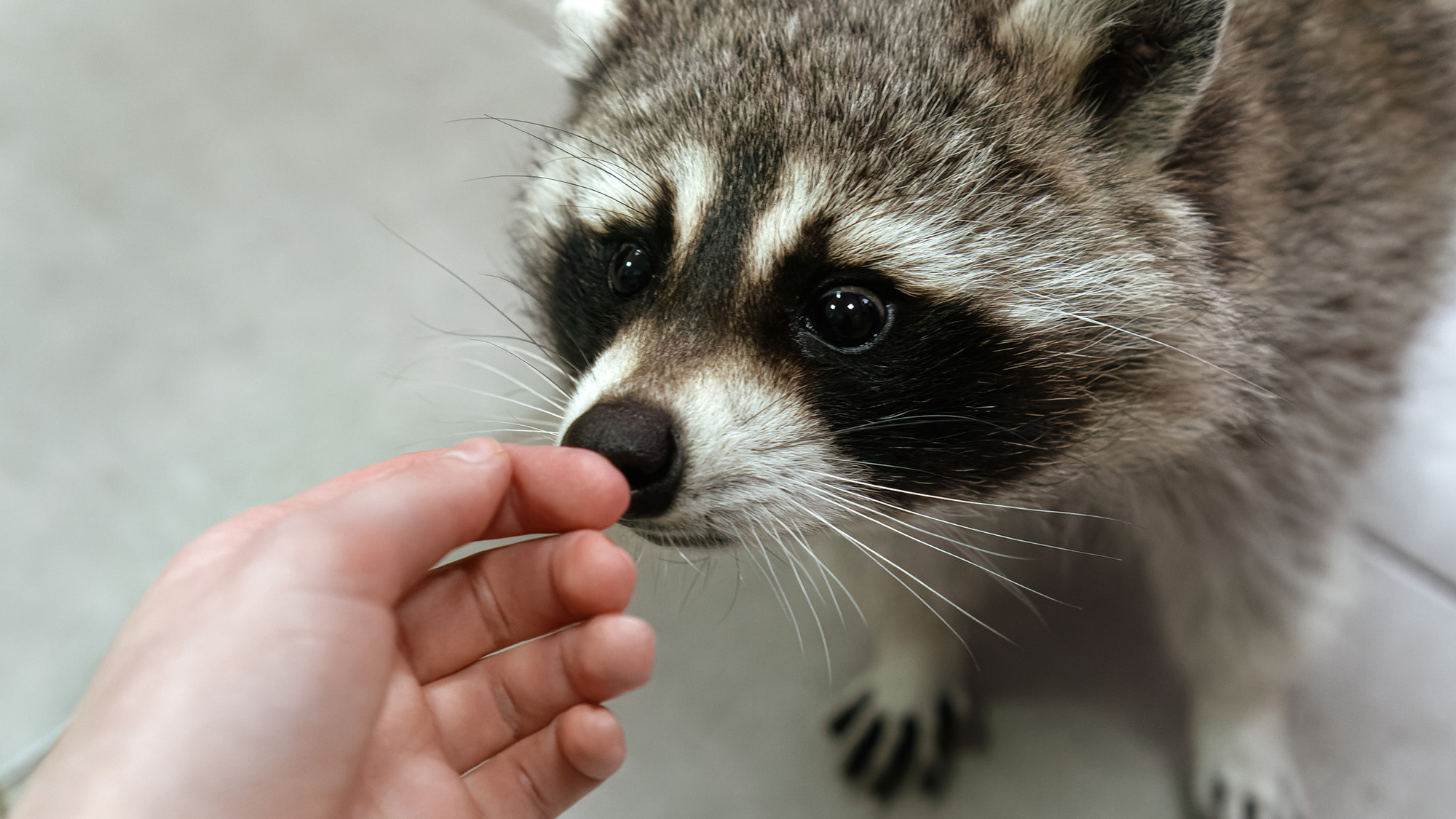
Last fall, a study of raccoons found that these city-dwelling trash pandas are beginning to look different than their rural cousins in the U.S.—they appear to be domesticating themselves.
It wouldn’t be the first time a wild animal species manipulated humanity for its own benefit. Dogs did it at least 14,000 years ago, discovering that befriending garbage-producing humans resulted in tastier, more abundant scraps and less arduous lives on their own. New genetic data indicates that cats feeding off the abundant rodents plundering human food stores domesticated themselves for similar reasons around 10,000 years ago.
Dogs and cats hanging around worked out pretty well for humans, too. The first dogs served as early-warning systems, protectors, and hunting buddies. Cats, on the other hand, helped keep food fresher and reduced the spread of disease. Over time, through a combination of natural selection and human intervention, they evolved into the cute and cuddly companion animals of today.
Could urban raccoons be headed down the same evolutionary path straight into the American home?
With their expressive masked faces and dexterous little fingers, pet raccoons are already found en masse on social media: sleeping in open dresser drawers and picking Fruit Loops out of cereal bowls. But the algorithm only shows one side of what Lauren Stanton, postdoctoral fellow at the Schell Lab at the University of California, Berkeley, describes as “very active and intelligent animals with complex needs.”
Problem number one? Raccoons are nocturnal. They sleep in tight spaces during the day and venture out at dusk to forage, hunt, explore, and socialize across vast territories that can stretch as many as three square miles. And they don’t do it quietly. Raccoons have all sorts of vocalizations: purrs, chirps, hisses, and straight-up screams. A hollering, busybody raccoon does not a good night’s sleep make.
And then there are those paws which, despite a lack of opposable thumbs, are remarkably agile. A pet raccoon would be able to untie knots, unlatch locks, unscrew jars of food, and open doors in the middle of the night to let their wild compatriots in for raucous, sexy parties during mating season.
As highly-opportunistic omnivores, raccoons hunt insects, aquatic animals, small mammals, and birds. They also scavenge just about anything they can find. Not only would the food in fridges and cabinets fall victim to their nightly raids, they could never be trusted around a gerbil or bird cage—and god forbid there’s a fish tank around.
Nor would they discriminate about the water chosen for dipping their food, a common behavior which increases paw sensitivity while eating. Toilet bowl, sink full of dirty dishes, or that poor, beleaguered fish tank—it’s all the same to them.
Altogether, this web of destructive, innate behaviors is one that not even ongoing domestication would be likely to ever make compatible with the human home—not that people are likely to stop trying.
“I have talked to many people over the years who have attempted to own raccoons, and their story often ends the same: The raccoon got too difficult to manage and so they ‘released it back to the wild,’” says Stanton, a deadly problem for human-raised raccoons that never learned essential survival skills.
The evolutionary path of virtually every domesticated animal has undergone “domestication syndrome”—a pattern of physical changes seen across diverse species that includes the development of floppier ears, flatter and rounder faces, and curlier tails over time.
A 2025 study of the snout-to-skull-length ratio of close to 20,000 images of American raccoons posted on the citizen science platform iNaturalist found the snouts of urban raccoons were 3.56 percent shorter than those of rural raccoons—possibly an early symptom of domestication syndrome.
But Stanton isn’t completely convinced that’s actually what’s happening in these urban populations.
“Although morphological changes might have a genetic basis, there are multiple reasons why such changes could occur,” she explains. “Changes in skull shape, for example, could be due to changes in an animal’s diet, since many urban species shift towards eating softer, carbohydrate-rich foods found in our garbage.”
Changes in urban raccoon behavior can’t automatically be chalked up to domestication either.
“If raccoons become habituated to people or learn to associate them with food, they might behave in a more docile or tame manner around people, but this does not mean that they are domesticated,” Stanton continues. Additional empirical evidence, including examination of the raccoon genome, is needed to know for sure.
Regardless, Stanton is adamant that there is no hypothetical future in which raccoons could realistically become good house pets.
“In my opinion, what makes raccoons so charismatic is their curiosity and unruly nature,” she says.
“If we attempt to strip away their wildness through ownership or attempts at domestication, then we may lose some of the qualities that make them so special in the first place.”
In Ask Us Anything, Popular Science answers your most outlandish, mind-burning questions, from the everyday things you’ve always wondered to the bizarre things you never thought to ask. Have something you’ve always wanted to know? Ask us.
The post Could raccoons become the new dogs? appeared first on Popular Science.
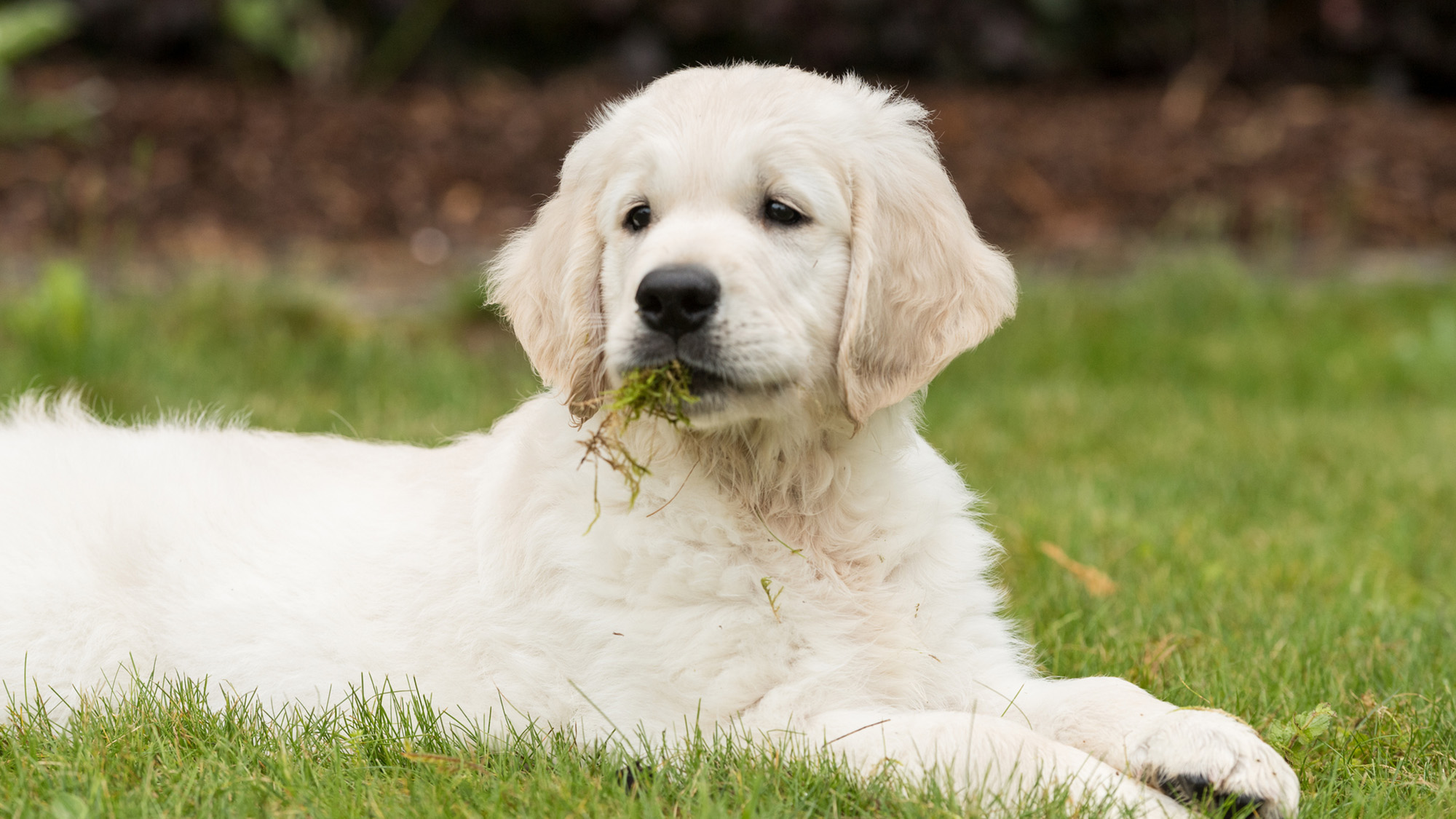
If your dog stops mid-walk to chew on a patch of lawn, you’ve probably wondered whether something is wrong. Of the delicious food options available to them, why would they choose leafy, bitter grass? Many owners assume the worst: that the dog has an upset stomach and is eating grass to make itself throw up.
Dr. Melissa Bain doesn’t see it that way. “My dog enjoys it every day,” says Bain, a professor of clinical animal behavior at the University of California, Davis. “If we ever mow the grass, [he’ll] go out there and just start chomping on it.” To her, it reads as a snack, not a symptom.
The idea that dogs graze to purge a sick stomach is one of the explanations owners reach for most. But it’s not what the research shows.
Grass eating is extremely common. In a 2008 UC Davis study, 79 percent of owners whose dogs had daily access to plants said their dog ate them. A follow-up internet survey of more than 1,500 owners found that 68 percent of dogs grazed daily or weekly, and grass was by far the plant they ate most.
If a behavior turns up in roughly three out of four dogs, it’s hard to call it a sign of illness.
If dogs really ate grass to purge, you’d expect them to look ill first and vomit afterward. Most don’t.
The same 2008 study found that only about 9 percent of dogs seemed sick before grazing, and only around 22 percent regularly vomited after.
Diet made no difference either. Whether dogs were fed raw food, kibble, or a vegetarian diet had no bearing on whether they ate grass.
“There is no nutritional basis for that that we know of,” Bain says of the theory that grazing makes up for something missing in a dog’s food. It’s a normal behavior, she adds, and one she sees mostly in healthy animals.
Her interviews with owners point in the same direction. When Bain asked what a dog was doing right before it ate grass, the dogs that already seemed unwell were the ones more likely to throw up afterward. The dogs that seemed fine usually didn’t. So, when sickness does show up, it tends to come before the grass, not because of it. The vomiting looks like a side effect, not the goal.
A popular version of that idea is that dogs graze to flush intestinal worms out of their gut. But many of the dogs in the survey were on monthly heartworm medication, which also clears intestinal worms—so those dogs had nothing to flush out. They grazed anyway.
Once you set illness and diet aside, the explanation that’s left is appetite. “Most dogs eat grass because it is a food they enjoy,” says Carlo Siracusa, professor of clinical small animal behavior and welfare at the University of Pennsylvania.
Bain has noticed the same thing. Dogs tend to go for moist, long-stemmed grass, the tender kind that comes up early in the morning. They’re choosing what tastes good to them.
Why dogs like grass in the first place is harder to answer. The 2008 study proposed that grazing is a normal behavior, possibly an instinct carried over from wild canid ancestors.
Bain finds that idea convincing. One ecological version of that idea holds that grass once helped wild canids clear intestinal worms—the fibrous strands wrap around the worms and carry them out in the droppings. Bain points to wild-canid droppings to support this idea: They often hold long strands of plant material, sometimes with parasites tangled in it. But it isn’t proof, she says.
A 2021 study of domestic cats had similar results: Very few cats looked ill before eating plants, and the behavior appeared normal and likely innate rather than a reaction to feeling sick. (Cats did vomit more often than dogs—up to a third of the time—which the authors say may reflect some gastric upset.) Why the instinct exists at all is still an open question.
Only rarely does grass-eating become a problem, Bain says—when it becomes compulsive. Siracusa says it can turn excessive enough to cause an intestinal obstruction.
“I have seen this in anxious dogs, but it does not represent the norm,” he says. In nearly three decades of practice, Bain can remember only one dog whose grazing was truly compulsive, and that dog obsessively ate everything, not just plants.
What matters is the pattern. A dog that grazes constantly, looks sick before eating, or vomits regularly afterward is worth a trip to the veterinarian, since the underlying cause may be nausea or another gut problem. It’s also a good idea to keep grass-eating dogs off chemically treated lawns and away from plants that are toxic to dogs.
For most dogs, though, none of that applies. “Most owners should not be concerned if their dog eats grass,” Siracusa says. For a lot of dogs, grass is just the first snack of the day.
In Ask Us Anything, Popular Science answers your most outlandish, mind-burning questions, from the everyday things you’ve always wondered to the bizarre things you never thought to ask. Have something you’ve always wanted to know? Ask us.
The post Why your dog eats grass appeared first on Popular Science.

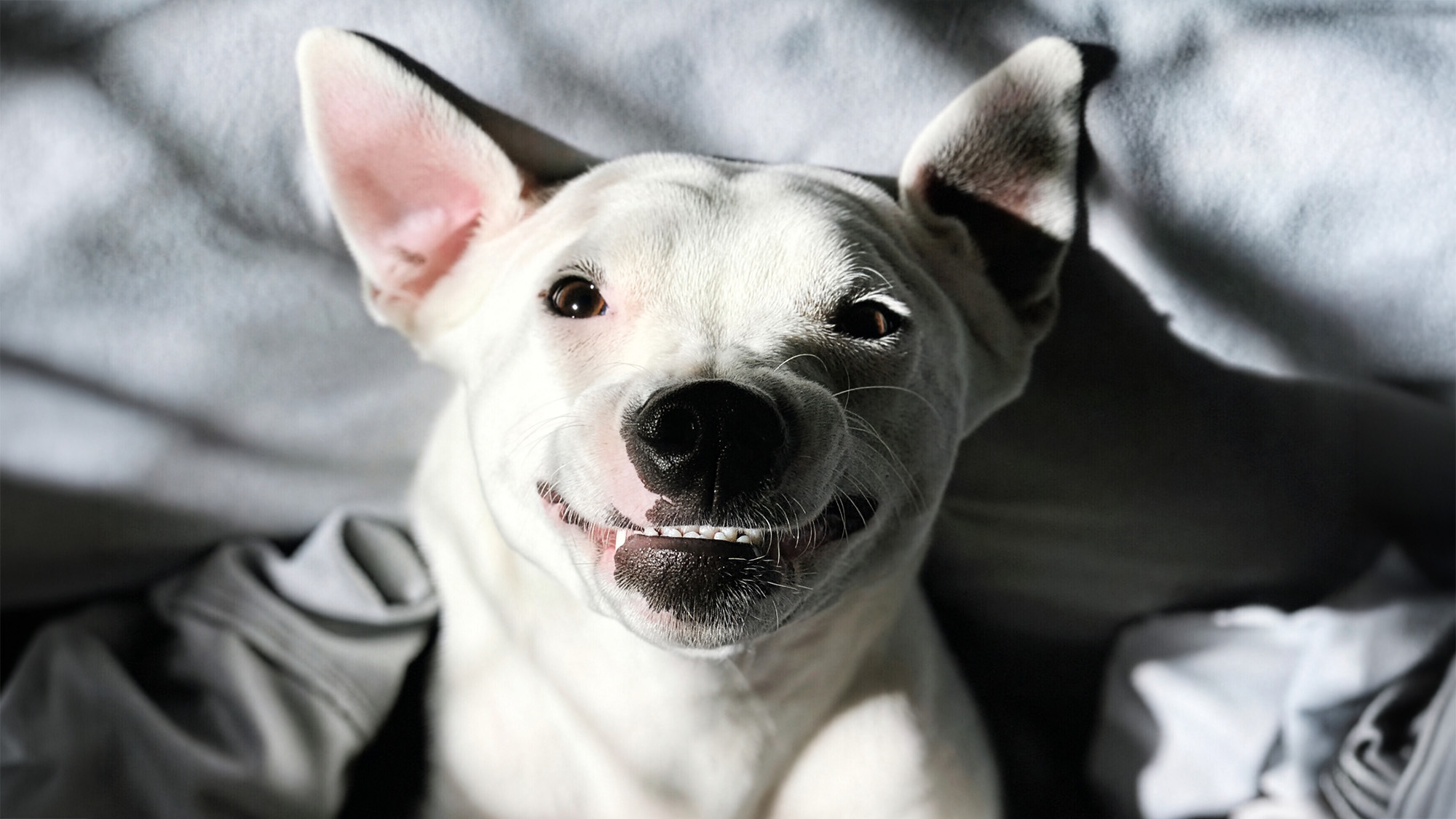
When you want to use a smile GIF, at least one in 10 are of dogs that grin or appear to smile, with their mouths wide open. But do dogs really smile? And if they do, does that mean they’re happy? Maybe, but a lot depends on context, say canine experts.
The dogs in those GIFs really are doing something with their faces. The lips are pulled back. The mouth is open. But what we see, i.e. a smile, and what the dog feels don’t always line up.
Anne Burrows, an anatomist at Duquesne University who studies the comparative anatomy of facial expression in dogs, has studied enough dog and wolf faces to know that the muscles underneath work very differently. Dog facial muscles are mostly fast-twitch—meaning they contract quickly and can produce the fleeting movements we associate with spontaneous expression.
“The faster your muscles are, the more genuine the facial expression is,” Burrows tells Popular Science. “Dogs are our best friends. They tell the truth. We can count on them to let us know how they’re feeling.”
Wolves have more slow-twitch face muscles, Burrows says. Those muscles are better suited to holding the lips in a steady funnel to howl than to flicker through expressions. Dogs aren’t just friendlier wolves. Their faces evolved differently.
Burrows has noted in a study that dogs’ shift to fast-twitch facial muscles wasn’t accidental. Dogs whose faces moved quickly were easier to read, and over tens of thousands of years, those were the dogs that humans kept around. Wolves signal to wolves. Dogs signal to us.
That doesn’t mean every dogs’ grin-shaped expression means what we think. Karen Jesch, a PhD student at Boston College’s Canine Cognition Center, points out that human smiling is a strange behavior to begin with, and not always a happy one.
“If you look at our closest relative, the chimpanzee, when they pull their cheeks back and part their lips and expose their teeth, that’s usually a fear grimace. It signals that they’re anxious, displaying submission, or ready to fight,” Jesch says.
Dogs do something similar. A dog might pull its lips back into something that looks like a smile, but that expression might actually mean the dog is uneasy, not happy. A relaxed mouth hanging loosely open is more likely to mean a dog is at ease. But humans tend to read both as smiling.
Research has shown that humans are not as good at reading dog facial expressions as they assume, Jesch says. Part of that is anthropomorphism, the urge to map our own feelings onto animals.
“We want to assume that dogs love us and are happy. So, we’ll look at a dog running around with other dogs and think, ‘If I were them, I’d be happy. So, they must be smiling.’” Sometimes, she says, that does the dog a disservice when they aren’t actually having a good time.
The classic example is the “guilty look.” A dog cowers when its owner discovers a chewed shoe, and we read shame on its face. But experiments suggest the look isn’t really about guilt. It’s what Jesch calls an “appeasement signal” triggered by the owner’s body language—the dog’s way of trying to defuse the situation before it gets worse.
“They’re more likely just doing an appeasement signal to say, please don’t be mad at me,” Jesch says.
Context matters. A “smiling” dog curled up on the couch next to you is probably content, Burrows says. The same expression in a loud, chaotic environment, paired with a tucked tail, might mean the dog wants to leave.
Burrows favors a version of the domestication story in which dogs domesticated themselves. Ancestral wolves that were less afraid of humans began following hunting parties and scavenging leftovers. The ones better at showing that they meant no harm got closer to the camps.
“There’s some back and forth about how dogs and humans decided to be together,” Burrows says, “but it’s almost like dogs figured out a way to domesticate themselves.” Easier-to-read faces likely gave some dogs an edge—humans grew attached to them and kept them close.
Dogs don’t communicate just using their faces, however. Burrows points out that dogs rely heavily on their ears, too. Relaxed ears usually mean a dog is approachable; ears pinned flat against the head usually signal fear or stress. (Her lab is now studying the muscles that move dog ears, and how they differ from those of cats, who barely move theirs.)
Breeds like pugs, with their flattened faces, can be especially hard to read, Jesch adds. Their squashed-in features make subtle expressions harder to interpret than they would be on a Labrador.
Sometimes, yes. A relaxed open mouth, soft eyes, a loose body, and a wagging tail in a calm setting probably mean a dog is enjoying itself. The same teeth-baring grin in a tense moment, with a stiff body and pinned ears, is something different, and worth paying attention to.
The good news, Jesch says, is that humans can get better at this. “If everybody who loves dogs were to spend a little bit of time learning how to interpret their signals, I think we could help them live much happier lives.”
So, the next time you fire off the smiling-dog GIF, know that might not be an expression of joy. Certainly, the dog in the image is doing something with its face—what it means depends on what else is happening around it.
In Ask Us Anything, Popular Science answers your most outlandish, mind-burning questions, from the everyday things you’ve always wondered to the bizarre things you never thought to ask. Have something you’ve always wanted to know? Ask us.
Test your dog or cat’s IQ using these simple tricks
Why do dogs tilt their heads? It isn’t just cute.
Are some dog breeds really easier to train? Not really.
Why your dog gets so excited to see you
Why do dogs lick humans? It could be a sign of affection.
Do dogs dream? The answer might make you appreciate your pup even more.
The post Do dogs smile? Not like us. appeared first on Popular Science.

Cultural quirks have a hand in making the same name the favorite for dogs and cats in annual study.
Japan’s most famous fictional cat might be the one named Kitty, but when it comes to actual pets, owners tend to get a little more creative with their choices. To investigate what Japan’s most popular pet names are, Daiichi ipet, the pet insurance division of Daiichi Life Group, recently conducted a study of the animal companions it covers, and there’s a common theme among many of the top entries on its list of dog and cat names.
The rankings were compiled by examining the names of dogs and cats who were less than one year old when new insurance policies were taken out for them during the last fiscal year (April 2025-March 2026), and for the sixth year in a row, the most popular name for dogs is Mugi. Mugi is also the number-one name for cats, jumping up to take the top spot from last year’s most popular feline moniker, Latte.
● Top names for dogs
1. Mugi
2. Latte
3. Mocha
4. Cocoa
5. Komugi
● Top names for cats
1. Mugi
2 (tie). Latte/Luna
4. Kinako
5. Leo
6. Mocha
▼ There’s a pretty good chance that at least one of the cats in this photo is named Mugi.
Many pet owners choosing “Luna” are no doubt thinking of Sailor Moon’s cat mentor of the same name, and “Leo” which was the top pick for male cats, is clearly meant to invoke images of lions. Take those two out of the above-listed names, though, and every remaining name has something in common: they’re all food/drink related.
Mugi is the Japanese word for either barley or wheat, and komugi is wheat specifically. There are even more food/drink names if you look farther down the list, with Kinako (roasted soybean powder) and Marron (the French word for “chestnut,” but commonly used in Japanese by sweets fans) at numbers 6 and 8 for dogs, and Omochi (rice cake) and Cocoa at numbers 7 and 8 for dogs.
This isn’t a brand-new trend, either. All of the above-mentioned names were also in Daiichi ipet’s lists of the top 10 dog and cat names in 2024, and giving pets food/drink-related names has been a thing in Japan for much longer than that, and a lot of their enduring popularity probably comes from two reasons.
Let’s start with the obvious one, which ties in to another common thread between many of the most popular names, which is that almost all of them are some shade of brown in color. The exception is Omochi, which is usually white, but even rice cakes take on a golden-brown color if you roast them, as is often done in Japan. A lot of dogs and cats have coats of fur somewhere on the spectrum between brown and gold, so giving them a food/drink name is a way to reference that physical trait.
Another factor that’s likely that in play here, though, is that in Japan it’s not very common to give pets the same names that people have. While there are also-for-people names in English that might have someone thinking of a dog first (like Rex or Rusty), you’ll also often encounter pets in the U.S. with names like Max, Daisy, Penny, or Charlie (all of which are on the American Kennel Club’s list of the most popular dog names in the U.S. for 2025). By comparison, though, it’s rare for Japanese pet owners to give their animals a modern for-people Japanese name like Haruto or Himari, as it would come off feeling overly dry and self-serious. The common logic in Japan is that pets should have names that are playful and fun. A food/drink-based name checks off those boxes, and if it matches the color of the pet’s coat, then there’s no need to explain the name to other people either.
When picking names for pets in Japan, foreign for-people names have a bit more pizzazz (in addition to being the number 4 name for cats in Daiichi ipet’s study, Leo was also the number 8 name for dogs), but then so do foreign food/drink names like Latte, Mocha, and Cocoa. There’s an interesting wrinkle to this, though, that shows up when Daiichi ipet’s study breaks down the most popular names for dogs by breed. Mocha, Cocoa, and Latte were all somewhere within the top three names for toy poodles, Chihuahuas, Pomeranians, and miniature Dachshunds. However, for the Shiba Inu, all three of the breed’s most popular names were Japanese words for foods: Komugi, Azuki (sweet red beans), and Mugi. Odds are this stems from “Shiba Inu” itself being a pair of Japanese words that’ve come to be the internationally accepted way of referring to the breed, making a Japanese-vocabulary food name feel like the best fit.
Source: Daiichi ipet via Otona Answer via Livedoor News via Golden Times
Top image: Pakutaso
Insert images: Pakutaso (1, 2)
● Want to hear about SoraNews24’s latest articles as soon as they’re published? Follow us on Facebook and Twitter!
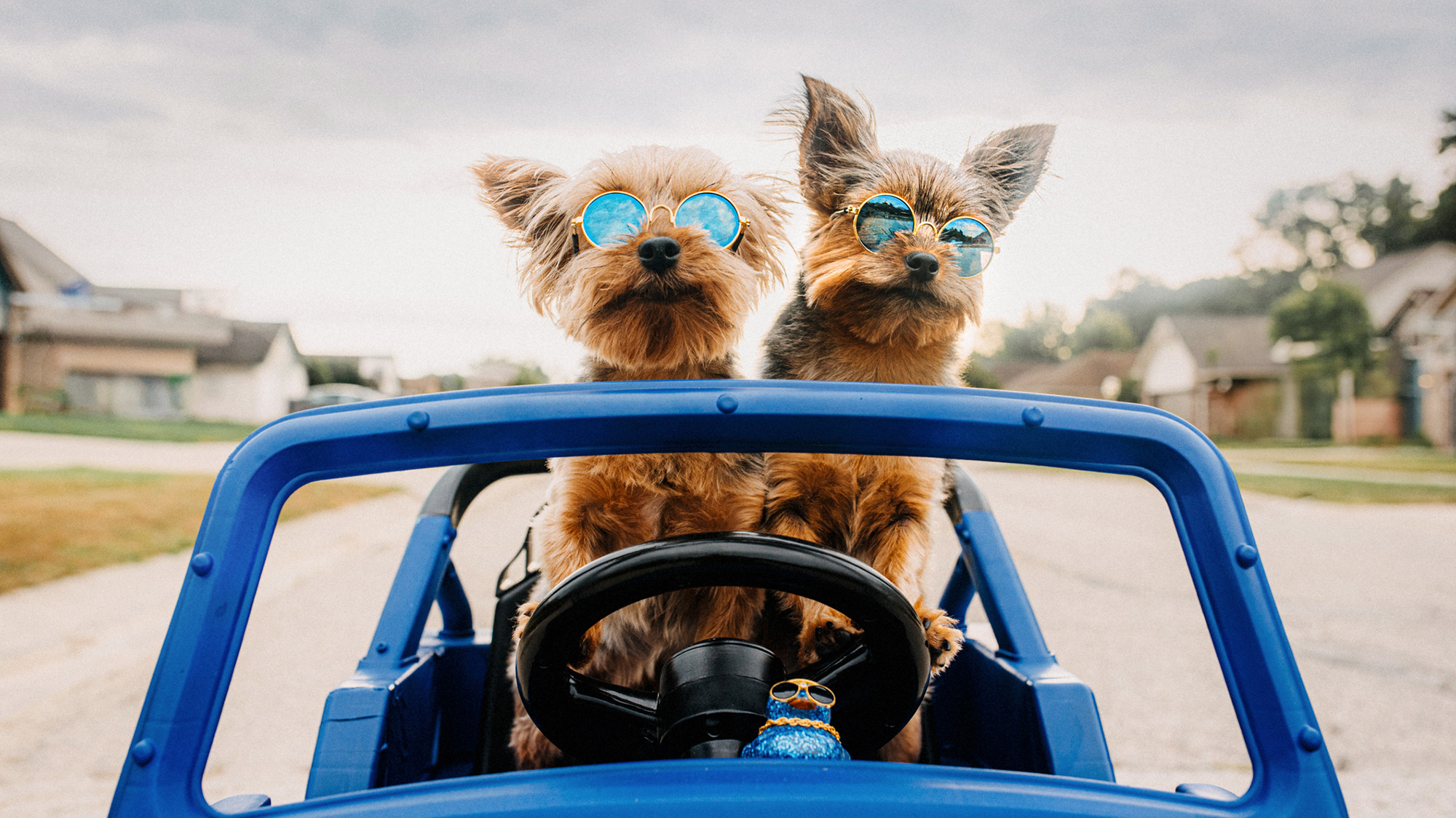
We tend to think of wild animals as being spared from the messy business of personality: the family dramas, the psychological wounds, the baffling quirks that keep resurfacing like whack-a-moles.
Turns out, nobody gets out of that. Animals have personalities, too, and many of the same complex forces that shape our personalities shape theirs.
“They’re not spared,” says Dr. Alison M. Bell, a behavioral ecologist at the University of Illinois Urbana, tells Popular Science. “Life is hard for them, too.”
But life is also “rich,” says Bell, full of ups and downs, wounds and triumphs, just like human lives.
It’s one of those truths that is both surprising and incredibly obvious, especially for those of us with pets. And yet the study of animals’ personalities has faced resistance—in part because accepting it means accepting that animals are far more like us than some are willing to admit.
Personality and social psychologist Dr. Sam Gosling noticed a telling pattern among his colleagues in animal research: On coffee breaks, they’d talk freely and enthusiastically about the personalities of the animals they studied, even their pets at home. Then the break would end.
“They’d finish their tea breaks, put on their scientist white coats, and stop any kind of talk about that,” he says.
But reluctance to engage with the topic scientifically doesn’t mean the evidence isn’t there. Decades of research across species has made one thing abundantly clear: Animals do have personalities. Here’s what the science has to say about what makes your pet special, whether they’re super smart, a risk taker, or a homebody.
For animals, as for humans, the earliest experiences often form the deepest scars or the greatest strengths.
Animals are influenced by “the early life environment,” Bell says. “They’re influenced by their early interactions with parents and siblings.”
This principle is perhaps most evident in our pets. Bell cites an example familiar to many of us: the traumatized shelter dog with a troubled past.
“Pets who are coming from an animal shelter, or have maybe experienced abuse, they don’t forget that,” says Bell. “That leaves a lasting effect.”
Yet many of us don’t extend this understanding to, say, childhood trauma in a squirrel. But according to Bell, the same concepts apply to any animal, wild or domestic. A squirrel neglected by its mother carries that experience forward, just as we do.
“This principle definitely applies to other organisms,” says Bell.
As with humans, genetics are also an influential force in animal personality. Perhaps you might expect animals to be more genetically hardwired than us, driven by pure instinct and with few individual variations. But according to Bell, genetics accounts for only about 35 percent of animal personality—the same as in humans.
Teasing apart personality traits that come from genetics versus the environment is easier in animals than in humans, according to Gosling. For example, researchers can swap bird eggs between nests to determine whether chicks end up more like their genetic parents or the birds that raised them.
“Because of the experimental control that animal studies afford, our estimates of these effects can be much more precise than they can [be] in humans,” Gosling says. “In humans, we have to deal with them in the messy world.”
As for which matters more, genetics or environment, the answer is complicated.
“These studies have shown that there are genetic factors, environmental factors, biological non-genetic factors, and all kinds of other things that influence animal personality,” he says.
Beyond factors like genetics and environment, animal personality is also shaped by something more fundamental: the species itself.
As an evolutionary biologist, Bell says she is particularly interested in biological diversity and its role in shaping personality across species.
“What interests me is what are the behaviors animals do that are really, really important for that particular critter, that species?” she says. “If I’m studying a parrot, what’s going to be important is the food they’re eating, the predators they might encounter, their threats, their opportunities, and their habitats. What are the behaviors that matter to that animal?”
The answer, she notes, varies widely depending on the evolutionary needs and challenges of an individual species. Those factors “will be different for a parrot compared to a fish, compared to a whale, compared to a termite,” she says.
Another notable aspect of personality is continuity—the extent to which an individual’s personality remains consistent or changes over time. Bell says animal personality tends to be pretty stable over a lifetime.
Bell describes a “signature” that persists from the juvenile to the adult stage, even as behavior naturally changes across life stages. In her research on stickleback fish, Bell and her colleagues have observed consistent personality traits in individual fish.
“We can measure them repeatedly,” she said, “and find that the individuals that were risk-takers yesterday are also the risk-takers tomorrow, and next month.”
But that signature is not immutable, says Bell. Experience can alter it. “New environments, social interactions, even changes in health might influence behavior,” Bell says.
Whether animals can change their personalities more or less than humans over a lifetime remains an open question.
“I don’t see any theoretical reason why we should expect more or less change in humans than in other animals,” says Gosling, though Bell notes that the answer likely varies widely across species.
Another factor shaping our understanding of animal personality is surprisingly close to home: human resistance to accepting it.
Part of the problem, according to Bell, is that accepting the concept of animal personality requires a sort of double reckoning: We have to be willing to see ourselves as less exceptional than we thought, while simultaneously being willing to see animals as more complex than we previously believed.
“Both of those things have to happen, and I think that’s challenging to conventional thinking,” she says.
Why that resistance persists, even in the face of mounting evidence for animal personality, may say more about human psychology than animal behavior.
“The most surprising thing to me is how surprising it [the fact that animals have unique personalities] is to people,” says Bell.
In Ask Us Anything, Popular Science answers your most outlandish, mind-burning questions, from the everyday things you’ve always wondered to the bizarre things you never thought to ask. Have something you’ve always wanted to know? Ask us.
The post Animals have personalities. Here’s what shapes them. appeared first on Popular Science.

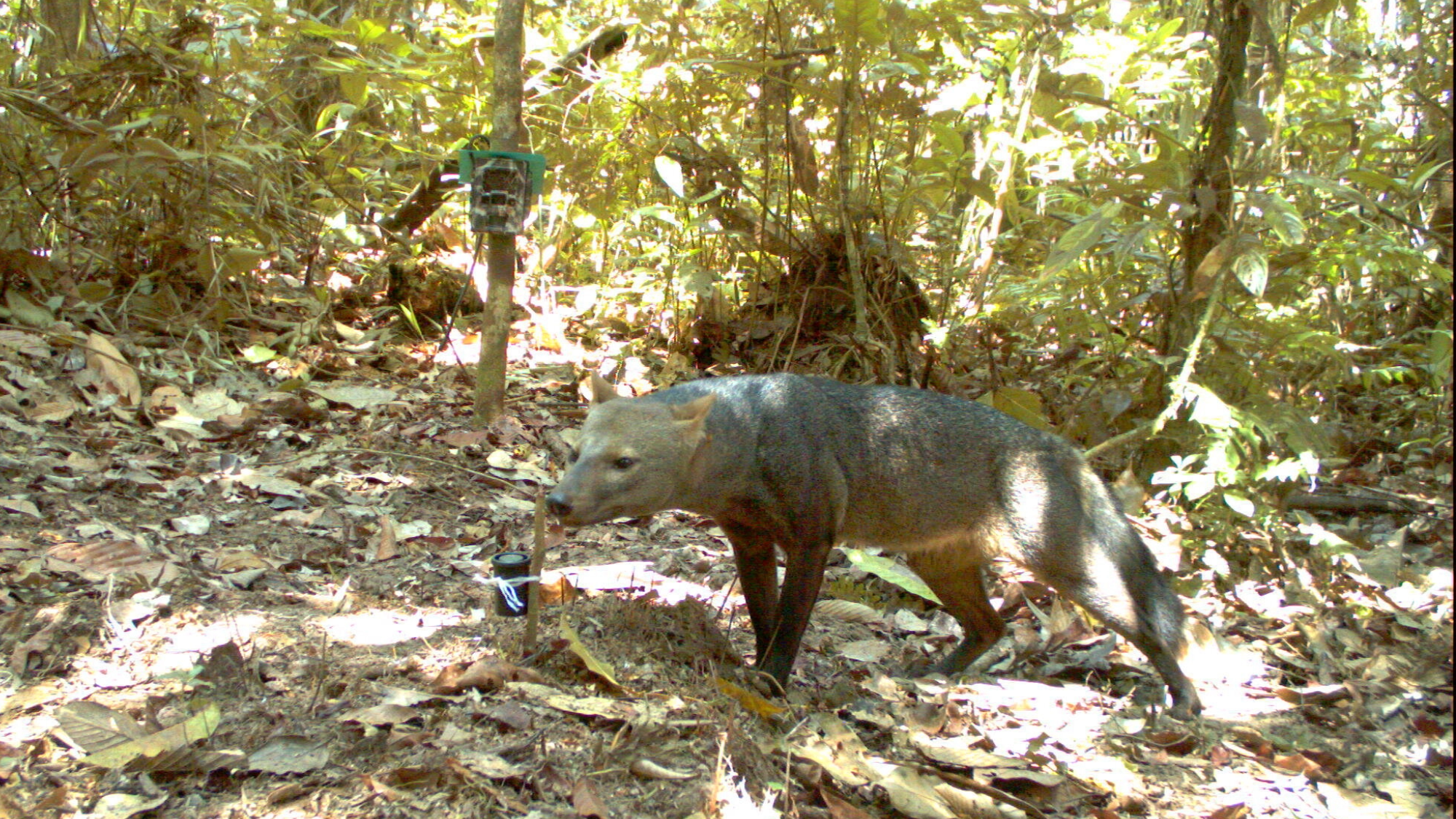
Hidden deep in the forests of Bolivia and Peru is a species so mysterious it has been dubbed the “ghost dog.” The short-eared dog (Atelocynus microtis) has been deemed one of the region’s least-known carnivores, if not one of the world’s least-known canids, period.
After almost a quarter-century of work, researchers finally have gathered new data on this highly cryptic wild dog. Their results, published in the journal Neotropical Biology and Conservation, shed light on the short-eared dog, revealing something particularly unexpected.
“The most surprising aspect of the results was that despite being an almost mythical beast, short-eared dogs are much more abundant than we had imagined,” the team said in a statement, though they still don’t qualify as “common.”
Researchers carried out 34 intensive camera-trap surveys throughout the lowland regions of Bolivia and Peru for over 25 years. This yielded 594 individual photographs, revealing the ghost dog’s large head, small round ears, short legs, long bushy tail, and a dark coat swinging from reddish-brown to blackish gray. The little dog also has partially webbed paws, which isn’t seen in other amazonian canids.
Based on camera-trap data, the team estimates they have a population density of 15 dogs per 38.61 square miles. This indicates that they are not as sparse as researchers had anxiously theorized. The species is likely more abundant than larger carnivores in the area such as jaguars, but there are less of them than medium-sized carnivores such as ocelots (Leopardus pardalis).
This study is a “wonderful example of how conservation technology and remote sensing – in this case the intensive use of camera traps—can provide substantial data on one of the least known species of the Amazonian rainforests,” said Robert Wallace, a conservation scientist at the Wildlife Conservation Society and lead-author of the study. He and his colleagues also found that the species is most active between 6 a.m. and noon.
While the dog’s webbed toes might make you think of an aquatic animal, the species is a “true forest specialist,” according to the statement, demonstrating a significant preference for upland forests far from rivers. Their preference for these dense habitats is a significant reason why humans see so few of these wild dogs—in addition to their secretive nature and excellent hearing and sense of smell, which has allowed them to stay away from people.
As always in conservation, the more scientists learn about a species, the better equipped they are to protect them. According to the paper, the relative abundance of short-eared dogs was higher in national protected areas and overlapping Indigenous territories, as opposed to unprotected areas. The creation and successful management of protected areas is exceedingly important for the conservation of the species.
The post Mysterious Amazonian ‘ghost dog’ caught on camera appeared first on Popular Science.
