Exclusive A vast area of the Bellingshausen Sea should be covered by sea ice by now, with one expert calling the loss of ice ‘depressing’Antarctica’s west coast is missing an area of winter sea ice the size of France, sparking concerns for threatened penguins other marine life and global sea levels.One expert said the loss of ice in the Bellingshausen Sea was “depressing” and the failure of ice to form could have intensified a heatwave over the continent’s peninsula last week that saw daytime te
Exclusive A vast area of the Bellingshausen Sea should be covered by sea ice by now, with one expert calling the loss of ice ‘depressing’
Antarctica’s west coast is missing an area of winter sea ice the size of France, sparking concerns for threatened penguins other marine life and global sea levels.
One expert said the loss of ice in the Bellingshausen Sea was “depressing” and the failure of ice to form could have intensified a heatwave over the continent’s peninsula last week that saw daytime temperatures peak at 15.4C which is more than 20C above average.
KANGAR, June 3 — The Raja of Perlis, Tuanku Syed Sirajuddin Jamalullail, wants Menteri Besar Abu Bakar Hamzah to be given the space to continue leading the state administration until the end of the current Perlis State Assembly term without any interference.His Royal Highness said political stability is a crucial factor that will influence investors’ confidence to invest in the state.As such, Tuanku Syed Sirajuddin called on all state assemblymen to set aside th
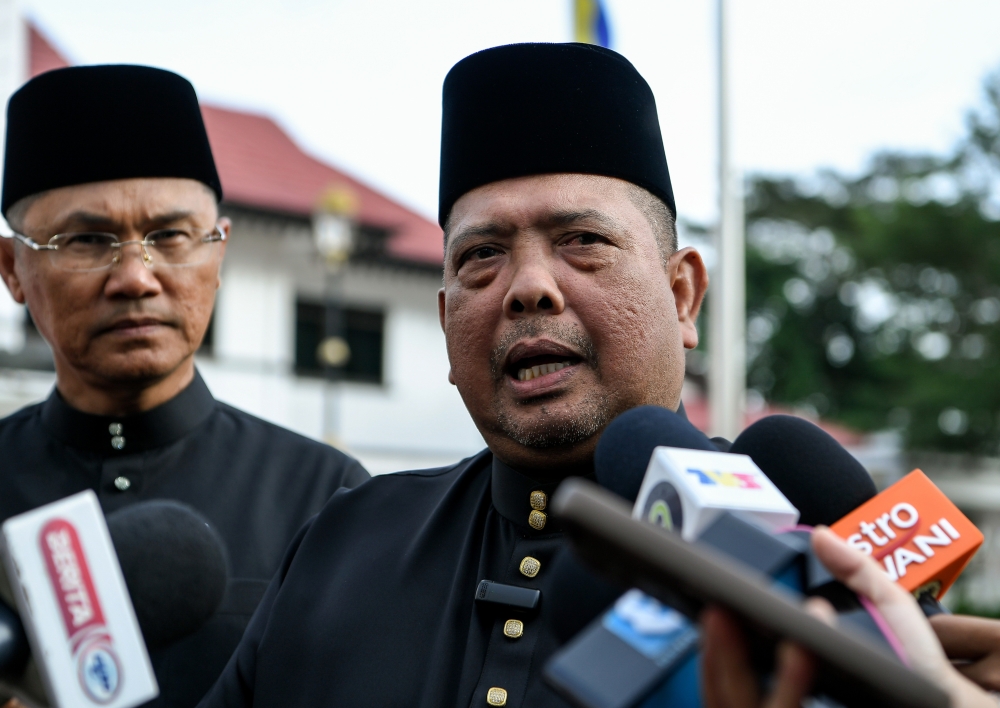
KANGAR, June 3 — The Raja of Perlis, Tuanku Syed Sirajuddin Jamalullail, wants Menteri Besar Abu Bakar Hamzah to be given the space to continue leading the state administration until the end of the current Perlis State Assembly term without any interference.
His Royal Highness said political stability is a crucial factor that will influence investors’ confidence to invest in the state.
As such, Tuanku Syed Sirajuddin called on all state assemblymen to set aside their egos and extend full and continuous cooperation to Abu Bakar for the benefit of the people and the state.
“I wish to remind all Honourable Members that this is my government. Therefore, I hope that the Menteri Besar will be given the space to continue leading until the end of the 15th Perlis State Legislative Assembly term without any interference that could disrupt the plans that have been put in place.
“All Honourable Members are reminded to prioritise the interests of the people over personal interests,” he said in his royal address at the opening of the fourth term of the 15th Perlis State Legislative Assembly sitting at Kompleks Seri Putra here today.
His royal address was delivered on his behalf by the Raja Muda of Perlis, Tuanku Syed Faizuddin Putra Jamalullail.
Tuanku Syed Sirajuddin said differences in political views should not become a barrier or obstacle to sincere efforts to bring development and investment into the state.
The Ruler also said that the state government must always maintain good relations with the federal government, particularly in terms of development and various forms of support for the benefit of the people of Perlis.
“I commend the series of visits and courtesy calls made by the Menteri Besar to various ministries to strengthen cooperation between the state and federal governments.
“I hope that these noble efforts will continue to be enhanced and sustained to ensure that the state’s development agenda can be implemented smoothly and effectively,” he said. — Bernama
Cuba has “absolutely no fuel oil and absolutely no diesel”, according to the country’s Energy Minister, Vicente de la O Levy.
His comments, made to state-run media on Wednesday, underline the severity of Cuba’s energy crisis, which has been intensified by a near-total U.S. blockade on fuel imports since January.
The effects of the fuel shortages were felt immediately, with widespread power outages on Wednesday night sparking protests in Havana. Though the protests soon dissipated, large s
Cuba has “absolutely no fuel oil and absolutely no diesel”, according to the country’s Energy Minister, Vicente de la O Levy.
His comments, made to state-run media on Wednesday, underline the severity of Cuba’s energy crisis, which has been intensified by a near-total U.S. blockade on fuel imports since January.
The effects of the fuel shortages were felt immediately, with widespread power outages on Wednesday night sparking protests in Havana. Though the protests soon dissipated, large sections of eastern Cuba remained in darkness on Thursday.
While Cuba has domestic reserves of natural gas and crude oil, it lacks the money to maintain or upgrade its refineries, which are necessary to convert high-viscosity crude oil into fuel oil, essential to electricity generation.
“Cuba is open to anyone that wants to sell us fuel”, Levy implored.
However, Cuba has largely been cut off from international oil imports by the U.S., which threatened to impose tariffs on any country supplying oil to Cuba and severed Venezuelan oil supplies to the Cuban state.
Despite this, Russia sent an oil tanker to help alleviate the crisis in March and China has also helped Cuba mitigate its reliance on imported fuel by helping install solar parks across the island.
Nevertheless, it is unclear if any country would be willing to provide Cuba with enough oil to sustain its national grid indefinitely. There is also no guarantee that the U.S. would allow new foreign oil imports to arrive.
The U.S. is reportedly considering sending the island a humanitarian aid package worth US$100 million to ease the effect of its own oil blockade of the island, with CIA Director John Ratcliffe visiting Havana yesterday to discuss “intelligence cooperation, economic stability, and security issues”.
Ratcliffe is likely the first CIA Director to visit the island since 1953, as the U.S. and Cuba have been staunch geopolitical adversaries since the triumph of the Cuban Revolution in 1959.
Although the two nations are involved in official diplomatic negotiations, tensions between Washington and Havana have been rising dramatically. The North American superpower has repeatedly threatened the Cuban leadership with political regime change and has ratcheted up punitive sanctions against officials and economic entities deemed to be linked to the Cuban regime.
Although the U.S. claims its measures are solely targeted at the Cuban government, the punitive measures have contributed to an economic and humanitarian crisis that is harming many ordinary Cubans, with hospitals, schools and workplaces facing shortened operating hours because of power cuts.
Critics of the Cuban regime, however, argue that the energy shortages and the humanitarian suffering in the Caribbean nation are a result of the political leadership’s authoritarianism, economic mismanagement and corruption.
Hong Kong has issued its first “very hot weather” warning of the year, with the city expected to endure a heatwave through Friday.
The Hong Kong Observatory (HKO) issued the warning at 7.45am on Tuesday, with the mercury expected to reach 35 degrees Celsius.
A man is running in Hong Kong ‘s public space File photo: Kyle Lam/HKFP.
The warning is triggered when the mercury is set to reach, or exceed, 33 degrees Celsius. As of around 1:30pm on Tuesday, Cheung Chau was seeing temperatures
Hong Kong has issued its first “very hot weather” warning of the year, with the city expected to endure a heatwave through Friday.
The Hong Kong Observatory (HKO) issued the warning at 7.45am on Tuesday, with the mercury expected to reach 35 degrees Celsius.
A man is running in Hong Kong ‘s public space File photo: Kyle Lam/HKFP.
The warning is triggered when the mercury is set to reach, or exceed, 33 degrees Celsius. As of around 1:30pm on Tuesday, Cheung Chau was seeing temperatures of 32.1 degrees Celsius.
The city recorded its hottest day of the year on Monday, as temperatures hit 32 degrees Celsius.
The HKO has alerted the public of the risks of heat stroke and sunburn.
The heatwave is expected to continue through to Friday, as an anticyclone aloft brings very hot weather and low pressure to the coast of Guangdong, according to the HKO.
Highs of 33 degrees Celsius are predicted between Tuesday and Friday, while the lows will range between 27 and 29 degrees.
Hong Kong may see showers during this weekend, as temperatures dip slightly to 26-30 degrees Celsius.
The Intergovernmental Panel on Climate Change has warned that the intensity and frequency of heatwaves have continued to increase since the 1950s due to human-caused climate change. The prevalence of greenhouse gases like carbon dioxide – which trap heat in the atmosphere – raises the planet’s surface temperature, with hotter, longer heatwaves putting lives at risk.
Hong Kong has already warmed by 1.7 degrees Celsius since the Industrial Revolution, research NGO Berkeley Earth says. Heat and humidity may reach lethal levels for protracted periods by the end of the century, according to a 2023 study, making it impossible to stay outdoors in some parts of the world.
In a Tuesday statement, the Centre for Health Protection of the Department of Health reminded members of the public to hydrate regularly, and to avoid strenuous exercise and prolonged activities such as hiking.
It also suggested that outdoor or manual workers should reschedule work to cooler hours as far as possible.
Nevertheless, as of Tuesday lunchtime, the Labour Department had not yet issued a heat stress warning – a three-tier warning system introduced in 2023 to help protect Hong Kong workers from heatstroke.
Outbound travel during long weekend
Hongkongers enjoyed a three-day weekend, with Monday marking Buddha’s Birthday.
People at Shenzhen Bay Port. File photo: GovHK.
According to the Immigration Department, Hong Kong residents made over 615,000 outbound journeys on Saturday, with over 557,000 travellers heading northbound to Shenzhen and other destinations in mainland China.
The figure marks a week-on-week increase of 36.7 per cent.
From Friday to Monday, Hong Kong residents made nearly 1.87 million outbound trips – a rise of 30.8 per cent compared to the same period last week.
José Javier Rodríguez, the Democratic candidate for Florida attorney general, does not want the page turned on the notorious immigrant detention site Alligator Alcatraz, west of Miami, which has become a symbol of the “cruelty” of the Donald Trump administration. If he wins the November election, the 47-year-old Cuban American says he will investigate how Republican Governor Ron DeSantis’ administration established the facility as a “political theater for consumption in Washington.”Seguir leyend
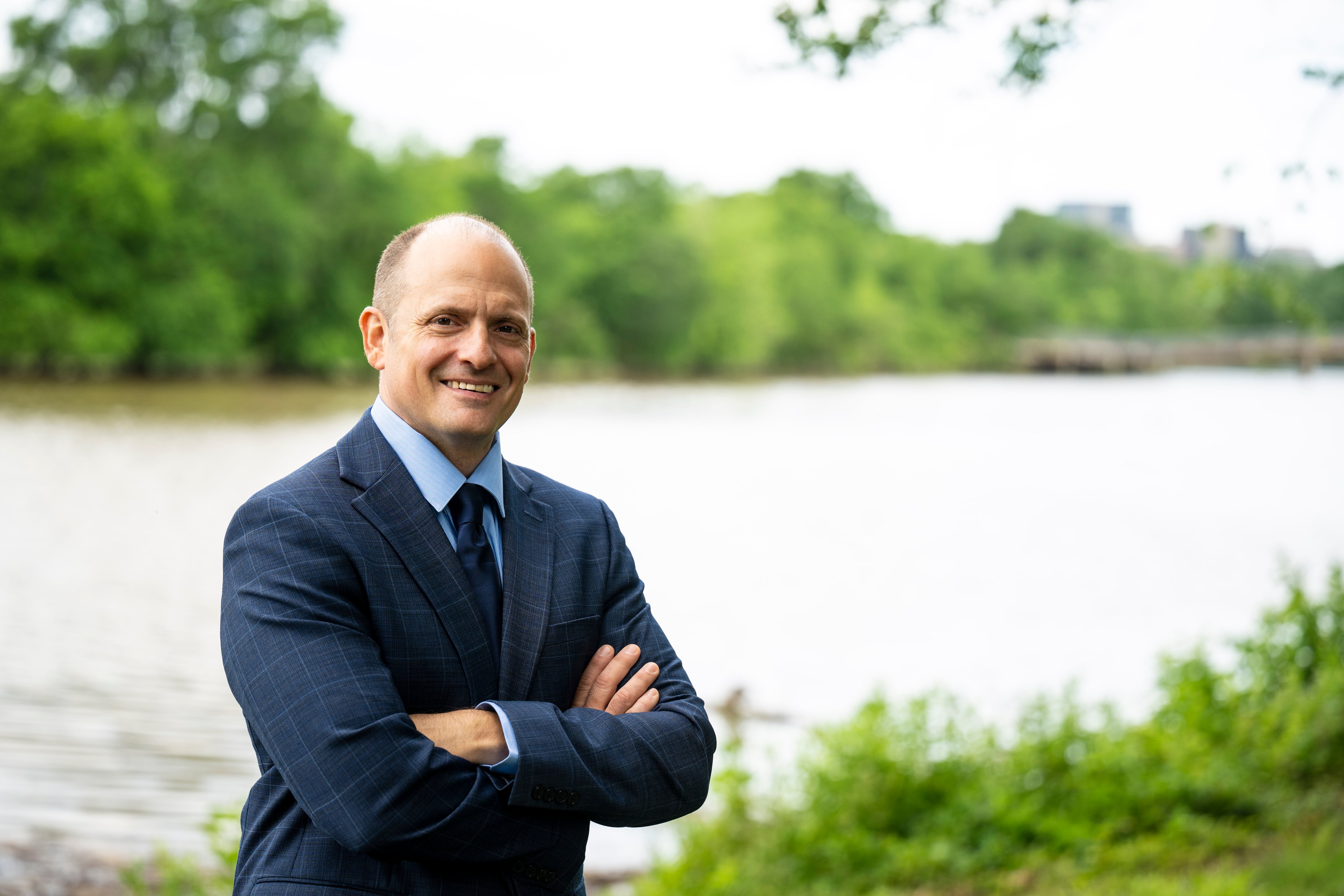
José Javier Rodríguez, the Democratic candidate for Florida attorney general, does not want the page turned on the notorious immigrant detention site Alligator Alcatraz, west of Miami, which has become a symbol of the “cruelty” of the Donald Trump administration. If he wins the November election, the 47-year-old Cuban American says he will investigate how Republican Governor Ron DeSantis’ administration established the facility as a “political theater for consumption in Washington.”
A few things that stood out this week. Scott Ketcham‘s wildly off-model Dennis the Menace and Joey didn’t bring about the amount of comments I thought it would. Though it sticks out like a sore thumb I am not bothered by it. For those who are there’s another Scott Ketcham panel coming next week. Will […]
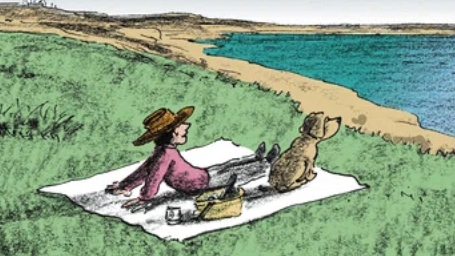
A few things that stood out this week. Scott Ketcham‘s wildly off-model Dennis the Menace and Joey didn’t bring about the amount of comments I thought it would. Though it sticks out like a sore thumb I am not bothered by it. For those who are there’s another Scott Ketcham panel coming next week. Will […]

 Login
Login


:max_bytes(150000):strip_icc():format(jpeg)/catherine-princess-wales-trooping-the-colour-061326-5-208aa261ddc043ec8db8a35efb2fe6f4.jpg)


:max_bytes(150000):strip_icc():format(jpeg)/alexander-zverev-family-2026-french-open-060826-3188e5db36f2445fbef6ec248c8f0685.jpg)