Reading view

Leaks of private data for use in Trump’s anti-immigration campaign raises alarms

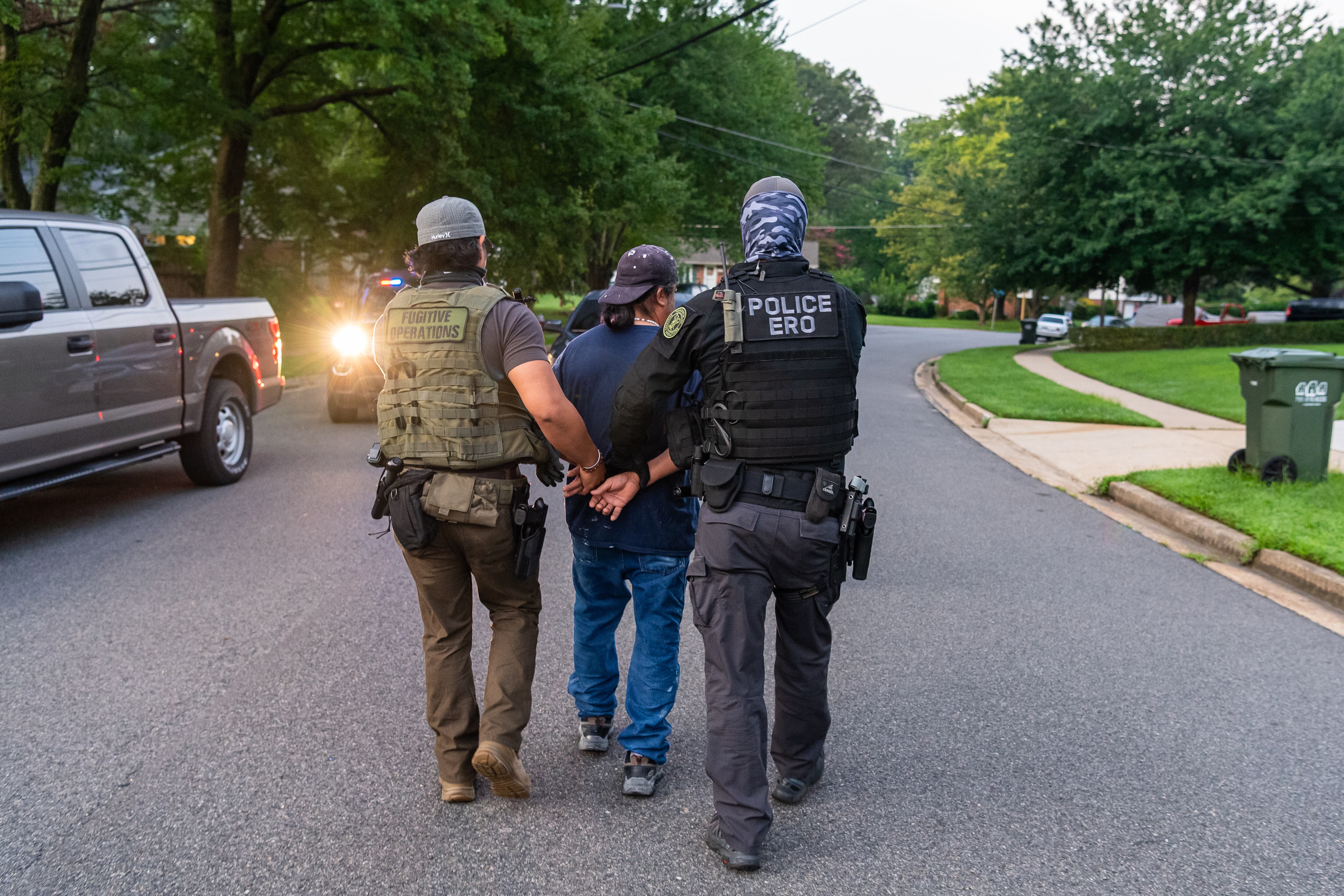
One of the main tools the Trump administration is using in its campaign against immigration is the collection of personal data. The line between citizens’ right to privacy regarding sensitive information and the Department of Homeland Security’s acquisition of data collected by private companies has become blurred in recent months, due to the sharing of personal information between government agencies and the proliferation of opaque contracts with companies like Palantir. This U.S.-based software company, specializing in big data analytics and artificial intelligence, has designed specific programs to assist Immigration and Customs Enforcement (ICE) in its efforts to identify and locate both undocumented immigrants and anyone critical of the agency’s operations.
Seguir leyendo

© Amanda Mason (ICE Public Affair)
Federal agents arrest a man in Virginia.
  •  

The toxic year of Donald J. Trump

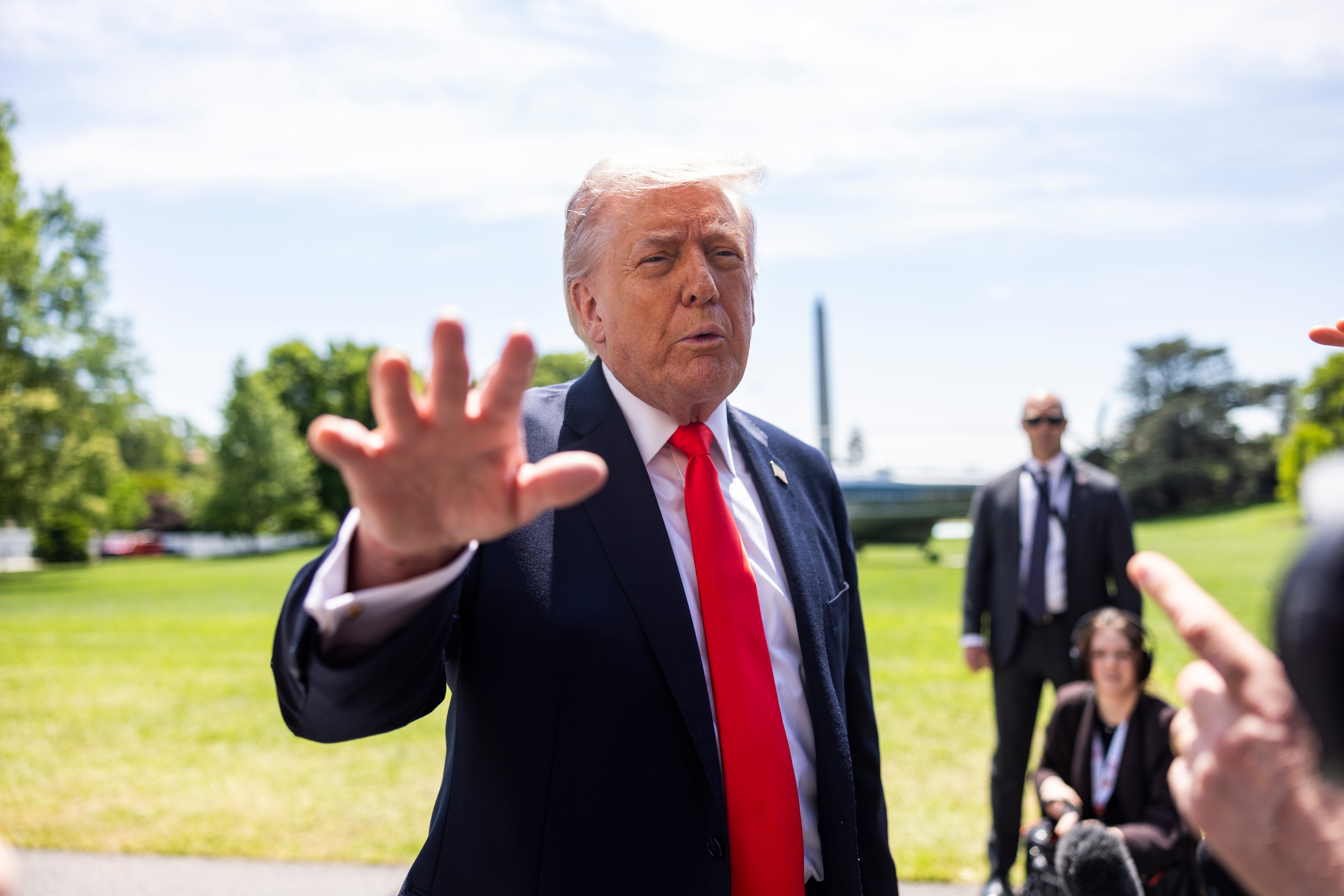
For Donald J. Trump, 2026 was a year full of promise. It began in the early hours of January 3 with a spectacular barrage of fire over Caracas. After months of anticipation surrounding the deployment of the fleet in the Caribbean, the capture of Nicolás Maduro scored a point for him, demonstrating his military’s ability to succeed in complex missions. That same day, he announced a new era of the Monroe Doctrine. Hard power was back. But there was something more important: the prospect of starting an election year on the right foot, carefully managing that success, and trying, in the meantime, to stabilize the economy in the lead-up to the midterm elections in November.

Seguir leyendo

© JIM LO SCALZO / POOL (EFE)

Donald Trump speaking to the media in Washington.
  •  

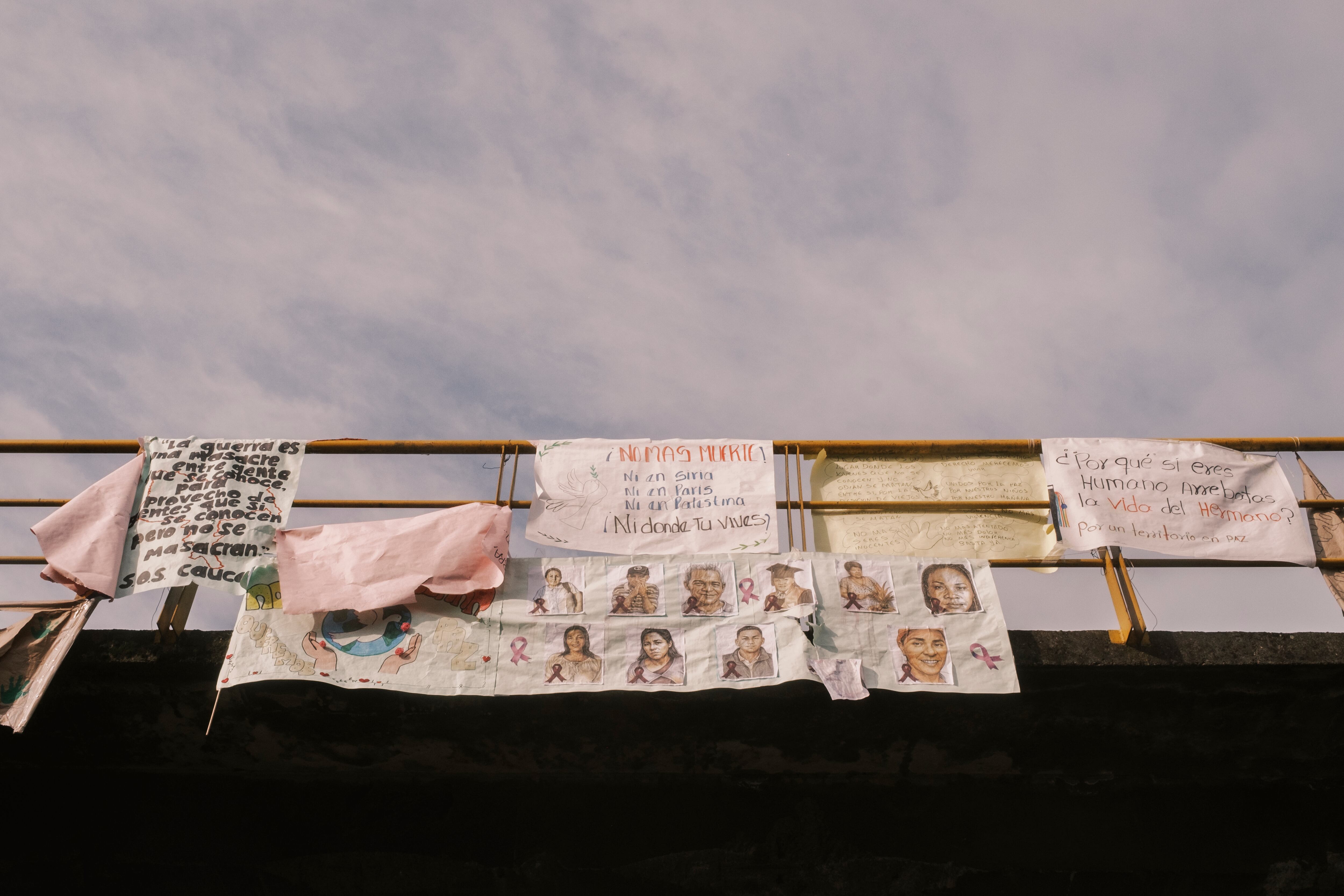
Cauca, the Colombian region where the state is under attack: ‘There is no one to hold accountable for our dead’

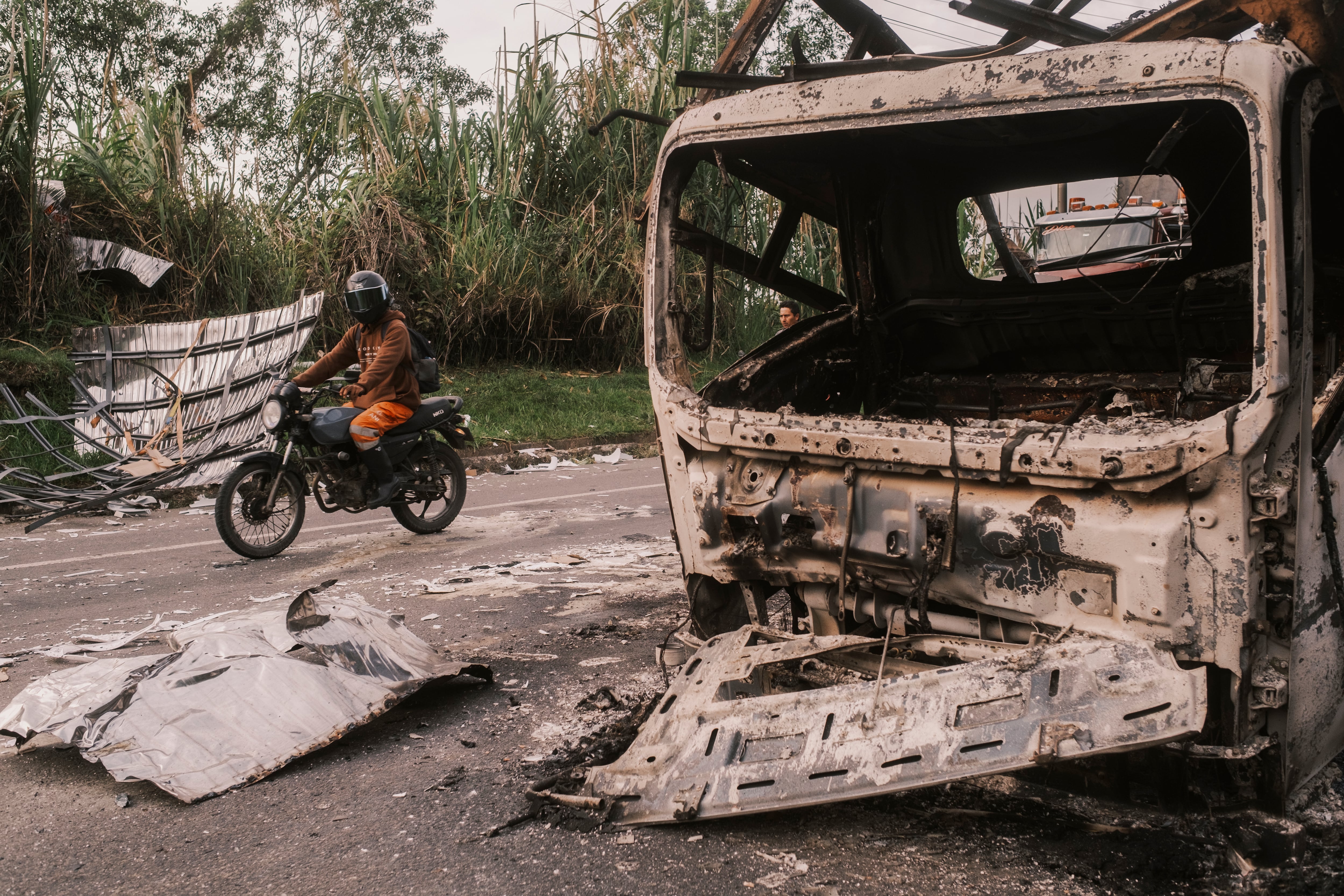
Sofía and María Camila Valencia Holguín, during the celebration of Sofía's ninth birthday, in Cauca.

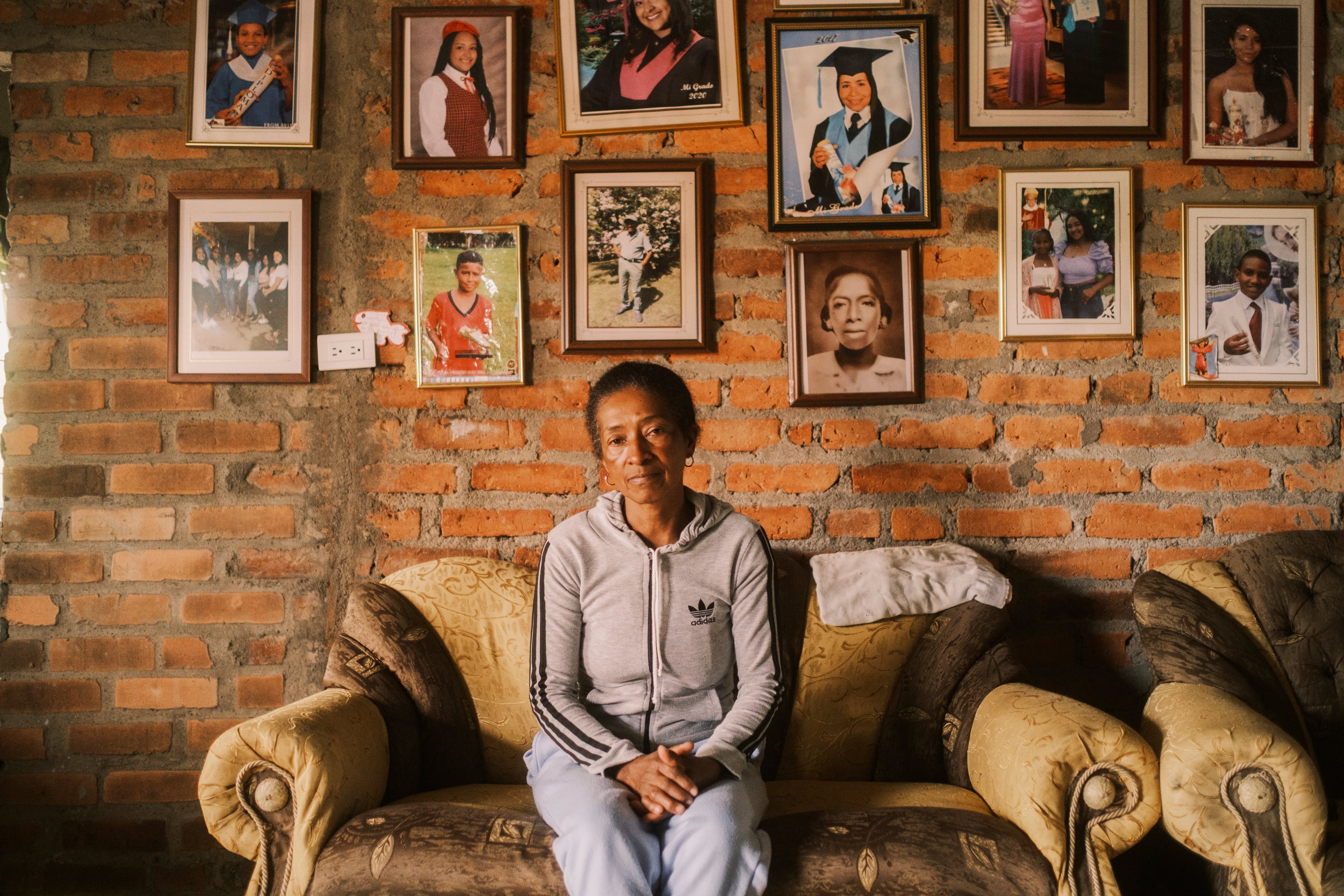
The adults in María Zenaida Puliche’s house struggle to hold back tears in front of Sofía, who is turning nine. They take turns approaching her and posing for a picture with the strawberry cake. The little girl smiles and hugs her father, her aunts, and her cousins. But not her mother. Daniela Valencia was one of the 22 victims killed in an attack perpetrated by dissidents of the now-defunct FARC on April 25 in Cauca, a region in southwestern Colombia where armed groups have cornered the state and violence lurks every hour of the day. It was the deadliest terrorist attack on civilians in the country since 2003, just a month before the presidential elections.

Seguir leyendo

María Zenaida, aunt of Daniela Valencia, who was killed in a bomb attack on April 25 on the Pan-American Highway in Cauca.

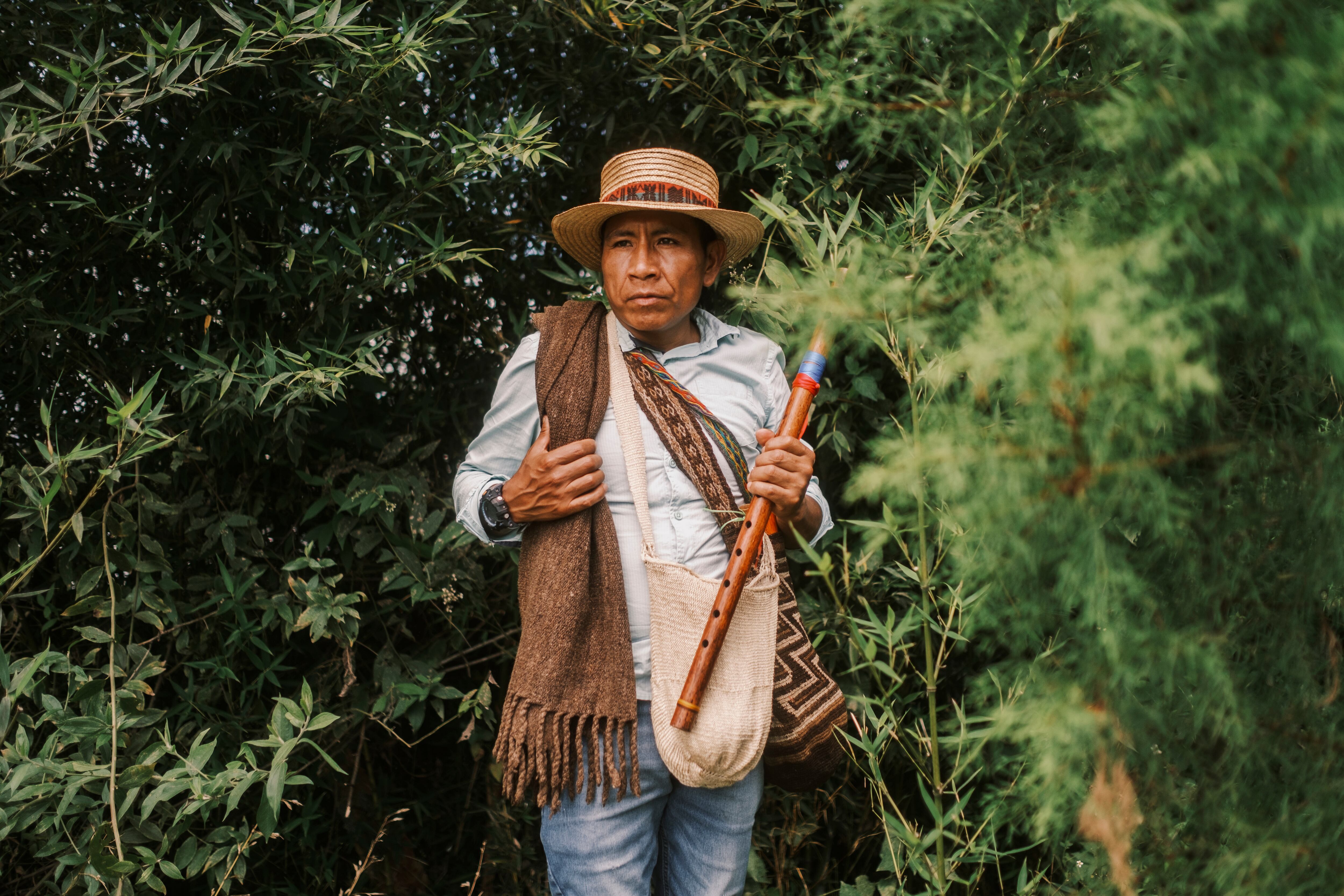
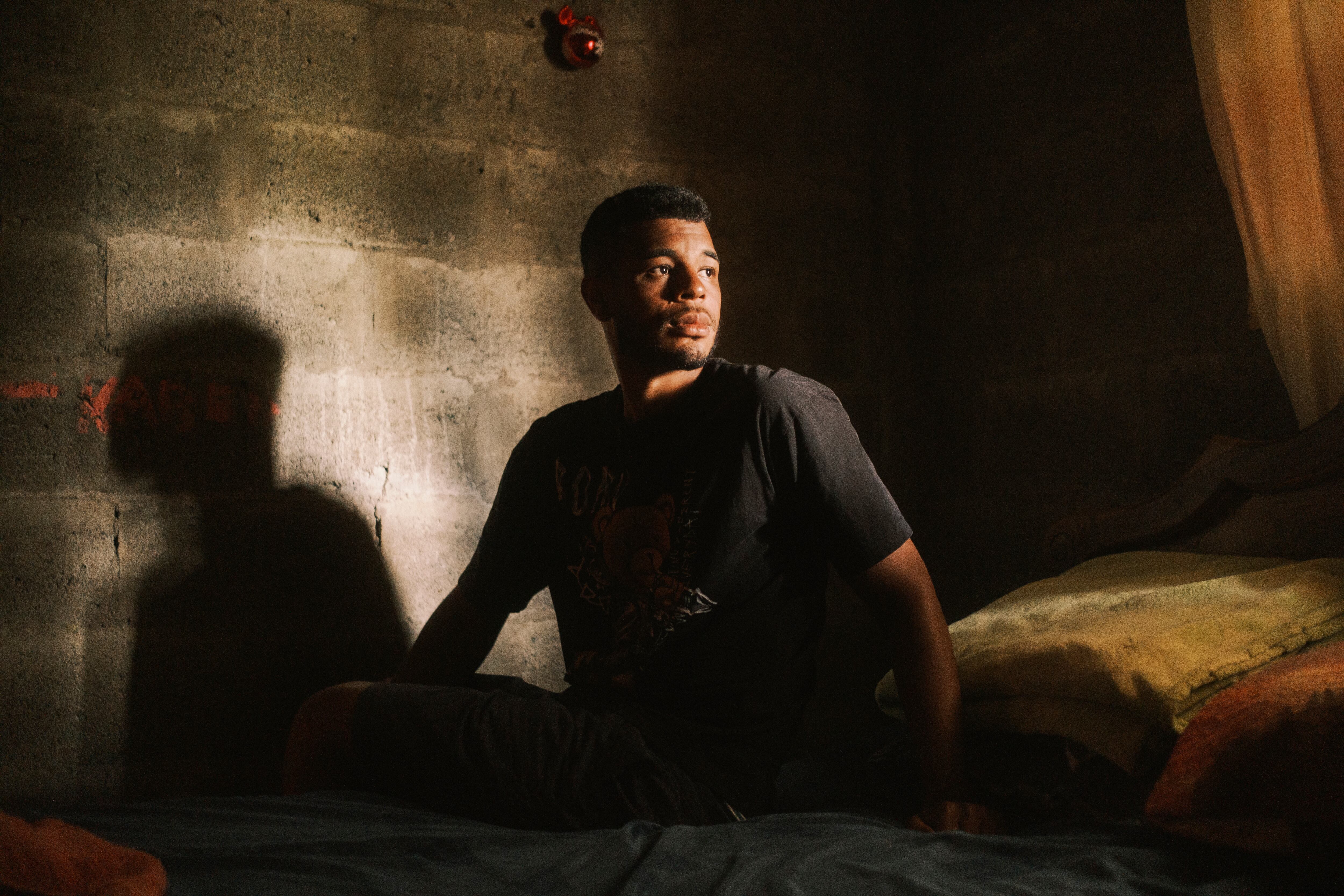
A bombed-out vehicle on the Pan-American Highway in La Agustina, Cauca, on April 29.Orlando Baicué, an Indigenous man and spiritual guide of the Nasa people, in the Cofradía reserve, in Cajibío, Cauca.Elmer Puliche, nephew of José Ciro Puliche, at his home in the rural area of ​​Cajibío, Cauca, on April 30.

Banners and signs honoring the victims of a bomb attack on April 25, in which 22 people died.
  •  

The immense power of the new plutocracy: How billionaires like Musk, Bezos and Zuckerberg shape our lives and our democracies

On May 5, 1789, King Louis XVI of France inaugurated the Estates-General. The institution convened that year to address the problem of rampant inflation and the bankruptcy of the monarchy, which was deeply indebted due to a lack of revenue. Neither the nobility nor the clergy paid taxes. Not because they were short of money. Their reason for exemption was simpler and more absurd: it was their privilege.

Seguir leyendo

© Pau Valls (EL PAÍS)

  •  

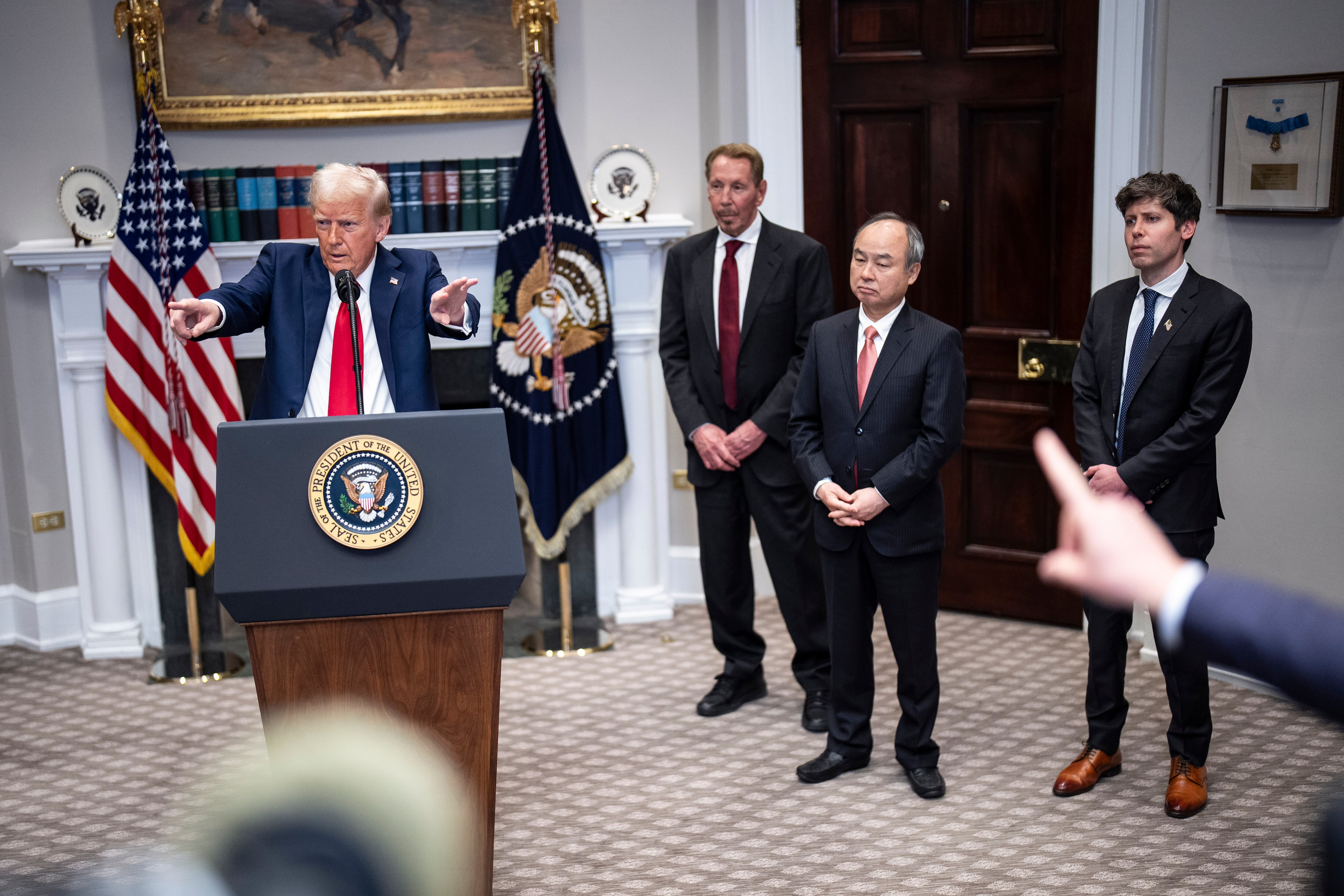
The hidden power brokers of AI

The tech trial of the century pits Elon Musk against Sam Altman in a California courtroom battle that has it all: money, betrayal, egos, and the future of the most disruptive technology of our time, artificial intelligence (AI). Musk and Altman dominate the headlines, and their statements go viral within seconds, partly because they are such singular figures.

Seguir leyendo

© Jabin Botsford (The Washington Post/Getty Images)

Donald Trump presents the Stargate project alongside Larry Ellison, Sam Altman and Masayoshi Son, on January 21, 2025.
  •  

Down the pipes with Super Mario: An interactive journey

Mario never has time. He’s always rushing off towards the next adventure. When he’s not saving worlds, or his beloved Peach, he’s racing cars, playing tennis, healing patients, or dancing. “Mario excels at sports including tennis, golf, baseball, soccer, and even kart racing. He’s good at all of them! He’s a plumber by profession but is really a jack of all trades,” reads his profile on the Nintendo website. “Mario is always bright and cheerful.”

Seguir leyendo

Coordination:

Brenda Valverde Rubio

Design:

Ana Fernández and Ruth Benito

Art direction:

Ruth Benito

Development:

Fernando Anido and Alejandro Gallardo

  •  

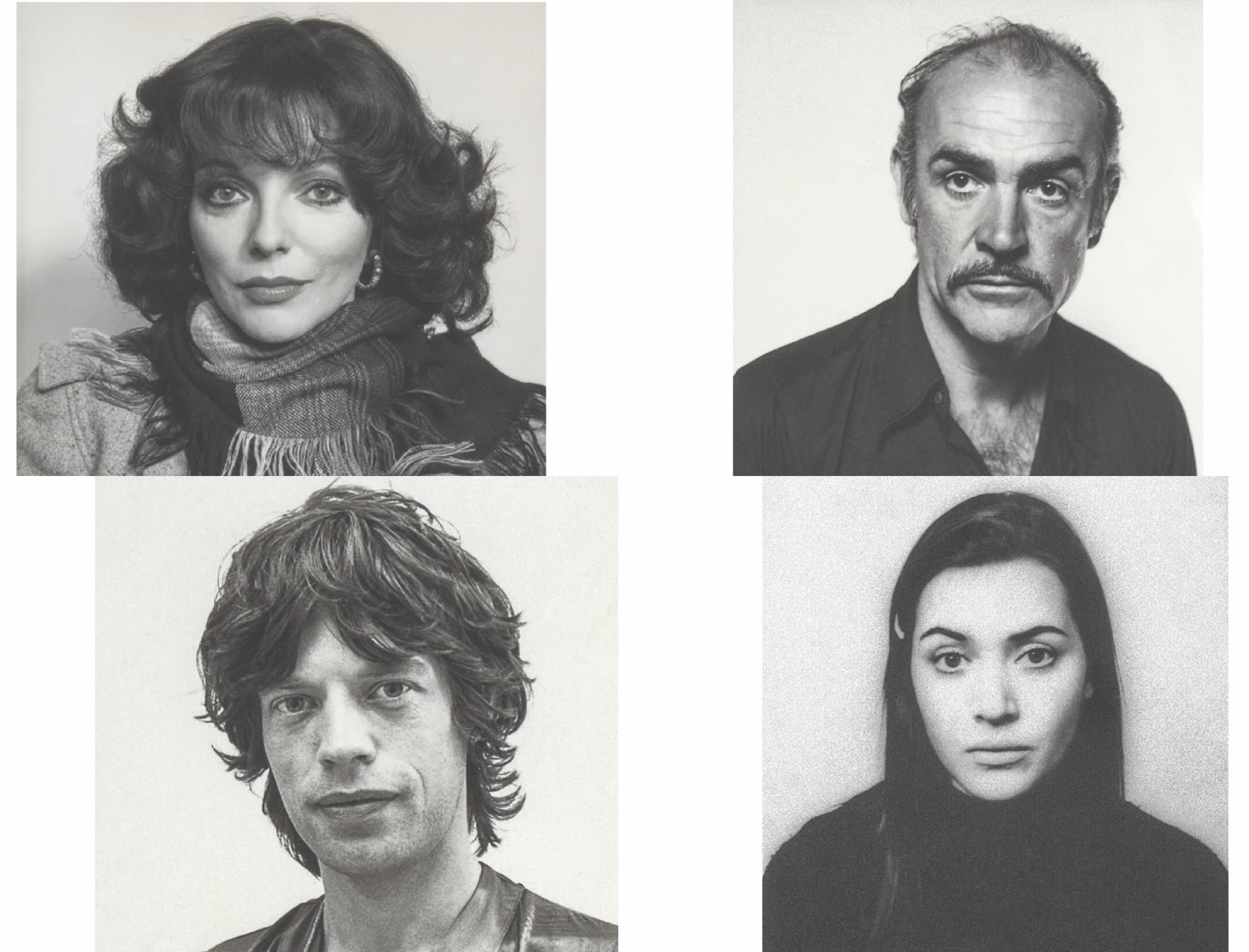
Philip Sharkey, the eye behind celebrity passport photos: ‘They came without assistants or makeup artists, they were simply themselves’

There is a type of photograph that can disarm even the most photogenic subject: the passport photo. That small, no‑frills portrait levels everyone — anonymous and well‑known, rich and poor, beautiful and not so much. Everyone needs one at some point and submits to the same ritual: sitting up straight before the flash with an expression as neutral as the backdrop behind them. Some people come out unscathed; others feel the image doesn’t represent them.

Seguir leyendo

© Phaidon Press

Above, a passport photo of Joan Collins taken in 1979 and of Sean Connery in 1982. Below, a photo of Mick Jagger taken in 1976 and one of Kate Winslet in 1997.
  •  

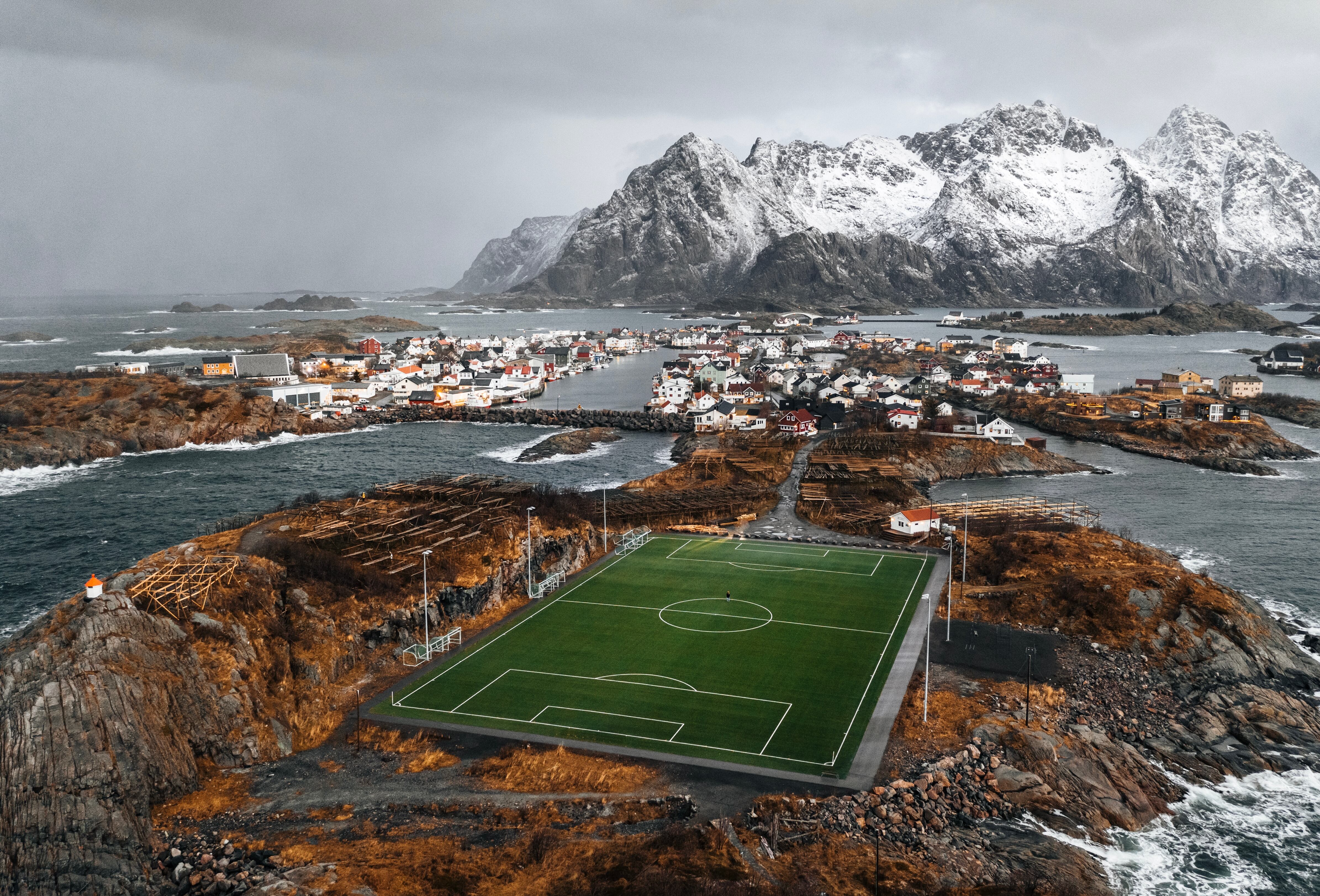
From the Bernabéu to Greenland: 10 iconic and unique football stadiums

It all began on the shores of the English Channel. John Gillard remembers himself at just 11 years old, walking along the path that led away from the sea, through a sea of ​​blue and white shirts, scarves, and flags, to the austere and venerable Goldstone Ground, in the heart of the town of Hove. In that century-old stadium, demolished in 1997 and now replaced by a shopping center, Brighton & Hove Albion, the legendary Seagulls, the pride of Sussex, the team of Gary Stevens and Gordon Smith, played their matches.

Seguir leyendo

© Shutterstock

The Hennigsvaer stadium in Norway is located on the island of Hellandsoya, beyond the Arctic Circle.
  •  

United States to revoke passports of parents with child support debts

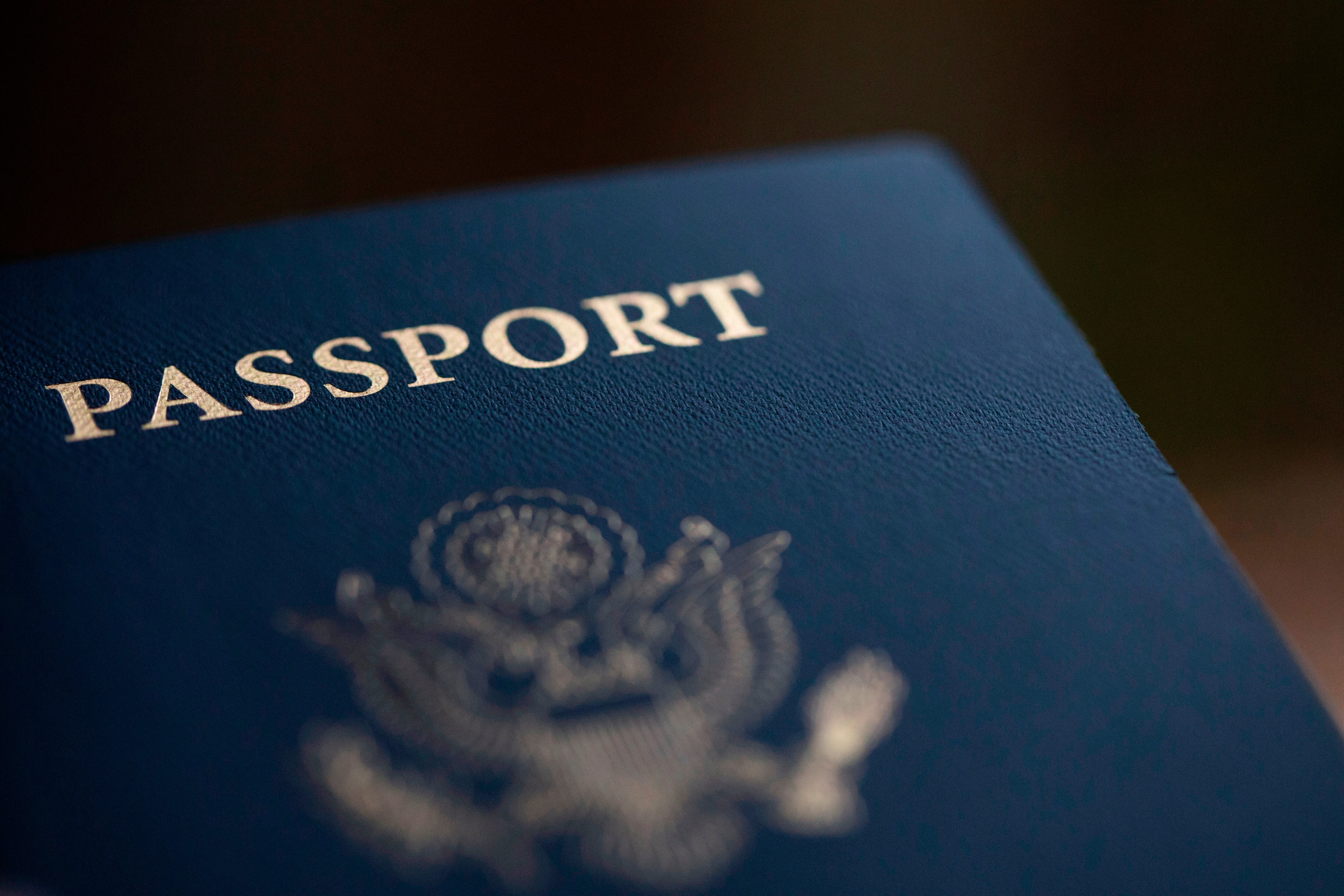
Parents who fail to pay child support will face significant penalties. The U.S. Department of State will begin revoking the passports of citizens with significant child support debts, as part of a policy the Trump administration introduced as an effort to strengthen enforcement of federal laws and compel those with overdue payments to catch up.

Seguir leyendo

© Jenny Kane (AP)

A U.S. passport.
  •  

Trump administration begins declassifying documents on UFOs and ‘extraterrestrial life’

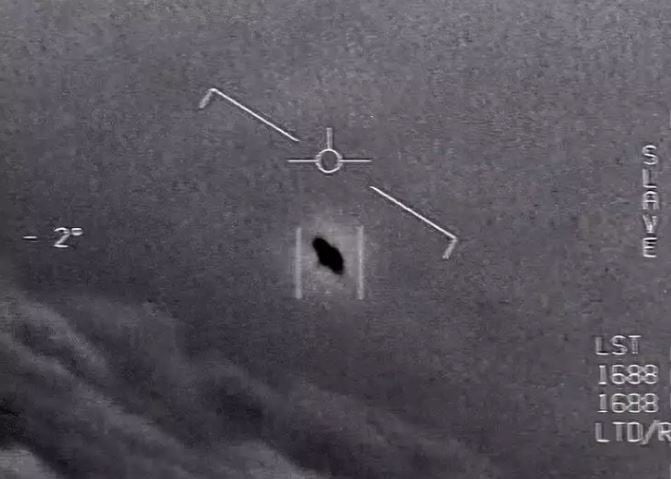
The Department of Defense began on Friday to comply with President Donald Trump’s order to release documents held by the U.S. government containing information on Unidentified Aerial Phenomena (UAP). This first declassification includes dozens of PDF documents and images — but no sensational revelations about the existence of extraterrestrial life. Authorities have uploaded these files to a department website, war.gov/ufo, a URL that uses the classic designation UFO (Unidentified Flying Object), which has been superseded in recent years in the fields of defense and science due to the popular connotations of the acronym. Materials will be uploaded on a weekly basis, authorities have promised.

Seguir leyendo

© US DEPARTAMENT OF DEFENCE (Europa Press)

Image taken from a 2015 video, held by the Department of Defense.
  •  

Iyad Ag Ghali, the most wanted jihadist in the Sahel, is making Mali tremble

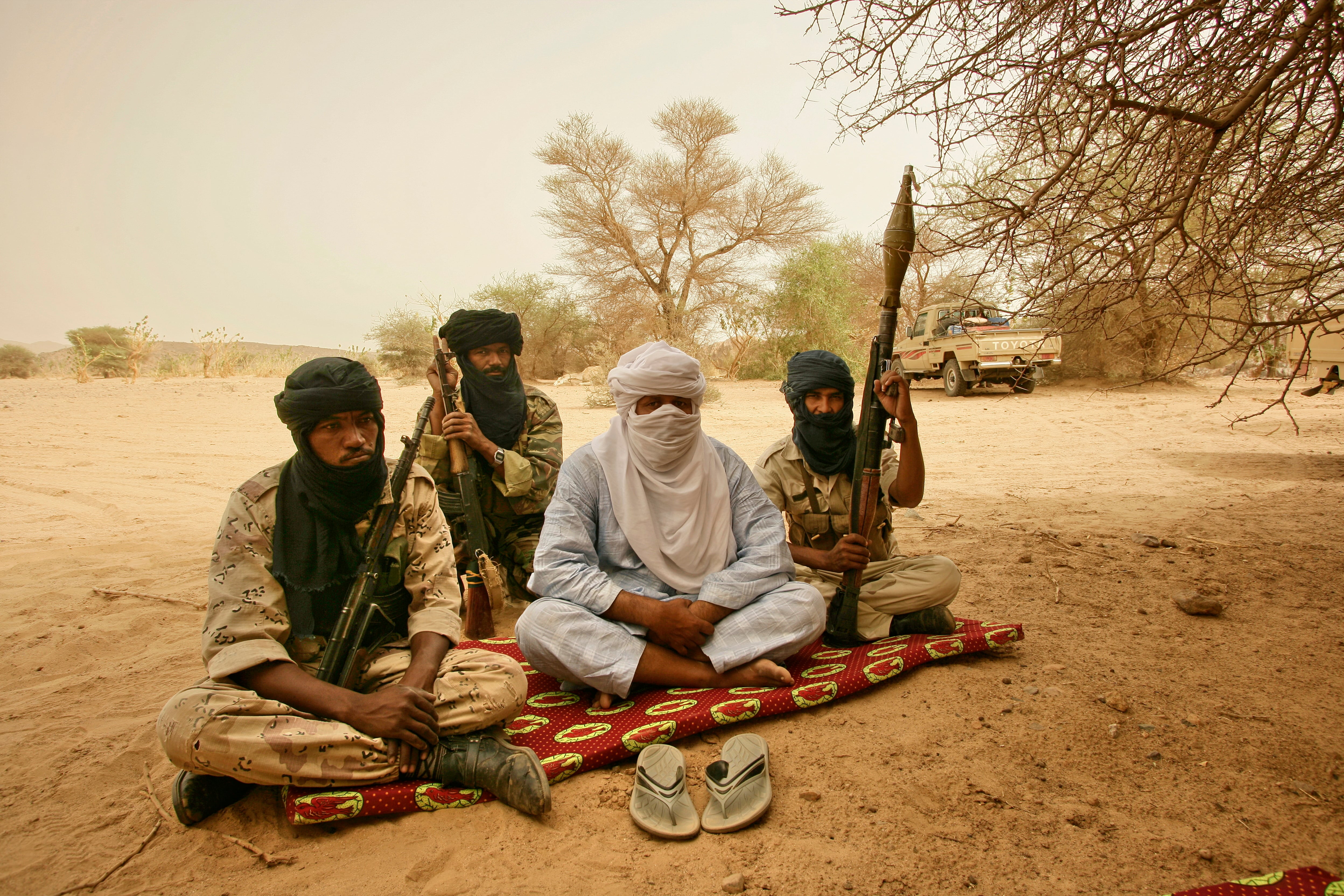
Mali is under siege by two insurgent movements, the Tuareg rebellion and the jihadist insurgency, which have joined forces with the aim of overthrowing the government. Following last weekend’s joint offensive, which cost the life of the military junta’s Minister of Defense Sadio Camara, the jihadists have imposed a blockade on the capital, Bamako, attempting to prevent the entry of goods and people via the main roads. In the north, Kidal, a perpetually contested city, has fallen into rebel hands. The architect of this alliance is none other than Iyad Ag Ghali, the leader of the Support Group for Islam and Muslims (Jama’at Nusrat al-Islam wal-Muslimin, JNIM), who has spread the jihadist threat throughout the central Sahel and whose life story could easily fill a novel.

Seguir leyendo

© Patrick Robert - Corbis (Corbis via Getty Images)

Iyad Ag Ghali, in white, in a picture taken in July 2006 in an undetermined location.
  •  
❌