Suit filed in US alleges chatbot told Alice Carrier, 24, ‘maybe this is just the end’ as she struggled with suicidal thoughtsA Canadian mother sued OpenAI and its CEO, Sam Altman, in US court on Thursday, alleging that ChatGPT encouraged her daughter to kill herself. The lawsuit is the latest in a slew accusing the company of failing to address dangerous conversations between users and the company’s chatbot.Kristie Carrier said in a lawsuit filed in San Francisco state court that her daughter, A
Suit filed in US alleges chatbot told Alice Carrier, 24, ‘maybe this is just the end’ as she struggled with suicidal thoughts
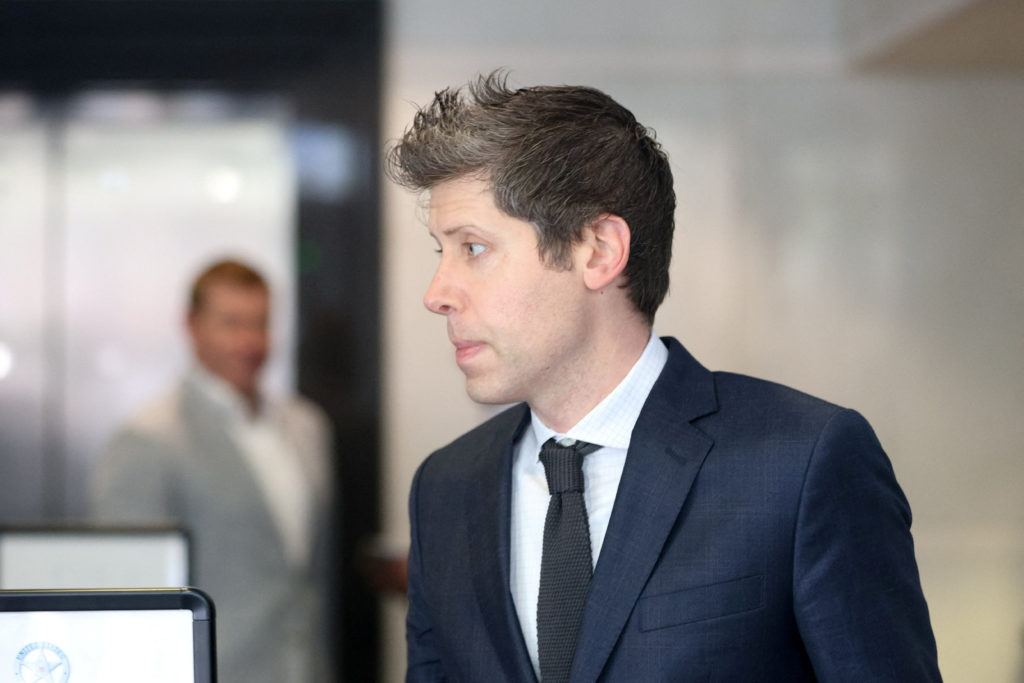
A Canadian mother sued OpenAI and its CEO, Sam Altman, in US court on Thursday, alleging that ChatGPT encouraged her daughter to kill herself. The lawsuit is the latest in a slew accusing the company of failing to address dangerous conversations between users and the company’s chatbot.
Kristie Carrier said in a lawsuit filed in San Francisco state court that her daughter, Alice, told ChatGPT about her suicidal ideations more than a dozen times leading up to her death but that OpenAI’s safety systems never flagged the conversations for human review or terminated them.
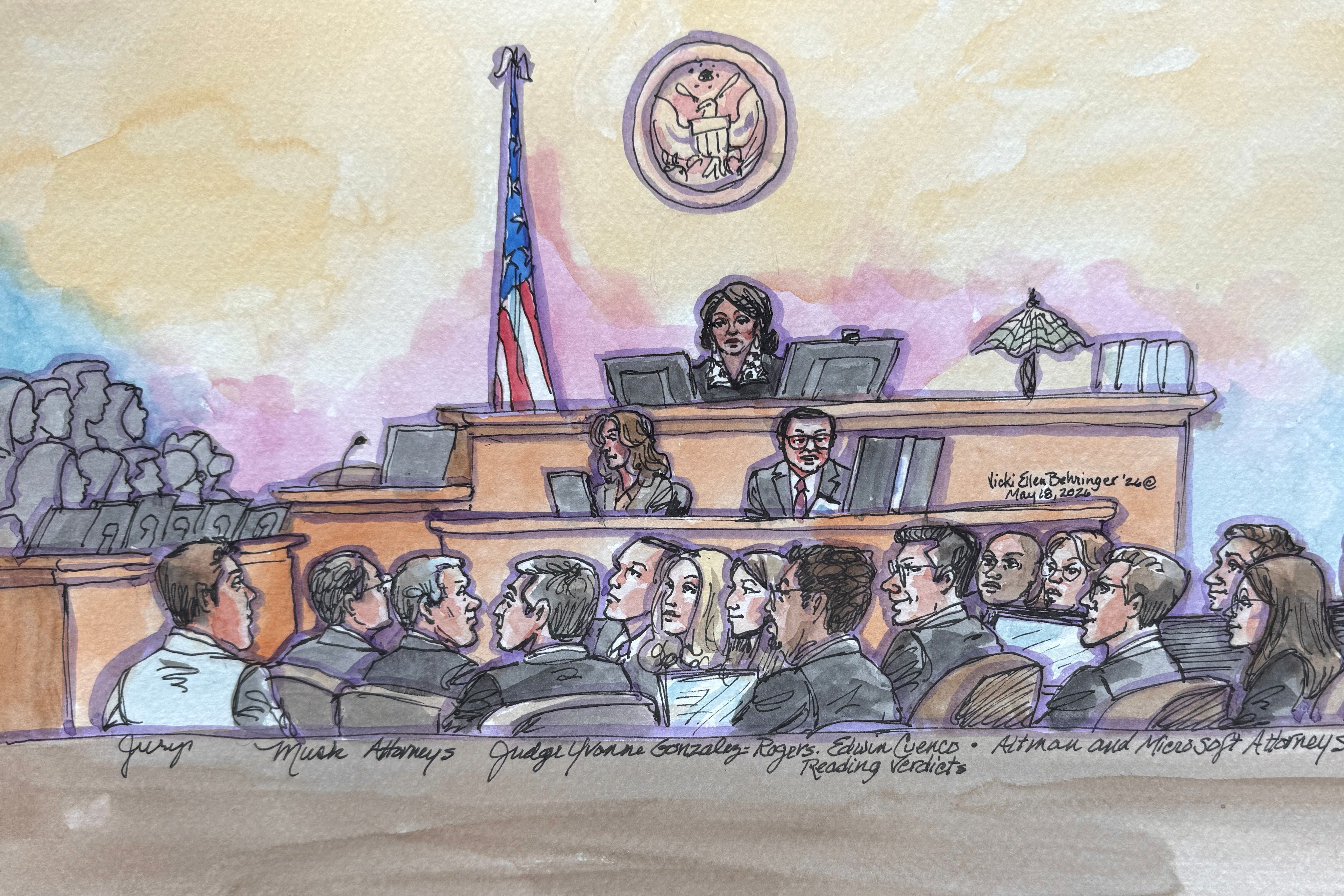
The biggest trial over artificial intelligence of the century has ended quietly, with very little fanfare. Elon Musk lost, and OpenAI won easily. Above all, because the jury found Musk’s lawsuit had been filed too late. It was barred by the statute of limitations. Neither the jury nor the judge went on to assess Musk’s complaint. It’s as if the World Cup final never gets played because one team can’t show up: someone is declared the winner, but no one knows whether they actually deserved it. The
The biggest trial over artificial intelligence of the century has ended quietly, with very little fanfare. Elon Musk lost, and OpenAI won easily. Above all, because the jury found Musk’s lawsuit had been filed too late. It was barred by the statute of limitations. Neither the jury nor the judge went on to assess Musk’s complaint. It’s as if the World Cup final never gets played because one team can’t show up: someone is declared the winner, but no one knows whether they actually deserved it. These are the key takeaways:
The lawsuit claims the company deployed a product that facilitates and encourages harm, including self-harm and violence, while falsely assuring users it was safe.
The lawsuit claims the company deployed a product that facilitates and encourages harm, including self-harm and violence, while falsely assuring users it was safe.
Prepare to be scanned. Taking a flight without a boarding pass, traveling without a passport, or entering a hotel room without keys or cards is becoming increasingly likely. Tech companies dream of facilitating these “seamless journeys” through biometrics, which uniquely identifies people based on their individual biology. And whoever controls the biometric system will control a significant part of the future tourist experience, becoming a key supplier for infrastructure operators (and governmen
Prepare to be scanned. Taking a flight without a boarding pass, traveling without a passport, or entering a hotel room without keys or cards is becoming increasingly likely. Tech companies dream of facilitating these “seamless journeys” through biometrics, which uniquely identifies people based on their individual biology. And whoever controls the biometric system will control a significant part of the future tourist experience, becoming a key supplier for infrastructure operators (and governments).
Eliezer Yudkowsky, 46, and Nate Soares, 37, are convinced that if artificial intelligence (AI) systems continue to improve, they will eventually surpass human capabilities. And when that happens, humanity will go extinct. They argue this could occur in a matter of months or within a decade. The title of their latest book is blunt: If Anyone Builds It, Everyone Dies: Why Superhuman AI Would Kill Us All (Little, Brown & Co).Seguir leyendo
Eliezer Yudkowsky, 46, and Nate Soares, 37, are convinced that if artificial intelligence (AI) systems continue to improve, they will eventually surpass human capabilities. And when that happens, humanity will go extinct. They argue this could occur in a matter of months or within a decade. The title of their latest book is blunt: If Anyone Builds It, Everyone Dies: Why Superhuman AI Would Kill Us All (Little, Brown & Co).
With a blistering lawsuit filed Monday, the state of Florida may succeed where Elon Musk failed in bringing OpenAI and Sam Altman to heel. “Today, we announced the first-in-the-nation state-led lawsuit against OpenAI and its CEO, Sam Altman,” Florida Attorney General James Uthmeier said this morning after filing an 83-page complaint in the Sunshine State’s […]
With a blistering lawsuit filed Monday, the state of Florida may succeed where Elon Musk failed in bringing OpenAI and Sam Altman to heel. “Today, we announced the first-in-the-nation state-led lawsuit against OpenAI and its CEO, Sam Altman,” Florida Attorney General James Uthmeier said this morning after filing an 83-page complaint in the Sunshine State’s […]
 Login
Login