Reading view

Pigeons use their livers to sense Earth’s magnetic field

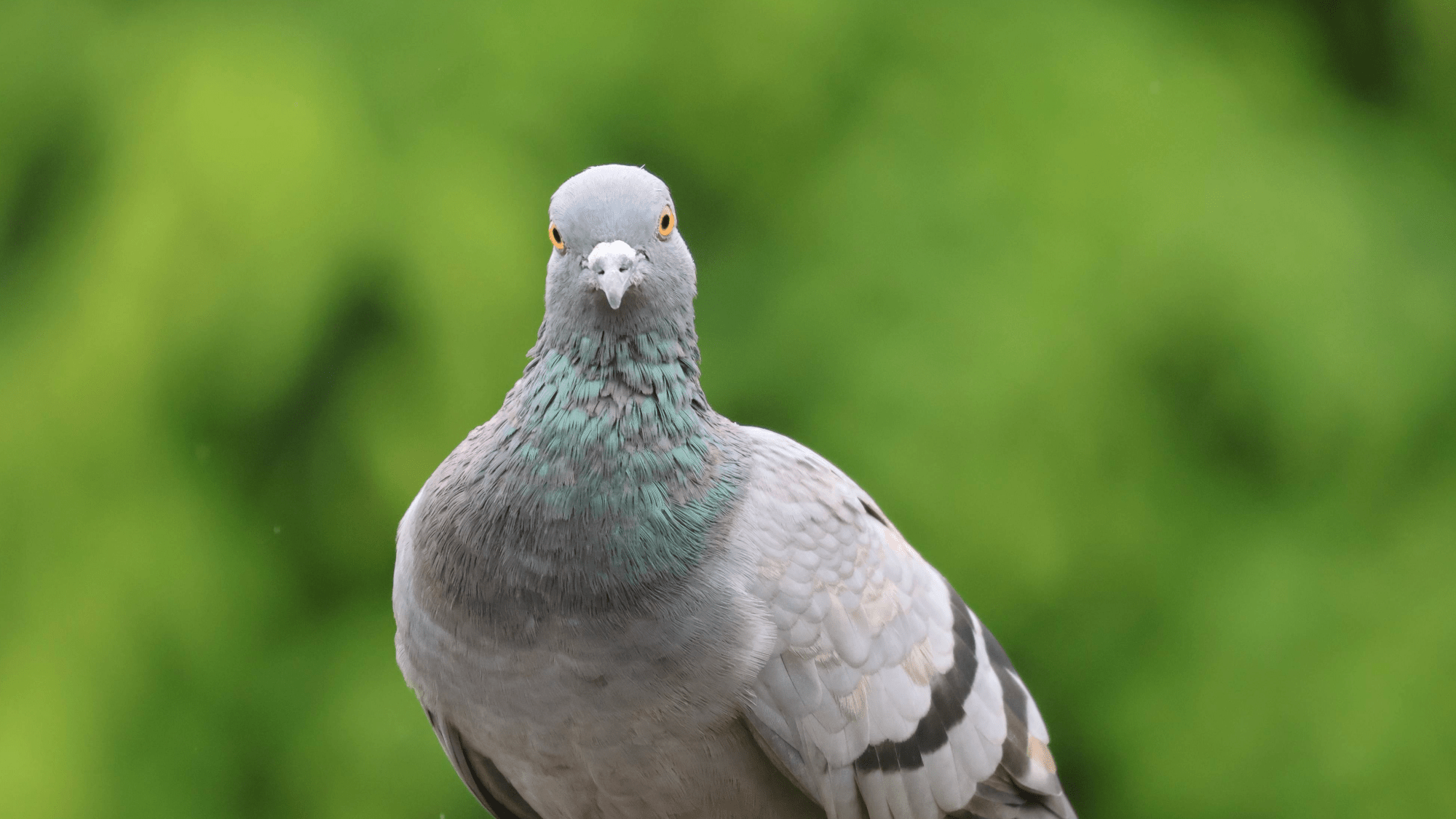
For decades, scientists have known that Earth’s magnetic field helps migratory birds and homing pigeons navigate. Just how our feathered friends sense the invisible sphere around the Earth, however, has been less clear. 

At least part of the answer appears to be hiding inside a seemingly random organ. Immune cells inside pigeon livers called macrophages are sensitive to the planet’s magnetic field. These cells function like an internal compass, according to a new study published today in the journal Science

Macrophages destroy old red blood cells, which makes them accumulate iron. The iron makes the macrophages  superparamagnetic, a kind of magnetism that takes place in particular nanoparticles. The nanoparticles can then be magnetized if a magnetic field is applied to them. 

“When pigeons fly, the nanoparticles align with the magnetic field and become ‘magnetized,’” Clivia Lisowski, a co-author of the study and a post-doctoral researcher in Immunology at the University of Bonn, tells Popular Science. “Like that, pigeons can sense Earth’s magnetic field.”
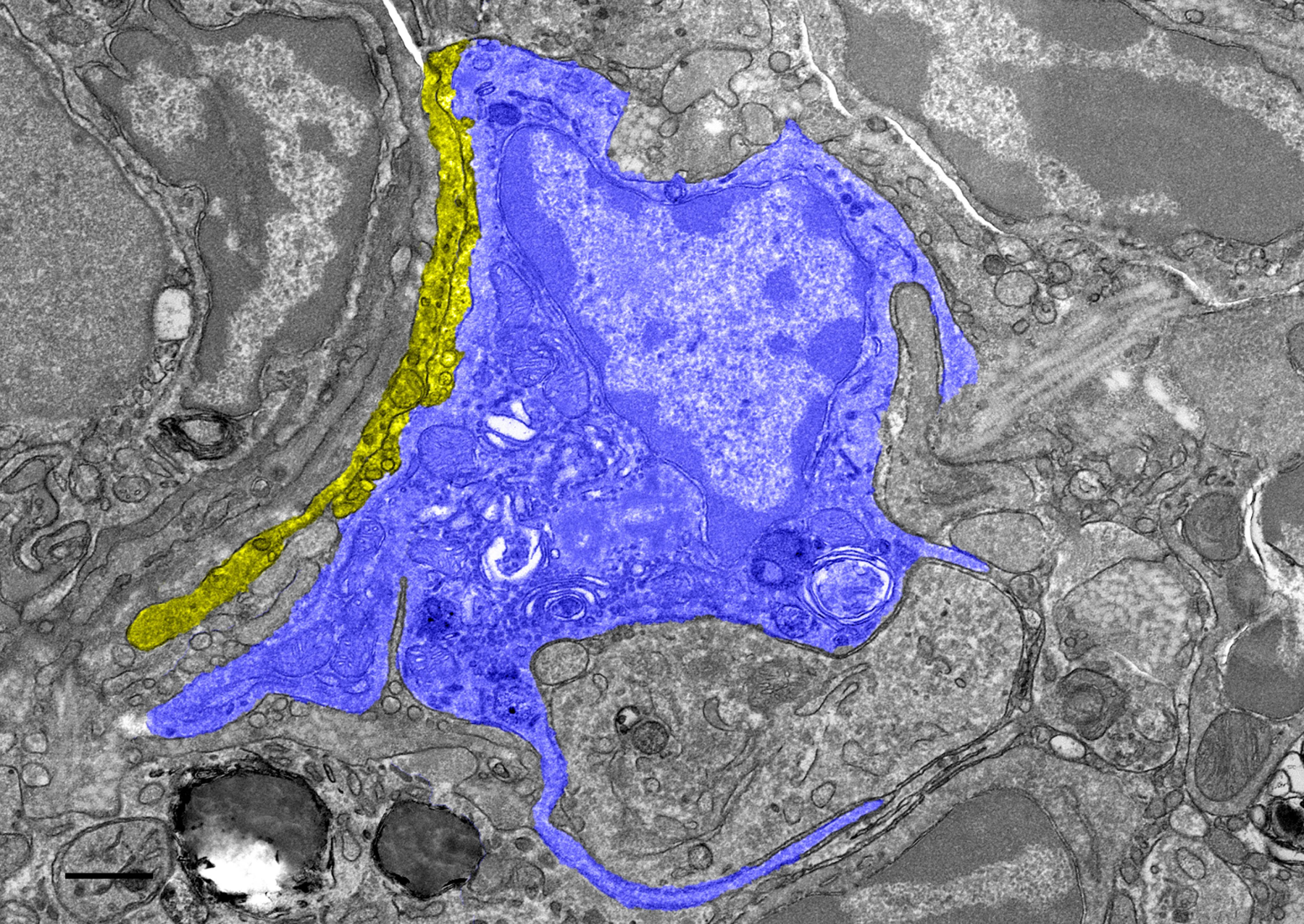
Electron microscopy image of pigeon liver tissue shows hepatic macrophage (blue) in contact with nerve fiber (yellow), which enables them to transmit (“magnetic”) information to the pigeon brain. Image: Lisowski et al. (2026) Science.

To understand how these particles help the pigeons navigate, Lisowski and her team tracked down where magnetic cells are in pigeons’ bodies. Because the liver and spleen store significant quantities of iron, researchers thought these might be good candidate organs. The  liver had a significantly stronger magnetic response than any of the other tissues in the study, according to study co-author Ulf Wiedwald, an expert in nanoscience at the University of Duisburg-Essen in Germany, 

From there they homed in on macrophages, and put these important immune cells  to the test. They studied  pigeons that were trained to fly back to their aviary in Konstanz, Germany, from over 12.4 miles away. Pigeons whose macrophages had been removed got lost when the weather was overcast. But when the sun was out, the pigeons reached the aviary, probably with the aid of solar cues. 

The findings show  how the birds employ magnetic sensing to find their way, as well as the sun’s orientation. 

“Our study has implications for both the immune research landscape as well as for research on animal navigation or magnetoreception, respectively. For animal navigation it’s a new concept of how animals sense/perceive Earth’s magnetic field,” Lisowski says. “We think that this ferrimagnetic mechanism can actually explain how birds migrating at night, or sharks or bats or other animals migrating in dark environments can perceive Earth´s magnetic field.”

The team also found that the iron-rich macrophages are close to nerve fibers, indicating that magnetic information can get to the brain via this route. Ultimately, this shows how important  interdisciplinary research, involving immunologists, behavioral biologists, and physicists, carries  significance for more than just birds. 

As for the immune system, Lisowski explains that to accomplish its different fuctions—such as defending our bodies from pathogens and healing wounds—it has to sense the environment.

“Our finding that the immune system can also sense the Earth´s magnetic field is a complete new layer in this concept of ‘immuno-sensation’ and opens the door to new research,” Lisowski explains. 

The post Pigeons use their livers to sense Earth’s magnetic field appeared first on Popular Science.
  •  

Orangutan poop holds surprising clues about how long they breastfeed

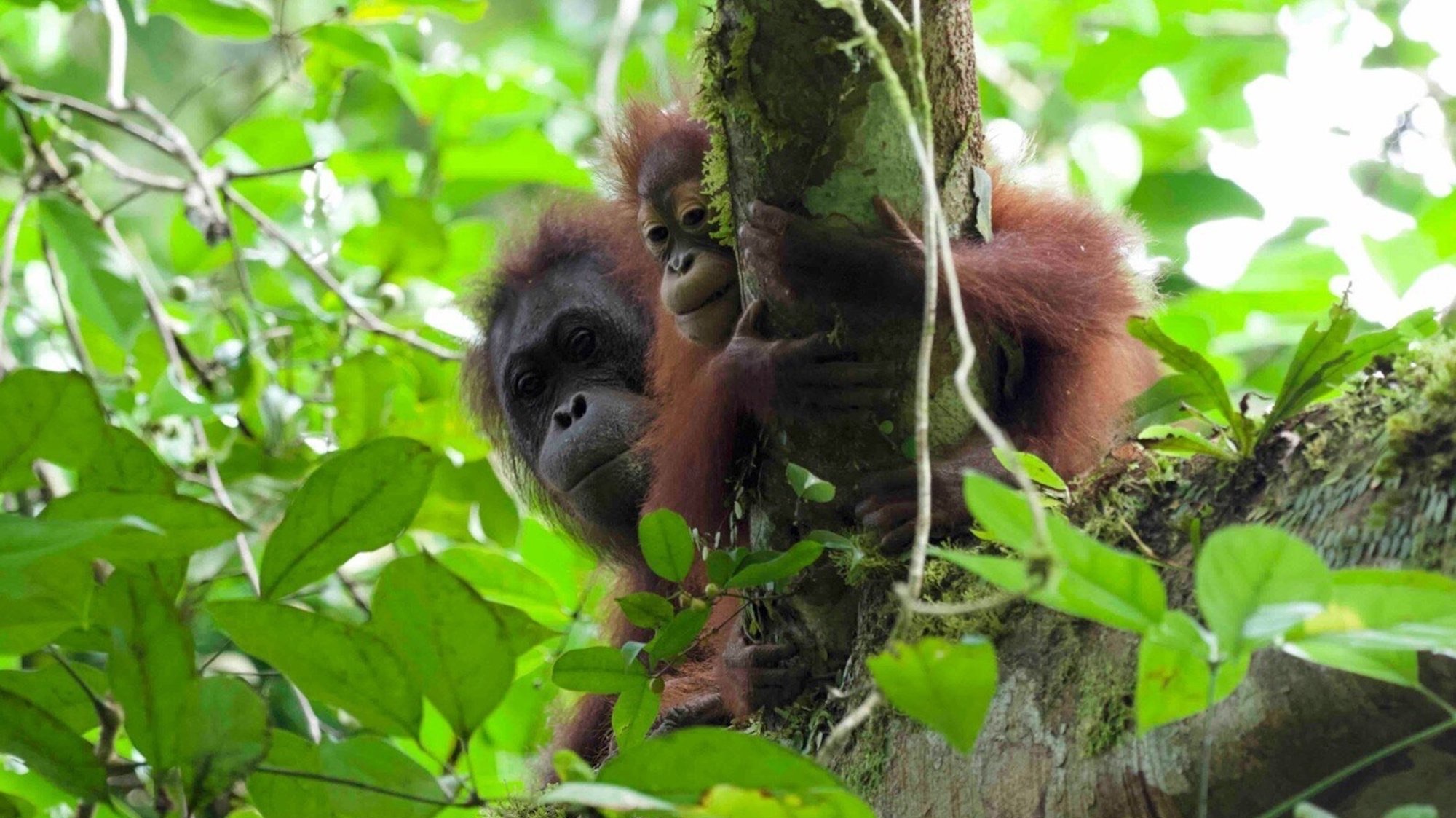
How do you determine how many months or years animal mothers nurse their babies? If you’re not in a rush and can observe this dynamic, you could supposedly stick around to see when the baby, mother, or both decide that they’re done. However, that could take years. A team of researchers investigating breastfeeding in orangutans recently opted for a different, perhaps surprising strategy—searching for particular proteins in poop. 

In a preliminary study published in the journal Communications Biology, researchers searched for milk‑specific proteins in the feces of wild Bornean orangutans (Pongo pygmaeus) living in the Danum Valley Conservation Area, in the Malaysian part of the island of Borneo. These proteins prove that he or she is continuing to drink breast milk.The practice of recognizing particular proteins in feces is called fecal proteomics and it can help scientists better understand what animals are consuming.

“Orangutans have a slow life history with one of the longest interbirth intervals and the lowest reported infant mortality rates among primates or even mammals,” the team wrote in the study. “Breastfeeding is a key factor in their life history because it possibly promotes offspring health and increases maternal interbirth intervals.”

The team gathered fecal samples for over two and a half years, and found milk‑specific proteins in all the 20 samples from orangutans less than six and a half years old. This indicates that the young great apes were continuing to breastfeed until they were at least that age. 

According to the team, these results are “consistent with the behavioral evidence as having one of the longest breastfeeding periods in mammals.”

What’s more, “milk intake was significantly correlated with higher levels of biological defense and probiotic bacterial proteins.”

In other words, the more milk a young orangutan drinks, the more probiotic intestinal bacteria it has and the sturdier its biological protections are. Such consistent and enduring breastfeeding probably helps the very high survival of orangutan babies and plays a role in their slow reproductive approach. 

Unfortunately, Bornean orangutans are critically endangered, and the paper highlights why their populations don’t rebound quickly after a decrease. Safeguarding what’s left of their rainforest habitats is crucial. 

The post Orangutan poop holds surprising clues about how long they breastfeed appeared first on Popular Science.
  •  

Pregnant gorillas undergo ultrasounds and the results might look familiar

When Sachita Shah sent her cardiologist brother an ultrasound of her patient’s heart, he was very confused. The heart was huge, and the left ventricle incredibly muscular. His confusion was warranted, as the ultrasound was not of a human heart. It belonged to another primate—a gorilla. Shah, emergency physician and VP of Global Health at medical equipment manufacturer Butterfly Network, tells Popular Science that if she had shown an ultrasound of a gorilla fetus to a radiologist, they would have assumed it was a human baby. 

Shah is on the gorilla care team currently looking after Jamani and Olympia, two western lowland gorillas (Gorilla gorilla gorilla) mothers at Woodland Park Zoo in Seattle, Washington. Jamani gave birth on Monday May 18, and Olympia is expected to deliver her new baby imminently. Shah and her colleagues’s work involves conducting ultrasounds of Jamani and Olympia’s baby bump—though now probably just Olympia’s—to keep an eye on the baby’s growth and position. 

“We got a really pretty baby face,” Shah says, speaking of the ultrasounds. “We could see nose and lips and fetal breathing movements and heartbeat and drinking fluid, opening mouth and swallowing. For all intents and purposes, it was very much the same [as a human baby].” 

The endangered gorilla mothers were trained to take part in the exams and procedures conducted by the gorilla care team, and they could choose whether to participate or not. The gorillas put their bellies against the edge of the enclosure for the scan (and received snacks), where there is a small opening through which the care team can reach through with the ultrasound probe. 

As such, the zoo needed a small and portable imaging device. That’s where Butterfly Network and their all-in-one ultrasound probe came in. 

“When you think of an ultrasound, you might think of a big cart with lots of different probes—a different probe if you wanted to do a pregnancy scan, or a heart scan, or a pediatric scan might have a tiny probe,” Shah says. 

Instead, the Butterfly probe they use at Woodland Park Zoo is a handheld ultrasound that plugs into a smart phone. It is around as big as an electric shaver, and it functions with a number of different softwares for either veterinarian or human health use. Notably, an app allows the team to use it for different types of scans—from a pregnant gorilla to a child’s lungs—that would traditionally require distinct probes and machines. 

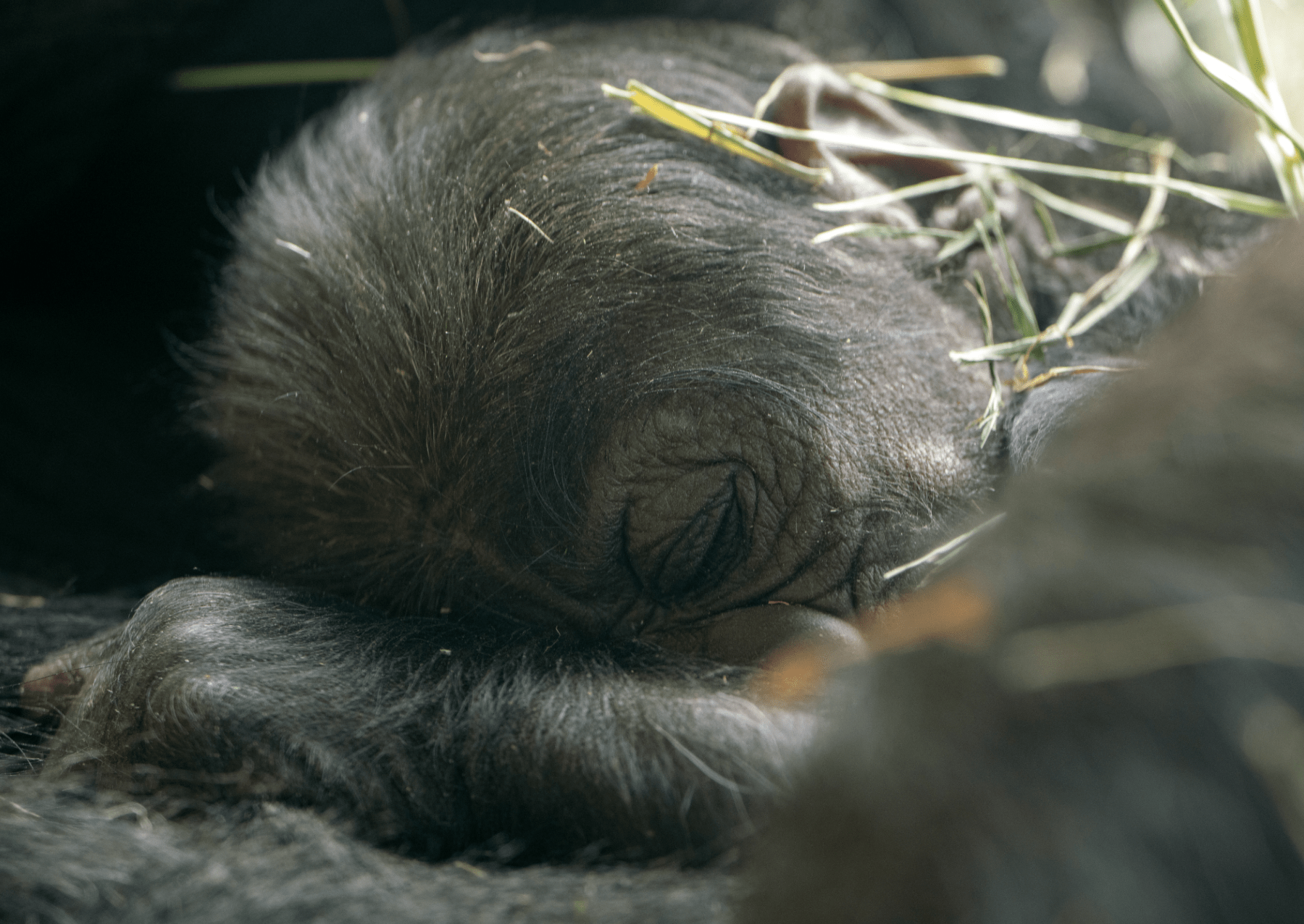
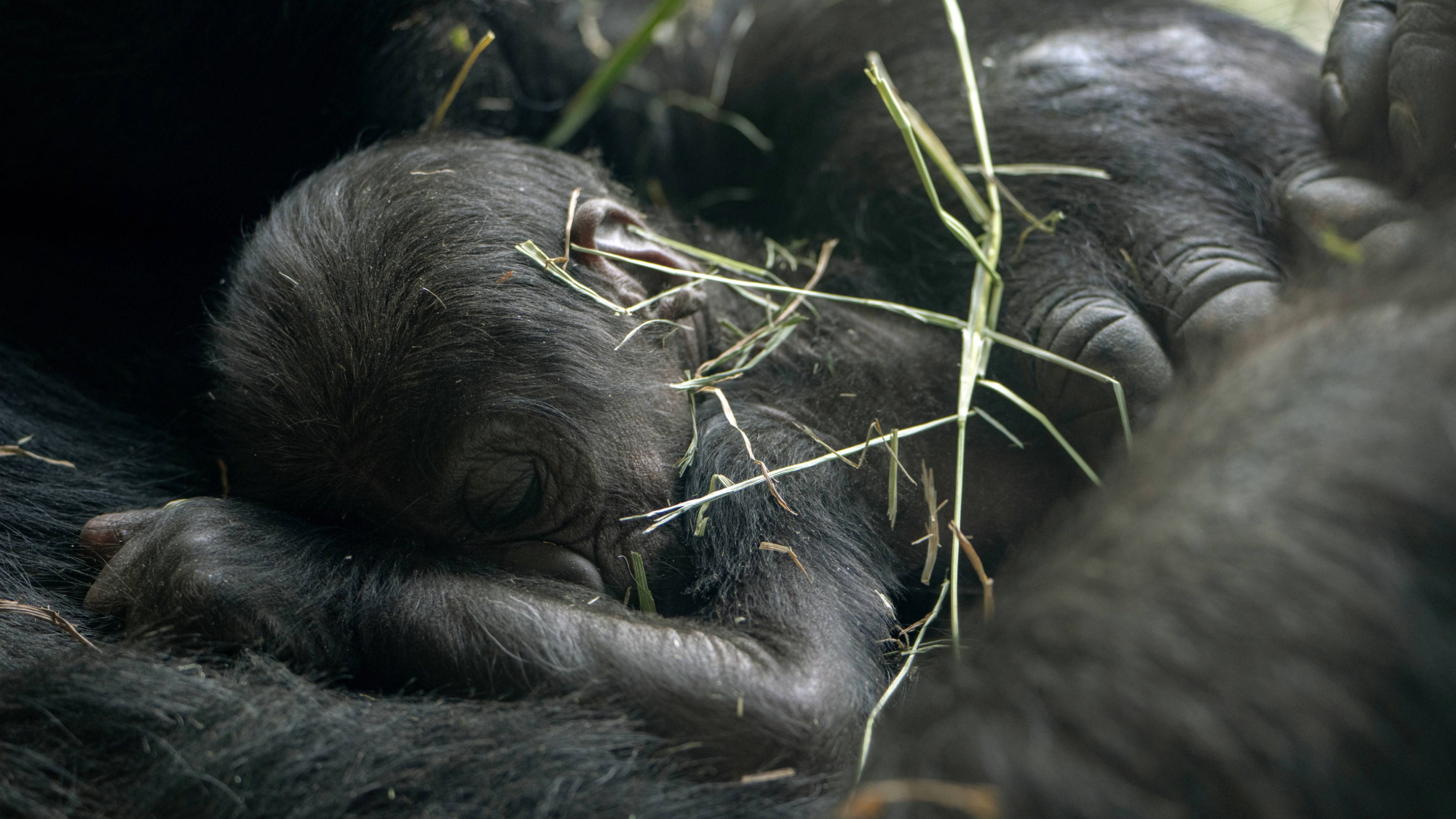
a sleeping baby gorilla
Jamani’s baby was born on May 18 at 5:50 a.m. Image: Jeremy Dwyer-Lindgren / Woodland Park Zoo.

Shah and her colleagues also used the Butterfly ultrasound device to scan the heart of Nadaya, the silverback gorilla father of both babies. In fact, the heart ultrasound Shah sent to her brother belonged to Nadaya.  They used human software for that scan, even though their vet software is optimized for fur. Fortunately, Nadaya’s chest isn’t very furry. 

Shah, who has gone through a pregnancy herself, was most moved by working with the gorilla mothers. 

“We could tell the baby’s head had dropped and we thought, ‘oh man, she must be so uncomfortable.’ And she was waddling and walking a little differently. I was like, ‘oh, I remember that, girl.’ It was just amazing to remember that we’re all connected in that way,” she says. 

Western lowland gorillas are critically endangered, so babies are always excellent news.

UPDATE May 27 8:19 a.m EDT

On Sunday, May 24, at 1:44 p.m. PDT, Olympia’s baby was delivered by an emergency C-section performed by a medical team who typically works on humans. This 5.4-pund boy is the western lowland gorilla’s second baby.

The post Pregnant gorillas undergo ultrasounds and the results might look familiar appeared first on Popular Science.
  •  

It’s baby season at Yellowstone National Park

Even though many parts of the northeastern United States have seen surges of summer temperatures, it’s technically still spring in the Northern Hemisphere, which means many animals are having babies. 

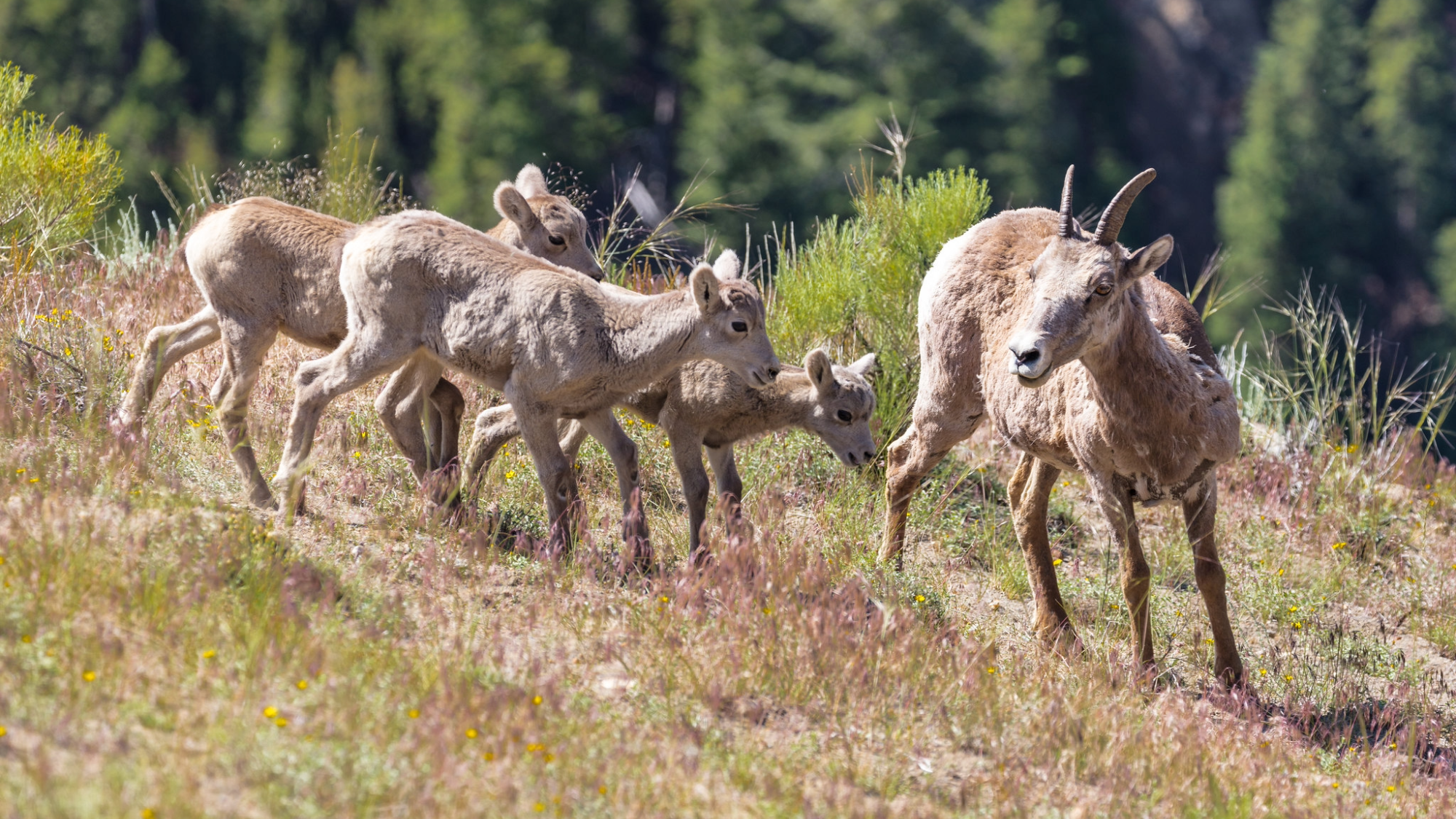
That’s true also at Yellowstone National Park, which is home to everything from moose and black bears to river otters and gophers. In a recent social media post, the popular park highlighted some particularly adorable young’uns, including a young bison, black bear, yellow-bellied marmot, three bighorn sheep, an elk, and two pronghorns.

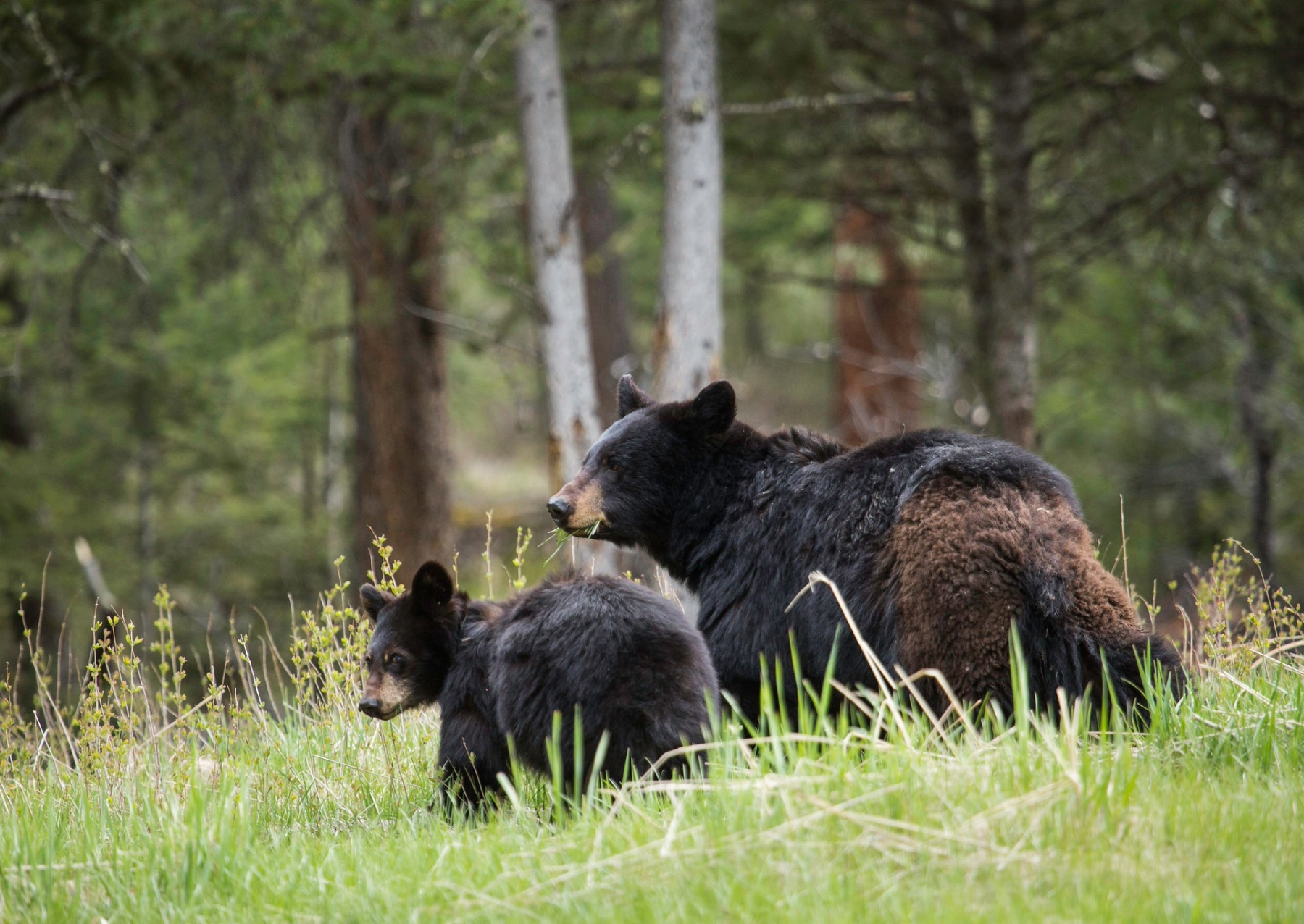
a mother black bear with a cub walking through tall grass
All of Yellowstone National park is considered bear country. Image: NPS.

“As cute and fuzzy as they are, remember to give wildlife room and use a zoom,” the park wrote. “Always maintain a distance of at least 100 yards (91 m) away from bears, wolves, and cougars and at least 25 yards (23 m) away from all other animals, including bison and elk. Get a closer look by using binoculars, a spotting scope, or zoom lens.” 

As always, listen to Yellowstone park rangers on this for your own well-being. However, if you run into a baby animal on its own in a more suburban or urban setting, it may be best to get  involved. For example, acting quickly is best with baby opossums (Didelphis virginiana) and baby squirrels.

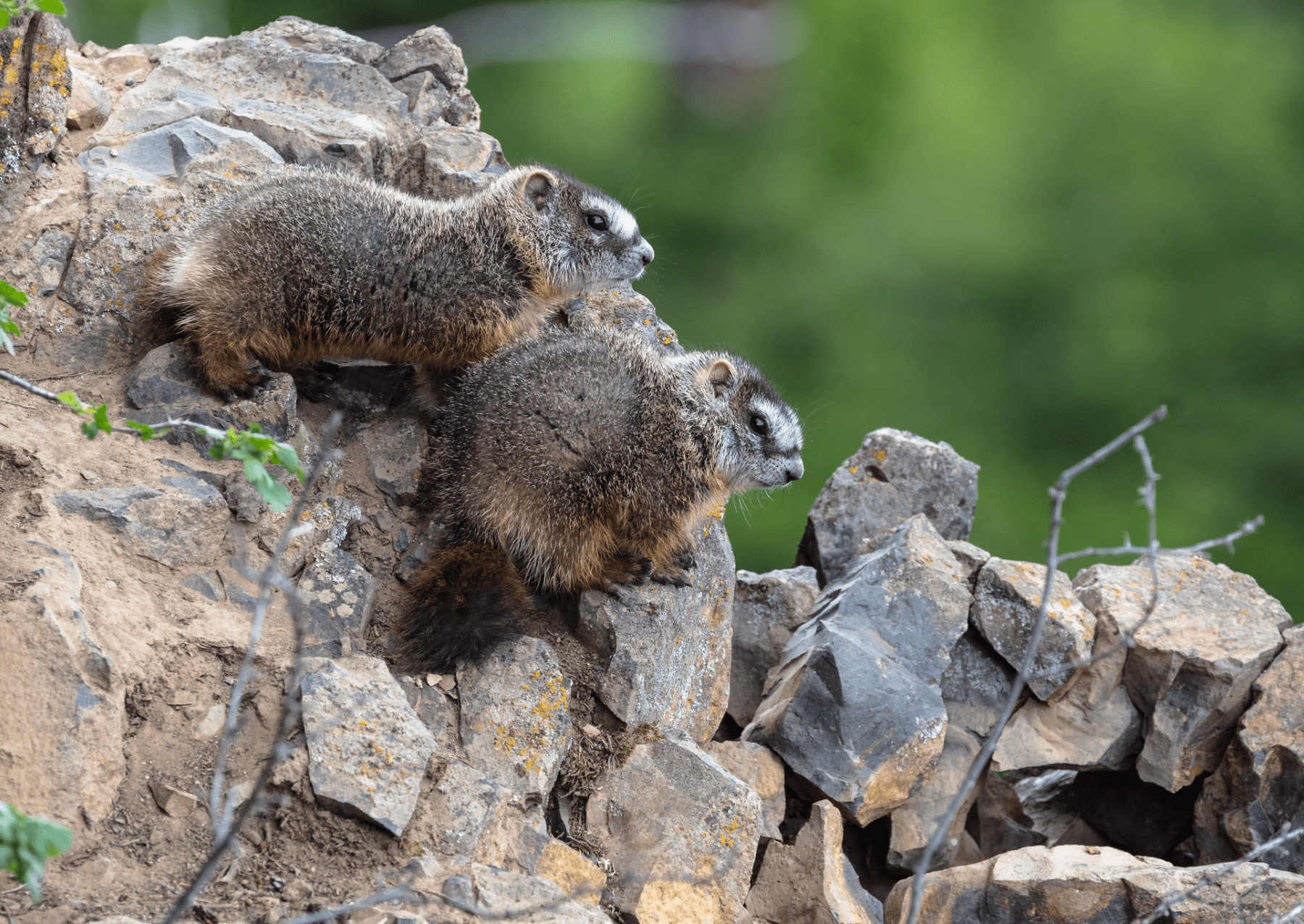
two rodents on rocks
Yellow-bellied marmots are one of Yellowstone’s largest rodents. Image: NPS.

Opossums are pretty lousy mothers. It’s typically not possible to reunite baby opossums with their mothers, because when they fall off her back, she usually continues on her way without them. If you find one or more opossum babies by themselves, call a wildlife hospital or a licensed wildlife rehabber. 

As for baby squirrels, they sometimes fall out of their nests. If you find one and 12 hours later the mother hasn’t come to get it yet, pick it up and call a wildlife rehabilitator, New England Wildlife Center Program Founder Greg Mertz has previously told Popular Science. A video by the same wildlife center has a hilariously wacky but serious tip: try to get a baby squirrel back to its mother by elevating it in a basket (to keep predators away) and playing baby squirrel noises from YouTube (to attract the squirrel mom).

Certainly do not try this with a bear cub. 

The post It’s baby season at Yellowstone National Park appeared first on Popular Science.
  •  

How you can help NASA (even if you failed math)

Attention creative souls! While NASA might feel like an exclusive den of scientists, engineers, and otherworldly athletes, the agency is reaching out to storytellers and artists via two new initiatives.

“As NASA pushes the boundaries of exploration and innovation for the benefit of humanity, the agency is looking for partners to share mission stories covering Artemis Moon missions, nuclear propulsion, aeronautics, and more,” NASA wrote in a press release. Since “journalists” aren’t mentioned in either of these calls for creatives, it would appear that NASA is seeking other means to keep people talking about its missions. 

Specifically, they are seeking proposals from creatives including documentarians, songwriters, storytellers, and poets for projects about missions including Artemis III in 2027 and Space Reactor-1 Freedom to Mars in 2028, among others. Proposals are due by the end of June.

NASA is also launching another creative initiative called Moon Joy June. 

“To keep the Moon Joy alive after the Artemis II mission, NASA is hosting a month-long art challenge on Instagram, Threads, and Tumblr. Each week during the month of June 2026, NASA will provide a prompt to inspire participants to make and share their artistic creations,” they explain in an FAQ page.

The prompts have already been released, so artists looking to participate can already start brainstorming. Week one’s prompt is “launch,” week two will be “moon,” week three will be “crew,” and week four will be “Earth.” 

A note to the competitive-minded—the agency highlights that Moon Joy June is not a contest but an art challenge, meaning there will be no prize. And as if it could get any worse for type-A people, participants don’t actually have to follow the prompts. It seems like we’re in for a free-for-all artistic takeover of the three social media platforms.

Non-traditional art forms like nail art and latte foam art are also welcomed. In NASA’s words, “The sky is (not) the limit!” 

The post How you can help NASA (even if you failed math) appeared first on Popular Science.
  •  

Watch adorable animals compete for best chewer in 2026 Crunch-a-Thon

Social media is widely considered to be bad for one’s mental health, at least anecdotally. However, it can have some positive impacts, such as videos of animals chewing food very loudly. What could possibly be better than a closeup of an animal’s snout as it crunches on a carrot? 

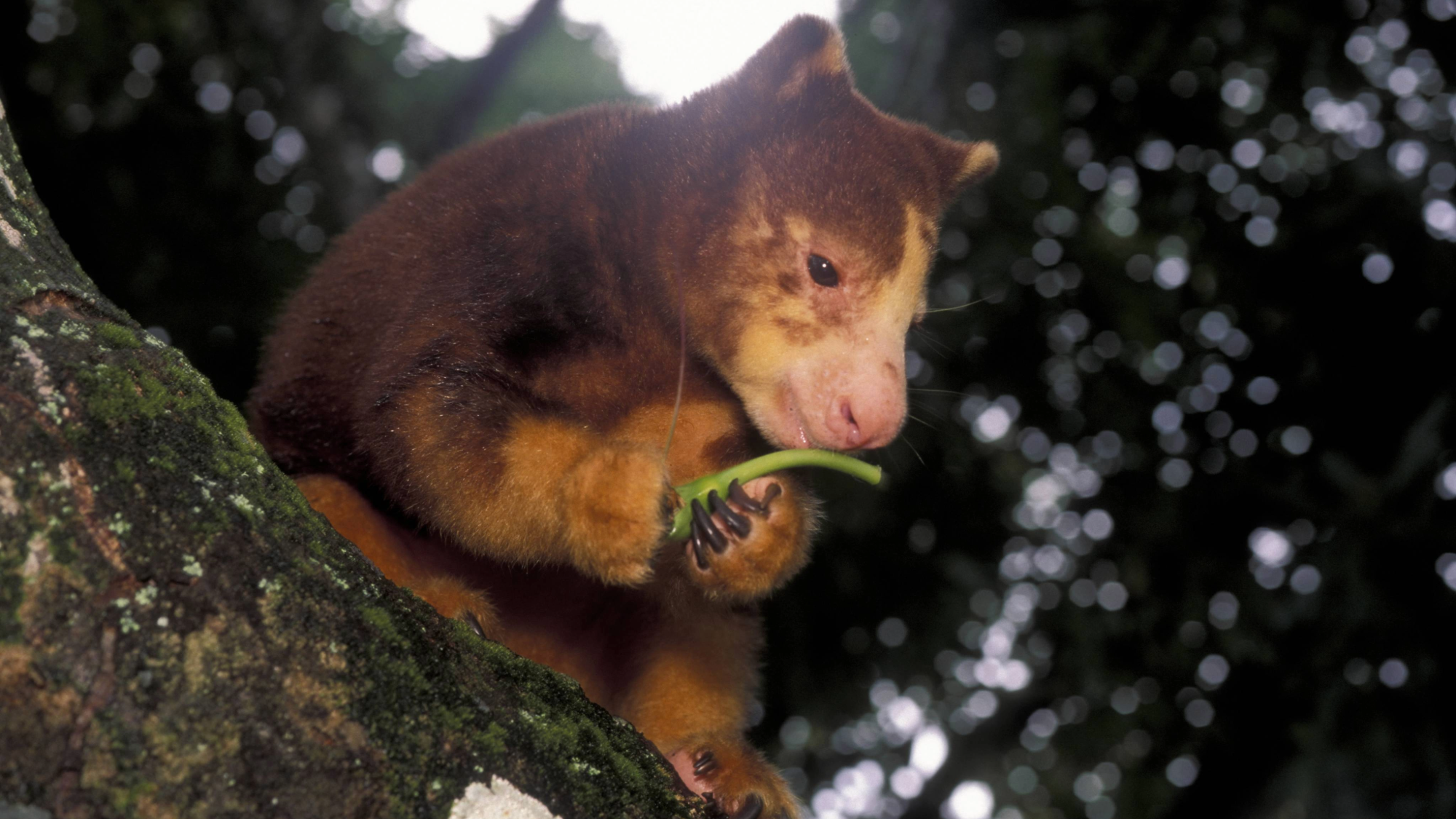
This week, zoos around the United States have been using social media to highlight one particularly cute muncher—tree kangaroos. Ahead of World Tree Kangaroo Day on May 21, conservation organization AZA SAFE (Saving Animals From Extinction): Tree Kangaroo of Papua New Guinea is inviting organizations working with tree kangaroos to compete in this year’s International Tree Kangaroo Crunch-a-Thon. 

In the aptly-named competition, participants posted videos on Instagram and/or Facebook of their tree kangaroo eating something. The competition categories are Most Likes, Most Views, and Judges’ Choice, and winners will be announced on May 17, Australian Eastern Standard Time. 

The organizers even provide crunchy food recommendations: bell peppers, celery, romaine hearts, snap peas, green beans, cucumbers, and zucchini—with the caveat that the last two vegetables might not have the best crunch. 

“In partnership with the AZA Tree Kangaroo SAFE program, we’re participating in the Tree Roo Crunch-a-Thon to help shine a spotlight on this endangered species,” reads a social media post by Roger Williams Park Zoo & Carousel Village featuring three munching, pink-nosed brown and white tree kangaroo. “Our Zoo is home to three Matschie’s tree kangaroos – a species of tree kangaroo native to the cloud forests of Papua New Guinea.”

Tree kangaroos are 14 species in the Dendrolagus genus, the sole arboreal kangaroo group. They are herbivorous marsupials with bushy tails, and usually have long arms and padded back feet. Tree kangaroos live in parts of Australia, Indonesia, and New Guinea’s rainforests. The Golden-mantled tree kangaroo (Dendrolagus pulcherrimus) is among the world’s most endangered mammals and only lives in a small area of Papua New Guinea. 

In the words of the Crunch-a-Thon organizers, “let the crunching begin!” 

The post Watch adorable animals compete for best chewer in 2026 Crunch-a-Thon appeared first on Popular Science.

  •  

61 new beetles discovered in China

As if we needed reminding, new research documenting dozens of previously unknown insect species highlights just how little we know about our fellow planet-dwellers. 

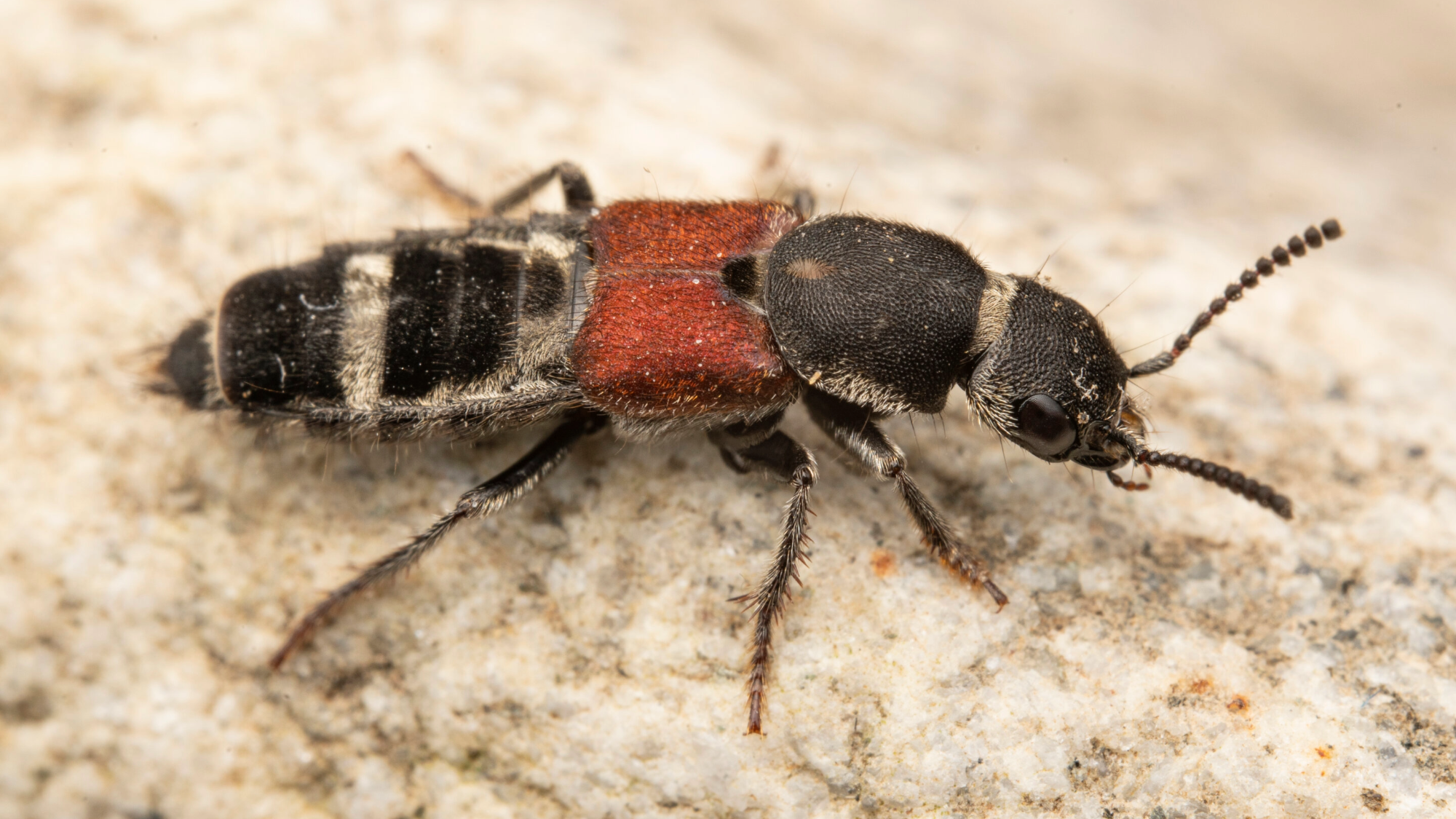
For the first time, researchers have comprehensively revisioned the Platydracus genus of beetles in China. Meaning flat dragon, Platydracus is a genus of rove beetles. In this new review, the team recorded over 100 species, a majority of which are new to science. Their work highlights how it’s not just the small and bland species that get overlooked in taxonomic work—sometimes, even large and colorful animals go unnoticed. 

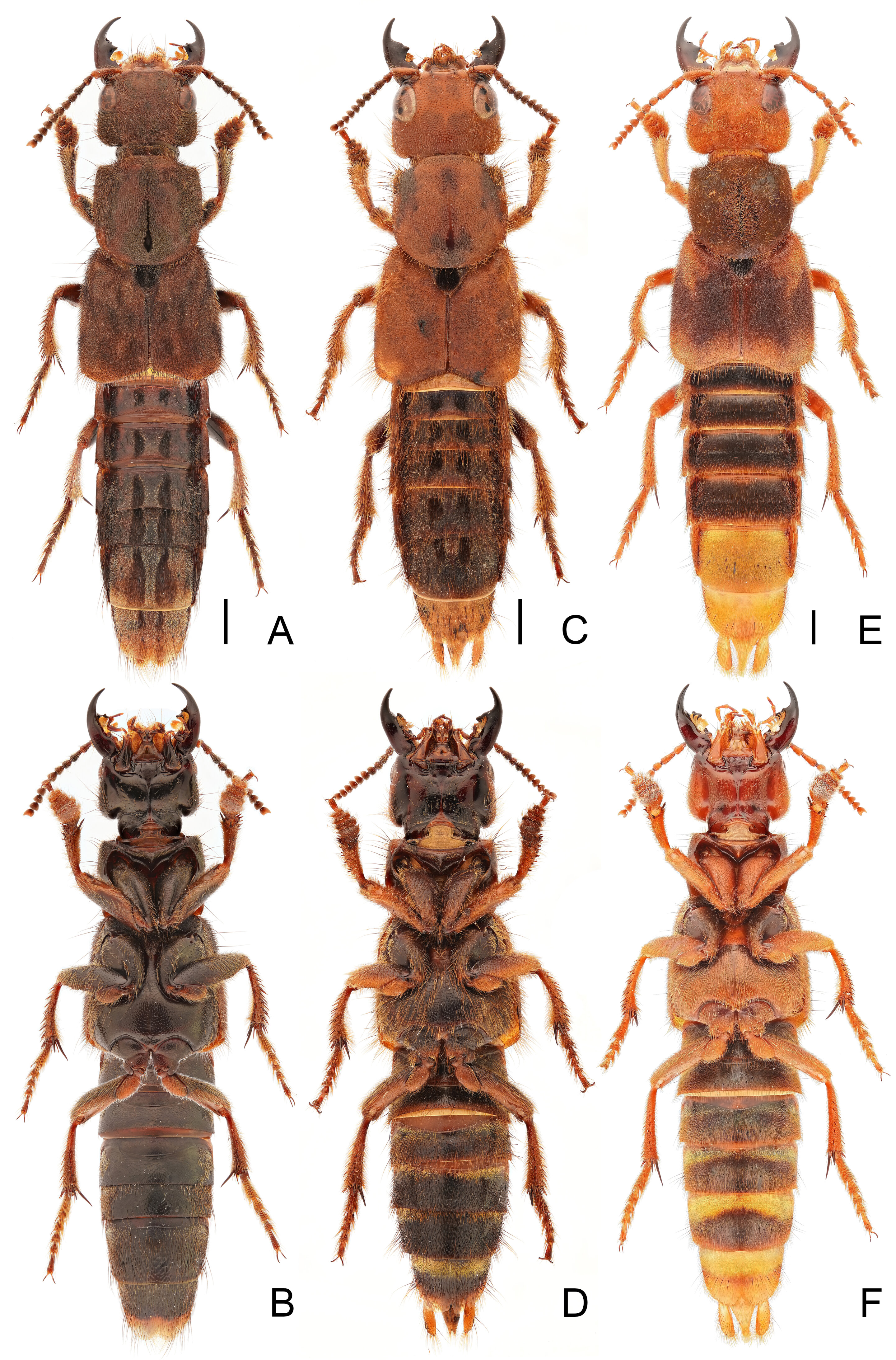
In fact, these beetles are pretty large (frequently several centimeters long) and a lot of them mimic wasps or have bright colors. And yet, many of them have either gone completely unnoticed in the wild or sat for years unidentified in museum collections.

“It is striking that so many new species can remain hidden among large and colourful beetles. It shows how little we actually know about biodiversity and that even highly visible species can still go unnoticed,” Alexey Solodovnikov, senior author of the study recently published in the journal Insect Systematics and Diversity, said in a statement

Solodovnikov is a systematic entomologist at the University of Copenhagen who studies rove beetles. His team’s work puts a spotlight on the Linnean shortfall, or the difference between the number of scientifically named and described species and the number of species that exist in reality. 

six new beetle species with yellow and brown stripes
Comparison of two newly discovered Platydracus species and one previously known species. Image: Natural History Museum Denmark

For example, Platydracus is part of the rove beetle family Staphylinidae. This large family consists of approximately 70,000 known species, though researchers estimate that these are only 20-25 percent of the actual number of rove beetle species. More broadly, there are about 925,000 formally described insect species. This number is shockingly low compared to how many insect species exist, which is estimated at over five million. What’s more, even the species we do know are frequently insufficiently recorded, according to the study. 

The team also rectified some mistakes, which included cases of species having been described based on, per today’s taxonomic standards, too little knowledge. 

“Many species were originally described on a very limited basis. With more collected specimens and modern methods of examination, we can now test and refine earlier species delimitations while adding new species to nature’s mosaic,” Solodovnikov explained. “This gives us a much more accurate picture of biodiversity, which is crucial both for our understanding of nature and for our ability to protect it.” 

The researchers closely studied the beetle’s bodies and used DNA barcoding—a method that uses an organism’s genetic sequence to recognize the species. They found that sometimes species can look very different despite having the same DNA markers. The oppositescenario—having different DNA markers, but appearing very similar—can also happen.

Ultimately, the study stands as a reminder that we still have a long way to go in mapping out all the life that we share the planet with.

The post 61 new beetles discovered in China appeared first on Popular Science.
  •  

Mysterious giant sharks that outlived the dinosaurs lurking in Puget Sound

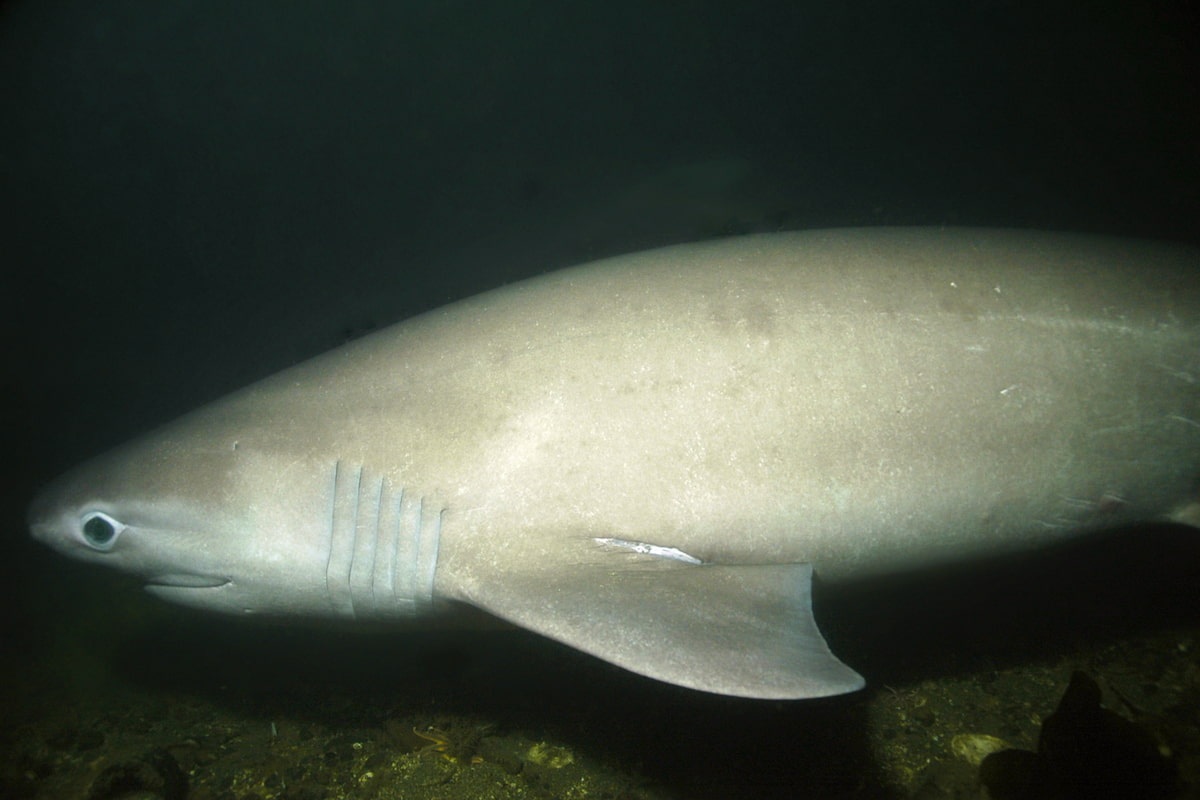
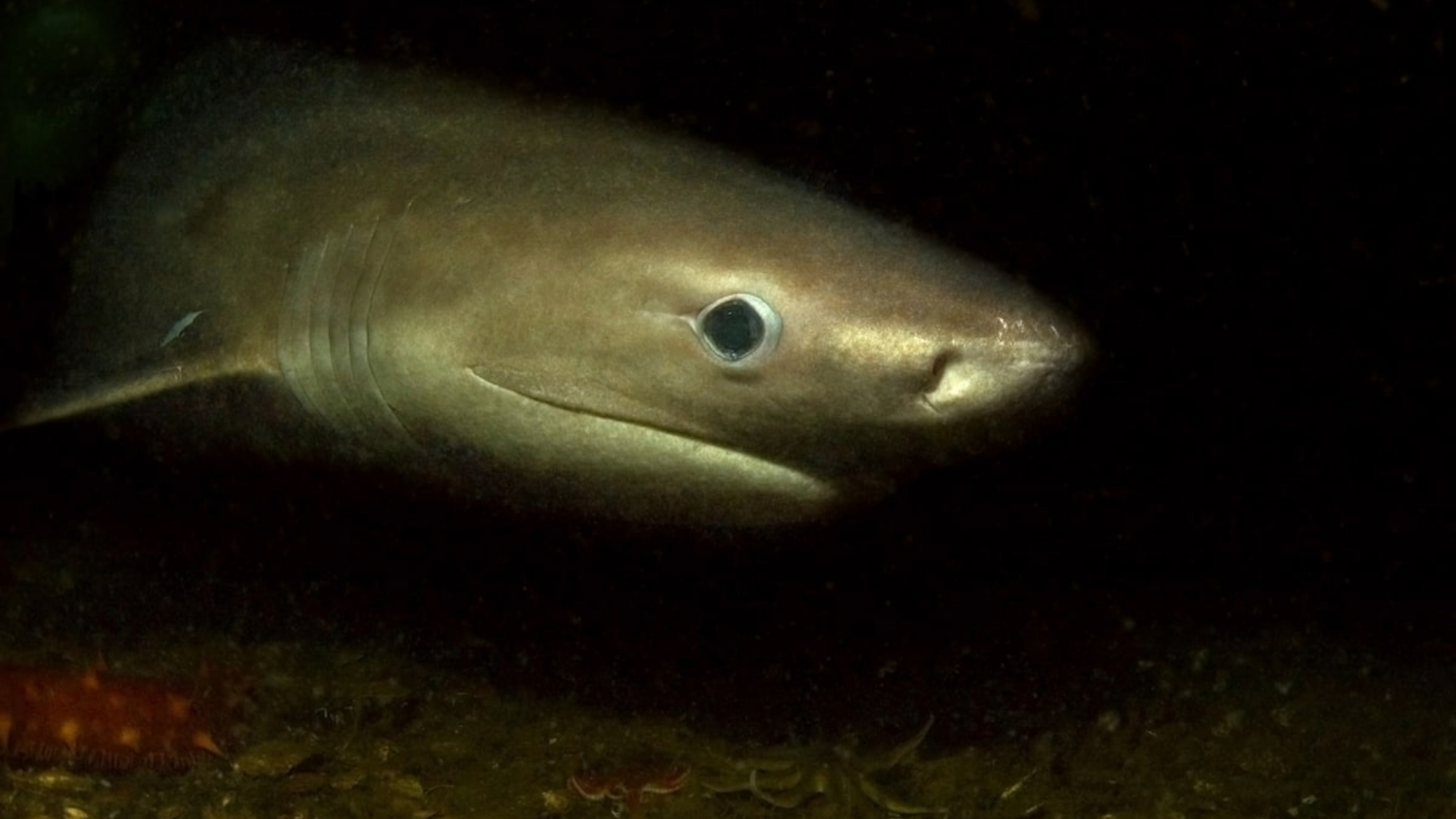
Most sharks have five gill slits on either side. But Hexanchus griseus, a giant and mysterious shark species, has an even six gill slits. These fish, appropriately called the sixgill shark, live in both tropical and temperate waters around the world and can reach up to 14-feet-long. They’ve existed since before the dinosaurs, and yet marine biologists still don’t know very much about them. 

One of the problems—for researchers, anyway—is that sixgills usually live in deep oceanic waters, at depths of up to 9,800 feet. It also doesn’t help that they usually favor extremely low-light environments. Among other reasons, these aspects make sixgills difficult to study.

a sixgill shark swimming
Sixgill sharks (Hexanchus griseus) are older than dinosaurs and are typically found in the deeper parts of the ocean. Image: Seattle Aquarium.

However, these ancient giants have been spotted in Washington State’s Puget Sound year-round, and in water as shallow as 20 feet. Scientists at Seattle Aquarium believe that female sixgills are giving birth in these waters, and new research by the aquarium demonstrates that they have birthing site fidelity. According to the aquarium, they appear to come back to the Salish Sea to give birth numerous times. 

Once the baby sharks—or pups—come into this world, Puget Sound turns into their nursery for some time, though researchers don’t know for how long. The young sixgills spend the summer and fall in more southern locations of the Salish Sea, and migrate more north in the winter and spring. They usually travel less than two miles a day, and frequently come up to shallow waters at dusk before going down into deeper waters at dawn, probably looking for prey. 

“We think these patterns repeat until they eventually depart for the open ocean. This consistency of movement and behavior reinforces the strength of our opportunity to study sixgill sharks in Puget Sound,” according to a statement from Seattle Aquarium. “Through our research, we hope to answer questions about the life history and ecology of sixgill sharks—including migration, growth rates and prey preferences.” 

The aquarium also aims to study previously unexamined physiological aspects of sixgills, and understand human influence. 

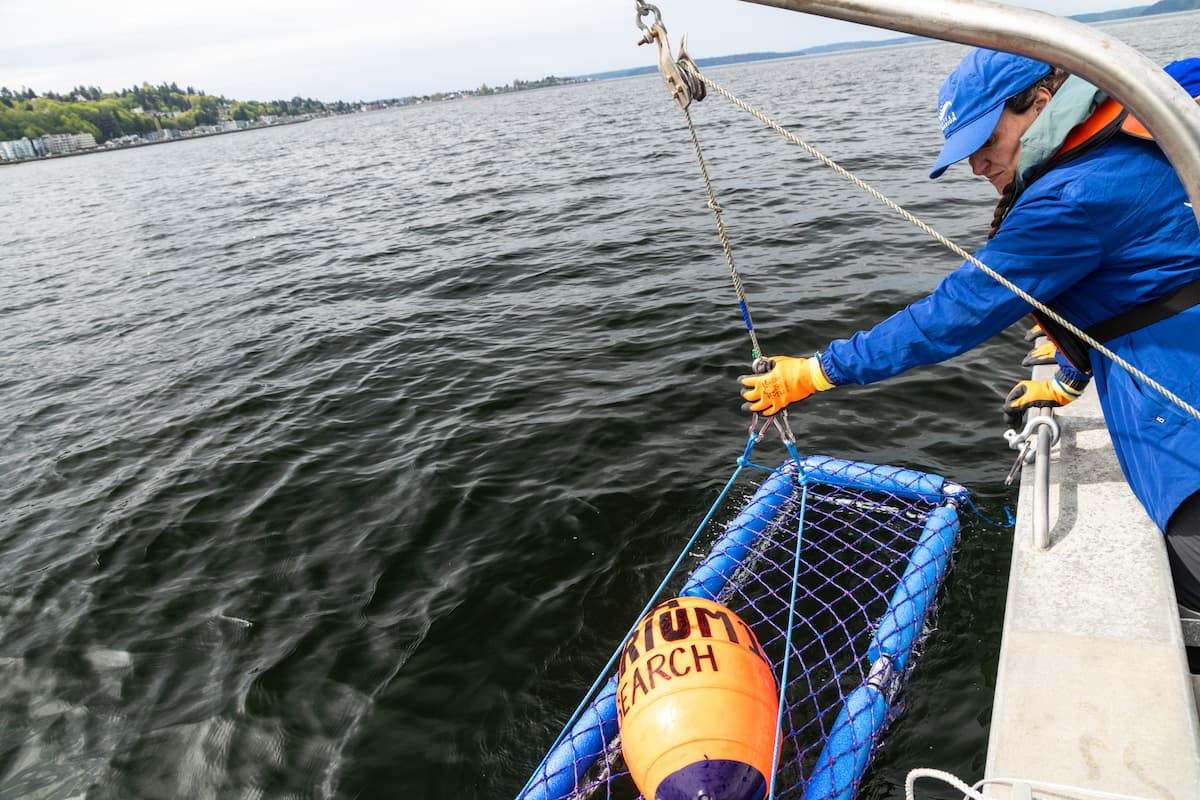
a woman in a blue jacked lowers a blue basket off the side of a boat with an orange buoy marked "aquarium research"
The team created a custom “cradle” to safely hold a shark while they work quickly to examine it. Image: Seattle Aquarium.

From May to September, Seattle Aquarium researchers and veterinarians will try to study the elusive species at three different locations in Puget Sound, going to each one once a month. There, the team will lift sharks to the surface, and either bring them onto the boat or keep them at the side of the vessel and flip them upside down. This position triggers a trance-like state in several shark species. Either way, the team will make sure that the sharks can breathe through all of those gills.

Once the sharks are secured, the team will examine them. They should be able to collect measurements, obtain tissue samples, take photos, and deploy wearable tags in only five to 10 minutes. The tags that will then supply information about movement, habitat use, and feeding ecology. The scientists will then return the sharks to the open water. 

“Our goal is to answer as many questions as possible,” Dani Escontrela, a researcher at the Seattle Aquarium, said in the statement. “We’re collaborating with agencies like the Washington Department of Fish & Wildlife, the Big Fish Lab at Oregon State University, Point Defiance Zoo & Aquarium and other researchers to fill gaps in expertise, all while keeping animal health and well-being our top priority.”

The post Mysterious giant sharks that outlived the dinosaurs lurking in Puget Sound appeared first on Popular Science.
  •  

Fact or myth? Ticks can drop out of trees like paratroopers.

The official start of summer is days away, and after a particularly long and cold winter in parts of the United States, many are ready to enjoy the outdoors again without risking frostbite. Warm weather comes with another type of bite, however. One that comes with an unwanted guest attached to your body.

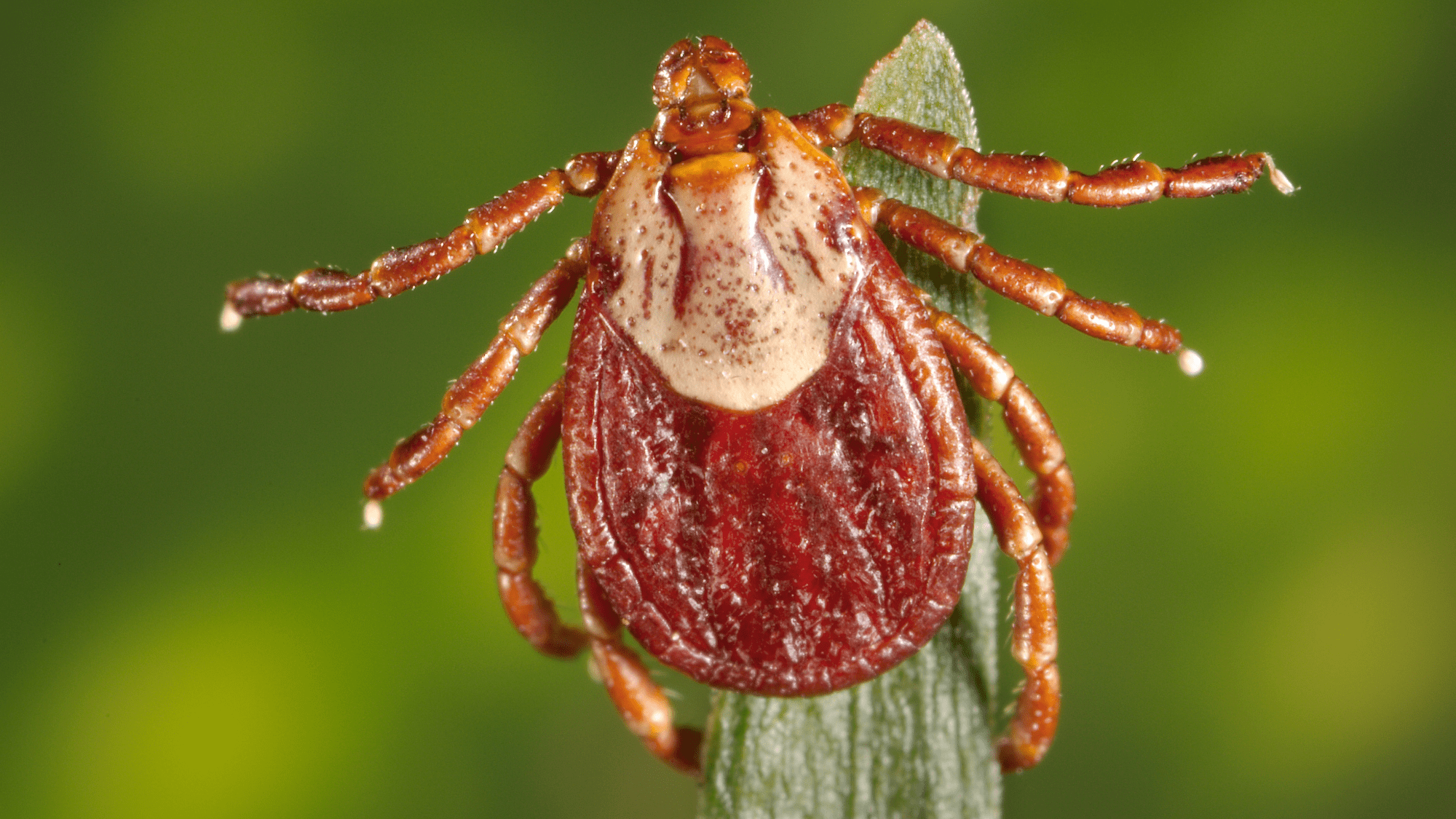
Along with mosquitos and flies, ticks are among our most disliked arachnids. However, their infamy comes with a lot of myths, and with tick season in full swing, it’s important to straighten out a few misconceptions. 

False: Ticks can fly

If you’ve heard that ticks can fly and/or jump, you’ll be relieved to know that they can’t. In fact, their legs are pretty unimpressive appendages, according to Escher Cattle, an entomologist at the Regional Government of Cape Cod.

“They have some pretty good grabbers on their front legs and their other legs are pretty decent as well, but really all a tick has the equipment to do is walk around and grab stuff,” Cattle tells Popular Science. They’re not muscular like those of grasshoppers, for example. As for locomotion more generally, ticks don’t have wings, nor are they aerodynamic. As such, they’re also “not physically geared to be dropping out of trees like some kind of paratrooper.”

While a tick might attach onto an animal that takes it up into a tree and then fall, the chances that the skydiving arachnids will land on you is infinitesimal, Cattle says. In fact, ticks generally exist beneath an elevation of at most three feet. 

The way a tick actually attaches to a host is by climbing to the top of a plant, sticking its arms out, and waiting for something alive to brush by—a behavior called questing. It does so after sensing chemical cues of something warm, moving, and blood-filled. 

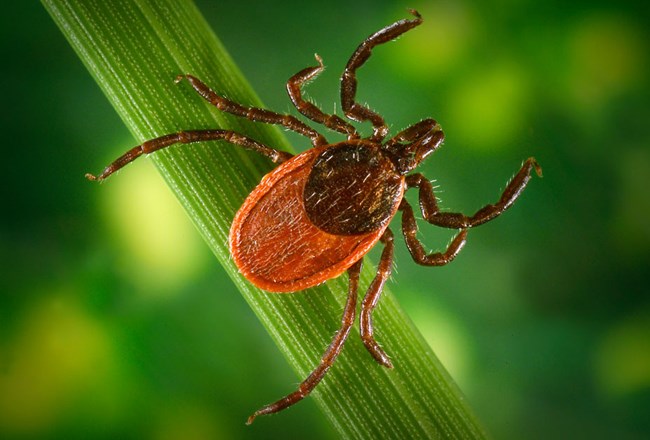
a tick on a blade of grass
Deer ticks are found in the eastern half of North America. Image: CDC/ James Gathany; William L. Nicholson, Ph.D.

False: Opossums help remove ticks by eating them

Speaking of blood-filled things, one tick myth that Cattle is sorry to dispel is one that paints opossums as tick-eating machines. You may have read that opossums are good to have around because they eat lots of ticks. This popular notion is founded on the results of a study in which researchers put ticks on opossums, among other animals, to investigate how these animals reacted to the pest. 

Because the team wasn’t seeing any ticks dropping off the opossums, they assumed the mammals were eating them all. As of now, there is no direct evidence known to researchers of opossums eating any ticks. 

One similar belief is that birds such as turkeys and guinea fowl eat ticks. While that’s true, they also carry them around, so having one in your backyard doesn’t automatically mean you’ll have less ticks.

True: They can carry disease

What isn’t a myth, though, is that ticks can be vectors of disease. These include Rocky Mountain spotted fever, tularemia, ehrlichiosis, and most infamously, Lyme disease. 

The good news is that you can decrease your chances of catching the disease from a tick bite if you remove the tick within 24 hours. But sometimes, tick bites go unnoticed, so it’s important to check yourself when you come back indoors during warm weather. 

Ticks are shockingly cold-resistant, but they usually keep to themselves during the colder seasons. They still can come back out as soon as the sun starts shining—including on those randomly very hot February days. 

True: A ‘dorky’ look helps prevent tick bites

If you do find a tick, don’t try to burn or suffocate it off your skin. Use a trusty pair of tweezers, grip it near the mouth parts, and pull it off. If anything gets left behind, your skin will naturally push it out with some time. If you’re not sure how long the tick has been on you, you should contact your doctor. 

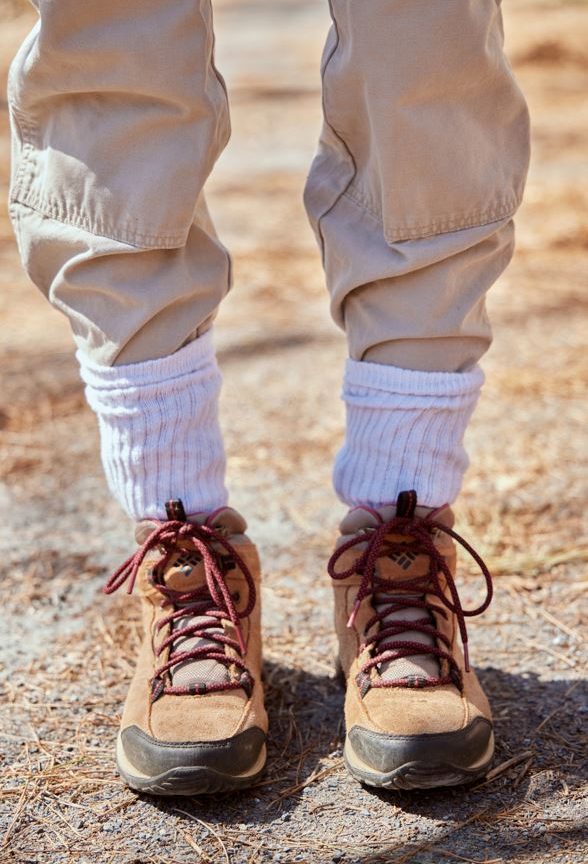
As for tick bite prevention, “I know it looks kind of dorky, but tucking your pants into your socks is a really good tip. Making it so that there are barriers between ticks and your skin as much as possible is extremely good as a strategy,” explains Cattle, who also teaches about tick-borne disease prevention for Cape Cod Cooperative Extension. 

a pair of khaki pants tucked into high white socks
Tucking long pants into socks creates a good barrier between ticks and your skin. Image: Delaware Department of Natural Resources and Environmental Control.

You can also apply a synthetic pesticide called permethrin on their clothes and insect repellant on any exposed skin.

Ticks are “very good at what they do,” he concludes, but “I think adopting just a couple habits at a time really makes a difference.”

Update June 9 9:47 a.m. EDT : This story incorrectly identified ticks as insects. They are arachnids.

The post Fact or myth? Ticks can drop out of trees like paratroopers. appeared first on Popular Science.
  •  

Bobcat that survived being hit by a car gets a custom-built kennel

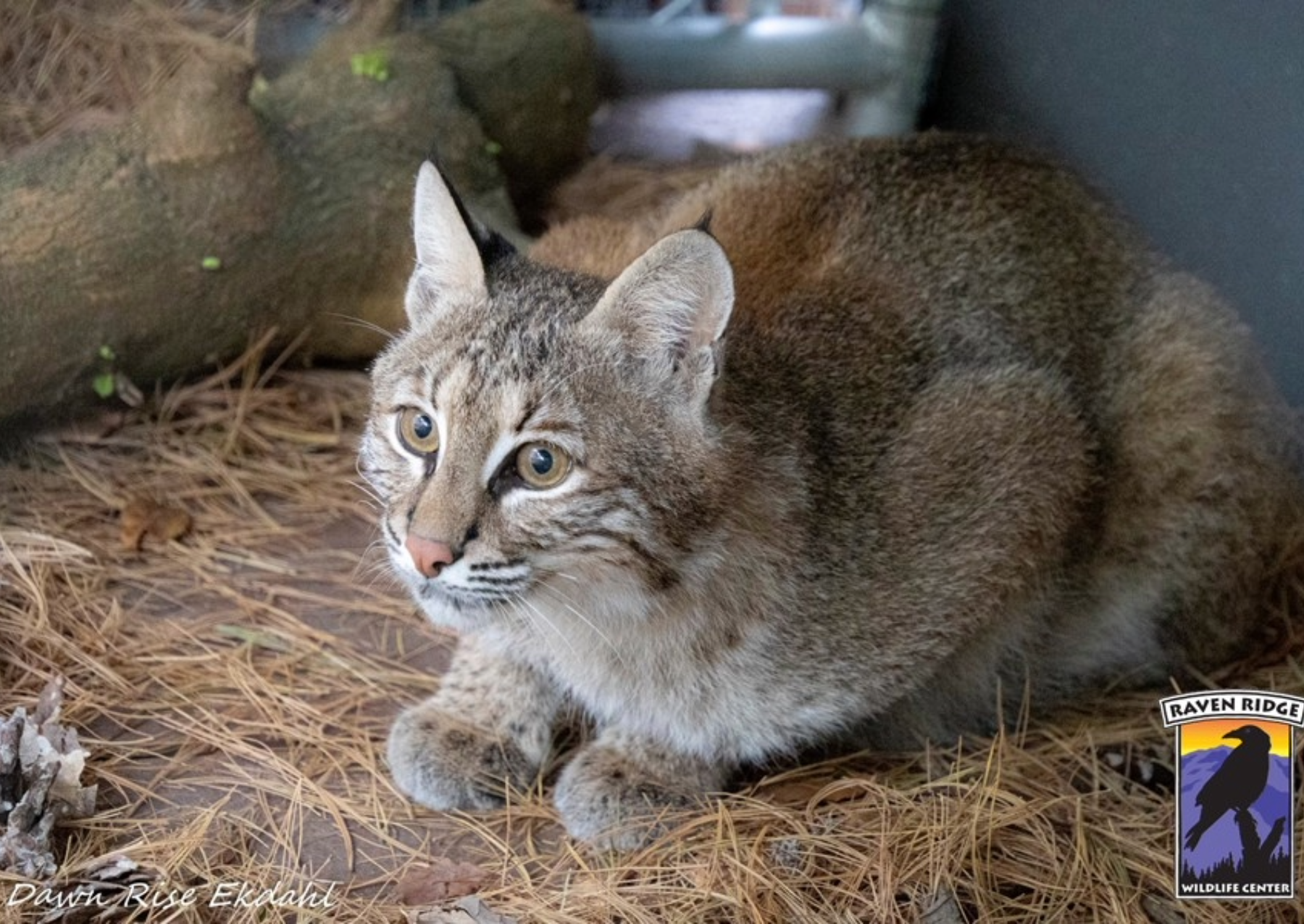
In March, we reported on a wild bobcat that had been hit and dragged by a car, who also got her head stuck in the car’s grill. As if things could get any worse, the wild feline arrived at Raven Ridge Wildlife Center in Pennsylvania on a Sunday, and the nearby veterinary practice was closed. But thanks to two lucky acquaintances, a mobile x-ray machine was brought in, revealing that the bobcat had broken two legs. 

Thanks in part to the fact that her bone fractures were clean breaks, her team decided to risk a surgery. The next morning, two surgeons operated on the bobcat contemporaneously. After the operation, Tracie Young, director of the Raven Ridge Wildlife Center, told Popular Science that she was doing “fantastic” and “starting to act like a bobcat.” 

a bobcat sits on some pine needles
The female feline has been healing at Raven Ridge Wildlife Center for two months. Image: Dawn Rise Ekdahl / Raven Ridge Wildlife Center.

In her great misfortune, the cat has been rather lucky—and it seems like the luck is holding. Two striking coincidences have now come together to get her a custom-made cage for her rehabilitation. 

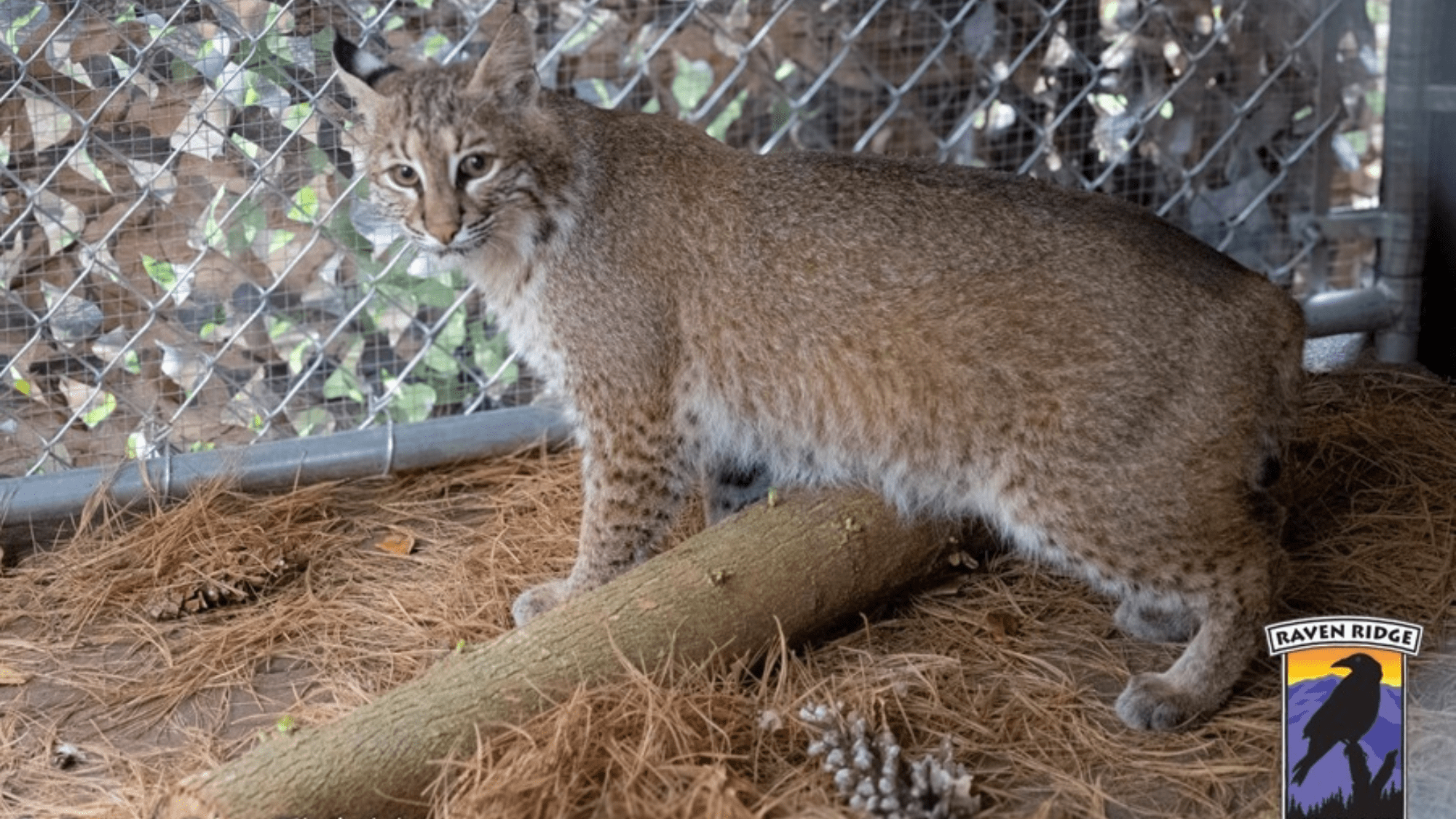
“After two months of recovery, the bobcat now needs to be moved outside for exercise and to begin building muscle tone,” the wildlife center wrote on social media. “We had to devise a safe and creative way to get her outdoors, necessitating the construction of special caging. We determined that a custom dog kennel would be the only viable option.”

However, the problems were twofold: time and money. The dog kennel builders the wildlife center contacted needed at least eight months to build the rehab cage, and the project would cost thousands of dollars. But then Raven Ridge’s photographer Dawn called her neighbor Glen for suggestions, who turned out to be the owner of a kennel-building business and could build the kennel in two weeks. 

a man moves a kennel on a forklift
The custom-built kennel was made for the bobcat in only two weeks. Image: Dawn Rise Ekdahl / Raven Ridge Wildlife Center.

And if you think that’s enough of a coincidence, it gets even better. The very day construction commenced, Raven Ridge Wildlife Center received a letter with a generous donation. A woman named Raven Minervino has passed away, and her husband wrote that she had consistently supported the wildlife center. After she died, her husband had asked that rather than getting flowers, people make donations in her memory. The letter had a donation in her memory large enough to pay for the custom bobcat cage.

“Thanks to all this support, we successfully moved the bobcat to the new enclosure, where she is now exploring, exercising, and much happier,” reads the social media post. Raven Ridge plans to (or perhaps already has) put a plaque in Minervino’s memory on the cage. 

Both of the bobcat’s broken legs have healed, and since having the custom cage, she has put on ten pounds, bringing her to the much healthier total of 19 pounds. Adult female bobcats weigh approximately 15 to 20 pounds on average

The post Bobcat that survived being hit by a car gets a custom-built kennel appeared first on Popular Science.
  •  

Sir David Attenborough’s 100th birthday present is… a parasitic wasp

Famed British naturalist and broadcaster Sir David Attenborough turns 100 years old on May 8, and a team of researchers has prepared a special present: an entire new genus of wasp named in his honor. 

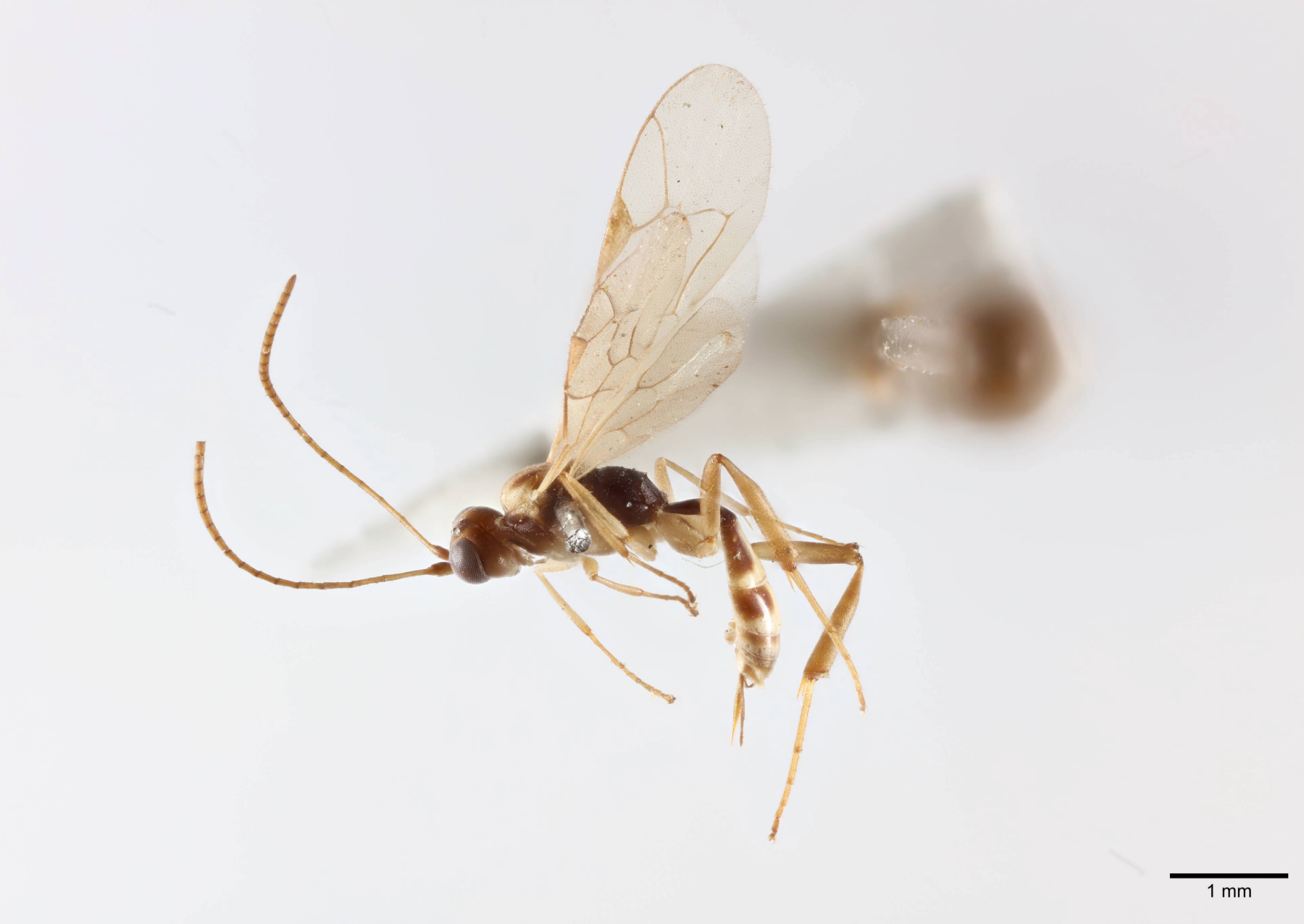
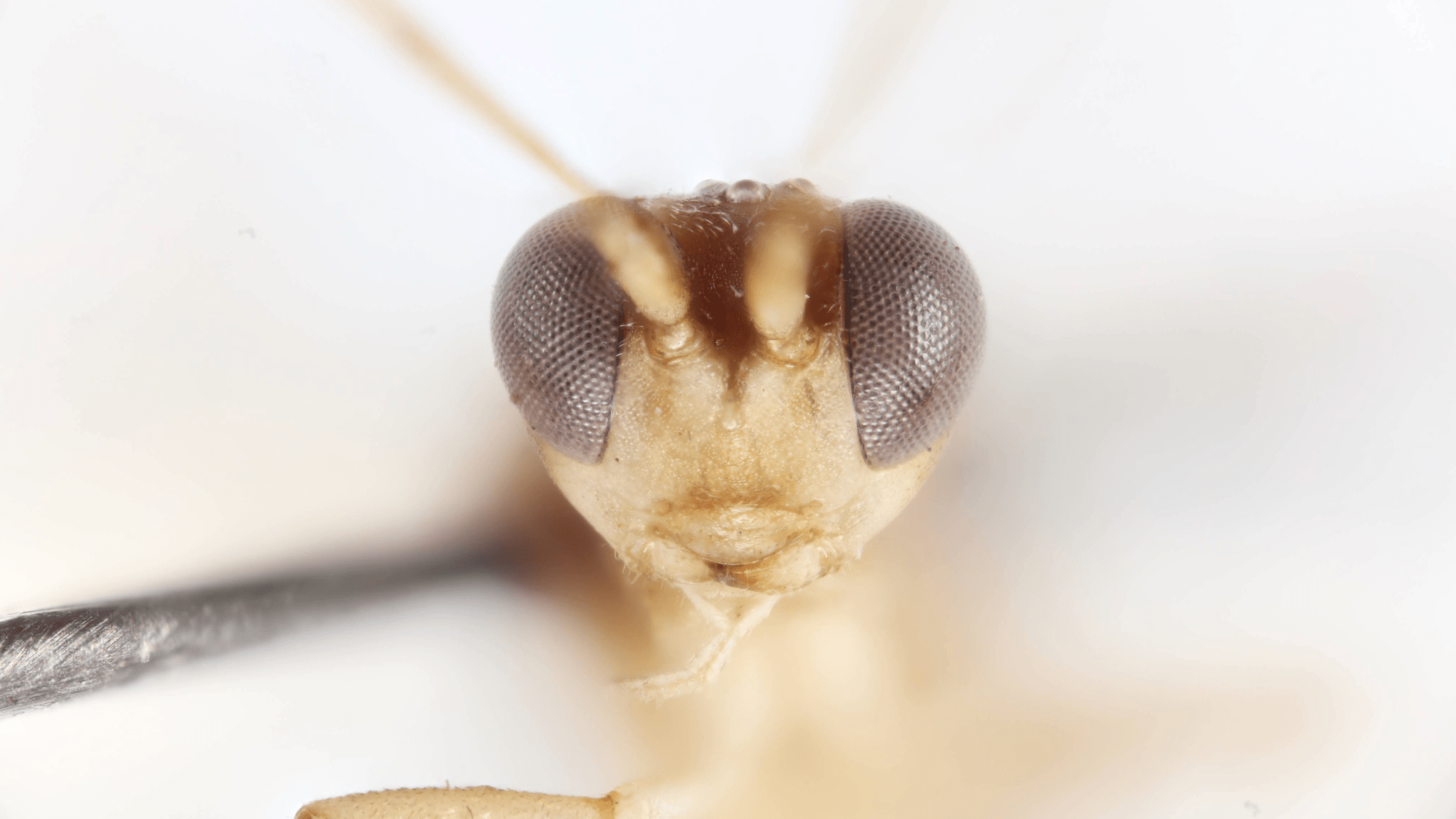
Meet Attenboroughnculus tau, a tiny parasitic wasp discovered in Chile. The specimen is 0.14 inches long and has a T-shaped marking on its abdomen that inspired the species name, “tau.” The insect was collected from Chile’s Valdivia Province in 1983, and it took over four decades for someone to officially recognize it as something new.  

a wasp
Attenboroughnculus tau is one of the over 50 species named in honor of the famed naturalist. Image: © Trustees of the Natural History Museum.

“We hope to inspire global scientists to take another look in their collections to see if there is something small that could contribute to our collective understanding and therefore the future of our natural world,” Jennifer Pullar, science communications manager at London’s Natural History Museum, says in a statement

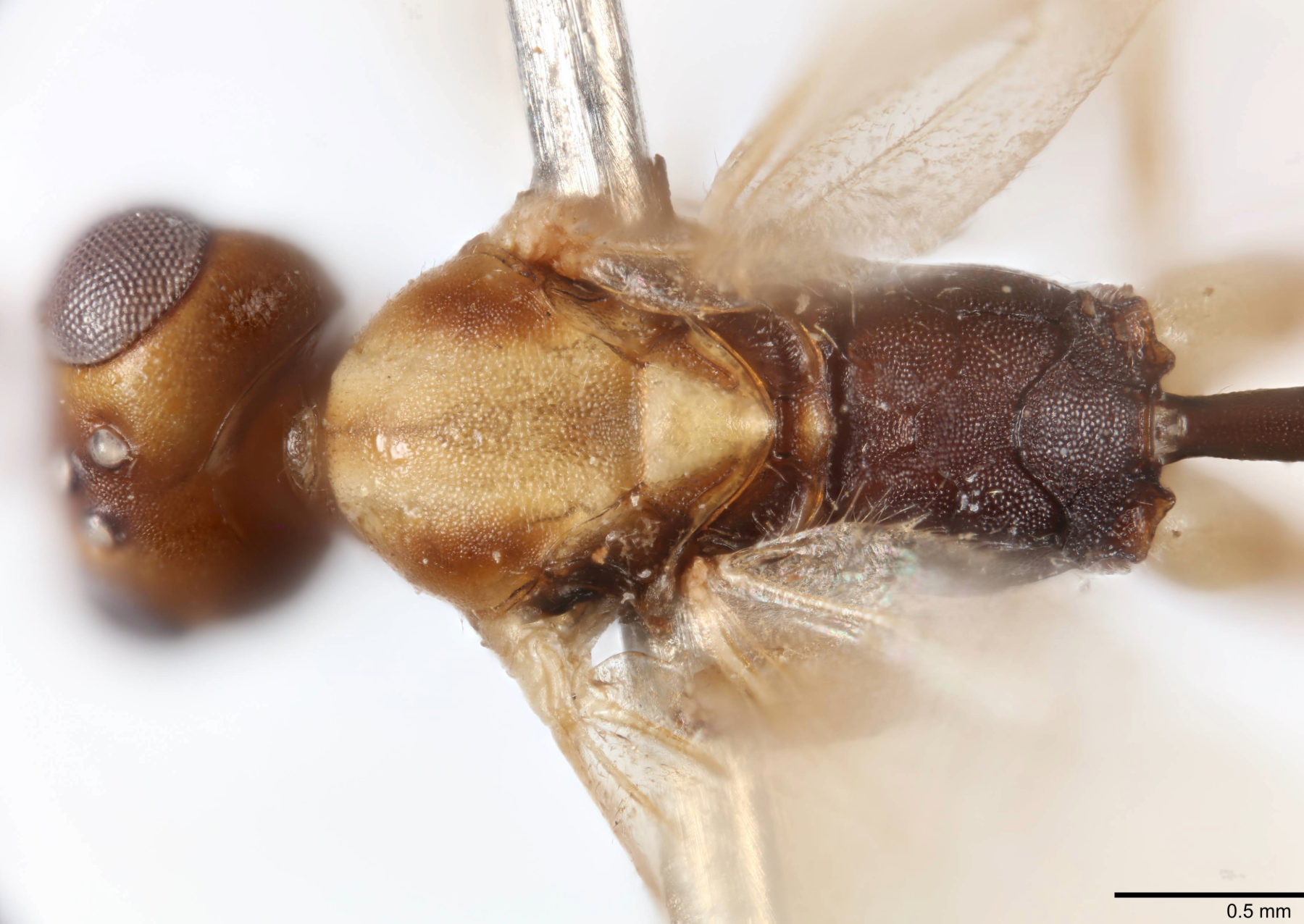
It was volunteer Augustijn De Ketelaere, a graduate student at Ghent University in Belgium, who noticed the insect’s unexpected traits while the team was examining the museum’s ichneumonid collections. Attenboroughnculus tau has a unique combination of anatomical features that make it different from already established genera: a strongly curved abdominal segment, toothlike structures on the ovipositor (which they use to lay eggs), and distinctive wing and leg morphology.

a close up view of a wasp
Attenboroughnculus tau is less than one inch long. Image: © Trustees of the Natural History Museum.

If you think Attenborough will be offended by the unsavory nature of the bug named in his honor, think again. Parasitoid wasps have appeared in his documentaries, such as the BBC nature documentary series The Trials of Life, in which he dubbed them the “bodysnatcher wasp.”

“David Attenborough has featured Chile’s diverse, extreme landscapes in several documentaries, emphasising the unique environmental challenges and ecological resilience of species within the country,” De Ketelaere, Pullar, and lead author Gavin Broad—principle curator of insects at the museum—write in a recent Journal of Natural History study. “He has used his work to reveal the intimate, unseen or overlooked within nature. This resonates in the discovery of this species in an unsorted drawer within the collections of the Natural History Museum, London.” 

This isn’t the first time Attenborough is honored by taxonomists. In fact, the man has over 50 species named after him, including the carnivorous plant Nepenthes attenboroughii

Happy Birthday Sir David Attenborough! 

The post Sir David Attenborough’s 100th birthday present is… a parasitic wasp appeared first on Popular Science.
  •  

Neanderthal ‘dentists’ treated cavities 59,000 years ago

Neanderthals (Homo neanderthalensis) were once considered to have been extremely primitive and unsophisticated compared to us humans (Homo sapiens). However, continued research into our long-lost cousins has revealed that these extinct hominids were not quite as archaic as they seemed to early anthropologists. 

While archeologists have found that Neanderthals pulled out food from their teeth with toothpicks and may have even used medicinal plants as antibiotics, researchers still aren’t sure about the extent of their medical care abilities. Now, new research published in the journal PLOS One indicates that they were capable of complex dental interventions, which adds a series of cognitive and physical updates to the Neanderthal story. 

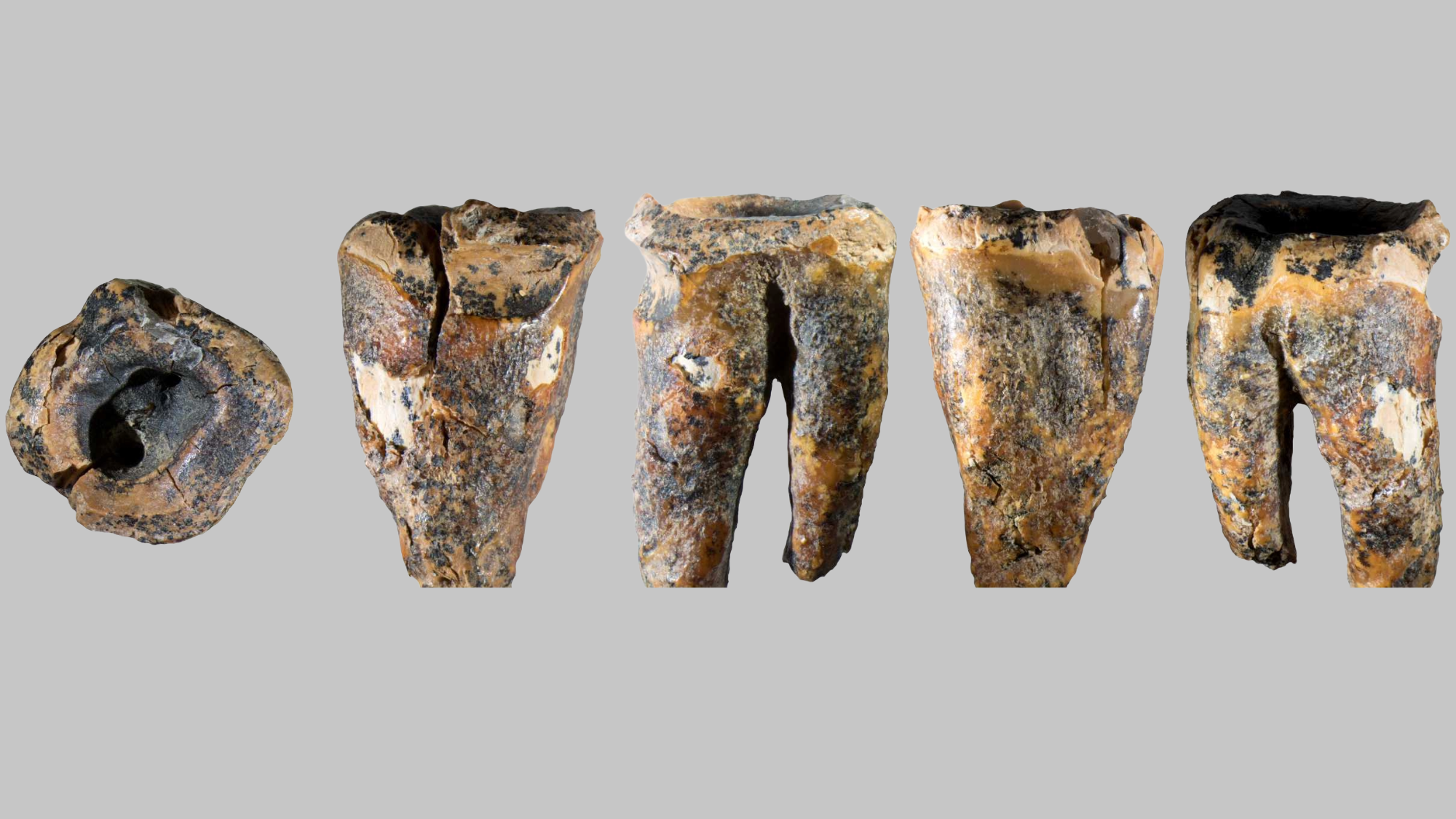
A team digging in Chagyrskaya Cave in southern Russia’s Altai region found a single Neanderthal molar that is approximately 59,000-years-old. The tooth features toothpick grooves along its sides, and a deep hole in its center that reaches into the pulp cavity. Tooth pulp is the jelly-like material that holds blood vessels, nerves, and connective tissue. 

Using three modern human teeth, the team showed that it’s possible to make a hole of the same shape and same patterns of microscopic grooves by drilling with a stone point similar to tools that were previously discovered in Chagyrskaya Cave. Andrey Krivoshapkin, a co-author of the study and a researcher at the Institute of Archaeology and Ethnography at the Siberian branch of the Russian Academy of Sciences, tells Popular Science that the team eliminated all other interpretations.

For example, “natural wear from chewing could expose a pulp chamber over time, but it would not widen the chamber or create a deep, irregular concavity with smooth, rounded edges. Dental trauma, such as a fracture, would leave sharp, irregular margins and crackings, not the polished, rounded contours we see,” he explains. 

They also ruled out taphonomic, geological, and chemical processes. “So while we always remain open to new interpretations, the evidence overwhelmingly supports deliberate human intervention,” he says.

Related Neanderthal Stories

Krivoshapkin and his colleagues also identified ante-mortem (before death) wear on the concavity walls and edges, showing that after the hole was made, the tooth continued to be used. In other words, the Neanderthal continued to chew and process materials with this tooth. According to Krivoshapkin, if the drilling had happened after the individual had died, the edges of the hole would be sharp and fresh and not polished in the slightest. 

“So the wear proves two things: first, the procedure was performed on a living person, and second, the intervention was successful enough that the tooth continued to function. That is what makes this a medical treatment rather than just a curious modification,” he explains.

The team also found changes in dentin mineralization in the tooth that aligns with serious cavities. Ultimately, Krivoshapkin and his colleagues argue that the hole in the tooth represents a Neanderthal dental operation that dug out the infection. And yes, it would have been painful—they didn’t have laughing gas 59,000 years ago. But as with dental surgery today, getting rid of the damaged part of the tooth lessens the pain from the infection. 

This intervention carries a whole set of implications about Neanderthal cognitive abilities.The tooth suggests that Neanderthals potentially could identify the source of pain, decide how to treat it, use the necessary manual dexterity to execute the operation, and withstand the intervention’s pain to diminish future pain. It represents the first time such behavior has been shown in non Homo sapiens, and it predates the earliest-known human example by over 40,000 years. 

This abstract causal reasoning in Neanderthals “goes far beyond the instinctive self‑medication seen in other primates,” Krivoshapkin explains. “Along with other recent discoveries this finding challenges the old stereotype of Neanderthals as cognitively inferior to us, showing that they were not failed humans but successful, innovative people in their own right. And on a deeply human level, it reminds us that the impulse to treat disease and relieve suffering is not uniquely modern, it is ancient and part of our shared hominin heritage.”

The post Neanderthal ‘dentists’ treated cavities 59,000 years ago appeared first on Popular Science.
  •  
❌