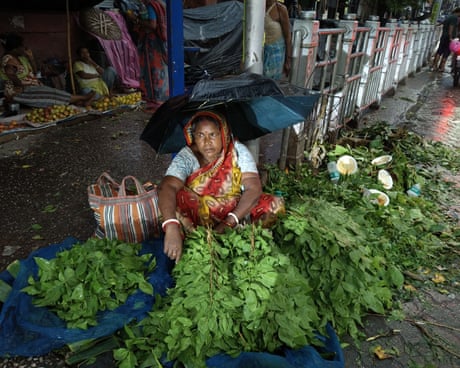
India declares onset as up to 280mm of rain falls in 72 hours in Kerala, while downpours hit south-west Thailand
The monsoon season has officially begun in parts of Asia, marking the start of a period of enhanced rainfall vital to the region’s economy.
The south-west monsoon begins each year as a consequence of a growing temperature difference between the Asian land mass and the Indian Ocean. Through spring, the land heats up more rapidly than the surrounding sea, creating a pressure difference that draws moisture-laden ocean air inland. Once this contrast reaches a critical point, the humid air pushed over the continent rises, condenses into cloud and unleashes intense rainfall across the region.
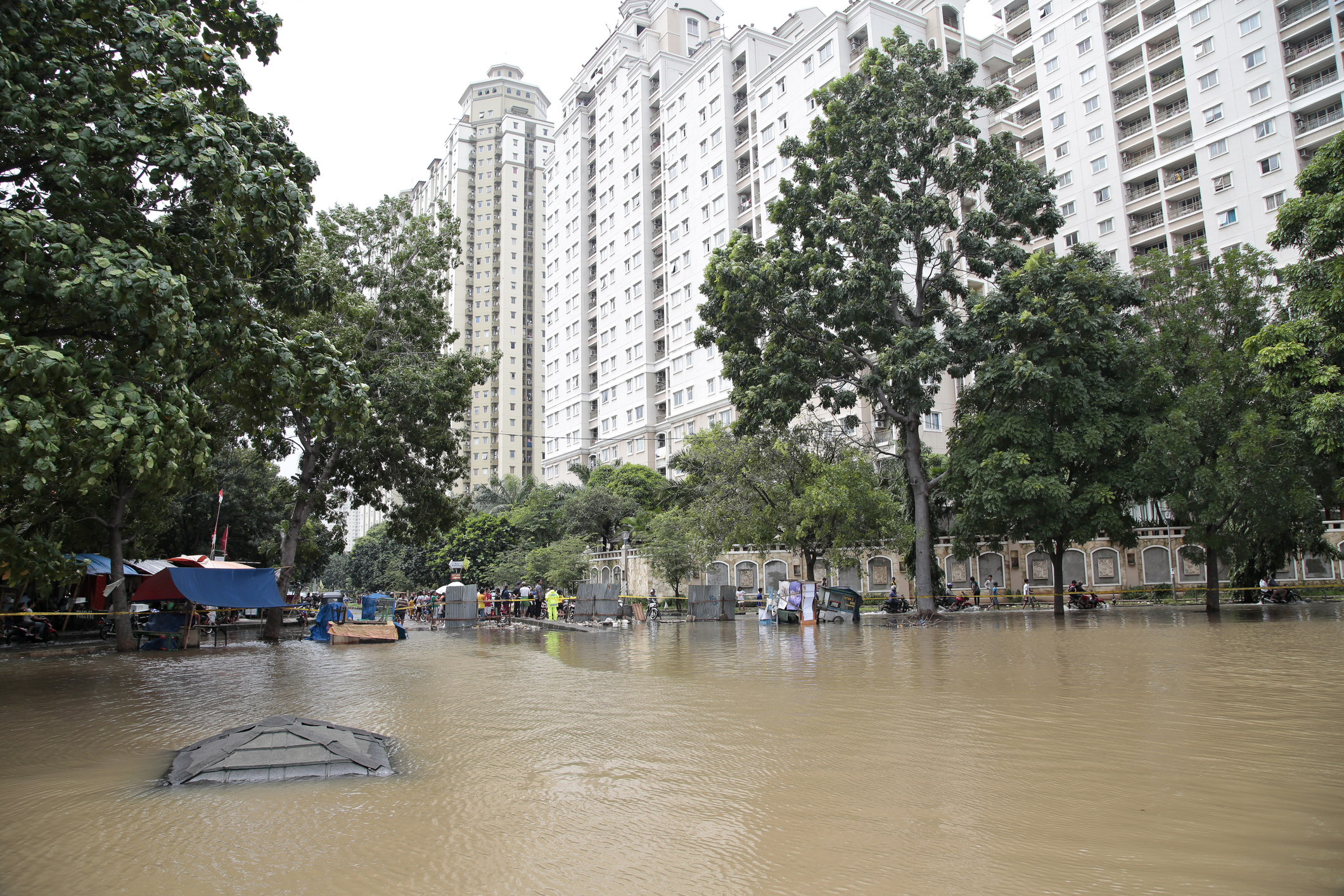
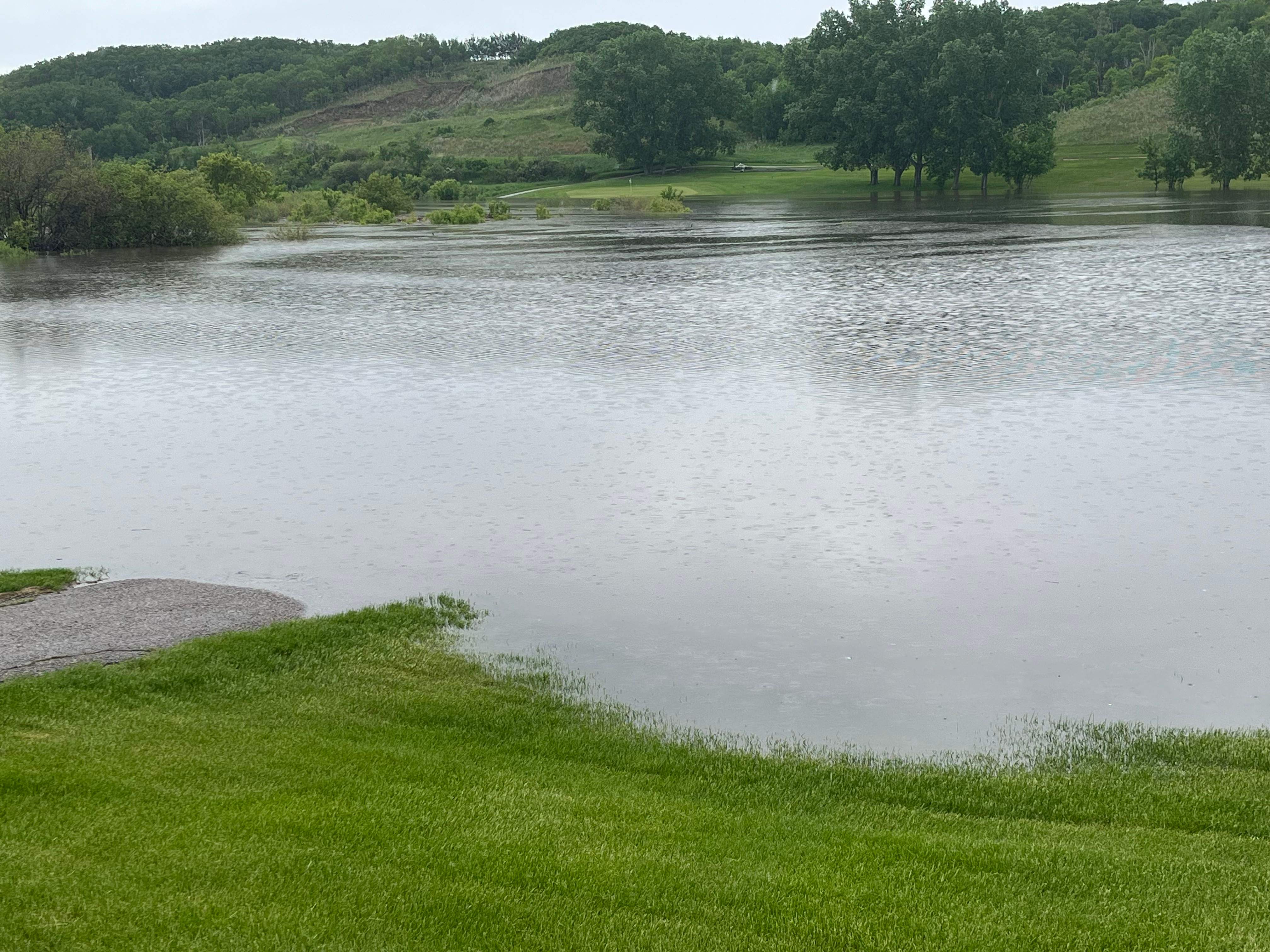
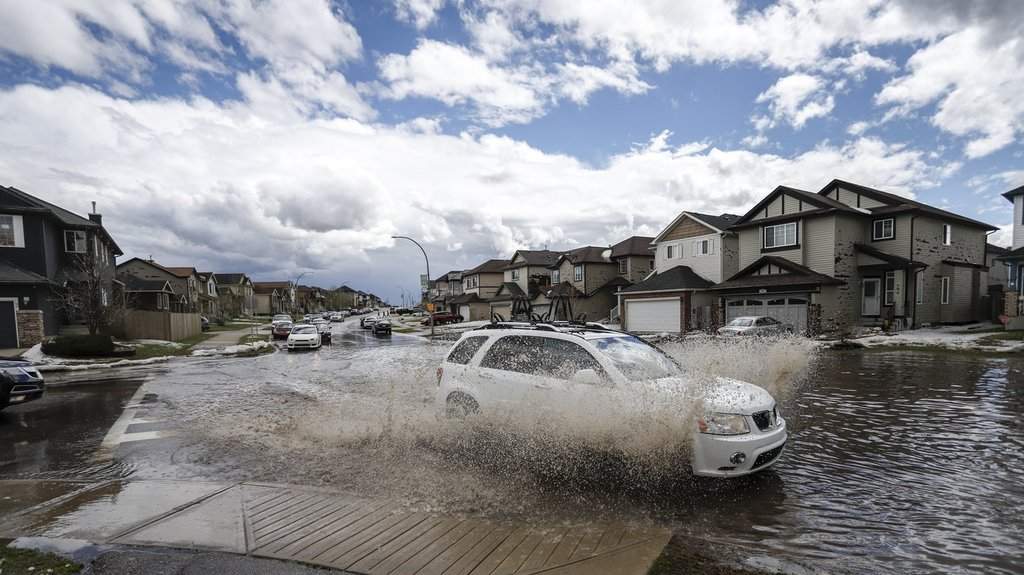
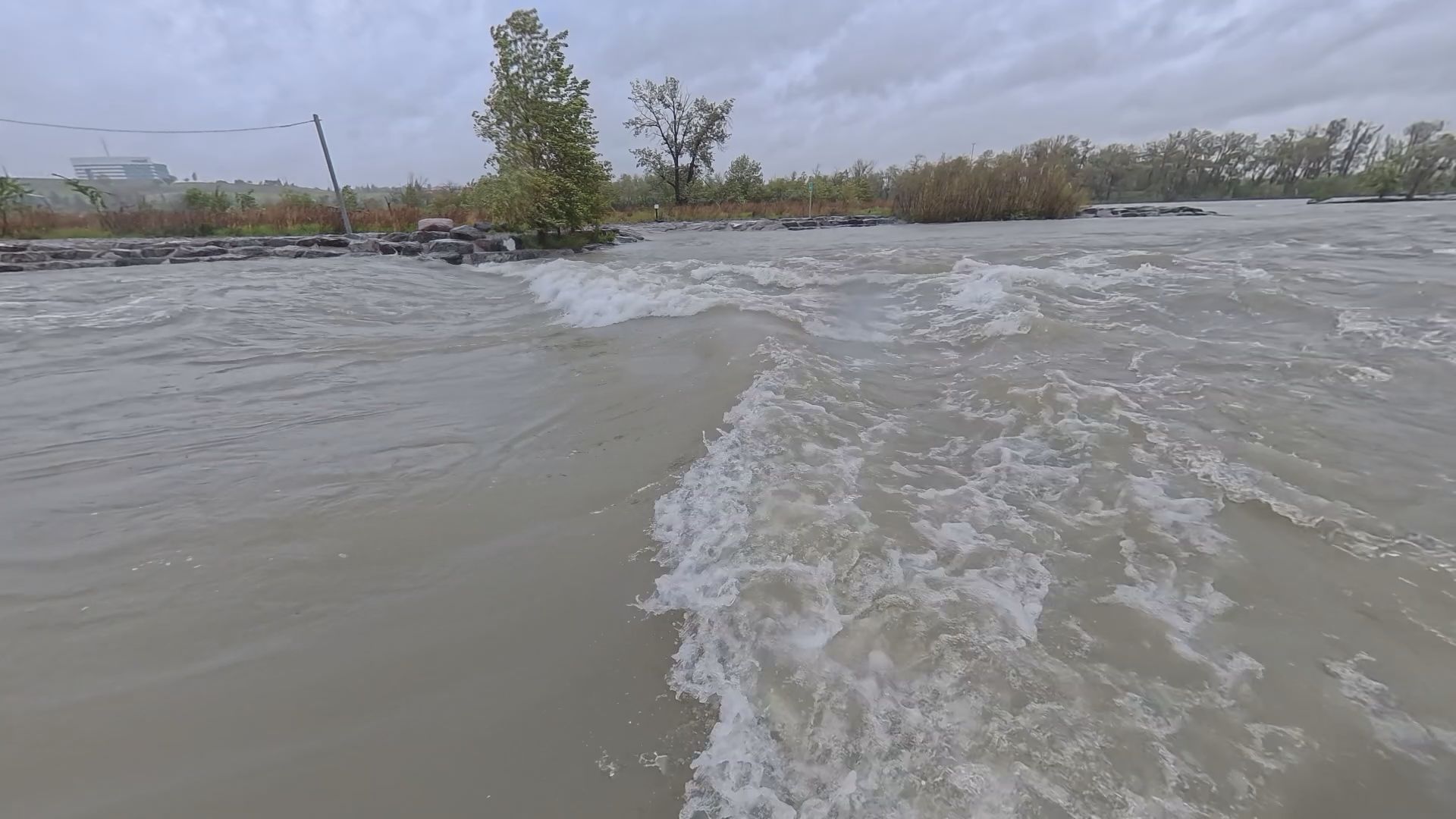
With up to 100 millimetres of rain in the forecast over the next few days, communities in southern and central Alberta are preparing for the possibility of flooding.
Turn back the clock to hear an early warning from James Renwick, co-author of the upcoming 2021 United Nations Intergovernmental Panel on Climate Change (UNIPCC) report and head of the School of Geography, Environment and Earth Sciences at Victoria University, Wellington, New Zealand, joins Earth911 to discuss the prospects for coastal flooding due to climate change. He shares troubling but important insights into how much seas have already risen since the 1800s — about one foot — and the potential for up to two feet more flooding in the coming century. He also reports the UNIPCC will acknowledge that the critical 1.5C warming threshold is locked in unless the world takes radical action to reduce emissions immediately. Humanity has already committed future generations to potentially disastrous climate impacts, he says.
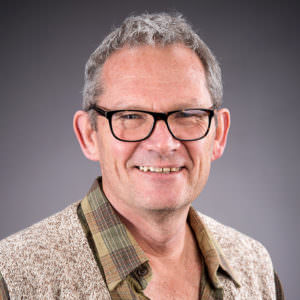
James Renwick, a lead author of the 2021 United Nations Intergovernmental Panel on Climate Change report and head of the School of Geography, Environment, and Earth Sciences at Victoria University, Wellington, New Zealand.
Renwick explains how much water is stored in Antarctica and the projections for economic and housing losses along the U.S. East Coast, which is particularly prone to flooding because of the configuration of ocean currents. He also discusses the growing accuracy of climate models and how accelerated warming seen in recent years appears poised to continue speeding ice loss at the poles. But, Renwick argues, the international climate dialogue has shifted from resistance to acknowledgment of climate impacts and growing national and local action, which gives him hope. “Things are moving in the right direction,” he told Earth911’s Mitch Ratcliffe. “But we’ve got a lot of work to do.”
The upcoming COP26 meeting of global leaders, which was postponed to the fall of 2021 due to the pandemic, will feature many nations’ increased commitments to reduce emissions. In the meantime, he urges individual citizens to speak out and choose sustainably produced products, as well as support effective local remediation projects, such as tree-planting programs. Each of us can make a difference. Start your journey with this conversation with Professor James Renwick.
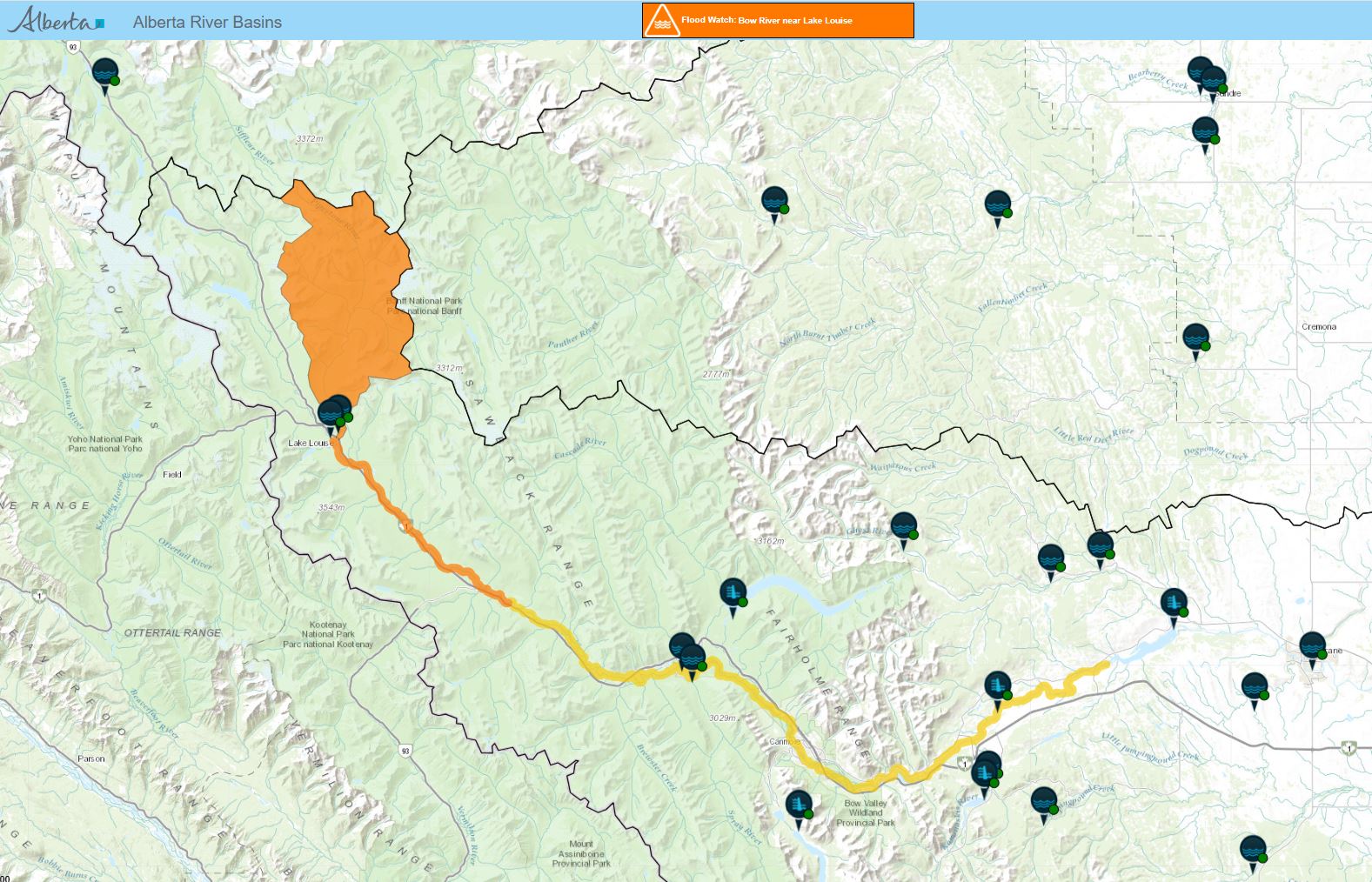
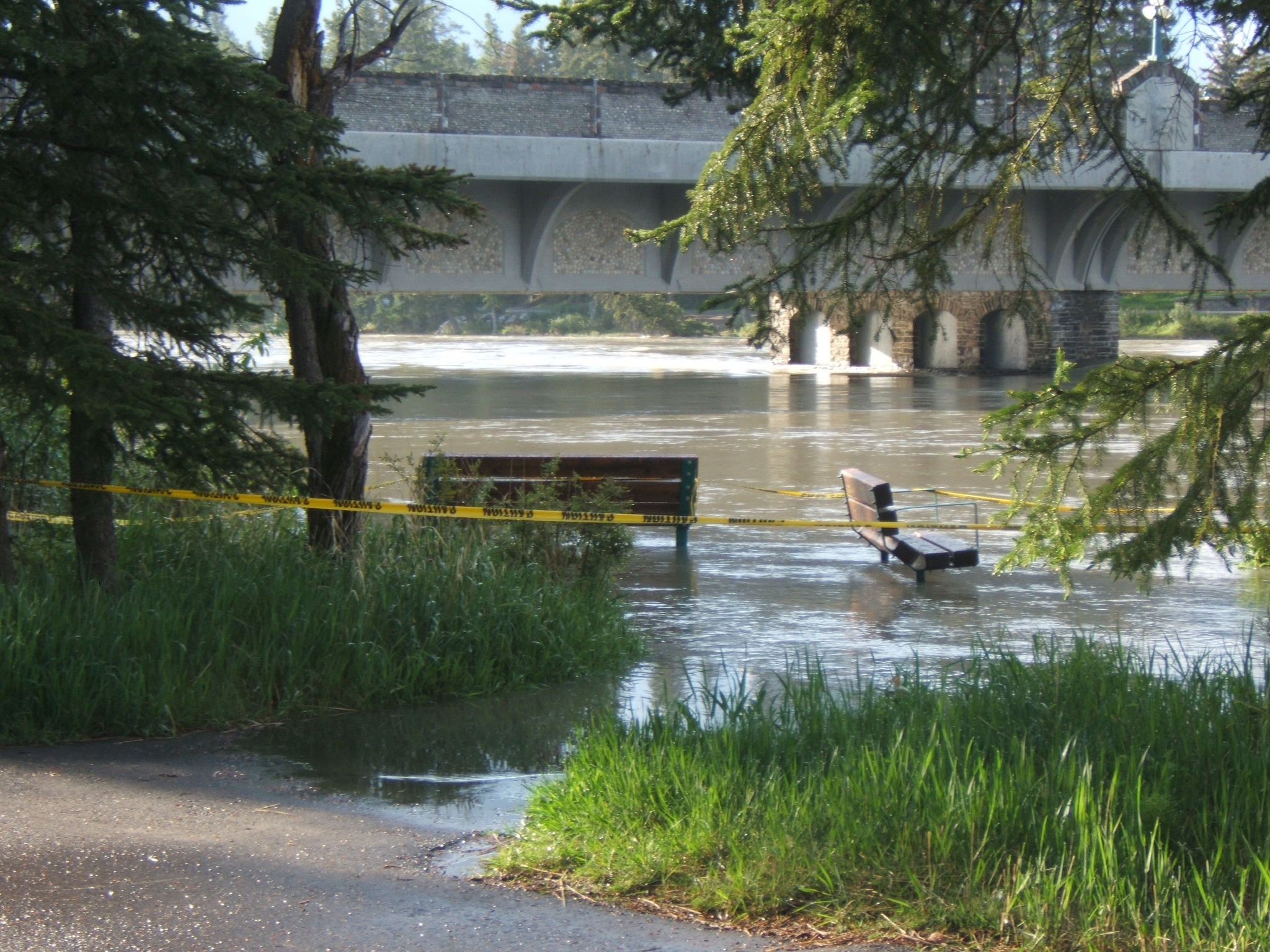
Rising waters, caused by unseasonably warm temperatures, has prompted a high streamflow advisory to be issued for the Bow River in Banff National Park.
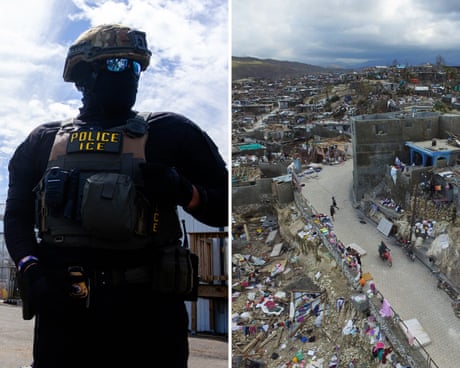
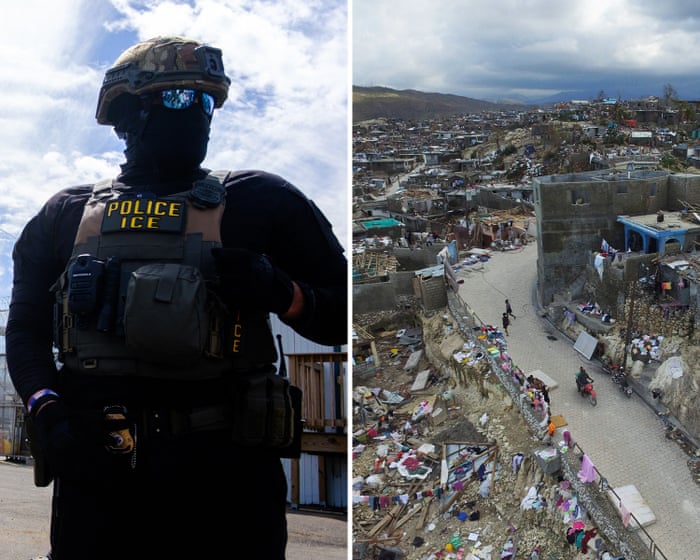
Donald Trump’s immigration crackdown is largely targeting people from the countries most vulnerable to displacement from climate-driven disasters, a Guardian analysis shows.
As the Trump administration pushes policies to boost planet-heating fossil fuels, millions of people are being forced to flee their homelands due to storms, floods and droughts worsened by the climate crisis.
Heavy rain is forecast across parts of Alberta and southeastern B.C. through next week, raising concerns about flooding, landslides and washouts in some communities.
Despite the rising water levels, City of Calgary officials said 70 per cent of the damage potential from the 2013 floods has been reduced due to investments in flood resilience.
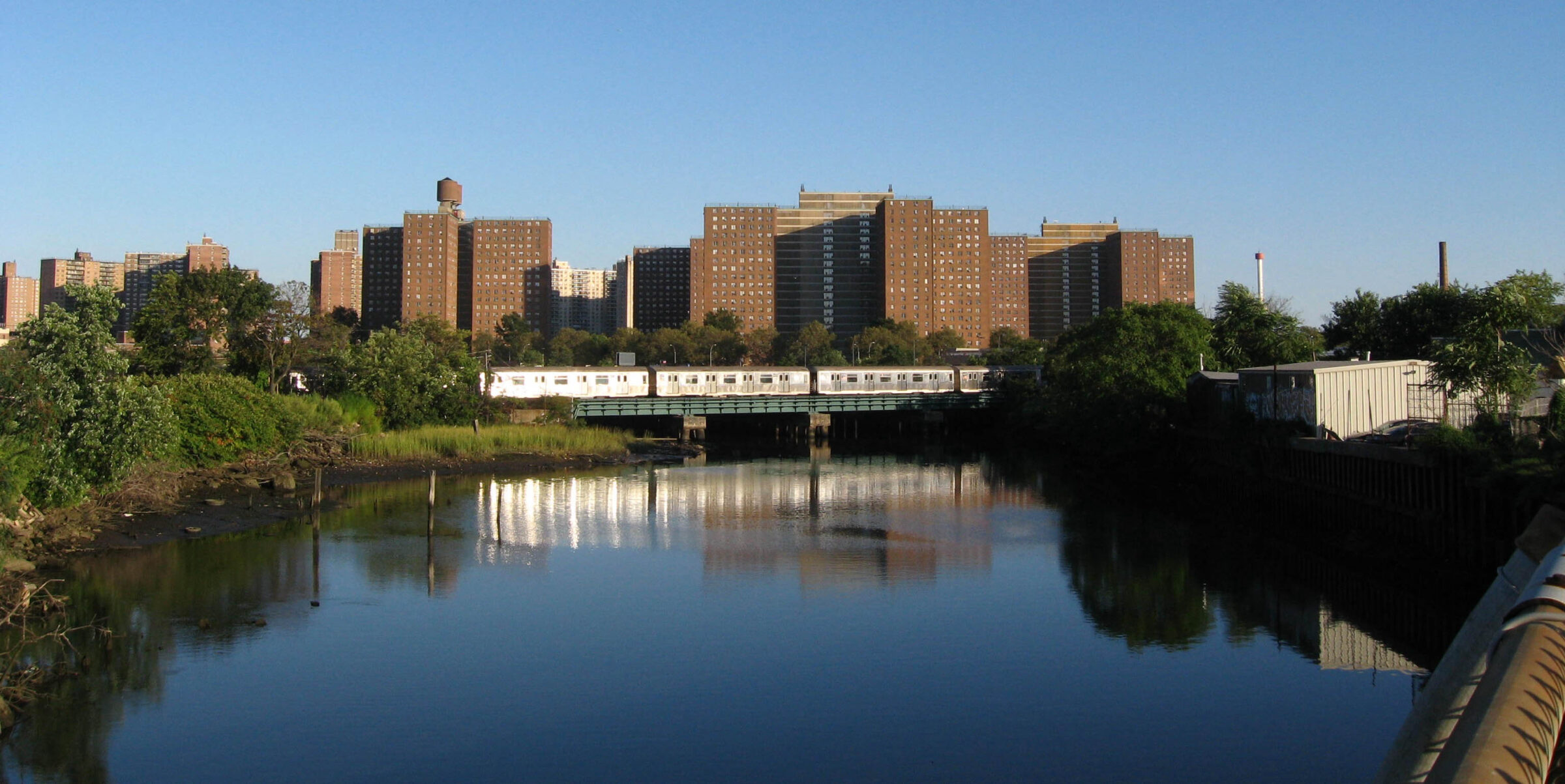
At a recent Climate School event, speaker Memphis Washington discussed the Waterfront Alliance's climate resilience and environmental justice efforts in Coney Island.

 Login
Login