Sacred fire saved from non-sacred fire on Miyajima.
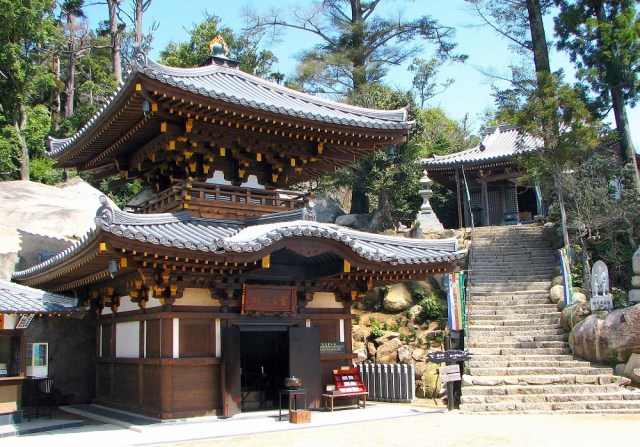
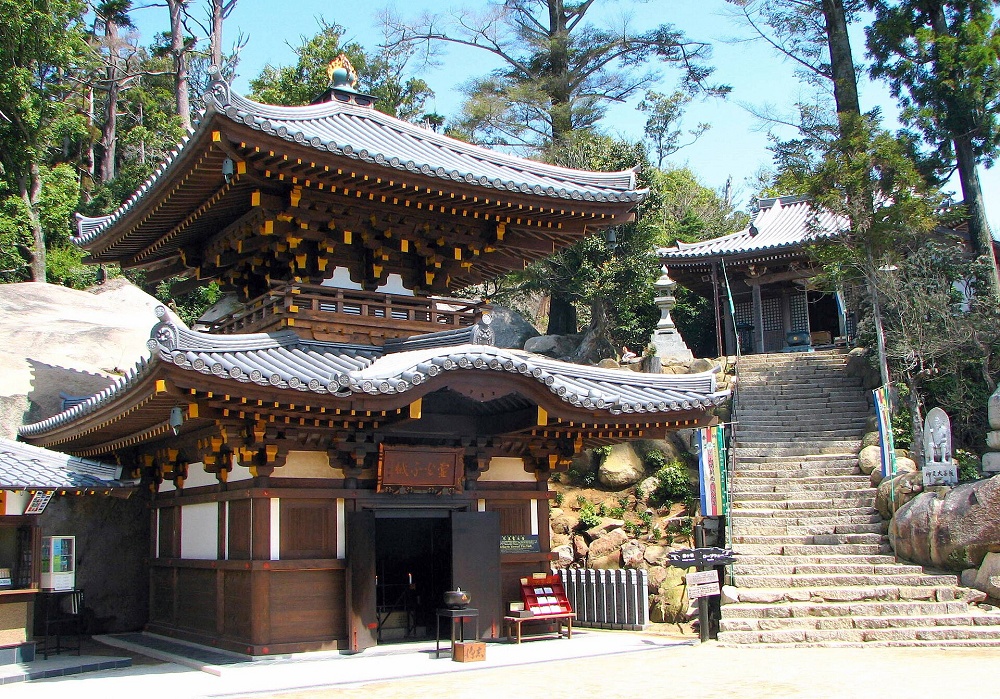
Hiroshima Prefecture’s Miyajima Island, famed for the torii gate that stands in the water just off its coast, is home to one of Japan’s most beautiful and historically significant concentrations of shrines and temples. Among them, though, Daishoin Temple is especially noteworthy, as it’s the oldest Buddhist temple on the island, founded by traveling monk Kukai (a.k.a. Kobo Daishi) in the year 806.
Located on Mt. Misen, along a popular hiking trail that leads up to the mountain’s peak, Daishoin receives many visitors. On the morning of May 20, though, a call came in to Japan’s 119 emergency response number reporting that the temple’s Reikado hall was on fire. Firefighters rushed to the scene, and after roughly two hours the blaze, which had also spread to part of the neighboring forest, was largely suppressed, but sadly, the hall burned to the ground.
Thankfully, though, the Reikado’s fire was unharmed.
To unravel this confusing situation, it’s helpful to know that Reikado translates as “Hall of the Sacred Flame,” and also that the building’s official name is Kiezu no Reikado, or “Hall of the Ever-burning Sacred Flame.” Housed within the hall was a flame that’s said to have been burning for more than 1,200 years.
▼ The Reikado’s sacred flame (prior to the fire on May 20) can be seen at the point queued in this video.
After the hall caught on fire, a quick-thinking monk transferred the sacred flame to another section of the temple where no unwanted fires were occurring, preserving its streak as it progresses towards the 1,300-year mark.
Fortunately, no one was injured in the fire, though the hiking trail as well as the ropeway to the top of the mountain were shut down as a precaution. Investigators are still trying to determine the cause of the fire.
This isn’t the first time for the Seikado to burn down but its sacred flame to be saved, as the same scenario also unfolded in 2005, with the rebuilt hall then opening in 2006. Daishoin’s abbot Masahiro Yoshida, though, says that the newest rebuilding will likely take more than one year to complete.
Kabuki adaptation of Hayao Miyazaki Ghibli anime opens in Tokyo this summer.
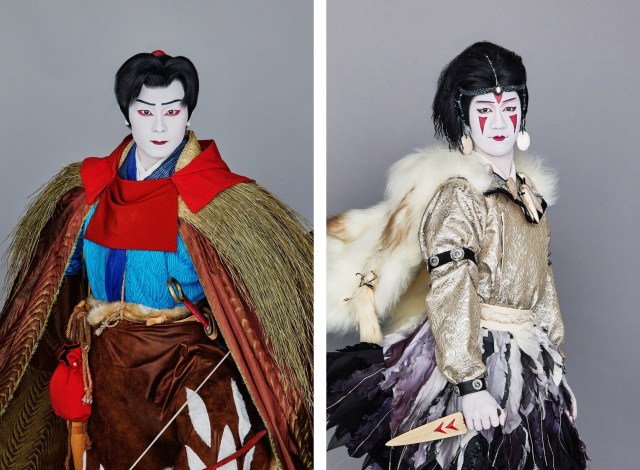
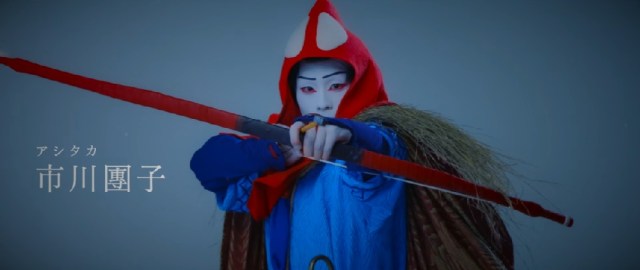
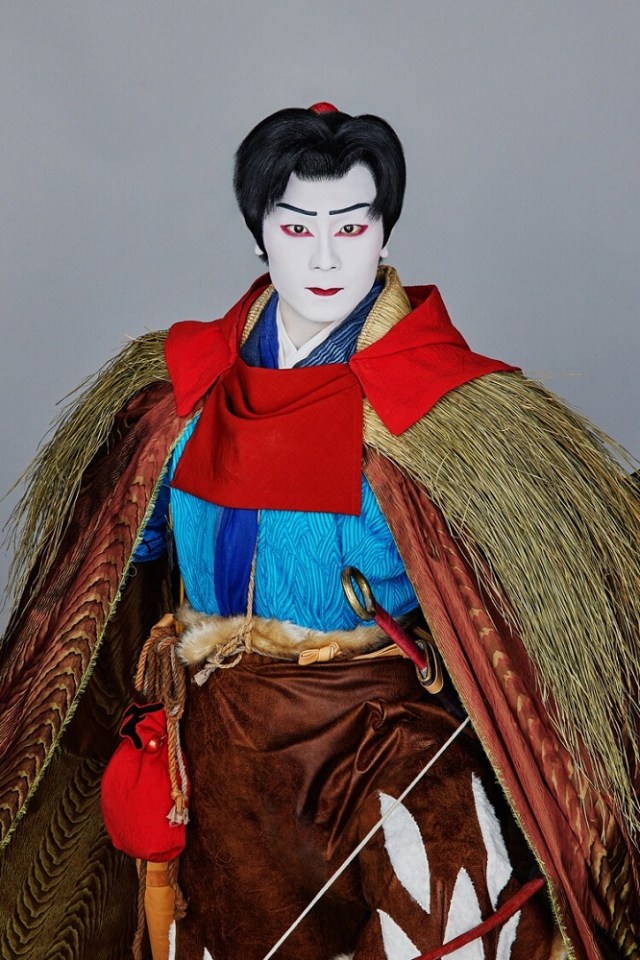
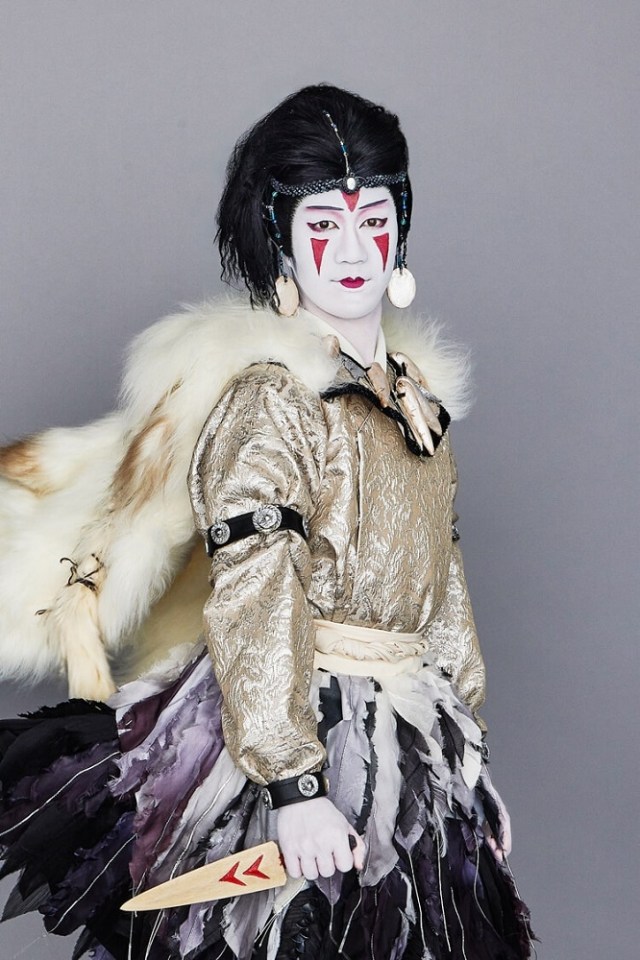
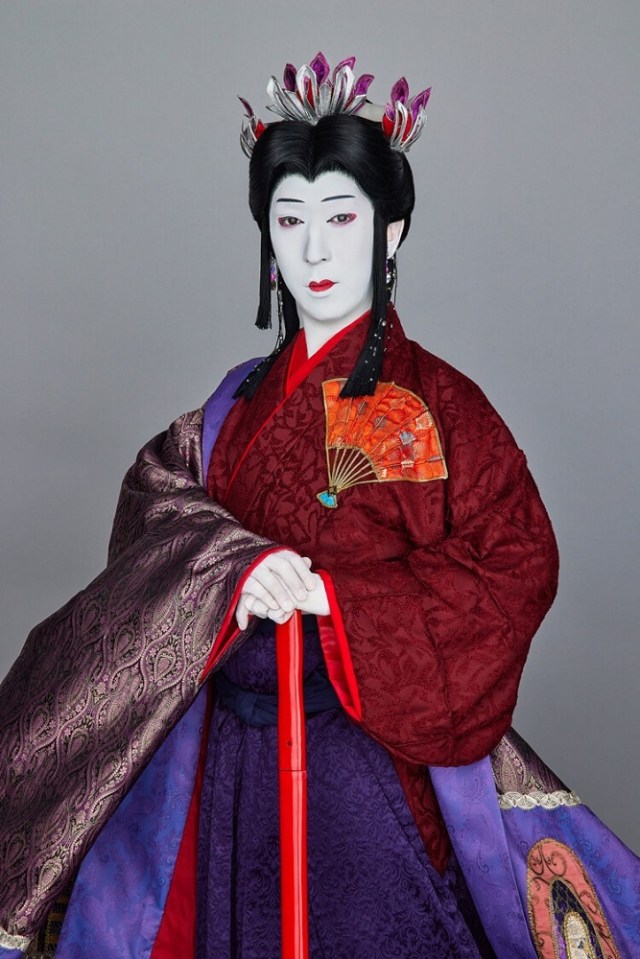
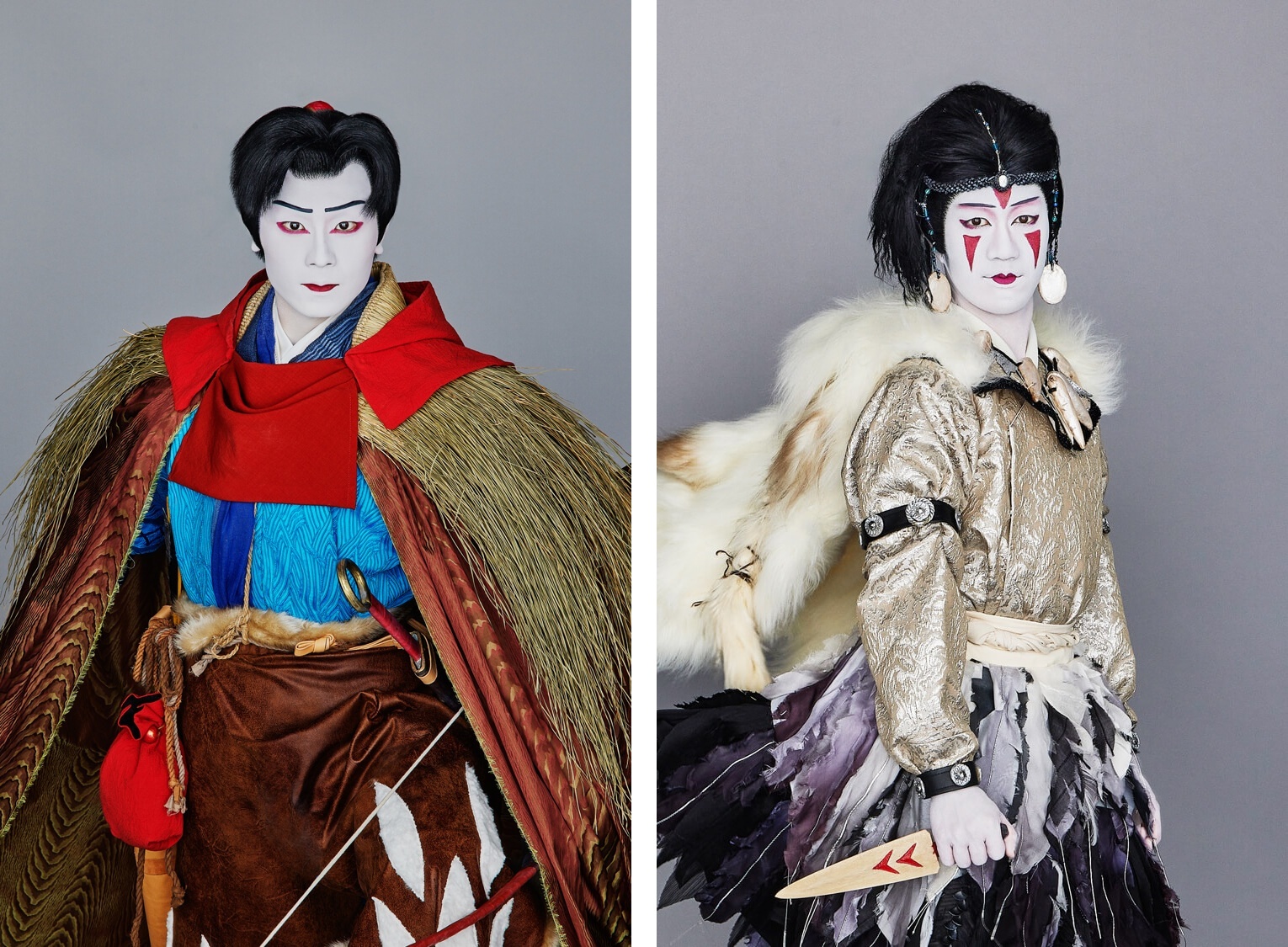
Princess Mononoke is one of the most celebrated anime films of all times, and with every frame bursting with Studio Ghibli’s distinct animation artistry, it’s hard enough to imagine what it would look like in live action, let alone as a kabuki play. That’s exactly what we’re getting, though, with the stage adaptation set to open in Tokyo this summer, and now we’ve got our first look at the main cast in costume.
The production team has released a video preview that opens with actor Dango Ichikawa declaring “My name is Ashitaka” as he notches and arrow and draws back the string of the wandering prince’s bow.
He’s followed by a silent introduction of Kazutaro Nakamura as San, the monster princess herself.
As a complex tale of various factions searching for ways to survive, sometimes at each other’s expense, Princess Mononoke doesn’t have a traditional, clean-cut villain. Within the central conflict of the forest denizens versus the humans, though, the latter group is led by Lady Eboshi, who’ll be played by Manju Nakamura.
Given its feudal Japan setting, Princess Mononoke’s characters’ outfits make for an easier adaptation into kabuki costumes than, say the wardrobes of My Neighbor Totoro or Kiki’s Delivery Service would. Still, the designers have added touches of ornate flair here and there. Kabuki does, after all, have a tradition of bold aesthetics, and the costumes need to have a level of visual impact that can reach far past just the front row of the audience.
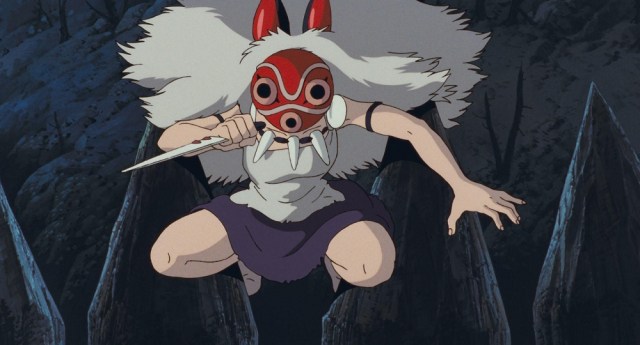
▼ Kabuki San’s skirt, for example, gets extra feathery elements that aren’t present in the anime design.
The Princess Mononoke kabuki play is scheduled to run from July 3 to August 23 at Tokyo’s Shinbashi Enbujo Theater. Tickets for most of the performances won’t be on sale until May 25, but there are a pair for which reservations can be made now too.
However, despite the Ichikawa City Zoo not having any donkeys, there unfortunately were two jackasses at the zoo last weekend. On Sunday morning at around 10:50 a.m., a man wearing a full-body costume resembling a business suit and an emoji-style head climbed over the fence of the habitat where Punch and the other Japanese macaques live. As he walked around, the animals fled to the top of their climbing rock, and a zoo employee came to remove the man. Other workers restrained the costumed man’s companion, who had been recording a video of him from outside the habitat, and the zoo contacted the police, who came and took the pair into custody.
▼ Video of the man being led out of the monkey habitat by a zoo employee
The two men, aged 24 and 27, told the police they were American citizens, although investigators have not, as of the time of this writing, publicly confirmed that piece of information. They have both been arrested on charges of forced obstruction of business, the standard charge for disruptive and/or intimidating behavior in or around places of business (such as sending letters to Nintendo’s main office saying you’re going to “blow them all the hell up”).
After being taken into custody, one of the men said “I do not want to answer questions, and I do not think I should have been arrested.” A spokesperson for the zoo, in speaking with reporters, countered with “This is beyond the bounds of common sense. I’m surprised and baffled that someone would do something like this.”
Thankfully, no monkeys were harmed in the incident, but with orderly conduct and cute animals both being things Japan is very fond of, online reactions to the incident have been pretty much universally furious.
“Just toss them into a cage with a crocodile or bear instead.” “Put ‘em in with some lions.” “It’s unforgivable for them to do this just as Punch is integrating with the rest of the macaques.” “If you had the guy in the costume and Punch both take an IQ test, I’m pretty sure Punch would get the higher score.” “Deport them and never let them into the country again.” “Don’t let them go because they’re foreigners. Prosecute them.” “Please stop letting people get away with things like this without taking them to court…please make them pay fines for disrupting the zoo’s operations.”
Again, the two men’s nationalities have yet to be publicly confirmed. The online reactions, though, still reflect a growing sense of exasperation for transgressions of this nature, and should serve as a warning to anyone considering engaging in such asinine behavior that getting off with a slap on the wrist might be becoming a less likely outcome than it was in the past.
Rock shochu and reggae shochu really do taste different from each other.
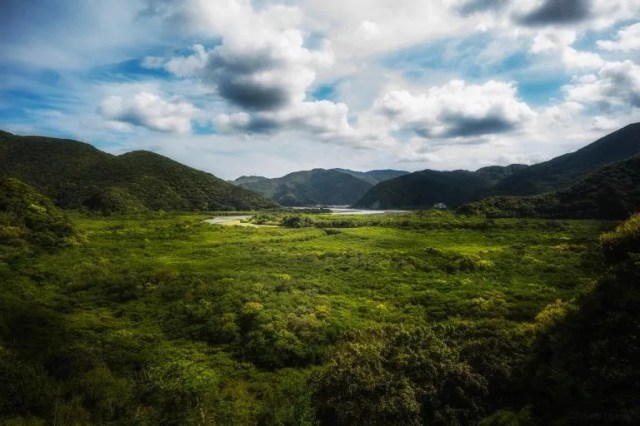
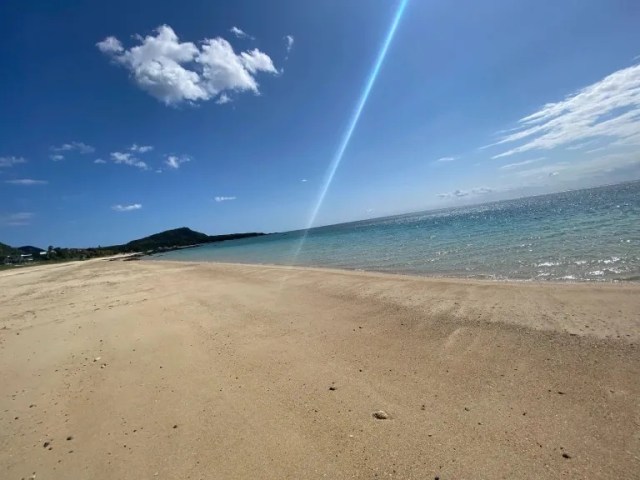
The island of Amami Oshima is part of Kagoshima Prefecture, and Kagoshima is usually pictured as making up the southwest tip of the island of Kyushu, one of Japan’s four main islands. Amami Oshima, though, is far, far away from the Kyushu coastline, so far away that the ferry from Kagoshima City takes 13 hours to get there.
▼ The route from Kagoshima City to Amami Oshima, which can alternatively be reached by plane from Tokyo in two and a half hours.
Oh, and it’s also famous for shochu, a distilled spirit with longstanding cultural connections to southwest Japan. Specifically, Awaji Oshima’s kokuto shochu, made with rice and brown sugar, is highly prized, and so on our recent visit to the island we didn’t just want to drink some, but also see how it’s made.
We lucked out when we contacted Nishihira Shuzo, an Amami Oshima shochu maker that’s been in business for 99 years, and they said they could offer us a tour of the facility, and a tasting too, with some very unique beverages to sample.
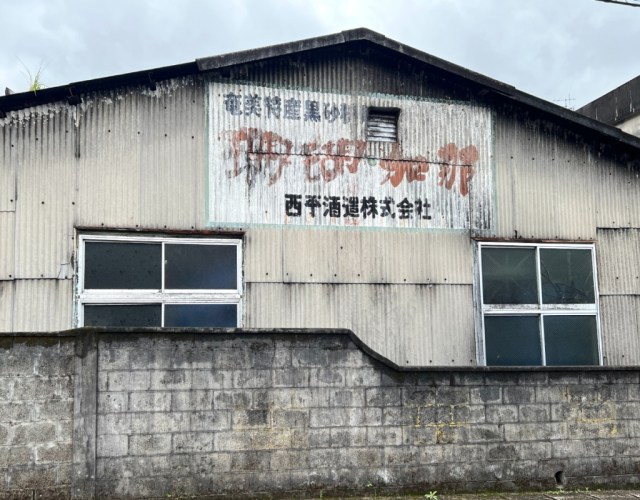
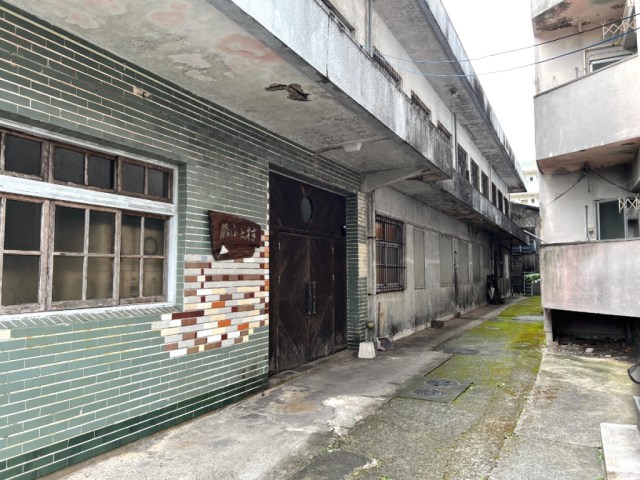
▼ The rustic exterior of the Nishihira Shuzo distillery
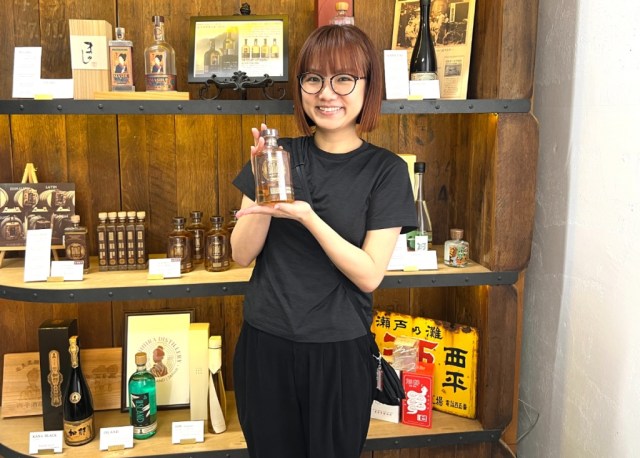
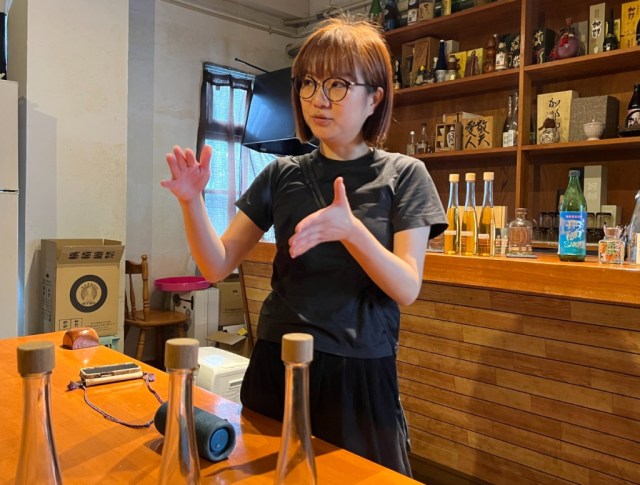
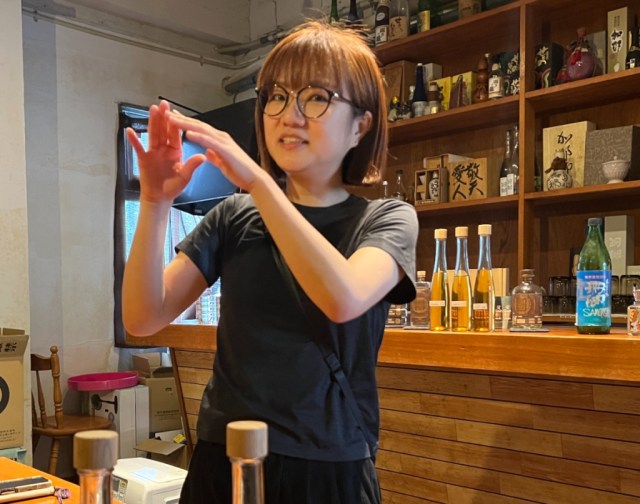
Despite being around for nearly a century, Nishihira Shuzo is still a family-run operation, and we were told that the fourth-generation owner of the business would be our guide. With shochu being a high-alcohol drink with an old-school vibe, our mental knee-jerk reaction was to expect a stern-looking, silver-bearded gentleman, but instead we were warmly greeted by Serena Nishihira and her friendly smile.
▼ Serena Nishihira
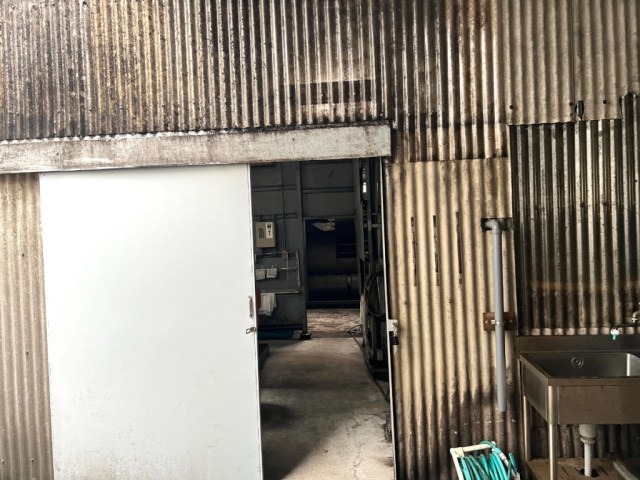
In addition to being a skilled shochu distiller and businesswoman, Nishihira is also a musician, which is something that’ll come into play later on. To start, though, she led us into the distillery’s production area.
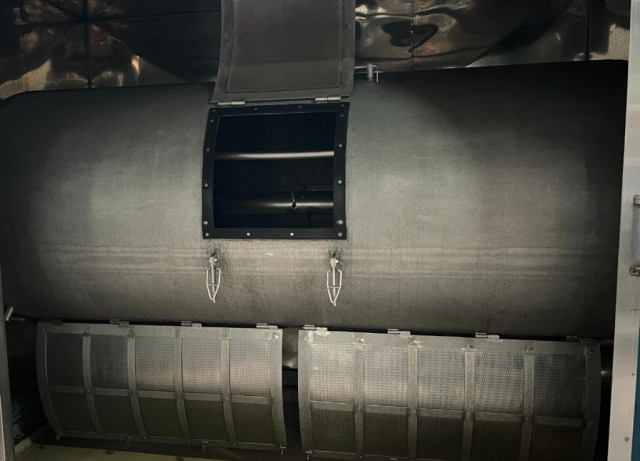
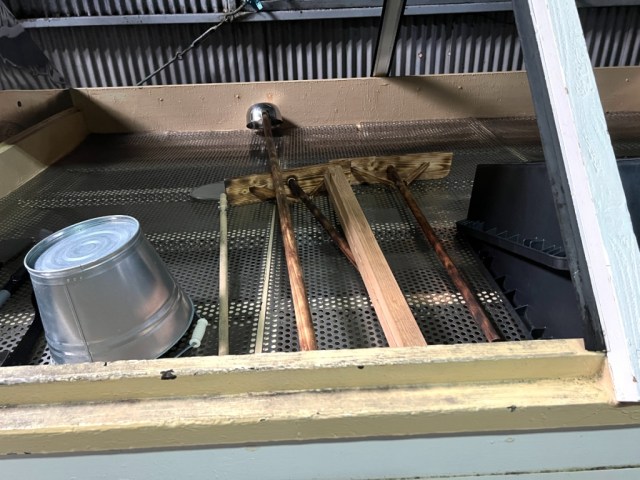
As mentioned above, Nishihira Shuzo’s shochu is made from rice, so steaming the grains is the first step in making it. The distillery has a gigantic cylinder-shaped apparatus that’s used for washing and steaming, with a typical batch using about 400 kilograms (882 pounds) of rice.
Once the rice is cooked, it’s taken out of the drum and sprinkled with koji, a fermentation-triggering type of mold that’s also used in making sake. The rice is then put on racks in a temperature-controlled environment for its initial fermentation.
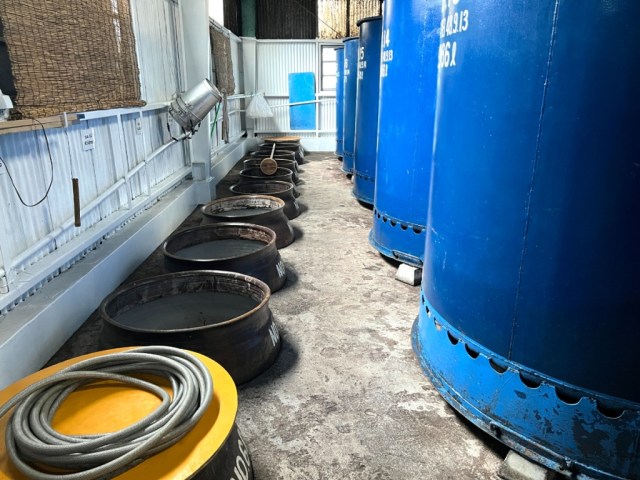
The next morning, the rice is put into jars with yeast and water to ferment for an additional five days. This isn’t a step that all shochu makers include in their process, but Nishihira Shuzo says it’s a key element of theirs.
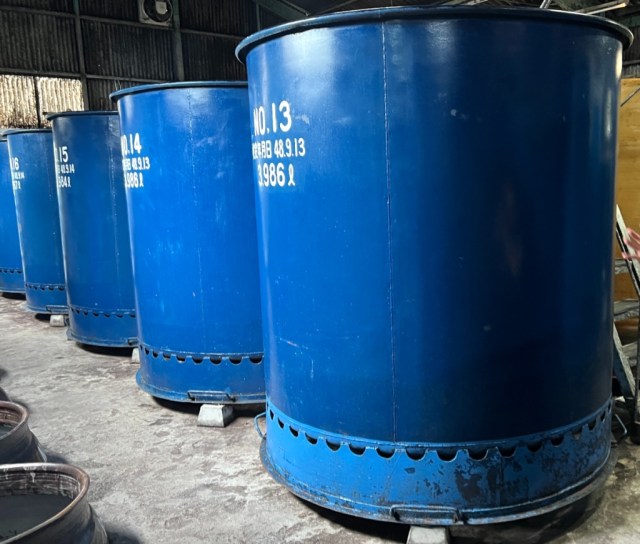
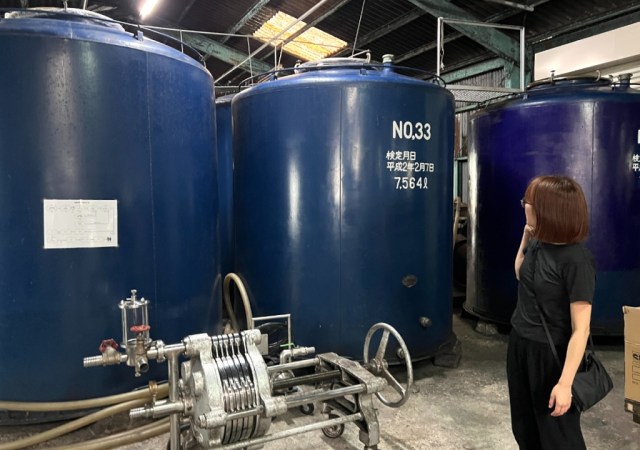
After its time in the pot, the mixture is transferred into tanks and combined with liquified brown sugar, then given another two weeks to ferment.
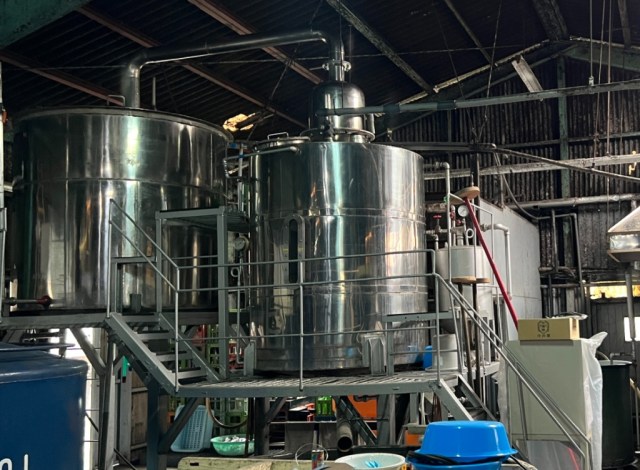
That produces the fermented mash which is then distilled.
But that doesn’t mean Nishihira Shuzo can whip up a whole batch of kokuto shochu, start to finish, in just three weeks, because the final step (before bottling) is to age the shochu in tanks for at least one full year.
From a 400-kilogram load of rice, Nishihira Shuzo can produce roughly 800 1.8-liter (60.9-ounce) bottles of shochu. Luckily for us, some of those bottles end up in the distillery’s tasting room, which was the next place that Nishihira led us to.
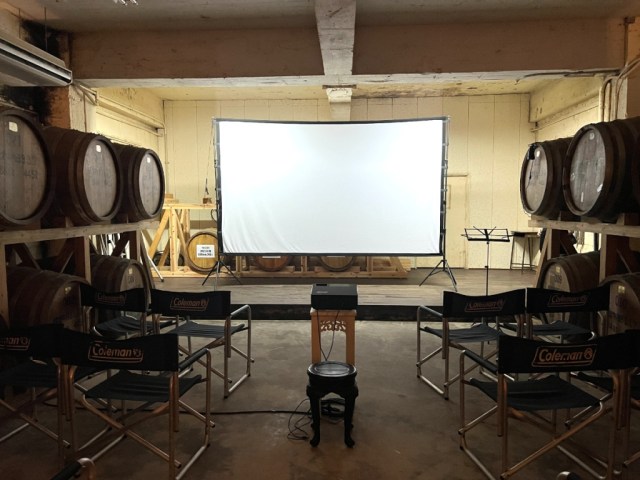
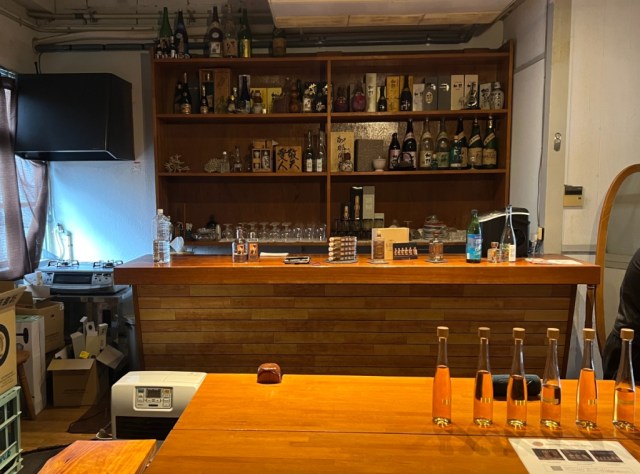
The tasting room has chairs, a projector, and a screen set up for use for group events or musical performances, but we had the place to ourselves on this day.
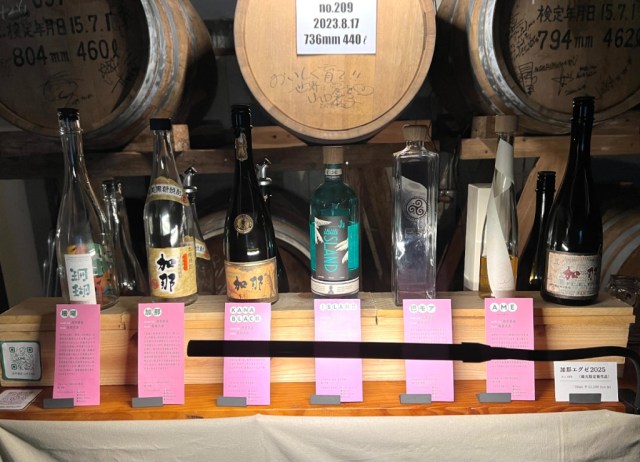
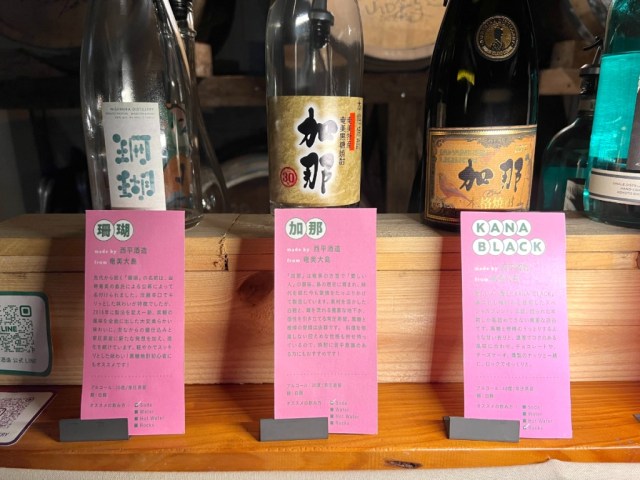
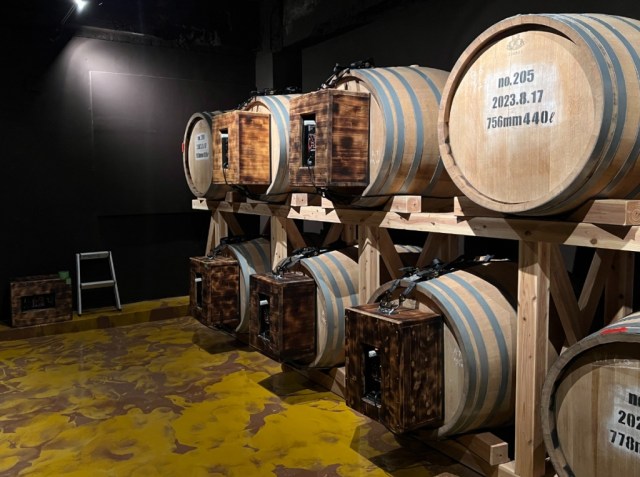
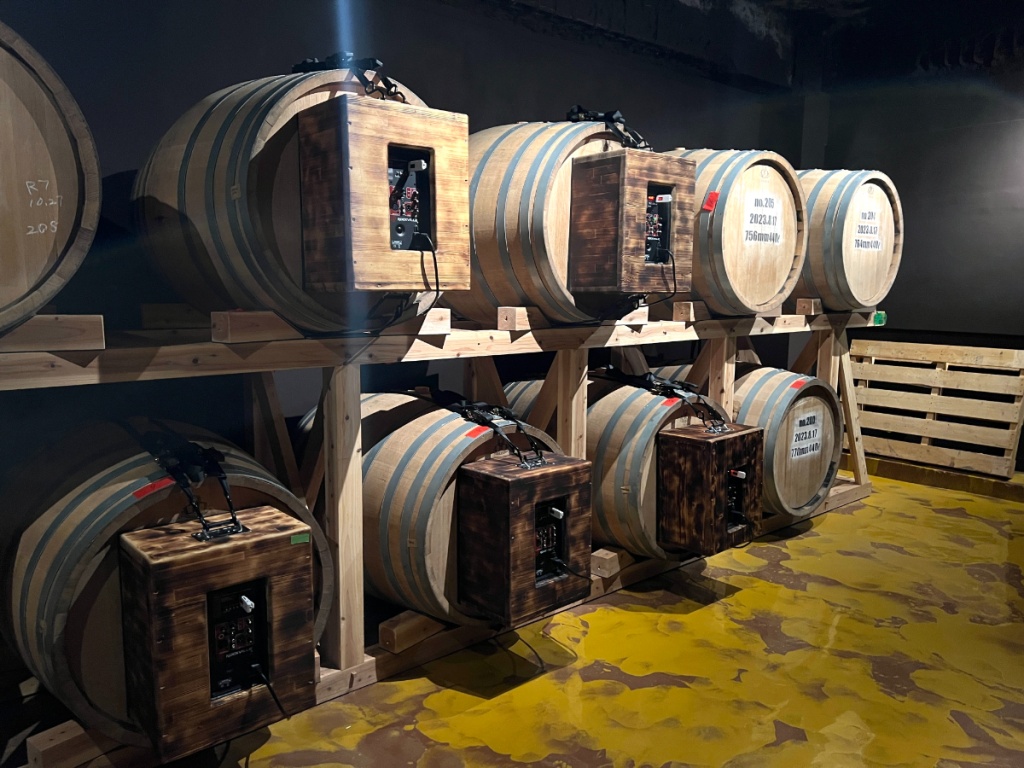
Nishira poured us a selection of the company’s products, and we found them all extremely enjoyable. But just when we thought things couldn’t get any better, she led us through a door at the back of the room where we saw this.
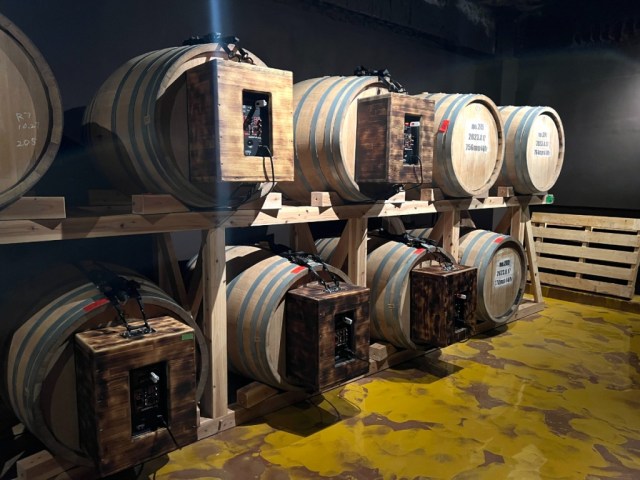
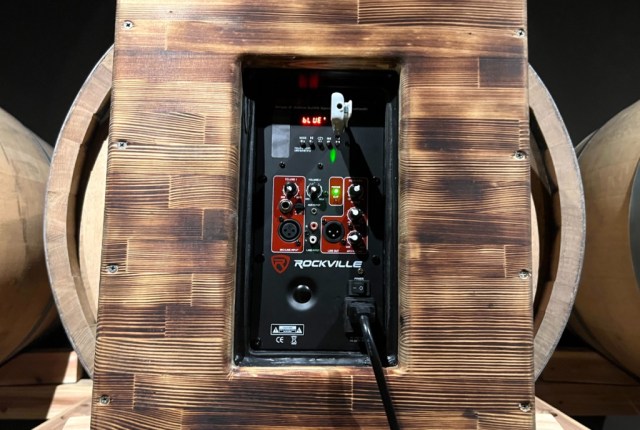
Those are shochu barrels with speakers attached to them. And not some little mini speakers that you might have set up in your kitchen to listen to tunes while you cook, but concert-size amps!
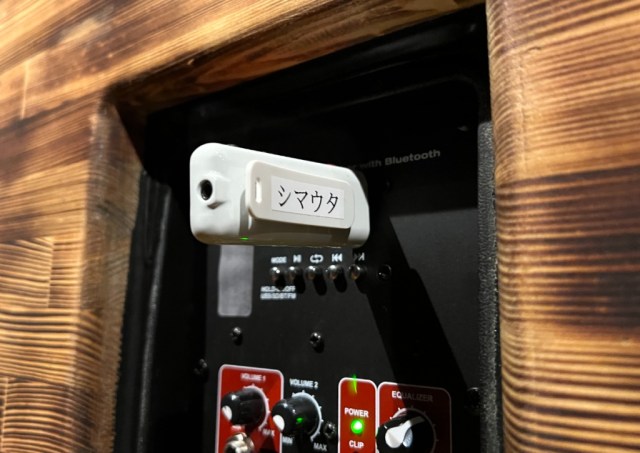
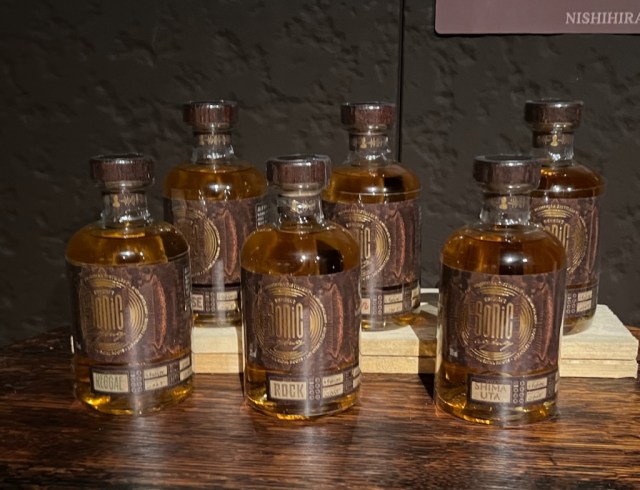
This is where the Nishihira’s Sonic Aging Project takes place. While the speakers were quiet as we looked at them, Nishihira turns all of them on when the distillery starts its shift for the day, and has them play for eight hours. Different amps play different genres of music, with a total of six styles: house, reggae, hip-hop, Latin, rock, and shima uta, or Japanese southern island folk songs.
“We play the music at high volumes,” Nishihira explained, “Depending on the genre, the music produces different vibrations within the barrels, and we want to see how that affects the shochu.”
▼ The shima uta barrel
Like we said, Nishihira is a musician, so at first the idea of playing music for the shochu sounded like a whimsical, creative, but ultimately inconsequential idea. Nishihira, says, though, that with the barrels being music-treated for roughly 2,000 hours in a year, it really does make a difference.
Genres with more bass produce stronger vibrations in the barrel, and also with the shochu itself. That increased interplay between the container and its contents causes the wood to have a more significant influence on the color and flavor of the shochu that’s aging inside.
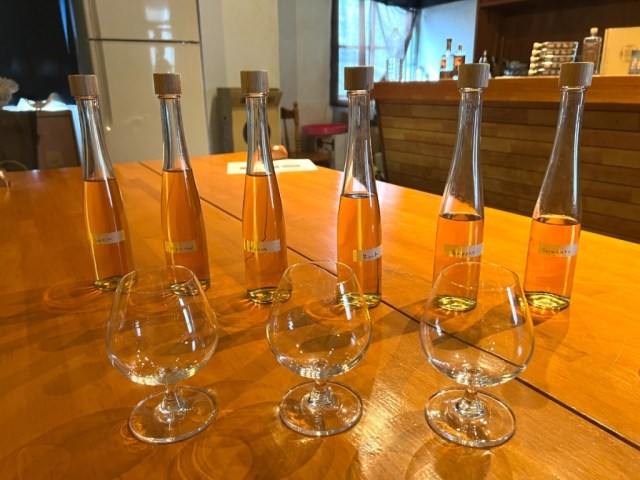
To prove this, Nishihira ushered us up to the second floor of the tasting area to try some of the Sonic Aging Project series.
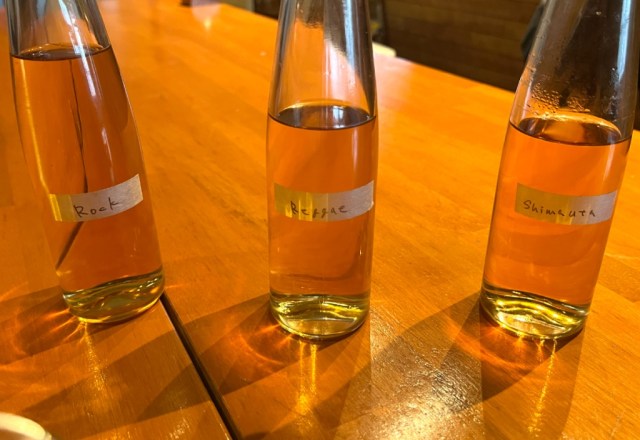
Out of the six music genres, Nishihira says that reggae produces the strongest vibrations, and shima uta the softest. So we definitely wanted to taste those two, and she also poured us some of the rock shochu, which is somewhere between the other two in the spectrum.
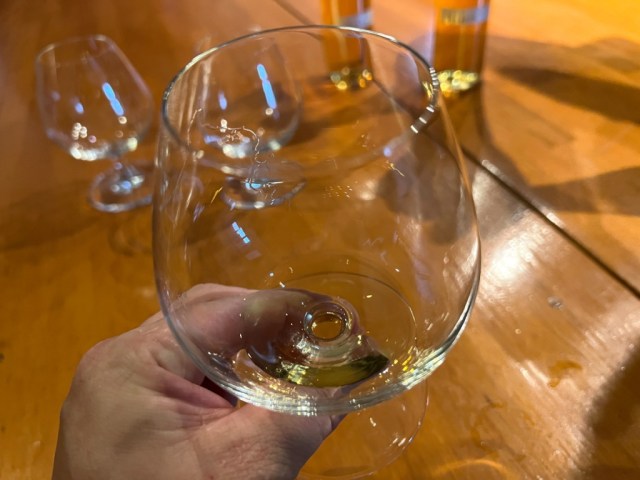
And you know what? We really could taste the difference! The reggae shochu was darker in color and had a rich flavor with some notable bitter notes from the wood. The shima uta shochu, meanwhile, was lighter in color and sharper in taste, with a more pronounced sensation of alcohol. The rock shochu, sure enough, was a mid-point between the more distinct characteristics of the reggae and shima uta.
So which of the Sonic Aging Project shochu styles is the best? There’s actually no answer to that, Nishihira says. Just like your favorite musical genre is a matter of personal taste, so too will different people have different rankings for how much they like the different types Sonic Aging Project shochu, and they’ve all got their own unique charms.
Reservations for Nishihira Shuzo tours can be made through their website here, but if you can’t make it all the down to Amami Oshima, they also offer their shochu, including the Sonic Aging series, through their online store here.
Mr. Sato steps into the SoraKitchen with a bold idea.
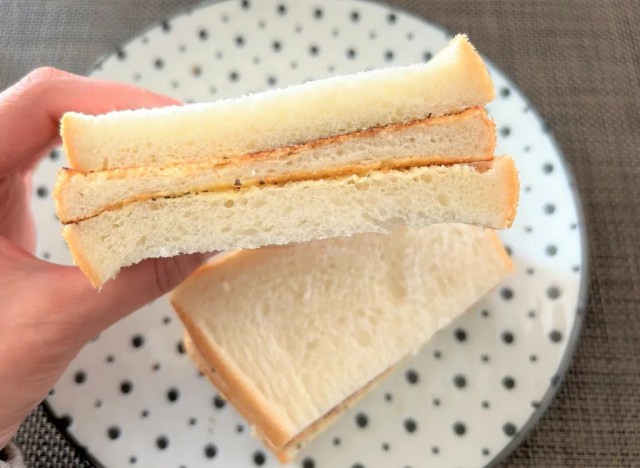
Food, as a broad topic, is pretty much always on our mind here at SoraNews24, but recently our ace reporter Mr. Sato found himself thinking about toast sandwiches in particular. Like many people who grew up outside the U.K., Mr. Sato initially found the concept of a sandwich where the inside and outside are made of the same thing to be kind of bizarre. And yet, the toast sandwich has been part of British cuisine for more than 150 years, so it must have a lot of fans, right?
As a matter of fact, we’ve got at least one of those fans among our born-in-Japan staff, as Mr. Sato’s colleague K. Masami made and taste-tested a toast sandwich a while back, and found it very tasty.
And it’s not like Japan has anything against carbs, what with rice being the national dietary staple. So this got Mr. Sato thinking…could he create the Japanese food equivalent to the U.K.’s toast sandwich?
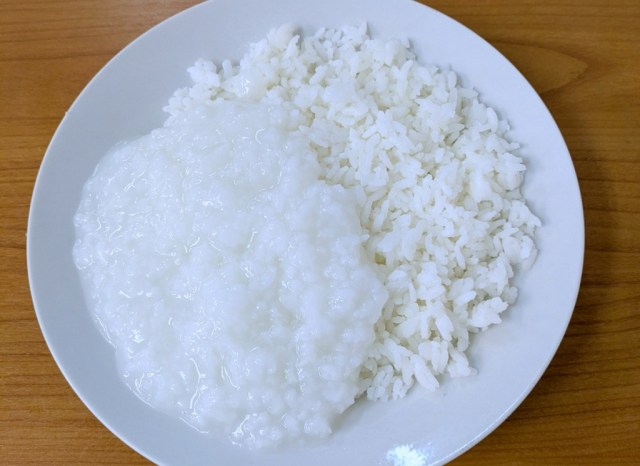
The first thing that came to mind for a rice-rice combo was okayu rice, made by pouring okayu (rice porridge) over steamed rice.
However, okayu rice had two strikes against it. First, okayu itself is generally something you’re supposed to eat when you’re sick, whereas toast sandwiches are more of a straight comfort food. Second, the idea of okayu rice was already floated in Kyukyoku Chojin R, a somewhat obscure gag manga from the ‘80s. That means okayu rice already had it’s chance to become a thing, and so Mr. Sato, bold pioneer that he is, wanted to try something else.
And what he decided to try is a rice onigiri, or rice rice ball.
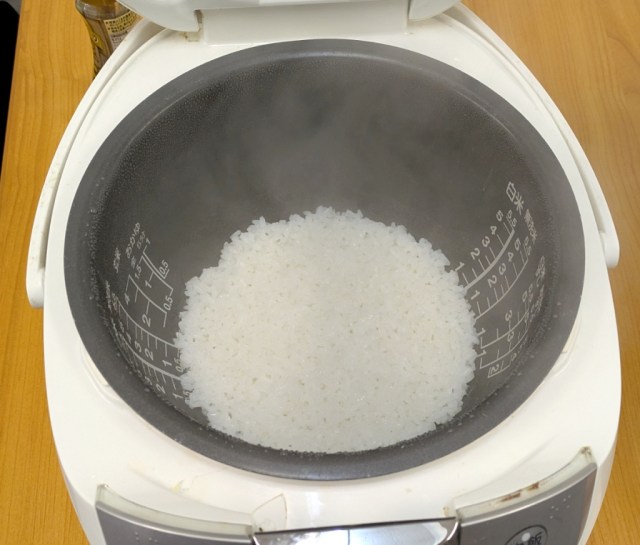
The more he thought about it, the more convinced he became that this could be Japan’s toast sandwich, because in addition to regular rice balls, Japan also loves toasted rice balls, which are called yakionigiri. Feeling fired up about his idea, Mr. Sato fired up his rice cooker and made a pot of white rice.
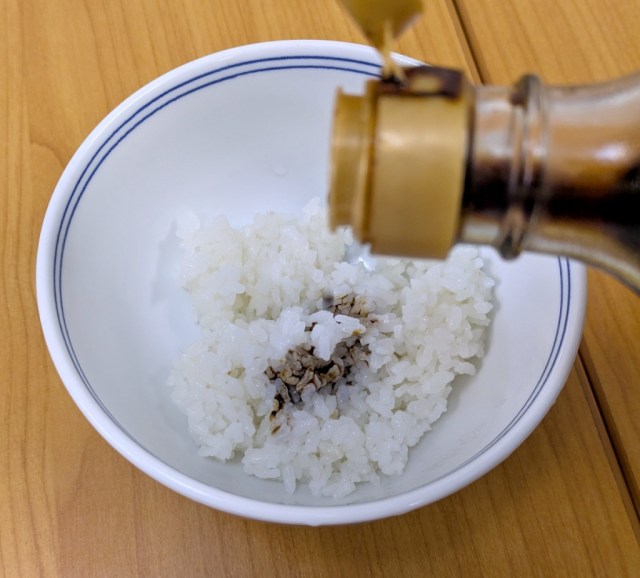
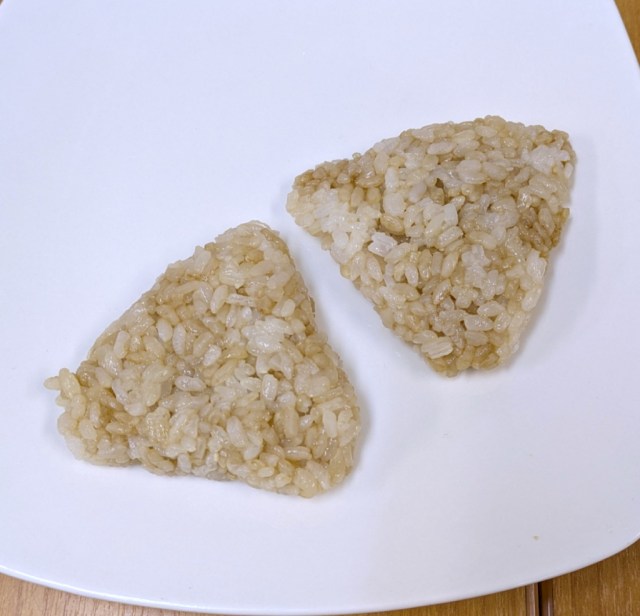
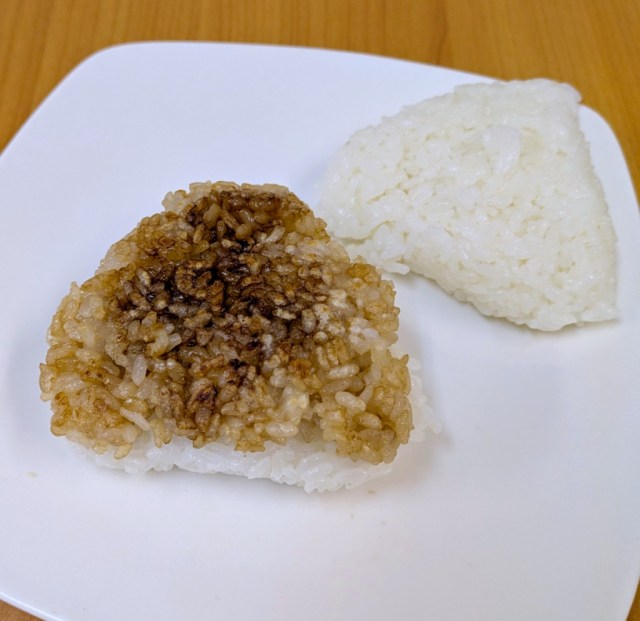
He then set aside a portion of it to use for the outer sections of his rice rice ball. That left the rest to become the toasted filling, to which Mr. Sato added soy sauce and then formed into triangles.
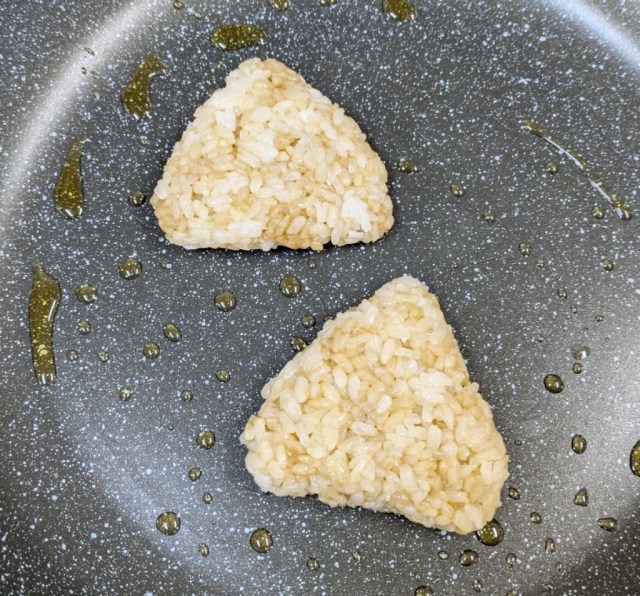
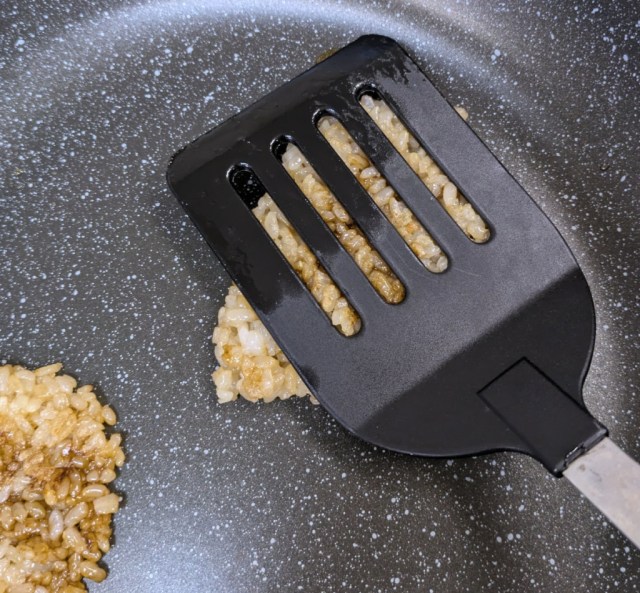
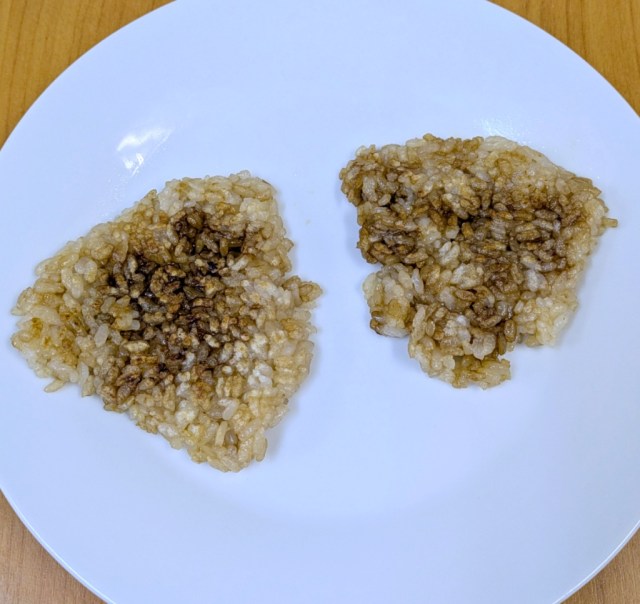
After heating some sesame oil in a frying pan, he put the rice in to let it flat grill. This step felt a lot like cooking up some hamburger patties, especially when he flipped the rice rice and gave it a press with his spatula on each side to create crispness on the surface.
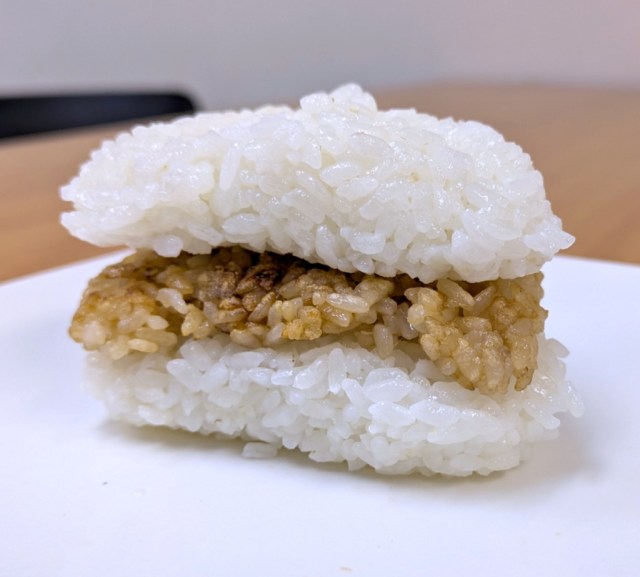
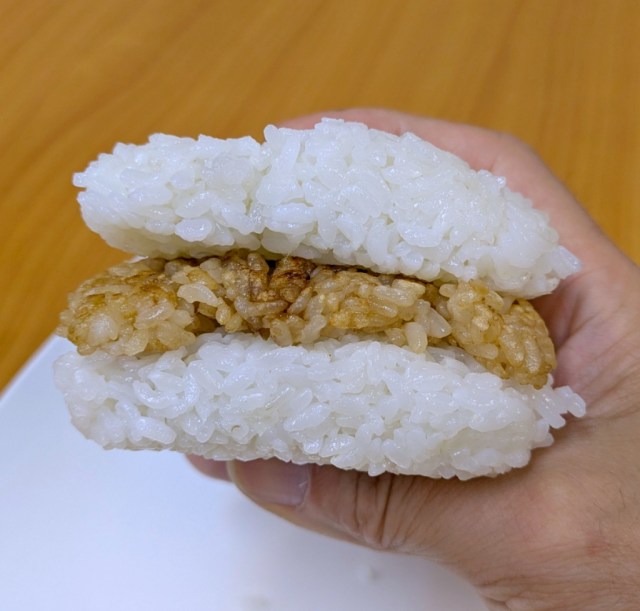
After taking his toasted rice out of the pan and letting it cool for a bit, the only thing left to do was to slap it between upper and lower layers of untoasted white rice…
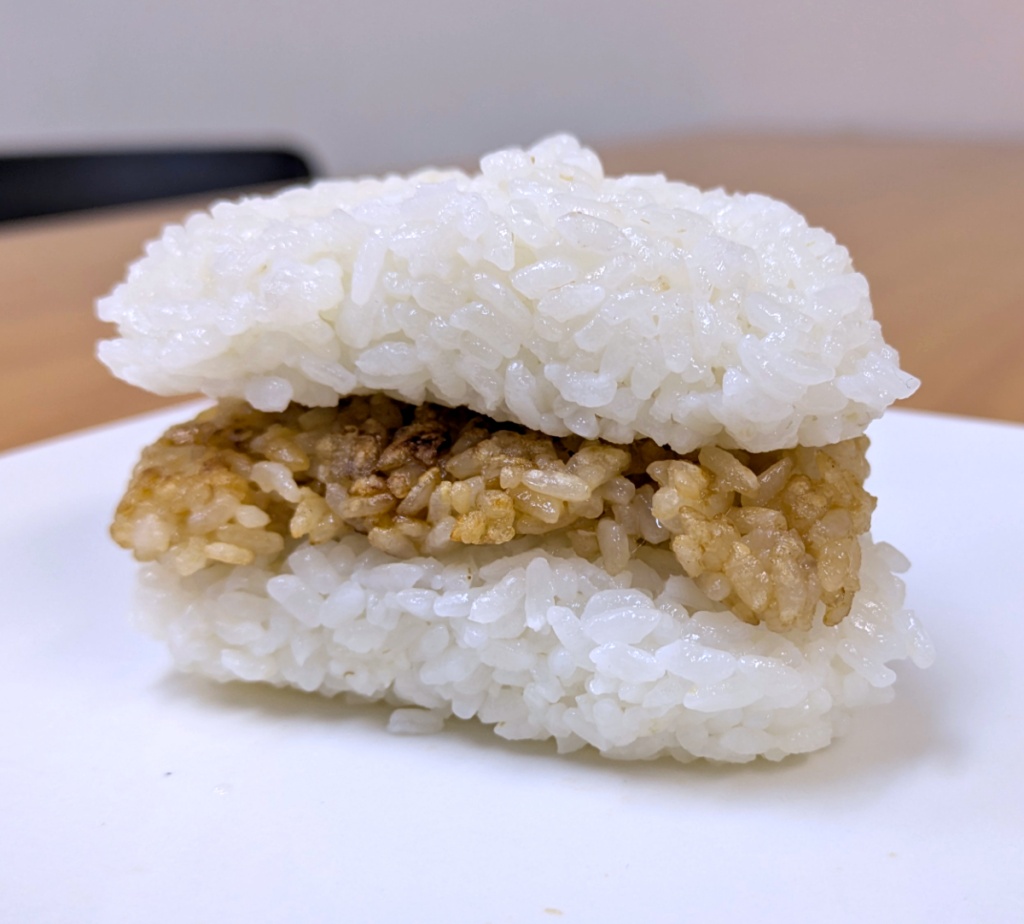
…and his toasted rice rice ball was done!
Taking a bite, he was met by the inviting fluffiness of the untoasted rice, and as he passed through it the fragrant, savory saltiness of the toasted rice emanated from within, which in turn helped draw out more of the untoasted rice’s natural sweetness.
It was, simply put, delicious, but Mr. Sato already has some ideas to help the toasted rice rice ball achieve even more of its potential. For starters, he realized that if he formed the for-filling rice first and spread the soy sauce across it with a brush, the sauce would be distributed more uniformly and help the rice toast more evenly. He’s also thinking of swapping out the soy sauce and using miso paste instead, which would add some extra complexity to the flavor and texture.
For now, though, he’s very happy with how his Japanese-version toast sandwich turned out, and recommends trying it for yourself too.
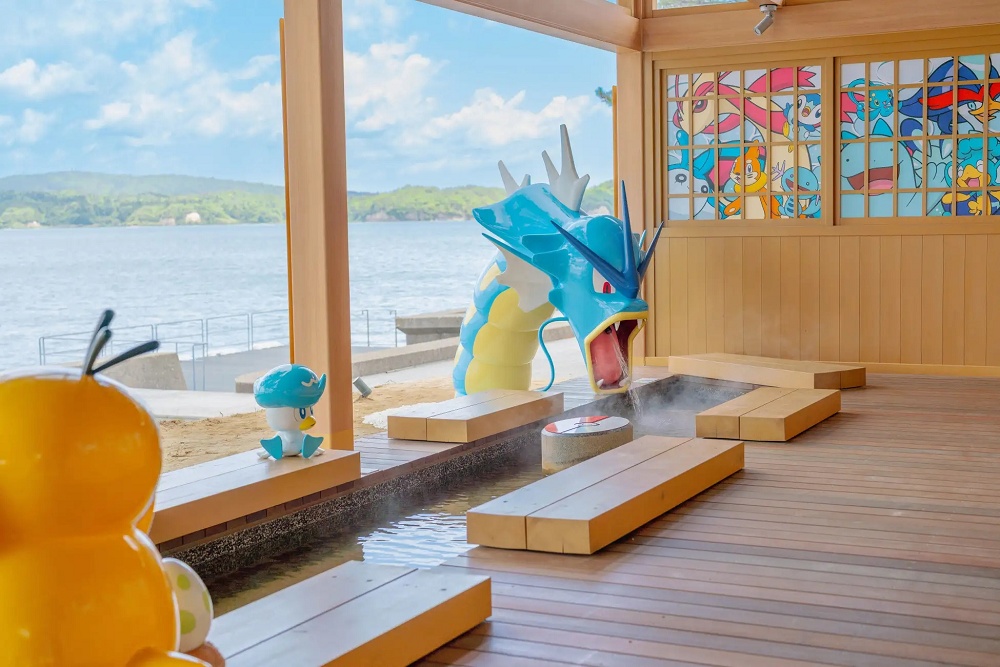
Pikachu and Gyarados invite you to come by for a relaxing soak as Noto town recovers from disaster.
A lot of storylines in the Pokémon anime and video games follow the journeys of Pokémon Trainers as they roam far and wide in search of rare Pocket Monsters as part of their training to become Pokémon Masters. No matter how strong your resolve is to be the very best, though, eventually you’re going to need to take some time to stop and rest along the way. Likewise, if your real-life travels take you to Japan’s Ishikawa Prefecture, there’s now a Pokémon-themed hot spring where you can rejuvenate yourself.
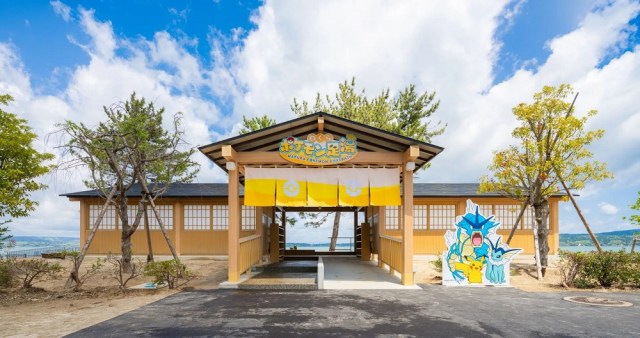
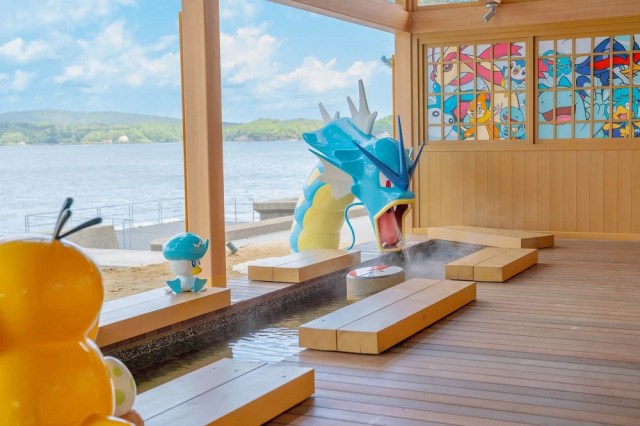
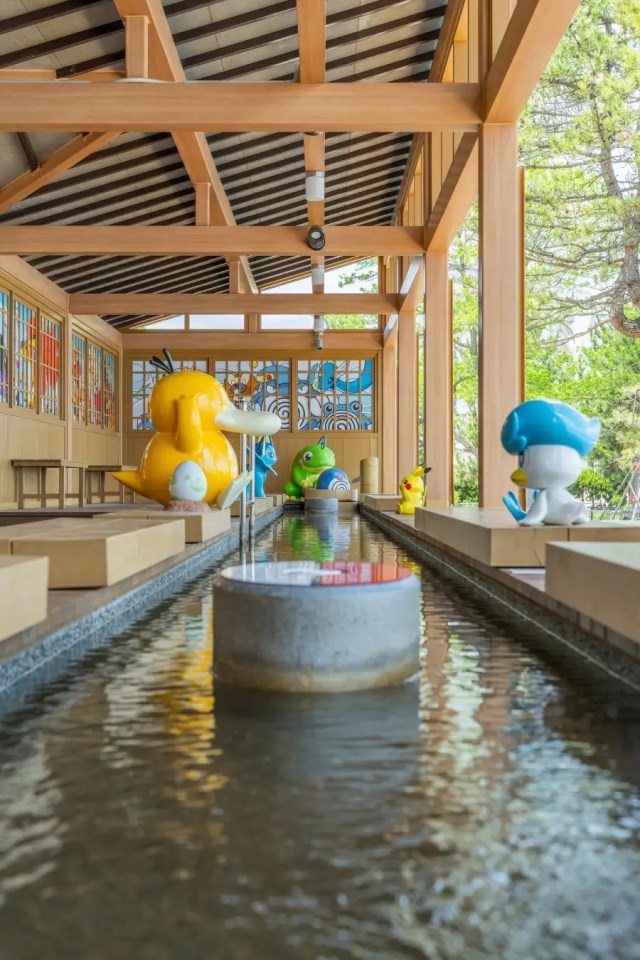
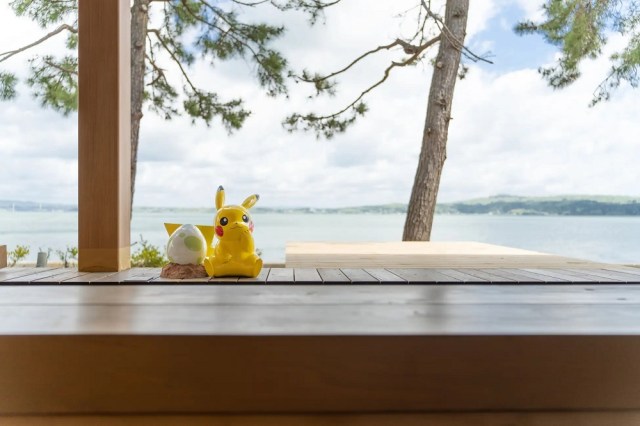
You’ll find this place in the town of Nanao, on the Noto Peninsula. This part of the prefecture is part of the collection of communities called Wakura Onsen, which has a number of onsen (hot spring) inns. Many of these facilities were damaged during a powerful earthquake that struck the peninsula in 2024, but the latest sign of the region’s recovery comes with the completion of renovations to the ashiyu foot bath in Yuttari Park. Earlier this month, the foot bath reopened following renovations, and visitors can now enjoy a soak in the company of several different Pokémon, including Pikachu, Gyarados, Vaporeon, and Psyduck!
The photos of the now-open facility show that the designers have done a fantastic job delivering on the promises of the concept renders. The footbath uses legitimate hot spring water, but unlike with a full-fledged onsen, visitors don’t have to be nude to make use of it. Just slip off your shoes and socks, the slide your feet in. Since you’re not completely submerged, you won’t need anything more than a hand towel or handkerchief to dry yourself off afterwards either, making this equally appealing to those looking for a long soak or sightseers who just want a quick Poké-relaxation session before moving on to the rest of their itinerary (such as tracking down the area’s Pokémon manhole covers). Aside from the obvious appeal of the Pokémon statues and murals, the foot bath also faces out onto the waters of the bay adjacent to the park, so you get some beautiful natural scenery to admire as well.
And as cool as the place is, it won’t cost you a single yen to use. Wakura Pokémon Footbath is completely free, and is open daily from 7 a.m. to 7 p.m.
Location information
Wakura Pokémon Footbath / わくらポケモン足湯
Address: Ishikawa-ken, Nanao-shi, Wakuramachi Hibari 1-1
石川県七尾市和倉町ひばり1丁目1番地
Open 7 a.m.-7 p.m.
Cultural quirks have a hand in making the same name the favorite for dogs and cats in annual study.
Japan’s most famous fictional cat might be the one named Kitty, but when it comes to actual pets, owners tend to get a little more creative with their choices. To investigate what Japan’s most popular pet names are, Daiichi ipet, the pet insurance division of Daiichi Life Group, recently conducted a study of the animal companions it covers, and there’s a common theme among many of the top entries on its list of dog and cat names.
The rankings were compiled by examining the names of dogs and cats who were less than one year old when new insurance policies were taken out for them during the last fiscal year (April 2025-March 2026), and for the sixth year in a row, the most popular name for dogs is Mugi. Mugi is also the number-one name for cats, jumping up to take the top spot from last year’s most popular feline moniker, Latte.
● Top names for dogs
1. Mugi
2. Latte
3. Mocha
4. Cocoa
5. Komugi ● Top names for cats
1. Mugi
2 (tie). Latte/Luna
4. Kinako
5. Leo
6. Mocha
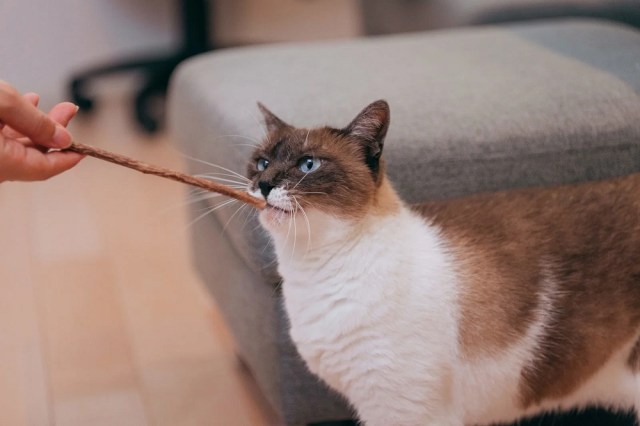
▼ There’s a pretty good chance that at least one of the cats in this photo is named Mugi.
Many pet owners choosing “Luna” are no doubt thinking of Sailor Moon’s cat mentor of the same name, and “Leo” which was the top pick for male cats, is clearly meant to invoke images of lions. Take those two out of the above-listed names, though, and every remaining name has something in common: they’re all food/drink related.
Mugi is the Japanese word for either barley or wheat, and komugi is wheat specifically. There are even more food/drink names if you look farther down the list, with Kinako (roasted soybean powder) and Marron (the French word for “chestnut,” but commonly used in Japanese by sweets fans) at numbers 6 and 8 for dogs, and Omochi (rice cake) and Cocoa at numbers 7 and 8 for dogs.
This isn’t a brand-new trend, either. All of the above-mentioned names were also in Daiichi ipet’s lists of the top 10 dog and cat names in 2024, and giving pets food/drink-related names has been a thing in Japan for much longer than that, and a lot of their enduring popularity probably comes from two reasons.
Let’s start with the obvious one, which ties in to another common thread between many of the most popular names, which is that almost all of them are some shade of brown in color. The exception is Omochi, which is usually white, but even rice cakes take on a golden-brown color if you roast them, as is often done in Japan. A lot of dogs and cats have coats of fur somewhere on the spectrum between brown and gold, so giving them a food/drink name is a way to reference that physical trait.
Another factor that’s likely that in play here, though, is that in Japan it’s not very common to give pets the same names that people have. While there are also-for-people names in English that might have someone thinking of a dog first (like Rex or Rusty), you’ll also often encounter pets in the U.S. with names like Max, Daisy, Penny, or Charlie (all of which are on the American Kennel Club’s list of the most popular dog names in the U.S. for 2025). By comparison, though, it’s rare for Japanese pet owners to give their animals a modern for-people Japanese name like Haruto or Himari, as it would come off feeling overly dry and self-serious. The common logic in Japan is that pets should have names that are playful and fun. A food/drink-based name checks off those boxes, and if it matches the color of the pet’s coat, then there’s no need to explain the name to other people either.
When picking names for pets in Japan, foreign for-people names have a bit more pizzazz (in addition to being the number 4 name for cats in Daiichi ipet’s study, Leo was also the number 8 name for dogs), but then so do foreign food/drink names like Latte, Mocha, and Cocoa. There’s an interesting wrinkle to this, though, that shows up when Daiichi ipet’s study breaks down the most popular names for dogs by breed. Mocha, Cocoa, and Latte were all somewhere within the top three names for toy poodles, Chihuahuas, Pomeranians, and miniature Dachshunds. However, for the Shiba Inu, all three of the breed’s most popular names were Japanese words for foods: Komugi, Azuki (sweet red beans), and Mugi. Odds are this stems from “Shiba Inu” itself being a pair of Japanese words that’ve come to be the internationally accepted way of referring to the breed, making a Japanese-vocabulary food name feel like the best fit.
A tale of four Matsuyas, and a whole lot of gourmet wagyu beef.
As one of the country’s big-three gyudon/beef bowl chains, Matsuya is among the top choices for those looking for a cheap but hearty meal in Japan. But maybe it doesn’t always need to be quite so cheap, and so Matsuya has made the decision to open a new, more expensive, and more gourmet, branch inside Matsuya.
Actually, we should back up a bit, because there are no fewer than four different Matsuyas we’re going to be talking about here. First is just plain old Matsuya, the beef bowl chain. Then there’s Matsuya Foods, the Matsuya restaurant chain’s parent company. Next there’s the Matsuya department store chain, whose branch in Ginza is going to be the site of the new Premium Matsuya gyudon shop.
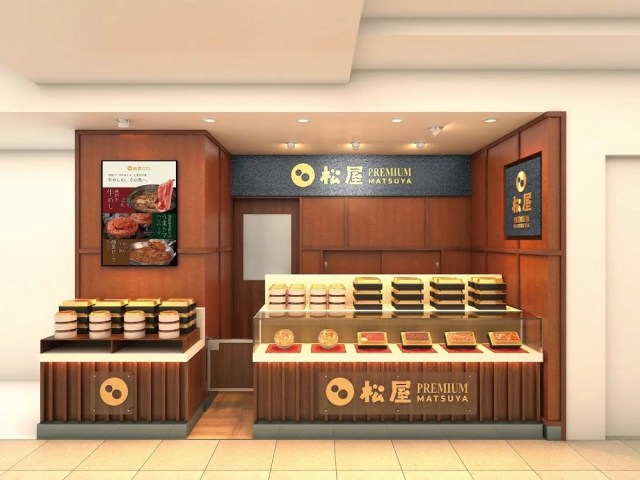
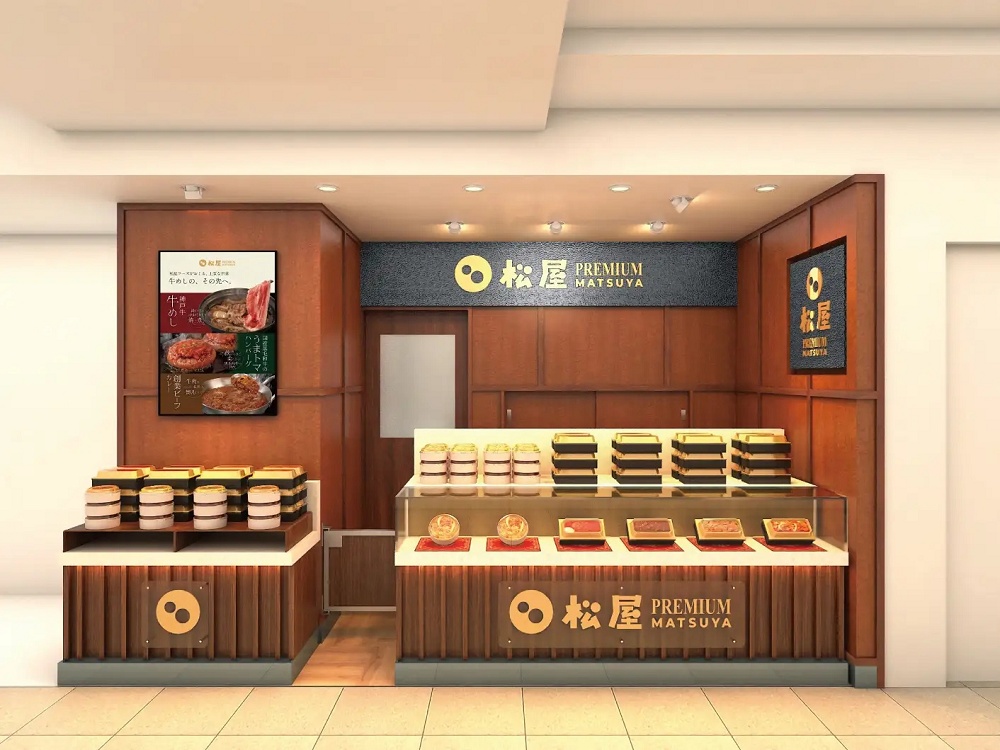
The Matsuya department store chain is a totally separate company from Matsuya Foods. Founded 101 years ago, the Matsuya department store has an upscale image, offering not only fancy fashions but also high-end food items at its flagship store in Tokyo’s posh Ginza neighborhood. There’s some comic irony in a luxury department store and budget-friendly restaurant coincidentally sharing the same name, and the two companies decided to explore the idea of some sort of promotional collaboration, with the result being Premium Matsuya, which will be opening in Matsuya Ginza’s food section later this month serving special, upscale items you won’t see on a regular Matsuya restaurant menu.
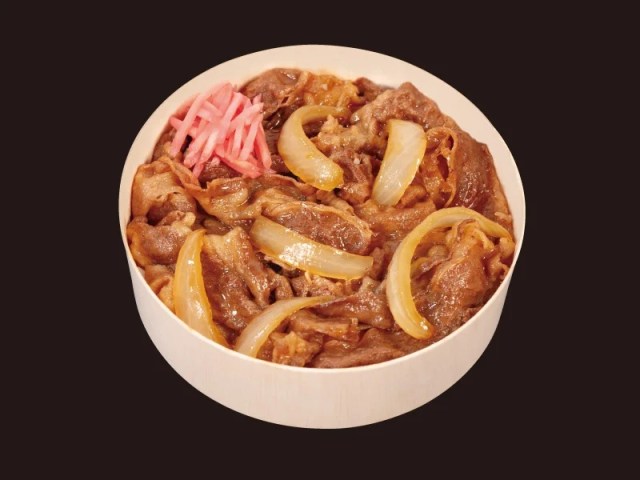
For example, Matsuya’s signature dish is their standard beef bowl, which is priced at 460 yen (US$3). Premium Matsuya’s beef bowl, pictured below, will cost more than three times as much, 1,390 yen, but that’s because it’s made with Kobe beef!
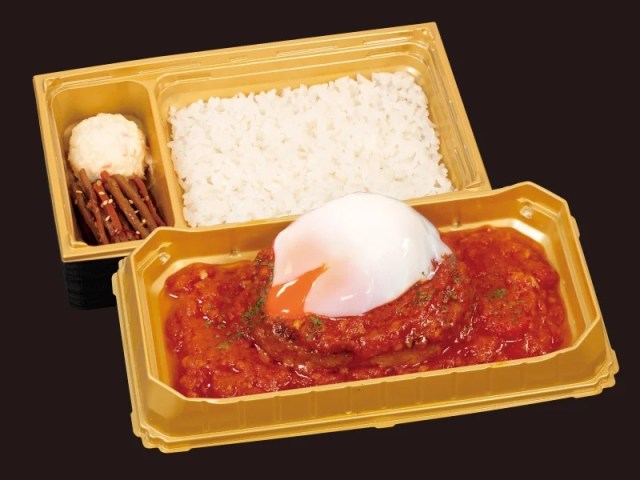
Other delicacies offered by Premium Matsuya will include a hamburger steak bento boxed lunch with domestically raised kuroge wagyu (Japanese Black) beef (1,681 yen)…
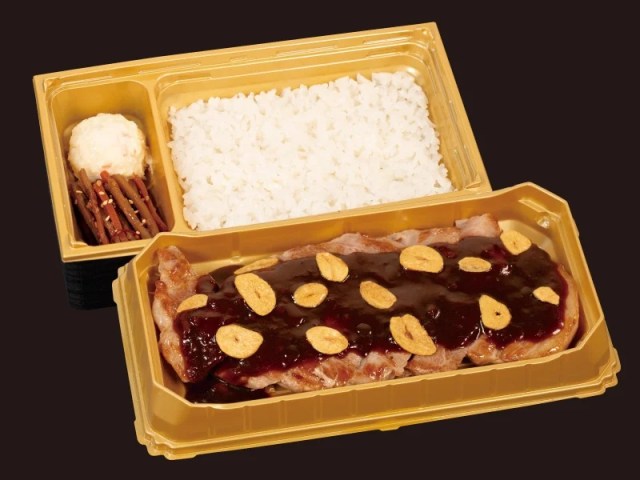
…a tonteki (pork steak) bento (1,681 yen)…
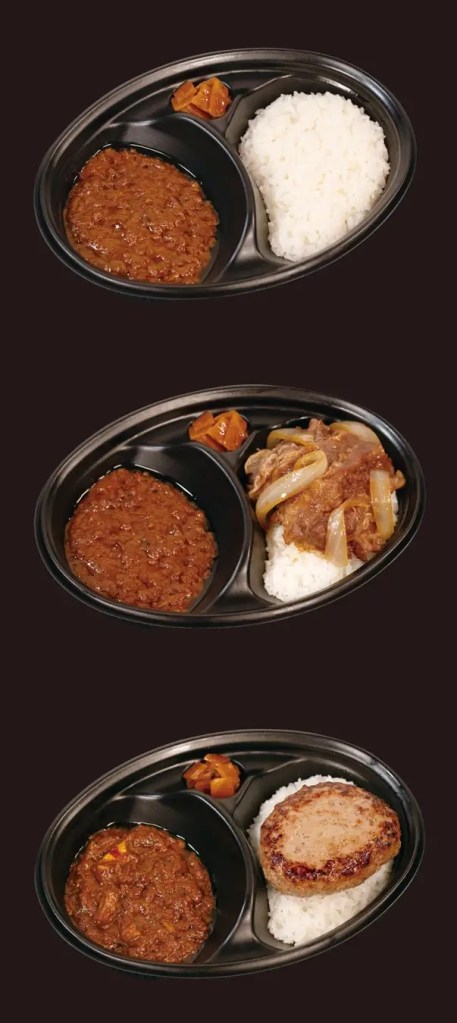
…and beef curry rice sets, also with the options of sliced Kobe beef or a kuroge wagyu hamburger steak (1,050-1,681 yen).
While some Japanese department store food shops have seats for eat-in dining, preview images for Premium Matsuya suggest it’ll be a take-out only operation, though the staff will also have dapper uniforms unique to the upscale offshoot to help create an elegant atmosphere.
It should be noted that the menu and prices at regular Matsuya restaurants will remain unchanged, so this isn’t an example of Matsuya trying to reestablish its preexisting branches as higher-priced eateries, unlike the course recently taken by curry chain Coco Ichibanya. As for whether Matsuya Ginza’s clientele will be interested in gourmet Matsuya meals, Premium Matsuya’s opening as a permanent part of the food department comes after a similar limited-time pop-up at Matsuya Ginza last year was met with an overwhelmingly positive reaction from shoppers, so hopes are high for when Premium Matsuya opens on June 10.
Ministry of Economy, Trade and Industry conducts study to estimate damage to producers of anime and other Japanese media.
With Japanese entertainment media growing in popularity around the world, the Japanese government’s Ministry of Economy, Trade and Industry is also growing more concerned about the effects of media piracy overseas. In its latest study of the situation, the ministry claims that damage from piracy has been rapidly increasing, but one of its proposed countermeasures might not really do much to solve the problem.
For its study, the ministry conducted surveys in six foreign countries, including the U.S. and China, regarding “content piracy,” “content” here being a loose term used for entertainment media including anime and digital manga. Based on the results of the surveys, the ministry estimates that 5.7 trillion yen (US$37 billion) worth of Japanese content was pirated overseas in 2025, roughly three times the amount estimated for 2022, the previous iteration of the ministry’s study.
For the 2025 investigation, the ministry also added a new category, estimating the amount of pirated “character goods” that were sold online outside of Japan, such as knockoff and unlicensed figures, posters, plushies, and the like. For this category, the ministry arrived at an estimate of 4.7 trillion yen, brining its total figure for pirated content and knockoff merch to 10.4 trillion yen.
The ministry is framing this as the amount of “damage” caused to the legitimate Japanese media/merchandising industry, which invites consideration of whether pirated media always directly correlates to lost sales revenue. Those of a more lenient viewpoint could argue that if someone pirates content which they weren’t going to pay for anyway, no actual damage has been done, and similar logic could be applied to pirating of Japanese content not available in the country of the pirating party. On the other hand, it’s naive to think that no one is pirating content they would have paid for in the absence of an illicit way to get it for free, and with such a significant amount of Japanese entertainment media now being distributed in major foreign markets in a fairly timely matter, it’d be disingenuous to try to frame piracy as strictly an issue of availability either.
As such, while the actual damage to Japanese rightsholders is likely less than the full 10.4 trillion yen that the Ministry of Economy, Trade and Industry is claiming, it’s also not like there are no negative effects from piracy, and so it’s not surprising that the Japanese government would want to look for ways to address the problem.
However, one of the ideas being floated by the researchers is to promote the use of AI in production to lower costs and secure profits. In addition to sidestepping the root causes of piracy (insufficient legal enforcement and/or local availability), a reliance on lower costs also ignores that a major reason Japanese content, particularly anime, has become so popular around the world is that many foreign fans see it as having a mix of high quality and unique narratives, neither of which are things that AI is particularly good at producing. Leaning on the technology as a method by which to address piracy could end up as a sort of monkey’s paw if, by eroding what makes Japanese entertainment content attractive to audiences in the first place, AI simply turns Japanese-made media into something that’s not worth watching.
End of an era is coming for ecological and economic reasons.
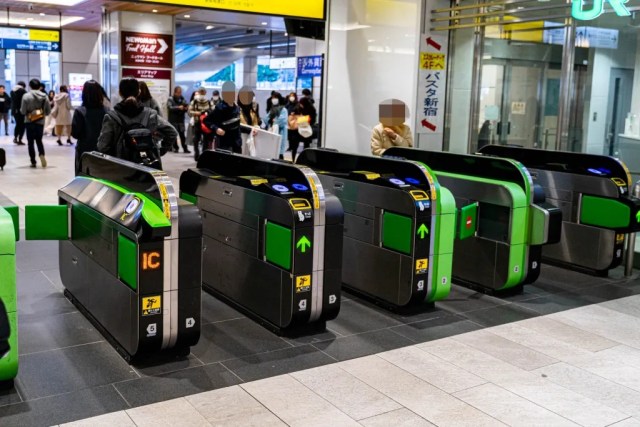
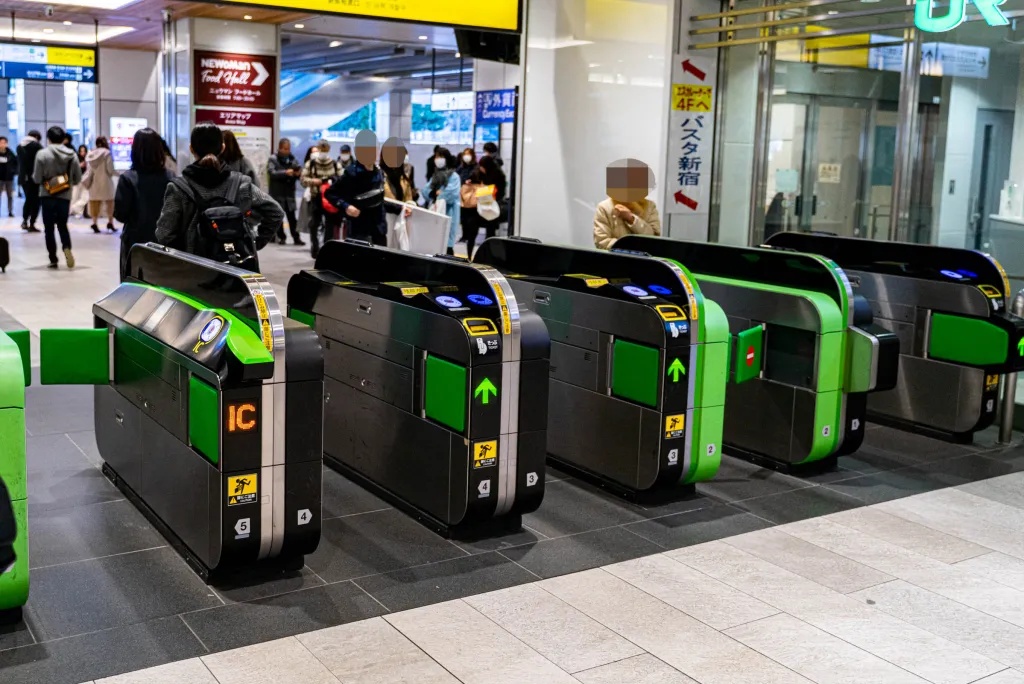
Train travel in Japan is going to be looking a little different, as East Japan Railway Company, a.k.a. JR East, has announced that it’ll be making a major change to its ticket design. Right now, JR East tickets have your starting station and fare printed on the front, and a magnetic strip on the back. At the gate, you slide your ticket into the slot, the gate opens up, and your ticket pops back up from another slot on the other side of the machine for you to grab as you continue on your way, then put into the other ticket gate at the exit from your destination station.
▼ A traveler inserting tickets into a gate at Nikko Station
However, JR East has announced it will be phasing out magnetic-strip tickets beginning next spring, with the eventual goal being to do away with them entirely for short-distance rides. In their place JR East will be introducing new non-magnetic tickets with a QR code that you scan at the gate instead.
▼ A video showing the front of the current magnetic-strip tickets on the left, and the upcoming QR-code tickets on the right.
The mockups in the above video are obviously jumbo-sized to make them easier to see, but the new tickets really will be larger than the current ones. JR East’s Magnetic-strip tickets measure 3 by 5.75 centimeters (1.2 by 2.3 inches), but the QR ones will be 5.75 by 8.5 inches, to make them easier to scan.
JR says there are two reasons it’s making the switch, one of which is an effort to be more environmentally friendly. JR East’s produces about 160 metric tons of ticket trash every year, and the magnetic backing has to be chemically treated before they can be disposed of. Because the QR-code tickets rely on optic scanning, though, they can be made of just regular old paper, eliminating both the potential ecological harm caused by disposed of magnetic strips and the cost to JR East to treat them.
A switch to QR codes will also reduce ticket gate machinery complexity, as they’ll require fewer moving parts than the currently complex array of gears and motors needed to propel a magnetic-strip ticket through the gate, and making QR code scanning the standard should also help promote smartphone digital ticketing services.
While the changeover will mark the end of a major chapter in Japanese train travel, many passengers stopped using magnetic-strip tickets quite some time ago. JR East’s Suica prepaid IC card became an instant hit following its launch in 2001, and it’s only grown in popularity in the years since thanks to its tap-payment simplicity and cross-functional capabilities as a way to pay for shopping, restaurant, and vending machine purchases too. JR East says that magnetic-strip tickets now account for only 2.5 percent of the rides taken on its trains, and for those who have already transitioned to Suica or other such IC cards, they’ll still be paying fares and passing through the gates as usual.
However, for some rail fans the tactile aspects of sliding the ticket into the gate, hearing the internal machinery whir and click, and grabbing the ticket as it comes out without breaking stride is a familiar and satisfying part of taking a train in Japan, so there will no doubt be people said to see it go. If this bittersweet news has them looking for comradery, they can find it among those who still remember the days before magnetic-strip tickets became the standard, when Japanese train stations were staffed with human ticket inspectors and the rhythmical ringing of their ticket punching tools during rush hour, as seen in the point queued in the video below.
JR East says it will be gradually discontinuing the magnetic-strip tickets come spring, so they won’t all be disappearing at once. In addition, magnetic-strip tickets will continue to be issued for Shinkansen and long-distance special express trains. This is likely because, depending on the passenger’s destination, these trains sometimes end up at stations in parts of Japan managed by one of the other divisions of the Japan Railways Group, which have not yet announced plans to get rid of magnetic-strip tickets. If you’re a rail fan, though, the next time you’re at a JR East station you might want to consider buying a lowest-fair magnetic-strip ticket, though, as something to remember the era by.
Outer Senshi join their anime/manga magical girl sisters on the streets of Minato Ward.
Sailor Moon features some pretty fantastical settings, with much of its mythos involving ancient kingdoms on the moon and antagonists hailing from even farther reaches of the cosmos. However, most of the series takes place in Minato, one the actual wards of real-world Tokyo, where Usagi and her friends live, go to school, and fight many of the manga/anime’s monsters of the week,
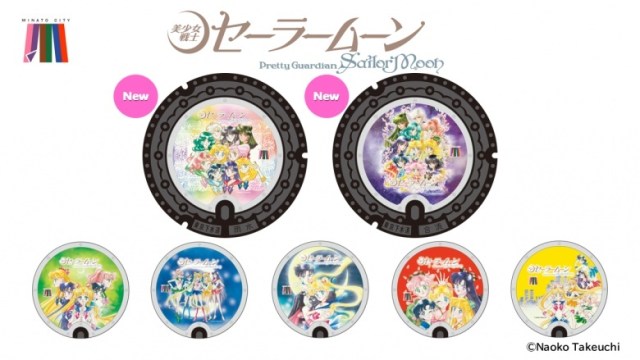
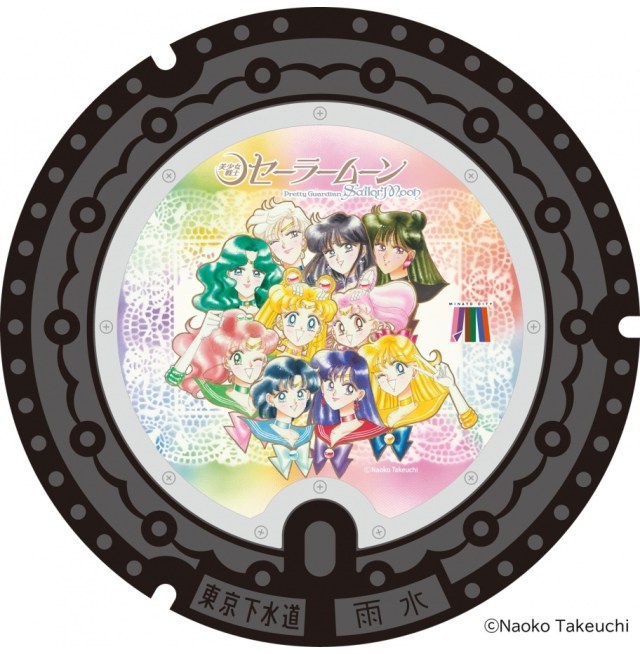
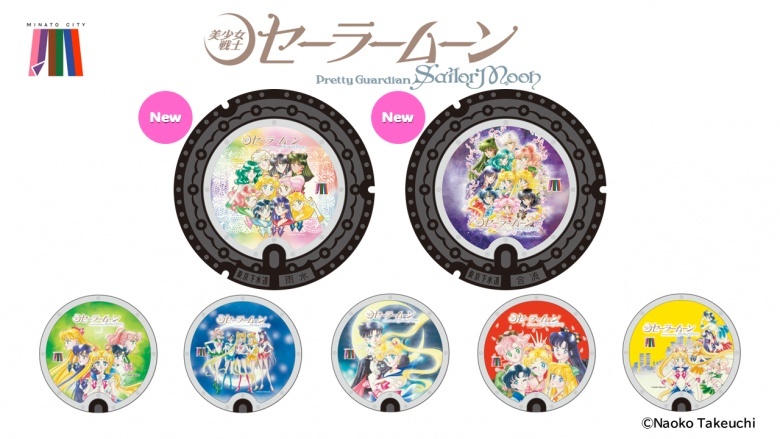
So a while back, Minato Ward decided to celebrate the connection by installing Sailor Moon manhole covers featuring artwork of Sailors Moon, Mercury, Mars, Jupiter, and Venus. As fans will be quick to point out, though, that’s actually only half the series’ roster of magical girls. As time went on, creator Naoko Takeuchi added new heroines to the cast, and now Minato Ward is adding new Sailor Moon manhole covers to its streets.
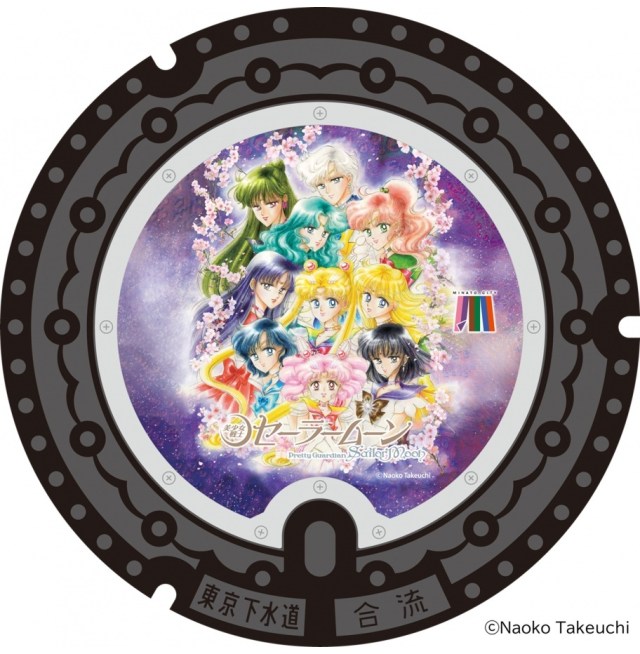
Out of the first five covers, four featured the Inner Sailor Senshi (Moon, Mercury, Mars, Jupiter, and Venus), while power couple Sailor Moon and Tuxedo Mask shared the fifth. The two new designs will both once again feature the Inner Senshi, but they’ll be joined by the Outer Senshi, Sailors Pluto, Uranus, Neptune, and Saturn, as well as disruptive and divisive time-traveler Sailor Chibi Moon.
The first of the new manhole covers has the fully assembled Senshi standing amidst the branches of a cherry blossom tree with the sakura in full bloom. It was installed towards the end of March in Minato Ward’s Roppongi district, specifically on the Roppongi 7-4-2 block, not far from the Tokyo Midtown shopping and entertainment complex.
The second new Sailor Moon cover, the seventh overall, will also show all 10 Sailor Senshi, this time with a pastel rainbow color scheme to the background. But while we know what it’ll look like, Minato Ward is keeping its location a secret for now, and will only be publicizing where to find it after it’s been installed.
Minato Ward is keeping the exact timetable under wraps too, but the Sailor Moon official website says that the rainbow Sailor Moon cover should be in place by the end of this month. And if you’re looking for even more crossovers between anime artwork and public infrastructure, don’t forget about the new Pokémon manhole covers in a part of Japan that’s looking to bounce back from a natural disaster.
Tampopo is part pachinko parlor, part video game arcade, and part museum.
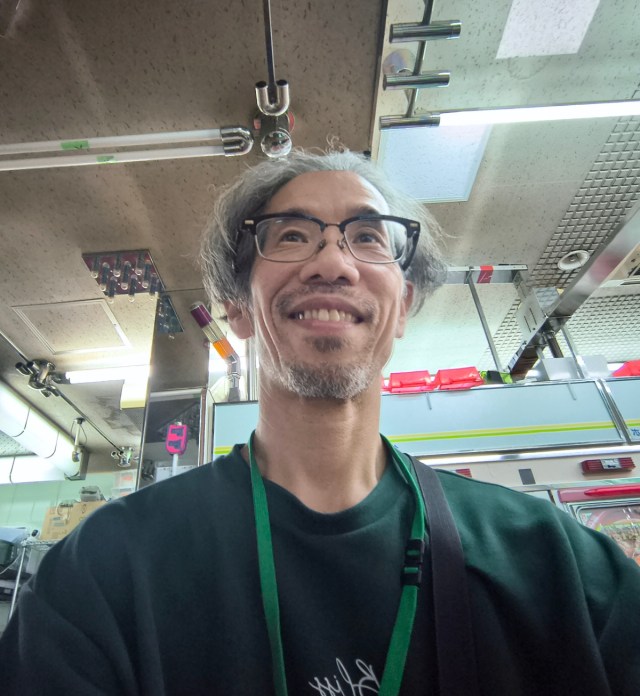
Being a man of culture, when our ace reporter Mr. Sato is out and about in the suburbs and sees on the map that there’s a “game center” (as Japanese arcades are called) on the map, he often goes to check them out. This isn’t because he’s a hardcore gamer (though he’s got some impressive in-game victories under his belt), but because a lot of times suburban arcades have a lineup of retro games, and visiting them feels like taking a trip back in time twenty, thirty, or even 40 years.
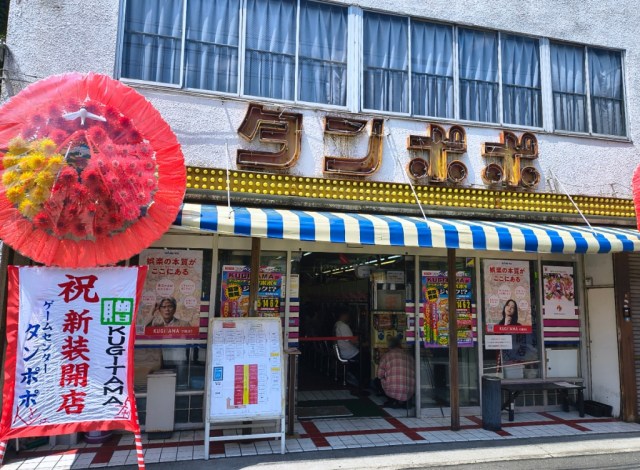
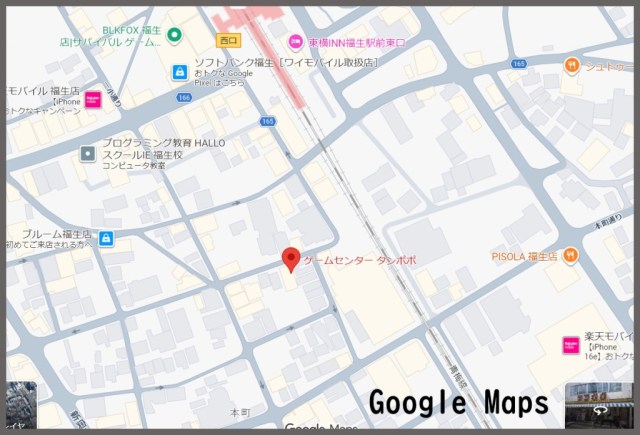
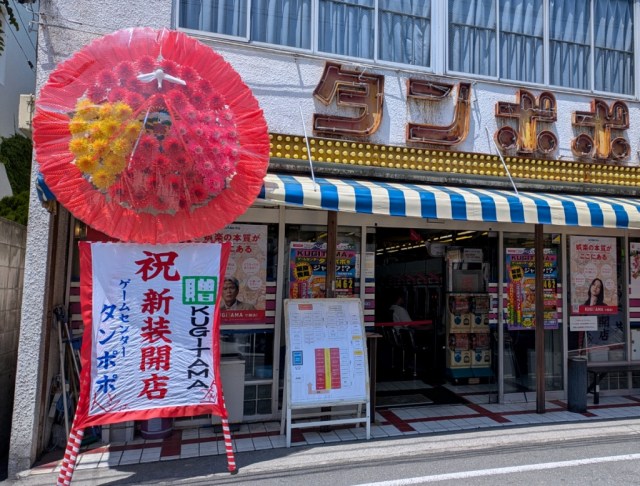
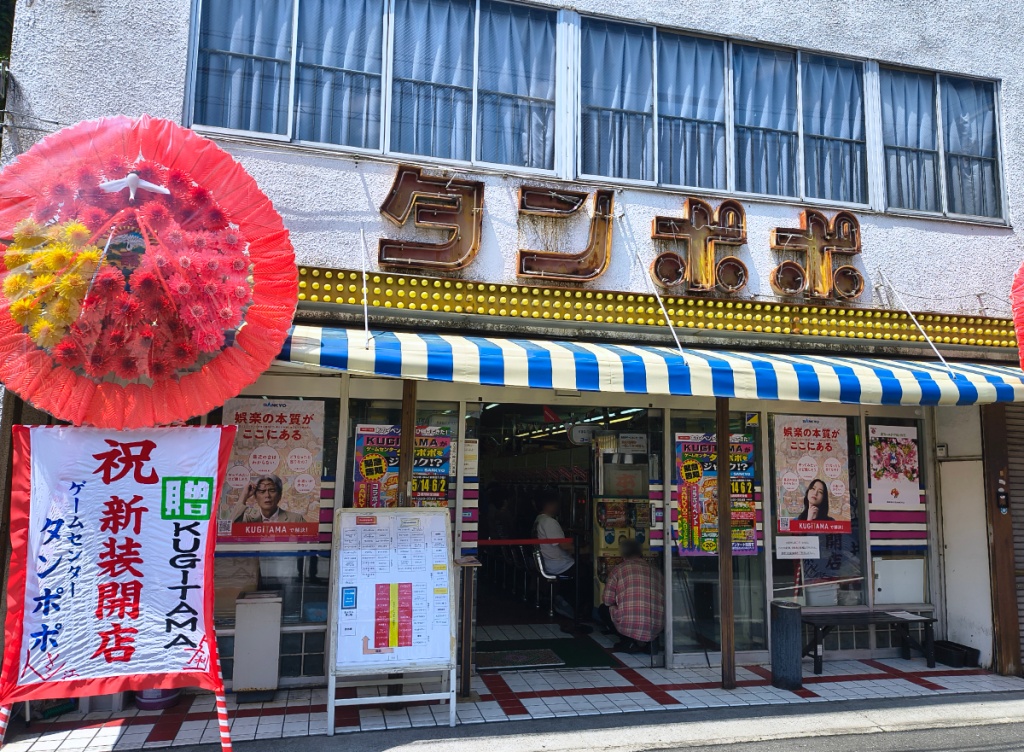
So when Mr. Sato was in Tokyo’s Fussa district, a bit west of the city center, on a recent afternoon and noticed “Game Center Tampopo” (ゲームセンタータンポポ) on Google Maps, and just a three-minute walk from Fussa Station, he decided to pay the place a visit and play some games.
However, when he got there, and took a look inside…
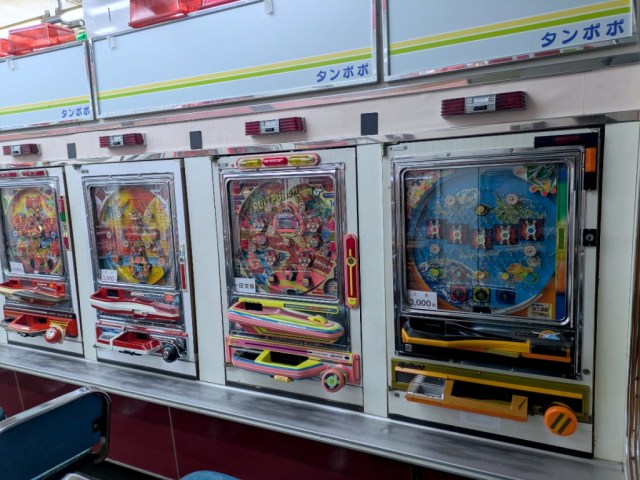
…he saw that the place is packed with pachinko machines!?!
There are a total of 70 pachinko machines inside Tampopo, and not a single conventional video game. As such, “Game center” might seem like a misclassification of the facility, because pachinko parlors, by nature of being a form of gambling, are fundamentally different from game centers, right?
Except, Tampopo isn’t actually a gambling hall, because no matter what you do, you can’t win anything to take home.
Ordinarily, if you win at pachinko you can exchange the balls you’ve won for non-monetary prizes…and every neighborhood that has a pachinko parlor also, conveniently, has a small, nondescript shop (usually just a window set into an exterior wall) nearby that just so happens to be in the business of buying those prizes from people for cash (this whole song and dance is to get around Japan’s laws prohibiting gambling for money on pachinko). But at Tampopo, there are no prizes of any kind given out, regardless of how many balls you may win from their machines.
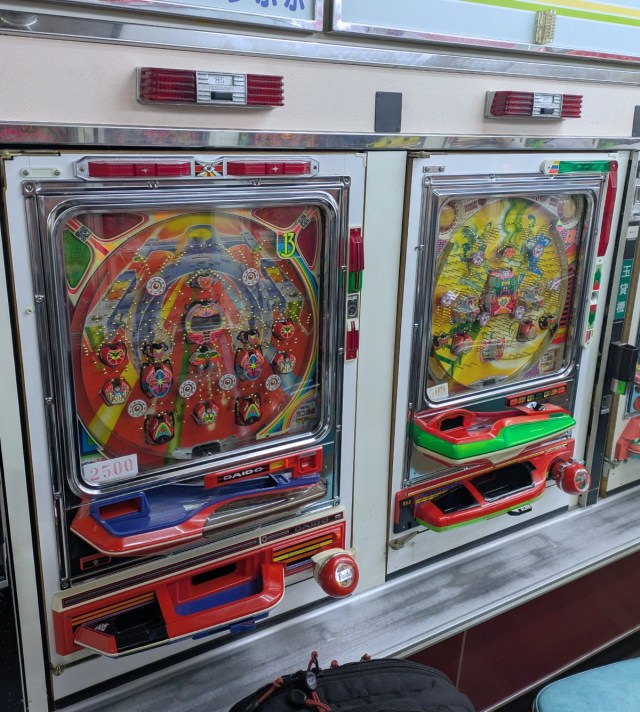
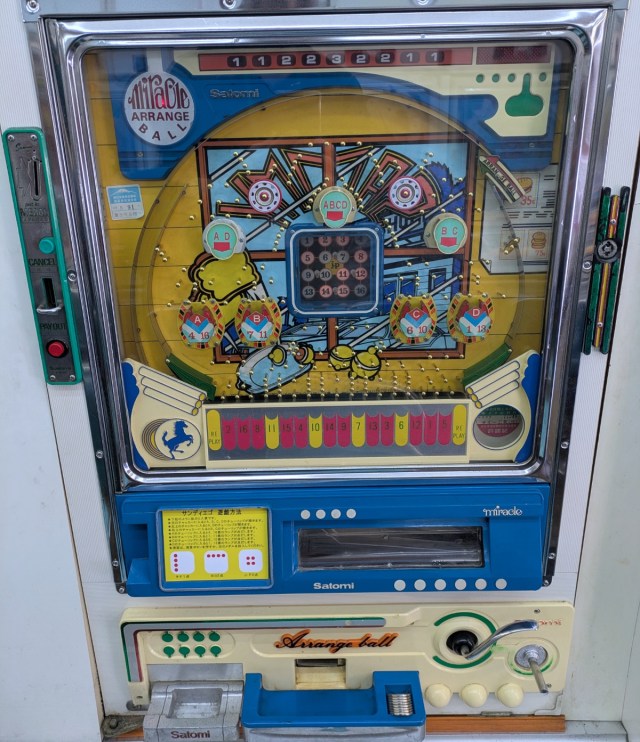
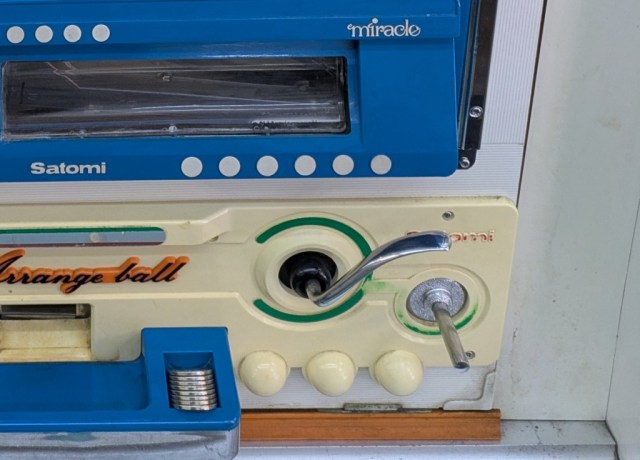
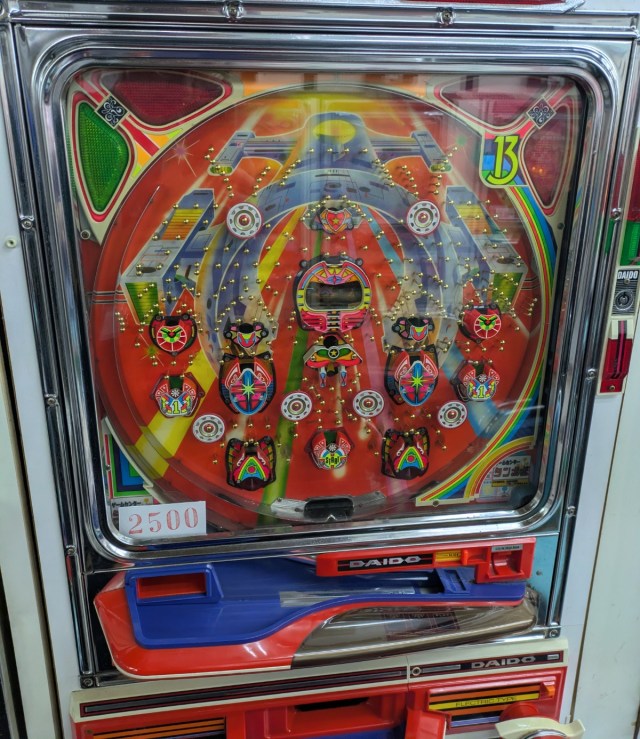
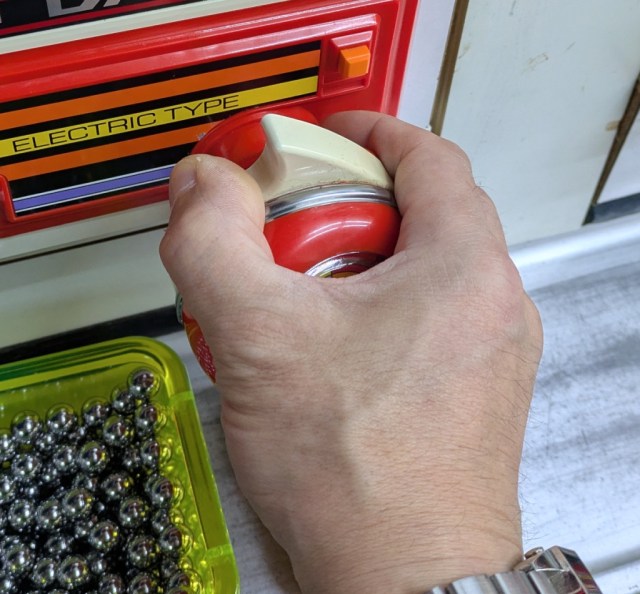
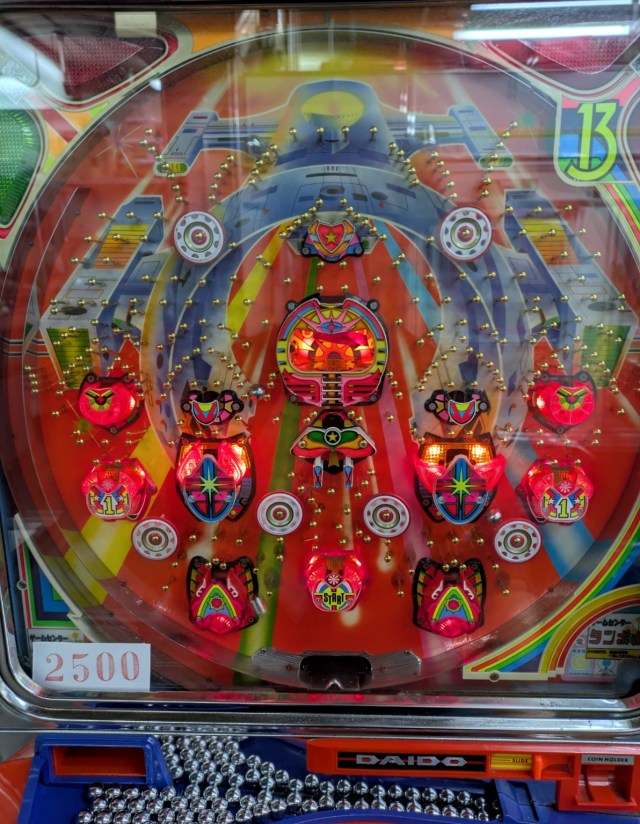
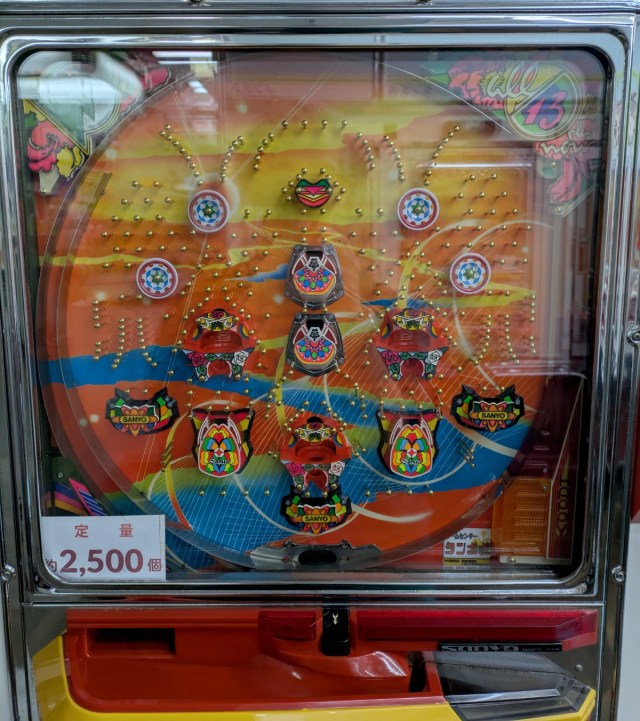
Why? Take a look at Tampopo’s machines, and you’ll probably notice that they’re all very old-school in design. Modern pachinko machines, pretty much without exception, have video displays and all sorts of other digital bells and whistles. Tampopo’s machines, though, are pretty much entirely analog.
As you might expect from gambling devices, there are a lot of rules about pachinko machines that operators have to follow. Machines have to be periodically certified as functioning properly and fairly, but even if their owners are keeping up with the required maintenance, the machines also have a specified maximum service life, after which they can no longer be legally used for gambling (i.e. the transaction in which players pay money for a chance at winning prizes). Once pachinko machines reach the end of their service period, most of them are scrapped, but Tampopo wants to give them a second life.
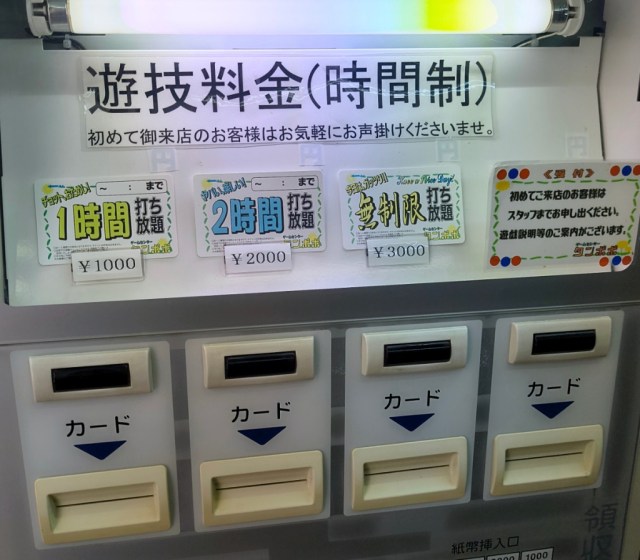
Tampopo’s machines are what are called “minashi machines,” meaning that they’re no longer played for gambling, but simply for fun. Instead of purchasing a set amount of balls, players at Tampopo pay for an unlimited amount of balls for a certain amount of time: 1,000 yen (US$6.50) for one hour, 2,000 yen for two hours, or 3,000 yen for a full day, from 10 a.m. to 8 p.m.
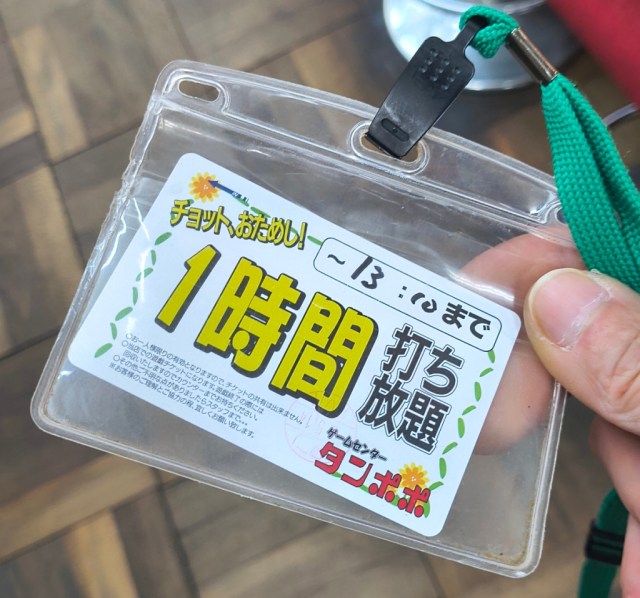
After purchasing the ticket you want from a vending machine, the staff will write the ending time of your session on it and place it in a lanyard that you wear while playing.
▼ Mr. Sato’s card, with “until 1:10 p.m.” (13:10まで) written on it
The lack of any possible payout means this isn’t gambling, and the vibe is more like an arcade or retro tech preservation museum. As a matter of fact, back in his youthful days in Shimane Prefecture, Mr. Sato spent about a year working in a pachinko hall when machines like this were still in widespread use, and Tampopo is a cleaner and more pleasant place to spend an extended time (especially since it’s an entirely non-smoking facility) than the parlor he worked in.
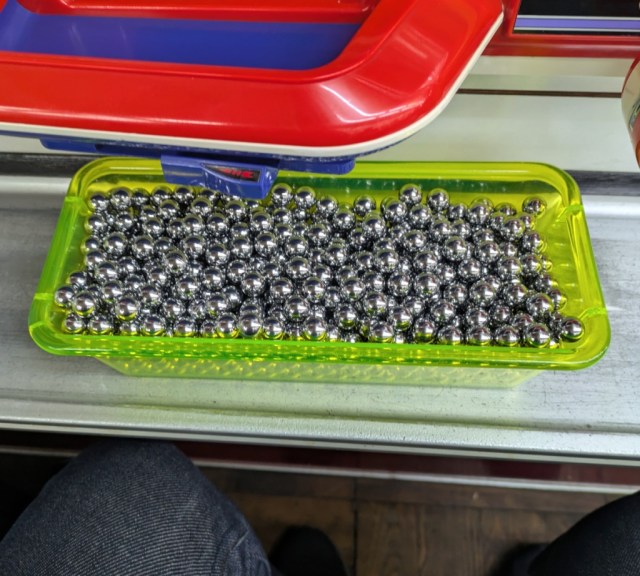
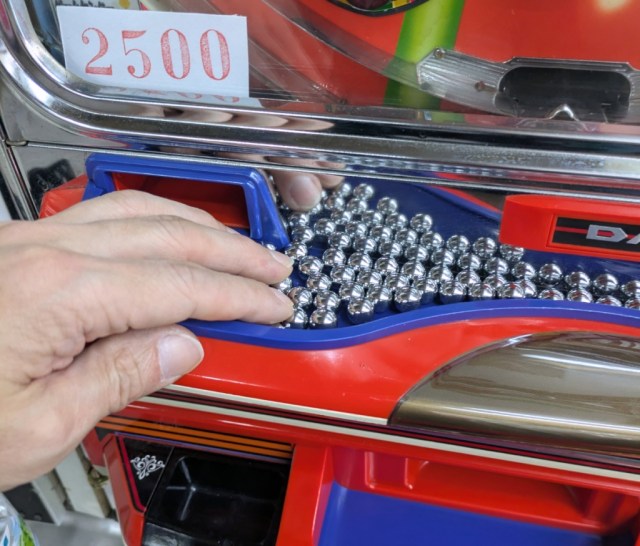
Once your session starts, you can grab an entire box of balls and play to your heart’s content.
Free of any worry about winning or losing, Mr. Sato was able to sit back and appreciate the craftsmanship that went into pachinko machines of this era, when every pin, spinner, bumper, and target was a physical part of the playing field.
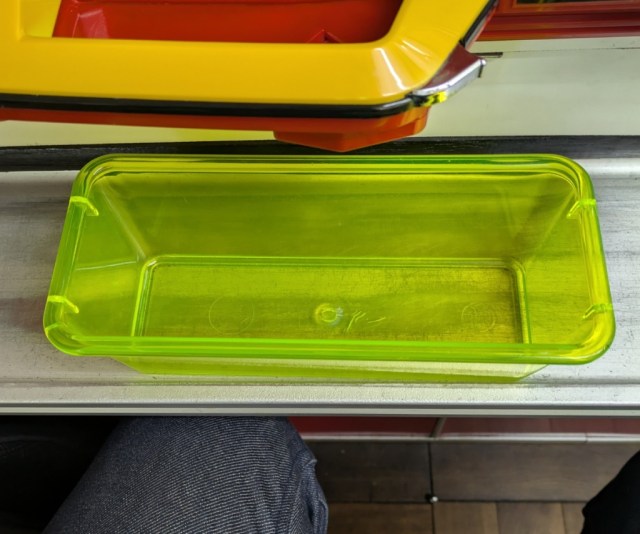
And should luck not be on your side and you run out of balls…
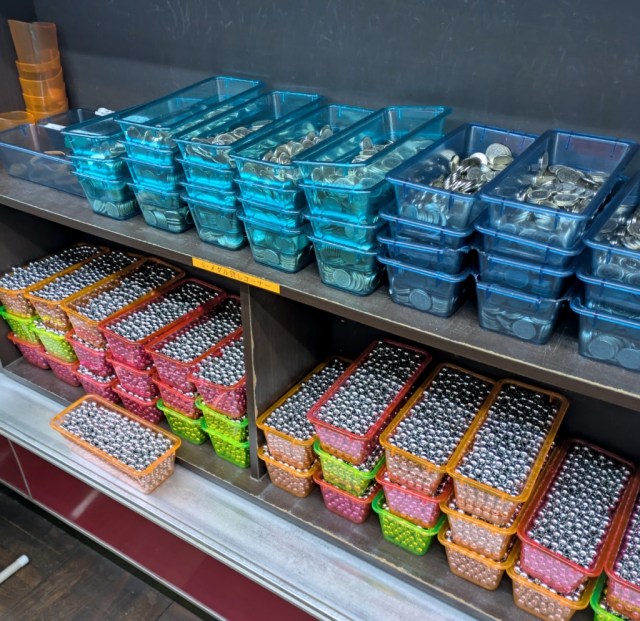
…you can just go and grab a refill.
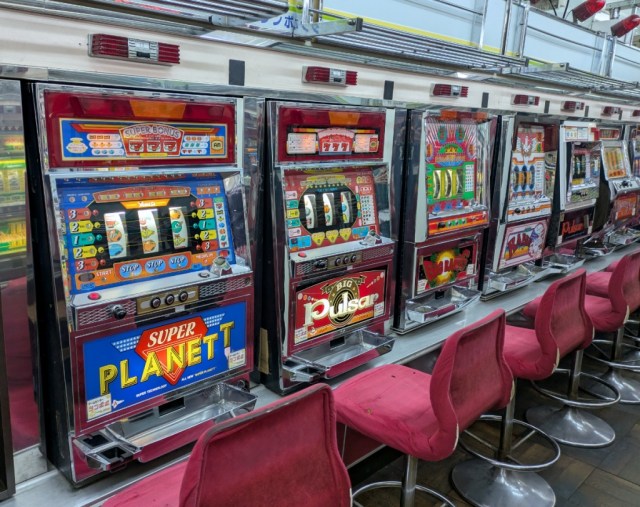
Ah, and if you’re wondering why there are boxes of tokens (or “medals,” as they’re called in Japan), that’s because in addition to its 70 pachinko machines, Tampopo also has 19 slot machines, which are also part of its unlimited-play not-for-gambling deal.
While retro video games are enjoying a revival in popularity these days, retro pachinko is something much harder to find, but it’s a fascinating pop culture subcategory in its own right too, and there’s no better place to get a taste of it in the Tokyo area than Tampopo.
Location information
Game Center Tampopo / ゲームセンター タンポポ
Addres: Tokyo-to, Fussa-shi, Honcho 135
東京都福生市本町135
Open 10 a.m.-8 p.m.
Closed Wednesdays (unless Wednesday is a holiday) Website

 Login
Login