Reading view

Mysterious giant sharks that outlived the dinosaurs lurking in Puget Sound

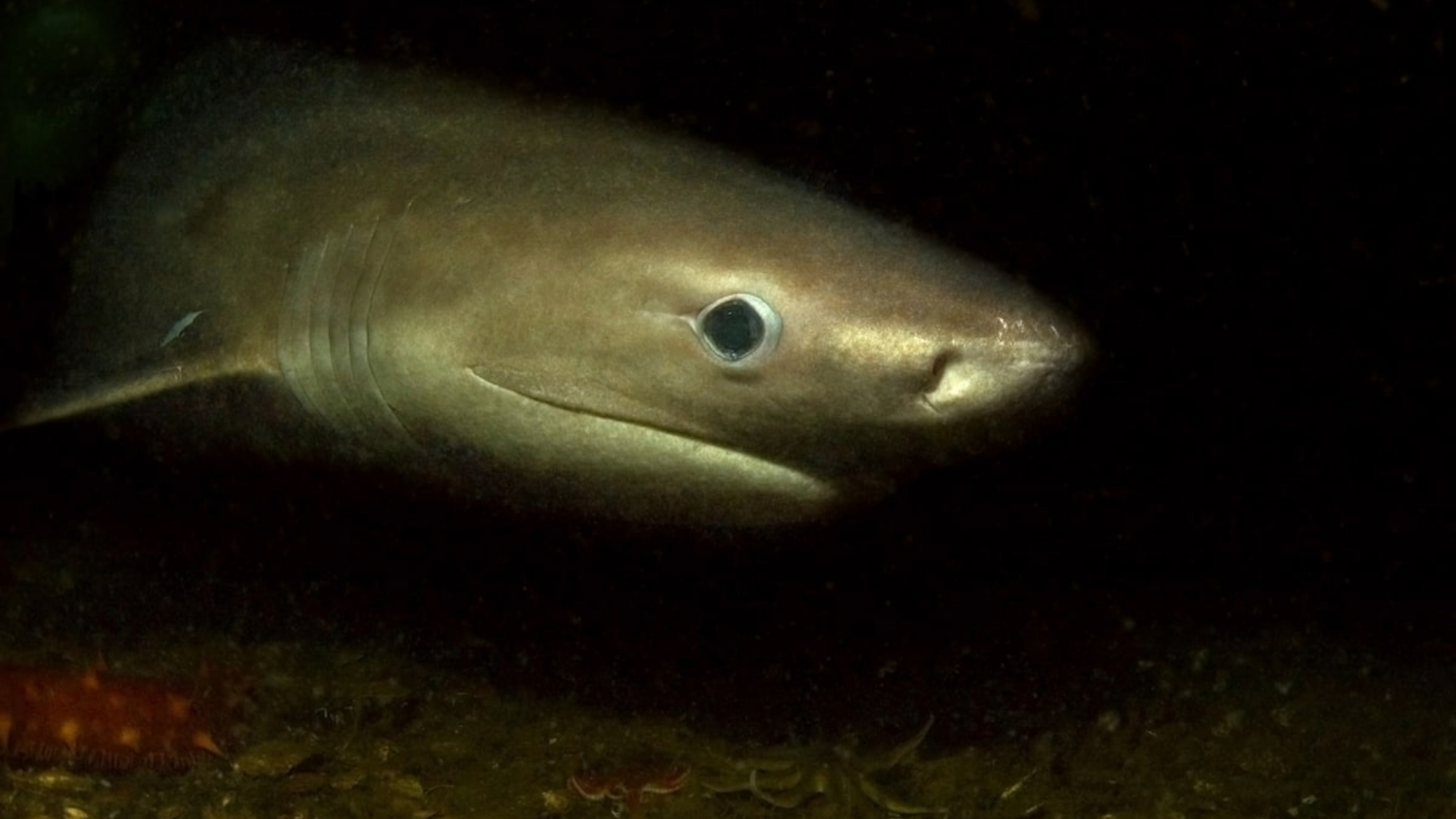
Most sharks have five gill slits on either side. But Hexanchus griseus, a giant and mysterious shark species, has an even six gill slits. These fish, appropriately called the sixgill shark, live in both tropical and temperate waters around the world and can reach up to 14-feet-long. They’ve existed since before the dinosaurs, and yet marine biologists still don’t know very much about them. 

One of the problems—for researchers, anyway—is that sixgills usually live in deep oceanic waters, at depths of up to 9,800 feet. It also doesn’t help that they usually favor extremely low-light environments. Among other reasons, these aspects make sixgills difficult to study.
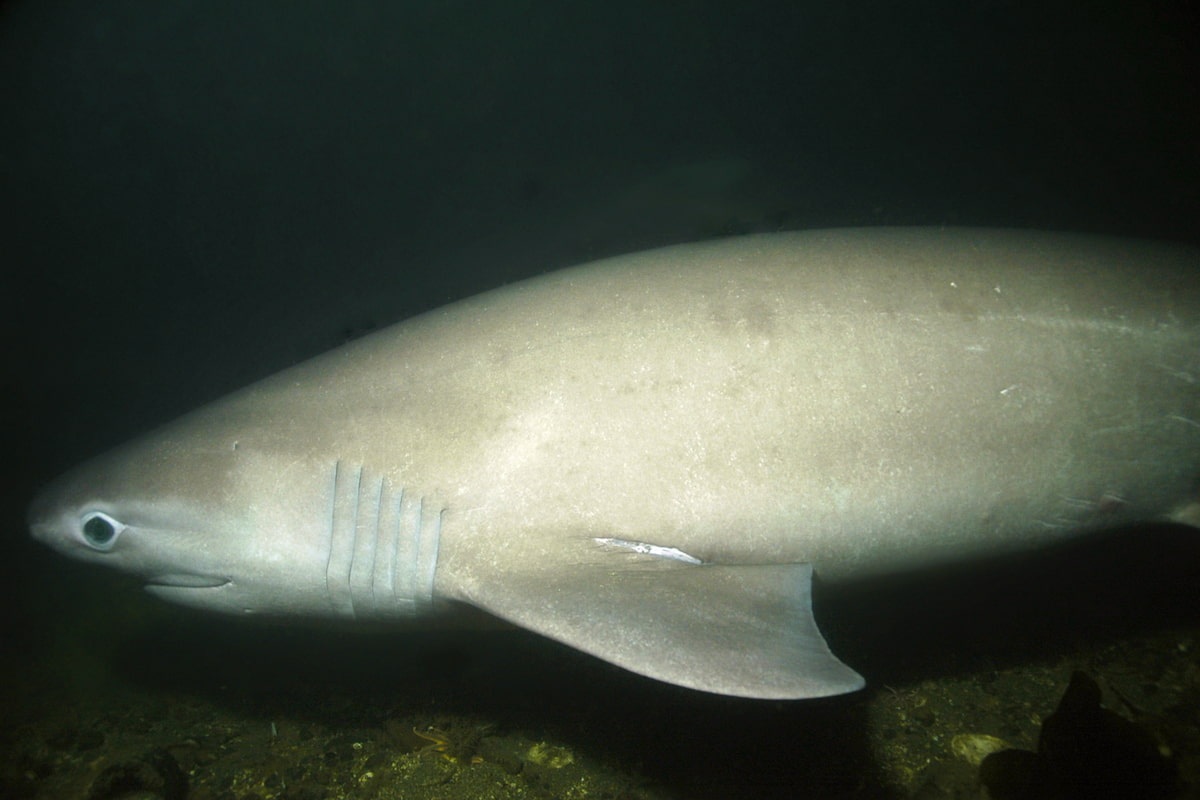
a sixgill shark swimming
Sixgill sharks (Hexanchus griseus) are older than dinosaurs and are typically found in the deeper parts of the ocean. Image: Seattle Aquarium.

However, these ancient giants have been spotted in Washington State’s Puget Sound year-round, and in water as shallow as 20 feet. Scientists at Seattle Aquarium believe that female sixgills are giving birth in these waters, and new research by the aquarium demonstrates that they have birthing site fidelity. According to the aquarium, they appear to come back to the Salish Sea to give birth numerous times. 

Once the baby sharks—or pups—come into this world, Puget Sound turns into their nursery for some time, though researchers don’t know for how long. The young sixgills spend the summer and fall in more southern locations of the Salish Sea, and migrate more north in the winter and spring. They usually travel less than two miles a day, and frequently come up to shallow waters at dusk before going down into deeper waters at dawn, probably looking for prey. 

“We think these patterns repeat until they eventually depart for the open ocean. This consistency of movement and behavior reinforces the strength of our opportunity to study sixgill sharks in Puget Sound,” according to a statement from Seattle Aquarium. “Through our research, we hope to answer questions about the life history and ecology of sixgill sharks—including migration, growth rates and prey preferences.” 

The aquarium also aims to study previously unexamined physiological aspects of sixgills, and understand human influence. 
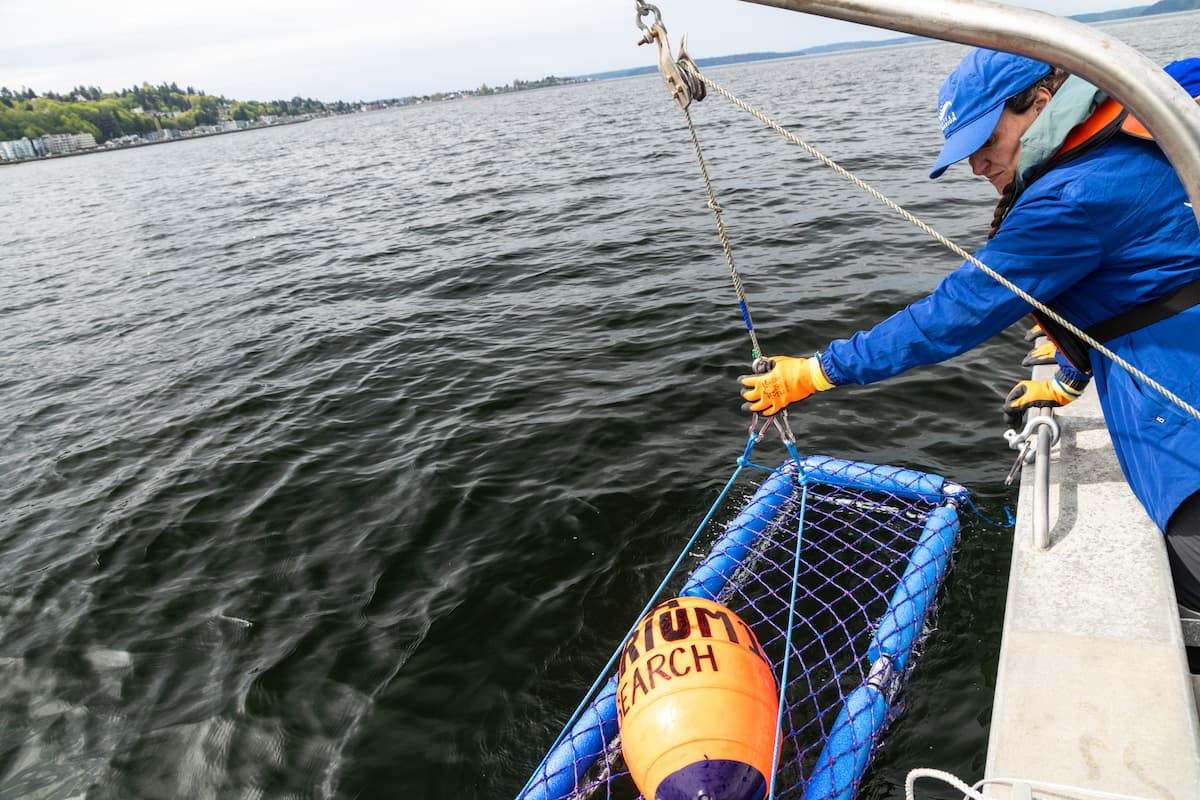
a woman in a blue jacked lowers a blue basket off the side of a boat with an orange buoy marked "aquarium research"
The team created a custom “cradle” to safely hold a shark while they work quickly to examine it. Image: Seattle Aquarium.

From May to September, Seattle Aquarium researchers and veterinarians will try to study the elusive species at three different locations in Puget Sound, going to each one once a month. There, the team will lift sharks to the surface, and either bring them onto the boat or keep them at the side of the vessel and flip them upside down. This position triggers a trance-like state in several shark species. Either way, the team will make sure that the sharks can breathe through all of those gills.

Once the sharks are secured, the team will examine them. They should be able to collect measurements, obtain tissue samples, take photos, and deploy wearable tags in only five to 10 minutes. The tags that will then supply information about movement, habitat use, and feeding ecology. The scientists will then return the sharks to the open water. 

“Our goal is to answer as many questions as possible,” Dani Escontrela, a researcher at the Seattle Aquarium, said in the statement. “We’re collaborating with agencies like the Washington Department of Fish & Wildlife, the Big Fish Lab at Oregon State University, Point Defiance Zoo & Aquarium and other researchers to fill gaps in expertise, all while keeping animal health and well-being our top priority.”

The post Mysterious giant sharks that outlived the dinosaurs lurking in Puget Sound appeared first on Popular Science.
  •  

Pigeons use their livers to sense Earth’s magnetic field

For decades, scientists have known that Earth’s magnetic field helps migratory birds and homing pigeons navigate. Just how our feathered friends sense the invisible sphere around the Earth, however, has been less clear. 

At least part of the answer appears to be hiding inside a seemingly random organ. Immune cells inside pigeon livers called macrophages are sensitive to the planet’s magnetic field. These cells function like an internal compass, according to a new study published today in the journal Science

Macrophages destroy old red blood cells, which makes them accumulate iron. The iron makes the macrophages  superparamagnetic, a kind of magnetism that takes place in particular nanoparticles. The nanoparticles can then be magnetized if a magnetic field is applied to them. 

“When pigeons fly, the nanoparticles align with the magnetic field and become ‘magnetized,’” Clivia Lisowski, a co-author of the study and a post-doctoral researcher in Immunology at the University of Bonn, tells Popular Science. “Like that, pigeons can sense Earth’s magnetic field.”

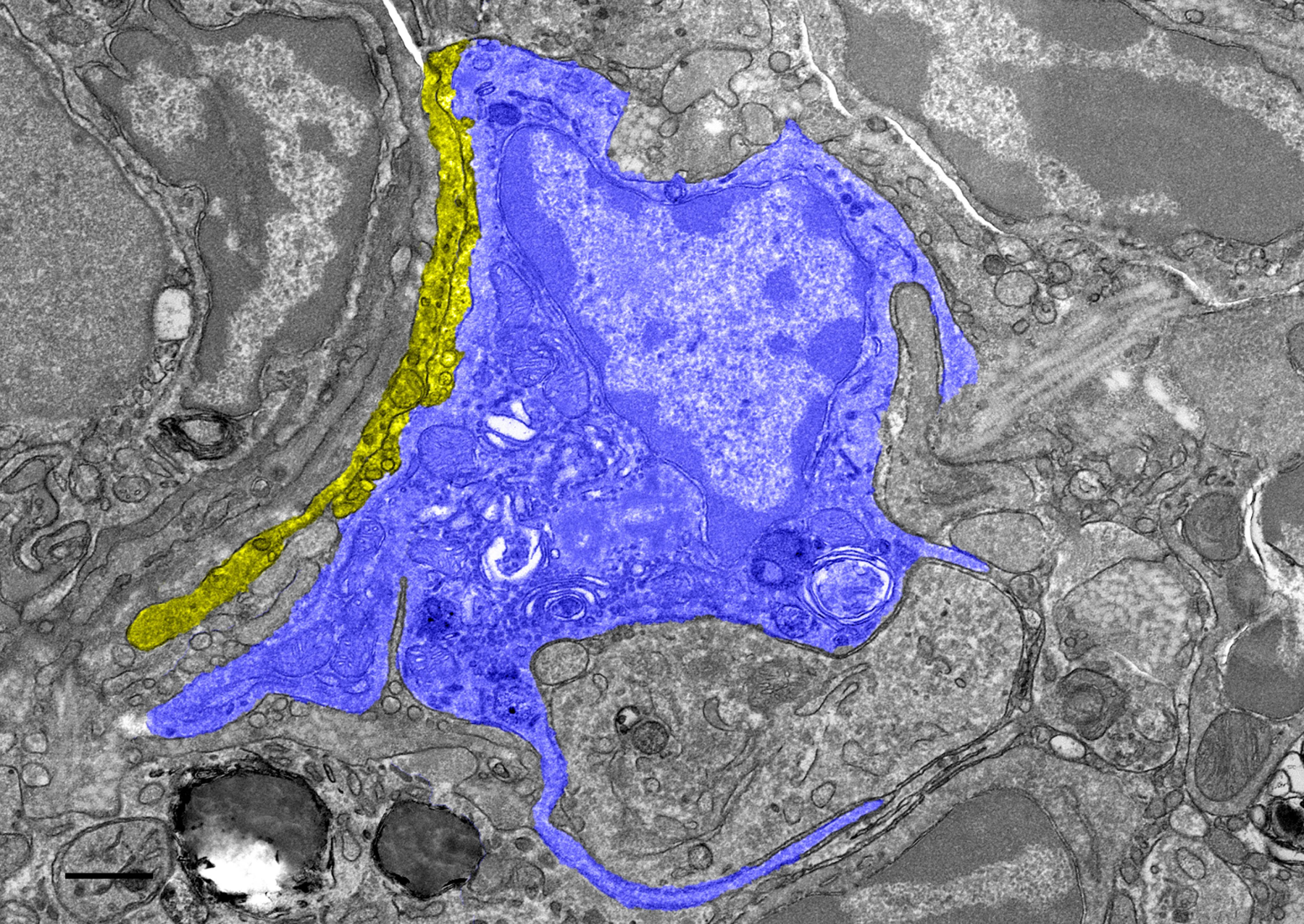
Electron microscopy image of pigeon liver tissue shows hepatic macrophage (blue) in contact with nerve fiber (yellow), which enables them to transmit (“magnetic”) information to the pigeon brain. Image: Lisowski et al. (2026) Science.

To understand how these particles help the pigeons navigate, Lisowski and her team tracked down where magnetic cells are in pigeons’ bodies. Because the liver and spleen store significant quantities of iron, researchers thought these might be good candidate organs. The  liver had a significantly stronger magnetic response than any of the other tissues in the study, according to study co-author Ulf Wiedwald, an expert in nanoscience at the University of Duisburg-Essen in Germany, 

From there they homed in on macrophages, and put these important immune cells  to the test. They studied  pigeons that were trained to fly back to their aviary in Konstanz, Germany, from over 12.4 miles away. Pigeons whose macrophages had been removed got lost when the weather was overcast. But when the sun was out, the pigeons reached the aviary, probably with the aid of solar cues. 

The findings show  how the birds employ magnetic sensing to find their way, as well as the sun’s orientation. 

“Our study has implications for both the immune research landscape as well as for research on animal navigation or magnetoreception, respectively. For animal navigation it’s a new concept of how animals sense/perceive Earth’s magnetic field,” Lisowski says. “We think that this ferrimagnetic mechanism can actually explain how birds migrating at night, or sharks or bats or other animals migrating in dark environments can perceive Earth´s magnetic field.”

The team also found that the iron-rich macrophages are close to nerve fibers, indicating that magnetic information can get to the brain via this route. Ultimately, this shows how important  interdisciplinary research, involving immunologists, behavioral biologists, and physicists, carries  significance for more than just birds. 

As for the immune system, Lisowski explains that to accomplish its different fuctions—such as defending our bodies from pathogens and healing wounds—it has to sense the environment.

“Our finding that the immune system can also sense the Earth´s magnetic field is a complete new layer in this concept of ‘immuno-sensation’ and opens the door to new research,” Lisowski explains. 

The post Pigeons use their livers to sense Earth’s magnetic field appeared first on Popular Science.
  •  

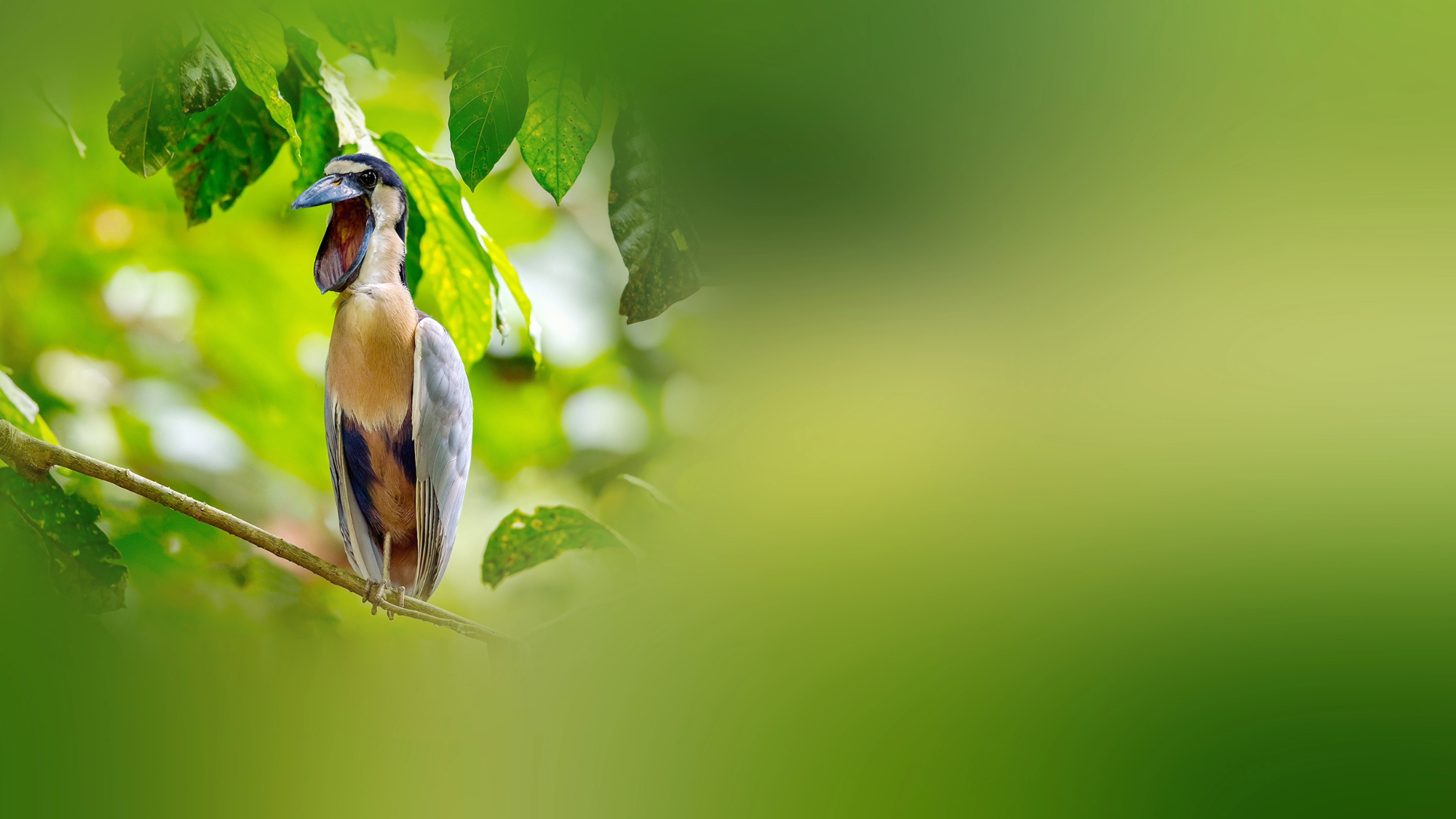
The boat-billed heron looks fake but is very real

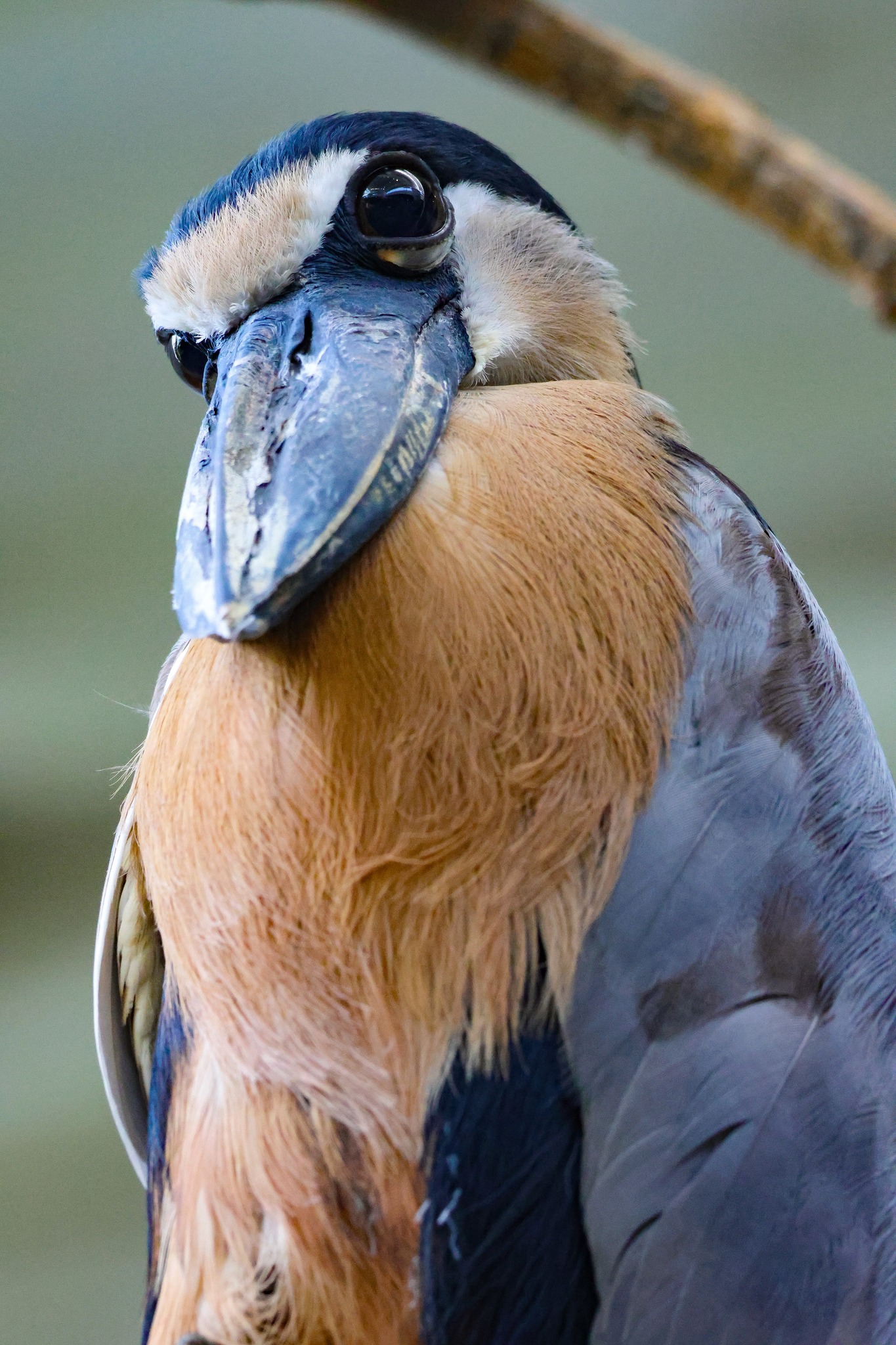
When you think of a heron, chances are you imagine an elegant, long-legged bird posing majestically on the edge of a body of water. If so, it’s time to set the record straight—not all herons are swan-necked ballerinas. In fact, the boat-billed heron (Cochlearius cochlearius) looks like someone stuck the head of a large bird onto the body of a small one, and you can forget about a graceful neck. 

a bird with a blue bill and blue and brown plummate
Roger Williams Park Zoo & Carousel Village in Rhode Island is home to a boat-billed heron. Image: Roger Williams Park Zoo & Carousel Village.

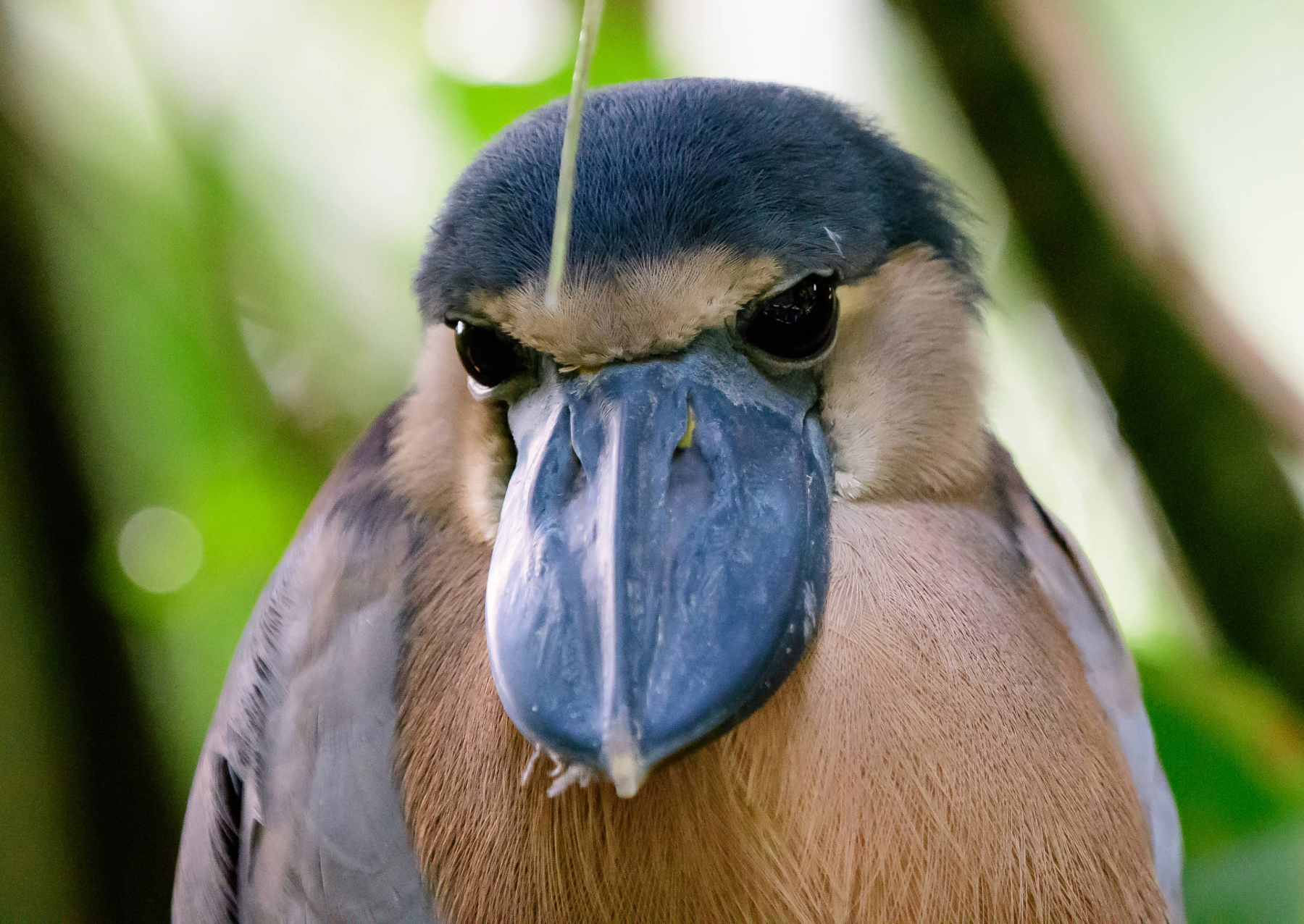
As for its bill, the large and rather flat appendage explains the bird’s name, and is extremely sensitive. “These unique birds get their name from its broad bill that resembles the hull of a boat, perfect for snatching up fish, crustaceans, insects, and amphibians,” the Roger Williams Park Zoo & Carousel Village in Rhode Island writes in a social media post, with pictures of a rather judgemental-looking boat-billed heron. “[Their] large, dark eyes are also adapted for nighttime hunting.” 

The funny-looking bird doesn’t migrate and lives close to fresh or saltwater in Mexico, Central America, and parts of South America, and are usually solitary animals. They only come  together  to mate, and remain monogamous throughout the breeding season. Hatchling boat-billed herons come into this world blind and, unsurprisingly, completely rely on their parents, who feed them for between six to eight weeks before leaving. 

a bird with blue and brown plumage and a wide, blue bill
Boat-billed herons are solitary animals, but are monogamous with their mates during breeding season. Image: Shutterstock.

These birds feature a type of feather called “powder down.” Instead of molting, their tips slowly turn into waterproofing powder. Interestingly, boat-billed herons produce vocalizations that sound a bit like human hand claps. And right when you think they can’t get any weirder, adults feature a black crown that makes them look like emo queens. 

Though their population is decreasing, according to the IUCN red list, they are classified as a species of least concern, which is as good as it gets. However, not  all heron species are doing as well as the boat-billed heron. The white-bellied heron (Ardea insignis) is considered critically endangered and the great white heron (Ardea occidentalis) is endangered. 

The post The boat-billed heron looks fake but is very real appeared first on Popular Science.
  •  

Sir David Attenborough’s 100th birthday present is… a parasitic wasp

Famed British naturalist and broadcaster Sir David Attenborough turns 100 years old on May 8, and a team of researchers has prepared a special present: an entire new genus of wasp named in his honor. 

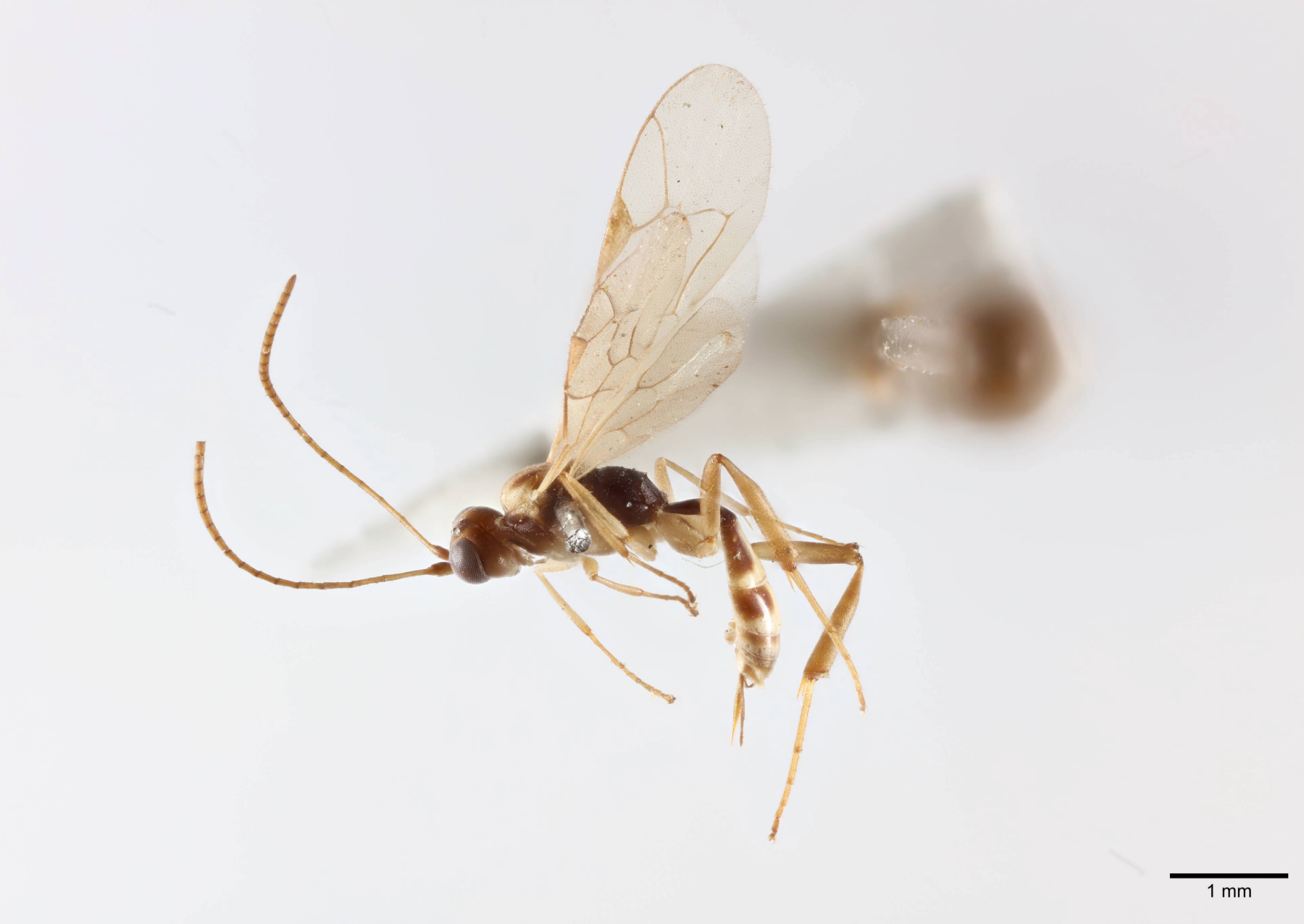
Meet Attenboroughnculus tau, a tiny parasitic wasp discovered in Chile. The specimen is 0.14 inches long and has a T-shaped marking on its abdomen that inspired the species name, “tau.” The insect was collected from Chile’s Valdivia Province in 1983, and it took over four decades for someone to officially recognize it as something new.  

a wasp
Attenboroughnculus tau is one of the over 50 species named in honor of the famed naturalist. Image: © Trustees of the Natural History Museum.

“We hope to inspire global scientists to take another look in their collections to see if there is something small that could contribute to our collective understanding and therefore the future of our natural world,” Jennifer Pullar, science communications manager at London’s Natural History Museum, says in a statement

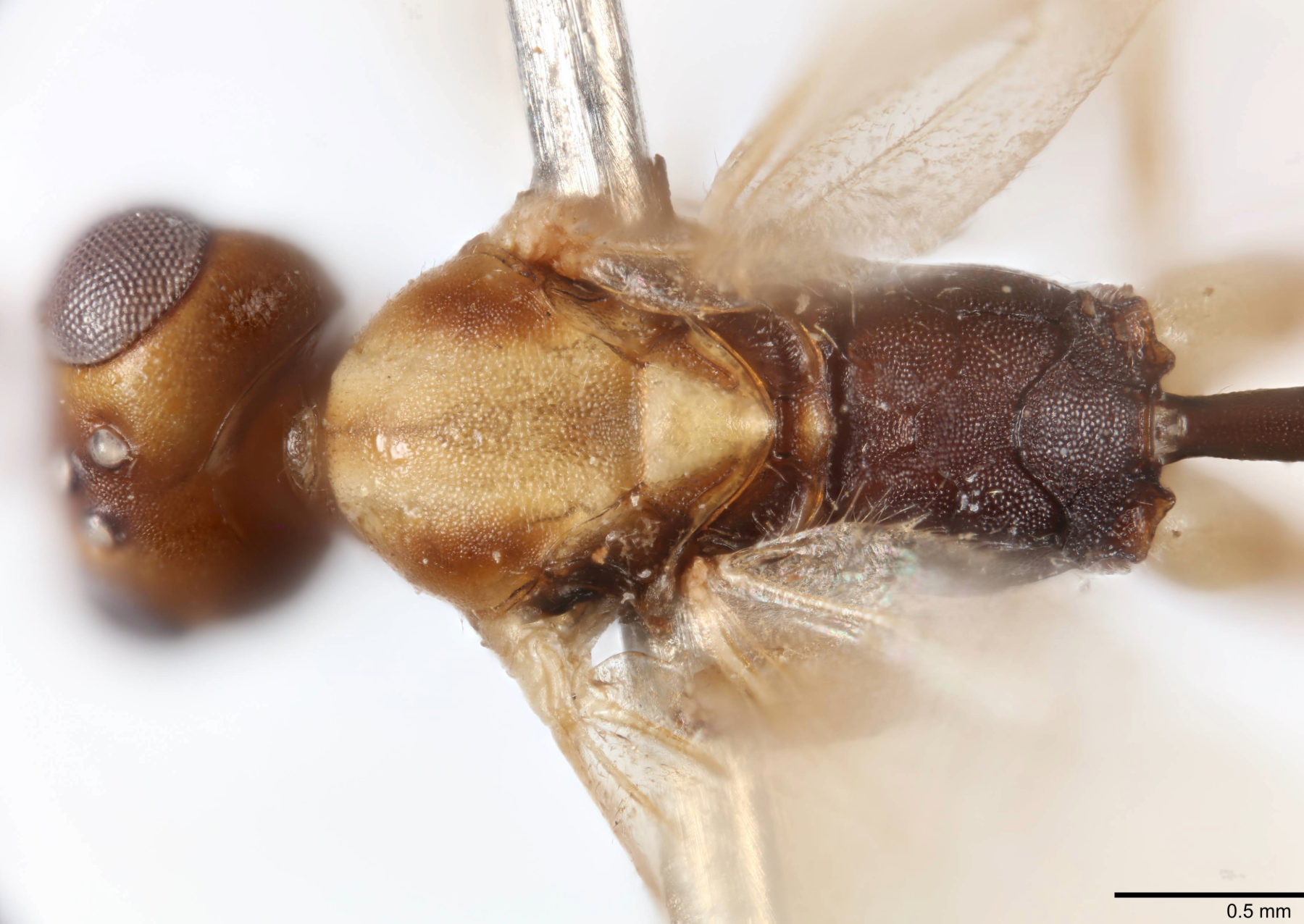
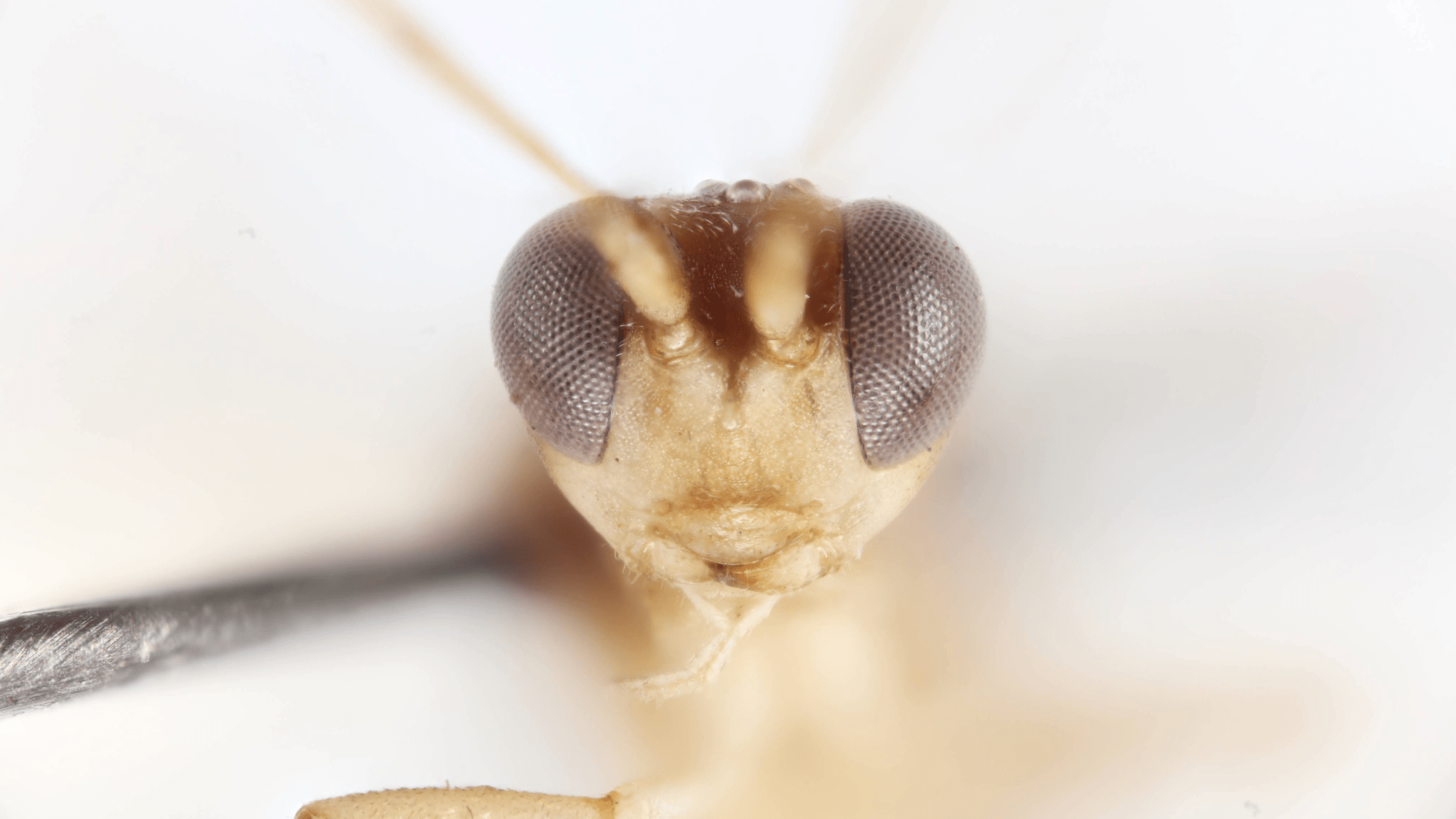
It was volunteer Augustijn De Ketelaere, a graduate student at Ghent University in Belgium, who noticed the insect’s unexpected traits while the team was examining the museum’s ichneumonid collections. Attenboroughnculus tau has a unique combination of anatomical features that make it different from already established genera: a strongly curved abdominal segment, toothlike structures on the ovipositor (which they use to lay eggs), and distinctive wing and leg morphology.

a close up view of a wasp
Attenboroughnculus tau is less than one inch long. Image: © Trustees of the Natural History Museum.

If you think Attenborough will be offended by the unsavory nature of the bug named in his honor, think again. Parasitoid wasps have appeared in his documentaries, such as the BBC nature documentary series The Trials of Life, in which he dubbed them the “bodysnatcher wasp.”

“David Attenborough has featured Chile’s diverse, extreme landscapes in several documentaries, emphasising the unique environmental challenges and ecological resilience of species within the country,” De Ketelaere, Pullar, and lead author Gavin Broad—principle curator of insects at the museum—write in a recent Journal of Natural History study. “He has used his work to reveal the intimate, unseen or overlooked within nature. This resonates in the discovery of this species in an unsorted drawer within the collections of the Natural History Museum, London.” 

This isn’t the first time Attenborough is honored by taxonomists. In fact, the man has over 50 species named after him, including the carnivorous plant Nepenthes attenboroughii

Happy Birthday Sir David Attenborough! 

The post Sir David Attenborough’s 100th birthday present is… a parasitic wasp appeared first on Popular Science.
  •  

Even wild desert cats love catnip

Cats are famously obsessed with catnip, but a recent social media post from the Bronx Zoo in New York City highlights that it’s not just bossy domestic felines that take an interest in the plant. 

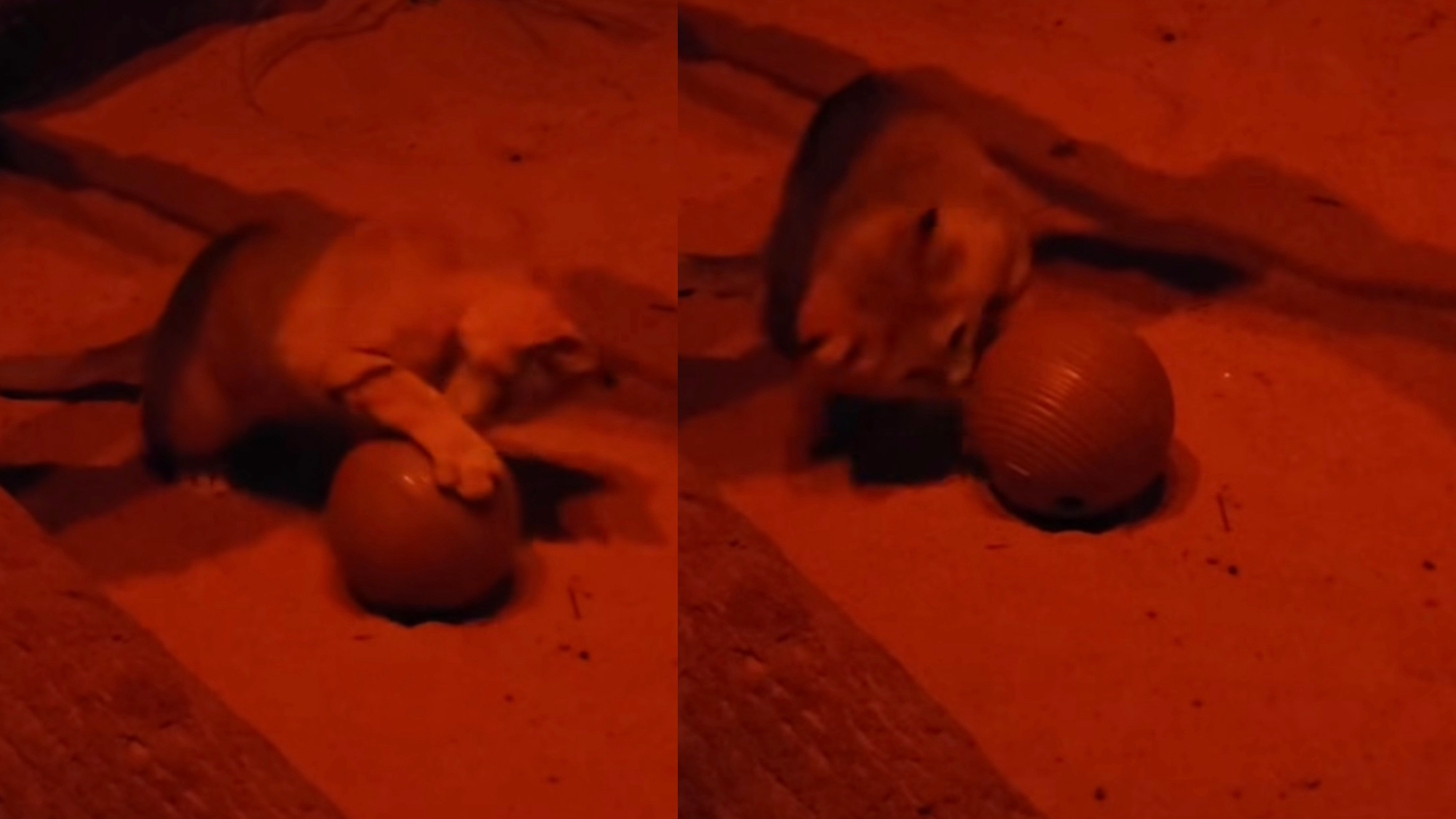
In the zoo’s video, a three-year-old female sand cat (Felis margarita) plays with a catnip-filled ball. Sand cats are the sole only species that live in the true desert. They can withstand both exceptional heat and cold, from 122 degrees Fahrenheit (50 degrees Celsius) to -13 degrees Fahrenheit (-25 degrees Celsius). They are found across northern Africa as well as southwest and central Asia.

“The keepers added catnip to this ball to give the sand cats a novel item to stimulate them physically and mentally. Cats respond to a chemical in catnip called nepetalactone,” according to the post. “Its primary function is to repel insects from the plant. Many cats, though not all, are highly attracted to it, and it is safe and non-toxic for them to enjoy.”

Catnip is part of the mint family. According to Jessica Moody, curator of primates and small mammals at the Wildlife Conservation Society (WCS), not all felid species have the same sensitivity to the plant. Moody tells Popular Science that sex and age also impact the response on an individual level. Bronx Zoo (part of the WCS) animal keepers frequently employ catnip, officially called Nepeta cataria, as well as other scents to incite natural behaviors such as investigation and play. 

It’s clearly working with this particular feline, whose species the IUCN Red List categorizes as a species of least concern. However, “it is difficult given their low population density and harsh environment to track true wild populations,” Moody explains. “Primary threats to the survival of sand cats in the wild include habitat loss and a decline in prey caused by human disturbances like livestock grazing.” 

The post Even wild desert cats love catnip appeared first on Popular Science.
  •  

Rare hybrid sea turtle released back into the ocean after rescue

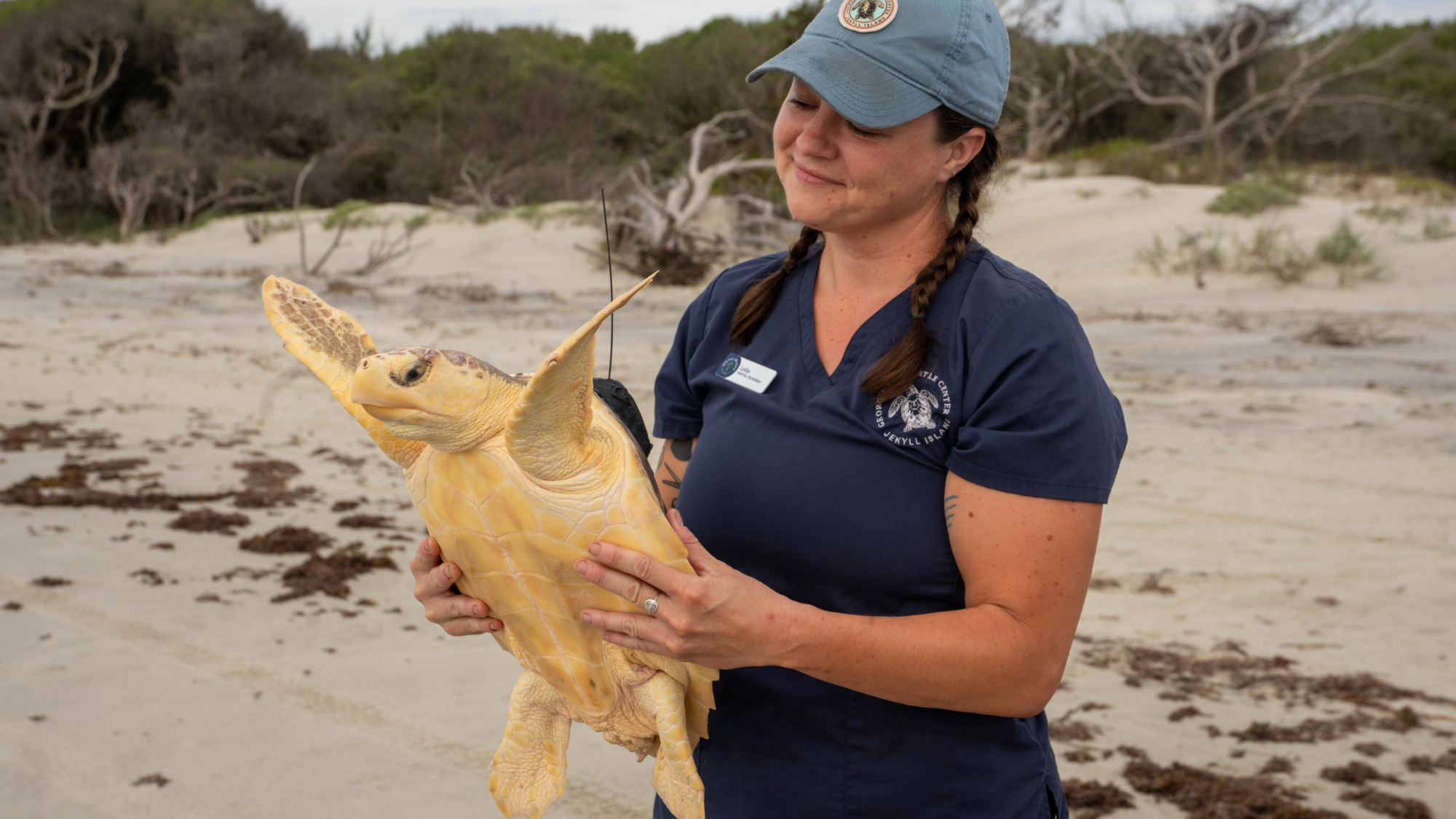
A unique turtle is officially getting a second chance at life in the big blue. Last month we reported on a special resident at the Georgia Sea Turtle Center in Jekyll Island, Georgia: a first-generation hybrid sea turtle, the child of a Loggerhead sea turtle father (Caretta caretta) and a Kemp’s ridley sea turtle (Lepidochelys kempii) mother. Nicknamed Earl Grey, the reptile-turned-celebrity has returned to the wild. 

This Hannah Montana of turtles was slated to be released on Wednesday, but on Tuesday the Georgia Sea Turtle Center announced a change of plans because of “some unexpected pre-release complications.” Luckily, these complications must have been resolved. He was sent on his way Thursday morning, only one a day behind schedule. 

“Yesterday evening, veterinarians at the Georgia Sea Turtle Center determined that the best course of action for Earl Grey’s well-being and successful transition back into the ocean was to conduct a private release,” according to a George Sea Turtle Center spokesperson.

The turtle was rescued from a beach in Brewster, Massachusetts, where it was stranded and cold-stunned. The turtle’s mixed background was revealed by genetic testing after the Loggerhead ridley (or Kemp’s Loggerhead?) arrived at the turtle center. Hybrid animals are natural, but we don’t know how many wild hybrid sea turtles there are. Most hybrid animals are only confirmed with genetic testing. 

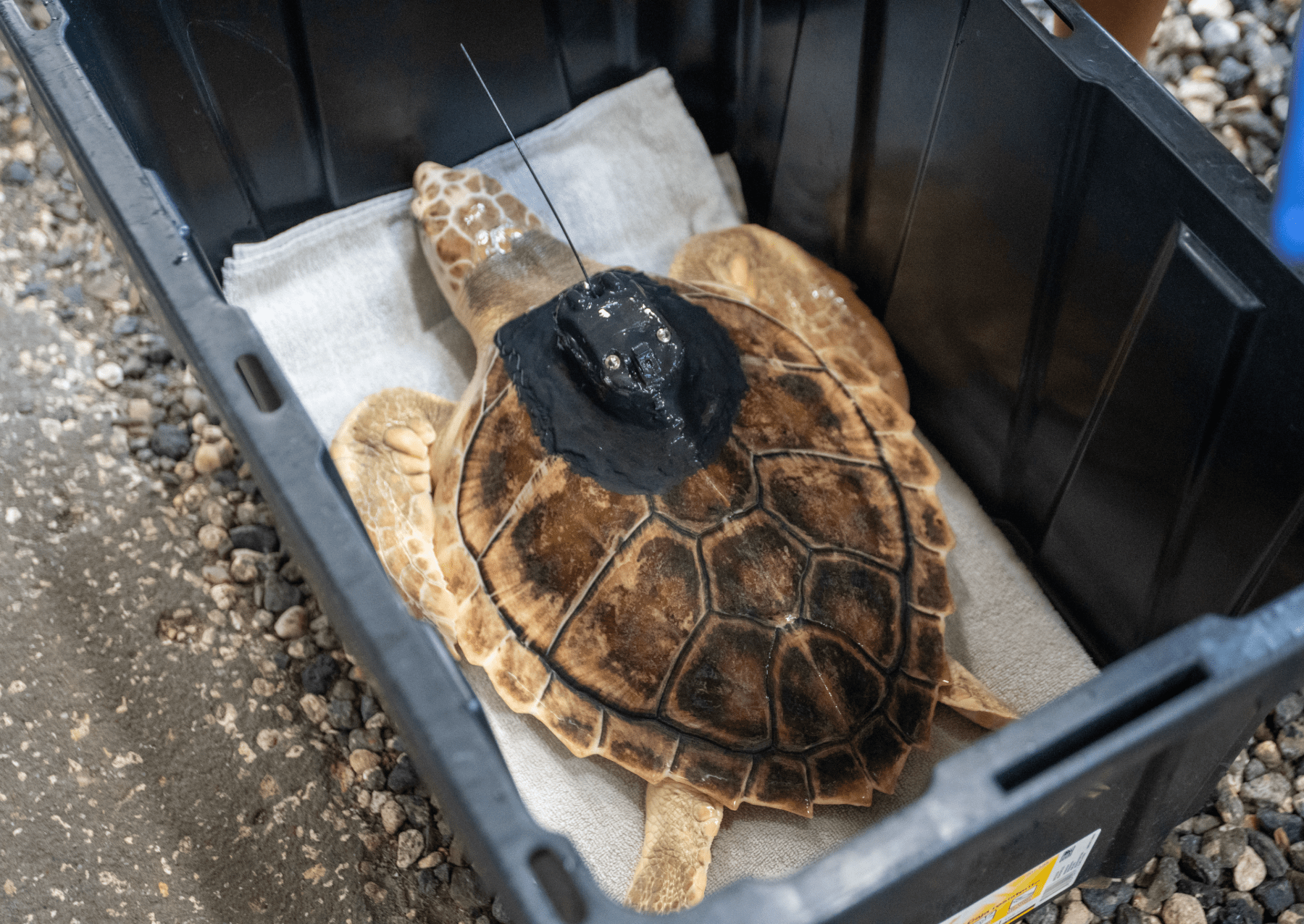
a turtle in a bucket with a telemetry device on its shell
Earl Grey on his way to the beach for release. Image: Jekyll Island Authority.

“From an evolutionary perspective, hybridization could be one of many ways genetic diversity is introduced into a population,” Jaynie L. Gaskin, Georgia Sea Turtle Center director, told Popular Science in April. “We encourage other rehabilitation facilities to consider genetic testing for any suspected hybrid sea turtles, as there may be more individuals than we currently realize!”

In a Facebook video, the turtle center highlights the traits that the rare hybrid sea turtle inherited from each species, including a hook-shaped beak of a Kemp’s ridley (the mother) and the colors of a Loggerhead (the father). A combination of, in their words, the “best of both worlds.” . 

Stay warm, E.G.! 

The post Rare hybrid sea turtle released back into the ocean after rescue appeared first on Popular Science.
  •  

Pregnant gorillas undergo ultrasounds and the results might look familiar

When Sachita Shah sent her cardiologist brother an ultrasound of her patient’s heart, he was very confused. The heart was huge, and the left ventricle incredibly muscular. His confusion was warranted, as the ultrasound was not of a human heart. It belonged to another primate—a gorilla. Shah, emergency physician and VP of Global Health at medical equipment manufacturer Butterfly Network, tells Popular Science that if she had shown an ultrasound of a gorilla fetus to a radiologist, they would have assumed it was a human baby. 

Shah is on the gorilla care team currently looking after Jamani and Olympia, two western lowland gorillas (Gorilla gorilla gorilla) mothers at Woodland Park Zoo in Seattle, Washington. Jamani gave birth on Monday May 18, and Olympia is expected to deliver her new baby imminently. Shah and her colleagues’s work involves conducting ultrasounds of Jamani and Olympia’s baby bump—though now probably just Olympia’s—to keep an eye on the baby’s growth and position. 

“We got a really pretty baby face,” Shah says, speaking of the ultrasounds. “We could see nose and lips and fetal breathing movements and heartbeat and drinking fluid, opening mouth and swallowing. For all intents and purposes, it was very much the same [as a human baby].” 

The endangered gorilla mothers were trained to take part in the exams and procedures conducted by the gorilla care team, and they could choose whether to participate or not. The gorillas put their bellies against the edge of the enclosure for the scan (and received snacks), where there is a small opening through which the care team can reach through with the ultrasound probe. 

As such, the zoo needed a small and portable imaging device. That’s where Butterfly Network and their all-in-one ultrasound probe came in. 

“When you think of an ultrasound, you might think of a big cart with lots of different probes—a different probe if you wanted to do a pregnancy scan, or a heart scan, or a pediatric scan might have a tiny probe,” Shah says. 

Instead, the Butterfly probe they use at Woodland Park Zoo is a handheld ultrasound that plugs into a smart phone. It is around as big as an electric shaver, and it functions with a number of different softwares for either veterinarian or human health use. Notably, an app allows the team to use it for different types of scans—from a pregnant gorilla to a child’s lungs—that would traditionally require distinct probes and machines. 

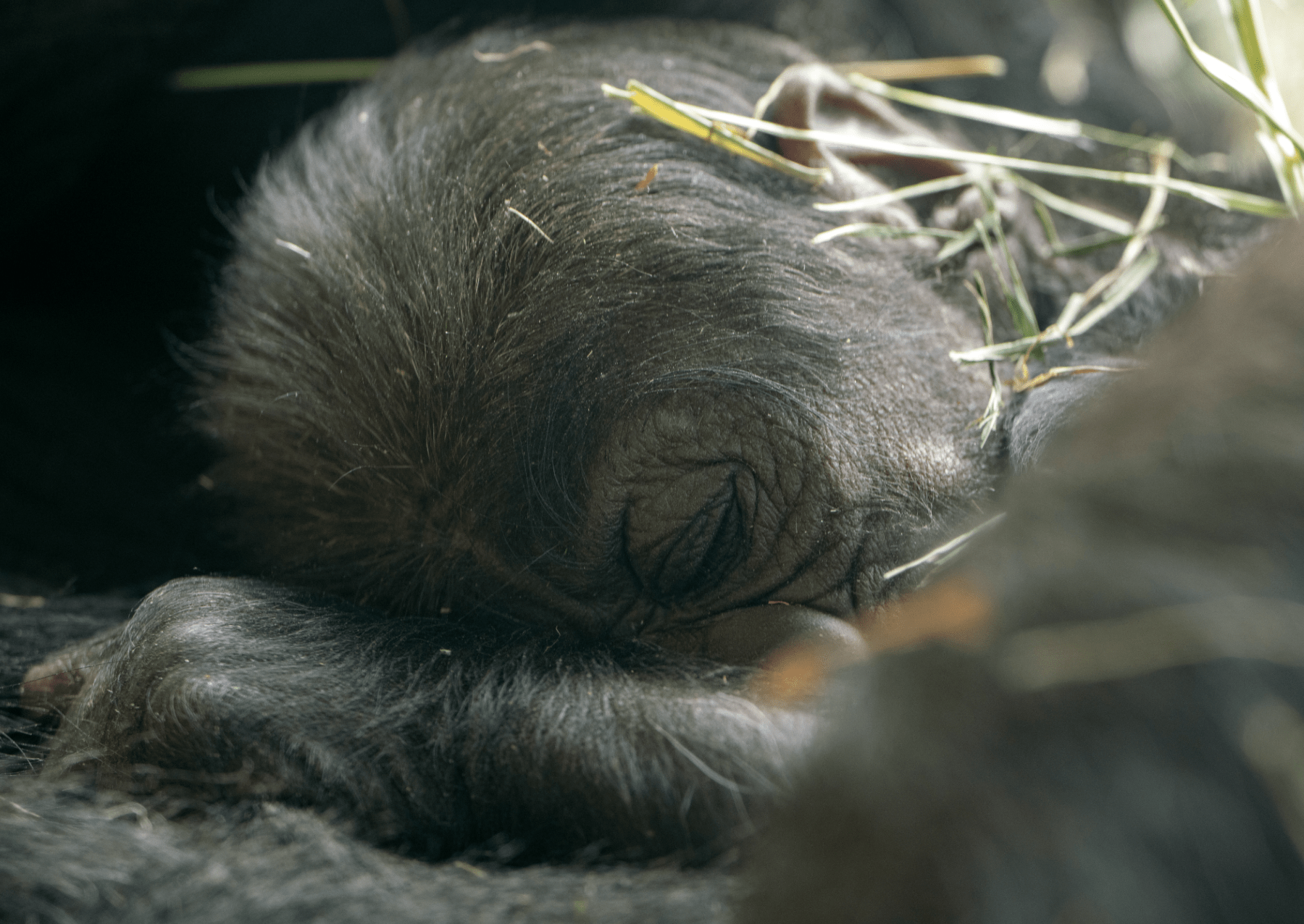
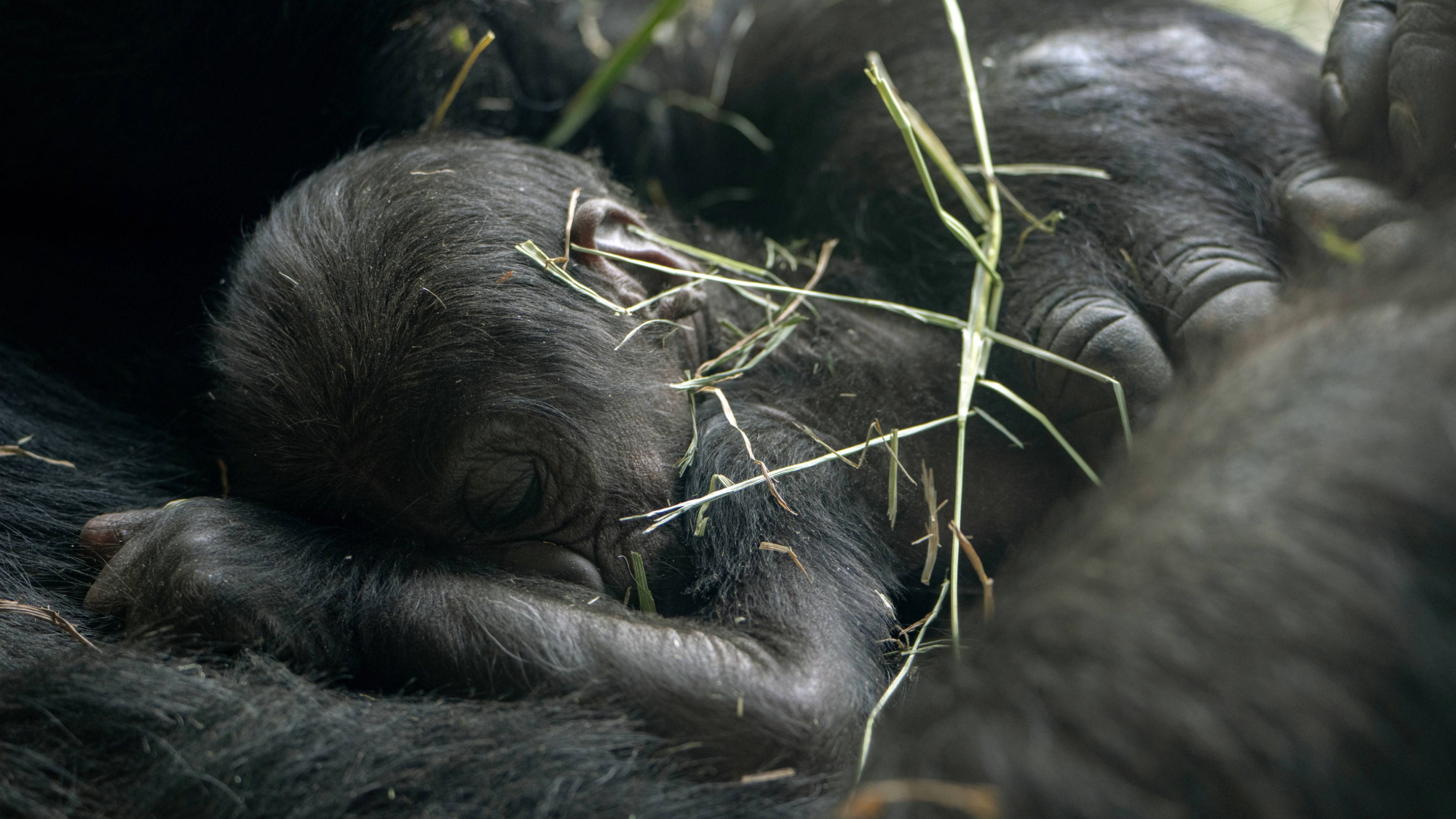
a sleeping baby gorilla
Jamani’s baby was born on May 18 at 5:50 a.m. Image: Jeremy Dwyer-Lindgren / Woodland Park Zoo.

Shah and her colleagues also used the Butterfly ultrasound device to scan the heart of Nadaya, the silverback gorilla father of both babies. In fact, the heart ultrasound Shah sent to her brother belonged to Nadaya.  They used human software for that scan, even though their vet software is optimized for fur. Fortunately, Nadaya’s chest isn’t very furry. 

Shah, who has gone through a pregnancy herself, was most moved by working with the gorilla mothers. 

“We could tell the baby’s head had dropped and we thought, ‘oh man, she must be so uncomfortable.’ And she was waddling and walking a little differently. I was like, ‘oh, I remember that, girl.’ It was just amazing to remember that we’re all connected in that way,” she says. 

Western lowland gorillas are critically endangered, so babies are always excellent news.

UPDATE May 27 8:19 a.m EDT

On Sunday, May 24, at 1:44 p.m. PDT, Olympia’s baby was delivered by an emergency C-section performed by a medical team who typically works on humans. This 5.4-pund boy is the western lowland gorilla’s second baby.

The post Pregnant gorillas undergo ultrasounds and the results might look familiar appeared first on Popular Science.
  •  

Vet constructs ingenious contraption to help a tortoise hit by a car

Complex problems require creative solutions, and wildlife veterinarian Nielsen Donato is no stranger to what might seem like out-of-the-box problem solving. Last month, Donato and his team at Vets in Practice in the Philippines fixed temporary wheels onto an Aldabra giant tortoise (Aldabrachelys gigantea) that was struggling to walk. 

More recently, they built a contraption to care for a four-year-old African spurred tortoise (Geochelone sulcata) that had been run over by a car not once but twice. When the unfortunate reptile was first brought to the clinic, Donato—who is the clinic’s chief surgeon and exotic animal medicine specialist—wasn’t there. 

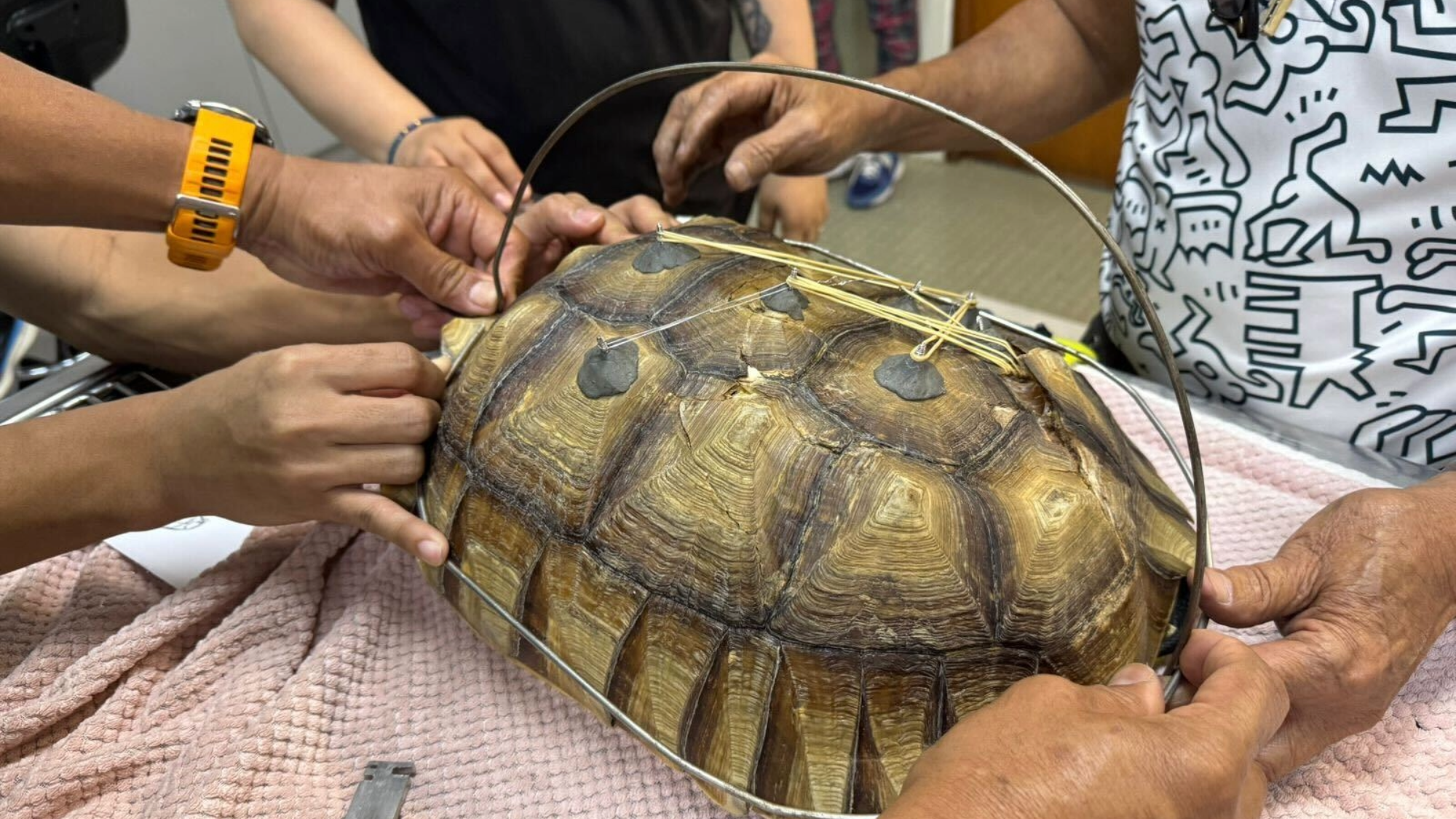
Over the phone, Donato instructed the team to keep the tortoise’s exposed soft tissue damp by rinsing the shell with saline (salt water). They also tried to stabilize the cracks, by fixing inverted screws onto various parts of the shell with epoxy putty, and then tying rubber bands around the screws.

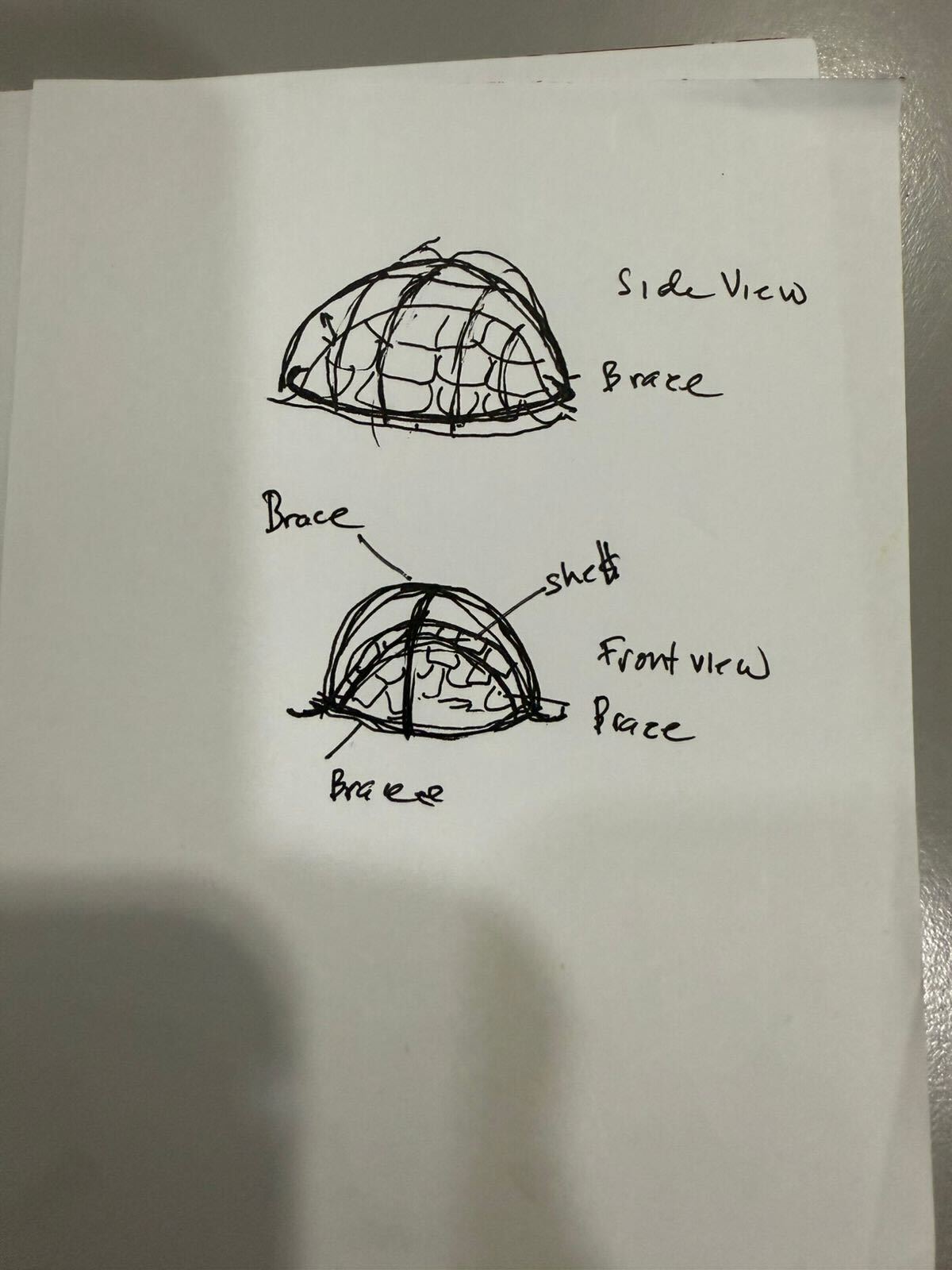
a diagram of how to fix a turtle's shell
The team sketched out their plan of action to save the tortoise’s shell. Image: Nielsen Donato.

“At this point, our main concern is to stabilize the condition of the turtle from shock, from the injury. So for the first three weeks, we made sure that there were no flies that laid eggs and turned into maggots,” Donato tells Popular Science

They kept the tortoise hydrated, tube-fed it, kept its wound clean, basked it in the sun, and gave it antibiotics and pain medication. 

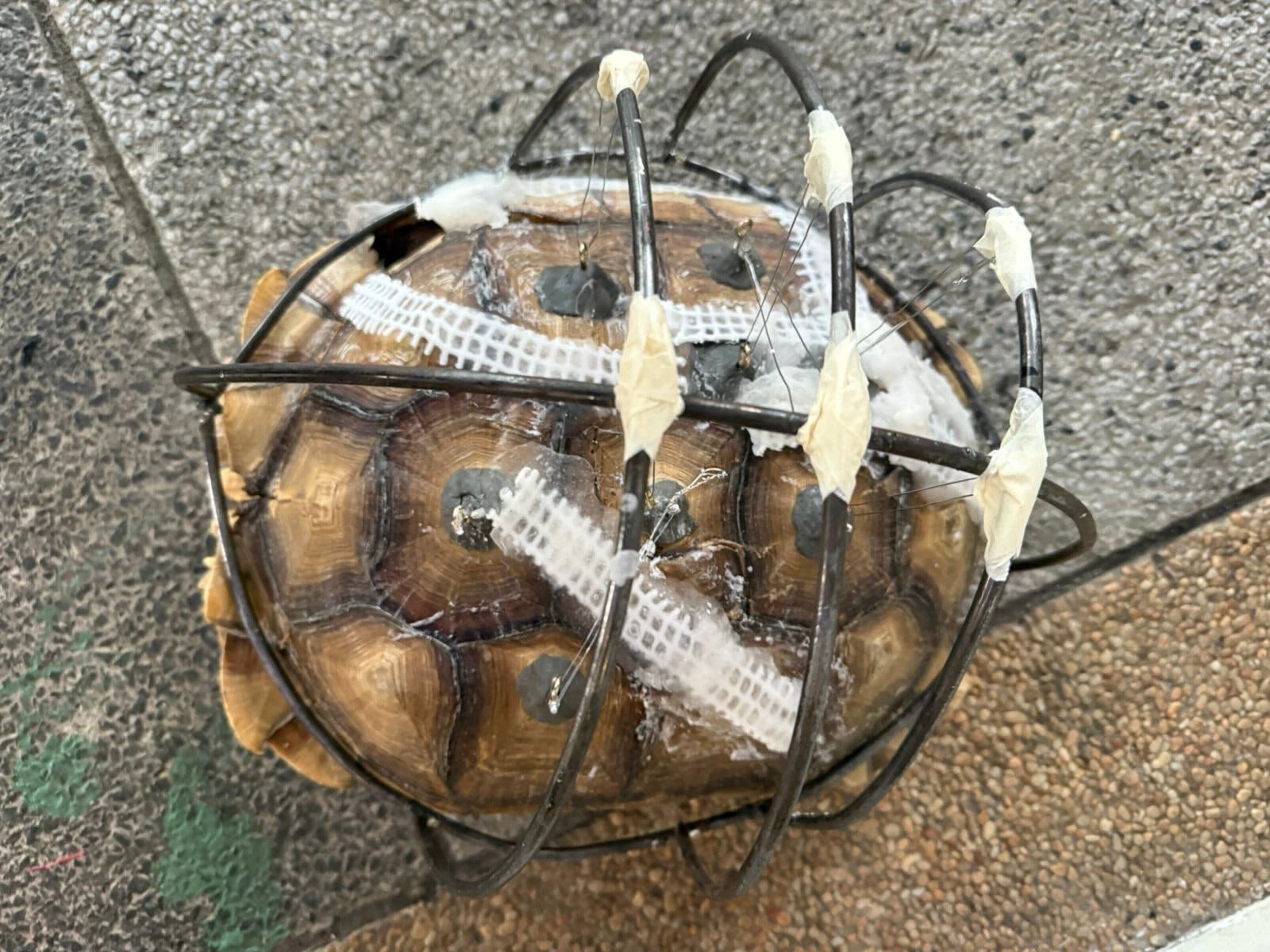
black wires over a large turtle shell keeping it together
The wires help keep the shell together. Image: Nielsen Donato.

“And once the tortoise, the sulcata, was more mobile and showing interest in eating on its own, we planned to repair the shell,” he says

According to Donato, the most difficult part for him was lifting the crushed parts of the shell. So he designed a frame for the shell that, with the help of wires, would pull up these shell parts. And the contraption worked.

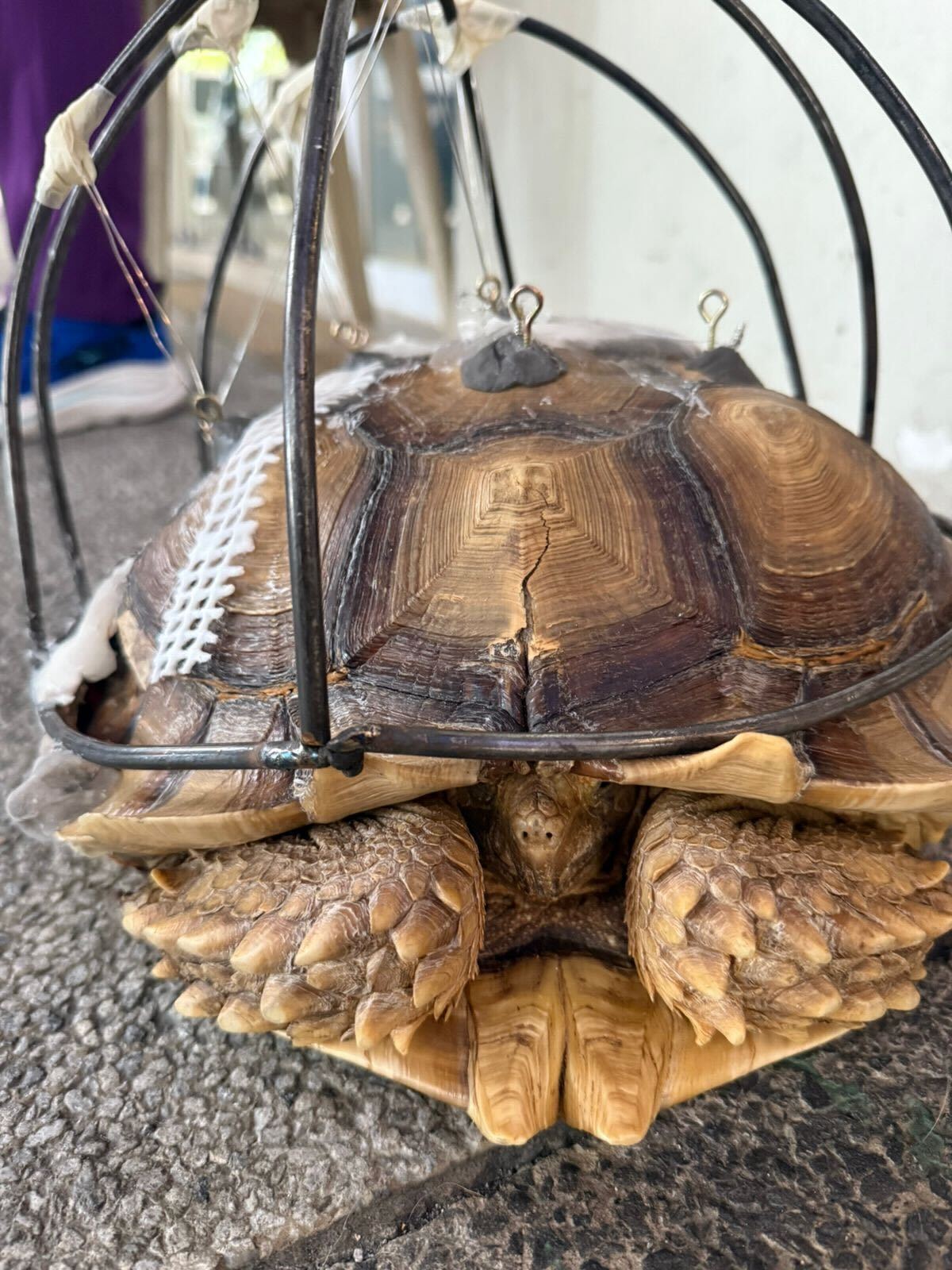
a tortoise with black wires over it shell
The tortoise was hit by a car twice, but is on the road to recovery. Image: Nielsen Donato.

“When we were twisting the wire, we noticed that we were starting to align the shell and the cracks were becoming more opposed to each other,” he explains. The team sealed the cracks with dental acrylic and asked the turtle’s owner to bring it back after three weeks. By the time the tortoise was back in their clinic, the shell had become more stable. The team removed the brace, wires, screws, and putty, and sent it back home again before its next appointment.

“When it visited us lately, it started moving around more actively and the owners were not worried about its appetite because it was eating again,” Donato reports. 

One thing is for certain—this tortoise went to shell and back again. 

The post Vet constructs ingenious contraption to help a tortoise hit by a car appeared first on Popular Science.
  •  

Sturgeon sex creates thundering noise in New York

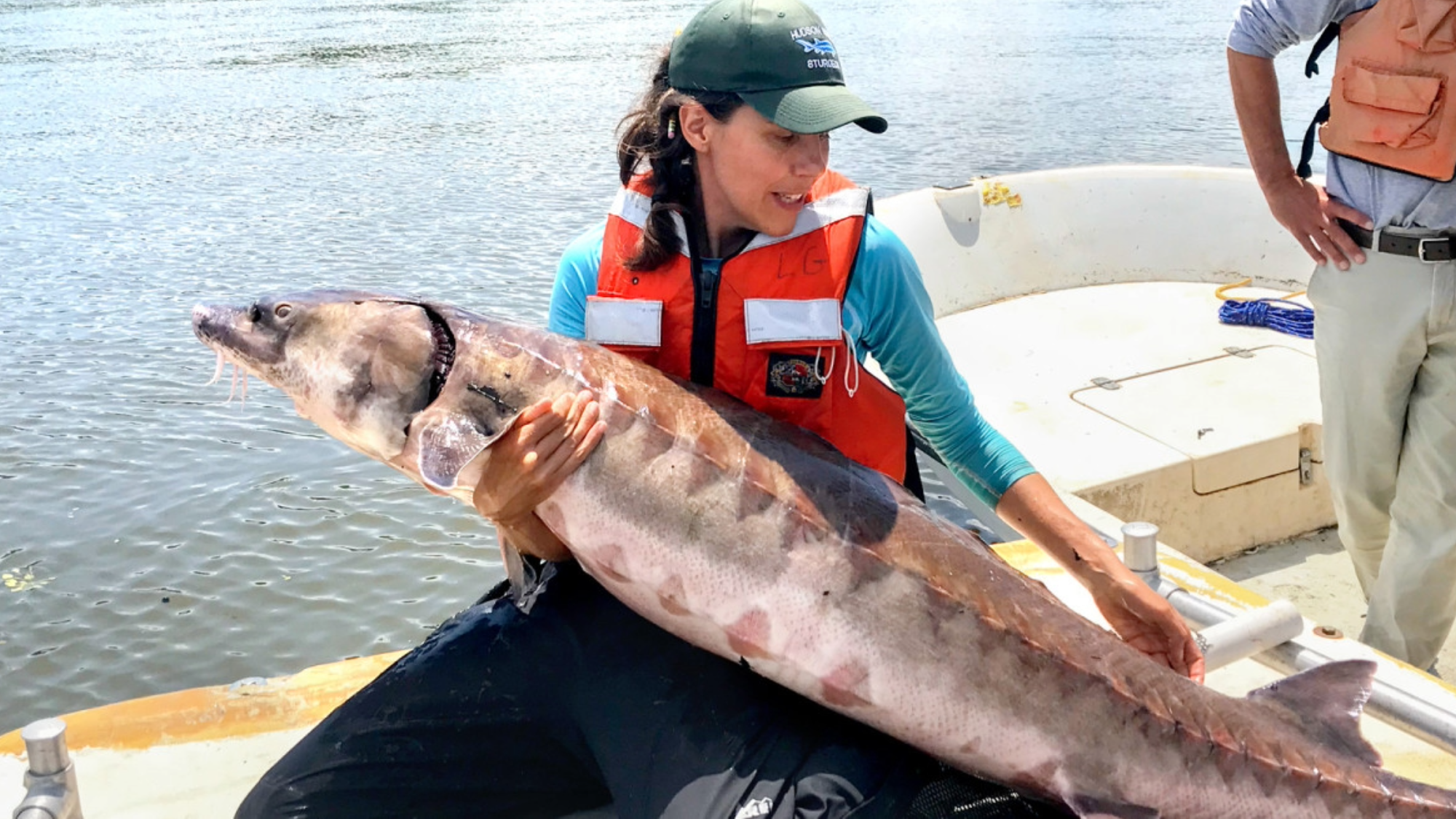
Something strange is happening in the brackish waters of New York’s Hudson River. It sounds like a sort of low thundering, and while anything is possible in a lively body of water so closely associated with the Big Apple, it’s not the Teenage Mutant Ninja Turtles training with their rat sensei Splinter. Instead, scientists say that the mysterious sound is made by the reproductive antics of an endangered fish called Atlantic sturgeon (Acipenser oxyrinchus).

Writing in a recent Endangered Species Research paper, the team is the first to verify the Atlantic sturgeon’s thundering. The noise is probably caused by males thrashing—and their swim bladders’ resonance—as they fertilize eggs, according to researchers. 

“It’s almost that you feel it more than you hear it,” Maija Niemistö, a researcher from the New York State Water Resources Institute and co-author of the study, said in a press release. “You can hear these chirps and squirts and bubbles underwater, but this is a different experience entirely. These are ancient fish, and the thunder – it’s almost like you’re brought back in time, because they’ve been making this sound, communicating with each other, for millions of years. It’s awe-inspiring.”

They are also classified as Endangered. In the spring, these giants leave the ocean to swim up the Hudson River to spawn. For sturgeon, this reproductive behavior involves males and females releasing their necessary parts into the water. In other words, the egg doesn’t fertilize inside of the female fish. 

The team eavesdropped on the crucial life cycle process with passive acoustic monitoring. They recorded sound within the waters of the Hudson River with underwater microphones for long periods of time. Though this noninvasive strategy is a common approach in marine and terrestrial research, it hasn’t been used as much in rivers and lakes with more freshwater. 

Now, the team’s discovery of sturgeon thundering provides the New York State Department of Environmental Conservation (NYSDEC) with an additional way to help monitor and better understand  Atlantic sturgeon behavior. As we frequently report, the more researchers know about a species, the more equipped they are to protect it. 

And the Atlantic surgeon certainly needs it. In the 19th and 20th century, overfishing greatly decreased their populations. Unfortunately, almost 30 years of protection hasn’t helped the species make a comeback. Part of the problem is that female Atlantic sturgeons can wait up to two decades before their first spawn.

“That’s why they’re so susceptible to overfishing,” added Amanda Higgs, also co-author of the study and a fisheries biologist with NYSDEC Hudson River Fisheries Unit. 

Eggs could represent 20 percent of a female’s substantial weight and fisheries were interested in their caviar. “A female was a lucrative catch,” Higgs added, “and so they got wiped out relatively quickly because they don’t have the ability to reproduce and replace themselves quickly.” 

While experts estimate that 6,000 Atlantic sturgeon spawned in its waters before the late 1800s, today less than 700 spawn here. Nonetheless, the Hudson River is home to the species’ largest population. 

Moving forward, the team can listen for previously unknown spawning grounds, enabling the state to deal out protections for these endangered river giants. 

The post Sturgeon sex creates thundering noise in New York appeared first on Popular Science.
  •  

Watch adorable animals compete for best chewer in 2026 Crunch-a-Thon

Social media is widely considered to be bad for one’s mental health, at least anecdotally. However, it can have some positive impacts, such as videos of animals chewing food very loudly. What could possibly be better than a closeup of an animal’s snout as it crunches on a carrot? 

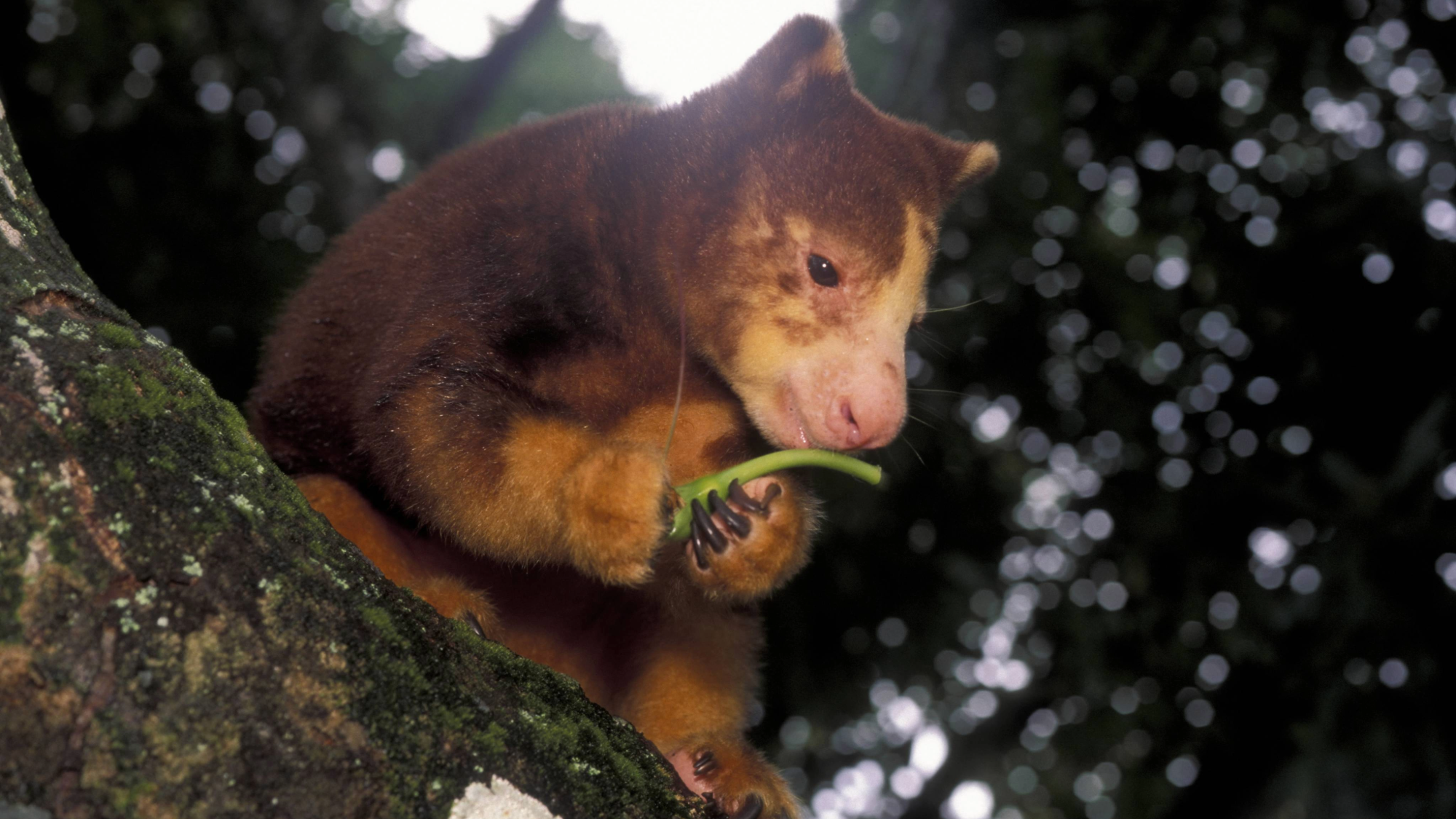
This week, zoos around the United States have been using social media to highlight one particularly cute muncher—tree kangaroos. Ahead of World Tree Kangaroo Day on May 21, conservation organization AZA SAFE (Saving Animals From Extinction): Tree Kangaroo of Papua New Guinea is inviting organizations working with tree kangaroos to compete in this year’s International Tree Kangaroo Crunch-a-Thon. 

In the aptly-named competition, participants posted videos on Instagram and/or Facebook of their tree kangaroo eating something. The competition categories are Most Likes, Most Views, and Judges’ Choice, and winners will be announced on May 17, Australian Eastern Standard Time. 

The organizers even provide crunchy food recommendations: bell peppers, celery, romaine hearts, snap peas, green beans, cucumbers, and zucchini—with the caveat that the last two vegetables might not have the best crunch. 

“In partnership with the AZA Tree Kangaroo SAFE program, we’re participating in the Tree Roo Crunch-a-Thon to help shine a spotlight on this endangered species,” reads a social media post by Roger Williams Park Zoo & Carousel Village featuring three munching, pink-nosed brown and white tree kangaroo. “Our Zoo is home to three Matschie’s tree kangaroos – a species of tree kangaroo native to the cloud forests of Papua New Guinea.”

Tree kangaroos are 14 species in the Dendrolagus genus, the sole arboreal kangaroo group. They are herbivorous marsupials with bushy tails, and usually have long arms and padded back feet. Tree kangaroos live in parts of Australia, Indonesia, and New Guinea’s rainforests. The Golden-mantled tree kangaroo (Dendrolagus pulcherrimus) is among the world’s most endangered mammals and only lives in a small area of Papua New Guinea. 

In the words of the Crunch-a-Thon organizers, “let the crunching begin!” 

The post Watch adorable animals compete for best chewer in 2026 Crunch-a-Thon appeared first on Popular Science.
  •  

Meet Sam Houston, the new baby Asian elephant

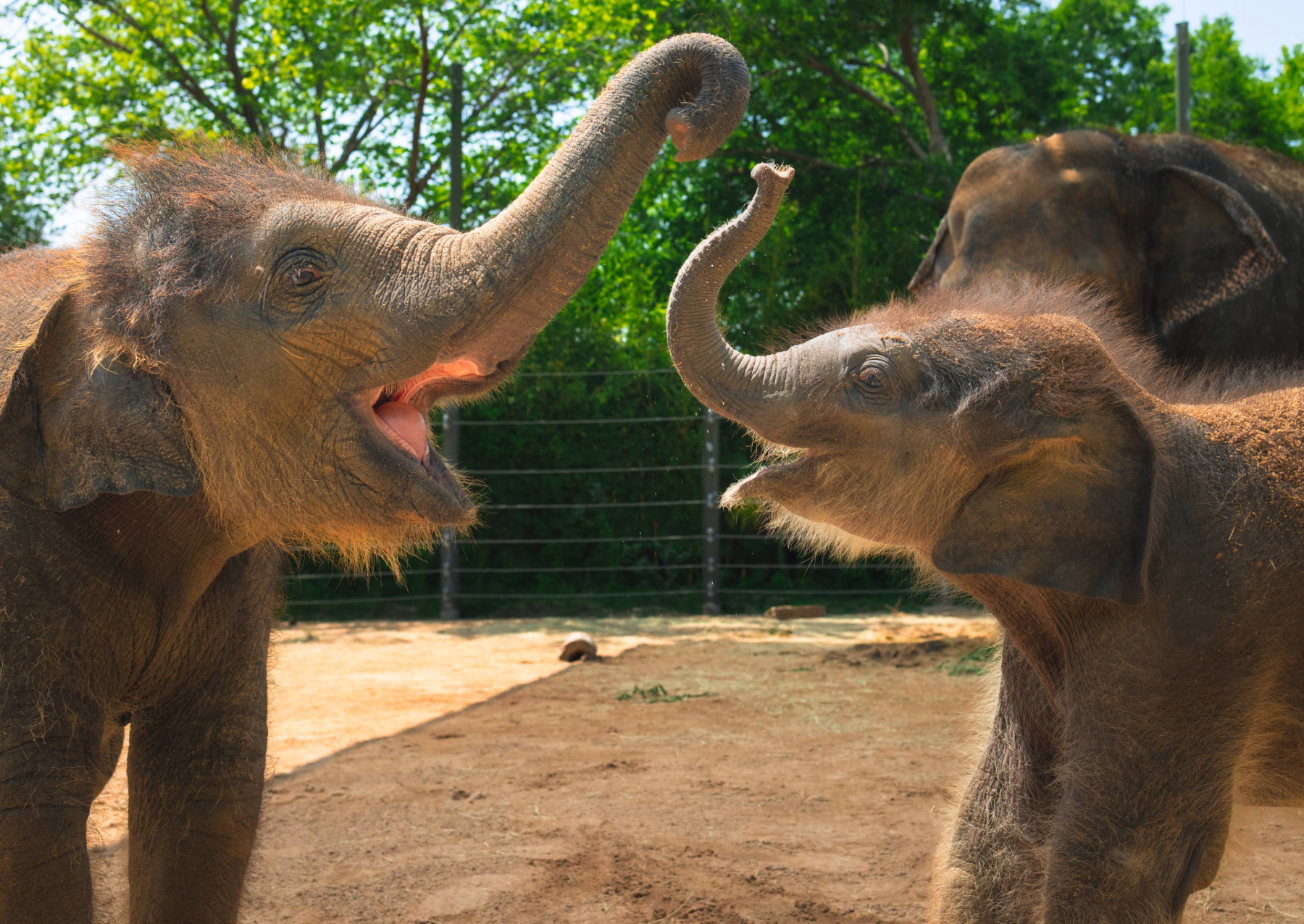
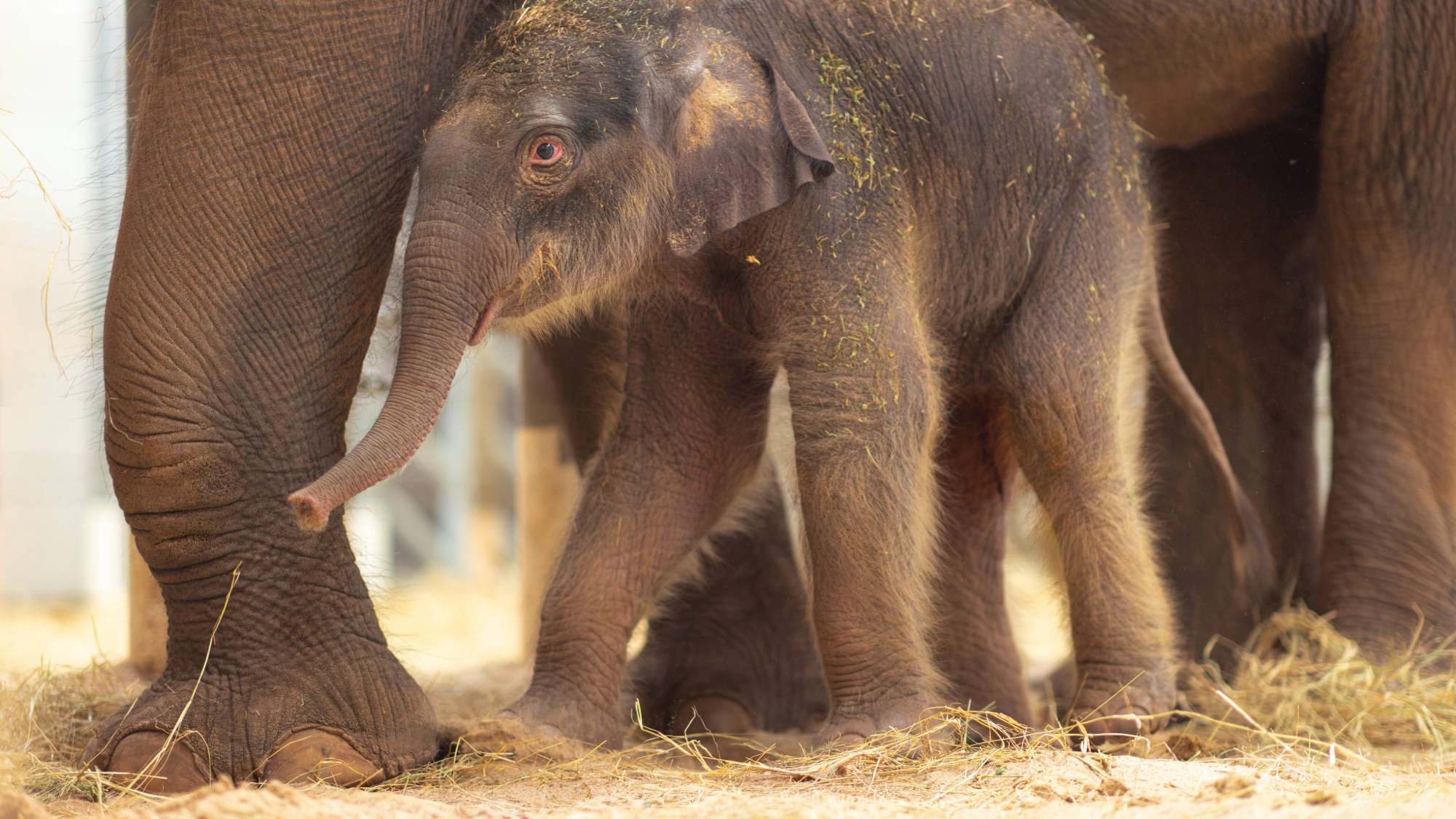
On April 1, Texas’ Fort Worth Zoo welcomed  a 285-pound baby into the world. It wasn’t an April Fool’s joke—the newborn was a healthy male Asian elephant (Elephas maximus) calf, and he represents the newest member of a four-generation Fort Worth elephant family.

Elephants are currently the largest terrestrial animals on earth, and they consist of three species: the Asian elephant, African savannah elephant (Loxodonta africana), and African forest elephant (Loxodonta cyclotis). Asian elephants are a bit smaller than the other two species. On average, they weigh between 6,000 and 12,000 pounds and usually are six to 12 feet tall at the shoulder. Today they exist in limited areas in India and Southeast Asia, and they are classified as endangered in the IUCN Red List, with a decreasing population. 

Fort Worth Zoo’s calf is 36 inches tall and is the offspring of father Romeo and mother Bluebell, whose prenatal care included weekly blood tests, regular physical examinations, and sonograms. He has one full sibling, Travis, and two half-siblings, Lady Bird and Brazos. 

Keeping with the Texas-theme naming tradition, the new calf has been dubbed Sam Houston after the politician of the same name. Houston who was a veteran of the War of 1812 and an important figure in the Texas Revolution (1834–1836). He also played a significant role in helping Texas become part of the United States. While the historic figure’s first name was Sam (Samuel), and last name was Houston, it’s a double name for the young elephant. 

“Given his remarkable size – the largest calf in Zoo history – it felt only fitting to honor one of Texas’ most iconic figures, Sam Houston,” according to a statement. “Like his namesake, the Zoo’s Sam Houston (yes, it’s a double name) represents strength, and a lasting legacy, joining a four-generation elephant family that reflects the rich heritage and enduring spirit of Texas.”

a baby elephant looking at it's mother
Lady Bird (left) with her new baby Sam Houston (right). Image: Fort Worth Zoo.

Sam Houston got down to business right after birth. He was on his feet within six minutes of popping out, steering his trunk competently almost right away, and nursing within an hour. Sam Houston made his public debut May 7th after spending weeks bonding with his mother and becoming familiar with his environment—including being near other members of the herd—away from prying eyes. However, zoo  visitors can only see Sam Houston from 11 a.m. to 2 p.m., because afternoon naps are imperative to the baby’s wellbeing and development. 

“Asian elephants are endangered, with fewer than 40,000 individuals remaining in the wild, and their populations continue to decline,” Ramona Bass, chairman of the Fort Worth Zoo Board of  Directors, said in the statement. “Each birth is a step forward, reflecting decades of dedicated care and specialized expertise. As part of the natural world, we play a critical role in their future – and through continued research and innovation, including the Zoo’s CARES Lab, we’re helping ensure Asian elephants thrive for generations to come, right here in Fort Worth, Texas.”

The post Meet Sam Houston, the new baby Asian elephant appeared first on Popular Science.
  •  

Rare Przewalski’s horse born in New York

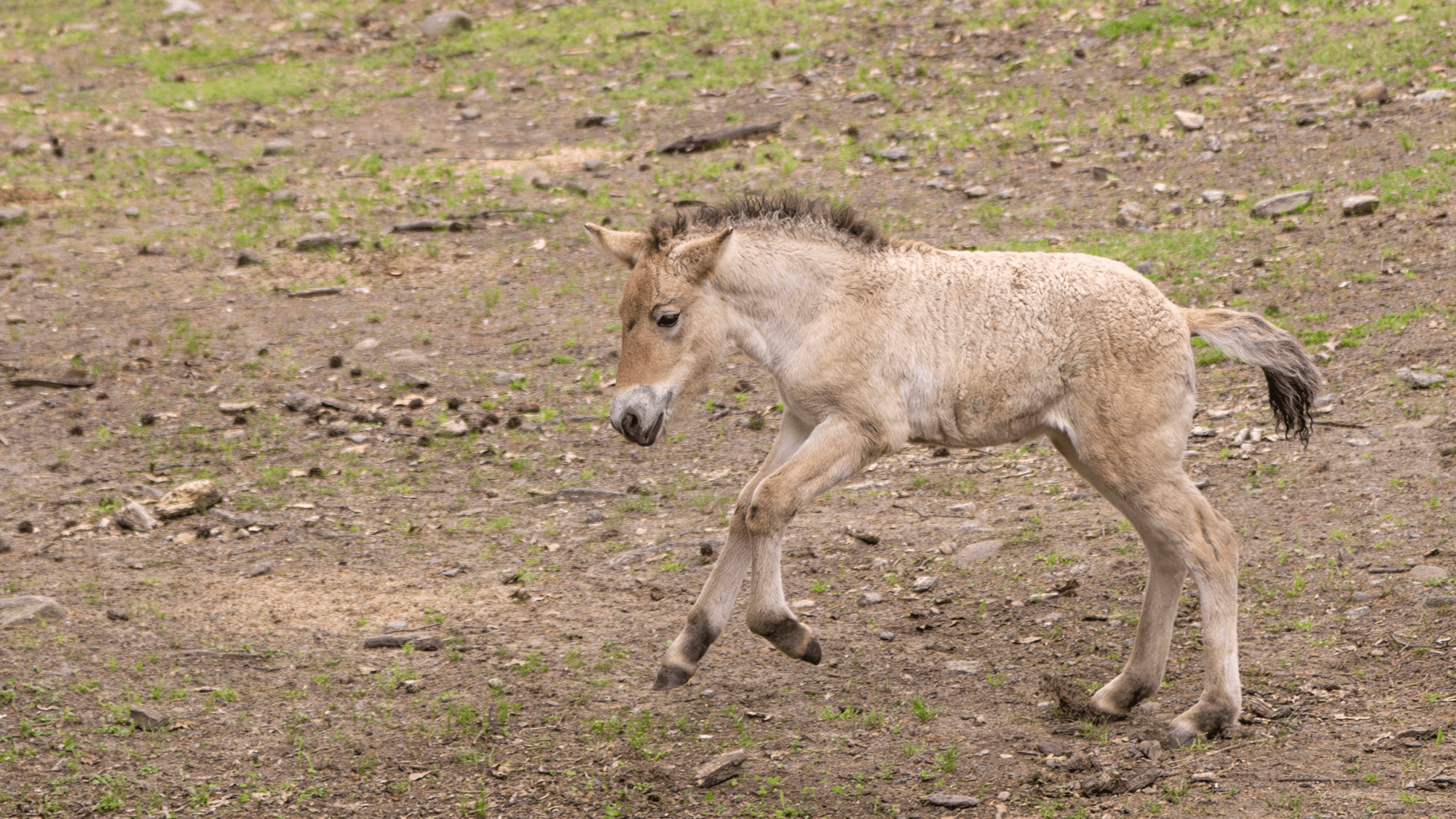
On April 21, a baby horse was born at the Wildlife Conservation Society’s Bronx Zoo in New York City. But it wasn’t just any foal that came into the world—this newest resident of the Big Apple is a Przewalski’s horse (Equus ferus przewalskii), an endangered species that has been pulled back from the brink of extinction. 

Przewalski’s horses look more like a mule than your average horse. For starters, their mane sticks up straight into the air and they don’t have a forelock (horse bangs, basically). Przewalski’s horses are also short, light brown, and—excuse the necessary slang—exceptionally chonky. They also have a really thick neck. 

They are also referred to as the Mongolian wild horse, and they are the only truly wild horse species left, according to the International Union for Conservation of Nature (IUCN). Though the species used to exist across Asia and Europe, their numbers plummeted so much that at one point they were deemed Extinct in the Wild. 

“The Bronx Zoo has played a pivotal role in the conservation of Przewalski’s horse,” the Bronx Zoo wrote in a statement announcing the birth. “Through breeding programs aimed at maintaining a genetically diverse population of the species and through reintroduction efforts, zoo-bred Przewalski’s horses were successfully returned to their native grasslands in China in 1989 and in Mongolia beginning in 1992.”

Przewalski’s horses now live in Mongolia, China, and Kazakhstan, as well as in zoos. Rather shockingly, the entire extant population (which researchers estimate is less than 2,000 individuals) descends from only 12 horses

In Mongolia, the Wildlife Conservation Society supports Protected Areas with wild horses. As for the Bronx Zoo, the foal is part of a herd. Visitors can see it from the Wild Asia Monorail, where the adorable baby is sure to develop a colt (young male horse) following. 

The post Rare Przewalski’s horse born in New York appeared first on Popular Science.
  •  
❌