Normal view

US Supreme Court paves way for companies affected by Fidel Castro’s expropriations to seek compensation from Cuba

21 May 2026 at 15:59
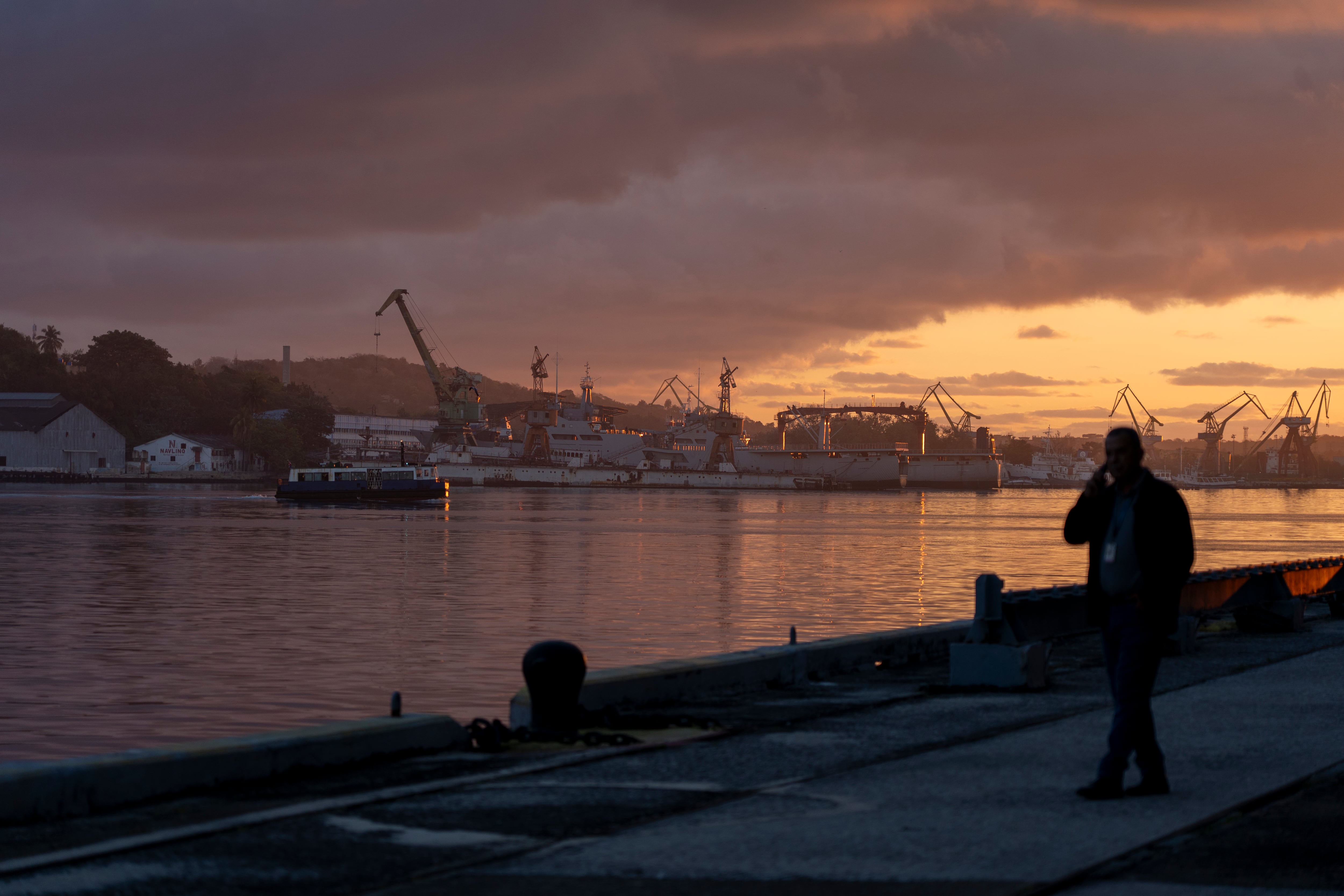
Boats in Havana’s port, March 24.

A new twist in the tensions between the United States and Cuba. The U.S. Supreme Court ruled on Thursday in favor of a U.S. company whose docks were confiscated by the Castro regime in 1960 after Fidel Castro came to power. The court’s decision — in a case openly supported by U.S. President Donald Trump — opens the door to future claims by other U.S. firms and citizens affected during the wave of expropriations carried out in the early years of the Cuban Revolution.

Seguir leyendo

Díaz-Canel announces reforms to liberalize Cuba’s economy

New winds of reform are sweeping through Havana. The Cuban regime on Friday announced a package of structural changes under the so-called Economic and Social Program for 2026 to confront one of the most severe crises in its recent history.

Seguir leyendo

© Norlys Perez (REUTERS)

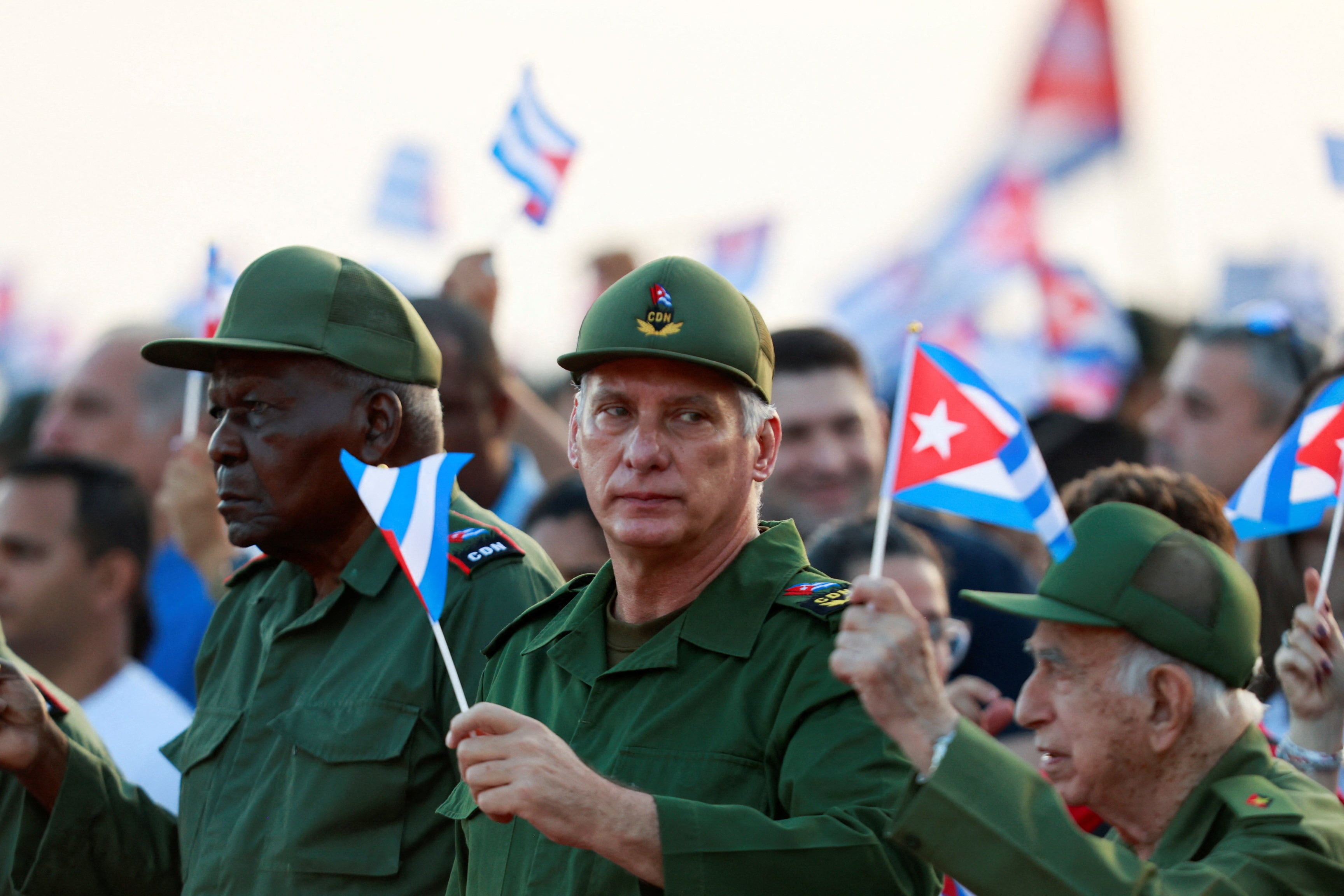
Miguel Díaz-Canel in Havana, Cuba, on May 22.
  • ✇El País in English
  • ICE arrests the sister of the head of Cuba’s military conglomerate GAESA Abel Fernández
    The United States continues to ratchet up its pressure on Cuba. U.S. immigration authorities on Thursday arrested in Miami the sister of the executive president of GAESA (Grupo de Administración Empresarial S.A.), the Cuban military conglomerate. According to a statement released by Immigration and Customs Enforcement (ICE), the detainee, Adys Lastres Morera, sister of Ania Guillermina Lastres Morera, described as “responsible for managing GAESA’s internationally held illicit assets,” had been a
     

ICE arrests the sister of the head of Cuba’s military conglomerate GAESA

22 May 2026 at 07:46

The United States continues to ratchet up its pressure on Cuba. U.S. immigration authorities on Thursday arrested in Miami the sister of the executive president of GAESA (Grupo de Administración Empresarial S.A.), the Cuban military conglomerate. According to a statement released by Immigration and Customs Enforcement (ICE), the detainee, Adys Lastres Morera, sister of Ania Guillermina Lastres Morera, described as “responsible for managing GAESA’s internationally held illicit assets,” had been a permanent resident since 2023. ICE said Lastres Morera had not applied for U.S. citizenship and will remain in custody until she is deported.

Seguir leyendo

© Servicio de Inmigración y Control de Aduanas

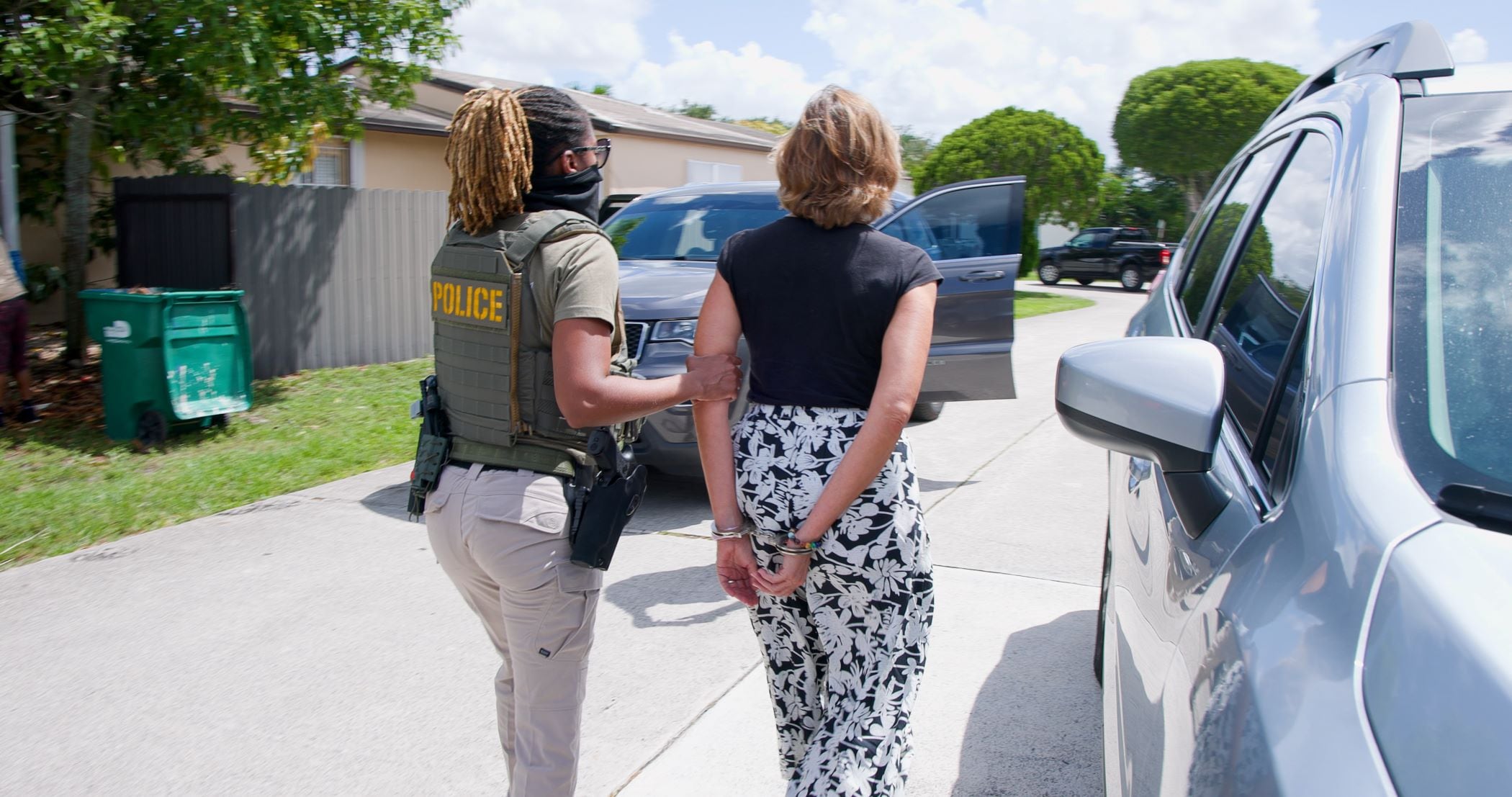
Adys Lastres Morera in the custody of U.S. Immigration and Customs Enforcement on May 21.

Cuba’s blackouts in charts: More hours without power than with it as Trump’s pressure intensifies

Humor is often the Cuban people’s best tool for capturing their reality. That’s why, on an island that now spends more hours in darkness than with electricity, people no longer talk about apagones (blackouts) but about alumbrones — fleeting moments when the lights actually come on.

Seguir leyendo

What will happen to tourism in Cuba? Inside GAESA, the military conglomerate on Washington’s radar

When a Cuban person on the island wants to refer to “those in charge,” they lightly tap their shoulder with two fingers. The subtle gesture, shaped by nearly seven decades of censorship, is a reference to the epaulet of a military uniform. In Cuba, people do not speak of the government or the party (the Communist Party of Cuba, the only legal one), but rather of the “country’s leadership.” It is a euphemism that points to the real political and economic power: the Revolutionary Armed Forces (FAR).

Seguir leyendo

Raúl Castro indictment corners Castroism and shows how far Trump is willing to go in Cuba

21 May 2026 at 08:51

Almost at the same time on Wednesday morning, U.S. Secretary of State Marco Rubio spoke from Washington while Cuba’s president, Miguel Díaz-Canel, spoke from Havana. Both were addressing the people of Cuba. The former highlighted the date, May 20, as the day “the Cuban flag flew for the first time over an independent country” in 1902, an image preserved in a period photograph that forever enshrined the birth of the republic. The latter, however, said that date should be credited for only one thing: “Having planted in Cubans of that era an anti-imperialist sentiment.” Rubio invoked 1902 as an epic moment, but Díaz-Canel asked the people not to forget that May 20 marks the day of U.S. “intervention” and “interference” in Cuba. That has been the narrative between Washington and Havana to this day: two governments wrestling over the meaning of history.

Seguir leyendo

© Yamil Lage (AP)

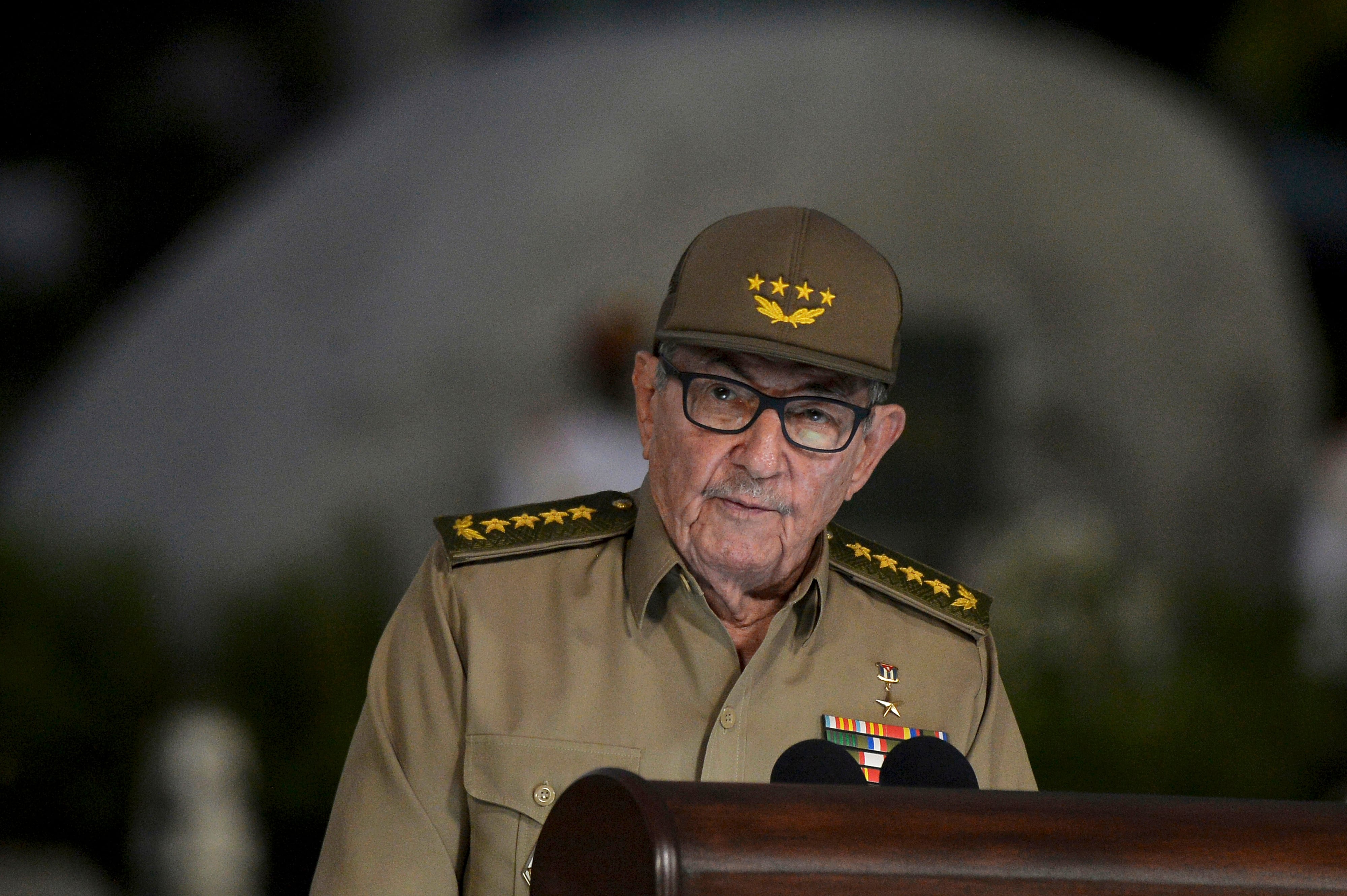
Raúl Castro in Santiago de Cuba, April 10, 2019.

Mistrust between the Cuban exile community and the island’s internal opposition complicates a post‑Castro transition

23 May 2026 at 04:00

The Cuban dissident Oswaldo Payá used to say that he lived in the crossfire. In May 2002, he achieved the milestone of delivering more than 11,000 signatures to Cuba’s Parliament. The petition demanded a referendum to democratize the island.

Seguir leyendo

© Norlys Perez (REUTERS)

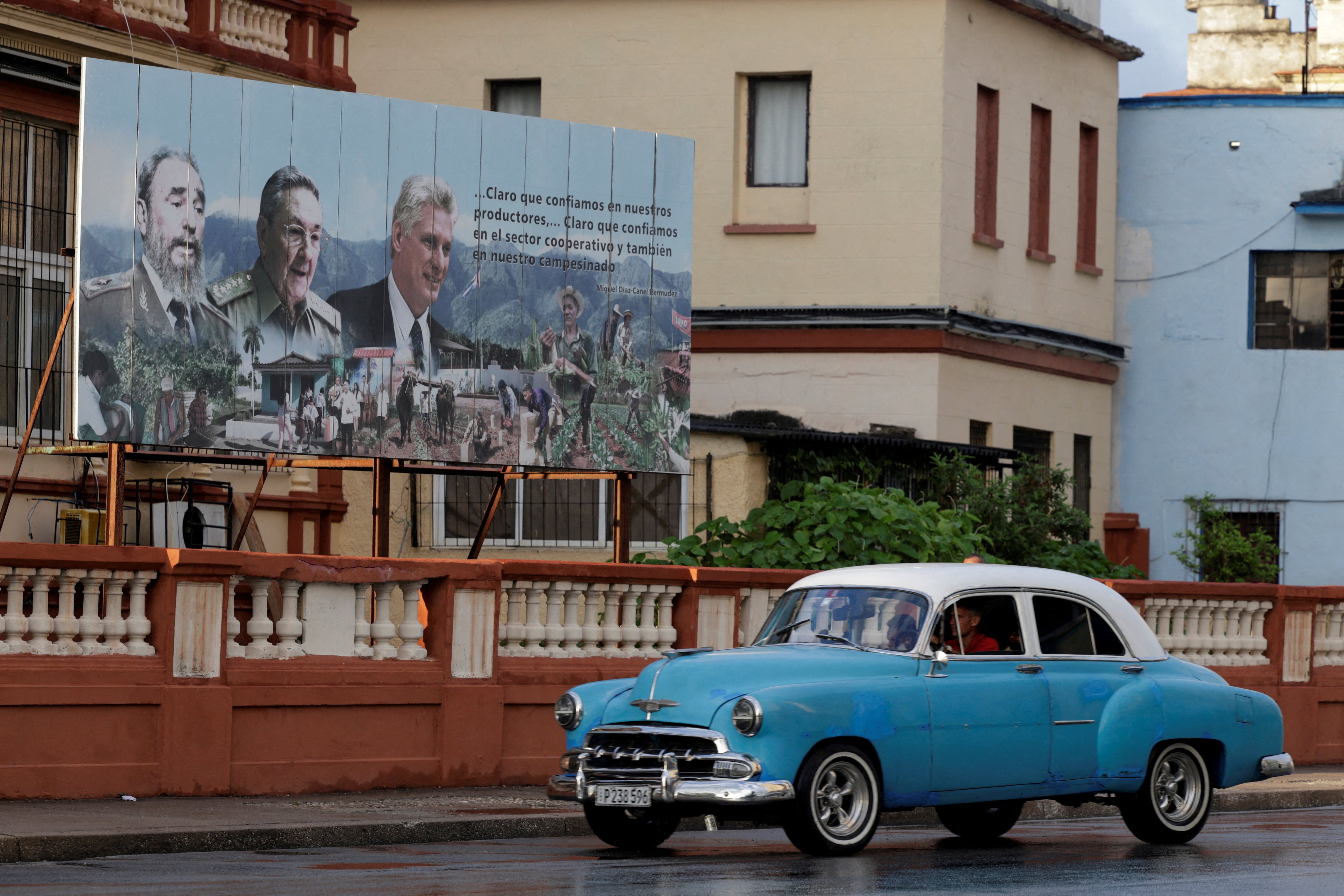
A billboard featuring Fidel Castro, Raúl Castro and Miguel Díaz-Canel in Havana, Cuba, on May 15.
  • ✇Latin America Reports
  • US authorities indict Raul Castro, longtime Cuban leader Raphael McMahon
    United States federal prosecutors announced today that they had indicted Raúl Castro, the former President of Cuba and brother of Cuban revolutionary leader Fidel Castro, over the downing of two civilian planes in 1996.  The U.S. Justice Department has accused Castro, who was defense minister at the time of the incident, of ordering the Cuban Air Force to shoot down the planes. The move ramps up pressure on the island, which Washington has subjected to a near-total oil blockade since Janua
     

US authorities indict Raul Castro, longtime Cuban leader

20 May 2026 at 18:11

United States federal prosecutors announced today that they had indicted Raúl Castro, the former President of Cuba and brother of Cuban revolutionary leader Fidel Castro, over the downing of two civilian planes in 1996. 

The U.S. Justice Department has accused Castro, who was defense minister at the time of the incident, of ordering the Cuban Air Force to shoot down the planes.

The move ramps up pressure on the island, which Washington has subjected to a near-total oil blockade since January, and raises concerns that the U.S. is preparing an operation similar to the one that removed Nicolás Maduro from Venezuela earlier this year. 

Today’s charges relate to the killing of four members of the Miami-based Cuban dissident group Hermanos Al Rescate (Brothers to the Rescue), who were operating the planes when they were shot down on February 24, 1996. Three were American citizens and one was a U.S. resident. 

According to acting U.S. Attorney-General Todd Blance, Castro has been formally charged with conspiring to kill U.S. nationals. 

The issue of whether or not the planes were shot down in Cuban or international airspace is still a matter of debate. 

Florida’s Attorney-General had announced in March that a state investigation into Raúl Castro’s involvement would be reopened, a move which was endorsed by many Republican politicians, including Florida Senator Rick Scott. 

Tensions between the U.S. and Cuba have been rising precipitously, as the North American superpower has enforced a near-total oil blockade on the island, ratcheted up punitive sanctions targeting Cuban officials and demanded in ongoing negotiations between the two countries that the current Cuban President Miguel Díaz-Canel step down. 

Some have likened the charges brought against Castro to those directed at former Venezuelan President Nicolás Maduro before his capture earlier this year. Maduro was charged with drug trafficking in the U.S. in 2020, an accusation which served as justification for his forced removal from power by the U.S. military. 

It remains to be seen whether the charges against Castro will result in a similar U.S. operation in Cuba. 

Featured Image: Raúl Castro in 2016.  

Image Credit: Presidencia de El Salvador via Wikimedia Commons

License: Creative Commons Licenses

The post US authorities indict Raul Castro, longtime Cuban leader appeared first on Latin America Reports.

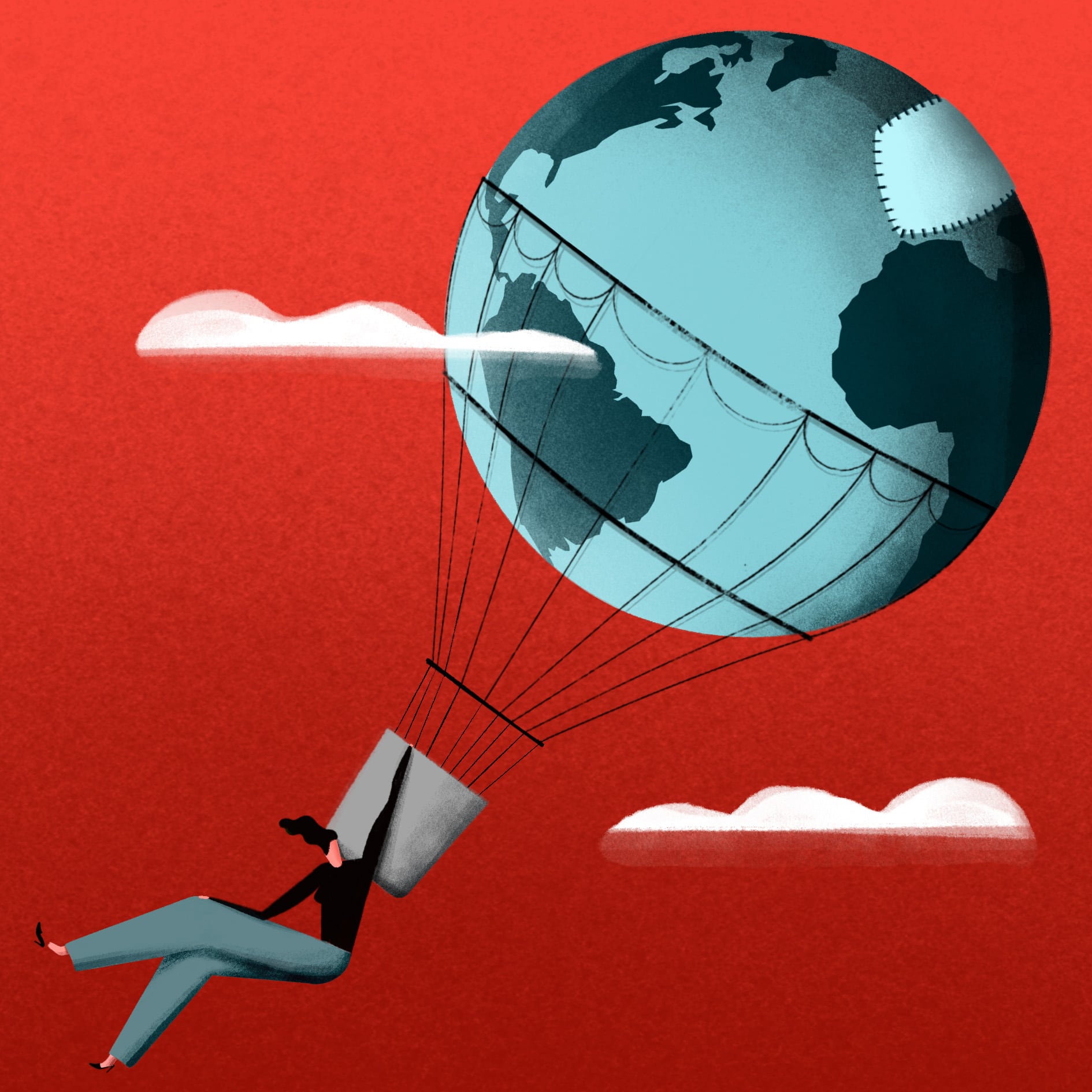
The year 2049, the great dystopia: The world after the fall of Ukraine

13 June 2026 at 04:00
.

When did Europe go wrong? For decades, we thought the European project would disappear due to external threats… but we never imagined that this would happen because of the irresponsibility of its leaders, nor because of the inaction of its citizens. Nobody thought that Europe would cease to be the horizon that the rest of the world aspires to reach.

Seguir leyendo

  • ✇Latin America Reports
  • US authorities indict Raul Castro, longtime Cuban leader Raphael McMahon
    United States federal prosecutors announced today that they had indicted Raúl Castro, the former President of Cuba and brother of Cuban revolutionary leader Fidel Castro, over the downing of two civilian planes in 1996.  The U.S. Justice Department has accused Castro, who was defense minister at the time of the incident, of ordering the Cuban Air Force to shoot down the planes. The move ramps up pressure on the island, which Washington has subjected to a near-total oil blockade since Janua
     

US authorities indict Raul Castro, longtime Cuban leader

20 May 2026 at 18:11

United States federal prosecutors announced today that they had indicted Raúl Castro, the former President of Cuba and brother of Cuban revolutionary leader Fidel Castro, over the downing of two civilian planes in 1996. 

The U.S. Justice Department has accused Castro, who was defense minister at the time of the incident, of ordering the Cuban Air Force to shoot down the planes.

The move ramps up pressure on the island, which Washington has subjected to a near-total oil blockade since January, and raises concerns that the U.S. is preparing an operation similar to the one that removed Nicolás Maduro from Venezuela earlier this year. 

Today’s charges relate to the killing of four members of the Miami-based Cuban dissident group Hermanos Al Rescate (Brothers to the Rescue), who were operating the planes when they were shot down on February 24, 1996. Three were American citizens and one was a U.S. resident. 

According to acting U.S. Attorney-General Todd Blance, Castro has been formally charged with conspiring to kill U.S. nationals. 

The issue of whether or not the planes were shot down in Cuban or international airspace is still a matter of debate. 

Florida’s Attorney-General had announced in March that a state investigation into Raúl Castro’s involvement would be reopened, a move which was endorsed by many Republican politicians, including Florida Senator Rick Scott. 

Tensions between the U.S. and Cuba have been rising precipitously, as the North American superpower has enforced a near-total oil blockade on the island, ratcheted up punitive sanctions targeting Cuban officials and demanded in ongoing negotiations between the two countries that the current Cuban President Miguel Díaz-Canel step down. 

Some have likened the charges brought against Castro to those directed at former Venezuelan President Nicolás Maduro before his capture earlier this year. Maduro was charged with drug trafficking in the U.S. in 2020, an accusation which served as justification for his forced removal from power by the U.S. military. 

It remains to be seen whether the charges against Castro will result in a similar U.S. operation in Cuba. 

Featured Image: Raúl Castro in 2016.  

Image Credit: Presidencia de El Salvador via Wikimedia Commons

License: Creative Commons Licenses

The post US authorities indict Raul Castro, longtime Cuban leader appeared first on Latin America Reports.

Cuba, in Trump’s hands: ‘The worst thing is trusting a messiah from the outside because we are incapable of saving ourselves’

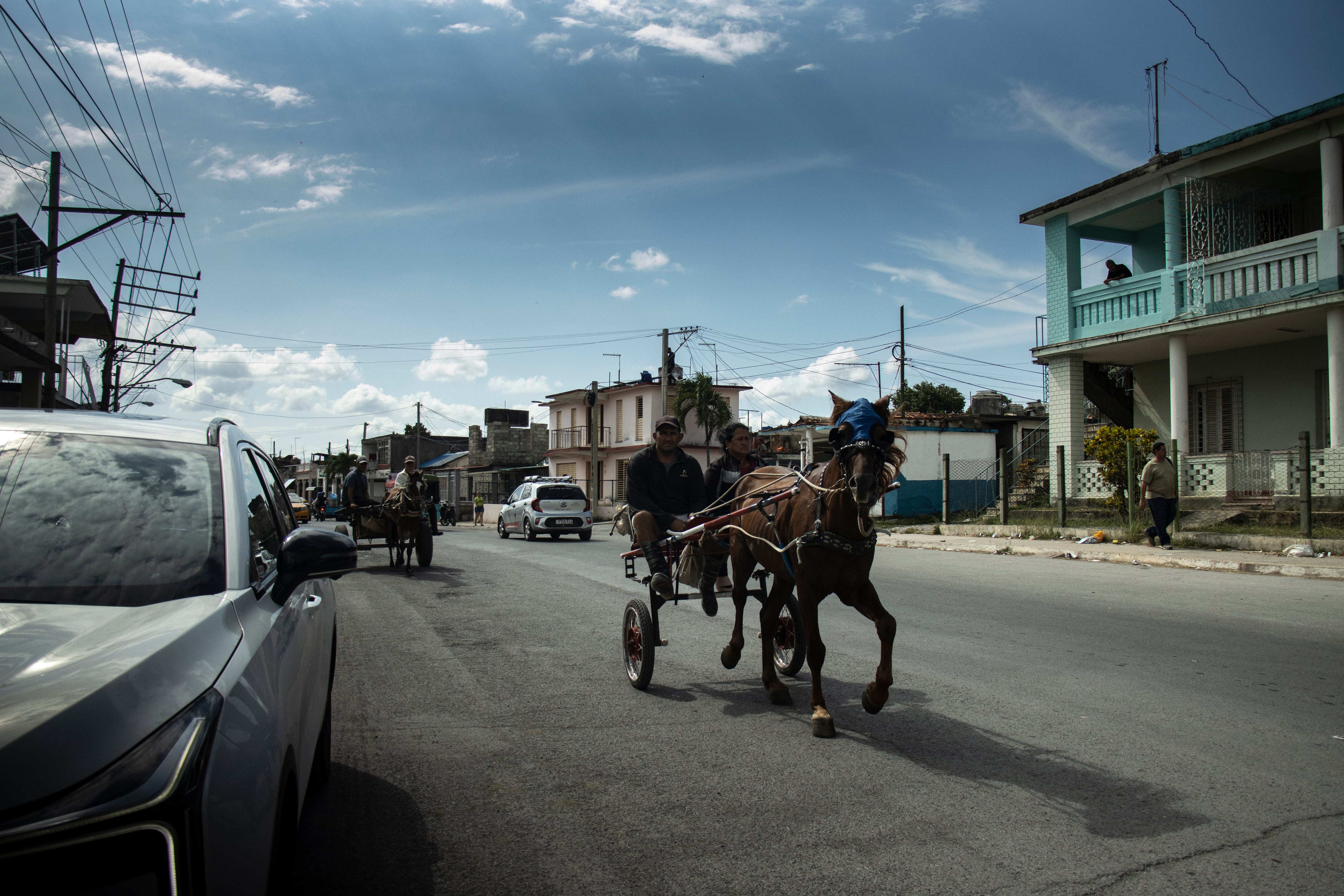
A horse-drawn carriage in Pinar del Río, Cuba, 2026.

When she first saw the news on Facebook, she thought it had to be one of those hoaxes that circulate on social media. It was too implausible, an absurdity. But shortly afterward the principal of the school where she works forwarded to the teachers’ group chat a message that opened with the classic tone of a war dispatch: Information from the Revolutionary Government. Then she had no doubts. The information was real. The CIA director had just met in Havana with the senior leadership of the Cuban security and intelligence apparatus.

Seguir leyendo

A line outside a bank in Pinar del Río, 2026.Apagón en el municipio Centro Habana, La Habana, Cuba, en 2026.
  • ✇Malay Mail - All
  • Cuba's Raul Castro, wanted by the US, celebrates 95th birthday
    HAVANA, June 4 — Cuba’s former leader Raul Castro turned 95 yesterday, though his whereabouts were still unknown two weeks after US authorities charged him ‌with murder in connection with the downing of civilian airplanes in 1996.Cuban President Miguel Diaz-Canel early in the day praised Castro, who he said he considered to be a mentor and father figure, for his contributions to Cuba.“To reach 95 years of age with one ‌foot in the stirrup and an endless record of
     

Cuba's Raul Castro, wanted by the US, celebrates 95th birthday

4 June 2026 at 13:00

Malay Mail

HAVANA, June 4 — Cuba’s former leader Raul Castro turned 95 yesterday, though his whereabouts were still unknown two weeks after US authorities charged him ‌with murder in connection with the downing of civilian airplanes in 1996.

Cuban President Miguel Diaz-Canel early in the day praised Castro, who he said he considered to be a mentor and father figure, for his contributions to Cuba.

“To reach 95 years of age with one ‌foot in the stirrup and an endless record of service to the Homeland, to regional and world peace... to the dreams of social justice of millions of human beings, is not his luck, it is ours,” Diaz-Canel said.

But Castro - a key figure alongside older brother Fidel in the 1959 guerrilla war that toppled a US-backed dictator - is once again at the center of tensions with the United States.

The Trump administration has accused the former Cuban defense minister of ordering Cuban military jets to shoot down planes operated by a group of Cuban exiles in 1996, a major escalation in Washington’s pressure campaign against the island’s communist government.

US President Donald Trump this year has vastly ratcheted up sanctions on Cuba, cutting off the island’s fuel supply and threatening sanctions on foreign businesses in Cuba in a bid to topple a government ‌that for decades was led by the Castro brothers.

Acting US Attorney General Todd Blanche said recently the US would do “everything ⁠possible” to bring Castro to justice after announcing his indictment ⁠before a crowd of Cuban-Americans in Miami on May 20.

Former Cuban spy Rene Gonzalez, ⁠one of the so-called “Cuban Five” espionage agents ⁠arrested in 1996, told Reuters ⁠Castro’s indictment had thrown relations between the two countries into a “critical situation.”

Castro led negotiations with the administration of US President Barack Obama that heralded warming relations between the two countries a decade ago, but is now seen by the Trump administration ⁠as a nemesis, murderer and dictator.

“I don’t think it’s a coincidence that the very person who led the negotiations between Cuba and the United States 12 years ago is now the target of this accusation by the US government,” Gonzalez said.

“Whenever there has been a possibility of a rapprochement between the two countries, (Cuba’s enemies in) Miami have been instrumental in attacking that possibility, in undermining it.”

Quiet corner

There is no evidence that Castro - still a powerful behind-the-scenes figure in Cuban politics - ⁠has left the island or that he will be extradited.

The outskirts of one of Castro’s homes, a gated enclave called La Rinconada in a wealthy western suburb of Havana inhabited by foreign business people, diplomats ⁠and Cuban leaders, was quiet on Wednesday morning.

The complex, surrounded by high aluminum and cement walls, razor wire and dense vegetation, appeared ⁠only lightly ⁠policed, with plainclothes guards at one entrance and a police cruiser circulating nearby.

Castro, noticeably thin and slouched in military uniform but still lucid despite his age, was last seen in public a month ago during May 1 festivities in Havana, just prior to his indictment.

He had previously ‌not been seen since January 15, when he appeared in a public ceremony in the capital paying homage to the 32 Cuban soldiers killed during the capture of Venezuelan President Nicolas Maduro. — Reuters


❌
Subscriptions