Normal view

  • ✇El País in English
  • Nuclear powers expand and renew their arsenals in a Cold War climate Óscar Gutiérrez Garrido
    During one of the latest large artillery offensives against Ukrainian territory, on May 24, Russia used two Oreshnik missiles. Throughout the night and at dawn, Moscow launched more than 600 drones and 90 missiles against the capital, Kyiv. Four people were killed and around 100 were wounded. The intermediate-range Oreshniks struck Bila Tserkva, a town south of Kyiv, and the outskirts of the city of Donetsk, territory occupied by Russian forces in the Donbas region in the country’s east. The lat
     

Nuclear powers expand and renew their arsenals in a Cold War climate

During one of the latest large artillery offensives against Ukrainian territory, on May 24, Russia used two Oreshnik missiles. Throughout the night and at dawn, Moscow launched more than 600 drones and 90 missiles against the capital, Kyiv. Four people were killed and around 100 were wounded. The intermediate-range Oreshniks struck Bila Tserkva, a town south of Kyiv, and the outskirts of the city of Donetsk, territory occupied by Russian forces in the Donbas region in the country’s east. The latter fell there by mistake. Moscow missed its target with a very powerful, hypersonic weapon that is almost impossible to intercept. The warhead was conventional, but this model can carry a nuclear payload. Russian President Vladimir Putin acknowledged last Thursday from Saint Petersburg that the projectile that was lost was “experimental.”

Seguir leyendo

© Anadolu (Anadolu via Getty Images)
Oréshnik missile launch facilities, in an image taken in Belarus in December 2025.

Baltics on alert over Ukrainian drones and Russian electronic warfare

The impact, shooting-down, or near-miss of about a dozen Ukrainian drones over the past two months has once again placed the Baltic region at the center of a gray zone where air safety, electronic warfare, and strategic ambiguity blur together. Ukraine says its attack drones, launched toward ports in the Leningrad region in Russia’s northwest, have been diverted by the enemy and redirected against its allies.

Seguir leyendo

© Anadolu (Anadolu via Getty Images)

Vilnius airport after traffic was suspended due to drones in its airspace on Wednesday.
  • ✇El País in English
  • G-7 summit in France gauges the rift in the West Andrea Rizzi
    The G-7 summit, which brings together seven of the world’s most industrialized democracies, will gauge this week the depth of the rift in the West — the division between the United States and its traditional allies. The summit runs from Monday through Wednesday in the French town of Évian-les-Bains, on the shores of Lake Geneva. The eve of the meeting was marked by a protest in Geneva, attended by thousands, during which there were acts of vandalism and clashes with police.Seguir leyendo
     

G-7 summit in France gauges the rift in the West

15 June 2026 at 12:15

The G-7 summit, which brings together seven of the world’s most industrialized democracies, will gauge this week the depth of the rift in the West — the division between the United States and its traditional allies. The summit runs from Monday through Wednesday in the French town of Évian-les-Bains, on the shores of Lake Geneva. The eve of the meeting was marked by a protest in Geneva, attended by thousands, during which there were acts of vandalism and clashes with police.

Seguir leyendo

© Associated Press/LaPresse (APN)

Satirical depiction of G-7 leaders promoted by Oxfam, this Sunday in Évian-les-Bains (France).

The year 2049, the great dystopia: The world after the fall of Ukraine

13 June 2026 at 04:00
.

When did Europe go wrong? For decades, we thought the European project would disappear due to external threats… but we never imagined that this would happen because of the irresponsibility of its leaders, nor because of the inaction of its citizens. Nobody thought that Europe would cease to be the horizon that the rest of the world aspires to reach.

Seguir leyendo

Ukraine suffocates Crimea: Besieged access routes by land, sea, and air leave the peninsula without fuel

Located hundreds of miles from the front, the R-280 Novorrosiya highway was, until a few months ago, not only a quiet route between southern Russia and Crimea. It was arguably the Kremlin’s biggest strategic achievement in four years of war in Ukraine. This land corridor along the Sea of Azov freed Russian logistics from relying on its massive Kerch Strait bridge to supply the peninsula, annexed by Moscow in 2014, and the forces deployed in the Kherson and Zaporizhzhia regions. However, new Ukrainian weapons have made all routes to Crimea extremely perilous, a situation comparable to the blockage of the Strait of Hormuz in the Persian Gulf, giving Kyiv new leverage to pressure Moscow. Crimea, the jewel of Putinism and a pilgrimage destination for Russian tourists, is no longer safe and is running out of fuel.

Seguir leyendo

© Alexey Pavlishak (REUTERS)

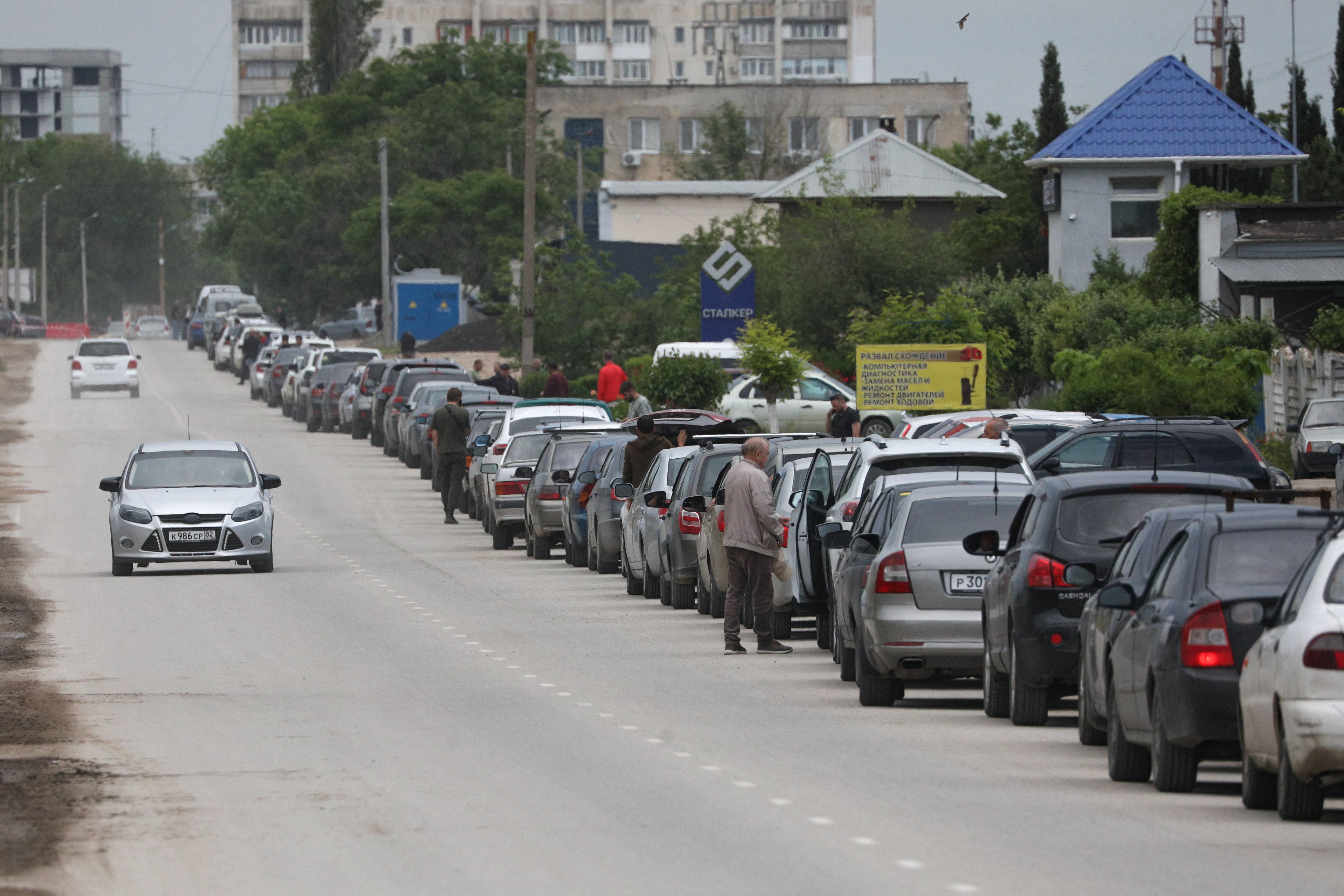
Cars waits to fill up on gas in the city of Yevpatoria, Crimea.

Fear grips the border between Romania and Ukraine: ‘We feel something much worse will happen’

2 June 2026 at 09:10

Romania has been deeply shaken by the unprecedented incident that occurred in the early hours of last Friday, when a Russian drone carrying 30 kilograms of explosives crashed into a 10-story apartment block in Galați. The city lies just 15 miles from the Ukrainian port of Reni, one of the neighboring country’s key grain-export facilities and a reason why Russia attacks almost nightly. But on this occasion the drone’s impact crossed boundaries not previously seen in this European Union country. The unmanned aircraft exploded, injuring a woman and her 14-year-old son, who lived on the building’s top floor; the block stands in the nerve center of this town of about 250,000 people on the banks of the Danube.

Seguir leyendo

© EFE

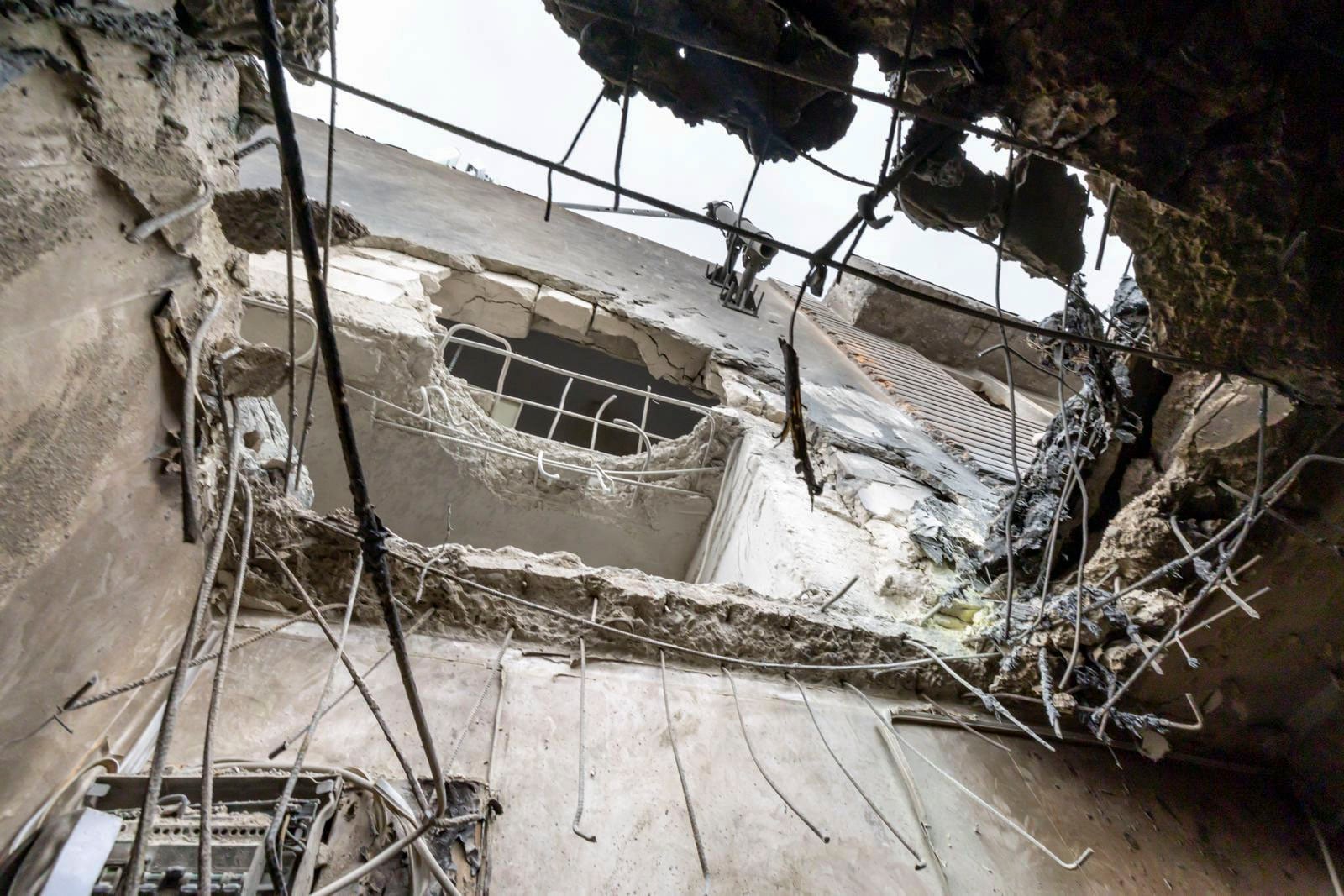
Image of the building damaged by a Russian drone in Galați, Romania, last Friday.
  • ✇El País in English
  • The Øresund Strait, the new frontier in Russia’s hybrid war against NATO María Sahuquillo
    The port and ferry terminal in Helsingborg are bustling with activity. Everything operates with an almost choreographed efficiency. Ferries maneuver slowly; refrigerated trucks wait their turn to board alongside cars, cyclists, and workers who cross the Øresund Strait as if taking a commuter train. After all, only 2.5 miles separate Swedish Helsingborg (population 114,000) from Danish Helsingør. From the waterfront, under the oblique light of northern Europe that lengthens the evenings over the
     

The Øresund Strait, the new frontier in Russia’s hybrid war against NATO

25 May 2026 at 14:09

The port and ferry terminal in Helsingborg are bustling with activity. Everything operates with an almost choreographed efficiency. Ferries maneuver slowly; refrigerated trucks wait their turn to board alongside cars, cyclists, and workers who cross the Øresund Strait as if taking a commuter train. After all, only 2.5 miles separate Swedish Helsingborg (population 114,000) from Danish Helsingør. From the waterfront, under the oblique light of northern Europe that lengthens the evenings over the water, the strait is so narrow it is hard to see it as a strategic border. But that maritime line, which looks ordinary on maps, is today one of the flashpoints between Russia and NATO. It is the setting of a gray, hybrid war of maritime sabotage and ghost ships.

Seguir leyendo

© Tom Little (REUTERS)

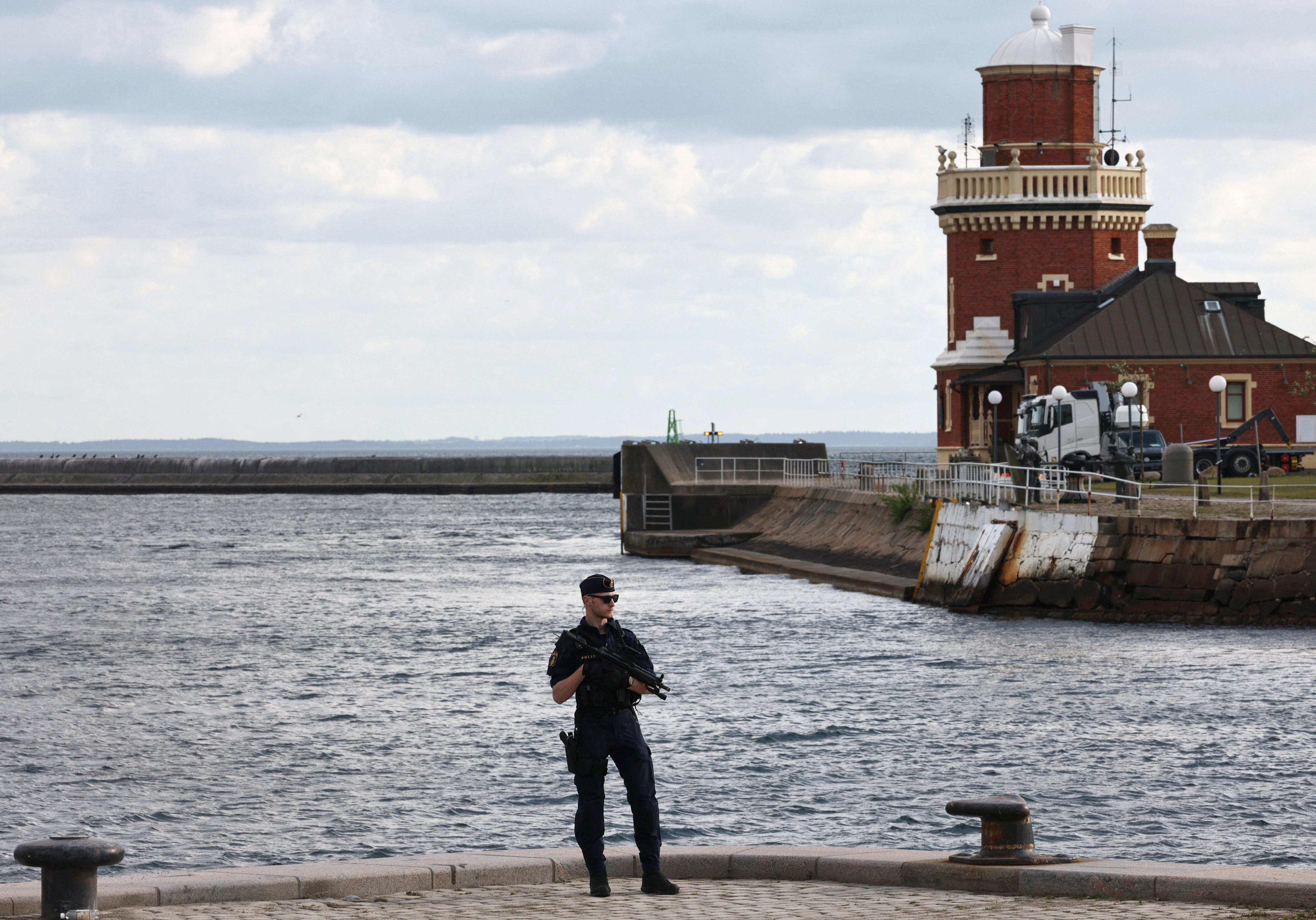
A police officer during the meeting of NATO foreign ministers on May 21 in Helsingborg, Sweden.
  • ✇El País in English
  • Poland and Romania join the race to produce military drones Raúl Sánchez Costa
    With a war on their borders, Poland and Romania have set out to revitalize their arms industries. Russia’s offensive in Ukraine has upended plans across the European Union — which has launched an €800 billion rearmament process — and has especially affected these two Eastern European countries, each of which shares hundreds of miles of border with the invaded state. Since the conflict began a little over four years ago, Warsaw and Bucharest have become central hubs for supplying weapons and deli
     

Poland and Romania join the race to produce military drones

28 May 2026 at 16:12

With a war on their borders, Poland and Romania have set out to revitalize their arms industries. Russia’s offensive in Ukraine has upended plans across the European Union — which has launched an €800 billion rearmament process — and has especially affected these two Eastern European countries, each of which shares hundreds of miles of border with the invaded state. Since the conflict began a little over four years ago, Warsaw and Bucharest have become central hubs for supplying weapons and delivering humanitarian aid to support Kyiv in its struggle to defend its sovereignty.

Seguir leyendo

© STR / NurPhoto / Getty Images (EL PAÍS)

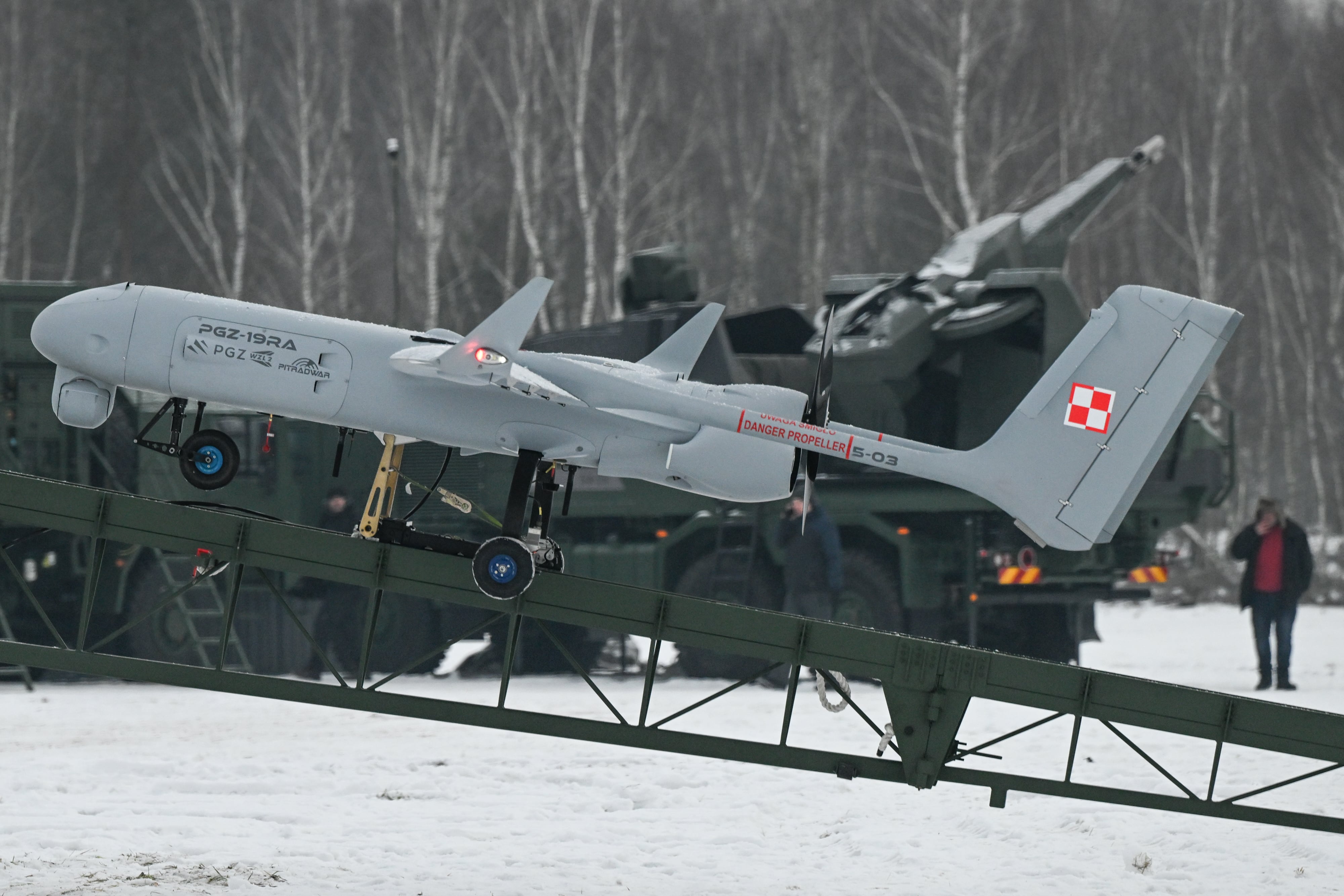
A drone from the Military Armament Institute on its launch platform in Zielonka, Poland.

The fate of the ‘Ursa Major’: Mystery surrounds Russian ship sunk off the coast of Spain carrying nuclear material

The exploits of Ukrainian espionage, officially acknowledged or not, eventually reach the public eye. Around the second half of December 2024, Kyiv’s intelligence services reported that a Russian ship was damaged and stranded in the Mediterranean. It had suffered, they claimed, an engine problem. The GUR, the Ukrainian Ministry of Defense’s spy agency, identified the vessel as the Sparta. According to Kyiv’s version at the time, it was en route to Syria to transport military equipment. Ukraine never claimed responsibility for any sabotage that might have damaged the enemy vessel. On December 23, 2024, the cargo ship, renamed Ursa Major — although until 2021 it bore the name Sparta on its hull, a long-standing family of Russian ships — sunk to a depth of 2,500 meters off the coasts of Algeria and Spain.

Seguir leyendo

© Yoruk Isik (REUTERS)

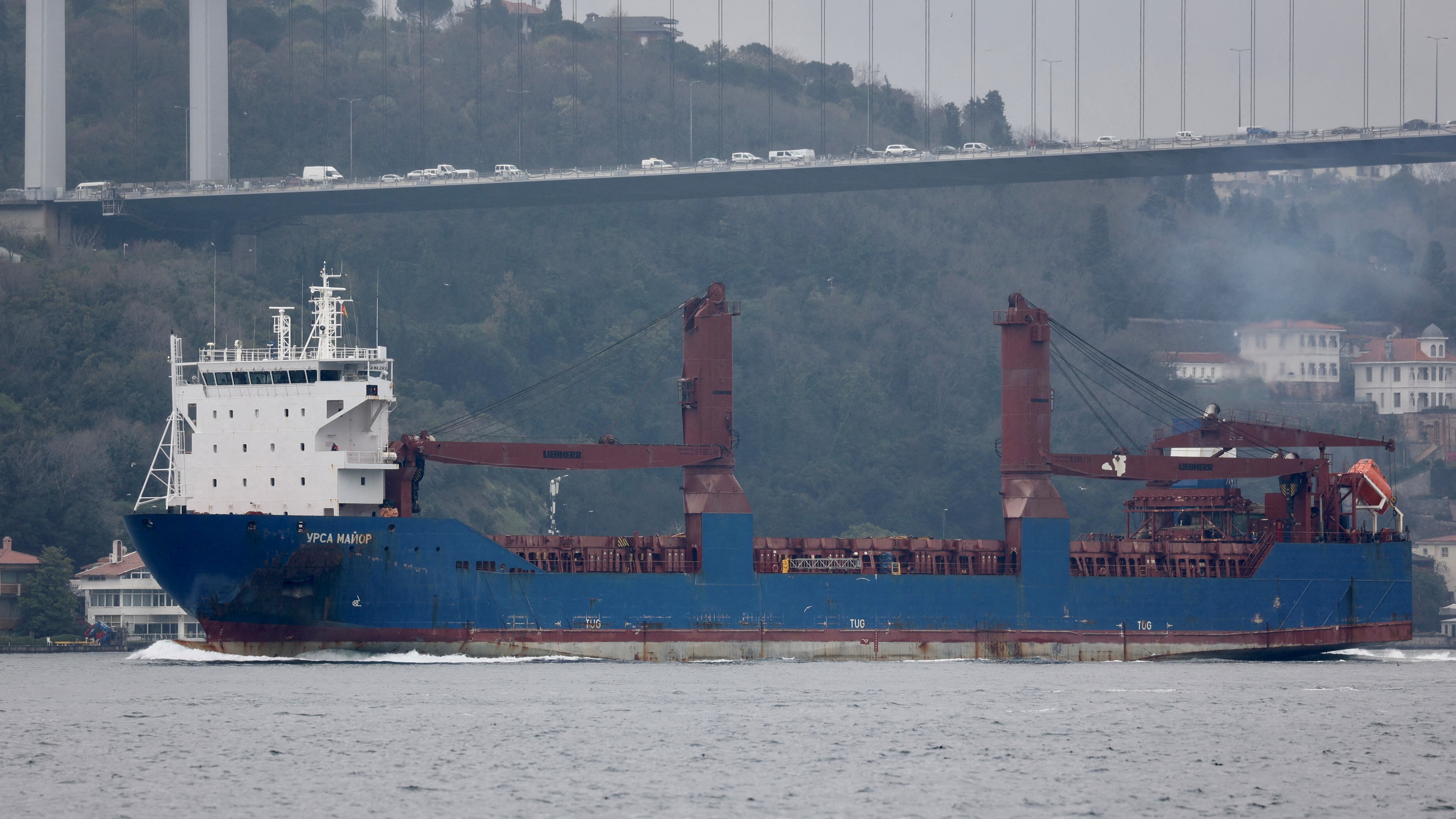
The Russian cargo ship 'Ursa Major' in the Bosphorus Strait in April 2023.

Shortage of troops in Ukraine reopens debate on recruiting women

29 May 2026 at 13:34
Daria Dshk, commander of the Ukrainian Harpies drone unit, May 15.

Ukraine is short of soldiers. It is the main weakness of its army, Defense Minister Mykhailo Fedorov acknowledged in January, and its commanders have been lamenting since 2024. The shortage of troops forces thousands of men in the Armed Forces of Ukraine to spend months in combat positions without relief, without rest. Could recruiting women be a solution?

Seguir leyendo

Ukrainian journalist Andriana Kucher, on May 15 in Kharkiv.Oksana Grigorieva, the army’s gender affairs officer, during an interview with EL PAÍS on November 5 in Kyiv.Marina, a soldier in the 93rd Brigade, last March beside one of the positions from which she and her comrades fight Russian drones.
❌
Subscriptions