Normal view

  • ✇El País in English
  • ‘Macondo York’: The gaze of a García Márquez overwhelmed by the Big Apple Carlos Salinas Maldonado
    Few associate Gabriel García Márquez with the asphalt jungle of New York. Collective memory places the Nobel Prize-winner in the heat of Mexico, the hustle and bustle of Barranquilla or the elegance of Barcelona. But for Colombian graphic designer and author Iván Onatra, the Big Apple was a crucial — and at times, forgotten — stage in the scribe’s life. García Márquez’s time in the city that never sleeps takes on new life in Onatra’s bilingual design book Macondo York, in which he explores the w
     

‘Macondo York’: The gaze of a García Márquez overwhelmed by the Big Apple

Few associate Gabriel García Márquez with the asphalt jungle of New York. Collective memory places the Nobel Prize-winner in the heat of Mexico, the hustle and bustle of Barranquilla or the elegance of Barcelona. But for Colombian graphic designer and author Iván Onatra, the Big Apple was a crucial — and at times, forgotten — stage in the scribe’s life. García Márquez’s time in the city that never sleeps takes on new life in Onatra’s bilingual design book Macondo York, in which he explores the writer’s love-hate relationship that lasted for six months, while he worked as a journalist for the Prensa Latina news agency.

Seguir leyendo

© Daniel Mordzinski

Colombian designer Iván Onatra.

In Colombia, De la Espriella and Cepeda head to a runoff as Petro questions the results

1 June 2026 at 06:49

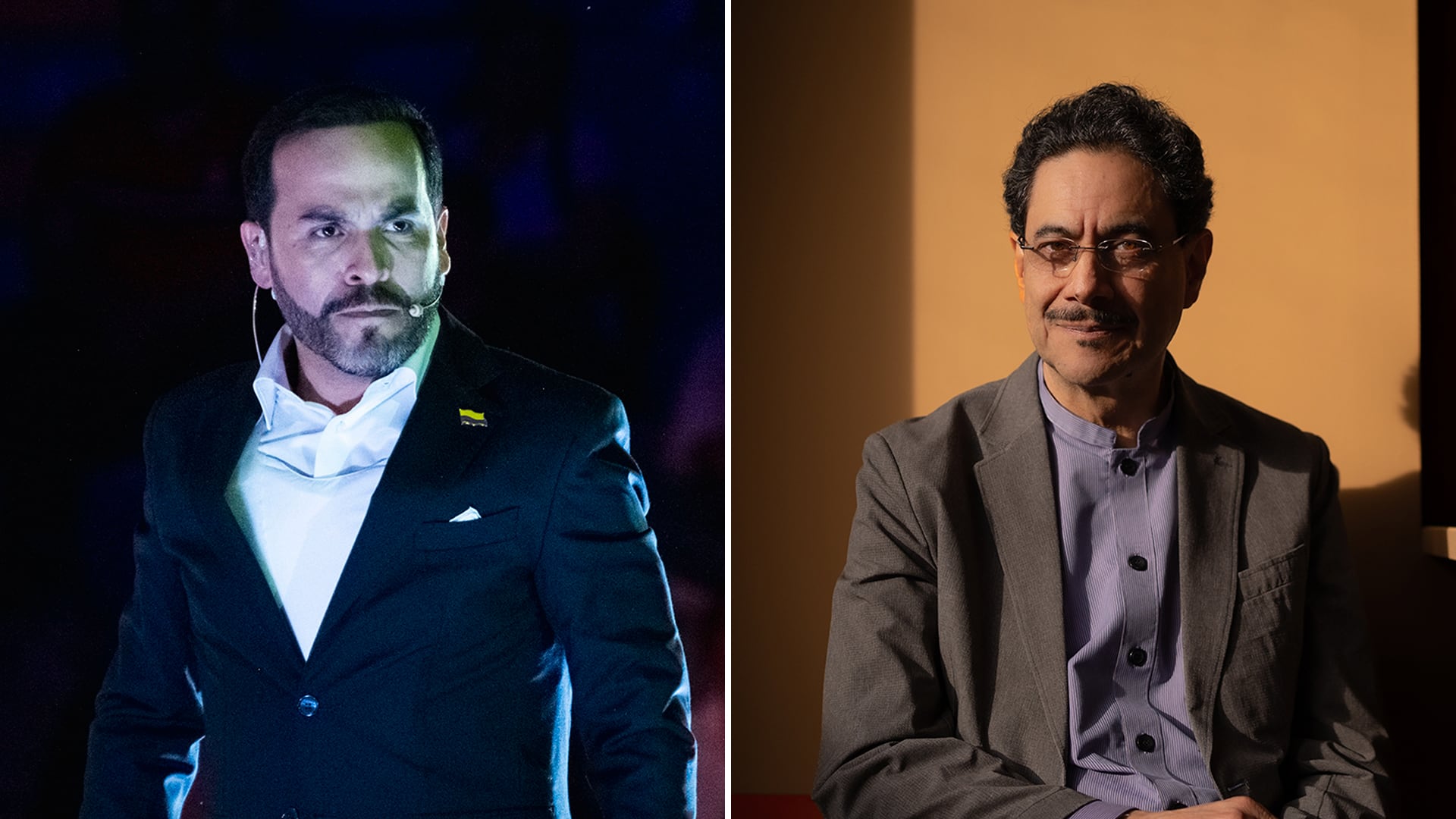
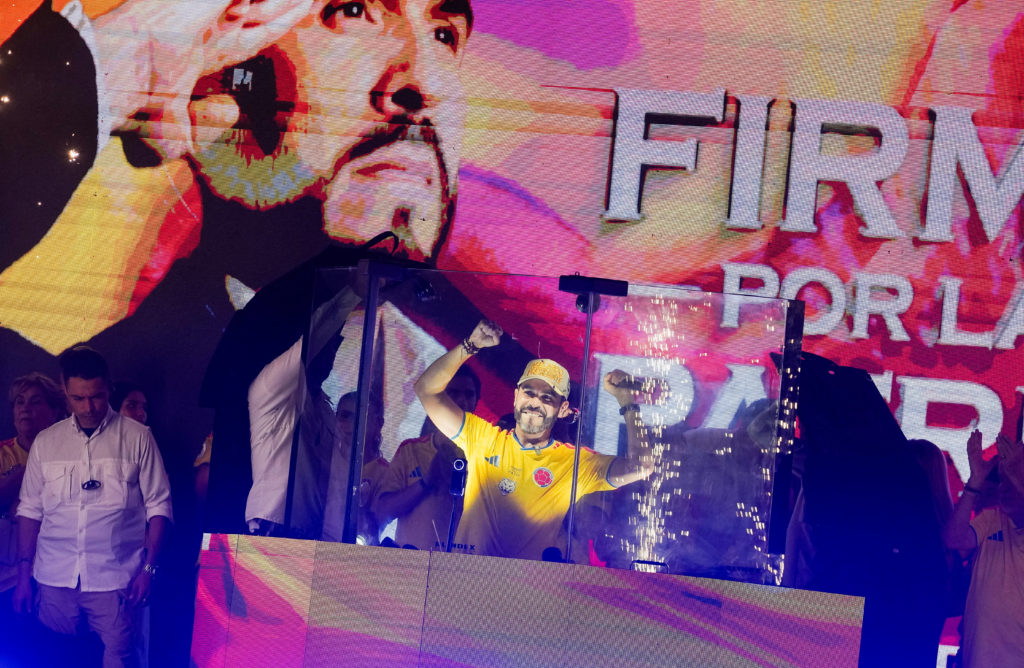
Colombia will hold a presidential runoff between two candidates who embody irreconcilable visions for the country. Abelardo de la Espriella, the ultraconservative lawyer who ran as the outsider promising to break with everything, won the first round with 43.7% of the vote, with 99% of polling stations counted. Iván Cepeda, the candidate of the governing left, received 40.9%.

Seguir leyendo

Abelardo de la Espriella arrives at his polling station in Barranquilla this Sunday, May 31.Iván Cepeda, at his polling station in south Bogotá, this Sunday, May 31.

💾

© EPV

Abelardo de la Espriella and Iván Cepeda.
  • ✇El País in English
  • Four intractable crises facing Colombia’s next president María Martín
    In Catatumbo, a region on the border with Venezuela, women have been giving birth at home for months. It is not for lack of hospitals but because they are afraid to take the roads and get caught in the crossfire between two guerrilla groups. Babies take months to be registered, farmers fear stepping on mines, and children hide when they see drones flying overhead laden with explosives. Those who stayed do not venture out and live locked up as if during a pandemic. Those who could leave fled, and
     

Four intractable crises facing Colombia’s next president

29 May 2026 at 09:39

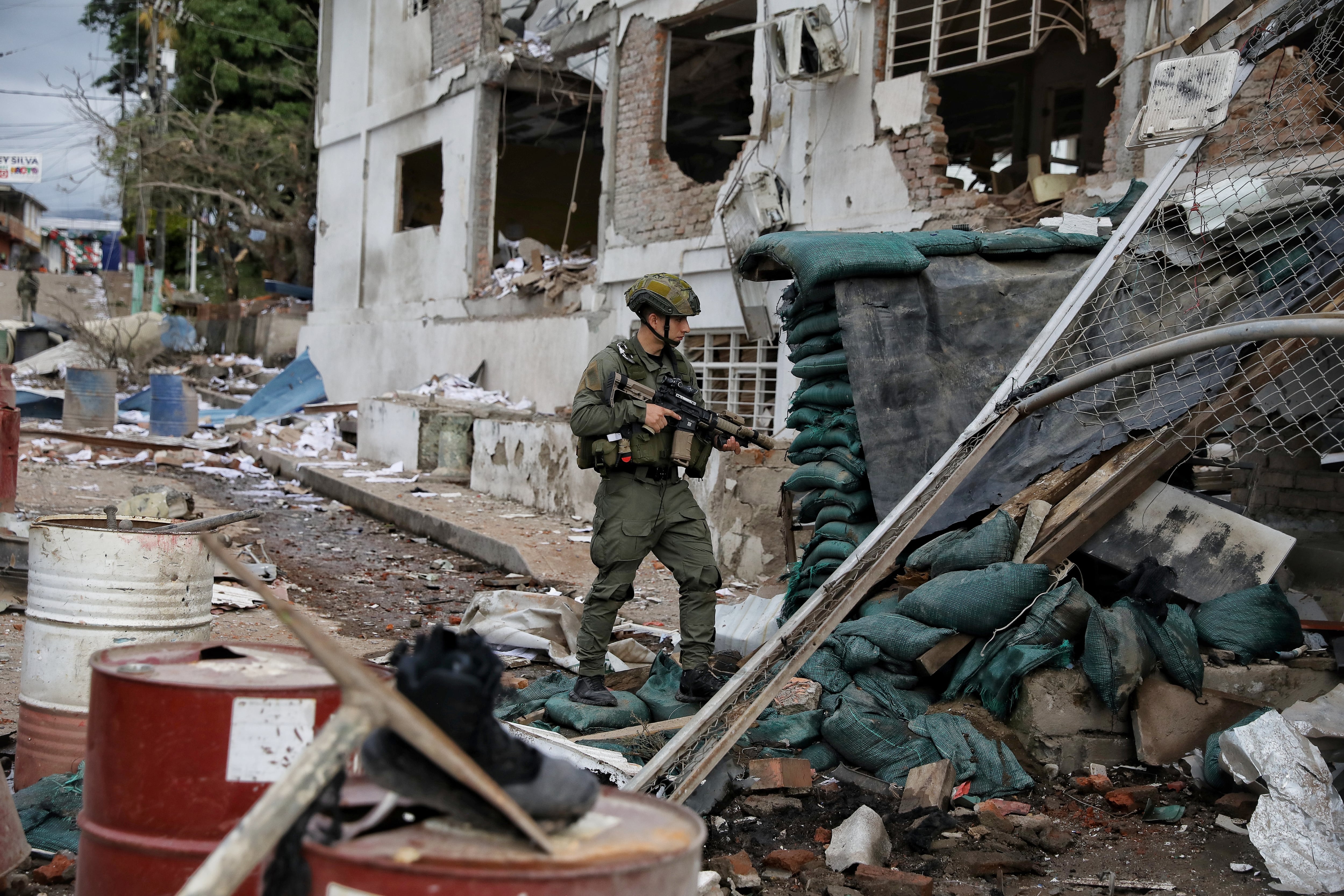
In Catatumbo, a region on the border with Venezuela, women have been giving birth at home for months. It is not for lack of hospitals but because they are afraid to take the roads and get caught in the crossfire between two guerrilla groups. Babies take months to be registered, farmers fear stepping on mines, and children hide when they see drones flying overhead laden with explosives. Those who stayed do not venture out and live locked up as if during a pandemic. Those who could leave fled, and the region has lost nearly 100,000 residents over the past year. “We are not part of this war, but we are in it,” a community leader told EL PAÍS, fearing he could be killed. This Sunday, Colombia holds the first round of its presidential elections. It does so with that war in the background, and with three other deep wounds that no candidate has fully explained how they intend to heal.

Seguir leyendo

© Santiago Saldarriaga (AP)

A soldier walks through an area attacked by FARC dissidents in Buenos Aires (Colombia), in 2025.

Colombian president declares three days of national mourning after military plane crash kills 69

25 March 2026 at 21:00

Bogotá, Colombia — President Gustavo Petro on Tuesday declared three days of national mourning in Colombia following a military plane crash on Monday which killed 69 soldiers. 

The accident occurred at the Puerto Leguízamo airport in Putumayo, a region located in the southwest of the country, involving a C-130 Hercules aircraft normally used to transport troops and humanitarian aid to remote regions.

According to the latest official reports, at least 69 soldiers and crew members were killed in the disaster. The military transport plane, belonging to the Colombian Aerospace Force (FAC), was carrying over 120 people when it smashed onto the grounds of a nearby farm just after takeoff. 

During the period of national mourning, Petro confirmed that flags will fly at half-mast and military honors will be given to the victims of the tragedy and their families.

He decretado tres días de duelo en todo el territorio nacional en memoria de los 69 uniformados pertenecientes al Ejército, Fuerza Aeroespacial y la Policía Nacional que perdieron la vida en el accidente aéreo en Puerto Leguízamo – Putumayo el pasado 23 de marzo.

Las banderas… pic.twitter.com/INUAnW4bWy

— Gustavo Petro (@petrogustavo) March 24, 2026

Many households are grieving the loss of their children, but one family in particular mourns the loss of two: brothers Santiago and Daniel Esteban Arias. Originally from Puerto Libertador, in the Caribbean department of Córdoba.

Monday’s crash is one of the worst aviation tragedies in the country’s recent history. In 2016, a plane carrying players from Brazil’s Chapecoense soccer team crashed into the mountains outside Medellín, killing over 70 people. 

Lamentamos profundamente informar que, tras culminar las labores de búsqueda y rescate, hoy confirmamos con dolor los nombres de nuestros héroes que ofrendaron su vida en el accidente aéreo en Puerto Leguízamo, #Putumayo.

Cada uno de ellos partió cumpliendo su deber, con honor,… pic.twitter.com/cr25JbYdjr

— Ejército Nacional de Colombia (@COL_EJERCITO) March 24, 2026

In Puerto Leguízamo, survivors of the military plane crash were transferred to specialized medical centers across the country.

Authorities are investigating the causes of the accident but have dismissed preliminary claims of an attack by guerrilla forces active in the region. 

The Mayor of Puerto Leguízamo, Luis Emilio Bustos Morales, told local media, including Blu Radio and Noticias RCN, that “they have many hypotheses.” 

He noted that among them, “there is talk that they were carrying too much weight” or “that the runway was too short for them.”

During the emergency, residents used their own motorcycles to evacuate the survivors before official help arrived; some of them were also injured by ammunition exploding in the flames. 

The medical center known as ‘Hospital Militar Central’, located in the capital Bogotá, confirmed that a local rescue worker is among those being treated there.

President Petro expressed his gratitude through his X account, stating that “this is how a nation is built.” He thanked the local citizens who rushed to save the survivors. He also highlighted the soldiers who ran to save others during the disaster, calling their actions a “beautiful proof of love and solidarity.”

The painful moments were detailed by soldier Mauro Peñaranda, who survived and described the scene as the aircraft went down to local media outlets: “It was leaning to one side, and there was a weird noise (…) the plane was creaking,” he told RTVC. Mauro also stated that they did not receive clear instructions from the cockpit during the situation. 

“I honestly don’t even know how I got out of there… I just jumped and got out,” he said.

The governments of Ecuador, Panama, France, and the United States, among others, also offered their condolences to the Colombian military forces and the victims’ families.

Featured image: Photo of Colombian military plane crash site in Puerto Leguízamo on March 23, 2026.

This article originally appeared on The Bogotá Post and was republished with permission.

The post Colombian president declares three days of national mourning after military plane crash kills 69 appeared first on Latin America Reports.

  • ✇Latin America Reports
  • Colombia presidential candidates announce running mates as race narrows Alfie Pannell
    Bogotá, Colombia – Iván Cepeda and Abelardo de la Espriella, two of the frontrunners to be the next Colombian president, have announced their choices for vice president following Sunday’s legislative elections and presidential primaries. Cepeda selected Aida Quilcué, a senator and Indigenous leader, to join him on the ticket for the left-wing Historic Pact (Pacto Historico), which won the most congressional seats on Sunday. Meanwhile, de la Espriella, a hard-right outsider, announced today th
     

Colombia presidential candidates announce running mates as race narrows

10 March 2026 at 21:21

Bogotá, Colombia – Iván Cepeda and Abelardo de la Espriella, two of the frontrunners to be the next Colombian president, have announced their choices for vice president following Sunday’s legislative elections and presidential primaries.

Cepeda selected Aida Quilcué, a senator and Indigenous leader, to join him on the ticket for the left-wing Historic Pact (Pacto Historico), which won the most congressional seats on Sunday. Meanwhile, de la Espriella, a hard-right outsider, announced today that he will run alongside ex-finance minister José Manuel Restrepo. 

But the big winner in Sunday’s primary, right-wing Paloma Valencia of the Democratic Center (Centro Democrático) party, has yet to announce her running mate amid mounting speculation.

Cepeda sticks to his guns

On Monday, Cepeda formally announced Aida Quilcué as his running mate. A leader of the Nasa Indigenous group, Quilcué has a record as a staunch defender of human rights and as an advocate for ethnic minorities in Colombia.

She was integral to the negotiation of the ethnic chapter of the 2016 peace accord with the Revolutionary Armed Forces of Colombia (FARC) and has been a key figure in Colombia’s Indigenous rights movement. 

Last month, Quilcué made national headlines when she was kidnapped in her home state of Cauca, in the Colombian Pacific, by dissidents of the FARC. 

Miguel Jaramillo Luján, a Colombian political strategist, described Cepeda’s choice of Quilcué as a “symbolic” one which entrenches his stance as an advocate of peace and human rights.

But the analyst also noted that the selection may not be the most politically savvy move: “From an electoral standpoint, I believe that this is a concentric circle and does not add much electoral power to Iván Cepeda, who I think is acting symbolically but overly prideful in this decision,” Jaramillo told Latin America Reports

De la Espriella’s establishment pick

Abelardo de la Espriella, a criminal defense attorney, has styled himself as an anti-establishment political outsider. His traditional values, tough on crime campaign has been successful so far, regularly placing him in second place in presidential polls.

Today, ‘The Tiger’, as he has styled himself, announced his running mate: José Manuel Restrepo.

Restrepo is an economist at the Rosario University in Bogotá and served as President Ivan Duque’s Minister of Finance and Public Credit from May 2021 to August 2022, running the country’s finances during the COVID-19 pandemic. Before that he was Minister of Commerce, Industry, and Tourism beginning in 2018.

“I think the selection of José Manuel Restrepo… represents an attempt to counterbalance de la Espriella, who has no experience in public office,” said Jaramillo.

While de la Espriella is an outsider, he must take on Cepeda and Valencia, both sitting senators since 2014. Restrepo burnishes the criminal lawyer’s bid by adding proven governance credentials.

When announcing his running mate on Tuesday, de la Espriella said: “My choice of vice president was not driven by political calculation… it was clear to me that a renowned academic, an outstanding economist, and a highly qualified former minister and technician will undoubtedly be the best travel companion.”

Paloma Valencia in the spotlight

On Sunday, Paloma Valencia received over 45% of votes in presidential primaries, although Cepeda and de la Espriella were both absent from the contest.

Valencia’s win, as well as her Democratic Center party’s strong showing in legislative elections – winning the second highest number of seats – bolsters her position in the presidential race, according to experts. 

“From the [primaries], it’s clear that Paloma Valencia is the right-wing’s principal candidate,” Sergio Guzmán, director at Colombia Risk Analysis, a political risk consultancy, told Latin America Reports

Before Sunday’s vote, de la Espriella had been dominating conservative polls. Now, it is unclear which conservative candidate will attract the most voters in May’s election.

Whoever emerges as the winner must face off with Cepeda and will be under pressure to  win over centrist Colombians, said Guzman.

One way to achieve this is by selecting running mates with a broader appeal.

Sunday’s primaries highlighted the widespread popularity of Juan Daniel Oviedo, who was on the same list as Valencia and won 17% of the total votes. The former director of the National Administrative Department of Statistics (DANE), Oviedo is considered center-right and notably more moderate than Valencia.

Valencia is under mounting public pressure to pick Oviedo as her running mate, according to Jaramillo, but the two differ on key issues and Oviedo has specified strict conditions for joining Valencia’s ticket.

“We openly show fundamental differences. For example, I believe in peace,” Oviedo told Colombian radio station Caracol on Monday. “You cannot take positions that do not recognize that the [2016 peace] agreement must be implemented and that it requires more than just bullets to get rid of criminals,” he added.

Valencia has staked her campaign on law and order, promising a ‘mano dura’, or ‘iron fist’, against crime and armed groups in Colombia. Her politics follow those of her party’s founder, ex-president Álvaro Uribe, who waged war on the FARC rebels from 2002 to 2010. 

Today, Valencia told Caracol that she will not compromise on this: “I am an Uribista and I have my values and principles… Neither he [Oviedo] will change nor will I change.” 

But Valencia said she remains open to running alongside Oviedo, with the two due to meet today to discuss a possible joint ticket. She is also considering four other possible running mates, according to Colombian newspaper El Tiempo, with her decision due by Friday.

Jaramillo argues the best move for Valencia is not to pick Oviedo, as he is legally bound to support her as they ran under the same list in the primaries.

He believes she should distance herself from Uribe – arguing Uribistas are more likely to back de la Espriella – and instead court the moderate vote by choosing a center-left candidate.

But Guzmán says that is unlikely: “She seems to be going in a different direction.”

Featured image description: Left to right: Iván Cepeda, Paloma Valencia, Abelardo de la Espriella.

Featured image credit: @PactoCol via X / @PalomaValenciaL via X / @ABDELAESPRIELLA via X

The post Colombia presidential candidates announce running mates as race narrows appeared first on Latin America Reports.

Colombia’s super‑rich pack their bags amid the rise of the left: ‘The country is wonderful if you have one foot out the door’

24 May 2026 at 04:00

Paranoia has gripped some Colombian billionaires after four years of President Gustavo Petro’s leftist government. Arturo Ramos, 30, says the country is headed for an economic collapse. “Everyone in Latin America has gone bankrupt because of the delusion that they can spend more money than they have,” says this heir to a business empire, who prefers to remain anonymous.

Seguir leyendo

© Roveda, Gabriel (Getty Images)

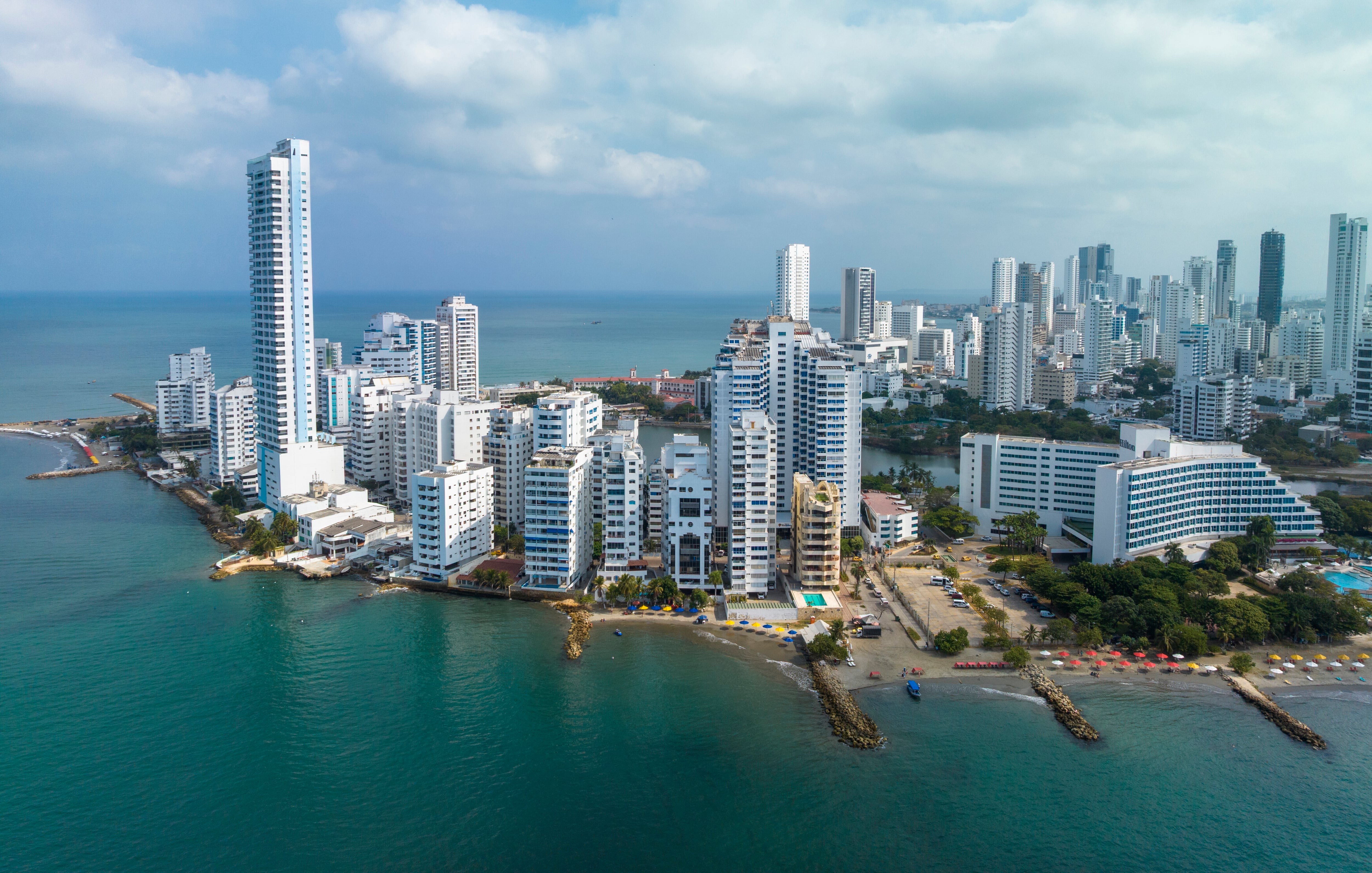
Panoramic view of skyscrapers on the coast of Cartagena, Colombia.
  • ✇Latin America Reports
  • Colombia’s #MeToo moment highlights abuse within media organizations Angie Acosta
    Bogotá, Colombia – Noticias Caracol, one of the largest media outlets in Colombia, released a statement on March 20 regarding an investigation into two of its lead journalists, Ricardo Orrego and Jorge Alfredo Vargas, following allegations of sexual abuse against some of their female colleagues. The allegations sent shockwaves through the media industry, in part because of the reputation both men had built over their careers. For decades, Orrego was the voice of Colombian sports, leadi
     

Colombia’s #MeToo moment highlights abuse within media organizations

16 April 2026 at 20:37

Bogotá, Colombia – Noticias Caracol, one of the largest media outlets in Colombia, released a statement on March 20 regarding an investigation into two of its lead journalists, Ricardo Orrego and Jorge Alfredo Vargas, following allegations of sexual abuse against some of their female colleagues.

The allegations sent shockwaves through the media industry, in part because of the reputation both men had built over their careers.

For decades, Orrego was the voice of Colombian sports, leading coverage of multiple World Cups and other international sporting competitions, while Vargas had been the charismatic anchor of Caracol’s prime-time news show for over 20 years. 

Days after announcing the investigation, the network sent a follow-up message: both men had been removed from their positions despite them denying the allegations. Soon after, Orrego published a statement from his lawyer on X, saying the firing was “one sided” and that he would comply with any investigation. Vargas also published a statement saying he was stepping away from Caracol while saying he maintained “respect” and “good behavior” while working as a journalist.

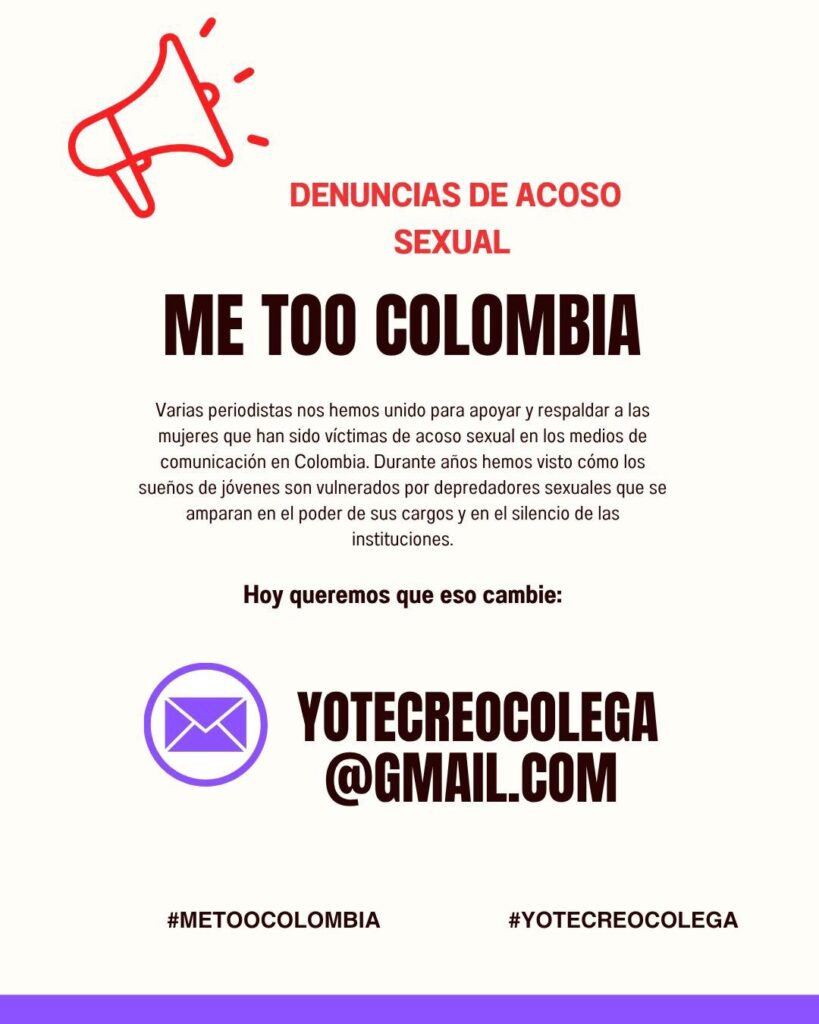
The firings marked a pivotal moment for Colombian newsrooms and inspired dozens of female journalists to come forward and share their own experiences of sexual harassment, sparking a massive wave of solidarity under the hashtags #YoTeCreoColega (I believe you, colleague) and #MeTooColombia, while also exposing a deeply-rooted culture of harassment and abuse.

Fear: a reason for sharing an open secret

Before social media changed the news landscape, the men and women appearing on Colombian television screens to report the news became trusted icons for aspiring journalists, including myself. 

As their star-power rose, questioning them became more difficult. 

Longtime Colombian journalist Yolanda Ruiz wrote in her column for Spanish newspaper El País that the industry “has prioritized the ratings of its stars over the dignity of female journalists,” creating a “throne of impunity that is finally beginning to crumble.”

“It cannot be a surprise when the ‘open secret’ finally explodes,” she wrote. 

The harassment isn’t just contained to the television industry either. According to a 2020 study by the Observatorio de la Democracia at Universidad de los Andes, which surveyed 158 female reporters, six out of 10 participants reported being victims of gender-based violence in their workplaces, while a staggering 77.9% stated they were aware of this kind of abuse against their female colleagues.

Several journalists (in this case, regardless of gender) have also claimed to be victims of workplace bullying, stemming not only from bosses and power figures but also from their own colleagues. 

Beyond the situations of workplace and sexual harassment, journalists in Colombia also face low salaries and severe labor instability. According to a study by Universidad del Rosario, which surveyed 277 journalists, nearly half of the participants (137) stated they would leave the profession for another field if given the chance. 

This reveals a toxic environment where intimidation was normalized at every level of the newsroom, creating a cross-sectional pattern of abuse that silenced those trying to build a career or keep their current positions within the industry.

Same pattern, different workplaces

Following the Caracol journalists’ harassment allegations, Colombian journalists Paula Bolívar, Juanita Gómez, Mónica Rodríguez, Laura Palomino, and Catalina Botero began the #MeTooColombia movement. 

They were inspired by the #MeToo hashtag that arose in the U.S. in 2017 following revelations of sexual abuse by Hollywood producer Harvey Weinstein. 

The group of reporters also established a dedicated communication channel (yotecreocolega@gmail.com) for victims to share their stories of abuse within newsrooms. The response was overwhelming: in just a week, they received at least 200 emails with testimonies ranging from 1993 to 2025.

In the case of Juanita Gómez and Catalina Botero, both prominent journalists who previously worked at Noticias Caracol and who currently serve at weekly news magazine Semana and state-owned radio station RTVC respectively, the initiative started by sharing on social media their own experiences.

Through her account on X, Gómez detailed aggressions she suffered from a well-known anchor while on an international assignment in 2015.

“I would tell her that having to force a journalist/presenter off you, several times and with pushing, so he wouldn’t kiss you in an elevator… is not normal and should never have happened,” Gómez wrote.

“I would also tell her to talk to her female colleagues, hopefully many of them, because they have much worse stories, and surely together they would find a way to report the harasser.” 

This encouraged other women who worked at TV channel RCN, newspaper El Espectador, and other Colombian media, to share their own experiences.

Some questions began to surface: if this is a systemic pattern across the entire media industry, why has only one outlet spoken out publicly? And more importantly, why is this reckoning happening only now?

The fact that Juan Roberto Vargas, the director of Noticias Caracol, has publicly addressed the situation inside the media outlet as “painful” and “sad” marks a significant first step, one that directors of other major media outlets should follow.

His commitment to taking “decisive measures” sets a precedent in an industry where silence has long been the standard response to internal abuse.

The end of an era: Breaking the cycle of impunity

Eight years ago, Lina Castillo publicly accused Hollman Morris—the current director of the public radio broadcaster RTVC—of sexual and workplace harassment. 

The journalist’s public allegations were turned against her, however, after Morris filed a defamation complaint, arguing her accusations were damaging his reputation. 

Driven by the #YoTeCreoColega movement, a group of more than 40 women, including journalists, lawyers, and writers, joined together to sign an open letter questioning the case against Castillo and denouncing Morris’s legal actions. They argue that his goal is not to seek justice, but “to silence the women who report him.”

In March, following pressure from social organizations, the case was transferred to a higher court to ensure “gender sensitive analysis.” 

Additionally, Jineth Bedoya, an award-winning journalist who became a symbol of the fight against gender-based violence following her kidnapping, torture, and rape at the hands of right-wing paramilitaries in 2000, recently took the issue of harassment in newsrooms to lawmakers.  

On March 25, Bedoya testified before Congress, calling on lawmakers to end the “pacts of silence” that have protected predators in newsrooms for decades.

“A group of women journalists is here today to remind you that, for decades, women in the media have had to carry the burden of gender-based violence,” she stated. “No more pacts of silence in newsrooms. Today is not the time to remain silent.”

The #MeTooColombia movement is also seeking legal recourse for victims. The Attorney General’s Office reported over 50 complaints of sexual and workplace harassment within the media industry in less than a week after the initial allegations involving journalists from Noticias Caracol came to light.

Victims were encouraged to report abuse to a special email set up by the Prosecutor’s Office: denuncia.acoso@fiscalia.gov.co

The tip of the iceberg?

On April 7, the Ministry of Labor published a document detailing immediate measures imposed against Noticias Caracol. This followed an inspection of Caracol TV and BLU Radio facilities, which could potentially be extended to other media companies.

“There are clear signs of a possible failure in the mechanisms for prevention, attention, and investigation of workplace sexual harassment within the company,” the statement pointed out.

The investigation also revealed that one of the accused, Ricardo Orrego, had received prior warnings in 2023 and 2025. However, there are no documents identifying the complainants behind them or any evidence of a structured disciplinary procedure.

Regarding the disgraced journalist, the Ministry ordered a “documentary reconstruction process” for the warnings issued to Orrego. The goal is to “identify the original complaints, the departments involved, and the reasons why no formal disciplinary procedures were ever carried out.”

At the same time, the inspection uncovered 15 new complaints of potential sexual harassment. These cases had remained invisible, either because victims didn’t report them or because the company simply failed to handle them through the proper channels.

While Caracol’s decision to go public marks a rare and necessary first step, the Ministry’s ongoing oversight serves as a reminder that this is an open investigation—and a warning for the rest of the industry.

Hear from the women

As this report focuses on a culture of silence within Colombian media, Latin America Reports reached out to several victims of harassment directly. 

These journalists shared their stories on the condition of anonymity to protect their safety and professional careers. 

Their testimonies offer a look at the cases that have remained hidden for years. 

Giving a voice to these experiences is essential to breaking the cycle of harassment and silence, prioritizing the human experience over the data:


The abusive touching from that older man—who claimed to be the owner of a renowned media outlet—left me completely paralyzed. 

He approached my friend and I when we were just young women, speaking in a sickening tone. ‘Do you want to be part of my team? Please, don’t hesitate to contact me,’ he told her, while his hand kept moving all over her body and his mouth was disturbingly close to hers.


“You should remain silent and avoid creating unnecessary drama… It’s for the best,” the HR leader told me when I tried to ask for help regarding my abusive boss. I tried so hard to remain calm, but the harassment became my shadow.

He would call me desperately at any hour, screaming and berating me for no reason. My phone became a source of terror. I stopped sleeping, and when I finally had a moment of peace, my anxiety wouldn’t let me rest. I found myself waking up every few minutes, trembling, just to check my screen, waiting for the next blow.

I decided to talk to him man-to-man as a last resort. He looked at me with a smirk and said: ‘You have to understand that humiliations are part of the daily grind here. Only those of us who live in the newsroom know how to truly value them.’ Then, he softened his voice: ‘Don’t worry, you have a brilliant future ahead. You are on the right track.’

But his ‘mentorship’ was a lie. Just minutes later, I overheard him mocking me to a colleague, calling me a ‘crying baby’ who was unable to perform even the simplest tasks (even though I was doing my work and his). I decided to give up. Nobody ever listened. Or worse, they were spectators of the mistreatment and chose to look the other way.


Being an intern arriving in a newsroom is a dream come true. You watch those leading the day, seeing them on a pedestal, unaware of the power dynamics hidden behind the cameras.

The eyes shining and the hunger to ‘reach the top of the world’ are just a few steps away, but you’re new in an industry that is not as you imagine. Humiliations, screams, and rude remarks, all of them, are the daily meal.

You can see everyone getting nervous, but you can also feel the envy among colleagues—reporters pushing others away, making fun of them, or giving them derogatory nicknames to ruin their reputation. They are always on the lookout for their failures… It’s like a high school horror movie about bullying.

All of a sudden, the first message arrives on your phone: “Your ass is amazing, can I have a bite?” It comes from a colleague, much older than you, who has been leading the top stories for years and has falsely offered to share his professional secrets with you.

You’re nobody. You have just arrived at your first job—what can you really do? Report it to the director? He doesn’t even know who you are yet; you haven’t even had the chance to show what you’re capable of. It’s better to say nothing, even if each time the messages get worse and you feel more and more repulsed.

It’s part of ‘building character,’ was always heard.


Featured image: Ricardo Orrego and Jorge Alfredo Vargas

Image credit: David Gonzalez for Latin America Reports

The post Colombia’s #MeToo moment highlights abuse within media organizations appeared first on Latin America Reports.

In the final stretch of Colombia’s presidential campaign, undecided voters are in high demand

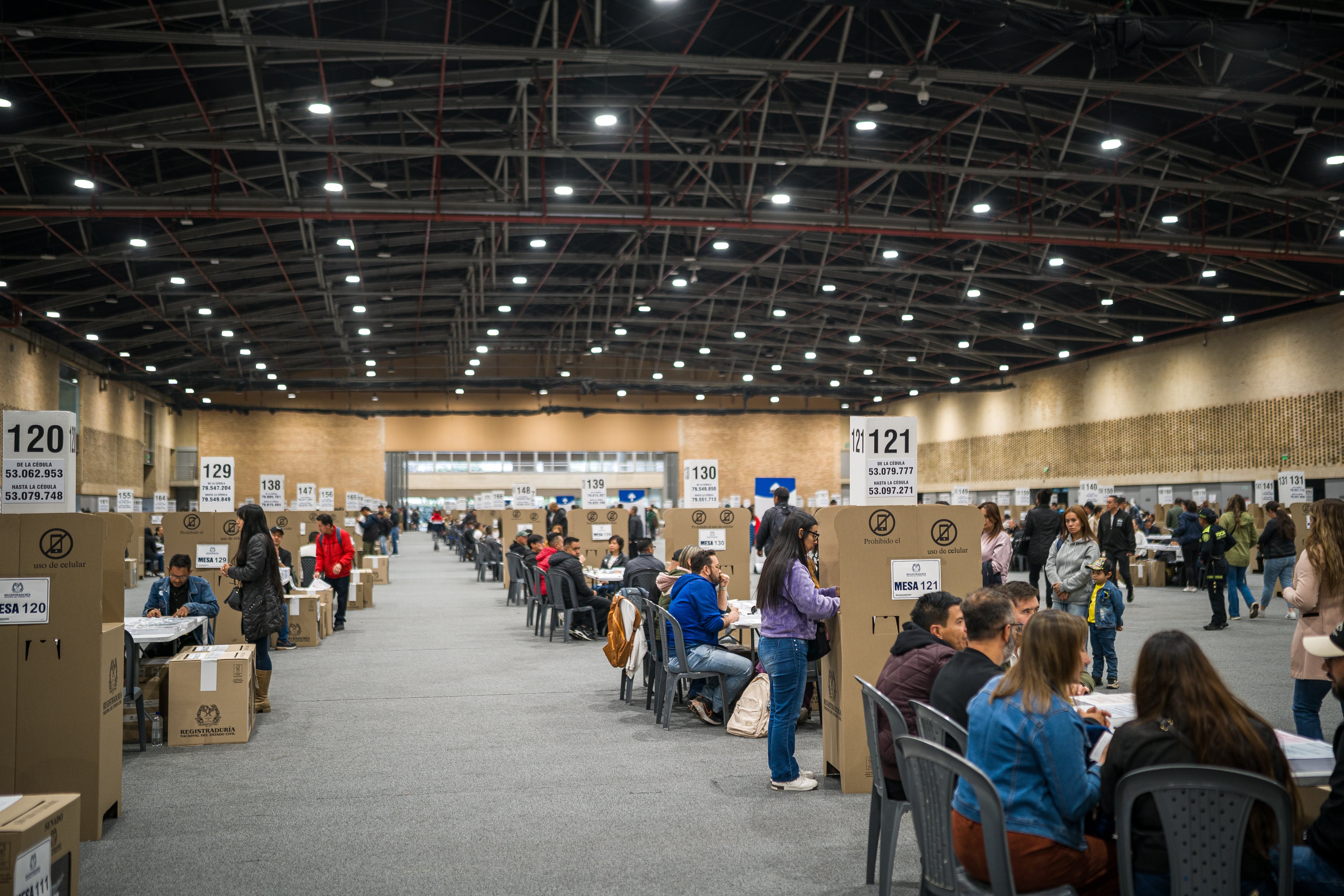
Legislative election day in Bogotá, Colombia, March 8.

Just days remain until the first round of Colombia’s presidential election on May 31, and millions of citizens still haven’t decided which of the 12 candidates to vote for.

Seguir leyendo

Pro-Trump lawyer De la Espriella pulls ahead in Colombia's presidential race with promise of crime crackdown

De la Espriella, whose rise reflects a shift in Latin America towards leaders favoring heavy-handed crime policies, is expected to gain more support in the June 21 runoff.

  • ✇Latin America Reports
  • US flight attendant death highlights LGBTQ+ violence in Colombia Alfie Pannell
    Bogotá, Colombia – After days of searching for missing American Airlines flight attendant Eric Gutiérrez, Colombian authorities discovered his body in a river in Antioquia province on Friday, several hours away from where he was last seen near Medellín. While the coroner’s office has not issued an official cause of death, it quickly concluded Gutiérrez, a U.S.-citizen, had not died of natural means; officials are reportedly working on the hypothesis that Gutierrez’s death was a robbery gone w
     

US flight attendant death highlights LGBTQ+ violence in Colombia

1 April 2026 at 22:46

Bogotá, Colombia – After days of searching for missing American Airlines flight attendant Eric Gutiérrez, Colombian authorities discovered his body in a river in Antioquia province on Friday, several hours away from where he was last seen near Medellín.

While the coroner’s office has not issued an official cause of death, it quickly concluded Gutiérrez, a U.S.-citizen, had not died of natural means; officials are reportedly working on the hypothesis that Gutierrez’s death was a robbery gone wrong, likely involving the incapacitating drug scopolamine.

Advocacy groups say the murder of Gutiérrez – a gay man – is part of a pattern of violence against members of the LGBTQ+ community in Colombia, while officials offer reassurances to travellers, saying these crimes are rare and could happen to anyone.

What happened to Eric Gutiérrez?

Gutiérrez, 32, arrived in Colombia on March 22 after working on a flight from Miami to Medellín. He reportedly went to the Perro Negro nightclub in the El Poblado neighborhood of the city with his colleagues, where they met two men. 

Gutiérrez and his colleague then went with the men to Itagüí, a city on the outskirts of Medellín.

The flight attendant’s co-worker returned to their hotel the next day alone, feeling disoriented. He was admitted to hospital with suspected scopolamine poisoning. 

Law enforcement began searching for Gutiérrez, but did not find his body until Friday, located in the Piedras River near the town of Jericó, a roughly three-hour drive from Medellín. 

Authorities have also begun to share details of criminal investigations, saying they have found evidence linking the case to criminal rings known to use scopolamine to rob people.

Scopolamine is commonly used by thieves in Colombia to incapacitate victims in order to access their bank accounts and steal their possessions. 

‘Pattern of violence’

Gutiérrez’s death reveals a broader trend of violence against gay men, according to Caribe Afirmativo, a Colombia-based LGBTQ+ rights observatory.

“This latest death should not be viewed as an isolated incident,” read a statement by the organization released a day after the flight attendant’s body was found.

“On the contrary, it is yet another sign—serious, painful, and deeply alarming—of a pattern of violence that continues to take hold in Antioquia and that now demands a forceful response from the Colombian government,” it continued.

Caribe Afirmativo said that Gutiérrez’s murder marked the 23rd killing of an LGBTQ+ person in Colombia this year, noting “a large proportion of the cases” had occurred in Antioquia.

“What has happened cannot be dismissed as a mere coincidence or an individual risk. We are facing a systematic form of urban violence that combines organized crime, substance abuse, and contexts of vulnerability,” continued the statement. 

In April last year, Italian biologist Alessandro Coatti was found dead in Santa Marta. Authorities later discovered he had been lured into a robbery by a man on the gay dating app Grindr and was likely drugged with scopolamine.

The observatory called for “urgent” action by authorities, including information campaigns warning the public of the risks of scopolamine and robberies in the nighttime economy. 

Authorities reassure LGBTQ+ travellers 

Despite suggestions of a pattern of violence against LGBTQ+ people in Colombia, authorities in Medellin insist that LGBTQ+ travellers do not face a heightened risk.

“We have no evidence of a systematic trend of crime targeting exclusively LGBTQ+ travelers,” Manuel Villa Mejía, Medellín’s Secretary of Security, told Latin America Reports.

He maintained that the risks to travellers are the same, regardless of sexual orientation, and highlighted broader patterns in how tourists are targeted, including “the use of social media, dating apps, or fake offers of companionship to commit theft or extortion.”

Villa Mejía called on all tourists, regardless of who they are, to exercise caution and stay aware of their surroundings. 

He also offered reassurances to travellers: “In Medellin we protect all people equally and our priority is to guarantee the security of all visitors, without distinction.”  

Featured image description: Missing poster for Eric Gutierrez

Image credit: Alcaldía de Medellín

The post US flight attendant death highlights LGBTQ+ violence in Colombia appeared first on Latin America Reports.

  • ✇Latin America Reports
  • Colombia’s Petro becomes first head of state to visit Venezuela since Maduro’s ouster Alfie Pannell
    Bogotá, Colombia – Colombian President Gustavo Petro arrived in Caracas today to meet with his counterpart in Venezuela, Interim President Delcy Rodríguez. The visit makes Petro the first world leader to visit the South American nation since the United States captured longtime strongman Nicolás Maduro in a military operation on January 3. Petro and Rodríguez are expected to discuss bilateral issues including energy and security cooperation on their more than 1,300 mile shared border.  T
     

Colombia’s Petro becomes first head of state to visit Venezuela since Maduro’s ouster

24 April 2026 at 21:50

Bogotá, Colombia – Colombian President Gustavo Petro arrived in Caracas today to meet with his counterpart in Venezuela, Interim President Delcy Rodríguez.

The visit makes Petro the first world leader to visit the South American nation since the United States captured longtime strongman Nicolás Maduro in a military operation on January 3.

Petro and Rodríguez are expected to discuss bilateral issues including energy and security cooperation on their more than 1,300 mile shared border. 

The Colombian president landed in Caracas on Friday afternoon with his Foreign Minister, Rosa Yolanda Villavicencio, and Defense Minister, Pedro Sánchez.

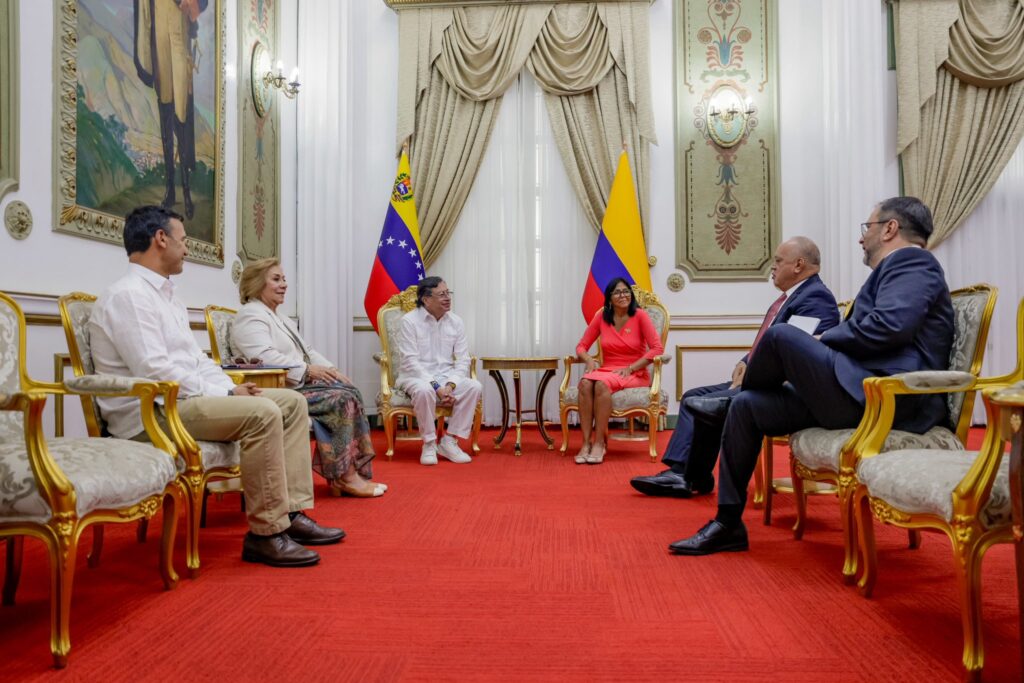
The delegation from Bogotá has been meeting with Rodríguez and her Interior Minister, Diosdado Cabello, alongside Foreign Minister Yván Gil at the Palacio de Miraflores – Venezuela’s presidential palace. 

Petro and Rodríguez were flanked by top officials at their meeting. Image courtesy of @InfoPresidencia via X

Petro and Rodríguez were scheduled to meet in Cúcuta, a Colombian city bordering Venezuela, in March but the Venezuelan president cancelled at the last minute citing security concerns.

Then last Friday, the Colombian leader announced he would head to Venezuela, saying, “If Mohammed won’t come to me, I’ll go to the mountain.”

The primary purpose of the meeting is strengthening security cooperation, according to the Petro administration.

“The aim of this meeting is for both governments to make progress on a joint plan to strengthen security and intelligence in the border area,” wrote the Office of the President in a post on X today.

The sprawling frontier is a hotbed for guerrilla activity and is largely controlled by the Colombian National Liberation Army (ELN), a rebel group involved in drug trafficking and illegal mining on both sides of the border.

The ELN was known to have ties to the Maduro regime but the Venezuelan government is under pressure from the U.S. to crack down on the rebel group, which Washington considers a “terrorist organization.”

While the Petro administration maintains the importance of strengthening bilateral cooperation, the meeting has perturbed many in the Venezuelan exile community in Colombia. 

“President Gustavo Petro’s visit to Venezuela, particularly his meeting with Delcy Rodríguez, raises serious concerns among Venezuelans,” Juan Carlos Viloria Doria, President of the Global Alliance for Human Rights and Vice-President of Venezuelans in Barranquilla, told Latin America Reports.

He noted that many Venezuelans do not consider Rodríguez to be a legitimate leader, describing her as “an extension of the regime led by Nicolás Maduro.”

“In this regard, such visits can be interpreted as a political endorsement or a form of international legitimization of a situation in Venezuela that still lacks adequate democratic guarantees,” maintained Viloria.

Petro and Rodríguez greet reporters. Image courtesy of @InfoPresidencia via X

There has also been pressure in Colombia for Petro to mediate the release of 16 Colombian citizens jailed in Venezuela.

The families of those detained allege the arrests were made “without a court order or evidence” and say their loved ones have faced human rights violations including torture. 

While there has been an easing in repression following Maduro’s ouster, Venezuela remains an authoritarian state and rights groups continue to denounce abuses.

“The least that we Venezuelans expect is that [the meeting] be used as an opportunity to demand concrete progress on human rights and democracy,” said Viloria.

“Any dialogue or rapprochement must be aimed at improving the living conditions of the Venezuelan people and fostering a genuinely democratic transition, not at consolidating contested power structures.”

Featured image description: Colombian President Gustavo Petro and Venezuelan Interim President Delcy Rodríguez at a meeting in Caracas on April 24, 2026.

Featured image credit: @InfoPresidencia via X

The post Colombia’s Petro becomes first head of state to visit Venezuela since Maduro’s ouster appeared first on Latin America Reports.

❌
Subscriptions