Reading view

An extinct human species made surprisingly creative butchery tools

A remarkable collection of ancient stone tools proves that human creativity can thrive in challenging times. The complexity of the stone tools found amidst the bones of butchered animals in central China demonstrate an elevated level of intelligence and creativity. Early humans forged the tools during an ice age 146,000 years ago, not during the relative ease of a warm period. According to a study published today in the Journal of Human Evolution, this challenges the idea that the early humans  could not innovate. 

“People often imagine creativity as something that flourishes in good times,” Yuchao Zhao, a study co-author and the assistant curator of East Asian archaeology at the Field Museum in Chicago, said in a statement. “Finding out that these stone tools were made during a harsh ice age tells a different story. Hard times can force us to adapt.”

A distant human cousin

The stone tools were found at the Lingjing archaeological site in central China. An early human species called Homo juluensis, a cousin of our own species, occupied the area. While they went extinct about 50,000 years ago, Homo juluensis had a very large brain size and traits seen in both eastern Asian archaic humans and Neanderthals in Europe.

Until recently, archaeologists believed that ancient humans in East Asia during the late Middle Pleistocene (300,000-120,000 years ago) did not make many significant technological advances, compared to the early humans living in Europe and Africa. However, the Lingjing stone tools tell a different story.

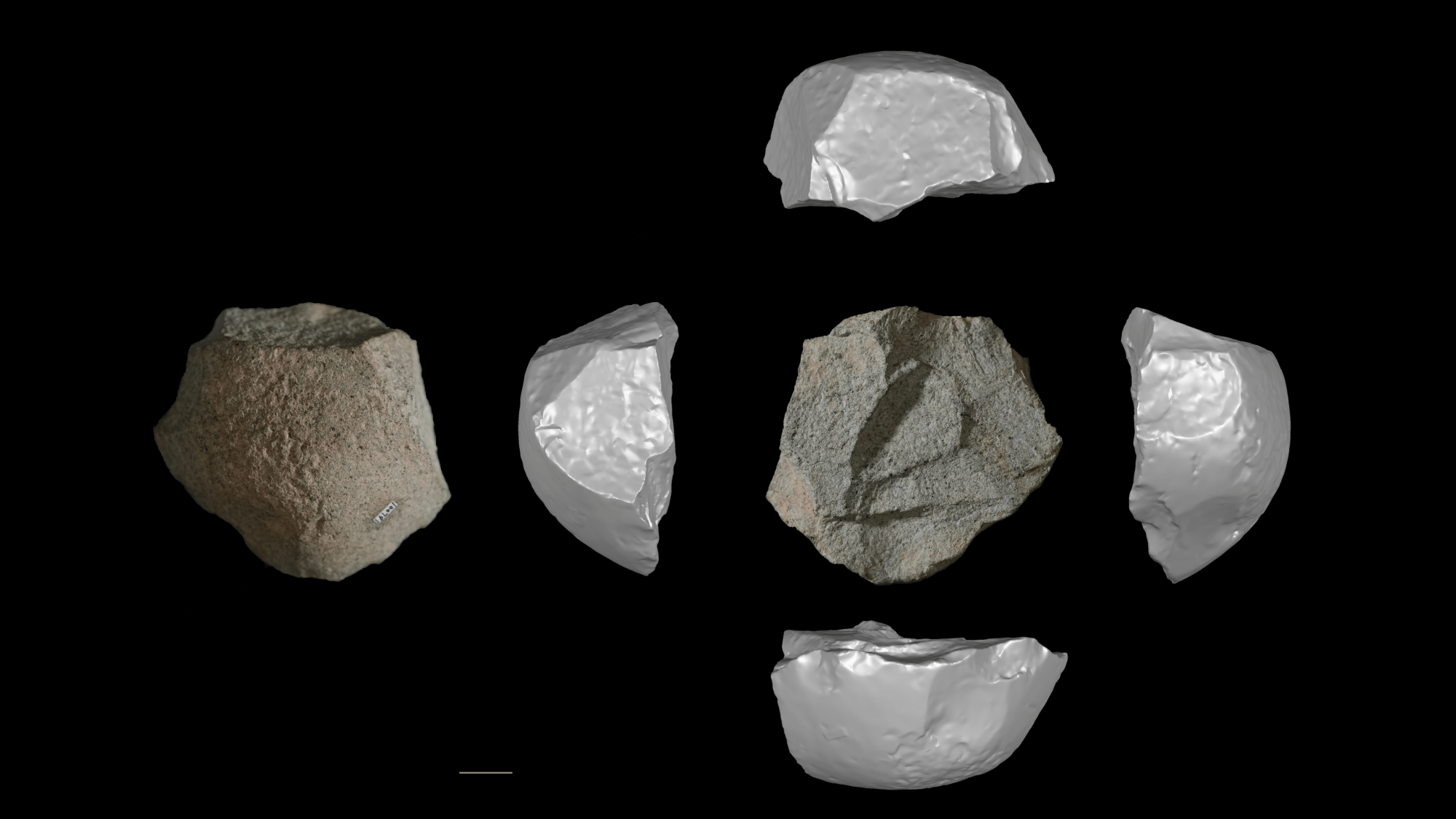
The disc-shaped stone cores at Lingjing were part of a detailed, carefully organized tool-making process. Homo juluensis built them by striking small stones against larger stone cores. Some of the cores were wired evenly on both sides. Other cores were more carefully built. One side was primarily a surface to strike from. The other side was shaped to produce sharp flakes.

According to the team, these asymmetrical cores are especially important. They indicate that prehistoric humans were not just knocking off pieces of a stone at random. Instead, they were managing the core as a three-dimensional object, where surfaces have different roles, while keeping the right angles for producing useful flakes.

Related Stories

“This was not casual flake production, but a technology that required planning, precision, and a deep understanding of stone properties and fracture mechanics,” said Zhao. “The underlying logic of this system—and the cognitive abilities it reflects—shows important similarities to Middle Paleolithic technologies often associated with Neanderthals in Europe and with human ancestors in Africa, suggesting that advanced technological thinking was not limited to western Eurasia.”

The stone artifacts left behind by the Homo juluensis’ living at Lingjing suggest that they were capable of complex thought and creativity. However, this story  further complicates a shift in the timeline of how long ago these tools were made.

Aging bones

Homo juluensis at Lingjing would butcher animals like deer, with their bones found alongside the stone tools. A rib from a deer-like animal found at Lingjing contained several glittering calcite crystals—an important particle for dating objects. Calcite crystals have trace amounts of uranium, which degrades into another element called thorium over time. Scientists can then tell the age of the crystal by measuring the ratio of uranium to thorium present inside of a calcite crystal.

“The calcite crystals inside the bone acted like a natural clock, allowing us to refine the age of the site,” says Zhao.
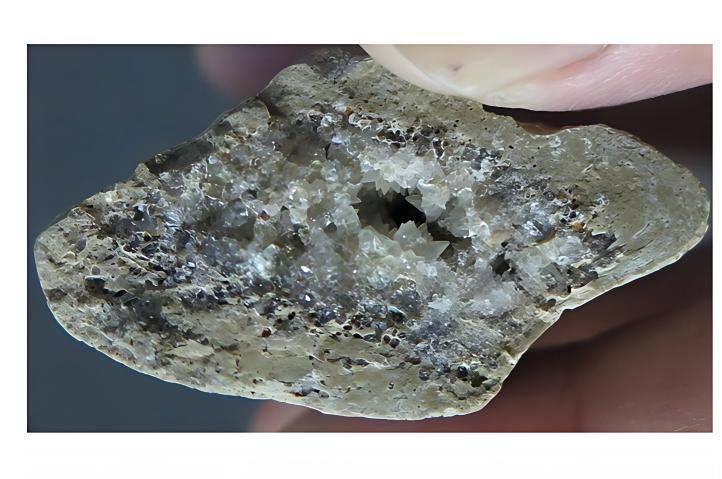
crystals inside of a bone
Crystals growing inside a bone found at the Lingjing archaeological site; these crystals were used to date the site, and the tools found there, to an ice age 146,000 years ago. Image: Photo by Zhanyang Li.

Based on this new analysis, the team believes that these tools date back about 20,000 years older than scientists once believed. While 20,000 years doesn’t sound like  a huge amount of time in the grand scheme of things, it’s an important difference. They were likely made during a harsh and cold ice age instead of a warm period. With this new timeline, these tools were likely adaptations for surviving hard times.  

“Altogether, this research reveals a much richer story of innovation, intelligence, and human evolution in East Asia,” says Zhao.

The post An extinct human species made surprisingly creative butchery tools appeared first on Popular Science.
  •  

America’s Time Capsule includes fabric from the Wright Brother’s plane, whale bone, poker chips, and more

America’s Time Capsule has officially been sealed. The custom-made, “zombie-proof” box includes letters, artifacts, records, and objects selected to help tell the story of the United States at its Semiquincentennial. The contents represent all 50 states, Washington D.C., and U.S. territories. 

The contributions range from handwritten letters and civic records to cultural artifacts, scientific innovations, and even sports memorabilia. Some of the highlights include:

  • A fusion semiconductor (California). It was made in San Diego by General Atomics and reflects some of the most innovative research on clean energy across the globe.
  • A 1914 Belgian Relief Coin (Iowa). The coin was used to feed a child in Belgium for one month. President Herbert Hoover led an unprecedented international food relief effort that saved millions of people in Europe from starvation post-World War I. 
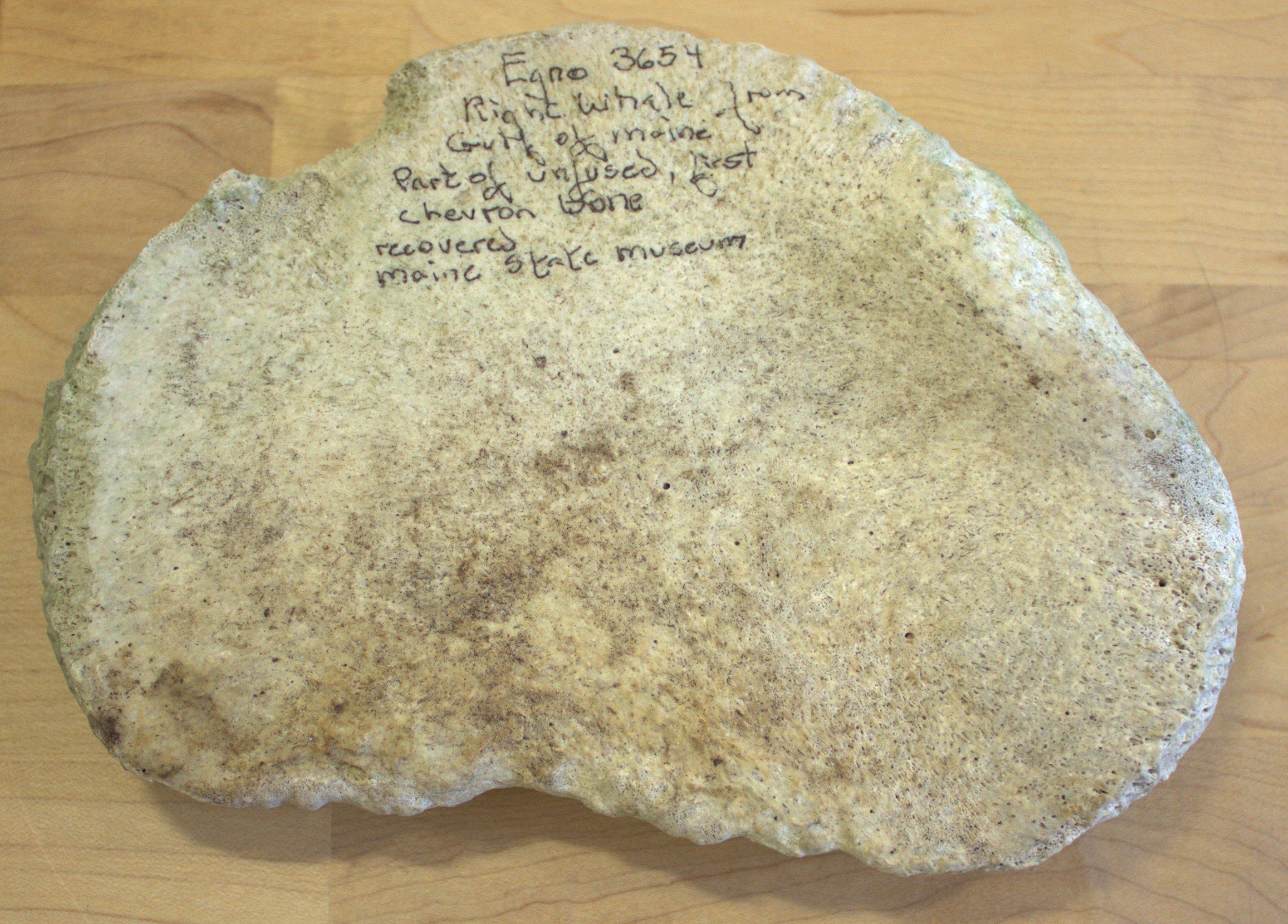
  • A North Atlantic right whale bone (Maine). The North Atlantic right whale is one of the most critically endangered large whale species in the world. Roughly 380 individual whales, including fewer than 70 reproductively active females, are alive today. 
a whale bone
A North Atlantic right whale bone. Image: America250.
  • A float copper (Michigan). Indigenous people began mining copper in Michigan’s Western Upper Peninsula over 8,000 years ago. Copper, or miskwaabik, has cultural and ceremonial meaning for the Anishinaabeg, as well as practical uses. The 1843 copper boom was the first mineral boom in the U.S. Michigan native copper also accounted for 95 percent of all copper mined in the U.S. at one point.
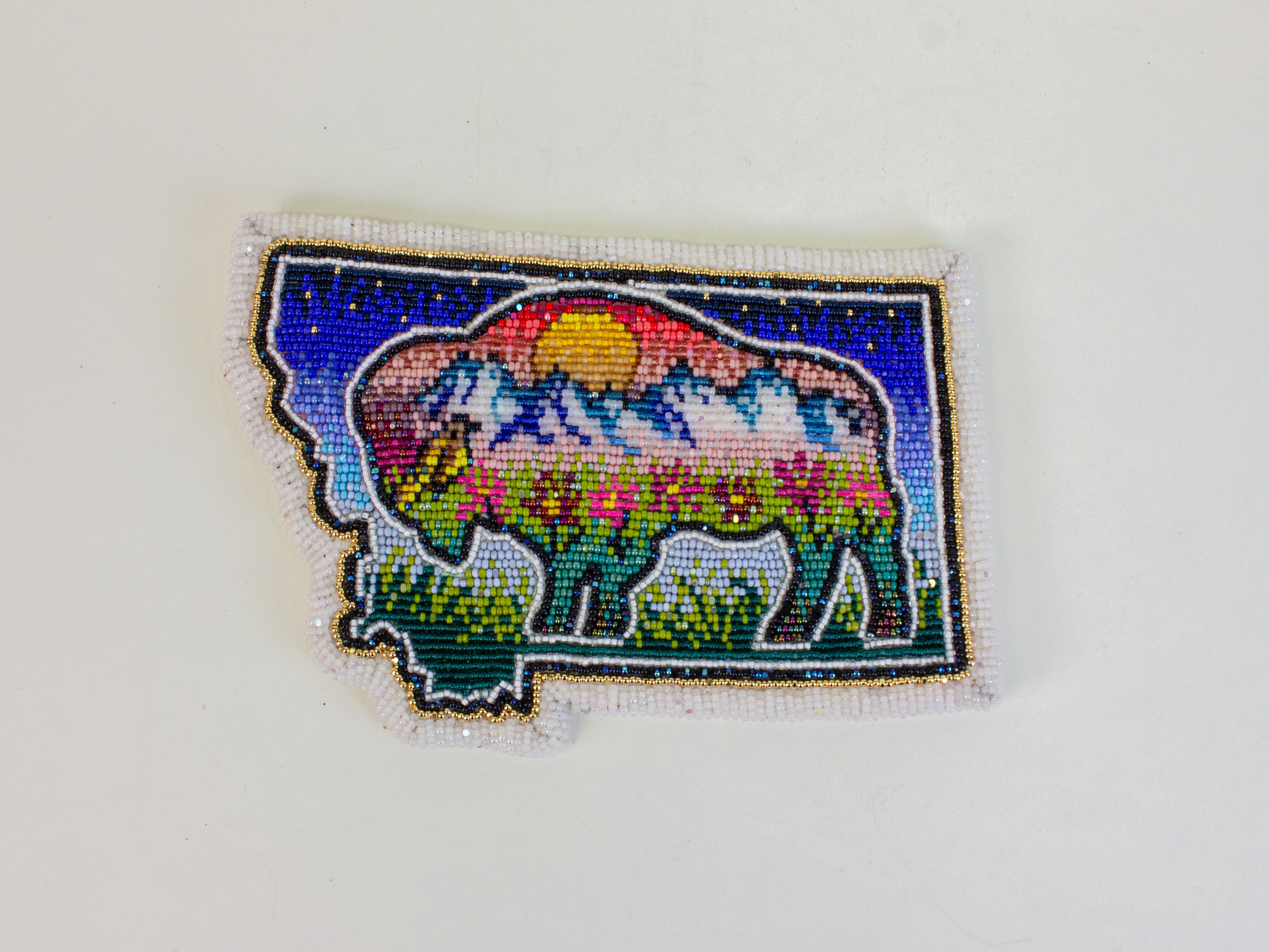
  • A beaded vignette (Montana). The beaded artwork created by a Crow / Hidatsa / Arikara artist represents Montana’s landscapes and cultural heritage.
beads in the shape of montana and with a buffalo, sunrise, mountains, and plants
A beaded celebration of Montana’s natural beauty. Image: America250.
  • Gambling chips and tokens (Nevada). During the Great Depression, Nevada legalized gambling to generate critical revenue. This launched the modern era of casino gaming, which remains the state’s leading industry. 
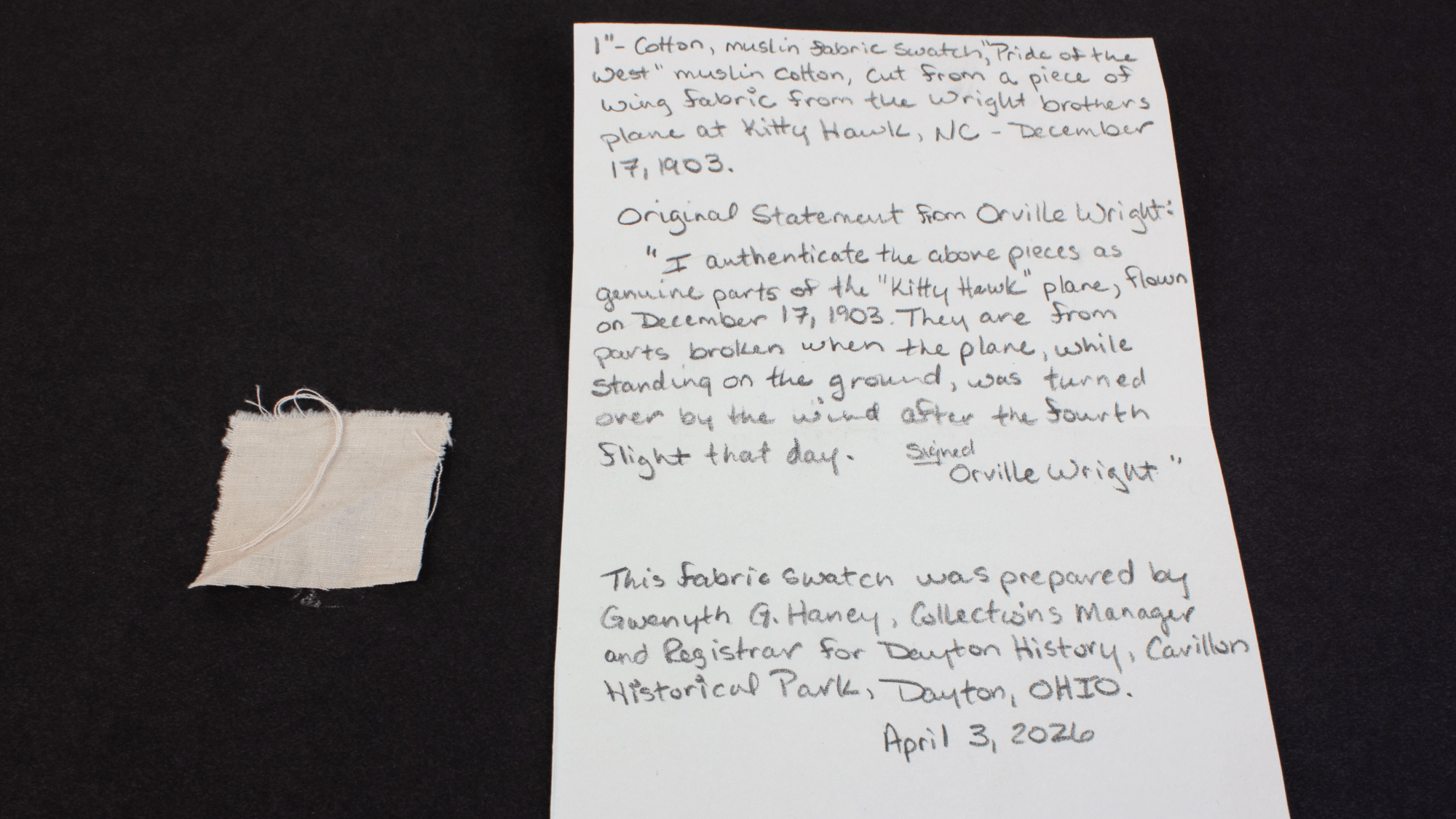
  • Fabric from the Wright Brother’s flight (Ohio). The fabric is an authentic artifact from the Wright Brothers’ 1903 flight at Kitty Hawk, North Carolina. It connects the Buckeye State with the birth of aviation. 
  • A rosary (Puerto Rico). The stainless steel rosary represents the importance of faith and spirituality in the daily life of Puerto Rico.
a rosary made out of steel
The rosary is made of stainless steel. Image: America250.
  • Prayer medal (Utah). George Washington Lord’s Prayer gold medal given out at the Wedding of the Rails. The event marked the completion of the Transcontinental Railroad on May 10, 1869.
  • Eagle feather and photo (Wisconsin). Old Abe was an icon in Wisconsin Civil War history. The American bald eagle served with the Eighth Wisconsin Volunteer Infantry Regiment. Old Abe participated in over 30 battles, narrowly avoiding wounds on several occasions.
an eagle feather
One of Old Abe’s feathers. Image: America250.

America250’s partner organizations also donated items, including an Apple iPhone 17 Pro Max, an Olympic Gold Medal from the International Olympic Committee & NBC Today Show, and a pocket constitution from the Supreme Court of the United States. 

“Now that America’s Time Capsule has been sealed, it carries with it a remarkable record of this moment in our nation’s history,” America250 Chair Rosie Rios said in a press release. “This moment is as much about the future as it is the past. When it is opened in 2276, future generations will see the care, pride, and optimism with which Americans marked our 250th anniversary.”

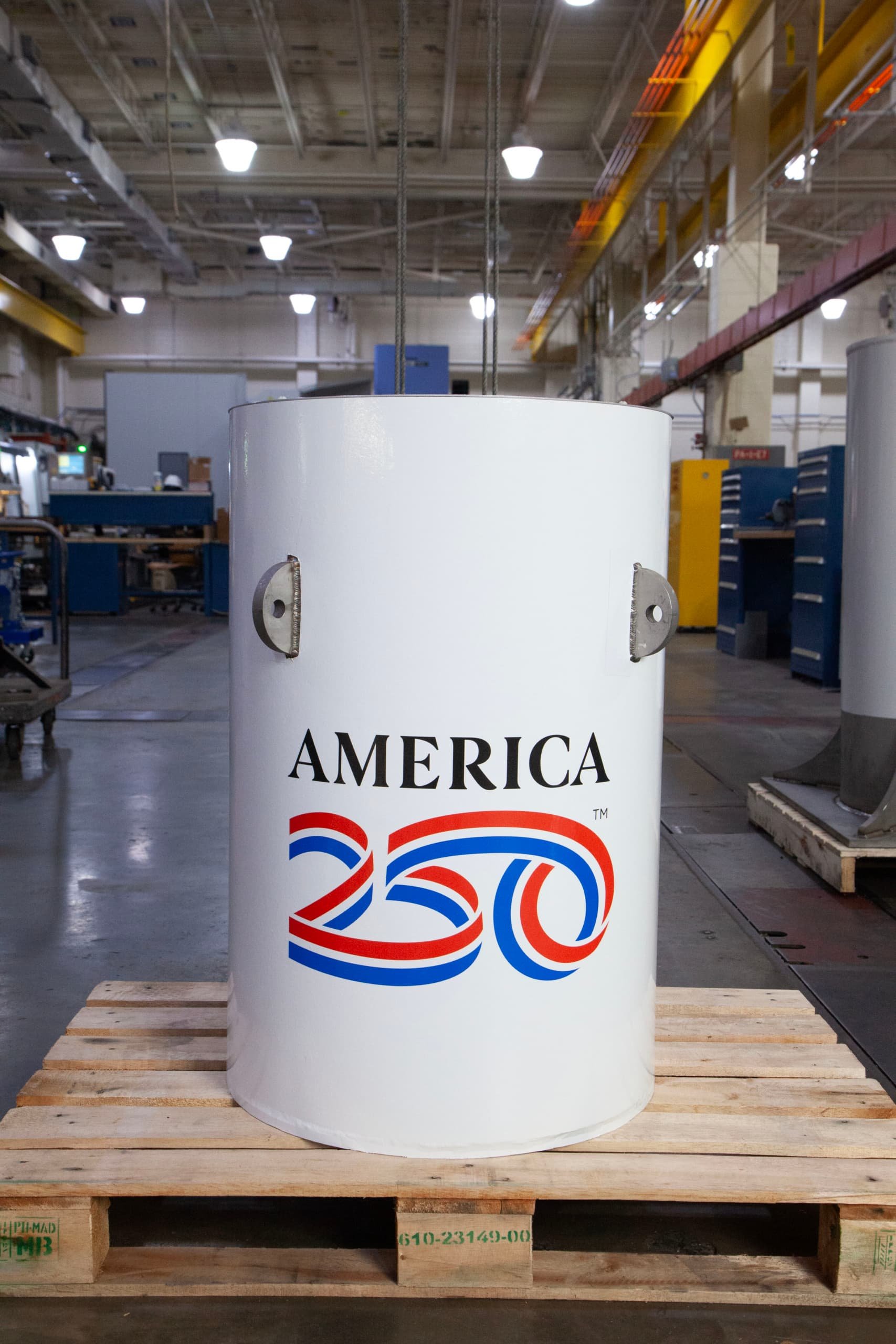
a long white time cylinder with the text Amerca250 on it
The America250 time capsule, shown here in the machine shop where it was created at the National Institute of Standards and Technology (NIST) in Gaithersburg, Maryland. Image: Rich Press/NIST

The time capsule was a collaboration with scientists at the National Institute of Standards and Technology (NIST), preservation experts at the Library of Congress, and in coordination with the National Park Service. It features a 900-pound, precision-milled stainless steel cylinder with a water- and airtight compression seal made of indium. This soft metal deforms when compressed to fill any microscopic imperfections in the sealing groove. 

It will be buried on July 4 at Independence National Historical Park in Philadelphia, Pennsylvania. Once underground, it will be covered with a 1,100-pound stainless steel bell jar. The jar will create a protective air pocket around the vessel, ensuring that it remains dry. It will remain sealed underground until July 4, 2276.

The post America’s Time Capsule includes fabric from the Wright Brother’s plane, whale bone, poker chips, and more appeared first on Popular Science.

  •  

Humans really did move Stonehenge’s six-ton centerpiece

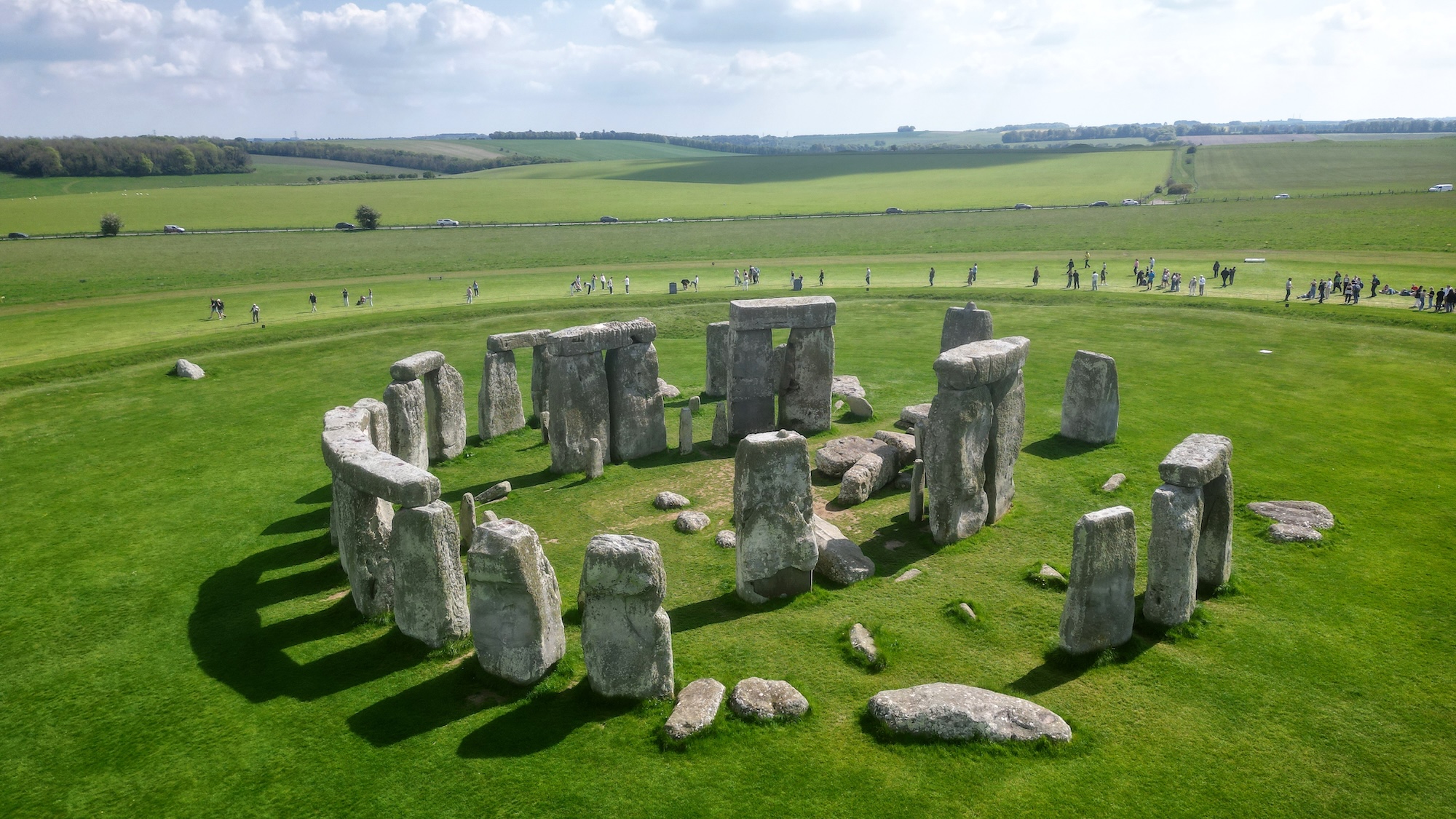
Stonehenge is so much more than just a monumental feat of ancient engineering—it’s also a logistical marvel. Multiple generations of Neolithic designers relied on communal teamwork and clever construction techniques to precisely place each of the site’s gigantic megaliths about 5,000 years ago. Two primary types of stone known as sarcens and bluestones make up the formation. Paleoarchaeologists previously traced most of the sarcens to about 15 miles away to present-day Marlborough, England, while many of the bluestones originated in Wales.

The famed Altar Stone is far more perplexing, however. The central, six-ton sandstone megalith likely came from a region in Scotland about 400 miles away. How a prehistoric society managed to scoot the boulder so far without complex tools or transportation methods has perplexed researchers for years.

Many researchers have theorized that melting Ice Age glaciers likely helped passively shift the Altar Stone closer to southern England’s Salisbury Plain around 2500 BCE, shortening the transport distance for Stonehenge’s creators. But in 2024, a team at Curtin University used chemical analysis to determine that glaciers simply weren’t the only factor behind the megalith’s move. Now, that same team has combined ice-sheet modeling and mineral grain dating to more precisely locate the Altar Stone’s original home. Their findings, published today in the Journal of Quaternary Science, further underscore how humans played a huge part in getting their centerpiece to Stonehenge.

“Rather than being carried naturally by ice, the evidence points to a deliberate, carefully planned movement across a challenging and varied landscape,” Anthony Clarke, a geochemist and study co-author, said in a statement.

Although glaciers possibly transported many large rocks as far south as Dogger Bank in the North Sea, Clarke explained that geological modeling showed that “no viable glacial pathways” ever linked the Altar Stone’s source region to Stonehenge. This further underscores how Neolithic communities were necessary to move it to its final spot.

“Transporting a stone of this size over such a long distance would have required planning, coordination and a deep understanding of the landscape—not to mention tremendous determination,” he added.

While the exact methods remain a mystery, Clarke and colleagues believe the Altar Stone was almost certainly moved in stages, possibly through a combination of overland and river travel routes.

“The stone would still have needed to be moved hundreds of kilometers by people,” Clarke concluded.

The post Humans really did move Stonehenge’s six-ton centerpiece appeared first on Popular Science.

  •  

1.3 million people share DNA with Maryland’s earliest colonists

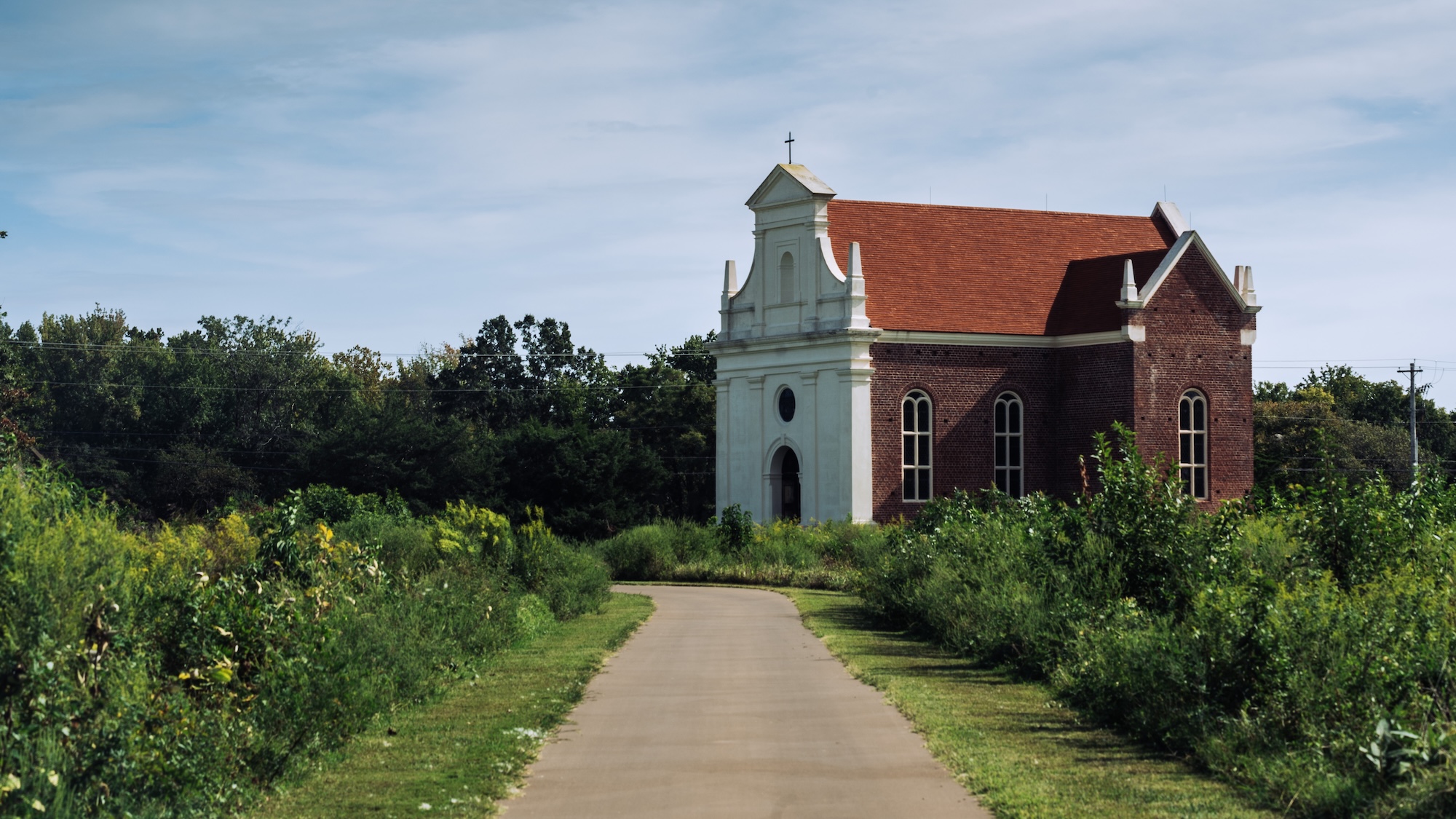
In 1634, English settlers established St. Mary’s City as the first permanent outpost in the colony of Maryland. Many of these early residents were ultimately buried in the town’s Chapel Field cemetery, including 49 colonists between the town’s founding and 1734. Recently, geneticists collaborating between Harvard University, the Smithsonian Institute, and genetics company 23AndMe analyzed these previously unidentified remains as part of a larger genealogical project tracing colonial migration across the United States.

Their findings illustrate how  such a small original population can have vast genetic influences over time. According to the team’s study published in the journal Current Biology, over 1.3 million living descendents can be traced directly to the handful of settlers buried at St. Mary’s City. What’s more, researchers believe that they potentially identified remains belonging to Maryland’s second governor.

The results come after decades of work that began with the excavation of a trio of extremely rare lead coffins from the cemetery’s Brick Chapel in 1986. These were later revealed to contain the bodies of Philip Calvert, his first wife Anne Wolseley Calvert, and an infant son from Calvert’s second wife, Jane Sewell. Calvert served as Maryland’s fifth governor, and came from one of the colony’s most prominent and influential founding families. Later DNA analysis tied the Calverts to three more bodies buried nearby.

“Although additional work is needed to determine exactly how these individuals were related to Philip, this finding is significant given that several members of the extended Calvert family, including Philip’s half-brothers Leonard (1610–1647) and George (1613–1634), died in St. Mary’s during this period,” explained Douglas Owsley, the Smithsonian’s biological anthropology curator.

Further genetic examinations identified relatives among five other families, including one that spanned three generations.

“Because mortality was so high in the early days of the colony, finding a multigenerational family was a surprise,” Owsley said. “It’s a discovery that simply wouldn’t have been possible without genetic study.”

From there, the team was able to move forward through the centuries by comparing the DNA information at St. Mary’s City with more than 11.5 million participants from the 23AndMe genetic database. The results show that there are now around 1.3 million living relatives of Maryland’s first European residents. They were also able to corroborate a major migration that occurred between 1780–1820, when many of the colony’s Catholics fled south to Kentucky due to economic stressors and anti-Catholic sentiments.

One of the study’s more groundbreaking facets involved researchers’ ability to assess unknown remains through a combination of genetic material and multiple family trees that include still-living individuals. First, they identified people in the database who shared the strongest genetic relationships to the three related cemetery bodies. They then examined overlaps in anthropological information and known lineages to narrow down the mystery remains. Based on their findings, the team now believes the remains belong to colonial Maryland’s second governor, Thomas Greene, his first wife, Anne, and their son, Leonard.

“This is the first time that ancient DNA has been used to help identify unknown individuals, without any prior knowledge of who they might have been. And it just so happens that one of those individuals turned out to be one of colonial Maryland’s most prominent figures,” said Éadaoin Harney, a senior scientist at the 23andMe Research Institute.

Study co-author and Harvard Medical School geneticist David Reich added that their latest work showcases how vital ancient DNA analysis can be to expanding our understanding of history. 

“While written records are extraordinarily rich, genetic data can still address gaps in that record and yield surprises,” said Reich.

The post 1.3 million people share DNA with Maryland’s earliest colonists appeared first on Popular Science.

  •  

12,000 Years Ago, Native Americans Were Playing Games of Chance with Handmade Dice

12,000 Years Ago, Native Americans Were Playing Games of Chance with Handmade Dice

Archaeologists have long known that the ancient peoples of North America—not unlike us—played a lot of games. Going back millennia, cultures around the world developed myriad ways to keep entertained, and for a long time, it was thought that the first dice ever used could be traced to the ancient Eastern European and Near East cultures of Mesopotamia, the Indus Valley, and the Caucasus. But according to a new paper by Robert Madden, published by Cambridge University Press, games of chance developed much, much earlier than originally thought—halfway around the world.

Researchers previously believed that the earliest dice originated about 5,500 years ago, but Madden shares that examples excavated in North America date back as far as the Late Pleistocene—the Ice Age. Among the oldest reported examples are a few found in modern-day Wyoming, Colorado, and New Mexico. The rich archaeological sites in these places are associated with the Folsom Culture, representing a dispersed hunter-gatherer lifeway that extended across the North American West, Southwest, and Great Plains around 12,000 years ago.

a composite photo of archaeological finds thought to be ancient dice carved from stone and bone, found in the American West and Southwest, including color-enhanced details showing the remains of pigment
Examples of dice with details showing microscopic traces of pigment, with color enhanced for illustration

“The dice tend to show up in liminal spaces where you have a lot of high mobility,” Madden told Live Science. “It might have something to do with how separated these people are and the need to relate to people you don’t see very often.”

In the report, Madden also says that “the making and using of dice represent humans’ first known efforts to intentionally generate, observe, and record streams of controlled, random events…” He adds that, possibly for the first time, people were comprehending patterns or regularities in probability—a kind of precursor to understanding what we now call the law of large numbers. Anthropologists consider this to be “a crucial early step in humanity’s evolving discovery and understanding of randomness and the probabilistic nature of the universe.”

Madden compared hundreds of examples found across the American West with a comprehensive, several-hundred-page publication called Games of the North American Indians, published in 1907 as part of an annual report by the Bureau of American Ethnology. It’s currently available in a two-volume edition from Bison Books.

You might also enjoy seeing what may be the world’s oldest crayon.

An early 20th century illustration of various kinds of ancient carved dice or tokens
Illustrations of bone dice from Stewart Culin’s book ‘Games of the North American Indians (1907)
a composite photo of archaeological finds thought to be ancient dice carved from stone and bone, found in the American West and Southwest
Examples of early Native American dice

Do stories and artists like this matter to you? Become a Colossal Member today and support independent arts publishing for as little as $7 per month. The article 12,000 Years Ago, Native Americans Were Playing Games of Chance with Handmade Dice appeared first on Colossal.

  •  

77 headless skeletons found in a field date back 7,000 years

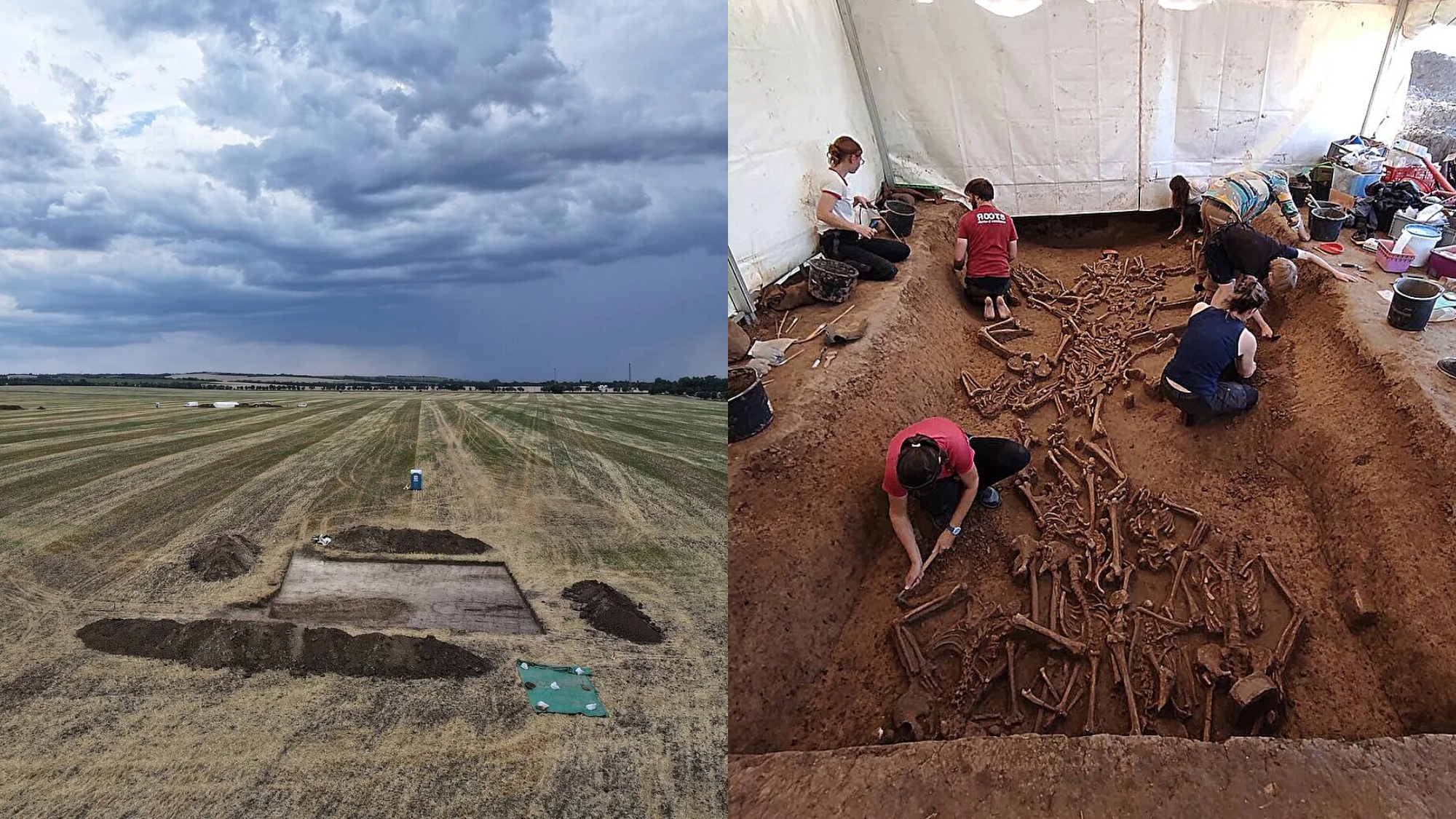
It sounds like a scene out of a horror movie. Dozens of headless human skeletons resting in a single grave. First discovered in 2022, this Neolithic burial site near the present-day town of Vráble, Slovakia, raises significantly more questions than it answers. Was this the site of a grisly massacre 7,000 years ago? Were the individuals sacrificed? Is it the result of some kind of plague?

A new study published in the journal Proceedings of the Prehistoric Society points to a more skillful removal of skulls as part of an unknown ritual, instead of a violent decapitation by an enemy. 

The large Neolithic settlement at Vráble is one of the most important excavation sites of the Linear Pottery culture (LBK) in Central Europe. The LBK first arose around 5500 BCE and lasted until roughly 4500 BCE. Archaeologists consider the LBK one of Europe’s earliest farming cultures that moved along the transition from a hunter-gatherer lifestyle to more settled agricultural communities.

Researchers from Kiel University in Germany and the Slovakian Academy of Sciences in Nitra have been investigating the region since 2012. The site is made up of the outlines of over 300 former houses in three neighborhoods. The settlement existed for several centuries between roughly 5250 and 4950 BCE. One of the neighborhoods was surrounded by a ditch that archaeologists believe served as a border. 

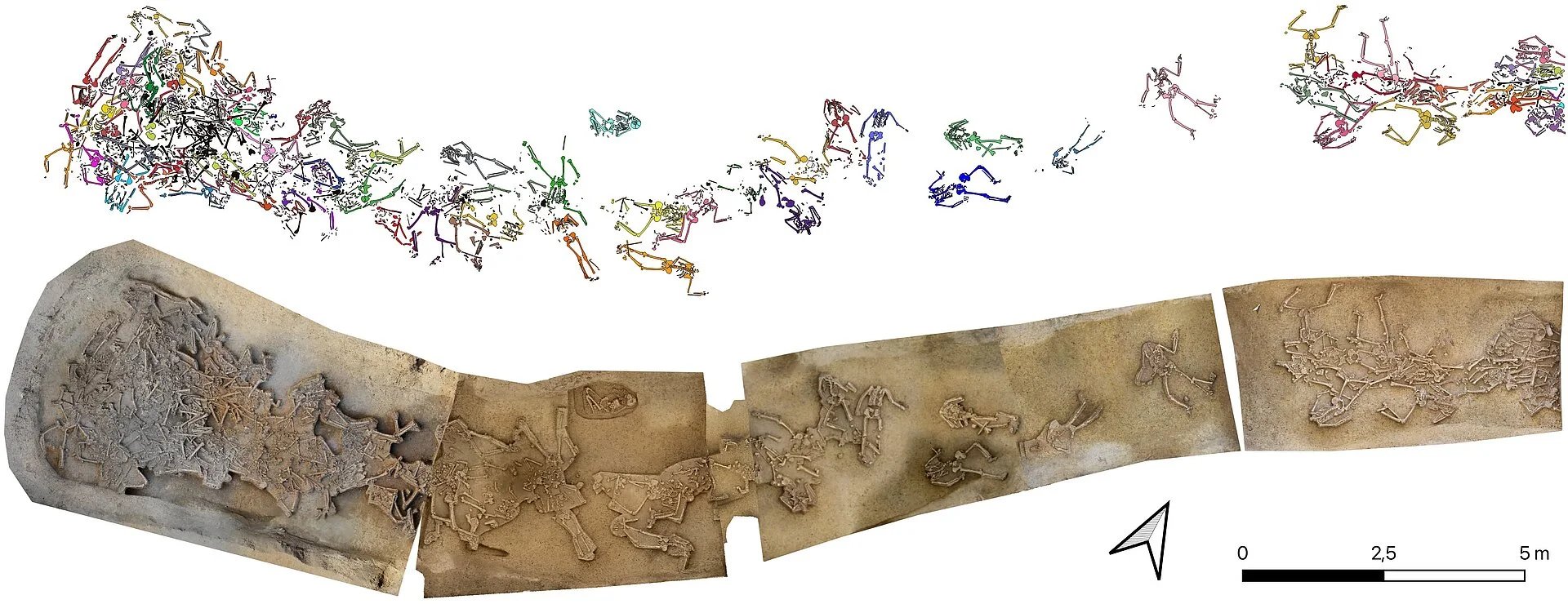
After finding sporadic human remains in early digs, the team found the remains of at least 78 individuals at the entrance to the settlement. The skeletons were not in any discernible order and 77 of them lacked a head. The team only found one skeleton of a child with a preserved skull. The initial evidence suggests that not a lot of time passed between death and interment. 

a diagram showing a ditch with several human skeletons
The mass deposition at the ditch. Below: photos; above: a tracing of the skeletons in various colours. Most of the individuals are found to the far left, where the ditch ends and the entrance to the settlement was located. Image: Katharina Fuchs, Agnes Heitmann, Nils Müller-Scheeßel, Till Kühl.

“The features clearly exhibit an intentional manipulation of the bodies,” Dr. Katharina Fuchs, a study co-author and biological anthropologist at Kiel University, said in a statement. “First analyses suggest, above all, that violent ‘decapitations’ were not conducted here, but rather skilful removals of the skulls.”

The meaning behind this skull-removing practice is still up for debate. One thought is that the heads may have been stored separately. This burial practice has not been verified at Vráble, but did occur in other cultures. However, the details of the practices differ greatly between peoples. 

The team believes that this arrangement of body parts may have been one part of a more complex and meaningful practice.

“We must assume that these practices were embedded in completely different contexts of meaning than those of modern societies,” added study co-author and archeologist Martin Furholt. “This is what makes an interpretation of them so challenging.”

Multiple researchers are currently sorting the recovered bones to determine the age at the time of death and biological sexes, and analyzing the cutting marks in more detail. Future studies on the possible impacts of violence and forensic investigations into the decomposition processes are also underway. Additional isotope and DNA analyses should also open a window into the origins, diet, and kinship ties of the Neolithic individuals buried at Vráble.

“But the first results already show that Vráble is an exceptional excavation site,” said Furholt. “It provides us with the keys for the discussion of fundamental questions, for example, how were death and the body understood in the Neolithic and what role did the associated practices play in the social fabric of early farming societies?”

The post 77 headless skeletons found in a field date back 7,000 years appeared first on Popular Science.

  •  
❌